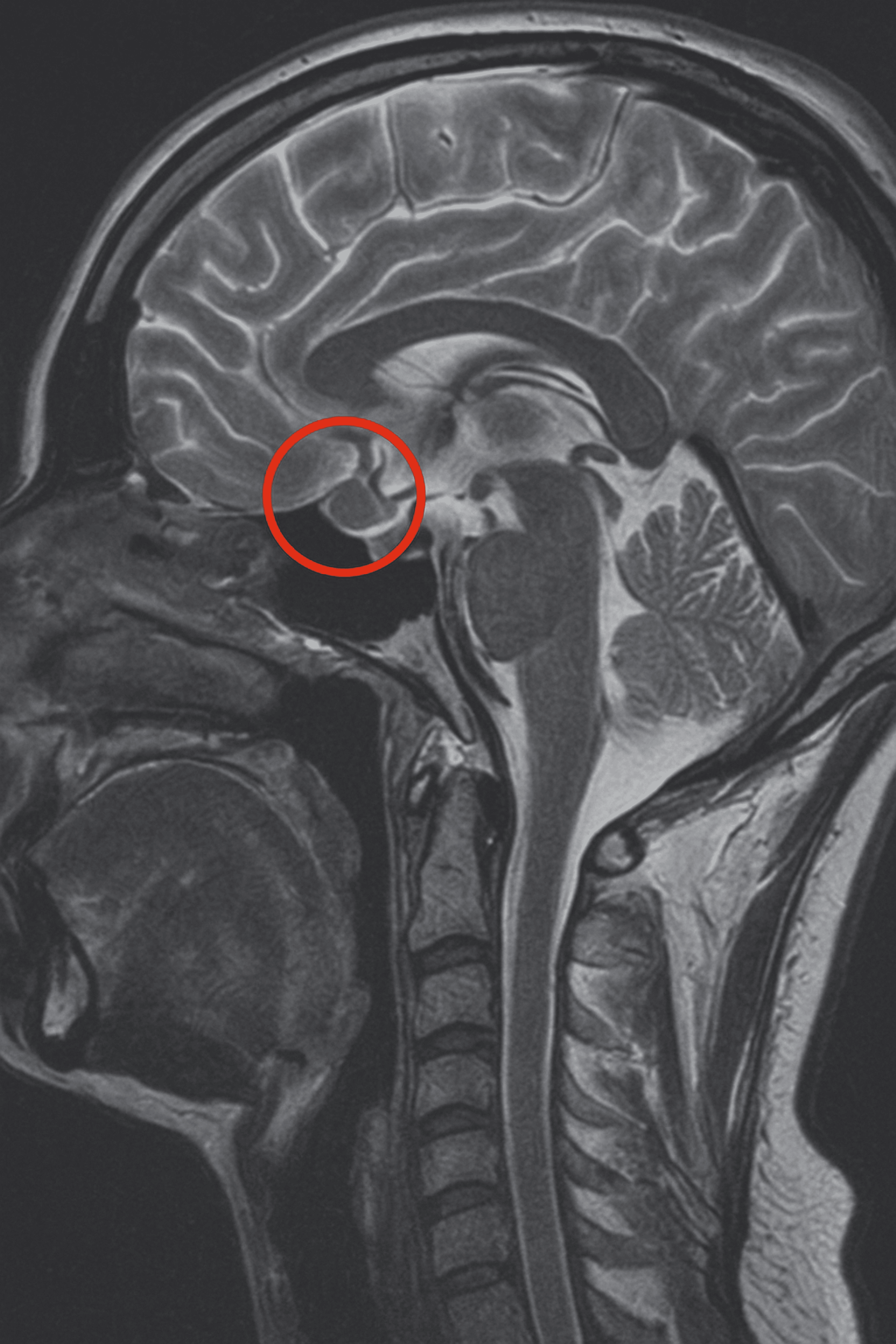
Cushing’s Disease is common in dogs but rare and hard to diagnose in people. That’s why University of Georgia researchers are leveraging canine treatments to find new solutions to battle the condition in humans. This collaboration between veterinary medicine and human health care is just one example of how UGA uses a Precision One Health approach to find and tailor new medical treatments for people and animals.
~~~
Imagine your body as a well-run newsroom. Each day, the editor-in-chief—in this case, the pituitary gland—provides assignments, keeping everything running smoothly. One day, however, the editor’s role is usurped by a rogue reporter who declares breaking news nonstop, flooding the newsroom with bulletins and sending everyone into overdrive.
This is a bit like Cushing’s Disease. The rogue reporter is a tiny, usually benign tumor, the stress bulletins cortisol. The newsroom—your body—responds with metabolic fluctuations, burnt out muscles, emotional distress, and more. Over the long haul, Cushing’s Disease can cause lasting deterioration of the body: osteoporosis, muscle weakness, high blood pressure and heart disease, diabetes, memory and mood issues, fatigue, and more.
It’s a common disease and easier to detect in canines. In people, however, it is rare and difficult to diagnose. University of Georgia researchers are leveraging canine treatments to find new solutions to battle the condition in humans.
This collaboration between veterinary medicine and human health is just one example of how UGA uses a Precision One Health approach to find and tailor new medical treatments for people and animals.
This case report describes a 42-year-old female with a rare pheochromocytoma presenting without classic Cushingoid features but with uncontrolled hypertension, type 2 diabetes, and recurrent headaches. Despite the absence of typical signs, biochemical analysis revealed elevated cortisol and ACTH levels, and imaging showed a 6 cm adrenal mass. The patient was stabilized preoperatively with alpha-blockers and metyrapone before undergoing a successful laparoscopic adrenalectomy. Histopathology confirmed pheochromocytoma with aggressive features. Postoperatively, her blood pressure and symptoms improved, and her cortisol levels normalized. This case underscores the diagnostic challenges of ACTH-secreting pheochromocytomas without classic hypercortisolism signs and emphasizes the need for thorough endocrine and imaging assessments. Surgical resection remains the definitive treatment, with long-term follow-up essential to monitor for recurrence. This case contributes to the limited literature on the coexistence of pheochromocytoma and ectopic ACTH secretion.
Introduction
Ectopic ACTH-dependent tumors are rare, comprising approximately 5%–10% of Cushing syndrome cases, and are infrequently associated with pheochromocytomas, making this a unique presentation [1, 2]. Pheochromocytomas, though rare, can present as adrenal incidentalomas, often discovered during imaging for unrelated conditions. They represent 7% of adrenal incidentalomas and pose clinical challenges due to the risk of hormonal hypersecretion, including excess catecholamines and cortisol [1]. This case highlights the coexistence of an ectopic ACTH-producing tumor and pheochromocytoma, a combination rarely reported in the literature [3, 4]. While Cushing syndrome typically arises from adrenal or pituitary sources, ectopic ACTH secretion from pheochromocytomas presents a diagnostic and therapeutic challenge due to its rarity and aggressive potential [4–6]. Early diagnosis is crucial, particularly in cases with comorbidities like hypertension and diabetes, which are common in pheochromocytomas [1, 2]. This case underscores the need for a multidisciplinary approach to managing rare endocrine tumors.
Case report
A 42-year-old female from Mexico City presented with a history of treatment-resistant hypertension and a newly identified adrenal mass. She had no history of alcohol or tobacco use and led a generally healthy lifestyle. She was diagnosed with type 2 diabetes five years before symptoms appeared and developed hypertension five years before hospitalization, managed with valsartan and amlodipine verapamil.
The patient’s hypertension worsened, with blood pressure readings reaching 200/160 mmHg. She presented with asthenia and adynamia, and a CT scan revealed a 4 cm right adrenal mass, confirmed as 4.7 cm on a subsequent scan (Fig. 1). No signs of metastasis were observed. Upon hospital admission, her physical examination revealed a blood pressure of 95/84 mmHg, a heart rate of 95 beats per minute, a respiratory rate of 28 breaths per minute, and a systolic murmur. She exhibited no Cushingoid features.
Figure 1
The imaging identified a hyperdense area at the lower pole of the left kidney. A heterogeneous image was visualized in the right adrenal gland, characterized by a hypodense lesion measuring 40 × 47 × 43 mm, with a density of 36 Hounsfield units (HU) in the simple phase, 107 HU in the venous phase and 61 HU in the delayed phase (15 min), with an absolute washout of 64%.
Initial laboratory tests showed elevated white blood cells (11 000/mm3), hemoglobin of 12.5 g/dl, and platelet count of 305 000/mm3. Blood chemistry indicated hyperglycemia (132 mg/dl), hyponatremia (129 mEq/l), and hypokalemia (3.4 mEq/l). Cortisol levels were elevated at 31.53 μg/dl, and a 1 mg low-dose dexamethasone suppression test showed cortisol levels of 16.65 μg/dl and 14.63 μg/dl, suggesting ACTH-dependent Cushing syndrome.
ACTH levels were 24 pg/ml, which, while elevated, were not suppressed. However, elevated 24-h urinary metanephrines (9881 μg/24 h) confirmed the presence of pheochromocytoma. The patient’s aldosterone-to-renin ratio was measured, revealing a ratio of 4. The serum aldosterone level was 5 ng/dl (138 pmol/l), while plasma renin activity was recorded at 1.1 ng/ml/h.
Imaging revealed a 4.7 cm right adrenal mass with a density of 36 Hounsfield Units and an absolute washout of 64%, with no signs of malignancy (Fig. 1).
The patient’s hypertension was initially managed with prazosin and metoprolol, but her blood pressure spiked to 200/160 mmHg during a hypertensive crisis, requiring nitroprusside. Surgical intervention was planned after diagnosis was confirmed.
The patient underwent a successful laparoscopic right adrenalectomy. The tumor measured 6 cm, and histopathology confirmed a pheochromocytoma with a PASS score of 4, indicating potential for aggressive behavior (Table 1). Histological and immunohistochemical analysis revealed the tumor’s characteristic organoid pattern (Zellballen) with chromogranin and synaptophysin positivity in principal cells and S100 protein staining in sustentacular cells, consistent with pheochromocytoma (Fig. 2). Postoperatively, her blood pressure stabilized, and symptoms of palpitations and sweating resolved. She has weaned off antihypertensives, and a follow-up dexamethasone suppression test showed a significant reduction in cortisol levels (1.2 μg/dl), indicating successful tumor removal.
Specimen from right adrenalectomy:
Pheochromocytoma measuring 6×6 cm (positive for chromogranin 7, synaptophysin +S100, with sustentacular cells staining positive)
Marked nuclear pleomorphism: 1 point
Diffuse growth pattern: 2 points
Capsular invasion: 1 point
Total: 4 points.
Tumors with a score greater than 4 may exhibit aggressive biological behavior.
Figure 2
Histological and microscopic findings of adrenal Pheochromocytoma. (A) Macroscopic appearance. The ovoid tissue specimen has a light, smooth, soft external surface. The cut surface reveals a dark inner surface with light and hemorrhagic areas. Two cystic lesions with smooth walls are observed in the center (gross view). (B) A well-demarcated hypercellular lesion with an organoid pattern (Zellballen), separated by thin fibrovascular septa (Hematoxylin and eosin stain, 40×). (C) Nest of polygonal principal cells with ample eosinophilic granular cytoplasm, well-defined plasma membranes, hyperchromatic nuclei, and mild nuclear pleomorphism. Adjacent to the principal cells are spindle-shaped sustentacular cells with eosinophilic cytoplasm (Hematoxylin and eosin stain, 400×). (D) Positive immunoreactivity for chromogranin in principal cells. (E) Intense cytoplasmic reaction for synaptophysin in principal cells (immunohistochemistry, 400×). (F) Positive immunoreactivity for S100 protein, showing nuclear and cytoplasmic staining in sustentacular cells (immunohistochemistry, 400×).
Postoperatively, her course was uneventful, with stable blood pressure without antihypertensives. A follow-up evaluation revealed normal cortisol levels, and 24-h urinary metanephrines returned to normal (312 μg/24 h for metanephrines; 225 μg/24 h for normetanephrines). Repeat imaging showed no residual adrenal mass. At her most recent follow-up, the patient remained asymptomatic with normal laboratory values, and no recurrence has been detected.
Discussion
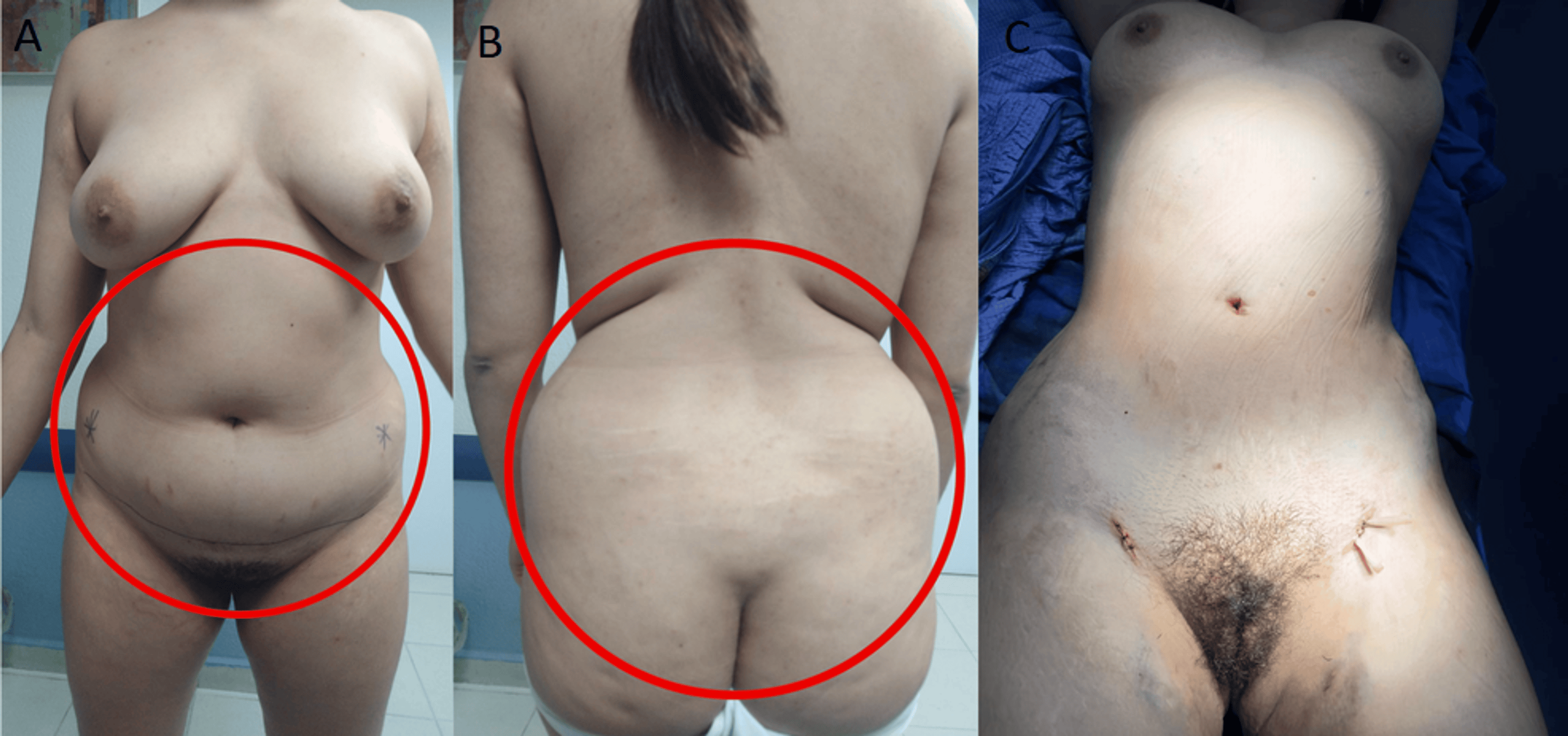
Ectopic ACTH-secreting pheochromocytomas are rare, accounting for a small percentage of ACTH-dependent Cushing syndrome cases [1, 4–6]. These tumors present diagnostic challenges, mainly when typical signs of Cushing syndrome, such as moon face, abdominal striae, or muscle weakness, are absent [3]. In this case, the patient exhibited only diabetes, uncontrolled hypertension, and recurrent headaches, symptoms that can also be attributed to pheochromocytoma itself [1]. The absence of Cushingoid features delayed the identification of ectopic ACTH secretion, making this case particularly difficult and unusual.
According to Gabi JN et al., most patients with ACTH-secreting pheochromocytomas present with severe hypercortisolism, including rapid weight gain and characteristic facial changes [3]. The absence of such features in this patient highlights the need to consider ectopic ACTH secretion in cases of adrenal masses, even without typical Cushing syndrome symptoms. This case illustrates how subtle presentations can lead to delayed diagnoses, emphasizing the importance of thorough evaluation in patients with adrenal tumors and metabolic abnormalities [1, 3].
The diagnostic approach for pheochromocytomas includes hormonal assays and imaging [7, 8]. Preoperative management for pheochromocytomas typically includes alpha-blockers to manage catecholamine excess [4, 7, 8]. This patient was managed with prazosin for blood pressure control and metyrapone to suppress cortisol production, consistent with clinical guidelines for managing ACTH-secreting tumors [5, 7, 8]. Despite the absence of Cushingoid features, careful preoperative preparation was essential to prevent complications during surgery.
Surgical resection is the definitive treatment for pheochromocytomas, particularly those secreting ACTH [8]. In this case, the patient underwent a successful laparoscopic adrenalectomy with no intraoperative complications. Histopathology confirmed a pheochromocytoma with marked nuclear pleomorphism and capsular invasion, suggesting potential aggressive behavior. Postoperatively, the patient’s blood pressure normalized, and her diabetes improved, aligning with outcomes reported in similar cases [4, 6]. Cortisol levels also returned to normal, demonstrating the effectiveness of adrenalectomy in resolving hypercortisolism.
A limitation in this case was the delayed recognition of ectopic ACTH secretion due to the absence of typical Cushingoid signs. The literature underscores the importance of considering this diagnosis, even in nonspecific cases [5].
Long-term management of pheochromocytomas, particularly those with aggressive features like capsular invasion, requires close follow-up [5, 7, 8]. Genetic testing should be considered, especially in patients with unusual presentations or family histories of endocrine disorders [1, 5]. Although not performed in this case, genetic testing could have provided further insight into the tumor’s etiology.
Acknowledgements
We thank the radiology department for interpreting the CT.
Conflict of interest
The authors declare no conflicts of interest related to this case report.
Funding
No external funding was received for this study.
Ethical approval
No approval was required.
Consent
Written informed consent was obtained from the patient and her parents to publish this case report and any accompanying images.
Guarantor
Froylan D. Martinez-Sanchez is the guarantor for this publication and accepts full responsibility for the work.
This is an Open Access article distributed under the terms of the Creative Commons Attribution License (https://creativecommons.org/licenses/by/4.0/), which permits unrestricted reuse, distribution, and reproduction in any medium, provided the original work is properly cited.
Cushing’s disease (CD) is associated with phenotypic traits and comorbidities that may persist after the normalization of cortisol levels. Medical therapy is usually given in recurrent or persistent CD after transsphenoidal surgery. We aimed to investigate the impact of long-term normalization of daily cortisol secretion on clinical picture and cardiometabolic comorbidities, comparing surgical remission to medical treatment.
Methods
Monocentric retrospective study, two- and five-years observation. Sixty CD patients, with sustained normal 24-h urinary free cortisol (UFC) levels, divided group 1 (surgical remission, n = 36) and group 2 (medical remission, n = 24).
Results
Patients were different after achieving eucortisolism with surgery or medical treatment. Phenotypic traits: round face, dorsocervical fat pad, and bruisability persisted more prominently in the group 2, however abdominal obesity and muscle weakness persisted in both groups, especially in those patients with increased late-night salivary cortisol (LNSC). Hypertension: greater improvement was observed in group 1 (-31% vs. -5%, p = 0.04). Diabetes: less prevalent in group 1 after 2 years (2/36 vs. 9/24, p = 0.002), with a corresponding reduction in glucose-lowering treatments and persistence of impaired LNSC in diabetic patients (p < 0.001). Dyslipidemia: remained widespread in both groups, with minimal improvement over time (-22% in surgical and − 6% in medical cohort).
Conclusions
Surgical remission leads to faster and sustained improvements in clinical phenotype. However, obesity, arterial hypertension, and dyslipidemia do not completely revert in five years, especially during medical treatment. Most comorbidities persist despite UFC normalization, due to impaired LNSC: the recovery of cortisol rhythms confirms the remission of hypercortisolism.
Introduction
Cushing’s disease (CD) is caused by an adrenocorticotropic hormone (ACTH)-secreting pituitary tumor, resulting in persistent endogenous hypercortisolism. The cortisol excess leads to a typical clinical picture: round face, facial plethora, buffalo hump, cutaneous striae rubrae, easy bruising, proximal myopathy, weight gain with visceral obesity, hirsutism and acne [1,2,3]. Moreover, several comorbidities are cortisol-related: metabolic syndrome (visceral obesity, arterial hypertension, glucose intolerance or diabetes, and dyslipidemia), acquired thrombophilia, osteoporosis or vertebral fractures, immunological impairments with increased infection susceptibility, and psychiatric disorders [4]. The sum of physical changes and comorbidities leads to a reduced life expectancy and a worsening of the quality of life [5]. Pituitary trans-sphenoidal surgery (TSS) is the first-choice CD treatment [1]. Despite high remission rates (up to 90% in referral centers) [6], the risk of recurrence varies from 10 to 47% [7], especially in series with long-term follow-up. If surgery fails or is not feasible, cortisol excess can be managed with medical therapy. Not rarely, patients on cortisol-lowering therapy experience fluctuations of their cortisol levels, making outcome evaluations difficult and hardly standardized. The goals of CD treatment are to normalize cortisol levels, and to reduce the burden of comorbidities. The most used biochemical marker in clinical practice is urinary free cortisol (UFC), which estimates the cumulative daily secretion of cortisol, but does not offer information about cortisol rhythm [8].
In this study we compared two groups of CD patients with sustained normalization of 24-h UFC due either to post-surgical or medical cortisol-lowering therapy remission. The aim of the study was to analyze the impact of long-term normalization of hypercortisolism in terms of UFC, achieved with surgical or medical treatment, on endocrine parameters, cortisol-related clinical picture and comorbidities, in a five-years observation period of patients with CD.
Materials and methods
Subjects
Sixty CD patients were enrolled (75% female); the median age at diagnosis was 41 years (interquartile range [IQR] 32–52), followed at the Endocrinology Unit of Padua University Hospital from 2000 to 2021. This observational study was conducted in accordance with the STROBE (STrengthening the Reporting of OBservational studies in Epidemiology) guidelines [9]. The study, following the guidelines in the Declaration of Helsinki, was approved by the ethics committee of Padova University Hospital (PITACORA, protocol No. AOP3318, ethics committee registration 5938-AO-24), and all patients gave informed consent. All data are included in the Repository of the University of Padova [10].
The first normalized UFC is considered as the starting point of observation at follow-up (two or five years). The cohort was divided into two cohorts: group 1 achieved CD remission after surgery, and group 2 achieved long-term eucortisolism during medical therapy. The inclusion criterion was 24-h UFC levels (mean of two collections) below the upper limit of normality during the observational period. Postoperative long-term adrenal insufficiency requiring substitutive glucocorticoid treatment (with hydrocortisone or cortisone acetate tablets) 12 months after surgery or new-onset hypopituitarism were considered exclusion criteria. The group 1 was made of 36 patients (69% female) in remission after successful TSS. The second group consisted of 24 patients (83% female) on long-term medical treatment for CD persistence (n = 17) or relapse (n = 4) after surgery and three patients in primary medical therapy for poor surgical eligibility, as shown in Fig. 1. Within group 2, nine patients underwent previous radiotherapy without efficacy, at least 5 years before reaching adequate biochemical control with medical treatment; none developed hypopituitarism. 14/24 patients (58%) were treated with a monotherapy and 11/24 (46%) with combined therapies during the observation period. Details on medical therapies are shown in Table 1. In particular, 3 patients were treated with metyrapone + pasireotide s.c., 1 with metyrapone + ketoconazole, 2 with ketoconazole and cabergoline, 1 with metyrapone + cabergoline, 1 with metyrapone + ketoconazole + cabergoline, 1 with metyrapone + ketoconazole + pasireotide s.c., 1 with metyrapone + ketoconazole + pasireotide s.c. + cabergoline. Metyrapone and ketoconazole were administered two/three times a day, pasireotide s.c. twice daily and cabergoline once daily in the evening.
Fig. 1
Treatment and outcome of the described cohort. Light gray box indicates those patients in group 1 (surgical remission, n = 36), dark gray box indicates the patients in group 2 that achieved normalization of UFC with medical therapy (n = 24, either primary or after surgical failure)
All 60 patients completed at least 2 years of follow-up; a long-term 5-years evaluation was available in 43 patients of the original cohort (32 after surgery and 11 with medical therapy). Baseline characteristics of the two cohorts are reported in Table 2.
Table 2 Baseline characteristics of the two groups and previous treatment modalities
Two researchers retrieved clinical and biochemical data independently from the local digital medical records. We considered as baseline visit the clinical and endocrine evaluation performed with active hypercortisolism. Therefore, the baseline visit consists in the pre-surgical evaluation in group 1, and in the post-surgical confirmation of active hypercortisolism in those in medical treatment (or diagnosis in case of primary treatment, group 2).
We considered clinical and biochemical outcomes during routine follow-up at two- and five-years in each group, starting from surgical remission or the beginning of a stable normalization of UFC under medical therapy. CD diagnosis was based on at least two parameters among 24-h UFC above the upper normal limit (ULN, at least two collections), unsuppressed cortisol levels (> 50 nmol/L) after 1 mg overnight dexamethasone test (1 mg-DST) or late-night salivary cortisol (LNSC) > ULN (at least two samples). In all subjects, CD diagnosis was considered in case of normal-high ACTH levels, positive response to dynamic tests (corticotropin-releasing hormone or desmopressin test, high-dose dexamethasone test), and, two cases, with petrosal sinus sampling (BIPSS) [11]. Long-term remission after TSS was defined through normal UFC, combined with serum cortisol levels < 50 nmol/L in the first month after surgery and need of glucocorticoid replacement therapy. A relapse of CD was defined as the reappearance of the typical signs and symptoms of CD associated with the alteration of at least two first-line screening tests. Presence/absence of clinical signs of CD (round face, facial rubor, buffalo hump, bruising, cutaneous red striae, acne, hirsutism and oligo/amenorrhea in females) were evaluated during outpatient visits by expert endocrinologists. The presence of hirsutism in females was measured according to the Ferriman–Gallwey score > 8 (extent of hair growth in 9 locations was rated 0–4). Proximal muscle strength was diagnosed if patients were not able to stand up from a low seated position with anteriorly extended arms. Bodyweight, body mass index (BMI), waist and hip circumference, systolic (SBP), and diastolic blood pressure (DBP) were assessed with calibrated tools. Overweight was diagnosed in patients with BMI 25–30 kg/m2, obesity with BMI > 30 kg/m2. Visceral obesity was diagnosed as waist circumference ≥ 94 cm in men and ≥ 80 cm in women, or with a waist/hip ratio (WHR) ≥ 1 according to International Diabetes Federation criteria. Arterial hypertension was diagnosed for SBP above 140 mm Hg and/or DBP above 90 mm Hg and/or in patients on antihypertensive drugs. Diabetes mellitus (DM) was diagnosed according to American Diabetes Association criteria or when patients were taking antidiabetic medication. Dyslipidemia was diagnosed when low-density lipoprotein (LDL) calculated cholesterol was ≥ 100 mg/dL and hypertriglyceridemia when triglycerides were ≥ 150 mg/dL or when patients were on lipid-lowering medication. The presence of carotid vascular disease (CVD) has been assessed by supra-aortic vessels duplex ultrasound. Cushing’s cardiomyopathy (CCM) was diagnosed by doppler echocardiography with evidence of impaired relaxation and left ventricular filling pattern. The medical history was checked for cardiovascular disease (acute coronary syndrome, ACS) in all cases. A shortened activated partial thromboplastin time (aPTT < 29 s) defined pro-thrombotic status.
Assays
All biochemical analyses were carried out in an ISO15189:2012-accredited clinical laboratory [12], cortisol levels have been measured in urine or saliva with a mass-spectrometry home-made validated method. UFC was determined by a home-brew liquid chromatography-mass spectrometry (LC-MS/MS) method (intra-assay/interassay coefficient of variation [CV] < 6%/< 8%) since 2011 [13], previously by a radio-immunometric assay (Radim, intra-assay/interassay CV < 3%/< 9%). The patients were instructed to discard the first morning urine void and to collect all urine for the next 24 h, so that the morning urine void on the second day was the final collection. The sample was kept refrigerated from collection time until it was analyzed: normal range for UFC is 16–168 nmol/24 h.
Salivary cortisol was measured by a radio-immunometric assay (Radim, intra-assay/interassay CV < 3%/< 9%) until 2014 [14], after then by LC-MS/MS method (intra-assay/interassay CV < 6%/< 8% [15]). In order to prevent food or blood contamination, samples were collected at least 30 min after subjects had eaten, brushed their teeth, smoked or assumed liquorice; undertaken using Salivette® devices containing a cotton swab with or without citric acid (Sarstedt, Nümbrecht, Germany). The sample was stored at − 80 °C, before analyses [15].
The 1-mg DST test was performed orally assuming 1 mg of dexamethasone between 11 P.M. and midnight, sampling serum cortisol the next morning at 8 A.M. Serum dexamethasone levels, routinely evaluated since 2017, were adequate in all cases [16]. Serum cortisol (RRID: AB_2810257) and ACTH (RRID: AB_2783635) were determined by immune-chemiluminescence assay (Immulite 2000, Siemens Healthcare). Dynamic second-line tests and BIPSS were performed according to international standards.
Statistical analysis
Data were analyzed using SPSS Software for Windows, version 24.0 (SPSS Inc). Data are reported as medians and interquartile range or as percentages. The comparison between continuous variables was performed by non-parametric Wilcoxon test or Mann–Whitney test, as appropriate. The comparison between categorical variables was performed by the χ2 test. The correlation between continuous variables was performed by linear regression analysis. The level of significance for the overall difference between the groups was tested with one-way ANOVA. A p value < 0.05 was considered statistically significant.
Results
Endocrine evaluation
At baseline the two groups were similar for morning serum/salivary cortisol, LNSC, cortisol after 1 mg DST and morning ACTH levels (Table 3); UFC levels were higher in the surgical cohort (p < 0.001). Endocrine parameters were not influenced by sex and BMI. At baseline, all patients had impaired salivary cortisol rhythm with increased LNSC and inadequate cortisol suppression after 1-mg DST. At two years the recovery of salivary cortisol rhythm was observed in 97% of patients after surgery and 50% of patients during medical therapy. The only patient who did not show recovery of cortisol rhythm in the surgical cohort had LNSC of 5.4 nmol/L (range 0.5–2.6 nmol/L), with adequate cortisol suppression after 1-mg DST and sustained normal UFC: it was considered a false-positive due to residual minor depression state.
Table 3 Biochemical pattern at baseline and during the follow-up
Adequate cortisol suppression after 1-mg DST (both with normal UFC and LNSC) was observed in 34 out of 36 patients (94%) in the surgical cohort; the two patients who did not show complete cortisol suppression after 1-mg DST had cortisol levels of 60 and 119 nmol/l, respectively. On the contrary, as per selection criteria, none of the patients in group 2 presented suppressed cortisol after 1-mg DST.
At 5 years follow-up, all cases in the surgical cohort had suppressed cortisol after 1-mg DST and normal salivary cortisol rhythm, whereas in group 2 9% had suppressed cortisol after 1-mg DST and 36% recovered salivary cortisol rhythm. At 5 years, UFC and salivary cortisol levels (either morning or late night) were similar in the two groups, while the median value of serum cortisol after 1-mg DST remained not adequately suppressed (median 75 nmol/L, from 18 to 257 nmol/L) during medical therapy (See Table 3). In group 2, patients on combined therapy had higher UFC (102 vs. 76 nmol/24h p = 0.03) and LNSC (2.4 vs. 1.9 p = 0.05) at 5 years, compared to patients on monotherapy.
Hirsutism, abdominal obesity, round face and facial rubor were prevalent in group 1 at baseline. On the contrary, the abdominal obesity, facial rubor and easy bruising were most commonly found in the medical cohort. The prevalence of facial rubor, buffalo hump and bruisability was higher after medical than surgical remission after 2 years of eucortisolism; at 5 years the prevalence of buffalo hump and bruisability was higher in patients under drug therapy as well (Table 4; Fig. 2). Higher levels of UFC at baseline were observed in all patients with proximal myopathy (p < 0.001).
Table 4 Two- and five-years changes in clinical phenotype from baseline in group 1 and group 2
Signs and symptoms of hypercortisolism at baseline (grey bars), two-years (orange bars) and five-years (blue bars) follow up after surgical (TSS) or medical remission (MED)
Arterial hypertension (AH) was the most frequent comorbidity in both groups at baseline, with similar distribution in the two groups (Table 5). The prevalence of AH decreased after two years in both groups, especially in the surgical cohort (64% vs. 44% in group 2, p < 0.001; 75% vs. 71% p = 0.003), with no further improvement after five years. Overall, hypertensive patients were older at diagnosis (45yrs vs. 31y; p < 0.001) and with larger BMI (29 vs. 25 kg/m2; p = 0.03). Median UFC, morning salivary cortisol and LNSC, and 1-mg DST were not different in patients with/without AH at baseline and at 2 years. SBP and DBP values were similar in the two cohorts and were not correlated to UFC, LNSC or 1-mg DST throughout the follow-up. At 2 years, hypertensive patients had higher levels of morning salivary cortisol and LNSC with impaired rhythm (respectively 10.4 vs. 6 nmol/L, p = 0.01 and 3.2 vs. 1 nmol/l, p = 0.007). SBP and DBP values did not change during the five-years observation time in both groups; however, the number of anti-hypertensive drugs was higher in group 2 than in group 1 (p = 0.007). Overall patients treated with metyrapone showed higher values of DBP at 2 years (mean 89.4 vs. 81.7 mmHg, p = 0.01), the prevalence of AH did not differ from patients with other medical treatments.
Table 5 Two- and five-years changes in cardio-metabolic cortisol-related comorbidities of CD from baseline in group 1 and group 2
DM prevalence at baseline did not show a correlation with BMI and age at CD diagnosis. DM prevalence was similar in group 1 and 2 after two and five years of follow-up. The follow-up analysis of DM was performed excluding patients in pasireotide, since its known impact in glucose metabolism. In both groups, median UFC, morning salivary and LNSC, and 1-mg DST were similar in patients with/without DM at baseline. At 5 years, patients with diabetes had higher levels of morning salivary cortisol and LNSC with impaired cortisol rhythm (respectively 15 vs. 7 nmol/L, p < 0.001 and 5.4 vs. 1.5 nmol/l, p < 0.001). None of the explored hormonal parameters was correlated with HbA1c levels in both groups at any time point considered. The number of antidiabetic drugs was higher after medical than surgical remission (Table 5).
As expected, patients treated with pasireotide had higher incidence of newly onset DM at 2- and 5 years (p = 0.02 and p = 0.05 respectively) and required more antidiabetic drugs at 2- and 5 years (p = 0.002, p = 0.05) or insulin units at 5 years (p = 0.03). HbA1c levels during pasireotide were higher than patients treated with other drugs (55.6 vs. 38 nmol/l, p = 0.002), requiring a higher number of antidiabetic drugs (p = 0.008). Patients on combined therapy with pasireotide had higher rates of DM at 2- and 5 years (p < 0.001 and p = 0.01) and used more antidiabetic drugs at 2- and 5 years (p = 0.004, p = 0.01) than those on monotherapy.
Lipid metabolism
The prevalence of dyslipidemia was similar in the two groups at baseline and after two years, and higher in the medical remission cohort after five years (p = 0.01). Overall, dyslipidemic patients were older at diagnosis (46y vs. 36y; p = 0.006) and had higher BMI (30 vs. 25 kg/m2; p < 0.001). There was no correlation between hormone parameters and LDL or triglycerides levels. Lipid profile was similar between patients treated with different drugs.
Vascular disease and coagulative profile
There was no difference between the two groups, at baseline, in the prevalence of carotid vascular disease, history of ACS, and CCM; at 5 years, in both groups, no patient had a worsening of a previously diagnosed stenosis, or novel diagnosis of CVD, ACS and CCM.
The median aPTT value at baseline was in the pro-thrombotic range in both groups (25s), without sex and BMI differences. No correlation was observed between aPTT and UFC, LNSC and 1-mg DST levels. Patients who manifested easy bruising, had shorter aPTT at 2- and 5 years (median 24 vs. 27s, p = 0.03). aPTT does not increase within both groups at 2- and 5-years and aPTT was shorter during medical therapy compared to surgical remission both after 2 and 5 years (22.5s vs. 27s, p = 0.02 at 2y and 23.5s vs. 27.9s, p = 0.02 at 5y).
Discussion
The impact of CD remission on clinical picture and hypercortisolism-related comorbidities is still controversial. The current knowledge suggests that long-term CD surgical remission is associated with increased metabolic and vascular damage, not only if compared to active disease, but also even after long-term normalization of cortisol secretion [17]. If CD recurs after successful TSS, or if surgery fails/is not feasible, cortisol excess can be treated with medical therapy. Likewise, long-term studies (> 2 years) on the clinical effects of medical therapy on CD are lacking. Some prospective registry studies have been published [1], only one retrospective study on long-term use of ketoconazole described a multicentric cohort of CD patients without a control group [18].
In our study, we enrolled 60 patients with CD diagnosed and treated in a single tertiary care center, with sustained and long-term (2 and 5 years) UFC normalization after surgery or during medical therapy. As expected, UFC levels at baseline were different in the two groups, due to the distinct starting point of medical history: a patient with persistent-recurrent CD after pituitary surgery presents with lower UFC than the new diagnosis. After surgical remission, patients achieved the recovery of salivary cortisol rhythm and the complete suppression of cortisol after 1-mg DST (investigated after substitutive glucocorticoid treatment discontinuation) in almost all cases. On the contrary, if eucortisolism is achieved with long-term medical therapy the recovery of salivary cortisol rhythm was observed only in half of patients and only few of them showed cortisol suppression after 1-mg DST within the 5 years observation time. Patients who were more resistant to the recovery of cortisol rhythm were more likely to receive combined treatment, even if no treatment is superior to others in normalizing salivary cortisol rhythm, in line with previous reports [1, 18, 19].
Within 2 years, patients in the surgical remission group showed a marked improvement of all phenotypic traits common at CD diagnosis compared to those in medical therapy. As observed also in other series of CD patients in remission [20], abdominal obesity persisted more than other clinical features over time, leading to an impaired body composition especially in the medically treated group [21]. Considering hyperandrogenism, acne improvement was more relevant at 2 and 5-years of follow up, probably due to a differential effect of ACTH-dependent adrenal androgens compared to hirsutism.
The impaired cortisol rhythm was a predictor of the long-lasting of most CD phenotypic features, as round face, buffalo hump, facial rubor, abdominal obesity, proximal myopathy and bruisability. A more severe clinical phenotype at baseline can explain a reduced control of hypercortisolism in monotherapy, requiring drug combination, and signs or symptoms are likely to persist despite the normalization of UFC [22]. In this study, no medication outperformed the others in terms of recovery from the CD phenotype.
The aetiology of hypertension and dyslipidemia is known to be heterogeneous, since both are influenced also by age at diagnosis and BMI, causing low rates of remission after UFC normalization [23, 24]. Arterial hypertension showed a decreasing trend with the best response within 2 years after UFC normalization only after surgical remission. Patients with disrupted salivary cortisol rhythm were more likely to remain hypertensive during the 5 years follow-up. Likewise, DM persistence during follow up correlates to impaired salivary cortisol rhythm and not with UFC. This finding is in contrast with the observations of Schernthaner-Reiter et al. [25]. on CD remission, and, on the contrary, supports data described by Guarnotta et al. [22]. Newell-Price et al.. recently found that when UFC and LSNC are both normal in patients treated with pasireotide, the rise in HbA1c levels is less evident than in patients with normal UFC but uncontrolled LNSC [26]. This observation underlines the importance of the impaired cortisol rhythm in the glucose impairment pathogenesis in CD. During the 5 years observation time, a worsening of previously diagnosed cardiovascular conditions, or novel acute vascular events, was not observed in both groups. This finding suggested that normalized UFC and intensive treatment of cardio-metabolic CD comorbidities play a fundamental role in reducing cardiovascular mortality [27]. A minor impact of CD therapy was observed in dyslipidemia, which persisted in both groups, with minimal improvement over time (−22% in surgical and − 6% in medical cohort). The criterion of 100 mg/dL LDL cut-off identifies a moderate CV risk reflecting the main focus of the study: the assessment of cardiometabolic complication after CD remission, assuming that they present a lower cardiovascular risk compared to patients with overt hypercortisolism.
Plasma hypercoagulability, with shortened aPTT, was found in all patients with active hypercortisolism. In the 5 years observation time, this parameter showed latency in increasing in both groups and in none achieved normality (> 28s). As previously observed in other studies, no correlation is observed between aPTT and any of the explored hormonal parameters [22, 28]. At 2- and 5 years, instead, shorter aPTT was observed during medical treatment than after surgical remission cohort. In both groups a shorter aPTT was associated with bruisability, which is related to impaired LNSC, strengthening the role of the impaired cortisol rhythm as a major driver of hypercoagulability. Also, Ferrante et al.. observed the long latency of plasma hypercoagulability, persisting for years after biochemical remission of CD: in that series thrombophilia appeared to be reversible within 5 years [29], while in our cohort the recovery takes longer.
Additionally, sexual differences characterize patients with patients with Cushing’s syndrome and hypogonadism in hypercortisolism is known to further increase the cardiovascular risk [30, 31]. However, it was not an interfering factor in our study population since hypopituitarism was considered an exclusion criterion, no case of new-onset hypogonadism was reported (even in male patients treated with ketoconazole), and the menopause transition in six women during the observation was not considered relevant.
The limits of the present study are its retrospective design, the variability of concomitant treatments, the heterogenous combinations of medical therapy used in clinical practice, the presence of treatment-specific adverse events that mimic the effects of hypercortisolism (such as pasireotide-induced DM and hypertension with metyrapone), the unpredictable effect of previous treatments, including radiotherapy. We considered UFC and LNSC as markers of hypercortisolism remission; nonetheless we acknowledge that both of them present some limitations, especially during medical treatment. The former considers the whole cortisol secretion during the day, and albeit UFC normalization is the main outcome of all trials for medical treatment [32, 33] it does not detect mild hypercortisolism. On the other hand, a normal LNSC does not fully reflect a normal circadian rhythm: only high cortisol levels in the morning with a decline in the night are able to restore clock-related activities [34].
Its strengths are the complete patient characterization in a single tertiary care center, the comparative study design, and the standardized protocols for diagnosis and long-term follow-up. In particular, samples have been processed within a single laboratory with accurate methods (LC-MS for urinary and salivary steroids), and all endocrine aspects of hypercortisolism were considered (overall daily cortisol production by UFC, circadian cortisol rhythm, and the recovery of the hypothalamic-pituitary axis by 1-mg DST overnight test).
To conclude, despite UFC normalization in both groups during follow-up, surgical remission results in more rapid and relevant improvements in CD phenotype and comorbidities. During medical therapy the UFC levels can be higher than after surgery, although in the normal range, and the normalization of LNSC is not always achieved: both conditions suggests that stricter criteria should be considered to define eucortisolism in patients with CD under medical treatment. Conditions such as obesity, hypertension, dyslipidemia, and hypercoagulability are not completely reversible in a 5-year observation time even in the surgical remission group. This observation underlines that all the comorbidities, independently of the normalization of UFC, must be intensively treated. Moreover, UFC normalization should not be considered the only biochemical goal to be reached, since the persistence of comorbidities seems to be more related to an impaired cortisol rhythm rather than to the cortisol secretory burden.
Ceccato F et al (2024) Clinical and biochemical data for the diagnosis of endogenous hypercortisolism: the ‘cushingomic’ approach. J Clin Endocrinol Metab Jul. https://doi.org/10.1210/clinem/dgae517
Pivonello R, Isidori AM, De Martino MC, Newell-Price J, Biller BMK, Colao A (2016) Complications of Cushing’s syndrome: state of the Art. Lancet Publishing Group. https://doi.org/10.1016/S2213-8587(16)00086-3
Clayton RN et al (2016) Mortality in patients with Cushing’s disease more than 10 years after remission: A multicentre, multinational, retrospective cohort study. Lancet Diabetes Endocrinol 4(7):569–576. https://doi.org/10.1016/S2213-8587(16)30005-5
Petersenn S et al (2015) Outcomes in patients with Cushing’s disease undergoing transsphenoidal surgery: Systematic review assessing criteria used to define remission and recurrence. BioScientifica Ltd. https://doi.org/10.1530/EJE-14-0883
Broersen LHA, Jha M, Biermasz NR, Pereira AM, Dekkers OM (2018) Effectiveness of medical treatment for Cushing’s syndrome: a systematic review and meta-analysis. Pituitary 21(6):631–641. https://doi.org/10.1007/s11102-018-0897-z
von Elm E, Altman DG, Egger M, Pocock SJ, Gøtzsche PC, Vandenbroucke JP (2008) The Strengthening the Reporting of Observational Studies in Epidemiology (STROBE) statement: guidelines for reporting observational studies. J Clin Epidemiol 61(4): 344–349. https://doi.org/10.1016/j.jclinepi.2007.11.008
Ceccato F (2024) The burden Of Cushing’s disease cardiometabolic comorbidities: comparison between surgical remission and long-term eucortisolism with medical treatment. Repository of the University of Padova. https://doi.org/10.25430/researchdata.cab.unipd.it.00001350
Barbot M et al (2016) Second-line tests in the differential diagnosis of ACTH-dependent Cushing’s syndrome. Pituitary 19(5):488–495. https://doi.org/10.1007/s11102-016-0729-y
ISO 15189:2012 Medical laboratories — Requirements for quality and competence. Published 2022. Accessed October 10 (2023) https://www.iso.org/standard/56115.html
Ceccato F et al (2014) The diagnostic performance of urinary free cortisol is better than the cortisol: cortisone ratio in detecting de Novo Cushing’s syndrome: the use of a LC-MS/MS method in routine clinical practice. Eur J Endocrinol 171(1):1–7. https://doi.org/10.1530/EJE-14-0061
Ceccato F et al (2012) Assessment of glucocorticoid therapy with salivary cortisol in secondary adrenal insufficiency. Eur J Endocrinol 167(6):769–776. https://doi.org/10.1530/EJE-12-0534
Ceccato F et al (2020) Dexamethasone measurement during low-dose suppression test for suspected hypercortisolism: threshold development with and validation. J Endocrinol Invest 43(8):1105–1113. https://doi.org/10.1007/s40618-020-01197-6
Pivonello R, Faggiano A, Lombardi G, Colao A (2005) The metabolic syndrome and cardiovascular risk in Cushing’s syndrome. W.B. Saunders. https://doi.org/10.1016/j.ecl.2005.01.010
Castinetti F et al (2014) Ketoconazole in Cushing’s disease: is it worth a try. J Clin Endocrinol Metab 99(5):1623–1630. https://doi.org/10.1210/jc.2013-3628
Barbot M et al (2014) Combination therapy for Cushing’s disease: Effectiveness of two schedules of treatment. Should we start with cabergoline or ketoconazole? Pituitary 17(2):109–117. https://doi.org/10.1007/s11102-013-0475-3
Ceccato F et al (2017) Sep., Body Composition is Different after Surgical or Pharmacological Remission of Cushing’s Syndrome: A Prospective DXA Study, Hormone and Metabolic Research, vol. 49, no. 9, pp. 660–666. https://doi.org/10.1055/s-0043-115008
Guarnotta V et al (2017) The degree of urinary hypercortisolism is not correlated with the severity of cushing’s syndrome. Endocrine 55(2):564–572. https://doi.org/10.1007/s12020-016-0914-9
Giordano R et al (2011) Metabolic and cardiovascular outcomes in patients with Cushing’s syndrome of different aetiologies during active disease and 1 year after remission. Clin Endocrinol (Oxf) 75(3):354–360. https://doi.org/10.1111/j.1365-2265.2011.04055.x
Jha S, Sinaii N, McGlotten RN, Nieman LK (2020) Remission of hypertension after surgical cure of Cushing’s syndrome. Clin Endocrinol (Oxf), 92(20): 124–130. https://doi.org/10.1111/cen.14129
Schernthaner-Reiter MH et al (2019) Factors predicting long-term comorbidities in patients with Cushing’s syndrome in remission. Endocrine 64(1):157–168. https://doi.org/10.1007/s12020-018-1819-6
Newell-Price J et al (2020) Use of late-night salivary cortisol to monitor response to medical treatment in Cushing’s disease. Eur J Endocrinol 182(2):207–217. https://doi.org/10.1530/EJE-19-0695
Mondin A et al (2023) Complications and mortality of Cushing’s disease: report on data collected over a 20-year period at a referral centre. Pituitary 26(5):551–560. https://doi.org/10.1007/s11102-023-01343-2
Barbot M et al (2018) Effects of pasireotide treatment on coagulative profile: a prospective study in patients with Cushing’s disease. Endocrine 62(1):207–214. https://doi.org/10.1007/s12020-018-1669-2
Ferrante E et al (2022) Evaluation of procoagulant imbalance in Cushing’s syndrome after short- and long-term remission of disease. J Endocrinol Invest 45(1):9–16. https://doi.org/10.1007/s40618-021-01605-5
Detomas M, Deutschbein T, Tamburello M, Chifu I, Kimpel O, Sbiera S, Kroiss M, Fassnacht M, Altieri B (2024) Erythropoiesis in Cushing syndrome: sex-related and subtype-specific differences. Results from a monocentric study. J Endocrinol Invest 47(1):101–113. https://doi.org/10.1007/s40618-023-02128-x
Fleseriu M et al (2019) Long-term efficacy and safety of once-monthly pasireotide in Cushing’s disease: A Phase III extension study. Clin Endocrinol (Oxf) 91(6):776–785. https://doi.org/10.1111/cen.14081
Minnetti M, Hasenmajer V, Pofi R, Venneri MA, Alexandraki KI, Isidori AM (2020) Fixing the broken clock in adrenal disorders: Focus on glucocorticoids and chronotherapy. BioScientifica Ltd. https://doi.org/10.1530/JOE-20-0066
Open access funding provided by Università degli Studi di Padova within the CRUI-CARE Agreement.
All authors certify that they have no affiliations with or involvement in any organization or entity with any financial interest or non-financial interest in the subject matter or materials discussed in this manuscript.
Author information
Authors and Affiliations
Department of Medicine-DIMED, University of Padova, Padova, Italy
The authors declare that they have no conflict of interest.
Ethical approval
All procedures performed in studies involving human participants were in accordance with the ethical standards of the institutional and/or national research committee and with the 1964 Helsinki Declaration and its later amendments or comparable ethical standards.
Informed consent
Informed consent was obtained from all individual participants involved in the study.
Additional information
Publisher’s note
Springer Nature remains neutral with regard to jurisdictional claims in published maps and institutional affiliations.
Rights and permissions
Open Access This article is licensed under a Creative Commons Attribution 4.0 International License, which permits use, sharing, adaptation, distribution and reproduction in any medium or format, as long as you give appropriate credit to the original author(s) and the source, provide a link to the Creative Commons licence, and indicate if changes were made. The images or other third party material in this article are included in the article’s Creative Commons licence, unless indicated otherwise in a credit line to the material. If material is not included in the article’s Creative Commons licence and your intended use is not permitted by statutory regulation or exceeds the permitted use, you will need to obtain permission directly from the copyright holder. To view a copy of this licence, visit http://creativecommons.org/licenses/by/4.0/.
Tizianel, I., Lizzul, L., Mondin, A. et al. Cardiometabolic complications after Cushing’s disease remission. J Endocrinol Invest (2025). https://doi.org/10.1007/s40618-025-02572-x
Neuroendocrine tumors (NETs) are heterogeneous neoplasms that arise from neuroendocrine cells, resulting in endocrine imbalances that impact quality of life and prognosis. Ectopic adrenocorticotropic hormone (ACTH) production by NETs is a rare cause of ACTH-dependent Cushing’s syndrome. While the majority of these cases are associated with intrathoracic tumors, recent reports have indicated an increasing incidence of cases originating from diverse anatomical sites. Furthermore, despite comprehensive imaging efforts, a substantial proportion of cases remain challenging to localize.
In this case, we describe a 54-year-old man with a stage IV NET with metastatic liver and pancreatic lesions, who presented with Cushing’s syndrome due to ectopic ACTH production. The patient exhibited symptoms of severe hypercortisolism, including weight gain, proximal muscle weakness, acute-onset heart failure, and hypertension. Imaging revealed bilateral adrenal hypertrophy. Laboratory tests revealed hypokalemia and hyperglycemia and confirmed elevated cortisol levels and a lack of suppression after dexamethasone administration, consistent with ectopic rather than pituitary ACTH production. The patient was treated with metyrapone because ketoconazole was contraindicated because of liver metastasis and recent upper gastrointestinal bleeding requiring proton pump inhibitor use. This case highlights the rare occurrence of ACTH-producing NETs and emphasizes the importance of considering this diagnosis in cases with similar presentations. Furthermore, medical management of this patient without surgical intervention, owing to multiple contraindications, offers an important perspective for treating complex cases.
Introduction
Neuroendocrine tumors (NETs) are a heterogeneous group of neoplasms that can secrete various hormones; however, ectopic adrenocorticotropic hormone (ACTH) production is rare, occurring in only 5-10% of all Cushing’s syndrome cases [1]. Liddle et al. described the first case in 1962 [2]. A recent case series that examined the clinical and diagnostic treatment of ectopic ACTH in a tertiary center included information on only 12 cases collected over a 17-year period [3]. The most common site for ectopic ACTH from malignancy is the intrathoracic region, primarily in small-cell lung carcinomas. Unfortunately, obtaining a single diagnostic image that can detect tumor-producing ACTH remains challenging. According to the literature, ectopic ACTH resulting in Cushing’s syndrome can remain undetected [3,4].
In the present case, a patient with a stage IV NET presented with the classic features of Cushing’s syndrome, leading to the diagnosis of ectopic ACTH production. The complexity of this case, owing to the patient’s metastatic disease, the contraindications for certain therapies, and the requirement for atypical medical management, highlights the challenges of treating advanced NETs, especially metastatic lesions with hormonal overproduction. This report aimed to underscore the importance of early recognition and the effectiveness of metyrapone as a treatment for hypercortisolism in metastatic NET.
Case Presentation
A 54-year-old man with a known history of a World Health Organization (WHO) grade 3, stage IV NET with metastatic lesions in the liver and pancreas presented to the hospital with new-onset acute heart failure. His medical history consisted of papillary thyroid cancer diagnosed in January 2023, for which he underwent total thyroidectomy and left neck dissection. Three months later, the patient was found to have a new liver lesion that was biopsied and was consistent with a WHO grade 3 NET (Figure 1). He was started on capecitabine and temozolomide chemotherapy regimen, which was switched to folinic acid, fluorouracil, and oxaliplatin due to disease progression. He had undergone positron emission tomography (PET)/computed tomography (CT) as part of the follow-up for NET, and the findings were consistent with hypermetabolic pancreatic and liver lesions. However, no uptake was observed in the lungs and/or adrenal glands (Figure 2).
Figure 1: Liver tissue section showing positive synaptophysin immunohistochemical staining in neoplastic cells, consistent with a neuroendocrine neoplasm.
Figure 2: FDG PET/CT scan of the whole body showing hypermetabolic pancreatic tail mass which measures up to 6.5 cm and multifocal liver hypermetabolic metastases.
The patient was admitted first with gastrointestinal (GI) bleeding secondary to duodenal ulcers that were managed with a proton pump inhibitor (PPI), pantoprazole 40 mg, oral, BID (Figure 3). Ten days later, he presented with worsening dyspnea and shortness of breath, and clinical examination was consistent with volume overload and 4+ pitting edema in the lower extremities. Additionally, he was found to have a significantly low potassium level (2.6 mmol/L) and worsening serum blood glucose (341 mg/dL). The constellation of symptoms in the patient, including significant weight gain, obesity, easy bruising, proximal muscle weakness, acute-onset heart failure, hypertension, hypokalemia, and worsening hyperglycemia with new insulin requirements, raised concerns about hypercortisolism and prompted testing. The serum ACTH levels were markedly elevated (488 pg/mL; reference range: 10-60 pg/mL). CT of the abdomen and pelvis revealed bilateral adrenal gland hypertrophy (Figure 4).
Figure 3: Upper endoscopy images showing four cratered, non-bleeding duodenal ulcers with a clean ulcer base (Forrest Class III).
Figure 4: CT of the abdomen and pelvis demonstrating bilateral adrenal gland hypertrophy.
CT: computed tomography
Morning cortisol levels were significantly increased (42.2 µg/dL), and the 8-mg dexamethasone suppression test showed no suppression, with a post-dexamethasone cortisol level of 44.2 µg/dL. The 24-hour urinary-free cortisol level was elevated (2259 µg/24 hour; reference range: 3.5-45 µg/24 hour). At this time, the differential diagnoses included but were not limited to Cushing’s disease or ectopic ACTH production secondary to metastatic NET. However, given that the patient had bilateral adrenal gland hypertrophy that was noted on imaging and his cortisol did not suppress with a high-dose dexamethasone suppression test, these findings support ectopic ACTH secretion secondary to metastatic NET over Cushing’s disease from a pituitary source.
After confirming the diagnosis, the patient was started on metyrapone 500 mg, administered two times per day; his serum cortisol began to decrease (from 42 to 38 µg/dL) and continued to decline until it reached the lowest level (8.9 µg/dL) with metyrapone 500 mg, administered four times per day. Unfortunately, because of cost-related issues, the patient was switched to octreotide; however, subsequently, his serum cortisol level increased (from 8.9 to 49 µg/dL). Ketoconazole was not a viable option because of drug-drug interactions with PPI. Alternative suppressive medications were considered and included osilodrostat and mifepristone. However, given the patient’s QTc prolongation and previous history of arrhythmia, it was felt that the use of these medications was too high risk for fatal arrhythmia. Given the limited medical options, the patient was evaluated for surgery, and, given the multiple comorbidities as well as metastatic disease without an apparent culprit lesion, he was not initially deemed to be a suitable surgical candidate. Therefore, metyrapone was reinitiated to control hypercortisolemia while the patient was admitted, and it effectively lowered his total serum cortisol levels. However, given that metyrapone was not a long-term option and medical management had failed (octreotide was ineffective in controlling serum cortisol levels, and ketoconazole could not be used due to drug-to-drug interactions with PPI), surgery was considered as an option. Despite the high risk associated with the procedures owing to the patient’s condition, bilateral adrenalectomy was performed, considering the lack of medical options and the patient’s goals of care. The patient was discharged home on oral hydrocortisone, 15 mg in the morning and 10 mg in the evening, in addition to fludrocortisone 0.1 mg daily. The patient’s body surface area is 2.5 m². The pathology of his adrenal glands was consistent with that of a metastatic NET (Figure 5). The patient was seen in the endocrinology clinic after bilateral adrenalectomy for a follow-up almost one month after the procedure. He reported feeling tired and falling asleep quite often. He used to be able to walk; however, now, he could only make it a quarter of the way due to muscle weakness. Unfortunately, further follow-up and outcome could not be evaluated as the patient died three months after his bilateral adrenalectomy surgery, and the cause of death was unknown.
Figure 5: Adrenal tissue section showing positive synaptophysin immunohistochemical staining in neoplastic cells, consistent with a neuroendocrine neoplasm.
Discussion
This case of a stage IV NET with ectopic ACTH production leading to Cushing’s syndrome is notable because of its rarity and complexity. Although NETs are known for their diverse hormonal secretions, only a small subset of them are associated with ACTH production, making this case an important addition to the limited literature.
NETs causing ectopic Cushing’s syndrome are most frequently found in the intrathoracic region (40-60%), including bronchial tumors, small-cell lung carcinoma, and thymic carcinomas. Additional sites where these tumors may occur include the pancreas and thyroid gland (particularly medullary thyroid carcinoma). Less common locations include the prostate, rectum, ovaries, and bladder [5].
Our patient’s PET/CT findings were consistent with those of hypermetabolic lesions in the liver and pancreas. However, there was no uptake in the lungs, which is the most common site reported in the literature [5]. Additionally, there was no uptake in the adrenal glands, and the pathology was later found to be consistent with NETs. This posed a challenge to the diagnosis and identification of the culprit lesion. Reportedly, high-resolution cross-sectional CT imaging has a sensitivity of 50-67% in identifying the source of ectopic ACTH production, and when the findings are negative, a variety of nuclear medicine functional imaging techniques (Octreoscan, fluorine-18 fluorodeoxyglucose PET/CT, and gallium-68 somatostatin receptor-targeted PET/CT) can be used [6]. However, despite advances in imaging modalities, up to 20% of ectopic ACTH syndrome cases remain occult after initial imaging [4,7].
ACTH-producing pancreatic neuroendocrine (pNE) tumors are rare malignancies characterized by their aggressive nature [8]. Individuals diagnosed with this condition have less favorable outcomes compared with those with insulinoma, gastrinoma, or nonfunctional ACTH-producing pNE tumors [9]. The underlying reasons for the aggressiveness of the tumor and the resulting poor patient outcomes remain elusive. One study proposed that decreased methylation of the proopiomelanocortin promoter may enhance the ability of the tumors to secrete ACTH [10].
A similar presentation was reported by Al-Toubah et al. in a 2023 case series on ACTH-secreting pNE neoplasms. That study highlighted the rarity of ACTH production in these tumors and emphasized that such cases often present with severe hypercortisolemia and Cushing’s syndrome. However, most patients in their series were treated with ketoconazole, which was not an option for our patient because of liver metastasis and recent upper GI bleeding requiring PPI treatment [11].
A systematic review published in February 2021 by Wu et al. investigated ACTH-producing pNE tumors. That study analyzed 210 publications, including data from 336 patients diagnosed with this condition. The results indicated a higher prevalence among female individuals (66.4%), at an average age of 44.7 years. The review reported the following frequencies of clinical symptoms: 69.3% experienced hypokalemia, 63.2% developed diabetes, 60.1% suffered from weakness, 56.4% had hypertension, 41.1% displayed moon face, and 37.4% presented with edema [12].
In the present case, the patient presented with decompensated heart failure, which is consistent with various case reports describing acute decompensated heart failure as the first presentation. Sugihara et al. reported three cases of Cushing’s syndrome characterized by left ventricular failure as the predominant feature associated with gross left ventricular hypertrophy [13]. Similarly, Petramala et al. reported a case of a 28-year-old woman with Cushing’s syndrome secondary to an adrenal adenoma who exhibited congestive heart failure as an initial symptom [14]. In this regard, some studies have examined the relationship between cardiac dysfunction and hypercortisolism and found that cardiac remodeling is independent of hypertension and is probably related to the direct action of cortisol on myocardial tissue via glucocorticoid receptors [15,16]. These cardiac impairments may be reversible with the appropriate treatment of the underlying hypercortisolism, such as the surgical resection of the adrenal adenoma or pituitary adenoma, and the medical management of heart failure [14].
Our patient received metyrapone and could not be treated using ketoconazole because of liver metastasis and drug-drug interactions with PPI, as previously mentioned. In 2022, Landry et al. studied the management of ACTH-secreting NETs [17]. Their study, including 76 patients, found that most patients had metastatic disease at the time of ectopic Cushing’s syndrome diagnosis, similar to our case. Furthermore, they found that de novo hyperglycemia predicted worse survival outcomes. Therefore, controlling the hypercortisolic phase is crucial. Unfortunately, most patients present with metastatic disease, which makes surgical management, that is, removing the ACTH-producing tumor, not always an option. Additionally, they found that patients with medically resistant ectopic Cushing’s syndrome, subsequently controlled with bilateral adrenalectomy, had significantly better disease-specific survival following ectopic Cushing’s syndrome diagnosis than did patients who did not undergo bilateral adrenalectomy.
In our case, there were limited treatment options given the metastatic burden and limitations in using some of the medications to control hypercortisolism. In their article, Landry et al. stated “We have learned this over time as, unfortunately, most patients in our cohort who were diagnosed with resistant ectopic Cushing syndrome only used one type of suppression therapy by the end of the study” [17]. One medication, peptide receptor radionuclide therapy, was reported in multiple studies [5,18,19]. However, the Food and Drug Administration did not approve this therapy until 2018, and it has not been examined for ectopic Cushing’s disease, especially in the metastatic NET setting.
As surgical resection remains the recommended first-line treatment for the majority of patients with Cushing’s syndrome [20], medical therapy plays a critical role when surgery is not feasible; many studies reviewed the use of agents such as mifepristone [21], levoketoconazole [22], and pasireotide [23,24]. Additionally, a recent review study that focused on the clinical consideration for osilodrostat in the management of patients with ectopic ACTH found that quality of life improved during the use of long-term osilodrostat as a treatment for ectopic Cushing’s syndrome raised from a pNE tumor [25].
Conclusions
This case highlights the complexities involved in the diagnosis and management of ectopic ACTH-producing NETs. Due to the rarity of such presentations, clinicians must maintain a high index of suspicion for ectopic ACTH production in patients with unexplained hypercortisolism, particularly when signs of Cushing’s syndrome are present. Additionally, the management of preoperative hypercortisolism may be challenging, as in our patient. The treatment approach in this case was unconventional, given the patient’s ineligibility for surgery due to difficulties in localizing the exact lesion and the metastatic disease. Medical management with metyrapone was chosen. However, as it was cost-prohibitive, alternative therapy with octreotide was attempted, but it failed to achieve adequate control. Ketoconazole was not an option given the recent GI bleeding, and eventually, our patient underwent bilateral adrenalectomy. Therefore, future studies are required to develop predictive markers to determine which patients will benefit from bilateral adrenalectomy versus long-term pharmacotherapy. An extensive study on perioperative management in cases with ectopic ACTH would have proven to be useful in ensuring the survival of our patient.
Successful first-line treatment of Cushing’s syndrome by resection of the underlying tumor is usually followed by adrenal insufficiency.
Purpose
The aims of this study were to determine the recovery rate and time to recovery of adrenal function after treatment for different forms of endogenous Cushing’s syndrome and to identify factors associated with recovery.
Methods
In this retrospective study of 174 consecutive patients with Cushing’s syndrome, the recovery rate and time to recovery of adrenal function after surgery were assessed.
Results
The 1-year, 2-year and 5-year recovery rates of patients with Cushing’s disease were 37.8, 70.1 and 81.1%, respectively. For patients with adrenal Cushing’s syndrome, the 1-year, 2-year and 5-year recovery rates were higher: 49.3, 86.9 and 91.3%, respectively. Median time to recovery for patients with Cushing’s disease and adrenal Cushing’s syndrome was 13.9 and 12.1 months, respectively. The median time to recovery of adrenal function in patients with Cushing’s disease with and without recurrence was 9.9 versus 14.4 months, respectively. Higher age was associated with a lower probability of recovery of adrenal function: HR 0.83 per decade of age (95% CI 0.70–0.98).
Conclusion
The recovery rate of adrenal function after successful surgery as first-line treatment in patients with Cushing’s syndrome is high. However, it may take several months to years before recovery of adrenal function occurs. In case of early recovery of adrenal function, clinicians should be aware of a possible recurrence of Cushing’s disease.
Cushing’s syndrome (CS) is characterized by chronic exposure to an excess of glucocorticosteroids (1). Endogenous hypercortisolism is a rare disorder with an estimated incidence of 0.2–5 patients per million per year (1). CS can cause severe, disabling signs and symptoms and is associated with significantly increased morbidity and mortality. In approximately 70% cases, endogenous CS is caused by an ACTH-producing pituitary adenoma, also known as Cushing’s disease (CD). In 15–25% cases, an ACTH-independent form of CS is caused by a unilateral adrenal adenoma, adrenal carcinoma or bilateral micro- or macronodular hyperplasia (adrenal CS). An ACTH-producing ectopic tumor is a rare cause of CS. First-line treatment of CS is surgical removal of the pituitary, adrenal or ectopic tumor (1, 2).
Successful first-line treatment by resection of the underlying tumor is usually followed by adrenal insufficiency (AI) due to suppression of the hypothalamic–pituitary–adrenal axis after prolonged exposure to high concentrations of cortisol (3, 4, 5). Theoretically, one would expect that the hypothalamic–pituitary–adrenal axis recovers over time and that the substitution of glucocorticosteroids can slowly be reduced and stopped as long as there is no irreversible damage to the remaining adrenal or pituitary tissue. However, in clinical practice, AI is not always transient. In a subset of patients, this is caused by permanent AI due to perioperative damage to the pituitary gland or irreversible atrophy of the contralateral adrenal gland. In other cases, tapering the dosage of glucocorticosteroids is not possible because this causes worsening of symptoms. Despite the glucocorticoid replacement therapy, patients often experience symptoms resembling AI, such as fatigue, myalgia, arthralgia, depression, anxiety and decreased quality of life, also known as glucocorticoid withdrawal syndrome (GWS) (6). GWS is caused by dependence on supraphysiologic glucocorticoid concentrations after chronic exposure to high concentrations of glucocorticoids, which can complicate and delay the withdrawal of exogenous steroids. As a result, patients and physicians often struggle with a dilemma: on the one hand, lowering the cortisol substitution is necessary to enable functional recovery of the hypothalamic–pituitary–adrenal axis. On the other hand, lowering the substitution therapy often causes worsening of symptoms. In clinical practice, it is not always possible to completely taper the substitution of steroids due to GWS, even in spite of intensive guidance and support by the treating physician, specialized nurse and other healthcare professionals. Moreover, in patients remaining on glucocorticoid replacement, it is not always clear whether the failure to recover from AI is caused by the irreversible damage of the remaining pituitary or adrenal tissue or the failure to overcome the GWS. The time after which adrenal function recovers and substitution therapy can be tapered off varies largely between patients but may take several years (7).
A recent survey among patients with CS highlighted the need of patients for better information about the difficult post-surgical course (8). However, scientific data about this post-operative period, particularly regarding the recovery rate and time to recovery from AI are scarce (9, 10, 11, 12, 13, 14, 15, 16, 17, 18, 19, 20). Because of the rarity of CS, most studies are hampered by a limited number of patients. The reported recovery rates of adrenal function after first-line treatment for CS vary widely, between 37 and 93% for CD (9, 10, 11, 12, 13) and between 38 and 93% for overt adrenal CS (10, 12, 14, 15, 16, 17).
The reported duration to recovery of the hypothalamic–pituitary–adrenal axis after CD and adrenal CS also varies widely, between 13 and 25 months after CD (9, 10, 11, 13, 19) and between 11 and 30 months in overt adrenal CS (10, 14, 15, 16, 18, 20).
Factors which influence the recovery rate and the duration to recovery of adrenal function are not entirely clear. A few studies reported a lower chance of recovery and a longer duration to recovery of adrenal function in patients who are younger, have more severe hypercortisolism, and longer duration of symptoms before diagnosis, whereas other studies could not confirm these findings (10, 13, 21). By contrast, other studies reported a higher chance of recovery in younger patients (21). Identification of these factors may help provide patients with more information about the expected post-surgical course.
Therefore, the aims of the present study were to assess the recovery rate and time to recovery of adrenal function after successful first-line treatment in the different subtypes of CS in a large series of consecutive patients treated at a tertiary referral center and to identify factors associated with recovery.
Methods
Patients
The medical records of adult and pediatric patients treated for CS at Radboud University Medical Center, Nijmegen, between 1968 and 2022 were examined retrospectively. This is a tertiary referral hospital where practically all cases of CS from the large surrounding geographic area are managed. All patients with CD, adrenal CS and ectopic CS who were in remission and developed AI after first-line surgical treatment were included. Exclusion criteria were bilateral adrenalectomy as first-line treatment, adrenocortical carcinoma, radiotherapy of the pituitary gland before surgery, pituitary carcinoma and the therapeutic use of corticosteroids for conditions other than AI. Data were collected on age, sex, body mass index (BMI), duration of CS symptoms, comorbidities, the use of medication, biochemical results at diagnosis and during follow-up, preoperative imaging, surgical treatment and histology.
The study was assessed by the Committee for Research with Humans, Arnhem/Nijmegen Region and the need for written approval by individual patients was waived since this study did not fall within the remit of the Medical Research Involving Human Subjects Act (WMO). The study has been reviewed by the ethics committee on the basis of the Dutch Code of conduct for health research, the Dutch Code of conduct for responsible use, the Dutch Personal Data Protection Act and the Medical Treatment Agreement Act. The ethics committee has passed a positive judgment on the study. The procedures were conducted according to the principles of the Declaration of Helsinki.
Diagnostics and definitions
Patients were diagnosed with CS according to the guidelines available at the time, i.e., the presence of signs and symptoms of hypercortisolism in combination with confirmatory biochemical tests, including the 1 mg dexamethasone suppression test (DST), 24-h urine free cortisol (UFC), late-night salivary cortisol concentrations and/or hair cortisol. The cutoff value for adequate cortisol suppression after the DST was <50 nmol/L (22). For UFC, the times upper limit of normal was calculated because several assays with different reference values were used over time.
First-line treatment consisted of pituitary surgery in patients with CD and unilateral adrenalectomy in patients with ACS. In patients with bilateral macronodular hyperplasia, adrenalectomy of the largest adrenal was performed after carefully outweighing the risks and benefits of surgery together with the patient, taking into account factors such as age, severity of symptoms, comorbidities associated with hypercortisolism (e.g., diabetes mellitus type 2, cardiovascular disease, osteoporosis) and the severity of the hypercortisolism (2).
Peri- and postoperatively, all patients received glucocorticoid stress dosing, which was tapered off within a few days after surgery. Adrenal function was initially evaluated with a postoperative morning fasting cortisol concentration, measured at least 24 h after the last dose of hydrocortisone or cortisone acetate, within 7 days after surgery. If the postoperative morning fasting cortisol was <200 nmol/L, the patient was considered to have AI and glucocorticoid replacement therapy was continued. The starting dose was usually hydrocortisone 30 mg once daily (or an equivalent dose of cortisone acetate in the early years). For children, the dose was weight-based. Afterwards, the dose was slowly tapered off according to the symptoms/well-being of the patient and fasting cortisol values. During follow-up, the dose was usually divided into two or three doses a day.
Remission of CS after treatment was defined as either a morning cortisol of ≤50 nmol/L, adequate cortisol suppression after DST or a late-night salivary cortisol concentration within the reference range. Duration of AI was defined as the time between surgery and discontinuation of glucocorticoid replacement therapy. Complete recovery of adrenal function was assessed by spontaneous fasting cortisol concentration, an insulin tolerance test or a 250 μg ACTH stimulation test after discontinuation of glucocorticoid replacement therapy. In cases where fasting morning cortisol ≥520 nmol/L, adrenal function was considered as completely recovered. For the dynamic tests, assay-dependent cutoff values were used according to the guidelines available at the time. The dynamic tests were not performed routinely in all patients until 1999. In patients for whom no dynamic tests (results) were available, complete recovery of AI was defined as complete discontinuation of replacement therapy. Recurrence of CS was defined as the presence of signs and symptoms of hypercortisolism in combination with confirmatory biochemical tests, including the 1 mg DST, 24-h UFC, late-night salivary cortisol concentrations and/or hair cortisol.
Statistical analysis
Continuous data were expressed as mean ± SD or median + interquartile range (IQR), and categorical data were presented as frequency (n) and percentage (%). We produced Kaplan–Meier curves to determine the unadjusted probability of recovery of adrenal function over time. Patients that tapered off and completely stopped the glucocorticoid replacement therapy were assigned in the survival analyses as having an event (=recovery of adrenal function). The date of the last follow-up visit was assigned in the survival analyses as the last date and patients that were lost to follow-up or developed a recurrence before stopping the glucocorticoid replacement therapy were censored. In order to identify factors associated with recovery of adrenal function, we compared Kaplan Meier curves between several subgroups of patients: CD versus adrenal CS versus ectopic CS, age (at diagnosis) groups of ≤35 versus 36–55 versus ≥56 years old, patients with or without postoperative pituitary deficiencies, patients with or without recurrence of CS during follow-up, patients with or without preoperative medical treatment (PMT), patients operated before versus after 2010 and patients with a low versus slightly higher post-operative morning cortisol (<100 nmol/L versus 100–200 nmol/L), measured within 7 days after surgery. The Kaplan–Meier curves of the subgroups were compared using the two-sided log-rank test. The P-value ≤0.05 was considered statistically significant. The Kaplan–Meier curves provided the 1-year, 2-year and 5-year recovery rates and the median time to recovery of the adrenal gland. We used Cox proportional hazards models to calculate hazard ratios (HRs) with a 95% confidence interval (CI) of the probability of recovery of adrenal function over time in order to identify factors associated with recovery of adrenal function (univariate analyses). Cox proportional hazards models with multivariate analyses were performed to calculate the adjusted HRs with 95% CI. The model of multivariate analysis for the whole group included the variables: etiology of CS, age, sex, BMI, duration of symptoms before diagnosis, UFC and postoperative cortisol 0.10–0.20 versus <0.10 mcmol/L. The model of multivariate analysis for the patients with CD only included the variables: etiology of CD, age, sex, BMI, duration of symptoms before diagnosis, UFC, post-operative cortisol 0.10–0.20 versus <0.10 mcmol/L, PMT, hormonal deficiencies of the anterior pituitary gland other than AI and micro/macroadenoma. A 95% CI not including 1 was considered statistically significant.
All statistical analyses were performed using STATA version 11 (StataCorp, USA).
Results
In total, 174 patients were included in the analysis. The assessment of eligibility, the number of patients excluded from this study and the reasons for exclusion are shown in Fig. 1. The baseline characteristics are described in Table 1. The median follow-up was 6.8 years (IQR: 2.2–12.6). In 69.6% (94/135) of all patients who discontinued their glucocorticoid replacement therapy, the recovery of adrenal function was confirmed with a dynamic test or a morning cortisol concentration ≥520 nmol/L.
View Full Size
Figure 1Flowchart showing the assessment for eligibility, the number of patients excluded from the study and the reasons for exclusion.
CD, Cushing’s disease; CS, Cushing’s syndrome; BMI, body mass index; UFC, 24-h urine free cortisol; DST, 1 mg dexamethasone suppression test. Continuous data are summarized as median and interquartile ranges. Categorical data are presented as frequencies and percentages.
*Cortisol-lowering medication, either metyrapone or ketoconazole.
**Missing data on MRI in 16 patients.
Recovery rates and recovery times of adrenal function
The probability of recovery of AI for CD, adrenal CS and ectopic CS are depicted in Fig. 2. The 1-year, 2-year and 5-year recovery rates of adrenal function for the entire cohort were 40.1, 73.4 and 83.3%, respectively. The median time to recovery of adrenal function was 13.9 months. The 1-year, 2-year and 5-year recovery rates of patients with CD were 37.8, 70.1 and 81.1%, respectively. The median recovery time was 13.9 months for patients with CD. For patients with adrenal CS, the 1-year, 2-year and 5-year recovery rates were higher: 49.3, 86.9 and 91.3%, respectively (two-sided log-rank test: P = 0.14). The median recovery time for patients with adrenal CS was 12.1 months. Seven out of the 35 patients with adrenal Cushing had bilateral disease. The median time to recovery in patients with bilateral disease was 17.5 versus 11.0 months in patients with unilateral disease.
View Full Size
Figure 2Cumulative probability of recovery of adrenal function in CD (n = 135), adrenal CS (n = 35) and ectopic Cushing (n = 4).
Of the 15 evaluated patients with ectopic CS, only four patients underwent successful resection of the ectopic tumor and were included in our study. All four patients had a neuroendocrine tumor of the lung and recovered from AI. The time to recovery of adrenal function was known in three patients: 5.7, 7.9 and 14.5 months.
Factors associated with recovery of adrenal function
Age at diagnosis
Figure 3 shows the Kaplan–Meier curves of three different age groups (group 1: 0–35 years old, group 2: 36–55 years old and group 3: 56–100 years old). The 1-year recovery rates of patients aged between 0–35, 36–55 and 56–100 years old were 54.6, 37.2 and 31.4%, respectively. The 2-year recovery rates were 79.3, 72.6 and 68.4%, respectively and the 5-years recovery rates were 89.6, 83.8 and 75.1%, respectively. The median times to recovery of adrenal function of patients aged between 0–35, 36–55 and 56–100 years old were 11.2, 13.4 and 17.6 months, respectively. The probability of recovery of AI was higher in young patients (0–35 years old) (two-sided log-rank test: P = 0.05).
View Full Size
Figure 3Cumulative probability of recovery of adrenal function by age groups.
In total, 17.8% patients with CD (24/135) had developed a recurrence during follow-up. Figure 4 shows the Kaplan–Meier curves with the probability of recovery of AI of the groups with and without recurrence during follow-up in patients with CD. The probability of recovery of AI was higher in patients with a recurrence (two-sided log-rank test: P-value = 0.02). In patients with a recurrence, the 1-, 2- and 5-year recovery rates of AI were 60.9, 78.3 and 87.0%, respectively. In patients without a recurrence, the 1-, 2- and 5-years recovery rates of AI were 32.6, 68.3 and 79.7%, respectively. The median time to recovery of adrenal function in patients with CD with and without recurrence was 9.9 versus 14.4 months, respectively.
View Full Size
Figure 4Cumulative probability of recovery of adrenal function by recurrence during follow-up in patients with CD.
There was only one patient with adrenal CS with a recurrence. This was a patient with bilateral macronodular hyperplasia. During the first surgery, the largest adrenal was removed. However, 3 years later, the contralateral adrenal was also removed because of the recurrence of CS.
Hypopituitarism after pituitary surgery
In patients with CD, we performed a sub-analysis based on the presence of anterior pituitary deficiencies after pituitary surgery for CD, besides AI. Antidiuretic hormone (ADH) deficiency was not included in this analysis. As expected after pituitary surgery and in line with the literature, temporary ADH deficiency occurred in a substantial part of the patients after surgery (23). Therefore, only central hypothyroidism, hypogonadotropic hypogonadism and growth hormone deficiency were taken into account (Fig. 5). The probability of recovery of AI was lower in patients with one or more pituitary deficiencies versus patients with intact pituitary function after surgery (two-sided log-rank test: P-value = 0.05). In patients with anterior pituitary deficiencies, the 1-, 2- and 5-years recovery rates of AI were 35.6, 60.4 and 67.6%, respectively. In patients without anterior pituitary deficiencies, the 1-, 2- and 5-years recovery rates of AI were 39.2, 76.0 and 89.1%, respectively. The median time to recovery of adrenal function in patients with CD with and without anterior pituitary deficiencies was 15.9 versus 13.4 months, respectively. Figure 6 shows the Kaplan–Meier curves by the number of hormonal deficiencies of the anterior pituitary gland, other than AI. Although statistical significance was not reached, there is a trend showing that the more postoperative hormonal deficiencies present, the lower the probability of recovery of AI is (two-sided log-rank test: P-value = 0.15).
View Full Size
Figure 5Kaplan–Meier curve by the presence/absence of hormonal deficiencies of the anterior pituitary gland (other than AI) after surgery in patients with CD.
Preoperative cortisol-lowering medical therapy, year of surgery and fasting cortisol concentration at the initial postoperative evaluation
Sub-analyses regarding patients who received PMT versus patients without PMT did not show any difference in the probability of recovery. In patients without PMT, the 1-, 2- and 5-years recovery rates of AI were 42.6, 77.6 and 85.2%, respectively. In patients with PMT, the 1-, 2- and 5-years recovery rates of AI were 41.6, 73.7 and 82.3%, respectively. The median time to recovery of adrenal function in patients without PMT and with PMT was 14.1 versus 13.5 months, respectively.
Sub-analyses regarding patients operated on before versus after 2010, regarding the results of the 1 mg dexamethasone suppression test at diagnosis and regarding patients with a low versus slightly higher postoperative morning cortisol within 7 days after surgery (<100 versus 100–200 nmol/L) also did not show any difference in the probability of recovery of adrenal function.
Table 2 shows HRs of univariate and multivariate Cox regression analyses. Adrenal CS and ectopic CS were associated with a higher probability of recovery of AI in comparison with patients with CS. Higher age was associated with a lower probability of recovery of AI.
Table 2Uni- and multivariate Cox regression analyses.
Variable
Univariate Cox regression
Multivariate Cox regression
HR
95% CI
P value
HR
95% CI
P value
Etiology of CS (CD/adrenal CS/ectopic)
1.44
1.00–2.08
0.05
1.76
1.11–2.80
0.02
Etiology of CS (CD/adrenal CS)
1.42
0.91–2.22
0.12
Age (decades)
0.81
0.71–0.93
0.002
0.83
0.70–0.98
0.03
Sex (male/female)
1.02
0.68–1.55
0.92
0.74
0.46–1.20
0.22
BMI (kg/m2)
1.00
0.97–1.02
0.81
1.01
0.97–1.05
0.61
Duration of symptoms before diagnosis (years)
0.95
0.90–1.01
0.08
0.95
0.89–1.01
0.09
UFC (ULN)
1.03
0.99–1.07
0.15
1.01
0.97–1.05
0.57
Post-operative cortisol 0.10–0.20 versus <0.10 mcmol/L
0.92
0.56–1.50
0.73
1.16
0.58–2.30
0.67
In patients with CD only
PMT (no/yes)
1.23
0.75–2.02
0.40
1.26
0.53–3.02
0.60
Hormonal deficiencies of the anterior pituitary gland, other than AI (no/yes)
0.65
0.43–0.99
0.05
0.67
0.40–1.11
0.12
Micro/macroadenoma
1.13
0.70–1.83
0.62
1.42
0.79–2.52
0.24
PMT, preoperative medical treatment; HR, hazard ratio; CI, confidence interval; CS, Cushing’s syndrome; CD, Cushing’s disease; BMI, body mass index; UFC (ULN), times upper limit 24-h urine free cortisol; AI, adrenal insufficiency. The model of multivariate analysis for the whole group included the variables: etiology of CD, age, sex, BMI, duration of symptoms before diagnosis, UFC and postoperative cortisol 0.10–0.20 versus <0.10 mcmol/L. The model of multivariate analysis for the patients with CD only included the variables: etiology of CD, age, sex, BMI, duration of symptoms before diagnosis, UFC, postoperative cortisol 0.10–0.20 versus <0.10 mcmol/L, preoperative medical treatment, hormonal deficiencies of the anterior pituitary gland other than AI and micro/macroadenoma.
Discussion
In this study, we investigated the recovery rate of adrenal function and time to recovery after first-line treatment in patients with CS. The main finding is that the recovery rates of adrenal function are high. However, it may take several months to years before recovery of adrenal function occurs.
Patients with adrenal CS had higher recovery rates than patients with CD. This can be explained by the fact that the cortisol excess is generally less severe in adrenal CS and the fact that one adrenal gland remains completely intact after unilateral adrenalectomy. By contrast, patients who undergo pituitary surgery are at risk of developing new pituitary hormone deficiencies, including corticotrope deficiency, due to permanent structural damage to the pituitary gland. Our finding that patients with additional pituitary deficiencies after surgery for CD had lower recovery rates of adrenal function supports this hypothesis.
The recovery rates of adrenal function in CD, as well as in adrenal CS, are higher than what was reported in some previous studies (10, 11, 12), but are similar to other reports (13, 15, 17, 18). As shown in Table 3, it is difficult to compare previous studies because they all differ in design, study population and inclusion and exclusion criteria. For example, Berr et al. and Klose et al. used a different cutoff value of postoperative cortisol (<100 nmol/L) than we did (<200 nmol/L) to define initial AI shortly after surgery. However, only 25 patients in our cohort had a postoperative morning cortisol between 100 and 200 nmol/L and sub-analysis of patients with a morning cortisol <100 nmol/L versus patients with a morning cortisol between 100 and 200 nmol/L did not show any difference in recovery rate or time. Another difference between studies is the strategy for tapering off and stopping glucocorticoids in the postoperative period. In our study, patients started with 30 mg hydrocortisone per day after surgery. One might expect that a higher dose of hydrocortisone leads to a longer time to recovery of adrenal function. However, there are no data or evidence-based guidelines regarding the best strategy for tapering off and stopping glucocorticoids in the postoperative period.
Table 3Overview of previous studies regarding recovery of adrenal function after surgery in patients with CS.
Postoperative morning (day 1) serum cortisol <10 μg/dL/276 nmol/L or hemodynamic instability or received perioperative GC due to anticipated AI after unilateral adrenalectomy
Prednisone or hydrocortisone, median hydrocortisone-equivalent dose 40 mg/day
27 severe CS
Severe: 1.0 years
Severe: 1.0 years
24 moderate CS
Moderate: 0.2 years
Moderate: 1.0 years
30 MACE
MACE: 0.2 years
MACE: 1.5 years
Dalmazi, 2014 review on adrenal function after adrenalectomy for subclinical CS, 28 studies (17)
ACS: 376 overt ACS 141 subclinical ACS
Overt ACS: 93.4% subclinical ACS: 97.9%
Mean overt ACS: 0.9 years subclinical ACS 0.5 years
One might also hypothesize that the studies reporting high recurrence rates are related to higher recovery rates in CD patients. In our study, the recurrence rate was 17.8%, which is in line with previous studies (9, 13, 24). The establishment of recovery of adrenal function in patients with a recurrence later on is a difficult matter: despite the exclusion of patients with immediate obvious persistent disease in our study, recovery of glucocorticoid secretion in patients who developed a recurrence later on could be an early manifestation of recurrence instead of true recovery of physiological adrenal function. A striking finding in this study, in line with the aforementioned hypothesis, was the considerably higher 1-year recovery rate and the shorter time to recovery of patients with a recurrence in comparison to patients without a recurrence. Recovery of adrenal function is more rapid in patients with recurrences (13, 25). These findings imply that in case of an early recovery of adrenal function, clinicians should be aware of a possible recurrence of CD.
Another difference between studies is the inclusion or exclusion of patients with mild autonomous cortisol secretion (MACS), formerly known as subclinical CS. Previous studies have shown that patients with subclinical CS have a higher probability of recovery and a shorter duration of AI (14, 15, 16, 18). In our study, only two patients were diagnosed with subclinical CS (in this study characterized as inadequate suppression after DST in combination with values of UFC within the reference range) and therefore subgroup analysis was not possible.
In the present study, a rather high number of patients received PMT in comparison to other studies. In our institution, it was common practice to start PMT 3 months before pituitary surgery in patients with CD with the aim to improve hemostasis and other Cushing-related comorbidities, although the benefit of PMT has not yet been well established by randomized controlled trials. At the liberty of the treating physician, the dose of ketoconazole or metyrapone was titrated with the aim to normalize the 24-h UFC excretion. The doses needed to achieve normal 24-h UFC and the time to normalization of 24-h UFC varied between patients.
One could hypothesize that lowering cortisol levels during the weeks to months before surgery may result in a faster recovery of adrenal function. However, this was not the case in this study.
Overall, the present study shows a high recovery rate of adrenal function after treatment for CS. The time until recovery is partly dependent on the strategy and success of tapering off of glucocorticoids replacement and therefore may be very long because of GWS. These are meaningful findings. Tapering glucocorticoid substitution in parallel with the recovery of cortisol secretion after surgery for CS is often a challenging and lengthy trajectory for both patients and physicians. The lack of standardization of the follow-up and of the tapering protocols, the need for constant shared decision-making and personalized support for patients, particularly of those who are also confronted with severe associated comorbidities and unpredictable withdrawal symptoms, may discourage patients and physicians from proceeding in this endeavor. Given the rarity of the disease, knowledge on this topic is scarce. Previous, mainly smaller studies reported a wide range of recovery rates of adrenal function after first-line treatment for CS (varying between 37 and 93% for CD, and for overt adrenal CS between 38 and 93%) (10, 11, 12, 13, 15, 17, 18). The rather low percentages of recovery of adrenal function in some of these previous studies could discourage patients and physicians to persevere the attempt to taper off hydrocortisone. Our findings in a large cohort of patients with CS, including a sizable subgroup of patients with CD, allow us to deepen the multivariate analysis to uncover factors that are associated with a better chance of recovery. The data indicate that in this real-life setting, despite the long time to achieve recovery, the recovery rates are high and while this occurs for most of the patients within 1–2 years after treatment, recovery is still possible even after a longer follow-up. Moreover, this study showed that the recovery rate is higher in patients with adrenal CS versus CD, in younger patients and in patients with CD with preserved pituitary function after pituitary surgery. These findings are very important for clinical practice. They highlight the importance of continuing to taper off the glucocorticoids, if necessary slowly and steadily, in the years after surgery. They also help us better inform the patients beforehand and to improve the management and the expectations of both patients and physicians to motivate them to persevere in tapering of the glucocorticosteroids while considering the factors such as those identified to influence the chance of recovery during their personalized counseling and guidance of the patients in this often very difficult and lengthy period.
In our institution, it is common practice to counsel and provide guidance intensively to patients in this difficult period, both by the treating physician and a specialized nurse, as we consider this coordinated guidance of utmost importance. Moreover, all patients are provided with contact details so that they can reach to us for advice 24 h a day, either by phone or by secure email throughout this process. When indicated, patients are referred to other healthcare professionals such as psychologists, physical therapists, social workers and other specialists.
One important strength of our study is the large size of our single-center cohort, considering the rarity of the disease. This has also allowed us to do subgroup analyses and assess factors associated with recovery from postoperative AI. The limitations include the retrospective character of this study and the fact that patients were included over a long period of time (1968 to 2022) during which diagnostic tools and management protocols for CS have somewhat changed over this period of time. We have tried to mitigate the limitations that are inevitable with a retrospective study by being thorough and extensive in the quality and amount of data that we were able to collect. In addition to that, the diagnostic assessment and the treatment of the patients followed very strict and uniform protocols in conformity with the internationally recognized clinical guidelines available at the time. On the other hand, the fact that this represents a real-life study renders the results more relatable for clinical practitioners and strengthens its impact.
We collected data from medical records regarding the duration of CS-related signs and symptoms before diagnosis, as mentioned by the patient during history taking. We are well aware that these data are rather subjective and dependent on the accuracy of the recollection of the patient. However, this is the only way to assess the duration of symptoms before diagnosis. In our opinion, these data still could be very valuable.
In conclusion, our study shows that the large majority of patients with CS recover their adrenal function after first-line surgical treatment, even though the time to recovery may take several months to years. Informing patients beforehand and providing support, encouragement and guidance in this process is therefore paramount. Herewith, one could consider factors such as the age of the patient, the etiology of CS and the presence of additional pituitary deficiencies after pituitary surgery. In case of an early recovery of adrenal function, clinicians should be aware of a possible recurrence of CD. Future studies should establish the optimal postoperative management for CS to improve the chance for success of recovery of adrenal function.
Declaration of interest
The authors declare that there is no conflict of interest that could be perceived as prejudicing the impartiality of the work reported.
Funding
This research did not receive any specific grant from any funding agency in the public, commercial or not-for-profit sector.
2↑Fassnacht M , Tsagarakis S , Terzolo M , et al. European Society of Endocrinology clinical practice guidelines on the management of adrenal incidentalomas, in collaboration with the European Network for the Study of Adrenal Tumors. Eur J Endocrinol 2023 189 G1–G42. (https://doi.org/10.1093/ejendo/lvad066)
3↑Balasko A , Zibar Tomsic K , Kastelan D , et al. Hypothalamic–pituitary–adrenal axis recovery after treatment of Cushing’s syndrome. J Neuroendocrinol 2022 34 e13172. (https://doi.org/10.1111/jne.13172)
4↑Hermus AR , Pieters GF , Pesman GJ , et al. Coexistence of hypothalamic and pituitary failure after successful pituitary surgery in Cushing’s disease? J Endocrinol Investig 1987 10 365–369. (https://doi.org/10.1007/bf03348149)
7↑Balasko A , Zibar Tomsic K , Kastelan D , et al. Hypothalamic–pituitary–adrenal axis recovery after treatment of Cushing’s syndrome. J Neuroendocrinol 2022 34 e13172. (https://doi.org/10.1111/jne.13172)
8↑Acree R , Miller CM , Abel BS , et al. Patient and provider perspectives on postsurgical recovery of cushing syndrome. J Endocr Soc 2021 5 bvab109. (https://doi.org/10.1210/jendso/bvab109)
9↑Alexandraki KI , Kaltsas GA , Isidori AM , et al. Long-term remission and recurrence rates in Cushing’s disease: predictive factors in a single-centre study. Eur J Endocrinol 2013 168 639–648. (https://doi.org/10.1530/eje-12-0921)
10↑Berr CM , Di Dalmazi G , Osswald A , et al. Time to recovery of adrenal function after curative surgery for Cushing’s syndrome depends on etiology. J Clin Endocrinol Metab 2015 100 1300–1308. (https://doi.org/10.1210/jc.2014-3632)
11↑Ciric I , Zhao JC , Du H , et al. Transsphenoidal surgery for Cushing disease: experience with 136 patients. Neurosurgery 2012 70 70–81. (https://doi.org/10.1227/neu.0b013e31822dda2c)
12↑Klose M , Jorgensen K & Kristensen LO . Characteristics of recovery of adrenocortical function after treatment for Cushing’s syndrome due to pituitary or adrenal adenomas. Clin Endocrinol 2004 61 394–399. (https://doi.org/10.1111/j.1365-2265.2004.02111.x)
13↑Serban AL , Sala E , Carosi G , et al. Recovery of adrenal function after pituitary surgery in patients with cushing disease: persistent remission or recurrence? Neuroendocrinology 2019 108 211–218. (https://doi.org/10.1159/000496846)
14↑Alesina PF , Hommeltenberg S , Meier B , et al. Posterior retroperitoneoscopic adrenalectomy for clinical and subclinical Cushing’s syndrome. World J Surg 2010 34 1391–1397. (https://doi.org/10.1007/s00268-010-0453-0)
16↑Kim HK , Yoon JH , Jeong YA , et al. The recovery of hypothalamic–pituitary–adrenal Axis is rapid in subclinical cushing syndrome. Endocrinol Metab 2016 31 592–597. (https://doi.org/10.3803/enm.2016.31.4.592)
17↑Morelli V , Minelli L , Eller-Vainicher C , et al. Predictability of hypoadrenalism occurrence and duration after adrenalectomy for ACTH-independent hypercortisolism. J Endocrinol Investig 2018 41 485–493. (https://doi.org/10.1007/s40618-017-0788-6)
18↑Di Dalmazi G , Berr CM , Fassnacht M , et al. Adrenal function after adrenalectomy for subclinical hypercortisolism and Cushing’s syndrome: a systematic review of the literature. J Clin Endocrinol Metab 2014 99 2637–2645. (https://doi.org/10.1210/jc.2014-1401)
19↑Prete A , Paragliola RM , Bottiglieri F , et al. Factors predicting the duration of adrenal insufficiency in patients successfully treated for Cushing disease and nonmalignant primary adrenal Cushing syndrome. Endocrine 2017 55 969–980. (https://doi.org/10.1007/s12020-016-1007-5)
20↑Doherty GM , Nieman LK , Cutler GB Jr , et al. Time to recovery of the hypothalamic–pituitary–adrenal axis after curative resection of adrenal tumors in patients with Cushing’s syndrome. Surgery 1990 108 1085–1090.
22↑Nieman LK , Biller BM , Findling JW , et al. The diagnosis of Cushing’s syndrome: an endocrine society clinical practice guideline. J Clin Endocrinol Metab 2008 93 1526–1540. (https://doi.org/10.1210/jc.2008-0125)
23↑Brooks EK & Inder WJ . Disorders of salt and water balance after pituitary surgery. J Clin Endocrinol Metab 2022 108 198–208. (https://doi.org/10.1210/clinem/dgac622)
24↑Atkinson AB , Kennedy A , Wiggam MI , et al. Long-term remission rates after pituitary surgery for Cushing’s disease: the need for long-term surveillance. Clin Endocrinol 2005 63 549–559. (https://doi.org/10.1111/j.1365-2265.2005.02380.x)