Paraneoplastic Cushing Syndrome Unmasking Small Cell Lung Cancer: A Rare Presentation

Abstract

We present a case of a middle-aged woman who presented with chest pain and shortness of breath. Laboratory tests revealed persistent hypokalaemia, hyperglycaemia, and metabolic alkalosis despite treatment. Imaging identified a mass near the right hilum suggestive of lung malignancy. Endocrine evaluation showed markedly elevated cortisol and adrenocorticotropic hormone levels, consistent with paraneoplastic Cushing syndrome caused by ectopic hormone production. The analysis of the lung biopsy obtained through bronchoscopy confirmed the diagnosis of small cell lung cancer (SCLC). The patient was treated with metyrapone and spironolactone to stabilise her metabolic abnormalities and was subsequently referred for chemotherapy following a multidisciplinary team review. This case highlights the importance of recognising paraneoplastic syndromes as atypical presentations of malignancy and emphasises the role of a coordinated, multidisciplinary approach in diagnosis and management.

Introduction

Paraneoplastic syndromes, although relatively uncommon, can serve as important early clues to an underlying cancer. One such rare and often overlooked condition is ectopic adrenocorticotropic hormone (ACTH) secretion, a form of paraneoplastic Cushing’s syndrome. This occurs when a non-pituitary tumor, most commonly small cell lung carcinoma (SCLC) or another neuroendocrine tumor, produces ACTH, leading to overstimulation of the adrenal glands and excessive cortisol production.

Unlike the more familiar presentation of Cushing’s syndrome, ectopic ACTH production tends to manifest with severe metabolic disturbances, such as persistent hypokalemia, metabolic alkalosis, hyperglycemia, and muscle weakness, often without the typical physical features like moon facies or central obesity. These atypical and rapidly progressing symptoms can delay diagnosis, especially in patients with aggressive malignancies.

A thorough diagnostic workup, including hormone assays, suppression testing, and imaging, is essential to pinpoint the source of ectopic hormone production. Early identification is critical, as the metabolic derangements associated with this syndrome can lead to significant morbidity if left untreated.

In this report, we present the case of a middle-aged woman whose initial symptoms of chest pain and shortness of breath led to the discovery of SCLC with ectopic ACTH production. Her case highlights the importance of considering paraneoplastic syndromes in the differential diagnosis of unexplained electrolyte abnormalities and metabolic dysfunction.

Case Presentation

We report the case of a 52-year-old Caucasian woman who presented with a one-week history of diffuse chest pain, progressive shortness of breath, and MRC dyspnea grade 1 initially and then progressing to grade 2. She had no prior history of similar symptoms, and her past medical history was unremarkable. On examination, there were no significant findings on systemic review.

Initial laboratory investigations revealed marked hypokalaemia, with a serum potassium level of 2.4 mmol/L, alongside significant hyperglycaemia (blood glucose: 20 mmol/L) and metabolic alkalosis (arterial pH: 7.52, bicarbonate: 32 mmol/L). Notably, the patient had no known history of diabetes mellitus (Table 1).

Parameter Result Reference range Remarks
Serum potassium 2.4 mmol/L 3.5–5.0 mmol/L Marked hypokalaemia
Blood glucose 20 mmol/L 3.9–7.8 mmol/L (fasting) Significant hyperglycaemia; no known diabetes
Arterial pH 7.52 7.35–7.45 Metabolic alkalosis
Serum bicarbonate (HCO₃⁻) 32 mmol/L 22–28 mmol/L Elevated, consistent with metabolic alkalosis
Table 1: Initial laboratory investigations

This table summarizes the patient’s initial biochemical abnormalities, which include marked hypokalaemia, significant hyperglycaemia in the absence of known diabetes mellitus, and evidence of metabolic alkalosis on arterial blood gas analysis.

Despite intravenous and oral potassium supplementation, hypokalaemia persisted (Table 2). Hyperglycaemia also remained uncontrolled initially and was subsequently managed with insulin therapy.

Day Serum potassium (mmol/L) Reference range (mmol/L)
Day 1 2.4 3.5–5.0
Day 2 2.2 3.5–5.0
Day 3 2.8 3.5–5.0
Day 4 3.0 3.5–5.0
Day 5 2.9 3.5–5.0
Day 6 2.6 3.5–5.0
Day 7 2.7 3.5–5.0
Table 2: Daily serum potassium levels (day 1–day 7)

This table presents serum potassium levels measured over a seven-day period, demonstrating persistently low values consistent with hypokalaemia despite Intra-venous and oral pottasium replacement.

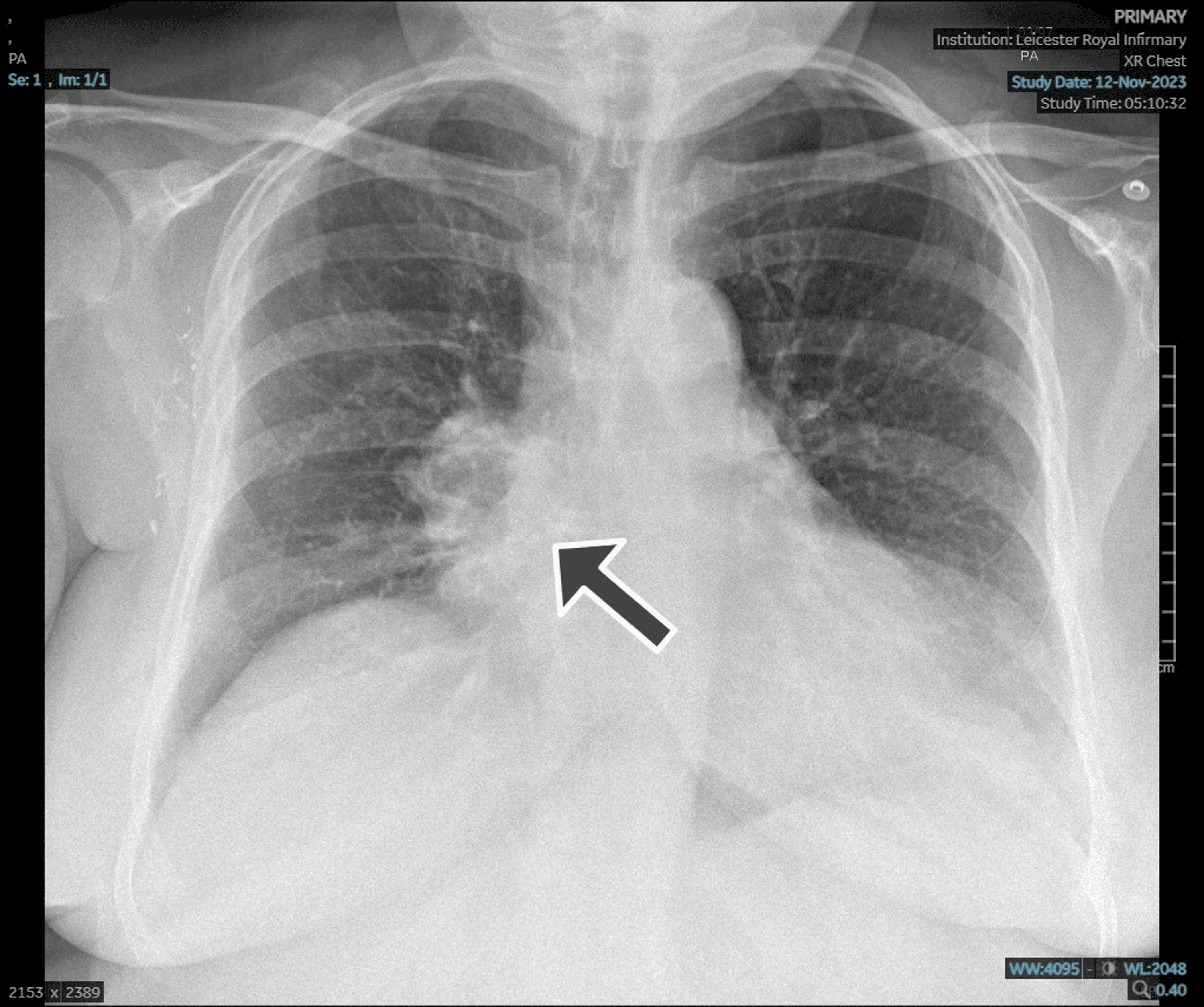
The patient presented with chest pain with respiratory symptoms, and an initial chest radiograph was suggestive of lung cancer (Figure 1).
Initial-chest-X-ray-
Figure 1: Initial chest X-ray

Posteroanterior chest radiograph showing a spiculated opacity in the right mid-zone (black arrow), suggestive of a pulmonary mass. The lesion projects over the right hilum and may represent a primary bronchogenic carcinoma. No gross pleural effusion or pneumothorax is identified.

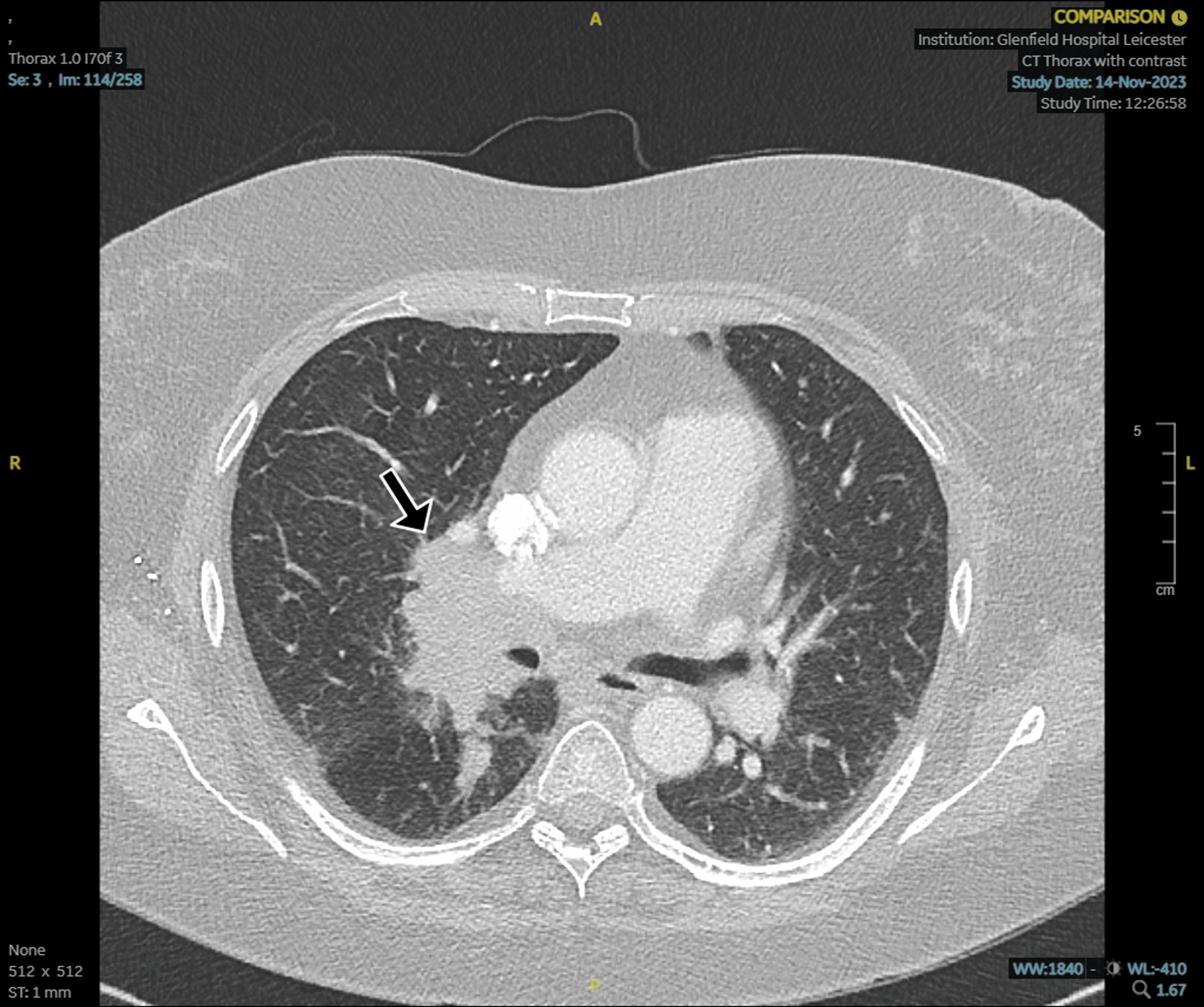
Further evaluation with contrast-enhanced CT of the thorax revealed a right hilar mass suspicious for a bronchogenic malignancy (Figure 2).
Computed-tomography-(CT)-thorax-
Figure 2: Computed tomography (CT) thorax

Contrast-enhanced axial CT of the thorax demonstrating a spiculated right hilar mass (black arrow) measuring approximately 4 cm in greatest diameter. The mass is abutting the right main bronchus and associated with enlargement of adjacent mediastinal lymph nodes. No evidence of pleural effusion, chest wall invasion, or direct mediastinal involvement is seen on this image.

Given the persistent hypokalaemia, hyperglycaemia, and metabolic alkalosis, the possibility of a paraneoplastic endocrine syndrome was considered.

Endocrine workup showed markedly elevated serum cortisol levels (>2000 nmol/L), which failed to suppress following both low- and high-dose dexamethasone suppression tests. Plasma ACTH levels were also significantly elevated at 615 ng/L, consistent with ectopic ACTH secretion (Table 3).

Test Result Reference range Interpretation
Serum cortisol >2000 nmol/L Morning: 140–690 nmol/L Markedly elevated
Low-dose dexamethasone suppression test No suppression observed Cortisol suppressed to <50 nmol/L Abnormal; cortisol not suppressed
High-dose dexamethasone suppression test No suppression observed Cortisol suppressed by >50% Abnormal; cortisol not suppressed
Plasma ACTH 615 ng/L 10–60 ng/L Significantly elevated; ectopic ACTH secretion
Table 3: Endocrine workup results demonstrating elevated cortisol and adrenocorticotropic hormone (ACTH) levels with lack of suppression on dexamethasone testing

Serum cortisol  levels during low- and high-dose dexamethasone suppression tests. Despite administration of both low- and high-dose dexamethasone, serum cortisol levels remained markedly elevated. Plasma ACTH was also significantly elevated at 615 ng/L, consistent with ectopic ACTH secretion. Reference ranges are included for comparison.

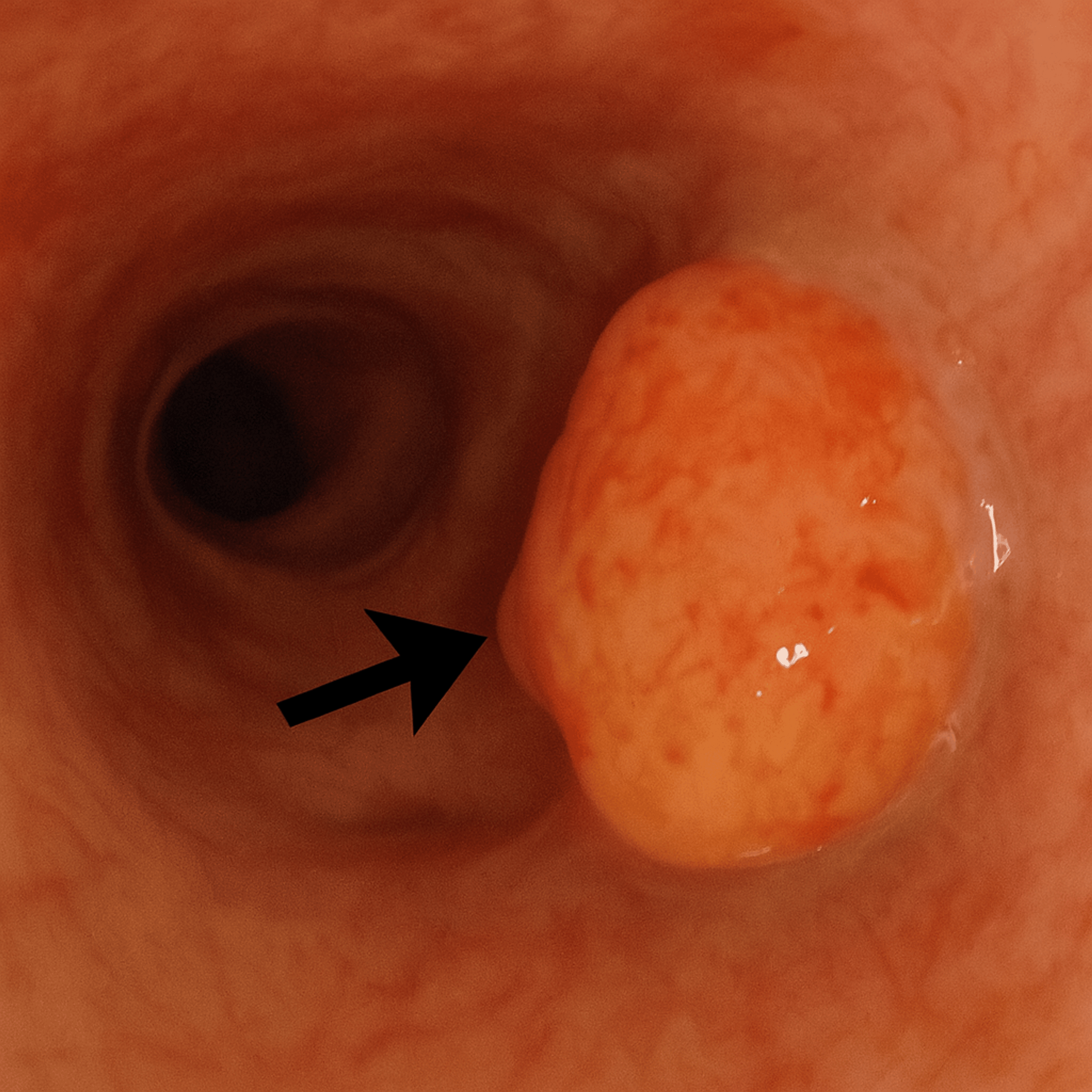
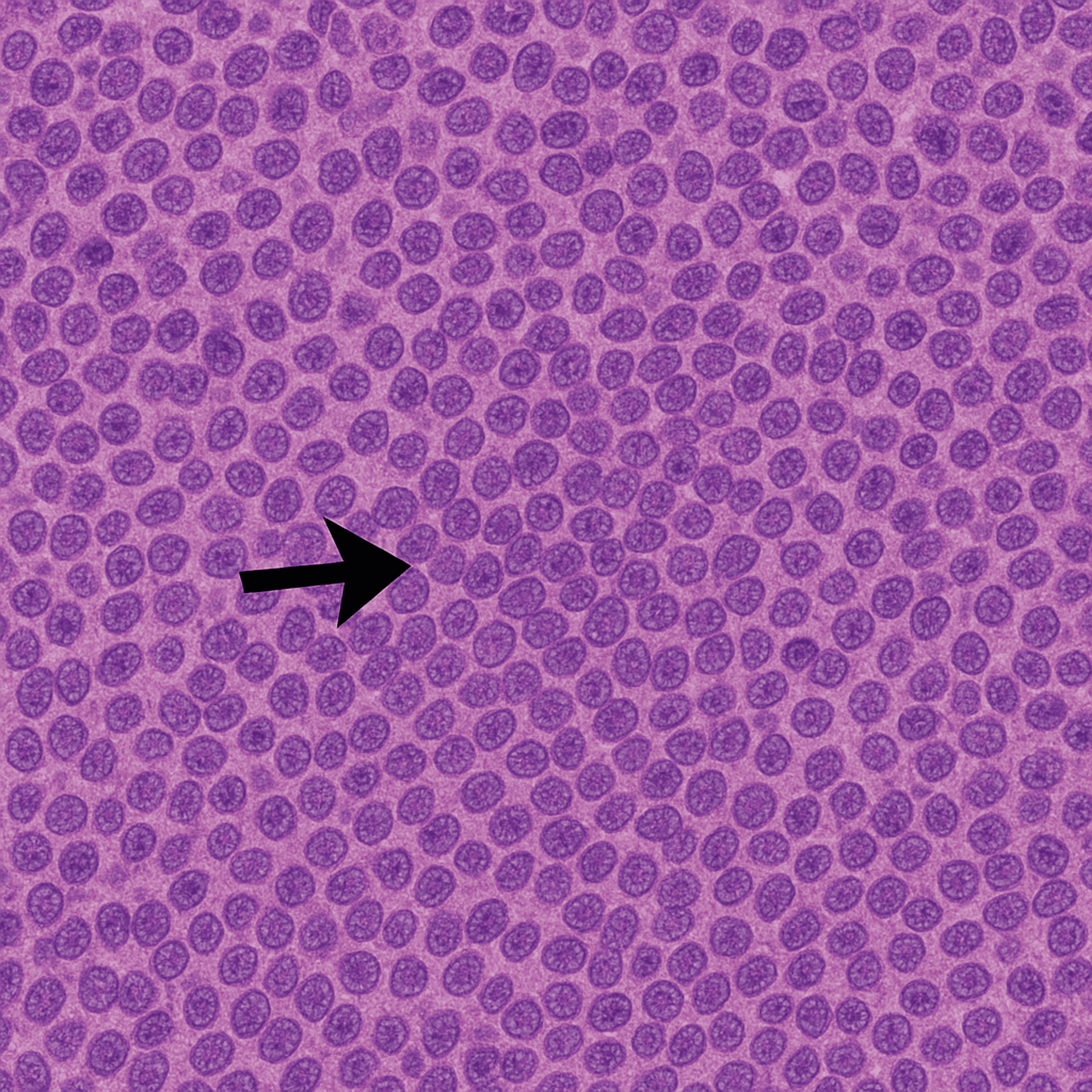
Flexible bronchoscopy was performed, and biopsy of the right endobronchial tumour confirmed the diagnosis of SCLC (Figures 34).

Bronchoscopic-view-of-the-right-hilar-mass-
Figure 3: Bronchoscopic view of the right hilar mass

Bronchoscopic view of the right bronchial tree demonstrating an irregular, lobulated endobronchial mass (black arrow). The lesion appears friable and hypervascular, partially obstructing the bronchial lumen, suggestive of a malignant endobronchial tumor.
Histological-section-of-small-cell-lung-cancer-(SCLC)
Figure 4: Histological section of small cell lung cancer (SCLC)

The arrow indicates a dense cluster of small, hyperchromatic tumour cells characteristic for SCLC.

The combination of persistent metabolic derangements, imaging findings, and histological confirmation supported the diagnosis of paraneoplastic Cushing’s syndrome secondary to ectopic ACTH production by SCLC. This rare clinical entity results from autonomous ACTH secretion by the tumour, leading to adrenal hyperplasia and excessive cortisol production.

Further staging workup was performed to assess the extent of the disease. Contrast-enhanced CT of the abdomen and MRI of the brain showed no evidence of distant metastasis. The disease was therefore classified as limited-stage SCLC.

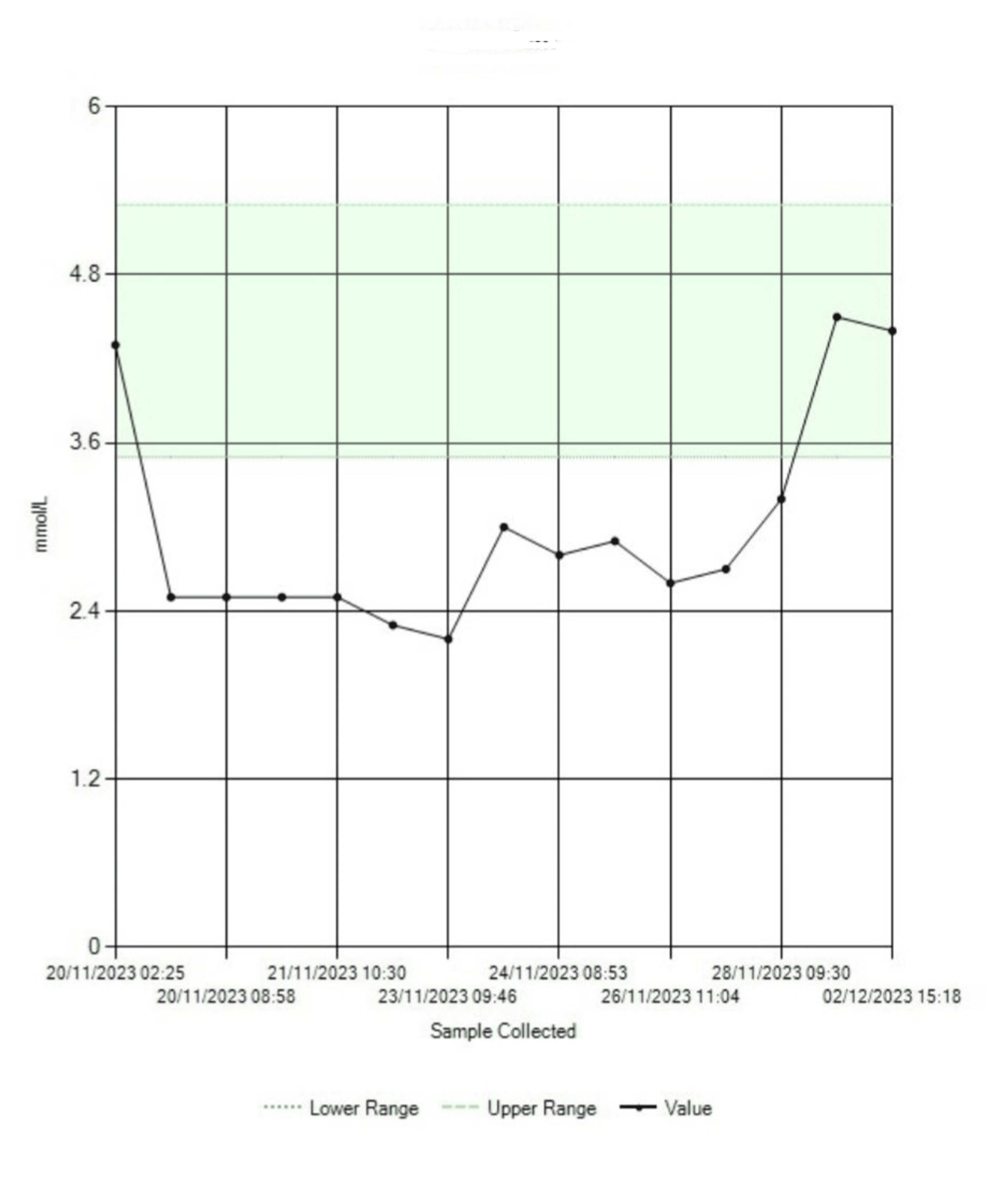
The patient was commenced on metyrapone and spironolactone following a comprehensive discussion with the endocrinology team. This intervention resulted in the stabilisation of her potassium levels (Figure 5). Furthermore, in the context of her diagnosis of SCLC, a multidisciplinary team (MDT) was convened to discuss her case. Following this collaborative discourse, it was determined that a referral to the oncology department was warranted for the initiation of chemotherapy.
-Serum-potassium-trend-showing-initial-treatment-resistance-and-subsequent-stabilization-after-initiation-of-metyrapone-and-spironolactone
Figure 5: Serum potassium trend showing initial treatment resistance and subsequent stabilization after initiation of metyrapone and spironolactone

The graph demonstrates persistently low serum potassium levels despite aggressive intravenous and oral supplementation. Notable stabilization and eventual normalization of potassium values are observed following the initiation of metyrapone and spironolactone, indicated toward the end of the monitoring period. The shaded green area represents the normal reference range for serum potassium (3.5–5.5 mmol/L).

Discussion

This case illustrates a rare but clinically significant presentation of paraneoplastic Cushing’s syndrome secondary to ectopic ACTH secretion from SCLC. The patient’s initial symptoms of chest pain and breathlessness were non-specific, but persistent metabolic derangements, including hypokalaemia, hyperglycaemia, and metabolic alkalosis, proved refractory to standard treatment. These findings raised suspicion for an underlying endocrine disorder, leading to targeted hormonal evaluation [1,2].

Diagnostic workup revealed markedly elevated cortisol and ACTH levels, with failure to suppress during low- and high-dose dexamethasone suppression tests. Imaging and histological analysis subsequently identified a right hilar mass consistent with SCLC as the source of ectopic ACTH production. Although rare, ectopic ACTH syndrome is a well-recognised paraneoplastic manifestation of SCLC, reported in approximately 1-5% of cases [3]. It can lead to severe metabolic derangements that complicate management and worsen prognosis if unrecognised [4].

Management of ectopic Cushing’s syndrome requires prompt biochemical stabilisation to mitigate life-threatening complications such as hypokalaemia and hypertension. In this case, metyrapone, an 11β-hydroxylase inhibitor, effectively reduced cortisol synthesis, while spironolactone antagonised mineralocorticoid receptors to correct hypokalaemia. Other agents such as ketoconazole, mitotane, or intravenous etomidate may be considered in similar cases, especially when rapid cortisol control is needed or oral therapy is contraindicated [1,5]. However, these therapies carry risks of hepatotoxicity, adrenal insufficiency, or sedation, underscoring the importance of careful monitoring.

Definitive treatment of the underlying malignancy remains the cornerstone of care, as sustained control of ectopic ACTH production depends on tumour response. Early initiation of chemotherapy in SCLC can lead to a reduction in tumour burden and, in some cases, resolution of the paraneoplastic syndrome [4]. However, the metabolic instability associated with hypercortisolism often complicates oncologic management, highlighting the need for coordinated multidisciplinary care.

This case underscores the diagnostic challenge posed by ectopic Cushing’s syndrome and the importance of recognising paraneoplastic endocrine presentations in patients with unexplained metabolic derangements.

Conclusions

This case underscores the importance of considering paraneoplastic syndromes in patients with persistent, unexplained metabolic derangements such as hypokalaemia, hyperglycaemia, and metabolic alkalosis. In this patient, early recognition of ectopic ACTH secretion prompted targeted investigations, leading to the timely diagnosis of SCLC. This facilitated the initiation of appropriate endocrine therapy with metyrapone and spironolactone to stabilise the biochemical abnormalities and allowed safe progression to oncological management.

The case also highlights the complexities of managing ectopic Cushing’s syndrome, where severe metabolic disturbances can delay definitive cancer treatment. A coordinated, multidisciplinary approach involving endocrinology, oncology, and respiratory teams was crucial in optimising patient care and improving the likelihood of a favourable outcome.

For clinicians, this case reinforces the need to maintain a high index of suspicion for paraneoplastic endocrine disorders in patients with unexplained electrolyte and metabolic abnormalities, particularly when accompanied by respiratory symptoms or imaging suggestive of a pulmonary lesion. Early identification and intervention in such cases are critical for minimising morbidity and enabling timely cancer-directed therapy.

References

  1. Jeong C, Lee J, Ryu S, et al.: A case of ectopic adrenocorticotropic hormone syndrome in small cell lung cancer. Tuberc Respir Dis (Seoul). 2015, 78:436-9. 10.4046/trd.2015.78.4.436
  2. Ilias I, Torpy DJ, Pacak K, Mullen N, Wesley RA, Nieman LK: Cushing’s syndrome due to ectopic corticotropin secretion: twenty years’ experience at the National Institutes of Health. J Clin Endocrinol Metab. 2005, 90:4955-62. 10.1210/jc.2004-2527
  3. Coe SG, Tan WW, Fox TP: Cushing’s syndrome due to ectopic adrenocorticotropic hormone production secondary to hepatic carcinoid: diagnosis, treatment, and improved quality of life. J Gen Intern Med. 2008, 23:875-8. 10.1007/s11606-008-0587-z
  4. Perakakis N, Laubner K, Keck T, et al.: Ectopic ACTH-syndrome due to a neuroendocrine tumour of the appendix. Exp Clin Endocrinol Diabetes. 2011, 119:525-9. 10.1055/s-0031-1284368
  5. Nieman LK, Biller BM, Findling JW, Newell-Price J, Savage MO, Stewart PM, Montori VM: The diagnosis of Cushing’s syndrome: an Endocrine Society Clinical Practice Guideline. J Clin Endocrinol Metab. 2008, 93:1526-40. 10.1210/jc.2008-0125

https://www.endocrine.org/journals/jcem-case-reports/unilateral-adrenalectomy-for-pediatric-cyclical-cushing-syndrome


Münchausen By Media

The Internet makes it so easy to develop weird and unusual diseases.  Just plop a symptom into Google and suddenly you find yourself with stomach cancer, Cushing’s or other dread diseases.

Even on TV, the ads for lawyers almost convince people they might have mesothelioma and other rare illnesses that might bring you – and them! – bundles of money if you just sue someone.

Magazine ads implore you to “ask your doctor about…” this drug or that you might or might not need.  Your doctor might just give it to you to keep you from asking.  And there’s a needless medication that brings profit to the drug company and side effects to you.

TV shows like House and Mystery Diagnosis will show you diseases you never dreamed about.

There’s a great topic on the Power Surge message boards, What’s the worst “disease or ailment” you’ve had, where the women discuss the diseases they thought that they had, based on symptoms, what they’ve seen online, in the news but not based on reality.

I’ve done it myself.  About the only time I was right was with my Cushing’s diagnosis. That one was a good call. But my thoughts of kidney cancer metastasis haven’t come true (yet, anyway!).

There’s been information online lately about Münchausen Syndrome.  Wikipedia says:

“…the affected person exaggerates or creates symptoms of illnesses in themselves or their child/children in order to gain investigation, treatment, attention, sympathy, and comfort from medical personnel. In some extremes, people suffering from Münchausen’s Syndrome are highly knowledgeable about the practice of medicine, and are able to produce symptoms that result in multiple unnecessary operations. For example, they may inject a vein with infected material, causing widespread infection of unknown origin, and as a result cause lengthy and costly medical analysis and prolonged hospital stay. The role of “patient” is a familiar and comforting one, and it fills a psychological need in people with Münchausen’s. It is distinct from hypochondriasis in that patients with Münchausen syndrome are aware that they are exaggerating, whereas sufferers of hypochondriasis believe they actually have a disease.”

I think we’ve all see this, especially online.  It’s so easy to sit in the comfort of ones home and add “just a little” to the symptoms, making it more impressive for the readers.

From A Strange Case of Münchausen By Internet:

“…When I first got online, I “met” a young woman who claimed to be a vet, and offered me all kinds of advice about my cat and my tropical fish. She got cancer, slowly declined, then died. We wanted to send flowers, and maybe attend the funeral, and got her ISP to contact her family for us. To our shock, her parents said there was no funeral. She wasn’t dead, she wasn’t even sick. At least not physically. She’d pulled this kind of “pretend death” several times before, and was in therapy, but every time life got stressful, she’d do it again.

And the Internet is the ideal place for a Munchausen sufferer. With the click of a button, you can find out all kinds of information, to help you pose as anyone you want. People don’t expect to see you in person or even talk to you except by e-mail, making deception easier. And often, mailing lists, message boards, etc., will give unqualified support to their members…”

And Media Makes Me Sick:

“…The Internet is hands-down the worst thing to ever happen to the medical world. With Web sites like WebMD, any paranoid hypochondriac like me can jump online, look for symptoms and immediately convince himself he has cancer or Cushing’s disease or non-Hodgkin’s lymphoma or any other of a million things.

WebMD allows you to find one symptom and then “helps” you by listing 15,000 things it could mean.

Oh my God. I do have a slight ache! That’s it. I must have a brain tumor. I’m not kidding, I recently scared myself into thinking I had cancer. It took a specialist, a CT scan and an ultra-sound to convince me otherwise…”

Karen found this older article at http://www.villagevoice.com/2001-06-26/news/cybersickness/1

“…Over nearly three years, from 1998 to 2000, a woman—let’s call her Anna—posted to an online support group for people with mental illness. To the larger circle of readers, she acted mostly as friendly counselor. But to a select few, she e-mailed stories of escalating catastrophes. Her husband and two children had perished in a plane crash, she wrote. As a kid, her father had molested her, and she had suffered multiple personality disorder. Finally, she told her trusted—and trusting—confidants that she had just been diagnosed with leukemia.

Gwen Grabb, a psychotherapy intern and mother of three in Los Angeles, says the group believed Anna because she took on the role of helping others, revealing her own difficulties much later, and to an intimate audience. “She was very bright,” recalls Grabb. “She was very supportive and kind. One day, she started telling me about `the crash,’ what they found in the black box, how you could hear her daughter screaming. I had known her a year. I believed her.”

But as the tales became more elaborate and grotesque, Grabb grew suspicious. Along with another group member—Pam Cohen, a bereavement counselor in the Mid-Atlantic region—she did some research and discovered Anna was making it up. It was a shock to all, but worse than that to Cohen. “It is like an emotional rape,” she says. People may have been upset over the online life and fatal cancer of the fictional Kaycee, whose creator admitted last month she’d invented the high school character for expressive purposes. But that was geared to a general audience, however easily suckered. Pretenders like Anna hurt a much more vulnerable group—folks who may be seriously ill and are seeking help…”

So – use caution and remember that not everything you read will happen to you!

Severe Psychosis Due to Cushing Syndrome

Cushing syndrome (CS) is a rare clinical condition resulting in excess cortisol production. Neuropsychiatric disturbances are prevalent, in addition to the well-known metabolic effects. Depression and anxiety are the most common manifestations, while mania and psychosis are rare.1,2 We report the case of a patient who presented with severe psychosis due to adrenocorticotropic hormone (ACTH)–dependent CS due to a pituitary adenoma (PA).

Case Report

A 47-year-old woman was brought to the hospital after she was found wandering on someone’s property 2 days after her parents had filed a missing person report. She was disoriented, had difficulty recalling events, and reported intrusive thoughts. She had a history of hypertension, hyperlipidemia, prediabetes, and schizoaffective disorder diagnosed 10 years ago when she had an episode of acute psychosis. She was noncompliant with her medications.

On presentation, her blood pressure was 160/111 mm Hg, pulse rate was 111 bpm, and body mass index was 24.14 kg/m2. The psychiatric examination revealed disorientation, thought disorganization, subdued mood, blunted affect, and impaired memory and attention. She had central adiposity and coarse terminal hair growth on her chin; the rest of the physical examination was unremarkable. She was started on olanzapine but developed catatonia after 10 days. Olanzapine was discontinued after 4 weeks as her catatonia worsened. Due to the worsening of hypertension, her random cortisol level was checked and found to be elevated at 51.8 μg/dL (2.9–19.4 μg/dL). Further workup was deferred due to testing difficulty in the setting of acute psychosis. A trial of aripiprazole was initiated but was discontinued after 10 days due to the persistence of catatonia. She then received electroconvulsive therapy on alternate days for 11 sessions, with improvement in her symptoms.

The workup of CS was initiated due to the difficulty in managing her symptoms, weight gain, worsening of hypertension, and pedal edema. Laboratory investigations showed potassium of 2.7 mEq/dL (3.5–5.5 mEq/dL), elevated serum cortisol of 39.3 μg/dL (2.9–19.4 μg/dL), and ACTH of 100.2 pg/dL (7.2–63.3 pg/dL). Her 24-hour urinary free cortisol level was 2,340 and 1,180 (≤45 μg/dL) on 2 separate occasions, thyroid-stimulating hormone was 0.02 (0.4–4.0 mIU/L), and free thyroxine was 0.6 (0.7–1.9 ng/dL). The dexamethasone suppression test was also abnormal. Given that her ACTH level was elevated, there was a high concern for a PA. A magnetic resonance imaging scan revealed a 9.3 x9.6–mm nonenhancing focus on the posterior aspect of the pituitary, which confirmed the diagnosis of ACTH-dependent CS. Central hypothyroidism was attributed to the mass effect of the PA. Transsphenoidal PA resection was performed with subsequent improvement in her symptoms.

Discussion

Acute psychosis may be the initial manifestation of CS. This can easily be overlooked, especially in patients with preexisting psychiatric conditions. CS can be indolent, with clinical and neuropsychiatric features often beginning years before diagnosis. In this case, the initial presentation a decade ago could also be attributed to CS. Many antipsychotic drugs can result in metabolic syndrome, which can be hard to differentiate from manifestations of CS.3 Individuals with neuropsychiatric disorders can have elevation in their cortisol levels due to activation of the hypothalamic-pituitary axis, especially in the evening, without the presence of any pituitary or adrenal adenomas (these result in pathological hypercortisolism).4 This is known as pseudo-CS or physiological hypercortisolism.5 Based on clinical features alone, physiological and pathological hypercortisolism can be hard to distinguish. A high index of clinical suspicion is needed, with repeat testing often required, as there are no specific cutoffs to distinguish between these conditions.6,7

In patients with severe neuropsychiatric illness and features of metabolic syndrome, a diagnosis of CS should be strongly considered, especially in those not responding to conventional treatment strategies. Early recognition and treatment can lead to improved outcomes, though complete recovery of psychiatric symptoms may not be seen in some patients.8,9

AnchorArticle Information

Published Online: August 21, 2025. https://doi.org/10.4088/PCC.25cr03957
© 2025 Physicians Postgraduate Press, Inc.
Prim Care Companion CNS Disord 2025;27(4):25cr03957
Submitted: March 6, 2025; accepted April 30, 2025.
To Cite: Dhaliwal G, MD; Kaur JK, Batra J, et al. Severe psychosis due to Cushing syndrome. Prim Care Companion CNS Disord 2025;27(4):25cr03957.
Author Affiliations: Department of Endocrinology, Diabetes and Metabolism, HealthPartners Institute, Minneapolis, Minnesota (Dhaliwal, JK Kaur, J Kaur); Department of Endocrinology, University of Nebraska, Omaha, Nebraska (Batra).
Corresponding Author: Jasleen Kaur, MD, Department of Endocrinology, Diabetes and Metabolism, HealthPartners Institute, 401 Phalen Blvd, St Paul, MN 55130 (jasleen.x.kaur@healthpartners.com).
Relevant Financial Relationships: None.
Funding/Support: None.
Patient Consent: Consent was received from the patient to publish the case report, and information has been de-identified to protect patient anonymity.
ORCID: Jasleen Kaur: https://orcid.org/0000-0002-0584-4638

From https://www.psychiatrist.com/pcc/severe-psychosis-due-cushing-syndrome/

Graphic Era Hospital’s Milestone Treatment of Two Complex Cases

DEHRADUN, 23 August: Graphic Era Hospital has achieved a remarkable mileston by successfully treating two complex cases of the rare hormonal disorder Cushing’s Disease in Dehradun. The hospital’s experts used advanced technology and surgical skills to give the patients a new lease on life, marking this significant achievement.
In the first case, a 27-year-old woman was brought to the Endocrinology Department at Graphic Era Hospital after long-term weight gain, facial puffiness, irregular menstrual cycles, high blood pressure, and kidney stones. Tests and lab reports confirmed that the patient was suffering from ACTH-dependent Cushing’s Syndrome – Pituitary Microadenoma. A 3-Tesla Dynamic Pituitary MRI revealed a 6 mm tumor, while other organs were normal.
The specialists performed surgery using endoscopic trans-nasal neuro-navigation technology, completing it successfully without opening the brain. After the operation, the patient experienced significant weight loss, normalized blood pressure, regular menstrual cycles, and all hormone levels returned to normal.
In the second case, a 24-year-old woman came to Graphic Era Hospital with extremely high blood pressure (200/100), headache, weight gain, and irregular menstrual cycles. MRI revealed a 7–9 mm tumor in an unusual location in the pituitary gland, which was also affecting the pituitary fossa bone. Despite multiple medications, her blood pressure remained uncontrolled, and CT scans showed an impact on her heart.
The multi-specialty team performed surgery using endoscopic trans-nasal neuro-navigation technology, again without opening the brain. After surgery, her blood pressure normalized and her menstrual cycles became regular.
In both cases, pituitary microadenomas were diagnosed. The surgeries were done through the nasal route using microscopes and endoscopes, with neuro-navigation helping to accurately locate the tumors while protecting the pituitary gland. The multi-specialty team included Head of Neurosciences and HOD Neurosurgery Partha P Bishnu, Senior Consultant Neurosurgery Ankur Kapoor, Senior Neurosurgeon and Neurointervention Specialist Payoz Pandey, Senior Consultant ENT Parvendra Singh, Director Endocrinology, Obesity and Diabetes Sunil Kumar Mishra, and the Neuro-Anesthesia Team.
With the latest technology and expert doctors at Graphic Era Institute of Medical Sciences, new milestones continue to be achieved. Previously, the hospital’s expert doctors had successfully implanted pacemakers in the brain, placed a third pacemaker in complex pediatric cases, replaced two heart valves without open-heart surgery, unblocked the esophagus without surgery, and performed open-heart surgery through a small 2.5-inch facial incision without cutting bones. Director of Graphic Era Hospital, Puneet Tyagi,  Mefical Superintendent, Gurdeep Singh Jheetay, Dean SL Jethani and COO Atul Bahl were present at the press conference.

The Reflex Dexamethasone Suppression Test: Development and Assessment of Reflexed Serum Dexamethasone Measurement for the Diagnosis of Cushing Syndrome

Abstract

Background

Screening for Cushing syndrome (CS; endogenous overproduction of ACTH or cortisol) is performed by the low-dose overnight serum dexamethasone suppression test (oDST) with the measurement of serum dexamethasone concentration to assure an effective dose.

Objective

We evaluated the utility of only measuring serum dexamethasone in samples with nonsuppressed serum cortisol using a conservative serum cortisol cutoff.

Methods

This retrospective study included 261 oDSTs completed before Reflex implementation (Pre-Reflex-oDST) and 281 oDSTs completed after (Post-Reflex-oDST). Serum cortisol and serum dexamethasone data were paired to the diagnosis and analyzed with comparative statistical tests and receiver operating characteristic curve (ROC) analysis.

Results

Endogenous hypercortisolism was diagnosed in 38 of 261 Pre-Reflex-oDSTs (14%) and 40 of 281 (14%) Post-Reflex-oDSTs. In oDSTs with SerCort >1.8 mcg/dL, there were 9% and 6% false positives in the Pre-vs Post-Reflex-oDST group, respectively. In the Pre-Reflex-oDST group, the median SerCort was 1.1 mcg/dL (95% CI: 0.8–1.5) in patients without CS and 3.9 mcg/dL (95% CI: 2.6–7.9) in those with CS (P < 0.001). The optimal ROC cutoff of SerCort in the Pre-Reflex-oDST group was 2.1 mcg/dL (sensitivity 92%, specificity 93%). In the Post-Reflex-oDST group, the median SerCort was 1.1 mcg/dL (95% CI: 0.8–1.5) in patients without CS and 2.9 mcg/dL (95% CI: 2.6–7.9) in those with CS (P < 0.001). The optimal ROC cutoff of SerCort in the Post-Reflex-oDST group was 2.1 mcg/dL (sensitivity 95%, specificity 93%; not different from Pre-Reflex-oDST group).

Conclusion

Reflex measurement of the serum dexamethasone did not affect oDST test performance while reducing costs.

Abbreviations

CS

Cushing syndrome
oDST

low-dose overnight serum dexamethasone suppression test
ROC

receiver operating characteristic
NH

neoplastic hypercortisolism
NNH

non-neoplastic hypercortisolism
HPA

hypothalamic pituitary adrenal
SerCort

serum cortisol
SerDex

serum dexamethasone
WDL

Wisconsin Diagnostic Laboratories
LOQ

limit of quantification
UFC

urine free cortisol

Highlights

  • Reflexing only nonsuppressed serum cortisol samples for the measurement of serum dexamethasone does not negatively affect the performance of the overnight low-dose DST (oDST)
  • Reflex implementation greatly reduced the number of serum dexamethasone measurements thereby decreasing unnecessary costs
  • The oDST appeared to be valid as long as there was a measurable serum dexamethasone result (>50 ng/dL)

Clinical Relevance

We report a novel Reflex overnight dexamethasone suppression test (oDST) serum dexamethasone measurement protocol with the benefit of greatly lowering costs without loss of oDST performance supporting its implementation in screening for Cushing syndrome.

Introduction

Endogenous Cushing syndrome (CS) includes neoplastic hypercortisolism either due to autonomous cortisol production or excessive ACTH secretion.1 Non-neoplastic hypercortisolism (NNH) is also an important clinical entity that is characterized as bona fide cortisol excess caused by conditions such as depression, chronic kidney disease, and poorly controlled diabetes.234 Chronically elevated cortisol levels contribute to significant morbidity and mortality due to cardiovascular, metabolic, musculoskeletal, and immunologic effects, including hypertension, diabetes, osteoporosis, and increased susceptibility to infections5,6 leading to prolonged disease burden and worsening clinical outcomes.2,3
Biochemical evaluation is indicated for individuals presenting with features of hypercortisolism, as well as for those with adrenal incidentalomas, regardless of symptoms, in accordance with current guidelines.7 However, the workup is complicated by varying severities of hypercortisolism and diurnal rhythm of endogenous cortisol requiring screening tests to take advantage of predictable nadirs and negative feedback.1 One of the current first-line screening tests for CS is the 1 mg (low dose) overnight dexamethasone suppression test (oDST).8 Positive oDST results require additional testing such as late-night salivary cortisol and 24 h urine free cortisol measurements.8910
The oDST takes advantage of decreased HPA negative feedback sensitivity in CS.11 An oral 1 mg dexamethasone dose is given between 2300 hours and 2400 hours and serum cortisol (SerCort) is then measured at 0800 h the following morning with levels <1.8 mcg/dL (50 nmol/L) representing normal suppression.8 A clinical sensitivity of 95% highlights the oDST as a useful screening tool; however, a specificity of ∼80% indicates a greater potential for false-positive results.10,12 A higher burden of false-positive results complicates diagnosis, leading to further testing, delays in diagnosis and treatment, and increased costs and resource utilization for both patients and the health care system. Therefore, the measurement of a serum dexamethasone (SerDex) in the next morning SerCort sample should identify insufficient SerDex levels that may result from factors such as mistiming of, or altogether missing the dexamethasone dose, differences in dexamethasone metabolism, variation in gastrointestinal absorption, increased cortisol binding globulin (eg, due to oral contraceptives), and medications that alter CYP3A4 activity.1314151617
To reduce unnecessary and costly SerDex measurements, our institution implemented in 2023 a Reflex protocol in which SerDex is only measured if post-oDST SerCort is ≥ 1.6 mcg/dL (ie nonsuppressed). This approach was suggested but not evaluated by Genere et al.18 Since the purpose of this study was not to validate the concept of the oDST, we chose 1.6 mcg/dL as a conservative cutoff so that borderline SerCort with small variations around the accepted 1.8 mcg/dL cutoff would not bias the results. This study assessed equivalency in test performance between Pre- and Post-Reflex-oDST implementation and estimated the associated cost savings. As a secondary outcome, we evaluated therapeutic SerDex levels necessary for valid testing.

Materials and Methods

Study Design

A retrospective cohort study was performed on all oDSTs completed at Froedtert & the Medical College of Wisconsin and the affiliated Wisconsin Diagnostic Laboratories between May 2023 and April 2024. This study was approved by the Medical College of Wisconsin Institutional Review Board as a Quality Improvement Project under PRO00050802. All data in the database were de-identified and coded.

Study Population

The study population included patients aged ≥18 years who completed a oDST in the outpatient setting through the system with serum samples processed through Wisconsin Diagnostic Laboratories. Cohorts were divided into Pre- and Post-Reflex-oDST groups based on the date of Reflex implementation described below (October 31, 2023), with the Pre-Reflex-oDST group consisting of tests performed in the 6 months prior and the Post-Reflex-oDST group including tests from the 6 months following implementation. The ordering clinician still had the option to choose oDST AM cortisol alone without ordering a SerDex measurement. Exclusion criteria included repeat oDST for the same patient within the same 6-month period (Pre- or Post-Reflex-oDST groups); however, results from patients who underwent oDST during both the Pre- and Post-Reflex-oDST periods were included. Patients with SerDex <50 ng/dL were also excluded. At this time, all patients included in the analysis had either a confirmed hypercortisolism diagnosis or were determined not to have pathophysiological hypercortisolism based on clinical and biochemical evaluation.8 A combination of biochemical tests (24-hour free urine cortisol, late-night salivary cortisol, oDST), imaging (adrenal and pituitary CT/MRI), and other testing (DDVAP testing, surgical outcome, biopsy) were used to confirm the diagnosis of CS per the current guidelines.8 Hypercortisolism included both neoplastic causes (CS) and non-neoplastic causes (NNH).2 In our study, NNH included patients with chronic nausea and weight loss, chronic kidney disease, poorly controlled diabetes, excess alcohol intake, obesity with physiological stress, chronic pain, and opioid withdrawal. For simplicity, all hypercortisolism patients are abbreviated “CS” whether neoplastic or non-neoplastic.

Procedures

Patients were instructed to take 1 mg of dexamethasone at 11:00 pm and then had their blood sampled the next morning between 8:00 and 9:00 am SerCort level was measured using the Roche Elecsys Cortisol II Electrochemiluminescence immunoassay performed on a Cobas e801 module.19 In the Pre-Reflex-oDST group, individual orders for serum cortisol and dexamethasone were placed by the provider. Both tests were performed, regardless of the subsequently reported oDST serum cortisol value. In the Post-Reflex-oDST group, a single “Dexamethasone Suppression Cortisol Reflex” order was placed, that prompted a SerCort measurement. If SerCort was ≥1.6 mcg/dL (ie, nonsuppressed), an electronic order for a SerDex send-out measurement was automatically placed by the laboratory information system. The laboratory’s automated processing line removed the serum sample from storage, created an aliquot and placed it in a queue for samples to be sent to ARUP Laboratories. ARUP Laboratories measured SerDex by liquid chromatography-mass spectrometry (limit of quantitation [LOQ] = 50 ng/dL; reference interval: 140 – 295 ng/dL; https://ltd.aruplab.com/Tests/Pub/2003248).

Data Collection

Data acquired from each oDST, including date and time of collection, SerCort, and SerDex, were extracted from the laboratory information system. Additional data, including demographics, CS diagnosis, and treatment were collected from the electronic health record and securely stored in RedCAP (version 15.0.2; Nashville, TN). Patients with inconclusive test results were followed for several months after oDST until a diagnosis was established through additional testing and/or clinical evaluation.

Outcomes Assessment

The primary outcome of this study was to quantify the number of SerDex tests avoided while assessing whether implementation of the Reflex oDST affected overall test performance in the screening for endogenous hypercortisolism. Equivalency between Pre- and Post-Reflex-oDSTs was defined by the similarities in prevalence of a new diagnosis, average SerCort by diagnosis, and SerCort cutoffs by receiver operating characteristic (ROC) curve AUC, and optimal cutoff values. Secondary outcomes included quantification of avoided SerDex measurements to estimate the cost savings associated with Reflex implementation using the US Medicare Reimbursement Rate [20 Accessed 4/1/2025; CPT code 80 299)]. We also evaluated suppressed oDST’s SerDex concentrations to determine if there was a correlation between SerDex level achieved and the degree of suppression of SerCort.

Statistical Analysis

All statistical analyses were performed using Sigmaplot 15.0 (RRID:SCR_003210; https://scicrunch.org/resolver/SCR_003210; Systat Software, Inc, Inpixon, Palo Alto, CA). Continuous variables that were not normally distributed are presented as the median and interquartile ranges. Demographic data were analyzed by two-way analysis of variance and chi-square. Differences in SerCort and SerDex between Pre- and Post-Reflex-oDST groups and CS diagnosis were tested by Mann-Whitney U test and t-test. Optimal cutoff values for each group were determined by ROC analysis using Youden’s index and AUCs were compared with a DeLong test. A P value <0.05 was considered statistically significant. Post-hoc power analyses results are provided where appropriate.

Results

Study Population Characteristics

A total of 616 oDSTs (308 in the Pre-Reflex-oDST and 308 in the Post-Reflex-oDST groups) were screened for eligibility (Fig. 1). After excluding oDSTs with SerDex below the LOQ (n = 12) and repeated oDSTs in the same patient (n = 62), a total of 542 oDSTs were included for analysis. Demographic data are presented in Table 1. The without CS group was younger than the patients with CS group in both Pre- and Post-Reflex-oDST groups. There were no differences in the distribution of race between the groups with and without CS groups and the Pre-vs Post-Reflex-oDST groups. There were more females regardless of diagnosis, but the sex distribution was not different Pre vs Post-Reflex-oDST implementation.

  1. Download: Download high-res image (445KB)
  2. Download: Download full-size image

Figure 1. Flowchart of participants selection from 616 completed oDSTs completed 6 months before (n = 308) and after (n = 308) Reflex implementation. Subsequent oDSTs for the same patient and unmeasurable post-oDST serum dexamethasone (SerDex) (<50 ng/dL [Lower quantifiable limit]) were excluded from analysis. A total of 542 oDSTs were included for analysis and breakdown of CS diagnosis and etiology are shown. ACTH-dependent CS is further broken down to differentiate neoplastic (NH) versus non-neoplastic (NNH) etiologies. CS = Cushing Syndrome; NH = neoplastic hypercortisolism; NNH = nonneoplastic hypercortisolism; oDST = overnight dexamethasone suppression test; SerDex = serum dexamethasone.

Table 1. Demographic Characteristics of Patients Who Underwent oDST Before and After Reflex Implementation

Empty Cell Pre-Reflex Post-Reflex
Yes CS with NNH Yes CS without NNH No CS Yes CS with NNH Yes CS without NNH No CS
N 38 34 223 40 38 241
Age
 Mean (SD) 63.6 (13.8) 63.8 (14.4) 56.0 (15.1)a 63.8 (13.2) 63.1 (13.1) 55.3 (15.5)b
Sex
 Male (%) 6 (15.8) 4 (11.8) 57 (25.6) 11 (27.5) 11 (28.9) 67 (27.8)
 Female (%) 32 (84.2) 30 (88.2) 166 (74.4) 29 (72.5) 27 (71.1) 174 (72.2)
Race
 American Indian or Alaskan Native (%) 0 0 1 (0.4) 0 0 1 (0.4)
 Asian (%) 0 0 3 (1.3) 0 0 1 (0.4)
 Black or African American (%) 5 (13.2) 5 (14.7) 27 (12.2) 6 (15.0) 6 (15.8) 23 (9.5)
 Other (%) 2 (5.3) 1 (2.9) 8 (3.6) 1 (2.5) 1 (2.2) 9 (3.8)
 White (%) 31 (81.5) 28 (82.4) 184 (82.5) 33 (82.5) 31 (82.0) 207 (85.9)
Data are further stratified by Cushing syndrome (CS) diagnosis. Age is presented as mean (SD); sex and race as counts (percentages).
a
Age different from group with CS within Pre-Reflex-oDST (P = 0.005).
b
Age different from group with CS within Post-Reflex-oDST (P < 0.001) regardless of whether NNH cases are included. Male vs female distribution NS (χ2 = 2.533, 3 df, P = 0.469). Race distribution NS (χ2 = 4.37733, 12 df, P = 0.976).
Within the Pre-Reflex-oDST group, 38 patients (14%) were diagnosed with endogenous hypercortisolism (CS) with 13 being ACTH-dependent (9 pituitary and 4 non-neoplastic hypercortisolism) and 25 being ACTH-independent. Within the Post-Reflex-oDST group, 40 patients (14%) were diagnosed with CS with 11 being ACTH-dependent (8 pituitary, 2 non-neoplastic, and 1 ectopic ACTH) and 25 being ACTH-independent.

Prereflex-oDST vs Post-reflex-oDST Analysis

In the Pre-Reflex-oDST group, out of the 261 included subjects, 172 oDSTs (65%) suppressed to <1.6 mcg/dL, meaning that only 89 tests would have undergone reflex SerDex measurements after implementation of Reflex testing. Among these, 51 were determined not to have CS. In the Post-Reflex-oDST group, out of 281 subjects, 191 oDSTs (68%) suppressed to <1.6 mcg/dL, resulting in 90 reflexed SerDex measurements, of which 50 did not have CS. Within the Pre-Reflex-oDST group, there were 38 patients who had CS and in the Post-Reflex-oDST group 40 patients were found to have CS. There was no difference in CS prevalence between the Pre- and Post-Reflex-oDST groups (P = 0.52). Among oDSTs with SerCort levels >1.8 mcg/dL [the conventional cutoff 8], 24/262 (9% false positive) in the Pre-Reflex-oDST group and 21/281 (7% false positive) in the Post-Reflex-oDST group were later determined not to have CS by standard guidelines criteria.8 Reflex implementation resulted in a reduction of the number of SerDex measurements by 68% resulting in cost savings of at least $18.64 per ordered oDST.
In the Pre-Reflex-oDST group, the median SerCort was 1.1 mcg/dL (95% CI: 0.8–1.5) in patients who did not have CS and 3.9 mcg/dL (95% CI: 2.6–7.9) in those who had CS (P < 0.001). In the Post-Reflex-oDST group, the median SerCort was also 1.1 mcg/dL (95% CI: 0.8–1.5) in patients who did not have CS and 2.9 mcg/dL (95% CI: 2.6–7.9) in those who had CS (P < 0.001) (Fig. 2). There was no difference comparing the CS diagnosis status between Pre- and Post-Reflex-oDST groups. There was still no difference in median SerCort in patients with CS when comparing the Pre- and Post-Reflex-oDST groups with NNH cases excluded (P = 0.269). Furthermore, the NNH patients were biochemically indistinguishable from patients with neoplastic hypercortisolism (NH). In fact, when we compared post-oDST cortisol between NH (3.6 [2.4-7.7; N = 72) and NNH (3.4 [2.7-8.5; N = 6]), the P value was 0.729. There was also no difference between CS NH with NNH included vs CS NH excluding NH within the Pre-Reflex-oDST group and within the Post-Reflex-oDST group.

  1. Download: Download high-res image (195KB)
  2. Download: Download full-size image

Figure 2. Comparison of oDST serum cortisol (SerCort) levels Pre-vs Post-Reflex-oDST implementation. The medians are further stratified based on whether the patient did not have Cushing Syndrome (No CS – red) and those who had CS (Yes CS – blue). Each box represents the interquartile range and the horizontal line within represents the median. The error bars represent the 10th-90th percentiles and dots represent results outlying the 10th-90th percentiles. a, denotes significant difference of median SerCort levels between no CS vs CS in both Pre- and Post-Reflex-oDST groups (P < 0.001). There was no difference in medians following exclusion of NNH from Yes CS in both Pre- and Post-Reflex-oDST groups (P = 0.269). CS = Cushing Syndrome; NH = neoplastic hypercortisolism; NNH = nonneoplastic hypercortisolism; oDST = overnight dexamethasone suppression test; SerDex = serum dexamethasone.

A power analysis was performed to compare Pre-reflex oDST to Post-Reflex oDST SerCort values in patients with CS with the null hypothesis that there was no effect of implementing the reflex approach. Assuming a clinically significant effect of implementing the reflex test (a difference of oDST serum cortisol of 2 mcg/dL with a conservative SD of the difference of 2.5 mcg/dL) with sample sizes of 38 Pre-Reflex and 40 Post-Reflex in our study, the power was 0.937 with an alpha of 0.050. With an expected difference in serum cortisol of 0.8 mcg/dL and an SD of the difference of 1.0 mcg/dL, the power was 0.937 with an alpha of 0.05. Considering that the patients before and after reflex implementation were from the same population, institution, and ordering clinicians, we are confident that the Reflex testing did not influence the oDST performance and the laboratory data outcomes.
There was also no difference in SerCort between Pre- and Post-Reflex-oDST tests in the predictive performance for CS. The ROC curve AUC of SerCort in both the Pre- and Post-Reflex periods was 0.97. The optimal ROC cutoff of SerCort in the Pre-Reflex-oDST group was 2.1 mcg/dL (sensitivity 92%, specificity 93%). The optimal ROC cutoff of SerCort in the Post-Reflex-oDST group was 2.1 mcg/dL (sensitivity 95%, specificity 93%; not different from Pre-Reflex-oDST group) (Table 2). When NNH cases were excluded and ROC curves were rerun, there was no difference in ROC curve area, optimal SerCort cutoff values, or sensitivity and specificity in Pre- and Post-Reflex-oDST groups.

Table 2. Receiver operating characteristic (ROC) analysis of oDST SerCort results for Pre-vs Post-Reflex-oDST groups. A. Analysis including NNH patients are at the top; B. Analysis excluding NNH patients are at the bottom

Empty Cell Pre-Reflex Post-Reflex
A. Including NNH patients
 ROC Curve Area (SE) 0.97 (0.01) 0.97 (0.01)
 95% confidence interval 0.96-0.99 0.95-0.99
 P value P < 0.0001 P < 0.0001
 Sample size: No CS/Yes CS 223/38 241/40
Cutoff Sensitivity Specificity Cutoff Sensitivity Specificity
 Optimal 8 AM SerCort Cutoff (mcg/dL) 2.1 92% 93% 2.1 95% 93%
Empty Cell Pre-Reflex without NNH Post-Reflex without NNH
B. Excluding NNH patients
 ROC curve area (SE) 0.97 (0.01) 0.97 (0.01)
 95% confidence interval 0.96-0.99 0.95-0.99
 P Value P < 0.0001 P < 0.0001
 Sample size: No CS/Yes CS 223/34 241/38
Cutoff Sensitivity Specificity Cutoff Sensitivity Specificity
 Optimal 8 AM SerCort Cutoff (mcg/dL) 2.1 91% 92% 2.1 95% 93%
Area under the curve (AUC) was calculated and compared with a DeLong test (AUC = 0.97, P < 0.0001, for both). Using Youden’s Index, optimal cutoff values were determined by maximizing sensitivity and specificity. When ROC rerun without NNH, the sensitivity and specificity did not change in both Pre- and Post-oDST-Reflex groups.

Prereflex-oDST Comparison of SerDex vs SerCort

In comparing the Pre-Reflex-oDST group SerDex results of <140 ng/dL versus >140 ng/dL (the lower reference limit of the SerDex assay), median SerCort was 1.2 mcg/dL and 1.1 mcg/dL, respectively (P = 0.621) (Fig. 3A). The scatter regression plot illustrates that there was no relationship between SerDex (ng/dL) and SerCort (mcg/dL) by CS diagnosis (Fig. 3B). Each point represents an individual oDST, with red indicating patients who did not have CS (n = 223) and blue indicating those who had CS (n = 38). In patients who did not have CS, SerDex ranged from 61.5 to 908.9 ng/dL whereas in patients who had CS, SerDex ranged from 96.3 to 646.0 ng/dL. Theoretical linear regression lines are shown. In fact, no significant correlation between SerDex and SerCort was found in the group who did not have CS (r = 0.002; P = 0.972) nor the group who had CS (r = 0.114; P = 0.494) so the regression lines are only provided for visual clarity. When NNH cases were excluded, there was still no correlation between SerDex and SerCort in patients with CS (P = 0.432). Furthermore, analysis of only NNH cases also showed no correlation between SerDex and SerCort (P = 0.871).

  1. Download: Download high-res image (397KB)
  2. Download: Download full-size image

Figure 3. Comparison of post-oDST serum cortisol (SerCort) to serum dexamethasone (SerDex) in Pre-Reflex-oDST group. (A) Comparison of post-oDST SerCort and SerDex for no CS patients in the Pre-Reflex-oDST group. SerCort in the No CS patients stratified by the ARUP Lower limit of the reference range for SerDex (140 ng/dL). There was no significant difference in median SerCort with the SerDex <140 ng/dL (N = 20) and >140 ng/dL (N = 203) groups (1.2 vs 1.1 mcg/dL, respectively, P = 0.621). (B) Comparison of all Pre-Reflex-oDST group oDSTs stratified by patients with (blue) and without (red) CS. The black vertical solid line represents the limit of quantitation (LOQ) of SerDex (50 ng/dL). There was no correlation of SerDex and SerCort achieved in either group (see text for specifics). There was no correlation when NNH cases were removed as well (P = 0.432). CS = Cushing Syndrome; NH = neoplastic hypercortisolism; NNH = nonneoplastic hypercortisolism; oDST = overnight dexamethasone suppression test; SerDex = serum dexamethasone.

Discussion

The purpose of this study was to assess the usefulness of implementing a protocol to only reflex samples for the measurement of SerDex that do not suppress post-oDST SerCort (the “Reflex-oDST”) using a very conservative 8 AM cortisol cutoff. The major findings were as follows: (a) There was no detrimental effect on oDST-suppressed SerCort levels with the implementation of Reflex testing. That is, the SerCort levels in patients without CS were not different from each other Pre- and Post-Reflex-oDST. The same was found in the group who had CS. (b) There were comparable optimal SerCort ROC cutoff values in the Pre- and Post-Reflex-oDST groups, which also demonstrated a lack of a detrimental effect on test performance. (c) The Reflex protocol eliminated the need for SerDex measurement in 68% of oDSTs ordered without reducing the accuracy of the oDST. (d) No correlation was found between SerCort and SerDex indicating that the SerDex concentration achieved may not be an important factor in assessing the accuracy of the oDST; rather the presence of a detectible SerDex may be sufficient (ie, a Boolean function).
When comparing the Pre- and Post-Reflex-oDST groups, we observed no difference in patient population characteristics, including the prevalence of positive oDSTs, CS diagnosis, and CS etiology. Notably, patients who had CS were older than those who did not have CS in both groups. Ueland et al demonstrated a positive correlation between age and oDST SerCort, which may partially explain the significantly higher age in patients with CS.17 Age-related changes in HPA axis dynamics likely contributed to an increased prevalence of unsuppressed results.21 Additionally, older patients often have more comorbidities, which may lead clinicians to have a lower threshold for further evaluation, increasing the likelihood of identifying CS in this population.
To demonstrate that implementation of oDST Reflex protocol did not negatively affect diagnostic performance, we compared SerCort levels and false positive rates defined by unsuppressed SerCort later determined not to have CS through further testing. We found no difference in SerCort levels before and after implementation of Reflex testing (within the patients who did not have CS and within the patients who had CS). We observed a 7% false positive rate in the Pre-Reflex-oDST group that was comparable to 10% to 14% in previous studies.17,22 We found a comparable 9% false positive rate in the Post-Reflex-oDST group demonstrating preservation of test performance with Reflex implementation. These data are similar to those theorized by Genere et al18 and we have now validated the approach.
Implementation of reflex SerDex testing reduced the number of oDST SerDex measurements by ∼68% and resulted in a cost savings of $18.64 per ordered oDST using Medicare Clinical Diagnostic Laboratory Test reimbursement data, though this likely underestimates the true financial burden as patients are often billed at higher rates.20 Therefore, the Reflex protocol not only did not have a detrimental effect on test performance but also improved efficiency by reducing unnecessary costs and resource utilization. It is also important to point out that the approach is likely to save additional costs like avoiding additional analysis such as unnecessary plasma ACTH, salivary cortisols, UFCs, and even MRIs.
For the purposes of diagnosis of CS, we used accepted oDST SerCort cutoff of ≤1.8 mcg/dL (50 nmol/L) that yields a sensitivity of 95% and a specificity of ∼80%.10,12 We, like most clinicians, utilize a ≤1.8 mcg/dL SerCort diagnostic cutoff with concomitant measurement of SerDex to improve specificity by reducing false positives due to subtherapeutic dexamethasone levels. For the current study, we used the cutoff of 1.6 mcg/dL to determine when to reflex samples for SerDex in the Post-Reflex-oDST group to be as conservative as possible particularly when considering biological variability around a value of 1.8 mcg/dL.
To demonstrate equivalency, we found SerCort cutoff values that maximize specificity based on oDSTs performed similarly in both Pre- and Post-Reflex-oDST groups. Our calculated cutoff value for SerCort Pre- and Post-Reflex-oDST validated that a small increase in SerCort oDST cutoffs results in an increase in specificity to >95% (utilizing Youden’s index). However, given that the oDST is a screening test, sensitivity should be prioritized. While higher specificity reduces false positives, it may also increase the risk of missing mild CS cases. Notably, it has been shown that concomitant SerDex measurement reduces false positives by 20%,17 reinforcing the benefit of its inclusion.
To be conservative, we reanalyzed all of the data excluding the 6 patients with NNH. This had no effect on any of the outcomes. In fact, the oDST 8AM cortisol was almost identical when comparing NH to NNH patients further emphasizing the clinical challenge of distinguishing these highly overlapping groups in terms of their laboratory results.
Similar to previous studies, we found a broad range of SerDex levels across all oDSTs with minimal or no correlation to SerCort.9,23,24 To maximize specificity, Ueland et al proposed a SerDex cutoff value of 130 ng/dL [0.130 mcg/dL (3.3 nmol/L)], while Ceccato et al proposed a SerDex cutoff of 180 ng/dL [0.180 mcg/dL (4.5 nmol/L)] prioritizing specificity.17,25 SerCort levels the morning after taking 1 mg of dexamethasone (8 AM–9 AM) reflects delayed glucocorticoid negative feedback at the pituitary and hypothalamus that takes at least 1-2 h to be fully expressed.26 Therefore, differences in measured SerDex at 8 AM the morning after the 1 mg dose ingestion reflect the variability of HPA axis feedback sensitivity and the timing of the pharmacokinetics of dexamethasone metabolism that can be influenced by several factors, such as age, BMI, and concomitant medications.11,13,27,28 Our findings suggest that any detectible SerDex level (>50 ng/dL in our study), even if below the established reference interval (eg,140–295 ng/dL), is sufficient for a valid test and probably does not require repetition. That said, it may still be prudent to repeat the test if the SerCort does not suppress to <1.8 mcg/dL and the SerDex is < 100 ng/dL particularly with a high index of suspicion for CS.24 oDSTs with SerDex values below the laboratory’s detectable limits (LOQ) should still be considered invalid, most likely due to dexamethasone noncompliance or differences in absorption and/or pharmacokinetics as described above. It is also important to point out that the LOQ for some serum dexamethasone assays are higher than the assay we used, which makes this point even more important.18
An important final point is the practicability of the approach. Why not just store the serum cortisol sample and only test it for serum dexamethasone if requested18? This is very challenging for clinicians in practice who work with a variety of reference laboratories and are often not aware of the SerCort oDST results until after the sample has been discarded. By building the reflex approach into the ordering system, this problem is avoided as it does not require the intervention of the ordering clinician, thereby reducing the administrative burden while reducing laboratory costs. The significance of our novel study is confirmed by the fact that, subsequent to our implementation, a major reference laboratory has recently established a similar Reflex oDST test (https://www.labcorp.com/tests/503990/cortisol-dexamethasone-suppression-test-with-reflex-to-dexamethasone). Others are likely to follow. Our study, which is the first of its kind to our knowledge, should give the clinician assurance that this approach is appropriate. At our relatively small laboratory, this results in annual cost savings of $11,500 per year just for the dexamethasone levels not needed. The savings for each institutional and provider would obviously be different depending on their patient mix and test volumes.

Conclusion

We demonstrated that the implementation of the Reflex protocol avoided unnecessary SerDex measurements without affecting test performance, highlighting its utility from both a resource and cost standpoint. Additionally, our findings suggest that any quantifiable SerDex level, even if below the established reference interval, does not invalidate the oDST.

Disclosure

Dr Carroll is an Editorial Board Member of this journal and was not involved in the editorial review or the decision to publish this article. Dr Nerenz receives research funding from Abbott Laboratories.

Acknowledgment

The authors thank the personnel at Wisconsin Diagnostic Laboratories for their work to develop and implement the Reflex Testing protocol. J.D.K. is a recipient of the 2024 Research Experience for Graduate and Medical Students (REGMS) award from the Endocrine Society (US).

References