Ectopic Adrenocorticotropic Hormone Production in a Stage IV Neuroendocrine Tumor: A Rare Presentation of Cushing’s Syndrome

Abstract

Neuroendocrine tumors (NETs) are heterogeneous neoplasms that arise from neuroendocrine cells, resulting in endocrine imbalances that impact quality of life and prognosis. Ectopic adrenocorticotropic hormone (ACTH) production by NETs is a rare cause of ACTH-dependent Cushing’s syndrome. While the majority of these cases are associated with intrathoracic tumors, recent reports have indicated an increasing incidence of cases originating from diverse anatomical sites. Furthermore, despite comprehensive imaging efforts, a substantial proportion of cases remain challenging to localize.

In this case, we describe a 54-year-old man with a stage IV NET with metastatic liver and pancreatic lesions, who presented with Cushing’s syndrome due to ectopic ACTH production. The patient exhibited symptoms of severe hypercortisolism, including weight gain, proximal muscle weakness, acute-onset heart failure, and hypertension. Imaging revealed bilateral adrenal hypertrophy. Laboratory tests revealed hypokalemia and hyperglycemia and confirmed elevated cortisol levels and a lack of suppression after dexamethasone administration, consistent with ectopic rather than pituitary ACTH production. The patient was treated with metyrapone because ketoconazole was contraindicated because of liver metastasis and recent upper gastrointestinal bleeding requiring proton pump inhibitor use. This case highlights the rare occurrence of ACTH-producing NETs and emphasizes the importance of considering this diagnosis in cases with similar presentations. Furthermore, medical management of this patient without surgical intervention, owing to multiple contraindications, offers an important perspective for treating complex cases.

Introduction

Neuroendocrine tumors (NETs) are a heterogeneous group of neoplasms that can secrete various hormones; however, ectopic adrenocorticotropic hormone (ACTH) production is rare, occurring in only 5-10% of all Cushing’s syndrome cases [1]. Liddle et al. described the first case in 1962 [2]. A recent case series that examined the clinical and diagnostic treatment of ectopic ACTH in a tertiary center included information on only 12 cases collected over a 17-year period [3]. The most common site for ectopic ACTH from malignancy is the intrathoracic region, primarily in small-cell lung carcinomas. Unfortunately, obtaining a single diagnostic image that can detect tumor-producing ACTH remains challenging. According to the literature, ectopic ACTH resulting in Cushing’s syndrome can remain undetected [3,4].

In the present case, a patient with a stage IV NET presented with the classic features of Cushing’s syndrome, leading to the diagnosis of ectopic ACTH production. The complexity of this case, owing to the patient’s metastatic disease, the contraindications for certain therapies, and the requirement for atypical medical management, highlights the challenges of treating advanced NETs, especially metastatic lesions with hormonal overproduction. This report aimed to underscore the importance of early recognition and the effectiveness of metyrapone as a treatment for hypercortisolism in metastatic NET.

Case Presentation

A 54-year-old man with a known history of a World Health Organization (WHO) grade 3, stage IV NET with metastatic lesions in the liver and pancreas presented to the hospital with new-onset acute heart failure. His medical history consisted of papillary thyroid cancer diagnosed in January 2023, for which he underwent total thyroidectomy and left neck dissection. Three months later, the patient was found to have a new liver lesion that was biopsied and was consistent with a WHO grade 3 NET (Figure 1). He was started on capecitabine and temozolomide chemotherapy regimen, which was switched to folinic acid, fluorouracil, and oxaliplatin due to disease progression. He had undergone positron emission tomography (PET)/computed tomography (CT) as part of the follow-up for NET, and the findings were consistent with hypermetabolic pancreatic and liver lesions. However, no uptake was observed in the lungs and/or adrenal glands (Figure 2).

Liver-tissue-section-showing-positive-synaptophysin-immunohistochemical-staining-in-neoplastic-cells,-consistent-with-a-neuroendocrine-neoplasm.
Figure 1: Liver tissue section showing positive synaptophysin immunohistochemical staining in neoplastic cells, consistent with a neuroendocrine neoplasm.
FDG-PET/CT-scan-of-the-whole-body-showing-hypermetabolic-pancreatic-tail-mass-which-measures-up-to-6.5-cm-and-multifocal-liver-hypermetabolic-metastases.-
Figure 2: FDG PET/CT scan of the whole body showing hypermetabolic pancreatic tail mass which measures up to 6.5 cm and multifocal liver hypermetabolic metastases.

FDG: fluorodeoxyglucose; PET: positron emission tomography; CT: computed tomography

The patient was admitted first with gastrointestinal (GI) bleeding secondary to duodenal ulcers that were managed with a proton pump inhibitor (PPI), pantoprazole 40 mg, oral, BID (Figure 3). Ten days later, he presented with worsening dyspnea and shortness of breath, and clinical examination was consistent with volume overload and 4+ pitting edema in the lower extremities. Additionally, he was found to have a significantly low potassium level (2.6 mmol/L) and worsening serum blood glucose (341 mg/dL). The constellation of symptoms in the patient, including significant weight gain, obesity, easy bruising, proximal muscle weakness, acute-onset heart failure, hypertension, hypokalemia, and worsening hyperglycemia with new insulin requirements, raised concerns about hypercortisolism and prompted testing. The serum ACTH levels were markedly elevated (488 pg/mL; reference range: 10-60 pg/mL). CT of the abdomen and pelvis revealed bilateral adrenal gland hypertrophy (Figure 4).

Upper-endoscopy-images-showing-four-cratered,-non-bleeding-duodenal-ulcers-with-a-clean-ulcer-base-(Forrest-Class-III).
Figure 3: Upper endoscopy images showing four cratered, non-bleeding duodenal ulcers with a clean ulcer base (Forrest Class III).
CT-of-the-abdomen-and-pelvis-demonstrating-bilateral-adrenal-gland-hypertrophy.
Figure 4: CT of the abdomen and pelvis demonstrating bilateral adrenal gland hypertrophy.

CT: computed tomography

Morning cortisol levels were significantly increased (42.2 µg/dL), and the 8-mg dexamethasone suppression test showed no suppression, with a post-dexamethasone cortisol level of 44.2 µg/dL. The 24-hour urinary-free cortisol level was elevated (2259 µg/24 hour; reference range: 3.5-45 µg/24 hour). At this time, the differential diagnoses included but were not limited to Cushing’s disease or ectopic ACTH production secondary to metastatic NET. However, given that the patient had bilateral adrenal gland hypertrophy that was noted on imaging and his cortisol did not suppress with a high-dose dexamethasone suppression test, these findings support ectopic ACTH secretion secondary to metastatic NET over Cushing’s disease from a pituitary source. 

After confirming the diagnosis, the patient was started on metyrapone 500 mg, administered two times per day; his serum cortisol began to decrease (from 42 to 38 µg/dL) and continued to decline until it reached the lowest level (8.9 µg/dL) with metyrapone 500 mg, administered four times per day. Unfortunately, because of cost-related issues, the patient was switched to octreotide; however, subsequently, his serum cortisol level increased (from 8.9 to 49 µg/dL). Ketoconazole was not a viable option because of drug-drug interactions with PPI. Alternative suppressive medications were considered and included osilodrostat and mifepristone. However, given the patient’s QTc prolongation and previous history of arrhythmia, it was felt that the use of these medications was too high risk for fatal arrhythmia. Given the limited medical options, the patient was evaluated for surgery, and, given the multiple comorbidities as well as metastatic disease without an apparent culprit lesion, he was not initially deemed to be a suitable surgical candidate. Therefore, metyrapone was reinitiated to control hypercortisolemia while the patient was admitted, and it effectively lowered his total serum cortisol levels. However, given that metyrapone was not a long-term option and medical management had failed (octreotide was ineffective in controlling serum cortisol levels, and ketoconazole could not be used due to drug-to-drug interactions with PPI), surgery was considered as an option. Despite the high risk associated with the procedures owing to the patient’s condition, bilateral adrenalectomy was performed, considering the lack of medical options and the patient’s goals of care. The patient was discharged home on oral hydrocortisone, 15 mg in the morning and 10 mg in the evening, in addition to fludrocortisone 0.1 mg daily. The patient’s body surface area is 2.5 m². The pathology of his adrenal glands was consistent with that of a metastatic NET (Figure 5). The patient was seen in the endocrinology clinic after bilateral adrenalectomy for a follow-up almost one month after the procedure. He reported feeling tired and falling asleep quite often. He used to be able to walk; however, now, he could only make it a quarter of the way due to muscle weakness. Unfortunately, further follow-up and outcome could not be evaluated as the patient died three months after his bilateral adrenalectomy surgery, and the cause of death was unknown.

Adrenal-tissue-section-showing-positive-synaptophysin-immunohistochemical-staining-in-neoplastic-cells,-consistent-with-a-neuroendocrine-neoplasm.
Figure 5: Adrenal tissue section showing positive synaptophysin immunohistochemical staining in neoplastic cells, consistent with a neuroendocrine neoplasm.

Discussion

This case of a stage IV NET with ectopic ACTH production leading to Cushing’s syndrome is notable because of its rarity and complexity. Although NETs are known for their diverse hormonal secretions, only a small subset of them are associated with ACTH production, making this case an important addition to the limited literature.

NETs causing ectopic Cushing’s syndrome are most frequently found in the intrathoracic region (40-60%), including bronchial tumors, small-cell lung carcinoma, and thymic carcinomas. Additional sites where these tumors may occur include the pancreas and thyroid gland (particularly medullary thyroid carcinoma). Less common locations include the prostate, rectum, ovaries, and bladder [5].

Our patient’s PET/CT findings were consistent with those of hypermetabolic lesions in the liver and pancreas. However, there was no uptake in the lungs, which is the most common site reported in the literature [5]. Additionally, there was no uptake in the adrenal glands, and the pathology was later found to be consistent with NETs. This posed a challenge to the diagnosis and identification of the culprit lesion. Reportedly, high-resolution cross-sectional CT imaging has a sensitivity of 50-67% in identifying the source of ectopic ACTH production, and when the findings are negative, a variety of nuclear medicine functional imaging techniques (Octreoscan, fluorine-18 fluorodeoxyglucose PET/CT, and gallium-68 somatostatin receptor-targeted PET/CT) can be used [6]. However, despite advances in imaging modalities, up to 20% of ectopic ACTH syndrome cases remain occult after initial imaging [4,7]

ACTH-producing pancreatic neuroendocrine (pNE) tumors are rare malignancies characterized by their aggressive nature [8]. Individuals diagnosed with this condition have less favorable outcomes compared with those with insulinoma, gastrinoma, or nonfunctional ACTH-producing pNE tumors [9]. The underlying reasons for the aggressiveness of the tumor and the resulting poor patient outcomes remain elusive. One study proposed that decreased methylation of the proopiomelanocortin promoter may enhance the ability of the tumors to secrete ACTH [10].

A similar presentation was reported by Al-Toubah et al. in a 2023 case series on ACTH-secreting pNE neoplasms. That study highlighted the rarity of ACTH production in these tumors and emphasized that such cases often present with severe hypercortisolemia and Cushing’s syndrome. However, most patients in their series were treated with ketoconazole, which was not an option for our patient because of liver metastasis and recent upper GI bleeding requiring PPI treatment [11].

A systematic review published in February 2021 by Wu et al. investigated ACTH-producing pNE tumors. That study analyzed 210 publications, including data from 336 patients diagnosed with this condition. The results indicated a higher prevalence among female individuals (66.4%), at an average age of 44.7 years. The review reported the following frequencies of clinical symptoms: 69.3% experienced hypokalemia, 63.2% developed diabetes, 60.1% suffered from weakness, 56.4% had hypertension, 41.1% displayed moon face, and 37.4% presented with edema [12].

In the present case, the patient presented with decompensated heart failure, which is consistent with various case reports describing acute decompensated heart failure as the first presentation. Sugihara et al. reported three cases of Cushing’s syndrome characterized by left ventricular failure as the predominant feature associated with gross left ventricular hypertrophy [13]. Similarly, Petramala et al. reported a case of a 28-year-old woman with Cushing’s syndrome secondary to an adrenal adenoma who exhibited congestive heart failure as an initial symptom [14]. In this regard, some studies have examined the relationship between cardiac dysfunction and hypercortisolism and found that cardiac remodeling is independent of hypertension and is probably related to the direct action of cortisol on myocardial tissue via glucocorticoid receptors [15,16]. These cardiac impairments may be reversible with the appropriate treatment of the underlying hypercortisolism, such as the surgical resection of the adrenal adenoma or pituitary adenoma, and the medical management of heart failure [14].

Our patient received metyrapone and could not be treated using ketoconazole because of liver metastasis and drug-drug interactions with PPI, as previously mentioned. In 2022, Landry et al. studied the management of ACTH-secreting NETs [17]. Their study, including 76 patients, found that most patients had metastatic disease at the time of ectopic Cushing’s syndrome diagnosis, similar to our case. Furthermore, they found that de novo hyperglycemia predicted worse survival outcomes. Therefore, controlling the hypercortisolic phase is crucial. Unfortunately, most patients present with metastatic disease, which makes surgical management, that is, removing the ACTH-producing tumor, not always an option. Additionally, they found that patients with medically resistant ectopic Cushing’s syndrome, subsequently controlled with bilateral adrenalectomy, had significantly better disease-specific survival following ectopic Cushing’s syndrome diagnosis than did patients who did not undergo bilateral adrenalectomy.

In our case, there were limited treatment options given the metastatic burden and limitations in using some of the medications to control hypercortisolism. In their article, Landry et al. stated “We have learned this over time as, unfortunately, most patients in our cohort who were diagnosed with resistant ectopic Cushing syndrome only used one type of suppression therapy by the end of the study” [17]. One medication, peptide receptor radionuclide therapy, was reported in multiple studies [5,18,19]. However, the Food and Drug Administration did not approve this therapy until 2018, and it has not been examined for ectopic Cushing’s disease, especially in the metastatic NET setting.

As surgical resection remains the recommended first-line treatment for the majority of patients with Cushing’s syndrome [20], medical therapy plays a critical role when surgery is not feasible; many studies reviewed the use of agents such as mifepristone [21], levoketoconazole [22], and pasireotide [23,24]. Additionally, a recent review study that focused on the clinical consideration for osilodrostat in the management of patients with ectopic ACTH found that quality of life improved during the use of long-term osilodrostat as a treatment for ectopic Cushing’s syndrome raised from a pNE tumor [25].

Conclusions

This case highlights the complexities involved in the diagnosis and management of ectopic ACTH-producing NETs. Due to the rarity of such presentations, clinicians must maintain a high index of suspicion for ectopic ACTH production in patients with unexplained hypercortisolism, particularly when signs of Cushing’s syndrome are present. Additionally, the management of preoperative hypercortisolism may be challenging, as in our patient. The treatment approach in this case was unconventional, given the patient’s ineligibility for surgery due to difficulties in localizing the exact lesion and the metastatic disease. Medical management with metyrapone was chosen. However, as it was cost-prohibitive, alternative therapy with octreotide was attempted, but it failed to achieve adequate control. Ketoconazole was not an option given the recent GI bleeding, and eventually, our patient underwent bilateral adrenalectomy. Therefore, future studies are required to develop predictive markers to determine which patients will benefit from bilateral adrenalectomy versus long-term pharmacotherapy. An extensive study on perioperative management in cases with ectopic ACTH would have proven to be useful in ensuring the survival of our patient.

References

  1. Lacroix A, Feelders RA, Stratakis CA, Nieman LK: Cushing’s syndrome. Lancet. 2015, 386:913-27. 10.1016/S0140-6736(14)61375-1
  2. Liddle GW, Island DP, Ney RL, Nicholson WE, Shimizu N: Nonpituitary neoplasms and Cushing’s syndrome. Ectopic “adrenocorticotropin” produced by nonpituitary neoplasms as a cause of Cushing’s syndrome. Arch Intern Med. 1963, 111:471-5. 10.1001/archinte.1963.03620280071011
  3. González Fernández L, Maricel Rivas Montenegro A, Brox Torrecilla N, et al.: Ectopic Cushing’s syndrome: clinical, diagnostic, treatment and follow-up outcomes of 12 cases of lung ectopic ACTH. Endocrinol Diabetes Metab Case Rep. 2023, 2023:22-0378. 10.1530/EDM-22-0378
  4. Varlamov E, Hinojosa-Amaya JM, Stack M, Fleseriu M: Diagnostic utility of gallium-68-somatostatin receptor PET/CT in ectopic ACTH-secreting tumors: a systematic literature review and single-center clinical experience. Pituitary. 2019, 22:445-55. 10.1007/s11102-019-00972-w
  5. Davi’ MV, Cosaro E, Piacentini S, et al.: Prognostic factors in ectopic Cushing’s syndrome due to neuroendocrine tumors: a multicenter study. Eur J Endocrinol. 2017, 176:453-61. 10.1530/EJE-16-0809
  6. Frete C, Corcuff JB, Kuhn E, et al.: Non-invasive diagnostic strategy in ACTH-dependent Cushing’s syndrome. J Clin Endocrinol Metab. 2020, 105:3273-84. 10.1210/clinem/dgaa409
  7. Zisser L, Kulterer OC, Itariu B, et al.: Diagnostic role of PET/CT tracers in the detection and localization of tumours responsible for ectopic Cushing’s syndrome. Anticancer Res. 2021, 41:2477-84. 10.21873/anticanres.15024
  8. Falconi M, Eriksson B, Kaltsas G, et al.: ENETS consensus guidelines update for the management of patients with functional pancreatic neuroendocrine tumors and non-functional pancreatic neuroendocrine tumors. Neuroendocrinology. 2016, 103:153-71. 10.1159/000443171
  9. Maragliano R, Vanoli A, Albarello L, et al.: ACTH-secreting pancreatic neoplasms associated with Cushing syndrome: clinicopathologic study of 11 cases and review of the literature. Am J Surg Pathol. 2015, 39:374-82. 10.1097/PAS.0000000000000340
  10. Zhang C, Jin J, Xie J, et al.: The clinical features and molecular mechanisms of ACTH-secreting pancreatic neuroendocrine tumors. J Clin Endocrinol Metab. 2020, 105:3449-58. 10.1210/clinem/dgaa507
  11. Al-Toubah T, Pelle E, Hallanger-Johnson J, Haider M, Strosberg J: ACTH-secreting pancreatic neuroendocrine neoplasms: a case-series. J Neuroendocrinol. 2023, 35:e13336. 10.1111/jne.13336
  12. Wu Y, Xiong G, Zhang H, Wang M, Zhu F, Qin R: Adrenocorticotropic hormone-producing pancreatic neuroendocrine neoplasms: a systematic review. Endocr Pract. 2021, 27:152-7. 10.1016/j.eprac.2020.10.012
  13. Sugihara N, Shimizu M, Shimizu K, Ino H, Miyamori I, Nakabayashi H, Takeda R: Disproportionate hypertrophy of the interventricular septum and its regression in Cushing’s syndrome. Report of three cases. Intern Med. 1992, 31:407-13. 10.2169/internalmedicine.31.407
  14. Petramala L, Battisti P, Lauri G, et al.: Cushing’s syndrome patient who exhibited congestive heart failure. J Endocrinol Invest. 2007, 30:525-8. 10.1007/BF03346339
  15. Fallo F, Budano S, Sonino N, Muiesan ML, Agabiti-Rosei E, Boscaro M: Left ventricular structural characteristics in Cushing’s syndrome. J Hum Hypertens. 1994, 8:509-13.
  16. Yiu KH, Marsan NA, Delgado V, et al.: Increased myocardial fibrosis and left ventricular dysfunction in Cushing’s syndrome. Eur J Endocrinol. 2012, 166:27-34. 10.1530/EJE-11-0601
  17. Landry JP, Clemente-Gutierrez U, Pieterman CR, et al.: Management of adrenocorticotropic hormone-secreting neuroendocrine tumors and the role of bilateral adrenalectomy in ectopic Cushing syndrome. Surgery. 2022, 172:559-66. 10.1016/j.surg.2022.03.014
  18. Cheung NW, Boyages SC: Failure of somatostatin analogue to control Cushing’s syndrome in two cases of ACTH-producing carcinoid tumours. Clin Endocrinol (Oxf). 1992, 36:361-7. 10.1111/j.1365-2265.1992.tb01461.x
  19. De Rosa G, Testa A, Liberale I, Pirronti T, Granone P, Picciocchi A: Successful treatment of ectopic Cushing’s syndrome with the long-acting somatostatin analog octreotide. Exp Clin Endocrinol. 1993, 101:319-25. 10.1055/s-0029-1211252
  20. Gadelha M, Gatto F, Wildemberg LE, Fleseriu M: Cushing’s syndrome. Lancet. 2023, 402:2237-52. 10.1016/S0140-6736(23)01961-X
  21. Fleseriu M, Molitch ME, Gross C, Schteingart DE, Vaughan TB 3rd, Biller BM: A new therapeutic approach in the medical treatment of Cushing’s syndrome: glucocorticoid receptor blockade with mifepristone. Endocr Pract. 2013, 19:313-26. 10.4158/EP12149.RA
  22. Fleseriu M, Auchus RJ, Pivonello R, Salvatori R, Zacharieva S, Biller BM: Levoketoconazole: a novel treatment for endogenous Cushing’s syndrome. Expert Rev Endocrinol Metab. 2021, 16:159-74. 10.1080/17446651.2021.1945440
  23. Colao A, De Block C, Gaztambide MS, Kumar S, Seufert J, Casanueva FF: Managing hyperglycemia in patients with Cushing’s disease treated with pasireotide: medical expert recommendations. Pituitary. 2014, 17:180-6. 10.1007/s11102-013-0483-3
  24. Trementino L, Cardinaletti M, Concettoni C, Marcelli G, Boscaro M, Arnaldi G: Up-to 5-year efficacy of pasireotide in a patient with Cushing’s disease and pre-existing diabetes: literature review and clinical practice considerations. Pituitary. 2015, 18:359-65. 10.1007/s11102-014-0582-9
  25. Fleseriu M, Auchus RJ, Bancos I, Biller BM: Osilodrostat treatment for adrenal and ectopic Cushing syndrome: integration of clinical studies with case presentations. J Endocr Soc. 2025, 9:bvaf027. 10.1210/jendso/bvaf027

https://www.cureus.com/articles/351968-ectopic-adrenocorticotropic-hormone-production-in-a-stage-iv-neuroendocrine-tumor-a-rare-presentation-of-cushings-syndrome?score_article=true#!/

High Recovery Rate of Adrenal Function After Successful Surgical Treatment of Cushing’s Syndrome

Abstract

Context

Successful first-line treatment of Cushing’s syndrome by resection of the underlying tumor is usually followed by adrenal insufficiency.

Purpose

The aims of this study were to determine the recovery rate and time to recovery of adrenal function after treatment for different forms of endogenous Cushing’s syndrome and to identify factors associated with recovery.

Methods

In this retrospective study of 174 consecutive patients with Cushing’s syndrome, the recovery rate and time to recovery of adrenal function after surgery were assessed.

Results

The 1-year, 2-year and 5-year recovery rates of patients with Cushing’s disease were 37.8, 70.1 and 81.1%, respectively. For patients with adrenal Cushing’s syndrome, the 1-year, 2-year and 5-year recovery rates were higher: 49.3, 86.9 and 91.3%, respectively. Median time to recovery for patients with Cushing’s disease and adrenal Cushing’s syndrome was 13.9 and 12.1 months, respectively. The median time to recovery of adrenal function in patients with Cushing’s disease with and without recurrence was 9.9 versus 14.4 months, respectively. Higher age was associated with a lower probability of recovery of adrenal function: HR 0.83 per decade of age (95% CI 0.70–0.98).

Conclusion

The recovery rate of adrenal function after successful surgery as first-line treatment in patients with Cushing’s syndrome is high. However, it may take several months to years before recovery of adrenal function occurs. In case of early recovery of adrenal function, clinicians should be aware of a possible recurrence of Cushing’s disease.

Introduction

Cushing’s syndrome (CS) is characterized by chronic exposure to an excess of glucocorticosteroids (1). Endogenous hypercortisolism is a rare disorder with an estimated incidence of 0.2–5 patients per million per year (1). CS can cause severe, disabling signs and symptoms and is associated with significantly increased morbidity and mortality. In approximately 70% cases, endogenous CS is caused by an ACTH-producing pituitary adenoma, also known as Cushing’s disease (CD). In 15–25% cases, an ACTH-independent form of CS is caused by a unilateral adrenal adenoma, adrenal carcinoma or bilateral micro- or macronodular hyperplasia (adrenal CS). An ACTH-producing ectopic tumor is a rare cause of CS. First-line treatment of CS is surgical removal of the pituitary, adrenal or ectopic tumor (12).

Successful first-line treatment by resection of the underlying tumor is usually followed by adrenal insufficiency (AI) due to suppression of the hypothalamic–pituitary–adrenal axis after prolonged exposure to high concentrations of cortisol (345). Theoretically, one would expect that the hypothalamic–pituitary–adrenal axis recovers over time and that the substitution of glucocorticosteroids can slowly be reduced and stopped as long as there is no irreversible damage to the remaining adrenal or pituitary tissue. However, in clinical practice, AI is not always transient. In a subset of patients, this is caused by permanent AI due to perioperative damage to the pituitary gland or irreversible atrophy of the contralateral adrenal gland. In other cases, tapering the dosage of glucocorticosteroids is not possible because this causes worsening of symptoms. Despite the glucocorticoid replacement therapy, patients often experience symptoms resembling AI, such as fatigue, myalgia, arthralgia, depression, anxiety and decreased quality of life, also known as glucocorticoid withdrawal syndrome (GWS) (6). GWS is caused by dependence on supraphysiologic glucocorticoid concentrations after chronic exposure to high concentrations of glucocorticoids, which can complicate and delay the withdrawal of exogenous steroids. As a result, patients and physicians often struggle with a dilemma: on the one hand, lowering the cortisol substitution is necessary to enable functional recovery of the hypothalamic–pituitary–adrenal axis. On the other hand, lowering the substitution therapy often causes worsening of symptoms. In clinical practice, it is not always possible to completely taper the substitution of steroids due to GWS, even in spite of intensive guidance and support by the treating physician, specialized nurse and other healthcare professionals. Moreover, in patients remaining on glucocorticoid replacement, it is not always clear whether the failure to recover from AI is caused by the irreversible damage of the remaining pituitary or adrenal tissue or the failure to overcome the GWS. The time after which adrenal function recovers and substitution therapy can be tapered off varies largely between patients but may take several years (7).

A recent survey among patients with CS highlighted the need of patients for better information about the difficult post-surgical course (8). However, scientific data about this post-operative period, particularly regarding the recovery rate and time to recovery from AI are scarce (91011121314151617181920). Because of the rarity of CS, most studies are hampered by a limited number of patients. The reported recovery rates of adrenal function after first-line treatment for CS vary widely, between 37 and 93% for CD (910111213) and between 38 and 93% for overt adrenal CS (101214151617).

The reported duration to recovery of the hypothalamic–pituitary–adrenal axis after CD and adrenal CS also varies widely, between 13 and 25 months after CD (910111319) and between 11 and 30 months in overt adrenal CS (101415161820).

Factors which influence the recovery rate and the duration to recovery of adrenal function are not entirely clear. A few studies reported a lower chance of recovery and a longer duration to recovery of adrenal function in patients who are younger, have more severe hypercortisolism, and longer duration of symptoms before diagnosis, whereas other studies could not confirm these findings (101321). By contrast, other studies reported a higher chance of recovery in younger patients (21). Identification of these factors may help provide patients with more information about the expected post-surgical course.

Therefore, the aims of the present study were to assess the recovery rate and time to recovery of adrenal function after successful first-line treatment in the different subtypes of CS in a large series of consecutive patients treated at a tertiary referral center and to identify factors associated with recovery.

Methods

Patients

The medical records of adult and pediatric patients treated for CS at Radboud University Medical Center, Nijmegen, between 1968 and 2022 were examined retrospectively. This is a tertiary referral hospital where practically all cases of CS from the large surrounding geographic area are managed. All patients with CD, adrenal CS and ectopic CS who were in remission and developed AI after first-line surgical treatment were included. Exclusion criteria were bilateral adrenalectomy as first-line treatment, adrenocortical carcinoma, radiotherapy of the pituitary gland before surgery, pituitary carcinoma and the therapeutic use of corticosteroids for conditions other than AI. Data were collected on age, sex, body mass index (BMI), duration of CS symptoms, comorbidities, the use of medication, biochemical results at diagnosis and during follow-up, preoperative imaging, surgical treatment and histology.

The study was assessed by the Committee for Research with Humans, Arnhem/Nijmegen Region and the need for written approval by individual patients was waived since this study did not fall within the remit of the Medical Research Involving Human Subjects Act (WMO). The study has been reviewed by the ethics committee on the basis of the Dutch Code of conduct for health research, the Dutch Code of conduct for responsible use, the Dutch Personal Data Protection Act and the Medical Treatment Agreement Act. The ethics committee has passed a positive judgment on the study. The procedures were conducted according to the principles of the Declaration of Helsinki.

Diagnostics and definitions

Patients were diagnosed with CS according to the guidelines available at the time, i.e., the presence of signs and symptoms of hypercortisolism in combination with confirmatory biochemical tests, including the 1 mg dexamethasone suppression test (DST), 24-h urine free cortisol (UFC), late-night salivary cortisol concentrations and/or hair cortisol. The cutoff value for adequate cortisol suppression after the DST was <50 nmol/L (22). For UFC, the times upper limit of normal was calculated because several assays with different reference values were used over time.

First-line treatment consisted of pituitary surgery in patients with CD and unilateral adrenalectomy in patients with ACS. In patients with bilateral macronodular hyperplasia, adrenalectomy of the largest adrenal was performed after carefully outweighing the risks and benefits of surgery together with the patient, taking into account factors such as age, severity of symptoms, comorbidities associated with hypercortisolism (e.g., diabetes mellitus type 2, cardiovascular disease, osteoporosis) and the severity of the hypercortisolism (2).

Peri- and postoperatively, all patients received glucocorticoid stress dosing, which was tapered off within a few days after surgery. Adrenal function was initially evaluated with a postoperative morning fasting cortisol concentration, measured at least 24 h after the last dose of hydrocortisone or cortisone acetate, within 7 days after surgery. If the postoperative morning fasting cortisol was <200 nmol/L, the patient was considered to have AI and glucocorticoid replacement therapy was continued. The starting dose was usually hydrocortisone 30 mg once daily (or an equivalent dose of cortisone acetate in the early years). For children, the dose was weight-based. Afterwards, the dose was slowly tapered off according to the symptoms/well-being of the patient and fasting cortisol values. During follow-up, the dose was usually divided into two or three doses a day.

Remission of CS after treatment was defined as either a morning cortisol of ≤50 nmol/L, adequate cortisol suppression after DST or a late-night salivary cortisol concentration within the reference range. Duration of AI was defined as the time between surgery and discontinuation of glucocorticoid replacement therapy. Complete recovery of adrenal function was assessed by spontaneous fasting cortisol concentration, an insulin tolerance test or a 250 μg ACTH stimulation test after discontinuation of glucocorticoid replacement therapy. In cases where fasting morning cortisol ≥520 nmol/L, adrenal function was considered as completely recovered. For the dynamic tests, assay-dependent cutoff values were used according to the guidelines available at the time. The dynamic tests were not performed routinely in all patients until 1999. In patients for whom no dynamic tests (results) were available, complete recovery of AI was defined as complete discontinuation of replacement therapy. Recurrence of CS was defined as the presence of signs and symptoms of hypercortisolism in combination with confirmatory biochemical tests, including the 1 mg DST, 24-h UFC, late-night salivary cortisol concentrations and/or hair cortisol.

Statistical analysis

Continuous data were expressed as mean ± SD or median + interquartile range (IQR), and categorical data were presented as frequency (n) and percentage (%). We produced Kaplan–Meier curves to determine the unadjusted probability of recovery of adrenal function over time. Patients that tapered off and completely stopped the glucocorticoid replacement therapy were assigned in the survival analyses as having an event (=recovery of adrenal function). The date of the last follow-up visit was assigned in the survival analyses as the last date and patients that were lost to follow-up or developed a recurrence before stopping the glucocorticoid replacement therapy were censored. In order to identify factors associated with recovery of adrenal function, we compared Kaplan Meier curves between several subgroups of patients: CD versus adrenal CS versus ectopic CS, age (at diagnosis) groups of ≤35 versus 36–55 versus ≥56 years old, patients with or without postoperative pituitary deficiencies, patients with or without recurrence of CS during follow-up, patients with or without preoperative medical treatment (PMT), patients operated before versus after 2010 and patients with a low versus slightly higher post-operative morning cortisol (<100 nmol/L versus 100–200 nmol/L), measured within 7 days after surgery. The Kaplan–Meier curves of the subgroups were compared using the two-sided log-rank test. The P-value ≤0.05 was considered statistically significant. The Kaplan–Meier curves provided the 1-year, 2-year and 5-year recovery rates and the median time to recovery of the adrenal gland. We used Cox proportional hazards models to calculate hazard ratios (HRs) with a 95% confidence interval (CI) of the probability of recovery of adrenal function over time in order to identify factors associated with recovery of adrenal function (univariate analyses). Cox proportional hazards models with multivariate analyses were performed to calculate the adjusted HRs with 95% CI. The model of multivariate analysis for the whole group included the variables: etiology of CS, age, sex, BMI, duration of symptoms before diagnosis, UFC and postoperative cortisol 0.10–0.20 versus <0.10 mcmol/L. The model of multivariate analysis for the patients with CD only included the variables: etiology of CD, age, sex, BMI, duration of symptoms before diagnosis, UFC, post-operative cortisol 0.10–0.20 versus <0.10 mcmol/L, PMT, hormonal deficiencies of the anterior pituitary gland other than AI and micro/macroadenoma. A 95% CI not including 1 was considered statistically significant.

All statistical analyses were performed using STATA version 11 (StataCorp, USA).

Results

In total, 174 patients were included in the analysis. The assessment of eligibility, the number of patients excluded from this study and the reasons for exclusion are shown in Fig. 1. The baseline characteristics are described in Table 1. The median follow-up was 6.8 years (IQR: 2.2–12.6). In 69.6% (94/135) of all patients who discontinued their glucocorticoid replacement therapy, the recovery of adrenal function was confirmed with a dynamic test or a morning cortisol concentration ≥520 nmol/L.

Figure 1View Full Size
Figure 1
Flowchart showing the assessment for eligibility, the number of patients excluded from the study and the reasons for exclusion.

Citation: Endocrine Connections 14, 5; 10.1530/EC-24-0612

Table 1Baseline characteristics.

Variable All patients CD Adrenal CS
Participants (n) 174 135 35
Female (%) 135/174 (77.6%) 102/135 (75.6%) 32/35 (91.4%)
Median age at diagnosis (y) 44 (35–55) 43 (32–55) 47 (36–54)
Median BMI at diagnosis (kg/m2) 28.3 (24.7–32.4) 28.6 (24.7–32.9) 28.0 (26.0–31.8)
Median duration of symptoms before diagnosis of CS (years) 3.0 (1.0–5.6) 3.0 (1.0–6.0) 3.5 (1.5–5.6)
Median times upper limit of normal UFC at diagnosis 3.7 (1.9–5.8) 3.9 (2.0–6.4) 2.4 (1.4–4.1)
Median cortisol after DST (nmol/L) 480 (320–630) 460 (290–620) 550 (330–710)
Median salivary cortisol at diagnosis (nmol/L) 8.6 (5.4–15.4) 10.1 (5.9–18.0) 6.1 (4.0–8.9)
Median follow up (years) 6.8 (2.2–12.6) 8.4 (3.0–13.5) 2.2 (1.2–4.7)
Preoperative medical therapy* (n) 120/174 (69%) 106/135 (78.5%) 10/35 (28.6%)
Pituitary microadenoma/macroadenoma/no adenoma detected on MRI scan (n) 64/27/28**
Bilateral disease (n) 7/35 (20.0%)

CD, Cushing’s disease; CS, Cushing’s syndrome; BMI, body mass index; UFC, 24-h urine free cortisol; DST, 1 mg dexamethasone suppression test. Continuous data are summarized as median and interquartile ranges. Categorical data are presented as frequencies and percentages.

*Cortisol-lowering medication, either metyrapone or ketoconazole.

**Missing data on MRI in 16 patients.

Recovery rates and recovery times of adrenal function

The probability of recovery of AI for CD, adrenal CS and ectopic CS are depicted in Fig. 2. The 1-year, 2-year and 5-year recovery rates of adrenal function for the entire cohort were 40.1, 73.4 and 83.3%, respectively. The median time to recovery of adrenal function was 13.9 months. The 1-year, 2-year and 5-year recovery rates of patients with CD were 37.8, 70.1 and 81.1%, respectively. The median recovery time was 13.9 months for patients with CD. For patients with adrenal CS, the 1-year, 2-year and 5-year recovery rates were higher: 49.3, 86.9 and 91.3%, respectively (two-sided log-rank test: P = 0.14). The median recovery time for patients with adrenal CS was 12.1 months. Seven out of the 35 patients with adrenal Cushing had bilateral disease. The median time to recovery in patients with bilateral disease was 17.5 versus 11.0 months in patients with unilateral disease.

Figure 2View Full Size
Figure 2
Cumulative probability of recovery of adrenal function in CD (n = 135), adrenal CS (n = 35) and ectopic Cushing (n = 4).

Citation: Endocrine Connections 14, 5; 10.1530/EC-24-0612

Of the 15 evaluated patients with ectopic CS, only four patients underwent successful resection of the ectopic tumor and were included in our study. All four patients had a neuroendocrine tumor of the lung and recovered from AI. The time to recovery of adrenal function was known in three patients: 5.7, 7.9 and 14.5 months.

Factors associated with recovery of adrenal function

Age at diagnosis

Figure 3 shows the Kaplan–Meier curves of three different age groups (group 1: 0–35 years old, group 2: 36–55 years old and group 3: 56–100 years old). The 1-year recovery rates of patients aged between 0–35, 36–55 and 56–100 years old were 54.6, 37.2 and 31.4%, respectively. The 2-year recovery rates were 79.3, 72.6 and 68.4%, respectively and the 5-years recovery rates were 89.6, 83.8 and 75.1%, respectively. The median times to recovery of adrenal function of patients aged between 0–35, 36–55 and 56–100 years old were 11.2, 13.4 and 17.6 months, respectively. The probability of recovery of AI was higher in young patients (0–35 years old) (two-sided log-rank test: P = 0.05).

Figure 3View Full Size
Figure 3
Cumulative probability of recovery of adrenal function by age groups.

Citation: Endocrine Connections 14, 5; 10.1530/EC-24-0612

Recurrence after primary treatment

In total, 17.8% patients with CD (24/135) had developed a recurrence during follow-up. Figure 4 shows the Kaplan–Meier curves with the probability of recovery of AI of the groups with and without recurrence during follow-up in patients with CD. The probability of recovery of AI was higher in patients with a recurrence (two-sided log-rank test: P-value = 0.02). In patients with a recurrence, the 1-, 2- and 5-year recovery rates of AI were 60.9, 78.3 and 87.0%, respectively. In patients without a recurrence, the 1-, 2- and 5-years recovery rates of AI were 32.6, 68.3 and 79.7%, respectively. The median time to recovery of adrenal function in patients with CD with and without recurrence was 9.9 versus 14.4 months, respectively.

Figure 4View Full Size
Figure 4
Cumulative probability of recovery of adrenal function by recurrence during follow-up in patients with CD.

Citation: Endocrine Connections 14, 5; 10.1530/EC-24-0612

There was only one patient with adrenal CS with a recurrence. This was a patient with bilateral macronodular hyperplasia. During the first surgery, the largest adrenal was removed. However, 3 years later, the contralateral adrenal was also removed because of the recurrence of CS.

Hypopituitarism after pituitary surgery

In patients with CD, we performed a sub-analysis based on the presence of anterior pituitary deficiencies after pituitary surgery for CD, besides AI. Antidiuretic hormone (ADH) deficiency was not included in this analysis. As expected after pituitary surgery and in line with the literature, temporary ADH deficiency occurred in a substantial part of the patients after surgery (23). Therefore, only central hypothyroidism, hypogonadotropic hypogonadism and growth hormone deficiency were taken into account (Fig. 5). The probability of recovery of AI was lower in patients with one or more pituitary deficiencies versus patients with intact pituitary function after surgery (two-sided log-rank test: P-value = 0.05). In patients with anterior pituitary deficiencies, the 1-, 2- and 5-years recovery rates of AI were 35.6, 60.4 and 67.6%, respectively. In patients without anterior pituitary deficiencies, the 1-, 2- and 5-years recovery rates of AI were 39.2, 76.0 and 89.1%, respectively. The median time to recovery of adrenal function in patients with CD with and without anterior pituitary deficiencies was 15.9 versus 13.4 months, respectively. Figure 6 shows the Kaplan–Meier curves by the number of hormonal deficiencies of the anterior pituitary gland, other than AI. Although statistical significance was not reached, there is a trend showing that the more postoperative hormonal deficiencies present, the lower the probability of recovery of AI is (two-sided log-rank test: P-value = 0.15).

Figure 5View Full Size
Figure 5
Kaplan–Meier curve by the presence/absence of hormonal deficiencies of the anterior pituitary gland (other than AI) after surgery in patients with CD.

Citation: Endocrine Connections 14, 5; 10.1530/EC-24-0612

Figure 6View Full Size
Figure 6
Kaplan–Meier curve by the number of hormonal deficiencies of the anterior pituitary gland after surgery in patients with CD.

Citation: Endocrine Connections 14, 5; 10.1530/EC-24-0612

Preoperative cortisol-lowering medical therapy, year of surgery and fasting cortisol concentration at the initial postoperative evaluation

Sub-analyses regarding patients who received PMT versus patients without PMT did not show any difference in the probability of recovery. In patients without PMT, the 1-, 2- and 5-years recovery rates of AI were 42.6, 77.6 and 85.2%, respectively. In patients with PMT, the 1-, 2- and 5-years recovery rates of AI were 41.6, 73.7 and 82.3%, respectively. The median time to recovery of adrenal function in patients without PMT and with PMT was 14.1 versus 13.5 months, respectively.

Sub-analyses regarding patients operated on before versus after 2010, regarding the results of the 1 mg dexamethasone suppression test at diagnosis and regarding patients with a low versus slightly higher postoperative morning cortisol within 7 days after surgery (<100 versus 100–200 nmol/L) also did not show any difference in the probability of recovery of adrenal function.

Table 2 shows HRs of univariate and multivariate Cox regression analyses. Adrenal CS and ectopic CS were associated with a higher probability of recovery of AI in comparison with patients with CS. Higher age was associated with a lower probability of recovery of AI.

Table 2Uni- and multivariate Cox regression analyses.

Variable Univariate Cox regression Multivariate Cox regression
HR 95% CI P value HR 95% CI P value
Etiology of CS (CD/adrenal CS/ectopic) 1.44 1.00–2.08 0.05 1.76 1.11–2.80 0.02
Etiology of CS (CD/adrenal CS) 1.42 0.91–2.22 0.12
Age (decades) 0.81 0.71–0.93 0.002 0.83 0.70–0.98 0.03
Sex (male/female) 1.02 0.68–1.55 0.92 0.74 0.46–1.20 0.22
BMI (kg/m2) 1.00 0.97–1.02 0.81 1.01 0.97–1.05 0.61
Duration of symptoms before diagnosis (years) 0.95 0.90–1.01 0.08 0.95 0.89–1.01 0.09
UFC (ULN) 1.03 0.99–1.07 0.15 1.01 0.97–1.05 0.57
Post-operative cortisol 0.10–0.20 versus <0.10 mcmol/L 0.92 0.56–1.50 0.73 1.16 0.58–2.30 0.67
In patients with CD only
PMT (no/yes) 1.23 0.75–2.02 0.40 1.26 0.53–3.02 0.60
Hormonal deficiencies of the anterior pituitary gland, other than AI (no/yes) 0.65 0.43–0.99 0.05 0.67 0.40–1.11 0.12
Micro/macroadenoma 1.13 0.70–1.83 0.62 1.42 0.79–2.52 0.24

PMT, preoperative medical treatment; HR, hazard ratio; CI, confidence interval; CS, Cushing’s syndrome; CD, Cushing’s disease; BMI, body mass index; UFC (ULN), times upper limit 24-h urine free cortisol; AI, adrenal insufficiency. The model of multivariate analysis for the whole group included the variables: etiology of CD, age, sex, BMI, duration of symptoms before diagnosis, UFC and postoperative cortisol 0.10–0.20 versus <0.10 mcmol/L. The model of multivariate analysis for the patients with CD only included the variables: etiology of CD, age, sex, BMI, duration of symptoms before diagnosis, UFC, postoperative cortisol 0.10–0.20 versus <0.10 mcmol/L, preoperative medical treatment, hormonal deficiencies of the anterior pituitary gland other than AI and micro/macroadenoma.

Discussion

In this study, we investigated the recovery rate of adrenal function and time to recovery after first-line treatment in patients with CS. The main finding is that the recovery rates of adrenal function are high. However, it may take several months to years before recovery of adrenal function occurs.

Patients with adrenal CS had higher recovery rates than patients with CD. This can be explained by the fact that the cortisol excess is generally less severe in adrenal CS and the fact that one adrenal gland remains completely intact after unilateral adrenalectomy. By contrast, patients who undergo pituitary surgery are at risk of developing new pituitary hormone deficiencies, including corticotrope deficiency, due to permanent structural damage to the pituitary gland. Our finding that patients with additional pituitary deficiencies after surgery for CD had lower recovery rates of adrenal function supports this hypothesis.

The recovery rates of adrenal function in CD, as well as in adrenal CS, are higher than what was reported in some previous studies (101112), but are similar to other reports (13151718). As shown in Table 3, it is difficult to compare previous studies because they all differ in design, study population and inclusion and exclusion criteria. For example, Berr et al. and Klose et al. used a different cutoff value of postoperative cortisol (<100 nmol/L) than we did (<200 nmol/L) to define initial AI shortly after surgery. However, only 25 patients in our cohort had a postoperative morning cortisol between 100 and 200 nmol/L and sub-analysis of patients with a morning cortisol <100 nmol/L versus patients with a morning cortisol between 100 and 200 nmol/L did not show any difference in recovery rate or time. Another difference between studies is the strategy for tapering off and stopping glucocorticoids in the postoperative period. In our study, patients started with 30 mg hydrocortisone per day after surgery. One might expect that a higher dose of hydrocortisone leads to a longer time to recovery of adrenal function. However, there are no data or evidence-based guidelines regarding the best strategy for tapering off and stopping glucocorticoids in the postoperative period.

Table 3Overview of previous studies regarding recovery of adrenal function after surgery in patients with CS.

Author n, etiology Recovery rate AI Time to recovery, years Follow up years Definition of AI/remission Substitution therapy (start doses) Recurrence rate (CD)
Alexandraki, 2013 (8) 131 CD 49/81 (60.5%) during follow up Median 1.5 years Minimum 6 years, mean 15.9 ± 6 years Postoperative cortisol ≤50 nmol/L Prednisolone 5 + 2 mg or HC 20 mg in divided doses 22.7% (microadenoma) 33.3% macroadenoma
Berr, 2015 (9) 5-year: Median: Mean 8.2 years Morning cortisol ≤100 nmol/L HC 40–50 mg/day
54 CD CD: 58% CD: 1.4 years CD: 7.0 years
26 ACS ACS: 38% ACS: 2.5 years ACS: 8.5 years
11 ECS ECS: 82% ECS: 0.6 years ECS: 13.5 years
Serban, 2019 (12) 61 CD 5-year: Median 1.6 years Minimum 3 years, median 6 years Morning cortisol ❤ μg/dL or cortisol after 250 μg synacthen test <18 μg/dL Cortisone acetate 25 mg, divided in 2–3 doses 16.4%
Persistent remission: 55.8% 2.1 years
Recurrence: 100% 1.0 years
Ciric 2012 (10) 86 CD 59.3% during follow up Mean 1.1 years Minimum 0.5 years, mean 5.7 years Drop in immediate postoperative cortisol, range <0.5–5.3 µg/dL and symptoms No specific unified algorithm 9.7%
Klose, 2004 (11) 2-year: Median: Post-operative cortisol <100 nmol/L and/or UFC <50 nmoL/24h Hydrocortisone 20–30 mg/day
18 CD CD: 67% CD: 2 years CD: 22.2%
14 ACS ACS: 79% ACS: 2 years ACS: 0%
Prete, 2017 (18) Median: Minimum 2 years Postoperative morning serum cortisol <5 μg/dL/138 nmol/L Hydrocortisone 20–30 mg/day in divided in 2–3 doses Patients with recurrence were excluded
15 CD CD: 1.3 years CD: median 5.8 years
31 ACS ACS: 0.8 years ACS: Median 4.0 years
 14 overt ACS Overt ACS: 1.5 years
 17 subclinical ACS Subclinical ACS: 0.5 years
Hurtado, 2018 (14) 81 ACS 87.8% during follow up Median ACS: 0.4 years Median ACS: 1.2 years Postoperative morning (day 1) serum cortisol <10 μg/dL/276 nmol/L or hemodynamic instability or received perioperative GC due to anticipated AI after unilateral adrenalectomy Prednisone or hydrocortisone, median hydrocortisone-equivalent dose 40 mg/day
 27 severe CS Severe: 1.0 years Severe: 1.0 years
 24 moderate CS Moderate: 0.2 years Moderate: 1.0 years
 30 MACE MACE: 0.2 years MACE: 1.5 years
Dalmazi, 2014 review on adrenal function after adrenalectomy for subclinical CS, 28 studies (17) ACS: 376 overt ACS 141 subclinical ACS Overt ACS: 93.4% subclinical ACS: 97.9% Mean overt ACS: 0.9 years subclinical ACS 0.5 years

CD, Cushing’s disease; ACS, adrenal Cushing’s syndrome; ECS, ectopic Cushing’s syndrome; AI, adrenal insufficiency; Subclin: subclinical; MACE, mild autonomous cortisol excess.

One might also hypothesize that the studies reporting high recurrence rates are related to higher recovery rates in CD patients. In our study, the recurrence rate was 17.8%, which is in line with previous studies (91324). The establishment of recovery of adrenal function in patients with a recurrence later on is a difficult matter: despite the exclusion of patients with immediate obvious persistent disease in our study, recovery of glucocorticoid secretion in patients who developed a recurrence later on could be an early manifestation of recurrence instead of true recovery of physiological adrenal function. A striking finding in this study, in line with the aforementioned hypothesis, was the considerably higher 1-year recovery rate and the shorter time to recovery of patients with a recurrence in comparison to patients without a recurrence. Recovery of adrenal function is more rapid in patients with recurrences (1325). These findings imply that in case of an early recovery of adrenal function, clinicians should be aware of a possible recurrence of CD.

Another difference between studies is the inclusion or exclusion of patients with mild autonomous cortisol secretion (MACS), formerly known as subclinical CS. Previous studies have shown that patients with subclinical CS have a higher probability of recovery and a shorter duration of AI (14151618). In our study, only two patients were diagnosed with subclinical CS (in this study characterized as inadequate suppression after DST in combination with values of UFC within the reference range) and therefore subgroup analysis was not possible.

In the present study, a rather high number of patients received PMT in comparison to other studies. In our institution, it was common practice to start PMT 3 months before pituitary surgery in patients with CD with the aim to improve hemostasis and other Cushing-related comorbidities, although the benefit of PMT has not yet been well established by randomized controlled trials. At the liberty of the treating physician, the dose of ketoconazole or metyrapone was titrated with the aim to normalize the 24-h UFC excretion. The doses needed to achieve normal 24-h UFC and the time to normalization of 24-h UFC varied between patients.

One could hypothesize that lowering cortisol levels during the weeks to months before surgery may result in a faster recovery of adrenal function. However, this was not the case in this study.

Overall, the present study shows a high recovery rate of adrenal function after treatment for CS. The time until recovery is partly dependent on the strategy and success of tapering off of glucocorticoids replacement and therefore may be very long because of GWS. These are meaningful findings. Tapering glucocorticoid substitution in parallel with the recovery of cortisol secretion after surgery for CS is often a challenging and lengthy trajectory for both patients and physicians. The lack of standardization of the follow-up and of the tapering protocols, the need for constant shared decision-making and personalized support for patients, particularly of those who are also confronted with severe associated comorbidities and unpredictable withdrawal symptoms, may discourage patients and physicians from proceeding in this endeavor. Given the rarity of the disease, knowledge on this topic is scarce. Previous, mainly smaller studies reported a wide range of recovery rates of adrenal function after first-line treatment for CS (varying between 37 and 93% for CD, and for overt adrenal CS between 38 and 93%) (10111213151718). The rather low percentages of recovery of adrenal function in some of these previous studies could discourage patients and physicians to persevere the attempt to taper off hydrocortisone. Our findings in a large cohort of patients with CS, including a sizable subgroup of patients with CD, allow us to deepen the multivariate analysis to uncover factors that are associated with a better chance of recovery. The data indicate that in this real-life setting, despite the long time to achieve recovery, the recovery rates are high and while this occurs for most of the patients within 1–2 years after treatment, recovery is still possible even after a longer follow-up. Moreover, this study showed that the recovery rate is higher in patients with adrenal CS versus CD, in younger patients and in patients with CD with preserved pituitary function after pituitary surgery. These findings are very important for clinical practice. They highlight the importance of continuing to taper off the glucocorticoids, if necessary slowly and steadily, in the years after surgery. They also help us better inform the patients beforehand and to improve the management and the expectations of both patients and physicians to motivate them to persevere in tapering of the glucocorticosteroids while considering the factors such as those identified to influence the chance of recovery during their personalized counseling and guidance of the patients in this often very difficult and lengthy period.

In our institution, it is common practice to counsel and provide guidance intensively to patients in this difficult period, both by the treating physician and a specialized nurse, as we consider this coordinated guidance of utmost importance. Moreover, all patients are provided with contact details so that they can reach to us for advice 24 h a day, either by phone or by secure email throughout this process. When indicated, patients are referred to other healthcare professionals such as psychologists, physical therapists, social workers and other specialists.

One important strength of our study is the large size of our single-center cohort, considering the rarity of the disease. This has also allowed us to do subgroup analyses and assess factors associated with recovery from postoperative AI. The limitations include the retrospective character of this study and the fact that patients were included over a long period of time (1968 to 2022) during which diagnostic tools and management protocols for CS have somewhat changed over this period of time. We have tried to mitigate the limitations that are inevitable with a retrospective study by being thorough and extensive in the quality and amount of data that we were able to collect. In addition to that, the diagnostic assessment and the treatment of the patients followed very strict and uniform protocols in conformity with the internationally recognized clinical guidelines available at the time. On the other hand, the fact that this represents a real-life study renders the results more relatable for clinical practitioners and strengthens its impact.

We collected data from medical records regarding the duration of CS-related signs and symptoms before diagnosis, as mentioned by the patient during history taking. We are well aware that these data are rather subjective and dependent on the accuracy of the recollection of the patient. However, this is the only way to assess the duration of symptoms before diagnosis. In our opinion, these data still could be very valuable.

In conclusion, our study shows that the large majority of patients with CS recover their adrenal function after first-line surgical treatment, even though the time to recovery may take several months to years. Informing patients beforehand and providing support, encouragement and guidance in this process is therefore paramount. Herewith, one could consider factors such as the age of the patient, the etiology of CS and the presence of additional pituitary deficiencies after pituitary surgery. In case of an early recovery of adrenal function, clinicians should be aware of a possible recurrence of CD. Future studies should establish the optimal postoperative management for CS to improve the chance for success of recovery of adrenal function.

Declaration of interest

The authors declare that there is no conflict of interest that could be perceived as prejudicing the impartiality of the work reported.

Funding

This research did not receive any specific grant from any funding agency in the public, commercial or not-for-profit sector.

References

Mortality in Cushing’s Syndrome: Declining Over Two Decades but Remaining Higher Than the General Population

Abstract

Objective

Patients with endogenous Cushing’s syndrome (CS) have elevated mortality, particularly during active disease. A recent meta-analysis reported reduced mortality rates after 2000 in adrenal CS and Cushing disease (CD), though many studies lacked population-matched controls.

Methods Nationwide retrospective study (2000–2023) in Israel using the Clalit Health Services database to assess all-cause mortality in patients with endogenous CS matched 1:5 with controls by age, sex, socioeconomic-status, and BMI. Primary outcome was all-cause mortality. Secondary outcomes included cause-specific mortality, impact of hypercortisolism remission, disease source, and mortality risk factors.

Results The cohort included 609 cases with CS (mean age 48.1±17.2 years; 65.0% women) and 3,018 matched controls (47.9±17.2 years; 65.4% women). Over a median follow-up of 16 years, 133 cases (21.8%) and 472 controls (15.6%) died (HR=1.44, 95% CI, 1.19–1.75). Both patients with CD (HR=1.73, 95% CI, 1.27–2.36) and adrenal CS (HR=1.31, 95% CI, 1.00–1.81) had increased mortality risk. Patients without remission within 2 years had a higher mortality risk than those achieving remission (HR=1.44, 95% CI, 1.00–2.17). Mortality was similar for CD and adrenal CS (HR=0.83, 95% CI, 0.56–1.24). Older age, male gender, and prior malignancy were independent risk factors for mortality.

Conclusion This is the largest national cohort study on mortality risk in CS over the past two decades, showing a significantly higher risk compared to matched controls in a homogeneous database. While etiology had no impact, remission significantly affected mortality, highlighting the importance of disease control for long-term survival.

Request the full article at https://www.researchgate.net/publication/390437820_Mortality_in_Cushing’s_Syndrome_Declining_Over_Two_Decades_but_Remaining_Higher_Than_the_General_Population

Efficacy and Safety of Pasireotide in Patients With Cushing’s Disease

Abstract

Purpose

Pasireotide is the first pituitary-directed approved therapy for Cushing’s disease (CD), effective in reducing 24 h urine free cortisol (UFC) > 50% in more than half of patients, with beneficial effects and with a relatively high incidence of hyperglycemia. The aim of this study was to evaluate efficacy and safety of long-term treatment with pasireotide (PAS) in CD patients, also according to gender.

Methods

We retrospectively evaluated 19 consecutive CD patients (13F; age at diagnosis: 34.9 ± 11.7 yrs) treated with PAS, referred to and followed-up at the Endocrine Unit of the University Hospital of Messina, from 2013 to 2023. We evaluated and compared, in the whole cohort and after gender stratification, anthropometric, clinical, neuroradiological, hormonal and metabolic parameters, along with CD-related comorbidities, before PAS treatment and at last follow-up visit. Side-effects and adverse events related to treatment were also assessed.

Results

Under PAS treatment: overall, 52.6% of patients achieved a normalization of UFCxULN from baseline without any difference in terms of UFC reduction and/or response to treatment according to gender; two females out of the 19 patients experienced tumor shrinkage. In the whole cohort, at last follow-up visit as compared to baseline: body weight, BMI, total cholesterol, LDL-cholesterol were significantly improved, while HbA1c significantly increased. Prevalence of CD-related comorbidities did not change significantly, while the number of patients with IGF-1 SDS below the sex/age adjusted normal range significantly increased. Stratifying patients by sex, at last follow-up visit vs. baseline, we observed lower total and LDL-cholesterol in men and lower waist circumference in women. Most common adverse events were related to hyperglycemia which led to treatment withdrawal in 3 cases, without any gender difference. Response to PAS correlated with younger age at diagnosis, longer duration of disease, lower Hb1Ac levels and absence of diabetes at baseline. Conclusion: PAS is effective in a significant number of patients with CD, regardless of gender, having a positive impact on lipid profile and on anthropometric parameters. Major adverse events are related to hyperglycemia which is more frequently associated with a worse baseline glycometabolic and lipid profile in both sexes.

 This is a preview of subscription content, log in via an institution  to check access.

Ivory Tower: New PET Scan Molecule Offers Breakthrough in Detecting Cushing’s Syndrome

Asignificant advancement in medical imaging has been achieved by experts at the Postgraduate Institute of Medical Education and Research. Researchers from endocrinology and nuclear medicine departments have introduced a new PET scan molecule that enhances the detection of adenoma/small tumour causing Cushing’s syndrome. This development promises to improve surgical interventions and patient outcomes.

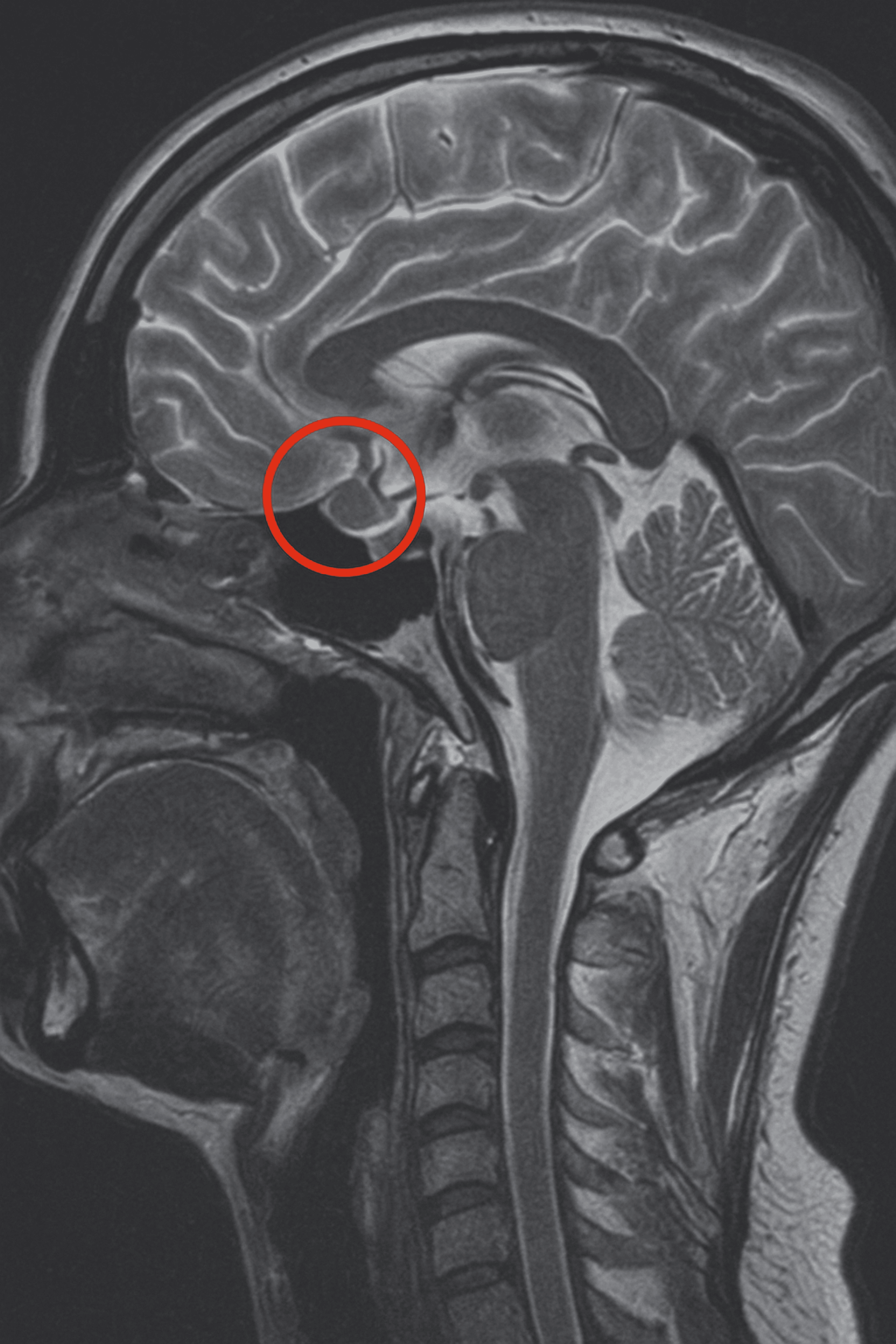
A collaborative effort between Dr Rama Walia from the endocrinology department and Dr Jaya Shukla from nuclear medicine department has resulted in the development of GA-68 MDEsMO, a specialised PET scan molecule. This innovative compound is designed to pinpoint tumors in the pituitary gland, which are often responsible for the excessive cortisol production characteristic of Cushing’s syndrome.

By providing a more precise visualisation of these tumours, the new technique enables neurosurgeons to operate with greater accuracy, preserving the normal functions of the pituitary gland and enhancing patients’ quality of life.

Recognising its potential, this pioneering technology was honoured at the institution’s recent Research Day.

Affects entire body

Cushing’s syndrome is a complex endocrine disorder that occurs due to an overproduction of cortisol, a hormone that influences multiple physiological processes. When cortisol levels surge beyond normal, it disrupts the body’s balance, leading to widespread health complications. The primary cause of this condition is a minuscule tumor within the pituitary gland, making diagnosis particularly challenging.

Currently, only 60 to 70 per cent of patients receive an accurate diagnosis due to the minuscule size of these tumors — often measuring less than a millimeter. The introduction of GA-68 MDEsMO is expected to bridge this diagnostic gap by facilitating early detection, thus enabling timely surgical intervention.

Hormonal disruptions

The pituitary gland, often referred to as the “master gland”, plays a crucial role in regulating hormone production. However, when affected by a tumor, it triggers an excessive release of hormones, leading to systemic damage.

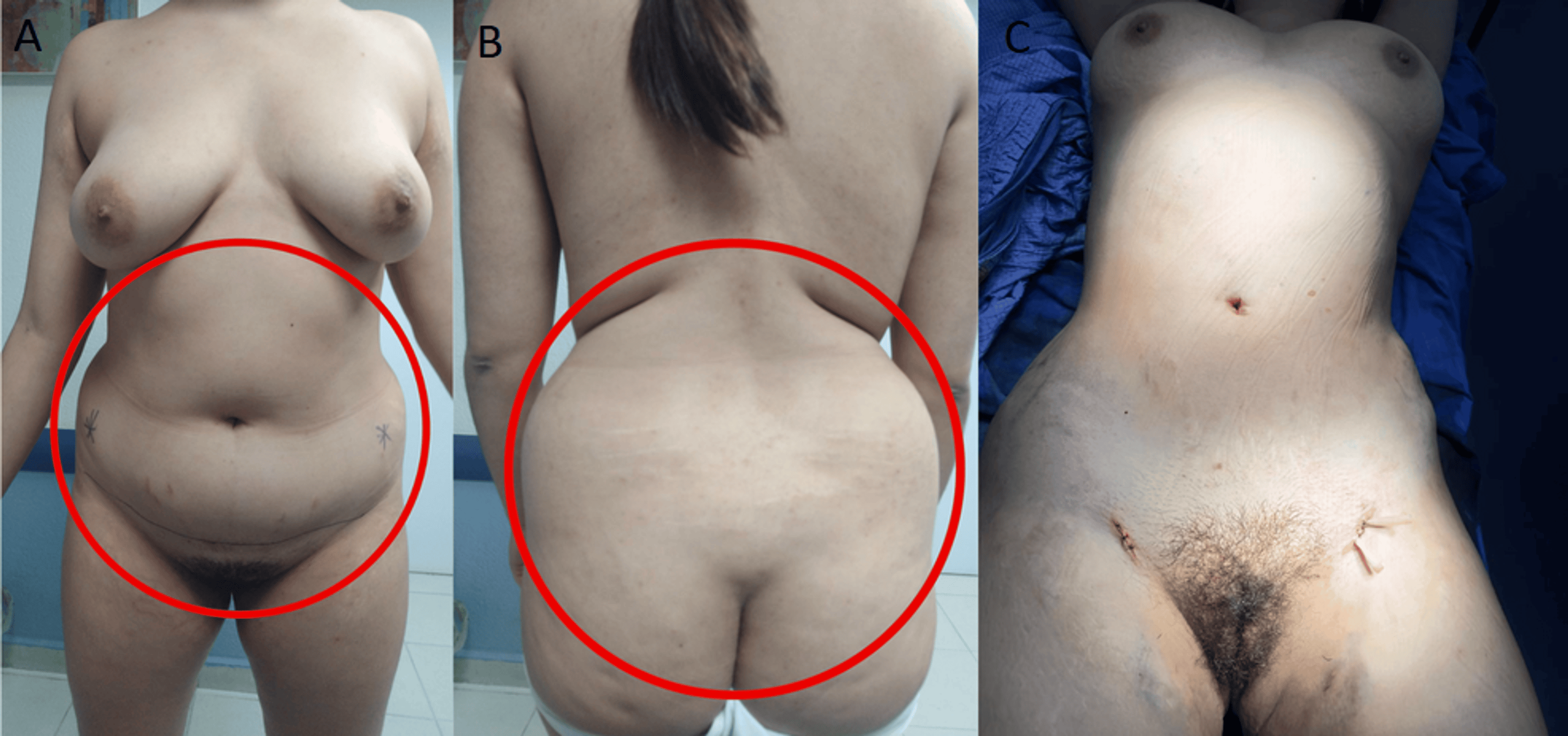
Typical symptoms include unexplained weight gain, obesity and noticeable changes in skin texture. Many patients develop distinctive pink or purplish stretch marks on the abdomen, thighs and arms. Women may experience excessive hair growth, while men could suffer from reduced fertility and erectile dysfunction. Additionally, skin thinning, severe acne and heightened susceptibility to bruising are common indicators of the disease.

Understanding cortisol

Cortisol, a steroid hormone, is essential for stress regulation and overall metabolic balance. Produced by the adrenal glands, it influences numerous bodily functions through interactions with cortisol receptors present in most cells. The secretion of cortisol is managed by a complex system involving the hypothalamus, pituitary gland, and adrenal glands. Given its widespread presence, cortisol plays a vital role in multiple physiological processes, including immune response, metabolism, and blood pressure regulation.

However, any disruption in cortisol levels—whether an excess or deficiency—can lead to significant health challenges. This underscores the importance of precise diagnosis and timely treatment for disorders like Cushing’s syndrome. The introduction of GA-68 MDEsMO marks a crucial step in advancing medical science’s ability to manage and treat this condition effectively. —

https://www.tribuneindia.com/news/punjab/ivory-tower-new-pet-scan-molecule-offers-breakthrough-in-detecting-cushings-syndrome/