A Case of Acute Exacerbation of Chronic Hepatitis C During the Course of Adrenal Cushing’s Syndrome

https://doi.org/10.1002/ccr3.5337

Abstract

A 50-year-old woman with adrenal Cushing’s syndrome and chronic hepatitis C developed an acute exacerbation of chronic hepatitis C before adrenectomy. After administration of glecaprevir/pibrentasvir was started, her transaminase levels normalized promptly and a rapid virological response also was achieved. Laparoscopic left adrenectomy was then performed safely.

1 INTRODUCTION

Reports of reactivation of hepatitis C virus (HCV) and acute exacerbation of chronic hepatitis C associated with immunosuppressive therapy and cancer drug therapy are rarer than for hepatitis B virus (HBV) but have been made occasionally. In HBV infection, viral reactivation and acute hepatitis caused by an excess of endogenous cortisol due to Cushing’s syndrome have been reported, but no acute exacerbation of chronic hepatitis C has been reported so far. Here, we report a case of acute exacerbation of chronic hepatitis C during the course of adrenal Cushing’s syndrome.

2 CASE REPORT

A woman in her 50s underwent a CT scan at a nearby hospital to investigate treatment-resistant hypertension and was found to have a left adrenal mass. Her blood tests showed low ACTH and HCV antibody positivity, and she was referred to our hospital because she was suspected of having Cushing’s syndrome and chronic hepatitis C. There is nothing special to note about her medical or family history. She had never smoked and drank very little. Her physical findings on admission were 164.5 cm tall, 92.6 kg in weight, and a BMI of 34.2 kg/m2. Her blood pressure was 179 / 73 mmHg, pulse 64 /min (rhythmic), body temperature 36.8°C, and respiratory rate 12 /min. She had findings of central obesity, moon face, buffalo hump, and red skin stretch marks. Her blood test findings (Table 1) showed an increase in ALT, HCV antibody positivity, and an HCV RNA concentration of 4.1 log IU/mL. The virus was genotype 2. Cortisol was within the reference range, but ACTH was as low, less than 1.5 pg/mL. Her bedtime cortisol level was 7.07 μg/dL, which was above her reference of 5 μg/dL, suggesting the loss of diurnal variation in cortisol secretion. Testing showed the amount of cortisol by 24-hour urine collection was 62.1 μg/day, and this level of cortisol secretion was maintained. In an overnight low-dose dexamethasone suppression test, cortisol after loading was 6.61 μg/dL, which exceeded 5 μg/dL, suggesting that cortisol was autonomously secreted. Her contrast-enhanced CT scan (Figure 1) revealed a tumor with a major axis of about 30 mm in her left adrenal gland. MRI scans showed mild hyperintensity in the “in phase” (Figure 2A) and decreased signal in the “out of phase” (Figure 2B), suggesting her adrenal mass was an adenoma. Based on the above test results, she was diagnosed with chronic hepatitis C and adrenal Cushing’s syndrome. She agreed to receive treatment with direct acting antiviral agents (DAAs) after resection of the left adrenal tumor. However, two months later, she had liver dysfunction with AST 116 U/L and ALT 213 U/L (Figure 3). HBV DNA was undetectable at the time of liver injury, but the HCV RNA concentration increased to 6.4 logIU/mL. Therefore, an acute exacerbation of chronic hepatitis C was suspected, and a percutaneous liver biopsy was performed. The biopsy revealed an inflammatory cell infiltration, mostly composed of lymphocytes and plasma cells and mainly in the portal vein area (Figure 4). Fibrosis and interface hepatitis were also observed, and spotty necrosis was evident in the hepatic lobule. No clear fat deposits were found in the hepatocytes, ruling out NASH or NAFLD. According to the New Inuyama classification, hepatitis equivalent to A2-3/F1-2 was considered. Because HBV DNA was not detected, no new drug was used, and no cause of liver damage, such as biliary atresia, was found; the patient was diagnosed with liver damage due to reactivation of HCV, with acute exacerbation of chronic hepatitis C. The treatment policy was changed, in order to treat hepatitis C before the left adrenal resection, and administration of glecaprevir/pibrentasvir was started. A blood test two weeks after the start of treatment confirmed normalization of AST and ALT, and a rapid virological response was achieved (Figure 3). Subsequently, HCV RNA remained negative, no liver damage was observed, and laparoscopic left adrenectomy was safely performed nine months after the initial diagnosis. The pathological findings were adrenal adenoma, and no atrophy was observed in the attached normal adrenal cortical gland. After the operation, hypertension improved and weight loss was obtained (92.6 kg (BMI: 34.2 kg/m2) before the operation, but 77.0 kg (BMI: 28.5 kg/m2) one year after the operation). ACTH increased, and the adrenal Cushing’s syndrome was considered to have been cured. Regarding HCV infection, the sustained virological response has been maintained to date, more than 2 years after the completion of DAA therapy, and the follow-up continues.

TABLE 1. Laboratory data on admission
Hematology Chemistry
WBC 6100 /μL TP 8.2 g/dL DHEA-S 48 /μL
RBC 526 x 104 /μL Alb 3.4 g/dL PRA 0.7 ng/mL/h
Hb 15.8 g/dL T-Bil 0.3 mg/dL ALD 189 pg/mL
Ht 49.1 % AST 33 U/L
PLT 25.5 x 104 /μL ALT 46 U/L Serological tests
LDH 201 U/L CRP <0.10 mg/dL
ALP 292 U/L HBsAg (-)
γ-GTP 77 U/L anti-HBs (-)
Coagulation BUN 13 mg/dL anti-HBc (+)
PT 126.1 % Cr 0.63 mg/dL HBeAg (-)
APTT 27.5 sec HbA1c 6.2 % anti-HBe (+)
Cortisol 7.46 μg/dL anti-HCV (+)
ACTH <1.5 pg/mL
FBS 82 mg/dL Genetic tests
Na 138 mmol/L HBV DNA Undetectable
Cl 105 mmol/L HCV RNA 4.1 LogIU/Ml
K 3.6 mmol/L HCV genotype 2
Ca 9.0 mg/dL
  • Abbreviations: Hematology: WBC, white blood cells; RBC, red blood cells; Hb, hemoglobin; Ht, hematocrit; PLT, platelets.
  • Coagulation: PT, prothrombin time; APTT, activated partial thromboplastin time.
  • Chemistry: TP, total protein; Alb, albumin; T-Bil, total bilirubin; AST, aspartate transaminase; ALT, alanine aminotransferase; LDH, lactate dehydrogenase; ALP, alkaline phosphatase; γGTP, γ-glutamyl transpeptidase; BUN, blood urea nitrogen; Cr, creatinine; HbA1c, Hemoglobin A1c; FBS, fasting blood sugar; Na, sodium; Cl, chlorine; K, potassium; Ca, calcium; DHEA-S, dehydroepiandrosterone sulfate; PRA, plasma renin activity; ALD, aldosterone.
  • Serological tests: CRP, C-reactive protein; HBsAg, hepatitis B surface antigen; anti-HBs, hepatitis B surface antibody; anti-HBc, hepatitis B core antibody; HBeAg, hepatitis B e antigen; anti-HBe, hepatitis B e antibody; anti-HCV, hepatitis C virus antibody.
  • Genetic tests: HBV DNA, hepatitis B virus deoxyribonucleic acid; HCV RNA, hepatitis C virus ribonucleic acid.

Details are in the caption following the image

Contrast-enhanced CT examination. Contrast-enhanced CT examination revealed a tumor (arrow) with a major axis of about 30 mm in the left adrenal gland

Details are in the caption following the image

MRI image of the adrenal lesion. MRI showed mild hyperintensity in the “in phase” (A) and decreased signal in the “out of phase” (B), suggesting adrenocortical adenoma (arrow)

Details are in the caption following the image

Changes in serum transaminase and HCV RNA levels. All showed rapid improvement by administration of direct acting antivirals. ALT: alanine aminotransferase, AST: aspartate transaminase, HCV RNA: hepatitis C virus ribonucleic acid

Details are in the caption following the image

Pathological findings of tissues obtained by percutaneous liver biopsy. Infiltration of inflammatory cells, which was mostly composed of lymphocytes and plasma cells and a small number of neutrophils, was observed mainly in the portal vein area. This was accompanied by fibrous enlargement and interface hepatitis. Although the arrangement of hepatocytes was maintained in the hepatic lobule, spotty necrosis was observed in some parts. No clear fat deposits were found in the hepatocytes, and NASH or NAFLD was a negative finding. According to the New Inuyama classification, hepatitis equivalent to A2-3/F1-2 was considered (a; ×100, b; ×200, scale bar = 500 µm)

3 DISCUSSION

Reactivation of HBV can cause serious liver damage. Therefore, it is recommended to check the HBV infection status before starting anticancer chemotherapy or immunotherapy and to continue monitoring for the presence or absence of reactivation thereafter.12 On the other hand, there are fewer reports of the reactivation of HCV, and many aspects of the pathophysiology of HCV reactivation remain unclear. In this case, it is possible that chronic hepatitis C was acutely exacerbated due to endogenous cortisol secretion in Cushing’s syndrome. Although the definition of HCV reactivation has not been defined, several studies35 have defined an increase of HCVRNA of 1.0 log IU/ml or more as HCV reactivation. In addition, the definition of acute exacerbation of chronic hepatitis C is that ALT increases to more than three times the upper limit of the reference range.346 Mahale et al. reported a retrospective study in which acute exacerbation of chronic hepatitis C due to cancer medication was seen in 11% of 308 patients.3 Torres et al. also reported that, in a prospective study of 100 patients with cancer medication, HCV reactivation was found in 23%.4 Given these reports, HCV reactivation potentially could occur quite frequently. However, Torres et al. reported that only 10% of all patients had acute exacerbations, none of which led to liver failure.4 Such data suggest that HCV reactivation may often be overlooked in actual cases without aggravation. Thus, the frequency of aggravation due to hepatitis virus reactivation is thought to be lower for HCV than for HBV. However, there are some reports of deaths from acute exacerbation of chronic hepatitis C.710 In addition, if severe hepatitis develops following viral reactivation, mortality rates have been reported to be similar for HBV and HCV.811 Thus, reactivation of HCV is considered to be a pathological condition that requires caution, similar to HBV. Torres et al. reported that administration of rituximab or corticosteroids is a significant independent risk factor.4 In addition, there are reports of acute exacerbation of chronic hepatitis C due to corticosteroids administered as antiemetics and as immunosuppressive therapy.1214 Therefore, excess cortisol can reactivate not only HBV but also HCV. The mechanism by which HCV is reactivated with cortisol is assumed to be decreased cell-mediated immunity due to rapid apoptosis of circulating T cells caused by glucocorticoids,4 enhancement of HCV infectivity by upregulation of viral receptor expression on the hepatocyte surface,15 and enhanced viral replication.16 In addition, there is a report that genotype 2 is more common in cases with acute exacerbation of chronic hepatitis C,413 which is consistent with this case.

Regarding HBV reactivation due to Cushing’s syndrome, three cases of acute exacerbation of chronic hepatitis B have been reported.1719 It is believed that Cushing’s syndrome caused a decrease in cell-mediated immunity and humoral immunity due to an endogenous excess of cortisol, resulting in an acute exacerbation of chronic hepatitis B.13 As described above, because an excess of cortisol can cause reactivation of HCV, it is considered that a decrease in immunocompetence due to Cushing’s syndrome, which is an excess of endogenous cortisol, can also cause reactivation of HCV and acute exacerbation of chronic hepatitis. However, as far as we can determine, no cases of Cushing’s syndrome causing HCV reactivation or acute exacerbation of chronic hepatitis C have been reported and similar cases may be latent. Among the reports of acute exacerbation of hepatitis B due to adrenal Cushing’s syndrome, there is a case in which the liver damage and viral load were improved only by adrenalectomy.17 Therefore, it is also possible that hepatitis C was improved by adrenal resection in this case. However, general anesthesia associated with adrenalectomy and the use of various drugs used for postoperative physical management should be avoided, if possible, in situations where some severe liver damage is present. In addition, reactivation of immunity due to rapid depletion of glucocorticoid, following resection of an adrenal tumor, may lead to exacerbation of liver damage. In this case, the amount of HCV and hepatic transaminase levels were improved rapidly by glecaprevir/pibrentasvir treatment, and the operation could be performed safely. If Cushing’s syndrome is complicated by an acute exacerbation of hepatitis C, clinicians should consider including treatment strategies such as in this case. Summarizing the above, when liver damage appears in HCV-infected patients with Cushing’s syndrome, it will be necessary to distinguish the acute exacerbation and reactivation of chronic hepatitis C. Treatment with DAAs may then be considered to be effective for reactivation of HCV and acute exacerbation of chronic hepatitis.

4 CONCLUSION

We report a case of chronic hepatitis C with acute exacerbation during the course of Cushing’s syndrome. At the time of cancer drug therapy and in the state of endogenous and extrinsic corticosteroid excess, it is necessary to pay attention not only to acute exacerbation of chronic hepatitis B but also to hepatitis C.

ACKNOWLEDGEMENTS

All authors would like to thank the patient and his family for allowing this case study.

CONFLICT OF INTEREST

The authors have no conflict of interests.

AUTHOR CONTRIBUTIONS

TO and KM were collected and analyzed the data and wrote and edited the manuscript. KH, ST, HO, KT, KM, and JK were involved in the patient’s care and provided advice on the preparation of this case report.

ETHICAL APPROVAL

This study complied with the standards of the Declaration of Helsinki and the current ethical guidelines.

CONSENT

Written informed consent was obtained from the patient to publish this report in accordance with the journal’s patient consent policy.

From https://onlinelibrary.wiley.com/doi/10.1002/ccr3.5337

Endoscopic vs. Microscopic Transsphenoidal Surgery for the Treatment of Pituitary Adenoma

This article was originally published here

Front Surg. 2022 Feb 2;8:806855. doi: 10.3389/fsurg.2021.806855. eCollection 2021.

ABSTRACT

PURPOSE: Currently, endoscopic transsphenoidal surgery (ETS) and microscopic transsphenoidal surgery (MTS) are commonly applied treatments for patients with pituitary adenomas. This meta-analysis was conducted to evaluate the efficacy and safety of ETS and MTS for these patients.

METHODS: A computer search of Pubmed, Embase, Cochrane library, Web of Science, and Google Scholar databases was conducted for studies investigating ETS and MTS for patients with pituitary adenomas. The deadline is March 01, 2021. RevMan5.1 software was used to complete this meta-analysis after literature screening, data extraction, and literature quality evaluation.

RESULTS: A total of 37 studies including 5,591 patients were included. There was no significant difference in gross tumor removal (GTR) and hormone-excess secretion remission (HES remission) between two groups [RR = 1.10, 95% CI (0.99-1.22), P = 0.07; RR = 1.09, 95% CI (1.00-1.20), P = 0.05]. ETS was associated with lower incidence of diabetes insipidus (DI) [RR = 0.71, 95% CI (0.58-0.87), P = 0.0008], hypothyroidism [RR = 0.64, 95% CI (0.47-0.89), P = 0.007], and septal perforation [RR = 0.32, 95% CI (0.13-0.79), P = 0.01] than those with MTS.

CONCLUSION: This meta-analysis indicated that ETS cannot significantly improve GTR and HES remission. However, ETS could reduce the incidence of DI, hypothyroidism, and septal perforation without increasing the rate of other complications.

SYSTEMATIC REVIEW REGISTRATION: https://www.crd.york.ac.uk/prospero/#myprospero, identifier: CRD42021241217.

PMID:35187049 | PMC:PMC8847202 | DOI:10.3389/fsurg.2021.806855

First Adrenal Insufficiency Patient Dosed in Phase 2 Study

Diurnal’s pioneering phase 2 study evaluates modified-release hydrocortisone for adrenal insufficiency

Diurnal has announced that the first patient has been dosed in its phase 2 European clinical trial of modified-release hydrocortisone.

It is treating people with adrenal insufficiency (AI), also known as Addison’s disease, while the trial also represents a significant marketing opportunity for the company across Europe and throughout the UK.

The CHAMPAIN phase 2 study aims to evaluate the efficacy, safety and tolerability of modified-release hydrocortisone versus Plenadren in AI. It is anticipated that it will take six months to reach completion.

Modified-release hydrocortisone is a preparation of hydrocortisone that has been specifically designed for patients with diseases of cortisol deficiency–such as AI–and additionally for congenital adrenal hyperplasia (CAH). It is approved for the latter disease in Europe and the UK under the commercial name Efmody.

AI is a long-term endocrine disorder, which affects approximately 298,000 patients in Europe and the UK. It is caused by inadequate production of steroid hormones in the cortex of the adrenal glands. AI can result in severe fatigue and–if left untreated–adrenal crisis may be life-threatening.

Martin Whitaker, CEO of Diurnal, commented: “We are pleased to have dosed our first patient in the CHAMPAIN phase 2 study for adults with AI as we seek to explore the efficacy of modified-release hydrocortisone in diseases of cortisol deficiency.

“There is a high unmet need for adult patients suffering from AI across Europe with current treatment options leading to poor quality of life. We believe modified-release hydrocortisone has the potential to replicate the physiological overnight rise of cortisol in these patients and we look forward to the data readout from the CHAMPAIN study in H2 2022,” he added.

From https://www.pharmatimes.com/news/first_adrenal_insufficiency_patient_dosed_in_phase_ii_study_1387551

What Do *You* Think? Smartwatch Measures Cortisone

Share your thoughts here.

The human body responds to stress, from the everyday to the extreme, by producing a hormone called cortisol.

To date, it has been impractical to measure cortisol as a way to potentially identify conditions such as depression and post-traumatic stress, in which levels of the hormone are elevated. Cortisol levels traditionally have been evaluated through blood samples by professional labs, and while those measurements can be useful for diagnosing certain diseases, they fail to capture changes in cortisol levels over time.

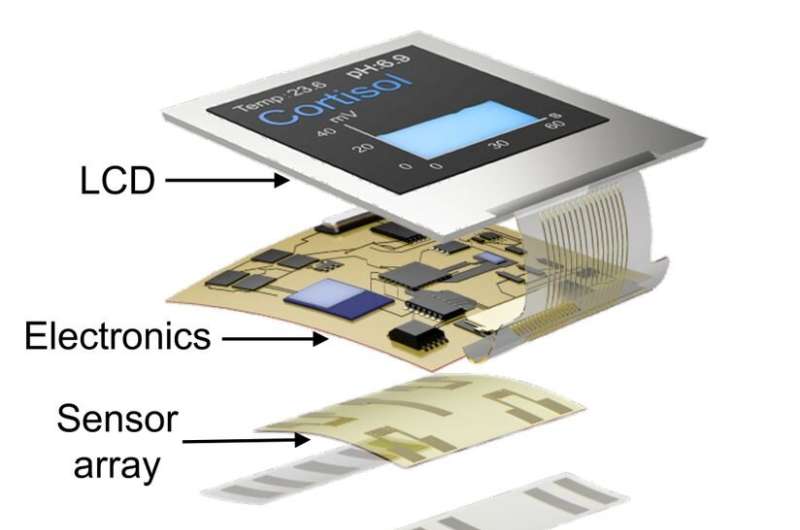
Now, a UCLA research team has developed a device that could be a major step forward: A smartwatch that assesses cortisol levels found in sweat—accurately, noninvasively and in real time. Described in a study published in Science Advances, the technology could offer wearers the ability to read and react to an essential biochemical indicator of stress.

“I anticipate that the ability to monitor variations in cortisol closely across time will be very instructive for people with psychiatric disorders,” said co-corresponding author Anne Andrews, a UCLA professor of psychiatry and biobehavioral sciences, member of the California NanoSystems Institute at UCLA and member of the Semel Institute for Neuroscience and Human Behavior. “They may be able to see something coming or monitor changes in their own personal patterns.”

Cortisol is well-suited for measurement through sweat, according to co-corresponding author Sam Emaminejad, an associate professor of electrical and computer engineering at the UCLA Samueli School of Engineering, and a member of CNSI.

“We determined that by tracking cortisol in sweat, we would be able to monitor such changes in a wearable format, as we have shown before for other small molecules such as metabolites and pharmaceuticals,” he said. “Because of its small molecular size, cortisol diffuses in sweat with concentration levels that closely reflect its circulating levels.”

The technology capitalizes on previous advances in wearable bioelectronics and biosensing transistors made by Emaminejad, Andrews and their research teams.

In the new smartwatch, a strip of specialized thin adhesive film collects tiny volumes of sweat, measurable in millionths of a liter. An attached sensor detects cortisol using engineered strands of DNA, called aptamers, which are designed so that a cortisol molecule will fit into each aptamer like a key fits a lock. When cortisol attaches, the aptamer changes shape in a way that alters electric fields at the surface of a transistor.

The invention—along with a 2021 study that demonstrated the ability to measure key chemicals in the brain using probes—is the culmination of a long scientific quest for Andrews. Over more than 20 years, she has spearheaded efforts to monitor molecules such as serotonin, a chemical messenger in the brain tied to mood regulation, in living things, despite transistors’ vulnerability to wet, salty biological environments.

Sweating the small stuff: Smartwatch developed at UCLA measures key stress hormone
The technology capitalizes on previous work by Sam Emaminejad, Anne Andrews and their UCLA research teams. Credit: Emaminejad Lab and Andrews Lab/UCLA

In 1999, she proposed using nucleic acids—rather than proteins, the standard mechanism—to recognize specific molecules.

“That strategy led us to crack a fundamental physics problem: how to make transistors work for electronic measurements in biological fluids,” said Andrews, who is also a professor of chemistry and biochemistry.

Meanwhile, Emaminejad has had a vision of ubiquitous personal health monitoring. His lab is pioneering wearable devices with biosensors that track the levels of certain molecules that are related to specific health measures.

“We’re entering the era of point-of-person monitoring, where instead of going to a doctor to get checked out, the doctor is basically always with us,” he said. “The data are collected, analyzed and provided right on the body, giving us real-time feedback to improve our health and well-being.”

Emaminejad’s lab had previously demonstrated that a disposable version of the specialized adhesive film enables smartwatches to analyze chemicals from sweat, as well as a technology that prompts small amounts of sweat even when the wearer is still. Earlier studies showed that sensors developed by Emaminejad’s group could be useful for diagnosing diseases such as cystic fibrosis and for personalizing drug dosages.

One challenge in using cortisol levels to diagnose depression and other disorders is that levels of the hormone can vary widely from person to person—so doctors can’t learn very much from any single measurement. But the authors foresee that tracking individual cortisol levels over time using the smartwatch may alert wearers, and their physicians, to changes that could be clinically significant for diagnosis or monitoring the effects of treatment.

Among the study’s other authors is Janet Tomiyama, a UCLA associate professor of psychology, who has collaborated with Emaminejad’s lab over the years to test his wearable devices in clinical settings.

“This work turned into an important paper by drawing together disparate parts of UCLA,” said Paul Weiss, a UCLA distinguished professor of chemistry and biochemistry and of materials science and engineering, a member of CNSI, and a co-author of the paper. “It comes from us being close in proximity, not having ego problems and being excited about working together. We can solve each other’s problems and take this technology in new directions.”

The paper’s co-first authors are UCLA postdoctoral scholar Bo Wang and Chuanzhen Zhao, a former UCLA graduate student. Other co-authors are Zhaoqing Wang, Xuanbing Cheng, Wenfei Liu, Wenzhuo Yu, Shuyu Lin, Yichao Zhao, Kevin Cheung and Haisong Lin, all of UCLA; and Milan Stojanović and Kyung-Ae Yang of Columbia University.

From https://techxplore.com/news/2022-02-small-newly-smartwatch-key-stress.html

What Is Facial Plethora?

What does it mean to have facial plethora? 

Facial plethora involves facial swelling and redness. It’s a symptom of another condition, rather than a condition itself.

It occurs when blood flow to your face increases. It can also happen when the amount of blood in your body increases.

The underlying causes of facial plethora vary greatly, and treatment depends on the specific cause.

 What can cause a plethoric face? 

Several possible conditions can cause facial plethora. They include:

Cushing syndrome

Facial plethora is a main symptom of  Cushing syndrome , a rare condition that’s caused by high levels of cortisol, known as the stress hormone.

The hormone cortisol is produced by your adrenal gland. It’s involved in bodily functions like the stress response, metabolism, and inflammation.

 Too much cortisol  can happen if you have a tumor in the pituitary or adrenal gland. The tumor causes your body to overproduce cortisol, leading to high levels. It can also happen after taking  corticosteroid  drugs, like prednisone.

High levels of cortisol can increase blood pressure. This increases blood flow in the skin on your face, resulting in facial plethora.

Superior vena cava syndrome

T he superior vena cava (SVC) is a major vein in your body. It brings blood to your heart from your chest, head, neck, and arms.

Some types of cancer, like lung cancer, can partially or completely block the SCV. A blood clot can also block the SCV. If this happens, a group of symptoms called superior vena cava syndrome (SCVS) may develop.

In SCVS, the blockage of blood flow causes upper body swelling. This can lead to symptoms like facial plethora. 

Carcinoid syndrome

Neuroendocrine cells are involved in basic bodily functions. They work by sending information via hormones.

If neuroendocrine cells develop into a tumor, it’s called a carcinoid tumor. Carcinoid syndrome happens when the tumor spreads to your liver and makes too much serotonin.

The tumor releases chemicals into the bloodstream, causing a range of symptoms. Some chemicals widen the blood vessels and increase blood flow, resulting in facial swelling.

Polycythemia vera

Polycythemia vera is a rare blood disorder that causes excess production of red blood cells. This increases red blood cell mass, causing thickened blood and swelling.

The swelling can lead to plethora of the face and palms.

Rosacea

Rosacea is a chronic inflammatory skin disorder. The inflammation can cause facial flushing and swelling.

In people with lighter skin tones, the flushing appears red. In those with darker skin tones, it may look like brown discoloration.

Other symptoms of rosacea include:

  • acne-like breakouts
  • thickening skin
  • burning
  • warm skin

Sunburn

sunburn happens when ultraviolet rays from the sun damage skin cells. This causes your body to release inflammatory substances, resulting in dilated blood vessels and increased blood flow.

The increased blood flow leads to swelling and redness, or facial plethora.

 Is facial plethora a symptom of a syndrome? 

In some cases, facial plethora may indicate a syndrome.

According to a 2015 study, facial plethora is one of the first identified symptoms of Cushing syndrome. It’s also one of the first symptoms to get better as Cushing syndrome is treated.

Facial plethora may also be caused by SVCS or carcinoid syndrome.

 What are the features of facial plethora? 

Facial plethora involves a group of features, rather than a single characteristic. It generally involves facial symptoms like:

  • swelling and increased roundness
  • increased puffiness in your cheeks
  • redness (on lighter skin tones)
  • brown discoloration (on darker skin tones)

VIEW GALLERY2
 Does facial plethora pose other health risks? 

The symptoms of facial plethora may be uncomfortable. But there’s no research stating that facial plethora itself is linked to complications.

However, if the underlying condition goes untreated, it may lead to complications. The condition may get worse or cause other side effects.

That’s why it’s important to contact a healthcare professional if you think you have facial plethora.

 How is facial plethora treated? 

Treatment for a plethoric face depends on the condition causing it. Treatment may include:

Medication

A healthcare professional may suggest using medication for the following conditions:

  • Cushing syndrome. A doctor can prescribe medications that lower your cortisol levels.
  • SVCS. If this condition is caused by a blood clot, a therapy called thrombolysis can be used to break down the clot. This procedure allows medication to get to the site of a blood clot and dissolve the blockage.
  • Carcinoid syndrome. Some medications can block the chemicals produced by a carcinoid tumor.
  • Polycythemia vera. If you have polycythemia vera, you might need medication to reduce red blood cell production.
  • Rosacea. A dermatologist can prescribe topical medication to manage rosacea symptoms.

Chemotherapy or radiation

Chemotherapy or radiation treatment may be used for tumors that cause:

  • Cushing syndrome
  • SVCS
  • carcinoid syndrome

Surgery

In certain cases, you might need surgery. This option may be used for tumors that cause:

  • Cushing syndrome
  • SVCS
  • carcinoid syndrome

If SCVS is caused by a blood clot, surgery may be used to insert a stent or remove the blood clot.

 Takeaway 

Facial plethora is characterized by facial swelling and puffiness. It can cause redness in lighter complexions and brown discoloration in darker skin tones.

It’s a main symptom of Cushing syndrome, but it may also be a symptom of SVCS and carcinoid syndrome. Other causes include polycythemia vera, rosacea, and sunburn.

Treatment depends on the specific cause. If you experience facial swelling and discoloration, reach out to a healthcare professional for a diagnosis.