Hypercoagulability in Cushing Syndrome

Introduction

Cushing syndrome is a prevalent endocrine disorder that impacts multiple bodily systems. Although 80% of patients have ACTH-dependent Cushing syndrome (typically caused by Cushing disease), around 20% of ACTH-independent CS are noted mostly due to adrenal adenoma. Patients with this condition have an approximately 8% risk of thromboembolism. This hypercoagulable state is thought to result from the activation of the coagulation cascade, along with impaired fibrinolysis and prolonged clot lysis time. Vigilance in recognizing and managing these complications is essential to improving patient outcomes.

Section snippets

Case Report

A 44-year-old woman with a medical history of type 2 diabetes mellitus, obesity, and tobacco dependence presented to the clinic for obesity management. She had been started on weight loss medication, but there was minimal improvement in her condition. The patient denied using steroids or oral contraceptive pills and reported well-controlled diabetes. Due to the lack of progress, an extensive workup was conducted, revealing the following: an am cortisol of 2.4 mcg/dL after 1 mg of dexamethasone

Case Report

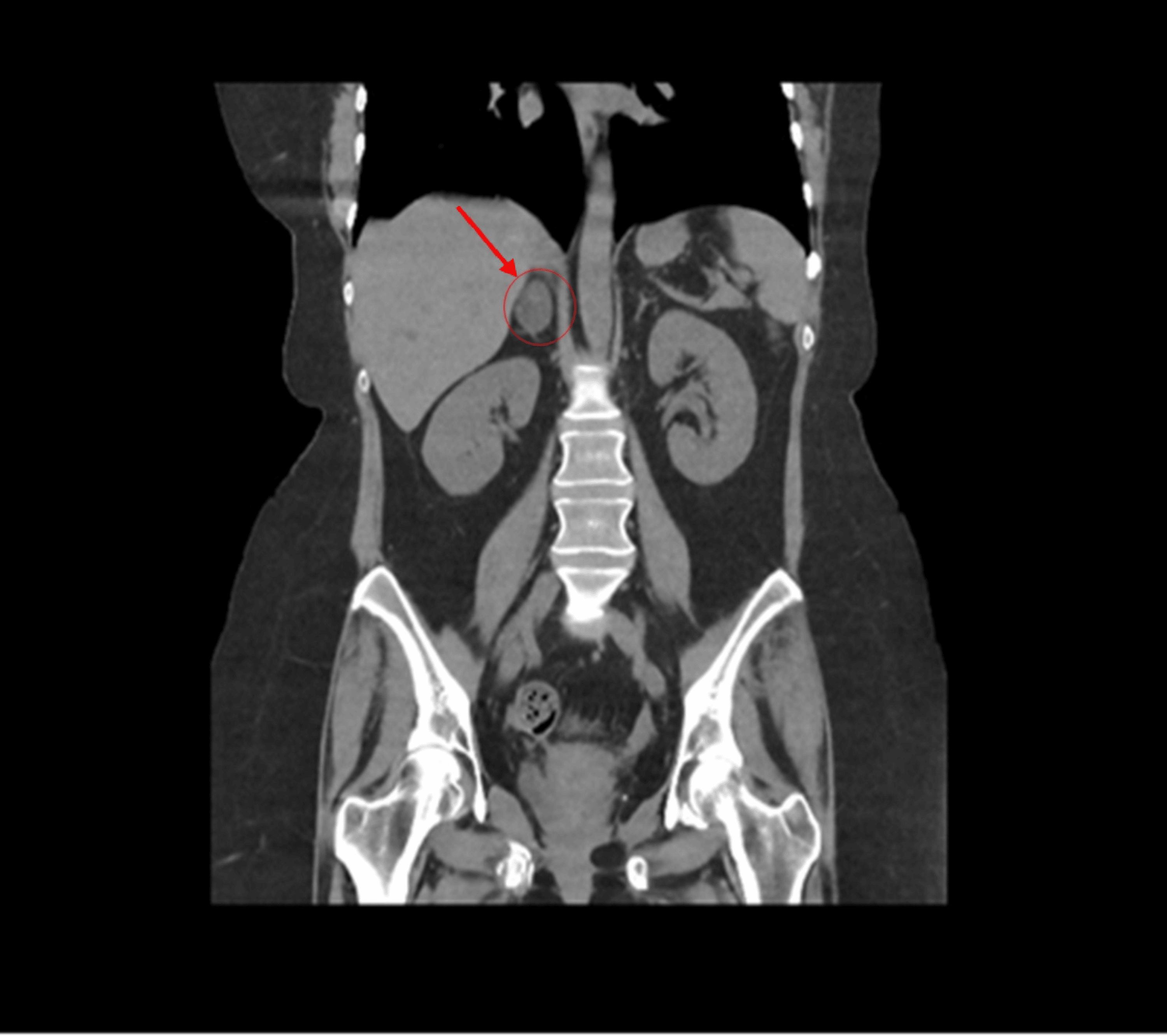
Few days later, she was admitted to the emergency department with acute hypoxia, requiring up to 6 L of oxygen via nasal cannula, and severe abdominal pain. A CT scan of the chest, abdomen, and pelvis revealed a right renal infarct, a splenic infarct, and a pulmonary embolism. A venous duplex of the left lower extremity was negative for deep vein thrombosis, and hypercoagulable workup was also negative. An echocardiogram identified a patent foramen ovale, which was repaired, and she was started

Discussion

This case highlights the necessity of providers to be aware of potential complications of endocrinological disorders. The risk of thromboembolism is more commonly present in patients with Cushing syndrome, who have risk factors such as obesity, surgery and invasive diagnostic procedures. Patients should be treated as having a prothrombotic disorder and undergo antithrombotic prophylaxis following procedures. The risk of thromboembolism in patients with Cushing syndrome should be widely

Conclusion

This case highlights the necessity of providers to be aware of potential complications of endocrinological disorders. The risk of thromboembolism is more commonly present in patients with Cushing syndrome, who have risk factors such as obesity, surgery and invasive diagnostic procedures. Patients should be treated as having a prothrombotic disorder and undergo antithrombotic prophylaxis following procedures. The risk of thromboembolism in patients with Cushing syndrome should be widely

A Second Look at Cushing Disease: Hypercortisolism Recurrence From Another Gland

Abstract

Cushing disease (CD) is the most common form of adrenocorticotropin (ACTH)-dependent Cushing syndrome (CS), whereas unilateral adrenal adenoma is the most common cause of ACTH-independent CS. However, the occurrence of different subtypes of CS in a single individual is very rare.

We present a case of a 44-year-old woman with distant histories of left adrenalectomy for an adrenal adenoma and total thyroidectomy following the diagnosis of papillary thyroid carcinoma.

She was later diagnosed with CD, achieving disease remission after pituitary surgery, but subsequently developed adrenal CS from the remaining right adrenal gland. After discussing the potential advantages and drawbacks of another adrenalectomy to remove her right adrenal gland, the patient declined surgery and opted for medical management. After 7 years of imaging follow-up studies, her right adrenal adenoma has remained stable in size and she is biochemically controlled on low-dose osilodrostat therapy. Our case emphasizes the importance of recognizing the rare occurrence of successfully treated CD followed by the recurrence of CS from a different gland, and the adoption of management strategies tailored to each individual patient’s preferences.

Introduction

Cushing syndrome (CS) arising from either pituitary or adrenal lesions is generally a rare condition, with an estimated prevalence of 10 to 15 cases per million individuals [1]. The majority of cases of endogenous CS are adrenocorticotropin (ACTH) dependent, accounting for 80% to 85% of cases. Among these cases, approximately 75% to 80% are attributed to pituitary corticotroph adenomas [23], whereas ACTH-independent CS constitutes 15% to 20% of cases, with 90% of such cases caused by unilateral adrenal adenomas [4]. Surgery is the preferred first-line treatment option for all cases of CS; however, approximately 20% cases may recur following surgical resection that necessitates second-line treatments, such as medical therapy, adrenalectomy, and radiation therapy [56].

Bilateral adrenalectomy may be considered for some Cushing disease (CD) patients, such as patients with persistent or recurrent disease following pituitary surgery, medication intolerance, nonadherent or unresponsive to medical therapy, or in situations where rapid normalization of life-threatening hypercortisolism is required. However, this procedure carries the risk of development of Nelson syndrome and lifelong use of glucocorticoid and mineralocorticoid replacement therapies [7]. Consequently, the role of bilateral adrenalectomy in patients with CS still remains a subject of debate and medical therapy is increasingly preferred [8]. Additionally, there is accumulating evidence affirming the effectiveness, safety, and tolerability of medical therapies leading to its increased use in the treatment of CS, subsequently allowing a more personalized approach for these patients [9].

We hereby present a case of a patient with distant histories of left adrenalectomy for an adrenal adenoma and total thyroidectomy for papillary thyroid carcinoma, who later developed CD that required transsphenoidal resection. After 6 years of disease remission following her transsphenoidal resection, the patient sought medical guidance for recurrence of her hypercortisolemic symptoms leading to the discovery of a right cortisol-secreting adrenal adenoma and the subsequent diagnosis of adrenal CS.

Case Presentation

A 44-year-old African American woman presented to our clinic in 2017 for worsening headaches, joint and muscle pains, muscle weakness, facial acne, facial roundness, facial plethora, pink abdominal striae, easy skin bruising, hair loss, and weight gain of 7 kg over 6 months. Her past surgical history included a left adrenalectomy for an adrenal adenoma in 2009, transsphenoidal resection of a corticotroph adenoma in 2011, and total thyroidectomy for papillary thyroid carcinoma in 2016. The left adrenalectomy was undertaken due to worsening hypertension and mildly elevated plasma metanephrines and catecholamines; however, the pathology revealed an adrenal cortical adenoma and not pheochromocytoma characteristics, demonstrating clear and eosinophilic cytoplasm, low mitotic activity, no significant atypia, and no vascular invasion, while immunohistochemistry was positive for inhibin, calretinin, and Melan-A. Genetic studies, including multiple endocrine neoplasia (MEN) 1 testing, were performed and were negative. Her past medical history included long-standing type 2 diabetes mellitus, metabolic dysfunction–associated steatohepatitis, and osteoporosis with compression fractures on her lumbar 4 to 5 vertebral bodies of her spine. The patient reported no known family history of endocrine disorders.

Diagnostic Assessment

Further testing at this clinic visit revealed elevated 24-hour urine cortisol levels of 49.3 μg/24 hours (135.73 nmol/24 hours) (reference range [RR] <45 μg/24 hours; <124.40 nmol/24 hours), unsuppressed overnight 1-mg dexamethasone suppression test with a postdexamethasone cortisol level of 15.8 µg/dL (435.88 nmol/L) (RR <5 µg/dL; <138 nmol/L), a low dehydroepiandrosterone sulfate level of 14 µg/dL (0.38 µmol/L) (RR: 32-240 µg/dL; 0.86-6.49 µmol/L), and normal 24-hour urine metanephrine levels. These findings, in conjunction with the patient’s clinical symptoms, raised concerns of recurrence of CS, especially considering a recent magnetic resonance imaging scan that had revealed some residual tissue in the sella described as a nonenhancing cystic foci in the left lateral aspect of the pituitary gland (Fig. 1).

Nonenhancing cystic foci in the left lateral aspect of the pituitary gland (A: sagittal view; B: coronal view).

Figure 1.

Nonenhancing cystic foci in the left lateral aspect of the pituitary gland (A: sagittal view; B: coronal view).

Follow-up laboratory testing revealed plasma morning ACTH of less than .1 pg/mL (<23.98 pmol/L) (RR: 7-63 pg/mL; 152.6-1373.4 pmol/L), whereas 24-hour urinary free cortisol and serum morning cortisol levels were within the normal range at 47 mcg/24 hours (129.98 nmol/24 hours) and 14.8 mcg/dL (408.67 nmol/L) (RR <45 μg/24 hours; 124.40 nmol/24 hours). Due to the low plasma morning ACTH level, an abdominal magnetic resonance imaging scan was performed that revealed a right adrenal adenoma measuring 6.3 × 3.5 cm. Additionally, her insulin-like growth factor 1 was elevated at 316 ng/mL (41.28 nmol/L) (RR: 7.44-25.44 nmol/L), while her prolactin levels were normal. Based on her elevated insulin-like growth factor 1 level, an oral glucose tolerance test for growth hormone suppression was performed that ruled out acromegaly, with a nadir growth hormone level of 0.20 ng/mL (0.61 mIU/L) (RR <1 ng/mL; <3.03 mIU/L) [10].

Suspecting recurrence of CS, her serum cortisol and ACTH levels were closely monitored over the course of a year (Table 1). During this period, her 24-hour urinary free cortisol levels were either mildly elevated or within the normal range at 47, 39, and 32 mcg/24 hours (129.74, 107.63, and 88.14 nmol/day, respectively) (RR <45 μg/24 hours; <124.40 nmol/24 hours), prompting further evaluation with late-night salivary cortisol measurements on 4 separate occasions that were consistently elevated at 0.154, 0.218, 0.298, and 0.109 μg/dL (4.24, 6.01, 8.21, and 3.01 nmol/L, respectively) (RR: <0.010-0.090 μg/dL; <0.28-2.48 nmol/L). The persistent suppression of ACTH levels supported the diagnosis of adrenal CS, and an abdominal computed tomography (CT) scan revealed a lipid-rich adenoma that was stable in size measuring 6.6 × 3.5 cm (Fig. 2).

Abdominal computed tomography images demonstrating adrenal adenoma in the right adrenal gland measuring 6.6 × 3.5 cm.

Figure 2.

Abdominal computed tomography images demonstrating adrenal adenoma in the right adrenal gland measuring 6.6 × 3.5 cm.

Table 1.

Comparison of hormonal parameters over time

Hormone tested Initial consult Post adrenal adenoma findingsa Post osilodrostat (1 y)b Reference range
8 Am ACTH <1.1 pg/mL
(<0.24 pmol/L)
<1.1 pg/mL
(<0.24 pmol/L)
3.5 pg/mL
(0.76 pmol/L)
7.2-63.3 pg/mL
(1.6-13.9 pmol/L)
8 Am serum cortisol 14.8 μg/dL
(408.67 nmol/L)
16.3 μg/dL
(448.1 nmol/L)
4.2 μg/dL
(115.8 nmol/L)
6.2-19.4 μg/dL
(171.1-534.41 nmol/L)

Reported in conventional units (SI units).

Abbreviation: ACTH, adrenocorticotropin.

aOne year after initial consult.

bTwo years and 9 months after initial consult.

Treatment

Because our patient was biochemically in remission following her pituitary surgery for CD for 6 years before the current presentation and now has biochemical evidence of recurrence of hypercortisolism due to adrenal CS, treatment options were discussed with the patient, including medical therapy and right adrenalectomy. The patient opted against a right adrenalectomy due to concerns about the need for lifelong hydrocortisone and fludrocortisone, and decided to commence medical therapy. The patient was offered the option to start either ketoconazole or a glucocorticoid receptor antagonist (mifepristone). The patient declined being treated with ketoconazole and mifepristone, as she was concerned about the side-effect profile of liver function test derangements due to her history of metabolic dysfunction–associated steatohepatitis and hypokalemia, respectively. Hence, she decided to start osilodrostat therapy and began a low dose of 1 mg twice daily.

Outcome and Follow-up

Annual follow-up CT imaging studies of the patient’s adrenal gland for the next 7 years after the current presentation have shown stability in the size of her right adrenal adenoma. Her blood pressure is well controlled with a single antihypertensive medication (amlodipine), and her glycated hemoglobin has remained in the nondiabetic range. Additionally, she has been experiencing increased energy levels and improvement in peripheral edema. While on osilodrostat therapy, she continues to be biochemically well controlled and has had only a single episode of adrenal insufficiency. A chronological overview of clinical events is displayed in Fig. 3. Because her morning serum cortisol level was relatively low (5.6 µg/dL [154.5 nmol/L]), her osilodrostat dose was further decreased to 1 mg in the evening in December 2024 and she was educated on the proper timing and administration of rescue oral hydrocortisone therapy of 5 to 10 mg, as needed, whenever she developed symptoms of adrenal insufficiency.

Chronological overview of clinical events.

Figure 3.

Chronological overview of clinical events.

Discussion

While previous reports have documented the coexistence of CD with a solitary adrenal adenoma [9], the unique aspect of our case lies in the development of a right adrenal adenoma after a distant history of surgical resection of a left adrenal adenoma and the achievement of disease remission following transsphenoidal resection of a pituitary corticotroph adenoma [4]. Several molecular studies have been performed to elucidate the pathogenesis of recurrent and refractory endocrine tumors, revealing links to genetic factors. The majority of previously reported cases of pituitary adenomas coexisting with adrenal adenoma are seen in patients with MEN syndromes [11]. The genetic testing for MEN 1 syndrome conducted on our patient yielded negative results. However, while MEN 1 was ruled out in our patient, it is possible that other, yet-unidentified genetic factors may contribute to this pattern of tumor formation, including Carney complex and McCune-Albright syndrome, that can be associated with adrenal adenomas and will need to be tested in our patient. Notably, our patient does not report any family history of endocrine tumor syndromes, and corticotroph adenomas are primarily sporadic monoclonal neoplasms that are rarely found in genetic syndromes [12].

In assessing our patient, we also noted a discrepancy between the overt cushingoid features in our patient and the marginal elevations in 24-hour urine free cortisol levels, underscoring the complexities in diagnosing and characterizing the severity of hypercortisolemic states. While 24-hour urine free cortisol remains an important screening test, its limitations must be acknowledged, including variability in 24-hour cortisol secretion, renal clearance differences, and the potential for episodic hypercortisolism that may not be fully captured in a single 24-hour urine collection measurement [13]. These factors have been substantiated by Petersenn et al [14], who reported significant intrapatient variability in 24-hour urinary free cortisol measurements, with a coefficient of variation of approximately 50%, highlighting the need for multiple sample collections to improve the reliability of assessments. These fluctuations, along with individual differences in cortisol sensitivity and metabolism, may account for the presence of varying phenotypic features that are not correlated with the degree of urinary hypercortisolism [15]. In our patient’s case, her clinical phenotype, imaging data, and the associated comorbidities are more useful in assessing the severity of CS, highlighting the importance of thorough and comprehensive clinical and biochemical assessments for CS patients.

Another aspect contributing to the complexity of our case included the treatment options that we could offer to our patient. She opted to avoid a second adrenalectomy, which has the potential of causing Nelson syndrome [9]. Initially, we offered the patient to start treatment with a steroidogenesis inhibitor such as ketoconazole, which has been used to treat hypercortisolism for more than 30 years with an average remission rate of 71.1% [9]. Another alternative was mifepristone, a glucocorticoid receptor antagonist used in the treatment of hyperglycemic patients with underlying CS [16]. However, our patient decided against being treated with ketoconazole and mifepristone due to the side-effect profiles of liver function test derangements and hypokalemia, respectively. Hence, she was offered osilodrostat treatment, to which she has responded well symptomatically, and her disease currently remains well-controlled in remission.

Because of the effectiveness of osilodrostat, adrenal insufficiency is a side effect that was commonly reported in previous pivotal clinical trials [1718]. More recently there have been several publications describing prolonged duration of adrenal insufficiency even after osilodrostat discontinuation that requires close monitoring, a finding that remains mechanistically unclear, especially with its short half-life of approximately 4 hours [1920]. Given the emerging reports of prolonged adrenal insufficiency after osilodrostat discontinuation [1920], close monitoring of serum cortisol levels and patient education to manage symptoms of adrenal insufficiency are essential for the long-term management of patients on osilodrostat therapy. Finally, eventual recovery of adrenal function has also been recently reported [21], hence clinicians are advised to exercise a low threshold of retesting the adrenal reserve of patients who have discontinued osilodrostat therapy.

Learning Points

  • This case highlights an unusual scenario in which a patient with CS presented with both adrenal and pituitary adenomas following prior surgical resections. Physicians should be aware of the rare occurrence of two different etiologies of CS in the same patient and should consider its possibility in patients with recurrent hypercortisolism.
  • The patient’s hesitation to undergo a second adrenalectomy demonstrates the importance of personalized medicine in individualizing the treatment plan for our patient.
  • Recent reports suggest that prolonged adrenal insufficiency after discontinuation of osilodrostat and the eventual recovery of adrenal function can occur in some patients. Clinicians should be aware of this and ensure close monitoring of adrenal function after discontinuing therapy.

Contributors

All authors made individual contributions to authorship. K.C.J.Y. was involved in the diagnosis and management of this case, manuscript review, and text editing. M.M.-G. was involved in manuscript preparation, writing, and submission. Both authors reviewed and approved the final draft.

Funding

This research did not receive any specific grants from any funding agencies in the public, commercial, or not-for-profit sectors.

Disclosures

None.

Informed Patient Consent for Publication

Signed informed consent obtained directly from the patient.

Data Availability Statement

Data sharing is not applicable to this article as no data sets were generated or analyzed during the present study.

From https://academic.oup.com/jcemcr/article/3/6/luaf089/8117205?login=false

Cushing’s Syndrome Masquerading as Fibromyalgia: A Case Series

​Abstract

Three young female patients with a history of generalized body pain were diagnosed with fibromyalgia. They visited several specialities which related patients’ symptoms to their previous diagnosis of fibromyalgia and were treated symptomatically. These patients developed a multitude of clinical features including fractures, hypertension, abnormal weight gain, proximal myopathic pain and bruising. They were seen by rheumatologists whose assessment was that their clinical features were not entirely due to fibromyalgia and suspected that patients have a possible underlying endocrine cause. Patients were referred to an endocrinologist for further tests with suspicion of Cushing’s syndrome. Laboratory tests and imaging confirmed a diagnosis of Cushing’s syndrome. Two of them had adrenal adenoma and one had iatrogenic corticosteroid use. These cases emphasize the need for thorough clinical evaluation for patients who are thought to have fibromyalgia. Fibromyalgia is a diagnosis of exclusion.

Introduction

Fibromyalgia is a chronic functional neurosensory disorder characterized by diffuse musculoskeletal pain, fatigue, and insomnia [1]. The exact cause is yet to be understood and the diagnosis relies solely on the patient’s history as physical examination, imaging, and laboratory tests are usually normal making it a diagnosis of exclusion.

Cushing’s syndrome is an endocrine disorder caused by an increase in cortisol level in the body due to either exogenous glucocorticoid administration or endogenous overproduction of cortisol due to adrenal adenoma, pituitary adenoma, or ectopic paraneoplastic foci [2].

Patients may present with central obesity, easily bruised skin, purple abdominal striae, osteoporosis and pathological fractures, secondary hypertension, hyperglycemia, fatigue, and proximal muscle weakness.

We herein report three cases of patients who had diffuse muscle pain and were misdiagnosed as fibromyalgia without ruling out endocrinological causes such as Cushing’s syndrome which they were found to have.

Case Presentation

Case report 1

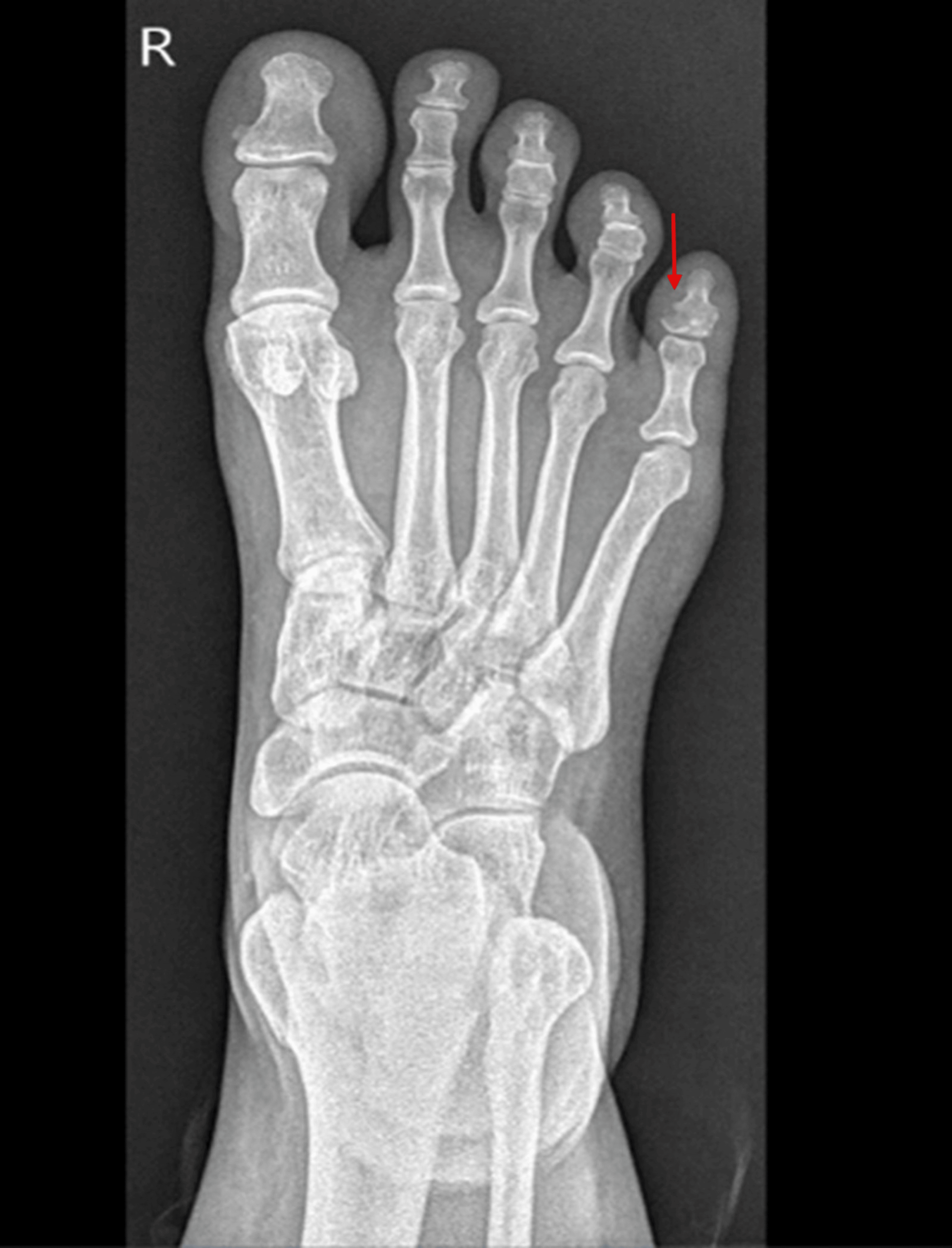
A 38-year-old Egyptian female with a history of fibromyalgia presented to the urgent care in November 2020 with right little toe pain and swelling after hitting it against the wall. She had a fracture of the distal phalanx of the fifth toe (Figure 1) and was managed conservatively.

X-ray-of-right-foot-showed-fracture-at-the-distal-phalanx-of-fifth-toe-with-suspected-intra-articular-extension
Figure 1: X-ray of right foot showed fracture at the distal phalanx of fifth toe with suspected intra-articular extension

In January 2022, she presented to her gynaecologist with headache, body swelling and was found to be hypertensive (156/105mmHg). She was referred to cardiology for management of hypertension, who recommended keeping a blood pressure (BP) diary with one-week follow-up as her BP was high on one occasion only.

In May 2022, she visited an internist because of easy bruising for six years in both lower limbs and history of bleeding following dental procedure. She was also complaining of gaining weight (15 kg over seven months). Investigations including coagulation profile, serum electrolyte, blood glucose, liver enzymes, and autoimmune antibodies were ordered, and they were normal. Patient was reassured and was diagnosed as purpura simplex.

In September 2022, she had a visit to the cardiologist after she was diagnosed with hypertension in Egypt and was on ramipril (2.5mg) and torsemide (10mg). The cardiologist continued ramipril and discontinued torsemide. The cardiologist referred her to internal medicine because of her history of fibromyalgia, and review of her prescribed medications from Egypt which included duloxetine, hydroxychloroquine (HCQ), and melatonin.

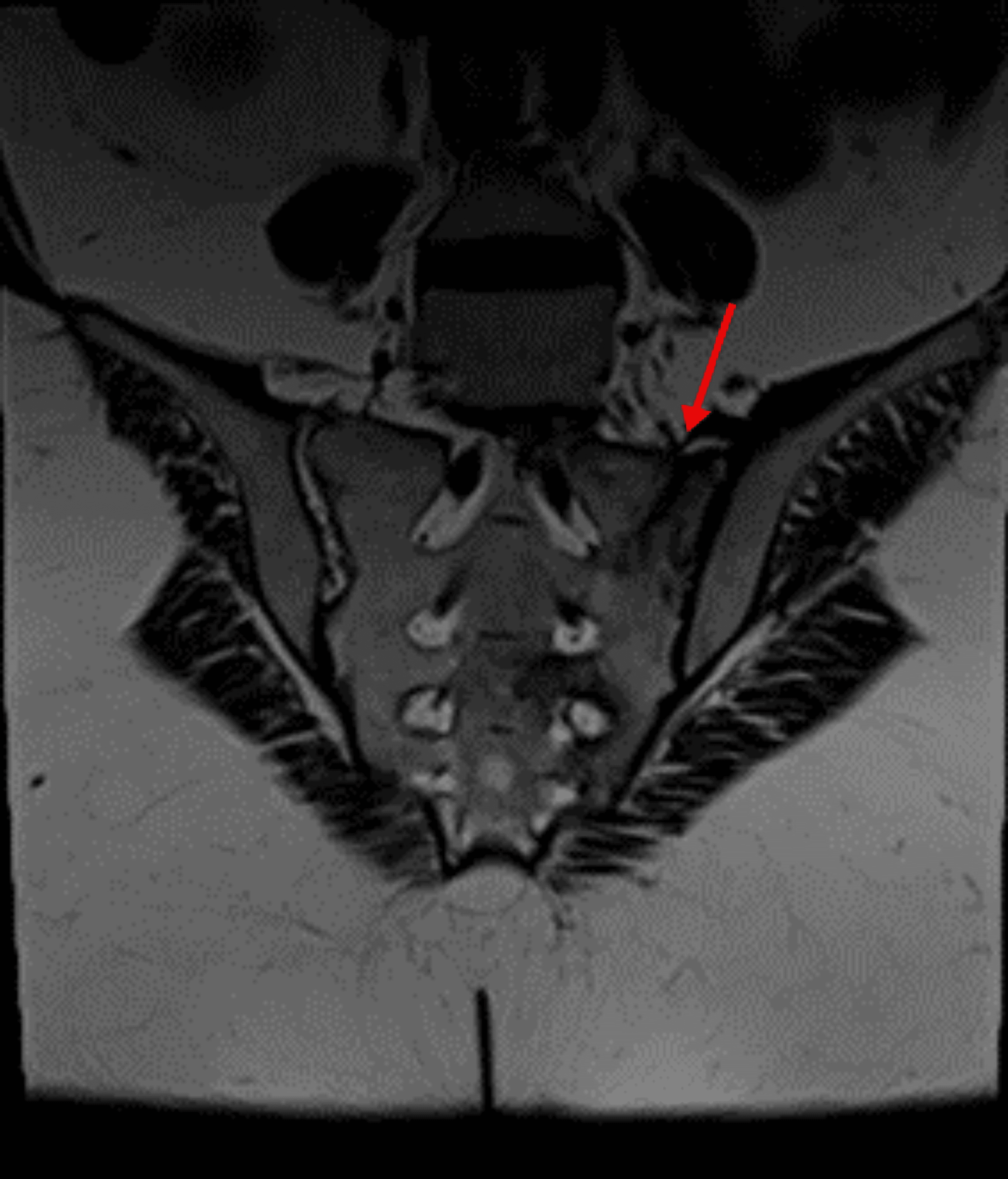
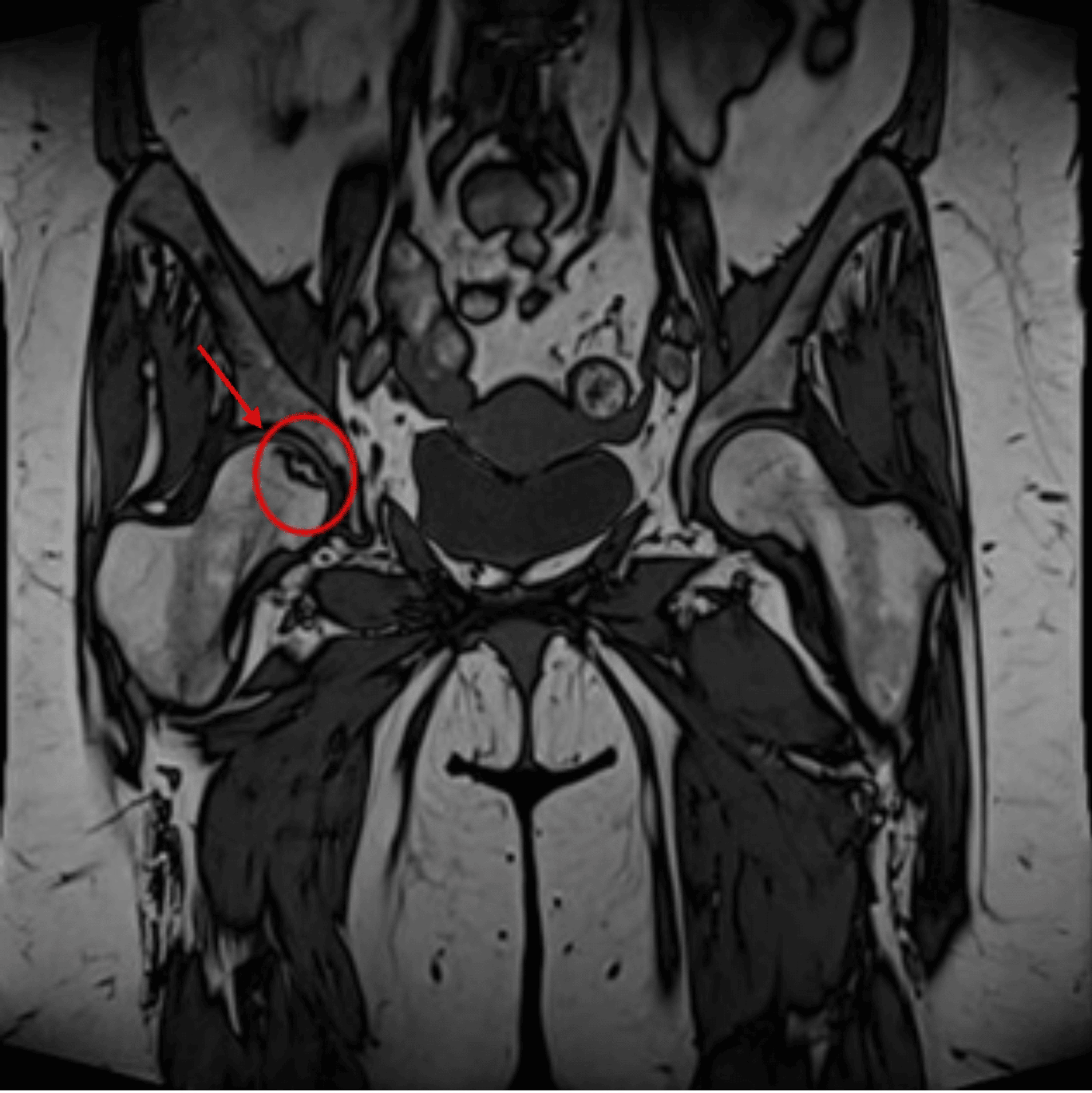
She had multiple visits to internists between September 2022 and March 2023 with complaints of body swelling, generalized joint stiffness, hip pain, proximal myopathic pain when lifting arms or standing up with oral ulcers and small reddish-purple spots just beneath the skin’s surface most likely purpura simplex. Laboratory tests were ordered, and they showed she had low serum potassium and positive antinuclear antibody (ANA) titer (DFS-70 pattern). Also, she had negative rheumatoid factor (RF), extractable nuclear antigen (ENA) panel, antineutrophil cytoplasmic antibodies (ANCA) and anti-cyclic citrullinated peptide (CCP) with normal C-reactive protein (CRP) and erythrocyte sedimentation rate (ESR). She was given potassium supplements and magnesium. During her visits she was prescribed various medications for fibromyalgia including duloxetine, amitriptyline, and tramadol. She also developed back pain and her MRI of sacroiliac joints showed signs of left-sided linear sacrum fracture, crescentic subchondral edema in the right femoral head suggestive of avascular necrosis (AVN) and narrowing of L5/S1 intervertebral disc space with degenerative changes (Figure 2).

MRI-sacroiliac-joints-showed-left-sided-linear-sacrum-fracture
Figure 2: MRI sacroiliac joints showed left-sided linear sacrum fracture

She then visited an orthopedic surgeon in April 2023 with back and right hip pain. The orthopedic doctor thought that her symptoms and signs were not entirely consistent with fibromyalgia, and she was referred to rheumatology for further review.

On rheumatology review she gave a history of whole-body pain, back pain, severe right hip pain, two fractures (left foot and sacrum), hypertension, hypokalaemia, amenorrhea for 18 months, weight gain (of 15 kg over seven months) and skin bruising. Laboratory tests showed negative autoimmune tests, low serum potassium, high alkaline phosphatase (ALP), normal parathyroid hormone (PTH), Mg, vitamin D and calcium. She was referred to internal medicine for low serum potassium, with suspicion of adrenocortical excess.

Her internist suspected Cushing’s syndrome as her physical examination showed that she was obese with florid purple striae on the trunk and arms in addition to proximal muscle weakness . He then ordered investigations that showed low adrenocorticotropic hormone (ACTH) using electrochemiluminescence immunoassay (ECLIA) of <1 pg/mL (normal range 7.2-63.3 pg/mL), and high serum cortisol using chemiluminescence microparticles immunoassay (CMIA) at 5 pm of 604.03 nmol/L (normal range 79.0-478 nmol/L). Her cortisol before 10 am that was collected at 9:02 am was 623.91 nmol/L (normal range 101-536 nmol/L). In view of these values, she was referred to the endocrinologist. Serum aldosterone, renin, and their ratio were all normal. 24-hour urinary cortisol was inconclusive because of low volume of urine. Luteinizing hormone (LH), follicle stimulating hormone (FSH), thyroid stimulating hormone (TSH), prolactin, metanephrines and normetanephrines were normal. It was planned to do overnight dexamethasone suppression tests (ODST), but patient travelled to Egypt.

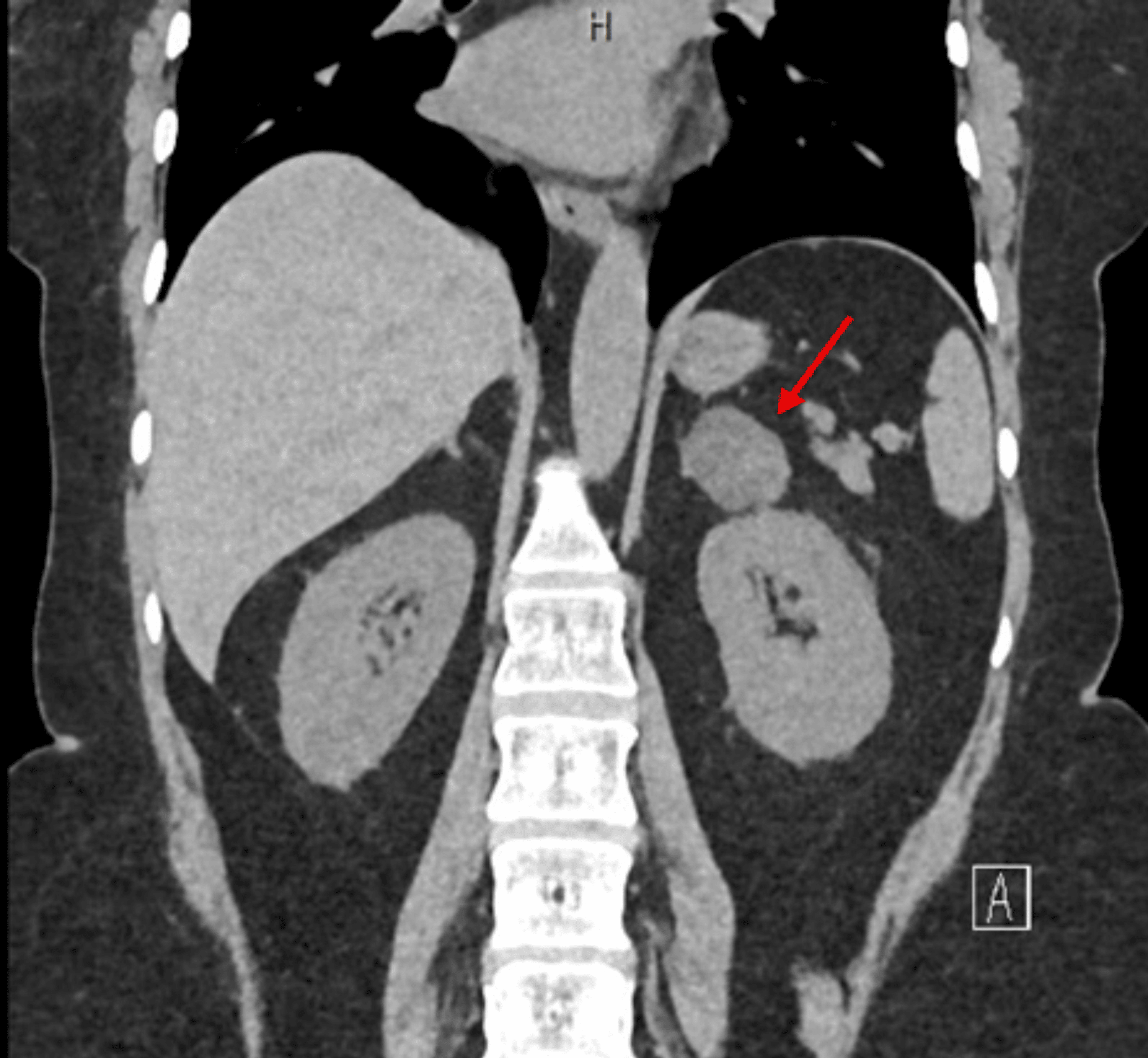
CT abdomen showed a 3.2×2×3 cm well-defined lesion arising from the junction between the arms of the right adrenal gland showing inhomogeneous density with inhomogeneous enhancement after IV contrast administration with delayed washout, the maximum enhancement after the IV contrast administration at the portal phase about 55 Hounsfield units (HU) indicating a right adrenal adenoma (Figure 3). CT sacrum showed fragmented fracture inferior ramus of right pubic bone associated with callus formation and significant fragmented fracture lateral part of superior ramus of right pubic bone associated with callus formation (Figure 4). MRI hips showed avascular necrosis of the right femur head (stage II according to Ficat and Arlet classification) (Figure 5), which was treated with core decompression surgery.

CT-adrenal-showed-a-3.2×2×3-cm-well-defined-inhomogeneous-density-lesion-arising-from-the-junction-between-the-arms-of-the-right-adrenal-gland-consistent-with-adrenal-adenoma
Figure 3: CT adrenal showed a 3.2×2×3 cm well-defined inhomogeneous density lesion arising from the junction between the arms of the right adrenal gland consistent with adrenal adenoma
CT-pelvis-showed-fragmented-fracture-at-the-inferior-and-superior-ramus-of-right-pubic-bone-associated-with-callus-formation.-Subcortical-ill-defined-lytic-area-is-noted-at-the-right-humeral-head-surrounded-with-sclerotic-reaction-could-be-due-to-avascular-necrosis-(AVN)
Figure 4: CT pelvis showed fragmented fracture at the inferior and superior ramus of right pubic bone associated with callus formation. Subcortical ill-defined lytic area is noted at the right humeral head surrounded with sclerotic reaction could be due to avascular necrosis (AVN)
MRI-of-the-pelvis-showed-subcortical-geographic-area-at-the-right-femoral-head-with-inhomogeneous-signal-intensity-(edematous-and-sclerotic-changes)-mostly-due-to-avascular-necrosis-(stage-II-according-to-Ficat-and-Arlet-classification)
Figure 5: MRI of the pelvis showed subcortical geographic area at the right femoral head with inhomogeneous signal intensity (edematous and sclerotic changes) mostly due to avascular necrosis (stage II according to Ficat and Arlet classification)

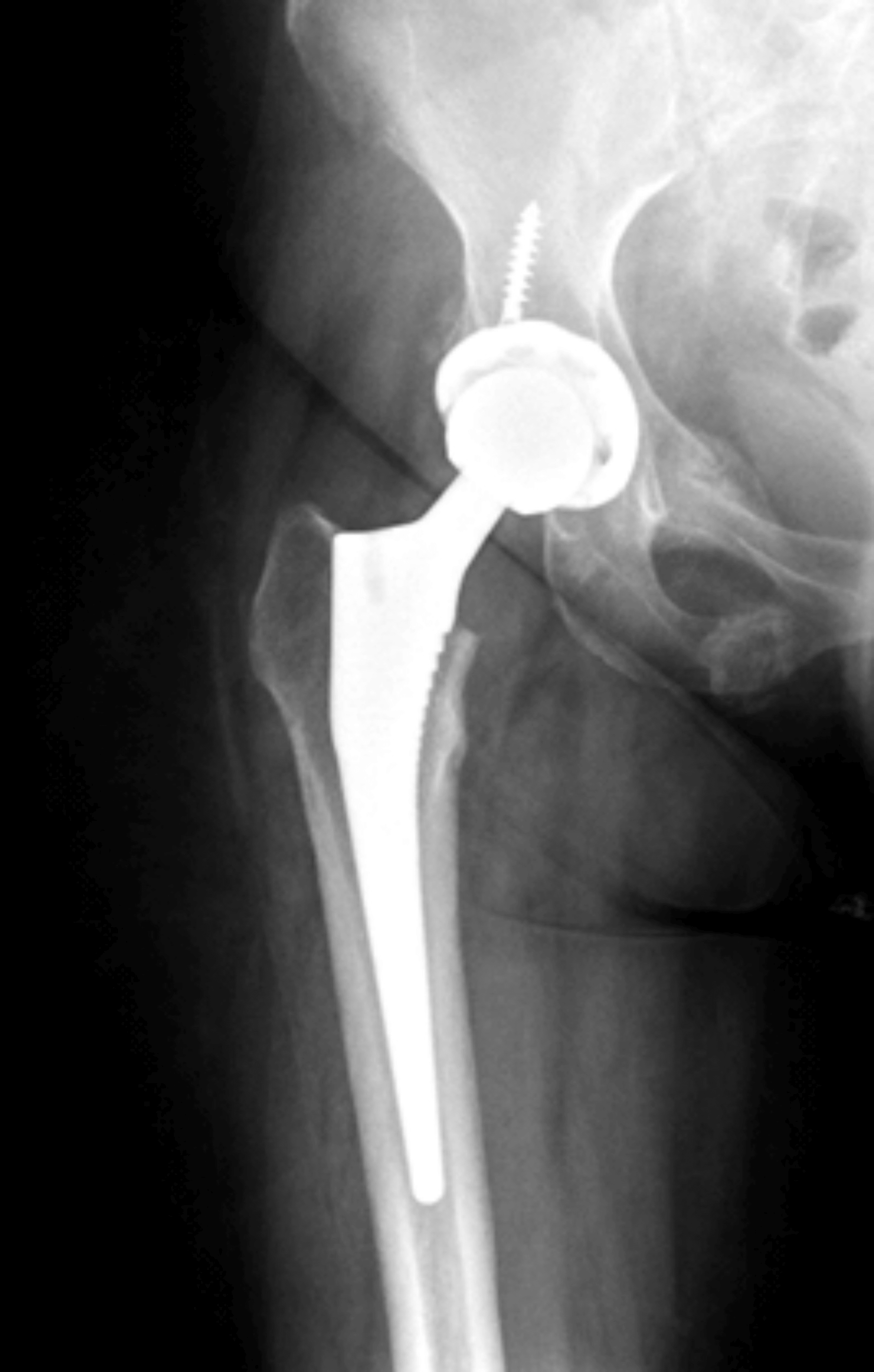
She had the surgery to remove the adrenal adenoma in Egypt and histopathology confirmed the diagnosis. She was then started on corticosteroids as she had low serum cortisone levels after her surgery. Currently she is also taking duloxetine and calcium/vitamin D. She developed a fracture at the right femoral neck after a fall and had hip replacement in Egypt (Figure 6).

X-ray-of-the-right-hip-joint-showed-signs-of-right-hip-joint-replacement
Figure 6: X-ray of the right hip joint showed signs of right hip joint replacement

Case report 2

A 47-year-old Bangladesh female presented with a complex array of symptoms initially suggestive of fibromyalgia. The patient reported chronic widespread muscle and joint pain, with identification of approximately eight tender points during examination. These symptoms, coupled with fatigue, were initially thought to be fibromyalgia due to their nonspecific nature. Subsequently, the patient started to have multiple bone fractures. In total she had six fractures over one year including fractures of the superior and inferior pubic ramus on the left side, right metatarsal bone fracture, fracture of the left proximal shaft of the fifth metatarsal, fractures of the shafts of the third and fourth left metatarsal. She has been reviewed by multiple physicians. A deeper look at her medical history revealed that despite the absence of overt Cushingoid features, she has several medical problems, including newly diagnosed hypertension and type 2 diabetes mellitus (hemoglobin A1C (HbA1C) 7.3%), raising the possibility of an underlying endocrine disorder. Psychiatric concerns involve a history of anxiety, insomnia, and major depressive disorder, with medication adjustments made independently. In addition, the patient reported irregular menstrual cycles, further complicating the clinical picture. Subtle signs such as unexplained central weight gain and telangiectasia prompted further endocrine evaluation.

Elevated morning cortisol levels and non-suppressed cortisol on an overnight 1 mg dexamethasone suppression test with high am cortisol, low am ACTH, ODST showed non-suppressed cortisol >400, and >500 on two occasions, and 24-hour urine free cortisol is high = 483 nmol (28-138). Adrenal CT without contrast revealed a well-defined heterogeneous isodense-to-hypodense lesion in the left adrenal gland, measuring 3.2 x 2.4 cm with a density of 16 HU, indicative of an adrenal adenoma. Imaging also identified old fractures of the left 10th rib and transverse processes of L1 and L4, which were previously undocumented and suggested underlying bone fragility.

The combination of subtle endocrine symptoms, nonspecific musculoskeletal pain, and psychological components initially led to a misdiagnosis of fibromyalgia. However further endocrine investigation confirmed Cushing’s syndrome due to an adrenal adenoma (Figure 7).

CT-adrenal-showed-a-3.2-x-2.4-cm-well-defined-hypodense-lesion-in-left-adrenal-gland
Figure 7: CT adrenal showed a 3.2 x 2.4 cm well-defined hypodense lesion in left adrenal gland

The patient underwent successful laparoscopic removal of the left adrenal adenoma. Post-operatively, the patient developed adrenal insufficiency, necessitating a carefully managed hydrocortisone tapering regimen. Management of diabetes, hypertension, and psychiatric symptoms continued, with adjustments anticipated in response to changes in endocrine status post-adrenectomy. The patient was started on calcium and vitamin D supplementation to address the secondary osteoporosis.

Case report 3

A 35-year-old Emirati woman with a medical history of hypothyroidism, asthma, obstructive sleep apnea, scoliosis, secondary degenerative lumbosacral changes from a previous accident, and migraines sought consultation at the Department of Rheumatology.

She reported a two-year history of polyarthralgia, proximal muscle weakness, profound fatigue, and peripheral edema. BP was 148/88. Physical examination revealed a round face, dorsocervical fat pad, central obesity, and puffy hands and feet.

Laboratories revealed hemoglobin (Hb) 13 g/l, creatinine kinase (CK) normal, while CRP was high (7 mg/l). Weakly positive anti-NOR 90 antibodies were found and noted to have unclear etiology with no clinical manifestation of scleroderma. Vitamin D deficiency was corrected (level: 47 nmol/L, normal range 50-150 nmol/L), and hypothyroidism medication was adjusted (TSH 7.7 IU/L, T4 9, normal range 12-22).

Despite extensive evaluations, including bilateral hands and feet X-rays, MRI of the hand, PET scan and laboratory assessments, the etiology of her symptoms remained elusive. Following a provisional diagnosis of fibromyalgia, the patient was managed symptomatically with medications, including pregabalin, amitriptyline, and duloxetine for one year. However, her symptoms persisted.

Further investigations revealed low serum cortisol levels: a morning cortisol level of 20 nmol/l (64-536), ACTH <0.3 pg/ml (1.6-13.9), and a 24-hour urine cortisol level of 11 nmol (28-138 nmol). Dual-energy X-ray absorptiometry (DEXA) scan demonstrated low bone mineral density with highest value at the lumbar sites (L2-L4), with a T-score of -2.4. Upon detailed review, it was noted that the individual had a history of frequent injections in both sacroiliac and lumbar facet joints, as well as trigger point injections ranging from 80-120 mg, administered every two to three months over a period of two years. Given the overall picture, with adequate adrenal response to synacthen test (the synacthen test results were as follows: baseline ACTH level was 1.2 pmol/L, rising to 0.8 pmol/L at 30 minutes and 0.4 pmol/L at 60 minutes; corresponding cortisol levels were 52 nmol/L at baseline, increasing to 433 nmol/L at 30 minutes and 472 nmol/L at 60 minutes), this was correlated with the diagnosis of iatrogenic Cushing’s syndrome.

A summary of the cases is in Table 1, and the timeline of the cases is in Table 2.

Case Age Gender BMI Steroid (Exogenous vs Endogenous) HTN DM Hyperlipidemia Psychiatric symptoms Fracture Abnormal Test Results Treatment
Case 1 38 F 31.4 Endogenous- adrenal adenoma Yes No  No No Four fractures Low potassium, low ACTH (<1pg/mL), high serum cortisol (604.03 nmol/L) Adrenal adenoma surgical resection
Case 2 48 F 26 Endogenous- adrenal adenoma Yes Yes  Yes Depression on Rx Six fractures Low ACTH (<0.3 pmol/L), high serum cortisol (1104 nmol/L), 24-hour urine free cortisol is high = 483 nmol (28-138) Adrenal adenoma surgical resection
Case 3 35 F 38 Exogenous Yes No No Depression and anxiety on Rx Low serum cortisol 20 nmol/l (64-536), low ACTH <0.3 pg/ml (1.6-13.9), 24-hour urine cortisol 11 nmol (28-138). Refrain from injection
Table 1: Summary of patients with Cushing syndrome who presented with fibromyalgia

F: female, HTN: Hypertension, DM: Diabetes Mellitus, Rx: Treatment, ACTH: Adrenocorticotropic hormone

Case Timeline of clinical features Final diagnosis date
Case 1 Bruises, myalgia, body pain since 2016; headache, body swelling since 2020; hypertension since 2021; hip pain since Jan 2022; fractured toe in Nov 2022; fracture of pubic rami discovered incidentally in April 2023; avascular necrosis of right hip in April 2023 May 2023 she was diagnosed with Cushing syndrome due to adrenal adenoma
Case 2 Widespread muscle and joint pain in 2017; hypertension and type 2 diabetes mellitus in 2019; multiple fractures in 2020-2021; anxiety, insomnia, and major depressive illness in 2020; menstrual irregularities in July 2021 November 2021 she was diagnosed with Cushing syndrome due to adrenal adenoma
Case 3 Polyarthralgia, proximal muscle weakness, profound fatigue, and peripheral oedema in 2021-2023; depression and anxiety in 2022; hypertension in 2023; low bone mineral density in 2023 June 2023 exogenous Cushing syndrome
Table 2: Timeline of the three cases

Discussion

Fibromyalgia is a multifactorial painful body disorder with several hypotheses regarding its etiology and pathophysiology such as increased pain sensitivity, neuroendocrine axis dysregulation, hypermobile joints, poor physical fitness, as well as genetic predisposition and environmental triggers [3].

Fibromyalgia and Cushing’s syndrome are distinct medical conditions, but they can share some common symptoms such as fatigue, muscle weakness, mood changes, sleep disturbances, and memory deficits. Because of the multiple symptoms that are present in both, a patient could be misdiagnosed with fibromyalgia instead of Cushing’s syndrome if proper history-taking, physical examination and relevant investigation are not pursued. Fibromyalgia is a diagnosis of exclusion, so effort should be made to look for any possible cause of the patient’s symptoms before making a diagnosis of fibromyalgia. According to the American College of Rheumatology, a patient must satisfy these three conditions to be diagnosed with fibromyalgia: widespread pain index (WPI) ≥7 and symptom severity (SS) scale score ≥5 or WPI 3-6 and SS scale score ≥9, symptoms have been present at a similar level for at least three months, and the patient does not have a disorder that would otherwise explain the pain [4].

According to the 2008 Endocrine Society guidelines, Cushing syndrome’s diagnosis is made by lab tests that show consistently high production of cortisol using 24-hour urine free cortisol level, low-dose (1mg) dexamethasone suppression test, or late-night salivary or serum cortisol [5].

A literature review was performed using PubMed and Google Scholar databases. Search terms included “fibromyalgia” and “Cushing’s syndrome” to which five results were shown. Out of the five results, only one case report had slight relevance to our two cases which was about a 39-year-old woman previously diagnosed with Cushing’s disease who developed fibromyalgia [1]. Unlike our cases, she was already diagnosed with Cushing’s disease. Several cases of iatrogenic Cushing’s syndrome are widely recognized [6-10]. Although intra-articular corticosteroid injections are uncommon causes, they are becoming increasingly recognized especially in patients who have received multiple or relatively high doses [11-13].

Our patients saw different physicians from various specialties and had multiple hospital visits over two to three years. They were originally diagnosed with fibromyalgia. Despite a multitude of other symptoms and signs such as fractures, weight gain, amenorrhea, easy bruising, and hypertension, the initial diagnosis of fibromyalgia was carried forward by multiple physicians without proper re-evaluation, resulting in only symptomatic treatment. These cases highlight the importance of thorough clinical evaluation and a holistic approach to patients who present with fibromyalgia symptoms even if a previous diagnosis of fibromyalgia has been made.

Conclusions

These cases underscore the challenges in differentiating Cushing’s syndrome from other conditions, particularly when presenting with nonspecific symptoms similar to fibromyalgia. Heightened clinical suspicion, thorough evaluation, and consideration of medication histories are essential. A high index of suspicion, combined with targeted radiological and biochemical testing, is crucial for accurate diagnosis and effective management.

References

  1. Ohara N, Katada S, Yamada T, et al.: Fibromyalgia in a patient with Cushing’s disease accompanied by central hypothyroidism. Intern Med. 2016, 55:3185-90. 10.2169/internalmedicine.55.5926
  2. Sharma ST, Nieman LK, Feelders RA: Cushing’s syndrome: epidemiology and developments in disease management. Clin Epidemiol. 2015, 7:281-93. 10.2147/CLEP.S44336
  3. Coles ML, Weissmann R, Uziel Y: Juvenile primary fibromyalgia syndrome: epidemiology, etiology, pathogenesis, clinical manifestations and diagnosis. Pediatr Rheumatol Online J. 2021, 19:22. 10.1186/s12969-021-00493-6
  4. Wolfe F, Clauw DJ, Fitzcharles MA, et al.: The American College of Rheumatology preliminary diagnostic criteria for fibromyalgia and measurement of symptom severity. Arthritis Care Res (Hoboken). 2010, 62:600-10. 10.1002/acr.20140
  5. Nieman LK, Biller BM, Findling JW, Newell-Price J, Savage MO, Stewart PM, Montori VM: The diagnosis of Cushing’s syndrome: an Endocrine Society Clinical Practice Guideline. J Clin Endocrinol Metab. 2008, 93:1526-40. 10.1210/jc.2008-0125
  6. Psomadakis C, Tweddell R, Lewis F: Too much of a good thing? Iatrogenic Cushing syndrome secondary to excessive topical steroid use in lichen sclerosus. Clin Exp Dermatol. 2023, 48:429-30. 10.1093/ced/llac097
  7. Jones W, Chastain CA, Wright PW: Iatrogenic cushing syndrome secondary to a probable interaction between voriconazole and budesonide. Pharmacotherapy. 2014, 34:e116-9. 10.1002/phar.1432
  8. Fredman R, Tenenhaus M: Cushing’s syndrome after intralesional triamcinolone acetonide: a systematic review of the literature and multinational survey. Burns. 2013, 39:549-57. 10.1016/j.burns.2012.09.020
  9. Sadarangani S, Berg ML, Mauck W, Rizza S: Iatrogenic cushing syndrome secondary to ritonavir-epidural triamcinolone interaction: an illustrative case and review. Interdiscip Perspect Infect Dis. 2014, 2014:849432. 10.1155/2014/849432
  10. Sukhumthammarat W, Putthapiban P, Sriphrapradang 😄 Local injection of triamcinolone acetonide: a forgotten aetiology of Cushing’s syndrome. J Clin Diagn Res. 2017, 11:OR01-2. 10.7860/JCDR/2017/27238.10091
  11. Tan JW, Majumdar SK: Development and resolution of secondary adrenal insufficiency after an intra-articular steroid injection. Case Rep Endocrinol. 2022, 2022:4798466. 10.1155/2022/4798466
  12. Alidoost M, Conte GA, Agarwal K, Carson MP, Lann D, Marchesani 😧 Iatrogenic Cushing’s syndrome following intra-articular triamcinolone injection in an HIV-infected patient on cobicistat presenting as a pulmonary embolism: case report and literature review. Int Med Case Rep J. 2020, 13:229-35. 10.2147/IMCRJ.S254461
  13. Kumar S, Singh RJ, Reed AM, Lteif AN: Cushing’s syndrome after intra-articular and intradermal administration of triamcinolone acetonide in three pediatric patients. Pediatrics. 2004, 113:1820-4. 10.1542/peds.113.6.1820


From https://www.cureus.com/articles/264073-cushings-syndrome-masquerading-as-fibromyalgia-a-case-series#!/

Response to Osilodrostat Therapy in Adrenal Cushing’s Syndrome

Authors Stasiak M , Witek PAdamska-Fita ELewiński A

Received 27 December 2023

Accepted for publication 20 March 2024

Published 8 April 2024 Volume 2024:16 Pages 35—42

DOI https://doi.org/10.2147/DHPS.S453105

Checked for plagiarism Yes

Review by Single anonymous peer review

Peer reviewer comments 2

Editor who approved publication: Dr Hemalkumar B Mehta

Magdalena Stasiak,1 Przemysław Witek,2 Emilia Adamska-Fita,1 Andrzej Lewiński1,3

1Department of Endocrinology and Metabolic Diseases, Polish Mother’s Memorial Hospital—Research Institute, Lodz, Poland; 2Department of Internal Medicine, Endocrinology and Diabetes, Medical University of Warsaw; Mazovian Brodnowski Hospital, Warszawa, Poland; 3Department of Endocrinology and Metabolic Diseases, Medical University of Lodz, Lodz, Poland

Correspondence: Magdalena Stasiak, Department of Endocrinology and Metabolic Diseases, Polish Mother’s Memorial Hospital—Research Institute, 281/289 Rzgowska Street, Lodz, 93-338, Poland, Tel +48502049292, Fax +48422711140, Email mstasiak33@gmail.com

Abstract: Cushing’s disease (CD) is the most common cause of endogenous hypercortisolism. Osilodrostat was demonstrated to be efficient in treating CD, and the mean average dose required for CD control was < 11 mg/day. Potential differences in osilodrostat treatment between cortisol-producing adenoma (CPA) and CD have not been reported. The aim of this study was to present two patients with CPA in whom significant differences in the response to therapy compared to CD were found. We demonstrated a case of inverse response of cortisol levels with adrenal tumor progression during the initial dose escalation (Case 1). Simultaneously, severe exaggeration of hypercortisolism symptoms and life-threatening hypokalemia occurred. A further rapid dose increase resulted in the first noticeable cortisol response at a dose of 20 mg/day, and a full response at a dose of 45 mg/day. We also present a case that was initially resistant to therapy (Case 2). The doses required to achieve the first response and the full response were the same as those for Case 1. Our study demonstrated that osilodrostat therapy in patients with CPA may require a different approach than that in CD, with higher doses, faster dose escalation, and a possible initial inverse response or lack of response.

Keywords: osilodrostat, adrenal adenoma, hypercortisolism, ACTH-independent, adverse events, hypokalemia

Introduction

Chronic persistent hypercortisolism is a life-threatening condition that requires effective treatment. Untreated exposure to excessive cortisol secretion leads to severely increased morbidity and mortality due to cardiovascular diseases, thromboembolic events, sepsis, visceral obesity, impairment of glucose metabolism, and dyslipidaea, as well as musculoskeletal disorders, such as myopathy, osteoporosis, and skeletal fractures. Moreover, neuropsychiatric disorders, such as impairment of cognitive function, depression, or mania, as well as impairment of reproductive function can frequently occur.1,2 Cushing’s disease (CD) – a disorder caused by a pituitary adenoma secreting adrenocorticotropic hormone (ACTH) – is the most common cause of hypercortisolism. Cushing’s syndrome (CS) includes all other causes of cortisol excess, including ectopic ACTH production as well as direct cortisol overproduction by adrenal adenoma (cortisol-producing adenoma [CPA]) or adrenocortical carcinoma (ACC). Approximately 10% of hypercortisolism cases result from CPA. The first line therapy is a surgical resection of the tumor, which is the source of hormone excess. However, in many patients surgery is not fully efficient and other therapies are required to reduce cortisol levels. Additionally, due to severe cardiovascular complications and unstable DM, the surgical approach sometimes entails unacceptable risk and it is frequently postponed until cortisol levels are lowered. Pharmacotherapy with steroidogenesis inhibitors reduces cortisol levels and improves the symptoms of hypercortisolism.1,2 As CD is the most common cause of cortisol excess, most studies have focused on the efficacy and safety of novel steroidogenesis inhibitors, including patients with CD only.3–6 This is exactly the case with osilodrostat – a new potent inhibitor of 11β-hydroxylase.3–6 More data are available for metyrapone efficacy and safety in CSA,7 as the drug has been available much longer than osilodrostat. A study by Detomas et al, which reported results of comparison of efficacy of metyrapone and osilodrostat, included 4 patients with adrenal CS, among whom one CPA patient was treated with osilodrostat.8 Osilodrostat is approved in the United States to treat CD in patients in whom pituitary surgery was not curative or is contraindicated.9 In Poland, osilodrostat therapy is available for patients with all kinds of endogenous hypercortisolism not curative with other approaches, within a national program of emergency access to drug technologies.10 Reports on osilodrostat application in CPA are highly valuable as data on potential differences in the treatment regimens between CD and CPA are scarce.

Here, we present two patients with CPA in whom the response and doses of osilodrostat were different from those reported in patients with CD. The main purpose of this study was to demonstrate that the efficacy of osilodrostat in CPA is high, although initial resistance to treatment or even deterioration of hypercortisolism can occur during the application of lower doses of the drug.

Materials and Methods

Study Design and Patients

We retrospectively analyzed medical files of two consecutive patients with CPA treated with osilodrostat. The analysis included medical history, laboratory and imaging results as well as a detailed reports of adverse events.

Laboratory and Imaging Procedures

Serum cortisol and ACTH levels were measured by electrochemiluminescence immunoassay (ECLIA) using a Cobas e601 analyzer (Roche Diagnostics, Indianapolis, IN, USA). UFC excretion was measured by chemiluminescent microparticle immunoassay (CMIA) using an Abbott Architect ci4100 analyzer (Abbott, Abbott Park, IL, USA). Cross-reactivity with 11-deoxycortisol for this method is very low (2.1% according to the manufacturer’s data). Potassium levels were measured by ion-selective electrode potentiometry using a Beckman Coulter DxC 700 AU Chemistry Analyzer (Beckman Coulter, Brea, CA, USA). Computed tomography (CT) imaging was performed using a Philips Ingenuity Core 128 system (Philips, the Netherlands).

Ethics Procedures

Informed consent was obtained from all subjects involved in the study. Written informed consent was obtained from the patients for publication of this paper. The approval of Institutional Ethics Committee was obtained to publish the case details (approval code KB 33/2023).

Presentation of the Cases

Case 1

A 51-year-old female was referred to our department in November 2021 because of CPA, disqualified from surgery because of severe hypertension with a poor response to antihypertensive therapy and uncontrolled DM despite high doses of insulin. Additionally, the patient presented with hyperlipidemia and severe obesity (BMI=50.7 kg/m2), gastritis, depression, and osteoarthritis. On admission, she complained of a tendency to gain weight, fragile skin that bruised easily, difficulty with wound healing, susceptibility to infections, and insomnia. Physical examination revealed a moon face with plethora, a buffalo hump, central obesity with proximal muscle atrophy, and purple abdominal striae.

The CPA diagnosis was initially made two years earlier, but the patient did not qualify for surgery due to a hypertensive crisis. Soon after this episode, the SARS-CoV-2 pandemic began, and the patient was afraid of visiting any medical center because her son had died of COVID-19. Therefore, she was referred to our center for life-threatening hypercortisolism two years later.

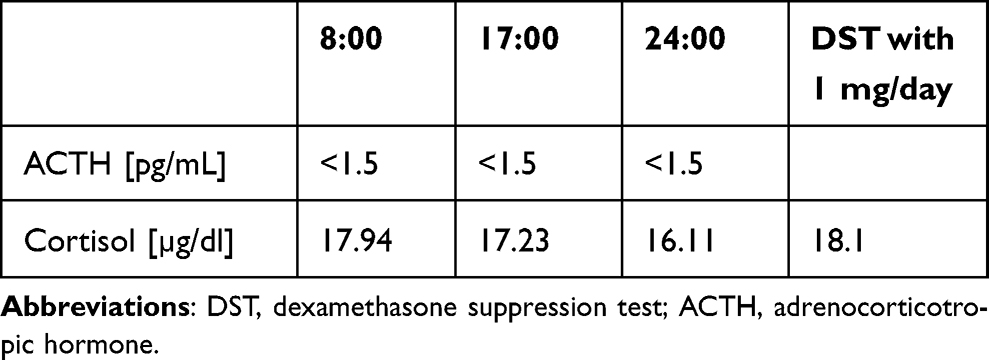
At the time of admission, computed tomography (CT) imaging revealed a right adrenal tumor of 34x24x37mm, with a basal density of 21 HU and a contrast washout rate typical for adenomas (83%). The size and CT characteristics were identical as they were two years earlier. High serum cortisol levels, undetectable ACTH concentrations, and a lack of physiological diurnal rhythm of cortisol secretion were observed (Table 1). Urinary free cortisol (UFC) excretion was 310 µg/24 h, with an upper normal limit (UNL) of 176 µg/24 h. No cortisol suppression was achieved in high-dose dexamethasone suppression test (DST) (Table 1). Other adrenal-related hormonal parameters were within normal ranges, with values as follows: DHEA-S 42.68 µg/dl, aldosterone 3.24 ng/mL, and renin 59.14 µIU/mL.
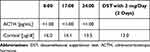
Table 1 Laboratory Results Before Osilodrostat Therapy – Case 1

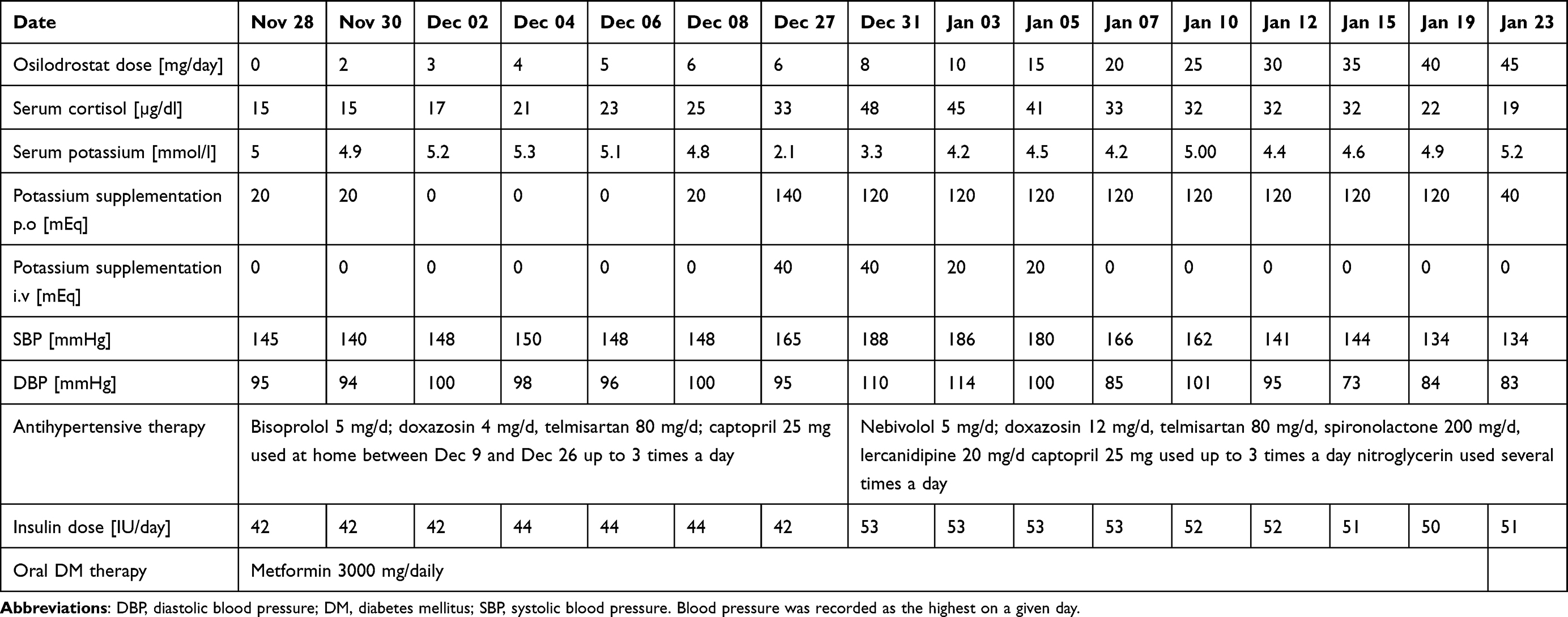
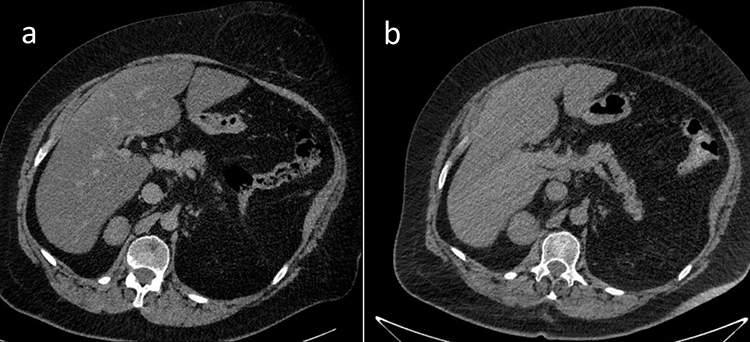
Due to multiple severe systemic complications, including uncontrolled hypertension, decompensated DM, and cardiac insufficiency, treatment with osilodrostat was introduced for life-saving pre-surgical management. Osilodrostat was started at a dose of 1 mg twice daily and gradually increased to 6 mg per day with actually an inverse response of serum cortisol level. The late-night cortisol level increased from 16 µg/dl to 25 µg/dl. As the full effect of the osilodrostat dose can occur even after a few weeks, the patient was discharged from hospital and instructed to contact her attending doctor immediately if any health deterioration was noticed. In the case of improvement in the patient’s condition, the next hospitalization was planned 3 weeks later. After three weeks of no contact with the patient, she was readmitted to our department with life-threatening escalation of hypercortisolism, severe hypokalemia, and further deterioration of hypertension, DM, cardiac insufficiency, dyspnea, and significant edemas, including facial edema. Treatments of hypertension, cardiac insufficiency, and DM were intensified, as presented in Table 2. Despite active potassium supplementation, life-threatening hypokalemia of 2.1 mmol/l occurred. Previously observed depression was exaggerated with severe anxiety and fear of death. The dose of osilodrostat was increased to 8 mg/day, and after three days of treatment a further elevation of serum cortisol was found, with an increase in UFC up to 9 × UNL (1546.2 µg/24 h). Due to an entirely unexpected inverse cortisol response, CT imaging was performed and revealed progression of the adenoma size to 39 × 36 × 40 mm, with a slight increase in density up to 27 HU as compared to the previous CT scan performed a month earlier (Figure 1).
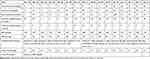
Table 2 Changes in the Most Important Parameters During Osilodrostat Therapy – Case 1
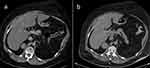
Figure 1 Progression of the adrenal adenoma size during the initial doses of osilodrostat: (a) CT scan directly before osilodrostat therapy – solid nodule 34x24x37 mm, basal density 21 HU; (b) CT scan during treatment with 8 mg of osilodrostat daily – solid nodule 39x36x40 mm, basal density of 27 HU.

Considering the extremely high risk associated with such a rapid cortisol increase and related complications, decision of fast osilodrostat dose escalation was made. The dose was increased by 5 mg every other day, up to 45 mg per day, and, finally, a gradual decrease in the cortisol level (Table 2) was achieved, with UFC normalization to 168 µg/24 h. During dose escalation, no deterioration in the adverse effects (AEs) of osilodrostat was observed. Conversely, hypokalemia gradually improved despite a simultaneous reduction in potassium supplementation (Table 2). Facial edema decreased and the level of anxiety improved significantly. The course of hypertension severity as well as a summary of the main parameters controlled during treatment and the medications used are presented in Table 2. As soon as the cortisol level normalized, the patient was referred for surgery and underwent right adrenalectomy without any complications. Histopathology results confirmed a benign adenoma of the right adrenal gland (encapsulated, well-circumscribed tumor consisting of lipid-rich cells with small and uniform nuclei, mostly with eosinophilic intracytoplasmic inclusions). After surgery, hydrocortisone replacement therapy was administered. A few days after surgery, blood pressure and glucose levels gradually decreased, and the patient required reduction of antihypertensive and antidiabetic medications. After 22 months of follow-up, the patient’s general condition is good with no signs of recurrence. Antidepressant treatment is no longer required in this patient. Body mass index was significantly reduced to 40 kg/m2. The antihypertensive medication was completely discontinued, and the glucose level is controlled only with metformin. The patient still requires hydrocortisone substitution at a dose of 30 mg/day.

Case 2

A 39-year-old female was referred to our department in November 2022 with a diagnosis of CPA and unstable hypertension, for which surgery was contraindicated. The patient was unsuccessfully treated with triple antihypertensive therapy (telmisartan 40 mg/day, nebivolol 5 mg/day, and lercanidipine 20 mg/day). The patient reported weight gain, muscle weakness, acne, fragile skin that bruised easily, and secondary amenorrhea. Other comorbidities included gastritis, hypercholesterolemia, and osteoporosis. Physical examination revealed typical signs of Cushing’s syndrome, such as abnormal fat distribution, particularly in the abdomen and supraclavicular fossae, proximal muscle atrophy, moon face, and multiple hematomas. A lack of a serum cortisol diurnal rhythm with high late-night serum cortisol and undetectable ACTH levels was found (Table 3). The short DST revealed no cortisol suppression (Table 3), and the UFC result was 725 µg/24 h, which exceeded the UNL more than four times. The serum levels of renin, aldosterone, and 24-h urine fractionated metanephrines were within the normal ranges. Computed tomography imaging revealed a left adrenal gland tumor measuring 25 × 26 × 22 mm, with a basal density of 32 HU and a washout rate typical for adenoma (76%).
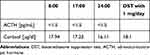
Table 3 Laboratory Results Before Osilodrostat Therapy – Case 2

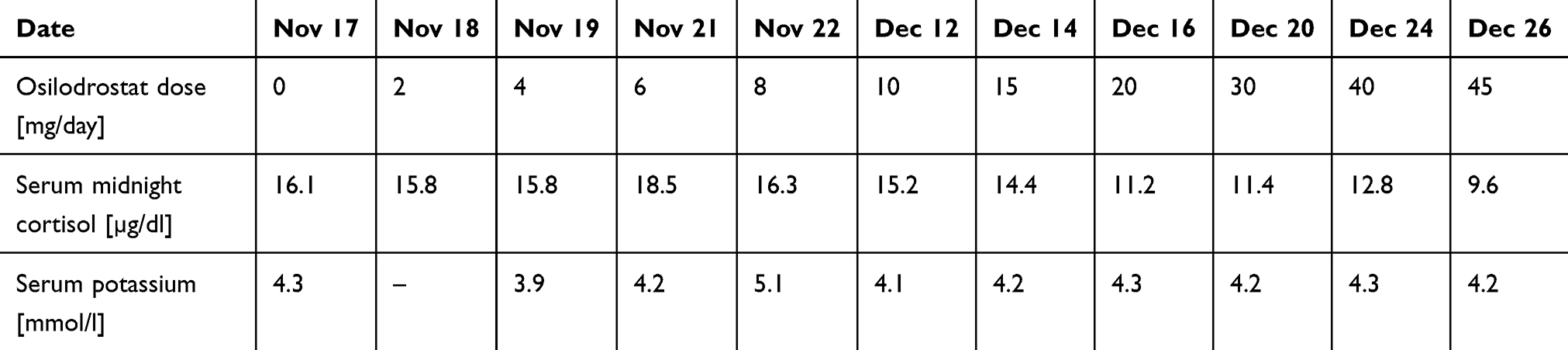
Osilodrostat therapy was administered for preoperative management. The initial daily dose was 2 mg/day, increased gradually by 2 mg every day with no serum cortisol response (late night cortisol levels 15.8–18.5 µg/dl) and no AEs of the drug (Table 4). After the daily dose of osilodrostat reached 10 mg, it was escalated by 5 mg every other day, initially with no serum cortisol reduction. The dose was increased to 45 mg daily (with the lowest detected late-night serum cortisol of 9.6 µg/dl) (Table 4).
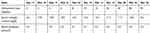
Table 4 Changes in the Most Important Parameters During Osilodrostat Therapy – Case 2

After a week of administration of 45 mg daily, UFC normalization was achieved. Despite rapid dose escalation, no AEs were observed during the entire therapy period. Potassium levels were normal without any supplementation (the lowest detected serum potassium level was 3.9 mmol/l; all other results were over 4.0 mmol/l) (Table 4). After UFC normalization, left adrenalectomy was performed without complications. Histopathological examination revealed benign adrenal adenoma. Antihypertensive therapy was reduced only to 2.5 mg of nebivolol daily. The patient’s general condition improved significantly. Currently, hydrocortisone replacement therapy is administered at a dose of 15 mg/day.

Discussion

Osilodrostat is a novel potent steroidogenesis inhibitor whose efficacy and safety have been thoroughly analyzed in clinical trials of patients with CD, the most common cause of endogenous hypercortisolism. No clinical trial of osilodrostat therapy in CPA has been performed, as this disease constitutes only 10% of all cases of endogenous hypercortisolism. Moreover, osilodrostat is not approved by the FDA for hypercortisolism conditions other than CD.9 Therefore, data on potential differences in the treatment regimen are lacking.

During the course of already reported trials in CD, osilodrostat doses were escalated slowly, every 2–3 weeks,3,5,6 with an excellent response to quite low doses of the drug.3–6 In the LINC 2 extension study the median average dose was 10.6 mg/day,5 while in the LINC 3 extension study and the LINC 4 study it was 7.4 mg/day and 6.9 mg/day, respectively.4,6 In most cases, a significant decrease of hypercortisolism was reported with the low doses of osilodrostat (4 or 10 mg/day). Moreover, some patients received 1 mg/day or even 1 mg every other day, with a good response.6 Even in rare cases of CD in whom initial short-term etomidate therapy was given at the beginning of osilodrostat therapy, due to highly severe life-threatening symptoms of hypercortisolism, the final effective dose of osilodrostat was much lower than that in our patients with CPA (25 mg/day vs 45 mg/day) and no increase of cortisol level was observed.11

It should be underlined that many cases of adrenal insufficiency during osilodrostat therapy in patients with CD have been reported,3–6,12,13 and – therefore – low initial dose with slow gradual dose escalation is recommended in patients with CD.1,6,13

In the cases presented here, CPA led to severe hypercortisolism, the complications of which constituted contraindications for surgery. Therefore, osilodrostat therapy was introduced as a presurgical treatment. In Case 1, the therapy was started at low doses according to the approved product characteristics.14 Due to the severity of hypertension, which was uncontrolled despite of active antihypertensive therapy, as well as to unstable DM, the doses were increased faster than recommended. Surprisingly, we immediately observed a gradual increase in hypercortisolism, in both serum cortisol levels and the UFC, with simultaneous burst of complications related to both hypercortisolism itself and 11β-hydroxylase inhibition. Life-threatening episodes of hypertensive crisis responded poorly to standard therapies. Severe exaggeration of cardiac insufficiency could probably be related to these episodes as well as to deep hypokalemia, which occurred despite potassium supplementation. Hypokalemia is a typical complication of treatment with 11β-hydroxylase inhibitors due to the accumulation of adrenal hormone precursors. However, Patient 1 required much higher doses of potassium supplementation, both parenteral and oral, than ever described during osilodrostat therapy.3–6,13 The dose of 20 mg/day of osilodrostat was the first one which led to noticeable cortisol reduction and a decrease in systolic blood pressure (SBP) to below 170 mmHg. Surprisingly, instead of the expected deterioration of hypokalemia, parenteral potassium administration could be stopped with an osilodrostat dose of 20 mg/day and oral supplementation was gradually reduced simultaneously with osilodrostat dose escalation. The reason why such severe hypokalemia occurred with low doses of osilodrostat and did not deteriorate further seems complex. One possible reason is the administration of high doses of potassium-saving antihypertensive drugs such as spironolactone and the angiotensin II receptor antagonist telmisartan. Additionally, one can consider other possible mechanisms, such as downregulation of the receptors of deoxycorticosterone (DOC) or other adrenal hormone precursors. However, this hypothesis requires further research and confirmation. Such an improvement of the potassium level during osilodrostat dose escalation was previously demonstrated in a patient with CD.11 Interestingly, in our Patient 2, no potassium supplementation was required during the whole time of osilodrostat therapy, although the doses were increased intensively up to the finally effective dose, which was the same (45 mg/day) as for Patient 1. In Patient 2, no actual response to doses lower than 20 mg/day was observed. UFC normalization was achieved after a week of administration of 45 mg/day, five weeks from the beginning of therapy. Although UFC normalization is not always required in pre-surgical treatment, clinical symptoms significantly improved in our patients only after the UFC upper normal level was achieved.

The present paper is one of only a few reports focused on osilodrostat therapy in CPA, and the only one presenting a different therapy course as compared to patients with CD. No case of CPA resistance to low doses of osilodrostat has been described. It should be underlined that in our report “low doses” of osilodrostat were higher than the average mean doses of osilodrostat used in clinical trials in patients with CD.3–6 Therefore, they should not generally be considered low but only much lower than those which were effective in our patients. Malik and Ben-Shlomo presented a case of CPA treated with osilodrostat, with an immediate decrease in cortisol level at 4 mg/day and adrenal insufficiency symptoms after dose escalation to 8 mg/day.15 Similar to our two cases, their patient was a middle-aged female with normal results of all other adrenal parameters, such as renin, angiotensin, or metanephrine levels. However, a CT scan was not performed (or presented), while magnetic resonance imaging revealed an indeterminate adrenal gland mass without a typical contrast phase/out-of-phase dropout for adenoma.15 Therefore, different morphology of cortisol-secreting adrenal tumor can potentially be considered a reason of the different response to treatment. Tanaka et al performed a multicenter study on the efficacy and safety of osilodrostat in Japanese patients with non-CD Cushing’s syndrome.16 Five patients with CPA were included in the study, and none of them required osilodrostat doses higher than 10 mg/day to achieve UFC normalization. However, most of the patients presented by Tanaka et al were previously treated with metyrapone,16 whereas both of our patients were treatment-naive. Previous metyrapone therapy may be considered as a potential reason of better response to osilodrostat. This hypothesis was confirmed in the quoted study by Tanaka et al, who demonstrated that at week 12 the median percent changes in the mUFC values were higher in patients previously treated with metyrapone (–98.97%) than in treatment-naive cases (–86.65%).16 Detomas et al performed a comparison of efficacy and safety of osilodrostat and metyrapone, with one CPA patients included in a group treated with osilodrostat, however no data on a dose required for a disease control are available separately for this particular patient.8 To the best of our knowledge, no more CPA cases have been described and therefore no further comparison is available.

Higher doses of osilodrostat were administered to a group of seven patients with hypercortisolism due to adrenocortical carcinoma (ACC) presented by Tabarin et al.17 A full control of hypercortisolism was achieved in one patient for each dose of 4, 8, 10, and 20 mg/day, and in three patients treated with 40 mg/day.17 These patients, however received other therapies including mitotane and chemotherapy, which can significantly modify the response to osilodrostat.

Several authors have reported the phenomenon of a partial or total loss of response to osilodrostat.5,16,17 In such cases, a response to treatment was initially achieved and then lost during treatment with the same dose. A further increase in osilodrostat dose usually resulted in the response resumption.5,16,17 Such a situation could not be suspected in either of our cases.

The presented cases provide a novel insight into modalities of treatment with osilodrostat in patients with CPA and demonstrate for the first time that an inverse cortisol response is possible in CPA cases, especially those with a higher CT density of adrenal adenoma. Such a situation should not be considered a contraindication to dose escalation. Conversely, the dose should be increased more intensively so as to achieve the initial efficacy threshold, which was 20 mg/day in both of our patients. The fully efficient dose that allowed UFC normalization was more than twice as high (45 mg/day in both cases). A similar approach should be applied in patients who do not respond to lower doses, such as Patient 2. The safety of osilodrostat therapy is strictly individual and not dose dependent in patients with CPA. Adverse events, including hypokalemia, severe hypertension, and edema, can be of life-threatening severity or may not occur regardless of the dose. Moreover, AEs of high severity may decrease with osilodrostat dose escalation. Our study demonstrated that osilodrostat is efficient and can be used in patients with CPA as a pre-surgical therapy if surgery is contraindicated due to hypercortisolism complications.

Our study presented two cases of CPA treated with osilodrostat, and a small size of our group is the main limitation of this report. Future research is required to confirm our observations.

Conclusion

In some patients with CPA, the doses of osilodrostat required for disease control can be much higher than those previously reported. Acceleration of the dose increase can be fast, and the risk of overdosing, adrenal insufficiency, and later necessity of dose reduction seem to be much lower than it could be expected. Low initial doses (<20 mg/day in our study) can be entirely ineffective or can even cause exacerbation of hypercortisolism, whereas high doses (45 mg/day in the present study) are efficient in pre-surgery UFC normalization. AEs associated with osilodrostat can be rapid, with severe hypokalemia despite active potassium supplementation, or may not occur even if high doses of osilodrostat are applied. Therefore, close monitoring for potential AEs is necessary.

Acknowledgments

The abstract included some parts of this paper was presented at the European Congress of Endocrinology ECE2023 as a rapid communication. The abstract was published in the Endocrine Abstracts Vol. 90 [https://www.endocrine-abstracts.org/ea/0090/].

Funding

The publication of this report was financially supported by the statutory funds of the Polish Mother’s Memorial Hospital – Research Institute, Lodz, Poland.

Disclosure

Professor Przemysław Witek reports personal fees from Investigator in the clinical trials paid by Novartis and Recordati Rare Diseases, outside the submitted work; lectures fees from Recordati Rare Diseases, Strongbridge, IPSEN. The authors report no other conflicts of interest in this work.

References

1. Fleseriu M, Auchus R, Bancos I, et al. Consensus on diagnosis and management of Cushing’s disease: a guideline update. Lancet Diabetes Endocrinol. 2021;9(12):847–875. doi:10.1016/S2213-8587(21)00235-7

2. Pivonello R, Isidori AM, De Martino MC, et al. Complications of Cushing’s syndrome: state of the art. Lancet Diabetes Endocrinol. 2016;4(7):611–629. doi:10.1016/S2213-8587(16)00086-3

3. Pivonello R, Fleseriu M, Newell-Price J, et al. Efficacy and safety of osilodrostat in patients with Cushing’s disease (LINC 3): a multicentre Phase III study with a double-blind, randomised withdrawal phase. Lancet Diabetes Endocrinol. 2020;8(9):48–761. doi:10.1016/S2213-8587(20)30240-0

4. Fleseriu M, Newell-Price J, Pivonello R, et al. Long-term outcomes of osilodrostat in Cushing’s disease: LINC 3 study extension. Eur J Endocrinol. 2022;187(4):531–541. doi:10.1530/EJE-22-0317

5. Fleseriu M, Biller BMK, Bertherat J, et al. Long-term efficacy and safety of osilodrostat in Cushing’s disease: final results from a Phase II study with an optional extension phase (LINC 2). Pituitary. 2022;25(6):959–970. doi:10.1007/s11102-022-01280-6

6. Gadelha M, Bex M, Feelders RA, et al. Randomized trial of osilodrostat for the treatment of Cushing disease. J Clin Endocrinol Metab. 2022;107(7):e2882–e2895. doi:10.1210/clinem/dgac178

7. Daniel E, Aylwin S, Mustafa O, et al. Effectiveness of metyrapone in treating cushing’s syndrome: a retrospective multicenter study in 195 patients. J Clin Endocrinol Metab. 2015;100(11):4146–4154. doi:10.1210/jc.2015-2616

8. Detomas M, Altieri B, Deutschbein T, et al. Metyrapone versus osilodrostat in the short-term therapy of endogenous cushing’s syndrome: results from a single center cohort study. Front Endocrinol. 2022;13:903545. doi:10.3389/fendo.2022.903545

9. U.S. food and drug administration home page. Available from: https://www.fda.gov/news-events/press-announcements/fda-approves-new-treatment-adults-cushings-disease. Accessed March 22, 2023.

10. Agency for health technology assessment and tariff system home page. Available from: https://www.google.com/url?sa=t&rct=j&q=&esrc=s&source=web&cd=&cad=rja&uact=8&ved=2ahUKEwj6ypGbsfT9AhUMzYsKHTgAD2EQFnoECA8QAQ&url=https%3A%2F%2Fbipold.aotm.gov.pl%2Fassets%2Ffiles%2Fwykaz_tli%2FRAPORTY%2F2020_010.pdf&usg=AOvVaw3P2Q85gwi3JcxKkW3uxfOb. Accessed March 22, 2022.

11. Dzialach L, Sobolewska J, Respondek W, et al. Cushing’s syndrome: a combined treatment with etomidate and osilodrostat in severe life-threatening hypercortisolemia. Hormones. 2022;21(4):735–742. doi:10.1007/s42000-022-00397-4

12. Ekladios C, Khoury J, Mehr S, et al. Osilodrostat-induced adrenal insufficiency in a patient with Cushing’s disease. Clin Case Rep. 2022;10(11):e6607. doi:10.1002/ccr3.6607

13. Fleseriu M, Biller BMK. Treatment of Cushing’s syndrome with osilodrostat: practical applications of recent studies with case examples. Pituitary. 2022;25(6):795–809. doi:10.1007/s11102-022-01268-2

14. Summary of product characteristics. Available from: https://www.google.com/url?sa=t&rct=j&q=&esrc=s&source=web&cd=&ved=2ahUKEwim1_KdsvT9AhVq-ioKHUZKAc4QFnoECA4QAQ&url=https%3A%2F%2Fwww.ema.europa.eu%2Fen%2Fdocuments%2Fproduct-information%2Fisturisa-epar-product-information_pl.pdf&usg=AOvVaw0S8nayCTdqNh1LsEcXVLEu. Accessed March 24, 2023.

15. Malik RB, Ben-Shlomo A. Adrenal cushing’s syndrome treated with preoperative osilodrostat and adrenalectomy. AACE Clin Case Rep. 2022;8(6):267–270. doi:10.1016/j.aace.2022.10.001

16. Tanaka T, Satoh F, Ujihara M, et al. A multicenter, Phase 2 study to evaluate the efficacy and safety of osilodrostat, a new 11β-hydroxylase inhibitor, in Japanese patients with endogenous Cushing’s syndrome other than Cushing’s disease. Endocr J. 2020;67(8):841–852. doi:10.1507/endocrj.EJ19-0617

17. Tabarin A, Haissaguerre M, Lassole H, et al. Efficacy and tolerance of osilodrostat in patients with Cushing’s syndrome due to adrenocortical carcinomas. Eur J Endocrinol. 2022;186(2):K1–K4. doi:10.1530/EJE-21-1008

Creative Commons License © 2024 The Author(s). This work is published and licensed by Dove Medical Press Limited. The full terms of this license are available at https://www.dovepress.com/terms.php and incorporate the Creative Commons Attribution – Non Commercial (unported, v3.0) License. By accessing the work you hereby accept the Terms. Non-commercial uses of the work are permitted without any further permission from Dove Medical Press Limited, provided the work is properly attributed. For permission for commercial use of this work, please see paragraphs 4.2 and 5 of our Terms.

Study Examines Therapy Options for Post-adrenalectomy Low Glucocorticoid Levels

Hydrocortisone and prednisone have comparable safety and effectiveness when used as glucocorticoid replacement therapy in patients with adrenal adenoma or Cushing’s disease who underwent adrenalectomy, a new study shows.

The study, “Comparison of hydrocortisone and prednisone in the glucocorticoid replacement therapy post-adrenalectomy of Cushing’s Syndrome,” was published in the journal Oncotarget.

The symptoms of Cushing’s syndrome are related to excessive levels of glucocorticoids in our body. Glucocorticoids are a type of steroid hormones produced by the adrenal gland. Consequently, a procedure called adrenalectomy – removal of the adrenal glands – is usually conducted in patients with Cushing’s syndrome.

Unfortunately, adrenalectomy leads to a sharp drop in hormones that are necessary for our bodies. So, post-adrenalectomy glucocorticoid replacement therapy is required for patients.

Hydrocortisone and prednisone are synthetic glucocorticoids that most often are used for glucocorticoid replacement therapy.

Treatment with either hydrocortisone or prednisone has proven effective in patients with Cushing’s syndrome. However, few studies have compared the two treatments directly to determine if there are significant advantages of one therapy over another.

Chinese researchers set out to compare the effectiveness and safety of hydrocortisone and prednisone treatments in patients with Cushing’s syndrome, up to six months after undergoing adrenalectomy.

Patients were treated with either hydrocortisone or prednisone starting at day two post-adrenalectomy. The withdrawal schedule varied by individual patients.

At baseline, both groups had similar responses to the adrenalectomy, including the correction of hypertension (high blood pressure), hyperglycemia (high blood glucose levels), and hypokalemia (low potassium levels). Furthermore, most patients in both groups lost weight and showed significant improvement, as judged by a subjective evaluation questionnaire.

Hydrocortisone did show a significant advantage over prednisone in the improvement of liver function, but its use also was associated with significant swelling of the lower extremities, as compared to prednisone.

Patients in both groups went on to develop adrenal insufficiency (AI) during glucocorticoid withdrawal. However, there were no significant differences in the AI incidence rate – 35 percent in the hydrocortisone group versus 45 percent in the prednisone group. The severity of A also was not significantly different between the groups.

Furthermore, most of the AI symptoms were relieved by going back to the initial doses of the glucocorticoid replacement.

As there were no significant differences between the two treatments, the findings support “the use of both hydrocortisone and prednisone in the glucocorticoid replacement therapy post-adrenalectomy for patients of adrenal adenoma or Cushing’s disease,” researchers concluded.

From https://cushingsdiseasenews.com/2018/01/11/post-adrenalectomy-glucocorticoid-replacement-therapy/