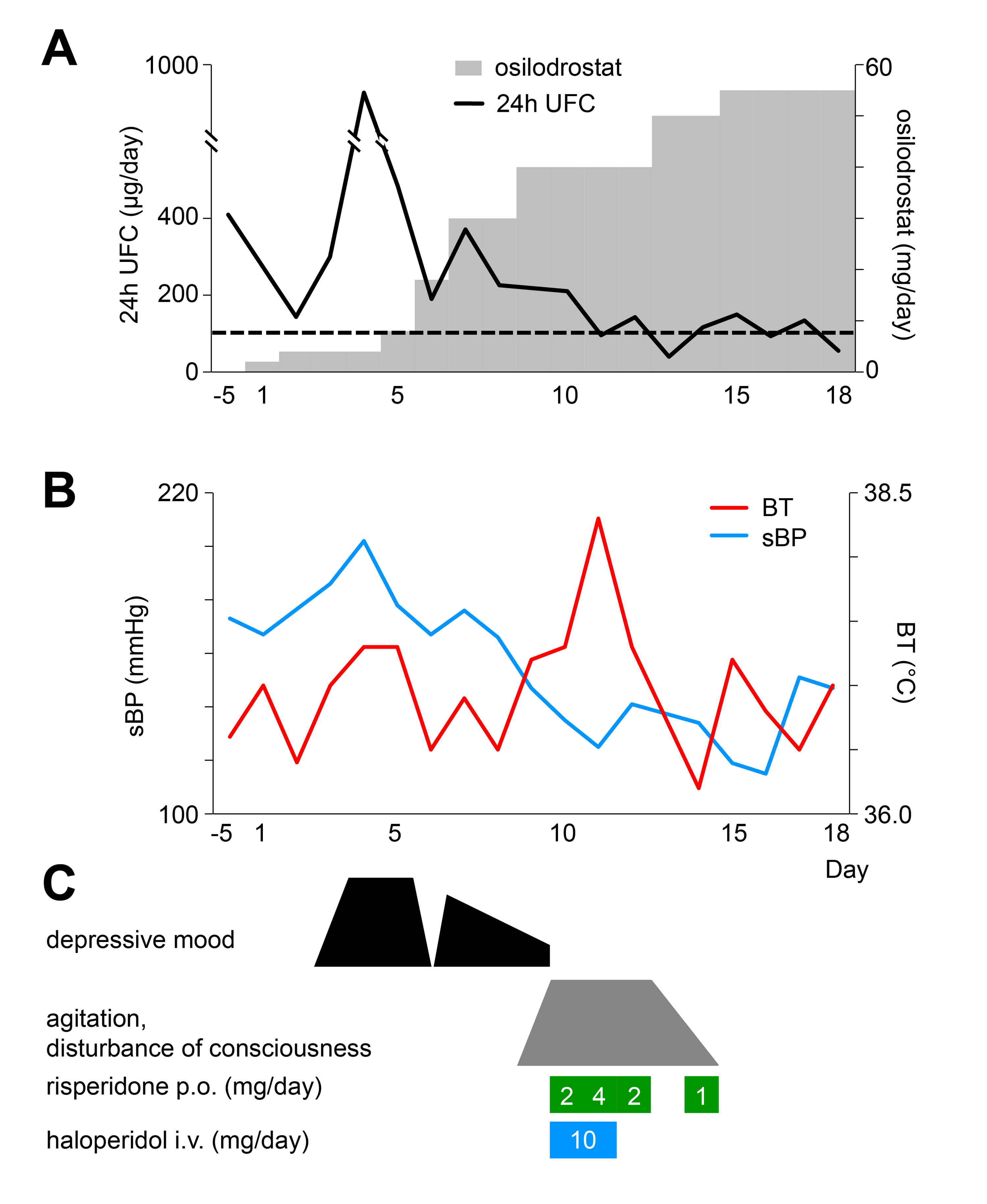
A Case 0f Hailey–Hailey Disease Accompanied by Cushing’s Syndrome and Adrenal Insufficiency Due to Long-Term Usage of Topical Steroids With Review of Literature

Abstract

Hailey–Hailey disease (HHD), or familial benign chronic pemphigus, is a rare autosomal dominant disorder characterized by recurrent vesicles and erosions in intertriginous areas. Topical corticosteroids are the primary treatment, but their potential systemic side effects are often overlooked. Prolonged use on compromised skin can lead to excessive absorption, increasing the risk of iatrogenic Cushing’s syndrome and adrenal insufficiency.

Here, we report the case of a 50-year-old woman with HHD who had been using topical clobetasol or betamethasone for over 10 years, reaching doses up to 50 g/day.

She developed Cushingoid features, metabolic abnormalities, and suppression of the hypothalamic–pituitary–adrenal (HPA) axis. After tapering off topical corticosteroids, she developed adrenal insufficiency and associated withdrawal symptoms. Following the initiation of hydrocortisone replacement therapy, psychiatric symptoms, impaired glucose tolerance, and osteoporotic fractures emerged, suggesting exacerbation of iatrogenic Cushing’s syndrome.

This case highlights the risk of systemic complications from chronic topical corticosteroid use, particularly in high-absorption areas. Gradual dose reduction, close endocrine monitoring, and individualized tapering strategies are essential to prevent severe outcomes.

Clinicians should be aware of potential adrenal suppression and consider endocrine evaluation in patients receiving prolonged, high-dose topical corticosteroid therapy.

High Recovery Rate of Adrenal Function After Successful Surgical Treatment of Cushing’s Syndrome

Abstract

Context

Successful first-line treatment of Cushing’s syndrome by resection of the underlying tumor is usually followed by adrenal insufficiency.

Purpose

The aims of this study were to determine the recovery rate and time to recovery of adrenal function after treatment for different forms of endogenous Cushing’s syndrome and to identify factors associated with recovery.

Methods

In this retrospective study of 174 consecutive patients with Cushing’s syndrome, the recovery rate and time to recovery of adrenal function after surgery were assessed.

Results

The 1-year, 2-year and 5-year recovery rates of patients with Cushing’s disease were 37.8, 70.1 and 81.1%, respectively. For patients with adrenal Cushing’s syndrome, the 1-year, 2-year and 5-year recovery rates were higher: 49.3, 86.9 and 91.3%, respectively. Median time to recovery for patients with Cushing’s disease and adrenal Cushing’s syndrome was 13.9 and 12.1 months, respectively. The median time to recovery of adrenal function in patients with Cushing’s disease with and without recurrence was 9.9 versus 14.4 months, respectively. Higher age was associated with a lower probability of recovery of adrenal function: HR 0.83 per decade of age (95% CI 0.70–0.98).

Conclusion

The recovery rate of adrenal function after successful surgery as first-line treatment in patients with Cushing’s syndrome is high. However, it may take several months to years before recovery of adrenal function occurs. In case of early recovery of adrenal function, clinicians should be aware of a possible recurrence of Cushing’s disease.

Introduction

Cushing’s syndrome (CS) is characterized by chronic exposure to an excess of glucocorticosteroids (1). Endogenous hypercortisolism is a rare disorder with an estimated incidence of 0.2–5 patients per million per year (1). CS can cause severe, disabling signs and symptoms and is associated with significantly increased morbidity and mortality. In approximately 70% cases, endogenous CS is caused by an ACTH-producing pituitary adenoma, also known as Cushing’s disease (CD). In 15–25% cases, an ACTH-independent form of CS is caused by a unilateral adrenal adenoma, adrenal carcinoma or bilateral micro- or macronodular hyperplasia (adrenal CS). An ACTH-producing ectopic tumor is a rare cause of CS. First-line treatment of CS is surgical removal of the pituitary, adrenal or ectopic tumor (12).

Successful first-line treatment by resection of the underlying tumor is usually followed by adrenal insufficiency (AI) due to suppression of the hypothalamic–pituitary–adrenal axis after prolonged exposure to high concentrations of cortisol (345). Theoretically, one would expect that the hypothalamic–pituitary–adrenal axis recovers over time and that the substitution of glucocorticosteroids can slowly be reduced and stopped as long as there is no irreversible damage to the remaining adrenal or pituitary tissue. However, in clinical practice, AI is not always transient. In a subset of patients, this is caused by permanent AI due to perioperative damage to the pituitary gland or irreversible atrophy of the contralateral adrenal gland. In other cases, tapering the dosage of glucocorticosteroids is not possible because this causes worsening of symptoms. Despite the glucocorticoid replacement therapy, patients often experience symptoms resembling AI, such as fatigue, myalgia, arthralgia, depression, anxiety and decreased quality of life, also known as glucocorticoid withdrawal syndrome (GWS) (6). GWS is caused by dependence on supraphysiologic glucocorticoid concentrations after chronic exposure to high concentrations of glucocorticoids, which can complicate and delay the withdrawal of exogenous steroids. As a result, patients and physicians often struggle with a dilemma: on the one hand, lowering the cortisol substitution is necessary to enable functional recovery of the hypothalamic–pituitary–adrenal axis. On the other hand, lowering the substitution therapy often causes worsening of symptoms. In clinical practice, it is not always possible to completely taper the substitution of steroids due to GWS, even in spite of intensive guidance and support by the treating physician, specialized nurse and other healthcare professionals. Moreover, in patients remaining on glucocorticoid replacement, it is not always clear whether the failure to recover from AI is caused by the irreversible damage of the remaining pituitary or adrenal tissue or the failure to overcome the GWS. The time after which adrenal function recovers and substitution therapy can be tapered off varies largely between patients but may take several years (7).

A recent survey among patients with CS highlighted the need of patients for better information about the difficult post-surgical course (8). However, scientific data about this post-operative period, particularly regarding the recovery rate and time to recovery from AI are scarce (91011121314151617181920). Because of the rarity of CS, most studies are hampered by a limited number of patients. The reported recovery rates of adrenal function after first-line treatment for CS vary widely, between 37 and 93% for CD (910111213) and between 38 and 93% for overt adrenal CS (101214151617).

The reported duration to recovery of the hypothalamic–pituitary–adrenal axis after CD and adrenal CS also varies widely, between 13 and 25 months after CD (910111319) and between 11 and 30 months in overt adrenal CS (101415161820).

Factors which influence the recovery rate and the duration to recovery of adrenal function are not entirely clear. A few studies reported a lower chance of recovery and a longer duration to recovery of adrenal function in patients who are younger, have more severe hypercortisolism, and longer duration of symptoms before diagnosis, whereas other studies could not confirm these findings (101321). By contrast, other studies reported a higher chance of recovery in younger patients (21). Identification of these factors may help provide patients with more information about the expected post-surgical course.

Therefore, the aims of the present study were to assess the recovery rate and time to recovery of adrenal function after successful first-line treatment in the different subtypes of CS in a large series of consecutive patients treated at a tertiary referral center and to identify factors associated with recovery.

Methods

Patients

The medical records of adult and pediatric patients treated for CS at Radboud University Medical Center, Nijmegen, between 1968 and 2022 were examined retrospectively. This is a tertiary referral hospital where practically all cases of CS from the large surrounding geographic area are managed. All patients with CD, adrenal CS and ectopic CS who were in remission and developed AI after first-line surgical treatment were included. Exclusion criteria were bilateral adrenalectomy as first-line treatment, adrenocortical carcinoma, radiotherapy of the pituitary gland before surgery, pituitary carcinoma and the therapeutic use of corticosteroids for conditions other than AI. Data were collected on age, sex, body mass index (BMI), duration of CS symptoms, comorbidities, the use of medication, biochemical results at diagnosis and during follow-up, preoperative imaging, surgical treatment and histology.

The study was assessed by the Committee for Research with Humans, Arnhem/Nijmegen Region and the need for written approval by individual patients was waived since this study did not fall within the remit of the Medical Research Involving Human Subjects Act (WMO). The study has been reviewed by the ethics committee on the basis of the Dutch Code of conduct for health research, the Dutch Code of conduct for responsible use, the Dutch Personal Data Protection Act and the Medical Treatment Agreement Act. The ethics committee has passed a positive judgment on the study. The procedures were conducted according to the principles of the Declaration of Helsinki.

Diagnostics and definitions

Patients were diagnosed with CS according to the guidelines available at the time, i.e., the presence of signs and symptoms of hypercortisolism in combination with confirmatory biochemical tests, including the 1 mg dexamethasone suppression test (DST), 24-h urine free cortisol (UFC), late-night salivary cortisol concentrations and/or hair cortisol. The cutoff value for adequate cortisol suppression after the DST was <50 nmol/L (22). For UFC, the times upper limit of normal was calculated because several assays with different reference values were used over time.

First-line treatment consisted of pituitary surgery in patients with CD and unilateral adrenalectomy in patients with ACS. In patients with bilateral macronodular hyperplasia, adrenalectomy of the largest adrenal was performed after carefully outweighing the risks and benefits of surgery together with the patient, taking into account factors such as age, severity of symptoms, comorbidities associated with hypercortisolism (e.g., diabetes mellitus type 2, cardiovascular disease, osteoporosis) and the severity of the hypercortisolism (2).

Peri- and postoperatively, all patients received glucocorticoid stress dosing, which was tapered off within a few days after surgery. Adrenal function was initially evaluated with a postoperative morning fasting cortisol concentration, measured at least 24 h after the last dose of hydrocortisone or cortisone acetate, within 7 days after surgery. If the postoperative morning fasting cortisol was <200 nmol/L, the patient was considered to have AI and glucocorticoid replacement therapy was continued. The starting dose was usually hydrocortisone 30 mg once daily (or an equivalent dose of cortisone acetate in the early years). For children, the dose was weight-based. Afterwards, the dose was slowly tapered off according to the symptoms/well-being of the patient and fasting cortisol values. During follow-up, the dose was usually divided into two or three doses a day.

Remission of CS after treatment was defined as either a morning cortisol of ≤50 nmol/L, adequate cortisol suppression after DST or a late-night salivary cortisol concentration within the reference range. Duration of AI was defined as the time between surgery and discontinuation of glucocorticoid replacement therapy. Complete recovery of adrenal function was assessed by spontaneous fasting cortisol concentration, an insulin tolerance test or a 250 μg ACTH stimulation test after discontinuation of glucocorticoid replacement therapy. In cases where fasting morning cortisol ≥520 nmol/L, adrenal function was considered as completely recovered. For the dynamic tests, assay-dependent cutoff values were used according to the guidelines available at the time. The dynamic tests were not performed routinely in all patients until 1999. In patients for whom no dynamic tests (results) were available, complete recovery of AI was defined as complete discontinuation of replacement therapy. Recurrence of CS was defined as the presence of signs and symptoms of hypercortisolism in combination with confirmatory biochemical tests, including the 1 mg DST, 24-h UFC, late-night salivary cortisol concentrations and/or hair cortisol.

Statistical analysis

Continuous data were expressed as mean ± SD or median + interquartile range (IQR), and categorical data were presented as frequency (n) and percentage (%). We produced Kaplan–Meier curves to determine the unadjusted probability of recovery of adrenal function over time. Patients that tapered off and completely stopped the glucocorticoid replacement therapy were assigned in the survival analyses as having an event (=recovery of adrenal function). The date of the last follow-up visit was assigned in the survival analyses as the last date and patients that were lost to follow-up or developed a recurrence before stopping the glucocorticoid replacement therapy were censored. In order to identify factors associated with recovery of adrenal function, we compared Kaplan Meier curves between several subgroups of patients: CD versus adrenal CS versus ectopic CS, age (at diagnosis) groups of ≤35 versus 36–55 versus ≥56 years old, patients with or without postoperative pituitary deficiencies, patients with or without recurrence of CS during follow-up, patients with or without preoperative medical treatment (PMT), patients operated before versus after 2010 and patients with a low versus slightly higher post-operative morning cortisol (<100 nmol/L versus 100–200 nmol/L), measured within 7 days after surgery. The Kaplan–Meier curves of the subgroups were compared using the two-sided log-rank test. The P-value ≤0.05 was considered statistically significant. The Kaplan–Meier curves provided the 1-year, 2-year and 5-year recovery rates and the median time to recovery of the adrenal gland. We used Cox proportional hazards models to calculate hazard ratios (HRs) with a 95% confidence interval (CI) of the probability of recovery of adrenal function over time in order to identify factors associated with recovery of adrenal function (univariate analyses). Cox proportional hazards models with multivariate analyses were performed to calculate the adjusted HRs with 95% CI. The model of multivariate analysis for the whole group included the variables: etiology of CS, age, sex, BMI, duration of symptoms before diagnosis, UFC and postoperative cortisol 0.10–0.20 versus <0.10 mcmol/L. The model of multivariate analysis for the patients with CD only included the variables: etiology of CD, age, sex, BMI, duration of symptoms before diagnosis, UFC, post-operative cortisol 0.10–0.20 versus <0.10 mcmol/L, PMT, hormonal deficiencies of the anterior pituitary gland other than AI and micro/macroadenoma. A 95% CI not including 1 was considered statistically significant.

All statistical analyses were performed using STATA version 11 (StataCorp, USA).

Results

In total, 174 patients were included in the analysis. The assessment of eligibility, the number of patients excluded from this study and the reasons for exclusion are shown in Fig. 1. The baseline characteristics are described in Table 1. The median follow-up was 6.8 years (IQR: 2.2–12.6). In 69.6% (94/135) of all patients who discontinued their glucocorticoid replacement therapy, the recovery of adrenal function was confirmed with a dynamic test or a morning cortisol concentration ≥520 nmol/L.

Figure 1View Full Size
Figure 1
Flowchart showing the assessment for eligibility, the number of patients excluded from the study and the reasons for exclusion.

Citation: Endocrine Connections 14, 5; 10.1530/EC-24-0612

Table 1Baseline characteristics.

Variable All patients CD Adrenal CS
Participants (n) 174 135 35
Female (%) 135/174 (77.6%) 102/135 (75.6%) 32/35 (91.4%)
Median age at diagnosis (y) 44 (35–55) 43 (32–55) 47 (36–54)
Median BMI at diagnosis (kg/m2) 28.3 (24.7–32.4) 28.6 (24.7–32.9) 28.0 (26.0–31.8)
Median duration of symptoms before diagnosis of CS (years) 3.0 (1.0–5.6) 3.0 (1.0–6.0) 3.5 (1.5–5.6)
Median times upper limit of normal UFC at diagnosis 3.7 (1.9–5.8) 3.9 (2.0–6.4) 2.4 (1.4–4.1)
Median cortisol after DST (nmol/L) 480 (320–630) 460 (290–620) 550 (330–710)
Median salivary cortisol at diagnosis (nmol/L) 8.6 (5.4–15.4) 10.1 (5.9–18.0) 6.1 (4.0–8.9)
Median follow up (years) 6.8 (2.2–12.6) 8.4 (3.0–13.5) 2.2 (1.2–4.7)
Preoperative medical therapy* (n) 120/174 (69%) 106/135 (78.5%) 10/35 (28.6%)
Pituitary microadenoma/macroadenoma/no adenoma detected on MRI scan (n) 64/27/28**
Bilateral disease (n) 7/35 (20.0%)

CD, Cushing’s disease; CS, Cushing’s syndrome; BMI, body mass index; UFC, 24-h urine free cortisol; DST, 1 mg dexamethasone suppression test. Continuous data are summarized as median and interquartile ranges. Categorical data are presented as frequencies and percentages.

*Cortisol-lowering medication, either metyrapone or ketoconazole.

**Missing data on MRI in 16 patients.

Recovery rates and recovery times of adrenal function

The probability of recovery of AI for CD, adrenal CS and ectopic CS are depicted in Fig. 2. The 1-year, 2-year and 5-year recovery rates of adrenal function for the entire cohort were 40.1, 73.4 and 83.3%, respectively. The median time to recovery of adrenal function was 13.9 months. The 1-year, 2-year and 5-year recovery rates of patients with CD were 37.8, 70.1 and 81.1%, respectively. The median recovery time was 13.9 months for patients with CD. For patients with adrenal CS, the 1-year, 2-year and 5-year recovery rates were higher: 49.3, 86.9 and 91.3%, respectively (two-sided log-rank test: P = 0.14). The median recovery time for patients with adrenal CS was 12.1 months. Seven out of the 35 patients with adrenal Cushing had bilateral disease. The median time to recovery in patients with bilateral disease was 17.5 versus 11.0 months in patients with unilateral disease.

Figure 2View Full Size
Figure 2
Cumulative probability of recovery of adrenal function in CD (n = 135), adrenal CS (n = 35) and ectopic Cushing (n = 4).

Citation: Endocrine Connections 14, 5; 10.1530/EC-24-0612

Of the 15 evaluated patients with ectopic CS, only four patients underwent successful resection of the ectopic tumor and were included in our study. All four patients had a neuroendocrine tumor of the lung and recovered from AI. The time to recovery of adrenal function was known in three patients: 5.7, 7.9 and 14.5 months.

Factors associated with recovery of adrenal function

Age at diagnosis

Figure 3 shows the Kaplan–Meier curves of three different age groups (group 1: 0–35 years old, group 2: 36–55 years old and group 3: 56–100 years old). The 1-year recovery rates of patients aged between 0–35, 36–55 and 56–100 years old were 54.6, 37.2 and 31.4%, respectively. The 2-year recovery rates were 79.3, 72.6 and 68.4%, respectively and the 5-years recovery rates were 89.6, 83.8 and 75.1%, respectively. The median times to recovery of adrenal function of patients aged between 0–35, 36–55 and 56–100 years old were 11.2, 13.4 and 17.6 months, respectively. The probability of recovery of AI was higher in young patients (0–35 years old) (two-sided log-rank test: P = 0.05).

Figure 3View Full Size
Figure 3
Cumulative probability of recovery of adrenal function by age groups.

Citation: Endocrine Connections 14, 5; 10.1530/EC-24-0612

Recurrence after primary treatment

In total, 17.8% patients with CD (24/135) had developed a recurrence during follow-up. Figure 4 shows the Kaplan–Meier curves with the probability of recovery of AI of the groups with and without recurrence during follow-up in patients with CD. The probability of recovery of AI was higher in patients with a recurrence (two-sided log-rank test: P-value = 0.02). In patients with a recurrence, the 1-, 2- and 5-year recovery rates of AI were 60.9, 78.3 and 87.0%, respectively. In patients without a recurrence, the 1-, 2- and 5-years recovery rates of AI were 32.6, 68.3 and 79.7%, respectively. The median time to recovery of adrenal function in patients with CD with and without recurrence was 9.9 versus 14.4 months, respectively.

Figure 4View Full Size
Figure 4
Cumulative probability of recovery of adrenal function by recurrence during follow-up in patients with CD.

Citation: Endocrine Connections 14, 5; 10.1530/EC-24-0612

There was only one patient with adrenal CS with a recurrence. This was a patient with bilateral macronodular hyperplasia. During the first surgery, the largest adrenal was removed. However, 3 years later, the contralateral adrenal was also removed because of the recurrence of CS.

Hypopituitarism after pituitary surgery

In patients with CD, we performed a sub-analysis based on the presence of anterior pituitary deficiencies after pituitary surgery for CD, besides AI. Antidiuretic hormone (ADH) deficiency was not included in this analysis. As expected after pituitary surgery and in line with the literature, temporary ADH deficiency occurred in a substantial part of the patients after surgery (23). Therefore, only central hypothyroidism, hypogonadotropic hypogonadism and growth hormone deficiency were taken into account (Fig. 5). The probability of recovery of AI was lower in patients with one or more pituitary deficiencies versus patients with intact pituitary function after surgery (two-sided log-rank test: P-value = 0.05). In patients with anterior pituitary deficiencies, the 1-, 2- and 5-years recovery rates of AI were 35.6, 60.4 and 67.6%, respectively. In patients without anterior pituitary deficiencies, the 1-, 2- and 5-years recovery rates of AI were 39.2, 76.0 and 89.1%, respectively. The median time to recovery of adrenal function in patients with CD with and without anterior pituitary deficiencies was 15.9 versus 13.4 months, respectively. Figure 6 shows the Kaplan–Meier curves by the number of hormonal deficiencies of the anterior pituitary gland, other than AI. Although statistical significance was not reached, there is a trend showing that the more postoperative hormonal deficiencies present, the lower the probability of recovery of AI is (two-sided log-rank test: P-value = 0.15).

Figure 5View Full Size
Figure 5
Kaplan–Meier curve by the presence/absence of hormonal deficiencies of the anterior pituitary gland (other than AI) after surgery in patients with CD.

Citation: Endocrine Connections 14, 5; 10.1530/EC-24-0612

Figure 6View Full Size
Figure 6
Kaplan–Meier curve by the number of hormonal deficiencies of the anterior pituitary gland after surgery in patients with CD.

Citation: Endocrine Connections 14, 5; 10.1530/EC-24-0612

Preoperative cortisol-lowering medical therapy, year of surgery and fasting cortisol concentration at the initial postoperative evaluation

Sub-analyses regarding patients who received PMT versus patients without PMT did not show any difference in the probability of recovery. In patients without PMT, the 1-, 2- and 5-years recovery rates of AI were 42.6, 77.6 and 85.2%, respectively. In patients with PMT, the 1-, 2- and 5-years recovery rates of AI were 41.6, 73.7 and 82.3%, respectively. The median time to recovery of adrenal function in patients without PMT and with PMT was 14.1 versus 13.5 months, respectively.

Sub-analyses regarding patients operated on before versus after 2010, regarding the results of the 1 mg dexamethasone suppression test at diagnosis and regarding patients with a low versus slightly higher postoperative morning cortisol within 7 days after surgery (<100 versus 100–200 nmol/L) also did not show any difference in the probability of recovery of adrenal function.

Table 2 shows HRs of univariate and multivariate Cox regression analyses. Adrenal CS and ectopic CS were associated with a higher probability of recovery of AI in comparison with patients with CS. Higher age was associated with a lower probability of recovery of AI.

Table 2Uni- and multivariate Cox regression analyses.

Variable Univariate Cox regression Multivariate Cox regression
HR 95% CI P value HR 95% CI P value
Etiology of CS (CD/adrenal CS/ectopic) 1.44 1.00–2.08 0.05 1.76 1.11–2.80 0.02
Etiology of CS (CD/adrenal CS) 1.42 0.91–2.22 0.12
Age (decades) 0.81 0.71–0.93 0.002 0.83 0.70–0.98 0.03
Sex (male/female) 1.02 0.68–1.55 0.92 0.74 0.46–1.20 0.22
BMI (kg/m2) 1.00 0.97–1.02 0.81 1.01 0.97–1.05 0.61
Duration of symptoms before diagnosis (years) 0.95 0.90–1.01 0.08 0.95 0.89–1.01 0.09
UFC (ULN) 1.03 0.99–1.07 0.15 1.01 0.97–1.05 0.57
Post-operative cortisol 0.10–0.20 versus <0.10 mcmol/L 0.92 0.56–1.50 0.73 1.16 0.58–2.30 0.67
In patients with CD only
PMT (no/yes) 1.23 0.75–2.02 0.40 1.26 0.53–3.02 0.60
Hormonal deficiencies of the anterior pituitary gland, other than AI (no/yes) 0.65 0.43–0.99 0.05 0.67 0.40–1.11 0.12
Micro/macroadenoma 1.13 0.70–1.83 0.62 1.42 0.79–2.52 0.24

PMT, preoperative medical treatment; HR, hazard ratio; CI, confidence interval; CS, Cushing’s syndrome; CD, Cushing’s disease; BMI, body mass index; UFC (ULN), times upper limit 24-h urine free cortisol; AI, adrenal insufficiency. The model of multivariate analysis for the whole group included the variables: etiology of CD, age, sex, BMI, duration of symptoms before diagnosis, UFC and postoperative cortisol 0.10–0.20 versus <0.10 mcmol/L. The model of multivariate analysis for the patients with CD only included the variables: etiology of CD, age, sex, BMI, duration of symptoms before diagnosis, UFC, postoperative cortisol 0.10–0.20 versus <0.10 mcmol/L, preoperative medical treatment, hormonal deficiencies of the anterior pituitary gland other than AI and micro/macroadenoma.

Discussion

In this study, we investigated the recovery rate of adrenal function and time to recovery after first-line treatment in patients with CS. The main finding is that the recovery rates of adrenal function are high. However, it may take several months to years before recovery of adrenal function occurs.

Patients with adrenal CS had higher recovery rates than patients with CD. This can be explained by the fact that the cortisol excess is generally less severe in adrenal CS and the fact that one adrenal gland remains completely intact after unilateral adrenalectomy. By contrast, patients who undergo pituitary surgery are at risk of developing new pituitary hormone deficiencies, including corticotrope deficiency, due to permanent structural damage to the pituitary gland. Our finding that patients with additional pituitary deficiencies after surgery for CD had lower recovery rates of adrenal function supports this hypothesis.

The recovery rates of adrenal function in CD, as well as in adrenal CS, are higher than what was reported in some previous studies (101112), but are similar to other reports (13151718). As shown in Table 3, it is difficult to compare previous studies because they all differ in design, study population and inclusion and exclusion criteria. For example, Berr et al. and Klose et al. used a different cutoff value of postoperative cortisol (<100 nmol/L) than we did (<200 nmol/L) to define initial AI shortly after surgery. However, only 25 patients in our cohort had a postoperative morning cortisol between 100 and 200 nmol/L and sub-analysis of patients with a morning cortisol <100 nmol/L versus patients with a morning cortisol between 100 and 200 nmol/L did not show any difference in recovery rate or time. Another difference between studies is the strategy for tapering off and stopping glucocorticoids in the postoperative period. In our study, patients started with 30 mg hydrocortisone per day after surgery. One might expect that a higher dose of hydrocortisone leads to a longer time to recovery of adrenal function. However, there are no data or evidence-based guidelines regarding the best strategy for tapering off and stopping glucocorticoids in the postoperative period.

Table 3Overview of previous studies regarding recovery of adrenal function after surgery in patients with CS.

Author n, etiology Recovery rate AI Time to recovery, years Follow up years Definition of AI/remission Substitution therapy (start doses) Recurrence rate (CD)
Alexandraki, 2013 (8) 131 CD 49/81 (60.5%) during follow up Median 1.5 years Minimum 6 years, mean 15.9 ± 6 years Postoperative cortisol ≤50 nmol/L Prednisolone 5 + 2 mg or HC 20 mg in divided doses 22.7% (microadenoma) 33.3% macroadenoma
Berr, 2015 (9) 5-year: Median: Mean 8.2 years Morning cortisol ≤100 nmol/L HC 40–50 mg/day
54 CD CD: 58% CD: 1.4 years CD: 7.0 years
26 ACS ACS: 38% ACS: 2.5 years ACS: 8.5 years
11 ECS ECS: 82% ECS: 0.6 years ECS: 13.5 years
Serban, 2019 (12) 61 CD 5-year: Median 1.6 years Minimum 3 years, median 6 years Morning cortisol ❤ μg/dL or cortisol after 250 μg synacthen test <18 μg/dL Cortisone acetate 25 mg, divided in 2–3 doses 16.4%
Persistent remission: 55.8% 2.1 years
Recurrence: 100% 1.0 years
Ciric 2012 (10) 86 CD 59.3% during follow up Mean 1.1 years Minimum 0.5 years, mean 5.7 years Drop in immediate postoperative cortisol, range <0.5–5.3 µg/dL and symptoms No specific unified algorithm 9.7%
Klose, 2004 (11) 2-year: Median: Post-operative cortisol <100 nmol/L and/or UFC <50 nmoL/24h Hydrocortisone 20–30 mg/day
18 CD CD: 67% CD: 2 years CD: 22.2%
14 ACS ACS: 79% ACS: 2 years ACS: 0%
Prete, 2017 (18) Median: Minimum 2 years Postoperative morning serum cortisol <5 μg/dL/138 nmol/L Hydrocortisone 20–30 mg/day in divided in 2–3 doses Patients with recurrence were excluded
15 CD CD: 1.3 years CD: median 5.8 years
31 ACS ACS: 0.8 years ACS: Median 4.0 years
 14 overt ACS Overt ACS: 1.5 years
 17 subclinical ACS Subclinical ACS: 0.5 years
Hurtado, 2018 (14) 81 ACS 87.8% during follow up Median ACS: 0.4 years Median ACS: 1.2 years Postoperative morning (day 1) serum cortisol <10 μg/dL/276 nmol/L or hemodynamic instability or received perioperative GC due to anticipated AI after unilateral adrenalectomy Prednisone or hydrocortisone, median hydrocortisone-equivalent dose 40 mg/day
 27 severe CS Severe: 1.0 years Severe: 1.0 years
 24 moderate CS Moderate: 0.2 years Moderate: 1.0 years
 30 MACE MACE: 0.2 years MACE: 1.5 years
Dalmazi, 2014 review on adrenal function after adrenalectomy for subclinical CS, 28 studies (17) ACS: 376 overt ACS 141 subclinical ACS Overt ACS: 93.4% subclinical ACS: 97.9% Mean overt ACS: 0.9 years subclinical ACS 0.5 years

CD, Cushing’s disease; ACS, adrenal Cushing’s syndrome; ECS, ectopic Cushing’s syndrome; AI, adrenal insufficiency; Subclin: subclinical; MACE, mild autonomous cortisol excess.

One might also hypothesize that the studies reporting high recurrence rates are related to higher recovery rates in CD patients. In our study, the recurrence rate was 17.8%, which is in line with previous studies (91324). The establishment of recovery of adrenal function in patients with a recurrence later on is a difficult matter: despite the exclusion of patients with immediate obvious persistent disease in our study, recovery of glucocorticoid secretion in patients who developed a recurrence later on could be an early manifestation of recurrence instead of true recovery of physiological adrenal function. A striking finding in this study, in line with the aforementioned hypothesis, was the considerably higher 1-year recovery rate and the shorter time to recovery of patients with a recurrence in comparison to patients without a recurrence. Recovery of adrenal function is more rapid in patients with recurrences (1325). These findings imply that in case of an early recovery of adrenal function, clinicians should be aware of a possible recurrence of CD.

Another difference between studies is the inclusion or exclusion of patients with mild autonomous cortisol secretion (MACS), formerly known as subclinical CS. Previous studies have shown that patients with subclinical CS have a higher probability of recovery and a shorter duration of AI (14151618). In our study, only two patients were diagnosed with subclinical CS (in this study characterized as inadequate suppression after DST in combination with values of UFC within the reference range) and therefore subgroup analysis was not possible.

In the present study, a rather high number of patients received PMT in comparison to other studies. In our institution, it was common practice to start PMT 3 months before pituitary surgery in patients with CD with the aim to improve hemostasis and other Cushing-related comorbidities, although the benefit of PMT has not yet been well established by randomized controlled trials. At the liberty of the treating physician, the dose of ketoconazole or metyrapone was titrated with the aim to normalize the 24-h UFC excretion. The doses needed to achieve normal 24-h UFC and the time to normalization of 24-h UFC varied between patients.

One could hypothesize that lowering cortisol levels during the weeks to months before surgery may result in a faster recovery of adrenal function. However, this was not the case in this study.

Overall, the present study shows a high recovery rate of adrenal function after treatment for CS. The time until recovery is partly dependent on the strategy and success of tapering off of glucocorticoids replacement and therefore may be very long because of GWS. These are meaningful findings. Tapering glucocorticoid substitution in parallel with the recovery of cortisol secretion after surgery for CS is often a challenging and lengthy trajectory for both patients and physicians. The lack of standardization of the follow-up and of the tapering protocols, the need for constant shared decision-making and personalized support for patients, particularly of those who are also confronted with severe associated comorbidities and unpredictable withdrawal symptoms, may discourage patients and physicians from proceeding in this endeavor. Given the rarity of the disease, knowledge on this topic is scarce. Previous, mainly smaller studies reported a wide range of recovery rates of adrenal function after first-line treatment for CS (varying between 37 and 93% for CD, and for overt adrenal CS between 38 and 93%) (10111213151718). The rather low percentages of recovery of adrenal function in some of these previous studies could discourage patients and physicians to persevere the attempt to taper off hydrocortisone. Our findings in a large cohort of patients with CS, including a sizable subgroup of patients with CD, allow us to deepen the multivariate analysis to uncover factors that are associated with a better chance of recovery. The data indicate that in this real-life setting, despite the long time to achieve recovery, the recovery rates are high and while this occurs for most of the patients within 1–2 years after treatment, recovery is still possible even after a longer follow-up. Moreover, this study showed that the recovery rate is higher in patients with adrenal CS versus CD, in younger patients and in patients with CD with preserved pituitary function after pituitary surgery. These findings are very important for clinical practice. They highlight the importance of continuing to taper off the glucocorticoids, if necessary slowly and steadily, in the years after surgery. They also help us better inform the patients beforehand and to improve the management and the expectations of both patients and physicians to motivate them to persevere in tapering of the glucocorticosteroids while considering the factors such as those identified to influence the chance of recovery during their personalized counseling and guidance of the patients in this often very difficult and lengthy period.

In our institution, it is common practice to counsel and provide guidance intensively to patients in this difficult period, both by the treating physician and a specialized nurse, as we consider this coordinated guidance of utmost importance. Moreover, all patients are provided with contact details so that they can reach to us for advice 24 h a day, either by phone or by secure email throughout this process. When indicated, patients are referred to other healthcare professionals such as psychologists, physical therapists, social workers and other specialists.

One important strength of our study is the large size of our single-center cohort, considering the rarity of the disease. This has also allowed us to do subgroup analyses and assess factors associated with recovery from postoperative AI. The limitations include the retrospective character of this study and the fact that patients were included over a long period of time (1968 to 2022) during which diagnostic tools and management protocols for CS have somewhat changed over this period of time. We have tried to mitigate the limitations that are inevitable with a retrospective study by being thorough and extensive in the quality and amount of data that we were able to collect. In addition to that, the diagnostic assessment and the treatment of the patients followed very strict and uniform protocols in conformity with the internationally recognized clinical guidelines available at the time. On the other hand, the fact that this represents a real-life study renders the results more relatable for clinical practitioners and strengthens its impact.

We collected data from medical records regarding the duration of CS-related signs and symptoms before diagnosis, as mentioned by the patient during history taking. We are well aware that these data are rather subjective and dependent on the accuracy of the recollection of the patient. However, this is the only way to assess the duration of symptoms before diagnosis. In our opinion, these data still could be very valuable.

In conclusion, our study shows that the large majority of patients with CS recover their adrenal function after first-line surgical treatment, even though the time to recovery may take several months to years. Informing patients beforehand and providing support, encouragement and guidance in this process is therefore paramount. Herewith, one could consider factors such as the age of the patient, the etiology of CS and the presence of additional pituitary deficiencies after pituitary surgery. In case of an early recovery of adrenal function, clinicians should be aware of a possible recurrence of CD. Future studies should establish the optimal postoperative management for CS to improve the chance for success of recovery of adrenal function.

Declaration of interest

The authors declare that there is no conflict of interest that could be perceived as prejudicing the impartiality of the work reported.

Funding

This research did not receive any specific grant from any funding agency in the public, commercial or not-for-profit sector.

References

Adrenal Insufficiency May Be Misdiagnosed as Anxiety

The hormone cortisol is produced by the adrenal glands, so adrenal insufficiency (also called Addison’s disease) is caused when the adrenal glands do not produce cortisol normally. Low cortisol can actually cause anxiety and depression, so some patients may really have anxiety — though doctors need to do further testing and/or evaluation to see that it is caused by their hormone levels, not a mental illness.

“I have adrenal insufficiency, which can cause depression and anxiety as a sign and symptom of low cortisol. After attempting hospitalization for depression, we found that I’d been living on almost undetectable cortisol for at least a year,” Sarah Reilley said. “Now that I’m on hydrocortisone replacement, my depression and anxiety are nearly gone and serve to warn me when my cortisol is dangerously low! I’m really lucky to be alive.”

Read about other conditions that may be misdiagnosed as anxiety here: https://themighty.com/topic/chronic-illness/misdiagnosed-anxiety-symptoms/

Iatrogenic Cushing Syndrome and Adrenal Suppression Presenting as Perimenopause

JCEM Case Reports, Volume 2, Issue 11, November 2024, luae183, https://doi.org/10.1210/jcemcr/luae183

Abstract

Secondary adrenal insufficiency is a life-threatening condition that may arise in the setting of iatrogenic Cushing syndrome. Intra-articular corticosteroid injections (IACs) are a standard treatment for osteoarthritis, and they carry a high risk of secondary central adrenal suppression (SAI). We present the case of a 43-year-old woman who was referred to reproductive endocrinology for evaluation of abnormal uterine bleeding with a provisional diagnosis of perimenopause. She reported new-onset type 2 diabetes mellitus, abdominal striae, hot flashes, and irregular menses. Laboratory evaluation revealed iatrogenic Cushing syndrome and SAI attributable to prolonged use of therapeutic IACs for osteoarthritis. Treatment included hydrocortisone replacement and discontinuation of IACs followed by hydrocortisone taper over the following 16 months that resulted in the return of endogenous ovarian and adrenal function. This case demonstrates the many hazards of prolonged IAC use, including suppression of ovarian and adrenal function and iatrogenic SAI.

Introduction

Intra-articular corticosteroid injections (IACs) are commonly used for the treatment of symptomatic osteoarthritis [1]. Synovial injections carry the highest risk of secondary central adrenal suppression (SAI) [2-5]. Further, exogenous glucocorticoid administration may also result in secondary Cushing syndrome. Symptoms associated with exogenous glucocorticoid administration vary significantly, and misdiagnosis is common [67]. Here, we present a case of exogenous IAC use resulting in SAI and Cushing syndrome in a 43-year-old woman who was referred for evaluation and treatment of abnormal uterine bleeding with a provisional diagnosis of perimenopause.

Case Presentation

A 43-year-old woman with a past medical history of fibromyalgia, osteoarthritis, bursitis, asthma, gastroesophageal reflux, and diabetes was referred to reproductive endocrinology with a chief complaint of hot flashes for over 2 years and a presumptive diagnosis of perimenopause. Approximately 2 years before the onset of her symptoms, she reported irregular menses, followed by 11 months of amenorrhea, then 3 menstrual intervals with prolonged bleeding lasting 45, 34, and 65 days, respectively. She reported menarche at 11 years old, regular menstrual cycles until the last 2 years, and 4 pregnancies that were spontaneously conceived. She delivered 3 liveborn term children and had one spontaneous miscarriage. Her only complication of pregnancy was gestational hypertension during her last pregnancy that occurred 9 years prior when she was 34 years old.

In addition to menstrual irregularity, she also reported hot flashes, increasing truncal weight gain over the last 5 years, new-onset diabetes mellitus, and hypertension. Eighteen months prior to referral, she had an endometrial biopsy, which demonstrated secretory endometrium without hyperplasia, and cervical cancer screening was negative.

She initially reported the following medications: inhaled fluticasone/propionate + salmeterol 232 mcg + 14 mcg as needed and albuterol 108 mcg as needed. Her daily medications were glimepiride 1 mg, furosemide 20 mg, omeprazole 20 mg, montelukast 10 mg, azelastine hydrochloride 137 mcg, ertugliflozin 5 mg, and tiotropium bromide 2.5 mg. Importantly, she did not report IAC treatments.

Diagnostic Assessment

Initial physical examination showed height of 160 cm, weight of 103.4 kg, body mass index (BMI) of 46 kg/m2, and blood pressure (BP) of 128/80. Physical exam was significant for round facies with plethora, bilateral dorsocervical neck fat pads, and violaceous striae on her abdomen and upper arms (Fig. 1). The patient ambulated with a cane and reported severe bilateral proximal leg atrophy and weakness.


Abdominal and upper extremity striae prior to treatment with truncal obesity immediately before (A) and 1 year after initial diagnosis (B).

Figure 1.

Abdominal and upper extremity striae prior to treatment with truncal obesity immediately before (A) and 1 year after initial diagnosis (B).

A laboratory evaluation was recommended but was not initially completed. She was scheduled for a transvaginal ultrasound that required prior authorization; the pelvic ultrasound showed a heterogeneous and thickened anterior uterine wall, suggestive of adenomyosis, with a posterior intramural fibroid measuring 15 × 15 mm and an anterior intramural fibroid measuring 15 × 8 mm. Endometrial lining was thin at 5 mm. Both ovaries were small, without masses or antral follicles. Three-dimensional reconstruction showed a normal uterine cavity with some heterogeneity of the endometrial lining but no discrete masses suggestive of polyps or intracavitary fibroids as the cause of irregular bleeding. Upon additional questioning, she acknowledged receiving bilateral shoulder, hip, and knee injections of triamcinolone 80 mg every 2 to 3 months to each joint for about 5 years. Table 1 shows the initial laboratory evaluation and includes age-appropriate low ovarian reserve as evidenced by anti-Müllerian hormone (AMH), secondary hypothalamic hypogonadism, diabetes mellitus, and central adrenal suppression. Of note, the diabetes mellitus developed after 3 years of IAC use. Additional diagnostic assessment for adrenal insufficiency by synacthen testing was scheduled, however, the patient declined further investigation.

Initial laboratory values at presentation

Result Reference range
Basic metabolic panel
 Sodium 141 mEq/L; 141 mmol/L 135 to 145 mEq/L; 135 to 145 mmol/L
 Potassium 3.7 mEq/L; 3.7 mmol/L 3.7 to 5.2 mEq/L; 3.7 to 5.20 mmol/L
 Chloride 104 mEq/L; 104 mmol/L 96 to 106 mEq/L; 96 to 106 mmol/L
 Carbon dioxide 25 mEq/L; 25 mmol/L 23 to 29 mEq/L; 23 to 29 mmol/L
 Creatinine 0.42 mg/dL; 37.14 µmol/L 0.6 to 1.3 mg/dL; 53 to 114.9 µmol/L
 Urea nitrogen 14 mg/dL; 5 mmol/L 6 to 20 mg/dL; 2.14 to 7.14 mmol/L
Adrenal function
 Cortisol 0.8 µg/dL; 22.07 nmol/L 4-22 µg/dL; 138-635 nmol/L
 ACTH <5 pg/mL; <1 pmol/L 6-50 pg/mL; 5.5-22 pmol/L
 DHEAS 8 mcg/dL; 0.02 µmol/L 15-205 mcg/dL; 1.36-6.78 µmol/L
Endocrine function
 HbA1c 8.5% <5.7%
 Random glucose 124 mg/dL; 6.9 mmol/L 80-100 mg/dL; 4.4-5.5 mmol/L
 TSH 1.74 mIU/L 0.5-5 mIU/L
 tT4 10.5 µg/dL; 135.2 nmol/L 5.0-12.0 µg/dL; 57-148 nmol/L
 Free T4 index 2.6 ng/dL; 33.4 pmol/L 0.7-1.9 ng/dL; 12-30 pmol/L
 tT3 165 ng/dL; 2.5 nmol/L 60-180 ng/dL; 0.9-2.8 nmol/L
 TPO antibody Negative n/a
Ovarian function
 FSH 5.6 IU/L 4.5-21.5 IU/L
 LH 2.9 IU/L 5-25 IU/L
 Progesterone <0.5 ng/mL; 1.6 nmol/L Varies
 Estradiol 21 pg/mL; 77.1 pmol/L Varies
 AMH 1.1 ng/mL; 7.9 pmol/L 1.0-3.0 ng/mL; 2.15-48.91 pmol/L

Abbreviations: ACTH, adrenocorticotropic hormone; AMH, anti-Müllerian hormone; DHEAS, dehydroepiandrosterone sulfate; eGFR, estimated glomerular filtration rate; FSH, follicle-stimulating hormone; HbA1c, hemoglobin A1C; LH, luteinizing hormone; TPO antibody, thyroid peroxidase antibody; TSH, thyroid stimulating hormone; tT4, total thyroxine.

Treatment

The patient was immediately started on hydrocortisone 10 mg twice daily for glucocorticoid replacement, which was gradually reduced to 5 mg daily each morning at 16 months. Endocrine function testing was trended over the following months as replacement cortisone therapy was tapered.

Outcome and Follow-Up

Within 6 months of replacement and cessation of IACs, hot flashes ceased, and she reported regular menses. She lost 6.8 kg, her truncal obesity and striae significantly improved (Fig. 1), and she could now ambulate without assistance. Her glycated hemoglobin (HbA1c) level decreased from 8.5% to 6.8%. Fourteen months after her initial diagnosis and cessation of IAC, laboratory studies demonstrated partial recovery of adrenal and ovarian function and improved metabolism, as evidenced by increases in morning cortisol, adrenocorticotropic hormone (ACTH), and dehydroepiandrosterone sulfate (DHEAS), and decreased HbA1c. At 16 months, she had a return of ovulatory ovarian function.

Discussion

Cortisol is the main glucocorticoid secreted by human adrenal glands. The secretion pattern is precisely regulated by an integrated limbic-hypothalamic-pituitary (LHP) drive with the physiologic goal of homeostasis [1]. Conditions that result in deviations in glucocorticoid concentrations carry a variety of consequences. Our patient was referred because of a provisional diagnosis of abnormal uterine bleeding and perimenopause, which distracted from recognition of iatrogenic Cushing syndrome and secondary central adrenal suppression. This patient vignette underscores the importance of explicitly asking patients about nonoral medications, as patients may not report their use.

Exogenous administration of long-acting synthetic glucocorticoids may suppress adrenal function via negative feedback at the limbic and hypothalamic levels, which was reflected in this patient by undetectable ACTH and low cortisol levels (Table 1). In addition, excess glucocorticoid levels result in other neuroendocrine concomitants, including suppression of gonadotropin-releasing hormone (GnRH) drive that results in hypothalamic hypogonadism [89], decreased luteinizing hormone (LH) and follicle-stimulating hormone (FSH) levels, and anovulation despite AMH levels indicating residual ovarian reserve [10]. The clinical phenotype is variable and reflects individual glucocorticoid receptor sensitivities [9].

Regardless of cause, Cushing syndrome often presents with hallmark features of central obesity, violaceous striae, easy bruising, round facies, and nuchal adiposity with lower limb muscle atrophy and loss of strength [11]. Additionally, glucocorticoid excess causes insulin resistance and metabolic syndrome [8]. Truncal obesity is a common presenting symptom of excess cortisol. Cortisol inhibits metabolic response to insulin centrally and peripherally and increases gluconeogenesis, which together predispose to and cause diabetes [10].

Exogenous use of injectable glucocorticoids carries the highest risk of adrenal suppression when compared to other routes of exogenous steroids [5]. Patients typically report fatigue, malaise, and gastrointestinal complaints. Oligomenorrhea is a common presenting complaint in women, as was the case in our patient. Hyponatremia, water retention, and hypotension may occur in SAI because of endogenous glucocorticoid deficiency. A thorough laboratory evaluation in this patient revealed low LH, FSH, estradiol, and progesterone levels, indicating hypothalamic hypogonadism and not perimenopause/menopause [12] and low levels of cortisol, ACTH, and DHEAS confirmed SIA [10].

Adrenal insufficiency can be a life-threatening condition that requires supplementation with glucocorticoids [101314]. A review of patients diagnosed with SAI suggested tapering of hydrocortisone before discontinuing all replacement therapy and revealed most patients recover without the need for exogenous steroids after 2 years from diagnosis [14]. ACTH stimulation testing may indicate the return of adrenal function [1415]. Our patient showed increased ACTH, cortisol, and DHEAS at 14 months. Ovulatory ovarian function, indicated by progesterone < 5 ng/mL (< 1.59 nmol/L) (Table 2), returned at 16 months after cessation of IACs. The improvement in adrenal and ovarian function following cessation of IACs and tapering of hydrocortisone replacement therapy was accompanied by decreased HbA1c, weight loss, truncal obesity, and stria, and increased muscle strength scalp hair.


Table 2.

Endocrine lab results 7 years prior, at presentation (T0), and over the next 16 months

Analyte Reference range 7 years prior T0 1 month 7 months 13 months 14 months 16 months
DHEAS 15-205 µg/dL; 1.36-6.78 nmol/L 8 µg/dL; 0.22 nmol/L 5 µg/dL;
0.14 nmol/L
6 µg/dL;
0.16 nmol/L
22 µg/dL; 0.59 nmol/L 28 µg/dL; 0.76 nmol/L 24 µg/dL; 0.65 nmol/L
Cortisol 4-22 µg/dL; 138-635 nmol/L 0.9 µg/dL;
24.83 nmol/L
5.8 µg/dL;
160.01 nmol/L
3.0 µg/dL;
82.76 nmol/L
3.9 µg/dL;
107.59 nmol/L
11.2 µg/dL;
308.99 nmol/L
12.6 µg/dL;
347.61 nmol/L
ACTH 6-50 pg/mL; 5.5-22 pmol/L <5 pg/mL;<1.10 pmol/L <5 pg/mL;<1.10 pmol/L <5 pg/mL;<1.10 pmol/L <5 pg/mL;<1.10 pmol/L 11 pg/mL;
2.42 pmol/L
10 pg/mL;
2.20 pmol/L
HbA1c <5.7% 5.0% 8.5% 8.5% 7.8% 5.8% 5.7% 5.7%
LH 5-25 IU/L 5.8 IU/L 2.9 IU/L 3.3 IU/L 5.2 IU/L 5.7 IU/L
FSH 4.5-21.5 IU/L 6.2 IU/L 5.6 IU/L 2.0 IU/L 3.5 IU/L 1.3 IU/L
Estradiol Varies 21 pg/mL;
77.09 pmol/L
74 pg/mL;
271.65 pmol/L
101 pg/mL;
370.77 pmol/L
121 pg/mL;
444.19 pmol/L
Progesterone Varies <0.5 ng/mL;<1.59 nmol/L <0.5 ng/mL;<1.59 nmol/L <0.5 ng/mL;<1.59 nmol/L 6.6 ng/mL;
20.99 nmol/L

Abbreviations: ACTH, adrenocorticotropic hormone, DHEAS, dehydroepiandrosterone sulfate, FSH, follicle-stimulating hormone, LH, luteinizing hormone, T0, time at presentation.

In conclusion, exogenous glucocorticoids, specifically intra-articular injections, carry the highest potential for iatrogenic Cushing syndrome and secondary adrenal insufficiency. Glucocorticoid excess has a variable presentation that often obscures diagnosis. As this scenario demonstrates, careful physical and laboratory assessment and tapering of hydrocortisone replacement eventually can lead to restoration of adrenal, ovarian, and metabolic function and improved associated symptoms.

Learning Points

  • Exogenous intra-articular glucocorticoid use may suppress adrenal and ovarian function via central suppression of ACTH and GnRH.
  • Cushing syndrome presents with a broad spectrum of signs and symptoms that may be mistaken for individual conditions, such as perimenopause and isolated diabetes mellitus.
  • Exogenous steroid use may lead to Cushing syndrome and subsequent adrenal insufficiency, which is life-threatening.
  • Treatment of adrenal insufficiency with a long-term exogenous glucocorticoid taper allows for subsequent return of adrenal and ovarian function.

Contributors

All authors contributed to authorship. S.L.B. was involved in the diagnosis and management of the patient, and manuscript editing. S.A. was involved in patient follow-up and manuscript development. J.M.G. was responsible for manuscript development and editing. All authors reviewed and approved the final draft.

Funding

None declared.

Disclosures

S.L.B. reports ClearBlue Medical Advisory Board, 2019—present

Emblem Medical Advisory Board, Amazon Services, 2022—present

Medscape, 2023

Myovant, May 2023

Omnicuris, 2023

Sage Therapeutics and Biogen Global Medical, Zuranolone OB/GYN Providers Advisory Board, Dec 2022, March 2023

Member, Board of Trustees, Salem Academy and College, Salem, NC: 2018-present (Gratis)

Informed Patient Consent for Publication

Signed informed consent obtained directly from the patient.

Data Availability Statement

Originally data generated and analyzed in this case are reported and included in this article.

References

1

Johnston
PC

,

Lansang
MC

,

Chatterjee
S

,

Kennedy
L

.

Intra-articular glucocorticoid injections and their effect on hypothalamic-pituitary-adrenal (HPA)-axis function

.

Endocrine

.

2015

;

48

(

2

):

410

416

.

2

Stout
A

,

Friedly
J

,

Standaert
CJ

.

Systemic absorption and side effects of locally injected glucocorticoids

.

PM R

.

2019

;

11

(

4

):

409

419

.

3

Prete
A

,

Bancos
I

.

Glucocorticoid induced adrenal insufficiency

.

BMJ

.

2021

;

374

:

n1380

.

4

Herman
JP

,

McKlveen
JM

,

Ghosal
S

, et al.

Regulation of the hypothalamic-pituitary-adrenocortical stress response

.

Compr Physiol

.

2016

;

6

(

2

):

603

621

.

5

Broersen
LH

,

Pereira
AM

,

Jørgensen
JO

,

Dekkers
OM

.

Adrenal insufficiency in corticosteroids use: systematic review and meta-analysis

.

J Clin Endocrinol Metab

.

2015

;

100

(

6

):

2171

2180

.

6

Tan
JW

,

Majumdar
SK

.

Development and resolution of secondary adrenal insufficiency after an intra-articular steroid injection

.

Case Rep Endocrinol

.

2022

;

2022

:

4798466

.

7

Colpitts
L

,

Murray
TB

,

Tahhan
SG

,

Boggs
JP

.

Iatrogenic cushing syndrome in a 47-year-old HIV-positive woman on ritonavir and inhaled budesonide

.

J Int Assoc Provid AIDS Care

.

2017

;

16

(

6

):

531

534

.

8

Lee
SM

,

Hahm
JR

,

Jung
TS

, et al.

A case of Cushing’s syndrome presenting as endometrial hyperplasia

.

Korean J Intern Med

.

2008

;

23

(

1

):

49

52

.

9

Yesiladali
M

,

Yazici
MGK

,

Attar
E

,

Kelestimur
F

.

Differentiating polycystic ovary syndrome from adrenal disorders

.

Diagnostics (Basel)

.

2022

;

12

(

9

):

2045

.

10

Raff
H

,

Sharma
ST

,

Nieman
LK

.

Physiological basis for the etiology, diagnosis, and treatment of adrenal disorders: Cushing’s syndrome, adrenal insufficiency, and congenital adrenal hyperplasia

.

Compr Physiol

.

2014

;

4

(

2

):

739

769

.

11

Unuane
D

,

Tournaye
H

,

Velkeniers
B

,

Poppe
K

.

Endocrine disorders & female infertility

.

Best Pract Res Clin Endocrinol Metab

.

2011

;

25

(

6

):

861

873

.

12

Peacock
K

,

Carlson
K

,

Ketvertis
KM.

Menopause.

StatPearls

.

StatPearls Publishing, Copyright © 2024, StatPearls Publishing LLC.

,

2024

.

13

Foisy
MM

,

Yakiwchuk
EM

,

Chiu
I

,

Singh
AE

.

Adrenal suppression and Cushing’s syndrome secondary to an interaction between ritonavir and fluticasone: a review of the literature

.

HIV Med

.

2008

;

9

(

6

):

389

396

.

14

Draoui
N

,

Alla
A

,

Derkaoui
N

, et al.

Assessing recovery of adrenal function in glucocorticoid-treated patients: our strategy for screening and management

.

Ann Med Surg (Lond)

.

2022

;

78

:

103710

.

15

Joseph
RM

,

Hunter
AL

,

Ray
DW

,

Dixon
WG

.

Systemic glucocorticoid therapy and adrenal insufficiency in adults: a systematic review

.

Semin Arthritis Rheum

.

2016

;

46

(

1

):

133

141

.

Abbreviations


  • ACTH

    adrenocorticotropic hormone

  • AMH

    anti-Müllerian hormone

  • DHEAS

    dehydroepiandrosterone sulfate

  • FSH

    follicle-stimulating hormone

  • HbA1c

    glycated hemoglobin

  • IAC

    intra-articular corticosteroid

  • LH

    luteinizing hormone

  • SAI

    secondary central adrenal suppression

Published by Oxford University Press on behalf of the Endocrine Society 2024.
This work is written by (a) US Government employee(s) and is in the public domain in the US. See the journal About page for additional terms.

Whole Blood Transcriptomic Signature of Cushing’s Syndrome

Abstract

Objective

Cushing’s syndrome is characterized by high morbidity and mortality with high interindividual variability. Easily measurable biomarkers, in addition to the hormone assays currently used for diagnosis, could reflect the individual biological impact of glucocorticoids. The aim of this study is to identify such biomarkers through the analysis of whole blood transcriptome.

Design

Whole blood transcriptome was evaluated in 57 samples from patients with overt Cushing’s syndrome, mild Cushing’s syndrome, eucortisolism, and adrenal insufficiency. Samples were randomly split into a training cohort to set up a Cushing’s transcriptomic signature and a validation cohort to assess this signature.

Methods

Total RNA was obtained from whole blood samples and sequenced on a NovaSeq 6000 System (Illumina). Both unsupervised (principal component analysis) and supervised (Limma) methods were used to explore the transcriptome profile. Ridge regression was used to build a Cushing’s transcriptome predictor.

Results

The transcriptomic profile discriminated samples with overt Cushing’s syndrome. Genes mostly associated with overt Cushing’s syndrome were enriched in pathways related to immunity, particularly neutrophil activation. A prediction model of 1500 genes built on the training cohort demonstrated its discriminating value in the validation cohort (accuracy .82) and remained significant in a multivariate model including the neutrophil proportion (P = .002). Expression of FKBP5, a single gene both overexpressed in Cushing’s syndrome and implied in the glucocorticoid receptor signaling, could also predict Cushing’s syndrome (accuracy .76).

Conclusions

Whole blood transcriptome reflects the circulating levels of glucocorticoids. FKBP5 expression could be a nonhormonal marker of Cushing’s syndrome.

Significance

In Cushing’s syndrome, specific hormone assays inform about the level of deviation from normal range. The blood transcriptome signature proposed here is also able to discriminate patients, without any hormone measurements. This direct measurement of the biological impact of glucocorticoids at a tissue level may better reflect the individual consequences of glucocorticoid excess.

Introduction

Cushing’s syndrome (CS) is a condition characterized by chronic cortisol excess related to glucocorticoid treatment (exogenous Cushing’s syndrome) or to endogenous hypercortisolism. The excessive cortisol secretion may be due to either adrenocorticotropic hormone (ACTH)–dependent conditions, most often an ACTH-producing pituitary adenoma (Cushing’s disease), or ACTH-independent causes, commonly a benign adrenal adenoma.1 Chronic exposure to glucocorticoid excess results in specific complications, including cardiovascular and thromboembolic diseases, diabetes mellitus, metabolic syndrome, osteoporosis, and neurocognitive disorders. Numerous comorbidities result in impaired quality of life and increased mortality.2-4

Despite the availability of different hormonal tests for diagnosis and follow-up, the clinical management of these patients remains challenging, since none of the available tools proved to be fully accurate due to the variable pattern of cortisol secretion and the pitfalls of the hormonal immunoassays.5,6 Moreover, the clinical effects of glucocorticoid exposure on peripheral tissues depend not only on the intensity and duration of glucocorticoid excess but also on the peripheral glucocorticoid metabolism and the individual sensitivity to glucocorticoids, not accurately estimated by hormonal parameters. This results in the high interindividual variability frequently reported in Cushing’s syndrome.7,8 Recent studies suggested that the combined assessment of cortisol secretion, cortisone-to-cortisol peripheral activation by the 11β-hydroxysteroid dehydrogenase enzyme, and glucocorticoid receptor sensitizing variants may better estimate the risk to develop each type of complications.9-11

These aspects are crucial mainly for the management of patients with mild Cushing’s syndrome, not clearly characterized by classical features of cortisol excess but consistently associated to an increased risk of morbidities and mortality.12,13 Mild hypercortisolism can occur in different settings. In patients with adrenal incidentalomas, mild hypercortisolism is currently referred to as mild autonomous cortisol secretion (MACS).14 In patients with Cushing’s disease, mild hypercortisolism occurs when hypercortisolism persists/recurs after pituitary surgery or under medical treatment.12,15,16 Irrespective of the origin of cortisol excess, it is still debated whether patients with mild hypercortisolism, as well as those under low-dose systemic or local glucocorticoid therapy, need a close follow-up for cortisol excess–related complications and specific preventive treatments.17-19

In this context, genomic-based studies have recently focused on the identification of blood molecular markers in patients exposed to glucocorticoid excess, aiming to a better individual characterization of these patients. Particularly, DNA methylation profile has been investigated as a potential biological hallmark of glucocorticoid action. Previous studies suggested an association between hypothalamic–pituitary–adrenal axis dysregulation and specific blood DNA methylation profiles, particularly in post-traumatic stress disorders, while recently a dynamic whole blood DNA methylation signature reflecting glucocorticoid excess has been identified.20-22 In both genomic-based and preclinical studies, FKBP5, a gene implicated in glucocorticoid signaling, emerged as potential non hormonal marker of glucocorticoid excess.22-24

The present study completes the previous approaches exploring the impact of glucocorticoids on whole blood transcriptome to better understand the molecular mechanisms of glucocorticoid impregnation. Specifically, through the analysis of whole blood transcriptome profiles from patients with endogenous Cushing’s syndrome, eucortisolism, or adrenal insufficiency, we proposed a transcriptome signature predicting glucocorticoid excess.

Materials and methods

Patients and samples

Fifty-seven blood samples were collected from 43 patients with a confirmed diagnosis of endogenous Cushing’s syndrome, followed in Cochin Hospital (APHP, Paris, France). Diagnostic criteria of Cushing’s syndrome included increased 24-h urinary free cortisol, abnormal cortisol after 1 mg dexamethasone suppression, and altered circadian cortisol rhythm, following consensus guidelines.25

For 14 patients, blood samples were collected before correction of Cushing’s syndrome and at least 3 months after Cushing’s syndrome treatment. At the time of blood sampling, patients were classified as overt Cushing’s syndrome, mild Cushing’s syndrome, eucortisolism, or adrenal insufficiency, depending on clinical and hormonal evaluation. Briefly, overt Cushing’s syndrome patients presented clinical signs and increased 24-h urinary free cortisol (>240 nmol/24 h), increased midnight salivary cortisol (>6 nmol/L), and insufficient cortisol suppression after 1 mg dexamethasone (>50 nmol/L). The mild Cushing’s syndrome cohort included patients with mild hypercortisolism due to either Cushing’s disease or benign adrenal Cushing’s syndrome. The former were patients with persistent or recurrent hypercortisolism after pituitary surgery or during medical treatment; in these patients, the diagnosis of Cushing’s disease was confirmed by the histopathological report consistent with a corticotroph adenoma in the surgically treated patients (6 out of 7) and by the magnetic resonance imaging evidence of a pituitary adenoma in the upfront medically treated patient. Mild hypercortisolism in patients with Cushing’s disease was defined, as previously reported,16,26 by the absence of clinically overt signs of CS and a slight alteration in cortisol secretion, including either increased 24-h urinary free cortisol or increased midnight cortisol or inadequate cortisol suppression after 1 mg of dexamethasone. For mild hypercortisolism due to benign adrenal CS, MACS criteria were used—post-dexamethasone serum cortisol concentration above 50 nmol/L—following recent consensus guidelines.14 The term “mild” was retained for 1 patient with benign adrenal CS who had a borderline dexamethasone suppression test (48 nmol/L) but increased 24-h urinary free cortisol. Eucortisolism was defined as a combination of normalized 24-h urinary free cortisol and of restored cortisol circadian rhythm after either surgery or medical treatment. Adrenal insufficiency was secondary to pituitary surgery for Cushing’s disease. The diagnosis was based on low morning plasma cortisol (<160 nmol/L) and confirmed by the insufficient response to 250 µg corticotropin stimulation test (<500 nmol/L), following the current consensus guidelines.27,28 Detailed hormone values for each sample are provided in Table S1.

Thirty additional samples were collected from patients followed in Hôpital Européen Georges Pompidou Hospital (APHP, Paris, France). These patients presented pheochromocytoma (n = 19) and primary hyperaldosteronism (n = 11; Table S1). The diagnosis was made following the consensus guidelines.29,30

The study was conducted in accordance with the Declaration of Helsinki. Signed informed consent for molecular analysis of blood samples and for access to clinical data was obtained from all patients, and the study was approved by the institutional review board (Comité de Protection de Personnes Ile de France 1, projects 13495 and 13311).

RNA collection and extraction

Whole blood samples were collected into PAXgene Blood RNA Tube (PreAnalytiX, Hombrechtikon, Switzerland), following the manufacturer’s instructions. Total RNA was extracted by using PAXgene Blood RNA Kit, v2 (Qiagen, Hilden, Germany), following the manufacturer’s instructions.

Transcriptome data generation

After RNA extraction, RNA concentrations were obtained using nanodrop or a fluorometric Qubit RNA assay (Life Technologies, Grand Island, NY, USA). The quality of the RNA (RNA integrity number, RIN) was determined on the Agilent 2100 Bioanalyzer (Agilent Technologies, Palo Alto, CA, USA) following manufacturer’s instructions.

To construct the libraries, 250 ng of high-quality total RNA sample (RIN > 8) was processed using the Stranded mRNA Prep kit (Illumina, San Diego, CA, USA) according to the manufacturer’s instructions. Briefly, after purification of poly-A–containing mRNA molecules, mRNA molecules were fragmented and reverse-transcribed using random primers. Replacement of dTTP (deoxythymidine triphosphate) by dUTP (deoxyuridine triphosphate) during the second-strand synthesis permitted to achieve the strand specificity. Addition of a single A base to the cDNA was followed by ligation of Illumina adapters. Libraries were quantified on a Qubit fluorometer (Thermo Fisher Scientific, Waltham, MA, USA), and profiles were assessed using the DNA High Sensitivity LabChip kit on an Agilent Bioanalyzer (Agilent Technologies). Libraries were sequenced on a NovaSeq 6000 System (Illumina), using 51 base-lengths read in a paired-end mode.

Whole blood methylome data

Among the 57 samples included in the transcriptome analysis, 32 were also used for a methylome analysis recently published.22 For each gene, potentially methylated cytosines-referred to as CpGs- in the promoter regions were defined as CpGs belonging to the TSS1500, TSS200, 5′UTR, and first exon regions. CpG methylation levels were analyzed using M-values generated as previously reported.22

Bioinformatics and statistics

Quality control was performed on raw count matrix, with a target of >5 million reads per sample. All samples passed this control. Illumina adapters were removed using Trimmomatic (v0.39) in paired-end mode.31 Reads were aligned to the reference human genome (GRCh37) and counted using STAR (v2.7.9a).32 Counts were aggregated for transcripts corresponding to the same gene, and only genes with a count sum > 0 in all samples were further considered. Globin genes and sex-related genes were also discarded, as previously published.33

Counts were normalized with DESeq2, using rlog transformation34 (v.1.24.0): raw counts were converted to distributed data structures (dds), and lowly expressed genes were removed using a dds > 1 in at least 3 samples as cutoff, obtaining a final dataset of n = 21 116 and n = 57 samples. The 1500 most variable genes were selected to assess the global data structure by principal component analysis (PCA). Overrepresentation analysis of genes most contributing to PCA components was performed using clusterProfiler package35 (v.3.12.0).

From gene counts, blood cell composition was inferred using the online CIBERSORTx tool (Stanford University 2022),36 with the following parameters: B-mode batch correction, disabled quantile normalization, absolute mode, and n = 500 permutations. For each cell types, a score was generated, reflecting the absolute proportion of each cell type in a mixture.

For supervised differential expression analysis, the edgeR package37 (v.3.26.8) was used to read and preprocess the data before analysis: raw counts were converted to counts per million (CPM), and lowly expressed genes were removed using a CPM > 1 in at least 3 samples as cutoff. To remove heteroscedascity of count data, normalized data were transformed using the voom function.38 Differential expression analysis was performed by applying linear modeling using the limma package39 (v. 3.40.6). Differentially expressed genes were selected using a Benjamin–Hochberg adjusted P < .05 and a logFC > 1 as cutoffs. Overrepresentation analysis of differentially expressed genes was performed using the clusterProfiler package. Of note, the edgeR normalization did not significantly modify the normalized expression levels compared to DESeq2 (gene expression correlation r = .9924, P < 2.2e−16).

For predicting glucocorticoid status from transcriptome, we carried out a Ridge-regularized regression (α = 0) using the 1500 most variable genes, with a 4-fold cross-validation, using the glmnet package40 (v. 4.1-1). The optimization of the 1500 gene predictor was performed on a training cohort of 29 samples, randomly selected from the whole cohort and including 18 samples corresponding to overt Cushing’s syndrome and 11 samples corresponding to either eucortisolism or adrenal insufficiency (patients with mild Cushing’s syndrome were excluded). The accuracy of the 1500 gene predictor was assessed on 2 validation cohorts: a first one (n = 17) including overt Cushing’s syndrome, eucortisolism, and adrenal insufficiency samples, and a second one (n = 30) including pheochromocytoma and primary hyperaldosteronism samples. The latter cohort was used to test the specificity of the predictor, given the different nature of catecholamine excess and primary hyperaldosteronism from Cushing’s syndrome.

Quantitative variable comparisons between groups were performed using Student’s t-test for variables following a normal distribution, or Wilcoxon’s test and Kruskal–Wallis test for variables not following a normal distribution. Quantitative variable correlations were performed using Pearson’s or Spearman’s test according to data distribution. Multivariate logistic regression model including the 1500 gene transcriptome predictor and the neutrophil score was used to test the association with glucocorticoid status. All P-values were 2-sided, and the level of significance was set at .05. All tests were computed in R software environment (3.6.0 version).

Results

Cohort presentation

Fifty-seven blood samples were collected from 43 patients (Table 1;  Table S1). Samples were collected at different time points during the disease, thus reflecting different glucocorticoid status: overt Cushing’s syndrome (n = 28), mild Cushing’s syndrome (n = 11), eucortisolism (n = 10), and adrenal insufficiency (n = 8).

Table 1.

Overall cohort presentation and group comparisons.

Glucocorticoid status Whole cohort
median (IQR)
Training cohort
median (IQR)
First validation cohort
median (IQR)
P-valuea
Samples Total 57 29 17
 Overt Cushing’s syndrome N 28 18 10
Urinary free cortisol
nmol/24 h (<240)
879.5
(419)
879.5
(307.5)
904.5
(5469.25)
.688
Midnight salivary cortisol
nmol/L (<6)
14
(12)
11
(8.5)
17.5
(27.5)
.034
Plasma cortisol after 1 mg DST
nmol/L (<50)
232
(288)
218
(271)
232
(460)
.419
 Mild Cushing’s syndrome N 11 NA NA NA
Urinary free cortisol
nmol/24 h (<240)
273
(100)
NA NA NA
Midnight salivary cortisol
nmol/L (<6)
7
(5.5)
NA NA NA
Plasma cortisol after 1 mg DST
nmol/L (<50)
56
(19.75)
NA NA NA
 Eucortisolism N 10 6 4
Urinary free cortisol
nmol/24 h (<240)
183
(87.75)
159
(71.25)
204
(39.25)
.521
Midnight salivary cortisol
nmol/L (<6)
4
(1)
4
(0)
4.5
(1.25)
.797
Plasma cortisol after 1 mg DST nmol/L (<50) 35
(11)
31
(8.5)
41.5
(6.5)
.4
 Adrenal insufficiency N 8 5 3
Early morning plasma cortisol nmol/L (160–500) 95.5
(66.75)
95.5
(28.25)
98
(98)
1
Cortisol after ACTH stimulation nmol/L (<500) 405.5
(165.25)
435.5
(128.75)
308
(163)
.142

Cortisol values are provided as median values with interquartile range (IQR). aWilcoxon’s test comparing training and first validation cohorts.

Median age was 48 years (range: 26 to 73), with a female predominance (2.35 to 1). Cushing’s syndrome corresponded either to Cushing’s disease (n = 26) or to benign adrenal Cushing’s syndrome (n = 17). Mild Cushing’s syndrome cohort included 7 patients with Cushing’s disease and 4 patients with a benign adrenal tumor. Hypercortisolism-related complications, including hypertension, diabetes, and osteoporosis, were present in 41 (71.9%), 16 (28.0%), and 10 (17.5%) patients, respectively.

For the purpose of building and evaluating a glucocorticoid status predictor from blood transcriptome, we focused on patients with overt Cushing’s syndrome, eucortisolism, and adrenal insufficiency, excluding patients with mild Cushing’s syndrome (n = 11) due to their uncertain glucocorticoid status. Patients were randomly assigned either to a training (n = 29) or to a first validation cohort (n = 17). A second validation cohort of 30 samples was used to test the specificity of the predictor, including 19 patients with pheochromocytoma and 11 patients with primary hyperaldosteronism (Table S1).

Impact of glucocorticoid level on whole blood transcriptome

Unsupervised PCA on the 1500 most variable genes of the whole cohort (samples = 57) discriminated patients according to their glucocorticoid status (Figure 1A). This discrimination was mainly based on the first principal component (PC1; Table S2). In terms of gene expression signature, PC1 was enriched in signaling pathways related to immune response, particularly those relative to neutrophils’ activation and degranulation (Figure 1BTable S3). Beyond the immune response, PC1 was also enriched in genes more generally involved in the response to glucocorticoids,41 including FKBP5PBX1SPI1CDK5R1CXCL8NR4A1, and TBX21 (Table S2).

Impact of glucocorticoid levels on whole blood transcriptome. (A) Sample projections based on the combination of the first 2 principal components (PC1 and PC2) of unsupervised PCA performed on the 1500 most variable genes of the whole cohort (n = 57). (B) Dot plot of the 10 most GO-enriched signaling pathways in overt Cushing's syndrome, using the PC1 coefficients.

Figure 1.

Impact of glucocorticoid levels on whole blood transcriptome. (A) Sample projections based on the combination of the first 2 principal components (PC1 and PC2) of unsupervised PCA performed on the 1500 most variable genes of the whole cohort (n = 57). (B) Dot plot of the 10 most GO-enriched signaling pathways in overt Cushing’s syndrome, using the PC1 coefficients.

Accordingly, a supervised comparison of Cushing’s syndrome samples (n = 28) against eucortisolism/adrenal insufficiency samples (n = 18) provided similar results (Figure 2Table S4).

Differentially expressed genes in overt Cushing's syndrome. Volcano plot of the differentially expressed genes (n = 517) in overt Cushing's syndrome (n = 28) versus eucortisolism/adrenal insufficiency (n = 18).

Figure 2.

Differentially expressed genes in overt Cushing’s syndrome. Volcano plot of the differentially expressed genes (n = 517) in overt Cushing’s syndrome (n = 28) versus eucortisolism/adrenal insufficiency (n = 18).

Predicting glucocorticoid status by blood transcriptome

To predict glucocorticoid status by whole blood transcriptome, we performed a cross-validated Ridge-regularized regression, using the 1500 most variable genes. The 1500 transcriptome predictor was optimized in the training cohort to discriminate overt Cushing’s syndrome from eucortisolism/adrenal insufficiency (Table S5). The predictive value of this model was confirmed on both the first and the second validation cohorts (accuracy of .82 and 1, respectively, Table 2Table S6). Accordingly, samples from the second validation cohort clustered with eucortisolism/adrenal insufficiency samples, as assessed by PCA (Figure S1).

Table 2.

Performance of molecular predictors, based on the whole blood transcriptome signature and on FKBP5 expression level, in discriminating glucocorticoid excess.

Cohort Predictor Accuracy Sensitivity Specificity
First validation cohort Predictor based on 1500 genes .82 .90 .85
Predictor based on FKBP5 .76 .80 .71
Second validation cohort Predictor based on 1500 genes 1 NAa 1
Predictor based on FKBP5 .46 NAa .46

aNot applicable due to the lack of true positives in the second validation cohort.

Mild Cushing’s syndrome samples—excluded from the training and validation cohorts—were classified either as overt Cushing’s syndrome (n = 5/11, 45.5%) or as eucortisolism/adrenal insufficiency (n = 6/11, 54.5%). Of note, the Ridge scores for samples classified as overt Cushing’s syndrome in the mild Cushing’s syndrome cohort was lower than in the training and the first validation cohorts (Wilcoxon, P = .008). The Ridge scores for samples classified as eucortisolism/adrenal insufficiency in the mild Cushing’s syndrome cohort did not differ from the training and first validation cohorts (Wilcoxon, P = .9; Table S6). Accordingly, mild Cushing’s syndrome samples were projected in-between overt Cushing’s syndrome and eucortisolism samples on PCA (Figure 1A).

We then tested whether the glucocorticoid status could be predicted using a single gene. We focused on FKBP5, due to (1) its Ridge regression coefficient being among the highest (Table S5), (2) its potential ability to discriminate Cushing’s syndrome,22,23 and (3) its known implication in glucocorticoid signaling (Figure 3A).42 The prediction accuracy of FKBP5 expression was comparable to the 1500 gene transcriptome predictor in the first validation cohort (accuracy: .76), but lower in the second validation cohort (accuracy: .46; Table 2Table S7). The other genes involved in the glucocorticoid response found enriched in PC1 were not further analyzed as potential single biomarkers, since their association with Cushing’s syndrome was not confirmed in supervised analysis, and since their Ridge regression coefficients were lower than FKBP5 coefficient (Table S5).

FKBP5 expression related to the different glucocorticoid status. (A) Boxplot of FKBP5 gene expression in the different study groups. *Student's t-test P < .001. (B) Representation of the positive correlation between the 24-h urinary free cortisol and FKBP5 expression (r = .72, P = 2.032e−10). (C) Representation of the inverse correlation between FKBP5 expression and the mean methylation level (M-value) of FKBP5 promoter–associated CpG site (r = −.86, P = 1.312e−10).

Figure 3.

FKBP5 expression related to the different glucocorticoid status. (A) Boxplot of FKBP5 gene expression in the different study groups. *Student’s t-test P < .001. (B) Representation of the positive correlation between the 24-h urinary free cortisol and FKBP5 expression (r = .72, P = 2.032e−10). (C) Representation of the inverse correlation between FKBP5 expression and the mean methylation level (M-value) of FKBP5 promoter–associated CpG site (r = −.86, P = 1.312e−10).

We then tested the contribution of blood cell composition in the 1500 gene transcriptome predictor. We inferred the different blood cell subtype proportions from the whole blood transcriptome of each sample. An expected increase of neutrophil proportion in overt Cushing’s syndrome43,44 was observed (Kruskal–Wallis’s test, P = 8.5e−06; Table S1 and Figure S2). In a multivariate model combining the 1500 gene transcriptome predictor and the neutrophil score, the 1500 gene transcriptome predictor remained significant (P = .002; Table 3).

Table 3.

Multivariate model combining the 1500 gene transcriptome predictor and neutrophil scores.

Variables OR 95% CI P-value
1500-genes predictor 4.37 2.06–15.3 .002
Neutrophils score .48 .02–6.13 .6

Training and first validation cohorts were combined. Two statuses were considered: overt Cushing’s syndrome and eucortisolism/adrenal insufficiency.

Abbreviations: OR, odds ratio; CI, confidential Interval.

Association between blood transcriptome and Cushing’s syndrome complications

The 1500 gene transcriptome predictor was positively correlated to the 24-h urinary free cortisol (r = .78, P = 2.993e−13; Figure S3). The 1500 gene transcriptome predictor was higher in patients with osteoporosis (Wilcoxon, P = 2.9e−05), while the 24-h urinary free cortisol did not show any difference (Wilcoxon, P-value of .17, Figure 4A and B). No difference was observed between patients with and without diabetes (Wilcoxon, P = .31), nor with or without hypertension (Wilcoxon, P = .25), and the 1500 gene transcriptome predictor was not correlated to body mass index (BMI) (P-value = .108).

Potential markers of osteoporosis in overt Cushing's syndrome. Association between osteoporosis and 24-h urinary free cortisol (A), 1500 gene transcriptome predictor (B), and FKBP5 expression (C). For 24-h urinary free cortisol, values are expressed as log10.

Figure 4.

Potential markers of osteoporosis in overt Cushing’s syndrome. Association between osteoporosis and 24-h urinary free cortisol (A), 1500 gene transcriptome predictor (B), and FKBP5 expression (C). For 24-h urinary free cortisol, values are expressed as log10.

Similar findings were obtained with FKBP5 expression level, including a positive correlation with the 24-h urinary free cortisol (r = .72, P = 2.032e−10, Figure 3B), a higher expression in patients with osteoporosis (Wilcoxon, P = 2.9e−05; Figure 4C), no difference in patients with diabetes (Wilcoxon, P = .72) or hypertension (Wilcoxon, P = .4), and no correlation with BMI (P = .657).

Association of whole blood transcriptome with whole blood methylome

For 32 samples with both whole blood transcriptome and methylome22 available (n = 32), a correlation analysis was performed. A majority of genes differentially expressed in overt Cushing’s syndrome showed a negative correlation with CpG sites of their promoter regions (Table S8). FKBP5 was among the genes showing the strongest inverse correlation (r = − .86, P adjusted = 5.94e−09; Figure 3C).

Discussion

In this study, we identified a whole blood transcriptome signature predicting the glucocorticoid excess. This signature, in addition to the hormone assays currently used for diagnosis, could reflect the individual biological impact of glucocorticoids.

We designed a predictor with optimal selection of transcriptome biomarkers able to differentiate overt Cushing’s syndrome from eucortisolism and adrenal insufficiency. The predictive value of such transcriptome predictor was confirmed on 2 validation cohorts. For patients with mild Cushing’s syndrome, our predictor showed intermediate classification, confirming the clinical heterogeneity of this group. Indeed, these intermediate patients indisputably fall in-between patients with overt Cushing’s syndrome and eucortisolism, with some overlap in both groups. Whether such non hormonal biomarkers, directly measuring glucocorticoid action, can be useful for the specific management of these patients remains to be established. The question is important, considering the high prevalence of mild Cushing’s syndrome in the general population and the still-ongoing debate on complications’ surveillance and treatment of choice.45 Here, a proper evaluation of mild Cushing’s syndrome is difficult, due to both the lack of a clear clinical definition and to the size of the cohort, not large enough to assess the existence of a specific signature for these patients, thus representing a limitation of this study. Another open question is whether the markers presented here would have comparable relevance in patients with exogenous Cushing’s syndrome, related to glucocorticoid treatments, especially for the common situation of long-term treatment with low glucocorticoid doses or with “local” glucocorticoid treatments.

Noteworthy, this identified signature derives from whole blood, a mixture of various cell types with potentially cell-dependent impact of glucocorticoids on transcriptome profile. Indeed, glucocorticoids have a direct effect on white blood cell count inducing an increase in the neutrophil proportion.43,44 We inferred white blood cell count from transcriptome profile for each sample, and, as expected, overt Cushing’s syndrome samples were characterized by higher neutrophil score, and, accordingly, genes differentially expressed in this group were enriched in immunity-related pathways, mainly in the activation and degranulation of neutrophils. However, among the genes differentially expressed in overt Cushing’s syndrome, we also identified genes more specifically involved in glucocorticoid response, suggesting differences not only related to immunity. Moreover, we demonstrated that the prediction based on transcriptome signature remained significant after adjustment for neutrophil score and therefore that transcriptome profile does not only reflect blood composition variations.

Whole blood transcriptome analysis is not easily reproducible in clinical practice. Thus, we tried to simplify the marker by focusing on one single gene. FKBP5, as a potential surrogate of the 1500 gene transcriptome signature, was able to differentiate and predict Cushing’s syndrome with a good accuracy. FKBP5 (FK506-binding protein 51) is a co-chaperone of heat shock protein 90 (Hsp90) involved in the regulation of the glucocorticoid receptor activity, maintaining it unbound and inactive in the cytoplasm, thus restricting the nuclear translocation of the cortisol receptor complex.24,46 According to preclinical studies, in the presence of glucocorticoid excess, FKBP5 expression increases at both mRNA and protein levels as an effect of intracellular negative feedback.47 Previous studies also showed that FKBP5 expression is sensitive to exogenous glucocorticoids in healthy volunteers and that FKBP5 levels are higher in patients with Cushing’s syndrome, while decreasing to normal baseline levels after successful surgery.23 It has been also demonstrated that the methylation of FKBP5 is affected by stress and dynamically by glucocorticoid level in patients with endogenous Cushing’s syndrome.42 Of note, in our second validation cohort, including patients with pheochromocytoma and primary aldosteronism, the ability of FKBP5 expression level to properly call the absence of Cushing’s syndrome dropped compared to the first validation cohort, raising concerns about potential limits in specificity. These results also highlight the importance of using larger validation cohorts with a wide variety of conditions before using such a biomarker in routine.

Interestingly, in patients with overt Cushing’s syndrome, beyond the correlation between gene expression and 24-h urinary free cortisol, the variability of gene expression was higher in patients with moderate increase of 24-h urinary free cortisol. This suggests a potential informative role of gene expression markers in patients with moderate cortisol increase. In this line, Guarnotta et al. showed that the level of urinary hypercortisolism does not seem to correlate with Cushing’s syndrome severity and that clinical features and cortisol excess–related comorbidities are more reliable indicators in the assessment of disease severity.48 In our study, the transcriptomic profile could discriminate Cushing’s syndrome patients with and without osteoporosis, although the 24-h urinary free cortisol values did not differ between the two groups. However, these results need additional validation, due to the limited cohort size and because of potential confounders not considered, including pre-existing diagnosis of osteoporosis and other determinants of skeletal fragility. Although this preliminary finding further supports the potential value of gene expression markers in predicting catabolic complications, to which extent these biomarkers are relevant in clinical practice remains to be established and better explored in larger cohorts of patients with moderate Cushing’s syndrome.

The transcriptome profile identified in this study also confirmed the previous findings obtained by analyzing the whole blood methylome in Cushing’s syndrome. The negative correlation between promoter methylation and gene expression strengthens our results and underlines the importance of epigenetic alterations in Cushing’s syndrome.49

In conclusion, we showed that the whole blood transcriptome reflects the circulating levels of glucocorticoids and that FKBP5 expression level could be a single gene non hormonal marker of Cushing’s syndrome.

Acknowledgments

We thank the Genomic platform and the team “Genomic and Signaling of Endocrine Tumors” of Institut Cochin, the French COMETE research network, the European Network for the Study of Adrenal Tumor (ENSAT), and the European Reference Network on Rare Endocrine Conditions (Endo-ERN).

Supplementary material

Supplementary material is available at European Journal of Endocrinology online.

Funding

This project has received funding from the European Union’s Horizon 2020 Research and Innovation program under grant agreement no. 633983 and the Programme Hospitalier de Recherche Clinique “CompliCushing” (PHRC AOM 12-002-0064). This work was also supported by the Programme de Recherche Translationnelle en Cancérologie to the COMETE network (PRT-K COMETE-TACTIC).

Authors’ contribution

Maria Francesca Birtolo (Data curation [equal], Formal analysis [equal], Writing—original draft [equal]), Roberta Armignacco (Conceptualization [equal], Data curation [equal], Formal analysis [equal], Writing—review & editing [equal]), Nesrine Benanteur (Formal analysis [equal]), Bertrand Baussart (Writing—review & editing [equal]), Chiara Villa (Writing—review & editing [equal]), Daniel De Murat (Formal analysis [equal]), Laurence Guignat (Writing—review & editing [equal]), Lionel Groussin (Writing—review & editing [equal]), Rosella Libé (Writing—review & editing [equal]), Maria-Christina Zennaro (Data curation [equal], Writing—review & editing [equal]), Meriama Saidi (Data curation [equal]), Karine Perlemoine (Data curation [equal]), Franck Letourneur (Data curation [equal]), Laurence Amar (Data curation [equal], Writing—review & editing [equal]), Jérôme Bertherat (Writing—review & editing [equal]), Anne Jouinot (Conceptualization [equal], Formal analysis [equal], Writing—original draft [equal]), and Guillaume Assié (Conceptualization [equal], Formal analysis [equal], Funding acquisition [equal], Project administration [equal], Writing—original draft [equal]).

Data availability

Transcriptome data generated and analyzed in this study are available in the EMBL-EBI BioStudies repository (reference number: S-BSST1241).

Author notes

Conflict of interest: G.A. is on the editorial board of EJE. G.A. was not involved in the review or editorial process for this paper, on which he is listed as an author.

© The Author(s) 2024. Published by Oxford University Press on behalf of European Society of Endocrinology.
This is an Open Access article distributed under the terms of the Creative Commons Attribution License (https://creativecommons.org/licenses/by/4.0/), which permits unrestricted reuse, distribution, and reproduction in any medium, provided the original work is properly cited.