A Second Look at Refractory Edema: Delayed Diagnosis of Paraneoplastic Cushing’s Syndrome in Small Cell Lung Cancer

Abstract

Paraneoplastic Cushing syndrome (PCS) is a rare manifestation of ectopic adrenocorticotropic hormone (ACTH) production, mostly associated with bronchial carcinoid and small cell lung cancer (SCLC). Its clinical manifestations: refractory hypertension, profound hypokalemia, metabolic alkalosis, worsening hyperglycemia, and edema, can easily be misattributed to more common conditions, especially in older adults with multiple comorbidities, leading to diagnostic errors.

We present a case of an 84-year-old man with a history of stage IA non-SCLC treated one year earlier, who developed progressive dyspnea, orthopnea, bilateral extremity edema, severe hypokalemia, metabolic alkalosis, and new-onset hypertension. His symptoms were initially managed as volume overload and diuretic-resistant heart failure in the outpatient setting. During hospitalization, persistent metabolic alkalosis, worsening hyperglycemia, resistant hypertension, and refractory hypokalemia prompted further evaluation. Laboratory studies demonstrated markedly elevated early morning cortisol (102.7 µg/dL) and ACTH (293 pg/mL). Computed tomography (CT) imaging revealed a new right infrahilar mass, extensive mediastinal adenopathy, and bilateral adrenal metastases. Endobronchial ultrasound-guided biopsy confirmed SCLC. The patient was diagnosed with paraneoplastic ACTH-dependent CS and initiated on systemic chemotherapy.

This case highlights several diagnostic vulnerabilities, including anchoring bias, confirmation bias, premature closure, and failure to integrate multiple abnormal findings into a unifying diagnosis. Earlier recognition of the characteristic cluster of hypercortisolism signs-refractory hypokalemia, metabolic alkalosis, resistant hypertension, and hyperglycemia- may have accelerated diagnosis and treatment. Clinicians should maintain a high index of suspicion for PCS in older adults with a history of lung cancer who present with unexplained electrolyte disturbances and rapidly worsening cardiometabolic parameters. Early diagnosis is critical given the high morbidity and mortality associated with untreated paraneoplastic Cushing’s syndrome.

Introduction

Paraneoplastic ACTH-dependent Cushing syndrome (CS) is an uncommon but severe manifestation of ectopic adrenocorticotropic hormone production. Ectopic ACTH syndrome accounts for approximately 6-10% of all cases of endogenous CS [1]. This represents 10-20% of ACTH-dependent forms of Cushing syndrome, which themselves comprise 70-80% of all endogenous CS cases. Lung neuroendocrine tumors account for approximately 25% of cases, followed by small cell lung cancers (SCLC) (20%), with other sources being neuroendocrine tumors of the thymus, pancreas, and medullary thyroid carcinoma [2,3]. Patients typically present with symptoms related to underlying malignancy and rapid onset of severe hypercortisolism characterized by profound hypokalemia, metabolic alkalosis, hyperglycemia, and muscle weakness, often without the classic cushingoid features seen in other forms of CS [4,5].

These abnormalities are often initially attributed to more common conditions, including heart failure, diuretic use, thyroid disease, and worsening chronic diseases such as diabetes mellitus, especially in older adults with multimorbidity. This often leads to diagnostic errors. Diagnostic delays in paraneoplastic Cushing syndrome (PCS) are common and clinically meaningful. Hypercortisolism accelerates tumor progression, increases vulnerability to infection, worsens cardiometabolic dysfunction, and contributes to poor performance status, substantially limiting therapeutic options [6-8]. Prompt recognition requires clinicians to identify the hallmark constellation of metabolic disturbances and consider endocrine etiologies early.

We describe an older adult who presented with cough, dyspnea, edema, severe resistant hypertension, metabolic alkalosis, and electrolyte derangements that were initially attributed to volume overload and chronic lung disease. The diagnostic process ultimately led to the identification of extensive-stage SCLC, which caused ectopic ACTH production. We emphasize the diagnostic errors that contributed to the delayed recognition of this life-threatening syndrome.

Case Presentation

An 84-year-old man with a history of pre-diabetes, chronic obstructive pulmonary disease (COPD), a former smoker, and previously treated stage IA non-SCLC (left lower lobe, treated with Stereotactic Body Radiation Therapy) presented with cough, progressive shortness of breath, orthopnea, and bilateral lower extremity edema. Two weeks prior, outpatient clinicians treated his worsening edema and dyspnea with loop diuretics, and he was also started on nifedipine and losartan for hypertension.

In the emergency department, vital signs revealed blood pressure 216/98 mmHg, heart rate 104 beats/min, and respiratory rate 23 breaths/min. Physical examination demonstrated bilateral pedal edema extending to the mid-shins and bilateral upper extremity edema. Lung examination revealed no wheezing or crackles. The abdomen was obese but without palpable masses.

Initial laboratory evaluation showed mild thrombocytopenia (114 × 103/µL), creatinine 1.10 mg/dL, potassium 2.9 mmol/L, bicarbonate 43 mmol/L, chloride 88 mmol/L, glucose 240 mg/dL, unremarkable liver function test, and elevated B-type natriuretic peptide (BNP) of 198 pg/mL. Arterial blood gas demonstrated pH 7.58 and PaCO₂ 42 mmHg, indicating primary metabolic alkalosis. Urinalysis was significant for glucosuria, otherwise unremarkable. Chest X-ray showed bibasilar atelectasis without evidence of pulmonary edema. He was admitted for decompensated heart failure. Pertinent admission laboratory findings are summarized in Table 1.

Test Result Range
Hemoglobin 16.4 g/dL 13.8-17.2 g/dL
White cell count 9.7 × 10³/µL 4.0-10.50 × 10³/µL
Platelet 114 × 103/µL 130-400 × 103/µL
Sodium 142 mmol/L 133-145 mmol/L
Potassium 2.9 mmol/L 3.3-5.1 mmol/L
Chloride 88 mmol/L 98-108 mmol/L
Bicarbonate 43 mmol/L 22-32 mmol/L
Creatinine 1.10 mg/dL 0.50-1.20 mg/dL
BNP 198.8 pg/mL 10.0-100.0 pg/mL
Albumin 3.7 g/dL 3.0-5.0 g/dL
Glucose 240 mg/dL 70-100 mg/dL
Serum cortisol 102.7 µg/dL 6.7-22.6 µg/dL
Plasma ACTH 293 pg/mL 6-50 pg/mL
Urine chloride 73 mmol/L
Urine potassium 38 mmol/L
Table 1: Summary of relevant laboratory findings at presentation

Metabolic alkalosis, renal potassium wasting, hyperglycemia, elevated cortisol, and ACTH suggested an ACTH-dependent Cushing’s syndrome.

BNPL: brain natriuretic peptide; ACTH: adrenocorticotropic hormone

Despite diuresis with IV furosemide, he continued to demonstrate metabolic alkalosis and worsening hypokalemia (nadir 2.8 mmol/L), requiring repeated potassium supplementation. Hyperglycemia persisted with capillary blood glucose 170-300 mg/dL, requiring escalating insulin doses. Blood pressures remained elevated despite escalation of losartan and nifedipine. Echocardiogram on day 2 of admission was unremarkable with an ejection fraction of 55-60% and normal diastolic function. Doppler ultrasound of the lower and upper extremities did not reveal deep vein thrombosis.

On hospital day 3, diagnosis was reassessed, and differentials were broadened to include endocrine causes of hypertension with metabolic alkalosis. Urine electrolytes revealed high urine chloride (73 mmol/L) and potassium (38 mmol/L), suggestive of potassium wasting from possible mineralocorticoid excess. Subsequent testing revealed markedly elevated serum cortisol (102.7 µg/dL) and plasma ACTH (293 pg/mL), suggesting an ACTH-dependent process. Given his significant history of smoking and treated NSCLC, a CT chest/abdomen/pelvis was done, which showed a new right infrahilar mass, mediastinal lymphadenopathy, and nodular fullness of both adrenal glands concerning for metastatic disease (Figures 16).

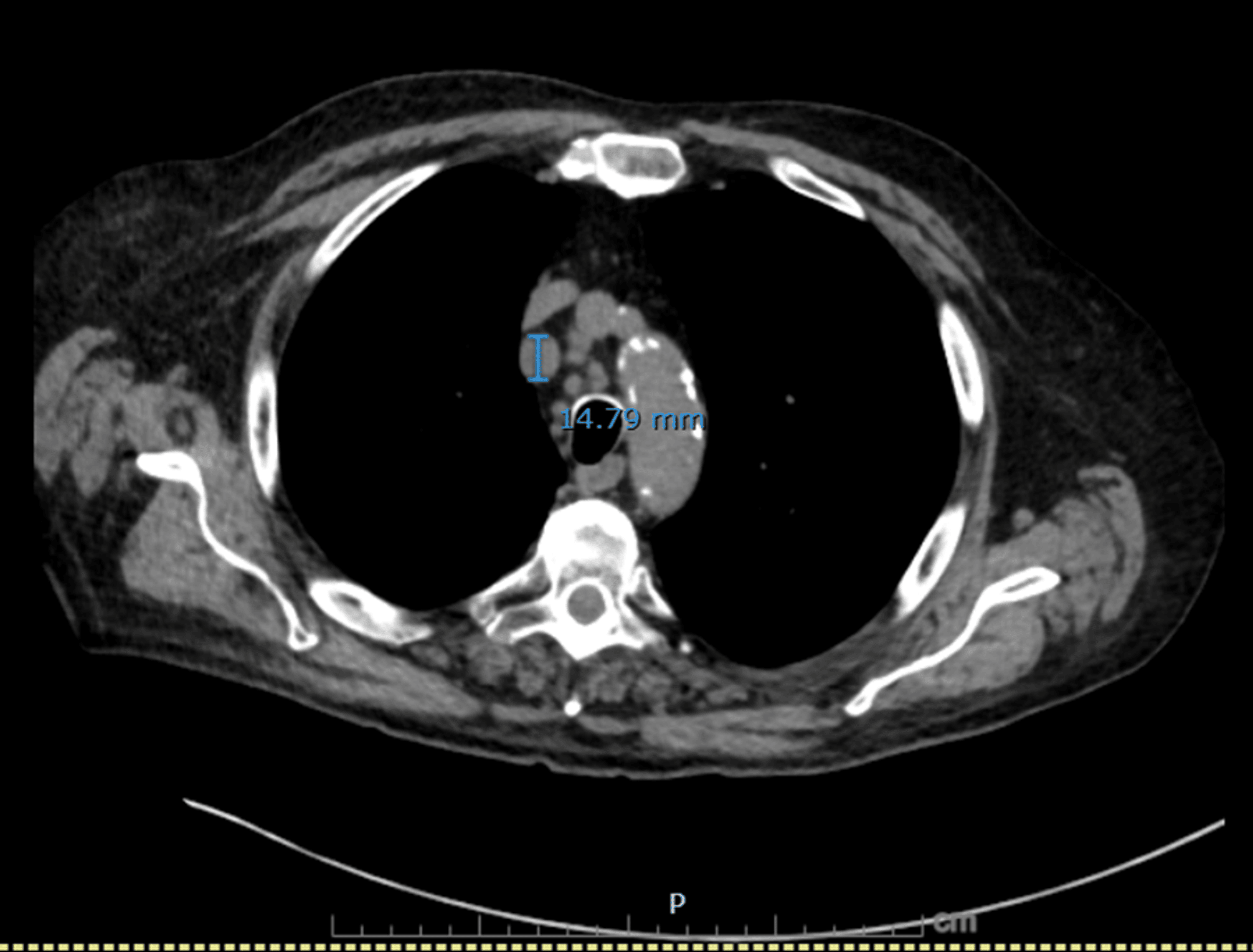
Axial-CT-chest-showing-an-enlarged-right-paratracheal-lymph-node.
Figure 1: Axial CT chest showing an enlarged right paratracheal lymph node.

Axial image demonstrates a right paratracheal lymph node measuring 14.8 mm in short axis, concerning for malignant nodal involvement.
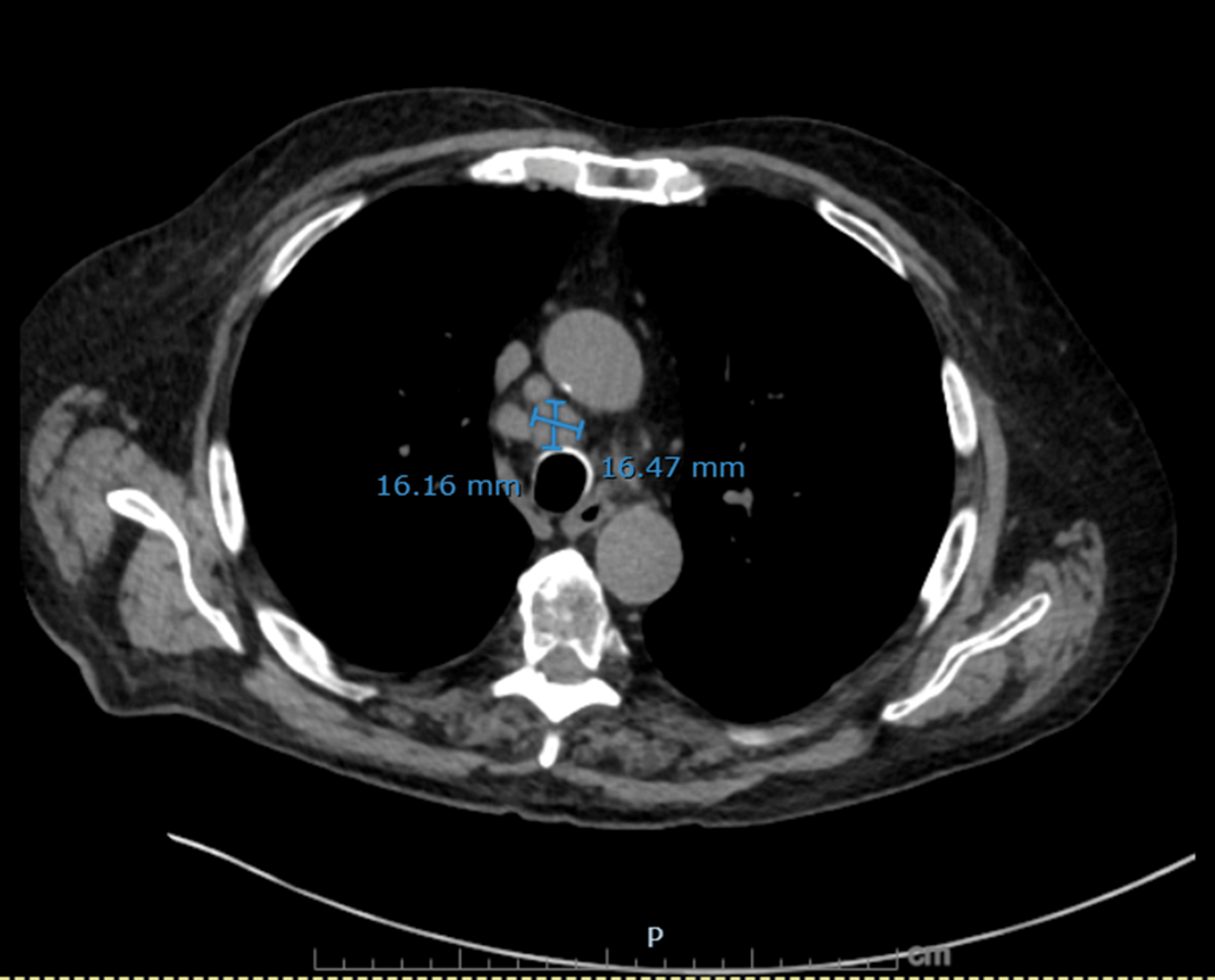
Non-contrast-axial-CT-chest-showing-a-dominant-right-paratracheal-lymph-node
Figure 2: Non-contrast axial CT chest showing a dominant right paratracheal lymph node

A right paratracheal lymph node measuring 16.2 × 16.5 mm is demonstrated, further supporting malignant mediastinal involvement in small cell lung cancer.
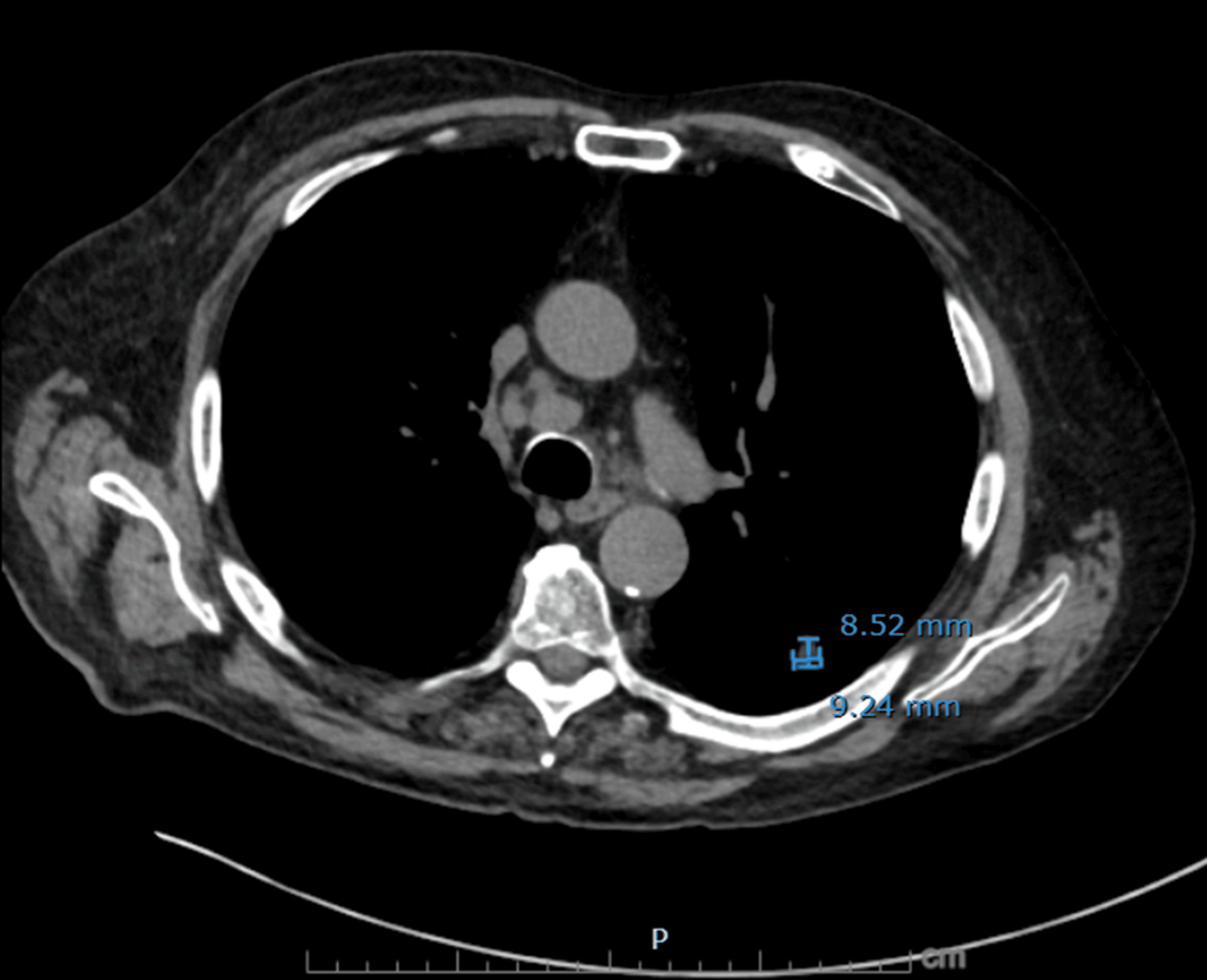
Axial-non-contrast-CT-chest-demonstrating-residual-treated-left-lower-lobe-lesion
Figure 3: Axial non-contrast CT chest demonstrating residual treated left lower lobe lesion

A spiculated nodule in the left lower lobe measuring 9.2 mm (AP) × 8.5 mm (transverse) on image 60, slightly decreased from the prior measurement of 9.3 × 10.6 mm, corresponding to the site of previously treated squamous cell carcinoma.
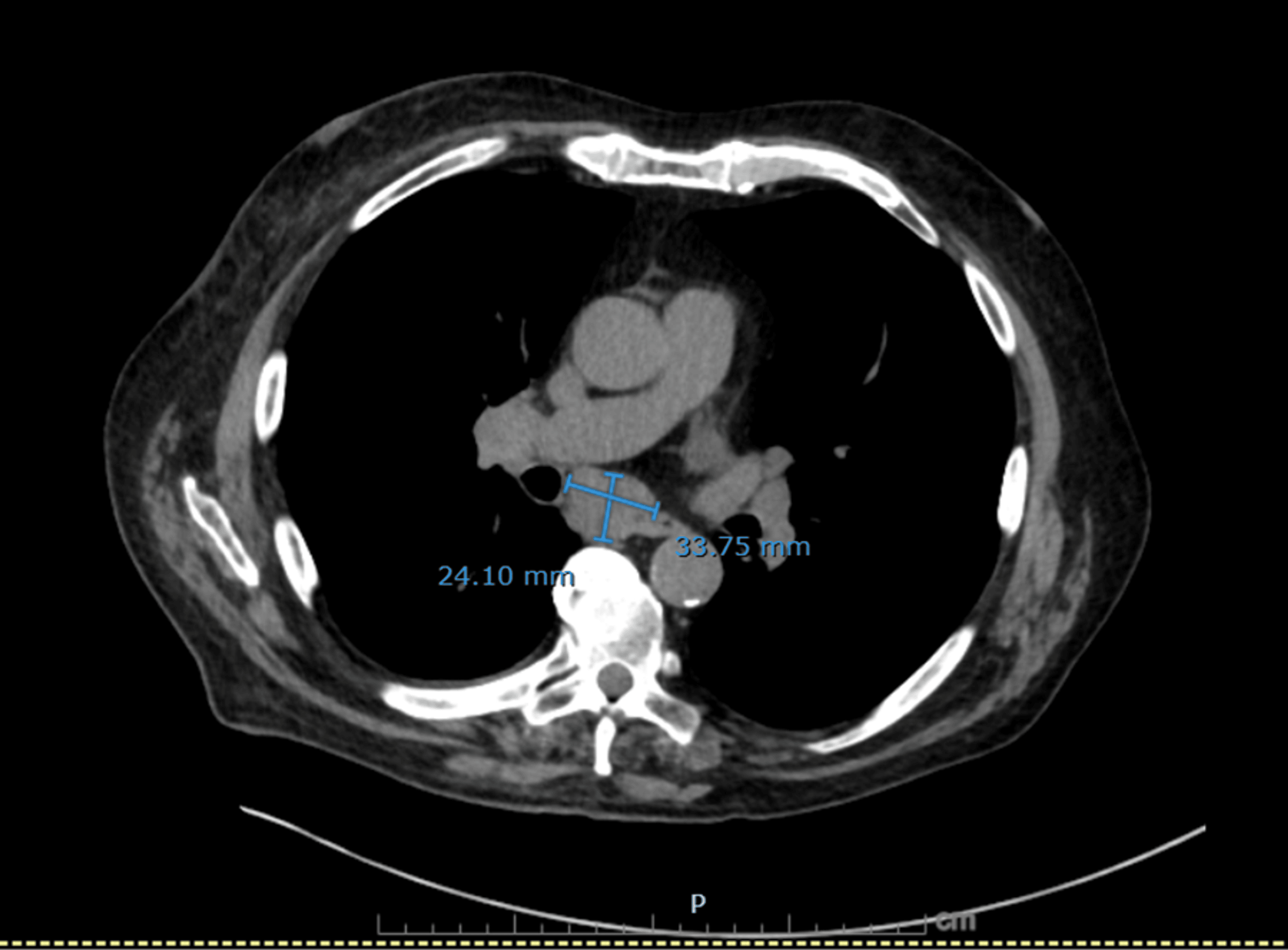
Axial-non-contrast-CT-chest-showing-markedly-enlarged-subcarinal-lymph-node
Figure 4: Axial non-contrast CT chest showing markedly enlarged subcarinal lymph node

A dominant subcarinal lymph node measuring 24 × 34 mm, highly suspicious for malignant mediastinal involvement.
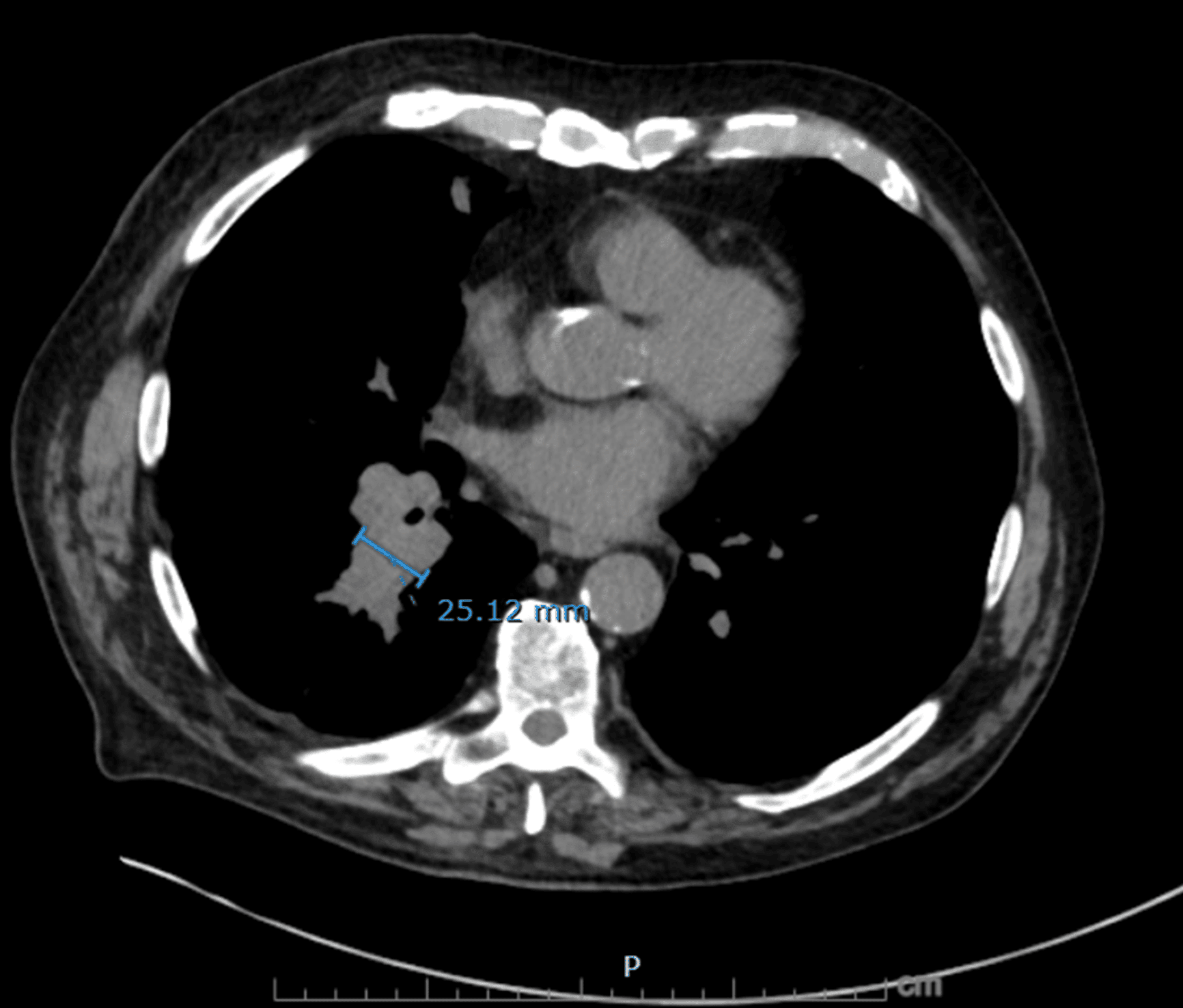
Axial-non-contrast-CT-chest-showing-right-infrahilar-mass-like-fullness
Figure 5: Axial non-contrast CT chest showing right infrahilar mass-like fullness

Soft tissue density in the right lower lobe infrahilar region measuring up to 25 mm in transverse diameter, concerning for primary malignant involvement.
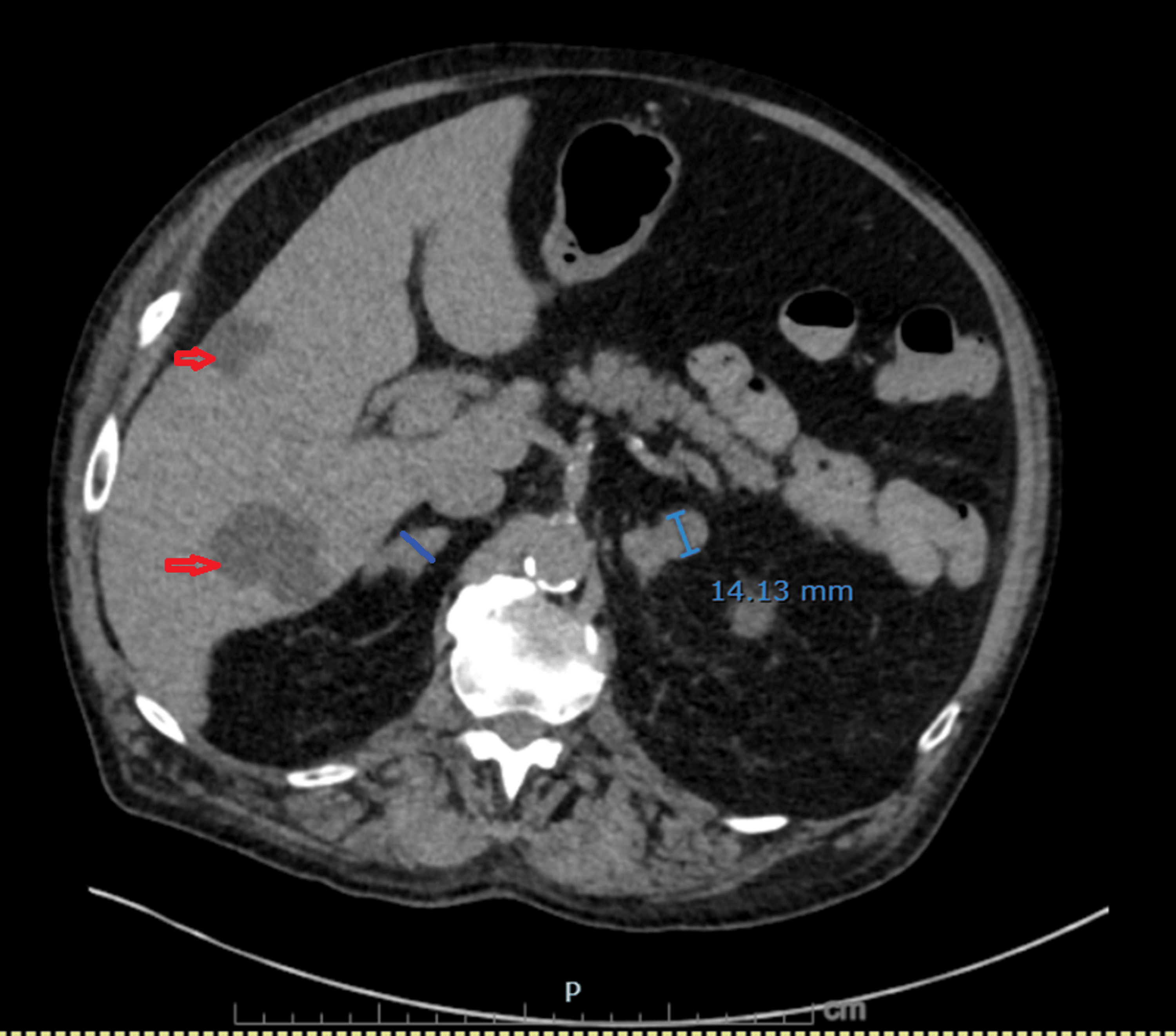
Non-contrast-CT-demonstrating-bilateral-adrenal-metastases
Figure 6: Non-contrast CT demonstrating bilateral adrenal metastases

Nodular enlargement of both adrenal glands has progressed compared with prior imaging: the left adrenal lateral limb measures 14 mm (previously 9.2 mm) and the right adrenal body measures 12.4 mm (previously 7 mm). Multiple benign hepatic cysts are also visualized (red arrows).

Bronchoscopy with endobronchial ultrasound-guided transbronchial needle aspiration of the subcarinal (station 7) and right hilar (station 10R) lymph nodes revealed small cell carcinoma. He was diagnosed with extensive-stage SCLC with adrenal metastases and paraneoplastic ACTH-dependent Cushing syndrome. Systemic chemotherapy with carboplatin, etoposide, and atezolizumab was initiated.

Discussion

PCS caused by ectopic ACTH secretion is associated with significantly higher morbidity and mortality than other forms of hypercortisolism. Patients experience universal acute complications and have markedly shortened survival, with median survival reported as low as 3-4 months in those with SCLC [7-9]. Early mortality is common, with most deaths occurring within weeks to months of diagnosis and frequently driven by opportunistic infections, thromboembolic events, and severe metabolic derangements [6,7]. Hypercortisolism itself impairs the ability to deliver effective cancer therapy, increasing the risk of treatment-related complications and reducing chemotherapy response rates [6]. Ectopic ACTH production is therefore considered the most lethal etiology of Cushing syndrome, with tumor progression and infection being the predominant causes of death.

Diagnostic error is the failure to establish an accurate and timely explanation of the patient’s health problem(s) or communicate that explanation to the patient [10]. Diagnostic errors remain a significant contributor to patient harm, with estimates suggesting they affect 5-25% of patients [11,12]. These errors often arise not from knowledge deficits but from cognitive heuristics that clinicians rely on to navigate diagnostic uncertainty. While heuristics are essential for efficiency, they can predispose clinicians to systematic errors, especially when used uncritically or in complex cases [13,14]. Three cognitive pitfalls are particularly relevant in diagnostic error: anchoring bias (fixating early on a diagnosis and failing to adjust as new data emerge), premature closure (ceasing further diagnostic inquiry once an initial label is applied), and diagnostic momentum (the inertia created as more clinicians accept and act upon an early diagnostic impression) [15,16]. These processes can perpetuate incorrect diagnoses and delay definitive care.

For our patient, the initial clinical presentation of dyspnea, orthopnea, bilateral edema, and markedly elevated blood pressure in this older adult reasonably prompted consideration of several common cardiopulmonary and renal conditions. Acute decompensated heart failure was an early working diagnosis given his orthopnea, lower extremity edema, and elevated BNP. However, this diagnosis became less convincing as objective data accumulated. The patient had no pulmonary edema on chest imaging and preserved left ventricular systolic and diastolic function on echocardiography. Additionally, the severity of metabolic alkalosis and hypokalemia was disproportionate to the degree of diuretic exposure and volume status. These discrepancies argued against heart failure as a unifying diagnosis.

A COPD exacerbation was also considered due to the patient’s chronic lung disease and dyspnea. Yet he had no wheezing, no infectious symptoms, and no significant gas-exchange abnormality. His arterial blood gas (ABG) demonstrated metabolic alkalosis without primary respiratory acidosis. Moreover, his dyspnea improved early in the hospitalization, while the metabolic disturbances worsened, further making COPD a less likely diagnostic consideration. Renal causes of edema and hypertension, including nephrotic syndrome and intrinsic kidney disease, were evaluated. The patient had normal albumin and creatinine, and no significant proteinuria or hematuria on urinalysis, findings that could not explain his systemic edema. Similarly, acute or chronic kidney disease could not account for the combination of profound hypokalemia, metabolic alkalosis, and high urine chloride, which instead suggested an active mineralocorticoid process with renal wasting.

Primary hyperaldosteronism was a strong possibility, particularly given the combination of hypertension, hypokalemia, and metabolic alkalosis. However, the patient’s severe hyperglycemia, thrombocytopenia, new constitutional swelling of the upper extremities, and rapid symptom evolution were atypical for isolated hyperaldosteronism. Additionally, bilateral adrenal fullness seen on CT imaging was more consistent with adrenal metastases than with aldosterone-producing adenomas or hyperplasia. The degree of metabolic derangements also exceeded that typically observed in primary hyperaldosteronism, prompting evaluation for cortisol excess.

CS emerged as a unifying explanation for the multisystem abnormalities. The biochemical pattern, including severe metabolic alkalosis, renal potassium wasting, hyperglycemia, and resistant hypertension, is characteristic of activation of glucocorticoid and mineralocorticoid receptors. Markedly elevated cortisol and ACTH levels confirmed ACTH-dependent hypercortisolism. In older adults, pituitary Cushing disease typically evolves more slowly and is rarely associated with such profound hypokalemia [17,18]. Therefore, ectopic ACTH secretion became the leading diagnosis. The patient’s imaging, showing a new right infrahilar mass, progressive mediastinal lymphadenopathy, and bilateral adrenal enlargement, provided a clear source, later confirmed as extensive-stage SCLC.

This diagnostic trajectory illustrates how complex presentations can lead clinicians toward more common conditions, even when early clues point elsewhere. Several cognitive and system-level factors contributed to the delayed recognition of hypercortisolism. Anchoring on heart failure, a condition that fit parts of the patient’s presentation, discouraged re-examination of the initial differential when laboratory data did not fully align. Metabolic abnormalities were at first treated as isolated issues rather than components of a broader endocrine disorder. The patient’s prior non-SCLC had been in remission, which may have reduced the perceived likelihood of malignancy-related pathology, despite the well-known risk of second primary lung cancers and transformation events in older adults with smoking histories. Older adults with a history of smoking who have survived cancer face a substantially elevated risk of developing second primary lung cancers, with the risk persisting for decades after smoking cessation. Among lung cancer survivors, the 10-year cumulative incidence of a second primary lung cancer is approximately 8-15%, which is considerably higher than rates observed in general lung cancer screening populations [19,20].

The availability of more familiar explanations for dyspnea, edema, and hypertension, such as heart failure, may have overshadowed the classical biochemical signature of hypercortisolism. Recognition of ectopic ACTH production requires integrating disparate clinical findings into one physiological pathway. When evaluated collectively rather than individually, these abnormalities strongly suggest cortisol excess long before imaging or biopsy results are available.

Earlier consideration of endocrine etiologies could have expedited diagnosis, reduced unnecessary diuresis, and allowed earlier initiation of appropriate oncologic therapy. PCS from SCLC is associated with rapid clinical decline, impaired immunity, and decreased tolerance to chemotherapy. Prompt recognition may therefore improve both morbidity and the feasibility of cancer-directed treatment. This case reinforces the importance of revisiting and broadening the differential diagnoses when expected clinical improvement does not occur, particularly in older adults with prior malignancy and new multisystem derangements. Incorporating metacognitive strategies, actively questioning initial assumptions, seeking disconfirming evidence, and engaging in reflective practice can mitigate such errors [13].

Conclusions

This case emphasizes the importance of considering paraneoplastic ACTH-dependent CS in older adults presenting with unexplained hypokalemia, metabolic alkalosis, hyperglycemia, and resistant hypertension, particularly in patients with a history of lung cancer. Diagnostic error arose from anchoring on cardiopulmonary etiologies and failure to synthesize metabolic abnormalities into a unifying diagnosis. Early recognition of hypercortisolism is essential, as untreated ectopic ACTH production rapidly worsens morbidity and limits therapeutic efficacy in SCLC.

References

  1. Reincke M, Fleseriu M: Cushing syndrome: A review. JAMA. 2023, 330:170-81.
  2. Gadelha M, Gatto F, Wildemberg LE, Fleseriu M: Cushing’s syndrome. Lancet. 2023, 402:2237-52. 10.1016/S0140-6736(23)01961-X
  3. Pelosof LC, Gerber DE: Paraneoplastic syndromes: An approach to diagnosis and treatment. Mayo Clin Proc. 2010, 85:838-54. 10.4065/mcp.2010.0099
  4. Haugen BR, Alexander EK, Bible KC, et al.: 2015 American Thyroid Association Management Guidelines for Adult Patients with Thyroid Nodules and Differentiated Thyroid Cancer: The American Thyroid Association Guidelines Task Force on Thyroid Nodules and Differentiated Thyroid Cancer. Thyroid. 2016, 26:2016. 10.1089/thy.2015.0020
  5. NCCN Guidelines Version 2.2026 Small – Google Scholar [Internet]. (2025). Accessed: October 7, 2025: https://scholar.google.com/scholar.
  6. Ost DE, Jim Yeung SC, Tanoue LT, Gould MK: Clinical and organizational factors in the initial evaluation of patients with lung cancer: Diagnosis and management of lung cancer, 3rd ed: American College of Chest Physicians evidence-based clinical practice guidelines. Chest. 2013, 143:e121S-41S. 10.1378/chest.12-2352
  7. Schernthaner-Reiter MH, Siess C, Micko A, et al.: Acute and life-threatening complications in Cushing syndrome: Prevalence, predictors, and mortality. J Clin Endocrinol Metab. 2021, 106:e2035-46. 10.1210/clinem/dgab058
  8. Shepherd FA, Laskey J, Evans WK, Goss PE, Johansen E, Khamsi F: Cushing’s syndrome associated with ectopic corticotropin production and small-cell lung cancer. J Clin Oncol. 1992, 10:21-7. 10.1200/JCO.1992.10.1.21
  9. Al-Toubah T, Pelle E, Hallanger-Johnson J, Haider M, Strosberg J: ACTH-secreting pancreatic neuroendocrine neoplasms: A case-series. J Neuroendocrinol. 2023, 35:e13336. 10.1111/jne.13336
  10. Measure Dx: A Resource To Identify, Analyze, and Learn From Diagnostic Safety Events. (2022). Accessed: October 7, 2025: https://www.ahrq.gov/diagnostic-safety/tools/measure-dx.html.
  11. Singh H, Meyer AN, Thomas EJ: The frequency of diagnostic errors in outpatient care: Estimations from three large observational studies involving US adult populations. BMJ Qual Saf. 2014, 23:727-31. 10.1136/bmjqs-2013-002627
  12. Auerbach AD, Lee TM, Hubbard CC, et al.: Diagnostic errors in hospitalized adults who died or were transferred to intensive care. JAMA Intern Med. 2024, 184:164-73.
  13. Croskerry P: The importance of cognitive errors in diagnosis and strategies to minimize them. Acad Med. 2003, 78:775-80. 10.1097/00001888-200308000-00003
  14. Gigerenzer G, Gaissmaier W: Heuristic decision making. Annu Rev Psychol. 2011, 62:451-82. 10.1146/annurev-psych-120709-145346
  15. Watari T, Tokuda Y, Amano Y, Onigata K, Kanda H: Cognitive bias and diagnostic errors among physicians in Japan: A self-reflection survey. Int J Environ Res Public Health. 2022, 19:4645. 10.3390/ijerph19084645
  16. Ogdie AR, Reilly JB, Pang WG, Keddem S, Barg FK, Von Feldt JM, Myers JS: Seen through their eyes: Residents’ reflections on the cognitive and contextual components of diagnostic errors in medicine. Acad Med. 2012, 87:1361-7. 10.1097/ACM.0b013e31826742c9
  17. Paleń-Tytko JE, Przybylik-Mazurek EM, Rzepka EJ, Pach DM, Sowa-Staszczak AS, Gilis-Januszewska A, Hubalewska-Dydejczyk AB: Ectopic ACTH syndrome of different origin-Diagnostic approach and clinical outcome. Experience of one Clinical Centre. PLoS One. 2020, 15:e0242679. 10.1371/journal.pone.0242679
  18. Melmed S: Pituitary-tumor endocrinopathies. N Engl J Med. 2020, 382:937-50. 10.1056/NEJMra1810772
  19. Adams SJ, Stone E, Baldwin DR, Vliegenthart R, Lee P, Fintelmann FJ: Lung cancer screening. Lancet. 2023, 401:390-408. 10.1016/S0140-6736(22)01694-4
  20. Takemura C, Yoshida T, Yoshida Y, et al.: Unveiling the molecular and clinical risk landscape of second primary lung cancer in resected non-small cell lung cancer. Lung Cancer. 2025, 208:108750. 10.1016/j.lungcan.2025.108750

https://www.cureus.com/articles/448285-a-second-look-at-refractory-edema-delayed-diagnosis-of-paraneoplastic-cushings-syndrome-in-small-cell-lung-cancer#!/

Paraneoplastic Cushing Syndrome Unmasking Small Cell Lung Cancer: A Rare Presentation

Abstract

We present a case of a middle-aged woman who presented with chest pain and shortness of breath. Laboratory tests revealed persistent hypokalaemia, hyperglycaemia, and metabolic alkalosis despite treatment. Imaging identified a mass near the right hilum suggestive of lung malignancy. Endocrine evaluation showed markedly elevated cortisol and adrenocorticotropic hormone levels, consistent with paraneoplastic Cushing syndrome caused by ectopic hormone production. The analysis of the lung biopsy obtained through bronchoscopy confirmed the diagnosis of small cell lung cancer (SCLC). The patient was treated with metyrapone and spironolactone to stabilise her metabolic abnormalities and was subsequently referred for chemotherapy following a multidisciplinary team review. This case highlights the importance of recognising paraneoplastic syndromes as atypical presentations of malignancy and emphasises the role of a coordinated, multidisciplinary approach in diagnosis and management.

Introduction

Paraneoplastic syndromes, although relatively uncommon, can serve as important early clues to an underlying cancer. One such rare and often overlooked condition is ectopic adrenocorticotropic hormone (ACTH) secretion, a form of paraneoplastic Cushing’s syndrome. This occurs when a non-pituitary tumor, most commonly small cell lung carcinoma (SCLC) or another neuroendocrine tumor, produces ACTH, leading to overstimulation of the adrenal glands and excessive cortisol production.

Unlike the more familiar presentation of Cushing’s syndrome, ectopic ACTH production tends to manifest with severe metabolic disturbances, such as persistent hypokalemia, metabolic alkalosis, hyperglycemia, and muscle weakness, often without the typical physical features like moon facies or central obesity. These atypical and rapidly progressing symptoms can delay diagnosis, especially in patients with aggressive malignancies.

A thorough diagnostic workup, including hormone assays, suppression testing, and imaging, is essential to pinpoint the source of ectopic hormone production. Early identification is critical, as the metabolic derangements associated with this syndrome can lead to significant morbidity if left untreated.

In this report, we present the case of a middle-aged woman whose initial symptoms of chest pain and shortness of breath led to the discovery of SCLC with ectopic ACTH production. Her case highlights the importance of considering paraneoplastic syndromes in the differential diagnosis of unexplained electrolyte abnormalities and metabolic dysfunction.

Case Presentation

We report the case of a 52-year-old Caucasian woman who presented with a one-week history of diffuse chest pain, progressive shortness of breath, and MRC dyspnea grade 1 initially and then progressing to grade 2. She had no prior history of similar symptoms, and her past medical history was unremarkable. On examination, there were no significant findings on systemic review.

Initial laboratory investigations revealed marked hypokalaemia, with a serum potassium level of 2.4 mmol/L, alongside significant hyperglycaemia (blood glucose: 20 mmol/L) and metabolic alkalosis (arterial pH: 7.52, bicarbonate: 32 mmol/L). Notably, the patient had no known history of diabetes mellitus (Table 1).

Parameter Result Reference range Remarks
Serum potassium 2.4 mmol/L 3.5–5.0 mmol/L Marked hypokalaemia
Blood glucose 20 mmol/L 3.9–7.8 mmol/L (fasting) Significant hyperglycaemia; no known diabetes
Arterial pH 7.52 7.35–7.45 Metabolic alkalosis
Serum bicarbonate (HCO₃⁻) 32 mmol/L 22–28 mmol/L Elevated, consistent with metabolic alkalosis
Table 1: Initial laboratory investigations

This table summarizes the patient’s initial biochemical abnormalities, which include marked hypokalaemia, significant hyperglycaemia in the absence of known diabetes mellitus, and evidence of metabolic alkalosis on arterial blood gas analysis.

Despite intravenous and oral potassium supplementation, hypokalaemia persisted (Table 2). Hyperglycaemia also remained uncontrolled initially and was subsequently managed with insulin therapy.

Day Serum potassium (mmol/L) Reference range (mmol/L)
Day 1 2.4 3.5–5.0
Day 2 2.2 3.5–5.0
Day 3 2.8 3.5–5.0
Day 4 3.0 3.5–5.0
Day 5 2.9 3.5–5.0
Day 6 2.6 3.5–5.0
Day 7 2.7 3.5–5.0
Table 2: Daily serum potassium levels (day 1–day 7)

This table presents serum potassium levels measured over a seven-day period, demonstrating persistently low values consistent with hypokalaemia despite Intra-venous and oral pottasium replacement.

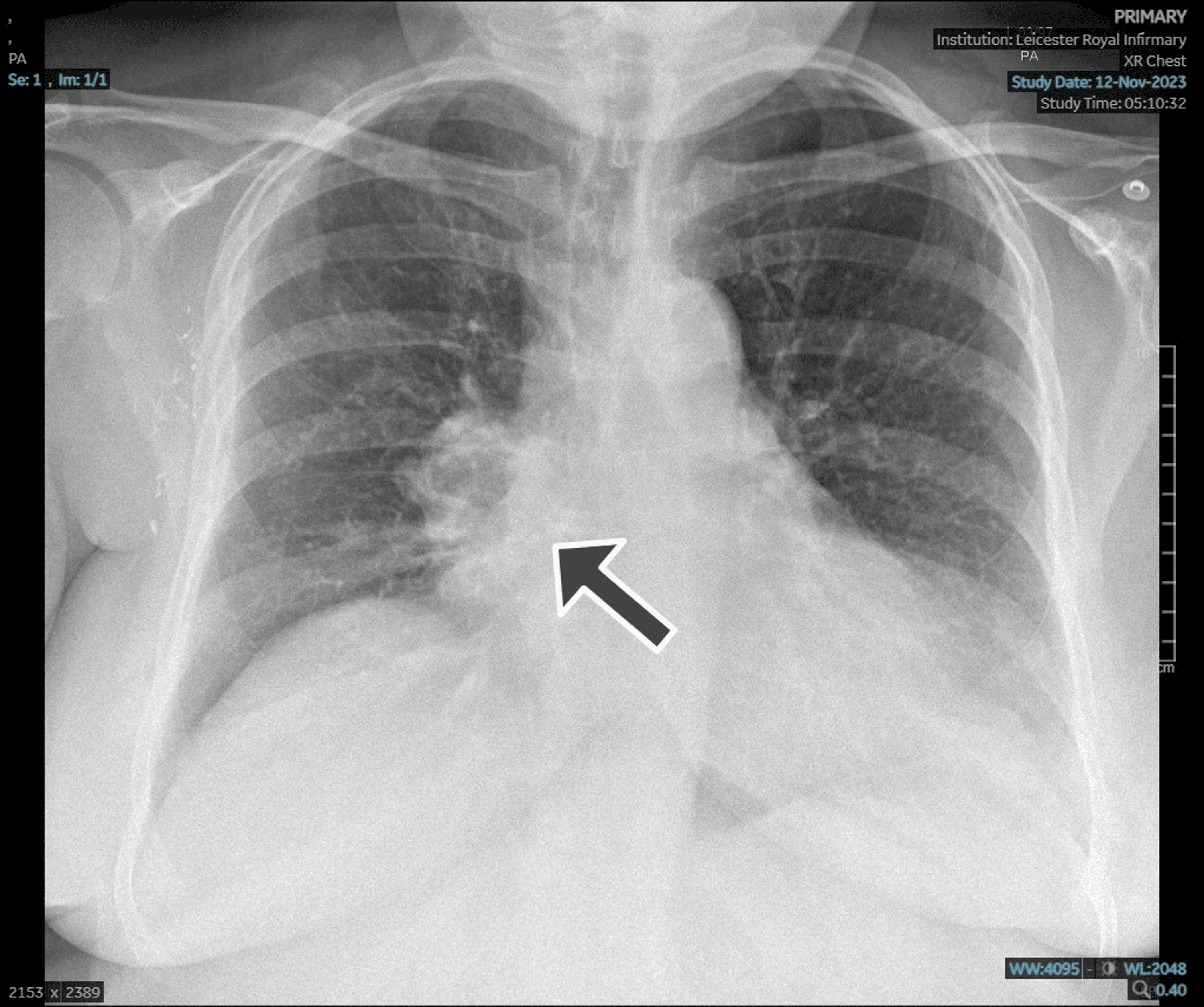
The patient presented with chest pain with respiratory symptoms, and an initial chest radiograph was suggestive of lung cancer (Figure 1).

Initial-chest-X-ray-
Figure 1: Initial chest X-ray

Posteroanterior chest radiograph showing a spiculated opacity in the right mid-zone (black arrow), suggestive of a pulmonary mass. The lesion projects over the right hilum and may represent a primary bronchogenic carcinoma. No gross pleural effusion or pneumothorax is identified.

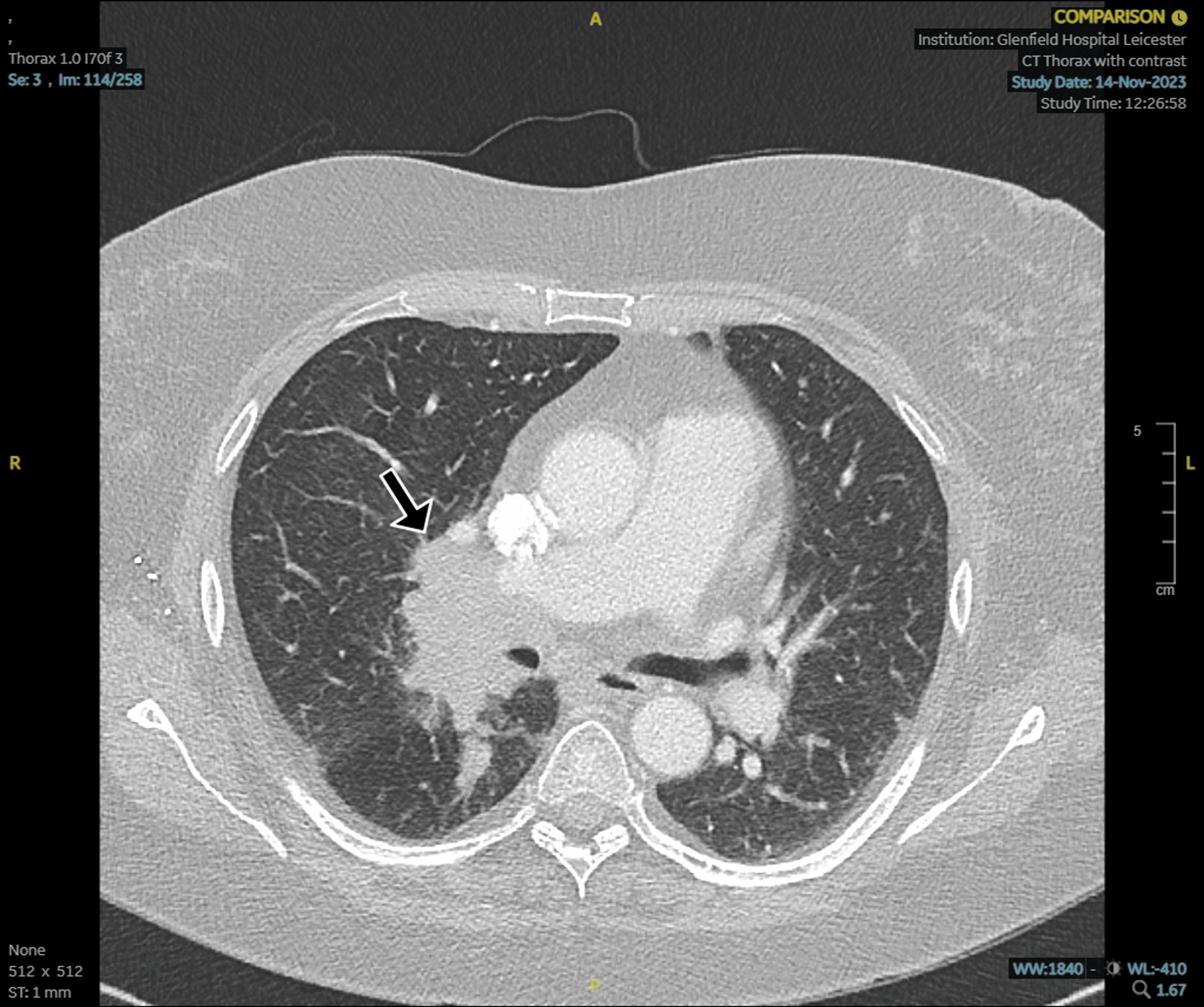
Further evaluation with contrast-enhanced CT of the thorax revealed a right hilar mass suspicious for a bronchogenic malignancy (Figure 2).

Computed-tomography-(CT)-thorax-
Figure 2: Computed tomography (CT) thorax

Contrast-enhanced axial CT of the thorax demonstrating a spiculated right hilar mass (black arrow) measuring approximately 4 cm in greatest diameter. The mass is abutting the right main bronchus and associated with enlargement of adjacent mediastinal lymph nodes. No evidence of pleural effusion, chest wall invasion, or direct mediastinal involvement is seen on this image.

Given the persistent hypokalaemia, hyperglycaemia, and metabolic alkalosis, the possibility of a paraneoplastic endocrine syndrome was considered.

Endocrine workup showed markedly elevated serum cortisol levels (>2000 nmol/L), which failed to suppress following both low- and high-dose dexamethasone suppression tests. Plasma ACTH levels were also significantly elevated at 615 ng/L, consistent with ectopic ACTH secretion (Table 3).

Test Result Reference range Interpretation
Serum cortisol >2000 nmol/L Morning: 140–690 nmol/L Markedly elevated
Low-dose dexamethasone suppression test No suppression observed Cortisol suppressed to <50 nmol/L Abnormal; cortisol not suppressed
High-dose dexamethasone suppression test No suppression observed Cortisol suppressed by >50% Abnormal; cortisol not suppressed
Plasma ACTH 615 ng/L 10–60 ng/L Significantly elevated; ectopic ACTH secretion
Table 3: Endocrine workup results demonstrating elevated cortisol and adrenocorticotropic hormone (ACTH) levels with lack of suppression on dexamethasone testing

Serum cortisol  levels during low- and high-dose dexamethasone suppression tests. Despite administration of both low- and high-dose dexamethasone, serum cortisol levels remained markedly elevated. Plasma ACTH was also significantly elevated at 615 ng/L, consistent with ectopic ACTH secretion. Reference ranges are included for comparison.

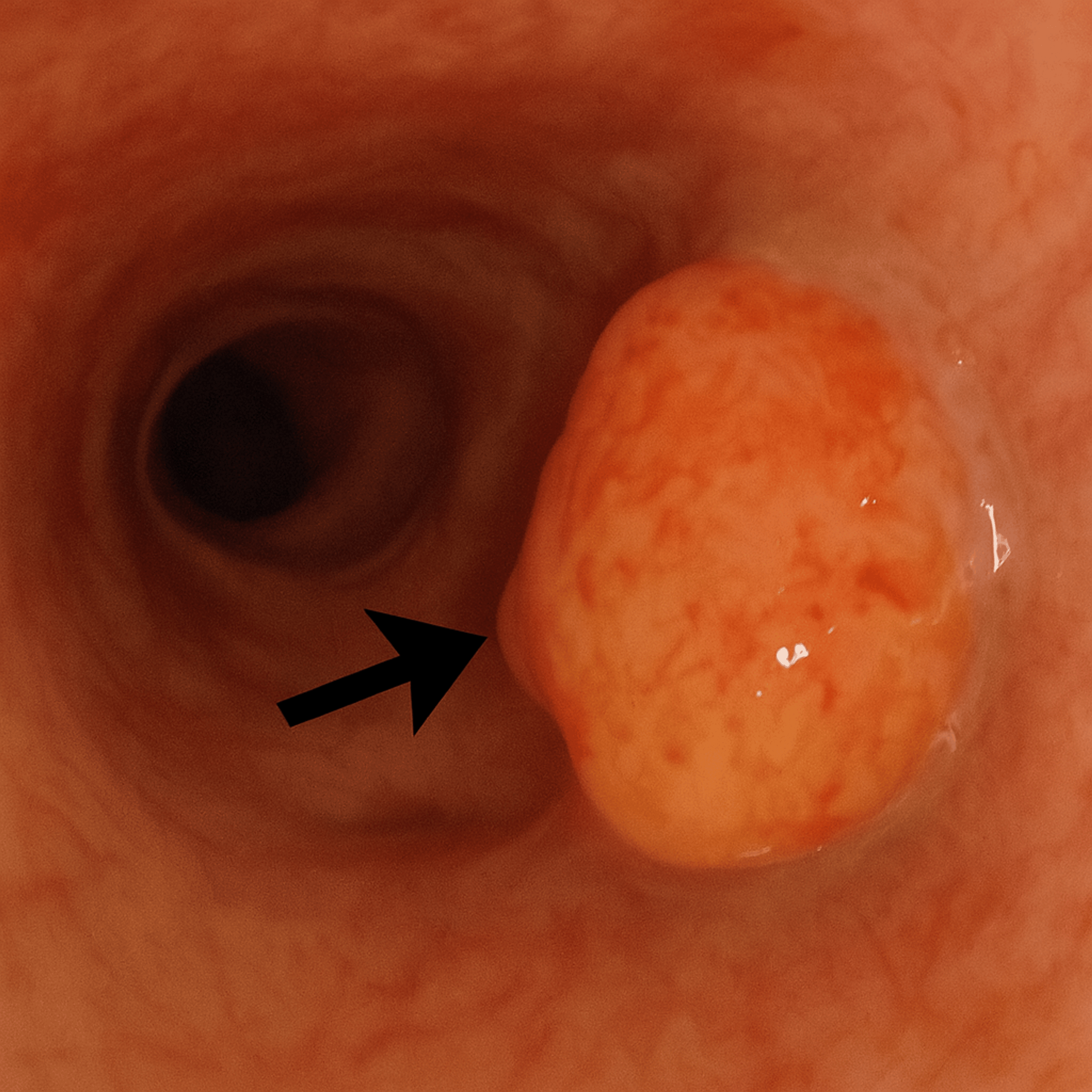
Flexible bronchoscopy was performed, and biopsy of the right endobronchial tumour confirmed the diagnosis of SCLC (Figures 34).

Bronchoscopic-view-of-the-right-hilar-mass-
Figure 3: Bronchoscopic view of the right hilar mass

Bronchoscopic view of the right bronchial tree demonstrating an irregular, lobulated endobronchial mass (black arrow). The lesion appears friable and hypervascular, partially obstructing the bronchial lumen, suggestive of a malignant endobronchial tumor.

Histological-section-of-small-cell-lung-cancer-(SCLC)
Figure 4: Histological section of small cell lung cancer (SCLC)

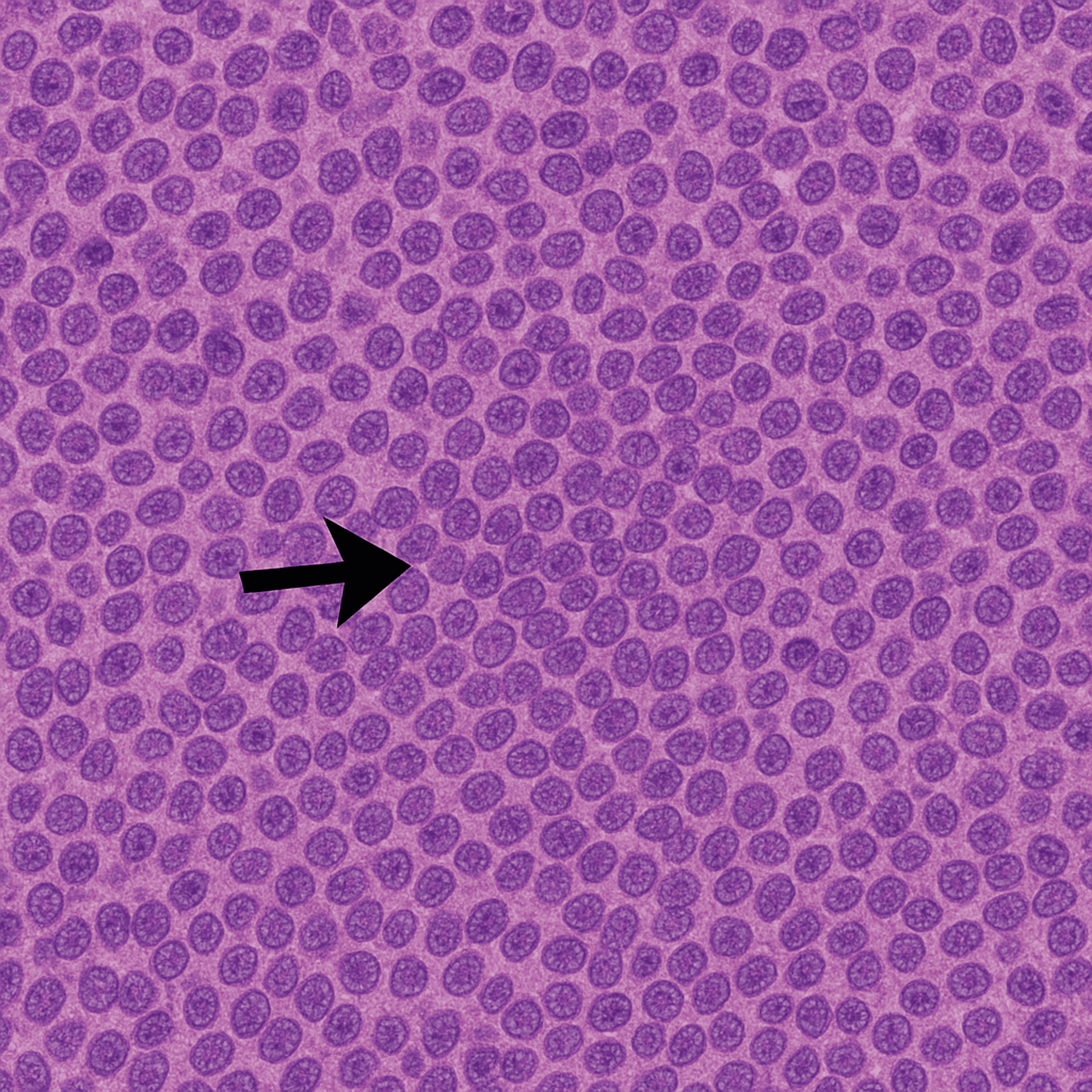
The arrow indicates a dense cluster of small, hyperchromatic tumour cells characteristic for SCLC.

The combination of persistent metabolic derangements, imaging findings, and histological confirmation supported the diagnosis of paraneoplastic Cushing’s syndrome secondary to ectopic ACTH production by SCLC. This rare clinical entity results from autonomous ACTH secretion by the tumour, leading to adrenal hyperplasia and excessive cortisol production.

Further staging workup was performed to assess the extent of the disease. Contrast-enhanced CT of the abdomen and MRI of the brain showed no evidence of distant metastasis. The disease was therefore classified as limited-stage SCLC.

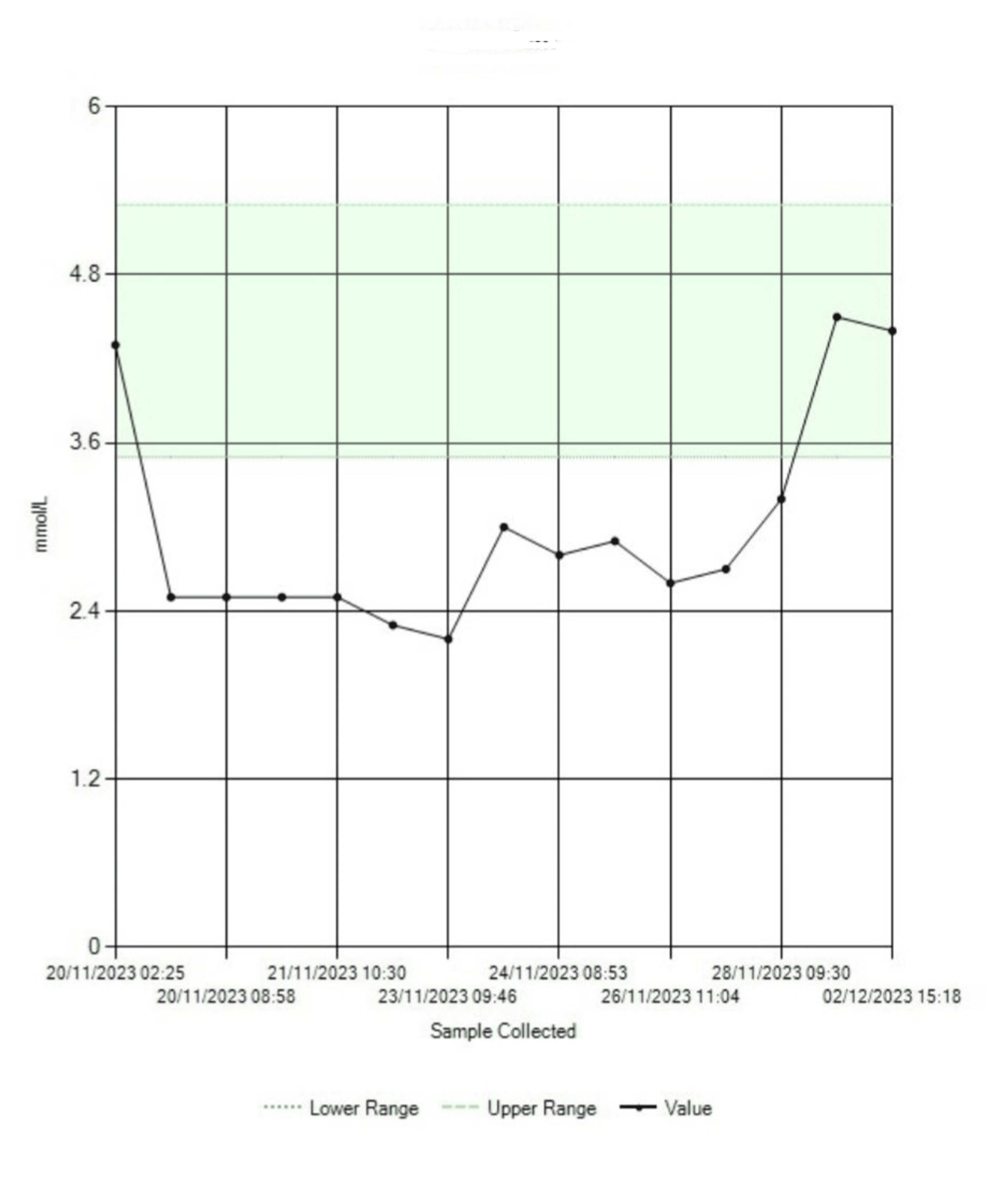
The patient was commenced on metyrapone and spironolactone following a comprehensive discussion with the endocrinology team. This intervention resulted in the stabilisation of her potassium levels (Figure 5). Furthermore, in the context of her diagnosis of SCLC, a multidisciplinary team (MDT) was convened to discuss her case. Following this collaborative discourse, it was determined that a referral to the oncology department was warranted for the initiation of chemotherapy.

-Serum-potassium-trend-showing-initial-treatment-resistance-and-subsequent-stabilization-after-initiation-of-metyrapone-and-spironolactone
Figure 5: Serum potassium trend showing initial treatment resistance and subsequent stabilization after initiation of metyrapone and spironolactone

The graph demonstrates persistently low serum potassium levels despite aggressive intravenous and oral supplementation. Notable stabilization and eventual normalization of potassium values are observed following the initiation of metyrapone and spironolactone, indicated toward the end of the monitoring period. The shaded green area represents the normal reference range for serum potassium (3.5–5.5 mmol/L).

Discussion

This case illustrates a rare but clinically significant presentation of paraneoplastic Cushing’s syndrome secondary to ectopic ACTH secretion from SCLC. The patient’s initial symptoms of chest pain and breathlessness were non-specific, but persistent metabolic derangements, including hypokalaemia, hyperglycaemia, and metabolic alkalosis, proved refractory to standard treatment. These findings raised suspicion for an underlying endocrine disorder, leading to targeted hormonal evaluation [1,2].

Diagnostic workup revealed markedly elevated cortisol and ACTH levels, with failure to suppress during low- and high-dose dexamethasone suppression tests. Imaging and histological analysis subsequently identified a right hilar mass consistent with SCLC as the source of ectopic ACTH production. Although rare, ectopic ACTH syndrome is a well-recognised paraneoplastic manifestation of SCLC, reported in approximately 1-5% of cases [3]. It can lead to severe metabolic derangements that complicate management and worsen prognosis if unrecognised [4].

Management of ectopic Cushing’s syndrome requires prompt biochemical stabilisation to mitigate life-threatening complications such as hypokalaemia and hypertension. In this case, metyrapone, an 11β-hydroxylase inhibitor, effectively reduced cortisol synthesis, while spironolactone antagonised mineralocorticoid receptors to correct hypokalaemia. Other agents such as ketoconazole, mitotane, or intravenous etomidate may be considered in similar cases, especially when rapid cortisol control is needed or oral therapy is contraindicated [1,5]. However, these therapies carry risks of hepatotoxicity, adrenal insufficiency, or sedation, underscoring the importance of careful monitoring.

Definitive treatment of the underlying malignancy remains the cornerstone of care, as sustained control of ectopic ACTH production depends on tumour response. Early initiation of chemotherapy in SCLC can lead to a reduction in tumour burden and, in some cases, resolution of the paraneoplastic syndrome [4]. However, the metabolic instability associated with hypercortisolism often complicates oncologic management, highlighting the need for coordinated multidisciplinary care.

This case underscores the diagnostic challenge posed by ectopic Cushing’s syndrome and the importance of recognising paraneoplastic endocrine presentations in patients with unexplained metabolic derangements.

Conclusions

This case underscores the importance of considering paraneoplastic syndromes in patients with persistent, unexplained metabolic derangements such as hypokalaemia, hyperglycaemia, and metabolic alkalosis. In this patient, early recognition of ectopic ACTH secretion prompted targeted investigations, leading to the timely diagnosis of SCLC. This facilitated the initiation of appropriate endocrine therapy with metyrapone and spironolactone to stabilise the biochemical abnormalities and allowed safe progression to oncological management.

The case also highlights the complexities of managing ectopic Cushing’s syndrome, where severe metabolic disturbances can delay definitive cancer treatment. A coordinated, multidisciplinary approach involving endocrinology, oncology, and respiratory teams was crucial in optimising patient care and improving the likelihood of a favourable outcome.

For clinicians, this case reinforces the need to maintain a high index of suspicion for paraneoplastic endocrine disorders in patients with unexplained electrolyte and metabolic abnormalities, particularly when accompanied by respiratory symptoms or imaging suggestive of a pulmonary lesion. Early identification and intervention in such cases are critical for minimising morbidity and enabling timely cancer-directed therapy.

References

  1. Jeong C, Lee J, Ryu S, et al.: A case of ectopic adrenocorticotropic hormone syndrome in small cell lung cancer. Tuberc Respir Dis (Seoul). 2015, 78:436-9. 10.4046/trd.2015.78.4.436
  2. Ilias I, Torpy DJ, Pacak K, Mullen N, Wesley RA, Nieman LK: Cushing’s syndrome due to ectopic corticotropin secretion: twenty years’ experience at the National Institutes of Health. J Clin Endocrinol Metab. 2005, 90:4955-62. 10.1210/jc.2004-2527
  3. Coe SG, Tan WW, Fox TP: Cushing’s syndrome due to ectopic adrenocorticotropic hormone production secondary to hepatic carcinoid: diagnosis, treatment, and improved quality of life. J Gen Intern Med. 2008, 23:875-8. 10.1007/s11606-008-0587-z
  4. Perakakis N, Laubner K, Keck T, et al.: Ectopic ACTH-syndrome due to a neuroendocrine tumour of the appendix. Exp Clin Endocrinol Diabetes. 2011, 119:525-9. 10.1055/s-0031-1284368
  5. Nieman LK, Biller BM, Findling JW, Newell-Price J, Savage MO, Stewart PM, Montori VM: The diagnosis of Cushing’s syndrome: an Endocrine Society Clinical Practice Guideline. J Clin Endocrinol Metab. 2008, 93:1526-40. 10.1210/jc.2008-0125

https://www.endocrine.org/journals/jcem-case-reports/unilateral-adrenalectomy-for-pediatric-cyclical-cushing-syndrome


Paraneoplastic Cushing Syndrome in Gastrointestinal Neuroendocrine Tumour

Abstract

Ectopic production of adrenocorticotropic hormone (ACTH) by gastrointestinal neuroendocrine tumours (NETs) is relatively uncommon. We report a rare case of a liver metastatic G1 low-grade NET of the intestine that induced hypercortisolism after surgical resection. A 50-year-old man was admitted for an intestinal obstruction caused by a tumour of the intestine. Paraneoplastic Cushing syndrome was diagnosed more than a year later following the appearance of cushingoid symptoms, despite stable disease according to RECIST criteria but chromogranin A increase. Ketoconazole and sandostatin medical treatment and liver chemoembolization never managed to control the hypercortisolism unlike the bilateral adrenalectomy. The identification and effective management of this uncommon statement of ectopic ACTH secretion is important to improve the patient’s prognosis and quality of life.

© 2021 The Author(s). Published by S. Karger AG, Basel


Introduction

Neuroendocrine tumours (NETs) are a relatively rare and heterogeneous tumour type, comprising about 2% of all malignancies [1]. The gastrointestinal (GI) and pancreatic tract and lungs are the most common primary tumour sites, with 62%–67% and 22%–27%, respectively, and within the GI tract, most of them occurs in the small bowel or the appendix [23]. Since 2010 and the latest version of the WHO classification, GI and pancreatic NETs are subdivided according to their mitotic count or Ki67 index, associated with cellular proliferation. Well-differentiated NETs are relatively low-aggressive tumours, with a rather indolent disease course and a good prognosis in most patients. Nevertheless, some NETs with a low-grade histologic appearance may behave aggressively with rapid growth and metastasis proliferation [45]. Because of this low incidence, tumour heterogeneity, lack of awareness, and non-uniform classifications, GI and pancreatic NETs remain a poorly understood disease, and delayed diagnosis is common among these [67].

Paraneoplastic Cushing syndrome (PCS) represents approximately 10% of all Cushing syndrome and is frequently caused by NETs [89]. While PCS is common with lung NETs (>50% of PCS), this paraneoplastic syndrome is relatively uncommon associated with GI NETs and only described in isolated case reports. Nevertheless, knowing the indolent course of low-grade NETs and the clinical symptoms of cushingoid appearance resulting from prolonged exposure to excessive glucocorticoids, PCS is typically present before cancer detection [8], and surgery is curative in >80% of patients [1011]. For the remaining 20%, effective management is necessary, given the risk of infections and thromboembolic events due to the immunosuppressive effect and the hypercoagulable state [11]. For patients with medically unmanageable hypercortisolism, synchronous bilateral adrenalectomy is an effective and safe treatment [12]. We describe a case of typical metastatic intestinal NETs associated with a late ectopic Cushing syndrome, which was managed with synchronous bilateral adrenalectomy.

Case Presentation

We describe the case of a 50-year-old man admitted to the emergency department for an intestinal obstruction caused by an intestinal tumour. Anatomopathological analysis of the resected specimen and lymph nodes revealed an NET. Three nodes out of 12 removed were positive for cancer localization. The tumour presented serosa infiltration and perineural, vascular and lymphatics vessel invasion. The primary location could not be confirmed histologically between the ileum and appendix. Our diagnosis was pT3N1 according to the American Joint Committee on Cancer (AJCC) classification. An immunohistochemistry analysis revealed a Ki-67 expression <2%. Mitotic count/10 was 2 × 10 high-power fields, and cells showed well differentiation. So, according to the WHO classification, this tumour was classified as G1 NET. 111In-Octreoscan (Octreoscan) revealed lymph node and multifocal liver metastases.

After discussion with a multidisciplinary team, the patient was started treatment with somatostatin analogue. Twelve months later, although computerized tomography (CT) scan showed stable disease, patient physical examination revealed facial puffiness with fatty tissue deposits in the face, generalized oedema, muscle weakness, and wasting. He also reports polydipsia, insomnia, and balance disorders. We noted however a discreet increase in the chromogranin A (CgA) value, from 55 ng/mL to 199 ng/mL (with a diagnostic value of 1,700 ng/mL) without an increase in the urinary 5-HIAA level.

Laboratory tests revealed an 8.00 a.m. cortisol level of 888 nmol/L, an adrenocorticotropic hormone (ACTH) level of 96.5 pg/mL, and 24-h urine free cortisol of 1,494 μg. A high-dose dexamethasone suppression test showed no cortisol suppression. The patient was diagnosed with ACTH-dependent Cushing syndrome. Magnetic resonance imaging (MRI) of the brain showed a normal pituitary gland, confirming the PCS diagnosis. Ketoconazole treatment associated with sandostatin alleviated hypercortisolism within a month, with a cortisol level within normal laboratory ranges. Two months later, secondary diabetes mellitus was discovered and managed effectively with insulin glargine.

Four months later and despite stable disease according to RECIST criteria, cortisol levels increased considerably, with cortisol values similar to diagnosis without ketoconazole increased response. Moreover, diabetes became complicated to manage. Also we noted an increase in CgA value, from 165 ng/mL to 393 ng/mL. Chemoembolization was performed on liver metastases without any effectiveness on hypercortisolism. Adding targeted therapy with mTOR inhibitor (everolimus) was considered. Nevertheless, given the magnitude of drug interaction, the use of everolimus should be avoided in ketoconazole-treated patients, or vice versa.

Considering the risks for the patient and expected benefits, synchronous bilateral adrenalectomy was performed. It resolved hypercortisolism and permitted to stabilize diabetes (shown in Fig. 1). Everolimus treatment has been started 1 month after the surgery. Twelve months after everolimus initiation, the patient CT scan still showed stable disease, according to RECIST criteria and a stable CgA value.

Fig. 1.

Histogram of 8:00 a.m. plasmatic cortisol, ACTH, 24-h urinary cortisol, and CgA levels from Cushing syndrome diagnosis to bilateral adrenalectomy. ACTH, adrenocorticotropic-hormone; ULN, upper limit of normal; 8:00 a.m. cortisol normal ranges (172–497) nmol/L; ACTH normal ranges (7–63) ng/L; 24-h urinary cortisol normal ranges (20–50) µg/24 h; CgA normal ranges (27–94) ng/mL. ACTH, adrenocorticotropic hormone; CgA, chromogranin A.

/WebMaterial/ShowPic/1364794

Discussion

Approximately 10% of Cushing syndrome is paraneoplastic and may result in many tumours, preferentially lung cancer (50–60% of time), with 1–2% of lung NET and about 5% of small-cell lung cancer associated with Cushing syndrome [81113]. Others reported sites of malignancy include the thymus, thyroid, pancreas, and adrenals. Except for the pancreas, PCS secondary to GI NET (appendix, duodenum, ileum, colon, and anal canal) is extremely rare, and only isolated case reports have described this syndrome.

In paraneoplastic endocrine syndrome cases, symptoms are due to secretion of hormones by malignant cells or secondary to the impact of neoplastic cell antibodies on normal cells. PCS arises from tumour secretion of ACTH or CRH, resulting in production and release of cortisol from the adrenal glands. Unlike paraneoplastic endocrine syndromes that present most of the time after cancer diagnosis, PCS typically appears before cancer detection and similarly relapse may herald tumour recurrence [1114]. In our case, no symptoms related to hypercortisolaemia led the patient to consult before obstructive syndrome. The occurrence of hypercortisolaemia 12 months after diagnosis was not linked to imaging progression according to RECIST criteria. However, concurrent CgA increase should be noted.

Commonly measured tumour markers in NETs include serum CgA and 5-HIAA, the final secreted product of serotonin, levels in a 24-h urine sample. Elevated levels of circulating of CgA have been associated with almost all types of NETs, including those arising from GI tract but also pheochromocytomas [15]. The clinical sensitivity of CgA has been demonstrated to depend on the threshold cut-off, on NET primary location, and on the spread of the disease, especially the existence of liver metastases [16]. Indeed, a higher sensitivity was found in patients with midgut NETs and liver metastases, as in our patient. Moreover, with our cut-off level (94 ng/mL) approximately the same as used in 2 studies [1617], sensitivity was 62%–67% and specificity was 96%. Furthermore, Korse et al. [18]. postulated that serum CgA was superior to urinary 5-HIAA concerning the prognostic relevance in the follow-up of metastatic midgut NETs. These data are consistent with our patient outcomes for which 5-HIAA was not increased unlike CgA. However, although CgA is currently the best available tumour marker indicating tumour recurrence [19], there are many comorbidities and drugs that may increase CgA levels and lead to false-positive results. As a result, it is questionable whether the CgA increase in our patient was not rather secondary to cardiovascular or GI disorders, inflammatory diseases, diabetes, or even food intake before CgA measurement [162021]. Similarly, many drugs, foods, natural stimulants, and comorbidities may alter the level of 24-h urinary 5-HIAA, positively or negatively.

Cushing syndrome is due to hypercortisolism. Two-thirds of endogenous elevated cortisol is caused by ACTH-secreting pituitary tumours, 15% by primary adrenal glands and 15% by ectopic PCS [22]. The first step is laboratory tests with cortisol and ACTH levels to differentiate ACTH-dependent or ACTH-independent Cushing syndrome. When ACTH-dependent Cushing syndrome is confirmed, differentiation between PCS and Cushing disease can be difficult. The high-dose dexamethasone suppression tests help distinguish Cushing disease from PCS, as in our presented case. Indeed, no decrease in blood cortisol during the high-dose test and high ACTH levels are consistent with PCS. Nevertheless, 21–26% of ectopic ACTH secretions have a positive suppression, about one-third of MRI scans for pituitary adenoma exclusion are false-negative, and occult ectopic ACTH-secreting tumours have been described in about 15% of adult patients [2326]. In our patient, both MRI and high-dose dexamethasone suppression test are consistent with PCS. The gold standard diagnosis – inferior petrosal sinus sampling – that demonstrates gradient in ACTH concentration between the affected side sinus and the periphery in pituitary lesions, whereas the absence of this gradient in PCS was not performed because of its invasiveness and its neurological accident risks [27]. Note however although the ACTH level at diagnosis suggests ACTH-dependent Cushing syndrome, the occurrence of adrenal metastasis few months after the diagnosis and explaining the sudden deregulation could be possible and consistent with the CgA increase but refuted by adrenal gland histology.

Clinical features of PCS depend on the source of production and rate of ACTH synthesis. Characteristically, these patients have severe hypercortisolaemia, leading to low serum potassium levels, diabetes, generalized infections, hypertension, and psychosis. To confirm whether rapidly growing tumours produce sudden onset of symptoms, gradual physical signs are noticed in slower growing tumours [28], as for our patient for whom we suppose that liver metastases started to produce ACTH ectopically. An option for non-resectable neuroendocrine liver lesions, given that the majority of them are hypervascular, is hepatic directed procedures, which include ablative therapy, transarterial embolization, transarterial chemoembolization, and selective internal radiation therapy with yttrium-90 microspheres [29]. Hepatic artery chemoembolization for the treatment of liver metastases from NETs is useful for tumour size reduction and symptom palliation and can be associated with prolonged survival [30]. Nevertheless, chemoembolization on NET liver metastasis-producing ACTH is not well documented. Given the fact that hepatic metastasis chemoembolization was ineffective on hypercortisolism and despite Octreoscan results, there is still a small chance that he harbours somewhere else metastasis-producing ACTH. Indeed, PET-CT imaging with 68Gallium-DOTATATE has recently replaced Octreoscan as the new gold standard with a higher detection rate in GI NETs [31].

Hypercortisolism requires a prompt therapeutic management to reduce the risk of development of a potentially fatal emergency. Synchronous bilateral adrenalectomy is an effective and safe treatment for patient with unmanageable ACTH-dependent hypercortisolism [12]. Taking account of the risks to the patient and the lack of effective medical therapeutic possibilities, we have chosen to perform this surgery.

According to the recent consensus guidelines for digestive NETs of the jejunum and ileum, the 5-year survival rate is 36% in patients with distant metastases [32]. Several analyses suggest a significant survival benefit in patients who received surgery for the primary tumour even in the presence of metastasis [33]. Moreover, the impact of liver resection or liver-directed therapies on the survival of patients with liver metastasis is unclear with conflicting results [33]. PCS can cause a poor clinical outcome due to various complications with an increase in susceptibility to infection and GI ulceration. Indeed, for small-cell lung cancer and gynaecological malignancies, PCS is associated with accelerated decompensation and poorer response to chemotherapy (Mitchell et al. [14]). Whether these findings can be extrapolated to other malignancies is unknown. However, an early diagnosis and a prompt management can improve patient outcomes through earlier cancer diagnosis or relapse and thus earlier administration of treatment, as was the case with our patient.

Conclusion

We report an uncommon case with PCS due to a GI NET. The identification of this rare cause of ectopic ACTH secretion can be challenging, but aggressive management is critical to prevent or decelerate the acute decompensation of cancer patients and prolong overall survival. In this context, synchronous bilateral adrenalectomy may be the unique answer.

Statement of Ethics

Written informed consent was obtained from the patient for publication of this case report and any accompanying images. A copy of the written consent is available for review by the editor-in-chief of this journal.

Conflict of interest Statement

The authors have no conflict of interest to declare.

Funding Sources

No funding was received for this study.

Author Contributions

L.M. conceived the study and participated in data collection. L.V. performed the literature search and wrote the manuscript. L.M. and R.B. critically revised the manuscript for important intellectual content. All authors read and approved the final manuscript version.

Data Availability Statement

The datasets used and analysed during the current study are available from the corresponding author on reasonable request.

From https://www.karger.com/Article/FullText/518316