A More Accurate Diagnosis of Cushing’s Syndrome

Cushing’s syndrome is associated with excessive cortisol production and, if left untreated, can result in severe complications, such as heart attacks, strokes, and type 2 diabetes. To diagnose this condition, a dexamethasone suppression test is commonly performed.

Various factors, such as metabolic rate and interactions with other medications, can affect test efficacy. Therefore, it is crucial to measure the concentration of dexamethasone concurrently with cortisol to avoid false-positive results.

To address this issue, a team of researchers at the University of Turin, led by Professor Giulio Mengozzi in the Department of Medical Sciences, has developed a liquid chromatography-tandem mass spectrometry method.

This new method enables the simultaneous quantification of cortisol, cortisone, dexamethasone, and six additional exogenous corticosteroids, leading to a more accurate diagnosis of Cushing’s syndrome.

The symptoms of Cushing’s syndrome

Cushing’s syndrome is a medical condition characterized by an abnormal and prolonged increase in cortisol production, typically affecting females between the ages of 30 and 50.1

While the issue may originate from within the body (endogenous), it is more commonly caused by external factors, such as the use of glucocorticoid medications.

Visible symptoms of Cushing’s syndrome include weight gain, an accumulation of fat around the base of the neck, a fatty hump between the shoulders, the appearance of a “moon face”, and easy bruising. However, not all individuals with the syndrome exhibit these symptoms, rendering diagnosis challenging. Without timely treatment, Cushing’s syndrome can lead to severe complications, including heart attack, stroke, blood clots in the legs and lungs, increased susceptibility to infections, memory loss, and type 2 diabetes.

Dexamethasone testing

A commonly used method for diagnosing Cushing’s syndrome is the dexamethasone suppression test (DST), which measures the adrenal gland’s response to adrenocorticotropic hormone (ACTH).

ACTH regulates cortisol levels in the blood plasma and stimulates the adrenal cortex to produce cortisol. When cortisol levels increase, ACTH secretion is suppressed. Dexamethasone, a synthetic steroid similar to cortisol, is administered during the DST to lower ACTH levels.

DSTs are available in low-dose (LDDST) and high-dose (HDDST). They can be performed overnight or over two days.

LDDSTs are used initially to diagnose Cushing’s syndrome. If the result is positive, HDDSTs help classify the disease as ACTH-dependent or independent. These tests are typically conducted in the following manner.2
A more accurate diagnosis of Cushing’s syndrome

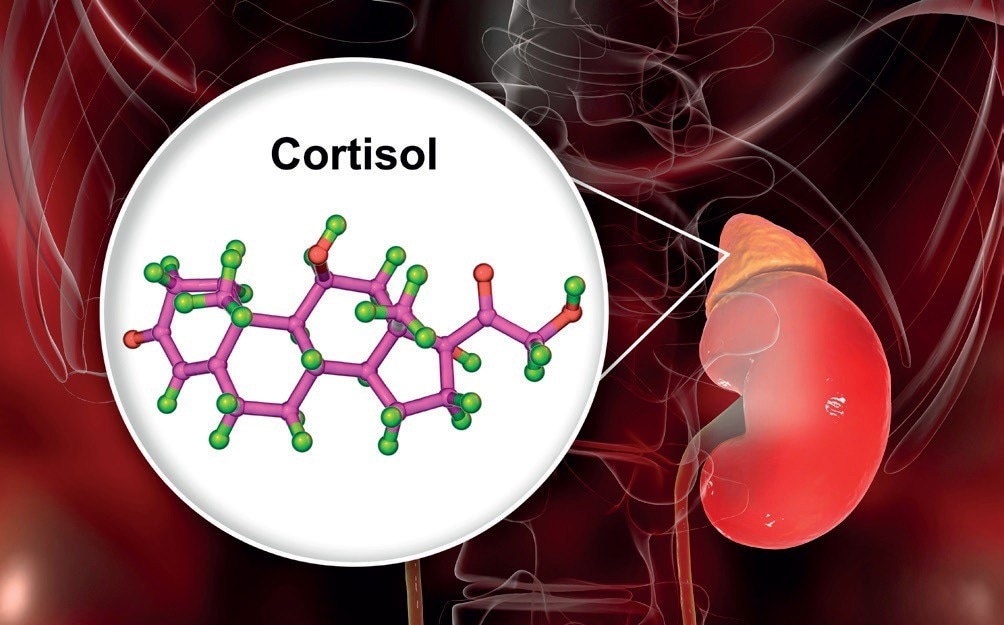
Cortisol is a steroid hormone of the glucocorticoid class made by the adrenal glands.

Image Credit: Shutterstock/Kateryna Kon

LDDST

  • Overnight protocol: 1 mg of dexamethasone is administered at 11:00 pm, and the serum cortisol levels are measured at 8:00 am the following morning.
  • Two-day protocol: serum cortisol levels are measured at 8:00 am and 0.5 mg of dexamethasone is administered every six hours (9:00 am, 3:00 pm, 9:00 pm, 3:00 am) for two days, totalling 4 mg. Serum cortisol levels are then measured at 9:00 am, six hours after the last dose has been delivered.

HDDST

  • Overnight protocol: baseline serum cortisol or 24-hour urinary free cortisol (UFC) is measured in the morning, and 8 mg of dexamethasone is given at 11.00 pm. Cortisol level in blood is then measured at 8.00 am the following morning.
  • Two-day protocol: Baseline serum cortisol or 24-hour UFC is measured at 8:00 am; 2 mg of dexamethasone is administered every six hours (9:00 am, 3:00 pm, 9:00 pm, 3:00 am) for two days, totaling 16 mg, in tandem with the collection of urine for UFC measurements. Serum cortisol levels are measured at 9:00 am, six hours after the last dose.

Patients whose pituitary glands produce excessive amounts of ACTH will exhibit an abnormal response to the low-dose test but a normal reaction to the high-dose test.

During the LDDST, cortisol levels should decrease following the administration of dexamethasone, and a cut-off value of below 18 ng/mL is recommended to distinguish a healthy response from an unhealthy one.

For the HDDST, a decrease in urine-free cortisol (UFC) or serum cortisol greater than 50% indicates the presence of ACTH-dependent Cushing’s syndrome. This rule applies to both the overnight LDDST and the two-day HDDST methods.

Measuring cortisol levels

Chemiluminescence immunoassay (CLIA) is a widely used method for measuring cortisol and other steroids due to its simplicity, automation, and good sensitivity.

However, it has some drawbacks, including cross-reactivity leading to overestimation of target analyte levels, non-standardization of kits, and the inability to measure more than one analyte per analysis. This is particularly problematic since studies indicate that measuring dexamethasone in combination with cortisol can reduce the number of false-positive DST results and improve interpretability. 3,4,5

Liquid chromatography-tandem mass spectrometry (LC-MS/MS) has emerged as a popular alternative to CLIA for DSTs due to its ability to measure multiple analytes simultaneously and its superior specificity.

Analytes are separated via LC, and their concentrations are measured by MS, with triple quadrupole MS configurations commonly used for this purpose. This technique provides the ability to measure multiple analytes simultaneously, along with higher accuracy and sensitivity than CLIA.

Increased ease of use and accuracy

In the Division of Endocrinology, Diabetes, and Metabolism at the University of Turin, a team has developed an LC-MS/MS technique for simultaneous quantifying cortisol, cortisone, dexamethasone, and six other exogenous corticosteroids in serum/plasma samples.6

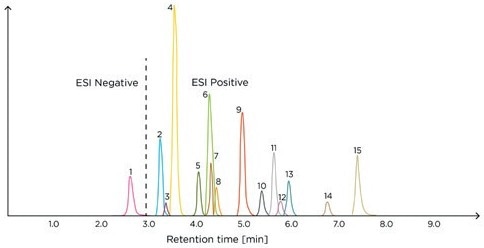
This method can be readily applied in any clinical laboratory equipped with a mass spectrometer and is effective in DSTs, enabling precise measurements of the target analytes in a single chromatographic run (Figure 1).

Sample preparation (1 Hour)

  1. Dilute 200 μL of the serum/plasma sample with 200 μL of water.
  2. Perform supported liquid extraction, manually transferring 400 μL of sample to a microplate.
  3. Apply positive pressure using Tecan Resolvex® A200 automated positive pressure processor.
  4. Elute with 700 μL of methyl tert-butyl ether.
  5. Evaporate and reconstitute in H2 O/MeOH (1:1, v/v).
  6. Agitate.

LC-MS/MS analysis (10 Minutes)

  • LC column: C18 (100 × 2.1 mm, 1.7 μm)
  • Flow rate: 400 μL/min
  • Temperature: 30 °C
  • Injection volume: 20 μL
  • Mobile phase A: H2O + 0.2 mM ammonium fluoride
  • Mobile phase B: acetonitrile
  • Elution programme: Table 1.

The study demonstrated a strong correlation between the results obtained from the newly developed LC-MS/MS method and those obtained using a commercially available CE IVD-marked Steroid Panel LC-MS* kit (Tecan).

The Tecan kit enables simultaneous dexamethasone, cortisol, and cortisone measurement and includes all the necessary components for easy implementation, such as calibrators and controls. The samples are prepared using solid-phase extraction (SPE), which can be semi-automatically performed on a Resolvex® A200 positive pressure processor (Tecan). The kit can measure 15 other steroids in the core steroid metabolism pathway due to the effectiveness of the SPE process.

Table 1. LC gradient elution programme. Source: Tecan

Time (min) Mobile phase A (%) Mobile phase B (%)
0 90 10
0.5 65 35
4.5 65 35
4.51 35 65
6.0 2 98
8.0 2 98
8.01 90 10
10.0 90 10

* In USA: for research use only. Not for use in diagnostic procedures. Product availability and regulatory status may vary from country to country. Consult with your Tecan associate for further information.
A more accurate diagnosis of Cushing’s syndrome

Figure 1. Example chromatogram of the Steroid Panel LC-MS internal standard – run 1. ESI, electrospray ionization; 1, aldosterone; 2, cortisone; 3, dehydro-epiandrosterone sulfate; 4, cortisol; 5, 21-deoxycortisol; 6, corticosterone; 7, dexamethasone; 8, 11-deoxycortisol; 9, androstenedione; 10, 11-deoxycorticosterone; 11, testosterone; 12, dehydroepiandrosterone; 13, 17-hydroxyprogesterone; 14, dihydrotestosterone; 15, progesterone.

Image Credit: Tecan

Summary

Early diagnosis of Cushing’s syndrome is critical to prevent potentially fatal complications. A reliable method for reducing the number of false positives in DSTs involves the simultaneous measurement of cortisol and dexamethasone levels, which can be accurately achieved using LC-MS/MS.

The LC-MS/MS method described in this article enables the simultaneous measurement of multiple analytes, such as cortisol, cortisone, and dexamethasone, in serum or plasma.

This analytical approach can provide clinical laboratories with a straightforward method for performing DSTs, and the commercially available kit can ensure consistent and dependable results.

References and further reading

  1. Cushing’s syndrome [website]. National Institute of Diabetes and Digestive and Kidney Diseases 2018 (https://www.niddk.nih.gov/health-information/endocrine-diseases/cushings-syndrome).
  2. Dogra P, Vijayashankar NP. Dexamethasone suppression test. StatPearls 2022, 8 August (https://www.ncbi.nlm.nih.gov/books/NBK542317 ).
  3. Ceccato F, Artusi C, Barbot M, et al. Dexamethasone measurement during low-dose suppression test for suspected hypercortisolism: threshold development with and validation. J Endocrinol Invest 2020;43(8):1105–1113. doi: 10.1007/s40618-020-01197-6.
  4. Roper SM. Yield of serum dexamethasone measurement for reducing false-positive results of low-dose dexamethasone suppression testing. J Appl Lab Med 2021;6(2):480–485. doi: 10.1093/jalm/jfaa193.
  5. Fleseriu M, Auchus R, Bancos I, et al. Consensus on diagnosis and management of Cushing’s disease: a guideline update. Lancet Diabetes Endocrinol 2021;9(12):847–875. doi: 10.1016/S2213- 8587(21)00235-7.
  6. Ponzetto F, Parasiliti-Caprino M, Settanni F, et al. Simultaneous measurement of cortisol, cortisone, dexamethasone and additional exogenous corticosteroids by rapid and sensitive LC-MS/MS analysis. Molecules 2022;28(1):248. doi: 10.3390/molecules28010248.

From https://www.news-medical.net/whitepaper/20240524/A-more-accurate-diagnosis-of-Cushinge28099s-syndrome.aspx

Repeat Endoscopic Endonasal Transsphenoidal Surgery for Residual or Recurrent Cushing’s Disease: Safety, Feasibility, And Success

Abstract

Purpose

The success and outcomes of repeat endoscopic transsphenoidal surgery (ETS) for residual or recurrent Cushing’s disease (CD) are underreported in the literature. This study aims to address this gap by assessing the safety, feasibility, and efficacy of repeat ETS in these patients.

Methods

A retrospective analysis was conducted on 56 patients who underwent a total of 65 repeat ETS performed by a single neurosurgeon between January 2006 and December 2020. Data including demographic, clinical, laboratory, radiological, and operative details were collected from electronic medical records. Logistic regression was utilized to identify potential predictors associated with sustained remission.

Results

Among the cases, 40 (61.5%) had previously undergone microscopic surgery, while 25 (38.5%) had prior endoscopic procedures. Remission was achieved in 47 (83.9%) patients after the first repeat ETS, with an additional 9 (16.1%) achieving remission after the second repeat procedure. During an average follow-up period of 97.25 months, the recurrence rate post repeat surgery was 6.38%. Sustained remission was achieved in 48 patients (85.7%), with 44 after the first repeat ETS and 4 following the second repeat ETS. Complications included transient diabetes insipidus (DI) in 5 (7.6%) patients, permanent (DI) in 2 (3%) patients, and one case (1.5%) of panhypopituitarism. Three patients (4.6%) experienced rhinorrhea necessitating reoperation. A serum cortisol level > 5 µg/dL on postoperative day 1 was associated with a reduced likelihood of sustained remission.

Conclusion

Repeat ETS is a safe and effective treatment option for residual or recurrent CD with satisfactory remission rates and low rates of complications.

Introduction

Cushing’s disease (CD) arises from an adrenocorticotropic hormone (ACTH)-secreting pituitary adenoma, leading to excessive endogenous glucocorticoid production [1]. The reported incidence of CD varies from 0.7 to 2.4 cases per million individuals annually [2,3,4,5,6]. Hypercortisolism impacts every bodily system and is linked to elevated morbidity and mortality risks [78]. Therefore, prompt CD diagnosis and management are crucial to enhance patient outcomes.

Transsphenoidal surgery remains the primary treatment for CD, and have been associated with satisfactory remission rates ranging from 65 to 94% [2359,10,11]. Two surgical techniques are utilized: microscopic and endoscopic approaches. While both methods are effective, studies indicate that endoscopic transsphenoidal surgery (ETS) offers higher rates of complete tumor removal and lower complication rates [12,13,14]. ETS holds advantages over microscopic transsphenoidal surgery (MTS) due to superior tumor visualization, especially for laterally invasive tumors and macroadenomas [15]. Since its introduction in 1997, ETS has gained popularity and is now the standard surgical approach for managing CD [16].

Remission rates post-ETS for CD treatment range from 77 to 90% [17,18,19,20,21,22]. Despite ETS’s technical benefits and favorable outcomes, recurrence rates for Cushing’s disease after successful ETS range between 5.6% and 22.8% [17182223]. Reoperating for residual or recurrent CD presents challenges due to altered surgical landmarks and scar tissue formation from previous surgeries, potentially elevating morbidity, and mortality risks [2425]. Limited literature exists on the success and outcomes of repeat endoscopic transsphenoidal surgery for residual or recurrent CD. This study aims to address this gap by assessing the safety, feasibility, and efficacy of repeat ETS in patients with residual or recurrent Cushing’s disease.

Methods

Study design

This is a retrospective cohort study of repeat endoscopic transsphenoidal surgery for residual or recurrent Cushing’s disease. All patients underwent endoscopic endonasal transsphenoidal surgery by the senior author between 2006 and 2020. The study protocol was approved by the local ethics committee for clinical studies.

Patient selection

The study participants were selected based on specific inclusion and exclusion criteria. Inclusion criteria were as follows: (i) a confirmed diagnosis of Cushing’s disease, (ii) prior transsphenoidal surgery, and (iii) confirmation of residual or recurrent CD through clinical, laboratory, and/or imaging assessments. Exclusion criteria included: (i) prior craniotomy without transsphenoidal surgery, (ii) previous radiotherapy before reoperation, (iii) inaccessible clinical, laboratory, or radiological data, and (iv) follow-up duration of less than 6 months.

Diagnostic criteria

Each patient underwent thorough screening for active Cushing’s disease. An increased 24-hour urine cortisol level > 45 µg/day or a serum fasting cortisol level exceeding 1.8 µg/dl following a low-dose (2 mg) dexamethasone suppression test was deemed abnormal. Subsequently, a high-dose (8 mg) dexamethasone test was administered, and a reduction of 50% or more from the baseline value was indicative of active Cushing’s disease. Due to the technical limitations of the institution that the research has been done, late-night salivary cortisol tests were not performed. Early remission was characterized by a fasting serum cortisol level below 5 µg/dl on the 1st and 7th postoperative days. Patients displaying a serum cortisol level below 1.8 µg/dl after the low-dose dexamethasone suppression test or those requiring continued corticosteroid replacement post-surgery were considered to maintain remission. The presence of a residual adenoma on postoperative magnetic resonance imaging (MRI) confirmed residual disease.

Routine follow-up protocol

Patients were evaluated for Cushing’s disease symptoms before surgery and monitored at 6 months after surgery, as well as during yearly check-ups for any changes in their condition. Fasting serum ACTH and cortisol levels were measured in the morning before surgery, on the 1st and 7th days after surgery, at the 1st, 3rd, and 6th months, and during yearly follow-up appointments. Prior to surgery, all patients underwent contrast-enhanced pituitary MRI and paranasal sinus CT scans. Follow-up pituitary MRI scans were conducted on the 1st day, at 3 and 12 months after surgery, and then annually thereafter.

Data collection

Data from electronic medical records were gathered, encompassing demographic, clinical, laboratory, radiological, and operative details. Laboratory assessments comprised an anterior pituitary hormone panel (Follicle-stimulating hormone [FSH], Luteinizing hormone [LH], Thyroid-stimulating hormone [TSH], Prolactin [PRL], Growth hormone [GH]), serum electrolytes, preoperative and postoperative serum ACTH, and cortisol levels. Patient records, along with CT and MRI scans, were scrutinized to document preoperative tumor characteristics such as size, multifocality, relationship with the cavernous sinus, Hardy-Wilson classification of sellar destruction, and suprasellar extension. Tumors larger than 10 mm were classified as macroadenomas. The operative database was examined to collect data on previous surgeries, including the number and dates of prior procedures, as well as the surgical techniques utilized. Outcome measures comprised remission rates and surgical complications.

Statistical analysis

Statistical analysis was conducted utilizing SPSS 23.0 software (IBM, New York). Two-group comparisons were performed using Chi-square and Fisher’s exact tests for categorical variables and Student’s t-test for continuous variables. Categorical variables were presented as numbers and percentages, while continuous variables were presented as means ± SD or median [IQR]. Logistic regression was performed to investigate potential predictors linked to sustained remission. A p-value of < 0.05 was deemed statistically significant.

Results

Baseline characteristics

Supplementary File 1 displays the demographic characteristics of the patient cohort.

A retrospective analysis was conducted on 190 patients who underwent a total of 212 operations for CD at our department between January 2006 and December 2020. Among them, 56 patients, comprising 65 repeat endonasal transsphenoidal surgeries due to either recurrence (n = 18, 27.7%) or residual disease (n = 47, 72.3%), were identified. The majority of patients were female (n = 48, 85.7%), with a mean age of 37.6 ± 12.4 years. Of the 56 patients, 43 (76.8%) were referred from another institution. Most patients (n = 42, 75%) had undergone only one prior surgery, while 12 patients (21.4%) had a history of two previous surgeries, and 2 patients (3.6%) had undergone three prior surgeries before referral to our center. The average follow-up duration since the first repeat ETS was 97.2 ± 36.8 months. The mean time to recurrence was 80.2 ± 61.1 months (median 75 months, range 23.2 to 103.5 months).

Hormonal data

Table 1 depicts the preoperative and postoperative serum ACTH and cortisol levels. The average preoperative serum cortisol levels for the entire patient cohort stood at 18.7 ± 11.1 µg/dL (median 17, range 12-24.6). The median preoperative 24-hour urine free cortisol level was 237 µg /day [188.5–425.5]. On the initial postoperative day, the mean serum cortisol levels for all patients were 13.4 ± 13.8 µg/dL (median 6.4, range 1.7–21). In 46.2% of cases (n = 30), cortisol levels on the first postoperative day were below 5 µg/dL (< 2 µg/dL in 33.8%). A comparison of the mean preoperative and postoperative serum ACTH and cortisol levels between the groups with residual disease and recurrence is detailed in Table 1.

Table 1 Cohort overview and comparison of recurrence and residual disease groups

Radiological findings

In the entire case cohort, there were 41 microadenomas (63.1%) and 24 macroadenomas (36.9%). Fifteen cases (23.1%) exhibited bifocal adenomas. Adenoma extension into the cavernous sinuses, indicated by cavernous sinus wall displacement, was present in 21 cases (32.3%), while invasion into the cavernous sinuses was observed in 10 cases (15.4%). Based on the Hardy-Wilson Classification, there were 38 Grade I adenomas (58.5%), 16 Grade II adenomas (24.6%), 6 Grade III adenomas (9.2%), and 5 Grade IV adenomas (7.7%). Thirty patients (46.2%) presented with Stage A adenoma, 7 (10.8%) with Stage B adenoma, 2 (3.1%) with Stage C adenoma, 1 (1.5%) with Stage D adenoma, and 25 (38.5%) with Stage E adenoma. As indicated in Table 1, there were no statistically significant differences between patients with residual disease and recurrence concerning radiological findings.

Surgical characteristics

A single surgeon conducted all 65 reoperations. Among these, 47 patients (72.3%) underwent repeat ETS due to residual disease, while 18 (27.7%) did so due to recurrence. The previous surgical technique was microscopic in 40 cases (61.5%) and endoscopic in 25 cases (38.5%). Microscopic transsphenoidal surgeries were exclusively performed at other institutions. There was a notable disparity between patients with residual disease and recurrence regarding the technique of the previous surgery. Residual disease occurrence following endoscopic transsphenoidal surgery was less frequent (n = 11/25, 44%) compared to after microscopic transsphenoidal surgery (n = 36/40, 90%; p < 0.001) (Table 1). Immunohistochemical staining of the specimens indicated that 55 cases (85%) exhibited ACTH-positive adenoma. Nevertheless, all patients with a negative pathology at the repeat surgery had a confirmed ACTH-adenoma at the first surgery. Of the 10 patients (15%) with a negative ACTH-positive adenoma pathology, two patients underwent inferior petrosal sinus sampling (IPSS) previously and were confirmed to have CD. Remaining patients did not undergo an additional inferior petrosal sinus sampling (IPSS) because all functional test results indicated a central source and MRI confirmed pituitary microadenoma in all cases. Notably, there are studies reporting that IPSS may not be required in patients with a sellar mass and a biochemical testing suggestive of CD [2627]. Additionally, we also explored both sides of the pituitary and confirmed the adenoma intraoperatively. Therefore, negative pathology in the repeat surgery is most likely due to sampling error.

Outcomes

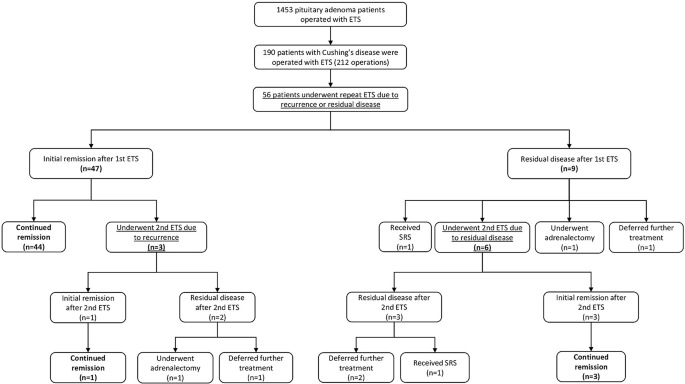
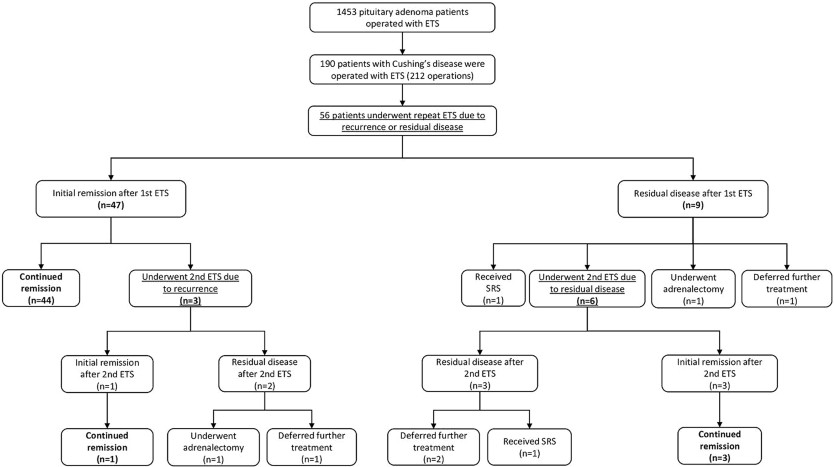
As depicted in Fig. 1, among the 56 patients, 47 (83.9%) experienced initial remission following the first repeat ETS, while 9 (16.1%) still had residual adenoma. Within the group achieving initial remission, 44 patients (93.6%) maintained remission without the need for further surgeries, while 3 (6.4%) experienced recurrence during follow-up and required a second repeat ETS.

Fig. 1
figure 1

Outcomes of repeat endoscopic transsphenoidal surgery for residual or recurrent Cushing’s disease

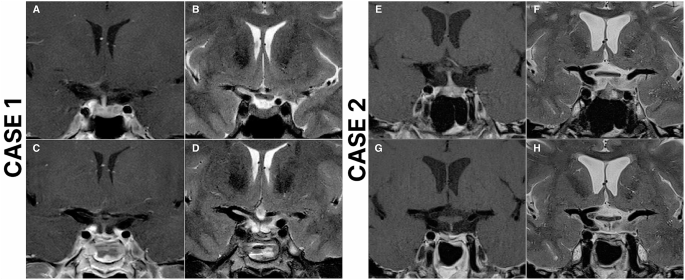
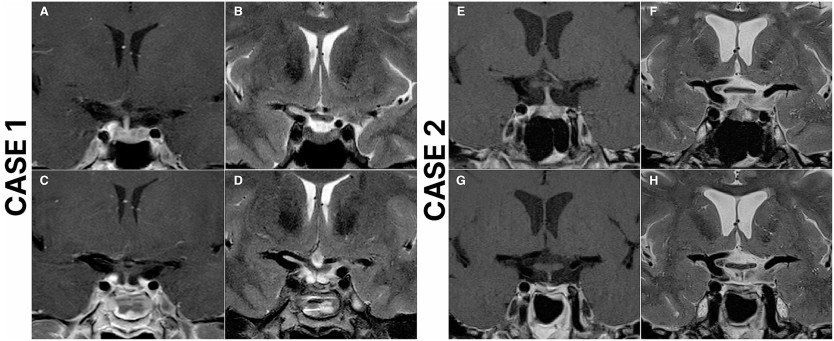
Among the 9 patients with residual disease after the first repeat ETS, 1 (11.1%) opted to defer further treatment, 1 (11.1%) received radiotherapy, 1 (11.1%) chose adrenalectomy, and 6 (66.7%) underwent a second repeat ETS. Of the 9 patients who underwent a second repeat ETS due to residual disease or recurrence, 4 (44.4%) sustained remission, 5 (55.6%) still had residual disease, but 3 of them deferred further treatment, 1 received radiotherapy, while 1 achieved remission after adrenalectomy. Overall, 78.5% (n = 51) of the entire case cohort achieved remission following repeat ETS. Representative cases are presented in Fig. 2.

Fig. 2
figure 2

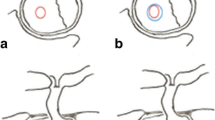
Case 1: Preoperative and postoperative magnetic resonance imaging (MRI) scans of a 49-year-old female who underwent repeat endoscopic transsphenoidal surgery (ETS) due to recurrent Cushing’s disease and achieved remission. The patient underwent initial surgery 14 years ago at an outside institution. Preoperative T2 (A), and T1 contrast-enhanced (B) MRI scans demonstrate a right-sided pituitary adenoma. Postoperative T2 (C), and T1 contrast-enhanced (D) MRI scans demonstrate total resection of the adenoma. Case 2: Preoperative and postoperative magnetic resonance imaging (MRI) scans of a 53-year-old female who underwent repeat endoscopic transsphenoidal surgery (ETS) due to recurrent Cushing’s disease and achieved remission. The patient underwent initial surgery 3 years ago at an outside institution. Preoperative T2 (E), and T1 contrast-enhanced (F) MRI scans demonstrate a left-sided pituitary adenoma, in close relation to ICA. Postoperative T2 (G), and T1 contrast-enhanced (H) MRI scans demonstrate total resection of the adenoma

Transient diabetes insipidus (DI) developed in 5 patients (7.6%), while 2 (3%) experienced permanent DI following repeat ETS. Intraoperative cerebrospinal fluid (CSF) leak occurred in 20 operations (30.7%). Three patients (4.6%) developed rhinorrhea and required reoperation. Five patients (7.6%) developed prolactin deficiency, 3 patients (4.6%) had GH deficiency, and another 3 patients (4.6%) had TSH deficiency requiring thyroxine replacement. Four patients (6.2%) had combined deficiencies in TSH, FSH, LH and prolactin, while one patient (1.5%) developed panhypopituitarism following the second repeat ETS.

Factors predisposing to unsuccessful repeat endoscopic transsphenoidal surgery

Among the 42 patients who underwent repeat ETS for residual disease, 9 (21.4%) still had residual disease after the first repeat ETS. We conducted a multivariable logistic regression analysis to explore potential risk factors for unsuccessful repeat ETS. However, the analysis did not reveal any significant association between the success of repeat ETS and factors such as extension or invasion into cavernous sinuses, sellar or parasellar extension, or tumor size (Supplementary File 1).

Potential predictors of sustained remission

We conducted a multivariable logistic regression analysis to investigate possible predictors of sustained remission. The variables included in the analysis are detailed in Table 5. The results indicated that having a serum cortisol level exceeding 5 µg/dL on postoperative day 1 was linked to a decreased likelihood of achieving sustained remission (Odds ratio [OR] 0.09, 95% confidence interval [CI] 0.01–0.52, p = 0.006) (Table 2).

Table 2 Logistic regression analysis of potential predictors for continued remission

Discussion

Transsphenoidal surgery remains the established standard for treating Cushing’s disease, with demonstrated remission rates ranging from 65 to 94%, contingent upon the surgeon’s expertise and remission criteria [2359,10,11]. The advent of endoscopic techniques has notably augmented this approach, offering wider visibility, reduced nasal trauma, and shorter hospital stays [16252829]. While the effectiveness of ETS in managing CD is well-documented, literature on its efficacy in treating residual or recurrent cases is limited. Our study addresses this gap by assessing the safety, feasibility, and outcomes of repeat ETS for patients with persistent or recurrent Cushing’s disease.

In our study, 56 patients underwent 65 repeat ETS procedures for residual or recurrent Cushing’s disease. Mean follow-up duration was 97.2 ± 36.8 months, which is one of the longest follow-up durations that has been reported following repeat endoscopic transsphenoidal surgery [530,31,32]. Of these patients, 40 (61.5%) had previously undergone microscopic surgery, while 25 (38.5%) had undergone prior endoscopic procedures. Importantly, a notable difference emerged between patients with residual disease and those experiencing recurrence regarding the prior surgical approach, with residual disease being less frequent after endoscopic surgery compared to microscopic surgery (p < 0.001). This variance was expected, as numerous studies have indicated that ETS yields a higher rate of complete resection compared to MTS [12,13,14].

After the first repeat ETS, 47 patients (83.9%) achieved remission, and 78.5% (n = 44) of them maintained remission at a mean follow-up of 97.2 months without requiring additional surgery. Limited data exists regarding the remission rates of CD following repeat transsphenoidal surgery, with reported rates ranging from 28.9 to 73% [333435]. Burke et al. reported an immediate remission rate of 86.7% and a continued remission rate of 73.3% at follow-up after repeat ETS [36]. Among our patients who achieved remission after successful repeat ETS, 3 individuals (6.38%, n = 3/47) experienced recurrence after the first repeat ETS, with a mean time to recurrence of 45.6 months. The rates of CD recurrence following reoperation vary, with documented rates ranging between 22% and 63.2% [3738]. In our study, 9 patients required a second repeat ETS due to residual disease or recurrence. Of these, 4 (44.4%) achieved continued remission following the second repeat ETS, while 5 (55.6%) had residual disease; however, 4 of them deferred further treatment, and 1 achieved remission after adrenalectomy. In total, 47 patients (83.9%) in the entire patient cohort achieved remission following endoscopic transsphenoidal surgery and did not require further intervention.

Within our case cohort, among the 42 patients who underwent repeat ETS for residual disease, 9 individuals (21.4%) continued to exhibit residual disease following the first repeat ETS. We did not establish a significant association between the success of repeat ETS and factors such as extension or invasion into cavernous sinuses, sellar or parasellar extension, or tumor size.

The degree of hypocortisolism following transsphenoidal surgery is considered a potential indicator of remission in the postoperative period [3]. Numerous studies have indicated that patients with subnormal postoperative cortisol levels tend to experience a lower recurrence rate compared to those with normal or supranormal levels, although consensus on the precise cutoff level remains elusive [30,31,3239]. In a retrospective study involving 52 patients with CD, researchers reported a 100% positive predictive value of a postoperative nadir cortisol level < 2 µg/dL for achieving remission [5]. Additionally, Esposito et al. observed that a morning serum cortisol level ≤ 5 µg/dL on postoperative day 1 or 2 appears to serve as a reliable predictor of remission [11]. In our investigation, logistic regression analysis revealed that patients with a serum cortisol level > 5 µg/dL on postoperative day 1 were less inclined to achieve continued remission compared to those with a serum cortisol level < 5 µg/dL on postoperative day 1.

Repeat transsphenoidal surgery presents unique challenges due to distorted surgical landmarks and the presence of scar tissue from prior procedures, often resulting in lower cure rates and increased morbidity risk [242528]. Non-surgical options such as radiotherapy and radiosurgery have been considered as an effective treatment option for recurrent or residual CD due to low rates of morbidity and acceptable remission rates [2840]. However, our findings suggest that the outcomes and complication rates associated with repeat ETS are comparable to primary ETS for CD and superior to other non-surgical options for residual or recurrent CD. Within our patient cohort, 5 (7.6%) individuals experienced transient diabetes insipidus (DI), while 2 (3%) developed permanent DI. Additionally, one patient (1.5%) experienced panhypopituitarism following the second repeat ETS. Similarly, various studies have reported DI rates ranging from 2 to 13% and panhypopituitarism rates between 2% and 9.7% [252841,42,43]. In our series, 3 (5.3%) patients developed rhinorrhea and required reoperation, consistent with reported rates of postoperative CSF leak ranging from 1 to 5% following repeat endoscopic transsphenoidal surgery for residual or recurrent pituitary tumors [252844]. While radiotherapy and radiosurgery are options for patients who have failed transsphenoidal surgery or experienced recurrence, the literature suggests remission rates ranging from 46 to 84%, with several studies indicating high recurrence rates (25-50%) following radiotherapy [4045,46,47]. In our study, among 56 patients, 47 (83.9%) achieved remission following the first repeat ETS, while 4 (17.8%) achieved remission after the second repeat ETS. Over a mean follow-up duration of 97.25 months, our recurrence rate following repeat ETS was 27.7%, with a mean time to recurrence of 45.62 months.

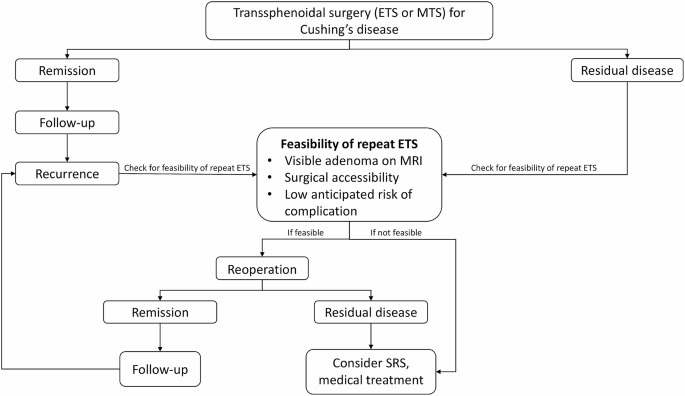
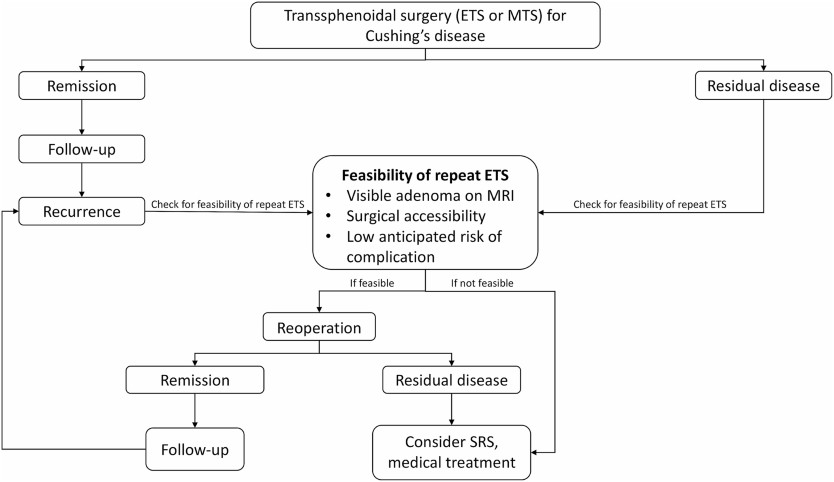
At our institution, we adhere to a specific algorithm (Fig. 3) for managing Cushing’s disease patients and implement a meticulous protocol for individuals undergoing repeat ETS for residual or recurrent CD. A thorough clinical and radiological assessment is conducted for all patients before surgery. Detailed radiological evaluation is particularly essential to identify any distortions in surgical landmarks from prior procedures, such as the course of sphenoidal septa and the location of the sellar floor opening, as well as other potential aberrations like internal carotid artery and optic nerve dehiscence. Imaging techniques should encompass dynamic pituitary MRI with and without contrast and paranasal CT scans. Our objective is to achieve extensive exposure during surgery, which is especially critical for managing bifocal adenomas or adenomas with cavernous sinus invasion or extension. The expanded visual field also facilitates the visualization of concealed parts of the adenoma, allowing the surgeon to achieve complete resection, which may be challenging or even impossible with limited exposure. We employ a multilayer closure technique to prevent CSF leaks, and if necessary, utilize a vascularized pedicled nasoseptal flap (Hadad-Bassagasteguy flap).

Fig. 3
figure 3

Specific algorithm for the management of Cushing’s disease patients

In summary, our findings suggest that in the hands of experienced surgeons, repeat ETS represents a safe and effective treatment option for managing residual or recurrent Cushing’s disease.

Strengths and limitations

Our study represents one of the largest case series in the literature examining the safety, feasibility, and efficacy of repeat ETS for managing recurrent or residual CD. Our findings underscore the safety and efficacy of repeat ETS in experienced centers, showcasing satisfactory remission rates and minimal complications. However, it is important to acknowledge the retrospective nature of our study, which inherently introduces potential biases such as selection bias. Lastly, our study exclusively focuses on patients undergoing surgical intervention for recurrent or residual CD, limiting our ability to compare the effectiveness of surgical treatment with alternative modalities like radiotherapy or radiosurgery.

Conclusion

Our study underscores the efficacy and safety of repeat endoscopic transsphenoidal surgery in managing residual or recurrent Cushing’s disease. Remarkably, 82.1% of patients achieved remission after their first reoperation, aligning closely with reported remission rates following primary endoscopic transsphenoidal surgery. Furthermore, the complication rates observed in our cohort were consistent with documented rates for both primary and repeat transsphenoidal surgeries. Notably, patients with serum cortisol levels < 5 µg/dL are more likely to maintain remission. Overall, our findings emphasize that in the hands of experienced surgeons, repeat endoscopic transsphenoidal surgery emerges as a reliable and safe treatment modality for residual or recurrent Cushing’s disease, offering satisfactory remission rates and minimal complications.

Data availability

No datasets were generated or analysed during the current study.

Abbreviations

ACTH:
adrenocorticotropic hormone
CD:
Cushing’s disease
CT:
computed tomography
DI:
diabetes insipidus
ETS:
endoscopic endonasal transsphenoidal surgery
MRI:
magnetic resonance imaging
MTS:
microscopic transsphenoidal surgery

References

  1. Cushing H (1994) The basophil adenomas of the pituitary body and their clinical manifestations (pituitary basophilism). 1932. Obes Res 2(5):486–508

    Article CAS PubMed Google Scholar

  2. Aranda G, Enseñat J, Mora M, Puig-Domingo M, Martínez de Osaba MJ, Casals G et al (2015) Long-term remission and recurrence rate in a cohort of Cushing’s disease: the need for long-term follow-up. Pituitary 18(1):142–149

    Article CAS PubMed Google Scholar

  3. Pendharkar AV, Sussman ES, Ho AL, Hayden Gephart MG, Katznelson L (2015) Cushing’s disease: predicting long-term remission after surgical treatment. Neurosurg Focus 38(2):E13

    Article PubMed Google Scholar

  4. Etxabe J, Vazquez JA (1994) Morbidity and mortality in Cushing’s disease: an epidemiological approach. Clin Endocrinol (Oxf) 40(4):479–484

    Article CAS PubMed Google Scholar

  5. Hameed N, Yedinak CG, Brzana J, Gultekin SH, Coppa ND, Dogan A et al (2013) Remission rate after transsphenoidal surgery in patients with pathologically confirmed Cushing’s disease, the role of cortisol, ACTH assessment and immediate reoperation: a large single center experience. Pituitary 16(4):452–458

    Article CAS PubMed Google Scholar

  6. Acebes JJ, Martino J, Masuet C, Montanya E, Soler J (2007) Early post-operative ACTH and cortisol as predictors of remission in Cushing’s disease. Acta Neurochir (Wien). ;149(5):471-7; discussion 7–9

  7. Fernandez-Rodriguez E, Stewart PM, Cooper MS (2009) The pituitary-adrenal axis and body composition. Pituitary 12(2):105–115

    Article CAS PubMed Google Scholar

  8. van Haalen FM, Broersen LH, Jorgensen JO, Pereira AM, Dekkers OM (2015) Management of endocrine disease: mortality remains increased in Cushing’s disease despite biochemical remission: a systematic review and meta-analysis. Eur J Endocrinol 172(4):R143–R149

    Article PubMed Google Scholar

  9. Locatelli M, Vance ML, Laws ER (2005) Clinical review: the strategy of immediate reoperation for transsphenoidal surgery for Cushing’s disease. J Clin Endocrinol Metab 90(9):5478–5482

    Article CAS PubMed Google Scholar

  10. Blevins LS Jr., Christy JH, Khajavi M, Tindall GT (1998) Outcomes of therapy for Cushing’s disease due to adrenocorticotropin-secreting pituitary macroadenomas. J Clin Endocrinol Metab 83(1):63–67

    CAS PubMed Google Scholar

  11. Esposito F, Dusick JR, Cohan P, Moftakhar P, McArthur D, Wang C et al (2006) Clinical review: early morning cortisol levels as a predictor of remission after transsphenoidal surgery for Cushing’s disease. J Clin Endocrinol Metab 91(1):7–13

    Article CAS PubMed Google Scholar

  12. Guo S, Wang Z, Kang X, Xin W, Li X (2021) A Meta-analysis of endoscopic vs. microscopic transsphenoidal surgery for non-functioning and functioning pituitary adenomas: comparisons of efficacy and safety. Front Neurol. ;12

  13. Gao Y, Zhong C, Wang Y, Xu S, Guo Y, Dai C et al (2014) Endoscopic versus microscopic transsphenoidal pituitary adenoma surgery: a meta-analysis. World J Surg Oncol 12:94

    Article PubMed PubMed Central Google Scholar

  14. Yu SY, Du Q, Yao SY, Zhang KN, Wang J, Zhu Z, Jiang XB (2018) Outcomes of endoscopic and microscopic transsphenoidal surgery on non-functioning pituitary adenomas: a systematic review and meta-analysis. J Cell Mol Med 22(3):2023–2027

    Article PubMed PubMed Central Google Scholar

  15. Broersen LHA, van Haalen FM, Biermasz NR, Lobatto DJ, Verstegen MJT, van Furth WR et al (2019) Microscopic versus endoscopic transsphenoidal surgery in the Leiden cohort treated for Cushing’s disease: surgical outcome, mortality, and complications. Orphanet J Rare Dis 14(1):64

    Article PubMed PubMed Central Google Scholar

  16. Jho HD, Carrau RL (1997) Endoscopic endonasal transsphenoidal surgery: experience with 50 patients. J Neurosurg 87(1):44–51

    Article CAS PubMed Google Scholar

  17. Berker M, Işikay I, Berker D, Bayraktar M, Gürlek A (2014) Early promising results for the endoscopic surgical treatment of Cushing’s disease. Neurosurg Rev 37:105-114

  18. Netea-Maier RT, van Lindert EJ, den Heijer M, van der Eerden A, Pieters GF, Sweep CG et al (2006) Transsphenoidal pituitary surgery via the endoscopic technique: results in 35 consecutive patients with Cushing’s disease. Eur J Endocrinol 154(5):675–684

    Article CAS PubMed Google Scholar

  19. Dehdashti AR, Gentili F (2007) Current state of the art in the diagnosis and surgical treatment of cushing disease: early experience with a purely endoscopic endonasal technique. Neurosurg Focus 23(3):E9

    Article PubMed Google Scholar

  20. Starke RM, Reames DL, Chen CJ, Laws ER, Jane JA (2013) Jr. Endoscopic transsphenoidal surgery for cushing disease: techniques, outcomes, and predictors of remission. Neurosurgery 72(2):240–247 discussion 7

    Article PubMed Google Scholar

  21. Sarkar S, Rajaratnam S, Chacko G, Mani S, Hesargatta AS, Chacko AG (2016) Pure endoscopic transsphenoidal surgery for functional pituitary adenomas: outcomes with Cushing’s disease. Acta Neurochir (Wien) 158(1):77–86 discussion

    Article PubMed Google Scholar

  22. Cebula H, Baussart B, Villa C, Assié G, Boulin A, Foubert L et al (2017) Efficacy of endoscopic endonasal transsphenoidal surgery for Cushing’s disease in 230 patients with positive and negative MRI. Acta Neurochir (Wien) 159(7):1227–1236

    Article PubMed Google Scholar

  23. Wagenmakers MA, Boogaarts HD, Roerink SH, Timmers HJ, Stikkelbroeck NM, Smit JW et al (2013) Endoscopic transsphenoidal pituitary surgery: a good and safe primary treatment option for Cushing’s disease, even in case of macroadenomas or invasive adenomas. Eur J Endocrinol 169(3):329–337

    Article CAS PubMed Google Scholar

  24. Esquenazi Y, Essayed WI, Singh H, Mauer E, Ahmed M, Christos PJ, Schwartz TH (2017) Endoscopic endonasal Versus Microscopic Transsphenoidal surgery for recurrent and/or residual pituitary adenomas. World Neurosurg 101:186–195

    Article PubMed PubMed Central Google Scholar

  25. Cavallo LM, Solari D, Tasiou A, Esposito F, de Angelis M, D’Enza AI, Cappabianca P (2013) Endoscopic endonasal transsphenoidal removal of recurrent and regrowing pituitary adenomas: experience on a 59-patient series. World Neurosurg 80(3–4):342–350

    Article PubMed Google Scholar

  26. Perlman JE, Johnston PC, Hui F et al (2021) Pitfalls in performing and interpreting Inferior Petrosal Sinus Sampling: personal experience and literature review. J Clin Endocrinol Metab 106(5):e1953–e1967. https://doi.org/10.1210/clinem/dgab012

    Article PubMed PubMed Central Google Scholar

  27. Yogi-Morren D, Habra MA, Faiman C et al (2015) Pituitary MRI findings in patients with pituitary and ectopic ACTH-dependent cushing syndrome: does a 6-mm pituitary tumor size cut-off value exclude ectopic ACTH syndrome? Endocr Pract 21(10):1098–1103

    Article Google Scholar

  28. Negm HM, Al-Mahfoudh R, Pai M, Singh H, Cohen S, Dhandapani S et al (2017) Reoperative endoscopic endonasal surgery for residual or recurrent pituitary adenomas. J Neurosurg 127(2):397–408

    Article PubMed Google Scholar

  29. Cooke RS, Jones RA (1994) Experience with the direct transnasal transsphenoidal approach to the pituitary fossa. Br J Neurosurg 8(2):193–196

    Article CAS PubMed Google Scholar

  30. Chee GH, Mathias DB, James RA, Kendall-Taylor P (2001) Transsphenoidal pituitary surgery in Cushing’s disease: can we predict outcome? Clin Endocrinol (Oxf) 54(5):617–626

    Article CAS PubMed Google Scholar

  31. Atkinson AB, Kennedy A, Wiggam MI, McCance DR, Sheridan B (2005) Long-term remission rates after pituitary surgery for Cushing’s disease: the need for long-term surveillance. Clin Endocrinol (Oxf) 63(5):549–559

    Article PubMed Google Scholar

  32. Yap LB, Turner HE, Adams CB, Wass JA (2002) Undetectable postoperative cortisol does not always predict long-term remission in Cushing’s disease: a single centre audit. Clin Endocrinol (Oxf) 56(1):25–31

    Article CAS PubMed Google Scholar

  33. Liu X, Dai C, Bao X, Deng K, Yao Y, Sun B et al (2021) Treatment and outcomes of recurrent/persistent Cushing’s disease: a single-center experience. Ann Palliat Med 10(3):2494–2504

    Article PubMed Google Scholar

  34. Valderrábano P, Aller J, García-Valdecasas L, García-Uría J, Martín L, Palacios N, Estrada J (2014) Results of repeated transsphenoidal surgery in Cushing’s disease. Long-term follow-up. Endocrinol Nutr 61(4):176–183

    Article PubMed Google Scholar

  35. Wang B, Zheng S, Ren J, Zhong Z, Jiang H, Sun Q et al (2022) Reoperation for Recurrent and Persistent Cushing’s Disease without Visible MRI Findings. J Clin Med 11(22): 6848

  36. Burke WT, Penn DL, Repetti CS, Iuliano S, Laws ERJ (2019) Outcomes after repeat transsphenoidal surgery for recurrent Cushing Disease: updated. Neurosurgery 85(6):E1030–E6

    Article PubMed Google Scholar

  37. Bakiri F, Tatai S, Aouali R, Semrouni M, Derome P, Chitour F, Benmiloud M (1996) Treatment of Cushing’s disease by transsphenoidal, pituitary microsurgery: prognosis factors and long-term follow-up. J Endocrinol Invest 19(9):572–580

    Article CAS PubMed Google Scholar

  38. Dickerman RD, Oldfield EH (2002) Basis of persistent and recurrent cushing disease: an analysis of findings at repeated pituitary surgery. J Neurosurg 97(6):1343–1349

    Article PubMed Google Scholar

  39. Patil CG, Prevedello DM, Lad SP, Vance ML, Thorner MO, Katznelson L, Laws ER (2008) Jr. Late recurrences of Cushing’s disease after initial successful transsphenoidal surgery. J Clin Endocrinol Metab 93(2):358–362

    Article CAS PubMed Google Scholar

  40. Castinetti F, Brue T, Ragnarsson O (2019) Radiotherapy as a tool for the treatment of Cushing’s disease. Eur J Endocrinol 180(5):D9–d18

    Article PubMed Google Scholar

  41. Tajudeen BA, Mundi J, Suh JD, Bergsneider M, Wang MB (2015) Endoscopic endonasal surgery for recurrent pituitary tumors: technical challenges to the surgical approach. J Neurol Surg B Skull Base 76(1):50–56

    Article PubMed Google Scholar

  42. Hwang JM, Kim YH, Kim JW, Kim DG, Jung HW, Chung YS (2013) Feasibility of endoscopic endonasal approach for recurrent pituitary adenomas after microscopic trans-sphenoidal approach. J Korean Neurosurg Soc 54(4):317–322

    Article PubMed PubMed Central Google Scholar

  43. Berker M, Hazer DB, Yücel T, Gürlek A, Cila A, Aldur M, Onerci M (2012) Complications of endoscopic surgery of the pituitary adenomas: analysis of 570 patients and review of the literature. Pituitary 15(3):288–300

    Article PubMed Google Scholar

  44. Rudnik A, Zawadzki T, Wojtacha M, Bazowski P, Zubgałuszka-Ignasiak B, Duda I (2005) [Endoscopic transsphenoidal treatment of pituitary adenomas]. Neurol Neurochir Pol 39(1):17–23 discussion 4–5

    PubMed Google Scholar

  45. Minniti G, Osti M, Jaffrain-Rea ML, Esposito V, Cantore G, Maurizi Enrici R (2007) Long-term follow-up results of postoperative radiation therapy for Cushing’s disease. J Neurooncol 84(1):79–84

    Article PubMed Google Scholar

  46. Estrada J, Boronat M, Mielgo M, Magallón R, Millan I, Díez S et al (1997) The long-term outcome of pituitary irradiation after unsuccessful transsphenoidal surgery in Cushing’s disease. N Engl J Med 336(3):172–177

    Article CAS PubMed Google Scholar

  47. Littley MD, Shalet SM, Beardwell CG, Ahmed SR, Sutton ML (1990) Long-term follow-up of low-dose external pituitary irradiation for Cushing’s disease. Clin Endocrinol (Oxf) 33(4):445–455

    Article CAS PubMed Google Scholar

Download references

Acknowledgements

Not applicable.

Funding

The authors declare that no funds, grants, or other support were received during the preparation of this manuscript.

Open access funding provided by the Scientific and Technological Research Council of Türkiye (TÜBİTAK).

Author information

Authors and Affiliations

  1. Department of Neurosurgery, Faculty of Medicine, Hacettepe University, Ankara, Turkey

    Sahin Hanalioglu, Muhammet Enes Gurses, Neslihan Nisa Gecici, Baylar Baylarov & Ilkay Isikay

  2. Department of Neurosurgery, Miller School of Medicine, University of Miami, Miami, FL, USA

    Muhammet Enes Gurses

  3. Department of Endocrinology and Metabolism, Faculty of Medicine, Hacettepe University, Ankara, Turkey

    Alper Gürlek

  4. Department of Neurosurgery, Hacettepe University School of Medicine, Sihhiye, Ankara, 06230, Turkey

    Mustafa Berker

Contributions

Conceptualization: S.H, M.B; Methodology: S.H, M.E.G, N.N.G; Formal analysis and investigation: M.E.G, N.N.G, B.B; Writing – original draft preparation: N.N.G; Writing – review and editing: S.H, M.E.G, B.B, I.I, A.G, M.B; Supervision: S.H, I.I, A.G, M.B.

Corresponding author

Correspondence to Mustafa Berker.

Ethics declarations

Ethical approval

This study is approved by the ethics committee of the hospital where the research was conducted and informed consent is obtained from patients.

Competing interests

The authors declare no competing interests.

Additional information

Publisher’s Note

Springer Nature remains neutral with regard to jurisdictional claims in published maps and institutional affiliations.

Electronic supplementary material

Below is the link to the electronic supplementary material.

About this article

Cite this article

Hanalioglu, S., Gurses, M.E., Gecici, N.N. et al. Repeat endoscopic endonasal transsphenoidal surgery for residual or recurrent cushing’s disease: safety, feasibility, and success. Pituitary (2024). https://doi.org/10.1007/s11102-024-01396-x

Download citation

Venous Thromboembolism in Cushing Syndrome

Abstract

Background

Patients with Cushing syndrome (CS) are at increased risk of venous thromboembolism (VTE).

Objective

The aim was to evaluate the current management of new cases of CS with a focus on VTE and thromboprophylaxis.

Design and methods

A survey was conducted within those that report in the electronic reporting tool (e-REC) of the European Registries for Rare Endocrine Conditions (EuRRECa) and the involved main thematic groups (MTG’s) of the European Reference Networks for Rare Endocrine Disorders (Endo-ERN) on new patients with CS from January 2021 to July 2022.

Results

Of 222 patients (mean age 44 years, 165 females), 141 patients had Cushing disease (64%), 69 adrenal CS (31%), and 12 patients with ectopic CS (5.4%). The mean follow-up period post-CS diagnosis was 15 months (range 3–30). Cortisol-lowering medications were initiated in 38% of patients. One hundred fifty-four patients (69%) received thromboprophylaxis (including patients on chronic anticoagulant treatment), of which low-molecular-weight heparins were used in 96% of cases. VTE was reported in six patients (2.7%), of which one was fatal: two long before CS diagnosis, two between diagnosis and surgery, and two postoperatively. Three patients were using thromboprophylaxis at time of the VTE diagnosis. The incidence rate of VTE in patients after Cushing syndrome diagnosis in our study cohort was 14.6 (95% CI 5.5; 38.6) per 1000 person-years.

Conclusion

Thirty percent of patients with CS did not receive preoperative thromboprophylaxis during their active disease stage, and half of the VTE cases even occurred during this stage despite thromboprophylaxis. Prospective trials to establish the optimal thromboprophylaxis strategy in CS patients are highly needed.

Significance statement

The incidence rate of venous thromboembolism in our study cohort was 14.6 (95% CI 5.5; 38.6) per 1000 person-years. Notably, this survey showed that there is great heterogeneity regarding time of initiation and duration of thromboprophylaxis in expert centers throughout Europe.

Introduction

Endogenous hypercortisolism (Cushing syndrome, CS) is a rare disorder with an estimated incidence of 0.2–5.0 cases per million inhabitants per year in various populations, whereas its prevalence is close to 39–79 cases per million (12). The majority of cases are adrenocorticotropic hormone (ACTH) dependent, of which a pituitary corticotrope adenoma (Cushing disease, CD) is the most prevalent cause, whereas ACTH-secreting non-pituitary tumors (ectopic ACTH and corticotropin-releasing hormone syndrome secretion) are responsible for about 5–10% of cases. ACTH-independent cases of CS (adrenal adenomas or uni- or bilateral adrenal hyperplasia) account for the remaining 20% of cases (13).

It is well-known that endogenous hypercortisolism is associated with increased morbidity and mortality (456). This increased risk is mainly driven by cardiovascular events, including venous thromboembolic events (VTEs) such as pulmonary embolism (PE) and deep vein thrombosis (DVT). It has been demonstrated that the primary risk factors associated with VTE include older age (>69 years), reduced mobility, acute severe infections, previous cardiovascular events, higher midnight plasma cortisol levels, and shorter activated partial thromboplastin time (7). Additionally, a recent analysis of the ERCUSYN database found a higher prevalence of VTE among male patients, patients with a history of multiple surgeries, and those with high urinary cortisol levels (8). Several studies have observed an increased risk of VTE in patients with endogenous hypercortisolism even long after successful treatment. A study showed that the VTE incidence is almost seven times higher in the years before diagnosing endogenous hypercortisolism and almost 17 times higher in the first year after diagnosis; this incidence remains increased in the initial months following successful treatment (9). This results in an increased incidence rate of 14.6 per 1000 person-years for VTE in patients with endogenous hypercortisolism compared to the general population (10). The cortisol-induced hypercoagulability is thought to be partially caused by activation of the coagulation cascade with an increase in, e.g. von Willebrand factor, fibrinogen, and factor VIII concentrations (1112), impaired fibrinolysis (4) and endothelial dysfunction (13). Changes in pro- and anticoagulant factors may persist after successful surgery or medical therapy for at least several months (1415).

Given the lack of evidence from clinical trials, there is a large practice variation regarding thromboprophylaxis management and perioperative medical treatment in patients with endogenous hypercortisolism, even among reference centers that have obtained specific national and international accreditation for the diagnosis and treatment of CS (16). To further map local practice patterns and associated VTE complications in CS, we performed a study across the European Reference Network on Rare Endocrine Conditions (Endo-ERN) expert centers using the European Registries for Rare Endocrine Conditions (EuRRECa), and the contributors to the relevant main thematic groups (MTGs), i.e. Adrenal (one) and Pituitary (six) of the Endo-ERN.

Methods

The main objective of this study was to collect epidemiological and routine clinical data on new CS cases reported on the EuRRECa electronic reporting tool (e-REC) and Endo-ERN with a focus on VTE and thromboprophylaxis.

EuRRECa was constructed to support the needs of Endo-ERN, maximizing the opportunity for all patients, healthcare professionals, and researchers to participate and use high-quality, patient-centered registries for these rare conditions. The two platforms of the EuRRECa project encompass the Core registry, which collects a common dataset and clinician- and patient-reported outcomes, and an electronic surveillance system, the e-Reporting on Rare Endocrine Conditions (e-REC) program (17).

e-REC is a program that monthly captures the number of new cases of rare endocrine conditions seen at the participating centers.

e-REC is used for continuous monitoring of the expert centers of ERNs (Endo-ERN, ERN BOND), for mapping expert centers not only within European Union, for understanding the occurrence of the rare endocrine and bone conditions, and for conducting secondary surveys.

Because e-REC only provides a number of cases with a specific diagnosis without any personal data, there is no informed consent needed. e-REC is open to Endo-ERN and other centers involved in the care of patients with rare endocrine conditions.

Secondary survey

Secondary surveys (https://eurreb.eu/registries/e-rec/secondary-survey/) on e-REC-reported cases allow for the collection of well-defined routine clinical data for quality assurance and for understanding the clinical presentation of the reported condition. No personally identifiable data, such as date of birth, date of surgery, date of VTE, or exact laboratory tests, were collected.

First, the e-REC team sorted e-REC IDs of patients with endogenous hypercortisolism (ORPHA443287, ORPHA1501, ORPHA99408, ORPHA96253) reported between January 2021 and July 2022. Then the centers were provided with the list of IDs and queried to revisit these cases and to add clinical data to the online questionnaire. The survey questionnaire utilized Webropol survey, a secure online tool endorsed and supported by NHS Greater Glasgow & Clyde and NHS Scotland. The use of e-REC and secondary surveys was approved by the institutional board of the Leiden University Medical Center, and participating centers were advised to seek local approval if needed.

In addition, healthcare providers (not reporting in e-REC) of the relevant main thematic groups (‘Adrenal’ and ‘Pituitary’) of Endo-ERN were queried regarding any of their reported new encounters with a confirmed diagnosis of CS from January 2021 to July 2022. Patients with suspected but not confirmed CS were excluded (according to the current guideline) (18).

VTE in CS survey

The survey was open for entry from October 2022 to June 2023. Follow-up started on the date of initial CS diagnosis (within the period of interest – January 2021 till July 2022) and ended when an endpoint of interest occurred (VTE, bleeding, death) or on the date of filling in the questionnaire, whichever came first.

A survey was designed consisting of questions on the occurrence of VTE, and if so, additional questions assessed risk factors of VTE, treatment regimens, and VTE complications. Questions included data about relevant co-morbidities and the different items of the Cushing severity index (CSI) – a validated score for reliable clinometric evaluation of severity in endogenous hypercortisolism (19) using eight different parameters (fat distribution, skin lesions, muscle weakness, mood disorders, hypertension, diabetes mellitus, hypokalemia, and sex-related disturbances), each one graded from 0 to 2 with a maximum score of 16. These components enabled the calculation of the CSI score of all subjects. For the full questionnaire, see Annex 1 (see section on supplementary materials given at the end of this article).

Statistical analyses

Continuous data are presented as mean ± s.d. (range) and were compared using ANOVA. All the other values, if not normally distributed, are expressed as median with interquartile range (IQR) and compared using ANCOVA. Statistical analysis was performed using SPSS version 25.0.

The individual person-time was calculated based on the dates of reporting in e-Rec and filling in the survey and on the date of VTE. Incidence rates for VTE were calculated by dividing the observed number of VTE cases within the study period by the sum of individual person-years and were presented with accompanying 95% CI. Any VTE occurring before diagnosis was ignored in the estimation of the incidence rate.

Results

Patient characteristics

The survey was completed by 35 clinicians in 20 centers from six countries (Fig. 1). Within the 18-month study period, a total of 222 new patients were reported with endogenous hypercortisolism. The mean follow-up period was 15 ± 8 months (range 3–30). The total number of person-years was 274. Table 1 shows the clinical and demographic characteristics of patients with CS.

Figure 1View Full Size
Figure 1

Overview of countries responding to the survey.

Citation: Endocrine Connections 13, 6; 10.1530/EC-24-0046

Table 1Clinical and demographic characteristics of patients with Cushing syndrome of different origin.

Demographic/clinical variable Cushing disease Adrenal Cushing syndrome Ectopic Cushing syndrome Total
Number of patients: n (%) 141 (63.5%) 69 (31.1%) 12 (5.4%) 222 (100%)
Age (years): median (IQR) (range) 43 (22.5) (7–79) 46 (25.5) (3–80) 48 (37) (22–77) 43 (25) (3–80)
Female: n (%) 105 (74.4%) 54 (78.2%) 6 (50%) 165 (74.3%)
СSI: mean ± s.d. 5.77 ± 2.88 4.81 ± 2.72 8.5 ± 2.87 5.6 ± 2.9
Number of comorbidities: mean ± s.d. 1.9 ± 1.58 1.97 ± 1.39 2.17 ± 1.7 1.93 ± 1.53
Obesity: n (%) 49 (34.8%) 23 (33.3%) 4 (33.3%) 76 (34.2%)
Hypertension: n (%) 90 (63.8%) 49 (71%) 9 (75%) 148 (66.7%)
Diabetes: n (%) 30 (21.3%) 17 (24.6%) 5 (41.7%) 52 (23.4%)
Previous VTE: n (%) 9 (6.4%) 2 (2.9%) 0 11 (4.9%)
VTE: n (%) 4 (2.8%) 1 (1.4%) 1 (8.3%) 6 (2.7%)
Cortisol-lowering treatment: n (%) 60 (42.6%) 14 (20.2%) 10 (83.3%) 84 (37.8%)
Thromboprophylaxis: n (%) 103 (73%) 41 (59.4%) 10 (83.3%) 154 (69.3%)
Surgery: n (%) 133 (94.3%) 64 (92.8%) 7 (58.3%) 204 (91.9%)

CSI, Cushing severity index; VTE, venous thromboembolism.


One hundred forty-one patients had Cushing’s disease (64%), 69 had ACTH-independent CS (31%), and 12 patients had ectopic CS (5.4%). One hundred sixty-five (74%) were female with a mean age of 44 ± 16 years (range 3–80). Ninety-one patients (41%) were overweight (BMI 25–30 kg/m2), and 76 (34%) were obese (BMI ≥ 30 kg/m2). A previous VTE (not related to CS based on the clinical judgment of the reporters, information on the time of occurrence was unavailable) was reported in 11 (4.9%) patients, and other cardiovascular events (e.g. myocardial infarction, myocarditis, cerebrovascular disease, and stroke) in 11 patients (4.9%). Most patients underwent surgery (n = 204, 92%), pituitary (n = 130, 64%), adrenal surgery (n = 68, 33%), and other surgery (n = 6, 3%); 47 (23%) of them had repeated surgery.

The mean number of comorbidities was 2 ± 1.5 (range 0–10). In 36 (16.2%) patients, no relevant comorbidities were reported, and 25 had more than 4 (11%). Mean CSI was 5.6 ± 2.9 (0–13), patients with CD had higher scores compared to patients with adrenal CS 5.8 ± 2.9 vs 4.8 ± 2.7 (MD 1.0; 95% CI 0.2; 1.8). Patients with ectopic CS had the highest scores (8.5 ± 2.9), with a mean difference of 3.7 (95% CI 2.0; 5.4) compared to adrenal CS, and a mean difference of 2.7 (95% CI 1.0; 4.4) when compared to CD.

Cortisol-lowering medical treatment

Eighty-four patients (38%) received pre-surgical cortisol-lowering medical treatment, the majority receiving metyrapone (68%) or ketoconazole (30%). Other used agents were osilodrostat (8%), mitotane (1%), and levoketoconazole (1%). Of the pre-treated patients, 60 had CD (43% of the total CD group), 14 had adrenal CS (20% of the total adrenal CS group), and 10 had ectopic CS (83% of the total ectopic CS group). Patients with CD and ectopic CS were treated more often in comparison with patients with adrenal CS, with OR 2.9 (1.5; 5.7), P = 0.0019 and OR 19.6 (3.9; 100), P = 0.0003, respectively.

There were no major differences in patient characteristics between pre-treated and non-pre-treated patients in terms of age (44 ± 17 vs 43 ± 15 years; MD 1.0; 95% CI −3.4; 5.4), sex distribution (65/83 vs 101/138, OR 1.3; 95% CI 0.7; 2.5), number of comorbidities (1.8 ± 1.2 vs 2.0 ± 1.8; MD 0.2; 95% CI −0.2; 0.6), and CSI (6.2 ± 3.0 vs 5.4 ± 2.8; MD 0.8; 95% CI 0.01; 1.6).

Medical cortisol-lowering treatment was initiated at the time of diagnosis in 59 cases (70%) and usually discontinued 1 day before or after surgery (91%). Hypercortisolism was completely controlled in 43 patients (21%) and partially controlled in 40 (20%) before surgery, irrespective of disease origin (based on the cortisol levels).

VTE prophylaxis

Protocolled and unprotocolled initiation of thromboprophylaxis

A thromboprophylaxis protocol specific for patients with CS was present in 6 out of 20 centers (30%), while three centers (15%) had no thromboprophylaxis protocol, and 11 out of 20 (55%) had a protocol not specific for CS. Thromboprophylaxis was given to 154 out of 222 patients (69%); in 15 cases (9.7%), this was a therapeutic treatment due to a previous event/condition. Thromboprophylaxis was initiated from CS diagnosis onward in 43 cases (28%): thirty-one patients (31/43, 72%) were from centers (n = 3) with specific thromboprophylaxis protocols for patients with CS, and consequently, the treatment was initiated at the time of diagnosis. The remaining 12 patients (28%) started thromboprophylaxis due to the presence of risk factors such as severe CS, older age, limited mobility, active malignancy, or additional cardiovascular comorbidities. Thromboprophylaxis was initiated 2−6 weeks before surgery – in nine cases (5.8%), 1 week before surgery – in eight cases (5.2%), the day before/of surgery in 50 cases (33%), and after surgery – in 26 cases (19%). The remaining 30% of patients did not receive any thromboprophylaxis. In three cases (1.9%), data about the initiation of thromboprophylaxis were missing. In patients with CD, therapy was started more often on the day before/of surgery (40%) compared to adrenal CS patients (20%), OR 2.7 (95% CI 1.1; 6.5). At the same time, thromboprophylaxis was more often prescribed after surgery in patients with adrenal CS (12/41 vs 13/103; OR 2.86 (95% CI 1.1; 7.0)). The use of elastic compressive stockings was reported in 83 (37%) of patients.

Thromboprophylactic agents and duration of treatment

Low-molecular-weight heparins (LMWHs) were prescribed in the vast majority of cases, with n = 147 (96%). Nadroparine was used in 57 patients (39%), with a dose ranging from 2850 to 5700 IU per day depending on BMI. Enoxaparin, ranging from 4000 to 6000 IU per day, was prescribed in 52 patients (35%), while dalteparin, ranging from 2500 to 5000 IU per day, was used in 32 patients (22%). Other drugs included tinzaparin and fondaparinux. Direct oral anticoagulants (DOACs) were used in only six patients (3.9%) (with dosages ranging from 10 to 20 mg/day for rivaroxaban and 2.5–10 mg/day for apixaban), and warfarin was prescribed in one patient (0.6%).

Thromboprophylaxis was discontinued during the first week after surgery in 55 patients (36%), during 2–4 weeks in 28 patients (18%), 6–12 weeks in 26 patients (17%), and was continued longer in 17 patients (11%). The median pre- and postoperative duration of thromboprophylaxis was 14 days (IQR = Q3–Q1 = 28–7 = 21).

Differences between patients that received and those that did not receive thromboprophylaxis

The 68 patients not receiving any thromboprophylaxis had lower CSI scores 4.3 ± 2.5 vs 6.2 ± 2.9 (MD 1.9; 95% CI 1.1; 2.8), and more often did not undergo surgery, 12/68 vs 6/154 (OR 5.3 (95% CI 1.9; 14.8)). Within the cohort of patients with CD, thromboprophylaxis was prescribed more often to older patients (45 ± 15 vs 37 ± 15 years) and to patients with higher CSI (6.1 ± 2.8 vs 4.7 ± 2.7, MD 1.4, 95% CI 0.4; 2.4). Among the patients with adrenal CS, thromboprophylaxis was initiated more often with higher CSI (5.8 ± 2.9 vs 3.6 ± 1.9, MD 2.2, 95% CI 0.9; 3.5), but no differences were observed in age and number of comorbidities (MD 4.6, 95% CI (−4.0; 13.2) and MD 0.1 (−0.5; 0.8), respectively).

Bleeding complications

No major bleeding was reported; two patients reported epistaxis, not related to pituitary surgery.

Venous thromboembolic event

Six cases of VTE were reported (2.7%, 95% CI 1; 6), (Table 2): four patients with CD, one patient with adrenal CS, and one patient with ectopic CS. At the time of VTE, 5 out of 6 had uncontrolled hypercortisolemia.

Table 2Clinical and demographic characteristics of patients with Cushing syndrome of different origin and VTE.

Demographic/clinical variable Case 1 Case 2 Case 3 Case 4 Case 5 Case 6
Type of CS CD CD CD CD Benign adrenal CS Ectopic CS
Sex F F F M M F
Age 48 55 33 54 35 39
Risk factors Overweight

Hypertension

Osteoporosis with fractures

Obesity

Hypertension

Previous VTE

Obesity

Hypertension

Repeated pituitary surgery

Obesity

Hypertension

Previous VTE

Diabetes

Overweight

Hypertension

Osteoporosis with fractures

Previous VTE

Hypertension
CSI 7 5 7 5 1 11
Medical treatment No No Yes (controlled CS) No No Yes (uncontrolled CS)
TPX start 1 week pre-op The day of surgery 1 week pre-op Before Dz of CS Before Dz of CS From diagnosis
TPX stop 2 weeks post-op 1 week post-op 6 weeks post-op Ongoing DOAC Ongoing LMWH Ongoing LMWH
TPX type Nadroparine Nadroparine Nadroparine Rivaroxaban Fondaparinux Tinzaparin
VTE type Central retinal vein occlusion PE Thrombophlebitis with thrombus v. cephalica PE + DVT PE Inferior vena cava thrombosis resulting to death
VTE timing 12 weeks pre-op 6 weeks post-op 9 days post-op 24 months before diagnosis 4 weeks before diagnosis Was not operated

CSI, Cushing severity index; CS, Cushing syndrome; CD, Cushing disease; DVT, deep vein thrombosis; DOAC, direct oral anticoagulants; LMWH, low-molecular-weight heparin; PE, pulmonary embolism; TPX, thromboprophylaxis; VTE, venous thromboembolism.


Three patients (3/6) had a previous VTE, and most of them had several additional risk factors for thrombosis. There were three cases of PE (one combined with DVT), one case of central retinal vein thrombosis, and one case of thrombophlebitis with thrombus of the vena cephalica. The patient with ectopic CS died because of thrombosis of the vena cava inferior despite cortisol-lowering treatment with four different agents and thromboprophylaxis with LWMH treatment. VTE episodes were registered during a very wide time frame: from 2 years before the diagnosis of CS to 6 weeks after surgery. One VTE episode was reported in the group of patients with elastic stockings usage (1/83), three in group without stockings (3/121), and two in the group with unknown status (OR 0.7 (95% CI 0.1; 8.1)).

The incidence rate of VTE after CS diagnosis in this survey was 14.6 (95% CI 5.5; 38.6) per 1000 person-years (four events for 274 person-years).

The incidence rate of VTE in CS of different origins in patients receiving thromboprophylaxis was 10.2 (95% CI 2.6; 40.5) vs 25.6 (95% CI 6.5; 100.7) cases per 1000 person-years without thromboprophylaxis (two events for 196 person-years vs two events for 78 person-years), which was an incidence rate ratio between the two groups of 2.5 (95% CI 0.18; 34.7), P > 0.05.

Discussion

The results of this study, which represent real-world clinical data of patients treated for CS in European reference centers, are consistent with previous cohort studies and demonstrate similar rates. In the presence of heterogeneous policies on thromboprophylaxis in expert centers throughout Europe, our study also provides better insight into the various policies on pre-surgery cortisol-lowering treatment. We found that the incidence rate of VTE in patients with CS was 14.6 (95% CI 5.5; 38.6) per 1000 person-years, and VTE occurred even in patients on cortisol-lowering medication and anticoagulants.

A specific thromboprophylaxis protocol for patients with CS was not available in the vast majority of centers, despite the fact that retrospective cohort studies have shown a decrease in VTE-associated mortality and morbidity in patients with endogenous hypercortisolism on anticoagulant treatment (2021). Thromboprophylaxis in CS patients has been reported to be associated with low bleeding rates (2223), which is confirmed in the present study.

The optimal timing for initiation of thromboprophylaxis probably depends on the risk profile of individual patients (especially patient’s mobility) and remains unclear, which is reflected by the diverse start dates in our study: 28% of patients started at the time of CS diagnosis, 33% the day before/of surgery, and 19% directly after surgery. The duration of thromboprophylaxis is also unclear and differed greatly among the study population. At present, different studies have confirmed that the risk of VTE remains increased at least until 3 months after successful surgery and may normalize after 6 months (924). Prolonging thromboprophylaxis with LMWH until 30 days after surgery appears to reduce the VTE incidence in patients with CD without any significant side effects (91420). Of note, in our study, half of the VTE events (n = 3) occurred despite active thromboprophylaxis, highlighting the fact that thromboprophylaxis (or dosages which were used) may be insufficient in the highest risk categories, such as previous VTE and ectopic CS. Unfortunately, the design of the secondary survey does not allow us to answer the question of whether the doses were adapted accordingly to glomerular filtration rate and weight. Nowadays, it is generally accepted that hypercortisolism per se is an important risk factor for VTE, although a relation between the severity of hypercortisolism and changes in coagulation factors has not been demonstrated (11). Consequently, it seems beneficial to start cortisol-lowering treatment in patients with CS while awaiting curative surgery regardless of thromboprophylaxis, to decrease the risk of postoperative withdrawal syndrome. This might be beneficial for the postoperative VTE risk as the corticosteroid withdrawal syndrome is a pro-inflammatory, and thus a pro-thrombotic, state in itself, thereby theoretically reducing the risk of VTE (11). Unfortunately, no clinical guidance exists on this topic, which is reflected by the real-world outcome data of this study. Initiation of cortisol-lowering medication varies from center to center and between countries and also depends on the origin of the underlying disease. As observed in this study, only 20% of patients with adrenal CS were treated with cortisol-lowering medication vs 83% of patients with ectopic CS and 43% of patients with Cushing’s disease. It is plausible to assume that this reflects both differences in disease severity and differences in the pre- and peri-operative management of adrenal and neurosurgical surgeries and the availability or lack of surgical procedures. In agreement with this, it has been suggested that in patients pretreated with cortisol-lowering medication before surgery, VTE risk was lower than patients not receiving cortisol-lowering medication before surgery (10). However, a recent larger study of the European Registry on Cushing syndrome (ERCUSYN) did not observe differences in post-surgical morbidities including thromboembolism within 180 days of surgery (6), although the proportion of patients receiving thromboprophylaxis in their study was lower, which may have influenced the results. Similar data were published in a more recent analysis of the ERCUSYN database (8). However, it has been reported that patients with higher cortisol levels (blood samples measured at midnight and free cortisol measured in urine) also had a higher VTE risk (7825). The present study did not detect a difference in VTE risk between the different types of endogenous hypercortisolism, as in other studies, probably due to the small number of events. Also, other preventive measures, such as early mobilization after surgery and the use of elastic compressive stocking until mobilization, may have a role in the management of thromboprophylaxis, but we have not found difference within the groups in our survey (20).

Our study has some limitations as it was a retrospective survey, which may have introduced selection and detection bias. The secondary survey design limits the access to exact data (as precise date of VTE, surgery, details on previous VTE, adjustment of LMWH dosage for weight and others), so the dataset is rather different from a single-center chart review. Even with the use of e-REC, we cannot be sure that all new cases of CS have been included in the registry and in the survey. Also, several centers have reported less than five cases. Additionally, the date of e-REC registration is probably not the exact date of diagnosis, since there could be referral delay before patients are seen in a tertiary center. This might affect the VTE incidence rate.

Moreover, the total number of patients and events related to VTE is comparatively smaller than in previous studies. This limited dataset poses challenges in drawing robust conclusions regarding predisposing factors, subgroupings, optimal dosages, and clinical strategies for preventing VTEs. All these factors should be taken into account when designing a prospective observational study on the incidence of VTEs in patients with Cushing syndrome. However, we do feel that considering the similarities of our data with previously reported studies, the findings of the survey are consistent with current daily clinical practice throughout different expert centers in Europe. Additionally, the unique setup of this real-world multiple tertiary expert center collaborative study can be a starting point for the prospective registry on the EuRRECa platform aimed at improving best practice.

Conclusion

The incidence rate of VTE in patients after CS diagnosis in our study cohort was 14.6 (95% CI 5.5; 38.6) per 1000 person-years.

Of patients with CS, 30% did not receive preoperative thromboprophylaxis, and at the same time, half of the VTE cases occurred despite active thromboprophylaxis. Prospective clinical trials are needed to develop evidence-based guidelines on thromboprophylaxis and harmonized local protocols throughout the Endo-ERN.

Supplementary materials

This is linked to the online version of the paper at https://doi.org/10.1530/EC-24-0046.

Declaration of interest

NMA-D the LUMC funding (EuRRECa is funded through ENDO ERN within the European Union within the framework of the EU4H Programme, grant agreement no. 101084921). FAK has received research funding from Bayer, BMS, BSCI, AstraZeneca, MSD, Leo Pharma, Actelion, Farm-X, The Netherlands Organisation for Health Research and Development, the Dutch Thrombosis Foundation, the Dutch Heart Foundation and the Horizon Europe Program, all outside this work and paid to his institution. FG has received funding from research purposes from Pfizer, Ipsen, and Camurus. EN is supported by the Clinician Scientist Program RISE (Rare Important Syndromes in Endocrinology), supported by the Else-Kröner-Fresenius Stiftung and Eva Luise und Horst Köhler Stiftung. RP has received research funding from Recordati AG., Corcept Therapeutics, Strongbridge Biopharma, Neurocrine Biosciences; and served as a consultant for Corcept Therapeutics, Recordati AG., Crinetics Pharmaceuticals, H. Lundbeck A/S. SFA (EuRRECa is funded through ENDO ERN within the European Union within the framework of the EU4H Programme, grant agreement no. 101084921). AMP (Endo-ERN is funded by the European Union within the framework of the EU4H Programme, grant agreement no. 101084921). Other co-authors – none. SFA is Editor-in-Chief of Endocrine Connections. SFA was not involved in the review or editorial process for this paper, on which he is listed as an author.

Funding

This publication is supported by Endo-ERN. Endo-ERN is funded by the European Union within the framework of the EU4H Programme, grant agreement no. 101084921.

Acknowledgements

L Bakker (Department of Medicine, Division of Endocrinology, Leiden University Medical Centre, Leiden, Netherlands); S Bensing, K Berinder, M Petersson (Department of Endocrinology, Karolinska University Hospital, Stockholm, Sweden); and C Brachet, P Chausseur, B Corvilain, N Driessens, R Fishler (Department of Endocrinology, Hôpital Universitaire de Bruxelles, Hôpital Erasme, Brussels, Belgium).

References

Repeat Endoscopic Endonasal Transsphenoidal Surgery for Residual or Recurrent Cushing’s Disease: Safety, Feasibility, and Success

Abstract

Purpose

The success and outcomes of repeat endoscopic transsphenoidal surgery (ETS) for residual or recurrent Cushing’s disease (CD) are underreported in the literature. This study aims to address this gap by assessing the safety, feasibility, and efficacy of repeat ETS in these patients.

Methods

A retrospective analysis was conducted on 56 patients who underwent a total of 65 repeat ETS performed by a single neurosurgeon between January 2006 and December 2020. Data including demographic, clinical, laboratory, radiological, and operational details were collected from electronic medical records. Logistic regression was used to identify potential predictors associated with sustained remission.

Results

Among the cases, 40 (61.5%) had previously undergone microscopic surgery, while 25 (38.5%) had prior endoscopic procedures. Remission was achieved in 47 (83.9%) patients after the first repeat ETS, with an additional 9 (16.1%) achieving remission after the second repeat procedure. During an average follow-up period of 97.25 months, the recurrence rate post repeat surgery was 6.38%. Sustained remission was achieved in 48 patients (85.7%), with 44 after the first repeat ETS and 4 following the second repeat ETS. Complications included transient diabetes insipidus (DI) in 5 (7.6%) patients, permanent (DI) in 2 (3%) patients, and one case (1.5%) of panhypopituitarism. Three patients (4.6%) experienced rhinorrhea requiring reoperation. A serum cortisol level > 5 µg/dL on postoperative day 1 was associated with a reduced likelihood of sustained remission.

Conclusion

Repeat ETS is a safe and effective treatment option for residual or recurrent CD with satisfactory remission rates and low rates of complications.

Introduction

Cushing’s disease (CD) arises from an adrenocorticotropic hormone (ACTH)-secreting pituitary adenoma, leading to excessive endogenous glucocorticoid production [ 1 ]. The reported incidence of CD varies from 0.7 to 2.4 cases per million individuals annually [ 2 ‐ 6 ]. Hypercortisolism impacts every bodily system and is linked to increased morbidity and mortality risks [ 7 , 8 ]. Therefore, prompt CD diagnosis and management are crucial to enhance patient outcomes.
Transsphenoidal surgery remains the primary treatment for CD, and has been associated with satisfactory remission rates ranging from 65 to 94% [ 2 , 3 , 5 , 9 ‐ 11 ]. Two surgical techniques are utilized: microscopic and endoscopic approaches. While both methods are effective, studies indicate that endoscopic transsphenoidal surgery (ETS) offers higher rates of complete tumor removal and lower complication rates [ 12 ‐ 14 ]. ETS holds advantages over microscopic transsphenoidal surgery (MTS) due to superior tumor visualization, especially for laterally invasive tumors and macroadenomas [ 15 ]. Since its introduction in 1997, ETS has gained popularity and is now the standard surgical approach for managing CD [ 16 ].
Remission rates post-ETS for CD treatment range from 77 to 90% [ 17 ‐ 22 ]. Despite ETS’s technical benefits and favorable outcomes, recurrence rates for Cushing’s disease after successful ETS range between 5.6% and 22.8% [ 17 , 18 , 22 , 23 ]. Reoperating for residual or recurrent CD presents challenges due to altered surgical landmarks and scar tissue formation from previous surgeries, potentially elevating morbidity, and mortality risks [ 24 , 25 ]. Limited literature exists on the success and outcomes of repeat endoscopic transsphenoidal surgery for residual or recurrent CD. This study aims to address this gap by assessing the safety, feasibility, and efficacy of repeat ETS in patients with residual or recurrent Cushing’s disease.

Methods

Study design

This is a retrospective cohort study of repeat endoscopic transsphenoidal surgery for residual or recurrent Cushing’s disease. All patients underwent endoscopic endonasal transsphenoidal surgery by the senior author between 2006 and 2020. The study protocol was approved by the local ethics committee for clinical studies.

Patient selection

The study participants were selected based on specific inclusion and exclusion criteria. Inclusion criteria were as follows: (i) a confirmed diagnosis of Cushing’s disease, (ii) prior transsphenoidal surgery, and (iii) confirmation of residual or recurrent CD through clinical, laboratory, and/or imaging assessments. Exclusion criteria included: (i) prior craniotomy without transsphenoidal surgery, (ii) previous radiotherapy before reoperation, (iii) inaccessible clinical, laboratory, or radiological data, and (iv) follow-up duration of less than 6 months.

Diagnostic criteria

Each patient underwent thorough screening for active Cushing’s disease. An increased 24-hour urine cortisol level > 45 µg/day or a serum fasting cortisol level exceeding 1.8 µg/dl following a low-dose (2 mg) dexamethasone suppression test was deemed abnormal. Subsequently, a high-dose (8 mg) dexamethasone test was administered, and a reduction of 50% or more from the baseline value was indicative of active Cushing’s disease. Due to the technical limitations of the institution that the research has been done, late-night salivary cortisol tests were not performed. Early remission was characterized by a fasting serum cortisol level below 5 µg/dl on the 1st and 7th postoperative days. Patients displaying a serum cortisol level below 1.8 µg/dl after the low-dose dexamethasone suppression test or those requiring continued corticosteroid replacement post-surgery were considered to maintain remission. The presence of a residual adenoma on postoperative magnetic resonance imaging (MRI) confirmed residual disease.

Routine follow-up protocol

Patients were evaluated for Cushing’s disease symptoms before surgery and monitored at 6 months after surgery, as well as during annual check-ups for any changes in their condition. Fasting serum ACTH and cortisol levels were measured in the morning before surgery, on the 1st and 7th days after surgery, at the 1st, 3rd, and 6th months, and during annual follow-up appointments. Prior to surgery, all patients underwent contrast-enhanced pituitary MRI and paranasal sinus CT scans. Follow-up pituitary MRI scans were conducted on the 1st day, at 3 and 12 months after surgery, and then annually thereafter.

Data collection

Data from electronic medical records were gathered, encompassing demographic, clinical, laboratory, radiological, and operational details. Laboratory assessments comprised an anterior pituitary hormone panel (Follicle-stimulating hormone [FSH], Luteinizing hormone [LH], Thyroid-stimulating hormone [TSH], Prolactin [PRL], Growth hormone [GH]), serum electrolytes, preoperative and postoperative serum ACTH, and cortisol levels. Patient records, along with CT and MRI scans, were scrutinized to document preoperative tumor characteristics such as size, multifocality, relationship with the cavernous sinus, Hardy-Wilson classification of sellar destruction, and suprasellar extension. Tumors larger than 10 mm were classified as macroadenomas. The operational database was examined to collect data on previous surgeries, including the number and dates of prior procedures, as well as the surgical techniques utilized. Outcome measures included remission rates and surgical complications.

Statistical analysis

Statistical analysis was conducted utilizing SPSS 23.0 software (IBM, New York). Two-group comparisons were performed using Chi-square and Fisher’s exact tests for categorical variables and Student’s t-test for continuous variables. Categorical variables were presented as numbers and percentages, while continuous variables were presented as means ± SD or median [IQR]. Logistic regression was performed to investigate potential predictors linked to sustained remission. A p-value of < 0.05 was considered statistically significant.

Results

Baseline characteristics

Supplementary File 1 displays the demographic characteristics of the patient cohort.
A retrospective analysis was conducted on 190 patients who underwent a total of 212 operations for CD at our department between January 2006 and December 2020. Among them, 56 patients, comprising 65 repeat endonasal transsphenoidal surgeries due to either recurrence ( n  = 18, 27.7% ) or residual disease ( n  = 47, 72.3%), were identified. The majority of patients were female ( n  = 48, 85.7%), with a mean age of 37.6 ± 12.4 years. Of the 56 patients, 43 (76.8%) were referred from another institution. Most patients ( n  = 42, 75%) had undergone only one prior surgery, while 12 patients (21.4%) had a history of two previous surgeries, and 2 patients (3.6%) had undergone three prior surgeries before referral to our center. The average follow-up duration since the first repeat ETS was 97.2 ± 36.8 months. The mean time to recurrence was 80.2 ± 61.1 months (median 75 months, range 23.2 to 103.5 months).

Hormonal data

Table  1 depicts the preoperative and postoperative serum ACTH and cortisol levels. The average preoperative serum cortisol levels for the entire patient cohort stood at 18.7 ± 11.1 µg/dL (median 17, range 12-24.6). The median preoperative 24-hour urine free cortisol level was 237 µg/day [188.5–425.5]. On the initial postoperative day, the mean serum cortisol levels for all patients were 13.4 ± 13.8 µg/dL (median 6.4, range 1.7–21). In 46.2% of cases ( n  = 30), cortisol levels on the first postoperative day were below 5 µg/dL (< 2 µg/dL in 33.8%). A comparison of the mean preoperative and postoperative serum ACTH and cortisol levels between the groups with residual disease and recurrence is detailed in Table  1 .
Table 1

Cohort overview and comparison of recurrence and residual disease groups
variable
Total ( n  = 65)
Residual disease ( n  = 47)
Recurrence ( n  = 18)
p -value
Technique of the previous surgery
< 0.001
 MTS
40 (61.5)
36 (76.6)
4 (22.2)
 ETS
25 (38.5)
11 (23.4)
14 (77.8)
Tumor size
 Microadenoma
41 (63.1)
30 (63.8)
11 (61.1)
0.839
 Macroadenoma
24 (36.9)
17 (36.2)
7 (38.9)
Multifocality
 Unifocal
50 (76.9)
37 (78.7)
13 (72.2)
0.743
 Bifocal
15 (23.1)
10 (21.3)
5 (27.8)
Relation to cavernous sinus
 Extension
21 (32.3)
15 (31.9)
6 (33.3)
0.589
 invasion
10 (15.4)
6 (12.8)
4 (22.2)
 No relationship
34 (52.3)
26 (55.3)
8 (44.4)
Hardy-Wilson Classification
0.339
 Degrees
  I
38 (58.5)
25 (59.5)
8 (57.1)
  II
16 (24.6)
8 (19)
5 (5)
  III
6 (9.2)
6 (14.3)
1 (7.1)
  IV
5 (7.7)
3 (7.1)
0 (0)
 stage
0.443
  A
30 (46.2)
19 (45.2)
7 (50)
  b
7 (10.8)
4 (9.5)
3 (21.4)
  C
2 (3.1)
2 (4.8)
0 (0)
  D
1 (1.5)
0 (0)
0 (0)
  E
25 (38.5)
17 (40.5)
4 (28.6)
Laboratory values
 Preoperative serum ACTH (pg/mL)
182.71 ± 577.08
60.5 [37.15–104.5]
220.7 ± 675.73
83.5 ± 61.7
0.395
 Preoperative serum cortisol (µg/dL)
18.75 ± 11.16
17 [12-24.65]
19.18 ± 12.11
17.64 ± 8.39
0.621
 Postoperative serum ACTH (pg/mL)
43.29 ± 50.2
25.5 [15.8–53.7]
43.07 ± 45.42
43.94 ± 63.96
0.953
 Postoperative serum cortisol (µg/dL)
13.41 ± 13.85
6.45 [1.77–21.01]
14.62 ± 14.52
10.25 ± 11.7
0.259
POD 1 Cortisol levels
0.700
 >5 µg/dL
35 (53.8)
26 (55.3)
9 (50)
 ≤5 µg/dL
30 (46.2)
21 (44.7)
9 (50)
Tumor pathology
0.198
 ACTH + adenoma
55 (85)
40 (85.1)
15 (83.3)
 Crooke degeneration
2 (3)
1 (2.1)
1 (5.6)
 Pituitary hyperplasia
2 (3)
1 (2.1)
1 (5.6)
 Normal pituitary tissue
6 (9)
5 (10.6)
1 (5.6)
Result of reoperation
0.740
 Remission
51 (78.5)
36 (76.6)
15 (83.3)
 Residual disease
14 (21.5)
11 (23.4)
3 (16.7)
Values ​​are shown as number (%), mean ± SD or median [IQR] unless otherwise indicated
Abbreviations MTS, microscopic transsphenoidal surgery; ETS, endoscopic transsphenoidal surgery; ACTH, adrenocorticotropic hormone; POD 1, postoperative day 1

Radiological findings

In the entire case cohort, there were 41 microadenomas (63.1%) and 24 macroadenomas (36.9%). Fifteen cases (23.1%) exhibited bifocal adenomas. Adenoma extension into the cavernous sinuses, indicated by cavernous sinus wall displacement, was present in 21 cases (32.3%), while invasion into the cavernous sinuses was observed in 10 cases (15.4%). Based on the Hardy-Wilson Classification, there were 38 Grade I adenomas (58.5%), 16 Grade II adenomas (24.6%), 6 Grade III adenomas (9.2%), and 5 Grade IV adenomas (7.7%). Thirty patients (46.2%) presented with Stage A adenoma, 7 (10.8%) with Stage B adenoma, 2 (3.1%) with Stage C adenoma, 1 (1.5%) with Stage D adenoma, and 25 (38.5%) with Stage E adenoma. As indicated in Table  1 , there were no statistically significant differences between patients with residual disease and recurrence concerning radiological findings.

Surgical characteristics

A single surgeon conducted all 65 reoperations. Among these, 47 patients (72.3%) underwent repeat ETS due to residual disease, while 18 (27.7%) did so due to recurrence. The previous surgical technique was microscopic in 40 cases (61.5%) and endoscopic in 25 cases (38.5%). Microscopic transsphenoidal surgeries were exclusively performed at other institutions. There was a notable disparity between patients with residual disease and recurrence regarding the technique of the previous surgery. Residual disease occurrence following endoscopic transsphenoidal surgery was less frequent ( n  = 11/25, 44%) compared to after microscopic transsphenoidal surgery ( n  = 36/40, 90%; p  < 0.001) (Table  1 ). Immunohistochemical staining of the specimens indicated that 55 cases (85%) exhibited ACTH-positive adenoma. Nevertheless, all patients with a negative pathology at the repeat surgery had a confirmed ACTH adenoma at the first surgery. Of the 10 patients (15%) with a negative ACTH-positive adenoma pathology, two patients underwent inferior petrosal sinus sampling (IPSS) previously and were confirmed to have CD. Remaining patients did not undergo an additional inferior petrosal sinus sampling (IPSS) because all functional test results indicated a central source and MRI confirmed pituitary microadenoma in all cases. Notably, there are studies reporting that IPSS may not be required in patients with a sellar mass and a biochemical testing suggestive of CD [ 26 , 27 ]. Additionally, we also explored both sides of the pituitary and confirmed the adenoma intraoperatively. Therefore, negative pathology in the repeat surgery is most likely due to sampling error.

Outcomes

As depicted in Fig.  1 , among the 56 patients, 47 (83.9%) experienced initial remission following the first repeat ETS, while 9 (16.1%) still had residual adenoma. Within the group achieving initial remission, 44 patients (93.6%) maintained remission without the need for further surgeries, while 3 (6.4%) experienced recurrence during follow-up and required a second repeat ETS.

https://static-content.springer.com/image/art%3A10.1007%2Fs11102-024-01396-x/MediaObjects/11102_2024_1396_Fig1_HTML.png

Fig. 1

Outcomes of repeat endoscopic transsphenoidal surgery for residual or recurrent Cushing’s disease
Among the 9 patients with residual disease after the first repeat ETS, 1 (11.1%) opted to defer further treatment, 1 (11.1%) received radiotherapy, 1 (11.1%) chose adrenalectomy, and 6 (66.7%) underwent a second repeat ETS. Of the 9 patients who underwent a second repeat ETS due to residual disease or recurrence, 4 (44.4%) sustained remission, 5 (55.6%) still had residual disease, but 3 of them deferred further treatment, 1 received radiotherapy, while 1 achieved remission after adrenalectomy. Overall, 78.5% ( n  = 51) of the entire case cohort achieved remission following repeat ETS. Representative cases are presented in Fig.  2 .

https://static-content.springer.com/image/art%3A10.1007%2Fs11102-024-01396-x/MediaObjects/11102_2024_1396_Fig2_HTML.png

Fig. 2

Case 1: Preoperative and postoperative magnetic resonance imaging (MRI) scans of a 49-year-old female who underwent repeat endoscopic transsphenoidal surgery (ETS) due to recurrent Cushing’s disease and achieved remission. The patient underwent initial surgery 14 years ago at an outside institution. Preoperative T2 ( A ), and T1 contrast-enhanced ( B ) MRI scans demonstrate a right-sided pituitary adenoma. Postoperative T2 ( C ), and T1 contrast-enhanced ( D ) MRI scans demonstrate total resection of the adenoma. Case 2: Preoperative and postoperative magnetic resonance imaging (MRI) scans of a 53-year-old female who underwent repeat endoscopic transsphenoidal surgery (ETS) due to recurrent Cushing’s disease and achieved remission. The patient underwent initial surgery 3 years ago at an outside institution. Preoperative T2 ( E ), and T1 contrast-enhanced ( F ) MRI scans demonstrate a left-sided pituitary adenoma, in close relation to ICA. Postoperative T2 ( G ), and T1 contrast-enhanced ( H ) MRI scans demonstrate total resection of the adenoma
Transient diabetes insipidus (DI) developed in 5 patients (7.6%), while 2 (3%) experienced permanent DI following repeat ETS. Intraoperative cerebrospinal fluid (CSF) leak occurred in 20 operations (30.7%). Three patients (4.6%) developed rhinorrhea and required reoperation. Five patients (7.6%) developed prolactin deficiency, 3 patients (4.6%) had GH deficiency, and another 3 patients (4.6%) had TSH deficiency requiring thyroxine replacement. Four patients (6.2%) had combined deficiencies in TSH, FSH, LH and prolactin, while one patient (1.5%) developed panhypopituitarism following the second repeat ETS.

Factors predisposing to unsuccessful repeat endoscopic transsphenoidal surgery

Among the 42 patients who underwent repeat ETS for residual disease, 9 (21.4%) still had residual disease after the first repeat ETS. We conducted a multivariable logistic regression analysis to explore potential risk factors for unsuccessful repeat ETS. However, the analysis did not reveal any significant association between the success of repeat ETS and factors such as extension or invasion into cavernous sinuses, sellar or parasellar extension, or tumor size (Supplementary File 1 ).

Potential predictors of sustained remission

We conducted a multivariable logistic regression analysis to investigate possible predictors of sustained remission. The variables included in the analysis are detailed in Table 5. The results indicated that having a serum cortisol level exceeding 5 µg/dL on postoperative day 1 was linked to a decreased likelihood of achieving sustained remission (odds ratio [OR] 0.09, 95% confidence interval [CI] 0.01–0.52, p  = 0.006) (Table  2 ).
Table 2

Logistic regression analysis of potential predictors for continued remission
variable
OR (95% CI)
p -value
Age
1.003 (0.94–1.06)
0.913
Gender
 Female
Reference
 times
0.43 (0.06–2.88)
0.387
Indication for repeat ETS
 Residual disease
Reference
 Recurrence
1.2 (0.25–5.68)
0.812
Tumor size
 Microadenoma
Reference
 Macroadenoma
0.94 (0.18–4.79)
0.948
Relation to cavernous sinus
 No relation
Reference
 Extension invasion
0 (0)
0.999
Hardy-Wilson Classification
 Degrees
  I-II
Reference
  III-IV
3.2 (0.3-34.06)
0.334
 stage
  AC
Reference
  EN
0 (0)
0.999
POD 1 Cortisol levels
 ≤5 µg/dL
Reference
 >5 µg/dL
0.09 (0.01–0.52)
0.006
Abbreviations ETS, endoscopic transsphenoidal surgery; POD 1, postoperative day 1

Discussion

Transsphenoidal surgery remains the established standard for treating Cushing’s disease, with demonstrated remission rates ranging from 65 to 94%, contingent upon the surgeon’s expertise and remission criteria [ 2 , 3 , 5 , 9 ‐ 11 ]. The advent of endoscopic techniques has significantly augmented this approach, offering greater visibility, reduced nasal trauma, and shorter hospital stays [ 16 , 25 , 28 , 29 ]. While the effectiveness of ETS in managing CD is well-documented, literature on its efficacy in treating residual or recurrent cases is limited. Our study addresses this gap by assessing the safety, feasibility, and outcomes of repeat ETS for patients with persistent or recurrent Cushing’s disease.
In our study, 56 patients underwent 65 repeat ETS procedures for residual or recurrent Cushing’s disease. Mean follow-up duration was 97.2 ± 36.8 months, which is one of the longest follow-up durations that has been reported following repeat endoscopic transsphenoidal surgery [ 5 , 30 ‐ 32 ]. Of these patients, 40 (61.5%) had previously undergone microscopic surgery, while 25 (38.5%) had undergone prior endoscopic procedures. Importantly, a notable difference emerged between patients with residual disease and those experiencing recurrence regarding the prior surgical approach, with residual disease being less frequent after endoscopic surgery compared to microscopic surgery ( p  < 0.001). This variance was expected, as numerous studies have indicated that ETS yields a higher rate of complete resection compared to MTS [ 12 ‐ 14 ].
After the first repeat ETS, 47 patients (83.9%) achieved remission, and 78.5% ( n  = 44) of them maintained remission at a mean follow-up of 97.2 months without requiring additional surgery. Limited data exists regarding the remission rates of CD following repeat transsphenoidal surgery, with reported rates ranging from 28.9 to 73% [ 33 , 34 , 35 ]. Burke et al. reported an immediate remission rate of 86.7% and a continued remission rate of 73.3% at follow-up after repeat ETS [ 36 ]. Among our patients who achieved remission after successful repeat ETS, 3 individuals (6.38%, n  = 3/47) experienced recurrence after the first repeat ETS, with a mean time to recurrence of 45.6 months. The rates of CD recurrence following reoperation vary, with documented rates ranging between 22% and 63.2% [ 37 , 38 ]. In our study, 9 patients required a second repeat ETS due to residual disease or recurrence. Of these, 4 (44.4%) achieved continued remission following the second repeat ETS, while 5 (55.6%) had residual disease; however, 4 of them deferred further treatment, and 1 achieved remission after adrenalectomy. In total, 47 patients (83.9%) in the entire patient cohort achieved remission following endoscopic transsphenoidal surgery and did not require further intervention.
Within our case cohort, among the 42 patients who underwent repeat ETS for residual disease, 9 individuals (21.4%) continued to exhibit residual disease following the first repeat ETS. We did not establish a significant association between the success of repeat ETS and factors such as extension or invasion into cavernous sinuses, sellar or parasellar extension, or tumor size.
The degree of hypocortisolism following transsphenoidal surgery is considered a potential indicator of remission in the postoperative period [ 3 ]. Numerous studies have indicated that patients with subnormal postoperative cortisol levels tend to experience a lower recurrence rate compared to those with normal or supranormal levels, although consensus on the precise cutoff level remains elusive [ 30 ‐ 32 , 39 ]. In a retrospective study involving 52 patients with CD, researchers reported a 100% positive predictive value of a postoperative nadir cortisol level < 2 µg/dL for achieving remission [ 5 ]. Additionally, Esposito et al. observed that a morning serum cortisol level ≤ 5 µg/dL on postoperative day 1 or 2 appears to serve as a reliable predictor of remission [ 11 ]. In our investigation, logistic regression analysis revealed that patients with a serum cortisol level > 5 µg/dL on postoperative day 1 were less inclined to achieve continued remission compared to those with a serum cortisol level < 5 µg/dL on postoperative day 1.
Repeat transsphenoidal surgery presents unique challenges due to distorted surgical landmarks and the presence of scar tissue from prior procedures, often resulting in lower cure rates and increased morbidity risk [ 24 , 25 , 28 ]. Non-surgical options such as radiotherapy and radiosurgery have been considered as an effective treatment option for recurrent or residual CD due to low rates of morbidity and acceptable remission rates [ 28 , 40 ]. However, our findings suggest that the outcomes and complication rates associated with repeat ETS are comparable to primary ETS for CD and superior to other non-surgical options for residual or recurrent CD. Within our patient cohort, 5 (7.6%) individuals experienced transient diabetes insipidus (DI), while 2 (3%) developed permanent DI. Additionally, one patient (1.5%) experienced panhypopituitarism following the second repeat ETS. Similarly, various studies have reported DI rates ranging from 2 to 13% and panhypopituitarism rates between 2% and 9.7% [ 25 , 28 , 41 ‐ 43 ]. In our series, 3 (5.3%) patients developed rhinorrhea and required reoperation, consistent with reported rates of postoperative CSF leak ranging from 1 to 5% following repeat endoscopic transsphenoidal surgery for residual or recurrent pituitary tumors [ 25 , 28 , 44 ]. While radiotherapy and radiosurgery are options for patients who have failed transsphenoidal surgery or experienced recurrence, the literature suggests remission rates ranging from 46 to 84%, with several studies indicating high recurrence rates (25-50%) following radiotherapy [ 40 , 45 ‐ 47 ]. In our study, among 56 patients, 47 (83.9%) achieved remission following the first repeat ETS, while 4 (17.8%) achieved remission after the second repeat ETS. Over a mean follow-up duration of 97.25 months, our recurrence rate following repeat ETS was 27.7%, with a mean time to recurrence of 45.62 months.
At our institution, we adhere to a specific algorithm (Fig.  3 ) for managing Cushing’s disease patients and implement a meticulous protocol for individuals undergoing repeat ETS for residual or recurrent CD. A thorough clinical and radiological assessment is conducted for all patients before surgery. Detailed radiological evaluation is particularly essential to identify any distortions in surgical landmarks from prior procedures, such as the course of sphenoidal septa and the location of the sellar floor opening, as well as other potential aberrations like internal carotid artery and optic nerve dehiscence. Imaging techniques should encompass dynamic pituitary MRI with and without contrast and paranasal CT scans. Our objective is to achieve extensive exposure during surgery, which is especially critical for managing bifocal adenomas or adenomas with cavernous sinus invasion or extension. The expanded visual field also facilitates the visualization of concealed parts of the adenoma, allowing the surgeon to achieve complete resection, which may be challenging or even impossible with limited exposure. We employ a multilayer closure technique to prevent CSF leaks, and if necessary, utilize a vascularized pedicled nasoseptal flap (Hadad-Bassagasteguy flap).

https://static-content.springer.com/image/art%3A10.1007%2Fs11102-024-01396-x/MediaObjects/11102_2024_1396_Fig3_HTML.png

Fig. 3

Specific algorithm for the management of Cushing’s disease patients
In summary, our findings suggest that in the hands of experienced surgeons, repeat ETS represents a safe and effective treatment option for managing residual or recurrent Cushing’s disease.

Strengths and limitations

Our study represents one of the largest case series in the literature examining the safety, feasibility, and efficacy of repeat ETS for managing recurrent or residual CD. Our findings underscore the safety and efficacy of repeat ETS in experienced centers, showcasing satisfactory remission rates and minimal complications. However, it is important to acknowledge the retrospective nature of our study, which inherently introduces potential biases such as selection bias. Lastly, our study exclusively focuses on patients undergoing surgical intervention for recurrent or residual CD, limiting our ability to compare the effectiveness of surgical treatment with alternative modalities like radiotherapy or radiosurgery.

Conclusion

Our study underscores the efficacy and safety of repeat endoscopic transsphenoidal surgery in managing residual or recurrent Cushing’s disease. Remarkably, 82.1% of patients achieved remission after their first reoperation, aligning closely with reported remission rates following primary endoscopic transsphenoidal surgery. Furthermore, the complication rates observed in our cohort were consistent with documented rates for both primary and repeat transsphenoidal surgeries. Notably, patients with serum cortisol levels < 5 µg/dL are more likely to maintain remission. Overall, our findings emphasize that in the hands of experienced surgeons, repeat endoscopic transsphenoidal surgery emerges as a reliable and safe treatment modality for residual or recurrent Cushing’s disease, offering satisfactory remission rates and minimal complications.

Acknowledgments

Not applicable.

Declarations

Ethical approval

This study is approved by the ethics committee of the hospital where the research was conducted and informed consent is obtained from patients.

Competing interests

The authors declare no competing interests.
Open Access This article is licensed under a Creative Commons Attribution 4.0 International License, which permits use, sharing, adaptation, distribution and reproduction in any medium or format, as long as you give appropriate credit to the original author(s) and the source, provide a link to the Creative Commons license, and indicate if changes were made. The images or other third party material in this article are included in the article’s Creative Commons license, unless indicated otherwise in a credit line to the material. If material is not included in the article’s Creative Commons license and your intended use is not permitted by statutory regulation or exceeds the permitted use, you will need to obtain permission directly from the copyright holder. To view a copy of this license, visit http://​creativecommons.​org/​licenses/​by/​4.​0/​ .

Publisher’s Note

Springer Nature remains neutral with regard to jurisdictional claims in published maps and institutional affiliations.