Complete Surgical Resection of Cortisol Secreting Neuroendocrine Thymic Tumour

Abstract

Introduction

Neuroendocrine tumours of the thymus are extremely rare, with an estimated incidence of about 1 in 5 million people. Although data is limited, complete surgical resection remains the most significant prognostic factor for improved survival and disease-free outcomes, with adjuvant radiotherapy playing a role in cases where resection margins are close. This case report details the management of a cortisol secreting pT1bN0 atypical carcinoid of the thymus in a 43-year-old male.

Case report

43-year-old male presented with Cushing’s syndrome and was diagnosed with a cortical secreting atypical carcinoid of the thymus. He underwent a robotic thymectomy. Recurrent disease on a DOTATATE-PET CT scan resulted in a second surgery involving complete resection of the mediastinal tumour which had invaded the pericardium, as well as wedge resection of the lung and lymph node sampling. This was followed by adjuvant radiotherapy due to close proximity of the lesion to the margin (< 3 mm).

Discussion

Although paraneoplastic syndromes such as Cushing’s syndrome are rare manifestations of thymic neuroendocrine tumours and can result in challenging diagnoses, it is vital to have a high index of suspicion towards ectopic ACTH secretion in order to facilitate timely initiation of multimodal disease management for these patients including surgery and radiotherapy.

Conclusion

Surgical management has been shown to offer the greatest prognosis in terms of overall survival and disease-free survival. Adjuvant radiotherapy plays a role where resection margins are close.

Peer Review reports

Introduction

Neuroendocrine tumours of the thymus (NETT) are extremely rare, with an estimated incidence of about 1 in 5 million people [1], accounting for about 2–5% of thymic tumours and 0.4–3.4% of all carcinoid tumours [2]. Around 50% of neuroendocrine tumours of the thymus are hormonally active, with patients presenting with paraneoplastic symptoms such as Cushing’s syndrome due to ectopic production of ACTH. A review of 157 cases showed that males have a 3:1 increased risk of developing NETTs compared to women [3], with patients typically being heavy smokers and diagnosed between 40 and 60 years old. Atypical carcinoid tumours are differentiated from typical carcinoid tumours by their increased mitotic rate (2–10 per 2mm2/10 HPF) or areas of focal necrosis and account for about 40–50% of all thymic neuroendocrine tumours [1]. We present a case of a male patient who underwent complete excision and adjuvant radiotherapy for a neuroendocrine carcinoma with elevated mitotic count.

Case report

A previously fit and well 43-year-old male initially presented with features of Cushing’s syndrome, namely weight gain, hypertension and skin changes. He had a past medical history of polycystic kidney disease and asthma. The Cushing’s syndrome was found to be related to a 56 mm cortisol secreting pT1bN0 neuroendocrine carcinoma of the thymus. He underwent a right sided robotic thymectomy in July 2021.

A DOTATATE PET CT scan showed recurrence of his thymic carcinoid at the level of the groove between the right main pulmonary artery and right atrium, growing very close to the phrenic nerve. It was advised for him to undergo complete excision of the lesion requiring a joint approach from cardiac and thoracic surgeons. The patient subsequently underwent a median sternotomy, removal of recurrent mediastinal tumour invading the pericardium and wedge resection of the lung, lymph node sampling.

The patient was positioned supine. Femoral vessels were prepared in case there was bleeding which necessitated emergency bypass. Median sternotomy was performed with an oscillating saw due to previous right robotic thymectomy. The pericardium was opened. The tumour was identified at the level of the pulmonary vein and the cavo-atrial junction. En bloc resection of the tumour and the pericardium was performed, dissecting it away from the superior vena cava and the right atrium and wedge resection of the right lower lobe. The right phrenic was identified and spared. Due to previous surgery the phrenic nerve was surrounded by adhesions. A diaphragmatic plication was performed with 4 Ethibond no.5 sutures considering the risk of nerve palsy during dissection. The pericardium was reconstructed with a Prolene mesh fixed with Prolene 3/0.

Histology of the mediastinal tissue and right lung tissue sent showed a mitotic rate of more than 10 which according to the WHO classification of thoracic tumours, would make this a large cell neuroendocrine carcinoma. However, the morphological features were not of large cell type and therefore the tumour was best described as a NETT with elevated mitotic count. Histology confirmed the diagnosis as being a Neuroendocrine Carcinoma. The tumour had been excised completely with a 1.3 mm margin around the lesion. The patient required adjuvant radiotherapy due to the close proximity of the lesion to the margin (< 3 mm). A dose of 60 Gy over 30 daily fractions was selected in this postoperative adjuvant setting.

Discussion

This patient presented initially with Cushing’s syndrome associated with a cortisol secreting atypical carcinoid of the thymus. The excess glucocorticoid secretion presenting in the symptoms of Cushing’s syndrome can result from an ACTH secreting tumour of the pituitary which would be defined as Cushing’s disease, or less frequently from non-pituitary tumours secreting ACTH which would be defined as ectopic ACTH secretion [4]. Once the diagnosis of Cushing’s syndrome is made, it is essential to differentiate whether this is Cushing’s disease or an ectopic ACTH secretion. Current guidelines advise that inferior petrosal sinus sampling is the gold standard in distinguishing Cushing’s disease from ectopic ACTH secretion where a pituitary MRI is negative [5]. However, due to high cost, invasive nature and the risk of thromboembolic complications, investigations such as the CRH test and high dose dexamethasone suppression test are often preferred. A retrospective analysis looked at 719 patients with neuroendocrine tumours treated in EKPA-Laiko Hospital in Athens, Greece. They found that the prevalence of endocrine neoplastic syndromes in patients with neuroendocrine tumours was only 1.9% [6]. Kamp et al. studied the prevalence of specifically ectopic ACTH syndrome in 918 patients who had been diagnosed with either thoracic or gastroenteropancreatic neuroendocrine tumours. They found that 29 patients, or 3.2% had ectopic ACTH syndrome, with most of these cases being thoracic tumours and 4 of these patients having thymic tumours [7]. This study highlights that although the incidence of ectopic ACTH secretion in thoracic neuroendocrine tumours is relatively rare, resulting in challenging diagnosis, it is important to maintain a high index of suspicion in order to facilitate timely initiation of multimodal management such as surgery and radiotherapy.

A retrospective study at Fukuoka University Hospital looking at 9 cases of NETTs and 16 cases of thymic carcinomas, showed complete resection to be a statistically significant prognostic factor, with the 5-year survival rate and 5-year disease free survival rate being 87.5% and 75% in the thymic neuroendocrine tumour group, and 58.9% and 57.1% in the thymic carcinoma group respectively [8]. Chen et al. looked at a total of 104 patients diagnosed with NETTs, of which 97 underwent surgical resection, with 79 undergoing radical resection. The 1-year, 3-year and 5-year overall survival rates were found to be 91.8%, 70.2% and 54.6% respectively, with radical resection being found to be a significant factor in the overall survival of patients with NETTs [9]. Due to the rarity of NETTs, few cases are reported, and these studies are limited by their being retrospective in nature and spanning over several decades, possibly affecting the consistency and standardisation of patient treatment. However, it is important to note that complete radical resection of the tumour was consistently shown to be a strong prognostic factor in the overall survival and disease-free survival of patients and this should be attempted wherever possible.

The gentleman in our case required post operative radiotherapy due to the close proximity of the lesion to the margins. A large retrospective study looked at 205 patients treated for neuroendocrine thymic tumours, with 81 patients receiving radiotherapy and 70 out of the 81 receiving it as adjuvant therapy. In this particular study, radiotherapy was not shown to have any significant impact on survival outcomes [10]. An analysis of 12 cases of NETTs noted that 5 of the 6 patients who had presented with local recurrence during follow up had not received any post operative radiotherapy [1112], suggesting that adjuvant radiotherapy had resulted in better outcomes in terms of disease-free survival. A large retrospective analysis looking at 1489 patients diagnosed with NETTs or thymic carcinomas, found that the two factors which influenced positive survival outcomes were surgical resection and adjuvant radiotherapy. On sub-analysis, it was found that adjuvant radiotherapy had a good prognosis of survival in patients with margin positive tumours and was an independent predictor of survival for both thymic carcinomas and NETTs [12]. Wen et al. analysed 3947 patients in a retrospective study, including 293 neuroendocrine thymic tumours, 2788 thymomas and 866 thymic carcinomas. It was shown that post operative radiotherapy had a significant positive impact on overall survival and cancer specific survival in Masaoka-Koga stage III-IV thymic neuroendocrine tumour patients, as well as had a favourable impact on the overall survival of stage IIB patients [13]. Although these studies provide evidence of the benefits of adjuvant radiotherapy for favourable outcomes and prolonged survival, the last two studies are limited in that due to the rarity of neuroendocrine thymic tumours, they made up only 11 out of 329 (3.3%) of the thymic tumours analysed by Bakhos et al. and 7.4% of cases analysed by Wen et al.l, and the outcomes should therefore be interpreted with caution. The importance of multidisciplinary care involving maximal radical surgical excision as well as the involvement of oncologists and radiotherapists in the management of thoracic carcinoid tumours such as this, is emphasised in Busetto et al. [14].

Conclusion

Neuroendocrine tumours of the thymus (NETT) are exceedingly rare and often present diagnostic and therapeutic challenges due to their aggressive nature and associated paraneoplastic syndromes like Cushing’s syndrome. Complete surgical resection remains the most significant prognostic factor for improved survival and disease-free outcomes, with adjuvant radiotherapy playing a role in cases where resection margins are close. Although the data is limited by the rarity of the disease, existing studies suggest that a multidisciplinary, patient-specific approach, including surgery and radiotherapy, offers the best chance of long-term survival.
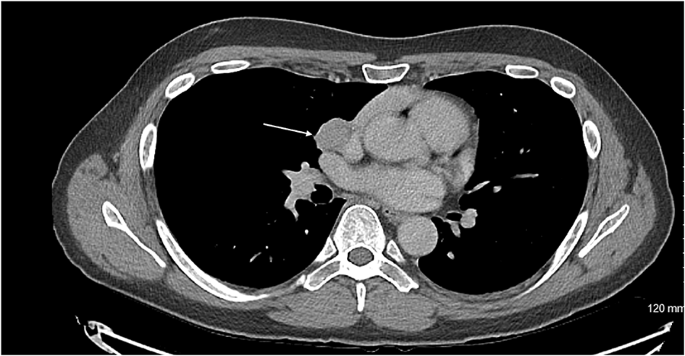
Fig. 1

figure 1

Axial CT showing the carcinoid tumour (demonstrated by arrow) in close proximity to innominate vein
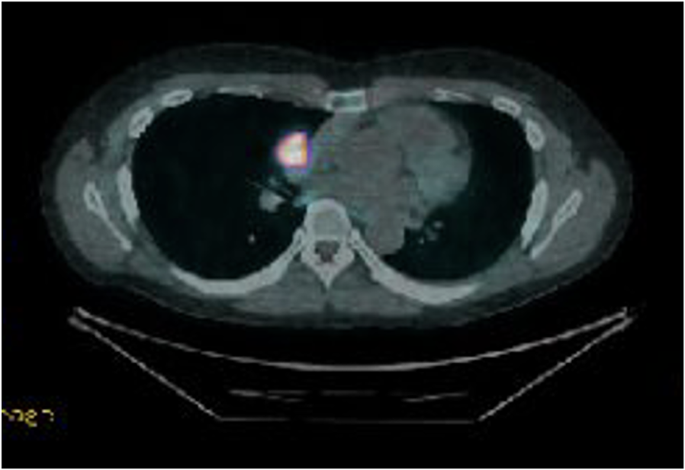
Fig. 2

figure 2

DOTATE PET demonstrating significant uptake in carcinoid tumour
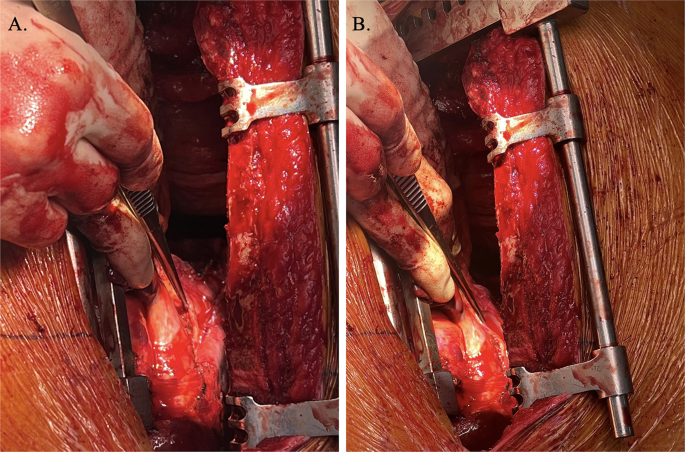
Fig. 3

figure 3

Intraoperative visualisation right phrenic nerve (demonstrated by forceps) overlying carcinoid tumour

Data availability

No datasets were generated or analysed during the current study.

References

  1. Bohnenberger H, Dinter H, König A, Ströbel P. Neuroendocrine Tumors Thymus Mediastinum J Thorac Dis [Internet]. 2017.

  2. Lau J, Ioan Cvasciuc T, Simpson D, C de Jong M, Parameswaran R. Continuing challenges of primary neuroendocrine tumours of the thymus: A concise review. Eur J Surg Oncol [Internet]. 2022.

  3. Chaer R, Massad MG, Evans A, Snow NJ, Geha AS. Primary neuroendocrine tumors of the thymus. Ann Thorac Surg. 2002. https://doi.org/10.1016/S0003-4975(02)03547-6.

    Article PubMed Google Scholar

  4. Isidori AM, Kaltsas GA, Pozza C, Frajese V, Newell-Price J, Reznek RH, et al. The ectopic adrenocorticotropin syndrome: clinical features, diagnosis, management, and long-term follow-up. J Clin Endocrinol Metab. 2006. https://doi.org/10.1210/jc.2005-1542.

    Article PubMed Google Scholar

  5. Ilias I, Torpy DJ, Pacak K, Mullen N, Wesley RA, Nieman LK. Cushing’s syndrome due to ectopic corticotropin secretion: twenty years’ experience at the National Institutes of Health. J Clin Endocrinol Metab. 2005. https://doi.org/10.1210/jc.2004-2527.

    Article PubMed Google Scholar

  6. Daskalakis K, Chatzelis E, Tsoli M, Papadopoulou-Marketou N, Dimitriadis GK, Tsolakis AV et al. Endocrine paraneoplastic syndromes in patients with neuroendocrine neoplasms. Endocrine [Internet]. 2018.

  7. Kamp K, Alwani RA, Korpershoek E, Franssen GJH, de Herder WW, Feelders RA. Prevalence and clinical features of the ectopic ACTH syndrome in patients with gastroenteropancreatic and thoracic neuroendocrine tumors. Eur J Endocrinol [Internet]. 2015.

  8. Midorikawa K, Miyahara S, Nishino N, Ueda Y, Waseda R, Shiraishi T, et al. Analysis of 25 surgical cases of thymic neuroendocrine tumors and thymic carcinoma. J Cardiothorac Surg. 2024. https://doi.org/10.1186/s13019-024-02723-w.

    Article PubMed PubMed Central Google Scholar

  9. Chen Y, Zhang J, Zhou M, Guo C, Li S. Real-world clinicopathological features and outcome of thymic neuroendocrine tumors: a retrospective single-institution analysis. Orphanet J Rare Dis. 2022. https://doi.org/10.1186/s13023-022-02366-x.

    Article PubMed PubMed Central Google Scholar

  10. Filosso PL, Yao X, Ahmad U, Zhan Y, Huang J, Ruffini E, et al. Outcome of primary neuroendocrine tumors of the thymus: a joint analysis of the international thymic malignancy interest group and the European society of thoracic surgeons databases. J Thorac Cardiovasc Surg. 2015. https://doi.org/10.1016/j.jtcvs.2014.08.061.

    Article PubMed Google Scholar

  11. Tiffet O, Nicholson AG, Ladas G, Sheppard MN, Goldstraw P. A clinicopathologic study of 12 neuroendocrine tumors arising in the thymus. Chest [Internet]. 2003.

  12. Bakhos CT, Salami AC, Kaiser LR, Petrov RV, Abbas AE. Thymic neuroendocrine tumors and thymic carcinoma: demographics, treatment, and survival. Innovations: Technology and Techniques in Cardiothoracic and Vascular Surgery. 2020. https://doi.org/10.1177/1556984520949287.

    Article PubMed Google Scholar

  13. Wen J, Chen J, Chen D, Liu D, Xu X, Huang L, et al. Evaluation of the prognostic value of surgery and postoperative radiotherapy for patients with thymic neuroendocrine tumors: a propensity-matched study based on the SEER database. Thorac Cancer. 2018. https://doi.org/10.1111/1759-7714.12868.

    Article PubMed PubMed Central Google Scholar

  14. Busetto A, Comacchio GM, Verzeletti V, Fares Shamshoum, Fortarezza F, Pezzuto F et al. Bilateral metachronous typical and atypical carcinoid tumors of the lung. Thorac Cancer. 2025;16(8).

Download references

Acknowledgements

No acknowledgements.

Funding

This report has not received funding.

Author information

Authors and Affiliations

  1. Department of Thoracic Surgery, Guy’s and St Thomas’ NHS Foundation Trust, London, England, UK

    Puiyee Sophia Chan, Akshay J. Patel, Ishaan Chauhan & Andrea Bille

  2. Institute of Immunology and Immunotherapy, University of Birmingham, Vincent Drive, Edgbaston, B15 2TT, England, UK

    Akshay J. Patel

Contributions

PSC and AJP wrote the main manuscript text and IC and AB prepared Figs. 12 and 3. All authors reviewed the manuscript.

Corresponding author

Correspondence to Akshay J. Patel.

Ethics declarations

Ethics approval and consent to participate

The authors are accountable for all aspects of the work, ensuring that questions related to the accuracy or integrity of any part of the work are appropriately investigated and resolved. All procedures performed in this study were in accordance with the ethical standards of the institutional and/or national research committee(s) and with the Helsinki Declaration (as revised in 2013).

Consent for publication

Written informed consent was obtained from the patients for the publication of this case report and accompanying images. A copy of the written consent is available for review by the editorial office of this journal.

Competing interests

The authors declare no competing interests.

Additional information

Publisher’s note

Springer Nature remains neutral with regard to jurisdictional claims in published maps and institutional affiliations.

Clinical Efficacy and Safety of Fluconazole Treatment in Patients with Cushing’s Syndrome

Abstract

Background:

Ketoconazole is effective for treating Cushing’s syndrome (CS) but its use is limited by the risk of hepatotoxicity. Fluconazole, with similar antifungal properties, is being investigated as a potentially safer alternative for managing CS. This study aims to evaluate the efficacy and safety of fluconazole in patients with CS.

Methods:

This retrospective study evaluated a total of 22 patients with CS, including 12 with Cushing’s disease (CD), 3 with adrenal Cushing’s syndrome (ACS), and 7 with ectopic Adrenocorticotropic hormone (ACTH) syndrome. Fluconazole was administered orally, ranging from 112.5 to 450 mg daily, with the duration varying from 2 weeks to over 5 years. The efficacy of fluconazole was assessed by changes in 24-hour urinary free cortisol (24-h UFC) levels. Additionally, hepatic safety was assessed by monitoring changes in alanine aminotransferase (ALT) levels.

Results:

Following fluconazole treatment, 24-h UFC levels significantly decreased from 717.6 ± 1219.4 to 184.1 ± 171.8 µg/day (p = 0.035). ALT levels showed an increase from 38.5 ± 28.4 to 56.5 ± 47.8 U/L, though this change was not statistically significant (p = 0.090). ALT levels exceeding the upper limit of normal range (ULN) were observed in 12 patients (54.5%), with only 4 patients (18.2%) showing ALT levels more than three times the ULN. Out of 10 patients who received treatment for over 1 year, 5 patients (50.0%) experienced a recurrence, with 24-h UFC levels more than 1.5 times the ULN within 3 to 12 months after fluconazole treatment.

Conclusion:

Fluconazole effectively reduces hypercortisolism in patients with CS without significant liver injury, suggesting it as a viable therapeutic option for CS. While some cases have shown treatment escape, more studies are required to confirm the long-term efficacy.

Introduction

Cushing’s syndrome (CS) is a complex endocrine disorder characterized by excessive cortisol production, leading to complications such as insulin-resistant hyperglycemia, muscle weakness (proximal myopathy), osteoporosis, cardiovascular diseases, and neuropsychiatric disorders.1 The primary causes of CS include pituitary ACTH-secreting tumor (Cushing’s disease (CD), adrenal neoplasm (adrenal Cushing’s syndrome (ACS)), or nonpituitary ACTH-secreting tumor (ectopic ACTH syndrome (EAS)). The most common cause is CD. If left untreated, CS patients face a 3.8 to 5-fold increase in mortality compared to the general population.2,3 The first-line treatment for CS involves surgical removal of the offending tumor(s). In CD cases, transsphenoidal pituitary surgery achieves success rates between 65% and 90% for microadenomas. However, complete resection can be challenging, especially with macroadenomas, leading to recurrence or persistent hypercortisolism in approximately 20%–25% of patients.4 Alternative treatments include pituitary stereotactic radiosurgery, which effectively controls cortisol levels over several years but carries potential adverse effects.5,6 For EAS patients, managing hypercortisolism while awaiting definitive treatments like surgery is critical.7 Bilateral adrenalectomy offers immediate control over cortisol excess but necessitates lifelong steroid replacement therapy, impacting the quality of life.8 In addition, some corticotropic pituitary tumors may progress post-surgery, requiring further targeted interventions.9
However, some patients were not candidates for surgery due to factors such as advanced age, personal preference against surgery, or the absence of a definitive culprit lesion. When surgery fails to fully correct hypercortisolism (i.e., when 24-h UFC levels do not decrease or even progressively rise in the weeks to months following surgery, indicating persistence or relapse), pharmacotherapy can be employed to reduce cortisol overproduction and enhance clinical outcomes.10,11 In addition, it could be administered before surgical intervention to reduce perioperative complications.12,13 Various medications are used in the treatment of CS, including adrenal steroidogenesis inhibitors, dopamine agonists, somatostatin analogs, or glucocorticoid receptor antagonist.4,14
Ketoconazole, an imidazole fungicide and adrenal steroidogenesis inhibitor, has long been off-label used as the first-line medication for patients with CS who cannot undergo surgery or for whom surgery is non-curative. It reduces cortisol synthesis by inhibiting the side-chain cleavage enzymes 11β-hydroxylase and 17,20-lyase.10 Effective doses range from 200 to 1200 mg daily, but gradual dose increases may be necessary due to the potential for escape from cortisol inhibition.10,15 Ketoconazole is extensively metabolized in the liver, leading to an increased risk of hepatotoxicity.16 In 2013, the U.S. Food and Drug Administration (FDA) issued warnings about the potentially life-threatening liver toxicity associated with ketoconazole. As a result, ketoconazole is no longer available in many regions.
Fluconazole, another azole antifungal agent, has been explored as an alternative treatment for CS. It inhibits adrenal steroidogenesis through the CYP450 pathway, and the effects have been confirmed in vitro, using primary cultures of human adrenocortical tissues and two adrenocortical carcinoma cell lines. The effects were mainly observed in enzymes 11β-hydroxylase and 17α-hydroxylase, which are key in cortisol synthesis.17 Another study also demonstrated that fluconazole inhibits glucocorticoid production in vitro in the adrenal adenoma cell line Y-1.18 Case reports have also documented adrenal insufficiency in patients with severe comorbidities treated with fluconazole, suggesting its potential for managing hypercortisolism.19,20 Fluconazole is characterized by its small molecular size and low lipophilicity. It is minimally metabolized, with approximately 80% excreted unchanged in the urine.16 This contributes to its lower incidence of adverse effects, particularly liver injury. In a cohort study estimating the risk of clinical acute liver injury among users of oral antifungals (fluconazole, griseofulvin, itraconazole, ketoconazole, or terbinafine) in the general population from the General Practice Research Database in the United Kingdom, fluconazole was associated with a lower relative risk of acute liver injury compared to other agents.21
Levoketoconazole, the 2S, 4R enantiomer of ketoconazole, provides enhanced enzyme inhibition with greater therapeutic efficacy and fewer side effects compared to ketoconazole.22 The main challenge with using levoketoconazole in the treatment of CS is the limited data from Randomized controlled trials (RCTs). To date, there are only two prospective studies (SONICS and LOGICS) and one systematic review that evaluate the efficacy and safety of levoketoconazole in this context.2325
Given that existing evidence on fluconazole treatment for CS is primarily limited to case reports, this study aims to evaluate the efficacy and safety of fluconazole in the first relatively large cohort of CS patients.

Patients and methods

Patients

This retrospective study analyzed a total of 22 patients with CS, including 12 cases of CD, 3 cases of ACS, and 7 cases of EAS. For patients who presented with Cushingoid appearance, a 1-mg overnight low-dose dexamethasone suppression test (LDDST) was performed. If the result revealed positive (>1.8 mcg/dL), further surveys were arranged. CS was diagnosed based on 24-h UFC levels (>three times the upper limit of normal range (ULN)), and 2-day LDDST (>1.8 mcg/dL). Once the biochemical diagnosis of CS was confirmed, morning plasma ACTH and cortisol levels were measured to differentiate between ACTH-dependent and ACTH-independent CS. Low ACTH levels (<5 pg/dL) accompanied by elevated cortisol concentrations (>15 mcg/dL) indicated an adrenal origin, consistent with ACTH-independent CS. In such cases, a computed tomography or magnetic resonance imaging scan was performed to evaluate for adrenal masses. If ACTH levels were greater than 5 pg/dL, ACTH-dependent CS was suspected. To identify the source of excessive ACTH secretion—either CD or EAS—further diagnostic testing was conducted, including high-dose dexamethasone suppression test (UFC suppresses >90%, or plasma cortisol suppresses > 50% from baseline, CD is most likely), or corticotropin-releasing hormone (CRH) stimulation test, or desmopressin (DDAVP) stimulation test (ACTH increases >50% and plasma cortisol increases >20% suggests CD), or inferior petrosal sinus sampling (central-to-peripheral ACTH ratio ⩾2 or ⩾3 post CRH or DDAVP suggests CD), or pituitary magnetic resonance imaging (pituitary mass >6 mm suggests CD).1,26 If the patient’s condition allowed, one or more of these tests were performed, and the final diagnosis was made based on a comprehensive interpretation of the combined results.

Methods

After the approval of the Institutional Review Board at Taipei Veterans General Hospital (IRB No. 2021-04-003CC), we conducted a retrospective study, which was waived for informed consent at Taipei Veterans General Hospital. Sample size calculations were not conducted because this was a retrospective study. We surveyed patients diagnosed with CS (CD, ACS, or EAS) who received fluconazole treatment at Taipei Veterans General Hospital in Taipei, Taiwan, between January 1st, 2015, and August 31st, 2020. Fluconazole was administered orally at doses ranging from 112.5 to 450 mg daily, with treatment durations ranging from 2 weeks to over 5 years (Fluconazole was not administered for other treatment purposes, such as infection). The inclusion criteria consisted of a confirmed diagnosis of CS (whether newly diagnosed, persistent, or recurrent) and a history of fluconazole treatment for CS. The exclusion criteria included patients who were not regularly followed up after fluconazole treatment or who lacked complete 24-h UFC data both before and after treatment with fluconazole.
The following data before initiation of treatment were collected: age, gender, body mass index (BMI), alcohol consumption, history of diabetes mellitus, history of chronic hepatitis, baseline 24-hour urinary free cortisol (24-h UFC) levels (reference range: 20–80 µg/day, measured by chemiluminescent immunoassay), morning serum cortisol, morning adrenocorticotropic hormone (ACTH) levels (measured by chemiluminescent immunoassay), and liver function index (alanine aminotransferase (ALT)). In addition, the history of surgery for pituitary tumor or ectopic lesion resection, as well as any other medical treatments apart from fluconazole, was recorded.
24-Hour UFC levels were monitored every 1 to 3 months after initiating fluconazole treatment. The average values from two 24-h UFC measurements (first and second data points within the first 4 months) were used to assess treatment efficacy. For the evaluation of hepatic safety, the maximum ALT level recorded within 6 months after starting fluconazole treatment was compared to the baseline ALT. In this study, we defined ALT levels exceeding three times the ULN as noteworthy liver injury.

Statistical analysis

Data are presented as mean ± standard deviation (SD) or as numbers (percentage), as appropriate. Due to the small sample sizes in some groups and the non-normal distribution of several variables, nonparametric statistical methods were employed to analyze the relationships between variables. Differences between groups were analyzed using the Pearson Chi-squared test, Student’s t-test, or one-way analysis of variance (ANOVA), as appropriate. A p-value less than 0.05 from the ANOVA was considered statistically significant, indicating that at least one group differed significantly from the others. All statistical analyses were performed using the SPSS software package (version 26; IBM Corporation, Armonk, NY, USA).

Results

The baseline characteristics of the patients are summarized in Table 1. No significant differences were found among the etiologies of CS in terms of age, gender, or history of diabetes (p = 0.271, p = 0.253, and p = 0.667, respectively). Cortisol (8AM), ACTH (8AM), and 24-h UFC levels were significantly higher in the EAS group (p = 0.041, p = 0.005, and p = 0.043, respectively) at diagnosis. BMI was significantly lower in the EAS group compared to the other groups (p = 0.002). Alcohol consumption and history of chronic hepatitis, both common causes of liver injury in Taiwan, showed no significant differences among the groups (p = 0.325 and p = 0.765, respectively). Regarding surgical history, eight patients (66.7%) in the CD group had undergone pituitary surgery, while no patients in the ACS group had a history of surgery. In the EAS group, two patients (28.6%) had undergone surgery: one had an anterior mediastinal tumor removal and left upper lung wedge resection, and the other had a suprasellar tumor resection (p = 0.064).
Open in Viewer

Table 1. The baseline characteristics of patients with Cushing’s syndrome.
Characteristics All (n = 22) CD (n = 12) ACS (n = 3) EAS (n = 7) p-Value*
Age (years) 54.5 ± 15.5 49.8 ± 15.3 56.0 ± 12.5 61.9 ± 15.9 0.271
Female, n (%) 17 (77.3) 10 (83.3) 3 (100) 4 (57.1) 0.253
Body mass index (kg/m2) 25.1 ± 4.3 27.4 ± 2.8 27.2 ± 1.3 21.0 ± 3.8 0.002
Cortisol (8AM) (µg/dL) 26.7 ± 18.7 21.5 ± 8.6 14.0 ± 4.0 40.3 ± 26.1 0.041
ACTH (8AM) (pg/mL) 151.9 ± 172.1 98.0 ± 63.1 6.4 ± 0.9 306.5 ± 228.3 0.005
24-h UFC (µg/day) 760.5 ± 1387.8 277.9 ± 125.6 107.6 ± 78.2 1891.2 ± 2155.7 0.043
Alcohol consumption, n (%)a 1 (4.5) 0 (0.0) 0 (0.0) 1 (14.3) 0.325
History of diabetes, n (%) 11 (50.0) 5 (41.7) 2 (66.7) 4 (57.1) 0.667
History of chronic hepatitis, n (%) 2 (9.1) 1 (8.3) 0 (0.0) 1 (14.3) 0.765
Surgery history, n (%)b 10 (45.5) 8 (66.7) 0 (0.0) 2 (28.6) 0.064
Using other medication, n (%) 10 (45.5) 4 (33.3) 0 (0.0) 6 (85.7) 0.020
 Etomidate, n (%) 8 (36.4) 3 (25.0) 0 (0.0) 5 (71.4) 0.047
 Metyrapone, n (%) 1 (4.5) 0 (0.0) 0 (0.0) 1 (14.3) 0.325
 Pasireotide, n (%) 1 (4.5) 1 (8.3) 0 (0.0) 0 (0.0) 0.646
Data are expressed as mean ± SD or number (percentage). 24-h UFC (reference range: 20–80 µg/day)
a
Alcohol consumption was defined as men consume more than two alcoholic equivalents per day, while women consume more than one alcoholic equivalent, with one alcoholic equivalent being 10 g of alcohol.
b
Surgery for pituitary tumor or ectopic lesions.
*
p-Value <0.05 from ANOVA, indicating at least one group differed significantly from the others.
24-h UFC, 24-hour urinary free cortisol; ACS, adrenal Cushing’s syndrome; ACTH, adrenocorticotropic hormone; CD, Cushing’s disease; EAS, ectopic ACTH syndrome; SD, standard deviation.
During fluconazole treatment, significant differences were observed among the three groups concerning the use of additional medications (p = 0.020). In the CD group, three patients (25%) received etomidate and one patient (8.3%) received pasireotide. No patients in the ACS group received other medications. In the EAS group, five patients (71.4%) received etomidate, and one patient (14.3%) received metyrapone. For patients treated with etomidate, the duration was limited to a few days before switching to fluconazole. One patient received concomitant therapy with pasireotide and fluconazole.
Table 2 presents the laboratory results for hormonal parameters and ALT levels before and after fluconazole treatment. Prior to treatment, there were no statistically significant differences among the three groups in terms of serum cortisol (8AM), ACTH (8AM), 24-h UFC, and ALT levels (p = 0.739, p = 0.239, p = 0.157, and p = 0.738, respectively).
Open in Viewer

Table 2. The laboratory exams of hormonal parameters and ALT before and after fluconazole treatment.
Variable All (n = 22) CD (n = 12) ACS (n = 3) EAS (n = 7) p-Value
Cortisol (8AM) before fluconazole (µg/dL) 18.3 ± 10.8 17.8 ± 11.6 14.8 ± 3.4 20.6 ± 12.1 0.739
ACTH (8AM) before fluconazole (pg/mL) 104.5 ± 122.2 101.9 ± 64.7 6.4 ± 0.9 150.7 ± 188.4 0.239
ACTH (8AM) after fluconazole treatment (pg/mL)a 75.7 ± 87.0 65.7 ± 44.3 6.8 ± 1.4 122.4 ± 133.4 0.020
24-h UFC before fluconazole (µg/day) 717.6 ± 1219.4 443.1 ± 391.5 139.2 ± 95.7 1436.0 ± 2000.0 0.157
24-h UFC after fluconazole (µg/day)b 184.1 ± 171.8 132.0 ± 117.3 53.3 ± 30.8 321.9 ± 198.8 0.017
Decline percentage (%) of 24-h UFC after fluconazole 39.2% ± 48.2% 50.2% ± 37.4% 55.8% ± 27.3% 13.1% ± 64.4% 0.228
Normalization of 24-h UFC after fluconazole, n (%) 6 (27.3) 4 (33.3) 2 (66.7) 0 (0.0) 0.074
24-h UFC <1.5× ULN after fluconazole, n (%) 10 (45.5) 6 (50.0) 3 (100.0) 1 (14.3) 0.040
ALT before fluconazole (U/L) 38.5 ± 28.4 42.4 ± 32.6 38.0 ± 14.1 30.8 ± 24.2 0.738
ALT after fluconazole (U/L)c 56.5 ± 47.8 76.7 ± 54.3 28.7 ± 12.7 28.8 ± 13.6 0.091
ALT >ULN after fluconazole, n (%)c 12 (54.5) 8 (66.7) 2 (66.7) 2 (28.6) 0.247
ALT >3× ULN after fluconazole, n (%)c 4 (18.2) 4 (33.3) 0 (0.0) 0 (0.0) 0.130
Data are expressed as mean ± SD or number (percentage). ALT (reference range: male: <41 U/L; female: <33 U/L). 24-h UFC (reference range: 20–80 µg/day).
a
The average of first and second ACTH after fluconazole treatment.
b
The average of first and second 24-h UFC after fluconazole treatment.
c
ALT: maximum in following 6 months.
1.
5×, 1.5 times upper limit of normal range; 3×, 3 times upper limit of normal range; 24-h UFC, 24-hour urinary free cortisol; ACS, adrenal Cushing’s syndrome; ACTH, adrenocorticotropic hormone; ALT, alanine aminotransferase; CD, Cushing’s disease; EAS, ectopic ACTH syndrome; ULN, upper limit of normal range.
Twenty-four-hour UFC levels after fluconazole treatment were monitored over the following months. The average values of the first and second 24-h UFC measurements showed significant declines compared to baseline levels as: decreased from 717.6 ± 1219.4 to 184.1 ± 171.8 µg/day in all patients (p = 0.035), decreased form 443.1 ± 391.5 to 132.0 ± 117.3 µg/day in the CD group (p = 0.009), decreased from 139.2 ± 95.7 to 53.3 ± 30.8 µg/day in the ACS group (p = 0.243), and decreased from 1436.0 ± 2000.0 to 321.9 ± 198.8 µg/day in the EAS group (p = 0.147). The percentage decline in 24-h UFC levels following treatment demonstrated a significant reduction as follows: 39.2% ± 48.2% in all patients, 50.2% ± 37.4% in the CD group, 55.8% ± 27.3% in the ACS group, and 13.1% ± 64.4% in the EAS group (p = 0.228) (Table 2 and Figure 1 illustrate these changes).
Open in Viewer

Figure 1. 24-h UFC before and after fluconazole treatment in patients with Cushing’s syndrome.
24-h UFC, 24-hour urinary free cortisol; ACS, adrenal Cushing’s syndrome; CD, Cushing’s disease; EAS, ectopic ACTH syndrome.
Normalization of 24-h UFC levels (reference range 20–80 μg/day) was observed in six patients (27.3%) across three groups: four patients (33.3%) in the CD group, two patients (66.7%) in the ACS group, and no patients in the EAS group (p = 0.074). Additionally, 10 cases (45.5%) across 3 groups, 6 cases (50%) in the CD group, 3 cases (100%) in the ACS group, and 1 case (14.3%) in the EAS group showed 24-h UFC less than 1.5 times the ULN (p = 0.040). In this study, 10 patients (45.5%) received fluconazole treatment for more than 1 year. Among these, five patients (50.0%) experienced a recurrence of hypercortisolism, with 24-h UFC levels exceeding 1.5 times the ULN within 3–12 months after treatment with fluconazole.
For hepatic safety assessment, the maximum ALT levels within 6 months of fluconazole treatment were analyzed and are presented in Table 2. Compared to baseline levels, ALT increased from 38.5 ± 28.4 to 56.5 ± 47.8 U/L in all patients (p = 0.090), and increased from 42.4 ± 32.6 to 76.7 ± 54.3 U/L in the CD group (p = 0.047). (Table 2 and Figure 2 illustrate these changes). After fluconazole treatment, 12 cases (54.5%) of all patients, 8 cases (66.7%) in the CD group, 2 cases (66.7%) in the ACS group, and 2 cases (28.6%) in the EAS group revealed ALT levels exceeded the ULN (p = 0.247). Additionally, 4 cases (18.2%) of all patients, 4 cases (33.3%) in the CD group, and no cases in the ACS and EAS groups revealed ALT levels more than three times the ULN (p = 0.130).
Open in Viewer

Figure 2. ALT before and after fluconazole treatment in patients with Cushing’s syndrome.
ACS, adrenal Cushing’s syndrome; ALT, Alanine aminotransferase; CD, Cushing’s disease; EAS, ectopic ACTH syndrome.

Discussion

To date, our study is the largest retrospective analysis providing the evaluation of the clinical efficacy and safety of fluconazole treatment in patients with CS. The major findings demonstrated that 24-h UFC levels significantly decreased across all groups after fluconazole treatment, with more than 50% reduction in both the CD and ACS groups. However, the EAS group showed only a 13.1% decline in 24-h UFC levels, although with a large interval (SD 64.4%) and small case numbers in this group, indicating greater variability in response and heterogeneity in this group. Regarding hepatic safety, while ALT levels increased after fluconazole treatment, particularly in the CD group, the changes were not statistically significant in other groups. The significant increase in ALT levels (42.4 ± 32.6 to 76.7 ± 54.3 U/L) in the CD group, but mild—less than two times ULN, may also be related to the high variability (large SD). Importantly, there was no severe hepatotoxicity in the study, because only four patients (18.2%) revealed ALT levels more than three times the ULN.
Fluconazole can be administered either intravenously or orally. Several case reports highlight its effectiveness and safety: Teng Chai et al. reported successful long-term treatment of recurrent CD in a 50-year-old woman using fluconazole with cabergoline, resulting in significant clinical and biochemical improvement without adverse effects.27 Zhao et al. reported that fluconazole normalized cortisol levels pre-surgery in a 48-year-old woman with CD and pulmonary cryptococcal infection.28 In another case, fluconazole with low-dose metyrapone normalized cortisol levels for 6 months in a 61-year-old woman with recurrent CD prior to radiotherapy.29 Riedl et al. demonstrated fluconazole’s efficacy and safety in an 83-year-old woman with CS from adrenocortical carcinoma.18 Canteros et al. reported effective cortisol reduction with mild side effects from fluconazole in a 39-year-old woman with EAS, enabling successful bilateral adrenalectomy.30 An 80-year-old woman with CS of unknown origin also showed effective cortisol control with fluconazole.31 Two of these six cases suffered from hepatic dysfunction at fluconazole doses over 400 mg/day; however, liver enzyme levels returned to normal after dosage reduction. A secondary analysis of a dose-adjustment trial for fluconazole in the treatment of invasive mycoses examined 85 patients who received prolonged high-dose treatment. For these cases, 27% experienced clinical symptoms, and 42% exhibited abnormal laboratory results. The common side effects were <5% of anorexia, hair loss, headache, and 12% of eosinophilia. However, these adverse effects did not progress, leading the study to conclude that fluconazole is well tolerated and generally safe.32
Ketoconazole has been used to treat hypercortisolism by inhibiting CYP450 enzymes, specifically 11β-hydroxylase and 17α-hydroxylase, and fluconazole has similar properties.17 Previous studies suggest that fluconazole is less potent in inhibiting glucocorticoid production compared to ketoconazole, with varying effects; however, cortisol reduction with fluconazole use has been confirmed.17,18 Unlike ketoconazole, which is extensively metabolized in the liver and associated with significant hepatotoxicity, fluconazole is minimally metabolized in the liver.16 According to the FDA, the risk of serious liver injury from ketoconazole is higher than with other azole agents.33 In our study of 22 patients, fluconazole was well tolerated, with no significant elevations in liver enzyme levels observed during 6 months of treatment. These findings suggest that fluconazole may represent a safer alternative to ketoconazole for the treatment of CS.
In five studies involving 310 patients with CS treated with an average dose of 673.9 mg/day of ketoconazole over an average of 12.6 months, normalization of urinary free cortisol was achieved in 64.3% of patients (median 50%, range 44.7%–92.9%). However, 23% of initially responsive patients eventually lost biochemical control.34 Another retrospective study of 200 patients with CD receiving ketoconazole at an average dose of 600 mg/day found that 64.7% of patients treated for over 2 years achieved UFC normalization, while 15.4% experienced recurrence, or “escape,” from cortisol control.15 In our study, 10 patients (45.5%) received fluconazole treatment for over 1 year, with 5 of these patients (50%) showing 24-h UFC levels not exceeding 1.5 times the ULN in the following 3–12 months (under control without escape). The long-term control of hypercortisolism with fluconazole appears to be less effective than with ketoconazole. However, this could be attributed to the small sample size in our study.
Table 1 shows baseline morning ACTH levels at diagnosis for all patients before any treatment, highlighting a statistically significant difference. In comparison, Table 2 presents morning ACTH levels prior to fluconazole treatment, where no statistical difference was observed. This is likely due to some patients in the CD and EAS groups having previously undergone surgery or received other medical treatments, which might reduce the tumor burden and the levels of ACTH.
Recent studies suggest that levoketoconazole demonstrates good efficacy and safety in the management of CS.2325 However, no head-to-head trials have been conducted to compare ketoconazole, levoketoconazole, and fluconazole directly. Therefore, further clinical trials are warranted to provide clearer insights into the comparative efficacy and safety of these therapeutic options in CS.
The limitations of this study include its retrospective design, which lacked comparator groups, and the small sample sizes in the ACS and EAS groups. In addition, patients were treated by different physicians, each using their own clinical judgment, without standardized follow-up protocols, making some data difficult to collect and analyze. The heterogeneity in dosing regimens also posed challenges in assessing the dose-response relationship. Besides, the relationship between the timing and dosages of other medications (etomidate, pasireotide, and metyrapone) and their effects on laboratory findings is challenging to analyze due to the limited number of cases. There were no statistically significant differences in ACTH level changes before and after fluconazole treatment among the three groups. This may be a limitation, as we only monitored the first and second ACTH measurements following fluconazole treatment. Further investigations with longer monitoring of ACTH levels may be necessary. The study’s observation period was approximately 5.5 years, but further investigation is required to confirm the long-term efficacy and safety of fluconazole treatment in CS.

Conclusion

This study demonstrates that fluconazole is effective in treating patients with CS, as evidenced by a significant reduction in 24-h UFC levels. Moreover, fluconazole was generally well tolerated, with a minimal risk of liver injury, suggesting it may be an effective and safe option for managing hypercortisolism in CS.

Acknowledgments

The authors thank the Medical Sciences & Technology Building of Taipei Veterans General Hospital for providing experimental space and facilities.

ORCID iD

Footnotes

Ethics approval and consent to participate This study was approved by the Institutional Review Board at Taipei Veterans General Hospital (IRB No. 2021-04-003CC). Due to the retrospective nature of this study, informed patient consent was waived.

Consent for publication Not applicable.

Author contributions

Tang-Yi Liao: Data curation; Formal analysis; Writing – original draft.
Yi-Chun Lin: Data curation; Writing – review & editing.
Chun-Jui Huang: Data curation; Writing – review & editing.
Chii-Min Hwu: Conceptualization; Data curation.
Liang-Yu Lin: Conceptualization; Data curation; Funding acquisition; Investigation; Methodology; Writing – review & editing.
Funding The authors disclosed receipt of the following financial support for the research, authorship, and/or publication of this article: This study was partly supported by research grants (Grant Nos. V108C-197, V109C-179, V110C-198, V111D62-002-MY3, V112C-183, V113C-094, V114C-116, and V114D77-002-MY3-1) to L.Y.L. from Taipei Veterans General Hospital, Taipei, Taiwan and MOST 111-2314-B-075-040-MY2 to L.Y.L. from National Science and Technology Council, Taiwan. The funders had no role in study design, data collection and analysis, decision to publish, or preparation of the manuscript.

Competing interests The authors declare that there is no conflict of interest.

Availability of data and materials The data and materials generated and analyzed in the study are available from the corresponding author on reasonable request.

References

1. Nieman LK, Biller BM, Findling JW, et al. The diagnosis of Cushing’s syndrome: an Endocrine Society Clinical Practice Guideline. J Clin Endocrinol Metab 2008; 93(5): 1526–1540.
2. Clayton RN, Raskauskiene D, Reulen RC, et al. Mortality and morbidity in Cushing’s disease over 50 years in Stoke-on-Trent, UK: audit and meta-analysis of literature. J Clin Endocrinol Metab 2011; 96(3): 632–642.
3. Lindholm J, Juul S, Jørgensen JO, et al. Incidence and late prognosis of Cushing’s syndrome: a population-based study. J Clin Endocrinol Metab 2001; 86(1): 117–123.
4. Biller BM, Grossman AB, Stewart PM, et al. Treatment of adrenocorticotropin-dependent Cushing’s syndrome: a consensus statement. J Clin Endocrinol Metab 2008; 93(7): 2454–2462.
5. Castinetti F, Nagai M, Morange I, et al. Long-term results of stereotactic radiosurgery in secretory pituitary adenomas. J Clin Endocrinol Metab 2009; 94(9): 3400–3407.
6. Loeffler JS, Shih HA. Radiation therapy in the management of pituitary adenomas. J Clin Endocrinol Metab 2011; 96(7): 1992–2003.
7. Porterfield JR, Thompson GB, Young WF Jr, et al. Surgery for Cushing’s syndrome: an historical review and recent ten-year experience. World J Surg 2008; 32(5): 659–677.
8. Findling JW, Raff H. Cushing’s Syndrome: important issues in diagnosis and management. J Clin Endocrinol Metab 2006; 91(10): 3746–3753.
9. Assié G, Bahurel H, Coste J, et al. Corticotroph tumor progression after adrenalectomy in Cushing’s disease: a reappraisal of Nelson’s Syndrome. J Clin Endocrinol Metab 2007; 92(1): 172–179.
10. Schteingart DE. Drugs in the medical treatment of Cushing’s syndrome. Expert Opin Emerg Drugs 2009; 14(4): 661–671.
11. Nieman LK. Medical therapy of Cushing’s disease. Pituitary 2002; 5(2): 77–82.
12. Valassi E, Franz H, Brue T, et al. Preoperative medical treatment in Cushing’s syndrome: frequency of use and its impact on postoperative assessment: data from ERCUSYN. Eur J Endocrinol 2018; 178(4): 399–409.
13. Varlamov EV, Vila G, Fleseriu M. Perioperative management of a patient with Cushing Disease. J Endocr Soc 2022; 6(3): bvac010.
14. Pivonello R, De Martino MC, De Leo M, et al. Cushing’s syndrome. Endocrinol Metab Clin North Am 2008; 37(1): 135–ix.
15. Castinetti F, Guignat L, Giraud P, et al. Ketoconazole in Cushing’s disease: is it worth a try? J Clin Endocrinol Metab 2014; 99(5): 1623–1630.
16. Como JA, Dismukes WE. Oral azole drugs as systemic antifungal therapy. N Engl J Med 1994; 330(4): 263–272.
17. van der Pas R, Hofland LJ, Hofland J, et al. Fluconazole inhibits human adrenocortical steroidogenesis in vitro. J Endocrinol 2012; 215(3): 403–412.
18. Riedl M, Maier C, Zettinig G, et al. Long term control of hypercortisolism with fluconazole: case report and in vitro studies. Eur J Endocrinol 2006; 154(4): 519–524.
19. Albert SG, DeLeon MJ, Silverberg AB. Possible association between high-dose fluconazole and adrenal insufficiency in critically ill patients. Crit Care Med 2001; 29(3): 668–670.
20. Santhana Krishnan SG, Cobbs RK. Reversible acute adrenal insufficiency caused by fluconazole in a critically ill patient. Postgrad Med J 2006; 82(971): e23.
21. García Rodríguez LA, Duque A, Castellsague J, et al. A cohort study on the risk of acute liver injury among users of ketoconazole and other antifungal drugs. Br J Clin Pharmacol 1999; 48(6): 847–852.
22. Creemers SG, Feelders RA, De Jong FH, et al. Levoketoconazole, the 2S,4R enantiomer of ketoconazole, a new steroidogenesis inhibitor for Cushing’s syndrome treatment. J Clin Endocrinol Metabol 2021; 106: 1618–1630.
23. Fleseriu M, Pivonello R, Elenkova A, et al. Efficacy and safety of levoketoconazole in the treatment of endogenous Cushing’s syndrome (SONICS): a phase 3, multicentre, open-label, single-arm trial. Lancet Diabet Endocrinol 2019; 7: 855–865.
24. Pivonello R, Zacharieva S, Elenkova A, et al. Levoketoconazole in the treatment of patients with endogenous Cushing’s syndrome: a double-blind, placebo-controlled, randomized withdrawal study (LOGICS). Pituitary 2022; 25: 911–926.
25. Patra S, Dutta D, Nagendra L, et al. Efficacy and safety of levoketoconazole in managing Cushing’s syndrome: a systematic review. Indian J Endocr Metab 2024; 28: 343–349.
26. Sharma ST; AACE Adrenal Scientific Committee. An individualized approach to the evaluation of Cushing Syndrome. Endocr Pract 2017; 23(6): 726–737.
27. Teng Chai S, Haydar Ali Tajuddin A, Wahab NA, et al. Fluconazole as a safe and effective alternative to ketoconazole in controlling hypercortisolism of recurrent Cushing’s disease: a case report. Int J Endocrinol Metab 2018; 16(3): e65233.
28. Zhao Y, Liang W, Cai F, et al. Fluconazole for hypercortisolism in Cushing’s disease: a case report and literature review. Front Endocrinol (Lausanne) 2020; 11: 608886.
29. Burns K, Christie-David D, Gunton JE. Fluconazole in the treatment of Cushing’s disease. Endocrinol Diabetes Metab Case Rep 2016; 2016: 150115.
30. Canteros TM, De Miguel V, Fainstein-Day P. Fluconazole treatment in severe ectopic Cushing syndrome. Endocrinol Diabetes Metab Case Rep 2019; 2019(1): 19-0020.
31. Schwetz V, Aberer F, Stiegler C, et al. Fluconazole and acetazolamide in the treatment of ectopic Cushing’s syndrome with severe metabolic alkalosis. Endocrinol Diabetes Metab Case Rep 2015; 2015:1 50027.
32. Stevens DA, Diaz M, Negroni R, et al. Safety evaluation of chronic fluconazole therapy. Fluconazole Pan-American Study Group. Chemotherapy 1997;43(5):371–377.
33. Greenblatt HK, Greenblatt DJ. Liver injury associated with ketoconazole: review of the published evidence. J Clin Pharmacol 2014; 54(12): 1321–1329.
34. Pivonello R, De Leo M, Cozzolino A, et al. The treatment of Cushing’s disease. Endocr Rev 2015; 36(4): 385–486.

Secondary Adrenal Insufficiency and Iatrogenic Cushing’s Syndrome in a 13-Year-Old Male With Vogt-Koyanagi-Harada Disease

ABSTRACT

Vogt-Koyanagi-Harada disease (VKH) is a rare autoimmune disorder, especially in children, requiring long-term corticosteroids. We report a 13-year-old male with VKH who developed iatrogenic Cushing’s syndrome and secondary adrenal insufficiency after prolonged prednisone treatment. Despite adding mycophenolate mofetil, tapering failed due to relapses. He showed weight gain, growth delay, striae, and suppressed cortisol and adrenocorticotropic hormone, confirming hypothalamic-pituitary-adrenal axis suppression. Hydrocortisone was given for stress coverage. A relapse followed steroid discontinuation. This case highlights the risk of endocrine complications in pediatric VKH and emphasizes the importance of early hormonal evaluation and individualized tapering during chronic steroid therapy.

KEYWORDS

Vogt-Koyanagi-syndrome
Cushing syndrome
Adrenal insufficiency
Pediatrics

INTRODUCTION

Vogt-Koyanagi-Harada disease (VKH) is a rare autoimmune disorder that can significantly affect the eyes, skin, and central nervous system (Stern & Nataneli, 2025). Among the various forms of autoimmune uveitis, VKH is particularly notable for its broad clinical spectrum, encompassing ocular, neurologic, and cutaneous manifestations (Herbort & Mochizuki, 2007). In pediatric patients, age-specific considerations become paramount, as prolonged corticosteroid therapy is frequently required to control inflammation but can result in serious endocrine complications. One such complication is iatrogenic Cushing’s syndrome (ICS), which may predispose to secondary adrenal insufficiency (SAI), especially when steroid withdrawal is abrupt or inadequately tapered (Improda et al., 2024Prete & Bancos, 2021). Despite increasing recognition of pediatric VKH, endocrine consequences of its treatment remain underreported.
We present the case of a 13-year-old male with VKH who displayed overt signs of hypercortisolism and biochemical evidence of adrenal suppression after discontinuing corticosteroids, underscoring the importance of vigilant monitoring and a carefully structured tapering protocol in pediatric patients requiring long-term steroid therapy. Given that many pediatric patients with VKH and steroid-related complications are managed not only by pediatric endocrinologists but also by pediatric providers, including nurse practitioners, this case highlights aspects relevant to a broad clinical audience.

CASE PRESENTATION

A 13-year-old male with a known history of VKH was referred to our clinic for growth and pubertal assessment following significant weight gain and clinical features suggestive of ICS. His perinatal period was uneventful; he was born at term via cesarean section for maternal indications (bicornuate uterus), with a birth weight of 2980 g and a length of 49 cm. Family history was notable for celiac disease in the mother, mixed hypercholesterolemia in the father, vitiligo in the maternal grandfather, and autoimmune diseases (Sjögren’s syndrome and multiple sclerosis) in second-degree maternal relatives.
The patient first presented, at age 11 years and 11 months, with redness, pain, and photophobia of the right eye [Figure 1]. Initial ophthalmological examination revealed panuveitis, with signs of posterior synechiae and optic disc edema. Fluorescein and indocyanine green angiography confirmed bilateral granulomatous involvement. Systemic workup excluded other infectious and autoimmune causes of uveitis. Neurological imaging revealed a non-specific thalamic lesion, classified as a radiological isolated syndrome, with no clinical neurological deficits.
FIGURE 1

  1. Download: Download high-res image (311KB)
  2. Download: Download full-size image

FIGURE 1. Timeline of notable events. Timeline summarizing key events including clinical course, treatments, and relapses.

Abbreviations: ACTH, adrenocorticotropic hormone; VKH, Vogt-Koyanagi-Harada disease.
Oral prednisone (25 mg/day) was initiated, along with topical ocular corticosteroids, leading to clinical improvement. The first tapering and discontinuation of prednisone occurred after seven months of therapy. Three months later, a clinical relapse occurred, requiring re-initiation of prednisone and subsequent addition of mycophenolate mofetil as a steroid-sparing agent. Prednisone was then tapered and discontinued again after another seven months of treatment. Over the course of therapy, the patient gained approximately 15 kg and developed progressive cushingoid features [Table 1].

TABLE 1. Clinical and biochemical features of ICS and SAI in the patient

Empty Cell Clinical Findings Interpretation
Growth and development Height: 143.5 cm (3rd percentile); mid-parental height: 171 ± 8 cm Growth deceleration likely related to chronic glucocorticoid exposure and ICS
Weight and body composition Weight: 53.3 kg (75th–90th percentile); BMI: 25.8 kg/m²; central obesity Suggestive of glucocorticoid-induced lipogenesis and altered fat distribution
Skin and soft tissue Striae rubrae on flanks; mild dorsal fat pad (“buffalo hump”) Classic phenotypic features of ICS
Pubertal status Tanner stage I; testicular volume 5–6 mL; pubic hair stage I Early puberty with preserved testicular volume; no signs of delayed or precocious puberty
HPA axis function Cortisol: 0.5 → 9.9 → 3.1 µg/dL; ACTH: 7–23 pg/mL Suppressed HPA axis consistent with SAI
Glucose metabolism HbA1c: 5.9%; fasting glucose: 72 mg/dL; insulin: 16.9 mcU/mL Normal glucose metabolism; mild hyperinsulinemia possibly due to steroid exposure
Thyroid function TSH: 2.32 µU/mL; free T4: 1.59 ng/dL Euthyroid; no evidence of central or primary thyroid dysfunction
Neurologic imaging Right thalamic signal abnormality; stable; no neurological deficits No CNS involvement of VKH; imaging excluded alternative diagnoses
Family history Autoimmune conditions in maternal relatives; vitiligo in grandfather Suggests genetic predisposition to autoimmune diseases; relevant to VKH etiology
Therapeutic course Initial improvement with prednisone; relapses on tapering; mycophenolate added; steroids reintroduced Demonstrates difficulty in achieving steroid-free remission and the need for steroid-sparing agents
Abbreviations: ACTH, adrenocorticotropic hormone; BMI, body mass index; CNS, central nervous system; HPA, hypothalamic-pituitary-adrenal; ICS, iatrogenic Cushing’s syndrome; SAI, secondary adrenal insufficiency; TSH, thyroid-stimulating hormone; VKH, Vogt-Koyanagi-Harada disease.
Summary of patient’s clinical signs and biochemical parameters during corticosteroid therapy, including features of ICS and evidence of SAI.
Laboratory testing during steroid tapering attempts revealed HbA1c of 5.9% (41 mmol/mol), fasting glucose of 72 mg/dL, and insulin of 16.9 mcU/mL; morning serum cortisol was markedly reduced (0.5 mcg/dL; ref. 2.4–22.9), raising concerns for SAI. Gonadotropins (follicle-stimulating hormone 4.3 mcU/mL, luteinizing hormone 1.1 mcU/mL) and testosterone (0.03 ng/mL) were consistent with early puberty. Thyroid function (thyroid-stimulating hormone 2.32 mcU/mL, free thyroxine 1.59 ng/dL) and celiac serology were normal. Brain magnetic resonance imaging confirmed a stable right thalamic signal abnormality and minor asymmetry of cerebral arteries, in line with prior findings; cardiac and abdominal ultrasounds were unremarkable.
When first evaluated in our endocrinology clinic (at age 13 years and 6 months), the patient’s height was 143.5 cm (3rd percentile; mid-parental height target: 171 ± 8 cm), and his weight was 53.3 kg (75th–90th percentile), corresponding to a body mass index of 25.8 kg/m². He exhibited central obesity, striae rubrae on the flanks, and a mild dorsal hump. Genital examination showed bilateral testicular volumes of 5–6 mL and pubic hair at Tanner stage I, compatible with early puberty. The remainder of the physical exam was unremarkable.
In light of clinical and biochemical evidence of hypothalamic-pituitary-adrenal (HPA) axis suppression, further hormonal testing was performed. Serum cortisol had partially recovered (9.9 mcg/dL; ref. 2.7–18.4) with adrenocorticotropic hormone (ACTH) at 23.1 pg/mL (ref. 7.3–63.3). Hydrocortisone was prescribed for use during stressful events. However, two months after prednisone discontinuation, at age 13 years and 8 months, a clinical relapse of VKH occurred, requiring escalation of mycophenolate mofetil and re-initiation of prednisone therapy.
The patient currently remains under combined rheumatologic, ophthalmologic, and endocrinologic management. Steroids have been successfully tapered and discontinued, but signs of chronic adrenal suppression and cushingoid features persist. Mycophenolate mofetil is ongoing as maintenance immunosuppression, and adrenal function is being closely monitored.

DISCUSSION

VKH is a rare granulomatous autoimmune condition targeting melanocyte-containing tissues, including the uveal tract, meninges, inner ear, and skin. While more frequently diagnosed in adults, pediatric-onset VKH is increasingly recognized and often presents with bilateral panuveitis, optic disc edema, serous retinal detachments, and systemic manifestations such as meningismus, tinnitus, hearing loss, vitiligo, and poliosis (Abu El-Asrar et al., 2021Reiff, 2020). Early and aggressive immunosuppression is essential to prevent chronic recurrent uveitis and progressive vision loss (Abu El-Asrar et al., 2008).
Systemic corticosteroid therapy—using high-dose oral prednisone or intravenous pulse methylprednisolone—is the first-line treatment for pediatric VKH, and is effective in rapidly controlling intraocular inflammation and achieving favorable visual outcomes when initiated early (Leal et al., 2024Reiff, 2020). Gradual tapering of corticosteroids over at least six months is critical to minimize recurrence and prevent chronic disease evolution (Ei Ei Lin Oo et al., 2020Wang et al., 2023). Rapid tapering is associated with higher rates of relapse and chronicity. Nonetheless, corticosteroid monotherapy is often insufficient to prevent long-term recurrence and chronic complications in pediatric VKH (Abu El-Asrar et al., 2021Park et al., 2022Sakata et al., 2015). Early addition of immunosuppressive agents—such as mycophenolate mofetil or methotrexate—within three months of disease onset improves long-term control, reduces the risk of chronic recurrent uveitis, and enhances visual outcomes (Ei Ei Lin Oo et al., 2020Park et al., 2022). Long-term remission rates are higher when immunosuppressive therapy is maintained for several years with sustained inflammation control (Wang et al., 2023).
Children are especially vulnerable to the adverse effects of prolonged corticosteroid exposure, including growth failure, pubertal delay, obesity, insulin resistance, ICS, and suppression of the HPA axis with subsequent SAI (Bornstein et al., 2016Messazos & Zacharin, 2016Santos-Oliveira et al., 2025). ICS results from chronic exposure to supraphysiologic doses of glucocorticoids and may present with weight gain, central obesity, facial rounding, and violaceous striae—many of which were observed in our patient. In children, these manifestations may overlap with common features of puberty or lifestyle-related obesity, making early diagnosis more challenging (Savage & Storr, 2012). SAI is a potentially life-threatening complication that occurs when exogenous glucocorticoids suppress the endogenous production of corticotropin-releasing hormone and ACTH. The risk is highest with longer treatment durations (typically > 12 weeks) and higher cumulative doses, particularly with long-acting steroids such as betamethasone or dexamethasone (Beuschlein et al., 2024).
Our patient presented with markedly reduced morning cortisol levels and low-normal ACTH, consistent with central adrenal suppression. Partial biochemical recovery occurred months after discontinuation, yet persistently suboptimal cortisol levels indicated incomplete restoration of HPA function. These findings align with a meta-analysis by Broersen et al., which showed that although adrenal recovery improves over time, a significant proportion of patients remain functionally insufficient even six months after stopping corticosteroids (Broersen et al., 2015).
To our knowledge, this is among the first reported pediatric cases of VKH complicated by both ICS and SAI. Although the literature contains extensive documentation of glucocorticoid side effects in autoimmune and inflammatory conditions (Arroyo et al., 2023), there remains a notable gap in addressing endocrine sequelae within VKH, particularly in children. Most published pediatric VKH case reports focus on ophthalmologic or immunologic outcomes, with limited attention to longitudinal hormonal monitoring and risk mitigation. VKH is rare in childhood, representing an uncommon cause of uveitis, with pediatric-onset forms accounting for fewer than 10% of all VKH cases (Martin et al., 2010Yang et al., 2023). Several works have documented its course and treatment (Abu El-Asrar et al., 2008Albaroudi et al., 2020Sadhu et al., 2024); none of the reports explicitly addressed endocrine complications, highlighting a major gap in longitudinal follow-up and inter-specialty collaboration in such cases.
The recent 2024 Joint Clinical Guideline from the European Society of Endocrinology and the Endocrine Society offers important insight into the diagnosis and management of glucocorticoid-induced adrenal insufficiency (Beuschlein et al., 2024). Although not providing pediatric-specific recommendations, it emphasizes that children are included among at-risk populations, and that the same diagnostic and tapering principles apply across age groups. It highlights that the risk of SAI depends not only on dose and duration, but also on the glucocorticoid formulation, route of administration, and individual susceptibility. The guideline recommends transitioning from long-acting to short-acting glucocorticoids (e.g., prednisone or hydrocortisone) to facilitate tapering and adrenal recovery. Tapering should begin only after adequate disease control and must proceed gradually—especially once physiologic dose equivalents are reached (4–6 mg/day of prednisone). Morning serum cortisol serves as the initial screening tool for HPA recovery, with levels > 10 µg/dL (> 300 nmol/L) indicating recovery and < 5 µg/dL (< 150 nmol/L) indicating suppression. Importantly, symptoms of glucocorticoid withdrawal (e.g., fatigue, myalgias, mood changes) may mimic adrenal insufficiency and require temporary increases in glucocorticoid dose and a slower taper.
In our case, hydrocortisone was prescribed for use during stress, such as illness or surgery, in accordance with these recommendations. Given his partial biochemical recovery, the patient was also advised to carry steroid warning documentation and to continue close endocrine follow-up. This approach reflects best practice in managing patients transitioning off chronic corticosteroid therapy, particularly in pediatric populations where risks are amplified (Beuschlein et al., 2024).
We strongly advocate for multidisciplinary collaboration in managing complex VKH cases [Figure 2]. Ophthalmologists and rheumatologists should remain alert to endocrine warning signs such as growth deceleration, cushingoid appearance, and fatigue (Santos-Oliveira et al., 2025), while endocrinologists should consider autoimmune or inflammatory etiologies in children with ICS or SAI. Importantly, the early use of steroid-sparing immunosuppressants—as was done with mycophenolate mofetil in our case—can reduce glucocorticoid burden and mitigate downstream complications. Agents such as azathioprine, methotrexate, or mycophenolate have demonstrated efficacy in reducing steroid dependence in pediatric uveitis (Simonini et al., 2013Sood & Angeles-Han, 2017).
FIGURE 2

  1. Download: Download high-res image (519KB)
  2. Download: Download full-size image

FIGURE 2. Multidisciplinary management plan for pediatric VKH with chronic corticosteroid therapy. Schematic representation of the recommended multidisciplinary team for pediatric patients with VKH requiring prolonged corticosteroid therapy. The model emphasizes collaboration among health professionals for early recognition and management of VKH manifestations.

(abbreviations: CNS, central nervous system; HPA, hypothalamic-pituitary-adrenal; VKH, Vogt-Koyanagi-Harada disease).

CONCLUSION

This case highlights the dual endocrine risks associated with prolonged corticosteroid therapy in pediatric patients with VKH: ICS and SAI. It underscores the importance of routinely monitoring growth, pubertal development, and HPA axis function both during and after steroid treatment.
Given the widespread use of systemic corticosteroids in pediatric inflammatory disorders, proactive endocrine screening, multidisciplinary collaboration, and adherence to guideline-based tapering protocols are essential to ensure effective disease management while minimizing preventable hormonal complications. Further research and the development of pediatric-specific guidelines are warranted to optimize endocrine care in children receiving long-term glucocorticoid therapy.

REPORTING CHECKLIST DISCLOSURE

We are submitting this case report using the CARE checklist.

DATA AVAILABILITY STATEMENT

Data sharing is not applicable to this article as no new data were created or analyzed in this study.

FUNDING

The authors did not receive support from any organization for the submitted work.

PATIENT CONSENT

Written informed consent and permission to share this case were obtained from the legal guardians/parents.

ETHICAL STATEMENTS

Please find attached the AIFA regulation regarding observational studies, provided in Italian. For your convenience, we have translated the relevant section (highlighted in light blue, pages 7-8) into English:
“The registration of studies covered by this provision in the Register of Observational Studies (RSO) is mandatory for review by the Ethics Committee, except for the exemptions listed below. This guideline does not apply to the following categories: […] Case reports and case series (typically involving 3-5 patients at most) that do not have a methodological approach qualifying them as clinical studies.”
Our study falls precisely into the category of a case report, rather than a clinical study.

CRediT authorship contribution statement

Roberto Paparella: Writing – original draft, Conceptualization. Irene Bernabei: Writing – original draft. Arianna Bei: Writing – original draft. Cinzia Fiorentini: Resources. Norma Iafrate: Resources. Roberta Lucibello: Resources. Francesca Pastore: Resources. Ida Pucarelli: Writing – review & editing, Supervision, Conceptualization. Luigi Tarani: Writing – review & editing, Supervision.

CONFLICTS OF INTEREST

None to report.

REFERENCES

Metyrapone Benefits Blood Pressure in Mild Hypercortisolism

TOPLINE:

A notable proportion of patients with mild hypercortisolism achieved blood pressure (BP) control with low-dose evening metyrapone, without requiring the intensification of antihypertensive therapy. The treatment was particularly beneficial for those with higher baseline systolic BP and was well tolerated, with no adverse events reported.

METHODOLOGY:

  • This prospective observational study assessed the impact of low-dose evening metyrapone on 24-hour ambulatory BP, glucose metabolism, and the cortisol circadian rhythm in 20 patients with mild hypercortisolism (median age, 70.5 years; 65% women).
  • Eligible patients had cortisol levels > 1.8 μg/dL after a 1-mg dexamethasone suppression test on at least two separate occasions, fewer than two specific Cushing syndrome‑related symptoms, and either hypertension or impaired glucose metabolism.
  • Patients received evening metyrapone 250 mg/d, with dose adjustments on the basis of clinical response and cortisol secretion; in 12 patients who showed no signs of hypoadrenalism after week 12, an additional 250-mg afternoon dose was given.
  • The primary endpoint was BP control, defined as a reduction in mean 24-hour systolic BP of ≥ 5 mm Hg without increasing antihypertensive medication; ambulatory BP monitoring was done at baseline and weeks 12 and 24.

TAKEAWAY:

  • At 24 weeks, 40% of patients had a clinically significant improvement in BP control without escalation of therapy, with reductions in both daytime and nighttime systolic BP; benefits were more pronounced in those with elevated baseline systolic BP.
  • Glucometabolic control improved in four patients at 24 weeks; those with poorly controlled type 2 diabetes at baseline achieved the most pronounced glycaemic benefits.
  • Salivary cortisol levels remained unchanged from baseline; no significant changes in hormonal, metabolic, or anthropometric parameters were observed from baseline, except for testosterone levels in women.
  • The treatment was well tolerated, with no side effects or reports of adrenal insufficiency.

IN PRACTICE:

“Our findings support the notion that metyrapone may offer clinical benefits in patients with mH [mild hypercortisolism], particularly those with uncontrolled comorbidities. The observed improvements in BP and glycaemic control, despite minimal changes in UFC [urinary free cortisol] levels, underscore the need to re-evaluate traditional therapeutic targets and to adopt a more holistic approach to disease management,” the authors of the study wrote.

SOURCE:

This study was led by Antonio Musolino, University of Milan, Milan, Italy. It was published online on October 16, 2025, in the European Journal of Endocrinology.

LIMITATIONS:

This study was limited by its relatively short treatment duration, potential adherence bias, and an older cohort age, which may have limited generalisability. The sample size, although adequate for the primary endpoint, was limited. The absence of a control group restricted the ability to definitively attribute improvements to metyrapone therapy.

DISCLOSURES:

This study received financial support through an investigator-initiated study grant from ESTEVE (formerly HRA RD). Two authors reported receiving speaker or consultancy fees or honoraria from Corcept Therapeutics.

This article was created using several editorial tools, including AI, as part of the process. Human editors reviewed this content before publication

https://www.medscape.com/viewarticle/metyrapone-benefits-blood-pressure-mild-hypercortisolism-2025a1000szc?form=fpf

Sleep Impairment Similar in Cushing Syndrome, Mild Autonomous Cortisol Secretion

Patients with mild autonomous cortisol secretion (MACS) have similar sleep disturbances as patients with Cushing syndrome, according to results of a study published in the Journal of Clinical Endocrinology & Metabolism.

In both Cushing syndrome and MACS, varying degrees of hypercortisolism can affect circadian cortisol secretion and sleep.

Patients diagnosed with MACS (n=194) or Cushing syndrome (n=154) at the Mayo Clinic in the United States between 2019 and 2025 and healthy control individuals (n=89) recruited between 2019 and 2023 were evaluated for sleep outcomes using the Pittsburgh Sleep Quality Index (PSQI).

The MACS, Cushing syndrome, and control cohorts, of whom 73%, 89%, and 67% were women and 92%, 89%, and 91% were White, respectively, had median ages of 60, 48, and 56 years and a median BMI of 32, 34, and 28 kg/m2, respectively.

For sleep outcomes, all PSQI outcomes were worse among patients with MACS than control individuals (all P <.001). Among patients, more with Cushing syndrome vs MACS had:

  • Bad sleep quality (75% vs 58%; P <.001);
  • Sleep duration of less than 5 hours (24% vs 15%; P =.031);
  • At least 3 days of dysfunction due to daytime sleepiness (70% vs 56%; P =.011); and,
  • Higher total PSQI scores (mean, 12 vs 11; P =.005).

All outcomes of the Short Form 36 (SF-36) were significantly worse among patients with MACS than control individuals (all P <.001) and worse among patients with Cushing syndrome than MACS (all P £.004), except for the emotional limitation score (P =.002).

Similarly, patients with Cushing syndrome had lower Cushing Quality of Life (CushingQoL) scores than patients with MACS for physical (mean, 23.4 vs 44.9; P <.001), psychosocial (mean, 29.8 vs 46.7; P <.001), and overall (mean, 28.2 vs 46.2; P <.001) scores, respectively.

In Cushing syndrome and MACS, the researchers observed significant correlations between PSQI total scores and SF36 mental (r range, -0.50 to -0.40; both P <.001) and physical (r range, -0.35 to -0.28; both P <.001) component scores and CushingQoL overall (r range, -0.56 to -0.43; both P <.001), physical (r range, -0.57 to -0.38; both P <.001), and psychosocial (r range, -0.49 to -0.38; both P <.001) scores. In only MACS, PSQI was correlated with clinical severity (r, 0.17; P =.020). Among control individuals, PSQI total scores were correlated with SF36 mental (r, -0.29; P =.008) and physical (r, -0.45; P <.001) component scores.

Worse sleep was associated with every 1-kg/m2 increase in BMI among control individuals (b, 0.21; P =.005), inversely related with every 1-year increase in age among patients with Cushing syndrome (b, -0.12; P <.001), and inversely related with every 1-year increase in age (b, -0.08; P =.009) and positively related with every 1-point increase in clinical severity (b, 0.14; P =.044) and with female gender (b, 2.35; P =.002) among patients with MACS.

The major limitation of this study was the lack of objectively measured sleep outcomes.

The study authors concluded, “[W]e found that patients with MACS and [Cushing syndrome] demonstrate similar sleep impairment. Younger age, female sex and higher clinical severity score were associated with worse sleep in patients with MACS, while younger age was the only factor associated with poor sleep in patients with [Cushing syndrome].”

Disclosure: Multiple study authors declared affiliations with biotech, pharmaceutical, and/or device companies. Please see the original reference for a full list of authors’ disclosures.

https://www.endocrinologyadvisor.com/news/sleep-impairment-similar-in-cushing-syndrome-mild-autonomous-cortisol-secretion/