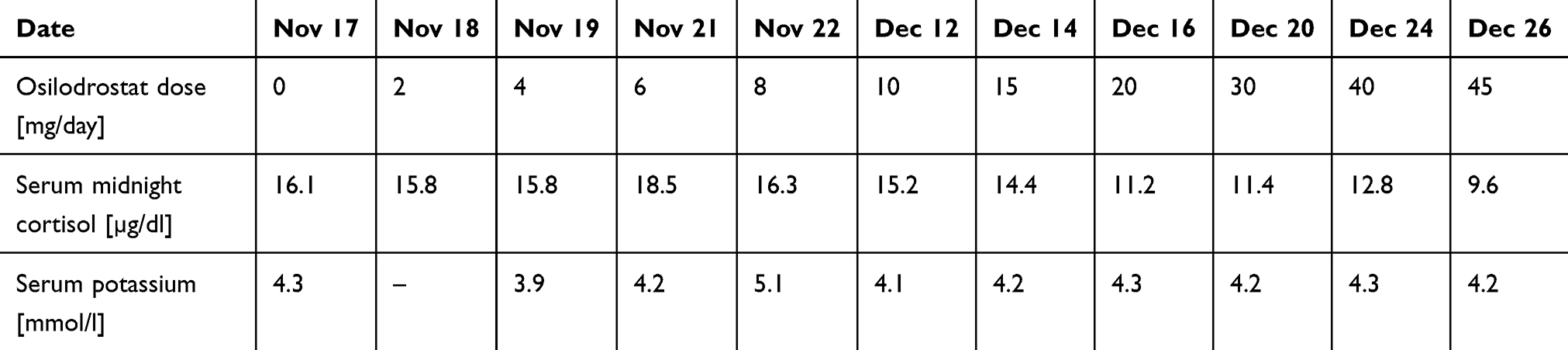
Cushing Syndrome due to a CRH- and ACTH-Secreting Silent Pheochromocytoma

Highlights

  • EAS should be considered in patients presenting with rapid progression of ACTH-dependent hypercortisolism causing severe clinical and metabolic abnormalities.
  • Ectopic ACTH secretion by a pheochromocytoma should be suspected in cases of ACTH-dependent Cushing syndrome in the presence of an adrenal mass.
  • If required, medical management with steroidogenesis inhibitors can be initiated at the time of EAS diagnosis to control clinical and metabolic derangements associated with severe hypercortisolemia
  • In patients with ACTH-dependent Cushing syndrome from an ectopic source, inhibiting steroidogenesis should be reserved for cases where the initial diagnosis is unclear or patients who are not suitable candidates for surgery.
  • Unilateral adrenalectomy is indicated in the management of ACTH/CRH-secreting pheochromocytomas and is typically curative.
  • Catecholamine blockade should be started prior to surgical removal of catecholamines-secreting pheochromocytomas.
  • A multidisciplinary approach is required to diagnose and manage this condition.

Abstract

Background/Objective

Ectopic co-secretion of corticotropin-releasing hormone (CRH) and adrenocorticotropic hormone (ACTH) in silent (i.e., noncatecholamine-secreting) pheochromocytoma is a rare cause of Cushing Syndrome (CS).

Case Report

A 57-year-old woman rapidly developed hypercortisolism, clinically manifesting as fatigue, muscle weakness, weight gain, and worsening hypertension, and biochemically characterized by hypokalemia and marked elevation of serum cortisol and plasma ACTH. This acute presentation suggested a diagnosis of ectopic ACTH syndrome (EAS). Imaging studies revealed a right adrenal mass that enhanced after administration of the radioisotope 68Ga-DOTATATE. Plasma metanephrines were normal in two separate measurements. The possibility of a silent pheochromocytoma was considered. After controlling her hypercortisolism with metyrapone and surgical preparation with alpha blockade, the patient underwent elective right adrenalectomy. Pathology revealed a pheochromocytoma that stained focally for ACTH and CRH. Postoperatively, cortisol levels normalized, the hypothalamic–pituitary–adrenal (HPA) axis was not suppressed, and clinical symptoms from hypercortisolism abated.

Discussion

Patients who exhibit a rapid progression of ACTH-dependent hypercortisolism should be screened for ectopic ACTH syndrome (EAS). The use of functional imaging radioisotopes (such as gallium DOTA-peptides), improves the detection of ACTH-secreting tumors. Preoperative treatment with steroidogenesis inhibitors helps control clinical and metabolic derangements associated with severe hypercortisolemia, while alpha blockade prevents the onset of an adrenergic crisis.

Conclusion

We present a rare case of EAS due to a silent pheochromocytoma that co-secreted ACTH and CRH. Pheochromocytoma should be considered in patients with EAS who have an adrenal mass even in the absence of excessive catecholamine secretion.

Key words

ectopic ACTH syndrome
Cushing Syndrome
non-catecholamine-secreting pheochromocytoma

Abbreviations

EAS

ectopic ACTH syndrome
CS

Cushing Syndrome
CRH

corticotropin-releasing hormone
ACTH

adrenocorticotropic hormone
DHEA-S

dehydroepiandrosterone sulfate
UFC

urine free cortisol
PRA

plasma renin activity

Introduction

Cushing Syndrome (CS) is rare, with an estimated incidence of 0.2-5.0 per million people per year, and prevalence of 39-79 per million (1). Ectopic ACTH Syndrome (EAS), a type of CS originating from extra-pituitary ACTH-secreting tumors, is uncommon. The prevalence of CS due to ACTH-secreting adrenal medullary lesions is not well established. However, EAS is observed in approximately 1.3% of all identified cases of pheochromocytoma (2). Recognizing EAS can be challenging due to its rarity, leading to delayed diagnosis.

Neuroendocrine neoplasms can produce CRH, which can lead to the secretion of ACTH by the pituitary. In certain cases, co-secretion of ACTH and CRH by an adrenal neoplasm has been observed. Only two published cases have provided definitive biochemical and immunohistochemical evidence of exclusive CRH secretion (3).

Case Report

A 57-year-old woman with a history of well-controlled hypertension sought care due to a two-month history of 60 lb weight gain, facial rounding, easy bruising, muscle weakness, lower extremity edema and acne. Her blood pressure control had worsened, and laboratory tests showed a markedly low serum potassium level of 1.8 mmol/L while taking hydrochlorothiazide. To manage her blood pressure, she was prescribed a calcium channel blocker, an angiotensin receptor blocker, and potassium supplements. However, her symptoms worsened, and she was referred to our emergency department. Blood pressure at presentation to our hospital was 176/86 mmHg. She had characteristic features of CS, including face rounding, supraclavicular fullness, dorsocervical fat accumulation, pedal edema, oral candidiasis, multiple forearm ecchymoses, and acneiform skin eruptions. No visible abdominal striae were present. She had no family history of pheochromocytoma, or multiple endocrine neoplasia type 2.

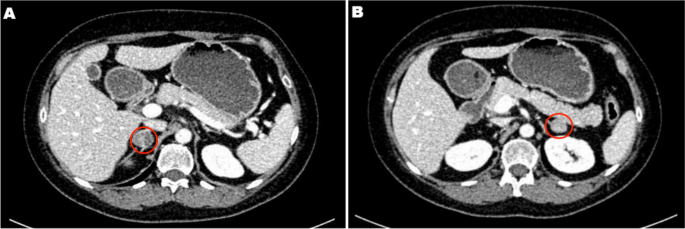
Serum cortisol level was 128 mcg/dL (normal range: 4.6-23.4) at 5 PM, with an ACTH level of 1055 pg/mL (normal range: 6-50); serum DHEA-S level was elevated at 445 mcg/dL (normal range: 8-188). Her 24-hour urine cortisol was at 12,566 mcg (normal range: 4.0-50.0). Plasma metanephrines were normal at <25 pg/mL (normal range: <57), and plasma normetanephrine was 44 (normal range: <148). A second plasma metanephrine measurement showed similar results. Serum aldosterone level and plasma renin activity were low at 2 ng/dL (normal range: 3-16) and 0.11 ng/mL/h (normal range: 0.25-5.82), respectively. Dopamine and methoxytyramine levels were not measured. An abdominal CT revealed a 4.8 x 4.5 x 5 cm right heterogeneously enhancing adrenal mass with a mean Hounsfield Unit of 68 in the non-contrast phase, and an absolute percentage washout of 30% (Fig 1A). The left adrenal gland appeared hyperplastic (Fig 1B). An Octreoscan, which was the in-hospital available nuclear medicine imaging modality, confirmed a 5.1 cm adrenal mass that was mild to moderately avid, with diffuse bilateral thickening of the adrenal glands and no other focal radiotracer avidity. A pituitary MRI did not show an adenoma, and EAS was suspected. Further evaluation with 68Ga-DOTATATE PET/CT (Fig 2) performed after her admission demonstrated an avid right adrenal mass consistent with a somatostatin receptor-positive lesion. No other suspicious tracer uptake was detected. These findings were consistent with a neuroendocrine tumor, such as pheochromocytoma.

  1. Download : Download high-res image (261KB)
  2. Download : Download full-size image

Fig. 1. Preoperative abdominal computed tomography scan showing a 4.8 x 4.5 x 5 cm right heterogeneously enhancing adrenal mass with irregular borders (A) and a hyperplastic left adrenal gland (B).

  1. Download : Download high-res image (219KB)
  2. Download : Download full-size image

Fig 2. 68Ga-DOTATATE PET/CT showing an avid right adrenal mass.

To control her symptoms while undergoing workup, the patient received oral metyrapone 500 mg thrice daily and oral ketoconazole 200 mg twice daily. Ketoconazole was stopped due to an increase in transaminases. The dosage of metyrapone was increased to 500 mg four times daily and later decreased to alternating doses of 250 mg and 500 mg four times daily. Within 3 weeks of starting medical therapy, serum cortisol level normalized at 20 mcg/dL. The 24-hour UFC improved to 246.3 mcg/24h. She experienced gradual improvement in facial fullness, acne, and blood pressure control.

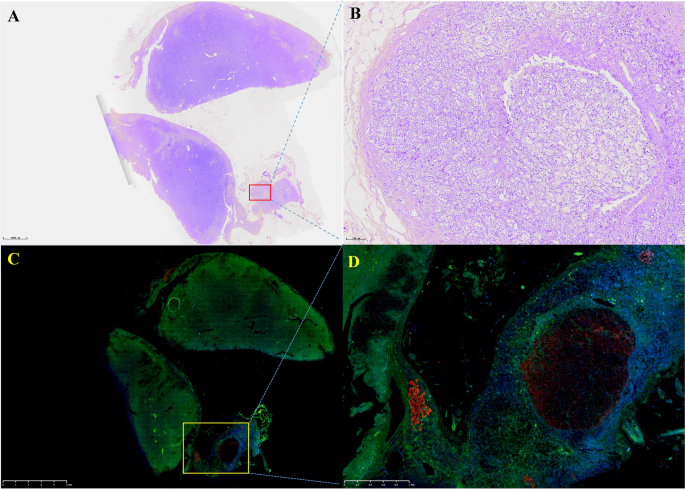
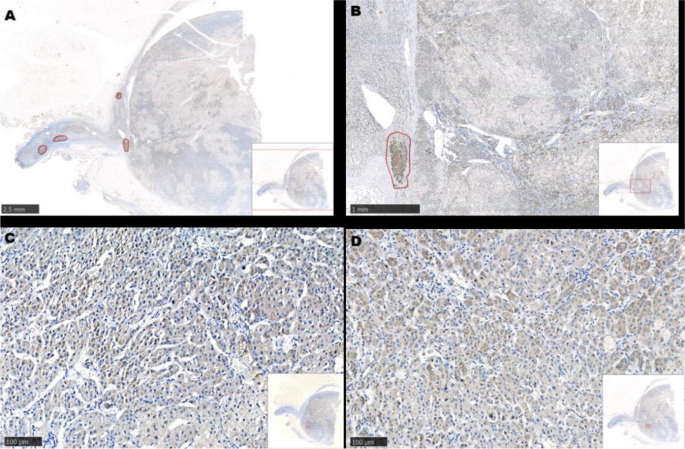
The possibility of a silent pheochromocytoma was considered, and a-adrenergic blockade with doxazosin 1 mg daily was started 1 month prior surgery. She underwent surgery after two months of metyrapone therapy. With an unclear diagnosis and a large, heterogeneous adrenal mass, the surgical team elected to perform open adrenalectomy for en bloc resection due to concerns for an adrenal malignancy. The tumor was well-demarcated and did not invade surrounding structures (Figure 3A). H&E-stained sections showed classic morphologic features of a pheochromocytoma (Figure 3B), with immunohistochemistry demonstrating strong immunoreactivity for synaptophysin and chromogranin, and negative SF- I and inhibin stains excluding an adrenal cortical lesion. The sections analyzed by QuPath (4) revealed that approximately 4% of ce11s were ACTH cells, often found in isolation, and had a clear, high signal-to-noise staining (Figure 3C). CRH cells were less prevalent, comprising about 2.4% of the total analyzed cells, and tended to cluster together (Figure 3D). These cells had more background staining, resulting in a lower signal- to-noise ratio.

  1. Download : Download high-res image (663KB)
  2. Download : Download full-size image

Figure 3. Gross and Histopathological analysis of the patient’s pheochromocytoma. (A) Image of the gross excised specimen. (B) H&E staining (200x final magnification) demonstrates prominent vascularity and cells with finely granular, eosinophilic cytoplasm and salt-and-pepper chromatin. (C) ACTH staining (200x final magnification) shows clear and isolated positive cells, representing about 4.0% of the section analyzed by QuPath. (D) CRH staining (200x final magnification) reveals tight clusters of positive cells, accounting for 2.4% of the total cells. Positive (human placenta and hypothalamus) and negative (thyroid gland) control tissues performed as expected (data not shown).

The patient’s postoperative recovery was uneventful, with a short course of hydrocortisone which was stopped 1 week after surgery after HPA axis evaluation showed normal results. After one month, hypercortisolism had resolved, as shown by a normal 24-hour UFC at 28 mcg.

Administration of dexamethasone at 11 PM resulted in suppression of morning cortisol to 0.8 and 0.6 mcg/dL 1 and 7 months after surgery, respectively. Her liver function tests normalized, and blood pressure was well-controlled with amlodipine 10 mg daily and losartan 100 mg daily. Genetic testing for pheochromocytoma predisposition syndromes is currently planned.

Discussion

EAS accounts for 10-20% of cases of ACTH-dependent CS (5). This condition can be caused by several neuroendocrine neoplasms that produce bioactive ACTH (6) In the literature, we have found 99 documented cases of EAS caused by a pheochromocytoma. Of these, 93% showed ACTH expression. Only two cases have been reported with dual staining of ACTH and CRH (7). Exclusive CRH production has only been reported in two cases (8:9). However, the true prevalence of CRH-producing pheochromocytomas might be underestimated, as most cases testing for CRH expression was not performed.

Although the clinical presentation of EAS may be highly variable, there is often a rapid onset of hypercortisolism accompanied by severe catabolic symptoms. The diagnostic process should focus on identifying the location of a potential neuroendocrine neoplasm responsible for the ACTH secretion. Sometimes the peripheral origin of ACTH must be confirmed by inferior petrosal sinus sampling (IPSS). In this case, given the clinical presentation consistent with EAS, negative pituitary MRI, and the presence of an adrenal mass that needed to be removed independently, IPSS was not performed.

Neuroendocrine neoplasms express somatostatin receptors on their surface, which allow functional imaging using [11 lln]-pentetreotide (Octreoscan). However, Octreoscan has a low sensitivity in detecting occult EAS. In cases where the tumor is in the abdomen and pelvis, Octreoscan has limited utility in locating the source of ACTH (10). This increased risk of false negatives is caused by physiological tracer uptake by the liver, spleen, urinary tract, bowel, and gallbladder. The use of Gallium-68 labeled somatostatin receptor ligands (PET/CT 68Ga-DOTATATE) is more effective in detecting somatostatin receptors (SSTR2) than [11lln]-pentetreotide due to its higher spatial resolution and affinity (11)_ This test was performed after discharge form the hospital to rule out the presence of a second, smaller neuroendocrine tumor that the Octreoscan might have missed. A new molecular imaging technique targeting CRH receptors (68Ga CRH PET/CT) has shown potential in identifying tumors expressing CRH, but its availability remains limited (12). In our patient’s case, both the Octreoscan and 68Ga- DOTATATE successfully identified the adrenal tumor as a potential ACTH/CRH secretion source.

According to relevant guidelines, presurgical adrenergic blockade is recommended for patients with biochemical evidence of catecholamine excess (1314). Conversely, silent pheochromocytomas can generally be operated without alpha blockade (15). Despite this, we opted to administer pre-operative alpha blockade as a precautionary measure for this patient.

Pathology examination confirmed the diagnosis of pheochromocytoma. ACTH and CRH staining demonstrated that clear and significant populations of two separate ACTH and CRH positive cells were present in the excised pheochromocytoma. ACTH/CRH cells were dispersed throughout various regions of the pheochromocytoma rather than being well-defined, separate histological entities. As a result, there is no indication that this resulted from collision tumors, but rather random mutation and expansion of tumor cells into ACTH or CRH secreting cells. These results have limitations, including variation in ACTH and CRH expressing regions due to tumor heterogeneity, nonspecific binding of polyclonal antibodies, and normal low-rate false negative/positive detection using QuPath.

Post-surgical normal HPA activity was likely due to the de-suppression of the HPA axis by medical therapy, but it may also be explained by chronic stimulation of corticotroph cells induced by ectopic CRH secretion.

The standard approach to managing EAS involves surgical intervention. However, surgery may not be a viable option in cases where the source of ACTH production is unknown. Medical therapy to reduce or block excess cortisol can be used in such circumstances.

Conclusions

In conclusion, a pheochromocytoma causing EAS should be considered even in the absence of elevated plasma metanephrines. These tumors may simultaneously express ACTH and CRH.CRH.

References

Cited by (0)

Sources of support: None

Permission in the form of written consent from patient for use of actual test results was obtained.

Cushing in silent pheochromocytoma

Clinical Relevance

This case highlights the importance of considering ectopic ACTH secretion by a pheochromocytoma in patients presenting with rapid progression and considerable clinical hypercortisolism concomitant with an adrenal mass and elevated plasma ACTH. This represents an unusual manifestation of a specific subtype of ACTH/CRH-secreting pheochromocytoma that did not exhibit catecholamine secretion

The authors declare that they have no known competing financial interests or personal relationships that could have appeared to influence the work reported in this paper

These 2 authors contributed equally to this work

From https://www.sciencedirect.com/science/article/pii/S2376060524000075

Bilateral Co-Secretory Lesions Presenting with Coexisting Cushing Syndrome and Primary Aldosteronism


Abstract

Background

There is an increasing number of cases of aldosterone- and cortisol-producing adenomas (A/CPAs) reported in the context of primary aldosteronism (PA). Most of these patients have PA complicated with subclinical Cushing’s syndrome; cases of apparent Cushing’s syndrome (CS) complicated with aldosteronism are less reported. However, Co-secretory tumors were present in the right adrenal gland, a cortisol-secreting adenoma and an aldosterone-producing nodule (APN) were present in the left adrenal gland, and aldosterone-producing micronodules (APMs) were present in both adrenal glands, which has not been reported. Here, we report such a case, offering profound insight into the diversity of clinical and pathological features of this disease.

Case presentation

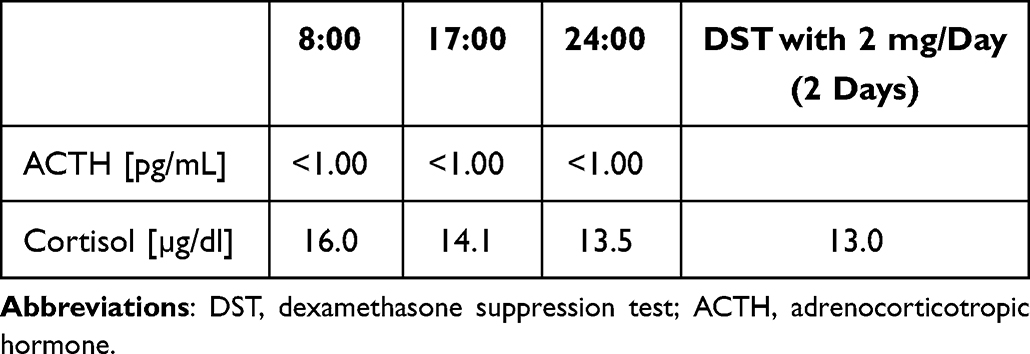
The case was a 45-year-old female from the adrenal disease diagnosis and treatment centre in West China Hospital of Sichuan University. The patient presented with hypertension, moon-shaped face, central obesity, fat accumulation on the back of the neck, disappearance of cortisol circadian rhythm, ACTH < 5 ng/L, failed elevated cortisol inhibition by dexamethasone, orthostatic aldosterone/renin activity > 30 (ng/dL)/(ng/mL/h), and plasma aldosterone concentration > 10 ng/dL after saline infusion testing. Based on the above, she was diagnosed with non-ACTH-dependent CS complicated with PA. Adrenal vein sampling showed no lateralization for cortisol and aldosterone secretion in the bilateral adrenal glands. The left adrenocortical adenoma was removed by robot-assisted laparoscopic resection. However, hypertension, fatigue and weight gain were not alleviated after surgery; additionally, purple striae appeared in the lower abdomen, groin area and inner thigh, accompanied by systemic joint pain. One month later, the right adrenocortical adenoma was also removed. CYP11B1 were expressed in the bilateral adrenocortical adenomas, and CYP11B2 was also expressed in the right adrenocortical adenomas. APN existed in the left adrenal gland and APMs in the adrenal cortex adjacent to bilateral adrenocortical adenomas. After another surgery, her serum cortisol and plasma aldosterone returned to normal ranges, except for slightly higher ACTH.

Conclusions

This case suggests that it is necessary to assess the presence of PA, even in CS with apparent symptoms. As patients with CS and PA may have more complicated adrenal lesions, more data are required for diagnosis.

Peer Review reports

Background

Because both adrenal Cushing’s syndrome and primary aldosteronism (PA) can manifest as adrenocortical adenomas, it is difficult to distinguish between them on the sole basis of adrenal computed tomography (CT). There may also be multiple adenomas with different functions in the same adrenal gland [1], which also leads to the difficulty in the interpretation of adrenal vein blood collection results. With the increased reports on cases of PA complicated with subclinical Cushing’s syndrome in clinical practice, increasing attention is being given to the screening of PA complicated with subclinical Cushing’s syndrome. However, PA screening may be ignored in the diagnosis and treatment of adrenal Cushing’s syndrome.

Although it has been reported that PA with a diameter > 2 cm may be complicated with aldosterone- and cortisol-producing adenomas (A/CPAs) [2], cases of apparent Cushing’s syndrome complicated with PA are less well known.

Recently, Y. Fushimi et al. [3] reported a case of apparent Cushing’s syndrome complicated with PA. The cortisol-producing enzyme cytochrome P450 (CYP) 11B1 was diffusely expressed in the adenoma, but based on staining, the aldosterone synthase CYP11B2 was significantly expressed in the adjacent adrenal cortex. This finding indicated that aldosterone-producing micronodules (APMs) in the adjacent adrenal cortex may be the pathological basis of PA.

Here, a case of bilateral co-secretory lesions presenting with coexisting Cushing syndrome and primary aldosteronism detected by AVS and confirmed by immunohistochemical analysis after surgical resection is reported. Moreover, APMs were found in the adrenal cortex adjacent to bilateral adrenocortical adenomas; an aldosterone-producing nodule was detected adjacent to the unilateral adenoma.

Case presentation

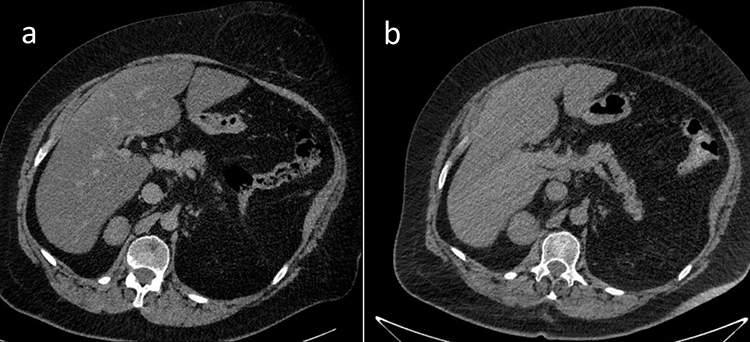
A 45-year-old female patient was admitted to the adrenal disease diagnosis and treatment centre in West China Hospital of Sichuan University due to “increased blood pressure, weight gain for one year and facial oedema for half a year”. After nifedipine controlled-release tablets 30 mg daily and terazosin 2 mg daily were applied, the blood pressure of this patient was still as high as 179/113 mmHg. She had no family history of endocrine disease or malignant tumour. Her body mass index (BMI) was 25.6 kg/m2 at admission, with a moon-shaped face, fat accumulation on the back of the neck and thin skin. Hormonal, glucose, renal function, lipid, and blood electrolyte tests were completed, and the physiological rhythm of cortisol had disappeared. Aldosterone-renin-angiotensin system (RAAS) results showed a significant decrease in renin activity and a significantly higher aldosterone/renin ratio (ARR) (as provided in Table 1). Dynamic testing for hormones was conducted, and the results were as follows: (i) in terms of the saline infusion test (SIT) in supine position, the before and after aldosterone level was 17.03 ng/dL and 15.45 ng/dL, respectively; (ii) in terms of the captopril challenge test (CCT), the before and after aldosterone level was 18.49 ng/dl and 15.25 ng/mL, respectively, with an inhibition rate of 17.52%; (iii) in terms of the standard low-dose dexamethasone suppression test, the before and after serum cortisol level was 467.9 nmol/L and 786.3 nmol/L, respectively; the before and after 24-h urine free cortisol (24-h UFC) level was 332.3 µg/24 and 480.4 µg/24, respectively. An enhanced CT scan revealed adenoma lesions in both adrenal glands (Fig. 1a and b). Bone mineral density measurement with dual-energy X-ray absorptiometry indicated osteoporosis. Chest CT showed old fractures of the 9th rib on the left side and the 2nd rib on the right side.

Table 1 Peripheral blood laboratory data for this case
Fig. 1


figure 1

Adrenal CT of the patient: A nodule with a size of approximately 1.6 × 1.5 cm was found in the left adrenal gland, and a nodule with a size of approximately 2.2 × 1.8 cm was found in the right adrenal gland. Irregular mild to moderate enhancement was on enhanced CT, and the surrounding fat gap was clear

Based on the above clinical features, the patient was diagnosed with “non-ACTH-dependent Cushing’s syndrome complicated with PA”. To assess lateralization, adrenal vein sampling (AVS) stimulated by ACTH was performed after obtaining informed consent. The results showed no lateralization of cortisol and aldosterone secretion (Table 2).

Table 2 Results of AVS

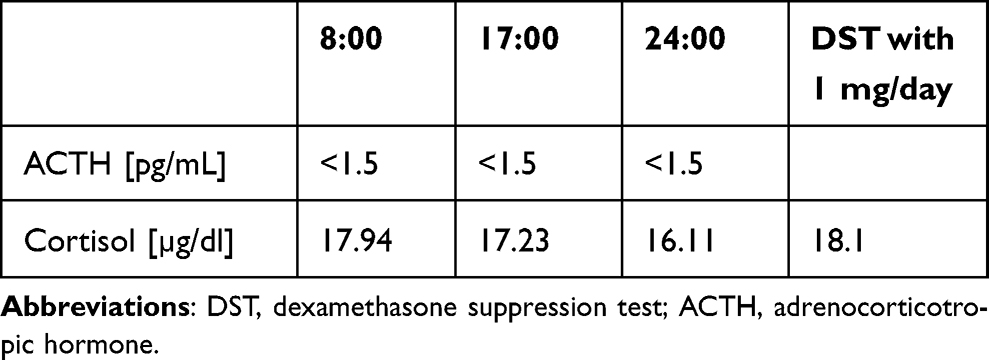
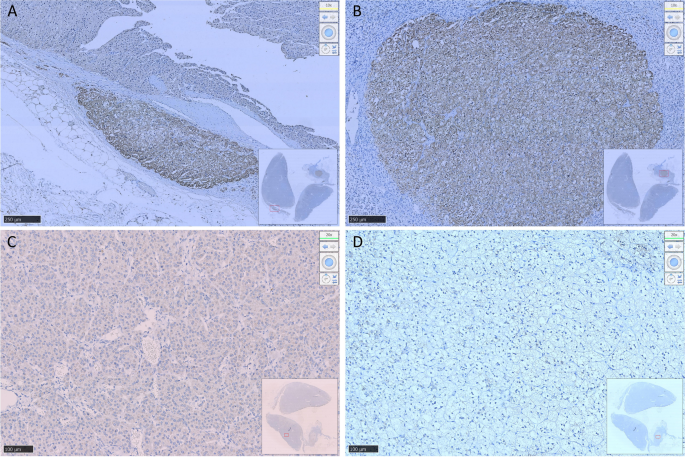
After communicating with the patient, the left adrenocortical adenoma was first removed by robot-assisted laparoscopic resection; the thickened adrenal cortex near the left adrenocortical adenoma was also resected during the surgery. The pathological report revealed adrenocortical adenoma, the Weiss score was 1, and immunohistochemistry showed weak CYP11B1 expression in the adenoma and positive CYP11B2 expression in an adjacent nodule. Hypertension was not alleviated after surgery. One month later, purple lines appeared on both sides of the lower abdomen, groin area and inner thigh, accompanied by weight gain, apparent systemic joint pain and fatigue in both lower limbs. The patient was readmitted to the hospital, and examination revealed orthostatic ALD at 11.99 ng/dL, PRA at 0.08 ng/mL/h, angiotensin II at 39.38 ng/L (reference range: 55.3–115.3 ng/L) and ARR at 149.88 (ng/dL)/(ng/mL/h). In addition, ACTH was 2.37 ng/L, serum cortisol was 352.30–353.50–283.90 nmol/L at 8 h-16 h-24 h, 24-h UFC was 112.8 µg, and serum cortisol was 342.10 nmol/L in the morning after the 1 mg dexamethasone suppression test. Enhanced CT of the kidneys and adrenal glands showed no solid nodules or masses in the left adrenal gland, though a nodule with a size of approximately 2.2*1.8 cm was detected in the right adrenal gland. Enhanced CT showed irregular mild to moderate enhancement. Therefore, the diagnosis was still “non-ACTH-dependent Cushing’s syndrome complicated with PA”. Subsequently, the right adrenocortical adenoma and the thickened adrenal cortex near the right adrenocortical adenoma were removed by robot-assisted laparoscopic resection. The pathological report indicated adrenocortical adenoma, and immunohistochemistry showed diffuse homogeneous expression of CYP11B1 and CYP11B2. Antibodies against CYP11B1 (MABS502) and CYP11B1 (MABS1251) were purchased from the Millipore Corporation. There were APMs in the adrenal cortex adjacent to the bilateral cortical adenomas. The fluorescence staining image of the left cortical adenoma is shown in Fig. 2. The immunohistochemistry image of the left adrenal gland is given in Fig. 3 and that of the right adrenal gland in Fig. 4. The immunofluorescence method used in this study was indirect immunofluorescence double staining procedure. Paraffin-embedded human adrenal tissues were prepared using heat-induced epitope retrieval after deparaffinization. Tissue sections were blocked with 5% goat serum in PBS, pH 7.4, containing 0.5% SDS, for 1 h. The slides were incubated with individual primary antibodies at 4℃ overnight, followed by incubation with Alexa Fluor 488-, and Alexa Fluor 647-conjugated secondary antibodies specific to the species of the primary antibodies with DAPI for immunofluorescence staining. Antibodies used included anti-CYP11B1 (Millipore, Cat. No. MABS502, 1:100), anti-CYP11B2(Millipore, Cat. No. MABS1251, 1:100), Alexa Fluor 488-conjugated anti-rat IgG secondary antibody (CYP11B1; Green) and Alexa Fluor 647-conjugated anti-mouse IgG secondary antibody (CYP11B2; Red). Nuclei were stained with DAPI.

Fig. 2

figure 2

Routine hematoxylin and eosin (H&E) staining and immunofluorescence of the left adrenocortical adenoma (green represents expression of CYP11B1 and red that of CYP11B2). This adrenocortical adenoma and the surrounding cortex was cut into three parts. A and C show the overall appearance of the resected portion, with a nodule adjacent to the adenoma. B shows a neoplastic lesion formed by clear cells (aldosterone-producing cell) within nodules, lacking a fibrous envelope. C clearly shows the weak and diffuse expression of CYP11B1 in adrenocortical adenoma and CYP11B2 expression in a nodule in the cortex adjacent to the adenoma. D shows local enlargement of the aldosterone-producing nodule and three aldosterone-producing micronodules adjacent to it

Fig. 3

figure 3

Resected adrenocortical adenoma and part of the adrenal cortex on the left side. A shows expression of Aldosterone-producing micronodule CYP11B2 in the cortex adjacent to the adenoma. B shows an aldosterone-producing nodule with a diameter of approximately 2 mm. C shows weak positive expression of CYP11B1 in the adenoma and D negative expression of CYP11B1 in the aldosterone-producing nodule

Fig. 4

figure 4

Resected adrenocortical adenoma and part of the adrenal cortex on the right side. A and B show several Aldosterone-producing micronodules (positive expression of CYP11B2) in the cortex adjacent to the adenoma. C shows diffuse expression of CYP11B1 in the adenoma. D shows diffuse expression of CYP11B2 in the adenoma

The Cushing’s syndrome in this patient disappeared after surgery, and glucocorticoids were discontinued after 15 months according to medical advice. Follow-up was conducted for half a year after drug discontinuance, and the patient had no fatigue or dizziness; she was satisfied with the outcomes. Her systolic and diastolic blood pressure remained at 100–120 mmHg and 70–80 mmHg, respectively. During the most recent re-examination, the following results were obtained: (1) orthostatic ALD of 19.1 ng/dL and orthostatic renin concentration of 12.59 µIU/mL, with an aldosterone/renin ratio (ARR) of 1.52; (2) PTC at 8 AM of 247 nmol/L, ACTH of 93.55 ng/L and 24-h UFC of 26.8 µg; (3) parathyroid hormone of 3.86 pmol/L; (4) 25-OH-VitD of 119.5 nmol/L; (5) serum creatinine of 60 µmol/L; (6) serum sodium of 140.4 nmol/L, serum potassium of 3.87 mmol/L and serum calcium of 2.27 mmol/L.

Discussion and conclusions

Adrenal Cushing’s syndrome is caused by excessive autonomic secretion of cortisol induced by adrenal cortical tumours or adrenal cortical hyperplasia; primary aldosteronism (PA) is caused by excessive autonomic secretion of aldosterone induced by adrenal cortical tumours or adrenal cortical hyperplasia. More adverse symptoms occur if aldosterone and cortisol-producing adenomas are present. Specifically, (1) it is more difficult to control hypertension; (2) the incidence of major adverse cardiovascular and cerebrovascular events would increase [4]; (3) glucose intolerance and other metabolic complications would be aggravated [56]; (4) patients would be prone towards osteoporosis [78]; (5) adrenal vein sampling results may be misinterpreted [9]; and (6) adrenal insufficiency may occur after surgery. Therefore, it is of great clinical significance to avoid missed diagnosis of A/CPAs.

Despite many reports on A/CPAs, the majority of these patients may have subclinical Cushing’s syndrome (SCS), and cases of apparent Cushing’s syndrome complicated with PA are rarely reported. In the present case, the clinical manifestation of Cushing’s syndrome were more apparent, and it would be appropriate to call it cortisol-aldosterone cosecretoma. Naoyoshi Onoda et al. [10] reported a case of Cushing’s syndrome caused by a left adrenocortical adenoma (30 mm in diameter) and PA caused by a right adrenocortical adenoma (20 mm in diameter), and Fushimi et al. [3] reported a case of right A/CPA (25 mm*22 mm in size). Interestingly, in the present report, the patient had bilateral A/CPAs, and the clinical manifestations of Cushing’s syndrome became more apparent after unilateral resection was performed. Similar to the above two cases, APMs were found in the adrenal cortex adjacent to the A/CPAs, but aldosterone-producing nodules were found near the cortisol-producing adenoma on the left side.

The biochemical phenotype of APM-inducing autonomic aldosterone secretion has not been clarified. APMs can also be found in the adrenal tissue of 30% of individuals with normal blood pressure [11] and surrounding areas of APA [1213]. APMs do not express CYP11B1 or CYP17A1, which are necessary for the generation of cortisol [1214]. In our patient, the aldosterone-producing nodule in the left adrenal gland may have developed from APM. More than one-third of APMs carry known mutations in CACNA1D and ATP1A1, promoting the generation of aldosterone [1415]. Unfortunately, we did not perform whole-exome sequencing on the DNA of the peripheral blood and adenoma tissues of this patient. Due to the existence of APMs adjacent to the adenoma, it remains unclear whether there is a risk of the relapse of PA in these cases after resection of adrenal the adenoma. Therefore, it was necessary to conduct medical follow-up for this patient.

Remi Goupil et al. performed AVS on 8 patients with cortisol-producing adenoma (CPA), and the results showed that cortisol on the CPA side was higher than that on the contralateral side (median, 6.7 times [range: 2.4–27.2]); P = 0.012]) [16]. There was no significant difference in bilateral cortisol and aldosterone concentrations after AVS in this patient, which is consistent with bilateral A/CPA. Although immunohistochemical results revealed weak expression of CYP11B1 for the first time, expression of cortisol in bilateral adrenal venous blood samples increased significantly after ACTH stimulation. Hence, cortisol was over-synthesized on both sides, and bilateral A/CPAs was definitively diagnosed.

In summary, this case highlights the need for A/CPA screening. The complicated pathological features of these cases impose challenges to our understanding of this disease. Due to the presence of APMs in the adrenal cortex near bilateral adrenocortical adenomas, more clinical data are required to identify whether the disease might relapse after simple resection of the adenoma in these patients. Therefore, further medical follow-up of these patient is needed.

Availability of data and materials

Not applicable.

Abbreviations

CS:
Cushing’s syndrome
PA:
Primary aldosteronism
ACTH:
Adrenocorticotropic hormone
UFC:
Urinary free cortisol
AVS:
Adrenal vein sampling
A/CPA:
Aldosterone-and cortisol producing adenoma
APN:
Aldosterone-producing nodules
APM:
Aldosterone-producing micronodule
CYP:
Cytochrome P450
CT:
Computed tomography
PAC:
Plasma aldosterone concentration
PRA:
Plasma renin activity
ARR:
Aldosterone /renin ratio

References

  1. Stenman A, Shabo I, Ramström A, Zedenius J, Juhlin CC: Synchronous aldosterone- and cortisol-producing adrenocortical adenomas diagnosed using CYP11B immunohistochemistry. SAGE open medical case reports. 2019, 7:2050313×19883770.

  2. Hiraishi K, Yoshimoto T, Tsuchiya K, Minami I, Doi M, Izumiyama H, Sasano H, Hirata YJ. Clinicopathological features of primary aldosteronism associated with subclinical Cushing’s syndrome. Endocr J. 2011;58(7):543–51.

    Article CAS PubMed Google Scholar

  3. Fushimi Y, Tatsumi F, Sanada J, Shimoda M, Kamei S, Nakanishi S, Kaku K, Mune T, Kaneto H. Concurrence of overt Cushing’s syndrome and primary aldosteronism accompanied by aldosterone-producing cell cluster in adjacent adrenal cortex: case report. BMC Endocr Disord. 2021;21(1):163.

    Article PubMed PubMed Central Google Scholar

  4. Araujo-Castro M, BengoaRojano N, FernándezArgüeso M, Pascual-Corrales E, Jiménez Mendiguchía L. García Cano AMCardiometabolic risk in patients with primary aldosteronism and autonomous cortisol secretion. Case-control study. Med Clin (Barc). 2021;157(10):473–9.

    Article CAS PubMed Google Scholar

  5. Petramala L, Olmati F, Concistrè A, Russo R, Mezzadri M, Soldini M, De Vincentis G, Iannucci G, De Toma G, Letizia C. Cardiovascular and metabolic risk factors in patients with subclinical Cushing. Endocrine. 2020;70(1):150–63.

    Article CAS PubMed Google Scholar

  6. Akehi Y, Yanase T, Motonaga R, Umakoshi H, Tsuiki M, Takeda Y, Yoneda T, Kurihara I, Itoh H, Katabami T, et al. High Prevalence of Diabetes in Patients With Primary Aldosteronism (PA) Associated With Subclinical Hypercortisolism and Prediabetes More Prevalent in Bilateral Than Unilateral PA: A Large Multicenter Cohort Study in Japan. Diabetes Care. 2019;42(5):938–45.

    Article CAS PubMed Google Scholar

  7. Shi S, Lu C, Tian H, Ren Y, Chen T. Primary Aldosteronism and Bone Metabolism: A Systematic Review and Meta-Analysis. Front Endocrinol (Lausanne). 2020;11:574151.

    Article PubMed Google Scholar

  8. Petramala L, Zinnamosca L, Settevendemmie A, Marinelli C, Nardi M, Concistrè A, Corpaci F, Tonnarini G, De Toma G, Letizia C. Bone and mineral metabolism in patients with primary aldosteronism. Int J Endocrinol. 2014;2014:836529.

    Article PubMed PubMed Central Google Scholar

  9. Späth M, Korovkin S, Antke C, Anlauf M, Willenberg HS. Aldosterone- and cortisol-co-secreting adrenal tumors: the lost subtype of primary aldosteronism. Eur J Endocrinol. 2011;164(4):447–55.

    Article PubMed Google Scholar

  10. Onoda N, Ishikawa T, Nishio K, Tahara H, Inaba M, Wakasa K, Sumi T, Yamazaki T, Shigematsu K, Hirakawa K. Cushing’s syndrome by left adrenocortical adenoma synchronously associated with primary aldosteronism by right adrenocortical adenoma: report of a case. Endocr J. 2009;56(3):495–502.

    Article CAS PubMed Google Scholar

  11. Williams T, Gomez-Sanchez C, Rainey W, Giordano T, Lam A, Marker A, Mete O, Yamazaki Y, Zerbini M, Beuschlein F, et al. International Histopathology Consensus for Unilateral Primary Aldosteronism. J Clin Endocrinol Metab. 2021;106(1):42–54.

    Article PubMed Google Scholar

  12. Nishimoto K, Tomlins SA, Kuick R, Cani AK, Giordano TJ, Hovelson DH, Liu CJ, Sanjanwala AR, Edwards MA, Gomez-Sanchez CE, et al. Aldosterone-stimulating somatic gene mutations are common in normal adrenal glands. Proc Natl Acad Sci U S A. 2015;112(33):E4591-4599.

    Article CAS PubMed PubMed Central Google Scholar

  13. Omata K, Anand SK, Hovelson DH, Liu CJ, Yamazaki Y, Nakamura Y, Ito S, Satoh F, Sasano H, Rainey WE, et al. Aldosterone-producing cell clusters frequently harbor somatic mutations and accumulate with age in normal adrenals. J Endocr Soc. 2017;1(7):787–99.

    Article CAS PubMed PubMed Central Google Scholar

  14. Omata K, Tomlins SA, Rainey WE. Aldosterone-producing cell clusters in normal and pathological States. Horm Metab Res. 2017;49(12):951–6.

    Article CAS PubMed PubMed Central Google Scholar

  15. Lalli E, Barhanin J, Zennaro MC, Warth R. Local Control of Aldosterone Production and Primary Aldosteronism. Trends Endocrinol Metab. 2016;27(3):123–31.

    Article CAS PubMed Google Scholar

  16. Goupil R, Wolley M, Ahmed AH, Gordon RD, Stowasser M. Does concomitant autonomous adrenal cortisol overproduction have the potential to confound the interpretation of adrenal venous sampling in primary aldosteronism? Clin Endocrinol (Oxf). 2015;83(4):456–61.

    Article CAS PubMed Google Scholar

Download references

Acknowledgements

Not applicable

Funding

This study was supported by the Discipline Excellence Development 1.3.5 Project of West China Hospital, Sichuan University (No. ZYGD18022).

Author information

Authors and Affiliations

  1. Department of Endocrinology and Metabolism, Adrenal Center, West China Hospital of Sichuan University, Chengdu, 610041, Sichuan, ChinaHongjiao Gao, Yan Ren, Tao Chen & Haoming Tian
  2. Department of Endocrinology and Metabolism, The Third Affiliated Hospital of Zunyi Medical University (The First People’s Hospital of Zunyi), Zunyi, Guizhou, ChinaHongjiao Gao
  3. Institute of Clinical Pathology, West China Hospital of Sichuan University, Chengdu, Sichuan, ChinaLi Li & Fei Chen

Contributions

HG, TC researched data and/or wrote the manuscript. LL, FC contributed to immumohistochemical staining. HT, TC, YR contributed to discussion. All authors have read and approved the manuscript.

Corresponding authors

Correspondence to Tao Chen or Haoming Tian.

Ethics declarations

Ethics approval and consent to participate

Not applicable.

Consent for publication

Written informed consent was obtained from the patient for publication of this Case report and any accompanying images. A copy of the written consent is available for review by the Editor of this journal.

Competing interests

We do not have any potential conflicts of interest relevant to this article.

Additional information

Publisher’s Note

Springer Nature remains neutral with regard to jurisdictional claims in published maps and institutional affiliations.

About this article

Cite this article

Gao, H., Li, L., Chen, F. et al. Bilateral co-secretory lesions presenting with coexisting Cushing syndrome and primary aldosteronism: a case report. BMC Endocr Disord 23, 263 (2023). https://doi.org/10.1186/s12902-023-01454-8

Download citation

Share this article

Anyone you share the following link with will be able to read this content:

Get shareable linkProvided by the Springer Nature SharedIt content-sharing initiative

Keywords

Cushing’s Syndrome Presenting as Non-Atherosclerotic Myocardial Infarction and Heart Failure

Abstract

Cushing’s syndrome is a rare cause of myocardial infarction and heart failure. Herein, we report a female patient who presented acute myocardial infarction and heart failure with reduced ejection fraction. The patient was found to have hypercortisolism secondary to adrenocortical adenoma and responded well to therapy. This case underlines the effects of hypercortisolism on the cardiovascular system. The clinical presentation of this patient is unique because non-atherosclerotic myocardial infarction is rarely reported in Cushing’s syndrome patients.

Introduction

Cushing’s syndrome is an endocrine condition associated with excessive secretion of cortisol. Hypertension, vascular atherosclerosis, and chronic cardiac remodelling and dysfunction are commonly recognized cardiovascular complications in Cushing’s syndrome patients.1 Herein, we report a rare case of Cushing’s syndrome patient with a primary diagnosis of non-atherosclerotic myocardial infarction and heart failure (HF).

Case Report

A 61-year-old female with a past medical history of chronic obstructive pulmonary disease was admitted with sudden onset chest pain on 6 February 2018. Electrocardiogram showed ST-segment elevation in leads V3–V5. Blood biochemical results of 1 h after the onset of chest pain: cardiac troponin I (cTnI) 0.06 ug/L↑, creatine kinase (CK) 63 U/L, creatine phosphokinase-MB (CK-MB) 22 U/L, aspartate transferase (AST) 19 U/L, and lactic dehydrogenase (LDH) 482 U/L. Myocardial injury markers were markedly elevated at the time point of 18 h after onset: cTnI 13.9 ug/L↑, CK 613 U/L↑, CK-MB 102 U/L↑, AST 112 U/L↑, and LDH 833 U/L↑. Due to the acute ECG changes and elevated myocardial injury markers, the patient was preliminarily diagnosed as ST-segment elevation myocardial infarction (STEMI) and underwent coronary angiography, which showed no stenosis, occlusion or dissection of coronary arteries (Figure 1). Echocardiography showed enlarged left atrial dimension (LAD, 55 mm) and left ventricular end diastolic dimension (LVDd, 57 mm), and reduced ejection fraction (EF, 33%). The patient was treated for STEMI and HF, and was started on aspirin, statin, diuretic of furosemide and spirolactone, metoprolol, and Sacubitril/valsartan (SV, initiated June, 2020). The patient was strictly adherent to the medication prescribed (Table 1).

Details are in the caption following the image

Coronary angiogram demonstrating no significant obstruction in coronary artery circulation.
Table 1. Echocardiography results
2020-06-22 2020-09-02 2021-03-29 2021-06-02 2021-09-01 2021-10-22 2021-12-21
LAD (mm) 55 55 46 52 47 44 41
LVDd (mm) 57 57 53 55 54 51 55
IVS (mm) 10 10 11 10 10 10 11
LVPW (mm) 11 11 11 10 11 9 10
EF (%) 33 30 31 39 47 49 52.5
  • EF, ejection fraction; IVS, interventricular septum; LAD, left atrium dimension; LVDd, left ventricular end diastolic dimension; LVPW, left ventricular posterior wall.

However, the patient’s condition was not improved despite optimized medication. On 26 January 2021, the patient was re-admitted with recurrent chest distress and oedema, with new symptoms of facial plethora, centripetal obesity, and hyperglycaemia (Figure S1). Abdominal CT scan showed a right adrenal adenoma (Figure 2). Cardiac magnetic resonance imaging revealed enlarged LVDd (62 mm), and reduced EF, with delayed myocardial enhancement and evidence of myocardial fibrosis and fatty deposits (Figure 3). Laboratory findings showed hypokalaemia: potassium 3.0 mmol/L, elevated serum cortisol level, low plasma ACTH level, and positive 1-mg overnight dexamethasone suppression test. Based on the above findings, the patient was diagnosed with Cushing’s syndrome and started treatment with the glucocorticoid receptor inhibitor mifepristone on 5 February 2021.

Details are in the caption following the image

Abdominal CT scan showed adrenal adenoma at the right.

Details are in the caption following the image

Cardiac magnetic resonance imaging revealed enlarged LVDd, reduced EF, with delayed myocardial enhancement, evidence of myocardial fibrosis and fatty deposits.

With mifepristone added to the previous medical therapy (aspirin, statin, sacubitril/valsartan, metoprolol and diuretic of furosemide and spirolactone, and mifepristone), the patient’s condition and cardiac function improved, and echocardiography (21 December 2021) showed increased EF (52.5%). The patient underwent partial adrenalectomy on 22 December 2021. Postoperative pathology confirmed adrenal cortical adenoma. At last follow-up on 29 May 2023, the patient showed marked improvement in face and body shape, with no complaints of chest distress or oedema (Figure S2).

Discussion

In this case, the patient was first evaluated for STEMI due to her symptoms of chest pain, and the elevated ST-segment on ECG, along with the moderately elevated troponin I and other cardiac enzyme levels. However, coronary atherosclerotic heart disease was ruled out by the normal cardiac catheterization. We presume that a possible reason for acute myocardial infarction (AMI) might be vasospastic angina due to abnormal hormone levels with Cushing’s syndrome, leading to increased excessive myocardial metabolic demand and relative myocardial hypoxia, which eventually induced myocardial infarction. Although coronary atherosclerotic heart disease is the main cause of AMI, many non-atherosclerotic processes can lead to an imbalance between decreased coronary blood flow and increased myocardial metabolic demand. To date, non-atherosclerotic myocardial infarction has rarely been reported in Cushing’s syndrome patients. Vieira JT et al. reported that a patient with Cushing’s disease was considered to have spontaneous coronary artery dissection, which is a rare reason for AMI.2

Cushing’s syndrome is associated with an increased risk of cardiac failure,3 with both structural alterations and functional impairment. In our case, the patient’s CMR imaging showed typical features of cardiac geometry, function, and fibrosis, in accordance with previous reports.4 The underlying mechanisms may be the enhanced responsiveness to angiotensin II and activation of the mineralocorticoid receptor in direct response to cortisol excess.5

Our patient responded well to the therapy of conventional anti-HF medication of sacubitril/valsartan, metoprolol, and diuretic, once mifepristone was added. This favourable response to the pharmacological regimen supports the benefits of the agents for the normalization of excess cortisol. This case indicates that early diagnosis and effective treatment of Cushing’s syndrome may be crucial in preventing irreversible cardiac dysfunction secondary to cardiovascular events and heart failure.

Acknowledgements

This work was financially supported by the National Natural Science Foundation of China (81900409 and 82172182) and the PLA Youth Training Project for Medical Science (19QNP037).

Conflict of interest

The authors declares that there is no conflict of interest.

From https://onlinelibrary.wiley.com/doi/10.1002/ehf2.14548

Adrenocorticotropic Hormone-Dependent Cushing’s Syndrome Complicated With Gastric Ulcer Perforation in a 30-Year-Old Saudi Female

Abstract

Gastrointestinal perforation is a well-addressed complication of exogenous hypercortisolism; however, patients with endogenous Cushing’s syndrome (CS) do not usually experience this condition in clinical practice. The literature on this subject is limited and consists solely of clinical case reports/series with only 23 instances of gastrointestinal perforation occurring in individuals with endogenous Cushing’s syndrome. This is mainly attributed to the rarity of Cushing’s syndrome itself and the low chance of occurrence of such complications.

We report a case of a recently diagnosed adrenocorticotropic hormone (ACTH)-dependent Cushing’s syndrome in a 30-years-old female who presented initially with a three-month history of progressive weight gain, generalized weakness, acne, menstrual irregularity, and severe hypokalemia, and then developed a gastric ulcer perforation only one month after her ACTH-dependent Cushing’s syndrome diagnosis and was managed through emergent surgery.

Introduction

A disorder of the endocrine system characterized by excessive cortisol production, known as Cushing’s syndrome, rarely occurs. The main causes are pituitary tumors, ectopic adrenocorticotropic hormone (ACTH)-secreting tumors, or adrenal tumors that secrete cortisol independently [1]. Patients initially present with a wide range of symptoms, including weight gain, proximal myopathy, skin thinning, and abdominal striae [1]. Additionally, several metabolic disorders, such as diabetes mellitus, hypertension, and dyslipidemia, can occur, especially when the diagnosis is not established at an early stage [2]. There is a possibility of gastrointestinal complications among patients receiving exogenous glucocorticoids. However, there is limited information on gastrointestinal complications associated with endogenous hypercortisolemia [3,4]. Thus far, only 23 instances have been published addressing the co-occurrence of gastrointestinal perforation with endogenous Cushing’s syndrome [5-17]. To the best of our knowledge, this is the first case reporting gastric perforation in an ACTH-dependent Cushing’s syndrome, while the vast majority reported diverticular, sigmoid, or duodenal perforation with Cushing’s syndrome [5-17]. Herein, we describe the medical history, physical examination, and investigatory findings of a 30-year-old female with a recent diagnosis of ACTH-dependent Cushing’s syndrome that was complicated by gastric ulcer perforation, necessitating an urgent exploratory laparotomy. The primary motivator of this case report was the rarity of the described condition, the atypical location of the perforation in such patient group, and the relatively young age of the patient.

Case Presentation

History and examination

A 30-year-old female with a history of mental retardation was admitted to our emergency department (ER) with progressive weakness and fatigue. Upon taking the history, she had been having menstrual irregularities, progressive weight gain, and generalized weakness, which was significant enough to limit her physical activity and hinder her movement for the past three months. Initial vital signs showed that the patient had a body temperature of 37°C, a pulse rate of 90 beats per minute, and a blood pressure of 130/80 mmHg. On physical examination, the patient had a moon face with supraclavicular fullness, dorsocervical fat pad, purple abdominal striae, facial signs of hirsutism, and acne all over the face, shoulders, chest, and back.

Investigations

In the initial laboratory examination, hypokalemia of 2.1 mEq/L, hyperglycemia of 12.1 mmol/L, and metabolic alkalosis were detected (Table 1). The cortisol level after 1 mg dexamethasone suppression test was 2204 nmol/L (normal range 140-690), ACTH 123 pg/mL (normal range 7.2-63.3), DHEA-S 27.85 umol/L (normal range 2.6-13.9), And 24-hour urine cortisol level was 1560 mg/day (normal range 30-350) (Table 1). No suppression was observed in cortisol level with 8 mg dexamethasone suppression test.

Parameter Initial presentation Perforation presentation Refrence range
Na+ 143 mEq/L 139 mmol/L 135-147 mEq/L
Cl- 85 mEq/L 105 mmol/L 98-108 mEq/L
K+ 2.1 mEq/L 2.8 mmol/L 3.5-5.0 mEq/L
Mg2+ 0.79 mmol/L 0.77 mmol/L 0.85-1.110 mmol/L
PO3- 0.88 mmol/L 1.23 mmol/L 0.97-1.46 mmol/L
PH 7.54 7.36 7.35-7.45
PCO2 67.5 mmHg 42.7 mmHg 35-45 mmHg
PO2 27.7 mmHg 62.2 mmHg 75-100 mmHg
HCO3 49.8 mEq/L 23.6 mEq/L 22-26 mEq/L
Random blood glucose 12.1 mmol/L 24.1 mmol/L <5.5 mmol/L
Hemoglobin 13.5 g/dL 14.9 g/dL 13.7-16.8 g/dL
White blood cells 9,720 /uL 11,100 /uL 3,300-8,600 /uL
Lymphocyte 0.48% 0.33%
Neutrophil 8.55% 9.66%
Eosinophil 0.0% 0.0%
TSH 0.55 mIU/L Was not ordered 0.4-4.0 mIU/L
Cortisol 2204 nmol/L 4842 nmol/L 140-690 nmol/L
ACTH 123 pg/mL Was not ordered 7.2-63.3 pg/mL
Table 1: Laboratory findings on initial presentation and on perforation day

TSH – thyroid stimulating hormone; ACTH – adrenocorticotropic hormone

A series of CT scans for the neck, chest, abdomen, and pelvis was performed and failed to localize any tumors acting as an ectopic source. A pituitary MRI was performed, and no adenoma was found. To complete the diagnostic workup, we decided to do an inferior petrosal sinus sampling (IPSS) and PET scan with Gallium 68; however, the patient’s family refused and requested discharge and outpatient follow-ups. These results, together with the biochemical and clinical findings, supported the diagnostic hypothesis of ACTH-dependent Cushing’s syndrome.

Treatment/management

When addressing the issue of hypokalemia that the patient presented with initially, it was found to be resistant and difficult to correct. The patient was put on spironolactone 50 mg BID, and potassium chloride 20 mEq q8h, and her potassium level barely reached 3.5 mmol/L after several days. In addition, her magnesium level was corrected with magnesium oxide 800 mg every six hours. Her blood glucose level was controlled with insulin glargine 6 units daily and Novorapid as per the sliding scale. The patient was discharged on spironolactone tablets 50 mg BID (oral), potassium chloride 20 mEq q8h, cholecalciferol, calcium carbonate, insulin glargine 6 units daily, and Novorapid 4 units TID before meals.

Follow-up and outcomes

Seven days after discharge, she presented to the ER complaining of a new onset of abdominal pain, constipation, and reduced urine output. Her Glasgow Coma Scale (GCS) was 15, her blood pressure measurement was 146/90 mmHg, her pulse rate was 66 beats per minute, her respiratory rate was 21 breaths per minute, and her temperature was 36.7°C. Upon physical examination, the patient had distended non-tender abdomen without any other significant findings. Blood work was done, including renal functions, and all parameters, including potassium, were within normal limits. A chest X-ray was also performed and revealed no evidence of pneumoperitoneum. The patient was clinically stable after managing her abdominal pain with acetaminophen injection and administering fleet enema for constipation. After instructions on when to come again to the ER were given, the patient was discharged home on lactulose and paracetamol, and a close outpatient follow-up appointment was scheduled.

Five days after the ER visit, the patient presented again to the ER. She was still complaining of severe non-resolving abdominal pain, constipation, and reduced urine output. Upon physical examination in the ER, the patient was found to have developed a new onset of lower limb edema, abdominal rebound tenderness, and abdominal rigidity and guarding. She was hypotensive with a blood pressure of 91/46 mmHg, pulse rate of 80 beats per minute, respiratory rate of 16 breaths per minute, temperature of 38.2 °C, and SpO2 of 96%. The only significant laboratory finding was her potassium level dropping low to 2.8 mEq/L (Table 1). An X-ray of the chest was requested and showed a large pneumoperitoneum (Figure 1).

Posteroanterior-chest-X-ray-at-the-time-of-gastric-perforation-displaying-severe-air-under-the-diaphragm-with-bilateral-obstruction-indicating-massive-pneumoperitoneum-(red-arrow)
Figure 1: Posteroanterior chest X-ray at the time of gastric perforation displaying severe air under the diaphragm with bilateral obstruction indicating massive pneumoperitoneum (red arrow)

Abdominal CT was also urgently performed and confirmed the presence of gastric perforation likely related to an underlying perforated peptic ulcer with 0.8 cm defect at the distal greater curvature (Figures 23).

Coronal-section-CT-image-of-abdomen-and-pelvis-at-the-time-of-gastric-perforation-showing-features-of-gastric-perforation-likely-related-to-the-underlying-perforated-peptic-ulcer-with-0.8-cm-defect-at-the-distal-greater-curvature-
Figure 2: Coronal-section CT image of abdomen and pelvis at the time of gastric perforation showing features of gastric perforation likely related to the underlying perforated peptic ulcer with 0.8 cm defect at the distal greater curvature
Horizontal-section-CT-image-showing-features-of-gastric-perforation-likely-related-to-the-underlying-perforated-peptic-ulcer-with-0.8-cm-defect-at-the-distal-greater-curvature
Figure 3: Horizontal-section CT image showing features of gastric perforation likely related to the underlying perforated peptic ulcer with 0.8 cm defect at the distal greater curvature

The patient underwent an emergent gastric wedge resection for gastric perforation, and the pathology reported evidence of gastric ulcer with no evidence of malignancy. Furthermore, Helicobacter pylori test was performed on the sample, and it came back positive. The patient tolerated the surgery very well, and postoperative recovery was without any complications.

Later, the patient was prescribed metyrapone 250 mg Q4h, which was then increased to 500 mg Q4h four days after surgery, and her cortisol level significantly dropped to 634nmol/L. During that time, a gastrin level test was also performed to exclude the presence of gastrinomas, and the level was 45 pg/ml (normal range 13-115).

Discussion

A small percentage of the population suffers from Cushing’s syndrome, which is an endocrine disorder characterized by an endogenous overproduction of glucocorticoids, resulting in hypercortisolemia [1]. It is estimated to affect 0.7 to 2.4 people per million annually [1]. Hypercortisolemia alters psychologic, metabolic, and cardiovascular functions, resulting in increased mortality and morbidity rates, particularly if the diagnosis is delayed and long-term exposure to high cortisol levels occurs [2]. Women are more likely to suffer from this condition than men, and people in their 40s to 60s are most vulnerable to it [1]. Patients initially present with a wide range of symptoms, including weight gain, proximal myopathy, skin thinning, and abdominal striae [1]. Additionally, several metabolic disorders, such as diabetes mellitus, hypertension, and dyslipidemia, can occur [1]. Due to the rarity of this condition, there is often a significant delay in diagnosis and treatment, which could eventually lead to complications from prolonged hypercortisolism.

From another standpoint, in a systematic review, the incidence of peptic ulcer perforation ranges from 3.8 to 14 per 100,000 individuals in the general population [18]. In under-developed countries, patients are typically young, tobacco-using males [19]. However, patients in industrialized countries are typically older with multiple co-morbidities and are on long-term non-steroidal anti-inflammatory drugs (NSAIDs) or steroid use [19]. Patients may present with an abrupt onset of abdominal discomfort, abdominal rigidity, and tachycardia in the early stages of a perforated peptic ulcer [19]. Later, abdominal distention, pyrexia, hypotension, fever, and vomiting can occur [19]. Furthermore, when the diagnosis is made early, a perforated ulcer often has a good prognosis. However, the risk of adverse events increases if there is a delay in the diagnosis [20]. Therefore, making an early detection through different imaging modalities is crucial [20]. A history of peptic ulcer disease, NSAIDs, physiological stress, smoking, corticosteroids, and Helicobacter pylori are some of the well-established risk factors for a perforated peptic ulcer [20].

The prevalence of Helicobacter pylori among Saudi patients is high; in one study, the overall prevalence was 46.5% in patients with dyspepsia using gastric biopsy [21]. Several studies have explored the relationship between Helicobacter pylori and gastrointestinal perforation, but the results have been mixed. Some studies have suggested a higher prevalence of Helicobacter pylori infection among individuals with gastrointestinal perforation compared to those without, indicating a potential association. However, other studies have found no significant difference in the prevalence of Helicobacter pylori infection between perforated and non-perforated gastrointestinal ulcer cases [22]. Furthermore, they suggested that the presence of other risk factors like the use of NSAIDs, smoking, and alcohol may interact with Helicobacter pylori infection and contribute to the development of complications such as gastrointestinal perforation [22]. However, in our case, the patient did not have any established risk factors for gastric perforation, such as NSAIDs, smoking, or alcohol. Therefore, considering the low incidence of gastrointestinal perforation and high prevalence of Helicobacter pylori, the conflicting data regarding the association between Helicobacter pylori and gastrointestinal perforation, and the lack of established risk factors for gastrointestinal perforation in our patient, we suggest that prolonged excess glucocorticoids from Cushing’s syndrome may have contributed to the gastric perforation either independently or synergistically with Helicobacter pylori since hypercortisolism can lead to a weakened gastrointestinal wall integrity due to decreased collagen turnover and disruption of mucosal protection by prostacyclin [15]. In addition, because of hypercortisolism, perforation may not be contained or healed initially due to the immunosuppressive effects of hypercortisolism, whether endogenous or exogenous [15]. Additionally, high levels of cortisol may delay the diagnosis and treatment since it may mask the symptoms of the perforation [14]. Moreover, our patient was treated for severe hypokalemia with potassium supplementation for an extended period of time. Previous studies have linked potassium chloride supplementation to gastrointestinal ulceration and perforation, making this a possible additive cause of our patient’s condition [23,24].

A limited number of studies have addressed gastrointestinal perforations associated with endogenous hypercortisolemia [5-17]. The correlation between Cushing’s syndrome and gastrointestinal perforation is highlighted in our study and in the case reports that have been previously published (Table 2). Similar to our case, a female predominance was seen in gastrointestinal perforation among the reported cases of Cushing’s syndrome [6,7,12,13,15,16]. Additionally, the average age at which gastrointestinal perforation occurred in patients with endogenous hypercortisolism ranged from 45 to 80, which is a noticeably higher age range than the case we are presenting here (aged 30) [6-10,12]. Furthermore, unlike our case, in which gastrointestinal perforation occurred four months after the onset of Cushing’s symptoms, Intestinal perforation occurs approximately 9.8 months after Cushing’s symptoms first appear [15]. Furthermore, in our patient, gastric perforation occurred while she was hypercortisolemic and not in a remission state. Hence, in association with Helicobacter pylori infection, severe hypercortisolemia could have been a secondary contributing factor to gastric perforation. The complications of gastric ulceration, specifically with endogenous Cushing’s syndrome, have been addressed in two case reports [25,26]. It must be noted, however, that neither case is similar to ours. A case of gastric perforation was reported by Kubicka et al. in a patient who had a confirmed diagnosis of gastrinoma, and the patient was diagnosed with ectopic Cushing’s syndrome seven months after gastric perforation [25]. Therefore, since ectopic Cushing’s syndrome was diagnosed seven months after the perforation, it is more likely that the gastrinoma contributed to this complication. In contrast, our patient’s serum gastrin level was within the normal range, ruling out gastrinoma. Further, Hoshino et al. reported a case of gastrointestinal bleeding in a 39-year-old man with a confirmed diagnosis of Cushing’s disease secondary to pituitary adenoma [26]. He was found to have gastric ulceration and bleeding along with Helicobacter pylori infection and elevated cortisol levels [26]. In spite of the patient not developing a gastric perforation, it was suggested by the author that hypercortisolism might be a contributing factor for gastric ulcer complications by slowing down the ulcer healing process [26]

Reference Year of publication Age, gender Highest cortisol level plasma cortisol (PC, nmol/L) / UFC (nmol/L) Cause of Cushing’s syndrome Time from onset of Cushing’s symptoms to perforation (months) Reported site of gastrointestinal perforation
Current 2023 30, Female PC 4842 ACTH-dependant 4 Gastric perforation
Ishinoda et al. [17] 2023 24, Male PC 1647 Cushing’s disease 12 Sigmoid colon perforation
Wijewickrama et al. [16] 2021 32, Female PC 1147 Pituitary microadenoma 1 Diverticular perforation
Shahidi et al. [15] 2019 72, Female UFC 5296 Pancreatic neuroendocrine tumor 12 Diverticular perforation
Shahidi et al. [15] 2019 61, Female PC 1925 Metastatic medullary carcinoma of thyroid 12 Sigmoid colon and diverticular perforation
Shahidi et al. [15] 2019 68, Female UFC 410 Cushing’s disease 12 Sigmoid colon perforation
Shahidi et al. [15] 2019 71, Female UFC 1533 Cushing’s disease 4 Diverticular perforation
Shahidi et al. [15] 2019 54, Male UFC 374 Cushing’s disease 3 Sigmoid colon perforation
Shahidi et al. [15] 2019 52, Female UFC 885 Cushing’s disease 16 Diverticular perforation
Sater et al. [14] 2018 80, Female UFC 5601 Lung carcinoid 36 Diverticular perforation
Sater et al. [14] 2018 60, Female UFC 72726 Metastatic islet cell carcinoma 36 Diverticular perforation
Sater et al. [14] 2018 31, Male UFC 1297 Cushing’s disease 20 Diverticular perforation
Sater et al. [14] 2018 52, Female UFC 2371 Lung carcinoid 4 Diverticular perforation
Sater et al. [14] 2018 67, Male UFC 3836 Ectopic ACTH 10 Diverticular perforation
Sater et al. [14] 2018 51, Male UFC 13552 Metastatic thymic carcinoma 4 Diverticular perforation
Kaya et al. [9] 2016 70, Male PC 1432 Small cell lung cancer 1 Diverticular perforation
Dacruz et al. [12] 2016 60, Female UFC 4481 Metastatic parotid tumor 5 Sigmoid colon and diverticular perforation
Matheny et al. [10] 2016 67, Male UFC 11119 Metastatic medullary carcinoma of thyroid 4 Diverticular perforation
Flynn et al. [13]   2016 63, Female UFC 12465 Pheochromocytoma 1 Perforation at the splenic flexure
Balestrieri et al. [11] 2016 75, Male PC 2272 Neuroendocrine tumor 1 Intestinal perforation
Hara et al, [8] 2013 79, Male PC 1230 Cushing’s disease 6 Diverticular perforation
De Havenon et al. [7] 2011 71, Female PC 2593 Cushing’s disease 9 Diverticular perforation
Lutgers et al. [6] 2010 55, Female UFC 10152 Right pheochromocytoma 1 Sigmoid colon and diverticular perforation
Drake et al. [5] 1998 35, Male PC 1442 Islet cell tumor 4 Duodenal perforation and rupture of pancreatic pseudocyst
Table 2: Current case and previous reported 23 cases of patients with Cushing’s syndrome and gastrointestinal perforation

UFC – urinary free cortisol; PC – plasma cortisol; ACTH – adrenocorticotropic hormone

Conclusions

A high blood cortisol level can be associated with various clinical manifestations and diverse sets of complications. This case report sheds light on one of the less common complications of hypercortisolism in patients with Cushing’s syndrome, which is gastrointestinal perforation. Our report further supports the published evidence that gastrointestinal perforation is a rare but potentially fatal complication among patients with Cushing’s syndrome. Moreover, it highlights the possibility of developing gastric perforations in this patient group, even at younger ages than expected. This should elicit a high clinical suspicion and demand prompt investigation of Cushing’s syndrome patients in a hypercortisolism state presenting with modest gastrointestinal symptoms.

References

  1. Pivonello R, De Martino MC, De Leo M, Lombardi G, Colao A: Cushing’s syndrome. Endocrinol Metab Clin North Am. 2008, 37:135-49. 10.1016/j.ecl.2007.10.010
  2. Newell-Price J, Bertagna X, Grossman AB, Nieman LK: Cushing’s syndrome. Lancet. 2006, 367:1605-17. 10.1016/S0140-6736(06)68699-6
  3. Goethals L, Nieboer K, De Smet K, De Geeter E, Tabrizi NH, Van Eetvelde E, de Mey J: Cortisone associated diverticular perforation. JBR-BTR. 2011, 94:348-9. 10.5334/jbr-btr.705
  4. Piekarek K, Israelsson LA: Perforated colonic diverticular disease: the importance of NSAIDs, opioids, corticosteroids, and calcium channel blockers. Int J Colorectal Dis. 2008, 23:1193-7. 10.1007/s00384-008-0555-4
  5. Drake WM, Perry LA, Hinds CJ, Lowe DG, Reznek RH, Besser GM: Emergency and prolonged use of intravenous etomidate to control hypercortisolemia in a patient with Cushing’s syndrome and peritonitis. J Clin Endocrinol Metab. 1998, 83:3542-4. 10.1210/jcem.83.10.5156
  6. Lutgers HL, Vergragt J, Dong PV, de Vries J, Dullaart RP, van den Berg G, Ligtenberg JJ: Severe hypercortisolism: a medical emergency requiring urgent intervention. Crit Care Med. 2010, 38:1598-601. 10.1097/CCM.0b013e3181e47b7a
  7. de Havenon A, Ehrenkranz J: A perforated diverticulum in Cushing’s disease. Int J Surg Case Rep. 2011, 2:215-7. 10.1016/j.ijscr.2011.06.009
  8. Hara T, Akutsu H, Yamamoto T, Ishikawa E, Matsuda M, Matsumura A: Cushing’s disease presenting with gastrointestinal perforation: a case report. Endocrinol Diabetes Metab Case Rep. 2013, 2013:130064. 10.1530/EDM-13-0064
  9. Kaya T, Karacaer C, Açikgöz SB, Aydemir Y, Tamer A: Severe hypokalaemia, hypertension, and intestinal perforation in ectopic adrenocorticotropic hormone syndrome. J Clin Diagn Res. 2016, 10:OD09-11. 10.7860/JCDR/2016/17198.7127
  10. Matheny LN, Wilson JR, Baum HB: Ectopic ACTH production leading to diagnosis of underlying medullary thyroid carcinoma. J Investig Med High Impact Case Rep. 2016, 4:2324709616643989. 10.1177/2324709616643989
  11. Balestrieri A, Magnani E, Nuzzo F: Unusual Cushing’s syndrome and hypercalcitoninaemia due to a small cell prostate carcinoma. Case Rep Endocrinol. 2016, 2016:6308058. 10.1155/2016/6308058
  12. Dacruz T, Kalhan A, Rashid M, Obuobie K: An ectopic ACTH secreting metastatic parotid tumour. Case Rep Endocrinol. 2016, 2016:4852907. 10.1155/2016/4852907
  13. Flynn E, Baqar S, Liu D, et al.: Bowel perforation complicating an ACTH-secreting phaeochromocytoma. Endocrinol Diabetes Metab Case Rep. 2016, 2016:10.1530/EDM-16-0061
  14. Sater ZA, Jha S, McGlotten R, Hartley I, El Lakis M, Araque KA, Nieman LK: Diverticular perforation: A fatal complication to forestall in Cushing syndrome. J Clin Endocrinol Metab. 2018, 103:2811-4. 10.1210/jc.2018-00829
  15. Shahidi M, Phillips RA, Chik CL: Intestinal perforation in ACTH-dependent Cushing’s syndrome. Biomed Res Int. 2019, 2019:9721781. 10.1155/2019/9721781
  16. Wijewickrama PS, Ratnasamy V, Somasundaram NP, Sumanatilleke M, Ambawatte SB: A challenging case of Cushing’s disease complicated with multiple thrombotic phenomena following trans-sphenoidal surgery; a case report. BMC Endocr Disord. 2021, 21:29. 10.1186/s12902-021-00701-0
  17. Ishinoda Y, Uto A, Meshino H, et al.: Bowel perforation associated with Cushing’s disease: a case report with literature review. Endocr J. 2023, 70:933-9. 10.1507/endocrj.EJ23-0110
  18. Lau JY, Sung J, Hill C, Henderson C, Howden CW, Metz DC: Systematic review of the epidemiology of complicated peptic ulcer disease: incidence, recurrence, risk factors and mortality. Digestion. 2011, 84:102-13. 10.1159/000323958
  19. Chung KT, Shelat VG: Perforated peptic ulcer – an update. World J Gastrointest Surg. 2017, 9:1-12. 10.4240/wjgs.v9.i1.1
  20. Weledji EP: An overview of gastroduodenal perforation. Front Surg. 2020, 7:573901. 10.3389/fsurg.2020.573901
  21. Akeel M, Elmakki E, Shehata A, Elhafey A, Aboshouk T, Ageely H, Mahfouz MS: Prevalence and factors associated with H. pylori infection in Saudi patients with dyspepsia. Electron Physician. 2018, 10:7279-86. 10.19082/7279
  22. Thirupathaiah K, Jayapal L, Amaranathan A, Vijayakumar C, Goneppanavar M, Nelamangala Ramakrishnaiah VP: The association between Helicobacter pylori and perforated gastroduodenal ulcer. Cureus. 2020, 12:e7406. 10.7759/cureus.7406
  23. Farquharson-Roberts MA, Giddings AE, Nunn AJ: Perforation of small bowel due to slow release potassium chloride (slow-K). Br Med J. 1975, 3:206. 10.1136/bmj.3.5977.206
  24. Payan H, Blaustein A: Potassium chloride and small bowel perforation. Gastroenterology. 1965, 48:877-8. 10.1016/S0016-5085(65)80073-7
  25. Kubicka E, Zawadzka K, Syrycka J, Kałużny M, Pawluś A, Bolanowski M: A case of gastrinoma associated with ectopic Cushing syndrome. Pol Arch Intern Med. 2020, 130:328-9. 10.20452/pamw.15201
  26. Hoshino C, Satoh N, Narita M, Kikuchi A, Inoue M: Another ‘Cushing ulcer’. BMJ Case Rep. 2011, 2011:10.1136/bcr.02.2011.3888

From https://www.cureus.com/articles/196132-adrenocorticotropic-hormone-dependent-cushings-syndrome-complicated-with-gastric-ulcer-perforation-in-a-30-year-old-saudi-female-a-case-report-and-a-review-of-the-literature#!/

First-of-its Kind Hormone Replacement Treatment Shows Promise in Patient Trials

Cortisol
Ball-and-stick model of the cortisol (hydrocortisone) molecule. Credit: Public Domain

A first-of-its kind hormone replacement therapy that more closely replicates the natural circadian and ultradian rhythms of our hormones has shown to improve symptoms in patients with adrenal conditions. Results from the University of Bristol-led clinical trial are published today in the Journal of Internal Medicine.

Low levels of a key hormone called cortisol is typically a result of conditions such as Addison’s and congenital adrenal hyperplasia. The hormone regulates a range of vital processes, from cognitive processes such as memory formation, metabolism and immune responses, through to  and blood sugar levels. When low, it can trigger symptoms of debilitating fatigue, nausea, , dangerously  and depression. Although rare, these adrenal conditions require lifelong daily hydrocortisone replacement therapy.

Although existing oral hormone replacement treatment can restore , it is still associated with an impaired quality of life for patients. Scientists believe this is because the current treatment does not mimic the body’s normal physiological timing, missing cortisol’s anticipatory rise and lacking its underlying ultradian and .

The new “pulsatility” therapy, the culmination of ten years’ research by the Bristol team, is designed to deliver standard hydrocortisone replacement to patients via a pump which replicates more closely cortisol’s natural rhythmic secretion pattern. The pulsatile subcutaneous pump has now revealed promising results in its first clinical trial.

Twenty participants aged 18 to 64 years with adrenal insufficiency conditions were assessed during the double-blinded PULSES six-week trial and treated with usual dose hydrocortisone replacement therapy administered either via the pump or the standard three times daily oral treatment.

While only psychological and metabolic symptoms were assessed during the trial, results revealed the pump therapy decreased fatigue by approximately 10%, improved mood and increased patient energy levels by 30% first thing in the morning—a key time frame when many patients struggle. Patient MRI scans also revealed alteration in the way that the brain processes emotional information.

Dr. Georgina Russell, Honorary Lecturer at the University’s Bristol Medical School, and the lead author, explained, “Patients on cortisol replacement therapy often have side effects which makes it difficult for them to lead normal lives. We hope this  will offer greater hope for the thousands of people living with hormone insufficiency conditions.”

Stafford Lightman, a neuroendocrinology expert and Professor of Medicine at Bristol Medical School: Translational Health Sciences (THS), and the study’s joint lead author, added, “Besides reduction in dosage, cortisol replacement has remained unchanged for many decades. It is widely recognized that current replacement therapy is unphysiological due to its lack of pre-awakening surge, ultradian rhythmicity, and post dose supraphysiological peaks. The new therapy clearly shows that the timing of cortisol delivery- in line with the body’s own rhythmic pattern of cortisol secretion—is important for normal cognition and behavior.

“Our findings support the administration of hormone  that mimics natural physiology, and is one of the first major advances in adrenal insufficiency treatment to date.”

Joe Miles, a participant on the PULSES trial, explained, “The Crono P pump has been life-changing. I noticed a very quick improvement compared to tablets when I was on the PULSES study. I went from feeling tired all the time to having sudden energy.

“When the PULSES study ended and I had to return the pump, I simply couldn’t cope with going back to how I used to be, so I made it my mission to write to as many doctors to have it prescribed privately.

“I’ve now been on it for six years and have introduced a number of other people with Addison’s disease to the pump, and all of them have said it’s life changing. Some have gone from being seriously ill to feeling better than they have done for years.”

Dr. Russell said, “Approximately 1% of the UK population is taking steroids at any moment in time; these individuals can experience debilitating psychological side effects. This trial has shown that even at physiological levels, brain functioning is disrupted and that we need to explore not only the dose but the pattern of steroids delivery when considering any type of steroid treatment.”

More information: Ultradian hydrocortisone replacement alters neuronal processing, emotional ambiguity, affect and fatigue in adrenal insufficiency: The PULSES trial, Journal of Internal Medicine (2023). DOI: 10.1111/joim.13721

Journal information: Journal of Internal Medicine