A Patient With a Bronchial Carcinoid Presents With Cushingoid Symptoms Due To An Atypical and Potentially Dangerous Supplement

Highlights

The most common cause of ectopic ACTH syndrome is pulmonary carcinoid tumors and squamous cell lung cancer; however it is a relatively uncommon complication of pulmonary neoplasms.

The most common cause of Cushing syndrome is iatrogenic corticosteroid use and it should be considered in all patients regardless of clinical background.

Low urine cortisol levels may be associated with exogenous glucocorticoid exposure.

Occult glucocorticoid exposure is rare but can be evaluated with liquid chromatography.

Consumers should be aware of the potential risks of taking supplements, especially those advertised as joint pain relief products.

Abstract

Background

Well differentiated bronchial neuroendocrine neoplasms often follow a clinically indolent course and rarely cause Ectopic ACTH syndrome. Iatrogenic corticosteroid use is the most common cause of Cushing syndrome and should be considered in all patients regardless of clinical background.

Case report

A 59 year old woman with an 11 year history of a 1.5 cm well differentiated bronchial carcinoid, presented with Cushingoid features. Laboratory results were not consistent with an ACTH dependent Cushing Syndrome and exogenous steroids were suspected. The patient received an FDA alert regarding a glucosamine supplement she had started 4 months prior for joint pain.

Discussion

Ectopic ACTH production is reported in less than 5% of patients with squamous cell lung cancer and 3% of patients with lung or pancreatic (non-MEN1) neuroendocrine tumors. Factitious corticoid exposure is rare and can be evaluated with synthetic corticosteroid serum testing.

Conclusion

Cushing syndrome due to supplements containing unreported corticosteroid doses should be considered in patients with typical Cushingoid features and contradictory hormonal testing.

1. Introduction

Well differentiated bronchial neuroendocrine neoplasms often follow a clinically indolent course and can rarely exhibit Cushing syndrome due to ectopic production of adrenocorticotropic hormone (ACTH). However the most common cause of Cushing syndrome is iatrogenic corticosteroid use and should be considered in all patients regardless of clinical background (see Fig. 1Fig. 2Fig. 3Fig. 4).

Fig. 1

  1. Download : Download high-res image (243KB)
  2. Download : Download full-size image

Fig. 1. DOTATATE PET/CT demonstrates a right upper lobe pulmonary nodule with intense uptake.

Fig. 2

  1. Download : Download high-res image (201KB)
  2. Download : Download full-size image

Fig. 2. DOTATATE PET/CT demonstrates intense uptake within a right upper lobe pulmonary nodule, consistent with biopsy-proven carcinoid tumor. There are no distant sites of abnormal uptake to suggest metastatic disease.

Fig. 3

  1. Download : Download high-res image (399KB)
  2. Download : Download full-size image

Fig. 3. Artri Ajo King Supplement (Source: FDA). The label claims that the product contains glucosamine, chondroitin, collagen, vitamin C, curcumin, nettle, omega 3, and methylsulfonylmethane.

Fig. 4

  1. Download : Download high-res image (288KB)
  2. Download : Download full-size image

Fig. 4. Artri King Supplement (Source: FDA).

2. Case report

A 59–year old woman with an 11 year history of a 1.5 cm well-differentiated bronchial carcinoid, presented with 20 lb. weight gain, facial swelling, flushing, lower extremity edema and shortness of breath over 3 months. On exam, the patient was normotensive, centrally obese with mild hirsutism, facial fullness and ruddiness with evidence of a dorsocervical fat pad. Initially there was concern for hormonal activation of her known bronchial carcinoid. Testing resulted in a normal 24-hour urine 5-HIAA (6 mg/d, n < 15 mg/dL), elevated chromogranin A (201 ng/mL, n < 103 ng/mL), normal histamine (<1.5 ng/mL, n < 1.7 ng mL), low-normal 7 AM serum cortisol (5.1 μg/dL, n 3.6–19.3 μg/dL), normal 7 AM ACTH (17 pg/mL, n < 46 pg/mL) and a surprisingly low 24-hr urinary free cortisol (1.8 mcg/hr, n 4.0–50.0 mcg/hr). A late night saliva cortisol was 0.03 mcg/dL (n 3.4–16.8 mcg/dL). Testosterone, IGF-1, glucose and electrolytes were appropriate. An echocardiogram showed an ejection fraction of 60% with no evidence of carcinoid heart disease. A Dotatate PET-CT was obtained to evaluate for progression of the neuro-endocrine tumor and revealed a stable right upper lobe pulmonary nodule with no evidence of metastatic disease. Given low cortisol levels, ectopic Cushing syndrome was excluded and exogenous steroids were suspected, however the patient denied use of oral,inhaled, or injected steroids. A cosyntropin stimulation study yielded a pre-stimulation cortisol 6.2 μg/dL with an adequate post-stimulation cortisol 23.5 μg/dL. At this stage of evaluation, the patient received an FDA alert regarding a glucosamine supplement she had started 4 months prior for joint pain. The notification advised of hidden drug ingredients including dexamethasone, diclofenac, and methocarbamol contained within Artri King Glucosamine supplements not listed on the product label but verified by FDA lab analysis. The FDA had received several adverse event reports including liver toxicity and even death associated with such products. The patient’s symptoms gradually improved after discontinuation of the supplement.

3. Discussion

3.1. Ectopic ACTH syndrome

This patient’s Cushingoid features were initially suspected to be secondary to the known bronchial neuroendocrine tumor. Ectopic ACTH production accounts for about 5–10% of all Cushing Syndrome cases [1]. The most common location of ectopic ACTH is the lungs with pulmonary carcinoid tumors being the most common cause, followed by squamous cell lung cancer [2]. Despite this patient’s history of bronchial carcinoid tumor and positive chromogranin histopathological marker, her laboratory results were not consistent with an ACTH dependent Cushing Syndrome. In fact, Cushing syndrome is a relatively uncommon neuroendocrine neoplasm complication. The prevalence of ectopic ACTH production in patients with lung tumors is rare, at less than 5% in squamous cell lung cancer and about 3% in patients with lung or pancreatic (non-MEN1) neuroendocrine tumors1.

Patients with ACTH dependent Cushing syndrome not suspected to originate from the pituitary, undergo further testing to evaluate for an ectopic ACTH secreting tumor. These tests include conventional imaging of the chest, abdomen and pelvis, as well as functional imaging such as octreotide scans, fluoride 18-fluorodeoxyglucose-positron emission tomography [18F-FDG PET], and gallium-68 DOTATATE positron emission tomography-computed tomography [Dotatate PET-CT] scan [3]. In our literature review, we found that there was insufficient evidence to determine the sensitivity and specificity of nuclear medicine imaging techniques [4,5]. In this case, the patient had no laboratory evidence for ACTH dependent Cushing Syndrome, but given the known bronchial carcinoid tumor, a repeat Dotatate PET-CT scan was obtained which demonstrated no indication of growth or spread of the known bronchial tumor.

3.2. Supplement induced Cushing Syndrome

One of the most remarkable findings in this case was the patient’s low urine cortisol level in the setting of her overt Cushingoid features. In our survey of the literature, we found that low urine cortisol levels were associated with exogenous glucocorticoid use [6,7]. The low urine cortisol levels may be reflective of intermittent glucocorticoid exposure. Indeed, this patient’s Cushingoid features were determined to be secondary to prolonged use of Artri King supplement.

Occult glucocorticoid use is difficult to diagnose even after performing a thorough medication reconciliation as patients may unknowingly consume unregulated doses of glucocorticoids in seemingly harmless supplements and medications. The incidence of supplement induced Cushing Syndrome is currently unknown as supplements are not regularly tested to detect hidden glucocorticoid doses. Additionally, the likelihood of developing supplement induced Cushing syndrome is dependent on dosage and duration of use.

In our literature review we found nine published articles describing supplement induced Cushing Syndrome [[7][8][9][10][11][12][13][14][15]], one case report of tainted counterfeit medication causing Cushing Syndrome [16], and two cases of substances with probable glucocorticoid-like activity [17,18]. Of the nine published articles of supplement induced Cushing Syndrome, six were associated with supplements marketed as arthritic joint pain relief products including ArtriKing, Maajun, and AtriVid [[7][8][9][10][11][12]]. These products later received government issued warnings in Mexico, Malaysia, and Colombia respectively [[19][20][21]].

To our knowledge there have been four published reports of ArtiKing supplement induced Cushing Syndrome [[7][8][9][10]]. The first documented cases were reported in 2021 in Vera Cruz, Mexico; since then the Mexican medical community reported seeing a disproportionate increase in cases of iatrogenic Cushing Syndrome due to these supplements [7]. There have also been three American published articles describing a total of 4 cases of ArtriKing supplement induced Cushing syndrome [[8][9][10]]. In January 2022 the FDA issued a warning about Atri Ajo King containing diclofenac, which was not listed in the product label [22]. In April 2022 the FDA expanded its warning, advising consumers to avoid all Artri and Ortiga products after the FDA found these products contained dexamethasone and diclofenac [23]. In October 2022 the FDA issued warning letters to Amazon, Walmart, and Latin Foods market for distributing Artri and Ortiga products [24].

Many supplements are not regulated by the government and may contain hidden ingredients such as glucocorticoids. In these cases further evaluation of suspected products [25], medications [16], and patient serum [26] and urine [6] utilizing techniques such as liquid chromatography may be used to confirm occult glucocorticoid exposure.

This case highlights the importance of educating patients to exercise caution when purchasing health products both online and abroad. Consumers should be aware of the potential risks of taking supplements, especially those advertised as joint pain relief products.

4. Conclusion

Although the most common cause of ectopic ACTH syndrome is pulmonary carcinoid tumors and squamous cell lung cancer, it is a relatively uncommon complication of pulmonary neoplasms.

Exogenous Cushing syndrome due to supplements containing unreported corticosteroid doses should be considered in patients with typical Cushingoid features and contradictory hormonal testing. Occult glucocorticoid exposure is rare but can be evaluated with liquid chromatography. This case report emphasizes the importance of teaching patients to be vigilant and appropriately research their health supplements.

Patient consent

Formal informed consent was obtained from the patient for publication of this case report.

Declaration of competing interest

The authors (Tomas Morales and Shanika Samarasinghe) of this case report declare that they have no financial conflicts of interest. Shanika Samrasinghe is an editorial member of the Journal of Clinical and Translational Endocrinology: Case Reports, and declares that she was not involved in the peer review and editorial decision making process for the publishing of this article.

References

Birthday of the Message Boards

September 30, 2000 - Birth of the Message Boards

September 30, 2000 – Birth of the Message Boards

Today  is the birthday, or anniversary, of the boards starting September 30, 2000 (The rest of the site started earlier that year in July)

As of today, we have 73,357 members who have made well over 380,324 posts.

Find the message boards here: http://cushings.invisionzone.com/

Complete and Sustained Remission of Hypercortisolism With Pasireotide Treatment of an Adrenocorticotropic Hormone (Acth)-Secreting Thoracic Neuroendocrine Tumour: an N-Of-1 Trial

Abstract

N-of-1 trials can serve as useful tools in managing rare disease. We describe a patient presenting with a typical clinical picture of Cushing’s Syndrome (CS).

Further testing was diagnostic of ectopic Adrenocorticotropic Hormone (ACTH) secretion, but its origin remained occult. The patient was offered treatment with daily pasireotide at very low doses (300 mg bid), which resulted in clinical and biochemical control for a period of 5 years, when a pulmonary typical carcinoid was diagnosed and dissected. During the pharmacological treatment period, pasireotide was tentatively discontinued twice, with immediate flare of symptoms and biochemical markers, followed by remission after drug reinitiation.

This is the first report of clinical and biochemical remission of an ectopic CS (ECS) with pasireotide used as first line treatment, in a low-grade lung carcinoid, for a prolonged period of 5 years. In conclusion, the burden of high morbidity caused by hypercortisolism can be effectively mitigated with appropriate pharmacological treatment, in patients with occult tumors. Pasireotide may lead to complete and sustained remission of hypercortisolism, until surgical therapy is feasible. The expression of SSTR2 from typical carcinoids may be critical in allowing the use of very low drug doses for achieving disease control, while minimizing the risk of adverse events.


An Aggressive Case of Adrenocortical Carcinoma Complicated by Paraneoplastic Cushing’s Syndrome

Abstract

Adrenocortical carcinoma (ACC) is a rare endocrine malignancy with a poor prognosis. Surgical resection may be curative if localized disease is identified, although recurrence is common. Research shows that the use of adjuvant therapeutic regimens such as EDP-M (combination of mitotane, etoposide, doxorubicin, and cisplatin) in high-risk patients has survival benefits.

A 75-year-old female was incidentally found to have a right adrenal heterogeneous internal enhancement measuring 5.0 x 3.7cm. The workup confirmed autonomous adrenal production of corticosteroids and she was referred to surgery for an adrenalectomy. A T2 ACC with positive margins and lympho-vascular invasion was resected, following which she was started on external beam radiation followed by four cycles of carboplatin and etoposide. Despite initial treatments, she was diagnosed with refractory metastatic disease at subsequent follow-ups. Pembrolizumab immunotherapy was started, but disease progression continued, and she was eventually transitioned to mitotane 1g twice daily. She continued to worsen and was eventually transitioned to hospice care.

The management of ACC remains diagnostically challenging, especially because most patients do not present until an advanced stage of disease. Surgery is commonly employed with a curative intent, and opinions regarding adjuvant cytotoxic therapy and/or radiotherapy remain mixed.

Introduction

Adrenocortical carcinoma (ACC) is a rare and aggressive endocrine malignancy with an annual incidence of 0.5-2.0 cases per million persons [1]. ACC is associated with an unsatisfactory prognosis with an estimated median survival of about three to four years. The five-year survival is 60-80% for tumors confined to the adrenal space, 35-50% for locally advanced disease, and 0% to 28% in cases of metastatic disease [2].

Surgical en-bloc resection is commonly employed and is recommended for locoregional disease. There is no standard of care for the management of ACC although cytotoxic cisplatin-based regimens such as EDP-M (a combination of mitotane, etoposide, doxorubicin, and cisplatin) may be employed as adjuvant therapy in those with very high recurrence risk. Mitotane is recommended for patients with a high risk of recurrence (stage III disease, R1 resection margins, or Ki67 >10%) although its routine use for low/moderate risk disease is controversial [3]. Despite complete resection of early-stage disease, recurrence rates in ACC are still very high and appropriate management remains a challenge.

We demonstrate a patient with a limited-stage T2 ACC who, despite receiving primary surgery, adjuvant chemotherapy and radiotherapy, progressed to metastatic disease.

Case Presentation

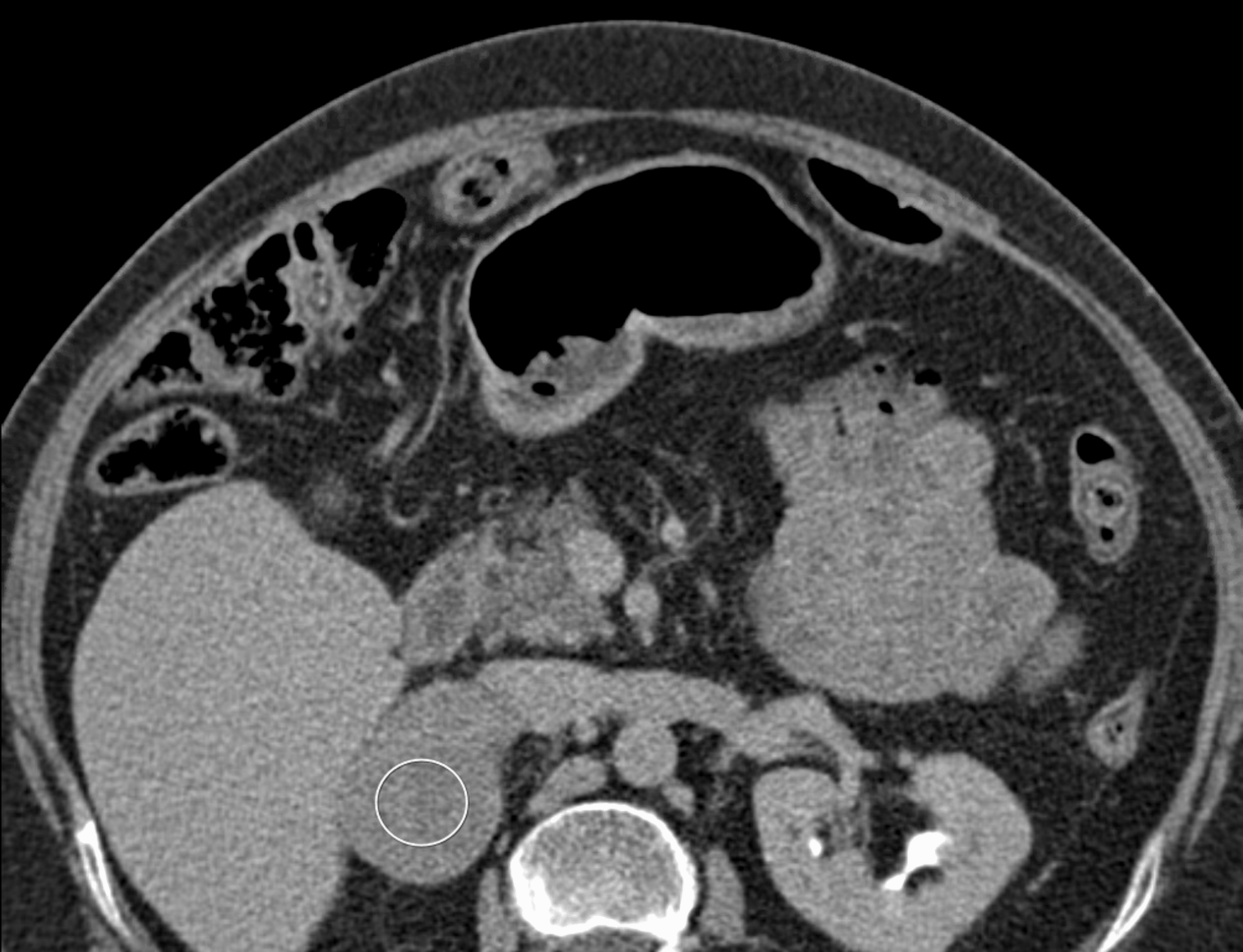
A 75-year-old female was evaluated by endocrinology for an incidentally discovered adrenal mass. A week prior, she was hospitalized for chest pain. A CT angiogram to exclude aortic dissection revealed a large right adrenal lesion with foci of heterogeneous internal enhancement measuring 5.0 cm x 3.7 cm (Figure 1).

Computed-tomography-(CT)-scan-of-the-abdomen-demonstrating-incidentally-noted-adrenal-mass.
Figure 1: Computed tomography (CT) scan of the abdomen demonstrating incidentally noted adrenal mass.

White circle: Large irregular right-sided adrenal mass with foci of heterogenous internal enhancement noted

She was initially asymptomatic, and denied constitutional symptoms such as fatigue or unexplained loss of weight. However, she had a history of hypertension and anxiety, which raised concern for a pheochromocytoma. She otherwise denied unexplained bruising, palpitations, muscle aches, tremors, and heat/cold intolerance.

Aside from hypertension and anxiety, she had a history of type II diabetes mellitus managed on metformin alone. Her family history was remarkable for a brother who also had a left adrenal lesion which was found to be a non-functional adenoma following adrenalectomy.

Her vitals were normal except for a blood pressure of 150/90. Examination showed a well-nourished female with no obvious Cushingoid features, such as increased dorsocervical fat pad, axillary or abdominal striations, or unexplained extremity bruising. Cardiac and respiratory exams were within normal limits, and no lymphadenopathy was appreciated.

She was scheduled for further workup of her adrenal incidentaloma and was found to have an elevated serum cortisol level. An overnight low-dose dexamethasone suppression test was non-suppressed, and adrenocorticotropic hormone (ACTH) level was found to be low (Table 1). These findings confirmed autonomous adrenal production of corticosteroids, and she was referred to surgery for adrenalectomy.

Investigation (units) Value (initial) Value (repeat) Reference range
24-hour urinary epinephrine (mcg/24hr) <1.4 <21
24-hour urinary norepinephrine (mcg/24hr) 28 15-80
24-hour urinary metanephrines (mcg/24hr) <29 30-180
24-hour urinary normetanephrines (mcg/24hr) 211 148-560
Plasma renin activity (ng/mL/hr) 0.2 0.2-1.6
Serum aldosterone (ng/dL) 4.1 2-9
Serum cortisol (ug/dL) 22.2 54.1 2.7-10.5 (for 6-8PM)
24-hour urinary cortisol (mcg/day) 22.9 1347 <45
ACTH level (pg/mL) 3.2 7.2-63.3
Table 1: Investigations performed in the workup of the patient’s incidentaloma. Repeat values for select investigations are presented a year later after she presented with metastatic disease.

ACTH: adrenocorticotropic hormone

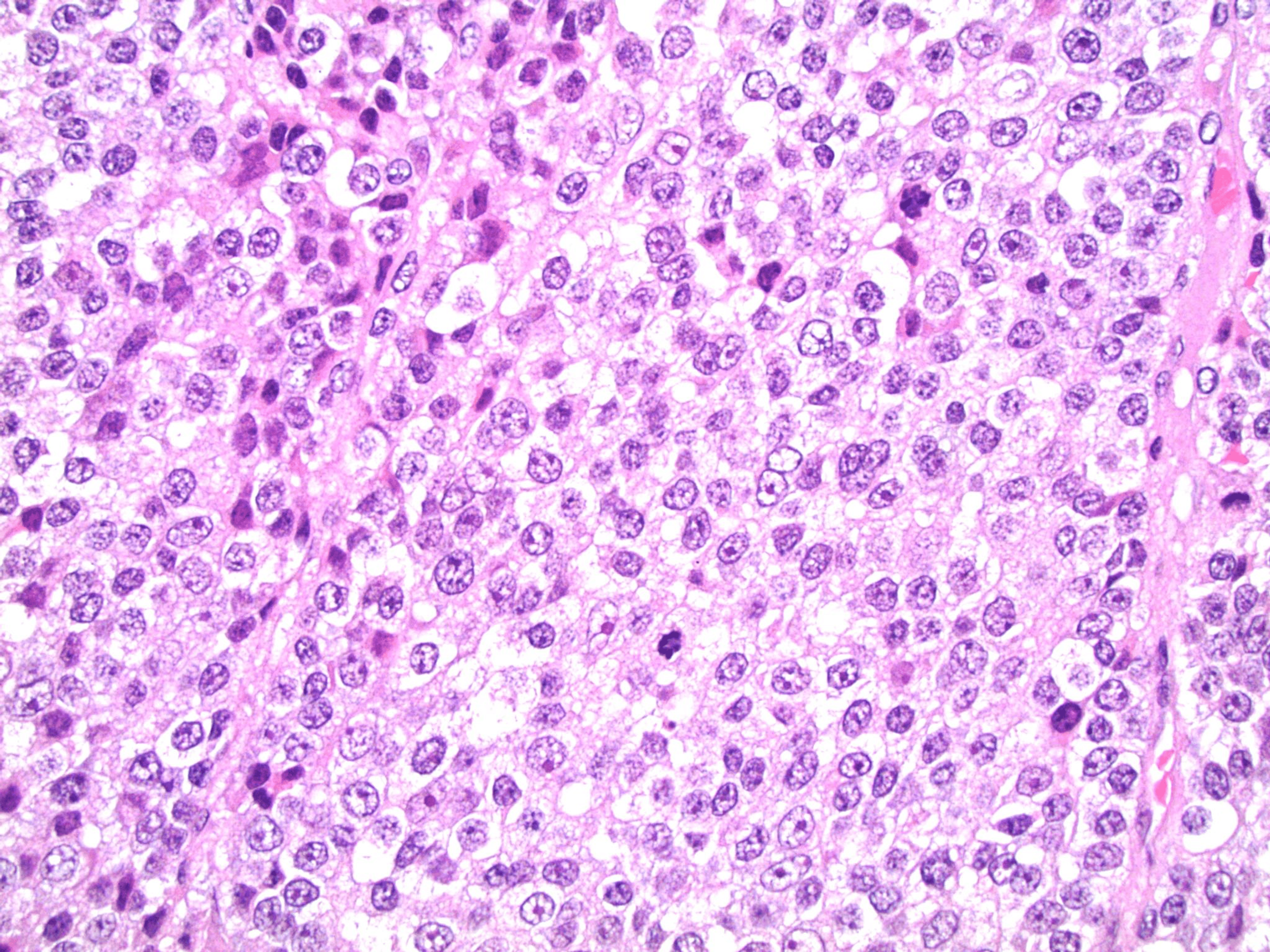
She successfully underwent surgery without complications. A surgical pathology report showed a high-grade adrenocortical carcinoma with positive surgical margins. Small vessel lymphovascular invasion was noted, but regional lymph nodes could not be assessed. The primary tumor was staged T2, with a mitotic rate of 22/50 high power fields that marked it as high grade histologically (Figure 2).

Hematoxylin-&-eosin-stain-of-a-section-of-tissue-from-pathologic-biopsy-under-high-power-microscopy.-Noted-are-the-increased-number-of-mitotic-figures,-increased-nuclear:cytoplasmic-ratio,-and-abnormal-mitotic-figures-typical-for-a-high-grade-malignancy,
Figure 2: Hematoxylin & eosin stain of a section of tissue from pathologic biopsy under high power microscopy. Noted are the increased number of mitotic figures, increased nuclear:cytoplasmic ratio, and abnormal mitotic figures typical for a high-grade malignancy,

She was subsequently referred to oncology for further evaluation, and proceeded with external beam radiation therapy for a total dose of 4500 cGy over 25 fractions, followed by adjuvant therapy with four cycles of carboplatin and etoposide. Dose reduction was needed after cycle two for worsening fatigue and neuropathy, but she otherwise tolerated the treatments well.

Nearly a year later, a regular surveillance CT demonstrated multiple sub-centimeter pulmonary nodules with patchy ground-glass abnormalities concerning for metastatic disease. In view of her disease progression, she started pembrolizumab immunotherapy.

Repeat imaging, in the setting of worsening fatigue and anorexia, confirmed enlargement of her multiple lung nodules with a new soft tissue mediastinal mass also being found (Figure 3). She developed worsening lower extremity edema and required hospitalizations for recurrent hypokalemia with hypertension. Endocrinologic evaluation revealed grossly elevated 24-hour urinary free cortisol and elevated serum cortisol levels consistent with severe Cushing’s syndrome, and she was started on high-dose ketoconazole.

CT-of-the-chest-demonstrating-multiple-nodules-in-the-lungs-consistent-with-metastatic-disease-progression.
Figure 3: CT of the chest demonstrating multiple nodules in the lungs consistent with metastatic disease progression.

Green lines: Identified lung parenchymal nodules measuring 2.60 cm (panel 1) and 2.24 cm (panel 2) in greatest diameter.

Despite six months of immunotherapy, repeat imaging showed substantial increase in size of both her multiple bilateral lung nodules. Extensive mediastinal and hilar adenopathy was also noted. Her treatment regimen was switched once more to mitotane 1g twice daily. She also had multiple subsequent hospitalizations for severe hypokalemia complicated by atrial fibrillation with rapid ventricular response.

She continued to clinically deteriorate, with increasing shortness of breath, fatigue, and chest pain. A goals of care discussion was held in view of her aggressive disease course and multiple lines of failed therapy. She was then transitioned to hospice care, and her mitotane was stopped.

Discussion

Although overall adrenal tumors are common in the population, affecting about 3-10% of people, most of these are benign. ACC on the other hand is rare, and approximately 40-60% of ACCs are found to be functional tumors that produce hormones. Fifty to 80% of these functional ACCs secrete cortisol [4]. A surprising percentage of these may even be picked up incidentally, with one multicentric and retrospective evaluation of 1096 cases demonstrating that 12% of adrenal incidentalomas are ACCs [2]. Despite improved detection rates, however, this has not translated to earlier detection and treatment of ACC [5].

The first proposed TNM staging classification scheme for ACC in 2003 by the International Union Against Cancer (UICC) had notable shortcomings, including similar outcomes for both stage II and III disease [6]. A study of 492 patients in a German ACC registry found that disease-specific survival (DSS) did not significantly differ between stage II and stage III ACC (hazard ratio, 1.38; 95% confidence interval, 0.89-2.16) and furthermore, patients who had stage IV ACC without distant metastases had an improved DSS compared with patients who had metastatic disease (P = .004) [7]. The American Joint Committee of Cancer (AJCC), and the European Network for the Study of Adrenal Tumors (ENSAT) consequently developed revised staging systems that better reflect patient prognosis.

The most important predictors of survival in patients with ACC are tumor grade, tumor stage, and surgical treatment. For patients after surgical resection, the administration of adjunctive therapy is guided by the risk of recurrence. Despite early-stage resection, disease recurrence rates in ACC are very high. Besides the EDP-M regimen, no others have been successfully evaluated in large, randomized trials [4]. Whenever possible, it is still recommended that patients be referred to a clinical trial on an individual basis.

The ADJUVO clinical trial consisted of 91 low-recurrence-risk ACC patients who were randomly assigned to either observation or adjuvant mitotane therapy after surgical resection. Low recurrence risk is defined as Ki67<10%, stage I-III according to ENSAT classification, and microscopically complete resection. Adjuvant mitotane treatment failed to demonstrate statistically significant differences in disease-free survival, recurrence-free survival and overall survival between these patient groups [8]. Our case seems to suggest that even limited-stage disease may need to be managed aggressively not just with primary surgery, but also adjuvant chemoradiotherapy, especially with a high histologic grade.

PD-1 blockade in adrenocortical carcinoma was evaluated in a phase II study of 39 participants, with a progression-free survival of 2.1 months independent of mismatch repair deficiency status being reported [9]. Despite switching to pembrolizumab in our patient, disease progression continued unabated, calling into question the clinical benefit of PD-1 blockade in ACC.

A small study on the use of metyrapone with EDP-M in three advanced ACC patients with Cushing’s syndrome displayed a good safety profile with minor drug-drug interactions and appears to be a good option in combination with mitotane and other cytotoxic chemotherapies [10]. Ketoconazole is often less effective than metyrapone and requires regular monitoring of liver function tests, although it also inhibits androgen production.

Conclusions

This case demonstrates the unfortunate prognosis of many patients with ACC. Although patients may present with classical symptoms of hypercortisolism or hyperandrogenism, many patients do not present with symptoms until the disease has advanced. Surgery may be employed with curative intent, although the evidence for adjuvant radiotherapy is mixed. The management for patients with ACC continues to remain a challenge due to the lack of evidence for optimal therapeutic management. In view of the aggressive nature of ACC, patients with high-grade histology despite limited-stage disease require adjuvant chemoradiation in addition to primary surgery to maximize the chances of progression-free survival. Also, although the use of PD-1 blockade has revolutionized cancer care in several other tumor types, evidence of clear benefit in ACC is lacking, as our case demonstrates.

References

  1. Kerkhofs TM, Verhoeven RH, Van der Zwan JM, et al.: Adrenocortical carcinoma: a population-based study on incidence and survival in the Netherlands since 1993. Eur J Cancer. 2013, 49:2579-86. 10.1016/j.ejca.2013.02.034
  2. Else T, Kim AC, Sabolch A, et al.: Adrenocortical carcinoma. Endocr Rev. 2014, 35:282-326. 10.1210/er.2013-1029
  3. Survival Rates for Adrenal Cancer. (2022). https://www.cancer.org/cancer/adrenal-cancer/detection-diagnosis-staging/survival-by-stage.html.
  4. Fassnacht M, Dekkers OM, Else T, et al.: European Society of Endocrinology Clinical Practice Guidelines on the management of adrenocortical carcinoma in adults, in collaboration with the European Network for the Study of Adrenal Tumors. Eur J Endocrinol. 2018, 179:G1-G46. 10.1530/EJE-18-0608
  5. Kebebew E, Reiff E, Duh QY, Clark OH, McMillan A: Extent of disease at presentation and outcome for adrenocortical carcinoma: have we made progress?. World J Surg. 2006, 30:872-8. 10.1007/s00268-005-0329-x
  6. Fassnacht M, Wittekind C, Allolio B: [Current TNM classification systems for adrenocortical carcinoma]. Pathologe. 2010, 31:374-8. 10.1007/s00292-010-1306-1
  7. Fassnacht M, Johanssen S, Quinkler M, et al.: Limited prognostic value of the 2004 International Union Against Cancer staging classification for adrenocortical carcinoma: proposal for a Revised TNM Classification. Cancer. 2009, 115:243-50. 10.1002/cncr.24030
  8. Berruti A, Fassnacht M, Libè R, et al.: First randomized trial on adjuvant mitotane in adrenocortical carcinoma patients: the Adjuvo Study. J Clin Oncol. 2022, 40:1. 10.1200/JCO.2022.40.6_suppl.001
  9. Raj N, Zheng Y, Kelly V, et al.: PD-1 blockade in advanced adrenocortical carcinoma. J Clin Oncol. 2020, 38:71-80. 10.1200/JCO.19.01586
  10. Claps M, Cerri S, Grisanti S, et al.: Adding metyrapone to chemotherapy plus mitotane for Cushing’s syndrome due to advanced adrenocortical carcinoma. Endocrine. 2018, 61:169-72. 10.1007/s12020-017-1428-9

From https://www.cureus.com/articles/135058-an-aggressive-case-of-adrenocortical-carcinoma-complicated-by-paraneoplastic-cushings-syndrome#!/

Recurrent Neuroendocrine Tumor of the Cervix Presenting With Ectopic Cushing’s Syndrome

Abstract

Neuroendocrine carcinomas (NEC) of the cervix are a rare disease entity and account for only 1-2% of cervical carcinomas. The small-cell variant is the most common, with a worse prognosis and a higher rate of lymphatic and hematogenous metastases when compared with other subtypes of NEC. The diagnosis is usually made when the extra-pelvic disease is already apparent. Cushing’s syndrome due to adrenocorticotropic hormone (ACTH)-secreting tumors of the cervix is exceedingly rare. To date, there have been no reported cases in the literature of Cushing’s syndrome induced by the recurrence of metastases years after the initial diagnosis. This is a case of recurrent small-cell neuroendocrine carcinoma of the cervix presenting with Cushing’s syndrome five years after her original diagnosis. We present here the workup, management, and follow-up of this patient, including multisystemic, coordinated medical care.

Introduction

Neuroendocrine carcinomas (NECs) are heterogenous groups of tumors derived from neuroendocrine cells. NECs of the cervix are rare and account for 1-2% of all cervical carcinomas, with the small-cell variant being the most common [1,2]. Small-cell NECs have a high rate of lymphatic and hematogenous metastasis even when the carcinoma is limited to the cervix. Patients usually present at a late stage, with the extra-pelvic disease being apparent at the time of diagnosis [2]. Among the different histologic variants of NEC of the cervix, the small-cell variant has the highest rate of recurrence [3]. Adrenocorticotropic hormone (ACTH)-secreting tumors of the cervix are rare [4]. We present a case of recurrent metastatic NEC of the cervix five years after the original diagnosis of NEC of the cervix, now presenting with Cushing’s syndrome [1,2].

Case Presentation

A 39-year-old female with a history of recurrent small-cell cervical cancer presented to the emergency department (ED) of our hospital with complaints of weight gain, generalized facial edema, lightheadedness, tingling sensation of her entire face, bilateral leg edema, and abdominal distention.

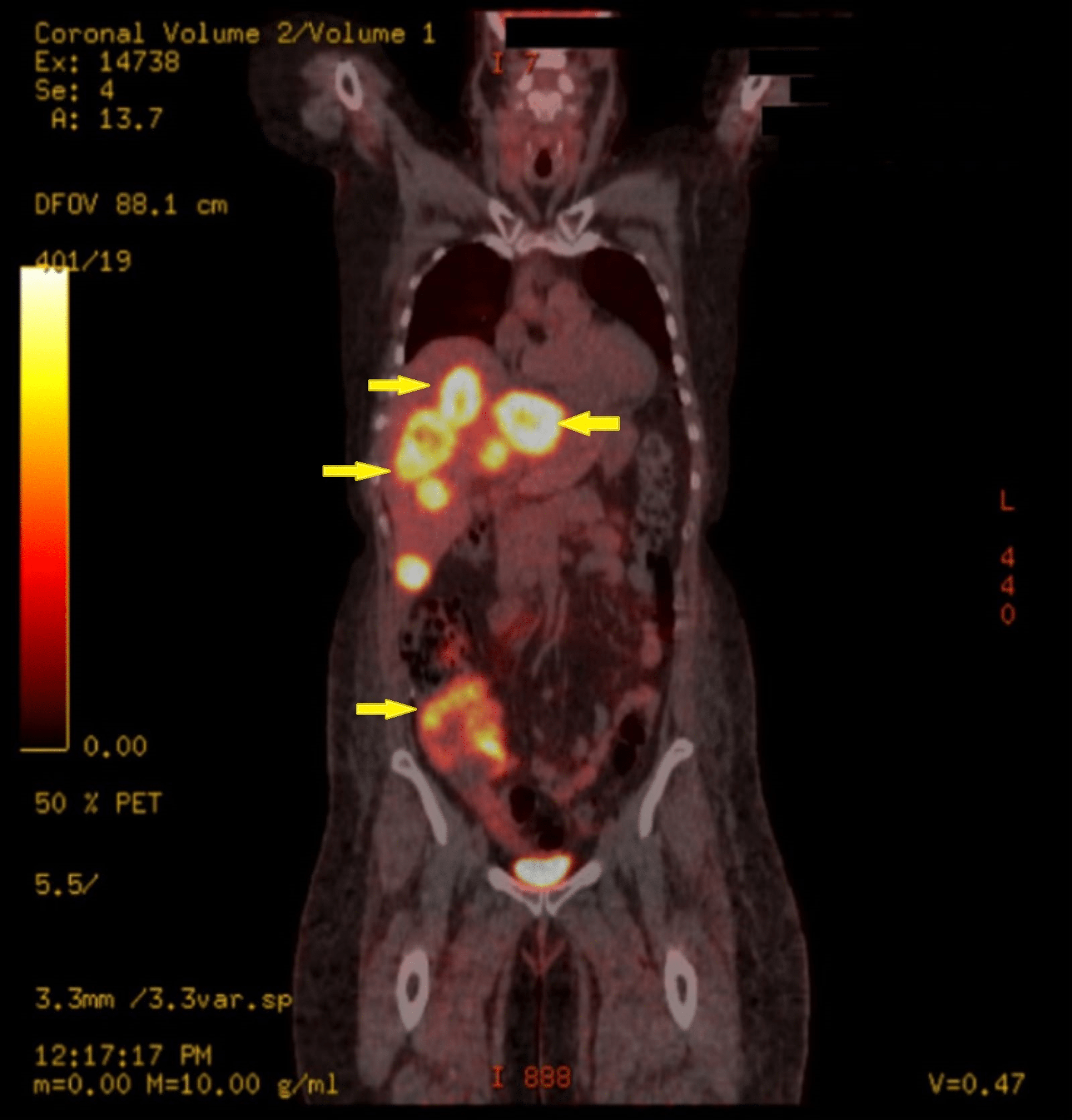
Her problems started a month prior to her ED visit, when she started to complain of abdominal distention. She had a computed tomography (CT) abdomen with contrast, which revealed evidence of metastatic disease, including multiple large liver lesions (Figure 1). Subsequently, she had a positron emission tomography (PET) scan, which confirmed the presence of hypermetabolic lesions in the right peritonsillar tissue, liver, right lower quadrant of the abdomen, and bilateral pulmonary nodules with lymphadenopathy in the left hilum (Figure 2). A liver biopsy was done, with the final pathology consistent with recurrent NEC of the cervix. She was started on cisplatin, etoposide, and atezolizumab by gynecologic oncology but started to develop facial swelling and progressive abdominal distention, prompting this ED consult and subsequent admission.

Abdomial-CT-with-contrast-done-one-month-prior-showed-evidence-of-metastatic-disease-including-multiple-large-liver-lesions.
Figure 1: Abdomial CT with contrast done one month prior showed evidence of metastatic disease including multiple large liver lesions.
PET/CT-demonstrated-the-presence-of-hypermetabolic-lesions-in-the-liver-and-right-lower-quadrant-of-the-abdomen.
Figure 2: PET/CT demonstrated the presence of hypermetabolic lesions in the liver and right lower quadrant of the abdomen.

She had a significant medical history of being diagnosed with cervical cancer (FIGO stage 1B2 NEC) five years prior by gynecologic oncology, at which time she underwent concurrent chemo-radiation followed by surgical assessment of her pelvic lymph nodes with robotic pelvic lymph node dissection and bilateral ovarian transposition to avoid premature menopause. She was subsequently treated with cisplatin and pelvic radiation. She had a follow-up cervical biopsy several months after chemotherapy, which showed persistent NEC, but her PET scan showed no evidence of metastatic disease. After undergoing a robotic total laparoscopic hysterectomy, the final pathology showed a persistent microscopic focus of NEC of the cervix with negative margins. She received adjuvant chemotherapy with cisplatin and etoposide for six cycles with regular follow-up pap smears and annual PET scans, with no evidence of recurrence for five years.

On admission, her vital signs were: blood pressure = 129/79 mm Hg, pulse rate = 85/min, respiratory rate = 18/min, and temperature = 98.5 °F (36.9 °C). Her physical examination was notable for moon facies (a noticeable change from her pictures as recent as two months prior), supraclavicular and dorsocervical fat pads, multiple bruises on her arms, edema of her face and legs, acne of her face and neck, and hair growth of her chin area. No purple striae were seen on the abdomen.

Laboratory tests revealed leukopenia and thrombocytopenia (which were attributed to her chemotherapy), recently diagnosed diabetes (occasional hyperglycemia and HbA1c 7.7%), and electrolyte imbalances (hypokalemia and hypophosphatemia) (Table 1).

Sodium 142 mEq/L (135–145 mEq/L)
Potassium 2.0 mEq/L (3.5–5.0 mEq/L)
Chloride 98 mEq/L (98–108 mEq/L)
CO2 35 mEq/L (21–32 mEq/L)
Anion gap 9 mEq/L (8–16 mEq/L)
BUN 14 mg/dL (7–13 mEq/L)
Creatinine 1.13 mg/dL (0.6–1.1 mg/dL)
Glucose 460 mg/dL (74–100 mg/dL)
Calcium 7.8 mg/dL (8.5–10.1 mg/dL)
Phosphorous 1.0 mg/dL (2.5–4.5 mg/dL)
Albumin 2.5 mg/dL (3.1–4.5 mg/dL)
AST 43 U/L (15–27 U/L)
ALT 76 U/L (12–78 U/L)
White blood cell count 0.6 k/cmm (4.5–10.0 k/cmm)
Red blood cell count 3.55 million cells/μL (3.7–5 × 2)
Hemoglobin 11.9 g/dL (12.0–16.0)
Hematocrit 34.3% (35.0–47.0)
Platelet 45 k/cmm (150–440 k/cmm)
Table 1: Initial laboratory work showed leukopenia, thrombocytopenia, hyperglycemia, hypokalemia, and hypophosphatemia.

AST: aspartate aminotransferase, CO2: carbon dioxide, BUN: blood urea nitrogen, ALT: alanine aminotransferase.

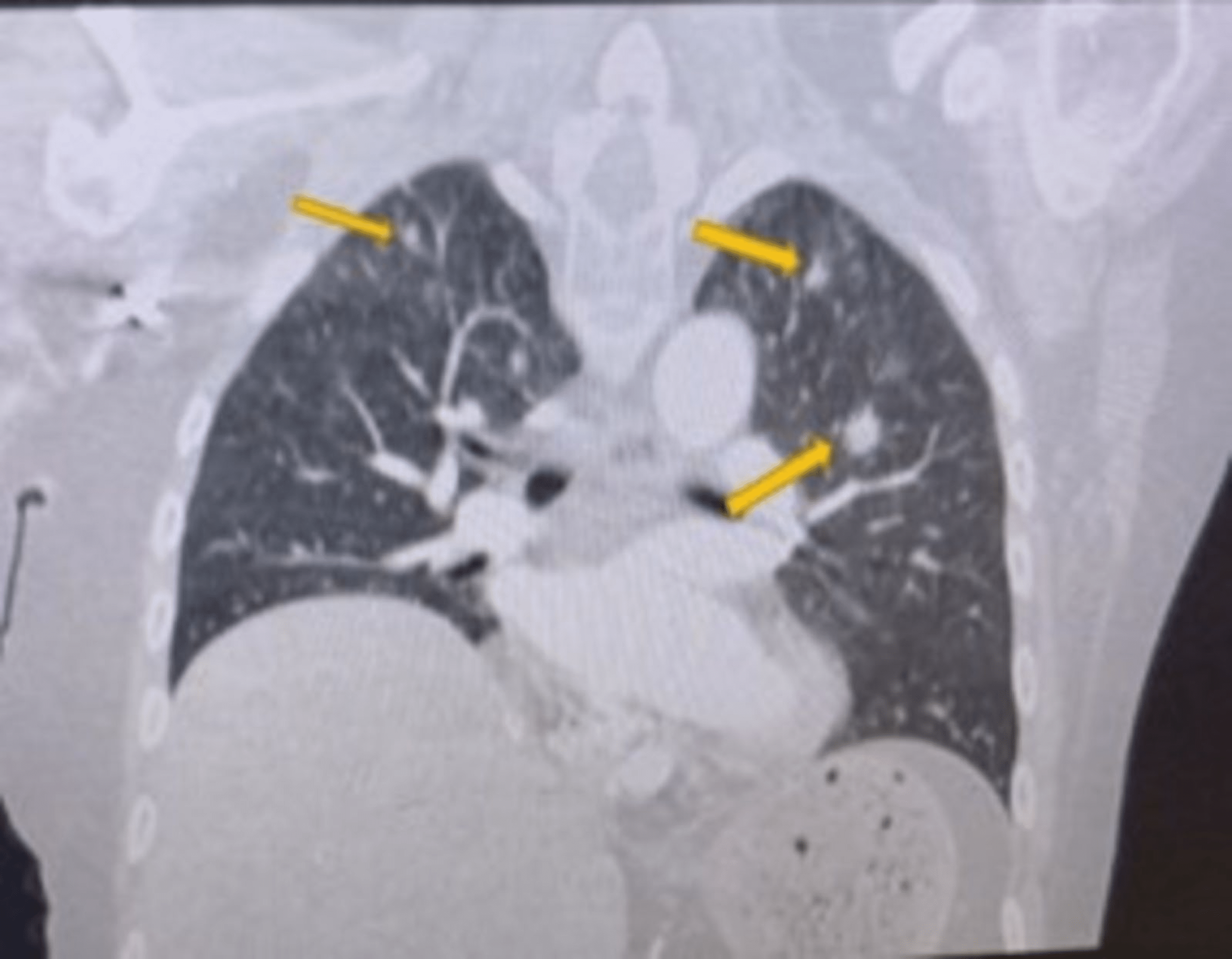
Her chest X-ray showed bilateral pleural effusions. Magnetic resonance imaging (MRI) of the brain showed no evidence of pituitary masses, abnormalities, or metastatic disease in the brain. A CT of the chest showed new bilateral non-calcified lung nodules when compared to the previous PET scan, pathologic-sized left hilar adenopathy, and multiple peripherally enhancing hepatic nodules and masses (Figure 3). The adrenal glands were unremarkable. Workup for facial swelling and bilateral leg edema showed no evidence of superior vena cava (SVC) syndrome on both her chest CT and transthoracic echocardiogram.

Contrast-enhanced-chest-CT-showing-bilateral-noncalcified-lung-nodules.
Figure 3: Contrast-enhanced chest CT showing bilateral noncalcified lung nodules.

She was admitted to the intensive care unit (ICU) and started on empiric antibiotics and filgrastim for neutropenia. Replacement therapy for both hypokalemia and hypophosphatemia was given. After both electrolytes were normalized, the patient was started on basal-bolus insulin therapy.

Based on her clinic presentation of excessive weight gain, new-onset hyperglycemia, hypertension with hypokalemia, and a history of NEC, suspicion of Cushing’s syndrome was high. Further workup showed elevated serum cortisol after 1 mg overnight dexamethasone suppression, elevated 24-hour urine cortisol, and elevated midnight salivary cortisol, which confirmed Cushing’s syndrome (Table 2). ACTH was also elevated, but dehydroepiandrosterone sulfate (DHEAS) was normal. Thyroid function tests showed a slightly low free thyroxine, but this was attributed to an acute illness.

HgbA1C 7.7% (4.0-6.0%)
ACTH 1207 pg/mL (7.2–63.3 pg/mL)
24-hour urine cortisol 7070 μg/24 hr (6–42 μg/24 hr)
Salivary cortisol >1.000 μg /dL (0.025–0.600 μg/dL)
Serum cortisol after 1 mg overnight dexamethasone suppression 143.0 μg/dL (3.1–16.7 μg/dL)
Total testosterone 77 ng/dL (14–76 ng/dL)
DHEAS 250.0 μg/dL (57.3–279.2 μg/dL)
Chromogranin A 970.9 ng/mL (0.0–101.8 ng/mL)
TSH 0.572 mIU/L (0.358–3.74mIU/L)
Free T4 0.70 ng/dl (0.76–1.46) ng/dl
Table 2: Work up showed elevated ACTH, elevated 24-hour urine cortisol, elevated salivary cortisol, and elevated serum cortisol after 1 mg overnight dexamethasone suppression test.

HgbA1C: hemoglobin A1C; ACTH: adrenocorticotropic hormone; DHEAS: dehydroepiandrosterone sulfate; TSH: thyroid stimulating hormone; free T4: free thyroxine.

A diagnosis of Cushing’s syndrome due to metastatic small-cell neuroendocrine carcinoma of the cervix was assumed. A bilateral adrenalectomy, which is the definitive treatment of hypercortisolism when surgical removal of the source of excess ACTH is done, was not done because gynecologic oncology wanted to treat her with chemotherapy urgently due to her metastases and the nature of the disease and felt that surgery and recovery would delay the start of chemotherapy. Ketoconazole was felt to be a poor choice in the setting of liver metastases with worsening liver function tests. The patient was thus started on mifepristone 300 mg daily, as it is indicated for hypercortisolism secondary to endogenous Cushing’s syndrome with diabetes. Nephrology was consulted, and potassium supplementation was transitioned to oral potassium chloride 40 meq tablets four times a day; spironolactone 50 mg twice daily was added for the hypokalemia and hypertension, which occurred after the patient started bevacizumab. Hypokalemia is a common side effect of mifepristone therapy due to the glucocorticoid receptor blockade, which leads to cortisol’s spillover effect on unopposed mineralocorticoid receptors. She was discharged home with a basal-bolus insulin regimen.

Her posthospitalization course was complicated by compression fractures of her lumbar spine one week after discharge with no history of falls. An MRI of the spine showed chronic compression fractures of the T11-L3 vertebral bodies with no evidence of osseous metastatic disease. Dual-energy X-ray absorptiometry (DXA) scan interpretation demonstrated osteoporosis. Vertebral fracture assessment showed morphometric fractures in the lower thoracic and upper lumbar vertebrae. She was subsequently treated with IV administration of 5 mg of zoledronic acid. She was also readmitted multiple times after her initial admission due to the patient’s developing neutropenic fever, which was treated with filgrastim and antibiotics.

After starting mifepristone, her glycemic control improved to the point that insulin therapy could be subsequently discontinued. Her liver enzymes normalized, and ketoconazole was subsequently added for adjunct therapy to treat hypercortisolism, but the dose could not be optimized due to persistently elevated liver function tests. Hypokalemia management and resistant hypertension were additional challenges encountered by this patient.

At her follow-up visits, she had notably lost weight with the improvement of her leg edema. She continued to follow up with a nephrologist on an outpatient basis, and her normal potassium levels were normal on 40 meq of oral potassium chloride tablets four times a day and spironolactone 150 mg twice a day. She was followed up closely by her gynecologic oncologist and was on bevacizumab, topotecan, and paclitaxel before her unfortunate demise a few months later.

Discussion

Cushing’s syndrome due to ectopic ACTH secretion only represents 9-18% of cases. Most primary endocrine tumors responsible for ectopic ACTH secretion are located in the chest [5]. Abdominal and retroperitoneal neuroendocrine tumors are the second- and third-most reported sites [5]. Neuroendocrine tumors of the cervix are incredibly rare [6-9].

A unique feature of this case is that the patient presented with Cushing’s syndrome due to neuroendocrine tumor metastases found five years after the primary site of the tumor was resected. For this patient, a biopsy of the liver confirmed a metastatic neuroendocrine tumor, but it is unknown if the other sites of metastases are implicated in the production of excess ACTH.

The management of this disease focuses on controlling hypercortisolism, consequent hyperglycemia, and hypokalemia. Surgical excision of ACTH-secreting neuroendocrine tumors is the most effective, but in cases where that is not possible, bilateral adrenalectomy and medical treatment are the next best treatments for this disease entity [10]. For this patient, bilateral adrenalectomy was not done as gynecologic oncology wanted to treat her with chemotherapy urgently due to the metastases and nature of the disease and felt that surgery and recovery would delay the start of chemotherapy.

We provided medical management for the patient’s hypercortisolism. Pharmacological therapy for hypercortisolism can be categorized into immediate-acting steroidogenesis inhibitors (metyrapone, ketoconazole, and etomidate), slow-acting cortisol-lowering drugs (mitotane), and glucocorticoid receptor antagonists (mifepristone) [5]. We initially chose mifepristone because it is indicated in patients with type 2 diabetes mellitus and could be given safely despite the patient’s worsening liver function levels [11].

As demonstrated, the management of recurrent hypokalemia proved challenging in this patient. The phenomenon is well known to be induced by ectopic ACTH. Several mechanisms contribute to this. Activation of renal tubular type 1 (mineralocorticoid) receptors by cortisol is thought to be the mechanism that applies mainly to patients with severe hypercortisolism due to ectopic ACTH secretion. Additionally, there may also be an increase in the production of renin substrate from the liver. The high serum cortisol concentrations may not be completely inactivated by 11β-hydroxysteroid dehydrogenase type 2 in the kidney and overwhelm its ability to convert cortisol to cortisone, resulting in activation of mineralocorticoid receptors resulting in potassium loss in the distal tubules [12]. Hypokalemia may also result from adrenal hypersecretion of mineralocorticoids, such as deoxycorticosterone and corticosterone. This can also be amplified by mifepristone, as it is a glucocorticoid receptor antagonist that increases circulating cortisol levels [12].

Complications such as hypokalemia, hyperglycemia, acute respiratory distress syndrome, infections, muscle wasting, hypertension, and bone fractures can occur and can arise at any time throughout the course of the disease when urine-free cortisol is fivefold or more above the upper limit of normal [5]. Ketoconazole was initially considered for medical treatment, but due to mildly elevated liver enzymes during the initial presentation, we decided to use mifepristone instead. A small cohort study showed that severe hypercortisolism and increased baseline transaminase levels could be due to cortisol-induced hepatic steatosis [13]. Later in her course, ketoconazole was added to her mifepristone therapy to decrease adrenal cortisol production. Unfortunately, her dose could not be increased due to the patient’s persistently elevated liver enzymes.

Recurrent pancytopenia due to chemotherapy contributed to the protracted nature of this patient’s clinical course. Due to cortisol’s immunosuppressive and anti-inflammatory effects, opportunistic infections can arise [14]. Since her initial hospitalization, she has been readmitted several times due to neutropenic fever, which was treated with filgrastim and antibiotics.

Conclusions

Ectopic Cushing’s syndrome due to metastatic neuroendocrine small-cell carcinoma is a rare condition with a poor prognosis. The options for treatment are few and not necessarily curative. There needs to be increased awareness of this serious and rare complication. Managing the condition can be a challenge and requires a multidisciplinary team approach to improve outcomes.


References

  1. Cohen JG, Kapp DS, Shin JY, et al.: Small cell carcinoma of the cervix: treatment and survival outcomes of 188 patients. Am J Obstet Gynecol. 2010, 203:347.e1-6. 10.1016/j.ajog.2010.04.019
  2. Salvo G, Gonzalez Martin A, Gonzales NR, Frumovitz M: Updates and management algorithm for neuroendocrine tumors of the uterine cervix. Int J Gynecol Cancer. 2019, 29:986-95. 10.1136/ijgc-2019-000504
  3. Stecklein SR, Jhingran A, Burzawa J, Ramalingam P, Klopp AH, Eifel PJ, Frumovitz M: Patterns of recurrence and survival in neuroendocrine cervical cancer. Gynecol Oncol. 2016, 143:552-7. 10.1016/j.ygyno.2016.09.011
  4. Chen J, Macdonald OK, Gaffney DK: Incidence, mortality, and prognostic factors of small cell carcinoma of the cervix. Obstet Gynecol. 2008, 111:1394-402. 10.1097/AOG.0b013e318173570b
  5. Young J, Haissaguerre M, Viera-Pinto O, Chabre O, Baudin E, Tabarin A: Management of Endocrine Disease: Cushing’s syndrome due to ectopic ACTH secretion: an expert operational opinion. Eur J Endocrinol. 2020, 182:R29-58. 10.1530/EJE-19-0877
  6. Hashi A, Yasumizu T, Yoda I, et al.: A case of small cell carcinoma of the uterine cervix presenting Cushing’s syndrome. Gynecol Oncol. 1996, 61:427-31. 10.1006/gyno.1996.0168
  7. Iemura K, Sonoda T, Hayakawa A, et al.: Small cell carcinoma of the uterine cervix showing Cushing’s syndrome caused by ectopic adrenocorticotropin hormone production. Jpn J Clin Oncol. 1991, 21:293-8.
  8. Barghouthi N, Perini J, Cheng J: Ectopic adrenocorticotropic hormone production: a case of neuroendocrine cervical small cell carcinoma presenting as Cushing syndrome. AACE Clin Case Rep. 2018, 4:e367-e369. 10.4158/ACCR-2018-0080
  9. Di Filippo L, Vitali G, Taccagni G, Pedica F, Guaschino G, Bosi E, Martinenghi S: Cervix neuroendocrine carcinoma presenting with severe hypokalemia and Cushing’s syndrome. Endocrine. 2020, 67:318-20. 10.1007/s12020-020-02202-x
  10. Ilias I, Torpy DJ, Pacak K, Mullen N, Wesley RA, Nieman LK: Cushing’s syndrome due to ectopic corticotropin secretion: twenty years’ experience at the National Institutes of Health. J Clin Endocrinol Metab. 2005, 90:4955-62. 10.1210/jc.2004-2527
  11. Biller BM, Grossman AB, Stewart PM, et al.: Treatment of adrenocorticotropin-dependent Cushing’s syndrome: a consensus statement. J Clin Endocrinol Metab. 2008, 93:2454-62. 10.1210/jc.2007-2734
  12. Fleseriu M, Biller BM, Findling JW, Molitch ME, Schteingart DE, Gross 😄 Mifepristone, a glucocorticoid receptor antagonist, produces clinical and metabolic benefits in patients with Cushing’s syndrome. J Clin Endocrinol Metab. 2012, 97:2039-49. 10.1210/jc.2011-3350
  13. Young J, Bertherat J, Vantyghem MC, Chabre O, Senoussi S, Chadarevian R, Castinetti F: Hepatic safety of ketoconazole in Cushing’s syndrome: results of a Compassionate Use Programme in France. Eur J Endocrinol. 2018, 178:447-58. 10.1530/EJE-17-0886
  14. Sarlis NJ, Chanock SJ, Nieman LK: Cortisolemic indices predict severe infections in Cushing syndrome due to ectopic production of adrenocorticotropin. J Clin Endocrinol Metab. 2000, 85:42-47. 10.1210/jcem.85.1.6294


From https://www.cureus.com/articles/111698-recurrent-neuroendocrine-tumor-of-the-cervix-presenting-with-ectopic-cushings-syndrome