Adrenocorticotropic Hormone-Dependent Cushing’s Syndrome Complicated With Gastric Ulcer Perforation in a 30-Year-Old Saudi Female

Abstract

Gastrointestinal perforation is a well-addressed complication of exogenous hypercortisolism; however, patients with endogenous Cushing’s syndrome (CS) do not usually experience this condition in clinical practice. The literature on this subject is limited and consists solely of clinical case reports/series with only 23 instances of gastrointestinal perforation occurring in individuals with endogenous Cushing’s syndrome. This is mainly attributed to the rarity of Cushing’s syndrome itself and the low chance of occurrence of such complications.

We report a case of a recently diagnosed adrenocorticotropic hormone (ACTH)-dependent Cushing’s syndrome in a 30-years-old female who presented initially with a three-month history of progressive weight gain, generalized weakness, acne, menstrual irregularity, and severe hypokalemia, and then developed a gastric ulcer perforation only one month after her ACTH-dependent Cushing’s syndrome diagnosis and was managed through emergent surgery.

Introduction

A disorder of the endocrine system characterized by excessive cortisol production, known as Cushing’s syndrome, rarely occurs. The main causes are pituitary tumors, ectopic adrenocorticotropic hormone (ACTH)-secreting tumors, or adrenal tumors that secrete cortisol independently [1]. Patients initially present with a wide range of symptoms, including weight gain, proximal myopathy, skin thinning, and abdominal striae [1]. Additionally, several metabolic disorders, such as diabetes mellitus, hypertension, and dyslipidemia, can occur, especially when the diagnosis is not established at an early stage [2]. There is a possibility of gastrointestinal complications among patients receiving exogenous glucocorticoids. However, there is limited information on gastrointestinal complications associated with endogenous hypercortisolemia [3,4]. Thus far, only 23 instances have been published addressing the co-occurrence of gastrointestinal perforation with endogenous Cushing’s syndrome [5-17]. To the best of our knowledge, this is the first case reporting gastric perforation in an ACTH-dependent Cushing’s syndrome, while the vast majority reported diverticular, sigmoid, or duodenal perforation with Cushing’s syndrome [5-17]. Herein, we describe the medical history, physical examination, and investigatory findings of a 30-year-old female with a recent diagnosis of ACTH-dependent Cushing’s syndrome that was complicated by gastric ulcer perforation, necessitating an urgent exploratory laparotomy. The primary motivator of this case report was the rarity of the described condition, the atypical location of the perforation in such patient group, and the relatively young age of the patient.

Case Presentation

History and examination

A 30-year-old female with a history of mental retardation was admitted to our emergency department (ER) with progressive weakness and fatigue. Upon taking the history, she had been having menstrual irregularities, progressive weight gain, and generalized weakness, which was significant enough to limit her physical activity and hinder her movement for the past three months. Initial vital signs showed that the patient had a body temperature of 37°C, a pulse rate of 90 beats per minute, and a blood pressure of 130/80 mmHg. On physical examination, the patient had a moon face with supraclavicular fullness, dorsocervical fat pad, purple abdominal striae, facial signs of hirsutism, and acne all over the face, shoulders, chest, and back.

Investigations

In the initial laboratory examination, hypokalemia of 2.1 mEq/L, hyperglycemia of 12.1 mmol/L, and metabolic alkalosis were detected (Table 1). The cortisol level after 1 mg dexamethasone suppression test was 2204 nmol/L (normal range 140-690), ACTH 123 pg/mL (normal range 7.2-63.3), DHEA-S 27.85 umol/L (normal range 2.6-13.9), And 24-hour urine cortisol level was 1560 mg/day (normal range 30-350) (Table 1). No suppression was observed in cortisol level with 8 mg dexamethasone suppression test.

Parameter Initial presentation Perforation presentation Refrence range
Na+ 143 mEq/L 139 mmol/L 135-147 mEq/L
Cl- 85 mEq/L 105 mmol/L 98-108 mEq/L
K+ 2.1 mEq/L 2.8 mmol/L 3.5-5.0 mEq/L
Mg2+ 0.79 mmol/L 0.77 mmol/L 0.85-1.110 mmol/L
PO3- 0.88 mmol/L 1.23 mmol/L 0.97-1.46 mmol/L
PH 7.54 7.36 7.35-7.45
PCO2 67.5 mmHg 42.7 mmHg 35-45 mmHg
PO2 27.7 mmHg 62.2 mmHg 75-100 mmHg
HCO3 49.8 mEq/L 23.6 mEq/L 22-26 mEq/L
Random blood glucose 12.1 mmol/L 24.1 mmol/L <5.5 mmol/L
Hemoglobin 13.5 g/dL 14.9 g/dL 13.7-16.8 g/dL
White blood cells 9,720 /uL 11,100 /uL 3,300-8,600 /uL
Lymphocyte 0.48% 0.33%
Neutrophil 8.55% 9.66%
Eosinophil 0.0% 0.0%
TSH 0.55 mIU/L Was not ordered 0.4-4.0 mIU/L
Cortisol 2204 nmol/L 4842 nmol/L 140-690 nmol/L
ACTH 123 pg/mL Was not ordered 7.2-63.3 pg/mL
Table 1: Laboratory findings on initial presentation and on perforation day

TSH – thyroid stimulating hormone; ACTH – adrenocorticotropic hormone

A series of CT scans for the neck, chest, abdomen, and pelvis was performed and failed to localize any tumors acting as an ectopic source. A pituitary MRI was performed, and no adenoma was found. To complete the diagnostic workup, we decided to do an inferior petrosal sinus sampling (IPSS) and PET scan with Gallium 68; however, the patient’s family refused and requested discharge and outpatient follow-ups. These results, together with the biochemical and clinical findings, supported the diagnostic hypothesis of ACTH-dependent Cushing’s syndrome.

Treatment/management

When addressing the issue of hypokalemia that the patient presented with initially, it was found to be resistant and difficult to correct. The patient was put on spironolactone 50 mg BID, and potassium chloride 20 mEq q8h, and her potassium level barely reached 3.5 mmol/L after several days. In addition, her magnesium level was corrected with magnesium oxide 800 mg every six hours. Her blood glucose level was controlled with insulin glargine 6 units daily and Novorapid as per the sliding scale. The patient was discharged on spironolactone tablets 50 mg BID (oral), potassium chloride 20 mEq q8h, cholecalciferol, calcium carbonate, insulin glargine 6 units daily, and Novorapid 4 units TID before meals.

Follow-up and outcomes

Seven days after discharge, she presented to the ER complaining of a new onset of abdominal pain, constipation, and reduced urine output. Her Glasgow Coma Scale (GCS) was 15, her blood pressure measurement was 146/90 mmHg, her pulse rate was 66 beats per minute, her respiratory rate was 21 breaths per minute, and her temperature was 36.7°C. Upon physical examination, the patient had distended non-tender abdomen without any other significant findings. Blood work was done, including renal functions, and all parameters, including potassium, were within normal limits. A chest X-ray was also performed and revealed no evidence of pneumoperitoneum. The patient was clinically stable after managing her abdominal pain with acetaminophen injection and administering fleet enema for constipation. After instructions on when to come again to the ER were given, the patient was discharged home on lactulose and paracetamol, and a close outpatient follow-up appointment was scheduled.

Five days after the ER visit, the patient presented again to the ER. She was still complaining of severe non-resolving abdominal pain, constipation, and reduced urine output. Upon physical examination in the ER, the patient was found to have developed a new onset of lower limb edema, abdominal rebound tenderness, and abdominal rigidity and guarding. She was hypotensive with a blood pressure of 91/46 mmHg, pulse rate of 80 beats per minute, respiratory rate of 16 breaths per minute, temperature of 38.2 °C, and SpO2 of 96%. The only significant laboratory finding was her potassium level dropping low to 2.8 mEq/L (Table 1). An X-ray of the chest was requested and showed a large pneumoperitoneum (Figure 1).
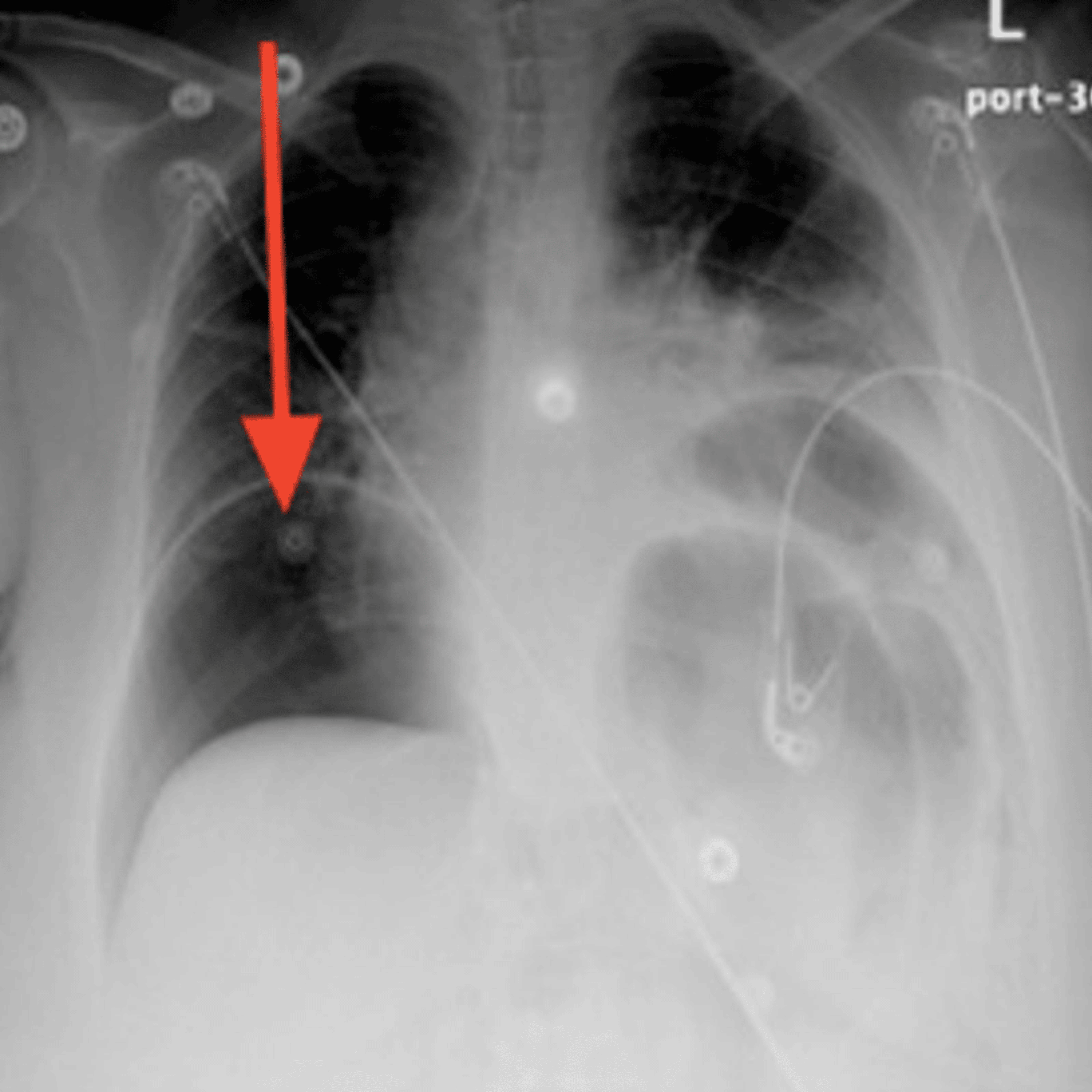
Posteroanterior-chest-X-ray-at-the-time-of-gastric-perforation-displaying-severe-air-under-the-diaphragm-with-bilateral-obstruction-indicating-massive-pneumoperitoneum-(red-arrow)
Figure 1: Posteroanterior chest X-ray at the time of gastric perforation displaying severe air under the diaphragm with bilateral obstruction indicating massive pneumoperitoneum (red arrow)

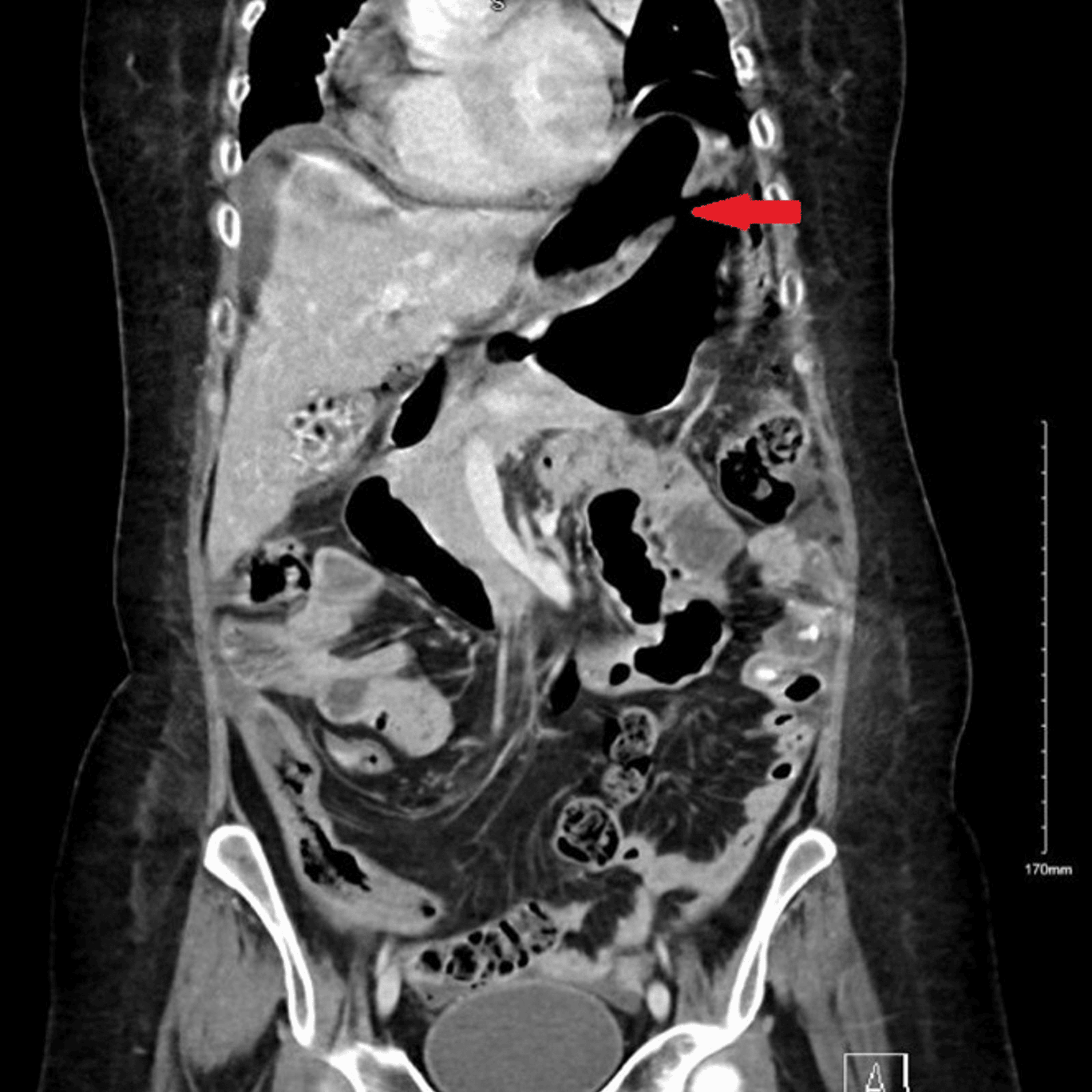
Abdominal CT was also urgently performed and confirmed the presence of gastric perforation likely related to an underlying perforated peptic ulcer with 0.8 cm defect at the distal greater curvature (Figures 23).

Coronal-section-CT-image-of-abdomen-and-pelvis-at-the-time-of-gastric-perforation-showing-features-of-gastric-perforation-likely-related-to-the-underlying-perforated-peptic-ulcer-with-0.8-cm-defect-at-the-distal-greater-curvature-
Figure 2: Coronal-section CT image of abdomen and pelvis at the time of gastric perforation showing features of gastric perforation likely related to the underlying perforated peptic ulcer with 0.8 cm defect at the distal greater curvature
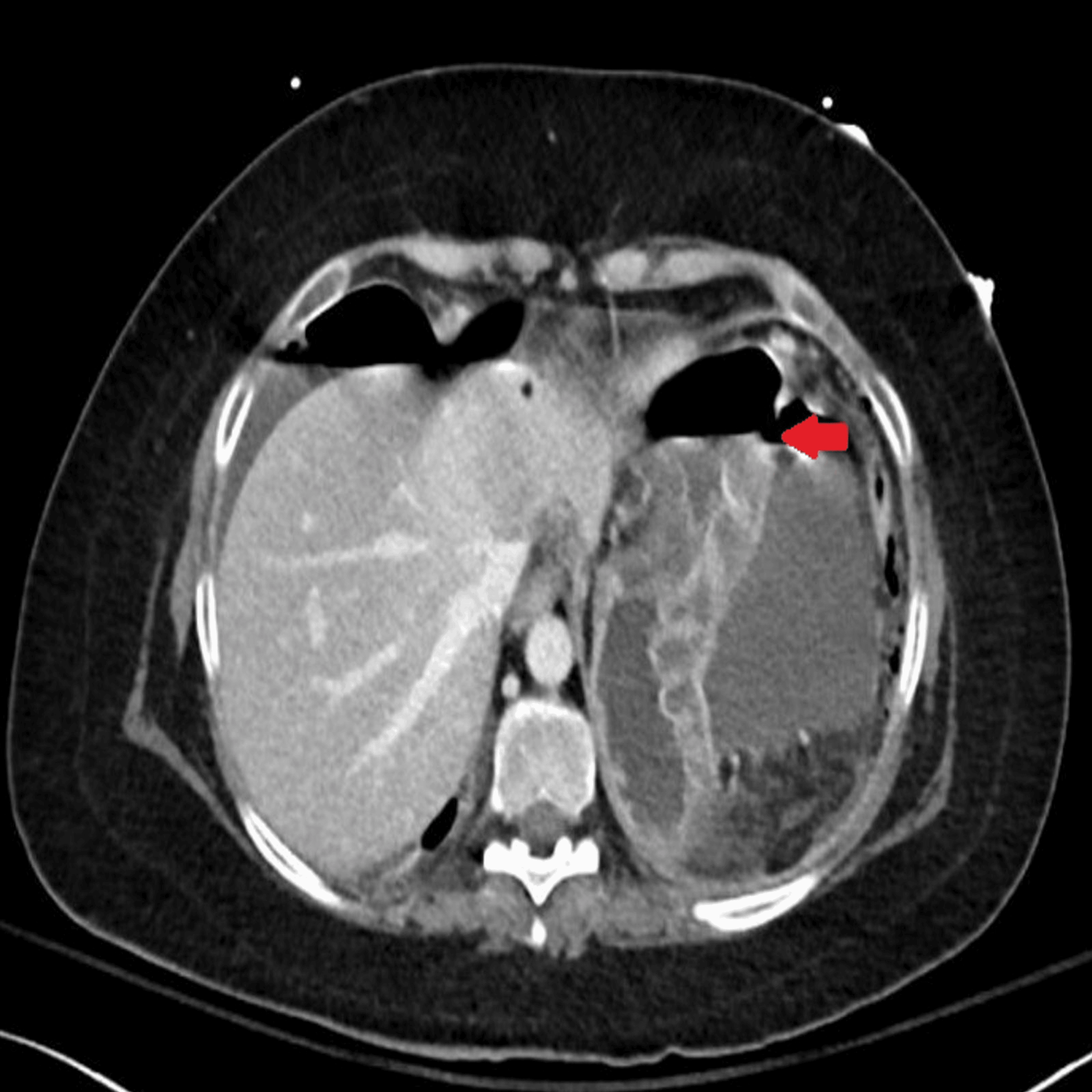
Horizontal-section-CT-image-showing-features-of-gastric-perforation-likely-related-to-the-underlying-perforated-peptic-ulcer-with-0.8-cm-defect-at-the-distal-greater-curvature
Figure 3: Horizontal-section CT image showing features of gastric perforation likely related to the underlying perforated peptic ulcer with 0.8 cm defect at the distal greater curvature

The patient underwent an emergent gastric wedge resection for gastric perforation, and the pathology reported evidence of gastric ulcer with no evidence of malignancy. Furthermore, Helicobacter pylori test was performed on the sample, and it came back positive. The patient tolerated the surgery very well, and postoperative recovery was without any complications.

Later, the patient was prescribed metyrapone 250 mg Q4h, which was then increased to 500 mg Q4h four days after surgery, and her cortisol level significantly dropped to 634nmol/L. During that time, a gastrin level test was also performed to exclude the presence of gastrinomas, and the level was 45 pg/ml (normal range 13-115).

Discussion

A small percentage of the population suffers from Cushing’s syndrome, which is an endocrine disorder characterized by an endogenous overproduction of glucocorticoids, resulting in hypercortisolemia [1]. It is estimated to affect 0.7 to 2.4 people per million annually [1]. Hypercortisolemia alters psychologic, metabolic, and cardiovascular functions, resulting in increased mortality and morbidity rates, particularly if the diagnosis is delayed and long-term exposure to high cortisol levels occurs [2]. Women are more likely to suffer from this condition than men, and people in their 40s to 60s are most vulnerable to it [1]. Patients initially present with a wide range of symptoms, including weight gain, proximal myopathy, skin thinning, and abdominal striae [1]. Additionally, several metabolic disorders, such as diabetes mellitus, hypertension, and dyslipidemia, can occur [1]. Due to the rarity of this condition, there is often a significant delay in diagnosis and treatment, which could eventually lead to complications from prolonged hypercortisolism.

From another standpoint, in a systematic review, the incidence of peptic ulcer perforation ranges from 3.8 to 14 per 100,000 individuals in the general population [18]. In under-developed countries, patients are typically young, tobacco-using males [19]. However, patients in industrialized countries are typically older with multiple co-morbidities and are on long-term non-steroidal anti-inflammatory drugs (NSAIDs) or steroid use [19]. Patients may present with an abrupt onset of abdominal discomfort, abdominal rigidity, and tachycardia in the early stages of a perforated peptic ulcer [19]. Later, abdominal distention, pyrexia, hypotension, fever, and vomiting can occur [19]. Furthermore, when the diagnosis is made early, a perforated ulcer often has a good prognosis. However, the risk of adverse events increases if there is a delay in the diagnosis [20]. Therefore, making an early detection through different imaging modalities is crucial [20]. A history of peptic ulcer disease, NSAIDs, physiological stress, smoking, corticosteroids, and Helicobacter pylori are some of the well-established risk factors for a perforated peptic ulcer [20].

The prevalence of Helicobacter pylori among Saudi patients is high; in one study, the overall prevalence was 46.5% in patients with dyspepsia using gastric biopsy [21]. Several studies have explored the relationship between Helicobacter pylori and gastrointestinal perforation, but the results have been mixed. Some studies have suggested a higher prevalence of Helicobacter pylori infection among individuals with gastrointestinal perforation compared to those without, indicating a potential association. However, other studies have found no significant difference in the prevalence of Helicobacter pylori infection between perforated and non-perforated gastrointestinal ulcer cases [22]. Furthermore, they suggested that the presence of other risk factors like the use of NSAIDs, smoking, and alcohol may interact with Helicobacter pylori infection and contribute to the development of complications such as gastrointestinal perforation [22]. However, in our case, the patient did not have any established risk factors for gastric perforation, such as NSAIDs, smoking, or alcohol. Therefore, considering the low incidence of gastrointestinal perforation and high prevalence of Helicobacter pylori, the conflicting data regarding the association between Helicobacter pylori and gastrointestinal perforation, and the lack of established risk factors for gastrointestinal perforation in our patient, we suggest that prolonged excess glucocorticoids from Cushing’s syndrome may have contributed to the gastric perforation either independently or synergistically with Helicobacter pylori since hypercortisolism can lead to a weakened gastrointestinal wall integrity due to decreased collagen turnover and disruption of mucosal protection by prostacyclin [15]. In addition, because of hypercortisolism, perforation may not be contained or healed initially due to the immunosuppressive effects of hypercortisolism, whether endogenous or exogenous [15]. Additionally, high levels of cortisol may delay the diagnosis and treatment since it may mask the symptoms of the perforation [14]. Moreover, our patient was treated for severe hypokalemia with potassium supplementation for an extended period of time. Previous studies have linked potassium chloride supplementation to gastrointestinal ulceration and perforation, making this a possible additive cause of our patient’s condition [23,24].

A limited number of studies have addressed gastrointestinal perforations associated with endogenous hypercortisolemia [5-17]. The correlation between Cushing’s syndrome and gastrointestinal perforation is highlighted in our study and in the case reports that have been previously published (Table 2). Similar to our case, a female predominance was seen in gastrointestinal perforation among the reported cases of Cushing’s syndrome [6,7,12,13,15,16]. Additionally, the average age at which gastrointestinal perforation occurred in patients with endogenous hypercortisolism ranged from 45 to 80, which is a noticeably higher age range than the case we are presenting here (aged 30) [6-10,12]. Furthermore, unlike our case, in which gastrointestinal perforation occurred four months after the onset of Cushing’s symptoms, Intestinal perforation occurs approximately 9.8 months after Cushing’s symptoms first appear [15]. Furthermore, in our patient, gastric perforation occurred while she was hypercortisolemic and not in a remission state. Hence, in association with Helicobacter pylori infection, severe hypercortisolemia could have been a secondary contributing factor to gastric perforation. The complications of gastric ulceration, specifically with endogenous Cushing’s syndrome, have been addressed in two case reports [25,26]. It must be noted, however, that neither case is similar to ours. A case of gastric perforation was reported by Kubicka et al. in a patient who had a confirmed diagnosis of gastrinoma, and the patient was diagnosed with ectopic Cushing’s syndrome seven months after gastric perforation [25]. Therefore, since ectopic Cushing’s syndrome was diagnosed seven months after the perforation, it is more likely that the gastrinoma contributed to this complication. In contrast, our patient’s serum gastrin level was within the normal range, ruling out gastrinoma. Further, Hoshino et al. reported a case of gastrointestinal bleeding in a 39-year-old man with a confirmed diagnosis of Cushing’s disease secondary to pituitary adenoma [26]. He was found to have gastric ulceration and bleeding along with Helicobacter pylori infection and elevated cortisol levels [26]. In spite of the patient not developing a gastric perforation, it was suggested by the author that hypercortisolism might be a contributing factor for gastric ulcer complications by slowing down the ulcer healing process [26]

Reference Year of publication Age, gender Highest cortisol level plasma cortisol (PC, nmol/L) / UFC (nmol/L) Cause of Cushing’s syndrome Time from onset of Cushing’s symptoms to perforation (months) Reported site of gastrointestinal perforation
Current 2023 30, Female PC 4842 ACTH-dependant 4 Gastric perforation
Ishinoda et al. [17] 2023 24, Male PC 1647 Cushing’s disease 12 Sigmoid colon perforation
Wijewickrama et al. [16] 2021 32, Female PC 1147 Pituitary microadenoma 1 Diverticular perforation
Shahidi et al. [15] 2019 72, Female UFC 5296 Pancreatic neuroendocrine tumor 12 Diverticular perforation
Shahidi et al. [15] 2019 61, Female PC 1925 Metastatic medullary carcinoma of thyroid 12 Sigmoid colon and diverticular perforation
Shahidi et al. [15] 2019 68, Female UFC 410 Cushing’s disease 12 Sigmoid colon perforation
Shahidi et al. [15] 2019 71, Female UFC 1533 Cushing’s disease 4 Diverticular perforation
Shahidi et al. [15] 2019 54, Male UFC 374 Cushing’s disease 3 Sigmoid colon perforation
Shahidi et al. [15] 2019 52, Female UFC 885 Cushing’s disease 16 Diverticular perforation
Sater et al. [14] 2018 80, Female UFC 5601 Lung carcinoid 36 Diverticular perforation
Sater et al. [14] 2018 60, Female UFC 72726 Metastatic islet cell carcinoma 36 Diverticular perforation
Sater et al. [14] 2018 31, Male UFC 1297 Cushing’s disease 20 Diverticular perforation
Sater et al. [14] 2018 52, Female UFC 2371 Lung carcinoid 4 Diverticular perforation
Sater et al. [14] 2018 67, Male UFC 3836 Ectopic ACTH 10 Diverticular perforation
Sater et al. [14] 2018 51, Male UFC 13552 Metastatic thymic carcinoma 4 Diverticular perforation
Kaya et al. [9] 2016 70, Male PC 1432 Small cell lung cancer 1 Diverticular perforation
Dacruz et al. [12] 2016 60, Female UFC 4481 Metastatic parotid tumor 5 Sigmoid colon and diverticular perforation
Matheny et al. [10] 2016 67, Male UFC 11119 Metastatic medullary carcinoma of thyroid 4 Diverticular perforation
Flynn et al. [13]   2016 63, Female UFC 12465 Pheochromocytoma 1 Perforation at the splenic flexure
Balestrieri et al. [11] 2016 75, Male PC 2272 Neuroendocrine tumor 1 Intestinal perforation
Hara et al, [8] 2013 79, Male PC 1230 Cushing’s disease 6 Diverticular perforation
De Havenon et al. [7] 2011 71, Female PC 2593 Cushing’s disease 9 Diverticular perforation
Lutgers et al. [6] 2010 55, Female UFC 10152 Right pheochromocytoma 1 Sigmoid colon and diverticular perforation
Drake et al. [5] 1998 35, Male PC 1442 Islet cell tumor 4 Duodenal perforation and rupture of pancreatic pseudocyst
Table 2: Current case and previous reported 23 cases of patients with Cushing’s syndrome and gastrointestinal perforation

UFC – urinary free cortisol; PC – plasma cortisol; ACTH – adrenocorticotropic hormone

Conclusions

A high blood cortisol level can be associated with various clinical manifestations and diverse sets of complications. This case report sheds light on one of the less common complications of hypercortisolism in patients with Cushing’s syndrome, which is gastrointestinal perforation. Our report further supports the published evidence that gastrointestinal perforation is a rare but potentially fatal complication among patients with Cushing’s syndrome. Moreover, it highlights the possibility of developing gastric perforations in this patient group, even at younger ages than expected. This should elicit a high clinical suspicion and demand prompt investigation of Cushing’s syndrome patients in a hypercortisolism state presenting with modest gastrointestinal symptoms.

References

  1. Pivonello R, De Martino MC, De Leo M, Lombardi G, Colao A: Cushing’s syndrome. Endocrinol Metab Clin North Am. 2008, 37:135-49. 10.1016/j.ecl.2007.10.010
  2. Newell-Price J, Bertagna X, Grossman AB, Nieman LK: Cushing’s syndrome. Lancet. 2006, 367:1605-17. 10.1016/S0140-6736(06)68699-6
  3. Goethals L, Nieboer K, De Smet K, De Geeter E, Tabrizi NH, Van Eetvelde E, de Mey J: Cortisone associated diverticular perforation. JBR-BTR. 2011, 94:348-9. 10.5334/jbr-btr.705
  4. Piekarek K, Israelsson LA: Perforated colonic diverticular disease: the importance of NSAIDs, opioids, corticosteroids, and calcium channel blockers. Int J Colorectal Dis. 2008, 23:1193-7. 10.1007/s00384-008-0555-4
  5. Drake WM, Perry LA, Hinds CJ, Lowe DG, Reznek RH, Besser GM: Emergency and prolonged use of intravenous etomidate to control hypercortisolemia in a patient with Cushing’s syndrome and peritonitis. J Clin Endocrinol Metab. 1998, 83:3542-4. 10.1210/jcem.83.10.5156
  6. Lutgers HL, Vergragt J, Dong PV, de Vries J, Dullaart RP, van den Berg G, Ligtenberg JJ: Severe hypercortisolism: a medical emergency requiring urgent intervention. Crit Care Med. 2010, 38:1598-601. 10.1097/CCM.0b013e3181e47b7a
  7. de Havenon A, Ehrenkranz J: A perforated diverticulum in Cushing’s disease. Int J Surg Case Rep. 2011, 2:215-7. 10.1016/j.ijscr.2011.06.009
  8. Hara T, Akutsu H, Yamamoto T, Ishikawa E, Matsuda M, Matsumura A: Cushing’s disease presenting with gastrointestinal perforation: a case report. Endocrinol Diabetes Metab Case Rep. 2013, 2013:130064. 10.1530/EDM-13-0064
  9. Kaya T, Karacaer C, Açikgöz SB, Aydemir Y, Tamer A: Severe hypokalaemia, hypertension, and intestinal perforation in ectopic adrenocorticotropic hormone syndrome. J Clin Diagn Res. 2016, 10:OD09-11. 10.7860/JCDR/2016/17198.7127
  10. Matheny LN, Wilson JR, Baum HB: Ectopic ACTH production leading to diagnosis of underlying medullary thyroid carcinoma. J Investig Med High Impact Case Rep. 2016, 4:2324709616643989. 10.1177/2324709616643989
  11. Balestrieri A, Magnani E, Nuzzo F: Unusual Cushing’s syndrome and hypercalcitoninaemia due to a small cell prostate carcinoma. Case Rep Endocrinol. 2016, 2016:6308058. 10.1155/2016/6308058
  12. Dacruz T, Kalhan A, Rashid M, Obuobie K: An ectopic ACTH secreting metastatic parotid tumour. Case Rep Endocrinol. 2016, 2016:4852907. 10.1155/2016/4852907
  13. Flynn E, Baqar S, Liu D, et al.: Bowel perforation complicating an ACTH-secreting phaeochromocytoma. Endocrinol Diabetes Metab Case Rep. 2016, 2016:10.1530/EDM-16-0061
  14. Sater ZA, Jha S, McGlotten R, Hartley I, El Lakis M, Araque KA, Nieman LK: Diverticular perforation: A fatal complication to forestall in Cushing syndrome. J Clin Endocrinol Metab. 2018, 103:2811-4. 10.1210/jc.2018-00829
  15. Shahidi M, Phillips RA, Chik CL: Intestinal perforation in ACTH-dependent Cushing’s syndrome. Biomed Res Int. 2019, 2019:9721781. 10.1155/2019/9721781
  16. Wijewickrama PS, Ratnasamy V, Somasundaram NP, Sumanatilleke M, Ambawatte SB: A challenging case of Cushing’s disease complicated with multiple thrombotic phenomena following trans-sphenoidal surgery; a case report. BMC Endocr Disord. 2021, 21:29. 10.1186/s12902-021-00701-0
  17. Ishinoda Y, Uto A, Meshino H, et al.: Bowel perforation associated with Cushing’s disease: a case report with literature review. Endocr J. 2023, 70:933-9. 10.1507/endocrj.EJ23-0110
  18. Lau JY, Sung J, Hill C, Henderson C, Howden CW, Metz DC: Systematic review of the epidemiology of complicated peptic ulcer disease: incidence, recurrence, risk factors and mortality. Digestion. 2011, 84:102-13. 10.1159/000323958
  19. Chung KT, Shelat VG: Perforated peptic ulcer – an update. World J Gastrointest Surg. 2017, 9:1-12. 10.4240/wjgs.v9.i1.1
  20. Weledji EP: An overview of gastroduodenal perforation. Front Surg. 2020, 7:573901. 10.3389/fsurg.2020.573901
  21. Akeel M, Elmakki E, Shehata A, Elhafey A, Aboshouk T, Ageely H, Mahfouz MS: Prevalence and factors associated with H. pylori infection in Saudi patients with dyspepsia. Electron Physician. 2018, 10:7279-86. 10.19082/7279
  22. Thirupathaiah K, Jayapal L, Amaranathan A, Vijayakumar C, Goneppanavar M, Nelamangala Ramakrishnaiah VP: The association between Helicobacter pylori and perforated gastroduodenal ulcer. Cureus. 2020, 12:e7406. 10.7759/cureus.7406
  23. Farquharson-Roberts MA, Giddings AE, Nunn AJ: Perforation of small bowel due to slow release potassium chloride (slow-K). Br Med J. 1975, 3:206. 10.1136/bmj.3.5977.206
  24. Payan H, Blaustein A: Potassium chloride and small bowel perforation. Gastroenterology. 1965, 48:877-8. 10.1016/S0016-5085(65)80073-7
  25. Kubicka E, Zawadzka K, Syrycka J, Kałużny M, Pawluś A, Bolanowski M: A case of gastrinoma associated with ectopic Cushing syndrome. Pol Arch Intern Med. 2020, 130:328-9. 10.20452/pamw.15201
  26. Hoshino C, Satoh N, Narita M, Kikuchi A, Inoue M: Another ‘Cushing ulcer’. BMJ Case Rep. 2011, 2011:10.1136/bcr.02.2011.3888

From https://www.cureus.com/articles/196132-adrenocorticotropic-hormone-dependent-cushings-syndrome-complicated-with-gastric-ulcer-perforation-in-a-30-year-old-saudi-female-a-case-report-and-a-review-of-the-literature#!/

Challenging Case of Ectopic ACTH Secretion from Prostate Adenocarcinoma

Abstract

Cushing’s syndrome (CS) secondary to ectopic adrenocorticotrophic hormone (ACTH)-producing prostate cancer is rare with less than 50 cases reported. The diagnosis can be challenging due to atypical and variable clinical presentations of this uncommon source of ectopic ACTH secretion. We report a case of Cushing’s syndrome secondary to prostate adenocarcinoma who presented with symptoms of severe hypercortisolism with recurrent hypokalaemia, limb oedema, limb weakness, and sepsis. He presented with severe hypokalaemia and metabolic alkalosis (potassium 2.5 mmol/L and bicarbonate 36 mmol/L), with elevated 8 am cortisol 1229 nmol/L. ACTH-dependent Cushing’s syndrome was diagnosed with inappropriately normal ACTH 57.4 ng/L, significantly elevated 24-hour urine free cortisol and unsuppressed cortisol after 1 mg low-dose, 2-day low-dose, and 8 mg high-dose dexamethasone suppression tests. 68Ga-DOTANOC PET/CT showed an increase in DOTANOC avidity in the prostate gland, and his prostate biopsy specimen was stained positive for ACTH and markers for neuroendocrine differentiation. He was started on ketoconazole, which was switched to IV octreotide in view of liver dysfunction from hepatic metastases. He eventually succumbed to the disease after 3 months of his diagnosis. It is imperative to recognize prostate carcinoma as a source of ectopic ACTH secretion as it is associated with poor clinical outcomes, and the diagnosis can be missed due to atypical clinical presentations.

1. Introduction

Ectopic secretion of adrenocorticotropic hormone (ACTH) is responsible for approximately 10–20% of all causes of Cushing syndrome [1]. The classic sources of ectopic ACTH secretion include bronchial carcinoid tumours, small cell lung carcinoma, thymoma, medullary thyroid carcinoma (MTC), gastroenteropancreatic neuroendocrine tumours (NET), and phaeochromocytomas [2]. Ectopic adrenocorticotropic syndrome (EAS) is diagnostically challenging due to its variable clinical manifestations; however, prompt recognition and treatment is critical. Ectopic ACTH production from prostate carcinoma is rare, and there are less than 50 cases published to date. Here, we report a case of ectopic Cushing’s syndrome secondary to prostate adenocarcinoma who did not present with the typical physical features of Cushing’s syndrome, but instead with features of severe hypercortisolism such as hypokalaemia, oedema, and sepsis.

2. Case Presentation

A 61-year-old male presented to our institution with recurrent hypokalaemia, lower limb weakness, and oedema. He had a history of recently diagnosed metastatic prostate adenocarcinoma, for which he was started on leuprolide and finasteride. Other medical history includes poorly controlled diabetes mellitus and hypertension of 1-year duration. He presented with hypokalaemia of 2.7 mmol/L associated with bilateral lower limb oedema and weakness, initially attributed to the intake of complementary medicine, which resolved with potassium supplementation and cessation of the complementary medicine. One month later, he was readmitted for refractory hypokalaemia of 2.5 mmol/L and progression of the lower limb weakness and oedema. On examination, his blood pressure (BP) was 121/78 mmHg, and body mass index (BMI) was 24 kg/m2. He had no Cushingoid features of rounded and plethoric facies, supraclavicular or dorsocervical fat pad, ecchymoses, and no purple striae on the abdominal examination. He had mild bilateral lower limb proximal weakness and oedema.

His initial laboratory findings of severe hypokalaemia with metabolic alkalosis (potassium 2.5 mmol/L and bicarbonate 36 mmol/L), raised 24-hour urine potassium (86 mmol/L), suppressed plasma renin activity and aldosterone, central hypothyroidism, and elevated morning serum cortisol (1229 nmol/L) (Table 1) raised the suspicion for endogenous hypercortisolism. Furthermore, hormonal evaluations confirmed ACTH-dependent Cushing’s syndrome with inappropriately normal ACTH (56 ng/L) and failure of cortisol suppression after 1 mg low-dose, 2-day low-dose, and 8 mg high-dose dexamethasone suppression tests (Table 2). His 24-hour urine free cortisol (UFC) was significantly elevated at 20475 (59–413) nmol/day.

Table 1 
Investigations done during his 2nd admission.
Table 2 
Diagnostic workup for hypercortisolism.

To identify the source of excessive cortisol secretion, magnetic resonance imaging (MRI) of the pituitary fossa and computed tomography (CT) of the thorax, abdomen, and pelvis were performed. Pituitary MRI was unremarkable, and CT scan showed the known prostate lesion with extensive liver, lymph nodes, and bone metastases (Figure 1). To confirm that the prostate cancer was the source of ectopic ACTH production, gallium-68 labelled somatostatin receptor positron emission tomography (PET)/CT (68Ga-DOTANOC) was done, which showed an increased DOTANOC avidity in the inferior aspect of the prostate gland (Figure 2). Immunohistochemical staining of his prostate biopsy specimen was requested, and it stained positive for ACTH and markers of neuroendocrine differentiation (synaptophysin and CD 56) (Figures 3 and 4), establishing the diagnosis of EAS secondary to prostate cancer.

Figure 1 
CT thorax abdomen and pelvis showing prostate cancer (blue arrow) with liver metastases (red arrow).
Figure 2 
Ga68-DOTANOC PET/CT demonstrating increased DOTANOC avidity seen in the inferior aspect of the right side of the prostate gland (red arrow).
Figure 3 
Hematoxylin and eosin staining showing acinar adenocarcinoma of the prostate featuring enlarged, pleomorphic cells infiltrating as solid nests and cords with poorly differentiated glands (Gleason score 5 + 4 = 9).
Figure 4 
Positive ACTH immunohistochemical staining of prostate tumour (within the circle).

The patient was started on potassium chloride 3.6 g 3 times daily and spironolactone 25 mg once daily with normalisation of serum potassium. His BP was controlled with the addition of lisinopril and terazosin to spironolactone and ketoconazole, and his blood glucose was well controlled with metformin and sitagliptin. To manage the hypercortisolism, he was treated with ketoconazole 400 mg twice daily with an initial improvement of serum cortisol from 2048 nmol/L to 849 nmol/L (Figure 5). Systemic platinum and etoposide-based chemotherapy was recommended for the treatment of his prostate cancer after a multidisciplinary discussion, but it was delayed due to severe bacterial and viral infection. With the development of liver dysfunction, ketoconazole was switched to intravenous octreotide 100 mcg three times daily as metyrapone was not readily available in our country. However, the efficacy was suboptimal with marginal reduction of serum cortisol from 3580 nmol/L to 3329 nmol/L (Figure 5). The patient continued to deteriorate and was deemed to be medically unfit for chemotherapy or bilateral adrenalectomy. He was referred to palliative care services, and he eventually demised due to cancer progression within 3 months of his diagnosis.

Figure 5 
The trend in cortisol levels on pharmacological therapy.

3. Discussion

Ectopic ACTH secretion is an uncommon cause of Cushing’s syndrome accounting for approximately 9–18% of the patients with Cushing’s syndrome [3]. Clinical presentation is highly variable depending on the aggressiveness of the underlying malignancy, but patients typically present with symptoms of severe hypercortisolism such as hypokalaemiaa, oedema, and proximal weakness which were the presenting complaints of our patient [4]. The classical symptoms of Cushing’s syndrome are frequently absent due to the rapid clinic onset resulting in diagnostic delay [5].

Prompt diagnosis and localisation of the source of ectopic ACTH secretion are crucial due to the urgent need for treatment initiation. The usual sources include small cell lung carcinoma, bronchial carcinoid, medullary thyroid carcinoma, thymic carcinoid, and pheochromocytoma. CT of the thorax, abdomen, and pelvis should be the first-line imaging modality, and its sensitivity varies with the type of tumour ranging from 77% to 85% [6]. Functional imaging such as 18-fluorodeoxyglucose-PET and gallium-68 labelled somatostatin receptor PET/CT can be useful in localising the source of occult EAS, determining the neuroendocrine nature of the tumour or staging the underlying malignancy [36]. As prostate cancer is an unusual cause of EAS, we proceeded with 68Ga-DOTANOC PET/CT in our patient to localise the source of ectopic ACTH production.

The goals of management in EAS include treating the hormonal excess and the underlying neoplasm as well as managing the complications secondary to hypercortisolism [3]. Prompt management of the cortisol excess is paramount as complications such as hyperglycaemia, hypertension, hypokalaemia, pulmonary embolism, sepsis, and psychosis can develop especially when UFC is more than 5 times the upper limit of normal [3]. Ideally, surgical resection is the first-line management, but this may not be feasible in metastatic, advanced, or occult diseases.

Pharmacological agents are frequently required with steroidogenesis inhibitors such as ketoconazole and metyrapone, which reduce cortisol production effectively and rapidly [36], the main drawback of ketoconazole being its hepatic toxicity. The efficacy of ketoconazole is reported to be 44%, metyrapone 50–75%, and ketoconazole-metyrapone combination therapy 73% [37]. Mitotane, typically used in adrenocortical carcinoma, is effective in controlling cortisol excess but has a slow onset of action [38]. Etomidate infusion can be used for short-term rapid control of severe symptomatic hypercortisolism and can serve as a bridge to definitive therapy [9]. Mifepristone, a glucocorticoid receptor antagonist, is indicated mainly in difficult to control hyperglycaemia secondary to hypercortisolism [8]. Somatostatin analogue has been proposed as a possible pharmacological therapy due to the expression of somatostatin receptors by ACTH secreting tumours [810]. Bilateral adrenalectomy should be considered in patients with severe symptomatic hypercortisolism and life-threatening complications who cannot be optimally managed with medical therapies, especially in patients with occult EAS or metastatic disease [38]. Bilateral adrenalectomy results in immediate improvement in cortisol levels and symptoms secondary to hypercortisolism [11]. However, surgical complications, morbidity, and mortality are high in patients with uncontrolled hypercortisolism [8], and our patient was deemed by his oncologist and surgeon to have too high a risk for bilateral adrenalectomy. For the treatment of prostate carcinoma, platinum and etoposide-based chemotherapies have been used, but their efficacy is limited with a median survival of 7.5 months [412]. The side effects of chemotherapy can be severe with an enhanced risk of infection due to both cortisol and chemotherapy-mediated immunosuppression. Prompt control of hypercortisolism prior to chemotherapy and surgical procedure is strongly suggested to attenuate life-threatening complications such as infection, thrombosis, and bleeding with chemotherapy or surgery as well as to improve prognosis [313].

There are rare reports of ectopic ACTH secretion from prostate carcinoma. These tumours were predominantly of small cell or mixed cell type, and pure adenocarcinoma with neuroendocrine differentiation are less common [45]. There is a strong correlation between the prognosis and the types of malignancy in patients with EAS, and patients with prostate carcinoma have a poor prognosis [4]. These patients had metastatic disease at presentation, and the median survival was weeks to months despite medical treatment, chemotherapy, and even bilateral adrenalectomy [4], as seen with our patient who passed away within 3 months of his diagnosis.

In conclusion, adenocarcinoma of the prostate is a rare cause of EAS. The diagnosis and management are complex and challenging requiring specialised expertise with multidisciplinary involvement. The presentation can be atypical, and it is imperative to suspect and recognise prostate carcinoma as a source of ectopic ACTH secretion. Prompt initiation of treatment is important, as it is a rapidly progressive and aggressive disease associated with intense hypercortisolism resulting in high rates of mortality and morbidity.

Data Availability

The data used to support the findings of this study are included within the article.

Conflicts of Interest

The authors declare that there are no conflicts of interest.

Acknowledgments

The authors would like to thank the Pathology Department of Changi General Hospital for their contribution to this case.

References

  1. I. Ilias, D. J. Torpy, K. Pacak, N. Mullen, R. A. Wesley, and L. K. Nieman, “Cushing’s syndrome due to ectopic corticotropin secretion: twenty years’ experience at the national institutes of health,” Journal of Clinical Endocrinology & Metabolism, vol. 90, no. 8, pp. 4955–4962, 2005.View at: Publisher Site | Google Scholar
  2. J. Newell-Price, P. Trainer, M. Besser, and A. Grossman, “The diagnosis and differential diagnosis of cushing’s syndrome and pseudo-cushing’s states,” Endocrine Reviews, vol. 19, no. 5, pp. 647–672, 1998.View at: Publisher Site | Google Scholar
  3. J. Young, M. Haissaguerre, O. Viera-Pinto, O. Chabre, E. Baudin, and A. Tabarin, “Management of endocrine disease: cushing’s syndrome due to ectopic ACTH secretion: an expert operational opinion,” European Journal of Endocrinology, vol. 182, no. 4, pp. R29–R58, 2020.View at: Publisher Site | Google Scholar
  4. M. S. Elston, V. B. Crawford, M. Swarbrick, M. S. Dray, M. Head, and J. V. Conaglen, “Severe Cushing’s syndrome due to small cell prostate carcinoma: a case and review of literature,” Endocrine Connections, vol. 6, no. 5, pp. R80–R86, 2017.View at: Publisher Site | Google Scholar
  5. O. M. Alshaikh, A. A. Al-Mahfouz, H. Al-Hindi, A. B. Mahfouz, and A. S. Alzahrani, “Unusual cause of ectopic secretion of adrenocorticotropic hormone: cushing syndrome attributable to small cell prostate cancer,” Endocrine Practice, vol. 16, no. 2, pp. 249–254, 2010.View at: Publisher Site | Google Scholar
  6. A. Sundin, R. Arnold, E. Baudin et al., “ENETS consensus guidelines for the standards of care in neuroendocrine tumors: radiological, nuclear medicine and hybrid imaging,” Neuroendocrinology, vol. 105, no. 3, pp. 212–244, 2017.View at: Publisher Site | Google Scholar
  7. J.-B. Corcuff, J. Young, P. Masquefa-Giraud, P. Chanson, E. Baudin, and A. Tabarin, “Rapid control of severe neoplastic hypercortisolism with metyrapone and ketoconazole,” European Journal of Endocrinology, vol. 172, no. 4, pp. 473–481, 2015.View at: Publisher Site | Google Scholar
  8. L. K. Nieman, B. M. K. Biller, J. W. Findling et al., “Treatment of cushing’s syndrome: an endocrine society clinical practice guideline,” Journal of Clinical Endocrinology & Metabolism, vol. 100, no. 8, pp. 2807–2831, 2015.View at: Publisher Site | Google Scholar
  9. T. B. Carroll, W. J. Peppard, D. J. Herrmann et al., “Continuous etomidate infusion for the management of severe cushing syndrome: validation of a standard protocol,” Journal of the Endocrine Society, vol. 3, no. 1, pp. 1–12, 2019.View at: Publisher Site | Google Scholar
  10. K. Von Werder, O. A. Muller, and G. K. Stalla, “Somatostatin analogs in ectopic corticotropin production,” Metabolism, vol. 45, pp. 129–131, 1996.View at: Publisher Site | Google Scholar
  11. N. Klomjit, D. J. Rowan, A. G. Kattah, I. Bancos, and S. J. Taler, “New-onset resistant hypertension in a newly diagnosed prostate cancer patient,” American Journal of Hypertension, vol. 32, no. 12, pp. 1214–1217, 2019.View at: Publisher Site | Google Scholar
  12. R. Nadal, M. Schweizer, O. N. Kryvenko, J. I. Epstein, and M. A. Eisenberger, “Small cell carcinoma of the prostate,” Nature Reviews Urology, vol. 11, no. 4, pp. 213–219, 2014.View at: Publisher Site | Google Scholar
  13. F. A. Collichio, P. D. Woolf, and M. Brower, “Management of patients with small cell carcinoma and the syndrome of ectopic corticotropin secretion,” Cancer, vol. 73, no. 5, pp. 1361–1367, 1994.View at: Google Scholar

Copyright © 2022 Wanling Zeng and Joan Khoo. This is an open access article distributed under the Creative Commons Attribution License, which permits unrestricted use, distribution, and reproduction in any medium, provided the original work is properly cited.

From https://www.hindawi.com/journals/crie/2022/3739957/

What Do *You* Think? Smartwatch Measures Cortisone

Share your thoughts here.

The human body responds to stress, from the everyday to the extreme, by producing a hormone called cortisol.

To date, it has been impractical to measure cortisol as a way to potentially identify conditions such as depression and post-traumatic stress, in which levels of the hormone are elevated. Cortisol levels traditionally have been evaluated through blood samples by professional labs, and while those measurements can be useful for diagnosing certain diseases, they fail to capture changes in cortisol levels over time.

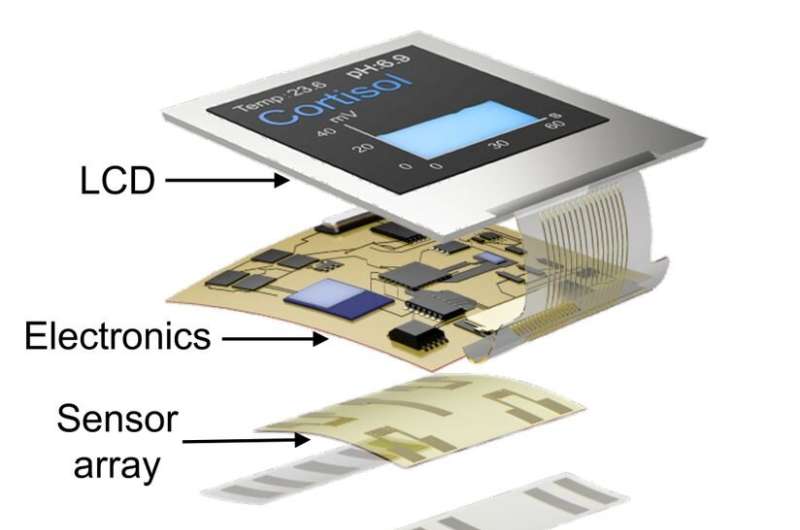
Now, a UCLA research team has developed a device that could be a major step forward: A smartwatch that assesses cortisol levels found in sweat—accurately, noninvasively and in real time. Described in a study published in Science Advances, the technology could offer wearers the ability to read and react to an essential biochemical indicator of stress.

“I anticipate that the ability to monitor variations in cortisol closely across time will be very instructive for people with psychiatric disorders,” said co-corresponding author Anne Andrews, a UCLA professor of psychiatry and biobehavioral sciences, member of the California NanoSystems Institute at UCLA and member of the Semel Institute for Neuroscience and Human Behavior. “They may be able to see something coming or monitor changes in their own personal patterns.”

Cortisol is well-suited for measurement through sweat, according to co-corresponding author Sam Emaminejad, an associate professor of electrical and computer engineering at the UCLA Samueli School of Engineering, and a member of CNSI.

“We determined that by tracking cortisol in sweat, we would be able to monitor such changes in a wearable format, as we have shown before for other small molecules such as metabolites and pharmaceuticals,” he said. “Because of its small molecular size, cortisol diffuses in sweat with concentration levels that closely reflect its circulating levels.”

The technology capitalizes on previous advances in wearable bioelectronics and biosensing transistors made by Emaminejad, Andrews and their research teams.

In the new smartwatch, a strip of specialized thin adhesive film collects tiny volumes of sweat, measurable in millionths of a liter. An attached sensor detects cortisol using engineered strands of DNA, called aptamers, which are designed so that a cortisol molecule will fit into each aptamer like a key fits a lock. When cortisol attaches, the aptamer changes shape in a way that alters electric fields at the surface of a transistor.

The invention—along with a 2021 study that demonstrated the ability to measure key chemicals in the brain using probes—is the culmination of a long scientific quest for Andrews. Over more than 20 years, she has spearheaded efforts to monitor molecules such as serotonin, a chemical messenger in the brain tied to mood regulation, in living things, despite transistors’ vulnerability to wet, salty biological environments.

Sweating the small stuff: Smartwatch developed at UCLA measures key stress hormone
The technology capitalizes on previous work by Sam Emaminejad, Anne Andrews and their UCLA research teams. Credit: Emaminejad Lab and Andrews Lab/UCLA

In 1999, she proposed using nucleic acids—rather than proteins, the standard mechanism—to recognize specific molecules.

“That strategy led us to crack a fundamental physics problem: how to make transistors work for electronic measurements in biological fluids,” said Andrews, who is also a professor of chemistry and biochemistry.

Meanwhile, Emaminejad has had a vision of ubiquitous personal health monitoring. His lab is pioneering wearable devices with biosensors that track the levels of certain molecules that are related to specific health measures.

“We’re entering the era of point-of-person monitoring, where instead of going to a doctor to get checked out, the doctor is basically always with us,” he said. “The data are collected, analyzed and provided right on the body, giving us real-time feedback to improve our health and well-being.”

Emaminejad’s lab had previously demonstrated that a disposable version of the specialized adhesive film enables smartwatches to analyze chemicals from sweat, as well as a technology that prompts small amounts of sweat even when the wearer is still. Earlier studies showed that sensors developed by Emaminejad’s group could be useful for diagnosing diseases such as cystic fibrosis and for personalizing drug dosages.

One challenge in using cortisol levels to diagnose depression and other disorders is that levels of the hormone can vary widely from person to person—so doctors can’t learn very much from any single measurement. But the authors foresee that tracking individual cortisol levels over time using the smartwatch may alert wearers, and their physicians, to changes that could be clinically significant for diagnosis or monitoring the effects of treatment.

Among the study’s other authors is Janet Tomiyama, a UCLA associate professor of psychology, who has collaborated with Emaminejad’s lab over the years to test his wearable devices in clinical settings.

“This work turned into an important paper by drawing together disparate parts of UCLA,” said Paul Weiss, a UCLA distinguished professor of chemistry and biochemistry and of materials science and engineering, a member of CNSI, and a co-author of the paper. “It comes from us being close in proximity, not having ego problems and being excited about working together. We can solve each other’s problems and take this technology in new directions.”

The paper’s co-first authors are UCLA postdoctoral scholar Bo Wang and Chuanzhen Zhao, a former UCLA graduate student. Other co-authors are Zhaoqing Wang, Xuanbing Cheng, Wenfei Liu, Wenzhuo Yu, Shuyu Lin, Yichao Zhao, Kevin Cheung and Haisong Lin, all of UCLA; and Milan Stojanović and Kyung-Ae Yang of Columbia University.

From https://techxplore.com/news/2022-02-small-newly-smartwatch-key-stress.html

Medullary thyroid cancer with ectopic Cushing’s syndrome: A multicentre case series

First published: 06 November 2021

Abstract

Objective

Ectopic Cushing′s syndrome (ECS) induced by medullary thyroid cancer (MTC) is rare, and data on clinical characteristics, treatment and outcome are limited.

Design

Retrospective cohort study in three German and one Swiss referral centres.

Patients

Eleven patients with MTC and occurrence of ECS and 22 matched MTC patients without ECS were included.

Measurements

The primary endpoint of this study was the overall survival (OS) in MTC patients with ECS versus 1:2 matched MTC patients without ECS.

Results

The median age at diagnosis of ECS was 59 years (range: 35–81) and the median time between initial diagnosis of MTC and diagnosis of ECS was 29 months (range: 0–193). Median serum morning cortisol was 49 µg/dl (range: 17–141, normal range: 6.2–18). Eight (73%) patients received treatment for ECS. Treatment of ECS consisted of bilateral adrenalectomy (BADX) in four (36%) patients and adrenostatic treatment in eight (73%) patients. One patient received treatment with multityrosine kinase inhibitor (MKI) to control hypercortisolism. All patients experienced complete resolution of symptoms of Cushing’s syndrome and biochemical control of hypercortisolism. Patients with ECS showed a shorter median OS of 87 months (95% confidence interval [95% CI]: 64–111) than matched controls (190 months, 95% CI: 95–285). Of the nine deaths, four were related to progressive disease (PD). Four patients showed PD as well as complications and comorbidities of hypercortisolism before death.

Conclusion

This study shows that ECS occurs in advanced stage MTC and is associated with a poor prognosis. Adrenostatic treatment and BADX were effective systemic treatment options in patients with MTC and ECS to control their hypercortisolism. MKI treatment achieved complete remission of hypercortisolism and sustained tumour control in one treated case.

1 INTRODUCTION

Medullary thyroid cancer (MTC) arises from calcitonin-producing parafollicular C-cells of the thyroid gland and accounts for 2%–5% of all thyroid malignancies.1 In about 25% of cases, MTC occurs in a hereditary manner as a part of multiple endocrine neoplasia type 2 (MEN2) caused by oncogenic germline REarranged during Transfection (RET)-mutations. Up to 65% of patients with the sporadic disease have somatic RET-mutations, among which RETM918T is the most common and associated with adverse outcome.25 At diagnosis, cervical lymph node metastases are present in about half of patients and distant metastases in around 10% of MTC patients.6 While the localized disease has a 10-year disease-specific survival (DSS) of 96%, 10-year DSS is only 44% in cases with distant metastases.79

Besides calcitonin and carcinoembryonic antigen (CEA), C-cells may also ectopically secrete corticotropin-releasing hormone (CRH) or adrenocorticotropic hormone (ACTH). Cushing’s syndrome (CS) due to ectopic CRH or ACTH secretion induced by MTC is rare and data on clinical characteristics, treatment and outcome are limited and mostly from case studies. In a retrospective study of 1640 adult patients with MTC, ectopic Cushing’s syndrome (ECS) due to ACTH secretion was reported in only 0.6% of patients, whereas previous studies reported a higher prevalence, possibly due to selection bias.1012 ECS mostly occurs in metastatic cases and significantly impairs prognosis: around 50% of the mortality in patients with ECS has been attributed to complications of hypercortisolism.12 Diagnosis of ECS is difficult and includes a combination of clinical assessment, dynamic biochemical tests (e.g., 24 h urinary-free cortisol, midnight salivary cortisol, 1 and 8 mg dexamethasone suppression test), inferior petrosal sinus sampling (IPSS) and multimodal imaging.13

This retrospective study aims at describing clinical characteristics, treatment and prognosis of 11 patients with MTC and ECS at 3 German and 1 Swiss tertiary care centres and to illustrate effective treatment in this ultrarare condition.

2 PATIENTS AND METHODS

2.1 Setting

This registry study was conducted as part of the German Study Group for Rare Malignant Tumours of the Thyroid and Parathyroid Glands. Data were obtained from records of patients diagnosed with MTC between 1990 and 2020 and concomitant ECS diagnosed between 1995 and 2020 in three German and one Swiss tertiary care centres. All patients provided written informed consent and the study was approved by the ethics committee of the University of Würzburg (96/13) and subsequently by the ethics committees of all participating centres.

2.2 Data acquisition

Eligible patients were 11 adults with histopathological evidence of MTC and the diagnosis of ECS at initial diagnosis (synchronous CS) or during the course of disease (metachronous CS). This group was matched with 22 patients with histologically confirmed MTC without evidence of ECS by sex, age at MTC diagnosis (±5 years), tumour stage and calcitonin doubling time (CDT).

The diagnosis of ECS was established by standard endocrine testing according to international guideline recommendations,14 local good clinical practice procedures and laboratory assays in participating centres. The primary endpoint of this study was the assessment of overall survival (OS) in MTC patients with ECS from the date of MTC-diagnosis and the date of ECS-diagnosis versus matched MTC patients without ECS (1:2 ratio). The secondary endpoints were assessment of progression-free survival (PFS) and efficacy of multityrosine kinase inhibitors (MKIs) treatment (based on routine clinical imaging in analogy to RECIST 1.0 and 1.1). Treatment and follow-up of patients were performed according to the local practice of participating centres. Efficacy was assessed locally by imaging (positron emission tomography/computed tomography [PET/CT], CT, magnetic resonance imaging [MRI] of the liver and bone scintigraphy) and measurement of serum calcitonin and CEA levels every 3–6 months. Clinical data were recorded by trained personnel at all sites. Tumour stage was defined according to the American Joint Committee on Cancer TNM classification, seventh edition,15 based on clinical and histopathological assessments.

2.3 Statistical analysis

PFS and OS probabilities were estimated using the Kaplan–Meier method. The log-rank test was not used to test the difference between the study group and the control group due to the paired sample design. For the comparison of nonnormally distributed data, we used the Mann–Whitney U test. p Values less than .05 were considered statistically significant. Statistical analyses were performed with SPSS Version 26 (IBM).

3 RESULTS

3.1 Clinical characteristics of patients with ECS

Eleven patients (five male and six female) with histopathological evidence of MTC with ECS in three German and one Swiss tertiary care centres were included. Twenty-two controls with histologically confirmed MTC without the diagnosis of ECS matched by sex, age at MTC diagnosis (±5 years), tumour stage and CDT were enroled. Baseline clinical characteristics of the study population and the control group are shown in Table 1. In patients with ECS, median follow-up from initial MTC diagnosis was 6.3 years (range: 0–17) and median follow-up from diagnosis of ECS 7 months (range: 0–110). Median age at initial diagnosis of sporadic MTC was 45 (range: 31–67, n = 7) and 52 years (range: 35–55, n = 3) for patients with germline RET mutant MTC.

Read more at https://onlinelibrary.wiley.com/doi/10.1111/cen.14617

Paraneoplastic Cushing Syndrome in Gastrointestinal Neuroendocrine Tumour

Abstract

Ectopic production of adrenocorticotropic hormone (ACTH) by gastrointestinal neuroendocrine tumours (NETs) is relatively uncommon. We report a rare case of a liver metastatic G1 low-grade NET of the intestine that induced hypercortisolism after surgical resection. A 50-year-old man was admitted for an intestinal obstruction caused by a tumour of the intestine. Paraneoplastic Cushing syndrome was diagnosed more than a year later following the appearance of cushingoid symptoms, despite stable disease according to RECIST criteria but chromogranin A increase. Ketoconazole and sandostatin medical treatment and liver chemoembolization never managed to control the hypercortisolism unlike the bilateral adrenalectomy. The identification and effective management of this uncommon statement of ectopic ACTH secretion is important to improve the patient’s prognosis and quality of life.

© 2021 The Author(s). Published by S. Karger AG, Basel


Introduction

Neuroendocrine tumours (NETs) are a relatively rare and heterogeneous tumour type, comprising about 2% of all malignancies [1]. The gastrointestinal (GI) and pancreatic tract and lungs are the most common primary tumour sites, with 62%–67% and 22%–27%, respectively, and within the GI tract, most of them occurs in the small bowel or the appendix [23]. Since 2010 and the latest version of the WHO classification, GI and pancreatic NETs are subdivided according to their mitotic count or Ki67 index, associated with cellular proliferation. Well-differentiated NETs are relatively low-aggressive tumours, with a rather indolent disease course and a good prognosis in most patients. Nevertheless, some NETs with a low-grade histologic appearance may behave aggressively with rapid growth and metastasis proliferation [45]. Because of this low incidence, tumour heterogeneity, lack of awareness, and non-uniform classifications, GI and pancreatic NETs remain a poorly understood disease, and delayed diagnosis is common among these [67].

Paraneoplastic Cushing syndrome (PCS) represents approximately 10% of all Cushing syndrome and is frequently caused by NETs [89]. While PCS is common with lung NETs (>50% of PCS), this paraneoplastic syndrome is relatively uncommon associated with GI NETs and only described in isolated case reports. Nevertheless, knowing the indolent course of low-grade NETs and the clinical symptoms of cushingoid appearance resulting from prolonged exposure to excessive glucocorticoids, PCS is typically present before cancer detection [8], and surgery is curative in >80% of patients [1011]. For the remaining 20%, effective management is necessary, given the risk of infections and thromboembolic events due to the immunosuppressive effect and the hypercoagulable state [11]. For patients with medically unmanageable hypercortisolism, synchronous bilateral adrenalectomy is an effective and safe treatment [12]. We describe a case of typical metastatic intestinal NETs associated with a late ectopic Cushing syndrome, which was managed with synchronous bilateral adrenalectomy.

Case Presentation

We describe the case of a 50-year-old man admitted to the emergency department for an intestinal obstruction caused by an intestinal tumour. Anatomopathological analysis of the resected specimen and lymph nodes revealed an NET. Three nodes out of 12 removed were positive for cancer localization. The tumour presented serosa infiltration and perineural, vascular and lymphatics vessel invasion. The primary location could not be confirmed histologically between the ileum and appendix. Our diagnosis was pT3N1 according to the American Joint Committee on Cancer (AJCC) classification. An immunohistochemistry analysis revealed a Ki-67 expression <2%. Mitotic count/10 was 2 × 10 high-power fields, and cells showed well differentiation. So, according to the WHO classification, this tumour was classified as G1 NET. 111In-Octreoscan (Octreoscan) revealed lymph node and multifocal liver metastases.

After discussion with a multidisciplinary team, the patient was started treatment with somatostatin analogue. Twelve months later, although computerized tomography (CT) scan showed stable disease, patient physical examination revealed facial puffiness with fatty tissue deposits in the face, generalized oedema, muscle weakness, and wasting. He also reports polydipsia, insomnia, and balance disorders. We noted however a discreet increase in the chromogranin A (CgA) value, from 55 ng/mL to 199 ng/mL (with a diagnostic value of 1,700 ng/mL) without an increase in the urinary 5-HIAA level.

Laboratory tests revealed an 8.00 a.m. cortisol level of 888 nmol/L, an adrenocorticotropic hormone (ACTH) level of 96.5 pg/mL, and 24-h urine free cortisol of 1,494 μg. A high-dose dexamethasone suppression test showed no cortisol suppression. The patient was diagnosed with ACTH-dependent Cushing syndrome. Magnetic resonance imaging (MRI) of the brain showed a normal pituitary gland, confirming the PCS diagnosis. Ketoconazole treatment associated with sandostatin alleviated hypercortisolism within a month, with a cortisol level within normal laboratory ranges. Two months later, secondary diabetes mellitus was discovered and managed effectively with insulin glargine.

Four months later and despite stable disease according to RECIST criteria, cortisol levels increased considerably, with cortisol values similar to diagnosis without ketoconazole increased response. Moreover, diabetes became complicated to manage. Also we noted an increase in CgA value, from 165 ng/mL to 393 ng/mL. Chemoembolization was performed on liver metastases without any effectiveness on hypercortisolism. Adding targeted therapy with mTOR inhibitor (everolimus) was considered. Nevertheless, given the magnitude of drug interaction, the use of everolimus should be avoided in ketoconazole-treated patients, or vice versa.

Considering the risks for the patient and expected benefits, synchronous bilateral adrenalectomy was performed. It resolved hypercortisolism and permitted to stabilize diabetes (shown in Fig. 1). Everolimus treatment has been started 1 month after the surgery. Twelve months after everolimus initiation, the patient CT scan still showed stable disease, according to RECIST criteria and a stable CgA value.

Fig. 1.

Histogram of 8:00 a.m. plasmatic cortisol, ACTH, 24-h urinary cortisol, and CgA levels from Cushing syndrome diagnosis to bilateral adrenalectomy. ACTH, adrenocorticotropic-hormone; ULN, upper limit of normal; 8:00 a.m. cortisol normal ranges (172–497) nmol/L; ACTH normal ranges (7–63) ng/L; 24-h urinary cortisol normal ranges (20–50) µg/24 h; CgA normal ranges (27–94) ng/mL. ACTH, adrenocorticotropic hormone; CgA, chromogranin A.

/WebMaterial/ShowPic/1364794

Discussion

Approximately 10% of Cushing syndrome is paraneoplastic and may result in many tumours, preferentially lung cancer (50–60% of time), with 1–2% of lung NET and about 5% of small-cell lung cancer associated with Cushing syndrome [81113]. Others reported sites of malignancy include the thymus, thyroid, pancreas, and adrenals. Except for the pancreas, PCS secondary to GI NET (appendix, duodenum, ileum, colon, and anal canal) is extremely rare, and only isolated case reports have described this syndrome.

In paraneoplastic endocrine syndrome cases, symptoms are due to secretion of hormones by malignant cells or secondary to the impact of neoplastic cell antibodies on normal cells. PCS arises from tumour secretion of ACTH or CRH, resulting in production and release of cortisol from the adrenal glands. Unlike paraneoplastic endocrine syndromes that present most of the time after cancer diagnosis, PCS typically appears before cancer detection and similarly relapse may herald tumour recurrence [1114]. In our case, no symptoms related to hypercortisolaemia led the patient to consult before obstructive syndrome. The occurrence of hypercortisolaemia 12 months after diagnosis was not linked to imaging progression according to RECIST criteria. However, concurrent CgA increase should be noted.

Commonly measured tumour markers in NETs include serum CgA and 5-HIAA, the final secreted product of serotonin, levels in a 24-h urine sample. Elevated levels of circulating of CgA have been associated with almost all types of NETs, including those arising from GI tract but also pheochromocytomas [15]. The clinical sensitivity of CgA has been demonstrated to depend on the threshold cut-off, on NET primary location, and on the spread of the disease, especially the existence of liver metastases [16]. Indeed, a higher sensitivity was found in patients with midgut NETs and liver metastases, as in our patient. Moreover, with our cut-off level (94 ng/mL) approximately the same as used in 2 studies [1617], sensitivity was 62%–67% and specificity was 96%. Furthermore, Korse et al. [18]. postulated that serum CgA was superior to urinary 5-HIAA concerning the prognostic relevance in the follow-up of metastatic midgut NETs. These data are consistent with our patient outcomes for which 5-HIAA was not increased unlike CgA. However, although CgA is currently the best available tumour marker indicating tumour recurrence [19], there are many comorbidities and drugs that may increase CgA levels and lead to false-positive results. As a result, it is questionable whether the CgA increase in our patient was not rather secondary to cardiovascular or GI disorders, inflammatory diseases, diabetes, or even food intake before CgA measurement [162021]. Similarly, many drugs, foods, natural stimulants, and comorbidities may alter the level of 24-h urinary 5-HIAA, positively or negatively.

Cushing syndrome is due to hypercortisolism. Two-thirds of endogenous elevated cortisol is caused by ACTH-secreting pituitary tumours, 15% by primary adrenal glands and 15% by ectopic PCS [22]. The first step is laboratory tests with cortisol and ACTH levels to differentiate ACTH-dependent or ACTH-independent Cushing syndrome. When ACTH-dependent Cushing syndrome is confirmed, differentiation between PCS and Cushing disease can be difficult. The high-dose dexamethasone suppression tests help distinguish Cushing disease from PCS, as in our presented case. Indeed, no decrease in blood cortisol during the high-dose test and high ACTH levels are consistent with PCS. Nevertheless, 21–26% of ectopic ACTH secretions have a positive suppression, about one-third of MRI scans for pituitary adenoma exclusion are false-negative, and occult ectopic ACTH-secreting tumours have been described in about 15% of adult patients [2326]. In our patient, both MRI and high-dose dexamethasone suppression test are consistent with PCS. The gold standard diagnosis – inferior petrosal sinus sampling – that demonstrates gradient in ACTH concentration between the affected side sinus and the periphery in pituitary lesions, whereas the absence of this gradient in PCS was not performed because of its invasiveness and its neurological accident risks [27]. Note however although the ACTH level at diagnosis suggests ACTH-dependent Cushing syndrome, the occurrence of adrenal metastasis few months after the diagnosis and explaining the sudden deregulation could be possible and consistent with the CgA increase but refuted by adrenal gland histology.

Clinical features of PCS depend on the source of production and rate of ACTH synthesis. Characteristically, these patients have severe hypercortisolaemia, leading to low serum potassium levels, diabetes, generalized infections, hypertension, and psychosis. To confirm whether rapidly growing tumours produce sudden onset of symptoms, gradual physical signs are noticed in slower growing tumours [28], as for our patient for whom we suppose that liver metastases started to produce ACTH ectopically. An option for non-resectable neuroendocrine liver lesions, given that the majority of them are hypervascular, is hepatic directed procedures, which include ablative therapy, transarterial embolization, transarterial chemoembolization, and selective internal radiation therapy with yttrium-90 microspheres [29]. Hepatic artery chemoembolization for the treatment of liver metastases from NETs is useful for tumour size reduction and symptom palliation and can be associated with prolonged survival [30]. Nevertheless, chemoembolization on NET liver metastasis-producing ACTH is not well documented. Given the fact that hepatic metastasis chemoembolization was ineffective on hypercortisolism and despite Octreoscan results, there is still a small chance that he harbours somewhere else metastasis-producing ACTH. Indeed, PET-CT imaging with 68Gallium-DOTATATE has recently replaced Octreoscan as the new gold standard with a higher detection rate in GI NETs [31].

Hypercortisolism requires a prompt therapeutic management to reduce the risk of development of a potentially fatal emergency. Synchronous bilateral adrenalectomy is an effective and safe treatment for patient with unmanageable ACTH-dependent hypercortisolism [12]. Taking account of the risks to the patient and the lack of effective medical therapeutic possibilities, we have chosen to perform this surgery.

According to the recent consensus guidelines for digestive NETs of the jejunum and ileum, the 5-year survival rate is 36% in patients with distant metastases [32]. Several analyses suggest a significant survival benefit in patients who received surgery for the primary tumour even in the presence of metastasis [33]. Moreover, the impact of liver resection or liver-directed therapies on the survival of patients with liver metastasis is unclear with conflicting results [33]. PCS can cause a poor clinical outcome due to various complications with an increase in susceptibility to infection and GI ulceration. Indeed, for small-cell lung cancer and gynaecological malignancies, PCS is associated with accelerated decompensation and poorer response to chemotherapy (Mitchell et al. [14]). Whether these findings can be extrapolated to other malignancies is unknown. However, an early diagnosis and a prompt management can improve patient outcomes through earlier cancer diagnosis or relapse and thus earlier administration of treatment, as was the case with our patient.

Conclusion

We report an uncommon case with PCS due to a GI NET. The identification of this rare cause of ectopic ACTH secretion can be challenging, but aggressive management is critical to prevent or decelerate the acute decompensation of cancer patients and prolong overall survival. In this context, synchronous bilateral adrenalectomy may be the unique answer.

Statement of Ethics

Written informed consent was obtained from the patient for publication of this case report and any accompanying images. A copy of the written consent is available for review by the editor-in-chief of this journal.

Conflict of interest Statement

The authors have no conflict of interest to declare.

Funding Sources

No funding was received for this study.

Author Contributions

L.M. conceived the study and participated in data collection. L.V. performed the literature search and wrote the manuscript. L.M. and R.B. critically revised the manuscript for important intellectual content. All authors read and approved the final manuscript version.

Data Availability Statement

The datasets used and analysed during the current study are available from the corresponding author on reasonable request.

From https://www.karger.com/Article/FullText/518316