Help Advance Research for Better Cushing’s Syndrome Treatment

clinical-trials


I am so passionate about Clinical Trials, especially for Cushing’s because I was only diagnosed in 1987 because I was a part of a clinical trial at the NIH.  In addition to helping myself, I knew I’d be helping other Cushies coming along after me – something positive I could do while I was at my worst.

I hope that others will consider doing Clinical Trials, if they qualify for them.  You never know who else you might help!


This trial is testing the safety and effectiveness of an investigational drug for the treatment of Cushing’s Syndrome. Under the supervision of qualified physicians, cortisol levels and symptoms of Cushing’s Syndrome will be closely followed along with any signs of side effects.

More about the study:

The study drug (COR-003) is administered by tablets.

  • There will be 90 participants in this trial
  • There is no placebo used in the trial

If you are interested, please find the full study details and eligibility criteria listed here.

Eligibility Criteria:

Participants must:

  • be at least 18 years old
  • have been diagnosed with endogenous Cushing’s Syndrome by a medical professional (not caused by the use of steroid medications)

Participants must not:

  • have been treated with radiation for Cushing’s Syndrome in the past 4 years
  • be currently using weight loss medication
  • have been diagnosed with uncontrolled hypertension, some forms of cancer, adrenal carcinoma, Hepatitis B / C, or HIV

Please complete the online questionnaire to check if you’re eligible for the trial.

If you’re not familiar with clinical trials, here are some FAQs:

What are clinical trials?

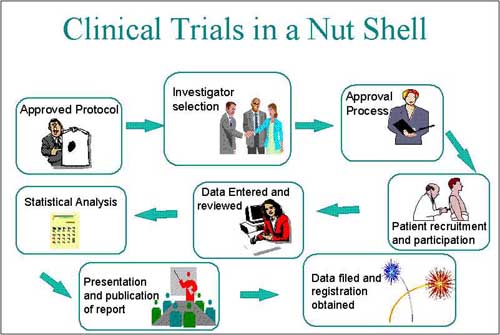
Clinical trials are research studies to determine whether investigational drugs or treatments are safe and effective for humans. All new investigational medications and devices must undergo several clinical trials, often involving thousands of people.

Why participate in a clinical trial?

You will have access to investigational treatments that would be available to the general public only upon approval. You will also receive study-related medical care and attention from clinical trial staff at research facilities. Clinical trials offer hope for many people and an opportunity to help researchers find better treatments for others in the future.

Learn why I’m talking about Clinical Trials

(For the General Public) Are there any advantages to human growth hormone?

Harvard Men’s Health Watch

Ask the doctor

Q. I’ve heard about the benefits of human growth hormone (HGH) for older individuals. Is this something I should try?

A. The benefits of HGH supplementation for older adults are unproven, and perhaps most telling is that these products have a negligible effect on HGH levels. In addition, there are concerns about potential side effects.

HGH comes in two forms: injections and pills. Since HGH injections are difficult to administer, pills are often preferred. Yet, these supplements do not actually contain HGH like injections do, because the hormone would quickly break down in the digestive tract. Instead, they contain amino acids that are absorbed by the body, which raises HGH levels. (They are also more expensive and can cost $100-plus for a month’s supply.)

HGH levels naturally decline as people age, which makes sense since our bodies stop growing during the late teenage years. So why would you need higher HGH levels later in life? The hype around HGH comes from a few studies that showed HGH injections can increase lean body mass and shrink body fat, which led to claims of HGH as an “anti-aging” hormone. However, the effects on strength and body weight are quite minimal. In addition, HGH can increase the amount of soft tissues in the body, which can lead to swelling, joint pain, carpal tunnel syndrome, and breast tenderness in men.

There is also a concern that HGH might promote cancer growth. (MaryO’Note:  I always mentioned this to doctors when I was diagnosed with kidney cancer.  Even though I couldn’t take HGH for the first 5 years after diagnosis, none of my doctors would confirm a connection between HGH and my cancer)

If you want to improve your strength, forget about HGH and increase your exercise. Some studies suggest this alone may be more effective than HGH supplementation for raising growth hormone levels in the body.

—William Kormos, MD
Editor in Chief, Harvard Men’s Health Watch

Originally published: July 2016

Adapted from http://www.health.harvard.edu/mens-health/are-there-any-advantages-to-human-growth-hormone

Surgery Preferred Option in Cushing’s Disease for Best Survival

Patients with Cushing’s disease who have been in remission for more than 10 years still have an increased mortality risk compared with the general population, says an international team of researchers, who found the risk of early death was particularly increased in those with Cushing’s and accompanying circulatory disease.

Richard N Clayton, MD, department of medicine, Keele University, Stoke-on-Trent, United Kingdom, showed that Cushing’s disease, which is characterized by increased secretion of adrenocorticotropic hormone by the anterior pituitary gland, is associated with an increased mortality risk of more than 60% and a median survival of around 40 years.

In patients who also had circulatory disease, the mortality risk was even higher, say Dr Clayton and colleagues.

However, patients who had undergone curative pituitary surgery had a long-term risk of death no different from that of the general population. US Endocrine Society guidelines published last August recommend that optimal treatment of Cushing’s syndrome involves direct surgical removal of the causal tumor.

But Dr Clayton and colleagues point out that even patients who undergo pituitary surgery will nevertheless “require lifelong follow-up at a center experienced in dealing with this condition, having regular checks for diabetes, hypertension, and other cardiovascular risk factors.”

The study was published online June 2 in Lancet Diabetes & Endocrinology.

In an accompanying editorial, Rosario Pivonello, MD, PhD, department of clinical medicine and surgery, section of endocrinology, University of Naples Federico II, Italy, and colleagues write that, although surgery is not suitable for all patients, “Prompt pituitary surgery might be the preferred treatment for Cushing’s disease to guarantee the best mortality outcome.”

Calling for further research to better understand why one treatment “has a better effect on mortality than another,” they state: “The results from this study might also motivate rapid interventions, cure, and long-term follow-up in patients with Cushing’s disease — even for a long time after hypercortisolism resolution.”

Studying Those Who Have Survived More Than 10 Years

Dr Clayton and colleagues explain that previous studies have explored mortality in patients with Cushing’s disease during either active disease or remission. But the outcome of patients in remission, especially long-term remission, is still a matter of debate, and assessing long-term survival has been limited by various methodological differences. To overcome some of these issues, they performed a retrospective analysis of case records from specialist referral centers in the United Kingdom, Denmark, the Netherlands, and New Zealand.

They identified 320 patients diagnosed with Cushing’s disease and cured for a minimum of 10 years at enrollment and had no relapses during the study period. The ratio of women to men was 3:1.

Median patient follow-up was 11.8 years, yielding a total of 3790 person-years of follow-up 10 years after cure. There was no difference in follow-up between countries. And as there were no significant demographic and clinical differences between men and women, the data were pooled.

During the study 16% of patients died. Median survival was 31 years for women and 28 years for men, at approximately 40 years following remission. The overall standardized mortality ratio (SMR) for all-cause mortality compared with the general population was 1.61 (P = .0001).

Patients with Cushing’s and circulatory disease had an SMR vs the general population of 2.72 (P < .0001), but deaths from cancer among those who had survived Cushing’s disease were not higher than the general population, at an SMR of 0.79 (P = .41).

Patients with Cushing’s and diabetes also had an increased mortality risk, at a hazard ratio (HR) of 2.82 (P < .0096) compared with the general population, while hypertension was not significantly associated with increased mortality, at an HR of 1.59 (P = .08).

There was also an association between mortality and number of treatments, at an HR of 1.77 for two vs one treatment (P = .08) and an HR of 2.6 for three vs one treatment (P = .02).

Pituitary Surgery Alone Associated With No Increased Risk of Death

Pituitary surgery performed as the first and only treatment was associated with an SMR vs the general population of 0.94 compared with an SMR of 2.58 for other patients (P < .0005).

Patients who had pituitary surgery only had a median survival of 31 years compared with 24 years if surgery had been required at any time (P = 0.03).

The research team states: “For patients who have been cured of Cushing’s disease for 10 years or more, treatment complexity and an increased number of treatments, reflecting disease that is more difficult to control, appears to negatively affect survival.”

“Pituitary surgery alone achieves a mortality outcome that is not different from the normal population and should be performed in a center of excellence,” they conclude.

However, in the editorial, Dr Pivonello and colleagues point out that the surgical approach “is not a treatment option for some patients, either because of contraindications (eg, severe clinical complications) or because of an absence of clear indication for surgery (eg, tumor is not completely removable by surgery).”

The authors and editorialist have reported no relevant financial relationships.

Lancet Diabetes Endocrinol. Published online June 2, 2016. Abstract, Editorial

From http://www.medscape.com/viewarticle/865073#vp_2

Bilateral adrenal myelolipoma in Cushing’s disease: a relook into the role of corticotropin in adrenal tumourigenesis

BMJ Case Reports 2016; doi:10.1136/bcr-2016-214965

Partha Pratim Chakraborty, Rana Bhattacharjee, Pradip Mukhopadhyay, Subhankar Chowdhury

  1. Correspondence to Dr Partha Pratim Chakraborty, docparthapc@yahoo.co.in
  • Accepted 2 June 2016
  • Published 15 June 2016

Summary

Adrenal myelolipomas are infrequently encountered benign tumours of unknown aetiology.

In the majority of cases they are unilateral, and clinically and hormonally silent, only requiring periodic follow-up. However, bilateral adrenal myelolipomas are sometimes associated with endocrine disorders and warrant appropriate evaluation.

Though the understanding of the pathophysiology of adrenal myelolipomas has long been elusive, adrenocorticotropic hormone (ACTH) has been proposed as the main tropic factor in a number of studies. Cushing’s disease is rarely associated with bilateral and sometimes giant myelolipomas.

In this article, the association of bilateral adrenal myelolipomas with Cushing’s disease has been discussed and the role of ACTH in the tumourigenesis has been reviewed.

From http://casereports.bmj.com/content/2016/bcr-2016-214965.short?rss=1#content-block

Pituitary tissue grown from human stem cells releases hormones in rats

Researchers have successfully used human stem cells to generate functional pituitary tissue that secretes hormones important for the body’s stress response as well as for its growth and reproductive functions. When transplanted into rats with hypopituitarism–a disease linked to dwarfism and premature aging in humans–the lab-grown pituitary cells promoted normal hormone release. The study, which lays the foundation for future preclinical work, appears June 14 in Stem Cell Reports, a publication of the International Society for Stem Cell Researchers.

“The current treatment options for patients suffering from hypopituitarism, a dysfunction of the pituitary gland, are far from optimal,” says first study author Bastian Zimmer of the Sloan Kettering Institute for Cancer Research. “Cell replacement could offer a more permanent therapeutic option with pluripotent stem cell-derived hormone-producing cells that functionally integrate and respond to positive and negative feedback from the body. Achieving such a long-term goal may lead to a potential cure, not only a treatment, for those patients.”

The pituitary gland is the master regulator of hormone production in the body, releasing hormones that play a key role in bone and tissue growth, metabolism, reproductive functions, and the stress response. Hypopituitarism can be caused by tumors, genetic defects, brain trauma, immune and infectious diseases, or radiation therapy. The consequences of pituitary dysfunction are wide ranging and particularly serious in children, who can suffer severe learning disabilities, growth and skeletal problems, as well as effects on puberty and sexual function.

Currently, patients with hypopituitarism must take expensive, lifelong hormone replacement therapies that poorly mimic the body’s complex patterns of hormone secretion that fluctuates with circadian rhythms and responds to feedback from other organs. By contrast, cell replacement therapies hold promise for permanently restoring natural patterns of hormone secretion while avoiding the need for costly, lifelong treatments.

Recently, scientists developed a procedure for generating pituitary cells from human pluripotent stem cells–an unlimited cell source for regenerative medicine–using organoid cultures that mimic the 3D organization of the developing pituitary gland. However, this approach is inefficient and complicated, relies on ill-defined cellular signals, lacks reproducibility, and is not scalable or suitable for clinical-grade cell manufacturing.

To address these limitations, Zimmer and senior study author Lorenz Studer of the Sloan Kettering Institute for Cancer Research developed a simple, efficient, and robust stem cell-based strategy for reliably producing a large number of diverse, functional pituitary cell types suitable for therapeutic use. Instead of mimicking the complex 3D organization of the developing pituitary gland, this approach relies on the precisely timed exposure of human pluripotent stem cells to a few specific cellular signals that are known to play an important role during embryonic development.

Exposure to these proteins triggered the stem cells to turn into different types of functional pituitary cells that released hormones important for bone and tissue growth (i.e., growth hormone), the stress response (i.e., adrenocorticotropic hormone), and reproductive functions (i.e., prolactin, follicle-stimulating hormone, and luteinizing hormone). Moreover, these stem cell-derived cells released different amounts of hormone in response to known feedback signals generated by other organs in the body.

To test the therapeutic potential of this approach, the researchers transplanted the stem cell-derived pituitary cells under the skin of rats whose pituitary gland had been surgical removed. The cell grafts not only secreted adrenocorticotropic hormone, prolactin, and follicle-stimulating hormone, but they also triggered appropriate hormonal responses in the kidneys.

The researchers were also able to control the relative composition of different hormonal cell types simply by exposing human pluripotent stem cells to different ratios of two proteins: fibroblast growth factor 8 and bone morphogenetic protein 2. This finding suggests their approach could be tailored to generate specific cell types for patients with different types of hypopituitarism. “For the broad application of stem cell-derived pituitary cells in the future, cell replacement therapy may need to be customized to the specific needs of a given patient population,” Zimmer says.

In future studies, the researchers plan to further improve the protocol to generate pure populations of various hormone-releasing cell types, enabling the production of grafts that are tailored to the needs of individual patients. They will also test this approach on more clinically relevant animal models that have pituitary damage caused by radiation therapy and receive grafts in or near the pituitary gland rather than under the skin. This research could have important implications for cancer survivors, given that hypopituitarism is one of the main causes of poor quality of life after brain radiation therapy.

“Our findings represent a first step in treating hypopituitarism, but that does not mean the disease will be cured permanently within the near future,” Zimmer says. “However, our work illustrates the promise of human pluripotent stem cells as it presents a direct path toward realizing the promise of regenerative medicine for certain hormonal disorders.”

###

The researchers were supported by the New York State Stem Cell Science and the Starr Foundation. The work was further supported in part by the National Institutes of Health and the National Cancer Institute.

Stem Cell Reports, Zimmer et al.: “Derivation of diverse hormone-releasing pituitary cells from human pluripotent stem cells” http://www.cell.com/stem-cell-reports/fulltext/S2213-6711(16)30060-1

Stem Cell Reports, published by Cell Press for the International Society for Stem Cell Research (@ISSCR), is a monthly open-access forum communicating basic discoveries in stem cell research, in addition to translational and clinical studies. The journal focuses on shorter, single-point manuscripts that report original research with conceptual or practical advances that are of broad interest to stem cell biologists and clinicians. Visit http://www.cell.com/stem-cell-reports. To receive Cell Press media alerts, please contact press@cell.com.

Disclaimer: AAAS and EurekAlert! are not responsible for the accuracy of news releases posted to EurekAlert! by contributing institutions or for the use of any information through the EurekAlert system.