Paraneoplastic Cushing Syndrome Unmasking Small Cell Lung Cancer: A Rare Presentation

Abstract

We present a case of a middle-aged woman who presented with chest pain and shortness of breath. Laboratory tests revealed persistent hypokalaemia, hyperglycaemia, and metabolic alkalosis despite treatment. Imaging identified a mass near the right hilum suggestive of lung malignancy. Endocrine evaluation showed markedly elevated cortisol and adrenocorticotropic hormone levels, consistent with paraneoplastic Cushing syndrome caused by ectopic hormone production. The analysis of the lung biopsy obtained through bronchoscopy confirmed the diagnosis of small cell lung cancer (SCLC). The patient was treated with metyrapone and spironolactone to stabilise her metabolic abnormalities and was subsequently referred for chemotherapy following a multidisciplinary team review. This case highlights the importance of recognising paraneoplastic syndromes as atypical presentations of malignancy and emphasises the role of a coordinated, multidisciplinary approach in diagnosis and management.

Introduction

Paraneoplastic syndromes, although relatively uncommon, can serve as important early clues to an underlying cancer. One such rare and often overlooked condition is ectopic adrenocorticotropic hormone (ACTH) secretion, a form of paraneoplastic Cushing’s syndrome. This occurs when a non-pituitary tumor, most commonly small cell lung carcinoma (SCLC) or another neuroendocrine tumor, produces ACTH, leading to overstimulation of the adrenal glands and excessive cortisol production.

Unlike the more familiar presentation of Cushing’s syndrome, ectopic ACTH production tends to manifest with severe metabolic disturbances, such as persistent hypokalemia, metabolic alkalosis, hyperglycemia, and muscle weakness, often without the typical physical features like moon facies or central obesity. These atypical and rapidly progressing symptoms can delay diagnosis, especially in patients with aggressive malignancies.

A thorough diagnostic workup, including hormone assays, suppression testing, and imaging, is essential to pinpoint the source of ectopic hormone production. Early identification is critical, as the metabolic derangements associated with this syndrome can lead to significant morbidity if left untreated.

In this report, we present the case of a middle-aged woman whose initial symptoms of chest pain and shortness of breath led to the discovery of SCLC with ectopic ACTH production. Her case highlights the importance of considering paraneoplastic syndromes in the differential diagnosis of unexplained electrolyte abnormalities and metabolic dysfunction.

Case Presentation

We report the case of a 52-year-old Caucasian woman who presented with a one-week history of diffuse chest pain, progressive shortness of breath, and MRC dyspnea grade 1 initially and then progressing to grade 2. She had no prior history of similar symptoms, and her past medical history was unremarkable. On examination, there were no significant findings on systemic review.

Initial laboratory investigations revealed marked hypokalaemia, with a serum potassium level of 2.4 mmol/L, alongside significant hyperglycaemia (blood glucose: 20 mmol/L) and metabolic alkalosis (arterial pH: 7.52, bicarbonate: 32 mmol/L). Notably, the patient had no known history of diabetes mellitus (Table 1).

Parameter Result Reference range Remarks
Serum potassium 2.4 mmol/L 3.5–5.0 mmol/L Marked hypokalaemia
Blood glucose 20 mmol/L 3.9–7.8 mmol/L (fasting) Significant hyperglycaemia; no known diabetes
Arterial pH 7.52 7.35–7.45 Metabolic alkalosis
Serum bicarbonate (HCO₃⁻) 32 mmol/L 22–28 mmol/L Elevated, consistent with metabolic alkalosis
Table 1: Initial laboratory investigations

This table summarizes the patient’s initial biochemical abnormalities, which include marked hypokalaemia, significant hyperglycaemia in the absence of known diabetes mellitus, and evidence of metabolic alkalosis on arterial blood gas analysis.

Despite intravenous and oral potassium supplementation, hypokalaemia persisted (Table 2). Hyperglycaemia also remained uncontrolled initially and was subsequently managed with insulin therapy.

Day Serum potassium (mmol/L) Reference range (mmol/L)
Day 1 2.4 3.5–5.0
Day 2 2.2 3.5–5.0
Day 3 2.8 3.5–5.0
Day 4 3.0 3.5–5.0
Day 5 2.9 3.5–5.0
Day 6 2.6 3.5–5.0
Day 7 2.7 3.5–5.0
Table 2: Daily serum potassium levels (day 1–day 7)

This table presents serum potassium levels measured over a seven-day period, demonstrating persistently low values consistent with hypokalaemia despite Intra-venous and oral pottasium replacement.

The patient presented with chest pain with respiratory symptoms, and an initial chest radiograph was suggestive of lung cancer (Figure 1).
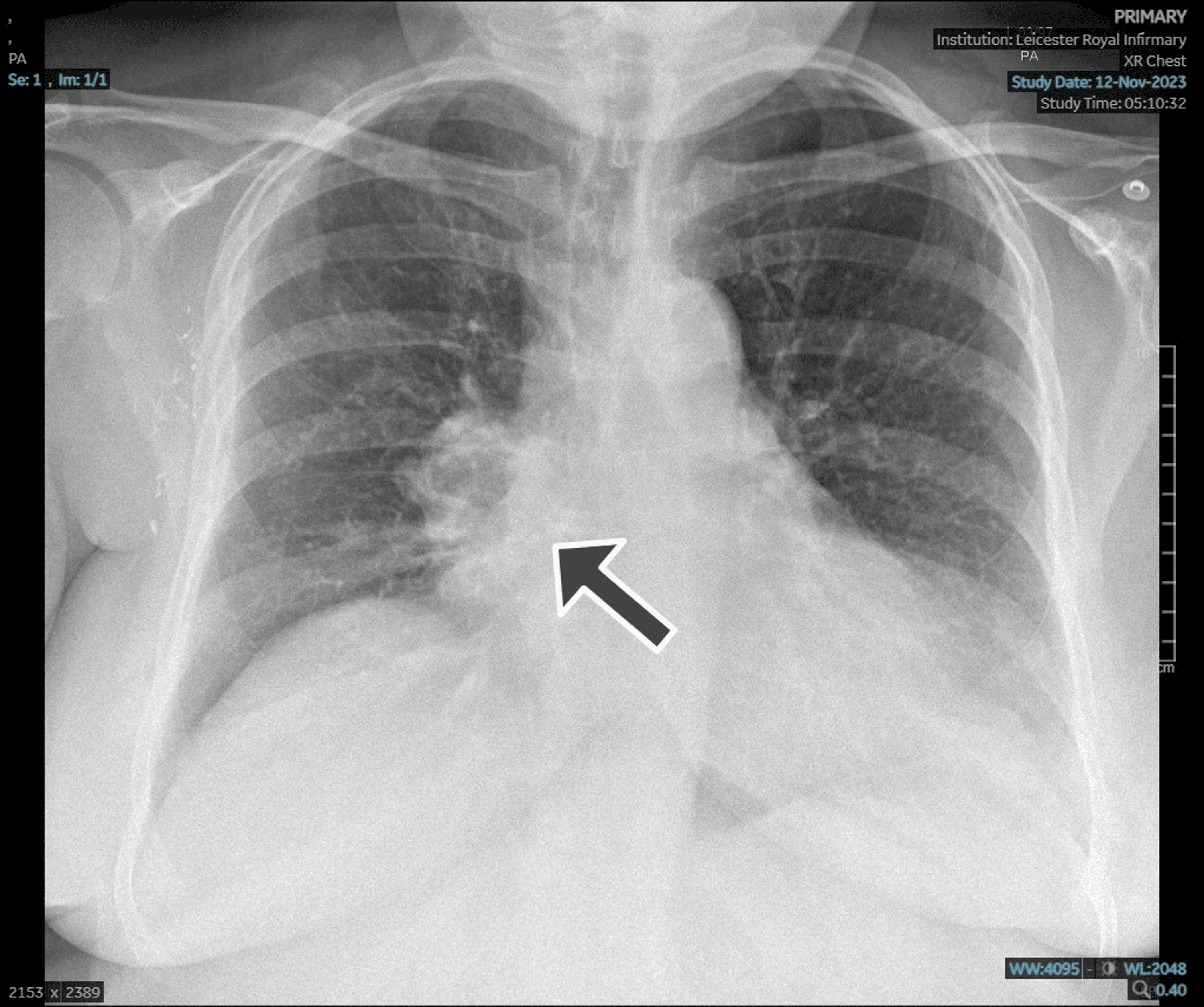
Initial-chest-X-ray-
Figure 1: Initial chest X-ray

Posteroanterior chest radiograph showing a spiculated opacity in the right mid-zone (black arrow), suggestive of a pulmonary mass. The lesion projects over the right hilum and may represent a primary bronchogenic carcinoma. No gross pleural effusion or pneumothorax is identified.

Further evaluation with contrast-enhanced CT of the thorax revealed a right hilar mass suspicious for a bronchogenic malignancy (Figure 2).
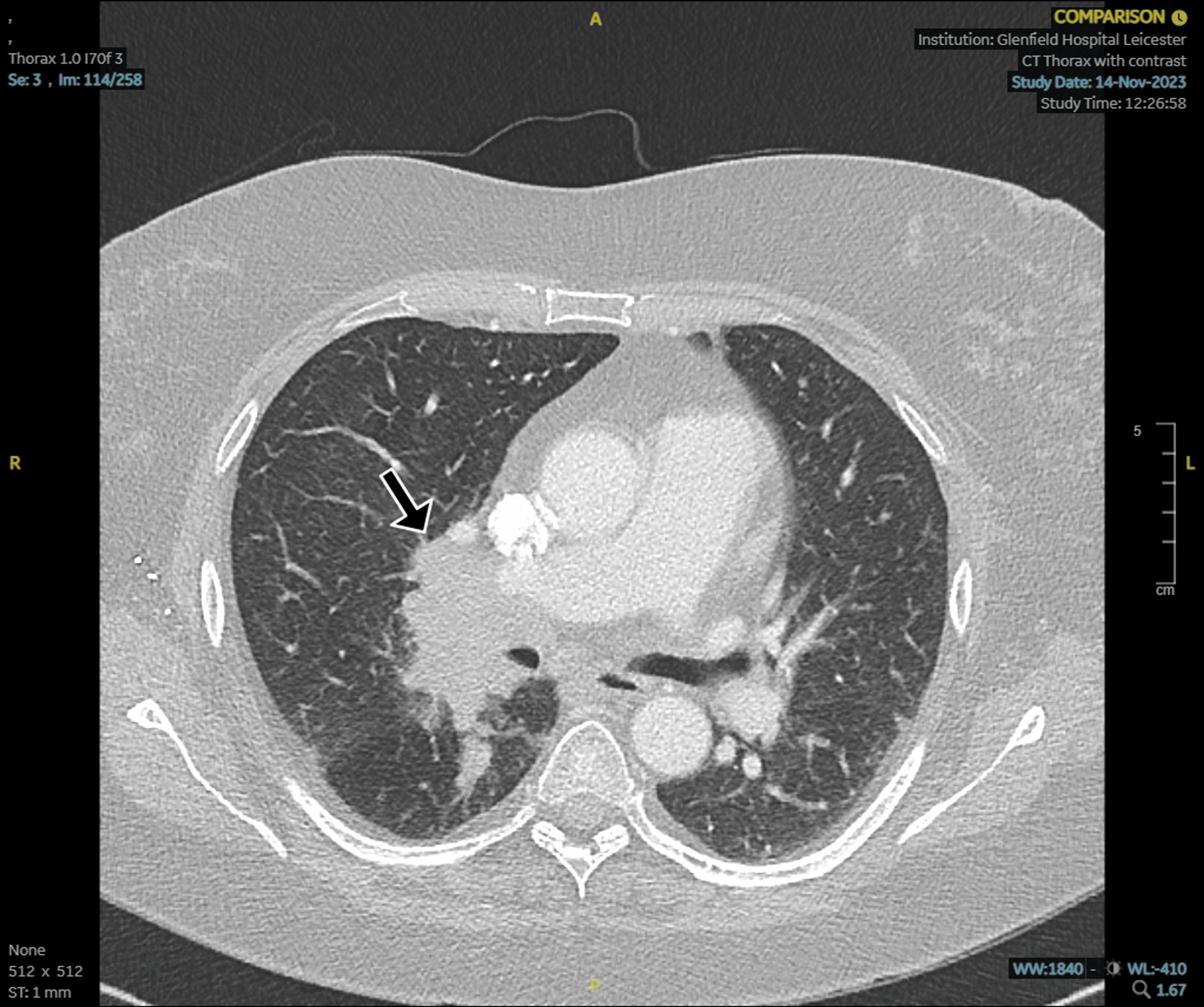
Computed-tomography-(CT)-thorax-
Figure 2: Computed tomography (CT) thorax

Contrast-enhanced axial CT of the thorax demonstrating a spiculated right hilar mass (black arrow) measuring approximately 4 cm in greatest diameter. The mass is abutting the right main bronchus and associated with enlargement of adjacent mediastinal lymph nodes. No evidence of pleural effusion, chest wall invasion, or direct mediastinal involvement is seen on this image.

Given the persistent hypokalaemia, hyperglycaemia, and metabolic alkalosis, the possibility of a paraneoplastic endocrine syndrome was considered.

Endocrine workup showed markedly elevated serum cortisol levels (>2000 nmol/L), which failed to suppress following both low- and high-dose dexamethasone suppression tests. Plasma ACTH levels were also significantly elevated at 615 ng/L, consistent with ectopic ACTH secretion (Table 3).

Test Result Reference range Interpretation
Serum cortisol >2000 nmol/L Morning: 140–690 nmol/L Markedly elevated
Low-dose dexamethasone suppression test No suppression observed Cortisol suppressed to <50 nmol/L Abnormal; cortisol not suppressed
High-dose dexamethasone suppression test No suppression observed Cortisol suppressed by >50% Abnormal; cortisol not suppressed
Plasma ACTH 615 ng/L 10–60 ng/L Significantly elevated; ectopic ACTH secretion
Table 3: Endocrine workup results demonstrating elevated cortisol and adrenocorticotropic hormone (ACTH) levels with lack of suppression on dexamethasone testing

Serum cortisol  levels during low- and high-dose dexamethasone suppression tests. Despite administration of both low- and high-dose dexamethasone, serum cortisol levels remained markedly elevated. Plasma ACTH was also significantly elevated at 615 ng/L, consistent with ectopic ACTH secretion. Reference ranges are included for comparison.

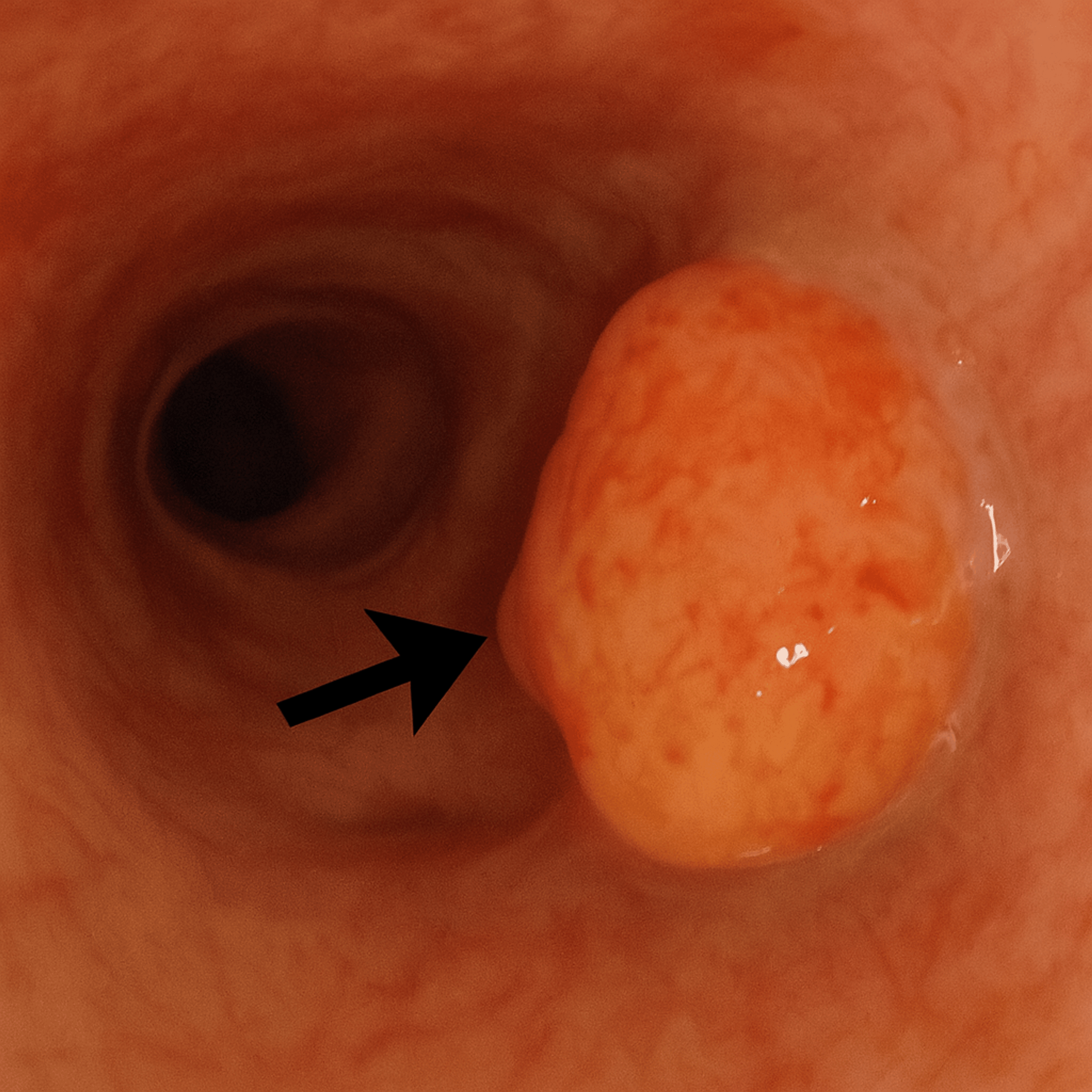
Flexible bronchoscopy was performed, and biopsy of the right endobronchial tumour confirmed the diagnosis of SCLC (Figures 34).

Bronchoscopic-view-of-the-right-hilar-mass-
Figure 3: Bronchoscopic view of the right hilar mass

Bronchoscopic view of the right bronchial tree demonstrating an irregular, lobulated endobronchial mass (black arrow). The lesion appears friable and hypervascular, partially obstructing the bronchial lumen, suggestive of a malignant endobronchial tumor.
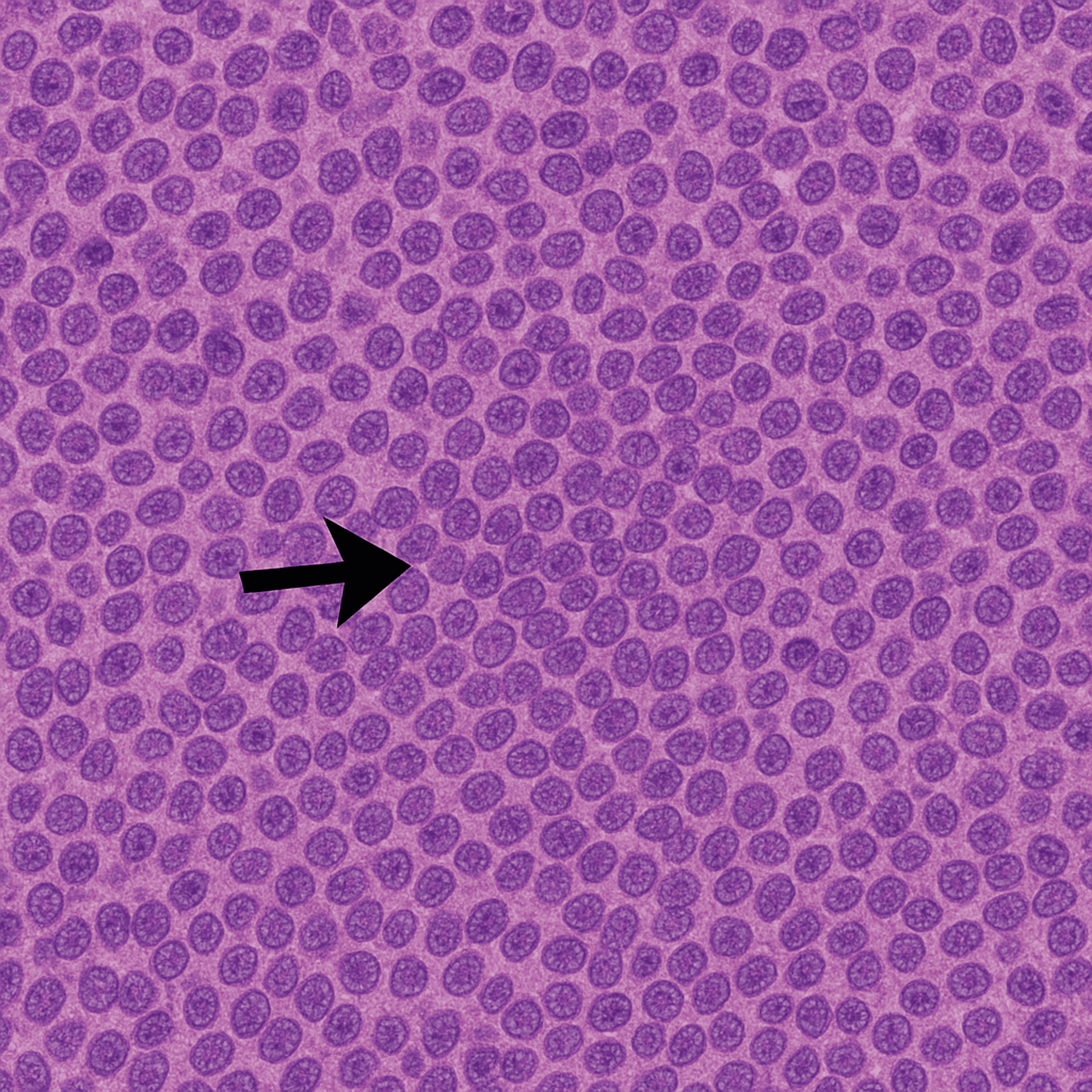
Histological-section-of-small-cell-lung-cancer-(SCLC)
Figure 4: Histological section of small cell lung cancer (SCLC)

The arrow indicates a dense cluster of small, hyperchromatic tumour cells characteristic for SCLC.

The combination of persistent metabolic derangements, imaging findings, and histological confirmation supported the diagnosis of paraneoplastic Cushing’s syndrome secondary to ectopic ACTH production by SCLC. This rare clinical entity results from autonomous ACTH secretion by the tumour, leading to adrenal hyperplasia and excessive cortisol production.

Further staging workup was performed to assess the extent of the disease. Contrast-enhanced CT of the abdomen and MRI of the brain showed no evidence of distant metastasis. The disease was therefore classified as limited-stage SCLC.

The patient was commenced on metyrapone and spironolactone following a comprehensive discussion with the endocrinology team. This intervention resulted in the stabilisation of her potassium levels (Figure 5). Furthermore, in the context of her diagnosis of SCLC, a multidisciplinary team (MDT) was convened to discuss her case. Following this collaborative discourse, it was determined that a referral to the oncology department was warranted for the initiation of chemotherapy.
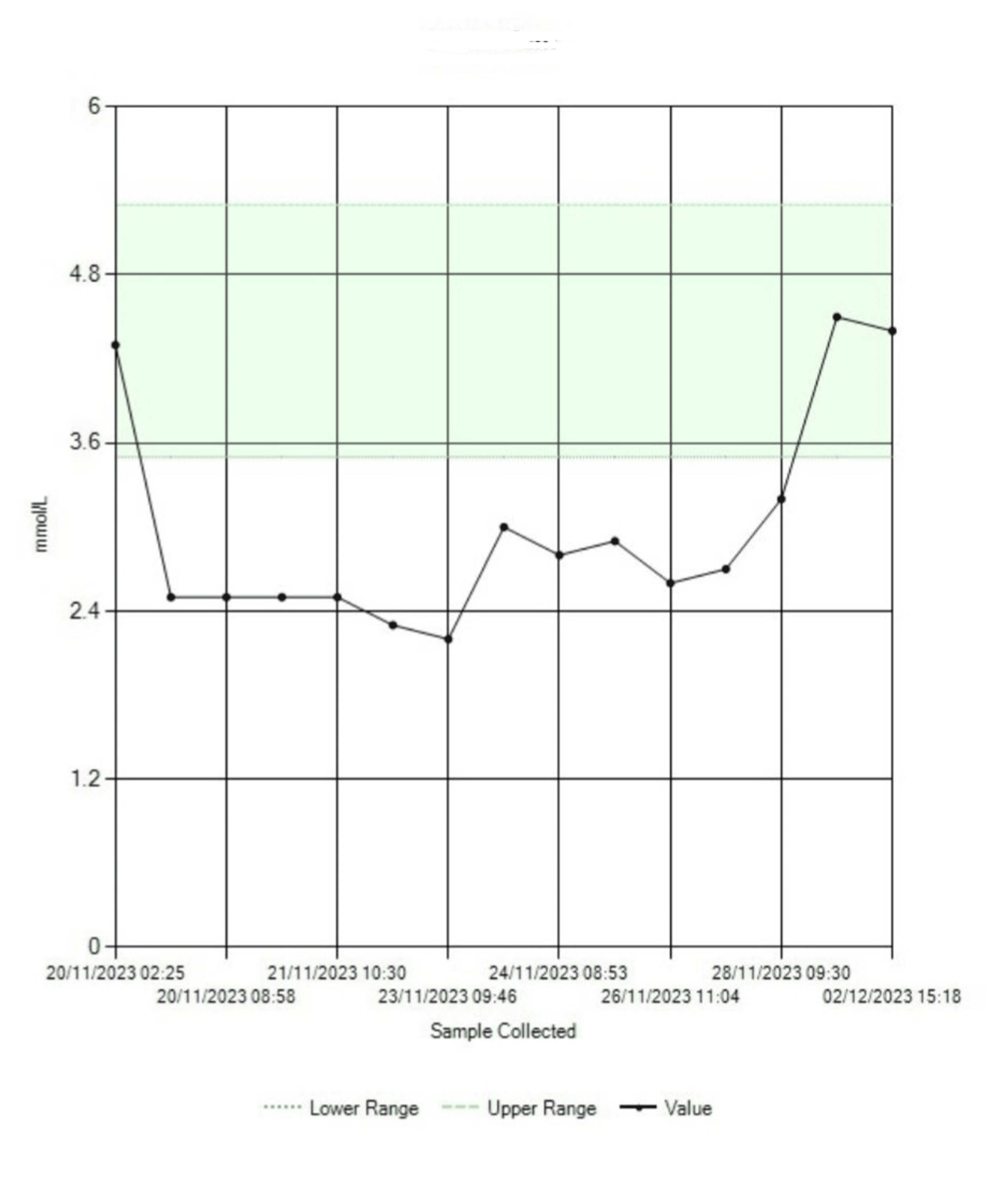
-Serum-potassium-trend-showing-initial-treatment-resistance-and-subsequent-stabilization-after-initiation-of-metyrapone-and-spironolactone
Figure 5: Serum potassium trend showing initial treatment resistance and subsequent stabilization after initiation of metyrapone and spironolactone

The graph demonstrates persistently low serum potassium levels despite aggressive intravenous and oral supplementation. Notable stabilization and eventual normalization of potassium values are observed following the initiation of metyrapone and spironolactone, indicated toward the end of the monitoring period. The shaded green area represents the normal reference range for serum potassium (3.5–5.5 mmol/L).

Discussion

This case illustrates a rare but clinically significant presentation of paraneoplastic Cushing’s syndrome secondary to ectopic ACTH secretion from SCLC. The patient’s initial symptoms of chest pain and breathlessness were non-specific, but persistent metabolic derangements, including hypokalaemia, hyperglycaemia, and metabolic alkalosis, proved refractory to standard treatment. These findings raised suspicion for an underlying endocrine disorder, leading to targeted hormonal evaluation [1,2].

Diagnostic workup revealed markedly elevated cortisol and ACTH levels, with failure to suppress during low- and high-dose dexamethasone suppression tests. Imaging and histological analysis subsequently identified a right hilar mass consistent with SCLC as the source of ectopic ACTH production. Although rare, ectopic ACTH syndrome is a well-recognised paraneoplastic manifestation of SCLC, reported in approximately 1-5% of cases [3]. It can lead to severe metabolic derangements that complicate management and worsen prognosis if unrecognised [4].

Management of ectopic Cushing’s syndrome requires prompt biochemical stabilisation to mitigate life-threatening complications such as hypokalaemia and hypertension. In this case, metyrapone, an 11β-hydroxylase inhibitor, effectively reduced cortisol synthesis, while spironolactone antagonised mineralocorticoid receptors to correct hypokalaemia. Other agents such as ketoconazole, mitotane, or intravenous etomidate may be considered in similar cases, especially when rapid cortisol control is needed or oral therapy is contraindicated [1,5]. However, these therapies carry risks of hepatotoxicity, adrenal insufficiency, or sedation, underscoring the importance of careful monitoring.

Definitive treatment of the underlying malignancy remains the cornerstone of care, as sustained control of ectopic ACTH production depends on tumour response. Early initiation of chemotherapy in SCLC can lead to a reduction in tumour burden and, in some cases, resolution of the paraneoplastic syndrome [4]. However, the metabolic instability associated with hypercortisolism often complicates oncologic management, highlighting the need for coordinated multidisciplinary care.

This case underscores the diagnostic challenge posed by ectopic Cushing’s syndrome and the importance of recognising paraneoplastic endocrine presentations in patients with unexplained metabolic derangements.

Conclusions

This case underscores the importance of considering paraneoplastic syndromes in patients with persistent, unexplained metabolic derangements such as hypokalaemia, hyperglycaemia, and metabolic alkalosis. In this patient, early recognition of ectopic ACTH secretion prompted targeted investigations, leading to the timely diagnosis of SCLC. This facilitated the initiation of appropriate endocrine therapy with metyrapone and spironolactone to stabilise the biochemical abnormalities and allowed safe progression to oncological management.

The case also highlights the complexities of managing ectopic Cushing’s syndrome, where severe metabolic disturbances can delay definitive cancer treatment. A coordinated, multidisciplinary approach involving endocrinology, oncology, and respiratory teams was crucial in optimising patient care and improving the likelihood of a favourable outcome.

For clinicians, this case reinforces the need to maintain a high index of suspicion for paraneoplastic endocrine disorders in patients with unexplained electrolyte and metabolic abnormalities, particularly when accompanied by respiratory symptoms or imaging suggestive of a pulmonary lesion. Early identification and intervention in such cases are critical for minimising morbidity and enabling timely cancer-directed therapy.

References

  1. Jeong C, Lee J, Ryu S, et al.: A case of ectopic adrenocorticotropic hormone syndrome in small cell lung cancer. Tuberc Respir Dis (Seoul). 2015, 78:436-9. 10.4046/trd.2015.78.4.436
  2. Ilias I, Torpy DJ, Pacak K, Mullen N, Wesley RA, Nieman LK: Cushing’s syndrome due to ectopic corticotropin secretion: twenty years’ experience at the National Institutes of Health. J Clin Endocrinol Metab. 2005, 90:4955-62. 10.1210/jc.2004-2527
  3. Coe SG, Tan WW, Fox TP: Cushing’s syndrome due to ectopic adrenocorticotropic hormone production secondary to hepatic carcinoid: diagnosis, treatment, and improved quality of life. J Gen Intern Med. 2008, 23:875-8. 10.1007/s11606-008-0587-z
  4. Perakakis N, Laubner K, Keck T, et al.: Ectopic ACTH-syndrome due to a neuroendocrine tumour of the appendix. Exp Clin Endocrinol Diabetes. 2011, 119:525-9. 10.1055/s-0031-1284368
  5. Nieman LK, Biller BM, Findling JW, Newell-Price J, Savage MO, Stewart PM, Montori VM: The diagnosis of Cushing’s syndrome: an Endocrine Society Clinical Practice Guideline. J Clin Endocrinol Metab. 2008, 93:1526-40. 10.1210/jc.2008-0125

https://www.endocrine.org/journals/jcem-case-reports/unilateral-adrenalectomy-for-pediatric-cyclical-cushing-syndrome


Münchausen By Media

The Internet makes it so easy to develop weird and unusual diseases.  Just plop a symptom into Google and suddenly you find yourself with stomach cancer, Cushing’s or other dread diseases.

Even on TV, the ads for lawyers almost convince people they might have mesothelioma and other rare illnesses that might bring you – and them! – bundles of money if you just sue someone.

Magazine ads implore you to “ask your doctor about…” this drug or that you might or might not need.  Your doctor might just give it to you to keep you from asking.  And there’s a needless medication that brings profit to the drug company and side effects to you.

TV shows like House and Mystery Diagnosis will show you diseases you never dreamed about.

There’s a great topic on the Power Surge message boards, What’s the worst “disease or ailment” you’ve had, where the women discuss the diseases they thought that they had, based on symptoms, what they’ve seen online, in the news but not based on reality.

I’ve done it myself.  About the only time I was right was with my Cushing’s diagnosis. That one was a good call. But my thoughts of kidney cancer metastasis haven’t come true (yet, anyway!).

There’s been information online lately about Münchausen Syndrome.  Wikipedia says:

“…the affected person exaggerates or creates symptoms of illnesses in themselves or their child/children in order to gain investigation, treatment, attention, sympathy, and comfort from medical personnel. In some extremes, people suffering from Münchausen’s Syndrome are highly knowledgeable about the practice of medicine, and are able to produce symptoms that result in multiple unnecessary operations. For example, they may inject a vein with infected material, causing widespread infection of unknown origin, and as a result cause lengthy and costly medical analysis and prolonged hospital stay. The role of “patient” is a familiar and comforting one, and it fills a psychological need in people with Münchausen’s. It is distinct from hypochondriasis in that patients with Münchausen syndrome are aware that they are exaggerating, whereas sufferers of hypochondriasis believe they actually have a disease.”

I think we’ve all see this, especially online.  It’s so easy to sit in the comfort of ones home and add “just a little” to the symptoms, making it more impressive for the readers.

From A Strange Case of Münchausen By Internet:

“…When I first got online, I “met” a young woman who claimed to be a vet, and offered me all kinds of advice about my cat and my tropical fish. She got cancer, slowly declined, then died. We wanted to send flowers, and maybe attend the funeral, and got her ISP to contact her family for us. To our shock, her parents said there was no funeral. She wasn’t dead, she wasn’t even sick. At least not physically. She’d pulled this kind of “pretend death” several times before, and was in therapy, but every time life got stressful, she’d do it again.

And the Internet is the ideal place for a Munchausen sufferer. With the click of a button, you can find out all kinds of information, to help you pose as anyone you want. People don’t expect to see you in person or even talk to you except by e-mail, making deception easier. And often, mailing lists, message boards, etc., will give unqualified support to their members…”

And Media Makes Me Sick:

“…The Internet is hands-down the worst thing to ever happen to the medical world. With Web sites like WebMD, any paranoid hypochondriac like me can jump online, look for symptoms and immediately convince himself he has cancer or Cushing’s disease or non-Hodgkin’s lymphoma or any other of a million things.

WebMD allows you to find one symptom and then “helps” you by listing 15,000 things it could mean.

Oh my God. I do have a slight ache! That’s it. I must have a brain tumor. I’m not kidding, I recently scared myself into thinking I had cancer. It took a specialist, a CT scan and an ultra-sound to convince me otherwise…”

Karen found this older article at http://www.villagevoice.com/2001-06-26/news/cybersickness/1

“…Over nearly three years, from 1998 to 2000, a woman—let’s call her Anna—posted to an online support group for people with mental illness. To the larger circle of readers, she acted mostly as friendly counselor. But to a select few, she e-mailed stories of escalating catastrophes. Her husband and two children had perished in a plane crash, she wrote. As a kid, her father had molested her, and she had suffered multiple personality disorder. Finally, she told her trusted—and trusting—confidants that she had just been diagnosed with leukemia.

Gwen Grabb, a psychotherapy intern and mother of three in Los Angeles, says the group believed Anna because she took on the role of helping others, revealing her own difficulties much later, and to an intimate audience. “She was very bright,” recalls Grabb. “She was very supportive and kind. One day, she started telling me about `the crash,’ what they found in the black box, how you could hear her daughter screaming. I had known her a year. I believed her.”

But as the tales became more elaborate and grotesque, Grabb grew suspicious. Along with another group member—Pam Cohen, a bereavement counselor in the Mid-Atlantic region—she did some research and discovered Anna was making it up. It was a shock to all, but worse than that to Cohen. “It is like an emotional rape,” she says. People may have been upset over the online life and fatal cancer of the fictional Kaycee, whose creator admitted last month she’d invented the high school character for expressive purposes. But that was geared to a general audience, however easily suckered. Pretenders like Anna hurt a much more vulnerable group—folks who may be seriously ill and are seeking help…”

So – use caution and remember that not everything you read will happen to you!

A Case 0f Hailey–Hailey Disease Accompanied by Cushing’s Syndrome and Adrenal Insufficiency Due to Long-Term Usage of Topical Steroids With Review of Literature

Abstract

Hailey–Hailey disease (HHD), or familial benign chronic pemphigus, is a rare autosomal dominant disorder characterized by recurrent vesicles and erosions in intertriginous areas. Topical corticosteroids are the primary treatment, but their potential systemic side effects are often overlooked. Prolonged use on compromised skin can lead to excessive absorption, increasing the risk of iatrogenic Cushing’s syndrome and adrenal insufficiency.

Here, we report the case of a 50-year-old woman with HHD who had been using topical clobetasol or betamethasone for over 10 years, reaching doses up to 50 g/day.

She developed Cushingoid features, metabolic abnormalities, and suppression of the hypothalamic–pituitary–adrenal (HPA) axis. After tapering off topical corticosteroids, she developed adrenal insufficiency and associated withdrawal symptoms. Following the initiation of hydrocortisone replacement therapy, psychiatric symptoms, impaired glucose tolerance, and osteoporotic fractures emerged, suggesting exacerbation of iatrogenic Cushing’s syndrome.

This case highlights the risk of systemic complications from chronic topical corticosteroid use, particularly in high-absorption areas. Gradual dose reduction, close endocrine monitoring, and individualized tapering strategies are essential to prevent severe outcomes.

Clinicians should be aware of potential adrenal suppression and consider endocrine evaluation in patients receiving prolonged, high-dose topical corticosteroid therapy.

Cushing’s Syndrome in a Young Woman Due to Prolonged Betamethasone Nasal Drop Use

Abstract

Background

Cushing’s syndrome is an uncommon but serious condition caused by long-term exposure to elevated cortisol levels, which is usually iatrogenic in origin. Although systemic corticosteroids are the most frequent agents, the association of intranasal corticosteroids with this condition is remarkably rare.

Case presentation

This report is about a 21-year-old Iranian woman using betamethasone nasal drops for nasal obstruction. The patient presented with weight gain, Amenorrhea, mood disturbances, red purplish striae, and mild hirsutism. Hormonal assessments revealed suppression of the hypothalamic–pituitary–adrenal axis.

Conclusion

This case demonstrates the underappreciated systemic effects of intranasal betamethasone to induce Cushing’s syndrome. It serves as a pivotal reminder of the need for vigilance in prescribing practices and reinforces the importance of early diagnosis to ensure favorable patient outcomes.

Peer Review reports

Background

Iatrogenic Cushing’s syndrome (CS) is an endocrine disease caused by long-term or high-dose glucocorticoid use [1]. Although iatrogenic cases are commonly associated with oral or injectable glucocorticoids [2], few reports described CS after the use of intranasal steroid sprays (INS) such as betamethasone in adults [3,4,5,6,7]. Currently, INS is widely used for managing conditions such as allergic rhinitis, nasal polyposis, and other upper airway disorders owing to their localized effects and limited systemic absorption [89]. However, prolonged use, high doses, or using potent formulations can lead to significant systemic absorption, resulting in Hypothalamic–pituitary–adrenal (HPA) axis suppression, and frank CS [10]. Betamethasone nasal spray, a cornerstone in the treatment of nasal congestion, has the potential for systemic absorption by the nasal mucosa, particularly with prolonged or excessive use [11].

This report presents the case of a young woman who developed CS following the overuse of betamethasone nasal drops. It also highlights the importance of detailed patient histories when diagnosing CS and highlights the critical need to educate patients on the proper use and potential risks of steroid therapies to prevent complications. This case report adheres to the case report (CARE) guidelines [12].

Case presentation

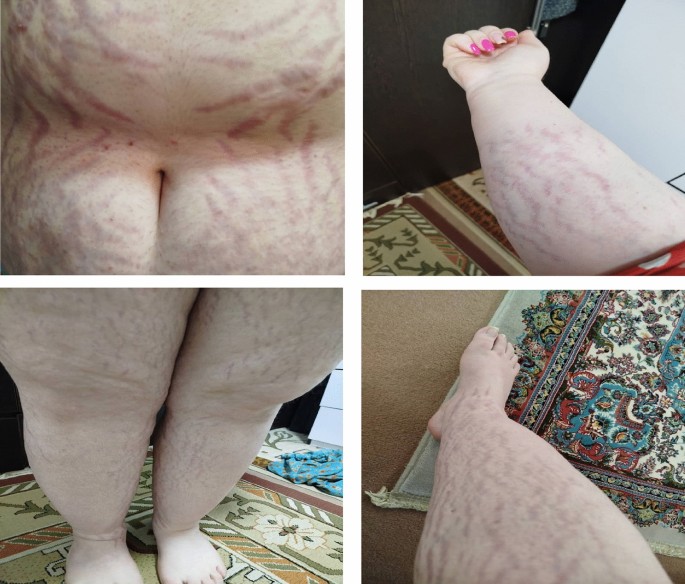
This is the case of a 21-year-old Iranian female who presented with a history of rapid weight gain (30 kg in 8 months), irregular menstrual cycles, and significant mood changes. Her body mass index (BMI) was calculated at 40.07 kg/m2, classifying her as obese, and her blood pressure was recorded at 115/75 mmHg. In addition, she exhibited red–purple striae on her abdomen and limbs and mild hirsutism (modified Ferriman–Gallwey Score (FGS) score = 10), prompting admission for further evaluation after multiple outpatient visits yielded no definitive diagnosis.

Figure 1 is a clinical photograph (with patient consent) or an illustration of the red–purple striae.

Fig. 1

figure 1

Clinical photograph showcasing the red–purplish striae on the patient’s abdomen, arms, and lower limbs

Upon admission, the patient’s history revealed prolonged use of betamethasone 0.1% 1 mg/mL nasal drops, administered at a daily dosage of 5 cc, in combination with oxymetazoline (a sympathomimetic nasal preparation) at a daily dosage of 1 cc, over approximately 12 months, to address nasal obstruction. Her symptoms began 6 months after starting the nasal drops. Further medication history revealed no other corticosteroid use. Notably, the patient had a past diagnosis of polycystic ovary (PCO) syndrome made on the basis of Rotterdam 2003 criteria (oligomenorrhea since menarche and clinically androgen excess) but did not undergo treatment or maintain laboratory records.

A detailed hormonal evaluation was undertaken. Morning plasma cortisol less than 0.05 µg/dL and adrenocorticotropic hormone (ACTH) less than 5 (10–56 pg/mL) measurements were abnormally low. Her 24-hour urine-free cortisol concentrations of 1.04 µg/24 h were significantly reduced, indicating suppression of the HPA axis secondary to prolonged exogenous corticosteroid exposure. All tests were repeated several times by endocrinologists during the time course of disease manifestations.

Table 1 summarizes the hormonal test results to clearly display the abnormalities.

Table 1 Hormonal and biochemical test results with reference values

Imaging studies before admission included a computed tomography (CT) scan of the adrenal glands, which showed that both adrenal glands were of normal size. However, a dynamic pituitary magnetic resonance imaging (MRI) revealed an 11 mm pituitary gland, despite there being no rationale for imaging studies in this scenario.

The patient was counseled extensively about the condition, and betamethasone nasal drops were discontinued immediately. Ear, nose, and throat (ENT) consultation revealed normal findings and the psychiatric team diagnosed her with major depressive disorder (MDD). She was discharged on 15 mg prednisolone with a structured tapering plan to allow for gradual recovery of adrenal function and to prevent acute adrenal insufficiency. Follow-up appointments were scheduled to monitor her clinical progress and re-evaluate her HPA axis recovery.

Discussion

This case highlights the rare but significant occurrence of iatrogenic CS secondary to prolonged use of intranasal betamethasone. Although oral corticosteroids are well-known to cause HPA axis suppression, INS is generally considered safer owing to their localized effects and lowering systemic absorption side effects. However, the associated potential of systemic absorption in INS remains a concern [13]. As demonstrated in this case, prolonged use of potent formulations such as betamethasone can lead to significant systemic effects, particularly when administered inappropriately or at high doses.

Betamethasone nasal drops, although effective for treating nasal congestion and inflammation [1415], carry a potential risk of systemic absorption through the nasal mucosa. Factors, such as prolonged use [61617], and high potency [18], can significantly increase systemic bioavailability. R. J. Perry et al. [19] in study of seven children highlights that even patients receiving doses within conventional safety ranges may exhibit varying sensitivity to glucocorticoids, leading to symptomatic adrenal suppression or glucocorticoid excess. Unlike newer corticosteroid compounds, such as fluticasone or mometasone, which undergo extensive first-pass metabolism in the liver, betamethasone exhibits minimal hepatic metabolism, contributing to its prolonged systemic activity [2021]. This pharmacokinetic profile underscores the need for careful regulation and monitoring of its use, even in ostensibly localized therapies.

The clinical manifestations in this patient, including central obesity, striae, hirsutism, and mood changes, were classic features of CS and guided the diagnostic process [22]. Scutelnicu et al. [23] reported a case of a patient in the second trimester of pregnancy who, owing to chronic sinusitis, underwent intranasal betamethasone spray therapy. The patient manifested extensive striae on the lower limbs, as well as edema in the legs, arms, and face, accompanied by a weight gain of 22 kg over 3 months. After switching the patient’s treatment to an alpha-1 adrenergic agonist spray, the condition was managed uneventfully without any symptoms of adrenal insufficiency.

Requesting imaging assessments, including a CT scan and MRI, as a first step further complicated the diagnostic process. This highlights a common diagnostic pitfall: the use of imaging as an initial approach can lead to the discovery of incidentalomas, which may misdirect clinical attention. Such findings risk overshadowing the primary etiology of the condition, potentially resulting in misdiagnosis or delayed treatment. This emphasizes the importance of prioritizing functional assessments over imaging in the early diagnostic workup to avoid unwarranted diagnostic confusion and ensure accurate identification of the underlying pathology.

Management involved the immediate cessation of betamethasone nasal drops and initiation of a structured tapering regimen with prednisolone to support adrenal recovery. The importance of stress-dose precautions during intercurrent illnesses was emphasized, alongside comprehensive patient education to prevent future misuse of corticosteroids. The gradual improvement in adrenal function during follow-up highlights the reversibility of glucocorticoid-induced adrenal suppression with appropriate intervention.

Conclusion

This case underscores several critical lessons. First, it emphasizes the importance of heightened awareness among healthcare providers regarding the potential systemic effects of topical corticosteroids, particularly potent formulations such as betamethasone. Second, it highlights the need for thorough history-taking and detailed patient education to prevent corticosteroid misuse. This report contributes to the limited body of literature on iatrogenic CS from intranasal corticosteroids, particularly in adults. Documenting the clinical presentation, diagnostic challenges, and successful management of this case, provides valuable insights into preventing, recognizing, and treating similar cases. It serves as a reminder of the delicate balance between therapeutic benefit and potential harm in corticosteroid therapy and advocates for ongoing research to establish safer prescribing practices.

Data availability

The data analyzed and generated in this study can be accessed through the corresponding author upon reasonable request.

Abbreviations

CS:
Cushing’s syndrome
INS:
Intranasal corticosteroids
HPA axis:
Hypothalamic–pituitary–adrenal axis
BMI:
Body mass index
FGS:
Ferriman–Gallwey Score
PCO:
Polycystic ovary
ACTH:
Adrenocorticotropic hormone
CT:
Computed tomography
MRI:
Magnetic resonance imaging
ENT:
Ear, nose, and throat
MDD:
Major depressive disorder

References

  1. Cristante J, Chabre O. Factitious, or iatrogenic but unexpected Cushing’s syndrome. Ann Endocrinol (Paris). 2023;84(3):370–2.

    PubMed Google Scholar

  2. Lacroix A, Feelders RA, Stratakis CA, Nieman LK. Cushing’s syndrome. Lancet. 2015;386(9996):913–27.

    CAS PubMed Google Scholar

  3. Scutelnicu A, Panaitescu AM, Ciobanu AM, Gica N, Botezatu R, Peltecu G, et al. Iatrogenic cushing’s syndrome as a consequence of nasal use of betamethasone spray during pregnancy. Acta Endocrinol. 2020;16(4):511–7.

    CAS Google Scholar

  4. Sakamoto M, Morita K, Okamura E, Uchino T, Okamoto K, Ozawa Y, et al. A case of iatrogenic cushing syndrome due to overuse of nasal steriod and concurrent administration of clarithromycin. Teikyo Med J. 2018;41(4):161–8.

    Google Scholar

  5. Nutting CM, Page SR. Iatrogenic Cushing’s syndrome due to nasal betamethasone: a problem not to be sniffed at! Postgrad Med J. 1995;71(834):231–2.

    CAS PubMed PubMed Central Google Scholar

  6. Stevens DJ. Cushing’s syndrome due to the abuse of betamethasone nasal drops. J Laryngol Otol. 1988;102(3):219–21.

    CAS PubMed Google Scholar

  7. Dow A, Yu R, Carmichael J. Too little or too much corticosteroid? Coexisting adrenal insufficiency and Cushing’s syndrome from chronic, intermittent use of intranasal betamethasone. Endocrinol Diabetes Metab Case Rep. 2013;2013:13–0036.

    Google Scholar

  8. Bachert C, Desrosiers MY, Hellings PW, Laidlaw TM. The role of biologics in chronic rhinosinusitis with nasal polyps. J Allergy Clin Immunol Pract. 2021;9(3):1099–106.

    CAS PubMed Google Scholar

  9. Bachert C, Han JK, Wagenmann M, Hosemann W, Lee SE, Backer V, et al. EUFOREA expert board meeting on uncontrolled severe chronic rhinosinusitis with nasal polyps (CRSwNP) and biologics: definitions and management. J Allergy Clin Immunol. 2021;147(1):29–36.

    CAS PubMed Google Scholar

  10. Quddusi S, Browne P, Toivola B, Hirsch IB. Cushing syndrome due to surreptitious glucocorticoid administration. Arch Intern Med. 1998;158(3):294–6.

    CAS PubMed Google Scholar

  11. Grayson JW, Harvey RJ. Topical corticosteroid irrigations in chronic rhinosinusitis. Int Forum Allergy Rhinol. 2019;9(S1):S9–15.

    PubMed Google Scholar

  12. Gagnier JJ, Kienle G, Altman DG, Moher D, Sox H, Riley D. The CARE guidelines: consensus-based clinical case reporting guideline development. Global Adv Health Med. 2013;2(5):38–43.

    Google Scholar

  13. McDonnell J, Weller K, Pien LC. Safety of intranasal steroids: an updated perspective. Curr Allergy Asthma Rep. 2020;20(11):69.

    PubMed Google Scholar

  14. Scadding GK. Other anti-inflammatory uses of intranasal corticosteroids in upper respiratory inflammatory diseases. Allergy. 2000;55(s62):19–23.

    PubMed Google Scholar

  15. Chong LY, Head K, Hopkins C, Philpott C, Burton MJ, Schilder AG. Different types of intranasal steroids for chronic rhinosinusitis. Cochrane Database Syst Rev. 2016;4(4):Cd011993.

    PubMed Google Scholar

  16. Findlay CA, Macdonald JF, Wallace AM, Geddes N, Donaldson MD. Childhood Cushing’s syndrome induced by betamethasone nose drops, and repeat prescriptions. BMJ. 1998;317(7160):739–40.

    CAS PubMed PubMed Central Google Scholar

  17. Reynolds C, Agrawal P, McCann A, O’Sullivan T, Chroinin MN, O’Riordan SMP. Cushing syndrome and adrenal insufficiency induced by high dose prolonged intranasal betamethasone. Arch Dis Child. 2019;104:A275.

    Google Scholar

  18. Oluwayemi IO, Oduwole AO, Oyenusi E, Onyiriuka AN, Abdullahi M, Fakeye-Udeogu OB, et al. Iatrogenic Cushing’s syndrome in children following nasal steroid. Pan Afr Med J. 2014;17:237.

    PubMed PubMed Central Google Scholar

  19. Perry RJ, Findlay CA, Donaldson MDC. Cushing’s syndrome, growth impairment, and occult adrenal suppression associated with intranasal steroids. Arch Dis Child. 2002;87(1):45–8.

    CAS PubMed PubMed Central Google Scholar

  20. Matera MG, Rinaldi B, Calzetta L, Rogliani P, Cazzola M. Pharmacokinetics and pharmacodynamics of inhaled corticosteroids for asthma treatment. Pulm Pharmacol Ther. 2019;58: 101828.

    CAS PubMed Google Scholar

  21. Krzyzanski W, Milad MA, Jobe AH, Peppard T, Bies RR, Jusko WJ. Population pharmacokinetic modeling of intramuscular and oral dexamethasone and betamethasone in Indian women. J Pharmacokinet Pharmacodyn. 2021;48(2):261–72.

    CAS PubMed PubMed Central Google Scholar

  22. Savas M, Mehta S, Agrawal N, van Rossum EFC, Feelders RA. Approach to the patient: diagnosis of Cushing syndrome. J Clin Endocrinol Metab. 2022;107(11):3162–74.

    PubMed PubMed Central Google Scholar

  23. Scutelnicu A, Panaitescu AM, Ciobanu AM, Gica N, Botezatu R, Peltecu G, et al. Iatrogenic Cushing’s syndrome as a consequence of nasal use of betamethasone spray during pregnancy. Acta Endocrinol (Buchar). 2020;16(4):511–7.

    CAS PubMed Google Scholar

Download references

Acknowledgements

Not applicable.

Funding

Not Applicable.

Author information

Authors and Affiliations

  1. Gastrointestinal and Liver Diseases Research Center, Iran University of Medical Sciences, Tehran, Iran

    Mohammadsadra Shamohammadi

  2. M.D., Endocrinologist Assistant Professor of Internal Medicine Assistant Professor of Internal Medicine, Iran University of Medical Sciences at Rasool Akram General Hospital, Tehran, Iran

    Delaram Eskandari

  3. Professor of Endocrinology Department of Endocrinology, Rasool Akram Medical Complex, School of Medicine, Iran University of Medical Sciences, Tehran, Iran

    Amir Ziaee

  4. Assistant Professor of Endocrinology & Metabolism Department of Internal Medicine, School of Medicine Hazrat-e Rasool General Hospital Iran University of Medical Sciences Medical Doctor at Iran University of Medical Sciences, Tehran, Iran

    Seyed Hossein Samadanifard

  5. Assistant Professor of Endocrinology & Metabolism Department of Internal Medicine, School of Medicine, Iran University of Medical Sciences, Tehran, Iran

    Haleh Chehrehgosha

  6. M.D., Endocrinologist Assistant Professor of Internal Medicine Assistant Professor of Internal Medicine, Iran University of Medical Sciences at Rasool Akram General Hospital, Tehran, Iran

    Amir Hossein Ghanooni

Contributions

MS and DE wrote the original draft; AZ and SHS collected the data. DE and HC were the patient’s doctors; MS and AHG reviewed, edited, and supervised the manuscript. All authors have read and approved the final version of the manuscript.

Corresponding author

Correspondence to Delaram Eskandari.

Ethics declarations

Ethics approval and consent to participate

This study was conducted in accordance with ethical guidelines and was approved by the Research Ethics Committee of Iran University of Medical Sciences under approval number IR.IUMS.REC.1404.208.

Consent for publication

Written informed consent was obtained from the patient for publication of this case report and any accompanying images. A copy of the written consent is available for review by the Editor-in-Chief of this journal.

Competing interests

The authors declare that they have no competing interests.

Additional information

Publisher’s Note

Springer Nature remains neutral with regard to jurisdictional claims in published maps and institutional affiliations.

Ectopic Adrenocorticotropic Hormone Syndrome Due To Olfactory Neuroblastoma: A Case Report And Literature Review

Abstract

Ectopic adrenocorticotropic hormone (ACTH) syndrome (EAS) is a cause of Cushing’s syndrome usually associated with neuroendocrine tumors. Olfactory neuroblastoma (ONB) is a rare malignant neoplasm of the olfactory epithelium. This is the case of a 56-year-old woman with an ONB presenting with EAS. After initiating metyrapone, she developed a  Pneumocystis jirovecii  pneumonia. Following successful treatment of the infection, she underwent surgical tumor excision and radiotherapy, which has been in remission for the past 3 years. The authors provide a literature review of the 30 previously published cases of ONB presenting with EAS. Most were reported in middle-aged men, with a recurrence rate of 15.6% (3 patients eventually died). A total of 9.5% of all reported had an infection after starting corticosteroid-blocking therapy. ONB is a very rare cause of EAS with poor prognosis and a relapsing course. In the presence of severe hypercortisolism, chemoprophylaxis for common opportunistic agents must be considered.

Summary

Ectopic adrenocorticotropic hormone secretion syndrome (ACES) is a cause of Cushing’s syndrome commonly associated with neuroendocrine tumors. Olfactory neuroblastoma (ON) is a rare malignant tumor of the olfactory epithelium. We describe the case of a 56-year-old woman with ACES secondary to ON. After starting metyrapone, the patient developed  Pneumocystis jirovecii pneumonia . The infection was treated, the tumor was surgically removed, and she received radiotherapy. The patient has maintained remission for the past 3 years. We review the 30 previously reported cases of ACEs secondary to ON. Most occurred in middle-aged men, with a recurrence rate of 15.6% (3 patients died). Ninety-five percent of these cases had an infection after starting control of hypercortisolism. ON is a rare cause of ACEs with a poor prognosis and high recurrence rate. In the presence of hypercortisolism, chemoprophylaxis for common opportunistic agents should be considered.

Access through your organization

Check access to the full text by signing in through your organization.

Access through  your organization

Section snippets

Case description

Production of adrenocorticotropic hormone (ACTH) from nonpituitary tumors – known as ectopic ACTH syndrome (EAS) – is the cause of ACTH-dependent hypercortisolism in up to 18% of all cases of Cushing’s syndrome. 1  EAS is more commonly associated with neuroendocrine tumors located in the chest, namely small-cell lung carcinoma, bronchial carcinoids and thymic neuroendocrine tumors. 2  These are followed less frequently by breast, colon, gastric, pancreatic and prostate cancers.2, 3, 4, 5, 6

Management and evidence

We consider our case particularly interesting for two reasons: the rarity of an ONB as a cause of the EAS (there are only 30 other cases reported worldwide) (Table 1) 30, 31, 32, 33, 34, 35, 36, 37, 38 and clinical progression with an opportunistic infection after starting corticosteroid-blocking therapy. To identify the 30 cases referenced we performed a literature review across PubMed, until August 2024, using the

Areas of uncertainty

Although there is some doubt about the elevated infectious risk of these patients, not only due to hypercortisolism but also after starting steroid-blocking therapy, diagnosis of these complications is frequently delayed. Additionally, infectious chemoprophylaxis is not routinely instituted in these patients. Our case highlights these areas of discussion.
Once ACTH secretion is detected, steroid-blocking therapy is often initiated to control symptoms related to Cushing’s syndrome. Metyrapone and

Guidelines

Due to the rarity of ONB presenting with ACTH secretion, there are no specific and well-established guidelines that delineate the management of these conditions presenting simultaneously, but there are recommendations for the treatment of each of them separately.2, 13, 45, 46
Regarding ONB management, surgery must be considered whenever it is feasible, and adjuvant radiotherapy is recommended in every case.13, 46 Adjuvant and neoadjuvant chemotherapy can be considered, depending on the initial

Conclusions and recommendations

EAS secretion is a cause of Cushing’s syndrome and should be suspected in the presence of signs and symptoms of severe hypercortisolism, even without the typical Cushing’s syndrome stigmata. Although ONB is a very rare cause of the ACTH syndrome, it should not be missed considering its poor outcome when left untreated. Hypercortisolism should be controlled until it is possible to treat the underlying tumor, bearing in mind that normalizing cortisol levels can precipitate opportunistic

Funding

None declared.

Conflicts of interest

None declared.

References (46)