Cushing’s Syndrome in Pregnancy in Which Laparoscopic Adrenalectomy was Safely Performed by a Retroperitoneal Approach

Abstract

Introduction

Laparoscopic adrenalectomy is the standard treatment for adrenal tumors caused by Cushing’s syndrome. However, few pregnant women have undergone adrenalectomy because of the risk of general anesthesia and surgery.

Case presentation

A 28-year-old woman presented with gradually worsening Cushing’s signs at around 12 weeks of pregnancy. Magnetic resonance imaging displayed a 38-mm left adrenal tumor, which was the cause of the adrenal Cushing’s syndrome. Metyrapone was started, which increased androgen levels. Since the management of Cushing’s syndrome by medication alone is challenging, unilateral laparoscopic adrenalectomy by a retroperitoneal approach was performed at 23 weeks of the pregnancy. No perioperative complications were noted.

Conclusion

Adrenalectomy is considered safe in pregnant women with Cushing’s syndrome. Laparoscopic adrenalectomy by retroperitoneal approach should be chosen and performed between 14 and 30 weeks of pregnancy to prevent mother and fetal complications.

Abbreviations & Acronyms

  • CS
  • Cushing’s syndrome
  • MRI
  • magnetic resonance imaging

Keynote message

We report a rare case of adrenalectomy performed via a retroperitoneal approach for Cushing’s syndrome in a pregnant woman. Cushing’s syndrome may affect the fetus, and surgery can be considered in addition to medical management. Adrenalectomy should be performed in the second trimester of pregnancy. Pneumoperitoneal pressure, position, and surgical approaches must receive careful attention.

Introduction

CS is characterized by excessive cortisol secretion and characteristic symptoms such as full moon-like facial features and central obesity. Premenopausal women with CS rarely become pregnant because excessive glucocorticoid secretion inhibits the synthesis of gonadotropins, leading to impaired ovarian and endometrial function, and causing amenorrhea or oligomenorrhea.1 Furthermore, even when women with CS become pregnant, the incidence of severe complications is high. CS can cause maternal hypertension, diabetes/glucose intolerance, osteopenia/osteoporosis, preeclampsia, pulmonary edema, heart failure, opportunistic infections, and even death. Additionally, CS can potentially cause stillbirth, prematurity, and intrauterine fetal growth restriction.16 Therefore, CS must be detected at an early stage in pregnancy; however, CS may go undetected because of the overlapping signs of preeclampsia and/or gestational diabetes.

A cortisol-secreting adrenal tumor is the underlying cause of CS, and laparoscopic adrenalectomy is the standard treatment to it. Medical treatment of CS can include medications that inhibit 11β-hydroxylase, such as metyrapone and osilodrostat, but surgical treatment is considered if the disease is difficult to control with medical treatment. Nonobstetric surgery during pregnancy is performed in 1%–2% of pregnant women.7 Although general anesthesia is relatively safe during pregnancy, the indication for the surgery must be carefully considered because of potential risks such as neurodevelopmental delay, sudden death, etc.

Herein, we present a case of a pregnant woman diagnosed with CS who underwent unilateral laparoscopic adrenalectomy by a retroperitoneal approach without any problems.

Case presentation

The patient was a 28-year-old primiparous woman. Since around 12 weeks of pregnancy, she has experienced facial and lower limb edema; gained 6-kg weight in 1 month; increased facial acne; and experienced subcutaneous bleeding on the forearms, red abdominal dermatitis, proximal muscle weakness, palpitations, insomnia, and decreased vision in eyes. Her symptoms gradually worsened from 14 weeks, and she was referred to our hospital to clarify the cause at 18 weeks of pregnancy.

Adrenal CS was suspected on the basis of her Cushing’s signs, cortisol 25 μg/dL, and adrenocorticotropic hormone <1.5 pg/mL. She had hypokalemia, hypogammaglobulinemia, and liver dysfunction, and her condition was rapidly worsening. Given her pregnant state, she was admitted for intensive testing for the case of CS from 19 weeks of pregnancy. MRI revealed a well-defined 38-mm left adrenal tumor, which was the cause of the adrenal CS (Fig. 1). She was started on metyrapone with 250 mg per day, which increased androgens (0.53–0.69 ng/mL in 1 week). We considered that the management of CS by medication alone would be challenging and performed adrenalectomy during her pregnancy. The dose of metyrapone was increased to 1000 mg per day eventually.

Details are in the caption following the image

Magnetic resonance imaging on admission shows a left adrenal tumor with a long axis of 38 mm (arrowhead). Signal reduction was partially observed on opposed-phase images, leading to diagnosis of cortical adenoma.

She was admitted to the hospital at 23 weeks and 2 days of gestation, and laparoscopic left adrenalectomy was performed via a retroperitoneal approach in the right lateral and jackknife position on the following day (Fig. S1). During the surgery, blood pressure was carefully controlled by an anesthesiologist and the patient’s position and fetal heart rate were monitored by an obstetrician. The operation time, insufflation time, and general anesthesia time were 68, 59, and 123 min, respectively, and the blood loss volume was 75 mL, without any complications. Pathological findings revealed an adrenocortical adenoma. The specimen was positive for one of the nine Weiss criteria (Fig. 2).

Details are in the caption following the image

(a) Intraoperative findings of the retroperitoneal approach. Arrowheads indicate the tumor. (b) Gross appearance of the resected adrenal tumor; a brownish-toned, substantial mass, 60 × 34 × 15 mm in size. (c, d) Hematoxylin–eosin staining showed that nodular lesion with a fibrous capsule, with foci of homogeneous cells with eosinophilic or pale, foamy sporangia and small round nuclei.

Postoperatively, metyrapone was discontinued and both lower leg edema, facial acne, fatigue, and muscle weakness improved. Metyrapone was discontinued after surgery. Hydrocortisone, which had been administered at 150 mg/day during the perioperative period, was reduced every few weeks and was taken at 30 mg/day at delivery. She delivered by cesarean section at 38 weeks and 2 days of gestation, with good outcomes for the mother and her infant. Hydrocortisone was discontinued 15 weeks after delivery.

We showed the changes in cortisol and ACTH from the first visit to postpartum (Fig. 3).

Details are in the caption following the image

The transition of Cortisol and ACTH. Cortisol decreases rapidly after surgery and rises again before delivery. As cortisol improved, ACTH also increased.

Discussion

CS seldom occurs during pregnancy. Symptoms such as weight gain, skin striae, fatigue, and a round face can also occur in normal pregnancies. The dexamethasone suppression test can result in false positives because of ACTH produced by placenta in normal pregnancy. During pregnancy, there is a physiological state of high cortisol levels. The disappearance of diurnal rhythm is a useful indicator for diagnosis of CS in pregnancy because circadian rhythm is maintained in normal pregnancy. Useful diagnostic criteria include urine cortisol levels greater than three times the upper limit of normal, loss of diurnal cortisol rhythm, and presence of adrenal tumors on MRI.

The pharmacologic treatment of endogenous cortisol is complex, and hormonal management is challenging. While the management of the cortisol levels is important, metyrapone is a risk factor for gestational hypertension and may inhibit fetal cortisol production by crossing the placenta.16812

In this case, because androgens were also elevated and drug management was expected to be challenging, the surgery was aggressively considered. Despite the reports of successful adrenalectomy is after 28 weeks of gestation,61314 The surgery should be performed by an experienced team between 14 and 30 weeks of pregnancy, that is, after organogenesis phase and before the fetus grows too large.11315

A few pregnant women with adrenal CS undergo adrenalectomy. However, the laparoscopic approach is safe, and maternal and fetal complications were higher in women who did not undergo surgery.16 Less postoperative pain, faster wound healing, and faster postoperative recovery are the main advantages of laparoscopic surgery.17

In pregnant women, pneumoperitoneal pressure should be kept <12 mmHg because increased intraabdominal pressure decreases placental blood flow and can cause fetal acidosis due to the absorption of carbon dioxide used for insufflation.

Laparoscopic adrenalectomy can be safely performed through both transperitoneal and retroperitoneal approaches.18 However, in pregnant women, performing the surgery by the retroperitoneal approach in the lateral position is preferable to prevent putting pressure on the fetus during the surgery. The retroperitoneal approach is advantageous, as less pressure is placed on the uterus and adhesions are prevented. After taking the lateral position, the obstetrician is advised to check the position and confirm that the abdomen is not compressed and that the fetal heart rate is normal.

Conclusions

We present a case of a pregnant woman diagnosed with adrenal CS who underwent a unilateral laparoscopic adrenalectomy by a retroperitoneal approach without any problems. Adrenalectomy is a useful treatment when CS is difficult to control despite metyrapone and other medical support.

Author contributions

Nobuyoshi Takeuchi: Conceptualization; methodology; project administration; writing – original draft. Yusuke Imamura: Conceptualization; methodology; supervision; writing – review and editing. Kazuki Ishiwata: Data curation; supervision. Manato Kanesaka: Data curation; supervision. Yusuke Goto: Data curation; supervision. Tomokazu Sazuka: Data curation; supervision. Sawako Suzuki: Data curation; supervision. Hisashi Koide: Data curation; supervision. Shinichi Sakamoto: Data curation; supervision. Tomohiko Ichikawa: Data curation; supervision.

Conflict of interest

The authors declare no conflicts of interest.

Approval of the research protocol by an Institutional Reviewer Board

Not applicable.

Informed consent

Informed consent for the release of the case report and accompanying images has been obtained from the patient.

Registry and the Registration No. of the study/trial

Not applicable.

From https://onlinelibrary.wiley.com/doi/10.1002/iju5.12637

The Role of Endocrinology in Managing Polycystic Ovary Syndrome and Diabetes

Introduction to Endocrinology

Endocrinology is a medical specialty that focuses on the diagnosis and treatment of diseases related to hormones. Endocrinologists are experts in managing and treating diseases related to the endocrine system, which includes the thyroid, pituitary, adrenal glands, and pancreas. Endocrinologists are trained to diagnose and treat conditions such as diabetes, thyroid disorders, pituitary disorders, and other conditions related to hormones. Endocrinologists also specialize in reproductive health and fertility issues, including PCOS.

Endocrinology is a complex field that requires a deep understanding of the endocrine system and its role in regulating the body’s hormones. Endocrinologists must be able to interpret laboratory tests and understand the underlying causes of endocrine disorders. They must also be able to develop individualized treatment plans to address the specific needs of each patient.

Diagnosing PCOS and Diabetes

Endocrinologists are experts in diagnosing and managing PCOS and diabetes. PCOS is a hormonal disorder that affects the ovaries, and it is characterized by irregular menstrual cycles, excess facial and body hair, and infertility. To diagnose PCOS, an endocrinologist will perform a physical exam and order laboratory tests to measure hormone levels. The endocrinologist will also ask the patient about her symptoms and family history to determine if PCOS is the cause.

Diabetes is a chronic condition that affects the body’s ability to process sugar. To diagnose diabetes, an endocrinologist will perform a physical exam and order laboratory tests to measure blood sugar levels. The endocrinologist may also order imaging tests to check for signs of diabetes-related complications.

Treating PCOS and Diabetes

Once the endocrinologist has diagnosed PCOS or diabetes, they will develop an individualized treatment plan to address the patient’s specific needs. For PCOS, the endocrinologist may recommend lifestyle changes such as weight loss, exercise, and dietary changes to help manage symptoms. The endocrinologist may also prescribe medications to regulate hormone levels and improve fertility.

For diabetes, the endocrinologist may recommend lifestyle changes such as weight loss, exercise, and dietary changes to help manage blood sugar levels. The endocrinologist may also prescribe medications to help regulate blood sugar levels. In addition, the endocrinologist may recommend regular check-ups to monitor the patient’s progress and to adjust the treatment plan if needed.

Conclusion

Endocrinology plays an important role in managing PCOS and diabetes. Endocrinologists are experts in diagnosing and treating these conditions, and they are trained to develop individualized treatment plans that address the specific needs of each patient. By working with an endocrinologist, patients can get the help they need to manage their PCOS or diabetes and achieve their health goals.

Endocrinology is a complex field that requires a deep understanding of the endocrine system and its role in regulating the body’s hormones. An endocrinologist can help patients with PCOS and diabetes manage their conditions and achieve their health goals. By working with an endocrinologist, patients can get the help they need to manage their PCOS or diabetes and achieve their health goals.

From https://www.diabetesincontrol.com/the-role-of-endocrinology-in-managing-polycystic-ovary-syndrome-and-diabetes/

Rare Challenges in Diagnosing Cushing’s Syndrome and Primary Aldosteronism: A Case Report of a Female With a Negative Workup

Abstract

Cushing’s syndrome with concurrent primary aldosteronism (PA) is a rare presentation, and establishing an early diagnosis is imperative to preventing morbidity and long-term sequelae. The diagnosis is established by sequential lab work, showing an elevated cortisol and aldosterone level.

Taking the above into consideration, it is evident that repeatedly negative results on all three tests can present an extremely challenging case. In this report, we discuss a female who presented with an adrenal incidentaloma and features suggestive of primary hyperaldosteronism as well as Cushing’s syndrome but no elevations in serum, urine, or salivary cortisol.

In this study, we present a 37-year-old female with resistant hypertension and tachycardia. She had several features suggestive of Cushing’s syndrome including resistant hypertension, proximal muscle weakness, weight gain, easy bruising, hair loss, and a history of tachycardia and chest pain. Examination revealed an obese female with thin silvery abdominal striae. The patient’s labs revealed normal serum cortisol, urine-free cortisol (UFC), late-night salivary cortisol, and a normal dexamethasone suppression test. An abdominal computed tomography (CT) scan revealed a right adrenal mass measuring 2.1 x 1.5 x 2.5 cm. Due to a high index of suspicion, adrenal venous sampling was performed, which revealed high levels of cortisol and aldosterone in the right vein, confirming the diagnosis. The patient subsequently underwent a right adrenalectomy. She developed hypotension post-op, leading to the diagnosis of glucocorticoid-remediable aldosteronism.

Introduction

Primary aldosteronism (PA) is the excess production of aldosterone by the adrenal glands, despite a low serum renin level. The presentation of hyperaldosteronism can be vague and include symptoms such as muscle weakness, fatigue, headaches, numbness, and cramps. More specific findings include resistant hypertension, low serum potassium, and metabolic alkalosis. The etiologies are variable and can include an adrenal adenoma (Conn syndrome) or bilateral adrenal hyperplasia [1].

Cushing’s syndrome is also caused by excess hormone secretion by the adrenal glands. The etiologies include a primary adrenal adenoma, hyperplasia, carcinoma, or exogenous corticosteroid use. It can also be caused by an adrenocorticotropic hormone (ACTH)-secreting pituitary adenoma or as a result of paraneoplastic ACTH secretion. The clinical presentation is highly variable and leads to difficulties in establishing a diagnosis.

The concurrent existence of primary hyperaldosteronism and Cushing’s syndrome creates additional hindrances in diagnosis, yet further obscured in a patient with a repeatedly negative workup for both conditions.

Case Presentation

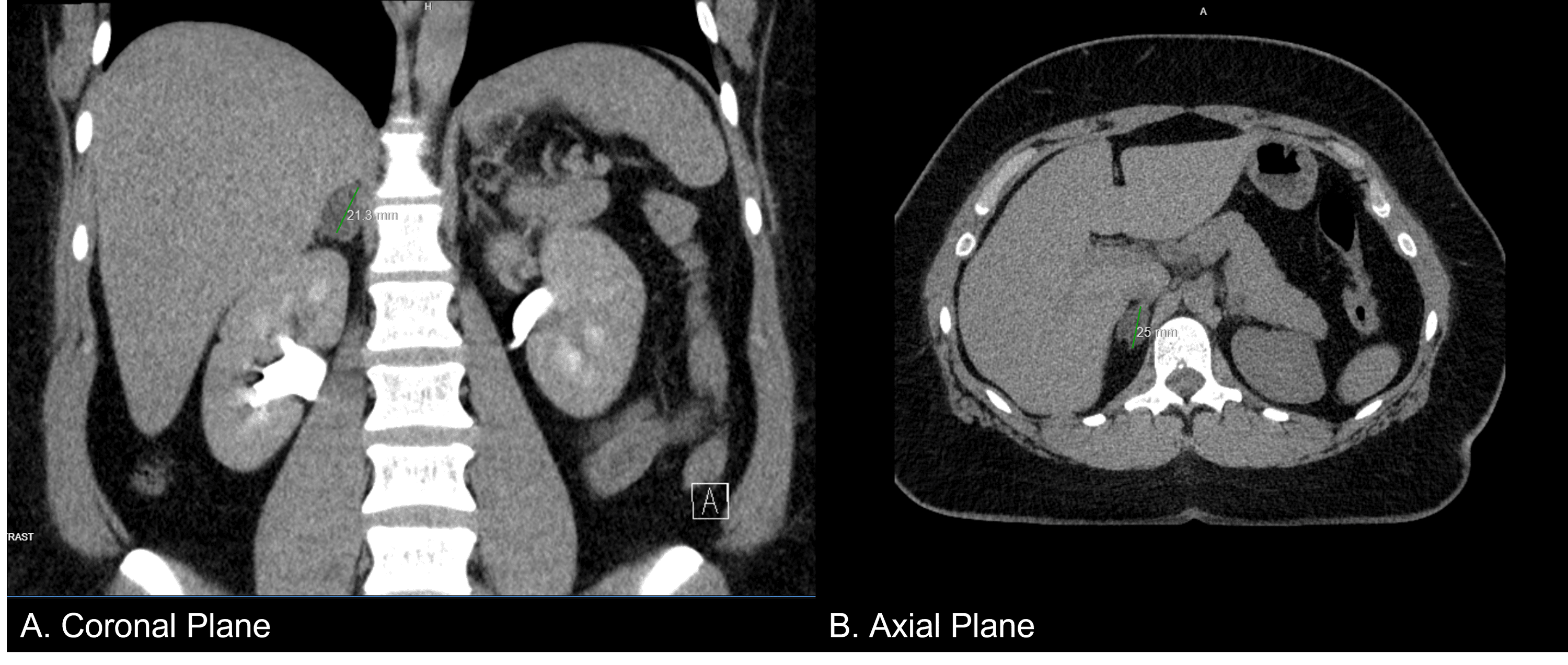
A 37-year-old female presented to her primary care physician with complaints of proximal muscle weakness, tachycardia, and chest pain. Repeated blood pressure readings revealed that she was hypertensive, and she was started on amlodipine and benazepril, which elevated her blood pressure further. A computed tomography (CT) scan (Figure 1) of the abdomen was performed due to resistant hypertension, which revealed an adrenal incidentaloma (right adrenal gland measuring 2.1 x 1.5 x 2.5 cm). Precontract density was 5 Hounsfield units, and a 15-minute delayed washout showed 11 Hounsfield units for a 72% washout. She was thus referred to endocrinology.

Abdominal-CT-scan-showing-a-nodule-in-the-right-adrenal-gland-measuring-2.1-x-1.5-x-2.5-cm
Figure 1: Abdominal CT scan showing a nodule in the right adrenal gland measuring 2.1 x 1.5 x 2.5 cm

She presented to the endocrinology clinic on March 12, 2021. A thorough physical examination was performed, which revealed a well-appearing obese female (BMI of 38.86 kg/m2) with no acute distress. Her blood pressure was 144/108 mmHg, her pulse was 95, and she was afebrile. Thin silvery striations were present on the abdomen, and alopecia was present on the crown. A review of all other systems was unremarkable. A detailed family history revealed early-onset hypertension in her brother (age: 35 years) and her mother (age: 30 years). Personal history included elevated anxiety, weight gain, headaches (frontal band distribution), increased thirst, easy bruising as well as delayed clearance of bruises, and proximal muscle weakness presenting as difficulty in climbing stairs and inability to lift heavy objects. She reported no change in menstrual cycles. There was no history of exogenous corticosteroid use.

Serum biochemistries were sent (Table 1), which showed normal levels of thyroid stimulating hormone (TSH), creatinine, liver function tests, and serum electrolytes. However, mildly elevated aldosterone (23 ng/dl), mild hypokalemia (3.3 mEq/L), and suppressed ACTH and dehydroepiandrosterone (DHEA) sulfate were discovered. The aldosterone to renin ratio was also elevated at 59.9 on spironolactone and was 71.4 three months later when spironolactone was discontinued. These findings lead to a preliminary diagnosis of primary hyperaldosteronism.

Test Result
Calcium 9.1 mmol/L
Sodium 137 mmol/L
Potassium 4.1 mmol/L
Chloride 106 mmol/L
CO2 27
BUN 15 mmol/L
Glucose 95 mmol/L
Creatinine 1.1 μmol/L
AST 24 U/L
ALT 20 U/L
Albumin 4.4 g/L
Total protein 7.0 g/L
Total bilirubin 0.4 μmol/L
Alkaline phosphatase 40 U/L
Renin 0.44
Table 1: Patient serum biochemistries

BUN: Blood urea nitrogen; AST: Aspartate transaminase; ALT: Alanine transaminase.

A workup for elevated cortisol was also performed as the patient was phenotypically Cushingoid, and the following biochemistries were sent sequentially: serum cortisol, 24-hour urine-free cortisol (UFC), salivary cortisol, and a low-dose dexamethasone suppression test (Table 2). The bloodwork was hence nonconfirmatory.

Endocrine workup
Serum cortisol 4.5 mcg/dL
Urine-free cortisol 1.57 g/24 h
Salivary cortisol <0.03 μg/dL
Dexamethasone suppression test 1.5 mcg/dL
Aldosterone <4.0
Table 2: Patient follow-up bloodwork

Despite a repeatedly negative workup for Cushing’s syndrome, adrenal venous sampling was performed due to a high index of suspicion. The results revealed an inferior vena cava (IVC) cortisol of 20, left adrenal venous (LAV) cortisol of 81, and right adrenal vein (RAV) cortisol of 1280. The results of the IVC aldosterone were 24, LAV aldosterone was 660 and RAV aldosterone was 1500. The elevated levels of cortisol in the RAV were in complete contradiction to the aforementioned workup. A diagnosis of Cushing’s syndrome and concurrent PA was determined.

Adrenal veinous sampling was instrumental in establishing the diagnosis but was equivocal and did not lateralize aldosterone and cortisol excess. However, the amount of aldosterone and cortisol were both significantly higher on the right side. After a panel discussion with doctors from several disciplines, a laparoscopic adrenalectomy was planned. The procedure was successful, and the patient was initially showing clinical improvement. The specimen was sent for pathological evaluation and revealed an adrenal cortical adenoma.

After initial improvement, the patient developed hypotension, which was likely due to adrenal insufficiency. The patient was supplemented with 1-mg dexamethasone tablets, which stabilized her condition, and a diagnosis of glucocorticoid-remediable-aldosteronism was made.

Based on a strong family history of early onset-resistant hypertension, a genetic component was suspected. Several genes associated with PA with autosomal dominant inheritance have been identified [2], such as CYP11B2, CLCN2, KCNJ5, CACNA1D, and CACNA1H. The patient was offered genetic testing but was unable to follow through due to financial reasons.

Discussion

This patient presented as an extremely rare example of PA and Cushing’s syndrome, with negative serum cortisol, 24-hour UFC, late-night salivary cortisol, and a dexamethasone suppression test. Despite repeatedly negative lab results, the patient presented with a markedly elevated cortisol on adrenal venous sampling. In our literature search, we found an instance of a patient with several negative UFCs [3]; however, to the best of our knowledge, there have been no reported instances of a completely negative workup in a patient who is positive for Cushing’s syndrome. In fact, in the practice guidelines published by the Journal of Clinical Endocrinology & Metabolism [4], it is recommended that patients with a suspected diagnosis of Cushing’s syndrome or an adrenal incidentaloma and two concordant negative test results need not undergo further investigations.

One proposed mechanism for the misleading workup could be assay interference. Interference occurs when a substance or process falsely alters an assay result [5]. This can lead to incorrect diagnosis and subsequent treatment and poses a threat to the patient. Another suggested mechanism causing false negative test results could be the hook effect [6]. The hook effect is described as a phenomenon that leads to falsely low results due to the presence of excessive analyte.

In a study by Friedman et al. [7], it was noted that patients with “episodic Cushing’s syndrome” or those with mild symptoms had a negative workup. The study recommended serial monitoring for the disease. The interesting fact is that our patient had several features suggestive of active Cushing’s syndrome, and the hypotension seen postoperatively was a testament to the fact that there was in fact a cortisol excess, which led to adrenal insufficiency. In light of the above, a consistently negative workup is perplexing.

Zhang et al. suggested performing a low-dose dexamethasone suppression test in individuals presenting with PA, prior to adrenal vein sampling (AVS) and surgery due to the high prevalence of Cushing’s syndrome in patients with PA [8]. A positive test result can lead to a straightforward diagnosis; however, in this rare case where the patient had severe negative tests, it can present as a challenge in diagnosis and treatment.

Conclusions

The presence of PA and concurrent Cushing’s syndrome can present as a diagnostic challenge. It is recommended to follow up on the signs of Cushing’s syndrome with preliminary tests and to presume its absence if two concordant tests are negative. Our patient, however, was an exceptional case.

This case highlighted the importance of maintaining a high index of suspicion for patients presenting with several signs and symptoms of the disease and a negative workup. More attention should be paid to the patient’s history, and a thorough physical examination should be conducted. In those with an uncertain diagnosis, adrenal venous sampling can provide a clearer picture and lead to a more accurate understanding of the case.

References

  1. Reincke M, Bancos I, Mulatero P, Scholl UI, Stowasser M, Williams TA: Diagnosis and treatment of primary aldosteronism. Lancet Diabetes Endocrinol. 2021, 9:876-92. 10.1016/S2213-8587(21)00210-2
  2. Dutta RK, Söderkvist P, Gimm O: Genetics of primary hyperaldosteronism. Endocr Relat Cancer. 2016, 23:R437-54. 10.1530/ERC-16-0055
  3. Moloney KJ, Mercado JU, Ludlam WH, Broyles FE: Diagnosis of Cushing’s disease in a patient with consistently normal urinary free cortisol levels: a case report. Clin Case Rep. 2016, 4:1181-3. 10.1002/ccr3.647
  4. Nieman LK, Biller BM, Findling JW, Newell-Price J, Savage MO, Stewart PM, Montori VM: The diagnosis of Cushing’s syndrome: an Endocrine Society Clinical Practice Guideline. J Clin Endocrinol Metab. 2008, 93:1526-40. 10.1210/jc.2008-0125
  5. Dimeski G: Interference testing. Clin Biochem Rev. 2008, 29:S43-8.
  6. The hook effect. (2014). Accessed: June 19, 2023: https://www.aacc.org/science-and-research/clinical-chemistry-trainee-council/trainee-council-in-english/pearls-of-lab….
  7. Friedman TC, Ghods DE, Shahinian HK, et al.: High prevalence of normal tests assessing hypercortisolism in subjects with mild and episodic Cushing’s syndrome suggests that the paradigm for diagnosis and exclusion of Cushing’s syndrome requires multiple testing. Horm Metab Res. 2010, 42:874-81. 10.1055/s-0030-1263128
  8. Zhang Y, Tan J, Yang Q, et al.: Primary aldosteronism concurrent with subclinical Cushing’s syndrome: a case report and review of the literature. J Med Case Rep. 2020, 14:32. 10.1186/s13256-020-2353-8

Unique Gene Expression Signature in Periadrenal Adipose Tissue Identifies a High Blood Pressure Group in Patients With Cushing Syndrome

Abstract

Background:

Cushing syndrome (CS) is a rare disease caused by excess cortisol levels with high cardiovascular morbidity and mortality. Hypertension in CS promotes hypercortisolism-associated cardiovascular events. Adipose tissue is a highly plastic tissue with most cell types strongly affected by the excess cortisol exposure. We hypothesized that the molecular and cellular changes of periadrenal adipose tissue in response to cortisol excess impact systemic blood pressure levels in patients with CS.

Methods:

We investigated gene expression signatures in periadrenal adipose tissue from patients with adrenal CS collected during adrenal surgery.

Results:

During active CS we observed a downregulation of gene programs associated with inflammation in periadrenal adipose tissue. In addition, we observed a clustering of the patients based on tissue gene expression profiles into 2 groups according to blood pressure levels (CS low blood pressure and CS high blood pressure). The 2 clusters showed significant differences in gene expression pattens of the renin-angiotensin-aldosterone-system. Renin was the strongest regulated gene compared with control patients and its expression correlated with increased blood pressure observed in our patients with CS. In the CS high blood pressure group, systemic renin plasma levels were suppressed indicative of an abnormal blood pressure associated with periadrenal adipose tissue renin-angiotensin-aldosterone-system activation.

Conclusions:

Here, we show for the first time a relevant association of the local renin-angiotensin-aldosterone-system and systemic blood pressure levels in patients with CS. Patients from the CS high blood pressure group still had increased blood pressure levels after 6 months in remission, highlighting the importance of local tissue effects on long-term systemic effects observed in CS.

Footnotes

*U. Stifel and F. Vogel contributed equally.

For Sources of Funding and Disclosures, see page xxx.

Supplemental Material is available at https://www.ahajournals.org/doi/suppl/10.1161/HYPERTENSIONAHA.123.21185.

Correspondence to: Martin Reincke, Department of Medicine IV, University Hospital, LMU Munich, GermanyEmail martin.reincke@med.uni-muenchen.de
Jan Tuckermann, Institute of Comparative Molecular Endocrinology (CME), Ulm University, GermanyEmail jan.tuckermann@uni-ulm.de

eLetters

eLetters should relate to an article recently published in the journal and are not a forum for providing unpublished data. Comments are reviewed for appropriate use of tone and language. Comments are not peer-reviewed. Acceptable comments are posted to the journal website only. Comments are not published in an issue and are not indexed in PubMed. Comments should be no longer than 500 words and will only be posted online. References are limited to 10. Authors of the article cited in the comment will be invited to reply, as appropriate.

Comments and feedback on AHA/ASA Scientific Statements and Guidelines should be directed to the AHA/ASA Manuscript Oversight Committee via its Correspondence page.

From https://www.ahajournals.org/doi/10.1161/HYPERTENSIONAHA.123.21185

BMD may Underestimate Bone Deterioration for Women with Endogenous Cushing’s Syndrome

Nearly one-third of women with endogenous Cushing’s syndrome and normal bone mineral density have a low trabecular bone score, according to study data.

“A large proportion of patients had degraded microarchitecture despite normal BMD,” Hiya Boro, DM, MD, MBBS, consultant in endocrinology, diabetes and metabolism at Aadhar Health Institute in India, and colleagues wrote. “The risk of fracture may be underestimated if BMD alone is measured. Hence, trabecular bone score should be added as a routine complementary tool in the assessment of bone health in patients with Cushing’s syndrome.”

About one-third of women with endogenous Cushing's syndrome have normal BMD and low trabecular bone score. Data were derived from Boro H, et al. Clin Endocrinol. 2023;doi:10.1111/cen.14944.

Researchers conducted a cross-sectional study at a single center in India from March 2018 to August 2019. The study included 40 women with overt endogenous Cushing’s syndrome and 40 healthy sex-matched controls. Seum and salivary cortisol and plasma adrenocorticotropic hormone (ACTH) were measured. Participants were considered ACTH independent if they had a level of less than 2.2 pmol/L. Areal BMD was measured at the lumbar spine, femoral neck, total hip and distal one-third of the nondominant distal radius. Low BMD for age was defined as a z score of less than –2. Trabecular bone score was measured at the lumbar spine. Fully degraded microarchitecture was defined as a trabecular bone score of 1.2 or lower and partial degradation was a trabecular bone score of 1.21 to 1.34.

Of the 40 women with Cushing’s syndrome, 32 were ACTH-dependent and the other eight were ACTH independent. Of the independent group, seven had adrenal adenoma and one had adrenocortical carcinoma.

Women with Cushing’s syndrome had lower BMD at the lumbar spine (0.812 g/cm2 vs. 0.97 g/cm2< .001), femoral neck (0.651 g/cm2 vs. 0.773 g/cm2< .001) and total hip (0.799 g/cm2 vs. 0.9 g/cm2< .001) than the control group.

“No significant difference was noted in the distal radius BMD,” the researchers wrote. “This may be explained by the fact that cortisol excess predominantly affects trabecular rather than cortical bone.”

Absolute trabecular bone score was lower in the Cushing’s syndrome group compared with controls (1.2 vs. 1.361; P < .001). Based on trabecular bone score, 42.5% of women with Cushing’s syndrome had fully degraded bone microarchitecture, 45% had partially degraded microarchitecture and 12.5% had normal microarchitecture.

“In our study, 32.5% of patients had normal BMD with low trabecular bone score, thus highlighting the fact that patients may have normal BMD despite degraded microarchitecture,” the researchers wrote. “As such, assessment of BMD alone may underestimate the risk of fractures in patients with Cushing’s syndrome.”