Secondary Adrenal Insufficiency and Iatrogenic Cushing’s Syndrome in a 13-Year-Old Male With Vogt-Koyanagi-Harada Disease

ABSTRACT

Vogt-Koyanagi-Harada disease (VKH) is a rare autoimmune disorder, especially in children, requiring long-term corticosteroids. We report a 13-year-old male with VKH who developed iatrogenic Cushing’s syndrome and secondary adrenal insufficiency after prolonged prednisone treatment. Despite adding mycophenolate mofetil, tapering failed due to relapses. He showed weight gain, growth delay, striae, and suppressed cortisol and adrenocorticotropic hormone, confirming hypothalamic-pituitary-adrenal axis suppression. Hydrocortisone was given for stress coverage. A relapse followed steroid discontinuation. This case highlights the risk of endocrine complications in pediatric VKH and emphasizes the importance of early hormonal evaluation and individualized tapering during chronic steroid therapy.

KEYWORDS

Vogt-Koyanagi-syndrome
Cushing syndrome
Adrenal insufficiency
Pediatrics

INTRODUCTION

Vogt-Koyanagi-Harada disease (VKH) is a rare autoimmune disorder that can significantly affect the eyes, skin, and central nervous system (Stern & Nataneli, 2025). Among the various forms of autoimmune uveitis, VKH is particularly notable for its broad clinical spectrum, encompassing ocular, neurologic, and cutaneous manifestations (Herbort & Mochizuki, 2007). In pediatric patients, age-specific considerations become paramount, as prolonged corticosteroid therapy is frequently required to control inflammation but can result in serious endocrine complications. One such complication is iatrogenic Cushing’s syndrome (ICS), which may predispose to secondary adrenal insufficiency (SAI), especially when steroid withdrawal is abrupt or inadequately tapered (Improda et al., 2024Prete & Bancos, 2021). Despite increasing recognition of pediatric VKH, endocrine consequences of its treatment remain underreported.
We present the case of a 13-year-old male with VKH who displayed overt signs of hypercortisolism and biochemical evidence of adrenal suppression after discontinuing corticosteroids, underscoring the importance of vigilant monitoring and a carefully structured tapering protocol in pediatric patients requiring long-term steroid therapy. Given that many pediatric patients with VKH and steroid-related complications are managed not only by pediatric endocrinologists but also by pediatric providers, including nurse practitioners, this case highlights aspects relevant to a broad clinical audience.

CASE PRESENTATION

A 13-year-old male with a known history of VKH was referred to our clinic for growth and pubertal assessment following significant weight gain and clinical features suggestive of ICS. His perinatal period was uneventful; he was born at term via cesarean section for maternal indications (bicornuate uterus), with a birth weight of 2980 g and a length of 49 cm. Family history was notable for celiac disease in the mother, mixed hypercholesterolemia in the father, vitiligo in the maternal grandfather, and autoimmune diseases (Sjögren’s syndrome and multiple sclerosis) in second-degree maternal relatives.
The patient first presented, at age 11 years and 11 months, with redness, pain, and photophobia of the right eye [Figure 1]. Initial ophthalmological examination revealed panuveitis, with signs of posterior synechiae and optic disc edema. Fluorescein and indocyanine green angiography confirmed bilateral granulomatous involvement. Systemic workup excluded other infectious and autoimmune causes of uveitis. Neurological imaging revealed a non-specific thalamic lesion, classified as a radiological isolated syndrome, with no clinical neurological deficits.
FIGURE 1

  1. Download: Download high-res image (311KB)
  2. Download: Download full-size image

FIGURE 1. Timeline of notable events. Timeline summarizing key events including clinical course, treatments, and relapses.

Abbreviations: ACTH, adrenocorticotropic hormone; VKH, Vogt-Koyanagi-Harada disease.
Oral prednisone (25 mg/day) was initiated, along with topical ocular corticosteroids, leading to clinical improvement. The first tapering and discontinuation of prednisone occurred after seven months of therapy. Three months later, a clinical relapse occurred, requiring re-initiation of prednisone and subsequent addition of mycophenolate mofetil as a steroid-sparing agent. Prednisone was then tapered and discontinued again after another seven months of treatment. Over the course of therapy, the patient gained approximately 15 kg and developed progressive cushingoid features [Table 1].

TABLE 1. Clinical and biochemical features of ICS and SAI in the patient

Empty Cell Clinical Findings Interpretation
Growth and development Height: 143.5 cm (3rd percentile); mid-parental height: 171 ± 8 cm Growth deceleration likely related to chronic glucocorticoid exposure and ICS
Weight and body composition Weight: 53.3 kg (75th–90th percentile); BMI: 25.8 kg/m²; central obesity Suggestive of glucocorticoid-induced lipogenesis and altered fat distribution
Skin and soft tissue Striae rubrae on flanks; mild dorsal fat pad (“buffalo hump”) Classic phenotypic features of ICS
Pubertal status Tanner stage I; testicular volume 5–6 mL; pubic hair stage I Early puberty with preserved testicular volume; no signs of delayed or precocious puberty
HPA axis function Cortisol: 0.5 → 9.9 → 3.1 µg/dL; ACTH: 7–23 pg/mL Suppressed HPA axis consistent with SAI
Glucose metabolism HbA1c: 5.9%; fasting glucose: 72 mg/dL; insulin: 16.9 mcU/mL Normal glucose metabolism; mild hyperinsulinemia possibly due to steroid exposure
Thyroid function TSH: 2.32 µU/mL; free T4: 1.59 ng/dL Euthyroid; no evidence of central or primary thyroid dysfunction
Neurologic imaging Right thalamic signal abnormality; stable; no neurological deficits No CNS involvement of VKH; imaging excluded alternative diagnoses
Family history Autoimmune conditions in maternal relatives; vitiligo in grandfather Suggests genetic predisposition to autoimmune diseases; relevant to VKH etiology
Therapeutic course Initial improvement with prednisone; relapses on tapering; mycophenolate added; steroids reintroduced Demonstrates difficulty in achieving steroid-free remission and the need for steroid-sparing agents
Abbreviations: ACTH, adrenocorticotropic hormone; BMI, body mass index; CNS, central nervous system; HPA, hypothalamic-pituitary-adrenal; ICS, iatrogenic Cushing’s syndrome; SAI, secondary adrenal insufficiency; TSH, thyroid-stimulating hormone; VKH, Vogt-Koyanagi-Harada disease.
Summary of patient’s clinical signs and biochemical parameters during corticosteroid therapy, including features of ICS and evidence of SAI.
Laboratory testing during steroid tapering attempts revealed HbA1c of 5.9% (41 mmol/mol), fasting glucose of 72 mg/dL, and insulin of 16.9 mcU/mL; morning serum cortisol was markedly reduced (0.5 mcg/dL; ref. 2.4–22.9), raising concerns for SAI. Gonadotropins (follicle-stimulating hormone 4.3 mcU/mL, luteinizing hormone 1.1 mcU/mL) and testosterone (0.03 ng/mL) were consistent with early puberty. Thyroid function (thyroid-stimulating hormone 2.32 mcU/mL, free thyroxine 1.59 ng/dL) and celiac serology were normal. Brain magnetic resonance imaging confirmed a stable right thalamic signal abnormality and minor asymmetry of cerebral arteries, in line with prior findings; cardiac and abdominal ultrasounds were unremarkable.
When first evaluated in our endocrinology clinic (at age 13 years and 6 months), the patient’s height was 143.5 cm (3rd percentile; mid-parental height target: 171 ± 8 cm), and his weight was 53.3 kg (75th–90th percentile), corresponding to a body mass index of 25.8 kg/m². He exhibited central obesity, striae rubrae on the flanks, and a mild dorsal hump. Genital examination showed bilateral testicular volumes of 5–6 mL and pubic hair at Tanner stage I, compatible with early puberty. The remainder of the physical exam was unremarkable.
In light of clinical and biochemical evidence of hypothalamic-pituitary-adrenal (HPA) axis suppression, further hormonal testing was performed. Serum cortisol had partially recovered (9.9 mcg/dL; ref. 2.7–18.4) with adrenocorticotropic hormone (ACTH) at 23.1 pg/mL (ref. 7.3–63.3). Hydrocortisone was prescribed for use during stressful events. However, two months after prednisone discontinuation, at age 13 years and 8 months, a clinical relapse of VKH occurred, requiring escalation of mycophenolate mofetil and re-initiation of prednisone therapy.
The patient currently remains under combined rheumatologic, ophthalmologic, and endocrinologic management. Steroids have been successfully tapered and discontinued, but signs of chronic adrenal suppression and cushingoid features persist. Mycophenolate mofetil is ongoing as maintenance immunosuppression, and adrenal function is being closely monitored.

DISCUSSION

VKH is a rare granulomatous autoimmune condition targeting melanocyte-containing tissues, including the uveal tract, meninges, inner ear, and skin. While more frequently diagnosed in adults, pediatric-onset VKH is increasingly recognized and often presents with bilateral panuveitis, optic disc edema, serous retinal detachments, and systemic manifestations such as meningismus, tinnitus, hearing loss, vitiligo, and poliosis (Abu El-Asrar et al., 2021Reiff, 2020). Early and aggressive immunosuppression is essential to prevent chronic recurrent uveitis and progressive vision loss (Abu El-Asrar et al., 2008).
Systemic corticosteroid therapy—using high-dose oral prednisone or intravenous pulse methylprednisolone—is the first-line treatment for pediatric VKH, and is effective in rapidly controlling intraocular inflammation and achieving favorable visual outcomes when initiated early (Leal et al., 2024Reiff, 2020). Gradual tapering of corticosteroids over at least six months is critical to minimize recurrence and prevent chronic disease evolution (Ei Ei Lin Oo et al., 2020Wang et al., 2023). Rapid tapering is associated with higher rates of relapse and chronicity. Nonetheless, corticosteroid monotherapy is often insufficient to prevent long-term recurrence and chronic complications in pediatric VKH (Abu El-Asrar et al., 2021Park et al., 2022Sakata et al., 2015). Early addition of immunosuppressive agents—such as mycophenolate mofetil or methotrexate—within three months of disease onset improves long-term control, reduces the risk of chronic recurrent uveitis, and enhances visual outcomes (Ei Ei Lin Oo et al., 2020Park et al., 2022). Long-term remission rates are higher when immunosuppressive therapy is maintained for several years with sustained inflammation control (Wang et al., 2023).
Children are especially vulnerable to the adverse effects of prolonged corticosteroid exposure, including growth failure, pubertal delay, obesity, insulin resistance, ICS, and suppression of the HPA axis with subsequent SAI (Bornstein et al., 2016Messazos & Zacharin, 2016Santos-Oliveira et al., 2025). ICS results from chronic exposure to supraphysiologic doses of glucocorticoids and may present with weight gain, central obesity, facial rounding, and violaceous striae—many of which were observed in our patient. In children, these manifestations may overlap with common features of puberty or lifestyle-related obesity, making early diagnosis more challenging (Savage & Storr, 2012). SAI is a potentially life-threatening complication that occurs when exogenous glucocorticoids suppress the endogenous production of corticotropin-releasing hormone and ACTH. The risk is highest with longer treatment durations (typically > 12 weeks) and higher cumulative doses, particularly with long-acting steroids such as betamethasone or dexamethasone (Beuschlein et al., 2024).
Our patient presented with markedly reduced morning cortisol levels and low-normal ACTH, consistent with central adrenal suppression. Partial biochemical recovery occurred months after discontinuation, yet persistently suboptimal cortisol levels indicated incomplete restoration of HPA function. These findings align with a meta-analysis by Broersen et al., which showed that although adrenal recovery improves over time, a significant proportion of patients remain functionally insufficient even six months after stopping corticosteroids (Broersen et al., 2015).
To our knowledge, this is among the first reported pediatric cases of VKH complicated by both ICS and SAI. Although the literature contains extensive documentation of glucocorticoid side effects in autoimmune and inflammatory conditions (Arroyo et al., 2023), there remains a notable gap in addressing endocrine sequelae within VKH, particularly in children. Most published pediatric VKH case reports focus on ophthalmologic or immunologic outcomes, with limited attention to longitudinal hormonal monitoring and risk mitigation. VKH is rare in childhood, representing an uncommon cause of uveitis, with pediatric-onset forms accounting for fewer than 10% of all VKH cases (Martin et al., 2010Yang et al., 2023). Several works have documented its course and treatment (Abu El-Asrar et al., 2008Albaroudi et al., 2020Sadhu et al., 2024); none of the reports explicitly addressed endocrine complications, highlighting a major gap in longitudinal follow-up and inter-specialty collaboration in such cases.
The recent 2024 Joint Clinical Guideline from the European Society of Endocrinology and the Endocrine Society offers important insight into the diagnosis and management of glucocorticoid-induced adrenal insufficiency (Beuschlein et al., 2024). Although not providing pediatric-specific recommendations, it emphasizes that children are included among at-risk populations, and that the same diagnostic and tapering principles apply across age groups. It highlights that the risk of SAI depends not only on dose and duration, but also on the glucocorticoid formulation, route of administration, and individual susceptibility. The guideline recommends transitioning from long-acting to short-acting glucocorticoids (e.g., prednisone or hydrocortisone) to facilitate tapering and adrenal recovery. Tapering should begin only after adequate disease control and must proceed gradually—especially once physiologic dose equivalents are reached (4–6 mg/day of prednisone). Morning serum cortisol serves as the initial screening tool for HPA recovery, with levels > 10 µg/dL (> 300 nmol/L) indicating recovery and < 5 µg/dL (< 150 nmol/L) indicating suppression. Importantly, symptoms of glucocorticoid withdrawal (e.g., fatigue, myalgias, mood changes) may mimic adrenal insufficiency and require temporary increases in glucocorticoid dose and a slower taper.
In our case, hydrocortisone was prescribed for use during stress, such as illness or surgery, in accordance with these recommendations. Given his partial biochemical recovery, the patient was also advised to carry steroid warning documentation and to continue close endocrine follow-up. This approach reflects best practice in managing patients transitioning off chronic corticosteroid therapy, particularly in pediatric populations where risks are amplified (Beuschlein et al., 2024).
We strongly advocate for multidisciplinary collaboration in managing complex VKH cases [Figure 2]. Ophthalmologists and rheumatologists should remain alert to endocrine warning signs such as growth deceleration, cushingoid appearance, and fatigue (Santos-Oliveira et al., 2025), while endocrinologists should consider autoimmune or inflammatory etiologies in children with ICS or SAI. Importantly, the early use of steroid-sparing immunosuppressants—as was done with mycophenolate mofetil in our case—can reduce glucocorticoid burden and mitigate downstream complications. Agents such as azathioprine, methotrexate, or mycophenolate have demonstrated efficacy in reducing steroid dependence in pediatric uveitis (Simonini et al., 2013Sood & Angeles-Han, 2017).
FIGURE 2

  1. Download: Download high-res image (519KB)
  2. Download: Download full-size image

FIGURE 2. Multidisciplinary management plan for pediatric VKH with chronic corticosteroid therapy. Schematic representation of the recommended multidisciplinary team for pediatric patients with VKH requiring prolonged corticosteroid therapy. The model emphasizes collaboration among health professionals for early recognition and management of VKH manifestations.

(abbreviations: CNS, central nervous system; HPA, hypothalamic-pituitary-adrenal; VKH, Vogt-Koyanagi-Harada disease).

CONCLUSION

This case highlights the dual endocrine risks associated with prolonged corticosteroid therapy in pediatric patients with VKH: ICS and SAI. It underscores the importance of routinely monitoring growth, pubertal development, and HPA axis function both during and after steroid treatment.
Given the widespread use of systemic corticosteroids in pediatric inflammatory disorders, proactive endocrine screening, multidisciplinary collaboration, and adherence to guideline-based tapering protocols are essential to ensure effective disease management while minimizing preventable hormonal complications. Further research and the development of pediatric-specific guidelines are warranted to optimize endocrine care in children receiving long-term glucocorticoid therapy.

REPORTING CHECKLIST DISCLOSURE

We are submitting this case report using the CARE checklist.

DATA AVAILABILITY STATEMENT

Data sharing is not applicable to this article as no new data were created or analyzed in this study.

FUNDING

The authors did not receive support from any organization for the submitted work.

PATIENT CONSENT

Written informed consent and permission to share this case were obtained from the legal guardians/parents.

ETHICAL STATEMENTS

Please find attached the AIFA regulation regarding observational studies, provided in Italian. For your convenience, we have translated the relevant section (highlighted in light blue, pages 7-8) into English:
“The registration of studies covered by this provision in the Register of Observational Studies (RSO) is mandatory for review by the Ethics Committee, except for the exemptions listed below. This guideline does not apply to the following categories: […] Case reports and case series (typically involving 3-5 patients at most) that do not have a methodological approach qualifying them as clinical studies.”
Our study falls precisely into the category of a case report, rather than a clinical study.

CRediT authorship contribution statement

Roberto Paparella: Writing – original draft, Conceptualization. Irene Bernabei: Writing – original draft. Arianna Bei: Writing – original draft. Cinzia Fiorentini: Resources. Norma Iafrate: Resources. Roberta Lucibello: Resources. Francesca Pastore: Resources. Ida Pucarelli: Writing – review & editing, Supervision, Conceptualization. Luigi Tarani: Writing – review & editing, Supervision.

CONFLICTS OF INTEREST

None to report.

REFERENCES

Cushing’s Syndrome in a Young Woman Due to Prolonged Betamethasone Nasal Drop Use

Abstract

Background

Cushing’s syndrome is an uncommon but serious condition caused by long-term exposure to elevated cortisol levels, which is usually iatrogenic in origin. Although systemic corticosteroids are the most frequent agents, the association of intranasal corticosteroids with this condition is remarkably rare.

Case presentation

This report is about a 21-year-old Iranian woman using betamethasone nasal drops for nasal obstruction. The patient presented with weight gain, Amenorrhea, mood disturbances, red purplish striae, and mild hirsutism. Hormonal assessments revealed suppression of the hypothalamic–pituitary–adrenal axis.

Conclusion

This case demonstrates the underappreciated systemic effects of intranasal betamethasone to induce Cushing’s syndrome. It serves as a pivotal reminder of the need for vigilance in prescribing practices and reinforces the importance of early diagnosis to ensure favorable patient outcomes.

Peer Review reports

Background

Iatrogenic Cushing’s syndrome (CS) is an endocrine disease caused by long-term or high-dose glucocorticoid use [1]. Although iatrogenic cases are commonly associated with oral or injectable glucocorticoids [2], few reports described CS after the use of intranasal steroid sprays (INS) such as betamethasone in adults [3,4,5,6,7]. Currently, INS is widely used for managing conditions such as allergic rhinitis, nasal polyposis, and other upper airway disorders owing to their localized effects and limited systemic absorption [89]. However, prolonged use, high doses, or using potent formulations can lead to significant systemic absorption, resulting in Hypothalamic–pituitary–adrenal (HPA) axis suppression, and frank CS [10]. Betamethasone nasal spray, a cornerstone in the treatment of nasal congestion, has the potential for systemic absorption by the nasal mucosa, particularly with prolonged or excessive use [11].

This report presents the case of a young woman who developed CS following the overuse of betamethasone nasal drops. It also highlights the importance of detailed patient histories when diagnosing CS and highlights the critical need to educate patients on the proper use and potential risks of steroid therapies to prevent complications. This case report adheres to the case report (CARE) guidelines [12].

Case presentation

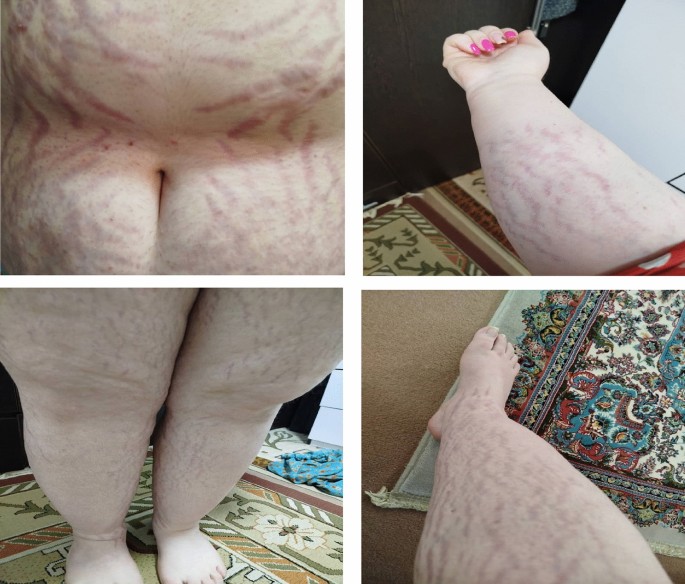
This is the case of a 21-year-old Iranian female who presented with a history of rapid weight gain (30 kg in 8 months), irregular menstrual cycles, and significant mood changes. Her body mass index (BMI) was calculated at 40.07 kg/m2, classifying her as obese, and her blood pressure was recorded at 115/75 mmHg. In addition, she exhibited red–purple striae on her abdomen and limbs and mild hirsutism (modified Ferriman–Gallwey Score (FGS) score = 10), prompting admission for further evaluation after multiple outpatient visits yielded no definitive diagnosis.

Figure 1 is a clinical photograph (with patient consent) or an illustration of the red–purple striae.

Fig. 1

figure 1

Clinical photograph showcasing the red–purplish striae on the patient’s abdomen, arms, and lower limbs

Upon admission, the patient’s history revealed prolonged use of betamethasone 0.1% 1 mg/mL nasal drops, administered at a daily dosage of 5 cc, in combination with oxymetazoline (a sympathomimetic nasal preparation) at a daily dosage of 1 cc, over approximately 12 months, to address nasal obstruction. Her symptoms began 6 months after starting the nasal drops. Further medication history revealed no other corticosteroid use. Notably, the patient had a past diagnosis of polycystic ovary (PCO) syndrome made on the basis of Rotterdam 2003 criteria (oligomenorrhea since menarche and clinically androgen excess) but did not undergo treatment or maintain laboratory records.

A detailed hormonal evaluation was undertaken. Morning plasma cortisol less than 0.05 µg/dL and adrenocorticotropic hormone (ACTH) less than 5 (10–56 pg/mL) measurements were abnormally low. Her 24-hour urine-free cortisol concentrations of 1.04 µg/24 h were significantly reduced, indicating suppression of the HPA axis secondary to prolonged exogenous corticosteroid exposure. All tests were repeated several times by endocrinologists during the time course of disease manifestations.

Table 1 summarizes the hormonal test results to clearly display the abnormalities.

Table 1 Hormonal and biochemical test results with reference values

Imaging studies before admission included a computed tomography (CT) scan of the adrenal glands, which showed that both adrenal glands were of normal size. However, a dynamic pituitary magnetic resonance imaging (MRI) revealed an 11 mm pituitary gland, despite there being no rationale for imaging studies in this scenario.

The patient was counseled extensively about the condition, and betamethasone nasal drops were discontinued immediately. Ear, nose, and throat (ENT) consultation revealed normal findings and the psychiatric team diagnosed her with major depressive disorder (MDD). She was discharged on 15 mg prednisolone with a structured tapering plan to allow for gradual recovery of adrenal function and to prevent acute adrenal insufficiency. Follow-up appointments were scheduled to monitor her clinical progress and re-evaluate her HPA axis recovery.

Discussion

This case highlights the rare but significant occurrence of iatrogenic CS secondary to prolonged use of intranasal betamethasone. Although oral corticosteroids are well-known to cause HPA axis suppression, INS is generally considered safer owing to their localized effects and lowering systemic absorption side effects. However, the associated potential of systemic absorption in INS remains a concern [13]. As demonstrated in this case, prolonged use of potent formulations such as betamethasone can lead to significant systemic effects, particularly when administered inappropriately or at high doses.

Betamethasone nasal drops, although effective for treating nasal congestion and inflammation [1415], carry a potential risk of systemic absorption through the nasal mucosa. Factors, such as prolonged use [61617], and high potency [18], can significantly increase systemic bioavailability. R. J. Perry et al. [19] in study of seven children highlights that even patients receiving doses within conventional safety ranges may exhibit varying sensitivity to glucocorticoids, leading to symptomatic adrenal suppression or glucocorticoid excess. Unlike newer corticosteroid compounds, such as fluticasone or mometasone, which undergo extensive first-pass metabolism in the liver, betamethasone exhibits minimal hepatic metabolism, contributing to its prolonged systemic activity [2021]. This pharmacokinetic profile underscores the need for careful regulation and monitoring of its use, even in ostensibly localized therapies.

The clinical manifestations in this patient, including central obesity, striae, hirsutism, and mood changes, were classic features of CS and guided the diagnostic process [22]. Scutelnicu et al. [23] reported a case of a patient in the second trimester of pregnancy who, owing to chronic sinusitis, underwent intranasal betamethasone spray therapy. The patient manifested extensive striae on the lower limbs, as well as edema in the legs, arms, and face, accompanied by a weight gain of 22 kg over 3 months. After switching the patient’s treatment to an alpha-1 adrenergic agonist spray, the condition was managed uneventfully without any symptoms of adrenal insufficiency.

Requesting imaging assessments, including a CT scan and MRI, as a first step further complicated the diagnostic process. This highlights a common diagnostic pitfall: the use of imaging as an initial approach can lead to the discovery of incidentalomas, which may misdirect clinical attention. Such findings risk overshadowing the primary etiology of the condition, potentially resulting in misdiagnosis or delayed treatment. This emphasizes the importance of prioritizing functional assessments over imaging in the early diagnostic workup to avoid unwarranted diagnostic confusion and ensure accurate identification of the underlying pathology.

Management involved the immediate cessation of betamethasone nasal drops and initiation of a structured tapering regimen with prednisolone to support adrenal recovery. The importance of stress-dose precautions during intercurrent illnesses was emphasized, alongside comprehensive patient education to prevent future misuse of corticosteroids. The gradual improvement in adrenal function during follow-up highlights the reversibility of glucocorticoid-induced adrenal suppression with appropriate intervention.

Conclusion

This case underscores several critical lessons. First, it emphasizes the importance of heightened awareness among healthcare providers regarding the potential systemic effects of topical corticosteroids, particularly potent formulations such as betamethasone. Second, it highlights the need for thorough history-taking and detailed patient education to prevent corticosteroid misuse. This report contributes to the limited body of literature on iatrogenic CS from intranasal corticosteroids, particularly in adults. Documenting the clinical presentation, diagnostic challenges, and successful management of this case, provides valuable insights into preventing, recognizing, and treating similar cases. It serves as a reminder of the delicate balance between therapeutic benefit and potential harm in corticosteroid therapy and advocates for ongoing research to establish safer prescribing practices.

Data availability

The data analyzed and generated in this study can be accessed through the corresponding author upon reasonable request.

Abbreviations

CS:
Cushing’s syndrome
INS:
Intranasal corticosteroids
HPA axis:
Hypothalamic–pituitary–adrenal axis
BMI:
Body mass index
FGS:
Ferriman–Gallwey Score
PCO:
Polycystic ovary
ACTH:
Adrenocorticotropic hormone
CT:
Computed tomography
MRI:
Magnetic resonance imaging
ENT:
Ear, nose, and throat
MDD:
Major depressive disorder

References

  1. Cristante J, Chabre O. Factitious, or iatrogenic but unexpected Cushing’s syndrome. Ann Endocrinol (Paris). 2023;84(3):370–2.

    PubMed Google Scholar

  2. Lacroix A, Feelders RA, Stratakis CA, Nieman LK. Cushing’s syndrome. Lancet. 2015;386(9996):913–27.

    CAS PubMed Google Scholar

  3. Scutelnicu A, Panaitescu AM, Ciobanu AM, Gica N, Botezatu R, Peltecu G, et al. Iatrogenic cushing’s syndrome as a consequence of nasal use of betamethasone spray during pregnancy. Acta Endocrinol. 2020;16(4):511–7.

    CAS Google Scholar

  4. Sakamoto M, Morita K, Okamura E, Uchino T, Okamoto K, Ozawa Y, et al. A case of iatrogenic cushing syndrome due to overuse of nasal steriod and concurrent administration of clarithromycin. Teikyo Med J. 2018;41(4):161–8.

    Google Scholar

  5. Nutting CM, Page SR. Iatrogenic Cushing’s syndrome due to nasal betamethasone: a problem not to be sniffed at! Postgrad Med J. 1995;71(834):231–2.

    CAS PubMed PubMed Central Google Scholar

  6. Stevens DJ. Cushing’s syndrome due to the abuse of betamethasone nasal drops. J Laryngol Otol. 1988;102(3):219–21.

    CAS PubMed Google Scholar

  7. Dow A, Yu R, Carmichael J. Too little or too much corticosteroid? Coexisting adrenal insufficiency and Cushing’s syndrome from chronic, intermittent use of intranasal betamethasone. Endocrinol Diabetes Metab Case Rep. 2013;2013:13–0036.

    Google Scholar

  8. Bachert C, Desrosiers MY, Hellings PW, Laidlaw TM. The role of biologics in chronic rhinosinusitis with nasal polyps. J Allergy Clin Immunol Pract. 2021;9(3):1099–106.

    CAS PubMed Google Scholar

  9. Bachert C, Han JK, Wagenmann M, Hosemann W, Lee SE, Backer V, et al. EUFOREA expert board meeting on uncontrolled severe chronic rhinosinusitis with nasal polyps (CRSwNP) and biologics: definitions and management. J Allergy Clin Immunol. 2021;147(1):29–36.

    CAS PubMed Google Scholar

  10. Quddusi S, Browne P, Toivola B, Hirsch IB. Cushing syndrome due to surreptitious glucocorticoid administration. Arch Intern Med. 1998;158(3):294–6.

    CAS PubMed Google Scholar

  11. Grayson JW, Harvey RJ. Topical corticosteroid irrigations in chronic rhinosinusitis. Int Forum Allergy Rhinol. 2019;9(S1):S9–15.

    PubMed Google Scholar

  12. Gagnier JJ, Kienle G, Altman DG, Moher D, Sox H, Riley D. The CARE guidelines: consensus-based clinical case reporting guideline development. Global Adv Health Med. 2013;2(5):38–43.

    Google Scholar

  13. McDonnell J, Weller K, Pien LC. Safety of intranasal steroids: an updated perspective. Curr Allergy Asthma Rep. 2020;20(11):69.

    PubMed Google Scholar

  14. Scadding GK. Other anti-inflammatory uses of intranasal corticosteroids in upper respiratory inflammatory diseases. Allergy. 2000;55(s62):19–23.

    PubMed Google Scholar

  15. Chong LY, Head K, Hopkins C, Philpott C, Burton MJ, Schilder AG. Different types of intranasal steroids for chronic rhinosinusitis. Cochrane Database Syst Rev. 2016;4(4):Cd011993.

    PubMed Google Scholar

  16. Findlay CA, Macdonald JF, Wallace AM, Geddes N, Donaldson MD. Childhood Cushing’s syndrome induced by betamethasone nose drops, and repeat prescriptions. BMJ. 1998;317(7160):739–40.

    CAS PubMed PubMed Central Google Scholar

  17. Reynolds C, Agrawal P, McCann A, O’Sullivan T, Chroinin MN, O’Riordan SMP. Cushing syndrome and adrenal insufficiency induced by high dose prolonged intranasal betamethasone. Arch Dis Child. 2019;104:A275.

    Google Scholar

  18. Oluwayemi IO, Oduwole AO, Oyenusi E, Onyiriuka AN, Abdullahi M, Fakeye-Udeogu OB, et al. Iatrogenic Cushing’s syndrome in children following nasal steroid. Pan Afr Med J. 2014;17:237.

    PubMed PubMed Central Google Scholar

  19. Perry RJ, Findlay CA, Donaldson MDC. Cushing’s syndrome, growth impairment, and occult adrenal suppression associated with intranasal steroids. Arch Dis Child. 2002;87(1):45–8.

    CAS PubMed PubMed Central Google Scholar

  20. Matera MG, Rinaldi B, Calzetta L, Rogliani P, Cazzola M. Pharmacokinetics and pharmacodynamics of inhaled corticosteroids for asthma treatment. Pulm Pharmacol Ther. 2019;58: 101828.

    CAS PubMed Google Scholar

  21. Krzyzanski W, Milad MA, Jobe AH, Peppard T, Bies RR, Jusko WJ. Population pharmacokinetic modeling of intramuscular and oral dexamethasone and betamethasone in Indian women. J Pharmacokinet Pharmacodyn. 2021;48(2):261–72.

    CAS PubMed PubMed Central Google Scholar

  22. Savas M, Mehta S, Agrawal N, van Rossum EFC, Feelders RA. Approach to the patient: diagnosis of Cushing syndrome. J Clin Endocrinol Metab. 2022;107(11):3162–74.

    PubMed PubMed Central Google Scholar

  23. Scutelnicu A, Panaitescu AM, Ciobanu AM, Gica N, Botezatu R, Peltecu G, et al. Iatrogenic Cushing’s syndrome as a consequence of nasal use of betamethasone spray during pregnancy. Acta Endocrinol (Buchar). 2020;16(4):511–7.

    CAS PubMed Google Scholar

Download references

Acknowledgements

Not applicable.

Funding

Not Applicable.

Author information

Authors and Affiliations

  1. Gastrointestinal and Liver Diseases Research Center, Iran University of Medical Sciences, Tehran, Iran

    Mohammadsadra Shamohammadi

  2. M.D., Endocrinologist Assistant Professor of Internal Medicine Assistant Professor of Internal Medicine, Iran University of Medical Sciences at Rasool Akram General Hospital, Tehran, Iran

    Delaram Eskandari

  3. Professor of Endocrinology Department of Endocrinology, Rasool Akram Medical Complex, School of Medicine, Iran University of Medical Sciences, Tehran, Iran

    Amir Ziaee

  4. Assistant Professor of Endocrinology & Metabolism Department of Internal Medicine, School of Medicine Hazrat-e Rasool General Hospital Iran University of Medical Sciences Medical Doctor at Iran University of Medical Sciences, Tehran, Iran

    Seyed Hossein Samadanifard

  5. Assistant Professor of Endocrinology & Metabolism Department of Internal Medicine, School of Medicine, Iran University of Medical Sciences, Tehran, Iran

    Haleh Chehrehgosha

  6. M.D., Endocrinologist Assistant Professor of Internal Medicine Assistant Professor of Internal Medicine, Iran University of Medical Sciences at Rasool Akram General Hospital, Tehran, Iran

    Amir Hossein Ghanooni

Contributions

MS and DE wrote the original draft; AZ and SHS collected the data. DE and HC were the patient’s doctors; MS and AHG reviewed, edited, and supervised the manuscript. All authors have read and approved the final version of the manuscript.

Corresponding author

Correspondence to Delaram Eskandari.

Ethics declarations

Ethics approval and consent to participate

This study was conducted in accordance with ethical guidelines and was approved by the Research Ethics Committee of Iran University of Medical Sciences under approval number IR.IUMS.REC.1404.208.

Consent for publication

Written informed consent was obtained from the patient for publication of this case report and any accompanying images. A copy of the written consent is available for review by the Editor-in-Chief of this journal.

Competing interests

The authors declare that they have no competing interests.

Additional information

Publisher’s Note

Springer Nature remains neutral with regard to jurisdictional claims in published maps and institutional affiliations.

Cushing’s Syndrome Masquerading as Fibromyalgia: A Case Series

​Abstract

Three young female patients with a history of generalized body pain were diagnosed with fibromyalgia. They visited several specialities which related patients’ symptoms to their previous diagnosis of fibromyalgia and were treated symptomatically. These patients developed a multitude of clinical features including fractures, hypertension, abnormal weight gain, proximal myopathic pain and bruising. They were seen by rheumatologists whose assessment was that their clinical features were not entirely due to fibromyalgia and suspected that patients have a possible underlying endocrine cause. Patients were referred to an endocrinologist for further tests with suspicion of Cushing’s syndrome. Laboratory tests and imaging confirmed a diagnosis of Cushing’s syndrome. Two of them had adrenal adenoma and one had iatrogenic corticosteroid use. These cases emphasize the need for thorough clinical evaluation for patients who are thought to have fibromyalgia. Fibromyalgia is a diagnosis of exclusion.

Introduction

Fibromyalgia is a chronic functional neurosensory disorder characterized by diffuse musculoskeletal pain, fatigue, and insomnia [1]. The exact cause is yet to be understood and the diagnosis relies solely on the patient’s history as physical examination, imaging, and laboratory tests are usually normal making it a diagnosis of exclusion.

Cushing’s syndrome is an endocrine disorder caused by an increase in cortisol level in the body due to either exogenous glucocorticoid administration or endogenous overproduction of cortisol due to adrenal adenoma, pituitary adenoma, or ectopic paraneoplastic foci [2].

Patients may present with central obesity, easily bruised skin, purple abdominal striae, osteoporosis and pathological fractures, secondary hypertension, hyperglycemia, fatigue, and proximal muscle weakness.

We herein report three cases of patients who had diffuse muscle pain and were misdiagnosed as fibromyalgia without ruling out endocrinological causes such as Cushing’s syndrome which they were found to have.

Case Presentation

Case report 1

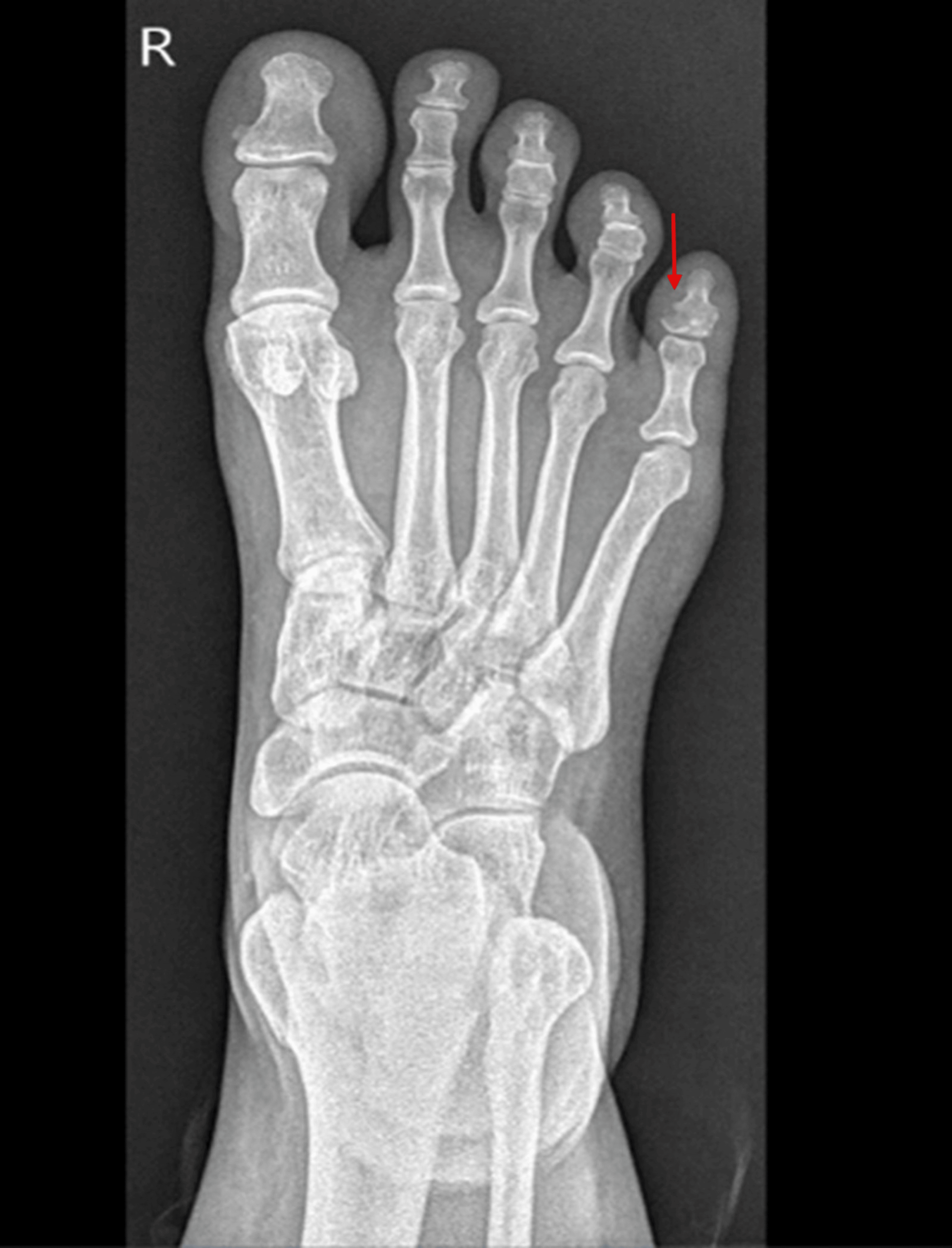
A 38-year-old Egyptian female with a history of fibromyalgia presented to the urgent care in November 2020 with right little toe pain and swelling after hitting it against the wall. She had a fracture of the distal phalanx of the fifth toe (Figure 1) and was managed conservatively.

X-ray-of-right-foot-showed-fracture-at-the-distal-phalanx-of-fifth-toe-with-suspected-intra-articular-extension
Figure 1: X-ray of right foot showed fracture at the distal phalanx of fifth toe with suspected intra-articular extension

In January 2022, she presented to her gynaecologist with headache, body swelling and was found to be hypertensive (156/105mmHg). She was referred to cardiology for management of hypertension, who recommended keeping a blood pressure (BP) diary with one-week follow-up as her BP was high on one occasion only.

In May 2022, she visited an internist because of easy bruising for six years in both lower limbs and history of bleeding following dental procedure. She was also complaining of gaining weight (15 kg over seven months). Investigations including coagulation profile, serum electrolyte, blood glucose, liver enzymes, and autoimmune antibodies were ordered, and they were normal. Patient was reassured and was diagnosed as purpura simplex.

In September 2022, she had a visit to the cardiologist after she was diagnosed with hypertension in Egypt and was on ramipril (2.5mg) and torsemide (10mg). The cardiologist continued ramipril and discontinued torsemide. The cardiologist referred her to internal medicine because of her history of fibromyalgia, and review of her prescribed medications from Egypt which included duloxetine, hydroxychloroquine (HCQ), and melatonin.

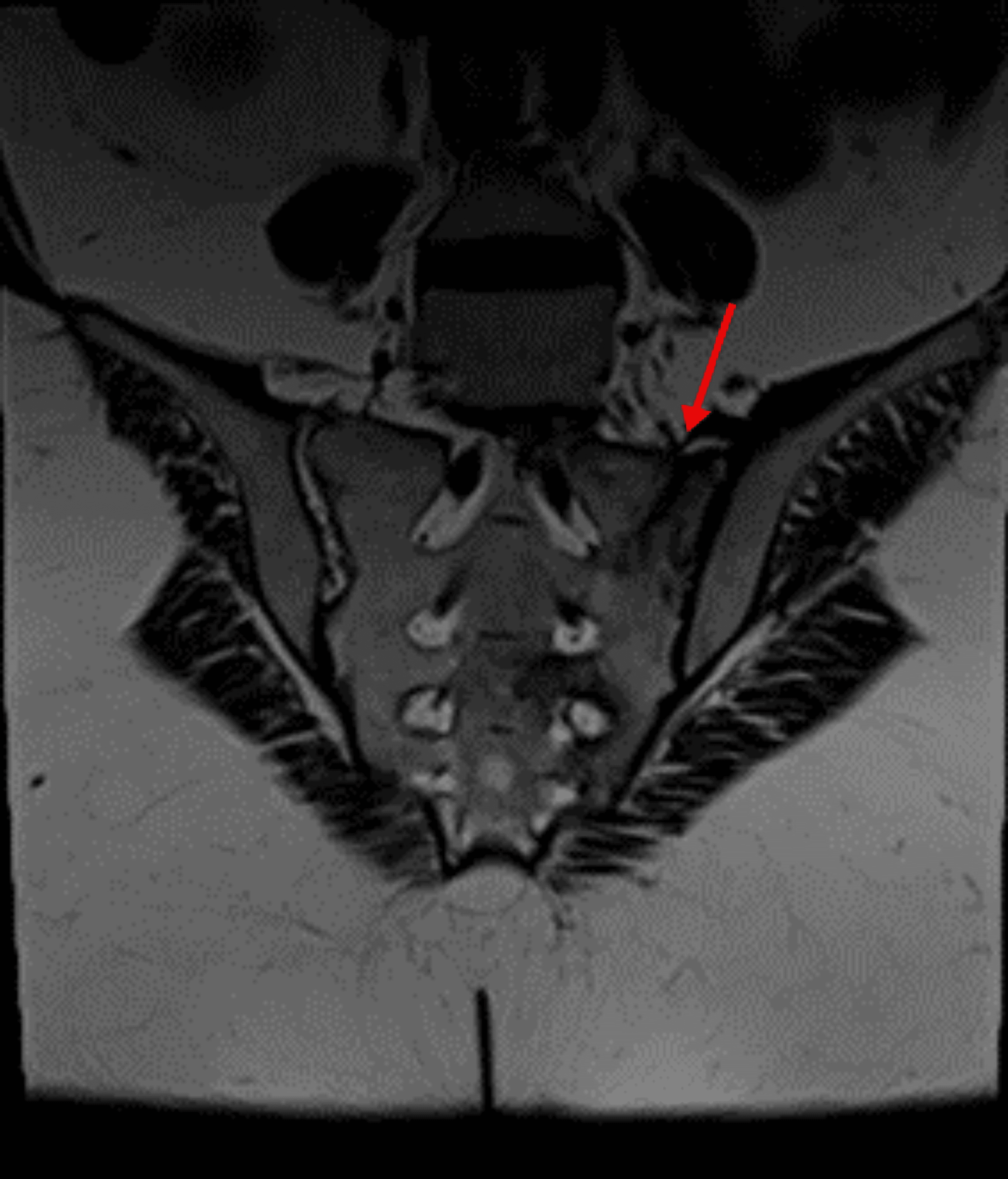
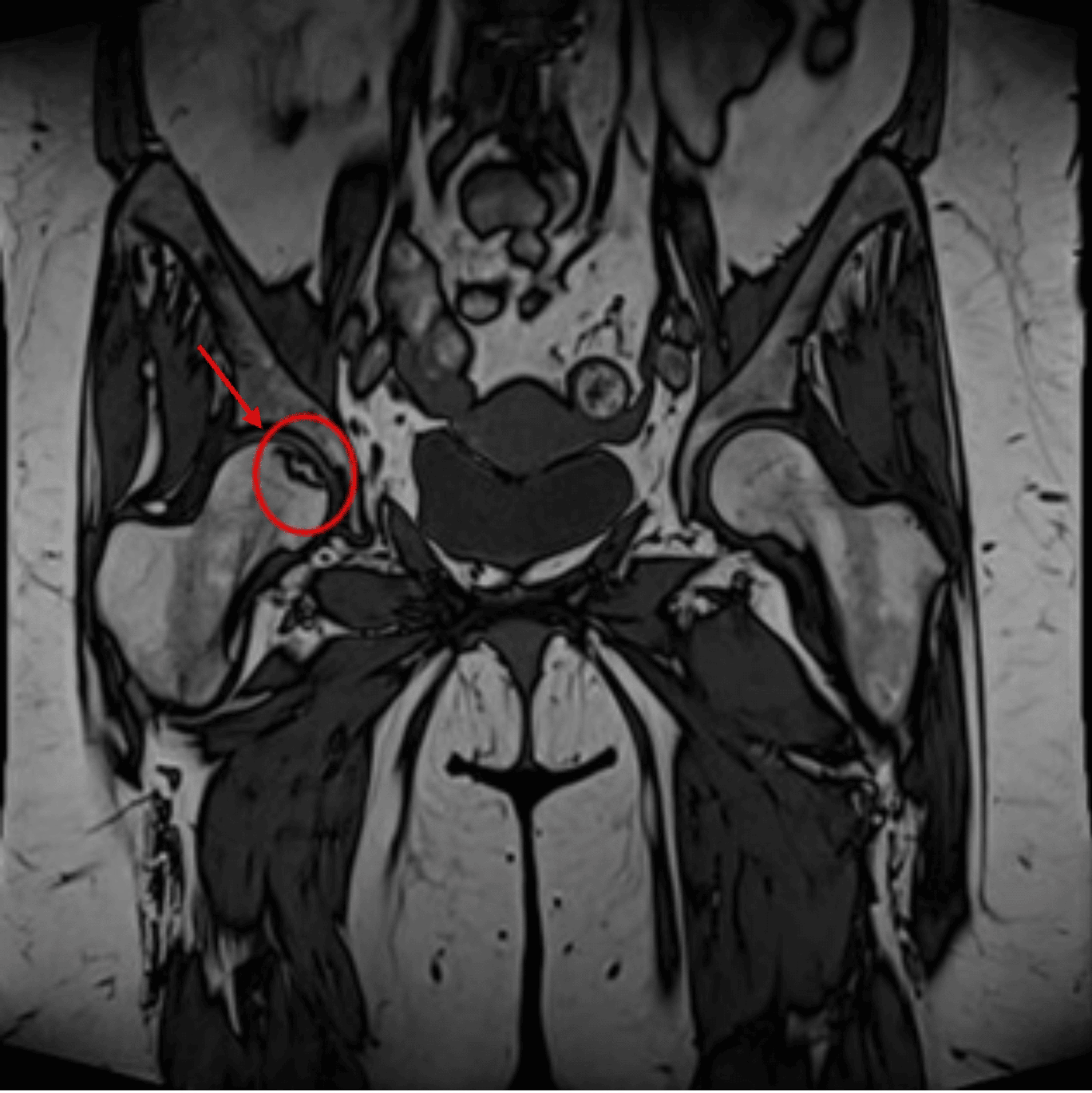
She had multiple visits to internists between September 2022 and March 2023 with complaints of body swelling, generalized joint stiffness, hip pain, proximal myopathic pain when lifting arms or standing up with oral ulcers and small reddish-purple spots just beneath the skin’s surface most likely purpura simplex. Laboratory tests were ordered, and they showed she had low serum potassium and positive antinuclear antibody (ANA) titer (DFS-70 pattern). Also, she had negative rheumatoid factor (RF), extractable nuclear antigen (ENA) panel, antineutrophil cytoplasmic antibodies (ANCA) and anti-cyclic citrullinated peptide (CCP) with normal C-reactive protein (CRP) and erythrocyte sedimentation rate (ESR). She was given potassium supplements and magnesium. During her visits she was prescribed various medications for fibromyalgia including duloxetine, amitriptyline, and tramadol. She also developed back pain and her MRI of sacroiliac joints showed signs of left-sided linear sacrum fracture, crescentic subchondral edema in the right femoral head suggestive of avascular necrosis (AVN) and narrowing of L5/S1 intervertebral disc space with degenerative changes (Figure 2).

MRI-sacroiliac-joints-showed-left-sided-linear-sacrum-fracture
Figure 2: MRI sacroiliac joints showed left-sided linear sacrum fracture

She then visited an orthopedic surgeon in April 2023 with back and right hip pain. The orthopedic doctor thought that her symptoms and signs were not entirely consistent with fibromyalgia, and she was referred to rheumatology for further review.

On rheumatology review she gave a history of whole-body pain, back pain, severe right hip pain, two fractures (left foot and sacrum), hypertension, hypokalaemia, amenorrhea for 18 months, weight gain (of 15 kg over seven months) and skin bruising. Laboratory tests showed negative autoimmune tests, low serum potassium, high alkaline phosphatase (ALP), normal parathyroid hormone (PTH), Mg, vitamin D and calcium. She was referred to internal medicine for low serum potassium, with suspicion of adrenocortical excess.

Her internist suspected Cushing’s syndrome as her physical examination showed that she was obese with florid purple striae on the trunk and arms in addition to proximal muscle weakness . He then ordered investigations that showed low adrenocorticotropic hormone (ACTH) using electrochemiluminescence immunoassay (ECLIA) of <1 pg/mL (normal range 7.2-63.3 pg/mL), and high serum cortisol using chemiluminescence microparticles immunoassay (CMIA) at 5 pm of 604.03 nmol/L (normal range 79.0-478 nmol/L). Her cortisol before 10 am that was collected at 9:02 am was 623.91 nmol/L (normal range 101-536 nmol/L). In view of these values, she was referred to the endocrinologist. Serum aldosterone, renin, and their ratio were all normal. 24-hour urinary cortisol was inconclusive because of low volume of urine. Luteinizing hormone (LH), follicle stimulating hormone (FSH), thyroid stimulating hormone (TSH), prolactin, metanephrines and normetanephrines were normal. It was planned to do overnight dexamethasone suppression tests (ODST), but patient travelled to Egypt.

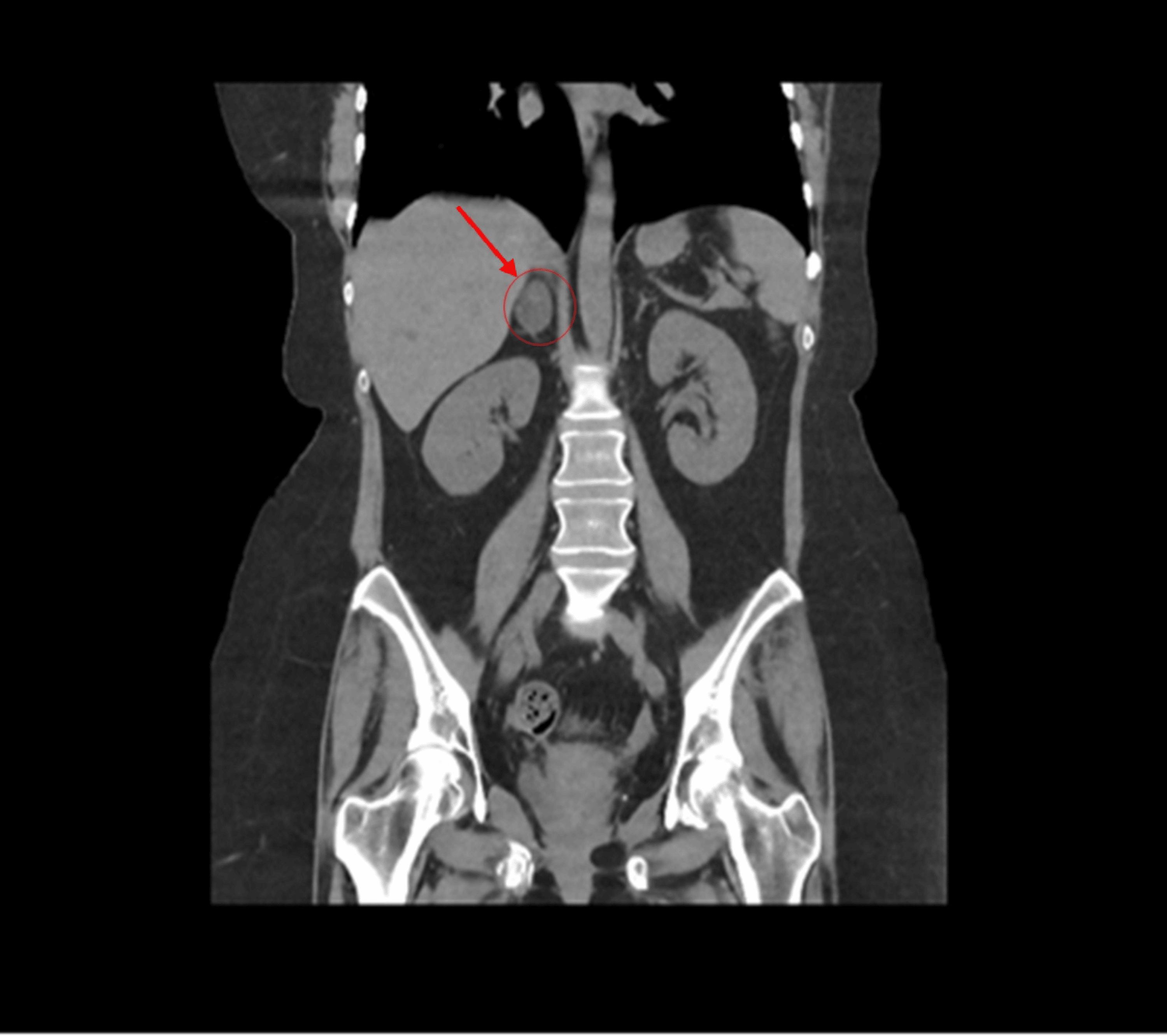
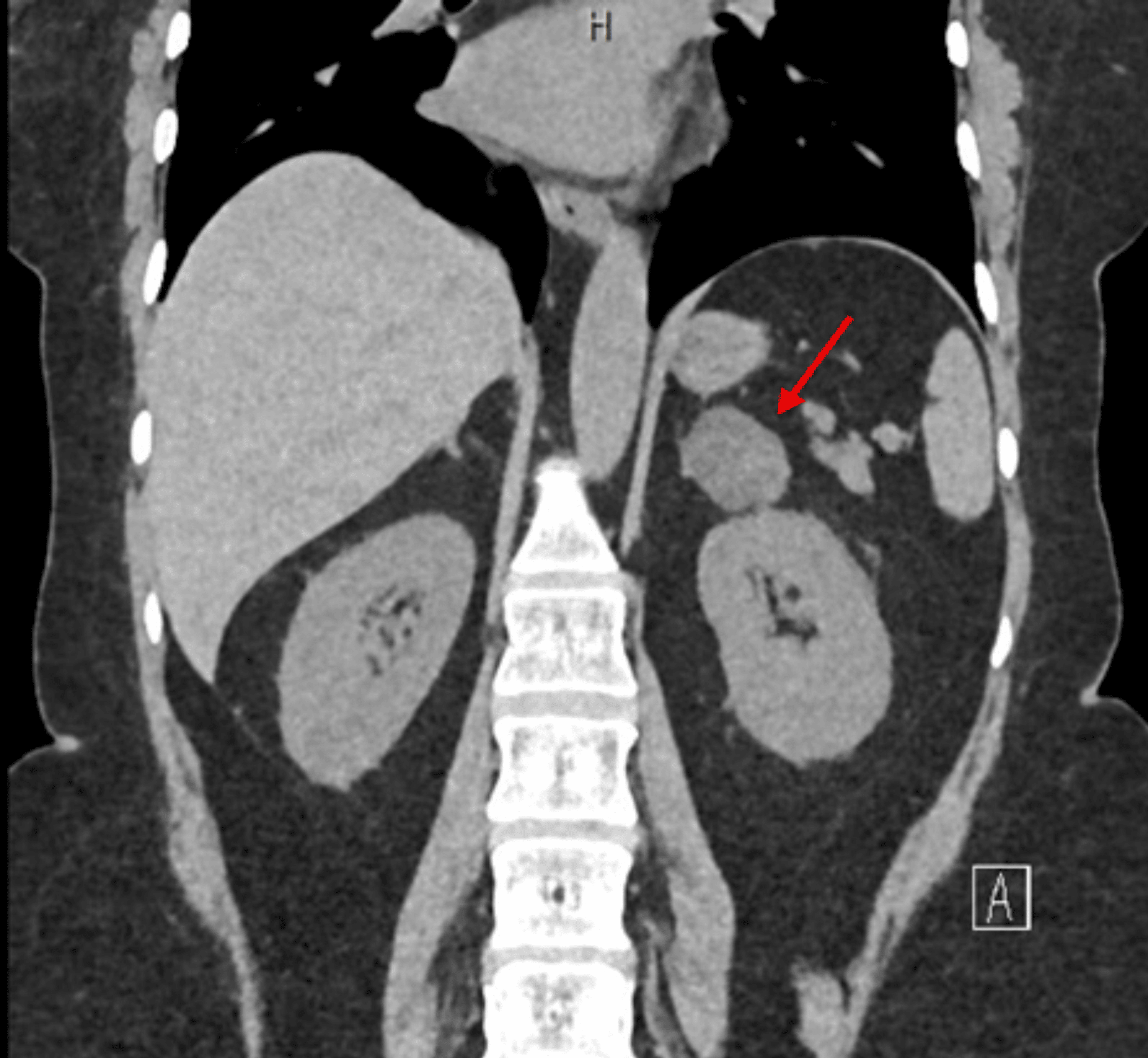
CT abdomen showed a 3.2×2×3 cm well-defined lesion arising from the junction between the arms of the right adrenal gland showing inhomogeneous density with inhomogeneous enhancement after IV contrast administration with delayed washout, the maximum enhancement after the IV contrast administration at the portal phase about 55 Hounsfield units (HU) indicating a right adrenal adenoma (Figure 3). CT sacrum showed fragmented fracture inferior ramus of right pubic bone associated with callus formation and significant fragmented fracture lateral part of superior ramus of right pubic bone associated with callus formation (Figure 4). MRI hips showed avascular necrosis of the right femur head (stage II according to Ficat and Arlet classification) (Figure 5), which was treated with core decompression surgery.

CT-adrenal-showed-a-3.2×2×3-cm-well-defined-inhomogeneous-density-lesion-arising-from-the-junction-between-the-arms-of-the-right-adrenal-gland-consistent-with-adrenal-adenoma
Figure 3: CT adrenal showed a 3.2×2×3 cm well-defined inhomogeneous density lesion arising from the junction between the arms of the right adrenal gland consistent with adrenal adenoma
CT-pelvis-showed-fragmented-fracture-at-the-inferior-and-superior-ramus-of-right-pubic-bone-associated-with-callus-formation.-Subcortical-ill-defined-lytic-area-is-noted-at-the-right-humeral-head-surrounded-with-sclerotic-reaction-could-be-due-to-avascular-necrosis-(AVN)
Figure 4: CT pelvis showed fragmented fracture at the inferior and superior ramus of right pubic bone associated with callus formation. Subcortical ill-defined lytic area is noted at the right humeral head surrounded with sclerotic reaction could be due to avascular necrosis (AVN)
MRI-of-the-pelvis-showed-subcortical-geographic-area-at-the-right-femoral-head-with-inhomogeneous-signal-intensity-(edematous-and-sclerotic-changes)-mostly-due-to-avascular-necrosis-(stage-II-according-to-Ficat-and-Arlet-classification)
Figure 5: MRI of the pelvis showed subcortical geographic area at the right femoral head with inhomogeneous signal intensity (edematous and sclerotic changes) mostly due to avascular necrosis (stage II according to Ficat and Arlet classification)

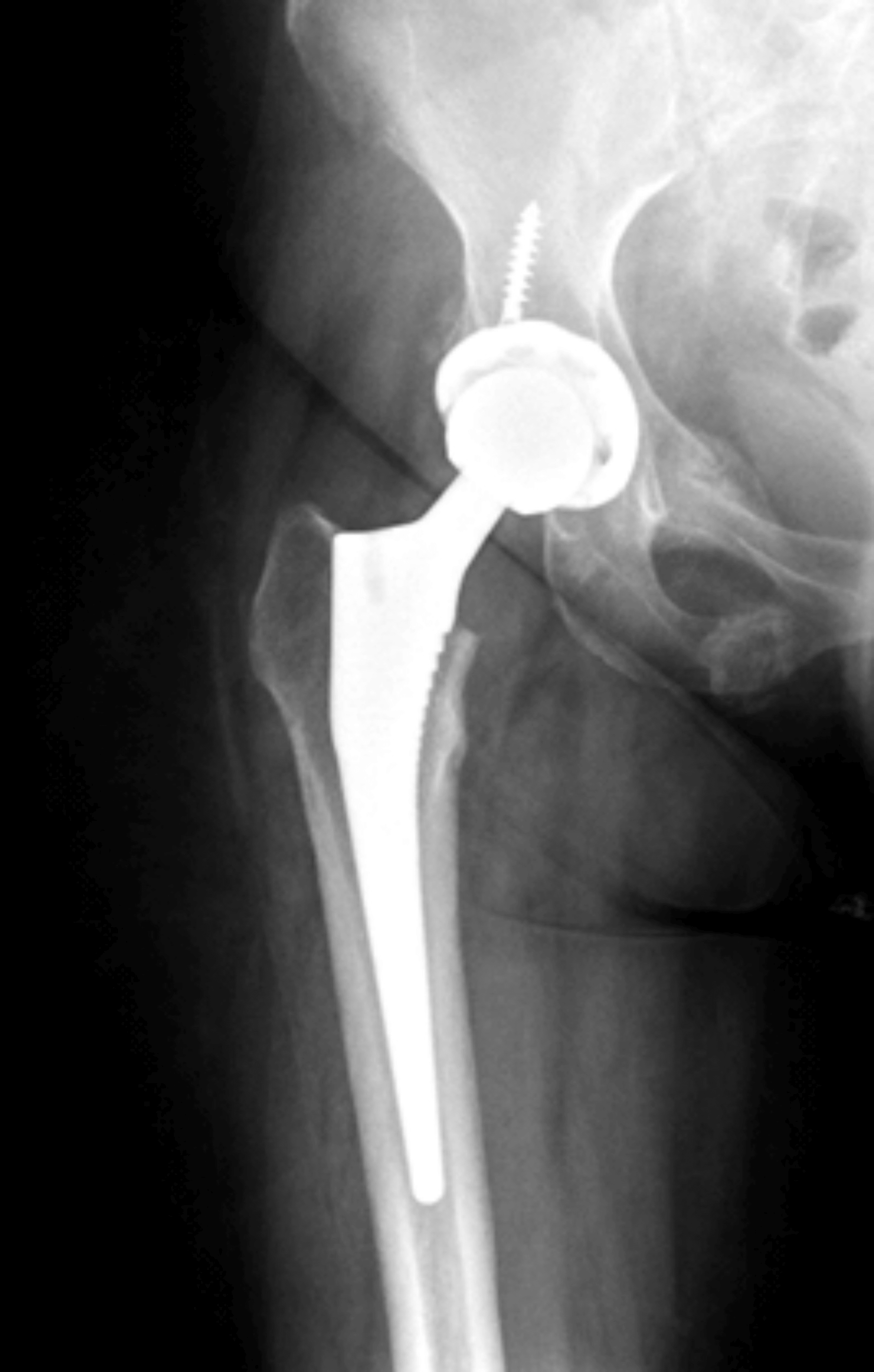
She had the surgery to remove the adrenal adenoma in Egypt and histopathology confirmed the diagnosis. She was then started on corticosteroids as she had low serum cortisone levels after her surgery. Currently she is also taking duloxetine and calcium/vitamin D. She developed a fracture at the right femoral neck after a fall and had hip replacement in Egypt (Figure 6).

X-ray-of-the-right-hip-joint-showed-signs-of-right-hip-joint-replacement
Figure 6: X-ray of the right hip joint showed signs of right hip joint replacement

Case report 2

A 47-year-old Bangladesh female presented with a complex array of symptoms initially suggestive of fibromyalgia. The patient reported chronic widespread muscle and joint pain, with identification of approximately eight tender points during examination. These symptoms, coupled with fatigue, were initially thought to be fibromyalgia due to their nonspecific nature. Subsequently, the patient started to have multiple bone fractures. In total she had six fractures over one year including fractures of the superior and inferior pubic ramus on the left side, right metatarsal bone fracture, fracture of the left proximal shaft of the fifth metatarsal, fractures of the shafts of the third and fourth left metatarsal. She has been reviewed by multiple physicians. A deeper look at her medical history revealed that despite the absence of overt Cushingoid features, she has several medical problems, including newly diagnosed hypertension and type 2 diabetes mellitus (hemoglobin A1C (HbA1C) 7.3%), raising the possibility of an underlying endocrine disorder. Psychiatric concerns involve a history of anxiety, insomnia, and major depressive disorder, with medication adjustments made independently. In addition, the patient reported irregular menstrual cycles, further complicating the clinical picture. Subtle signs such as unexplained central weight gain and telangiectasia prompted further endocrine evaluation.

Elevated morning cortisol levels and non-suppressed cortisol on an overnight 1 mg dexamethasone suppression test with high am cortisol, low am ACTH, ODST showed non-suppressed cortisol >400, and >500 on two occasions, and 24-hour urine free cortisol is high = 483 nmol (28-138). Adrenal CT without contrast revealed a well-defined heterogeneous isodense-to-hypodense lesion in the left adrenal gland, measuring 3.2 x 2.4 cm with a density of 16 HU, indicative of an adrenal adenoma. Imaging also identified old fractures of the left 10th rib and transverse processes of L1 and L4, which were previously undocumented and suggested underlying bone fragility.

The combination of subtle endocrine symptoms, nonspecific musculoskeletal pain, and psychological components initially led to a misdiagnosis of fibromyalgia. However further endocrine investigation confirmed Cushing’s syndrome due to an adrenal adenoma (Figure 7).

CT-adrenal-showed-a-3.2-x-2.4-cm-well-defined-hypodense-lesion-in-left-adrenal-gland
Figure 7: CT adrenal showed a 3.2 x 2.4 cm well-defined hypodense lesion in left adrenal gland

The patient underwent successful laparoscopic removal of the left adrenal adenoma. Post-operatively, the patient developed adrenal insufficiency, necessitating a carefully managed hydrocortisone tapering regimen. Management of diabetes, hypertension, and psychiatric symptoms continued, with adjustments anticipated in response to changes in endocrine status post-adrenectomy. The patient was started on calcium and vitamin D supplementation to address the secondary osteoporosis.

Case report 3

A 35-year-old Emirati woman with a medical history of hypothyroidism, asthma, obstructive sleep apnea, scoliosis, secondary degenerative lumbosacral changes from a previous accident, and migraines sought consultation at the Department of Rheumatology.

She reported a two-year history of polyarthralgia, proximal muscle weakness, profound fatigue, and peripheral edema. BP was 148/88. Physical examination revealed a round face, dorsocervical fat pad, central obesity, and puffy hands and feet.

Laboratories revealed hemoglobin (Hb) 13 g/l, creatinine kinase (CK) normal, while CRP was high (7 mg/l). Weakly positive anti-NOR 90 antibodies were found and noted to have unclear etiology with no clinical manifestation of scleroderma. Vitamin D deficiency was corrected (level: 47 nmol/L, normal range 50-150 nmol/L), and hypothyroidism medication was adjusted (TSH 7.7 IU/L, T4 9, normal range 12-22).

Despite extensive evaluations, including bilateral hands and feet X-rays, MRI of the hand, PET scan and laboratory assessments, the etiology of her symptoms remained elusive. Following a provisional diagnosis of fibromyalgia, the patient was managed symptomatically with medications, including pregabalin, amitriptyline, and duloxetine for one year. However, her symptoms persisted.

Further investigations revealed low serum cortisol levels: a morning cortisol level of 20 nmol/l (64-536), ACTH <0.3 pg/ml (1.6-13.9), and a 24-hour urine cortisol level of 11 nmol (28-138 nmol). Dual-energy X-ray absorptiometry (DEXA) scan demonstrated low bone mineral density with highest value at the lumbar sites (L2-L4), with a T-score of -2.4. Upon detailed review, it was noted that the individual had a history of frequent injections in both sacroiliac and lumbar facet joints, as well as trigger point injections ranging from 80-120 mg, administered every two to three months over a period of two years. Given the overall picture, with adequate adrenal response to synacthen test (the synacthen test results were as follows: baseline ACTH level was 1.2 pmol/L, rising to 0.8 pmol/L at 30 minutes and 0.4 pmol/L at 60 minutes; corresponding cortisol levels were 52 nmol/L at baseline, increasing to 433 nmol/L at 30 minutes and 472 nmol/L at 60 minutes), this was correlated with the diagnosis of iatrogenic Cushing’s syndrome.

A summary of the cases is in Table 1, and the timeline of the cases is in Table 2.

Case Age Gender BMI Steroid (Exogenous vs Endogenous) HTN DM Hyperlipidemia Psychiatric symptoms Fracture Abnormal Test Results Treatment
Case 1 38 F 31.4 Endogenous- adrenal adenoma Yes No  No No Four fractures Low potassium, low ACTH (<1pg/mL), high serum cortisol (604.03 nmol/L) Adrenal adenoma surgical resection
Case 2 48 F 26 Endogenous- adrenal adenoma Yes Yes  Yes Depression on Rx Six fractures Low ACTH (<0.3 pmol/L), high serum cortisol (1104 nmol/L), 24-hour urine free cortisol is high = 483 nmol (28-138) Adrenal adenoma surgical resection
Case 3 35 F 38 Exogenous Yes No No Depression and anxiety on Rx Low serum cortisol 20 nmol/l (64-536), low ACTH <0.3 pg/ml (1.6-13.9), 24-hour urine cortisol 11 nmol (28-138). Refrain from injection
Table 1: Summary of patients with Cushing syndrome who presented with fibromyalgia

F: female, HTN: Hypertension, DM: Diabetes Mellitus, Rx: Treatment, ACTH: Adrenocorticotropic hormone

Case Timeline of clinical features Final diagnosis date
Case 1 Bruises, myalgia, body pain since 2016; headache, body swelling since 2020; hypertension since 2021; hip pain since Jan 2022; fractured toe in Nov 2022; fracture of pubic rami discovered incidentally in April 2023; avascular necrosis of right hip in April 2023 May 2023 she was diagnosed with Cushing syndrome due to adrenal adenoma
Case 2 Widespread muscle and joint pain in 2017; hypertension and type 2 diabetes mellitus in 2019; multiple fractures in 2020-2021; anxiety, insomnia, and major depressive illness in 2020; menstrual irregularities in July 2021 November 2021 she was diagnosed with Cushing syndrome due to adrenal adenoma
Case 3 Polyarthralgia, proximal muscle weakness, profound fatigue, and peripheral oedema in 2021-2023; depression and anxiety in 2022; hypertension in 2023; low bone mineral density in 2023 June 2023 exogenous Cushing syndrome
Table 2: Timeline of the three cases

Discussion

Fibromyalgia is a multifactorial painful body disorder with several hypotheses regarding its etiology and pathophysiology such as increased pain sensitivity, neuroendocrine axis dysregulation, hypermobile joints, poor physical fitness, as well as genetic predisposition and environmental triggers [3].

Fibromyalgia and Cushing’s syndrome are distinct medical conditions, but they can share some common symptoms such as fatigue, muscle weakness, mood changes, sleep disturbances, and memory deficits. Because of the multiple symptoms that are present in both, a patient could be misdiagnosed with fibromyalgia instead of Cushing’s syndrome if proper history-taking, physical examination and relevant investigation are not pursued. Fibromyalgia is a diagnosis of exclusion, so effort should be made to look for any possible cause of the patient’s symptoms before making a diagnosis of fibromyalgia. According to the American College of Rheumatology, a patient must satisfy these three conditions to be diagnosed with fibromyalgia: widespread pain index (WPI) ≥7 and symptom severity (SS) scale score ≥5 or WPI 3-6 and SS scale score ≥9, symptoms have been present at a similar level for at least three months, and the patient does not have a disorder that would otherwise explain the pain [4].

According to the 2008 Endocrine Society guidelines, Cushing syndrome’s diagnosis is made by lab tests that show consistently high production of cortisol using 24-hour urine free cortisol level, low-dose (1mg) dexamethasone suppression test, or late-night salivary or serum cortisol [5].

A literature review was performed using PubMed and Google Scholar databases. Search terms included “fibromyalgia” and “Cushing’s syndrome” to which five results were shown. Out of the five results, only one case report had slight relevance to our two cases which was about a 39-year-old woman previously diagnosed with Cushing’s disease who developed fibromyalgia [1]. Unlike our cases, she was already diagnosed with Cushing’s disease. Several cases of iatrogenic Cushing’s syndrome are widely recognized [6-10]. Although intra-articular corticosteroid injections are uncommon causes, they are becoming increasingly recognized especially in patients who have received multiple or relatively high doses [11-13].

Our patients saw different physicians from various specialties and had multiple hospital visits over two to three years. They were originally diagnosed with fibromyalgia. Despite a multitude of other symptoms and signs such as fractures, weight gain, amenorrhea, easy bruising, and hypertension, the initial diagnosis of fibromyalgia was carried forward by multiple physicians without proper re-evaluation, resulting in only symptomatic treatment. These cases highlight the importance of thorough clinical evaluation and a holistic approach to patients who present with fibromyalgia symptoms even if a previous diagnosis of fibromyalgia has been made.

Conclusions

These cases underscore the challenges in differentiating Cushing’s syndrome from other conditions, particularly when presenting with nonspecific symptoms similar to fibromyalgia. Heightened clinical suspicion, thorough evaluation, and consideration of medication histories are essential. A high index of suspicion, combined with targeted radiological and biochemical testing, is crucial for accurate diagnosis and effective management.

References

  1. Ohara N, Katada S, Yamada T, et al.: Fibromyalgia in a patient with Cushing’s disease accompanied by central hypothyroidism. Intern Med. 2016, 55:3185-90. 10.2169/internalmedicine.55.5926
  2. Sharma ST, Nieman LK, Feelders RA: Cushing’s syndrome: epidemiology and developments in disease management. Clin Epidemiol. 2015, 7:281-93. 10.2147/CLEP.S44336
  3. Coles ML, Weissmann R, Uziel Y: Juvenile primary fibromyalgia syndrome: epidemiology, etiology, pathogenesis, clinical manifestations and diagnosis. Pediatr Rheumatol Online J. 2021, 19:22. 10.1186/s12969-021-00493-6
  4. Wolfe F, Clauw DJ, Fitzcharles MA, et al.: The American College of Rheumatology preliminary diagnostic criteria for fibromyalgia and measurement of symptom severity. Arthritis Care Res (Hoboken). 2010, 62:600-10. 10.1002/acr.20140
  5. Nieman LK, Biller BM, Findling JW, Newell-Price J, Savage MO, Stewart PM, Montori VM: The diagnosis of Cushing’s syndrome: an Endocrine Society Clinical Practice Guideline. J Clin Endocrinol Metab. 2008, 93:1526-40. 10.1210/jc.2008-0125
  6. Psomadakis C, Tweddell R, Lewis F: Too much of a good thing? Iatrogenic Cushing syndrome secondary to excessive topical steroid use in lichen sclerosus. Clin Exp Dermatol. 2023, 48:429-30. 10.1093/ced/llac097
  7. Jones W, Chastain CA, Wright PW: Iatrogenic cushing syndrome secondary to a probable interaction between voriconazole and budesonide. Pharmacotherapy. 2014, 34:e116-9. 10.1002/phar.1432
  8. Fredman R, Tenenhaus M: Cushing’s syndrome after intralesional triamcinolone acetonide: a systematic review of the literature and multinational survey. Burns. 2013, 39:549-57. 10.1016/j.burns.2012.09.020
  9. Sadarangani S, Berg ML, Mauck W, Rizza S: Iatrogenic cushing syndrome secondary to ritonavir-epidural triamcinolone interaction: an illustrative case and review. Interdiscip Perspect Infect Dis. 2014, 2014:849432. 10.1155/2014/849432
  10. Sukhumthammarat W, Putthapiban P, Sriphrapradang 😄 Local injection of triamcinolone acetonide: a forgotten aetiology of Cushing’s syndrome. J Clin Diagn Res. 2017, 11:OR01-2. 10.7860/JCDR/2017/27238.10091
  11. Tan JW, Majumdar SK: Development and resolution of secondary adrenal insufficiency after an intra-articular steroid injection. Case Rep Endocrinol. 2022, 2022:4798466. 10.1155/2022/4798466
  12. Alidoost M, Conte GA, Agarwal K, Carson MP, Lann D, Marchesani 😧 Iatrogenic Cushing’s syndrome following intra-articular triamcinolone injection in an HIV-infected patient on cobicistat presenting as a pulmonary embolism: case report and literature review. Int Med Case Rep J. 2020, 13:229-35. 10.2147/IMCRJ.S254461
  13. Kumar S, Singh RJ, Reed AM, Lteif AN: Cushing’s syndrome after intra-articular and intradermal administration of triamcinolone acetonide in three pediatric patients. Pediatrics. 2004, 113:1820-4. 10.1542/peds.113.6.1820


From https://www.cureus.com/articles/264073-cushings-syndrome-masquerading-as-fibromyalgia-a-case-series#!/

Accidental Cushing Syndrome

Abstract

We present a patient with Cushing syndrome secondary to accidental intake of corticosteroid tablets—a 66-year-old woman with a history of well-controlled hypertension, who over the course of a few weeks developed full-blown Cushing syndrome with uncontrolled blood pressure, typical central fat accumulation, and easy bruising. The clinical features further worsened upon increase of the dosage of her antihypertensive medication because of rising blood pressure. Biochemical analyses showed low cortisol and ACTH concentrations. Inspection of the patient’s medications revealed that she had accidentally been taking corticosteroids tablets, prescribed for her husband, instead of antihypertensives, ie, dexamethasone 4 mg and then 8 mg, instead of candesartan at the same dose.

This case highlights the necessity of a thorough review of the medications taken by patients suspected to have exogenous Cushing syndrome, including inspection of the original packaging, and not just relying on information from the patient and electronic health records. This case also highlights the need of special labeling on the packaging for the easy identification of corticosteroid-containing medications given their widespread availability.

Introduction

Cushing syndrome (CS) is a disorder caused by prolonged and excessive exposure to glucocorticoids. The most common cause of CS is exogenous or iatrogenic, ie, CS caused by administration of glucocorticoids due to inflammatory, autoimmune, or neoplastic diseases. Endogenous CS is a rare condition, caused by either hypersecretion of ACTH from the pituitary gland, ectopic ACTH production, or hypersecretion of cortisol from the adrenal glands.

It is of great importance to exclude exogenous CS in all patients who present with signs and symptoms compatible with the syndrome. The following case highlights the need to rule out exogenous CS via a face-to-face review of the medications taken by a patient with CS, rather than only relying on the patient’s history and electronic health record.

Case Presentation

A 66-year-old woman was referred to our department for investigation of suspected CS. She was diagnosed with essential hypertension a couple of years earlier and was prescribed tablet candesartan 4 mg daily. Apart from an otherwise well-controlled hypertension, the patient had a history of bilateral hip replacement, the first performed in 2020 and the second 2 years later.

During the 6 weeks prior to our evaluation, the patient had noticed an increasing fat accumulation around her abdomen, upper back, neck, and over the collar bones, despite minimal increase of her body weight. Moreover, the patient had developed a rounded face and increased growth of facial hair, especially on the chin, as well as thin and fragile skin that bruised easily. About 1.5 weeks before she was referred to our clinic, the dose of candesartan was increased by her general practitioner from 4 to 8 mg daily because of rapidly worsening hypertension, confirmed by monitoring 24-hour ambulatory blood pressure.

Diagnostic Assessment

The physical examination of the patient revealed central obesity and multiple bruises that the patient could not recall. Increased growth of fine hairs on the chin and facial plethora was present. Blood pressure was 165/88 mmHg. The patient did not have any signs of abdominal stretch marks, nor did she have any obvious muscle wasting in the arms and legs (Fig. 1). When comparing to photographs taken about 6 months prior to the examination, the differences were obvious (Fig. 2).


Figure 1.

The patient few weeks prior to admission for evaluation of Cushing syndrome.


Figure 2.

The patient many months before the onset of Cushing syndrome.

Biochemical evaluation revealed unmeasurable plasma cortisol at 12:00 PM, 4:00 PM, and 6:00 AM (<28 nmol/L, reference 102-535 nmol/L; <1.01 μg/dL, reference 3.69-19.39 μg/dL). Serum ACTH was also undetectable (<0.2 pmol/L, reference 1.6-13.9 pmol/L; <0.91 pg/mL, reference 2.27-63.18 pg/mL), which raised suspicion of exogenous CS. The patient firmly denied any intake of anything other than her candesartan tablets. She even stated that she avoided any analgesics after the hip replacement previously the same year, nor had she received any intra-articular cortisone injection. The patient gave a very trustworthy and consistent impression, which inevitably led us to proceed to further investigation of the adrenal glands and the pituitary gland to exclude rarer forms of CS, such as cyclic CS and/or pituitary apoplexy of an ACTH-producing pituitary adenoma. The magnetic resonance imaging of the pituitary and the computed tomography of the adrenal glands were normal. Except for the low cortisol and ACTH levels, endocrine workup was unremarkable (Table 1).


Table 1.

Biochemical evaluation of the patient with Cushing syndrome at baseline, ie, at admission

Hormone tested Value Normal Range
Plasma cortisol at 08:00 AM <1.01 mcg/dL (<28 nmol/L) 3.70-19.39 mcg/dL (102-535 nmol/L)
ACTH <0.91 pg/mL (<0.2 pmol/L) 7.27-63.18 pg/mL (1.6-13.9 pmol/L)
TSH 1.0 mIU/L (1.0 mIU/L) 0.4-3.7 mIU/L (0.4-3.7 mIU/L)
Free T4 1.01 ng/dL (13 pmol/L) 0.76-1.32 ng/dL (9.8-17 pmol/L)
IGF-1 142 ng/mL (18.60 nmol/L) 38-162 ng/mL (4.98-21.22 nmol/L)
Prolactin 374 mIU/L (17.58 mcg/L) 63-561 mIU/L (2.96-26.37 mcg/L)
FSH 90 mIU/mL (90 IU/L) 27-133 mIU/mL (post-menopausal) (27-133 IU/L)
LH 16 mIU/mL (16 IU/L) 5.2-62 mIU/mL (post-menopausal) (5.2-62 IU/L)
SHBG 6.07 mcg/mL (54 nmol/L) 2.25-17.42 mcg/mL (20-155 nmol/L)
Testosterone 8.65 ng/dL (0.30 nmol/L) 11.53-34.58 ng/dL (0.4-1.2 nmol/L)
Estradiol <19.07 pg/mL (<70 pmol/L) <28.06 pg/mL (<103 pmol/L) (post-menopausal with no hormone substitute)
Aldosterone 9.05 ng/dL 0.251 pmol/L <23.61 ng/dL (recumbent position) <655 nmol/L
Renin 8.25 mIU/L 2.8-40 mIU/L (recumbent position)
DHEAS 14.81 mcg/dL (0.4 µmol/L) 29.63-181.48 mcg/dL (0.8-4.9 µmol/L)
HbA1c 45 mmol/mol (6.3 %) 31-46 mmol/mol (5-6.4 %)

Abnormal values are shown in bold font. Values in parenthesis are International System of Units (SI).

Abbreviations: ACTH, adrenocorticotropic hormone; TSH, thyroid-stimulating hormone; T4, thyroxine; IGF-1, insulin-like growth factor 1; FSH, follicle-stimulating hormone; LH, luteinizing hormone; SHBG, sex hormone binding globulin; DHEAS, dehydroepiandrosterone sulfate; HbA1c, glycated hemoglobin.

On day 3 after admission, we noted that plasma cortisol at 8:00 AM was measurable, though still low, at 134 nmol/L (4.86 μg/dL), which reinforced our first suspicion of exogenous CS and prompted a more thorough review of the patient’s medication. At this time, we asked the patient to show us the tablets that she had been taking at home and that she still carried in her purse. To the patient’s frank surprise, it turned out that she was indeed carrying tablets containing 4 mg dexamethasone in the belief that they were candesartan 4 mg tablets. The dexamethasone 4 mg tablet the patient had (generic) was white, scored with a diameter of 6 mm (Fig. 3A). The candesartan 4 mg tablet the patient had been dispensed (generic) was also white, scored and with a diameter of 7 mm (Fig. 3B).


Figure 3.

A. Tablet Dexamethasone 4 mg. White, scored, diameter 6 × 6 mm. B. Tablet Candesartan 4 mg. White, scored, diameter 7 × 7 mm.

Treatment

The patient was discharged with the same antihypertensive medications as prior to the deterioration and referred to her general practitioner for follow-up of blood pressure. Upon clinical evaluation 5 months after discharge, she showed no signs or symptoms of CS (Fig. 4).


Figure 4.

The patient 5 months after the resolution of Cushing syndrome.

Outcome and Follow-up

Thus, the patient had accidentally been taking her husband’s medication, with which the patient had been aiding her husband, and developed a surreptitious iatrogenic CS. In hindsight, the severity of the clinical features had been worsening and resulted in rapid deterioration alongside the increase of the dosage of the antihypertensives from 4 to 8 mg because of the rising blood pressure.

By day 5 after admission, the patient’s plasma cortisol and ACTH concentrations had normalized, as had her blood pressure.

Discussion

Exogenous hypercortisolism is the most common cause of CS, though seldomly published in the literature, and is mainly iatrogenic because of prolonged use of high doses of synthetic glucocorticoids prescribed for the treatment of nonendocrine diseases (1). A recent study has shown that as many as every seventh resident in western Sweden received a glucocorticoid prescription between 2007 and 2014 (2).

The rising use of generic medications during the past decade has resulted in corticosteroids being available in different forms, shapes, and packages that make them less easily recognizable. In many countries, corticosteroids are available over-the-counter in almost any form, whereas a variety of agents such as herbal preparations, tonics, and skin-bleaching creams may also contain corticosteroids to the unawareness of the people using them (34).

There are no large studies regarding how common the unintentional use of medicines or products that contain corticosteroids. However, studies on traditional Chinese medicine have shown that illegally impure herbs and medicines containing corticosteroids are widely used, suggesting that the accidental intake of corticosteroids is more frequent than we may think (35). Many cases of factitious CS have been reported as a cause of exogenous CS, which makes the diagnosis even more challenging (6-8).

The Endocrine Society Clinical Practice Guidelines for the diagnosis of CS recommend that exogenous CS be always excluded before starting the investigation of endogenous CS (9). However, a specific and definitive approach for diagnosing, respectively excluding, exogenous CS is currently lacking. In a recent review, the authors recommend that in addition to asking the patient which medicines they take, the physician should review the electronic health record and ask particularly for medications that are administered via nonoral routes, as well as over-the-counter agents as mentioned earlier (10).

If not confirmed by history, the physician is advised to proceed to the measurement of ACTH and/or dehydroepiandrosterone sulfate as well as screening for synthetic glucocorticoids (10). The results usually show low ACTH, dehydroepiandrosterone sulfate, and cortisol levels even though the clinical picture suggests CS. The cross-reactivity of hydrocortisone or cortisone, which is similar to endogenous steroids, in immunoassay-based measurements of plasma and urinary cortisol may show variable levels of cortisol. These measurements combined with low ACTH can make the diagnostic workup much more complex (7). Screening for exogenous substances with the help of high-performance liquid chromatography is usually positive and constructive (7).

It is increasingly clear that the risk of accidental ingestion of potent medicines can have deleterious effects on health. This leads us to conclude that thorough face-to-face review of the packaging of medications taken by the patient is mandatory and can spare both physicians and patients from a series of unnecessary investigations. Given the high availability, easy access, and catastrophic adverse effects of the unintentional use of corticosteroids, we therefore propose that all corticosteroid-including medications and agents be marked with a recognizable label.

Learning Points

  • Exogenous CS should be always excluded before starting investigation of endogenous CS.
  • Concerning exogenous CS, practitioners should always think broadly and ask for use of herbal preparations, skin-bleaching creams, and any over-the-counter products.
  • Unintentional use of corticosteroids can still be the case even after a thorough review of the electronic records; practitioners should always inspect the medicines the patient has taken.

Contributors

All authors (K.K., O.R., P.T.) made equal contributions to authorship. K.K., O.R., and P.T. were involved in the diagnosis and management of this patient, as well as in manuscript submission. K.K. and P.T. authored the manuscript draft. All authors (K.K., O.R., P.T.) reviewed and approved the final draft.

Funding

No public or commercial funding.

Disclosures

None declared.

Informed Patient Consent for Publication

Signed informed consent was obtained directly from the patient.

© The Author(s) 2024. Published by Oxford University Press on behalf of the Endocrine Society.
This is an Open Access article distributed under the terms of the Creative Commons Attribution License (https://creativecommons.org/licenses/by/4.0/), which permits unrestricted reuse, distribution, and reproduction in any medium, provided the original work is properly cited.

Evaluation of Psoriasis Patients With Long-Term Topical Corticosteroids for Their Risk of Developing Adrenal Insufficiency, Cushing’s Syndrome and Osteoporosis

In this study, we will investigate the possible side effects of psoriasis patients using long-term topical corticosteroids (TCS) such as adrenal insufficiency, Cushing’s Syndrome (CS) and osteoporosis and determine how these side effects develop.

Forty-nine patients were included in the study. The patients were divided into two groups based on the potency of the topical steroid they took and the patients’ ACTH, cortisol and bone densitometer values were evaluated.

There was no significant difference between the two groups regarding the development of surrenal insufficiency, CS and osteoporosis. One patient in group 1 and 4 patients in group 2 were evaluated as iatrogenic CS. ACTH stimulation tests of these patients in group 2 showed consistent results with adrenal insufficiency, while no adrenal insufficiency was detected in the patient in Group 1. Patients who used more than 50g of superpotent topical steroids per week compared to patients who used 50g of superpotent topical steroids per week. It was identified that patients who used more than 50g of superpotent topical steroids had significantly lower cortisol levels, with a negatively significant correlation between cortisol level and the amount of topical steroid use ( < .01).Osteoporosis was detected in 3 patients in group 1 and 8 patients in Group 2. Because of the low number of patients between two groups, statistical analysis could not be performed to determine the risk factors.

Our study is the first study that we know of that investigated these three side effects. We have shown that the development of CS, adrenal insufficiency and osteoporosis in patients who use topical steroids for a long time depends on the weekly TCS dosage and the risk increases when it exceeds the threshold of 50 grams per week. therefore, our recommendation would be to avoid long-term use of superpotent steroids and to choose from the medium-potent group if it is to be used.

ABOUT THE CONTRIBUTORS

Betul Erdem

Department of Dermatology, Van Training and Research Hospital, Van, Turkey.

Muzeyyen Gonul

Department of Dermatology, Ministry of Health, Ankara Etlik City Hospital, Ankara, Turkey.

Ilknur Ozturk Unsal

Department of Endocrine and Metabolic Disease, Ministry of Health, Ankara Etlik City Hospital, Ankara, Turkey.

Seyda Ozdemir Sahingoz