Experimental Drug Improves Cushing’s Disease

International phase 3 trial is largest study ever of rare endocrine disorder

A new investigational drug significantly reduced urinary cortisol levels and improved symptoms of Cushing’s disease in the largest clinical study of this endocrine disorder ever conducted.

Results of the clinical trial conducted at centers on four continents appear in the March 8 issue of the New England Journal of Medicine and show that treatment with pasireotide cut cortisol secretion an average of 50 percent and returned some patients’ levels to normal.

“Cushing’s disease is a rare disorder, with three to five cases per million people. It can affect all ages and both genders but is most common in otherwise healthy young women,” says Harvard Medical School Professor of Medicine Beverly M.K. Biller of the Massachusetts General Hospital (MGH) Neuroendocrine Unit, senior author of the study.

“Often misdiagnosed, Cushing’s is associated with a broad range of health problems – causing physical changes, metabolic abnormalities, and emotional difficulties – and if not controlled, significantly increases patients’ risk of dying much younger than expected,” Biller says.

Cushing’s disease, one of several conditions that lead to Cushing’s syndrome, is characterized by chronically elevated secretion of the hormone cortisol. The disease is caused by a benign pituitary tumor that oversecretes the hormone ACTH, which in turn induces increased cortisol secretion by the adrenal glands.

Symptoms of Cushing’s syndrome include weight gain, hypertension, mood swings, irregular or absent periods, abnormalities of glucose processing (insulin resistance, glucose intolerance, and type 2 diabetes), and cardiovascular disease. Because those symptoms are associated with many health problems, physicians may not consider the rare possibility of Cushing’s. The diagnosis can be difficult to make and usually requires the expertise of an endocrinologist. Because cortisol levels normally fluctuate during the day, a single blood test is unlikely to identify chronic elevation, and thus the most common diagnostic test measures a patient’s 24-hour urinary output.

First-line treatment for Cushing’s disease is surgical removal of the ACTH-secreting tumor, which leads to remission in 65 to 90 percent of patients. But symptoms return in 10 to 30 percent of those patients, requiring repeat surgery, radiation therapy, or treatment with drugs that interfere with part of the cortisol control system. Until last month, there was no specific FDA-approved medical treatment for Cushing’s syndrome; the newly approved drug mifepristone should benefit some patients, but it does not affect the pituitary source of the condition or reduce cortisol levels.

The current phase 3 trial of pasireotide — the first drug that blocks ACTH secretion by binding to somatostatin receptors on the pituitary tumor — was sponsored by Novartis Pharma. The trial enrolled 162 patients at 62 sites in 18 countries. Nearly 85 percent of participants had either persistent disease that had not responded to surgery or had recurrent disease; the other 15 percent were recently diagnosed but not appropriate candidates for surgery.

Participants were randomly assigned to two groups, one starting at two daily 600-microgram injections of pasireotide and the other receiving 900-microgram doses. Three months into the 12-month trial, participants whose urinary cortisol levels remained more than twice the normal range had their dosage levels increased. During the rest of the trial, dosage could be further increased, if necessary, or reduced if side effects occurred.

At the end of the study period, many patients had a significant decrease in their urinary cortisol levels, with 33 achieving levels within normal range at their original dosage by month six of the trial. Participants whose baseline levels were less than five times the upper limit of normal were more likely to achieve normal levels than those with higher baseline levels, and the average urinary cortisol decrease across all participants was approximately 50 percent. Many Cushing’s disease symptoms decreased, and it became apparent within the first two months whether or not an individual was going to respond to pasireotide.

Transient gastrointestinal discomfort, known to be associated with medications in the same family as pasireotide, was an expected side effect. Another side effect was elevated glucose levels in 73 percent of participants, something not seen to the same extent with other medications in this family. These elevated levels will require close attention, because many Cushing’s patients already have trouble metabolizing glucose. Biller explains, “Those patients who already were diabetic had the greatest increases in blood sugar, and those who were pre-diabetic were more likely to become diabetic than those who began with normal blood sugar. However, elevations were even seen in those who started at normal glucose levels, so this is real and needs to be monitored carefully.”

Additional trials of pasireotide are in the works, and a phase 3 study of a long-acting version of the drug was recently announced. Biller notes that the potential addition of pasireotide to available medical treatments for Cushing’s disease would have a number of advantages. “It’s very important to have medications that work at different parts of the cortisol control system – which is the case for the currently used medications that work at the adrenal gland level; pasireotide, which works at the pituitary gland; and mifepristone, which blocks the action of cortisol at receptors in the body. Having more options that work in different ways is valuable because not all patients respond to one medicine and some may be unable to tolerate a specific drug’s side effects.

“As we have more drugs available to treat Cushing’s,” Biller adds, “I think in the long run we may start using combinations of drugs, which is the approach we use in some patients with acromegaly, another disorder in which a pituitary tumor causes excess hormone secretion. Ultimately, we hope to be able to give lower doses leading to fewer overall side effects, but that remains to be determined by future studies.”

Annamaria Colao, University of Naples, Italy, is the lead author of the report. Additional co-authors are Stephan Petersenn, University of Duisberg-Essen, Germany; John Newell-Price, University of Sheffield, U.K.; James Findling, Medical College of Wisconsin, Milwaukee; Feng Gu, Peking Union Medical College Hospital, Beijing; Mario Maldonado, Ulrike Schoenherr, and David Mills, Novartis Pharma; and Luiz Roberto Salgado, University of São Paulo Medical School, Brazil.

From http://dailyrecords.us/experimental-drug-improves-cushings-disease/

New Diagnostic Criteria for Subclinical Hypercortisolism using Postsurgical Hypocortisolism

Clin Endocrinol (Oxf). 2016 Jun 24. doi: 10.1111/cen.13145. [Epub ahead of print]


Abstract

OBJECTIVE:

There is no consensus on the biochemical diagnostic criteria for subclinical hypercortisolism (SH). Using parameters related to the hypothalamic-pituitary-adrenal axis, we aimed to develop a diagnostic model of SH for predicting postsurgical hypocortisolism and metabolic complications.

DESIGN:

Prospective and cross-sectional, observational, multicentre study in Korea.

METHODS:

After exclusion of overt Cushing’s syndrome, adrenal incidentaloma (AI) patients who underwent unilateral adrenalectomy (n = 99) and AI patients (n = 843) were included. Primary outcome was defined as the presence of postsurgical hypocortisolism; secondary outcome was the presence of ≥4 complications (components of the metabolic syndrome and low bone mass). Postsurgical hypocortisolism was determined on the fifth postsurgery day using the ACTH stimulation test.

RESULTS:

Thirty-three of the 99 patients developed postsurgical hypocortisolism. Analysis of the presurgery overnight 1-mg dexamethasone suppression test (1-mg DST) showed that all patients with cortisol levels of >138 nmol/l experienced postsurgical hypocortisolism, whereas those with levels of ≤61 nmol/l did not. The models of (i) 1-mg DST >138 nmol/l or (ii) >61 nmol/l with the presence of one among low levels of ACTH and dehydroepiandrosterone-sulphate had the highest accuracy (89·9%, P < 0·001) and odds ratio [OR 111·62, 95% confidence interval (CI) 21·98-566·74, P < 0·001] for predicting postsurgical hypocortisolism. Finally, patients with the same criteria in the 843 AI patients showed the highest risk for having ≥4 complications (OR 3·51, 95% CI 1·84-6·69, P < 0·001), regardless of gender, age, body mass index and bilaterality.

CONCLUSIONS:

Our proposed model is able to accurately predict subtle cortisol excess and its chronic manifestations in AI patients.

© 2016 John Wiley & Sons Ltd.

Cushing’s Syndrome Masquerading as Treatment Resistant Depression

Indian J Psychol Med. 2016 May-Jun; 38(3): 246–248.
PMCID: PMC4904762

Abstract

Treatment resistant depression (TRD) is a common clinical occurrence among patients treated for major depressive disorder. A significant proportion of patients remain significantly depressed in spite of aggressive pharmacological and psychotherapeutic approaches. Management of patient with treatment resistant depression requires thorough evaluation for physical causes. We report a case of recurrent depressive disorder, who presented with severe depressive episode without psychotic symptoms, not responding to multiple adequate trials of antidepressants, who on investigation was found to have Cushing’s syndrome and responded well to Ketoconazole.

Keywords: Antiglucocorticoid drugs, Cushing’s syndrome, treatment-resistant depression

INTRODUCTION

The main aim of management of depression is remission of the episode. However, in a proportion of the patients with major depression, despite the use of adequate antidepressant doses for the adequate duration, clinical remission is not achieved. Although there is no consensus, but in general it is accepted that those patients with major depression who do not respond to 2-3 adequate trials of antidepressants are considered to have treatment-resistant depression (TRD).[1] Some of the authors[2] have suggested staging for TRD and based on the level of nonresponse the patient is allocated to different stages of TRD. The prevalence of TRD varies depending on the stage.[1] It is suggested that whenever a patient present’s with TRD, a thorough evaluation needs to be done to evaluate the underlying organic and psychosocial causes.[1] We here, report a case of recurrent depressive disorder, current episode severe depressive episode without psychotic symptoms, who did not respond to adequate trials of antidepressants and showed minimal response to electroconvulsive therapy (ECT). In view of the lack of remission, on investigation she was found to have adrenal adenoma and raised cortisol levels. She was managed with ketoconazole 400 mg/day along with the continuation of antidepressants with which she achieved remission.

CASE REPORT

Mrs. A, 40-year-old, known case of recurrent depressive disorder, with first episode occurring at the age of 36 years, with two episodes in the past which responded to antidepressant treatment, presented with severe depressive episode without psychotic symptoms of 18 months duration. For the current episode, the onset was insidious with the evolution of symptoms over the period of 1-month, without any precipitating event and the course was continuous for the current episode. Her clinical presentation was characterized by persistent sadness of mood with morning worsening, poor interaction, anhedonia, lethargy, psychomotor retardation, sleep disturbance in the form of difficulty in falling asleep with frequent midnight awakenings, reduced appetite associated with weight loss of 3 kg, reduced libido, ideas of guilt, suicidal ideations, suicidal planning with one unsuccessful attempt and off and on anxiety symptoms. Her treatment history revealed that during the current episode she was treated with tablet paroxetine 12.5-37.5 mg/day for 4 months, tablet mirtazapine 15-30 mg/day for 3 months, tablet imipramine up to 175 mg/day for 5 months, C. venlafaxine up to 300 mg/day for 2 months with no response. Later she was treated with C. venlafaxine 300 mg/day along with thyroxine 75 µg/day (for 2 months) and C. venlafaxine 300 mg/day and lithium 600 mg/day for a period of 2 months but with minimal improvement. Her compliance with the medication throughout was satisfactory.

Her general physical examination and systemic examination were normal. On mental status examination, she had sadness of mood, psychomotor retardation, ideas of hopelessness, worthlessness, guilt, and suicidal ideas. Investigations in the form of hemogram, liver function test, renal function test, serum electrolytes, thyroid function test, serum vitamin B12 levels were did not reveal any abnormality. Her magnetic resonance imaging (MRI) scan of the brain did not show any abnormality. Her psychosocial history did not reveal any evidence of chronic stressors and her family was very supportive. There was no history suggestive of mania, psychotic symptoms, alcohol or drug abuse, seizure, head injury, and cognitive decline. Her Hamilton Depression Rating scale (HDRS) score was 35.

She was continued on C. venlafaxine 300 mg/day along with tablet lithium carbonate 300 mg/day (with serum levels in the therapeutic range). In addition, due to lack of response to adequate doses of antidepressants she was treated with 14 sessions of modified ECT over the period of 6 weeks with minimal improvement (HDRS score reduced to 32). In view of the lack of response to ECT, further investigations were done for Cushing’s syndrome although her physical examination was not suggestive of the same. Workup for Cushing’s syndrome revealed raised plasma cortisol level (722.7 nmol/L [normal range 193-634 nmol/L]), dexamethasone nonsuppression and reduced plasma adreno corticotrophin hormone. MRI scan of the abdomen revealed small homogenous, well-defined lesion measuring 2 cm in the adrenal cortex with clear margins suggestive of an adrenal adenoma. She was advised surgical intervention for the same. However, she was reluctant for the same. As a result, she was started on tablet ketoconazole 200 mg/day and increased to 400 mg/day over next 15 days along with the continuation of C. venlafaxine 300 mg/day. Patient improvement was monitored clinically and using HAM-D score. Over a period of next 4 weeks, the patient showed significant improvement in her depressive symptoms with no associated side effects. Her HDRS score reduced from 32 to 5. After remission she was clinically monitored. She has been maintaining well on tablet ketoconazole 400 mg/day and of C. venlafaxine 225 mg/day for the last 4 years. Her adrenal mass has been monitored with no increase in the size of the tumor.

DISCUSSION

According to the staging of TRD by Thase and Rush,[2] the index case can be considered as stage-5 TRD, that is, patient who has not responded to antidepressants of two different classes, tricyclic antidepressants and ECT. In addition, the patient had also not responded to augmentation with thyroxine and lithium. It is suggested that whenever a patient presents with TRD, first there is a need to evaluate the patient for pseudo-resistance. The factors that contribute to pseudo-resistance include poor compliance, inadequate dosing, and discontinuation of antidepressant before adequate duration.[3] The history of the index case did not reveal the same. In view of the stage-5 nonresponse, she was empirically evaluated for Cushing’s syndrome and was found to have positive evidence for the same. Addition of ketoconazole led to remission of the episode.

Due to the role of stress and involvement of cortisol in understanding the etiopathogenesis of depression, researchers have used antiglucocorticoid drugs such as metyrapone, aminoglutethimide, ketoconazole, and Mifepristone in the management of TRD. In a review, which included 11 studies, authors reported that 67-77% of the patients show at least a partial antidepressant response and largest two series documenting response rates of 70-73%.[4]

Our case highlights the fact that while dealing with patients with TRD, psychiatrists should look into all possible medical causes for depression. Further, our case suggests that antiglucocorticoid medications can be considered in patients with TRD who do not respond to conventional treatments.

Footnotes

Source of Support: Nil

Conflict of Interest: None.

REFERENCES

1. Nemeroff CB. Prevalence and management of treatment-resistant depression. J Clin Psychiatry. 2007;68(Suppl 8):17–25. [PubMed]
2. Thase ME, Rush AJ. When at first you don’t succeed: Sequential strategies for antidepressant nonresponders. J Clin Psychiatry. 1997;58(Suppl 13):23–9. [PubMed]
3. Souery D, Papakostas GI, Trivedi MH. Treatment-resistant depression. J Clin Psychiatry. 2006;67(Suppl 6):16–22. [PubMed]
4. Wolkowitz OM, Reus VI. Treatment of depression with antiglucocorticoid drugs. Psychosom Med.1999;61:698–711. [PubMed]

Articles from Indian Journal of Psychological Medicine are provided here courtesy of Medknow Publications

Hypopituitarism – Deficiency in Pituitary Hormone Production

By Yolanda Smith, BPharm

Hypopituitarism is a health condition in which there is a reduction in the production of hormones by the pituitary gland.

The pituitary gland is located at the base of the brain and is responsible for the production of several hormones, including:

  • Adrenocorticotropic hormone (ACTH), which controls the production of the vital stress hormones cortisol and dehydroepiandrosterone (DHEA) in the adrenal gland
  • Thyroid stimulating hormone (TSH), which controls the production of hormones by the thyroid gland
  • Luteinizing hormone (LH) and follicle-stimulating hormone (FSH), which control the secretion of the primary sex hormones and affect fertility
  • Growth hormone (GH), which regulates the growth processes in childhood and other metabolic processes throughout life
  • Prolactin (PRL), which facilitates the production of breast milk
  • Oxytocin, which is crucial during labor, childbirth and lactation
  • Antidiuretic hormone (ADH), also known as vasopressin, which regulates the retention of water and the blood pressure

An individual with hypopituitarism shows a deficiency in one or more of these hormones. This inevitably leads to abnormal body function, as an effect of the low levels of the hormone in the body, and may result in symptoms.

Causes

Hypopituitarism is most commonly due to the destruction, compression or inflammation of pituitary tissue by a brain tumor in that region. Other causes include:

  • Head injury
  • Infections such as tuberculosis
  • Ischemic or infarct injury
  • Radiation injury
  • Congenital and genetic causes
  • Infiltrative diseases such as sarcoidosis

Symptoms

General symptoms that are associated with pituitary hormone deficiency include:

  • Weakness and fatigue
  • Decreased appetite
  • Weight loss
  • Sensitivity to cold
  • Swollen facial features or body

There are also likely to be more specific symptoms according to the type of pituitary hormone deficiency, such as:

  • ACTH deficiency:
    • abdominal pain
    • low blood pressure
    • low serum sodium levels
    • skin pallor
  • TSH deficiency:
    • generalized body puffiness
    • sensitivity to cold
    • constipation
    • impaired memory and concentration
    • dry skin
    • anemia
  • LH and FSH deficiency:
    • reduction in libido
    • erectile dysfunction in men
    • abnormal menstrual periods
    • vaginal dryness in women
    • difficulty in conceiving
    • infertility.
  • GH deficiency:
    • slow growth
    • short height
    • an increase in body fat

Treatment

The first step in the treatment of hypopituitarism is to identify the cause of the condition.

Secondly, the hormones that are deficient must be identified. From this point, the appropriate treatment decisions can be made to promote optimal patient outcomes.

Hormone replacement therapy is the most common type of treatment for a patient with hypopituitarism.

This may involve supplementation of one or more hormones that are deficient, to reduce or correct the impact of the deficiency.

Follow Up

As hormone replacement therapy is expected to continue on a lifelong basis, it is important that patients have a good understanding of the therapy.

It is especially important to educate patients on what to do in case of particular circumstances that may change their hormone requirements.

For example, during periods of high stress, the demand for many hormones is increased, and the dose of hormone replacement may need to be adjusted accordingly.

It is recommended that patients have regular blood tests to monitor their hormone levels and ensure that they are in the normal range.

Patients should also carry medical identification, such as a medical bracelet or necklace, to show that they are affected by hypopituitarism and inform others about their hormone replacement needs and current treatment. This can help to meet their medical needs in case of any emergency.

Epidemiology

Hypopituitarism is a rare disorder that affects less than 200,000 individuals in the United States, with an incidence of 4.2 cases per 100,000 people per year.

The incidence is expected to be higher in certain subsets of the population, such as those that have suffered from a brain injury. Statistics in reference to these population groups have not yet been determined.

Reviewed by Dr Liji Thomas, MD.

References

From http://www.news-medical.net/health/Hypopituitarism-Deficiency-in-Pituitary-Hormone-Production.aspx

Help Advance Research for Better Cushing’s Syndrome Treatment

clinical-trials


I am so passionate about Clinical Trials, especially for Cushing’s because I was only diagnosed in 1987 because I was a part of a clinical trial at the NIH.  In addition to helping myself, I knew I’d be helping other Cushies coming along after me – something positive I could do while I was at my worst.

I hope that others will consider doing Clinical Trials, if they qualify for them.  You never know who else you might help!


This trial is testing the safety and effectiveness of an investigational drug for the treatment of Cushing’s Syndrome. Under the supervision of qualified physicians, cortisol levels and symptoms of Cushing’s Syndrome will be closely followed along with any signs of side effects.

More about the study:

The study drug (COR-003) is administered by tablets.

  • There will be 90 participants in this trial
  • There is no placebo used in the trial

If you are interested, please find the full study details and eligibility criteria listed here.

Eligibility Criteria:

Participants must:

  • be at least 18 years old
  • have been diagnosed with endogenous Cushing’s Syndrome by a medical professional (not caused by the use of steroid medications)

Participants must not:

  • have been treated with radiation for Cushing’s Syndrome in the past 4 years
  • be currently using weight loss medication
  • have been diagnosed with uncontrolled hypertension, some forms of cancer, adrenal carcinoma, Hepatitis B / C, or HIV

Please complete the online questionnaire to check if you’re eligible for the trial.

If you’re not familiar with clinical trials, here are some FAQs:

What are clinical trials?

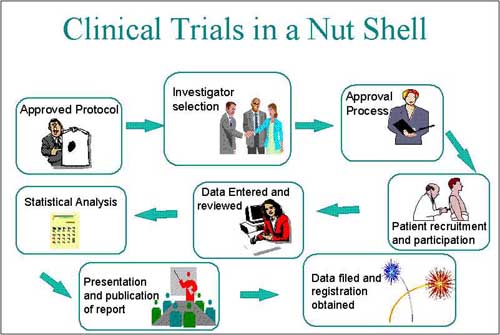
Clinical trials are research studies to determine whether investigational drugs or treatments are safe and effective for humans. All new investigational medications and devices must undergo several clinical trials, often involving thousands of people.

Why participate in a clinical trial?

You will have access to investigational treatments that would be available to the general public only upon approval. You will also receive study-related medical care and attention from clinical trial staff at research facilities. Clinical trials offer hope for many people and an opportunity to help researchers find better treatments for others in the future.

Learn why I’m talking about Clinical Trials