Iatrogenic Cushing’s Syndrome and the Hidden Ingredient of Artri King

Abstract

Cushing’s syndrome is a rare disorder caused by prolonged exposure to glucocorticoids, either from endogenous overproduction or exogenous sources, with exogenous steroid use being the most common etiology. Clinical manifestations may include moon facies, abdominal striae, easy bruising, muscle weakness, and complications such as osteoporosis and fragility fractures. Many remedies and supplements marketed for inflammatory conditions are sold online or over the counter, and some may contain hidden or undisclosed steroids that can lead to hypercortisolism. We present a case of a 52-year-old man with osteoporosis who sustained fragility fractures and became wheelchair-bound due to progressive lower extremity weakness. Evaluation demonstrated suppression of the hypothalamic-pituitary-adrenal axis, with undetectable salivary and urinary cortisol levels. Further investigation revealed long-term use of Artri King, a supplement for musculoskeletal pain that contains undisclosed glucocorticoids. This case highlights the risk of unregulated supplements causing iatrogenic Cushing’s syndrome and its associated complications.

Introduction

Cushing’s syndrome represents a constellation of signs and symptoms resulting from prolonged exposure to glucocorticoids [1]. Common manifestations may include moon facies, facial plethora, abdominal striae, easy bruising, and proximal muscle weakness [1]. Etiologies may be adrenocorticotropic hormone (ACTH)-dependent, originating from pituitary or ectopic sources, or ACTH-independent, such as adrenal pathology. In everyday clinical practice, however, exogenous glucocorticoid exposure remains the most common cause [2,3].

Exogenous steroids are available in multiple formulations, including oral, parenteral, inhaled, and topical preparations, and may be prescribed by healthcare providers or found in commercial products sold online or over the counter [4]. Prolonged exposure can result in hypercortisolism and its associated complications [5]. Therefore, careful assessment for exogenous steroid use is essential when evaluating patients with suspected Cushing’s syndrome. We report a case of iatrogenic Cushing’s syndrome secondary to the use of Artri King, a “herbal” supplement containing undisclosed glucocorticoids.

Case Presentation

A 52-year-old male with a history of prediabetes presented with osteoporosis and fragility fractures. Osteoporosis was diagnosed during imaging performed for the evaluation of back pain, which revealed thoracic spine compression fractures as well as a healed rib fracture. As a result, he became wheelchair-bound due to progressive lower extremity weakness. The patient denied prior trauma and had no family history of osteoporosis or pathologic fractures. He denied the use of steroids, proton pump inhibitors, anticoagulants, or antiseizure medications. He did not smoke and reported no alcohol use. There was no history of hypogonadism, bone disease, or fractures during childhood. Biochemical evaluation revealed a normal complete blood count, with pertinent laboratory results summarized in Table 1.

Laboratory test Value Units Reference range
Total testosterone 415 ng/dL 264–916
Intact parathyroid hormone 9.4 pg/mL 8.7–77.1
Corrected serum calcium 9.6 mg/dL 8.6–10.3
24-hour urine calcium 144 mg/24 hours 100–300*
Plasma adrenocorticotropic hormone Undetectable pg/mL 7–63*
Late-night salivary cortisol Undetectable µg/dL ≤0.09*
24-hour urine free cortisol Undetectable µg/24 hours 10–50*
Table 1: Biochemical laboratory results.

*: Reference intervals may vary by assay method and laboratory.

Given the presence of fragility fractures and physical examination findings consistent with Cushing’s syndrome, including moon facies, dorsocervical and supraclavicular fat fullness, and purplish striae (Figure 1), further evaluation was pursued. Laboratory testing demonstrated an undetectable serum ACTH level, and both late-night salivary cortisol and 24-hour urinary free cortisol levels were undetectable, raising concern for exogenous glucocorticoid exposure (Table 1). Dual-energy X-ray absorptiometry demonstrated a spinal bone mineral density of 0.686 g/cm² with a T-score of −3.7.
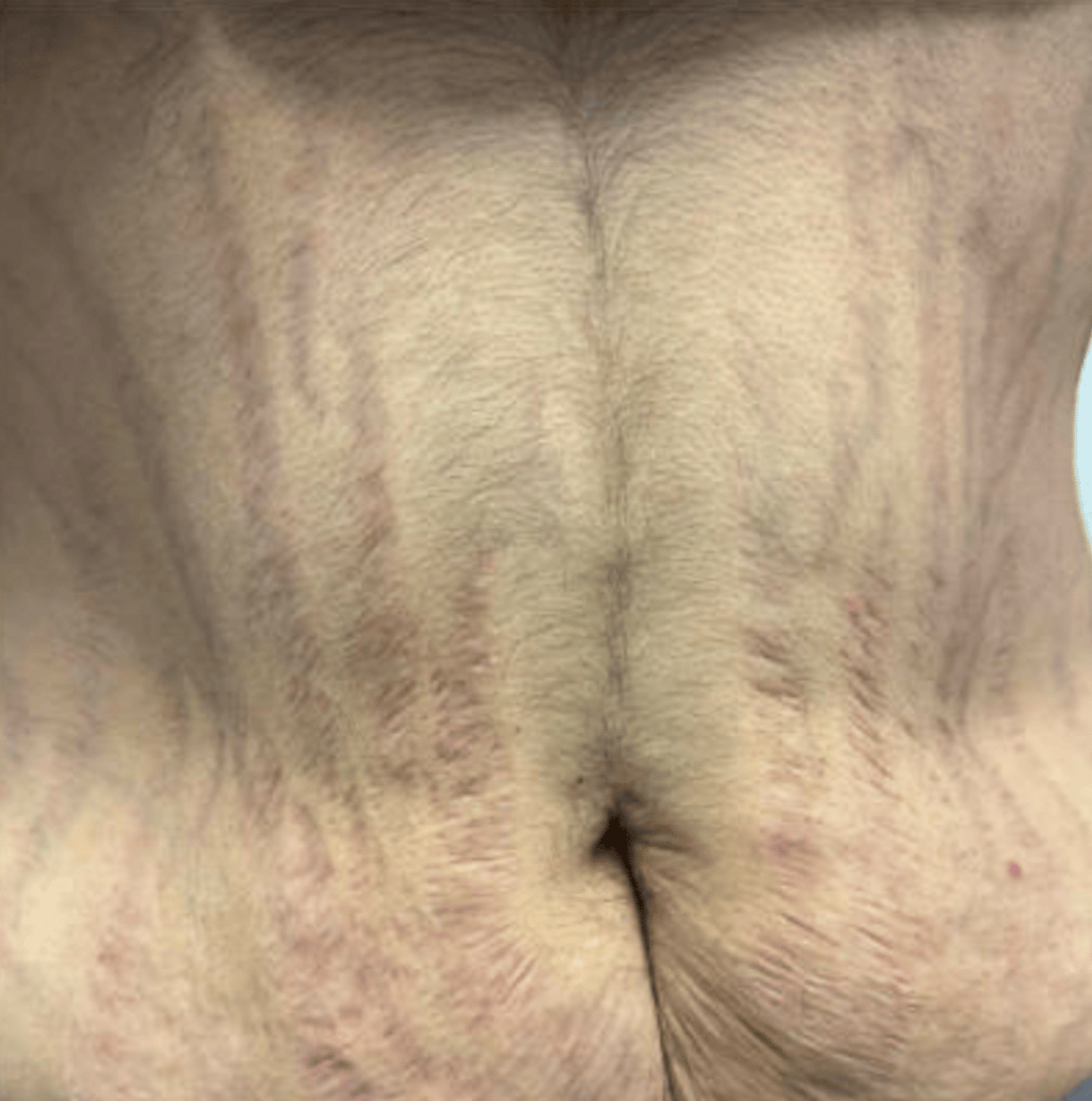
Purplish-(violaceous)-abdominal-striae-over-the-abdomen.
Figure 1: Purplish (violaceous) abdominal striae over the abdomen.

On further questioning, the patient reported taking Artri King for two years, obtained from Mexico, for joint pain and arthritis. A review of U.S. Food and Drug Administration (FDA) reports confirmed that Artri King contains hidden ingredients, including dexamethasone, not listed on its label. The supplement was discontinued, and the patient was started on a gradual steroid taper to minimize glucocorticoid withdrawal symptoms and allow for the recovery of hypothalamic-pituitary-adrenal (HPA) axis function.

Discussion

Cushing’s syndrome is a rare disorder characterized by a constellation of signs and symptoms affecting multiple organ systems as a result of prolonged exposure to excess cortisol. Hypercortisolism may result from endogenous overproduction of cortisol or from exposure to exogenous glucocorticoids [1]. Regardless of etiology, clinical manifestations commonly include moon facies, abdominal striae, truncal obesity, and easy bruising [1]. Patients with Cushing’s syndrome may also develop complications such as hyperglycemia, uncontrolled hypertension, proximal muscle weakness, and reduced BMD, which can lead to fragility fractures [2]. These complications significantly impair quality of life and may be fatal if the condition is not diagnosed and treated promptly [3].

Endogenous hypercortisolism is less common, with an estimated incidence of 2-3 cases per million per year [4]. However, recent studies suggest a higher prevalence among individuals with diabetes mellitus, osteoporosis, particularly those with fragility fractures, and hypertension [5]. Cushing’s syndrome can be classified as ACTH-dependent, in which ACTH originates from the pituitary gland or an ectopic source, or ACTH-independent, typically due to adrenal adenoma, adrenal hyperplasia, or adrenal carcinoma [5]. Although exogenous glucocorticoid exposure is the most common cause of Cushing’s syndrome, the true incidence of iatrogenic Cushing’s syndrome remains unknown [6]. Rarely, Cushing’s syndrome may result from concurrent exogenous steroid use and endogenous cortisol overproduction, which presents diagnostic challenges [6].

Glucocorticoid-containing medications are widely used in the management of inflammatory diseases, malignancies, and post-transplant care [7,8]. All forms of exogenous glucocorticoids, including oral, inhaled, injectable, and topical preparations, can cause features of hypercortisolism when used at high doses or for prolonged periods [9-12]. Extended exposure, particularly at higher doses, may also result in secondary adrenal insufficiency, even with topical formulations [13]. In addition to conventional glucocorticoids, other medications may induce iatrogenic hypercortisolism; for example, high-dose megestrol exhibits glucocorticoid-like activity and can produce Cushing’s syndrome-like features [14]. Furthermore, drugs that inhibit cytochrome P450 metabolism, such as itraconazole, can impair steroid clearance and increase systemic glucocorticoid exposure [15].

Of increasing concern is the availability of steroid-containing supplements sold over the counter or online without prescription [16]. These products are commonly marketed for conditions such as arthritis and other inflammatory disorders [16]. Prolonged use may cause Cushing’s syndrome with complications such as skin atrophy, obesity, myopathy, and fractures. The U.S. FDA has issued multiple warnings regarding dietary supplements and conventional foods found to contain undisclosed pharmaceutical ingredients [17]. A 2016 study evaluating 12 over-the-counter “adrenal support” supplements in the United States found that most contained at least one steroid hormone [18]. Another analysis of FDA warnings on unapproved pharmaceutical ingredients reported that 37.5% of products marketed for inflammatory conditions, including joint and muscle pain, contained dexamethasone [19]. Among these products, Artri King, marketed for joint pain and arthritis, has been associated with multiple FDA reports of adverse events due to undisclosed dexamethasone and methylprednisolone. These supplements remain widely available online, in select retail stores, and internationally [20].

Conclusions

This case highlights the importance of considering unregulated supplements as a potential source of exogenous glucocorticoids in patients presenting with osteoporosis and unexplained fragility fractures. Although the patient initially denied steroid use, detailed history revealed prolonged exposure to Artri King, resulting in iatrogenic Cushing’s syndrome with HPA axis suppression. Before discontinuation of steroid-containing supplements, evaluation for adrenal insufficiency is essential. Gradual tapering of glucocorticoids remains the standard approach to prevent withdrawal symptoms and support recovery of adrenal function.

References

  1. Nieman LK: Recent updates on the diagnosis and management of Cushing’s syndrome. Endocrinol Metab (Seoul). 2018, 33:139-46. 10.3803/EnM.2018.33.2.139
  2. Dunn C, Amaya J, Green P: A case of iatrogenic Cushing’s syndrome following use of an over-the-counter arthritis supplement. Case Rep Endocrinol. 2023, 2023:4769258. 10.1155/2023/4769258
  3. Castinetti F, Morange I, Conte-Devolx B, Brue T: Cushing’s disease. Orphanet J Rare Dis. 2012, 7:41. 10.1186/1750-1172-7-41
  4. Nieman LK, Biller BM, Findling JW, Newell-Price J, Savage MO, Stewart PM, Montori VM: The diagnosis of Cushing’s syndrome: an Endocrine Society Clinical Practice Guideline. J Clin Endocrinol Metab. 2008, 93:1526-40. 10.1210/jc.2008-0125
  5. Manubolu S, Nwosu O: Exogenous Cushing’s syndrome secondary to intermittent high dose oral prednisone for presumed asthma exacerbations in the setting of multiple emergency department visits. J Clin Transl Endocrinol Case Rep. 2017, 6:4-8. 10.1016/j.jecr.2017.07.001
  6. Tong CV, Rajoo S: Co-occurrence of exogenous and endogenous Cushing’s syndromes-dilemma in diagnosis. Case Rep Endocrinol. 2019, 2019:2986312. 10.1155/2019/2986312
  7. Broersen LH, Pereira AM, Jørgensen JO, Dekkers OM: Adrenal insufficiency in corticosteroids use: systematic review and meta-analysis. J Clin Endocrinol Metab. 2015, 100:2171-80. 10.1210/jc.2015-1218
  8. Yasir M, Goyal A, Sonthalia S: Corticosteroid Adverse Effects. StatPearls Publishing, Treasure Island, FL; 2025.
  9. Dow A, Yu R, Carmichael J: Too little or too much corticosteroid? Coexisting adrenal insufficiency and Cushing’s syndrome from chronic, intermittent use of intranasal betamethasone. Endocrinol Diabetes Metab Case Rep. 2013, 2013:130036. 10.1530/EDM-13-0036
  10. Hopkins RL, Leinung MC: Exogenous Cushing’s syndrome and glucocorticoid withdrawal. Endocrinol Metab Clin North Am. 2005, 34:371-84, ix. 10.1016/j.ecl.2005.01.013
  11. Hughes JM, Hichens M, Booze GW, Thorner MO: Cushing’s syndrome from the therapeutic use of intramuscular dexamethasone acetate. Arch Intern Med. 1986, 146:1848-9.
  12. Weber SL: Cushing’S syndrome attributable to topical use of lotrisone. Endocr Pract. 1997, 3:140-4. 10.4158/EP.3.3.140
  13. Pektas SD, Dogan G, Cinar N: Iatrogenic Cushing’s syndrome with subsequent adrenal insufficiency in a patient with psoriasis vulgaris using topical steroids. Case Rep Endocrinol. 2017, 2017:8320254. 10.1155/2017/8320254
  14. Steer KA, Kurtz AB, Honour JW: Megestrol-induced Cushing’s syndrome. Clin Endocrinol (Oxf). 1995, 42:91-3. 10.1111/j.1365-2265.1995.tb02603.x
  15. Bolland MJ, Bagg W, Thomas MG, Lucas JA, Ticehurst R, Black PN: Cushing’s syndrome due to interaction between inhaled corticosteroids and itraconazole. Ann Pharmacother. 2004, 38:46-9. 10.1345/aph.1D222
  16. Saad-Omer SM, Kinaan M, Matos M, Yau H: Exogenous Cushing syndrome and hip fracture due to over-the-counter supplement (Artri King). Cureus. 2023, 15:e41278. 10.7759/cureus.41278
  17. Patel R, Sherf S, Lai NB, Yu R: Exogenous Cushing syndrome caused by a “herbal” supplement. AACE Clin Case Rep. 2022, 8:239-42. 10.1016/j.aace.2022.08.001
  18. Akturk HK, Chindris AM, Hines JM, Singh RJ, Bernet VJ: Over-the-counter “adrenal support” supplements contain thyroid and steroid-based adrenal hormones. Mayo Clin Proc. 2018, 93:284-90. 10.1016/j.mayocp.2017.10.019
  19. Tucker J, Fischer T, Upjohn L, Mazzera D, Kumar M: Unapproved pharmaceutical ingredients included in dietary supplements associated with US Food and Drug Administration warnings. JAMA Netw Open. 2018, 1:e183337. 10.1001/jamanetworkopen.2018.3337
  20. U.S. Food and Drug Administration. Public Notification: Artri King contains hidden drug ingredients. (2022). Accessed: December 18, 2025: https://www.fda.gov/drugs/medication-health-fraud/public-notification-artri-king-contains-hidden-drug-ingredients.

https://www.cureus.com/articles/451949-iatrogenic-cushings-syndrome-and-the-hidden-ingredient-of-artri-king#!/

Secondary Adrenal Insufficiency and Iatrogenic Cushing’s Syndrome in a 13-Year-Old Male With Vogt-Koyanagi-Harada Disease

ABSTRACT

Vogt-Koyanagi-Harada disease (VKH) is a rare autoimmune disorder, especially in children, requiring long-term corticosteroids. We report a 13-year-old male with VKH who developed iatrogenic Cushing’s syndrome and secondary adrenal insufficiency after prolonged prednisone treatment. Despite adding mycophenolate mofetil, tapering failed due to relapses. He showed weight gain, growth delay, striae, and suppressed cortisol and adrenocorticotropic hormone, confirming hypothalamic-pituitary-adrenal axis suppression. Hydrocortisone was given for stress coverage. A relapse followed steroid discontinuation. This case highlights the risk of endocrine complications in pediatric VKH and emphasizes the importance of early hormonal evaluation and individualized tapering during chronic steroid therapy.

KEYWORDS

Vogt-Koyanagi-syndrome
Cushing syndrome
Adrenal insufficiency
Pediatrics

INTRODUCTION

Vogt-Koyanagi-Harada disease (VKH) is a rare autoimmune disorder that can significantly affect the eyes, skin, and central nervous system (Stern & Nataneli, 2025). Among the various forms of autoimmune uveitis, VKH is particularly notable for its broad clinical spectrum, encompassing ocular, neurologic, and cutaneous manifestations (Herbort & Mochizuki, 2007). In pediatric patients, age-specific considerations become paramount, as prolonged corticosteroid therapy is frequently required to control inflammation but can result in serious endocrine complications. One such complication is iatrogenic Cushing’s syndrome (ICS), which may predispose to secondary adrenal insufficiency (SAI), especially when steroid withdrawal is abrupt or inadequately tapered (Improda et al., 2024Prete & Bancos, 2021). Despite increasing recognition of pediatric VKH, endocrine consequences of its treatment remain underreported.
We present the case of a 13-year-old male with VKH who displayed overt signs of hypercortisolism and biochemical evidence of adrenal suppression after discontinuing corticosteroids, underscoring the importance of vigilant monitoring and a carefully structured tapering protocol in pediatric patients requiring long-term steroid therapy. Given that many pediatric patients with VKH and steroid-related complications are managed not only by pediatric endocrinologists but also by pediatric providers, including nurse practitioners, this case highlights aspects relevant to a broad clinical audience.

CASE PRESENTATION

A 13-year-old male with a known history of VKH was referred to our clinic for growth and pubertal assessment following significant weight gain and clinical features suggestive of ICS. His perinatal period was uneventful; he was born at term via cesarean section for maternal indications (bicornuate uterus), with a birth weight of 2980 g and a length of 49 cm. Family history was notable for celiac disease in the mother, mixed hypercholesterolemia in the father, vitiligo in the maternal grandfather, and autoimmune diseases (Sjögren’s syndrome and multiple sclerosis) in second-degree maternal relatives.
The patient first presented, at age 11 years and 11 months, with redness, pain, and photophobia of the right eye [Figure 1]. Initial ophthalmological examination revealed panuveitis, with signs of posterior synechiae and optic disc edema. Fluorescein and indocyanine green angiography confirmed bilateral granulomatous involvement. Systemic workup excluded other infectious and autoimmune causes of uveitis. Neurological imaging revealed a non-specific thalamic lesion, classified as a radiological isolated syndrome, with no clinical neurological deficits.
FIGURE 1

  1. Download: Download high-res image (311KB)
  2. Download: Download full-size image

FIGURE 1. Timeline of notable events. Timeline summarizing key events including clinical course, treatments, and relapses.

Abbreviations: ACTH, adrenocorticotropic hormone; VKH, Vogt-Koyanagi-Harada disease.
Oral prednisone (25 mg/day) was initiated, along with topical ocular corticosteroids, leading to clinical improvement. The first tapering and discontinuation of prednisone occurred after seven months of therapy. Three months later, a clinical relapse occurred, requiring re-initiation of prednisone and subsequent addition of mycophenolate mofetil as a steroid-sparing agent. Prednisone was then tapered and discontinued again after another seven months of treatment. Over the course of therapy, the patient gained approximately 15 kg and developed progressive cushingoid features [Table 1].

TABLE 1. Clinical and biochemical features of ICS and SAI in the patient

Empty Cell Clinical Findings Interpretation
Growth and development Height: 143.5 cm (3rd percentile); mid-parental height: 171 ± 8 cm Growth deceleration likely related to chronic glucocorticoid exposure and ICS
Weight and body composition Weight: 53.3 kg (75th–90th percentile); BMI: 25.8 kg/m²; central obesity Suggestive of glucocorticoid-induced lipogenesis and altered fat distribution
Skin and soft tissue Striae rubrae on flanks; mild dorsal fat pad (“buffalo hump”) Classic phenotypic features of ICS
Pubertal status Tanner stage I; testicular volume 5–6 mL; pubic hair stage I Early puberty with preserved testicular volume; no signs of delayed or precocious puberty
HPA axis function Cortisol: 0.5 → 9.9 → 3.1 µg/dL; ACTH: 7–23 pg/mL Suppressed HPA axis consistent with SAI
Glucose metabolism HbA1c: 5.9%; fasting glucose: 72 mg/dL; insulin: 16.9 mcU/mL Normal glucose metabolism; mild hyperinsulinemia possibly due to steroid exposure
Thyroid function TSH: 2.32 µU/mL; free T4: 1.59 ng/dL Euthyroid; no evidence of central or primary thyroid dysfunction
Neurologic imaging Right thalamic signal abnormality; stable; no neurological deficits No CNS involvement of VKH; imaging excluded alternative diagnoses
Family history Autoimmune conditions in maternal relatives; vitiligo in grandfather Suggests genetic predisposition to autoimmune diseases; relevant to VKH etiology
Therapeutic course Initial improvement with prednisone; relapses on tapering; mycophenolate added; steroids reintroduced Demonstrates difficulty in achieving steroid-free remission and the need for steroid-sparing agents
Abbreviations: ACTH, adrenocorticotropic hormone; BMI, body mass index; CNS, central nervous system; HPA, hypothalamic-pituitary-adrenal; ICS, iatrogenic Cushing’s syndrome; SAI, secondary adrenal insufficiency; TSH, thyroid-stimulating hormone; VKH, Vogt-Koyanagi-Harada disease.
Summary of patient’s clinical signs and biochemical parameters during corticosteroid therapy, including features of ICS and evidence of SAI.
Laboratory testing during steroid tapering attempts revealed HbA1c of 5.9% (41 mmol/mol), fasting glucose of 72 mg/dL, and insulin of 16.9 mcU/mL; morning serum cortisol was markedly reduced (0.5 mcg/dL; ref. 2.4–22.9), raising concerns for SAI. Gonadotropins (follicle-stimulating hormone 4.3 mcU/mL, luteinizing hormone 1.1 mcU/mL) and testosterone (0.03 ng/mL) were consistent with early puberty. Thyroid function (thyroid-stimulating hormone 2.32 mcU/mL, free thyroxine 1.59 ng/dL) and celiac serology were normal. Brain magnetic resonance imaging confirmed a stable right thalamic signal abnormality and minor asymmetry of cerebral arteries, in line with prior findings; cardiac and abdominal ultrasounds were unremarkable.
When first evaluated in our endocrinology clinic (at age 13 years and 6 months), the patient’s height was 143.5 cm (3rd percentile; mid-parental height target: 171 ± 8 cm), and his weight was 53.3 kg (75th–90th percentile), corresponding to a body mass index of 25.8 kg/m². He exhibited central obesity, striae rubrae on the flanks, and a mild dorsal hump. Genital examination showed bilateral testicular volumes of 5–6 mL and pubic hair at Tanner stage I, compatible with early puberty. The remainder of the physical exam was unremarkable.
In light of clinical and biochemical evidence of hypothalamic-pituitary-adrenal (HPA) axis suppression, further hormonal testing was performed. Serum cortisol had partially recovered (9.9 mcg/dL; ref. 2.7–18.4) with adrenocorticotropic hormone (ACTH) at 23.1 pg/mL (ref. 7.3–63.3). Hydrocortisone was prescribed for use during stressful events. However, two months after prednisone discontinuation, at age 13 years and 8 months, a clinical relapse of VKH occurred, requiring escalation of mycophenolate mofetil and re-initiation of prednisone therapy.
The patient currently remains under combined rheumatologic, ophthalmologic, and endocrinologic management. Steroids have been successfully tapered and discontinued, but signs of chronic adrenal suppression and cushingoid features persist. Mycophenolate mofetil is ongoing as maintenance immunosuppression, and adrenal function is being closely monitored.

DISCUSSION

VKH is a rare granulomatous autoimmune condition targeting melanocyte-containing tissues, including the uveal tract, meninges, inner ear, and skin. While more frequently diagnosed in adults, pediatric-onset VKH is increasingly recognized and often presents with bilateral panuveitis, optic disc edema, serous retinal detachments, and systemic manifestations such as meningismus, tinnitus, hearing loss, vitiligo, and poliosis (Abu El-Asrar et al., 2021Reiff, 2020). Early and aggressive immunosuppression is essential to prevent chronic recurrent uveitis and progressive vision loss (Abu El-Asrar et al., 2008).
Systemic corticosteroid therapy—using high-dose oral prednisone or intravenous pulse methylprednisolone—is the first-line treatment for pediatric VKH, and is effective in rapidly controlling intraocular inflammation and achieving favorable visual outcomes when initiated early (Leal et al., 2024Reiff, 2020). Gradual tapering of corticosteroids over at least six months is critical to minimize recurrence and prevent chronic disease evolution (Ei Ei Lin Oo et al., 2020Wang et al., 2023). Rapid tapering is associated with higher rates of relapse and chronicity. Nonetheless, corticosteroid monotherapy is often insufficient to prevent long-term recurrence and chronic complications in pediatric VKH (Abu El-Asrar et al., 2021Park et al., 2022Sakata et al., 2015). Early addition of immunosuppressive agents—such as mycophenolate mofetil or methotrexate—within three months of disease onset improves long-term control, reduces the risk of chronic recurrent uveitis, and enhances visual outcomes (Ei Ei Lin Oo et al., 2020Park et al., 2022). Long-term remission rates are higher when immunosuppressive therapy is maintained for several years with sustained inflammation control (Wang et al., 2023).
Children are especially vulnerable to the adverse effects of prolonged corticosteroid exposure, including growth failure, pubertal delay, obesity, insulin resistance, ICS, and suppression of the HPA axis with subsequent SAI (Bornstein et al., 2016Messazos & Zacharin, 2016Santos-Oliveira et al., 2025). ICS results from chronic exposure to supraphysiologic doses of glucocorticoids and may present with weight gain, central obesity, facial rounding, and violaceous striae—many of which were observed in our patient. In children, these manifestations may overlap with common features of puberty or lifestyle-related obesity, making early diagnosis more challenging (Savage & Storr, 2012). SAI is a potentially life-threatening complication that occurs when exogenous glucocorticoids suppress the endogenous production of corticotropin-releasing hormone and ACTH. The risk is highest with longer treatment durations (typically > 12 weeks) and higher cumulative doses, particularly with long-acting steroids such as betamethasone or dexamethasone (Beuschlein et al., 2024).
Our patient presented with markedly reduced morning cortisol levels and low-normal ACTH, consistent with central adrenal suppression. Partial biochemical recovery occurred months after discontinuation, yet persistently suboptimal cortisol levels indicated incomplete restoration of HPA function. These findings align with a meta-analysis by Broersen et al., which showed that although adrenal recovery improves over time, a significant proportion of patients remain functionally insufficient even six months after stopping corticosteroids (Broersen et al., 2015).
To our knowledge, this is among the first reported pediatric cases of VKH complicated by both ICS and SAI. Although the literature contains extensive documentation of glucocorticoid side effects in autoimmune and inflammatory conditions (Arroyo et al., 2023), there remains a notable gap in addressing endocrine sequelae within VKH, particularly in children. Most published pediatric VKH case reports focus on ophthalmologic or immunologic outcomes, with limited attention to longitudinal hormonal monitoring and risk mitigation. VKH is rare in childhood, representing an uncommon cause of uveitis, with pediatric-onset forms accounting for fewer than 10% of all VKH cases (Martin et al., 2010Yang et al., 2023). Several works have documented its course and treatment (Abu El-Asrar et al., 2008Albaroudi et al., 2020Sadhu et al., 2024); none of the reports explicitly addressed endocrine complications, highlighting a major gap in longitudinal follow-up and inter-specialty collaboration in such cases.
The recent 2024 Joint Clinical Guideline from the European Society of Endocrinology and the Endocrine Society offers important insight into the diagnosis and management of glucocorticoid-induced adrenal insufficiency (Beuschlein et al., 2024). Although not providing pediatric-specific recommendations, it emphasizes that children are included among at-risk populations, and that the same diagnostic and tapering principles apply across age groups. It highlights that the risk of SAI depends not only on dose and duration, but also on the glucocorticoid formulation, route of administration, and individual susceptibility. The guideline recommends transitioning from long-acting to short-acting glucocorticoids (e.g., prednisone or hydrocortisone) to facilitate tapering and adrenal recovery. Tapering should begin only after adequate disease control and must proceed gradually—especially once physiologic dose equivalents are reached (4–6 mg/day of prednisone). Morning serum cortisol serves as the initial screening tool for HPA recovery, with levels > 10 µg/dL (> 300 nmol/L) indicating recovery and < 5 µg/dL (< 150 nmol/L) indicating suppression. Importantly, symptoms of glucocorticoid withdrawal (e.g., fatigue, myalgias, mood changes) may mimic adrenal insufficiency and require temporary increases in glucocorticoid dose and a slower taper.
In our case, hydrocortisone was prescribed for use during stress, such as illness or surgery, in accordance with these recommendations. Given his partial biochemical recovery, the patient was also advised to carry steroid warning documentation and to continue close endocrine follow-up. This approach reflects best practice in managing patients transitioning off chronic corticosteroid therapy, particularly in pediatric populations where risks are amplified (Beuschlein et al., 2024).
We strongly advocate for multidisciplinary collaboration in managing complex VKH cases [Figure 2]. Ophthalmologists and rheumatologists should remain alert to endocrine warning signs such as growth deceleration, cushingoid appearance, and fatigue (Santos-Oliveira et al., 2025), while endocrinologists should consider autoimmune or inflammatory etiologies in children with ICS or SAI. Importantly, the early use of steroid-sparing immunosuppressants—as was done with mycophenolate mofetil in our case—can reduce glucocorticoid burden and mitigate downstream complications. Agents such as azathioprine, methotrexate, or mycophenolate have demonstrated efficacy in reducing steroid dependence in pediatric uveitis (Simonini et al., 2013Sood & Angeles-Han, 2017).
FIGURE 2

  1. Download: Download high-res image (519KB)
  2. Download: Download full-size image

FIGURE 2. Multidisciplinary management plan for pediatric VKH with chronic corticosteroid therapy. Schematic representation of the recommended multidisciplinary team for pediatric patients with VKH requiring prolonged corticosteroid therapy. The model emphasizes collaboration among health professionals for early recognition and management of VKH manifestations.

(abbreviations: CNS, central nervous system; HPA, hypothalamic-pituitary-adrenal; VKH, Vogt-Koyanagi-Harada disease).

CONCLUSION

This case highlights the dual endocrine risks associated with prolonged corticosteroid therapy in pediatric patients with VKH: ICS and SAI. It underscores the importance of routinely monitoring growth, pubertal development, and HPA axis function both during and after steroid treatment.
Given the widespread use of systemic corticosteroids in pediatric inflammatory disorders, proactive endocrine screening, multidisciplinary collaboration, and adherence to guideline-based tapering protocols are essential to ensure effective disease management while minimizing preventable hormonal complications. Further research and the development of pediatric-specific guidelines are warranted to optimize endocrine care in children receiving long-term glucocorticoid therapy.

REPORTING CHECKLIST DISCLOSURE

We are submitting this case report using the CARE checklist.

DATA AVAILABILITY STATEMENT

Data sharing is not applicable to this article as no new data were created or analyzed in this study.

FUNDING

The authors did not receive support from any organization for the submitted work.

PATIENT CONSENT

Written informed consent and permission to share this case were obtained from the legal guardians/parents.

ETHICAL STATEMENTS

Please find attached the AIFA regulation regarding observational studies, provided in Italian. For your convenience, we have translated the relevant section (highlighted in light blue, pages 7-8) into English:
“The registration of studies covered by this provision in the Register of Observational Studies (RSO) is mandatory for review by the Ethics Committee, except for the exemptions listed below. This guideline does not apply to the following categories: […] Case reports and case series (typically involving 3-5 patients at most) that do not have a methodological approach qualifying them as clinical studies.”
Our study falls precisely into the category of a case report, rather than a clinical study.

CRediT authorship contribution statement

Roberto Paparella: Writing – original draft, Conceptualization. Irene Bernabei: Writing – original draft. Arianna Bei: Writing – original draft. Cinzia Fiorentini: Resources. Norma Iafrate: Resources. Roberta Lucibello: Resources. Francesca Pastore: Resources. Ida Pucarelli: Writing – review & editing, Supervision, Conceptualization. Luigi Tarani: Writing – review & editing, Supervision.

CONFLICTS OF INTEREST

None to report.

REFERENCES