



I wrote parts of this in 2008, so all the “yesterdays” and “last weeks” are a little off.
Wow. That’s about all I can say. Yesterday was possibly the best day of my life since I started getting Cushing’s symptoms, and that was over 25 years ago. A quarter of a century of feeling exhausted, fatigued. A quarter of my life spent taking naps and sleeping.
Last week in this post I wrote in part:
I went to the endo yesterday. Nothing has changed for me. Nothing will. He wants me to take more cortef. I don’t want to gain weight again. He looked up Provigil and it’s not indicated for panhypopituitarism. So he won’t prescribe it. My kidney surgeon probably won’t let me take, anyway, but it was worth a try.
…
He did mention that in “only” 2.5 years maybe I can go back on growth hormone. I don’t want to live like this another year let alone 2.5. But then, when I was on GH before it didn’t help me like it helps most everyone else.
I’m tired of catering to a kidney that may or may not fail sometime anyway, tired of being so exhausted all the time. I feel like I’ve lost nearly half my life to this Cushing’s stuff already.
So, yesterday I was supposed to go to a conference on web design for churches. My church sent me because they want me to spiff up their site and make them a new one for Christmas. I wanted to go because, well, I like learning new stuff about the web. I figured that I would learn stuff that would also be useful to me in others of my sites.
And I did!
But the amazing thing is this. My son had told me about a medication that was very similar to Provigil, that he had tried it while he was writing his doctoral thesis and it had helped him.
So, having tried the official doctor route and being rebuffed – again – I had decided to try this stuff on my own.
Just the night before I had written a response on Robin’s wonderful blog that reads in part:
I hate this disease, too.
I was just talking to a friend today about how I’d try nearly anything – even if it ruined my one remaining kidney – to have a few days where I felt good, normal, where I could wake up in the morning rested and be able to have energy for the day.
I want to go out and have fun, to be able to drive for more than 45 minutes without needing to rest, to be have people over for dinner, whatever. I hate being restricted by my lack of energy.
My endo says to cheer up. In two and a half years I can try the growth hormone again. Whoopee. Didn’t work the first time and maybe gave me, or contributed to, cancer growth. Why would I want to look forward to trying that again?
I want to feel good now. Today.
I hate that this disease kills but I also hate that it’s robbed me of half my life already.
I wish doctors would understand that even though we’ve “survived”, there’s no quality of life there.
I hate Cushing’s. It robs so much from so many of us. 😦
As I said earlier, I have a history of daily naps of at least 3 hours a day. It cuts into everything and prevents me from doing many things. I have to schedule my life around these naps and it’s awful.
 A few years ago I went on a Cushie trip to Rockford. I’ve been there a few times and it’s always so much fun. But this first year, we were going to another Cushie’s home for barbecue. I didn’t drive, I rested in the back of the car during the drive. We got there and I managed to stay awake for a little while. Them I put my head down on the dining room table and fell asleep. Our hostess kindly suggested that I move over to the sofa.
So, I have a long history of daily naps, not getting through the day, yadda, yadda.
So, I was a little nervous about yesterday. I really wanted to go to this conference, and was afraid I’d have to go nap in my car.
I got up at 5:30 am yesterday. Before I left at 7:15, I took my Cortef and then I took my non-FDA approved simulated Provigil. (Although it’s not FDA approved, it is not illegal to possess without a prescription and can be imported privately by citizens)
I stayed awake for the whole conference, went to a bell rehearsal, did Stacey’s interview, had dinner and went to bed about 10:30PM. NO NAP! I did close my eyes a little during the 4:00PM session but it was also b-o-r-i-n-g.
I stayed awake, I enjoyed myself, I learned stuff, I participated in conversations (completely unlike shy me!).
I felt like I think normal people feel. I was amazed. Half my life wasted and I finally (thank you Michael!) had a good day.
My kidney doctor and my endo would probably be appalled but it’s about time that I had some life again! Maybe in another 25 years, I’ll take another pill. LOL
Well, the energy from the Adrafinil was a one day thing. I felt great on Thursday. Friday and Saturday I slept more than usual. Saturday, today, was one of those days where I sleep nearly all day. Maybe if I took the drug more it would build up in my system, maybe not. But it was still worth having that one day where I felt what I imagine normal to be.
While I was being a slug today, my husband painted the entire house.
I’m not sure if I would have been this tired today or if I was somehow making up for the nap I didn’t get on Thursday. Whatever the case, I’m glad that I had the opportunity to try this and to experience the wonderful effects, if only for one day.
Information from a site that sells this:
Alertness Without Stimulation
Adrafinil is the prototype of a new class of smart drug – the eugeroics (ie, “good arousal”) designed to promote vigilance and alertness. Developed by the French pharmaceutical company Lafon Laboratories, adrafinil (brand name, Olmifon) has been approved in many European countries for treating narcolepsy, a condition characterized by excessive daytime sleepiness and other unusual symptoms.
Non-narcoleptic users generally find that adrafinil gives them increased energy and reduces fatigue, while improving cognitive function, mental focus, concentration, and memory. It has been reported that quiet people who take adrafinil become more talkative, reserved people become more open, and passive people become more active.
Of course, many stimulant drugs, ranging from caffeine to methamphetamine, are known to produce similar alerting/energizing effects. Adrafinil has been described by some users as a “kinder, gentler” stimulant, because it provides these benefits but usually with much less of the anxiety, agitation, insomnia, associated with conventional stimulants.
Adrafinil’s effects are more subtle than those of the stimulants you may be used to, building over a period of days to months. They appear to be based on its ability to selectively stimulate 1-adrenergic receptors in the brain.2 These receptors normally respond to norepinephrine (noradrenaline), a neurotransmitter linked to alertness, learning, and memory. This is in contrast to conventional stimulants, which stimulate a broader spectrum of brain receptors, including those involving dopamine. Its more focused activity profile may account for adrafinil’s relative lack of adverse side effects.
There’s more info about Adrafinil on Wikipedia
It’s interesting that that snipped report that people become more talkative. I reported that in the original post, too, even though I didn’t realize that this was a possibility.
A good quote that I wish I could relate to better:
“Time is limited, so I better wake up every morning fresh and know that I have just one chance to live this particular day right, and to string my days together into a life of action and purpose.”
Lance Armstrong (1971 – )
Cyclist, seven-time Tour de France champion and cancer survivor
2011 stuff starts here:
Awhile ago I went to a handbell festival. I took a bit of adrafinil on the main day to try to stay awake for the whole day. It didn’t seem to keep me as on as it did before. I can’t be used to it already. Maybe I’m just that much more tired than I was before.
 Our son lives in New York and every few years he gives us tickets to see a Broadway show. A couple years ago we took the train to NY to see Wicked. Usually my DH wants to go out and see sights while we’re there. I usually want to nap.
This time we got up on Saturday morning, went out for breakfast. I wanted to take in the whole day and enjoy Wicked so I took some Adrafinil. We got back to the hotel and got ready to go to a museum or other point of interest.
But, DH wanted to rest a bit first. Then our son closed his eyes for a bit…
So, I found myself the only one awake for the afternoon. They both work up in time for the show…
Sigh It was a great show, though.
A recent Christmas I was going to get my son some Adrafinil as a gift. The original place we bought it didn’t have any more stock so I tracked it down as a surprise. He was going to give me some, as well, but couldn’t get it from the original source, either. So he found something very similar called Modafinil. GMTA!

And this year…
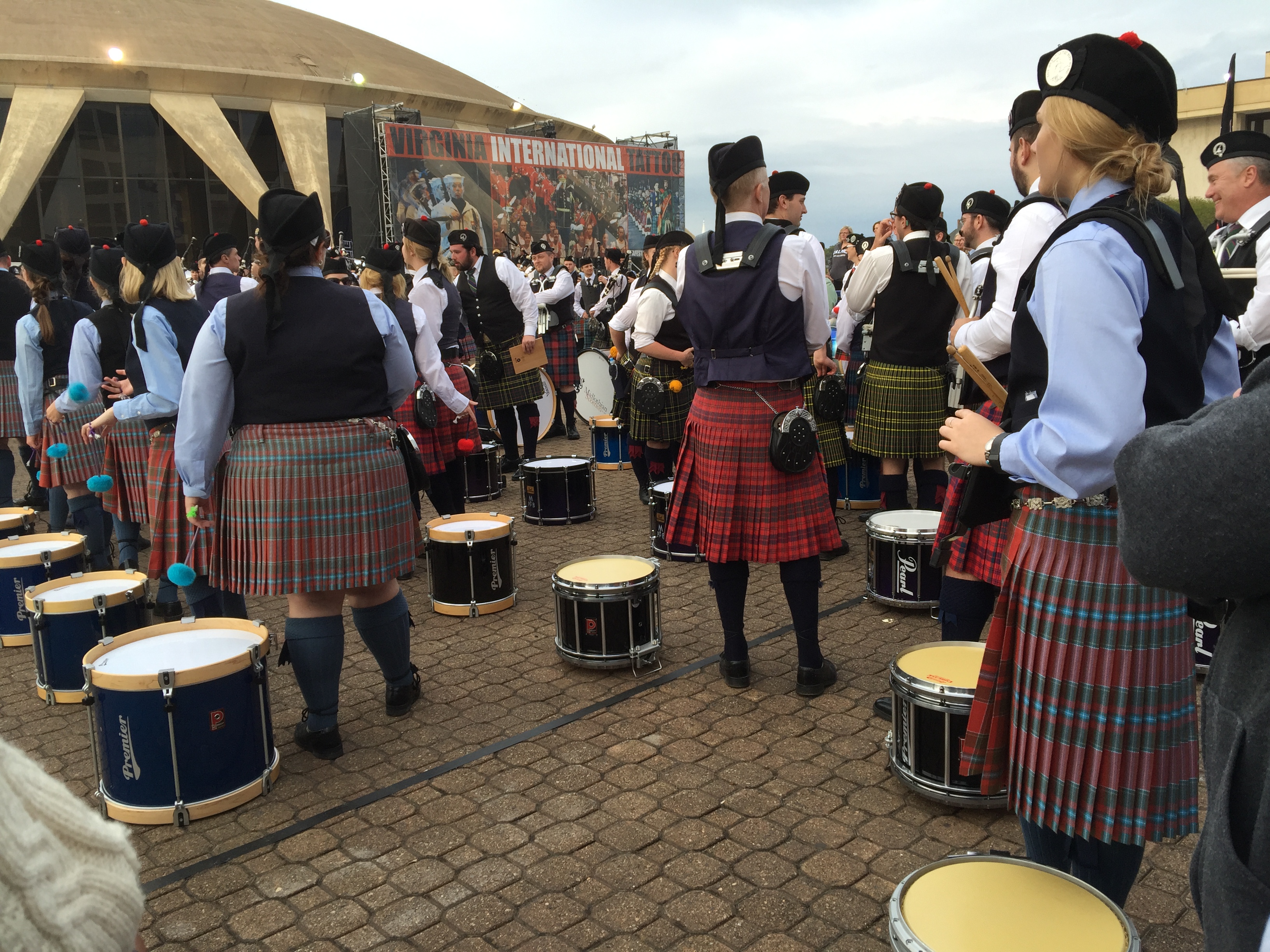
Saturday, 4/23/16 really was one of the best days I’ve had in a long time.
I’ll be writing a longer post about that later on my travel blog but here’s the original plan: https://maryoblog.com/2016/04/23/busy-saturday/
Suffice it to say, we arrived at the Tattoo and I got no nap at all, all day!

Filed under: Cushing's, symptoms | Tagged: Adrafinil, Broadway, church, conference, cortef, Cushing's Awareness Challenge 2016, endo, exhaustion, fatigue, Growth Hormone Deficiency, hGH, Interview, Kidney, MaryO, Modafinil, nap, panhypopituitary, Provigil, Rockford, sleep, Virginia International Tattoo, web design, weight, Wicked | Leave a comment »









 CushieBlog