Day 6, Cushing’s Awareness Challenge

In March of 1987, after the endo finally  confirmed that I had Cushing’s, I was sent to a local hospital where they repeated all those same tests for another week and decided that it was not my adrenal gland (Cushing’s Syndrome) creating the problem. The doctors and nurses had no idea what to do with me, so they put me on the brain cancer ward.

When I left this hospital after a week, we didn’t know any more than we had before.

As luck would have it, NIH (National Institutes of Health, Bethesda, Maryland) was doing a clinical trial of Cushing’s. I live in the same area as NIH so it was not too inconvenient but very scary at first to think of being tested there. At that time I only had a choice of NIH, Mayo Clinic and a place in Quebec to do this then-rare pituitary surgery called a Transsphenoidal Resection.

My husband asked my endo if it were his wife, if he would recommend this surgery.  The endo responded that he was divorcing his wife – he didn’t care what happened to her.  Oh, my!

I chose NIH – closest and free. After I was interviewed by the doctors there, I got a letter that I had been accepted into the clinical trial.

The night before I was admitted, I signed my will.  I was sure I was going to die there.  If not during testing, as a result of surgery.

The first time I was there was for 6 weeks as an inpatient. More of the same tests.

There were about 12 of us there and it was nice not to be alone with this mystery disease. Many of these Cushies (mostly women) were getting bald, couldn’t walk, having strokes, had diabetes. One was blind, one had a heart attack while I was there. Several were from Greece.

My first roommate was a nurse.  She spent the entire first night screaming in pain.  I was very glad when they moved me to a new room!

Towards the end of my testing period, I was looking forward to the surgery just to get this whole mess over with – either a cure or dying. While I was at NIH, I was gaining about a pound a day!

During the time I was home the weekend  before surgery, a college classmate of mine (I didn’t know her) DID die at NIH of a Cushing’s-related problem. I’m so glad I didn’t find out until reading the alumnae magazine a couple months later!  She was the same class, same major, same home-town, same disease…

We have a Scottish doctor named James Lind to thank for the clinical trial.  He  conducted the first ever clinical trial in 1747 and developed the theory that citrus fruits cured scurvy.  Lind  compared the effects of various different acidic substances, ranging from vinegar to cider, on groups of afflicted sailors, and found that the group who were given oranges and lemons had largely recovered from scurvy after 6 days.

I’d like to think that I advanced the knowledge of Cushing’s at least a little bit by being a guinea  pig in 1987-1989.

From the NIH: http://endocrine.niddk.nih.gov/pubs/cushings/cushings.aspx

Hope through Research

Several components of the National Institutes of Health (NIH) conduct and support research on Cushing’s syndrome and other disorders of the endocrine system, including the National Institute of Diabetes and Digestive and Kidney Diseases, the National Institute of Child Health and Human Development (NICHD), the National Institute of Neurological Disorders and Stroke, the National Cancer Institute, and the National Center for Research Resources.

NIH-supported scientists are conducting intensive research into the normal and abnormal function of the major endocrine glands and the many hormones of the endocrine system. Researchers continue to study the effects of excess cortisol, including its effect on brain structure and function. To refine the diagnostic process, studies are under way to assess the accuracy of existing screening tests and the effectiveness of new imaging techniques to evaluate patients with ectopic ACTH syndrome. Researchers are also investigating jugular vein sampling as a less invasive alternative to petrosal sinus sampling. Research into treatment options includes study of a new drug to treat the symptoms of Cushing’s syndrome caused by ectopic ACTH secretion.

Studies are under way to understand the causes of benign endocrine tumor formation, such as those that cause most cases of Cushing’s syndrome. In a few pituitary adenomas, specific gene defects have been identified and may provide important clues to understanding tumor formation. Endocrine factors may also play a role. Increasing evidence suggests that tumor formation is a multistep process. Understanding the basis of Cushing’s syndrome will yield new approaches to therapy.

The NIH supports research related to Cushing’s syndrome at medical centers throughout the United States. Scientists are also treating patients with Cushing’s syndrome at the NIH Clinical Center in Bethesda, MD. Physicians who are interested in referring an adult patient may contact Lynnette Nieman, M.D., at NICHD, 10 Center Drive, Room 1-3140, Bethesda, MD 20892-1109, or by phone at 301-496-8935. Physicians interested in referring a child or adolescent may contact Constantine Stratakis, M.D., D.Sc., at NICHD, 10 Center Drive, Room 1-3330, Bethesda, MD 20892-1103, or by phone at 301-402-1998.

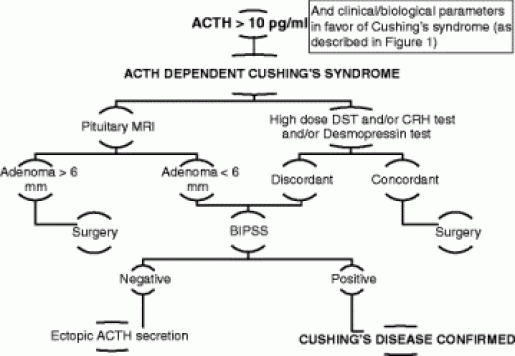
Day 6: Cushing’s Awareness Challenge

cushings-diagnosis.gif?resize=515%2C356

The above is the official Cushing’s path to a diagnosis but here’s how it seems to be in real life:

Egads!  I remember the naive, simple days when I thought I’d give them a tube or two of blood and they’d tell me I had Cushing’s for sure.

Who knew that diagnosing Cushing’s would be years of testing, weeks of collecting every drop of urine, countless blood tests, many CT and MRI scans…

Then going to NIH, repeating all the above over 6 weeks inpatient plus an IPSS test, an apheresis (this was experimental at NIH) and specialty blood tests…

The path to a Cushing’s diagnosis is a long and arduous one but you have to stick with it if you believe you have this Syndrome.

stick-with-it.jpeg?resize=575%2C87&ssl=1

maryo-blue.gif?resize=228%2C70&ssl=1

On Becoming Empowered

This is kind of a “cheat” post since it’s a compilation of other posts, web pages, message board posts and some original thoughts.  

For all of my early life, I was the good, compliant, patient.  I took whatever pills the doctor prescribed, did whatever tests h/she (most always a he) wrote for.  Believed that whatever he said was the absolute truth.  He had been to med school.  He knew what was wrong with me even though he didn’t live in my body 24/7 and experience what I did.

I know a lot of people are still like this.  Their doctor is like a god to them.  He can do no wrong – even if they don’t feel any better after treatment, even if they feel worse.  “But the doctor said…”

Anyway, I digress.

All this changed for me in 1983.

At first I noticed I’d stopped having my periods and, of course, I thought I was pregnant. I went to my Gynecologist who had no explanation. Lots of women lose their periods for a variety of reasons so no one thought that this was really significant.

Then I got really tired, overly tired. I would take my son to a half hour Choir rehearsal and could not stay awake for the whole time. I would lie down in the back of the van, set an alarm and sleep for the 30 minutes.

A whole raft of other symptoms started appearing – I grew a beard (Hirsuitism), gained weight even though I was on Weight Watchers and working out at the gym nearly every day, lost my period, everything hurt, got what is called a “moon face” and a “buffalo hump” on the back of my neck. I also got stretch marks. I was very depressed but it’s hard to say if that was because of the hormone imbalance or because I felt so bad and no one would listen to me.

I came across a little article in the Ladies Home Journal magazine which said “If you have these symptoms…ask your doctor about Cushing’s”. After that, I started reading everything I could on Cushing’s and asking my doctors. Due to all my reading at the library and medical books I bought, I was sure I had Cushing’s but no one would believe me. Doctors would say that Cushing’s Disease is too rare, that I was making this up and that I couldn’t have it.

I asked doctors for three years – PCP, gynecologist, neurologist, podiatrist – all said the now-famous refrain.  It’s too rare.  You couldn’t have Cushing’s.  I kept persisting in my reading, making copies of library texts even when I didn’t understand them, keeping notes.  I just knew that someone, somewhere would “discover” that I had Cushing’s.

My husband was on the doctors’ sides.  He was sure it was all in my mind (as opposed to all in my head!) and he told me to just think “happy thoughts” and it would all go away.

A Neurologist gave me Xanax. Since he couldn’t see my tumor with his Magnetic Resonance Imaging (MRI) machine there was “no possibility” that it existed. Boy was he wrong!

Later in 1986 I started bruising incredibly easily. I could touch my skin and get a bruise. On New Year’s Day of 1987 I started bleeding under the skin. My husband made circles around the outside perimeter each hour with a marker, like the rings of a tree. When I went to my Internist the next day he was shocked at the size. He now thought I had a blood disorder so he sent me to a Hematologist/Oncologist.

Fortunately, the Hematologist/Oncologist ran a twenty-four hour urine test and really looked at me. Both he and his partner recognized that I had Cushing’s. Of course, he was sure that he did the diagnosis.  No matter that I had been pursuing this with other doctors for 3 years.

It was not yet determined if it was Cushing’s Disease (Pituitary) or Syndrome (Adrenal). However, he couldn’t help me any further so the Hematologist referred me to an Endocrinologist.

The Endocrinologist, of course, didn’t trust the other tests I had had done so I was back to square one. He ran his own multitude of tests. He had to draw blood at certain times like 9 AM. and 5 PM. There was a dexamethasone suppression test where I took a pill at 10 p.m. and gave blood at 9 am the next day. I collected gallons of urine in BIG boxes (Fun in the fridge!). Those were from 6 a.m. to 6 a.m. to be delivered to his office by 9 a.m. same day. I was always worried that I’d be stopped in rush hour and the police would ask about what was in that big container. I think I did those for a week. He also did standard neurological tests and asked lots of questions.

When the endo confirmed that I had Cushing’s in 1987 he sent me to a local hospital where they repeated all those same tests for another week and decided that it was not my adrenal gland (Cushing’s Syndrome) creating the problem. The doctors and nurses had no idea what to do with me, so they put me on the brain cancer ward.

When I left this hospital after a week, we didn’t know any more than we had before.

As luck would have it, NIH (National Institutes of Health, Bethesda, Maryland) was doing a clinical trial of Cushing’s. I live in the same area as NIH so it was not too inconvenient but very scary at first to think of being tested there. At that time I only had a choice of NIH, Mayo Clinic and a place in Quebec to do this then-rare pituitary surgery called a Transsphenoidal Resection. I chose NIH – closest and free. After I was interviewed by the Doctors there, I got a letter that I had been accepted into the clinical trial. The first time I was there was for 6 weeks as an inpatient. More of the same tests.

There were about 12 of us there and it was nice not to be alone with this mystery disease. Many of these Cushies (mostly women) were getting bald, couldn’t walk, having strokes, had diabetes. One was blind, one had a heart attack while I was there. Towards the end of my testing period, I was looking forward to the surgery just to get this whole mess over with. While I was at NIH, I was gaining about a pound a day!

The MRI still showed nothing, so they did a Petrosal Sinus Sampling Test. That scared me more than the prospect of surgery. (This test carries the risk of stroke and uncontrollable bleeding from the incision points.) Catheters were fed from my groin area to my pituitary gland and dye was injected. I could watch the whole procedure on monitors. I could not move during this test or for several hours afterwards to prevent uncontrolable bleeding from a major artery. The test did show where the tumor probably was located. Also done were more sophisticated dexamethasone suppression tests where drugs were administered by IV and blood was drawn every hour (they put a heplock in my arm so they don’t have to keep sticking me). I got to go home for a weekend and then went back for the surgery – the Transsphenoidal Resection. I fully expected to die during surgery (and didn’t care if I did) so I signed my will and wrote last letters to those I wanted to say goodbye to. During the time I was home just before surgery, a college classmate of mine (I didn’t know her) did die at NIH of a Cushing’s-related problem. I’m so glad I didn’t find out until a couple months later!

November 3, 1987, the surgeon, Dr. Ed Oldfield, cut the gum above my front teeth under my upper lip so there is no scar. He used tiny tools and microscopes. My tumor was removed successfully. In some cases (not mine) the surgeon uses a plug of fat from the abdomen to help seal the cut. Afterwards, I was in intensive care overnight and went to a neurology ward for a few days until I could walk without being dizzy. I had some major headaches for a day or two but they gave me drugs (morphine) for those. Also, I had cotton plugs in my nostrils. It was a big day when they came out. I had diabetes insipidus (DI) for a little while, but that went away by itself – thank goodness!

I had to use a foam product called “Toothies” to brush my teeth without hitting the incision. Before they let me go home, I had to learn to give myself an injection in my thigh. They sent me home with a supply of injectible cortisone in case my level ever fell too low (it didn’t). I was weaned gradually off cortisone pills (scary). I now take no medications. I had to get a Medic Alert bracelet. I will always need to tell medical staff when I have any kind of procedure – the effects of my excess cortisone will remain forever.

I went back to the NIH for several follow-up visits of a week each where they did all the blood and urine testing again. After a few years NIH set me free. Now I go to my “outside” endocrinologist every year for the dexamethasone suppression test, 24-hour urine and regular blood testing.

As I get further away from my surgery, I have less and less chance that my tumor will grow back. I have never lost all the weight I gained and I still have the hair on my chin but most of my other symptoms are gone. I am still and always tired and need a nap most days. I do not, however, still need to take whole days off just to sleep.

I consider myself very lucky that I was treated before I got as bad as some of the others on my floor at NIH but think it is crazy that these symptoms are not taken seriously by doctors.

My story goes on and if you’re interested some is on this blog and some is here:

Forbes Magazine | MaryO’s bio | Cushing’s and Cancer Blog | Cushing’s Awareness Day Testimonial Archive |

Because of this experience in getting a Cushing’s diagnosis – and later, a prescription for growth hormone – I was concerned that there were probably other people not being diagnosed with Cushing’s. When I searched online for Cushing’s, all the sites that came up were for dogs and horses with Cushing’s.  Not what I was looking for!

In July of 2000, I was talking with my dear friend Alice, who ran a wonderful menopause site, Power Surge, wondering why there weren’t many support groups online (OR off!) for Cushing’s.  This thought percolated through my mind for a few hours and I realized that maybe this was my calling.  Maybe I should be the one to start a network of support for other “Cushies” to help them empower themselves.

I wanted to educate others about the awful disease that took doctors years of my life to diagnose and treat – even after I gave them the information to diagnose me.  I didn’t want anyone else to suffer for years like I did.  I wanted doctors to pay more attention to Cushing’s disease.

The first website (http://www.cushings-help.com) went “live” July 21, 2000.  It was just a single page of information. The message boards began September 30, 2000 with a simple message board which then led to a larger one, and a larger.  Today, in 2010, we have over 7 thousand members.  Some “rare disease”!

The message boards are stillactive and we have weekly online text chats, weekly live interviews, local meetings, conferences, email newsletters, a clothing exchange, a Cushing’s Awareness Day Forum, podcasts, phone support and much more. Because I wanted to spread the word to others not on “the boards” we have extended out to social networking sites – twitter groups, facebook groups, twines, friendfeeds, newsletters, websites, chat groups, multiply.com, and much, much more.

People are becoming more empowered and participating in their own diagnoses, testing and treatment.  This have changed a lot since 1983!

When I had my Cushing’s over 40 years ago (AARRGGHH!), I never thought that I would meet another Cushing’s patient in real life or online. Back then, I’d never even been aware that there was anything like an “online”. I’m so glad that people struggling with Cushing’s today don’t have to suffer anymore thinking that they’re the only one who deals with this.

Because of my work on the websites – and, believe me it is a ton of work! – I have had the honor of meeting over a hundred other Cushies personally at local meetings, conferences, at NIH (the National Institutes of Health in Bethesda, MD where I had my final diagnosis and surgery). It occurred to me once that this is probably more than most endocrinologists will ever see in their entire career. I’ve also talked to countless others on the phone. Amazing for a “rare” disease!

I don’t know what pushed me in 1983, how I got the confidence and self-empowerment to challenge these doctors and their non-diagnoses over the years.  I’m glad that I didn’t suffer any longer than I did and I’m glad that I have a role in helping others to find the medical help that they need.

What do *YOU* think?  How are you becoming empowered?

Medic Alert Bracelets

Since the last topic was about Adrenal Insufficiency, it seemed that a great next topic would be about Medic Alert Bracelets.

Many doctors insist that everyone who has had pituitary or adrenal surgery have a bracelet – and some will even tell patients what they should say on them.

While I was still a patient at the NIH (National Institutes of Health) after my pituitary surgery, I was given my first bracelet along with my kit in care of adrenal crisis.  I had to learn to give myself a shot before I could go home.

Now, my endo checks mine at every visit to be sure I’m wearing my bracelet and reads it to be sure it’s still legible and checks to see what the text says.

He feels that the bracelets – and he insists that they LOOK like medic alert bracelets, not disguised as jewelry – are life savers.

I’m not so sure – I read stories on the message boards that people have gone into AI (adrenal insufficiency and no one has ever looked at their bracelet.  That was certainly the case for young Sam.  Her mom had instructions everywhere, none were heeded and the situation rapidly turned disastrous.

…We have dealt with Addison’s for 7 years; but I have handled everything. Apparently the vials of solu-cortef with step-by-step instructions hanging on the bulletin board in the kitchen, medicine cabinet and in every vehicle somehow missed his attention…  (read the whole story at survive the journey: Stars Go Blue)

A Paramedic wrote on the message boards:

I’d like to add a couple things from the perspective of a Paramedic…

A lot of us are not taught about adrenal insufficiency during our education….nor do many of us (if any at all) have a protocol to administer Injectable for AI unless we are able to contact the ER doctor for permission. So…if any of you should have an AI crisis please gently nudge your paramedic to contact the receiving physician for permission to administer the medication. I know this sounds like a lot of responsibility on the part of the patient…but you have to realize that we’re taught to recognize the most common life threats and endocrine disorders (other than diabetes) most usually do not present with life threats (we all know that as cushing’s is more recognized that this will change)…and our protocols cover the most common life threats….so while we may recognize that you are hypotensive and need fluids (IV) and are sweaty, nauseated, decreased level of responsiveness etc…we are not equipped to deal with the actual cause unless you help educate us….

Also…please don’t get angry with us….if we are having problems understanding…just gently insist that a call be made to your doctor or the receiving ED (usually not feasible for us to call your doctor since they do not come to the phone for just anybody but if you have access to them, as many cushies do, it would be great to talk to them)…

Paramedicine is evolving….someday soon, hopefully, our education will include more diagnostic skills…untill just in the past 5 years or so we were NEVER to make a diagnosis at all…just treat the symptoms!!!! So there is hope out there for futher understanding of such a critical problem for those without adrenal (or asleep adrenals) glands….

The medical alert jewerly is a life-saver and we do look for it….

So, the questions for discussion are:

  • Do you have a medical alert bracelet
  • Does your doctor check on it or suggest proper wording.
  • If you have one, has any medical staff read it during a crisis
  • And… what does yours say?

Three Cases of Ectopic, Cyclic Cushing Syndrome: A New Square Wave Variant

Abstract

Cyclic Cushing syndrome (CCS) is characterized by unpredictable, intermittent phases of excess cortisol, alternating with periods of normal or subnormal adrenocorticotropic hormone (ACTH) and cortisol levels. The mechanism is unclear. Due to its rarity and diverse clinical presentation, unpredictable phases, and various etiologies, CCS poses significant diagnostic and management challenges for endocrinologists. The authors describe 3 cases in which each patient’s initial presentation was a life-threatening hypercortisolemic phase that lasted from 4 days to 3 months, followed by spontaneous resolution to prolonged eucortisolemic phases lasting from 10 to 26 months. Further testing indicated an ectopic ACTH-secreting source; however, the locations of the offending tumors were indeterminate. The authors propose the term square wave CCS variant to characterize the unique, prolonged intercyclic phases of hypercortisolemia and eucortisolemia with this subtype that are distinct from conventional CCS characterized by shorter phases of transient hypercortisolemia shifting to periods of eucortisolemia or hypocortisolemia. This uncharacteristic pattern of cyclicity poses diagnostic and therapeutic challenges, thus underscoring the importance of careful diagnostic workup and treatment of these patients.

Keywords: ectopic, cyclic, Cushing syndrome, eucortisolemia, hypercortisolemia

Introduction

Cyclic Cushing syndrome (CCS) is a rare variant of Cushing syndrome (CS) characterized by intermittent episodes of cortisol peaks alternating with variable periods of normal or subnormal adrenocorticotropic hormone (ACTH) and cortisol levels (troughs) []. These cycles can occur at regular or irregular intervals [], with unpredictable intercyclic phases typically lasting from days to months []. The prevalence of CCS in patients with CS is low, ranging from 8% to 19% []. Several alternative terms (eg, intermittent, variable, periodic, and episodic hypercortisolism) have been proposed to characterize the variable cyclicity of ACTH and cortisol secretion in patients with CCS [].

We describe 3 cases of suspected ectopic ACTH-dependent CS with an indeterminate ACTH source that presented with life-threatening hypercortisolemia lasting from 4 days to 3 months, followed by spontaneous eucortisolemic phases lasting from 10 to 26 months. The term square wave is proposed to describe this unique cyclic pattern to highlight the unpredictability of severe hypercortisolemia followed by spontaneous prolonged eucortisolemic phases, which is distinct from previously described transient regular or irregular cycles with shorter intercyclic phases of CCS that require medical intervention.

Case Presentation

Case 1

A 75-year-old man with atrial fibrillation, bilateral leg edema, 6-month weight loss of 7 pounds (3.2 kg), and generalized muscle weakness was referred for cardiac ablation therapy. However, just before he underwent the procedure, he was found to be profoundly hypokalemic with potassium of 2.9 mEq/L (SI: 2.9 mmol/L) (reference range, 3.6-5.3 mEq/L [SI: 3.6-5.3 mmol/L]) and hyperglycemic, with blood glucose of 498 mg/dL (SI: 27.8 mmol/L) (reference range, 70-99 mg/dL [SI: 3.9-5.5 mmol/L]) and glycated hemoglobin (HbA1c) of 7.4%. He was emergently treated with potassium supplementation and insulin therapy.

Case 2

A 61-year-old woman presented to the emergency department with palpitations, uncontrolled hypertension, weight loss of 20 pounds (9.1 kg) over 2 weeks, new signs of hyperandrogenism (eg, hirsutism, acne, muscle atrophy), lower back pains, easy bruising, and proximal muscle weakness.

Case 3

A 57-year-old woman presented to the emergency department in August 2021 with a 2-month history of facial swelling and generalized muscle weakness. She had reported a similar episode in April 2019 with hypokalemia (potassium, 2.5 mEq/L [SI: 2.5 mmol/L]) that was treated with potassium repletion therapy.

Diagnostic Assessment

Case 1

Further laboratory tests revealed elevated morning (Am) cortisol of 76.8 µg/dL (SI: 2119 nmol/L) (reference range, 5-25 µg/dL [SI: 138-690 nmol/L]), Am ACTH of 368 pg/mL (SI: 81 pmol/L) (reference range, 6-50 pg/mL [SI: 1.3-11.0 pmol/L]), and 24-hour urine free cortisol (UFC) of 4223 µg/24 hours (SI: 11 656 nmol/24 hours) (reference range, 1.5-18.1 µg/24 hours [SI: 4-50 nmol/24 hours]) (Table 1). Magnetic resonance imaging (MRI) of the pituitary (Fig. 1) and 68Ga-DOTATATE positron emission tomography (PET) (Table 2) of the chest, pelvis, and abdomen failed to identify the source of ACTH secretion. Inferior petrosal sinus sampling (IPSS) showed no significant ACTH gradient, supporting the likelihood of an ectopic ACTH-secreting source (Table 3).

Table 1.

Summary of biochemical testing data for the 3 patients with a square wave pattern of cyclic Cushing syndrome

Test, reference range Patient 1 (male, 75 years) Patient 2 (female, 61 years) Patient 3 (female, 57 years)
IP EP IP EP IP EP
AM cortisol 5-23 µg/dL (138-690 nmol/L) 76.8 µg/dL (2119 nmol/L) 14.2 µg/dL (392 nmol/L) 38.4 µg/dL (1060 nmol/L) 17.9 µg/dL (494 nmol/L) 56.8 µg/dL (1568 nmol/L) 14.4 µg/dL (397 nmol/L)
AM ACTH 6-50 pg/mL (1.3-11.0 pmol/L) 368 pg/mL (81 pmol/L) 38.1 pg/mL (8.4 pmol/L) 118 pg/mL (26 pmol/L] 16.5 pg/mL (3.6 pmol/L) 159 pg/mL (35 pmol/L] 39 pg/mL (8.6 pmol/L)
PM cortisol 2.9-17.3 µg/dL (80-477 nmol/L) 57.8 µg/dL (1594 nmol/L) <0.05 µg/dL (<1.4 nmol/L)
24-h UFC 1.5-18.1 µg/24 hours (4-50 nmol/24 hours) 4223 µg/24 hours (11 656 nmol/24 hours) 10.5 µg/24 hours (29 nmol/24 hours) 52.9 µg/24 hours (146 nmol/24 hours) 13 µg/24 hours (36 nmol/24 hours) 670.5 µg/24 hours (1851 nmol/24 hours) 23 µg/24 hours (63 nmol/24 hours)
Post 1-mg DST cortisol <1.8 ng/dL (<50 nmol/L) 74.6 ng/dL (2059 nmol/L) 26.9 ng/dL (743 nmol/L) 1.4 ng/dL (<50 nmol/L) 16.7 ng/dL (461 nmol/L)
Salivary cortisol < 0.09 µg/dL (<2.5 nmol/L) 0.08 µg/dL (2.2 nmol/L) 0.04 µg/dL (1.1 nmol/L)
S-DHEA 7-162 µg/dL (0.19-4.37 µmol/L) 63 µg/dL
Chromogranin A <311 ng/mL* (<311 µg/L) 725 ng/mL (30.6 nmol/L)
Lipase 8-78 U/L 40.0 U/L (40.0 U/L)
Hemoglobin A1c <5.7% 8.9% 5.9% 9.2% 5.9%

International System of Units are included within parentheses.

Dash (–) indicates that no data are available.

* Method dependent.

Abbreviations: ACTH, adrenocorticotropic hormone; AM, morning; DST, dexamethasone suppression test; EP, eucortisolemic phase; IP, initial presentation; PM, afternoon; S-DHEA, serum dehydroepiandrosterone; UFC, urine free cortisol.

Figure 1.

Figure 1.

Case 1. (A) Sagittal and (B) coronal magnetic resonance images demonstrating normal appearance of the pituitary gland. From Barrow Neurological Institute, Phoenix, Arizona.

Table 2.

Imaging workup summary

Case Imaging modalities Interpretation
Case 1 Pituitary MRI, CT chest/abdomen/pelvis, pelvic USG, 68Ga-DOTATATE PET/CT No ectopic ACTH-secreting source identified
Case 2 Pituitary MRI, CT chest/abdomen/pelvis, 68Ga-DOTATATE PET/CT No ectopic ACTH-secreting source identified
Case 3 Pituitary MRI, CT chest/abdomen/pelvis, pelvic USG, 68Ga-DOTATATE PET/CT No ectopic ACTH-secreting source identified

Abbreviations: ACTH, adrenocorticotropic hormone; CT, computed tomography; MRI, magnetic resonance imaging; PET, positron emission tomography; USG, ultrasound.

Table 3.

ACTH levels from inferior petrosal sinus sampling

Variable −5 Minutes 0 Minutes +2 Minutes +5 Minutes +10 Minutes
CASE 1
Right IPS 239 pg/mL (52.6 pmol/L) 221 pg/mL (48.6 pmol/L) 218 pg/mL (48.0 pmol/L) 239 pg/mL (52.6 pmol/L) 217 pg/mL (47.8 pmol/L)
Left IPS 226 pg/mL (49.8 pmol/L) 221 pg/mL (48.6 pmol/L) 216 pg/mL (47.6 pmol/L) 251 pg/mL (55.3 pmol/L) 213 pg/mL (46.9 pmol/L)
Peripheral 225 pg/mL (49.5 pmol/L) 219 pg/mL (48.2 pmol/L) 210 pg/mL (46.2 pmol/L) 217 pg/mL (47.8 pmol/L) 237 pg/mL (52.2 pmol/L)
Right IPS: peripheral ratio 1.06 1.00 1.03 1.10 .92
Left IPS: peripheral ratio 1.00 1.00 1.02 1.15 .89
CASE 2
Right IPS 59 pg/mL (13.0 pmol/L) 79 pg/mL (17.4 pmol/L) 203 pg/mL (44.7 pmol/L) 296 pg/mL (65.2 pmol/L) 374 pg/mL (82.3 pmol/L)
Left IPS 61 pg/mL (13.4 pmol/L) 77 pg/mL (17.0 pmol/L) 196 pg/mL (43.2 pmol/L) 313 pg/mL (68.9 pmol/L) 341 pg/mL (75.1 pmol/L)
Peripheral 62 pg/mL (13.7 pmol/L) 64 pg/mL (14.1 pmol/L) 146 pg/mL (32.2 pmol/L) 235 pg/mL (51.8 pmol/L) 368 pg/mL (81.0 pmol/L)
Right IPS: peripheral ratio .95 1.23 1.39 1.26 1.02
Left IPS: peripheral ratio .98 1.20 1.34 1.33 .93
CASE 3
Right IPS 119 pg/mL (26.1 pmol/L) 121 pg/mL (26.6 pmol/L) 380 pg/mL (83.8 pmol/L) 581 pg/mL (128.0 pmol/L) 232 pg/mL (51.2 pmol/L)
Left IPS 124 pg/mL (27.4 pmol/L) 133 pg/mL (29.3 pmol/L) 358 pg/mL (78.9 pmol/L) 568 pg/mL (125.0 pmol/L) 262 pg/mL (57.7 pmol/L)
Peripheral 113 pg/mL (24.9 pmol/L) 111 pg/mL (24.4 pmol/L) 322 pg/mL (70.9 pmol/L) 527 pg/mL (116.0 pmol/L) 178 pg/mL (39.1 pmol/L)
Right IPS: peripheral ratio 1.04 1.09 1.18 1.10 1.31
Left IPS: peripheral ratio 1.10 1.20 1.13 1.08 1.48

International System of Units are included within parentheses.

Baseline IPS: P > 2.0; Suggests pituitary (Cushing’s disease).

Post-stim IPS: P > 3.0; Confirms pituitary ACTH source.

Abbreviations: ACTH, adrenocorticotropic hormone; IPS, inferior petrosal sinus.

Case 2

Laboratory tests revealed elevated Am cortisol of 38.4 µg/dL (SI: 1060 nmol/L) and Am ACTH of 118 pg/mL (SI: 26 pmol/L), hypokalemia (potassium, 2.9 mEq/L [SI: 2.9 mmol/L]) and new-onset type 2 diabetes mellitus with a random blood glucose of 489 mg/dL (SI: 27.2 mmol/L) and HbA1c of 9.2% (reference range, < 5.7%) (Table 1). Lumbar spine radiography and spine MRI demonstrated compression fractures of L1 to L4 vertebrae, and pituitary MRI showed a 2-mm hypo-enhancing foci within the midline and to the right of the pituitary gland (Fig. 2).

Figure 2.

Figure 2.

Case 2. (A) Sagittal and (B) coronal magnetic resonance images of the pituitary gland show 2-mm hypo-enhancing foci (arrows) within the midline and to the right side of the pituitary gland. From Barrow Neurological Institute, Phoenix, Arizona.

Case 3

During the present hospital admission, the patient was hypokalemic (potassium, 2.7 mEq/L [SI: 2.7 mmol/L]) and hypercortisolemic with Am cortisol and Am ACTH levels of 56.8 µg/dL (SI: 1568 nmol/L) and 159 pg/mL (SI: 35 pmol/L), respectively. After 4 days of hospitalization, the patient spontaneously became eucortisolemic with an Am cortisol of 16.8 µg/dL (SI: 464 nmol/L), 24-hour UFC of 670.5 µg/24 hours (SI: 1851 nmol), and late-night salivary cortisol of 0.03 µg/dL (SI: 0.828 nmol/L) with symptom improvement (Table 1). Pituitary MRI revealed a flattened, normal-appearing pituitary gland (Fig. 3).

Figure 3.

Figure 3.

Case 3. (A) Sagittal and (B) coronal magnetic resonance images of the pituitary gland showing a flattened pituitary gland. No discrete, sizable, differentially enhancing mass is detected within the sella. From Barrow Neurological Institute, Phoenix, Arizona.

Treatment

Case 1

Because of the patient’s worsening clinical condition and severe hypercortisolemia with no identifiable ACTH source, ketoconazole was considered to induce eucortisolemia. While electrocardiography and liver function tests were being measured before starting ketoconazole, the patient’s Am cortisol levels spontaneously normalized to 14.2 µg/dL (SI: 392 nmol/L) with symptomatic improvement.

Case 2

The patient began insulin, spironolactone, and levothyroxine therapy. After 2 days in the hospital, her Am cortisol decreased to 17.9 µg/dL (SI: 494 nmol/L) and remained within the range of 9.4 to 17.9 µg/dL (SI: 259-494 nmol/L). An IPSS performed 3 weeks later showed no significant ACTH gradient, supporting the likelihood of an ectopic ACTH-secreting source. By month 3, her Am cortisol levels consistently remained below 15 µg/dL (SI: 414 nmol/L). Blood pressure was controlled with one antihypertensive agent, and insulin was discontinued due to frequent hypoglycemic episodes.

Case 3

The patient was readmitted 18 months later with worsening muscle weakness, uncontrolled hypertension, hypokalemia (potassium, 2.4 mEq/L [SI: 2.4 mmol/L]), and hypercortisolemia with elevated Am cortisol and Am ACTH levels. 68Ga-DOTATATE PET did not reveal an ectopic ACTH source (Table 2), and IPSS did not reveal any significant ACTH gradient (Table 3). However, computed tomography (CT) of the chest, abdomen, and pelvis revealed a 0.7-cm lung nodule. During this hospitalization, the patient received supportive treatment, including antihypertensive therapy and electrolyte replacement. No pharmacologic intervention was required to control her cortisol levels.

Outcome and Follow-Up

Case 1

Late-night salivary cortisol levels measured were within the normal range (0.08 µg/dL, 0.06 µg/dL, and 0.08 µg/dL [SI: 2.2 nmol/L, 1.7 nmol/L, and 2.2 nmol/L]; reference range, < 0.09 µg/dL [SI: < 2.5 nmol/L]). Because of these biochemical and symptomatic improvements, ketoconazole therapy was deferred. At the most recent outpatient clinic follow-up 26 months after his cortisol levels normalized, the patient remained in remission without recurrence of hypercortisolemic symptoms.

Case 2

The patient remained in biochemical and clinical remission for 15 months until she began experiencing abdominal distention, bilateral leg edema, and facial swelling again. Blood pressure increased at this time, requiring 3 antihypertensive medications. Her Am cortisol levels rose to 29.1 µg/dL (SI: 803 nmol/L), but repeat IPSS showed no ACTH gradient, and 68Ga-DOTATATE PET/CT of the chest, abdomen, and pelvis was unremarkable (Tables 2 and 3). Block-and-replace therapy of osilodrostat and hydrocortisone was initiated to preemptively prevent hypercortisolemic episodes; after 3 months of therapy, she underwent successful bilateral adrenalectomy (BLA).

Case 3

On day 5 of hospitalization, her Am cortisol level decreased to 14.4 µg/dL (SI: 397 nmol/L) (reference range, 5-25 µg/dL [SI: 138-690 nmol/L]). Her symptoms improved, and she remained well for 11 months before recurrence of muscle weakness, hypokalemia, and hypercortisolemia with an Am cortisol of 58.7 µg/dL (SI: 1620 nmol/L) and Am ACTH of 194 pg/mL (SI: 43 pmol/L). The patient became eucortisolemic without any medical intervention and declined further treatment. She continues with regular outpatient follow-up.

Discussion

Diagnosing CCS poses considerable challenges because of its heterogeneous clinical manifestations, erratic intercyclic duration, frequency of phases, and various etiologies. Patients may experience transient or continuous symptoms with variable degrees of severity []. Our patients presented with severe hypercortisolemia lasting from days to months, followed by an extended period of spontaneous eucortisolemia, lasting from months to years. This unique presentation of cortisol kinetics differs from the classic presentation of CCS, which typically features shorter intercyclic phases [].

We coined the term square wave variant of CCS to characterize this unique feature of prolonged cyclicity of hypercortisolemia shifting spontaneously to eucortisolemia without medical intervention. The term square wave was chosen because the cortisol secretion pattern in these cases resembles a square waveform, with abrupt transitions between prolonged periods of high and low cortisol levels rather than the gradual fluctuations or short irregular peaks seen in typical CCS. This visual and kinetic analogy helps distinguish the pattern observed in our patients from the more classically described forms of CCS.

The absence of a standardized definition of CCS complicates the classification of cases such as ours, which diverge from conventional descriptions in the medical literature []. Most cases of CCS are associated with pituitary tumors (67%), whereas ectopic ACTH-secreting tumors (17%) and adrenal tumors (11%) are less common []. Our patients had evidence of ectopic CS, of which the ACTH-secreting source was unidentifiable despite extensive imaging. The variability of symptom duration, severity, and timing in our patients implies distinct mechanisms for suppressing or desensitizing adrenal cortisol synthesis during the extended symptom-free periods. Other mechanisms include enhanced effects of specific neurotransmitters, hypothalamic dysregulation, spontaneous tumor hemorrhage, cyclic growth and apoptosis of ACTH-secreting tumor cells, and positive and negative feedback mechanisms []. Another explanation for the prolonged eucortisolemic phase may be due to altered POMC gene expression and defective ACTH secretion from the ectopic tumor []. Over time, the tumor may dedifferentiate or develop a transcriptional or posttranscriptional defect, leading to the secretion of ACTH with a decreased ability to stimulate adrenal cortisol secretion []. Conversely, CCS might also be an exaggerated physiological cyclical variation of ACTH and cortisol secretion []. However, the prolonged eucortisolemic phase observed in our patients argues against this exaggeration theory.

Recent studies have suggested that the anomalous cyclicity of cortisol and ACTH may be influenced by dysregulation of the peripheral clock system in endocrine tumors []. Certain tumors may exhibit aberrant expression of circadian regulators such as CLOCK, PER1, PER2, PER3, and TIMELESS, which can disrupt the physiological rhythmicity of cortisol and ACTH secretion []. For instance, cortisol-secreting adrenal adenomas demonstrate downregulation of PER1, CRY1, and Rev-ERB, whereas adrenocortical carcinomas upregulate CRY1 and PER1 and downregulate BMAL1 and RORα. In patients with CS, clock gene expression in peripheral blood mononuclear cells has been shown to be significantly flattened, contributing to the loss of circadian variation in cortisol levels [].

Surgery is the preferred treatment option for CCS patients, provided the tumor is localizable []. Medical therapy is used when the tumor is undetectable, unresectable, or recurs. Medical therapy can overtreat and induce iatrogenic adrenal insufficiency during the eucortisolemic phases. This risk can be mitigated by the block-and-replace strategy of high-dose steroidogenesis inhibitors to suppress adrenal cortisol production and supplemented with exogenous glucocorticoids []. In patients for whom the ectopic tumor is unidentifiable, the initial tumor resection is ineffective, or if medical management does not adequately control hypercortisolemia, BLA may be considered [].

Although treatment of CCS resembles that of CS, the heterogeneity in the severity and duration of symptoms prohibits the implementation of some conventional treatment strategies. Consequently, long-term medical therapy may not align with the patient’s preferences, especially those whose course of illness is characterized by prolonged eucortisolemia and milder symptoms. Such patients should be educated to monitor symptoms closely during the eucortisolemic phase to recognize the signs and symptoms of hypercortisolism using objective parameters such as self-assessment of weight, blood pressure, and capillary blood glucose. Periodic biochemical monitoring may also be helpful, including standby kits for self-testing of late-night salivary cortisol and 24-hour UFC. If the source of ectopic ACTH secretion continues to elude detection, BLA during the eucortisolemic phase may be considered to prevent future life-threatening hypercortisolemic episodes.

Learning Points

  • Unlike typical CCS, there may be a subset of patients with a distinct square wave variant of CCS marked by severe hypercortisolemia followed by prolonged periods of eucortisolemia.
  • Ectopic ACTH-secreting sources in CCS may be linked to unusually long symptom-free intervals of eucortisolemia and hypocortisolemia between episodes of hypercortisolemia.
  • If possible, CCS management should be individualized to address its cause, with vigilant monitoring during the eucortisolemic phase to detect potential recurrence early.
  • If the source of the ectopic ACTH-secreting tumor is not identifiable, BLA may be considered during the eucortisolemic phase to prevent future life-threatening hypercortisolemic episodes.

Acknowledgments

We thank the staff of Neuroscience Publications at Barrow Neurological Institute for assistance with manuscript preparation.

Abbreviations

ACTH
adrenocorticotropic hormone
BLA
bilateral adrenalectomy
CCS
cyclic Cushing syndrome
CS
Cushing syndrome
CT
computed tomography
HbA1c
glycated hemoglobin
IPSS
inferior petrosal sinus sampling
MRI
magnetic resonance imaging
PET
positron emission tomography
UFC
urine free cortisol

Contributor Information

Mercedes Martinez-Gil, Department of Internal Medicine, Creighton University School of Medicine, Phoenix, AZ 85012, USA.

Tshibambe N Tshimbombu, Department of Neurology, Barrow Neurological Institute, St. Joseph’s Hospital and Medical Center, Phoenix, AZ 85013, USA.

Yvette Li Yi Ang, Division of Endocrinology, Department of Medicine, National University Hospital, Singapore 119228, Singapore.

Monica C Rodriguez, Barrow Pituitary Center, Barrow Neurological Institute, University of Arizona College of Medicine and Creighton University School of Medicine, Phoenix, AZ 85012, USA.

Kevin C J Yuen, Barrow Pituitary Center, Barrow Neurological Institute, University of Arizona College of Medicine and Creighton University School of Medicine, Phoenix, AZ 85012, USA.

Contributors

All authors contributed substantially to the manuscript. K.C.J.Y. supervised the project, provided content review, and edited the text. M.M.-G. and T.N.T. contributed equally to the preparation, writing, and submission of the manuscript. M.C.R. was responsible for the clinical management of one of the cases. Y.L.Y.A. contributed to the diagnosis, management, and writing of one of the cases. All authors reviewed and approved the final version of the manuscript.

Funding

All authors declare that they have no known competing financial interests or personal relationships that could appear to influence the work reported in this manuscript.

Disclosures

The authors have no personal, financial, or institutional interest in any of the drugs, materials, or devices described in this manuscript.

Informed Patient Consent for Publication

Signed informed consents were obtained directly from the patients.

Data Availability Statement

Data sharing is not applicable to this article as no datasets were generated or analyzed during the current study.

References

  • 1. Swiatkowska-Stodulska  R, Berlinska  A, Stefanska  K, Klosowski  P, Sworczak  K. Cyclic Cushing’s syndrome—a diagnostic challenge. Front Endocrinol (Lausanne). 2021;12:658429. [DOI] [PMC free article] [PubMed] [Google Scholar]
  • 2. Shapiro  MS, Shenkman  L. Variable hormonogenesis in Cushing’s syndrome. Q J Med. 1991;79(288):351‐363. [PubMed] [Google Scholar]
  • 3. Alexandraki  KI, Kaltsas  GA, Isidori  AM, et al.  The prevalence and characteristic features of cyclicity and variability in Cushing’s disease. Eur J Endocrinol. 2009;160(6):1011‐1018. [DOI] [PubMed] [Google Scholar]
  • 4. Meinardi  JR, Wolffenbuttel  BH, Dullaart  RP. Cyclic Cushing’s syndrome: a clinical challenge. Eur J Endocrinol. 2007;157(3):245‐254. [DOI] [PubMed] [Google Scholar]
  • 5. McCance  DR, Gordon  DS, Fannin  TF, et al.  Assessment of endocrine function after transsphenoidal surgery for Cushing’s disease. Clin Endocrinol (Oxf). 1993;38(1):79‐86. [DOI] [PubMed] [Google Scholar]
  • 6. Jahandideh  D, Swearingen  B, Nachtigall  LB, Klibanski  A, Biller  BMK, Tritos  NA. Characterization of cyclic Cushing’s disease using late night salivary cortisol testing. Clin Endocrinol (Oxf). 2018;89(3):336‐345. [DOI] [PubMed] [Google Scholar]
  • 7. Nowak  E, Vogel  F, Albani  A, et al.  Diagnostic challenges in cyclic Cushing’s syndrome: a systematic review. Lancet Diabetes Endocrinol. 2023;11(8):593‐606. [DOI] [PubMed] [Google Scholar]
  • 8. Brown  RD, Van Loon  GR, Orth  DN, Liddle  GW. Cushing’s disease with periodic hormonogenesis: one explanation for paradoxical response to dexamethasone. J Clin Endocrinol Metab. 1973;36(3):445‐451. [DOI] [PubMed] [Google Scholar]
  • 9. Sederberg-Olsen  P, Binder  C, Kehlet  H, Neville  AM, Nielsen  LM. Episodic variation in plasma corticosteroids in subjects with Cushing’s syndrome of differing etiology. J Clin Endocrinol Metab. 1973;36(5):906‐910. [DOI] [PubMed] [Google Scholar]
  • 10. Cai  Y, Ren  L, Tan  S, et al.  Mechanism, diagnosis, and treatment of cyclic Cushing’s syndrome: a review. Biomed Pharmacother. 2022;153:113301. [DOI] [PubMed] [Google Scholar]
  • 11. Coates  PJ, Doniach  I, Howlett  TA, Rees  LH, Besser  GM. Immunocytochemical study of 18 tumours causing ectopic Cushing’s syndrome. J Clin Pathol. 1986;39(9):955‐960. [DOI] [PMC free article] [PubMed] [Google Scholar]
  • 12. de Keyzer  Y, Bertagna  X, Lenne  F, Girard  F, Luton  JP, Kahn  A. Altered proopiomelanocortin gene expression in adrenocorticotropin-producing nonpituitary tumors. Comparative studies with corticotropic adenomas and normal pituitaries. J Clin Invest. 1985;76(5):1892‐1898. [DOI] [PMC free article] [PubMed] [Google Scholar]
  • 13. Oliver  RL, Davis  JR, White  A. Characterisation of ACTH related peptides in ectopic Cushing’s syndrome. Pituitary. 2003;6(3):119‐126. [DOI] [PubMed] [Google Scholar]
  • 14. Atkinson  AB, Chestnutt  A, Crothers  E, et al.  Cyclical Cushing’s disease: two distinct rhythms in a patient with a basophil adenoma. J Clin Endocrinol Metab. 1985;60(2):328‐332. [DOI] [PubMed] [Google Scholar]
  • 15. Atkinson  AB, Kennedy  AL, Carson  DJ, Hadden  DR, Weaver  JA, Sheridan  B. Five cases of cyclical Cushing’s syndrome. Br Med J (Clin Res Ed). 1985;291(6507):1453‐1457. [DOI] [PMC free article] [PubMed] [Google Scholar]
  • 16. Angelousi  A, Nasiri-Ansari  N, Karapanagioti  A, et al.  Expression of clock-related genes in benign and malignant adrenal tumors. Endocrine. 2020;68(3):650‐659. [DOI] [PubMed] [Google Scholar]
  • 17. Hasenmajer  V, Sbardella  E, Sciarra  F, et al.  Circadian clock disruption impairs immune oscillation in chronic endogenous hypercortisolism: a multi-level analysis from a multicentre clinical trial. EBioMedicine. 2024;110:105462. [DOI] [PMC free article] [PubMed] [Google Scholar]
  • 18. Nieman  LK, Biller  BM, Findling  JW, et al.  Treatment of Cushing’s syndrome: an endocrine society clinical practice guideline. J Clin Endocrinol Metab. 2015;100(8):2807‐2831. [DOI] [PMC free article] [PubMed] [Google Scholar]
  • 19. Bertherat  J. Cushing’s disease: role of bilateral adrenalectomy. Pituitary. 2022;25(5):743‐745. [DOI] [PubMed] [Google Scholar]

Associated Data

This section collects any data citations, data availability statements, or supplementary materials included in this article.

Data Availability Statement

Data sharing is not applicable to this article as no datasets were generated or analyzed during the current study.

https://pmc.ncbi.nlm.nih.gov/articles/PMC12559019/