Helping others learn more about Cushing’s/Acromegaly

I found this article especially interesting.  This question was asked of a group of endos at an NIH conference a few years ago – if you saw someone on the street who looked like they had symptoms of fill-in-the disease, would you suggest that they see a doctor.  The general answer was no.  No surprise there.

Patients, if you see someone who looks like s/he has Cushing’s, give them a discrete card.

Spread The Word! Cushing’s Pocket Reference

Robin Writes:

This has been a concern of mine for some time. Your post spurred me on to do something I’ve been meaning to do. I’ve designed something you can print that will fit on the business cards you can buy just about anywhere (Wal-mart included). You can also print on stiff paper and cut with a paper cutter or scissors. I’ve done a front and a back.
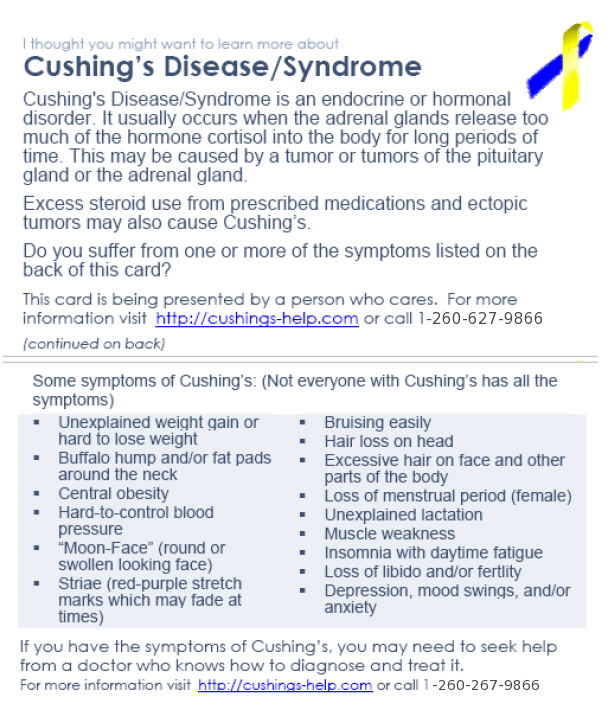
Cushing's Pocket Reference

Here are the links:

Front: This card is being presented by a person who cares.
Back (The same for everyone)

This Topic on the Message Boards

~~~~~~~~~~~~~~~~~~

And now, the article from http://www.guardian.co.uk/lifeandstyle/2009/nov/03/doctor-diagnosis-stranger:

Are doctors ever really off duty?

Which potentially serious symptoms would prompt them to stop and advise a stranger on a bus?

By Lucy Atkins

Bus

Passengers on a London bus. Photograph: David Levene

A Spanish woman of 55, Montse Ventura, recently met the woman she refers to as her “guardian angel” on a bus in Barcelona. The stranger – an endocrinologist – urged Ventura to have tests for acromegaly, a rare disorder involving an excesss of growth hormone, caused by a pituitary gland tumour. How had the doctor made this unsolicited diagnosis on public transport? Apparently the unusual, spade-like shape of Ventura’s hands was a dead giveaway.

But how many off-duty doctors would feel compelled to alert strangers to symptoms they spot? “If I was sitting next to someone on a bus with a melanoma, I’d say something or I wouldn’t sleep at night,” says GP Mary McCullins. “We all have a different threshold for interfering and you don’t want to terrify people, but this is the one thing I’d urge a total stranger to see a doctor about.” So what other symptoms might prompt a doctor to approach someone on the street?

Moon face

Cushing’s syndrome is another rare hormone disorder which can be caused by a non-cancerous tumour in the pituitary gland. “A puffy, rounded ‘moon face’ is one of the classic signs of Cushing’s,” says Dr Steve Field, chair of the Royal College of GPs. “In a social situation, I wouldn’t just say, ‘You’re dangerously ill’ but I’d try to elicit information and encourage them to see a doctor.”

Different-sized pupils

When one pupil is smaller than the other, perhaps with a drooping eyelid, it could be Horner’s syndrome, a condition caused when a lung tumour begins eating into the nerves in the neck. This can be the first obvious sign of the cancer. “I’d encourage someone to get this checked out,” says Dr Simon Smith, consultant in emergency medicine at the Oxford Radcliffe Hospitals Trust. “People often have an inkling that something’s wrong, and you might spur them to get help sooner.”

Clubbing fingers

Some people are born with club-shaped fingers, but if, over time, they become “drumstick-like”, this could signify serious problems such as lung tumours, chronic lung infections or congenital heart disease. “Because it happens gradually, some people disregard clubbing,” says Smith. “But I’d say something because it can be an important symptom in many serious illnesses.”

Lumpy eyelids

Whitish yellowy lumps around the eyelids can be a sign of high cholesterol, a major factor in heart disease. Sometimes you also get a yellow circle around the iris. “I would suggest they got a cholesterol test with these symptoms,” says Smith. “They can do something about it that could save their life.”

Suntan in unlikely places

A person with Addison’s disease, a rare but chronic condition brought about by the failure of the adrenal glands, may develop what looks like a deep tan, even in non sun-exposed areas such as the palms. Other symptoms (tiredness, dizziness) can be non-specific so the condition is often advanced by the time it is diagnosed. Addison’s is treatable with lifelong steroid replacement therapy. “If someone was saying they hadn’t been in the sun but had developed a tan, alarm bells would ring and I’d probably ask how they were feeling,” says McCullins.

Trench mouth

Putrid smelling breath – even if the teeth look perfect – can be a sign of acute necrotising periodontitis. “I’d be able to tell when someone walks through the door,” says dentist Laurie Powell. “But people become accustomed to it and don’t notice.” Untreated, the condition damages the bones and connective tissue in the jaw. It can also be a sign of other diseases such as diabetes or Aids.

Prevalence and Associated Risk Factors for Venous Thromboembolism in a Large Cohort of Patients With Cushing Disease

Abstract

Objective

Endogenous Cushing syndrome is associated with an intrinsic hypercoagulable state and an increased risk of venous thromboembolism (VTE). This study aimed to determine the prevalence and risk factors for VTE in a large cohort of patients with Cushing disease (CD).

Methods

A retrospective study was conducted at a tertiary care center, including 408 patients diagnosed with CD. Clinical, laboratory, hormonal, imaging, and outcome data were analyzed and compared based on the occurrence of VTE events. A control group of 323 patients with clinically nonfunctioning pituitary adenomas, all macroadenomas, who underwent similar surgical procedures, was used for comparison.

Results

VTE events were observed in 35 patients with CD (8.6%) and in 1 patient from the nonfunctioning pituitary adenoma group (0.3%; P < .001). The slight majority of VTE events (54%) occurred in the preoperative period. Logistic regression analysis identified obesity, mood disorders, supraclavicular fossa fullness, leukopenia or leukocytosis, elevated cortisol levels (both serum and 24-hour urinary cortisol), and the presence of postoperative complications (such as infections, cerebrospinal fluid leak, and vasopressin deficiency) as significant risk factors for VTE.

Conclusion

The findings of this study confirm a high prevalence of VTE events in patients with CD, irrespective of the surgical period. Risk factors associated with a higher likelihood of VTE include obesity, severity of hypercortisolism, and the occurrence of postoperative complications. In this patient population, thromboprophylaxis should be considered.

Introduction

Patients with endogenous Cushing syndrome (CS), including those with Cushing disease (CD), have a mortality rate that is 3 times higher than the general population.1, 2, 3, 4, 5 This increased mortality is primarily attributed to cardiovascular conditions (acute myocardial infarction, stroke, congestive heart failure, and venous thromboembolic [VTE] events), hyperglycemia, and infections.4
It is well-established that endogenous CS is intrinsically associated with VTE events,6, 7, 8, 9, 10, 11 independent of surgical procedures and metabolic disturbances. Previous studies have reported significant rates of VTE events in patients with CS, ranging from 2.6% to 18.2% (predominantly deep vein thrombosis [DVT] and pulmonary embolism [PE]),6, 7, 8, 9, 10, 11, 12 which is approximately 10 times higher than general population (DVT 0.53 to 1.62 per 1000 person-years and PE 0.39 to 1.15 per 1000 person-years).13
The pathophysiological mechanism underlying hypercortisolism as a thrombogenic condition is not fully understood. However, it is primarily attributed to the genomic action of cortisol, which leads to the upregulation of mRNA transcription for hemostatic factors, resulting in the activation of the coagulation cascade and impaired fibrinolytic capacity.6,14 Altered hemostatic parameters are observed even when compared to high-risk groups, such as those with metabolic syndrome.15, 16, 17 The studies reported increased levels of factor VIII, factor IX, von Willebrand factor, and fibrinogen; a shortened activated partial thromboplastin time (APTT); and elevated levels of factors that reduce fibrinolysis, such as plasminogen activator inhibitor-1, thrombin-activatable fibrinolysis inhibitor, and alpha-2-antiplasmin. Some studies also describe an increase in anticoagulant factors, such as protein C, protein S, and antithrombin III, likely through a compensatory mechanism.18
VTE prevalence in CD varies widely across studies, likely due to differences in populations, CS etiologies, inclusion of other events (eg, stroke), and timing (preoperative vs postoperative).6, 7, 8, 9, 10, 11, 12
These factors, along with variability in evaluated hemostatic parameters and use of thromboprophylaxis, hinder consensus on prophylaxis.18, 19, 20
The present study aimed to identify the prevalence and risk profile of VTE events in a large cohort of patients with CD.

Access through your organization

Check access to the full text by signing in through your organization.

Access through your organization

Section snippets

Patients, Controls, and Study Design

A retrospective observational cohort study was conducted at a single center, including 408 patients with CD who were evaluated between 1990 and 2020. Inclusion criteria consisted of patients with a confirmed CD, defined by pituitary adenoma with immunohistochemistry positive, remission after neurosurgery, a central-to-peripheral ACTH gradient in inferior petrosal sinus sampling (IPSS), macroadenoma, or Nelson syndrome after adrenalectomy. Exclusion criteria included lack of CD confirmation,

Description of Patients and Controls

A total of 408 patients with CD were included in the study, with a predominance of females (n = 324, 79%). The median age was 32 years (range: 8-71). Most patients presented with microadenomas (n = 207, 50.7%), while 27.0% (n = 110) had pituitary macroadenomas (≥10 mm on magnetic resonance imaging [MRI]; mean diameter 17.0 ± 9.1 mm, range 10-64 mm), including 4 giant tumors (≥4 cm). Ninety-one patients (22.3%) exhibited no visible or undefined lesions on sellar MRI. IPSS was performed in 152

Discussion

Strategies for preventing VTE events in CS have been researched in several reference centers.6,9,10,17,19
European surveys reported a VTE incidence of 14.6 per 1000 person-years in CS, about 10 times higher than in the general population. In patients on prophylaxis, the incidence dropped to 10.2 versus 25.6 in those without. Events were more common with greater disease severity, but the diversity of CS types and retrospective designs has limited standardized strategies.6
A Pituitary Society

Data Availability Statement

All data generated or analyzed during this study are included in this article. Further inquiries can be directed to the corresponding author.

Statement of Ethics

All procedures performed in this study that involved human participants were in accordance with the Ethical Standards of the Institutional National Research Committee and with the 1964 Helsinki Declaration and its later amendments or comparable ethical standards. The Ethical and Research Committees of the University of Sao Paulo Medical School approved the study, number 44044320.4.0000.0068.

Consent to Participate Statement

All participants or their legal guardians signed a written informed consent form.

Disclosure

The authors have no conflicts of interest to disclose.

Author Contributions

All authors contributed to the study conception/design and realization (A.J.G.P., R.L.B., M.B.C.C.-N., V.A.S.C., G.O.S., M.C.B.V.F., I.N.N., A.G., and M.C.M.). The first draft of the manuscript was written by A.J.G.P. and M.C.M. and all authors commented on previous versions of the manuscript. All authors read and approved the final manuscript (A.J.G.P., R.L.B., M.B.C.C.-N., V.A.S.C., G.O.S., M.C.B.V.F., I.N.N., A.G., and M.C.M.).

References (35)

Delirium Induced by Rapid Titration of Osilodrostat in a Patient With Cushing’s Disease

Abstract

Cushing’s disease frequently presents with psychiatric symptoms such as depression, anxiety, and cognitive impairment. Osilodrostat, an 11β-hydroxylase inhibitor, is used for persistent or recurrent cases, but rapid titration may precipitate adrenal insufficiency and psychiatric complications.

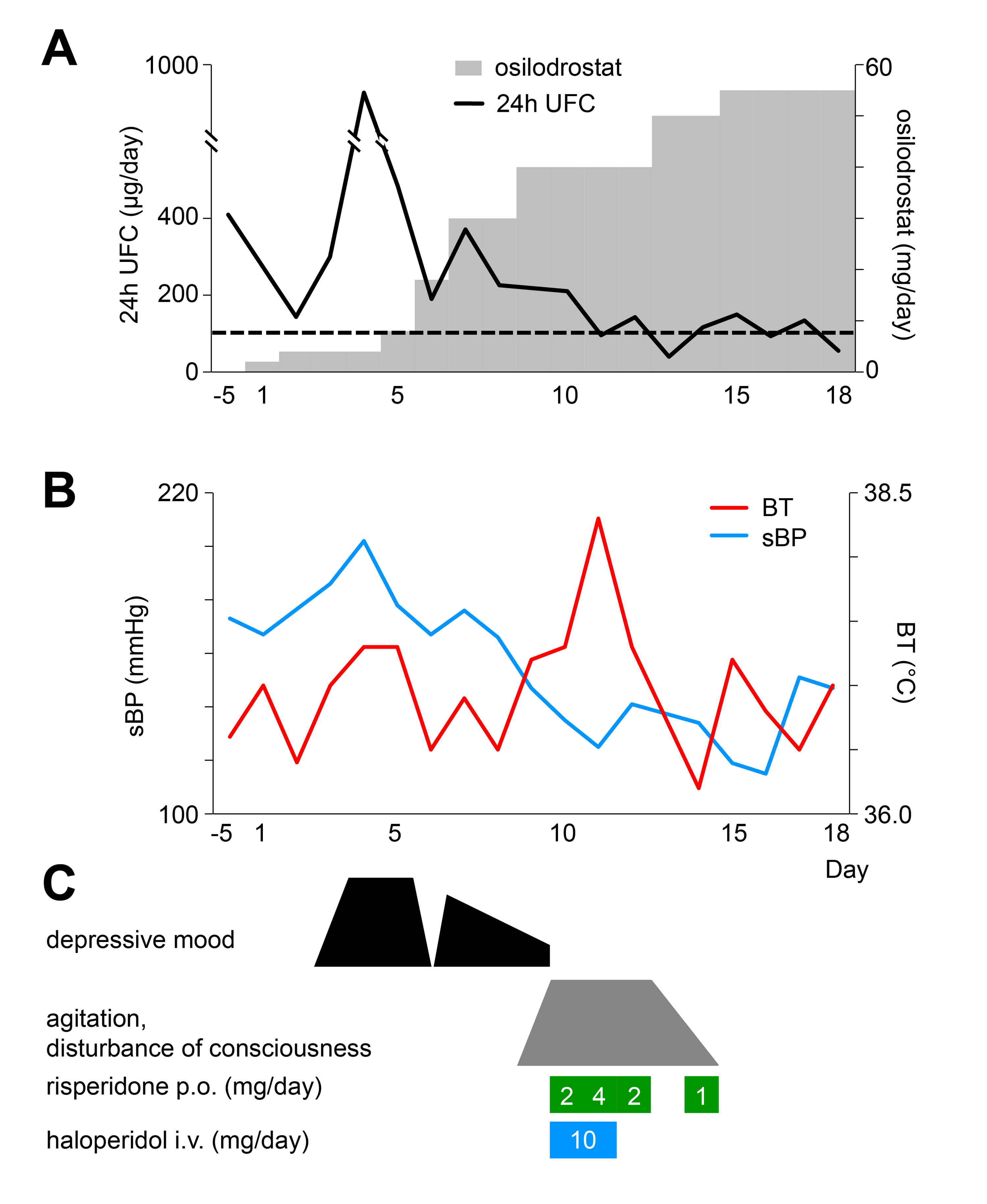
We report a woman in her early 40s with a history of major depressive disorder treated with clomipramine. After transsphenoidal surgery for Cushing’s disease, she remained hypercortisolemic, and hydrocortisone replacement was continued postoperatively for safety due to unstable cortisol secretion. Cortisol secretion was unstable, with day-to-day fluctuations. Osilodrostat was initiated at 2 mg/day. Shortly thereafter, urinary free cortisol (UFC) increased, and between days 3 and 5, she developed depressive symptoms, depersonalization, and suicidal ideation. These were judged to be related to cortisol elevation, and osilodrostat was rapidly titrated, reaching 40 mg/day by day 9. Depressive symptoms improved as UFC decreased. However, from day 9, she developed delirium with fluctuating consciousness, disorientation, purposeless hyperactivity, and stereotyped speech, peaking on days 10-12. During this period, blood pressure decreased, accompanied by tachycardia and fever. Infection and metabolic abnormalities were clinically excluded. Symptoms resolved spontaneously by day 14, with amnesia for the episode, and she was discharged on day 20 without recurrence.

This case illustrates a rare clinical course where depressive symptoms during cortisol elevation and delirium during cortisol reduction occurred sequentially in the same patient following rapid osilodrostat titration. The episode suggests that abrupt cortisol fluctuations may induce psychiatric symptoms even under hydrocortisone supplementation. Clinicians should avoid rapid titration and ensure close collaboration between endocrinology and psychiatry when psychiatric symptoms arise during treatment.

Introduction

Cushing’s disease is caused by an adrenocorticotropic hormone (ACTH) secreting pituitary adenoma, leading to chronic hypercortisolism. In addition to physical features such as central obesity, moon face, and hypertension, psychiatric symptoms including depression, anxiety, and cognitive impairment are frequently observed [1-3]. Depression occurs in 40-60% of patients and is associated with increased suicide risk. Anxiety and cognitive impairment are also common, and psychiatric symptoms may even precede the physical manifestations. Thus, psychiatrists may encounter such patients at an early stage, and it is clinically important to consider underlying endocrine disorders [1,3]. The first-line treatment is transsphenoidal surgery, but remission is not always achieved [4].

Osilodrostat, an oral 11β-hydroxylase inhibitor, is primarily used for the treatment of persistent or recurrent Cushing’s disease. By inhibiting cortisol synthesis, it effectively lowers circulating cortisol levels, thereby improving the clinical manifestations of hypercortisolism. The phase III LINC 3 trial demonstrated its efficacy [5], but adverse events such as adrenal insufficiency and psychiatric symptoms have been reported [6-8]. Acute adrenal insufficiency can present with hypotension, tachycardia, fever, and gastrointestinal symptoms, and in severe cases with impaired consciousness or delirium [9]. To minimize these risks, gradual titration in 2-mg increments at intervals of at least two weeks is recommended [6].

For monitoring treatment efficacy, urinary free cortisol (UFC) is widely used as a reliable marker reflecting total cortisol secretion over 24 hours and serves as a standard index of disease activity and treatment response [1,2].

Case Presentation

The patient was a 43-year-old woman with a history of major depressive disorder since her early twenties, treated mainly with clomipramine. Although she experienced recurrent episodes, she was able to continue working as a clinical psychologist, with occasional sick leave. Her past history included papillary thyroid carcinoma treated surgically, followed by hypothyroidism managed with levothyroxine 75 µg/day.

In her thirties, she developed treatment-resistant hypertension. In March 2024, inferior petrosal sinus sampling confirmed Cushing’s disease. In April 2024, she underwent transsphenoidal surgery and started hydrocortisone replacement at 30 mg/day. However, hypercortisolism and elevated ACTH persisted. Cortisol levels showed marked day-to-day fluctuations rather than being consistently elevated, and replacement therapy was continued for safety.

In June 2024, she was admitted to our endocrinology department because of persistent disease activity. Psychiatry was consulted due to her psychiatric history. At admission, she was alert, cooperative, and exhibited neither depressive nor psychotic symptoms. Clomipramine was continued. Physical examination revealed a BMI of 27.5, central obesity, moon face, and violaceous striae. Blood pressure was 155/105 mmHg. Routine chemistry and thyroid function were within normal limits. Endocrinological work-up confirmed persistent hypercortisolism: the 24-hour UFC was markedly elevated (409.2 µg/day; normal < 50 µg/day), midnight serum cortisol was inappropriately high (14.3 µg/dL; normally suppressed at night), and dexamethasone suppression testing failed to suppress morning cortisol (9.7 µg/dL after 0.5 mg dexamethasone). Corticotropin-releasing hormone stimulation testing demonstrated an exaggerated ACTH response (63.6 → 105.0 pg/mL), consistent with pituitary-dependent Cushing’s disease. Postoperative brain MRI showed only expected surgical changes without new lesions.

Figure 1 illustrates the clinical course in this case. Osilodrostat was initiated at 2 mg/day on day 1. UFC unexpectedly rose thereafter, and between days 3 and 5, she developed depressed mood, depersonalization, and suicidal ideation. These psychiatric symptoms were judged to be associated with increased cortisol secretion. Antidepressant adjustment was not attempted. Instead, priority was given to endocrine control, and osilodrostat was rapidly up-titrated. Although the risk of adrenal insufficiency was considered, treatment was deemed safe under hydrocortisone supplementation. By day 9, the dose of osilodrostat reached 40 mg/day, UFC decreased, and depressive symptoms improved.

Timeline-of-clinical-events-and-interventions-in-the-present-case.
Figure 1: Timeline of clinical events and interventions in the present case.

Panel (A) shows the osilodrostat dosage and 24-hour urinary free cortisol (UFC) levels; panel (B) depicts vital signs (sBP, systolic blood pressure; BT, body temperature); and panel (C) illustrates psychiatric symptoms and the dosages of antipsychotic medications, all plotted against treatment days.

However, from day 9 onward, delirium and psychomotor agitation emerged, peaking on days 10-12. She displayed fluctuating consciousness, global disorientation, impaired attention, purposeless hyperactivity, stereotyped behaviors, and repetitive utterances of meaningless numbers. She wandered barefoot and occasionally shouted fragmented phrases such as “Say you love me.” Anxiety and insomnia were prominent, but hallucinations and self-disturbances were absent.

At that time, her vital signs showed a decline in blood pressure from 155/105 mmHg to 125/59 mmHg, a pulse rate of 110/min, and a temperature of 38.3°C. Electrolytes and glucose were normal, and no inflammatory response or other signs of infection were detected. Because of marked psychomotor agitation, imaging and EEG were not performed. Risperidone and haloperidol were given but were ineffective.

At onset, the delirium was interpreted as a manifestation of hypercortisolism, partly because it occurred during a holiday when comprehensive evaluation was not feasible. Osilodrostat was therefore not reduced. As her symptoms improved spontaneously and she remained stable under hydrocortisone supplementation, the dose was maintained. Since the delirium resolved completely and did not recur, additional imaging or EEG was not performed.

By day 14, delirium had resolved, and the patient reported amnesia for the episode. No recurrence occurred, and she was discharged on day 20 at her and her family’s request. Outpatient follow-up confirmed stable status without recurrence of delirium.

Discussion

This case illustrates an unusual clinical course in which qualitatively distinct psychiatric symptoms appeared sequentially during rapid titration of osilodrostat. The initial depressive phase coincided with a transient rise in UFC and may have been related to unstable cortisol secretion that had already been observed prior to admission. Although not sufficient for a formal diagnosis, such variability is reminiscent of cyclical Cushing’s disease [10], which has also been associated with mood fluctuations [1,3]. Previous studies have demonstrated the link between hypercortisolism and depression [1,3], and our case is consistent with these findings during the early phase of treatment.

In contrast, the subsequent delirium phase was accompanied by hypotension, tachycardia, and fever, resembling adrenal insufficiency. Similar neuropsychiatric manifestations, including delirium and psychosis, have been described in previous reports of adrenal insufficiency [8,9]. However, unlike those cases, where symptoms typically emerged after drug withdrawal, delirium in our patient developed rapidly following dose escalation. This temporal pattern suggests that even transient cortisol reductions may precipitate acute neuropsychiatric symptoms.

Taken together, these observations both align with and extend prior findings linking cortisol dysregulation to psychiatric manifestations. Our case supports previous evidence that hypercortisolism is associated with depressive symptoms [1,3], whereas hypocortisolism predisposes to delirium or psychosis [8,9]. Importantly, it also highlights a dynamic aspect of this relationship: abrupt cortisol fluctuations themselves, regardless of direction, may transiently disrupt neuroendocrine homeostasis and trigger psychiatric symptoms. This interpretation is consistent with reports of cyclical Cushing’s disease showing alternating mood states [10], but it differs in that the fluctuation here was iatrogenic and temporally linked to rapid pharmacologic titration.

Pharmacological factors may have further amplified these effects. Clomipramine and antipsychotics such as haloperidol and risperidone are known to cause confusion or agitation, particularly under hormonal stress. It is therefore plausible that psychotropic drug interactions and cortisol fluctuations acted synergistically to produce the observed neuropsychiatric manifestations.

This report has several limitations. The onset of delirium occurred during a holiday, and severe agitation precluded blood sampling for serum cortisol, ACTH testing, or therapeutic steroid administration. Thus, strict diagnostic criteria for adrenal insufficiency could not be fulfilled. Nonetheless, the clinical presentation, with hypotension, tachycardia, fever, and altered consciousness, was consistent with an adrenal insufficiency-like state. Electrolytes, glucose, and inflammatory markers remained within normal limits, making infection or metabolic causes unlikely. However, structural or neurological contributors could not be completely excluded because imaging and EEG were not performed. Although the clinical picture resembled adrenal insufficiency, true adrenal crisis was unlikely given the normal electrolyte levels, spontaneous recovery, and maintained oral intake. Therefore, this episode may be better characterized as a state of functional adrenal dysregulation rather than frank adrenal insufficiency.

Conclusions

This case highlights a rare course in which depressive symptoms during cortisol elevation and delirium during cortisol reduction occurred sequentially in the same patient following rapid titration of osilodrostat. The episode suggests that even under hydrocortisone supplementation, abrupt cortisol fluctuations can induce psychiatric symptoms. However, because some observations were paradoxical and certain assessments could not be performed during the acute phase, these interpretations should be made with caution. The episode may represent a state of functional adrenal dysregulation rather than distinct phases of hyper- or hypocortisolism.

This case offers two clinical lessons. First, osilodrostat should be titrated gradually according to established guidelines. Second, if psychiatric symptoms arise during treatment, they are best managed through close collaboration between endocrinology and psychiatry.

References

  1. Pivonello R, Simeoli C, De Martino MC, et al.: Neuropsychiatric disorders in Cushing’s syndrome. Front Neurosci. 2015, 9:129. 10.3389/fnins.2015.00129
  2. Sharma ST, Nieman LK, Feelders RA: Cushing’s syndrome: epidemiology and developments in disease management. Clin Epidemiol. 2015, 7:281-93. 10.2147/CLEP.S44336
  3. Sonino N, Fava GA, Raffi AR, Boscaro M, Fallo F: Clinical correlates of major depression in Cushing’s disease. Psychopathology. 1998, 31:302-6. 10.1159/000029054
  4. Fleseriu M, Auchus R, Bancos I, et al.: Consensus on diagnosis and management of Cushing’s disease: a guideline update. Lancet Diabetes Endocrinol. 2021, 9:847-75. 10.1016/S2213-8587(21)00235-7
  5. Pivonello R, Fleseriy M, Newell-Price J, et al.: Efficacy and safety of osilodrostat in patients with Cushing’s disease (LINC 3): a multicentre phase 3 study with a double-blind, randomised withdrawal phase. Lancet Diabetes Endocrinol. 2020, 8:748-61. 10.1016/S2213-8587(20)30240-0
  6. U.S. Food and Drug Administration. Osilodrostat prescribing information. (2020). Accessed: October 18, 2025: https://www.accessdata.fda.gov/drugsatfda_docs/label/2020/212801s000lbl.pdf.
  7. Gadelha M, Bex M, Feelders RA, et al.: Randomized trial of osilodrostat for the treatment of Cushing disease. J Clin Endocrinol Metab. 2022, 107:e2882-95. 10.1210/clinem/dgac178
  8. Ekladios C, Khoury J, Mehr S, Feghali K: Osilodrostat-induced adrenal insufficiency in a patient with Cushing’s disease. Clin Case Rep. 2022, 10:e6607. 10.1002/ccr3.6607
  9. Arlt W: Society for Endocrinology endocrine emergency guidance: Emergency management of acute adrenal insufficiency (adrenal crisis) in adult patients. Endocr Connect. 2016, 5:G1-3. 10.1530/EC-16-0054
  10. Meinardi JR, Wolffenbuttel BH, Dullaart RP: Cyclic Cushing’s syndrome: a clinical challenge. Eur J Endocrinol. 2007, 157:245-54. 10.1530/EJE-07-0262

Rapid Endocrine Remission After ZAP-X Gyroscopic Radiosurgery for Cushing’s Disease

Abstract

Cushing’s disease is a rare but potentially life-threatening disorder caused by excessive adrenocorticotropic hormone (ACTH) secretion from a pituitary adenoma. Although transsphenoidal surgery remains the first-line treatment, radiotherapy (RT) can provide effective local and hormonal control in patients with persistent or recurrent disease; however, endocrine remission typically occurs only after several months or even years. To our knowledge, we report the first documented case of an exceptionally rapid hormonal remission following gyroscopic stereotactic radiosurgery (SRS) using the self-shielding ZAP-X system (ZAP Surgical Inc., San Carlos, CA, USA) in a patient with recurrent Cushing’s disease. The patient received a single-fraction dose of 25 Gy prescribed to the 57% isodose line. Remarkably, ACTH and cortisol levels normalized within one month after SRS, accompanied by a striking improvement in clinical symptoms and no treatment-related toxicity. This case highlights the potential of the ZAP-X gyroscopic radiosurgery platform to achieve rapid biochemical control in ACTH-secreting pituitary adenomas and suggests that the unique dose distribution characteristics of this novel technology may contribute to accelerated endocrine responses.

Introduction

Cushing’s disease stems from an excess production of adrenocorticotropic hormone (ACTH) by a pituitary adenoma, leading to elevated cortisol levels and symptoms resembling Cushing’s syndrome [1]. Untreated or inadequately managed hypercortisolism is associated with substantial morbidity and elevated mortality rates for patients with Cushing’s syndrome. While transsphenoidal surgery is frequently considered the preferred initial treatment approach, radiotherapy (RT) can also be contemplated, either as a standalone option for patients ineligible for surgery or as part of a multidisciplinary approach in instances where an adequate response is not attained following surgery. Conventional fractionated RT (CFRT), fractionated stereotactic radiosurgery (F-SRS), and stereotactic radiosurgery (SRS) have all been employed in the treatment of Cushing’s disease, yielding comparable disease control rates ranging from 46% to 100% [2-4]. However, unlike surgery, the response to RT may require time to manifest, and in certain instances, this duration can extend over months or years [4]. Sheehan et al. [5] indicated that the cure rate after RT in patients with Cushing’s disease was 34% in the first year, increasing to 78% by the fifth year. Although CyberKnife (Accuray Inc., Sunnyvale, CA, USA), Gamma Knife (Elekta AB, Stockholm, Sweden), and Linear Accelerator (LINAC)-based systems are all available for F-SRS and SRS, technological advancements are increasing the options. We have integrated the relatively new vault-free, frameless, gyroscopic radiosurgery system, ZAP-X (ZAP Surgical Inc., San Carlos, CA, USA), into our department and have begun using it for cranial F-SRS and SRS treatments [6,7]. To our knowledge, this report introduces the initial case of a patient diagnosed with Cushing’s disease who underwent gyroscopic SRS with the ZAP-X system, experiencing an unexpectedly rapid endocrine response following SRS.

Case Presentation

A 48-year-old female with an unremarkable medical history except for hyperlipidemia underwent investigation in 2018 due to symptoms and findings consistent with Cushing’s syndrome, leading to the detection of hypercortisolism. Her 24-hour urinary free cortisol and ACTH levels were 75 µg/day and 32 pg/mL, respectively. Serum cortisol remained unsuppressed following the 1 mg dexamethasone suppression test (DST), measuring 15.7 mcg/dL. On the magnetic resonance imaging (MRI) of the pituitary gland, a 4.5×3 mm microadenoma was detected in the left half of the adenohypophysis. Following the referral to the neurosurgery department, the patient underwent tumor resection via transsphenoidal endoscopic surgery in December 2018. The pathology resulted in a corticotroph pituitary adenoma. All her symptoms and signs related to Cushing’s disease resolved after surgery, and postoperative MRI showed no residual tumor. The patient was placed under observation without additional treatment. During follow-up visits, the patient remained asymptomatic for approximately five years.

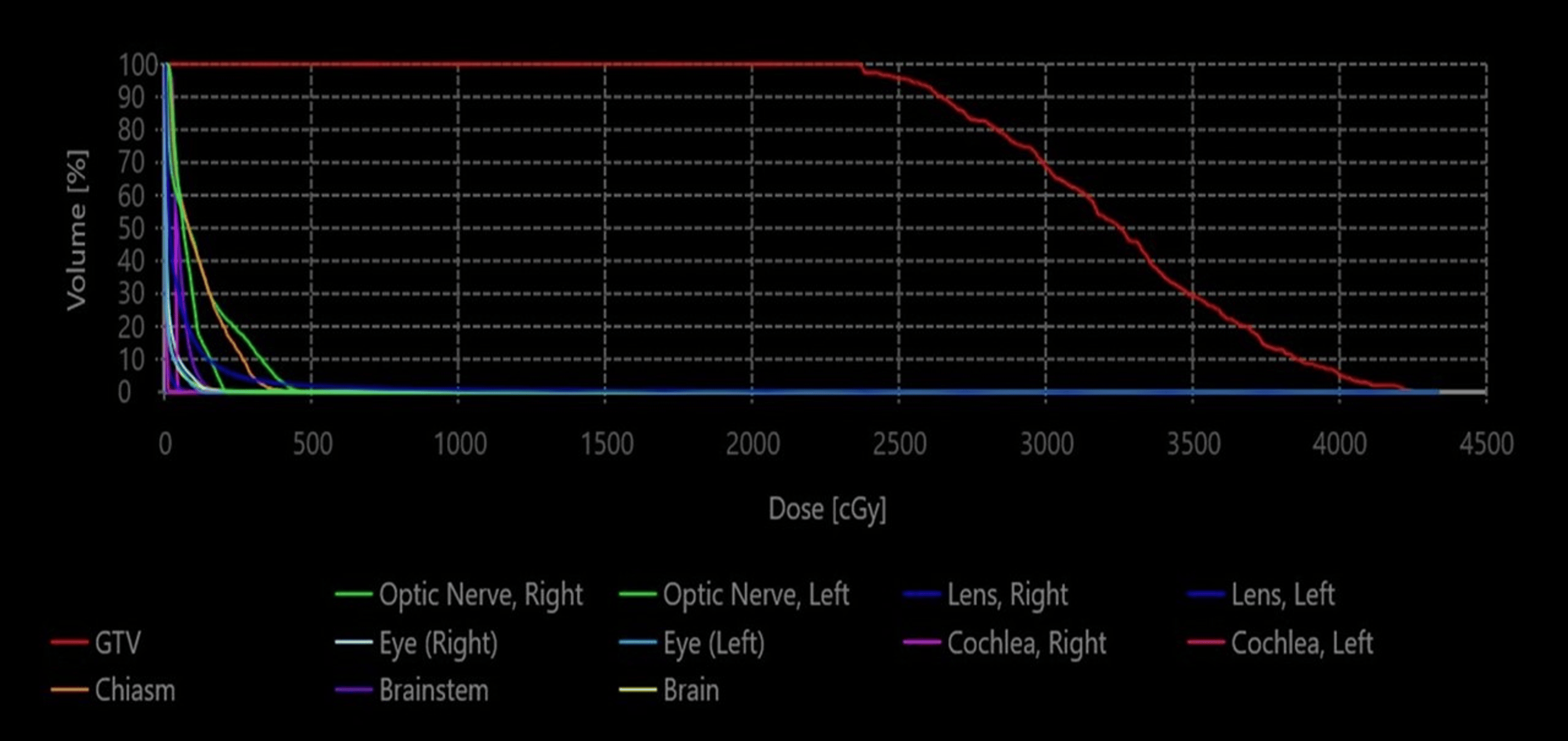
In September 2023, the patient presented with complaints of proximal muscle weakness, irregular menstruation, and Cushingoid appearance. Upon evaluation, hypercortisolism was detected once again. On the pituitary MRI, no residual or recurrent lesion was observed. Subsequently, the patient underwent a second transsphenoidal surgery, but the pathology result did not reveal tissue consistent with a pituitary adenoma. In January 2024, upon initial presentation to our center, the patient’s ACTH level was 29.8 pg/mL, 24-hour urinary free cortisol was 442 µg/day, and serum cortisol following a 1 mg DST was 19 mcg/dL. The levels of the remaining anterior pituitary hormones were within normal ranges. The patient, who continued to exhibit symptoms consistent with Cushing’s syndrome, underwent another pituitary MRI. At this point, it was discovered that there was a recurrent lesion measuring 2×1 mm on the left half of the adenohypophysis. Pasireotide (0.6 mg once daily) was initiated for persistent hypercortisolism but was discontinued due to frequent diarrhea and a widespread allergic skin reaction. The patient was then evaluated by the multidisciplinary neuro-oncology tumor board at our hospital, which recommended RT as the next step. SRS was selected as the RT technique due to the tumor’s small size and its lack of proximity to critical structures such as the optic chiasm. A simulation computed tomography (CT) scan with a 1 mm axial slice thickness was conducted with the patient in the supine position. Intravenous contrast and a thermoplastic mask were utilized to ensure better visualization and precise immobilization. Gross tumor volume (GTV) was delineated as the macroscopic tumor volume according to the MRI, which was performed a few days before SRS. A planning target volume (PTV) was not generated for this case. The prescription dose was 2500 cGy in a single fraction to the 57% isodose (Figure 1). Dose-volume histogram (DVH) was presented in Figure 2. The SRS plan was generated with the integrated ZAP-X treatment planning software (version 1.8.58.12369), and detailed parameters of the plan were presented in Table 1.

Dose-distribution-of-the-gyroscopic-stereotactic-radiosurgery-plan-for-pituitary-adenoma
Figure 1: Dose distribution of the gyroscopic stereotactic radiosurgery plan for pituitary adenoma

The image shows the three-dimensional dose distribution generated using the ZAP-X system (ZAP Surgical Inc., San Carlos, CA, USA). The prescription dose of 25 Gy to the 57% isodose line is illustrated. A: planning computed tomography (CT) scan showing the isodose distribution around the target; B: planning magnetic resonance imaging (MRI) fused with CT for target delineation.

Dose-volume-histogram-(DVH)-of-the-gyroscopic-stereotactic-radiosurgery-plan
Figure 2: Dose-volume histogram (DVH) of the gyroscopic stereotactic radiosurgery plan

The DVH demonstrates a steep dose fall-off beyond the target margins, with minimal exposure to the optic nerves, optic chiasm, and brainstem, confirming optimal dose conformity and effective sparing of organs at risk. Within the gross tumor volume (GTV), the dose distribution is intentionally inhomogeneous, with a hot spot centrally located to ensure adequate tumor coverage and biological effectiveness.

Parameters Values
Volume (GTV) 0.13 cm3
Prescription dose & isodose 2500 cGy & 57.6%
Coverage 95.68%
Homogeneity index 1.74
New conformity index 1.48
Gradient index 3.58
GTV Dmean 3249 cGy
GTV Dmax 4340 cGy
GTV Dmin 2364 cGy
Optic chiasm (Dmax) 452 cGy
Left optic nerve (Dmax) 480 cGy
Right optic nerve (Dmax) 212 cGy
Brainstem (Dmax) 233 cGy
Number of beams 128
Number of isocenters 3
Monitor units 16.121
Collimator thicknesses 4 & 4 & 5 mm
Treatment delivery time 33 min
Table 1: Detailed parameters of the gyroscopic radiosurgery plan

Dmax: maximum dose; Dmean: mean dose; Dmin: minimum dose; GTV: gross tumor volume; mm: millimeter; min: minute

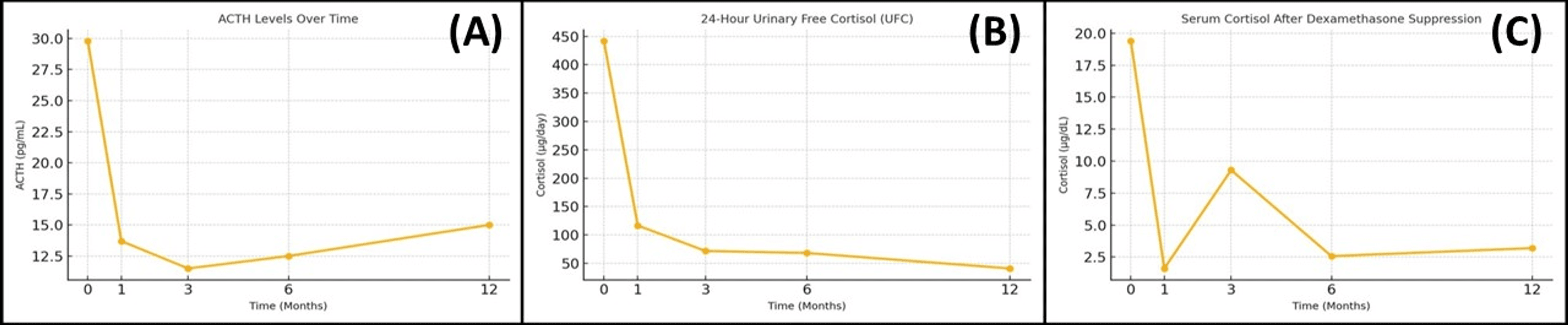
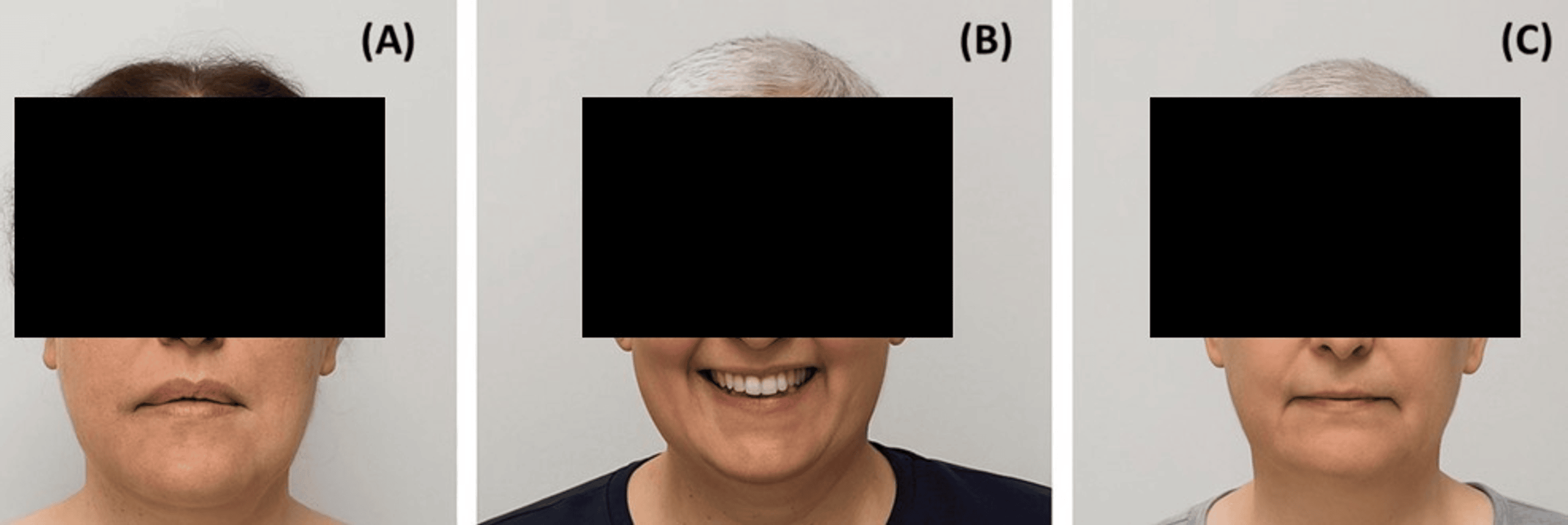
The treatment was well tolerated, and a marked biochemical response was observed one month after SRS, with ACTH and 24-hour urinary free cortisol levels decreasing to 14.2 pg/mL and 116 µg/day, respectively. Serum cortisol following a 1 mg DST was suppressed to 1.6 µg/dL. Concurrently, there was a noticeable improvement in the clinical signs and symptoms of Cushing’s disease. The patient was subsequently followed with regular clinical assessments at three-month intervals for one year. Throughout the follow-up period, ACTH, 24-hour urinary free cortisol, and post-DST serum cortisol levels remained near-normal (Figure 3). Levels of other anterior pituitary hormones were within normal limits. The patient’s biochemical parameters, including ACTH, urinary free cortisol, and serum cortisol levels before and after SRS, are summarized in Table 2. At the three-month post-SRS MRI, the lesion was found to be radiologically stable. However, the patient reported a subjective improvement in proximal muscle weakness beginning one month after treatment. No SRS-related toxicity was observed during the follow-up period, and partial regression of the Cushingoid phenotype was documented (Figure 4).

Temporal-changes-in-hormonal-parameters-following-gyroscopic-stereotactic-radiosurgery
Figure 3: Temporal changes in hormonal parameters following gyroscopic stereotactic radiosurgery

A: adrenocorticotropic hormone (ACTH) levels showed a rapid decline within the first month after treatment, remaining suppressed throughout follow-up; B: twenty-four-hour urinary free cortisol (UFC) demonstrated a similar sharp reduction after radiosurgery, indicating early biochemical response; C: serum cortisol levels after dexamethasone suppression normalized by the first month and remained within the physiological range during subsequent evaluations, consistent with sustained hormonal remission.

Parameter Unit Reference Range At Initial Diagnosis (2018) Recurrence (Jan 2024, before SRS) 1 Month After SRS 3 Months After SRS 6 Months After SRS 12 Months After SRS
ACTH pg/mL 7.2 – 63.3 32 29.8 14.2 11.0 12.5 15.0
24-hour UFC µg/day 20 – 90 75 442 116 65 55 45
Serum cortisol after 1 mg DST µg/dL < 1.8 (suppressed) 15.7 19.0 1.6 9.0 2.5 3.0
Table 2: Summary of laboratory findings before and after gyroscopic stereotactic radiosurgery

ACTH: adrenocorticotropic hormone; UFC: urinary free cortisol; DST: dexamethasone suppression test; SRS: stereotactic radiosurgery

Facial-appearance-before-and-after-gyroscopic-stereotactic-radiosurgery-(SRS)
Figure 4: Facial appearance before and after gyroscopic stereotactic radiosurgery (SRS)

The images illustrate the patient’s appearance at the time of initial diagnosis (A), before SRS (B), and after the procedure (C).

Discussion

To our knowledge, we report a rapid endocrine response observed in the first patient with Cushing’s disease treated using the ZAP-X gyroscopic radiosurgery system. Despite the patient having a significantly high 24-hour urinary free cortisol level before SRS, there was a considerable decrease within a short period after SRS.

Both surgical and medical treatments, along with RT, are viable approaches for managing pituitary adenomas. Approximately 70% of pituitary adenomas are associated with syndromes characterized by excessive hormone secretion, with the most common types producing prolactin, growth hormone, and ACTH [8]. Unlike non-secreting adenomas, the treatment goal for secreting adenomas extends beyond local tumor control to include the management of endocrinopathies. Although transsphenoidal surgery is commonly regarded as the first-line treatment, RT may also be considered, either as a primary modality in patients who are not surgical candidates or as part of a multimodal strategy when surgical outcomes are suboptimal. CFRT, F-SRS, and SRS have all been employed in treating patients with Cushing’s disease, yielding comparable disease control rates [9]. CFRT may be preferred, particularly for larger tumors or those located near organs at risk (OAR). In appropriately selected cases, advanced techniques such as F-SRS and SRS can shorten treatment duration and enable dose escalation within the tumor while providing a rapid dose fall-off outside the target volume. While RT can effectively control local tumor growth, its success in addressing endocrinopathies is typically more limited. In a systematic review, the rates of local tumor control and endocrine control for Cushing’s disease were reported as 92% and 48%, respectively [9]. Additionally, the radiation doses required for tumor control and endocrine response vary from each other [10]. While SRS doses ranging from 12 to 20 Gy typically achieve adequate local tumor control, especially in non-secreting adenomas, it has been observed that endocrine response rates improve at marginal doses around 30 Gy [11,12]. However, administering high doses can be challenging due to the presence of OAR, such as the optic apparatus, which is located in close proximity to the target volumes. It is recommended that the volume of the OAR receiving a dose of 8 Gy for the optic apparatus in SRS plans should be <0.2 cm³, and the volume receiving a dose of 10 Gy should be <0.035 cm³ [13]. Therefore, modern SRS platforms, which enable the delivery of high doses within the target volume while ensuring steep dose fall-off beyond it, offer the potential to widen the therapeutic window. In our patient, the ZAP-X gyroscopic SRS system enabled the delivery of 2500 cGy to the GTV at the 57% isodose line, while maintaining doses to OAR below recommended thresholds. Additionally, intratumoral hotspots allowed for the desired dose inhomogeneity, aligning with the core principles of SRS.

It is important to note that many patients with secreting pituitary adenomas suffer from symptoms caused by excessive hormone secretion, significantly impacting their quality of life and requiring consideration in treatment decisions [14]. In cases where patients experience severe symptoms due to elevated hormone levels, surgery may be prioritized, although various medical treatments are also viable options to consider. Pasireotide, a somatostatin analogue with multireceptor targeting, serves as an effective treatment for patients with persistent or recurring hypercortisolism post-surgery or when surgery isn’t viable. However, its tolerability is debatable due to various adverse effects such as hyperglycemia and diarrhea [15]. In our patient, despite initiating pasireotide due to persistently elevated hormone levels post-surgery, it was discontinued within less than two weeks due to intolerable adverse effects.

The biological effect of SRS on hormonal hypersecretion is believed to unfold gradually, and in some cases, this process may span months or even years. Sheehan et al. [5] reported outcomes for patients with Cushing’s disease, revealing a response rate of 34% at one year, 54% at two years, 72% at three years, and 78% at five years following SRS. In our patient, a significant decrease in 24-hour urinary free cortisol level was observed within only one month after SRS. To the best of our knowledge, this represents the most rapid endocrine response after SRS reported to date. It is important to consider, however, that the rapid hormonal normalization observed in our case may have been influenced by prior medical and surgical interventions. The patient underwent two transsphenoidal surgeries and briefly received pasireotide before radiosurgery, which could have altered tumor biology or hormonal responsiveness. Nevertheless, the close temporal relationship between ZAP-X treatment and biochemical remission strongly suggests a causal association. Potential factors contributing to this rapid endocrine response may include the administration of an effective radiation dose, such as 2500 cGy, utilization of a precise SRS technique like gyroscopic radiosurgery, and the presence of hotspots within the tumor, reaching up to 4000 cGy in a single fraction. During RT, the presence of hotspots within target volumes has been shown to be associated with increased local control for various tumor types [16,17]. Therefore, while it may not be directly attributable to hotspots, it seems possible that the underlying mechanism of the rapid endocrine response observed in our patient could be related to them. However, the short follow-up duration is the main limitation of this report.

Conclusions

To our knowledge, we report the first case of a refractory ACTH-secreting pituitary adenoma successfully treated using the vault-free ZAP-X gyroscopic SRS system. This case demonstrates that the unique design of the ZAP-X platform enables the safe delivery of a highly effective dose to the target while minimizing exposure to surrounding structures. In patients with Cushing’s disease, SRS can achieve rapid endocrine remission, although prospective studies are warranted to define the optimal dose and treatment parameters.

References

  1. Lonser RR, Nieman L, Oldfield EH: Cushing’s disease: pathobiology, diagnosis, and management. J Neurosurg. 2017, 126:404-17. 10.3171/2016.1.JNS152119
  2. Estrada J, Boronat M, Mielgo M, et al.: The long-term outcome of pituitary irradiation after unsuccessful transsphenoidal surgery in Cushing’s disease. N Engl J Med. 1997, 336:172-7. 10.1056/NEJM199701163360303
  3. Minniti G, Osti M, Jaffrain-Rea ML, Esposito V, Cantore G, Maurizi Enrici R: Long-term follow-up results of postoperative radiation therapy for Cushing’s disease. J Neurooncol. 2007, 84:79-84. 10.1007/s11060-007-9344-0
  4. Hughes JD, Young WF, Chang AY, et al.: Radiosurgical management of patients with persistent or recurrent Cushing disease after prior transsphenoidal surgery: a management algorithm based on a 25-year experience. Neurosurgery. 2020, 86:557-64. 10.1093/neuros/nyz159
  5. Sheehan J, Kondziolka 😧 Results of gamma knife surgery for Cushing’s disease. J Neurosurg. 2013, 119:1642.
  6. Weidlich GA, Bodduluri M, Achkire Y, Lee C, Adler JR Jr: Characterization of a novel 3 megavolt linear accelerator for dedicated intracranial stereotactic radiosurgery. Cureus. 2019, 11:e4275. 10.7759/cureus.4275
  7. Ehret F, Kohlhase N, Eftimova D, et al.: Self-shielding gyroscopic radiosurgery: a prospective experience and analysis of the first 100 patients. Cureus. 2024, 16:e56035. 10.7759/cureus.56035
  8. Daly AF, Beckers A: The epidemiology of pituitary adenomas. Endocrinol Metab Clin North Am. 2020, 49:347-55. 10.1016/j.ecl.2020.04.002
  9. Mathieu D, Kotecha R, Sahgal A, et al.: Stereotactic radiosurgery for secretory pituitary adenomas: systematic review and International Stereotactic Radiosurgery Society practice recommendations. J Neurosurg. 2022, 136:801-12. 10.3171/2021.2.JNS204440
  10. Minniti G, Osti MF, Niyazi M: Target delineation and optimal radiosurgical dose for pituitary tumors. Radiat Oncol. 2016, 11:135. 10.1186/s13014-016-0710-y
  11. Kotecha R, Sahgal A, Rubens M, et al.: Stereotactic radiosurgery for non-functioning pituitary adenomas: meta-analysis and International Stereotactic Radiosurgery Society practice opinion. Neuro Oncol. 2020, 22:318-32. 10.1093/neuonc/noz225
  12. Paddick I: A simple scoring ratio to index the conformity of radiosurgical treatment plans. Technical note. J Neurosurg. 2000, 93 Suppl 3:219-22. 10.3171/jns.2000.93.supplement
  13. Timmerman R: A story of hypofractionation and the table on the wall. Int J Radiat Oncol Biol Phys. 2022, 112:4-21. 10.1016/j.ijrobp.2021.09.027
  14. Johnson MD, Woodburn CJ, Vance ML: Quality of life in patients with a pituitary adenoma. Pituitary. 2003, 6:81-7. 10.1023/b:pitu.0000004798.27230.ed
  15. Manetti L, Deutschbein T, Schopohl J, et al.: Long-term safety and efficacy of subcutaneous pasireotide in patients with Cushing’s disease: interim results from a long-term real-world evidence study. Pituitary. 2019, 22:542-51. 10.1007/s11102-019-00984-6
  16. Owen D, Siva S, Salama JK, Daly M, Kruser TJ, Giuliani M: Some like it hot: the value of dose and hot spots in lung stereotactic body radiation therapy. Int J Radiat Oncol Biol Phys. 2023, 117:1-5. 10.1016/j.ijrobp.2023.03.056
  17. Abraham C, Garsa A, Badiyan SN, et al.: Internal dose escalation is associated with increased local control for non-small cell lung cancer (NSCLC) brain metastases treated with stereotactic radiosurgery (SRS). Adv Radiat Oncol. 2018, 3:146-53. 10.1016/j.adro.2017.11.003


From https://www.cureus.com/articles/430830-rapid-endocrine-remission-after-zap-x-gyroscopic-radiosurgery-for-cushings-disease-a-case-report?score_article=true#!/

Prospective Assessment of Mood and Quality of Life in Cushing Syndrome before and after Biochemical Control

Abstract

Context

Cushing syndrome (CS) impairs quality of life (QoL) and mood. Prospective real-life data on post-treatment recovery and predictors of improvement are limited.

Objectives

Evaluate changes in QoL, depression, and anxiety in patients with CS, before and after biochemical control, and identify predictors of clinically meaningful improvement.

Design and Setting

Prospective observational study at a tertiary center.

Patients

67 patients with endogenous CS (60 pituitary, 7 adrenal) were assessed with active disease and again after achieving biochemical control through surgery and/or medication.

Outcomes

Patient-reported outcomes included CushingQoL, Beck Depression Inventory-II (BDI-II), and State-Trait Anxiety Inventory (STAI).

Results

Mean and longest follow-up was 2.3 and 11.5 years, respectively. Treatment led to improvements in mean scores across all domains (QoL: +18.2±20.9, BDI: –6.8±8.6, STAI-State: –9.6±12.5, STAI-Trait: –8.6±12.6; all p < 0.001). However, minimal important difference was achieved in 64.6% for QoL, 67.9% for BDI, 53.2% and 52.8% for STAI subscales. After multivariable analysis, QoL improvements were predicted by lower baseline BMI, pre-treatment symptoms ❤ years, post-operative hydrocortisone replacement >6 months, and normal follow-up late-night salivary cortisol (LNSC). Depression improvements were predicted by symptoms ❤ years, normal follow-up LNSC, and surgical treatment. Anxiety improvements were predicted by younger age and >6 months post-operative hydrocortisone. Depression improved more gradually than QoL and anxiety.

Conclusions

Although effective treatment improves mood and QoL in CS, clinically meaningful recovery is variable and incomplete for some patients. Our findings highlight the need to limit diagnostic delay and provide comprehensive post-treatment care that includes normalization of cortisol circadian rhythm.

Accepted manuscripts
Accepted manuscripts are PDF versions of the author’s final manuscript, as accepted for publication by the journal but prior to copyediting or typesetting. They can be cited using the author(s), article title, journal title, year of online publication, and DOI. They will be replaced by the final typeset articles, which may therefore contain changes. The DOI will remain the same throughout.

This content is only available as a PDF.

© The Author(s) 2025. Published by Oxford University Press on behalf of the Endocrine Society.
This is an Open Access article distributed under the terms of the Creative Commons Attribution-NonCommercial-NoDerivs licence (https://creativecommons.org/licenses/by-nc-nd/4.0/), which permits non-commercial reproduction and distribution of the work, in any medium, provided the original work is not altered or transformed in any way, and that the work is properly cited. For commercial re-use, please contact reprints@oup.com for reprints and translation rights for reprints. All other permissions can be obtained through our RightsLink service via the Permissions link on the article page on our site—for further information please contact journals.permissions@oup.com. See the journal About page for additional terms.