Endoscopic Surgery Should Be Standard for Cushing’s Patients with Large Tumors

Cushing’s disease patients with macroadenomas — pituitary tumors larger than 10 mm — should undergo transsphenoidal pituitary surgery using the endoscopic technique, according to a new systematic review.

The study, “Endoscopic vs. microscopic transsphenoidal surgery for Cushing’s disease: a systematic review and meta-analysis,” was published in the journal Pituitary.

Cushing’s disease develops due to an adrenocorticotropic hormone (ACTH)-secreting pituitary adenoma. The first-choice treatment for Cushing’s disease is transsphenoidal pituitary surgery, which is performed through the nose to remove pituitary tumors.

There are two main methods to conduct this kind of surgery: microscopic, which is done using a magnifying tool, and endoscopic surgery, which uses a thin, lighted tube with a tiny camera. The microscopic technique was the established method for transsphenoidal surgery, until physicians started doing endoscopic pituitary surgery in 1992.

Most surgical centers choose to perform either the microscopic or endoscopic technique but do not offer both. As a result, only a few small studies have compared the outcomes of microscopic and endoscopic surgical techniques in Cushing’s disease performed at the same center. These studies showed no clear differences in remission rates or surgical morbidity.

To date, no systematic review comparing the microscopic and the endoscopic surgical techniques in Cushing’s disease has been conducted and, therefore, convincing evidence to support either technique is lacking.

To address this, researchers set out to conduct a systematic review and meta-analysis that compares the endoscopic and microscopic transsphenoidal surgery techniques for Cushing’s disease with regards to surgical outcomes and complication rates.

Researchers searched through nine electronic databases to identify potentially relevant articles. In total, 97 cohort studies with 6,695 patients were included in the study. Among the total patient population, 5,711 received microscopical surgery and 984 were endoscopically operated.

Overall remission was achieved in 80 percent of patients, with no clear differences between the techniques. The recurrence rate was around 10 percent, and short-term mortality was less than 0.5 percent.

Cerebrospinal fluid leak (due to a hole or a tear) occurred more often in patients who underwent endoscopic surgery. On the other hand, transient diabetes insipidus — short-term diabetes — occurred more often in patients who received endoscopic surgery.

When classifying patients by tumor size, however, researchers found that patients with macroadenomas — tumors larger than 10 mm — had higher rates of remission and lower recurrence rates after endoscopic surgery. Patients with microadenomas (tumors smaller than 10 mm) had comparable outcomes with either technique.

“Endoscopic surgery for patients with Cushing’s disease reaches comparable results for microadenomas, and probably better results for macroadenomas than microscopic surgery,” the investigators wrote.

Taking these results into account, the researchers suggest that endoscopic surgery may be considered the current standard of care, though microscopic surgery can be used based on the neurosurgeon’s preference.

They also emphasize that centers that solely perform the microscopic technique should consider at least referring Cushing’s disease patients with macroadenomas to a center that performs the endoscopic technique.

From https://cushingsdiseasenews.com/2018/05/24/endoscopic-surgery-more-effective-macroadenomas-cushings-study/

Korlym: How an abortion pill turned out to be a treatment for a rare disease

Even though the $550 yellow pills sold as Korlym have a controversial origin as the abortion pill, Leslie Edwin said they “gave me life.”

The 40-year-old Georgia resident lives with Cushing’s syndrome, a potentially deadly condition that causes high levels of the hormone cortisol to wreak havoc on a body. When first diagnosed, she said, she gained about 100 pounds, her blood sugars were “out of control,” and she suffered acne, the inability to sleep and constant anxiety.

“I wouldn’t leave the house,” Edwin said of her first bout with the condition. “I quit my job after a certain point. I just couldn’t keep being in front of people.”

That’s when Edwin endured surgeries, including one to remove her pituitary gland. She went into remission, but then, in 2016, her weight shot up 30 pounds and the anxious feelings returned. Her doctors prescribed Korlym.

The drug’s active ingredient is mifepristone, once called RU-486 and better known as the abortion pill because it causes a miscarriage when taken early in a pregnancy. Nearly two decades ago, Danco Laboratories won approval to market Mifeprex in the United States as the abortion drug, with tight restrictions on use. Corcept Therapeutics, a Silicon Valley-based drug company, began marketing Korlym six years ago as a specialty drug for about 10,000 rare-disease patients such as Edwin.

The difference in price between Korlym and Mifeprex is striking, even though the ingredients are the same: One 200-milligram pill to prompt an abortion costs about $80. In contrast, a 300-milligram pill prescribed for Cushing’s runs about $550 before discounts. (Patients wanting an abortion take only one pill. People with Cushing’s often take up to three pills a day for months or years.)

Joseph Belanoff, chief executive of the drug’s maker, Corcept, said Korlym’s average cost per patient is $180,000 annually and concedes that “we have an expensive drug. There’s no getting around that.” But, he said, he believes Corcept has a “social contract” to take care of patients and pledged that any patient who is prescribed Korlym will get it regardless of insurance coverage or costs.

The story of Korlym highlights how America’s drug development system can turn an old drug into a new one that treats relatively few — but often very desperate — patients.

When the Food and Drug Administration approved Korlym in 2012, it was designated as an orphan drug, giving Corcept seven years of market exclusivity as well as other economic incentives. Congress approved orphan drug incentives to encourage the development of medicines for rare diseases that affect fewer than 200,000 patients. Since the drug’s approval, Korlym’s price has risen about 150 percent, and last year the company’s revenue nearly doubled to $159.2 million and it reported a net income of $129.1 million. (Korlym is the company’s only product, and it treats about 1,000 patients in the United States.)

Belanoff said the profits from Korlym pay for the company’s past spending on the drug’s research and development as well as its effort to create new drugs. The company recently reported an encouraging Phase 2 trial update on Korlym’s successor, relacorilant, a drug that could treat Cushing’s without the side effects for some women of endometrial thickening and vaginal bleeding that can occur with Korlym.

The company’s pipeline is also full of potential oncology drugs that hold the promise of using molecules to influence the cortisol receptors, with wide-ranging effects in the body. Korlym in combination with another drug is being tested for the treatment of metastatic triple-negative breast cancer, which tends to be more aggressive than other types of breast cancer. And relacorilant is in the very early stages of testing to treat castration-resistant prostate cancer.

While many of the second-generation drugs are not related to Korlym structurally, Korlym did “provide the funding. . . . If there had not been orphan-drug pricing and the [Orphan Drug] Act, you would have to look for a different way to develop those drugs,” Belanoff said.

Korlym came to market in 2012 with an average wholesale price of $223.20 per pill before discounts, according to the health-care technology firm Connecture. By December 2017, each pill had an average wholesale price of $549.60 before any discounts or rebates were negotiated for patients.

Teva Pharmaceutical Industries recently announced it had filed an application to produce a generic version of the drug. Teva declined to comment for this report.

A ‘pioneering substance’

Cushing’s syndrome happens when the body produces too much cortisol, which normally helps keep the cardiovascular system functioning well and allows the body to turn proteins, carbohydrates and fats into energy. But too much cortisol can be destructive. It can cause cognitive difficulties, depression, fatigue, high blood pressure, bone loss and, in some cases, Type 2 diabetes. Those affected by the syndrome can develop a fatty hump between their shoulders and a rounded face. Without treatment, patients can die of a variety of complications, including sepsis after the hormone compromises the immune system.

Mifepristone, the active ingredient in Korlym, helps Cushing’s patients by blocking the body’s ability to process cortisol. It induces an abortion by blocking another of the body’s receptors, for progesterone, which causes the uterine wall to break down and the pregnancy to end.

When the FDA approved Korlym for a specific set of Cushing’s patients, the agency required a “TERMINATION OF PREGNANCY” warning box at the top of the label.

Endocrinologist Constantine Stratakis, scientific director at the National Institute of Child Health and Human Development, who specializes in treating people with Cushing’s syndrome, calls mifepristone a “pioneering substance” because it “has a lot of crossover” to other receptors in the body.

That means the drug has a lot of potential uses. Belanoff and Alan Schatzberg, a Stanford University psychiatrist and scientist, co-founded Corcept in 1998 to explore whether mifepristone could help treat major depression. In 2002, Schatzberg said the drug “may be the equivalent of shock treatments in a pill.” But clinical trials were not successful.

Social contract

By 2007, Corcept had found another possibility and filed an application to see whether mifepristone might work for Cushing’s patients.

Developing the drug cost about $300 million, according to Belanoff, and involved long-term toxicology tests to ensure that patients could safely take high doses for months or years. Korlym is approved to treat Cushing’s patients who have failed to relieve their symptoms through surgery or do not qualify for surgery, so some patients expect to take it for the rest of their lives while others just a few months.

Most patients are covered by private insurance, Belanoff said, but Medicare and Medicaid pay for the drug as well. According to Medicare Part D data, 52 Korlym patients cost Medicare $2.6 million in 2013. Two years later, 115 beneficiaries filed claims of $11.4 million.

Edwin is on private insurance and describes herself as being in “a really high tax bracket,” yet she never paid more than $25 a month through Corcept’s patient assistance program . She stopped taking the drug last year after her Cushing’s symptoms retreated.

“Across the board, it would be very difficult to find any patient that pays the full price,” said Edwin, who volunteers as president of the nonprofit patient advocacy group Cushing’s Support and Research Foundation.

The small organization, which reported $50,000 in contributions and grants in 2015, notes on its website that Corcept as well as Novartis Oncology provide financial support to the organization. The group’s federal tax filing details that the majority of its expenses go to distributing a quarterly newsletter, contacting members and patients “to promote mission,” and referring patients to doctors.

Specialty drugs such as Korlym often have sky-high price tags and are often distributed through special pharmacy programs. Drug companies commonly work with insurers and patient assistance programs to lower the patient’s out-of-pocket costs.

But for Corcept, the effort to brand the drug as a Cushing’s medication was also important, Belanoff said: “We were starting with a notorious drug.”

“There is a real infrastructure in caring for these patients,” he said. “It is not just like getting your medicine at [a drug store] and figuring out what to do with it.”

Sherwin D’Souza, an internal medicine doctor at St. Luke’s Boise Medical Center in Idaho, prescribed Korlym for the first time last year to Vonda Huddleston, who was uninsured. D’Souza said he knew Corcept would provide financial assistance until Huddleston could get insurance to help pay for surgery to remove a tumor in her adrenal gland that is suspected of causing her high cortisol levels.

Huddleston, though, did not feel well on the drug and gained weight. D’Souza took her off Korlym and scheduled surgery. “I was sort of trying to buy time and treat her conditions,” D’Souza said. “It’s very expensive . . . but they do have a very good program for patients in need of the drug.”

Kaiser Health News

Kaiser Health News is a nonprofit news service covering health issues. It is an editorially independent program of the Kaiser Family Foundation that is not affiliated with Kaiser Permanente.

ACTH/Cortisol Ratio May Be Simple, Reliable Test to Diagnose Cushing’s Disease

The ratio between adrenocorticotropic hormone levels and cortisol levels in the blood is higher among Cushing’s disease patients than in healthy people, a new study has found, suggesting that measurement could be used to help diagnose the disease.

Also, higher values at diagnosis could predict if the disease will recur and indicate larger and more invasive tumors.

The research, “The Utility of Preoperative ACTH/Cortisol Ratio for the Diagnosis and Prognosis of Cushing’s Disease,” was published in the Journal of Neurosciences in Rural Practice.

Cushing’s syndrome (CS) is characterized by excess levels of cortisol. In patients with suspected CS, clinicians recommend testing late-night salivary or plasma (blood) cortisol, 24-hour urine-free cortisol (UC), as well as morning cortisol levels after low-dose suppression with dexamethasone, a corticosteroid.

CS may be ACTH-dependent or ACTH-independent, meaning that the high cortisol levels are caused by excess ACTH production.

Patients with CD have elevated levels of ACTH. A tumor, usually an adenoma, causes the pituitary gland to produce excess levels of ACTH, which stimulate the release of cortisol from the adrenal glands. Cortisol usually inhibits ACTH production. However, in CD patients, this feedback mechanism is absent.

Despite extensive research and clinical data, the variable and usually nonspecific signs and symptoms of CD still represent relevant challenges for diagnosis. Clinical manifestations must be associated with biochemical tests, which often have led to conflicting results.

Studies showed that although ACTH levels correlate with the size of the pituitary adenoma, the levels of cortisol do not increase as much. In fact, lower cortisol/ACTH ratios have been reported in patients with macroadenoma – which is greater than 10 millimeters in size – than in those with microadenoma, which is smaller than 10 millimeters.

Conversely, the research team hypothesized that besides their utility for determining the cause of CS, the inverse ratio – ACTH/cortisol – also may be useful for diagnosis.

The team evaluated the pretreatment plasma ACTH/cortisol levels in CS patients with excess cortisol production due to abnormal pituitary or adrenal function. Data from patients were compared with that of individuals without CS.

The study included 145 CS patients diagnosed from 2007 to 2016, 119 patients with CD, 26 with ACTH-independent CS (AICS), and 114 controls with no CS.

Patients’ clinical, laboratory, imaging, postsurgical and follow-up data were analyzed.

Results showed that patients with CD had a significantly higher basal ACTH/cortisol ratio than controls or those with AICS.

“These results showed ACTH/cortisol ratio might be a simple and useful test for the diagnosis of ACTH-dependent CS,” the researchers wrote.

Importantly, the scientists observed that a ACTH/cortisol ratio above 2.5 indicated identified 82 percent of positive CS cases and 63 percent of controls.

Overall, “an ACTH/cortisol ratio [greater than] 2.5 would be beneficial to diagnose CD together with other diagnostic tests,” they concluded.

Patients with recurrent CD showed higher pretreatment ACTH levels and ACTH/cortisol ratio than those who achieved sustained remission. CD patients also exhibited more invasive, atypical and larger tumors, as well as lower postoperative remission and higher recurrence rates.

“Higher ACTH/cortisol ratio might predict poorer prognosis,” the investigators said.

From https://cushingsdiseasenews.com/2018/03/16/acth-cortisol-ratio-reliable-test-diagnose-cushings-disease/

Case Report Shows Rare Adrenal Tumors Associated with Cushing’s Disease

Pituitary tumors that produce too much adrenocorticotropic hormone (ACTH) have been associated with the development of rare tumors on the adrenal glands, called adrenal myelolipomas, for the first time in a case report.

The study, “Case report of a bilateral adrenal myelolipoma associated with Cushing disease,” was published in the journal Medicine.

Myelolipomas, composed of mature fat cells and blood-forming cells, are usually asymptomatic and do not produce hormones. In many cases, these tumors are detected by accident when patients undergo imaging scans for other conditions.

The cause of these tumors is unknown, but due to their benign nature, they do not spread to other parts of the body. However, they can grow up to 34 centimeters (about 13 inches), leading to tissue death and hemorrhage.

Researchers at Soon Chun Hyang University College of Medicine in Seoul, Korea, described the case of a 52-year-old man with myelolipoma possibly caused by an ACTH-secreting pituitary tumor.

During a routine checkup, researchers detected a mass in the patient’s spleen. Further abdominal evaluations identified tissue lesions in both adrenal glands consistent with myelolipoma. Besides the masses, the patient did not show any other Cushing-associated physical characteristics.

However, the patient’s ACTH levels were two times higher than the normal upper limit. Cortisol levels were also increased and unresponsive to low-dose dexamethasone treatment.

No additional lesions were found that could help explain the high ACTH and cortisol levels. But analysis of blood samples collected from the veins draining the pituitary glands revealed the right gland was producing too much ACTH, strongly suggesting Cushing’s disease.

Both the left adrenal gland and pituitary tumor were surgically removed. The samples collected during surgery confirmed the benign nature of the adrenal tumors, and the diagnosis of abnormal, ACTH-positive pituitary gland tissue.

Three days after the surgeries, hormone levels were back to normal. But a follow-up evaluation five months later again showed increased ACTH levels. Cortisol levels, however, were normal.

For the next seven years, the patient was evaluated every six months. During a five-year period, the size of the right adrenal gland was found to have grown. Imaging analysis confirmed the existence of small, new lesions in both pituitary glands.

“This case confers valuable information about the clinical course of adrenal myelolipoma associated with Cushing disease,” the researchers said. It also “supports the notion that ACTH can be associated with the development of bilateral adrenal myelolipomas.”

From https://cushingsdiseasenews.com/2018/03/08/bilateral-adrenal-myelolipoma-associated-with-cushing-disease-case-report/

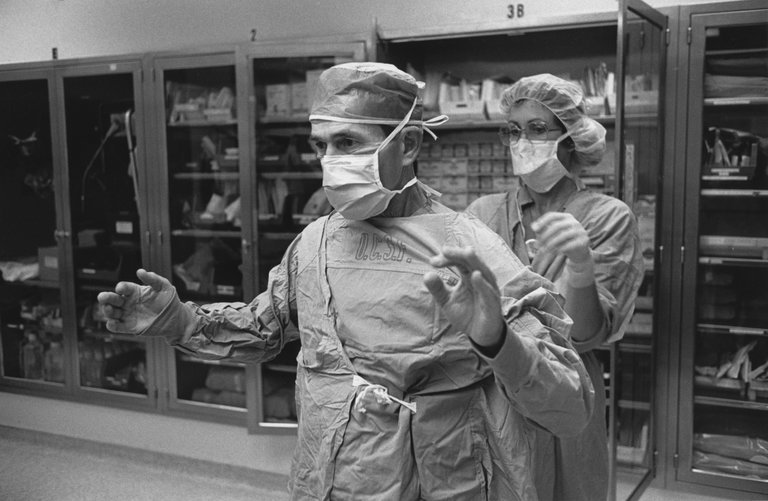
Dr. Charles Wilson, One of the world’s greatest neurosurgeons and pioneer of transsphenoidal pituitary surgery died at 88


The UCSF website in an obituary from Kate Vidinsky reads “He took a particular interest in pituitary disorders, those affecting the pea-sized ‘master gland’ at the base of the brain responsible for controlling the body’s hormone levels. He was a pioneer of transsphenoidal surgery – the endonasal approach for removing pituitary tumors – and performed more than 3,300 of these procedures at UCSF Medical Center.”

The New York Times in an obituary published yesterday described him as “a pioneering and virtuosic San Francisco neurosurgeon”.

Dr. Wilson died February 28, 2018.