Cushing’s, Cancer and Other Serious Diseases

I was drawn to this blog post because the author mentioned that she had both Cushing’s and cancer, a kind of unusual combination.

1974 to Today: Seal it up
By Experience
I still haven’t heard what the consensus is on my aftercare: Cushing’s and Cancer. I don’t know what I will be expecting to feel like after surgery. My endocrinologist said that I should get sick after the surgery and need some kind of
1974 to Today – http://1974totoday.blogspot.com/

I don’t usually comment on blog posts but I did on this one because we seem to share so much, disease-wise.

I said

Hi, I was drawn to your blog post because I have a blog with the same name, Cushings & Cancer.

I had my Cushing’s long ago and my cancer (kidney aka renal cell carcinoma) was 3 years ago but I sure know where you’re coming for.

My surgeon contacted my endo for the amounts of steroids during surgery (they came through the IV) then post-op, they kept cutting my dose in half until I was back down to normal.
Generally, you stress-dose after surgery if you feel like you have a flu coming on. Has your endo given you Cortef or another steroid to take for emergencies like this? Sometimes, they will give you an injectible to be faster acting.

Best of luck with the cancer surgery AND your Cushing’s.
MaryO

I sure hope that this isn’t a trend, Cushies getting cancer although I know of a couple others on the boards getting cancer.

I suppose Cushing’s doesn’t make us any more immune to other diseases but it seems like it should.

Haven’t we already “done our time”?

OTOH, I have a friend with a serious cancer (aren’t they all?)  who recently learned that she has a second, unrelated, cancer.  Makes you wonder sometimes.

What other diseases have you had in addition to your Cushing’s?

Paraneoplastic Cushing Syndrome Unmasking Small Cell Lung Cancer: A Rare Presentation

Abstract

We present a case of a middle-aged woman who presented with chest pain and shortness of breath. Laboratory tests revealed persistent hypokalaemia, hyperglycaemia, and metabolic alkalosis despite treatment. Imaging identified a mass near the right hilum suggestive of lung malignancy. Endocrine evaluation showed markedly elevated cortisol and adrenocorticotropic hormone levels, consistent with paraneoplastic Cushing syndrome caused by ectopic hormone production. The analysis of the lung biopsy obtained through bronchoscopy confirmed the diagnosis of small cell lung cancer (SCLC). The patient was treated with metyrapone and spironolactone to stabilise her metabolic abnormalities and was subsequently referred for chemotherapy following a multidisciplinary team review. This case highlights the importance of recognising paraneoplastic syndromes as atypical presentations of malignancy and emphasises the role of a coordinated, multidisciplinary approach in diagnosis and management.

Introduction

Paraneoplastic syndromes, although relatively uncommon, can serve as important early clues to an underlying cancer. One such rare and often overlooked condition is ectopic adrenocorticotropic hormone (ACTH) secretion, a form of paraneoplastic Cushing’s syndrome. This occurs when a non-pituitary tumor, most commonly small cell lung carcinoma (SCLC) or another neuroendocrine tumor, produces ACTH, leading to overstimulation of the adrenal glands and excessive cortisol production.

Unlike the more familiar presentation of Cushing’s syndrome, ectopic ACTH production tends to manifest with severe metabolic disturbances, such as persistent hypokalemia, metabolic alkalosis, hyperglycemia, and muscle weakness, often without the typical physical features like moon facies or central obesity. These atypical and rapidly progressing symptoms can delay diagnosis, especially in patients with aggressive malignancies.

A thorough diagnostic workup, including hormone assays, suppression testing, and imaging, is essential to pinpoint the source of ectopic hormone production. Early identification is critical, as the metabolic derangements associated with this syndrome can lead to significant morbidity if left untreated.

In this report, we present the case of a middle-aged woman whose initial symptoms of chest pain and shortness of breath led to the discovery of SCLC with ectopic ACTH production. Her case highlights the importance of considering paraneoplastic syndromes in the differential diagnosis of unexplained electrolyte abnormalities and metabolic dysfunction.

Case Presentation

We report the case of a 52-year-old Caucasian woman who presented with a one-week history of diffuse chest pain, progressive shortness of breath, and MRC dyspnea grade 1 initially and then progressing to grade 2. She had no prior history of similar symptoms, and her past medical history was unremarkable. On examination, there were no significant findings on systemic review.

Initial laboratory investigations revealed marked hypokalaemia, with a serum potassium level of 2.4 mmol/L, alongside significant hyperglycaemia (blood glucose: 20 mmol/L) and metabolic alkalosis (arterial pH: 7.52, bicarbonate: 32 mmol/L). Notably, the patient had no known history of diabetes mellitus (Table 1).

Parameter Result Reference range Remarks
Serum potassium 2.4 mmol/L 3.5–5.0 mmol/L Marked hypokalaemia
Blood glucose 20 mmol/L 3.9–7.8 mmol/L (fasting) Significant hyperglycaemia; no known diabetes
Arterial pH 7.52 7.35–7.45 Metabolic alkalosis
Serum bicarbonate (HCO₃⁻) 32 mmol/L 22–28 mmol/L Elevated, consistent with metabolic alkalosis
Table 1: Initial laboratory investigations

This table summarizes the patient’s initial biochemical abnormalities, which include marked hypokalaemia, significant hyperglycaemia in the absence of known diabetes mellitus, and evidence of metabolic alkalosis on arterial blood gas analysis.

Despite intravenous and oral potassium supplementation, hypokalaemia persisted (Table 2). Hyperglycaemia also remained uncontrolled initially and was subsequently managed with insulin therapy.

Day Serum potassium (mmol/L) Reference range (mmol/L)
Day 1 2.4 3.5–5.0
Day 2 2.2 3.5–5.0
Day 3 2.8 3.5–5.0
Day 4 3.0 3.5–5.0
Day 5 2.9 3.5–5.0
Day 6 2.6 3.5–5.0
Day 7 2.7 3.5–5.0
Table 2: Daily serum potassium levels (day 1–day 7)

This table presents serum potassium levels measured over a seven-day period, demonstrating persistently low values consistent with hypokalaemia despite Intra-venous and oral pottasium replacement.

The patient presented with chest pain with respiratory symptoms, and an initial chest radiograph was suggestive of lung cancer (Figure 1).

Initial-chest-X-ray-
Figure 1: Initial chest X-ray

Posteroanterior chest radiograph showing a spiculated opacity in the right mid-zone (black arrow), suggestive of a pulmonary mass. The lesion projects over the right hilum and may represent a primary bronchogenic carcinoma. No gross pleural effusion or pneumothorax is identified.

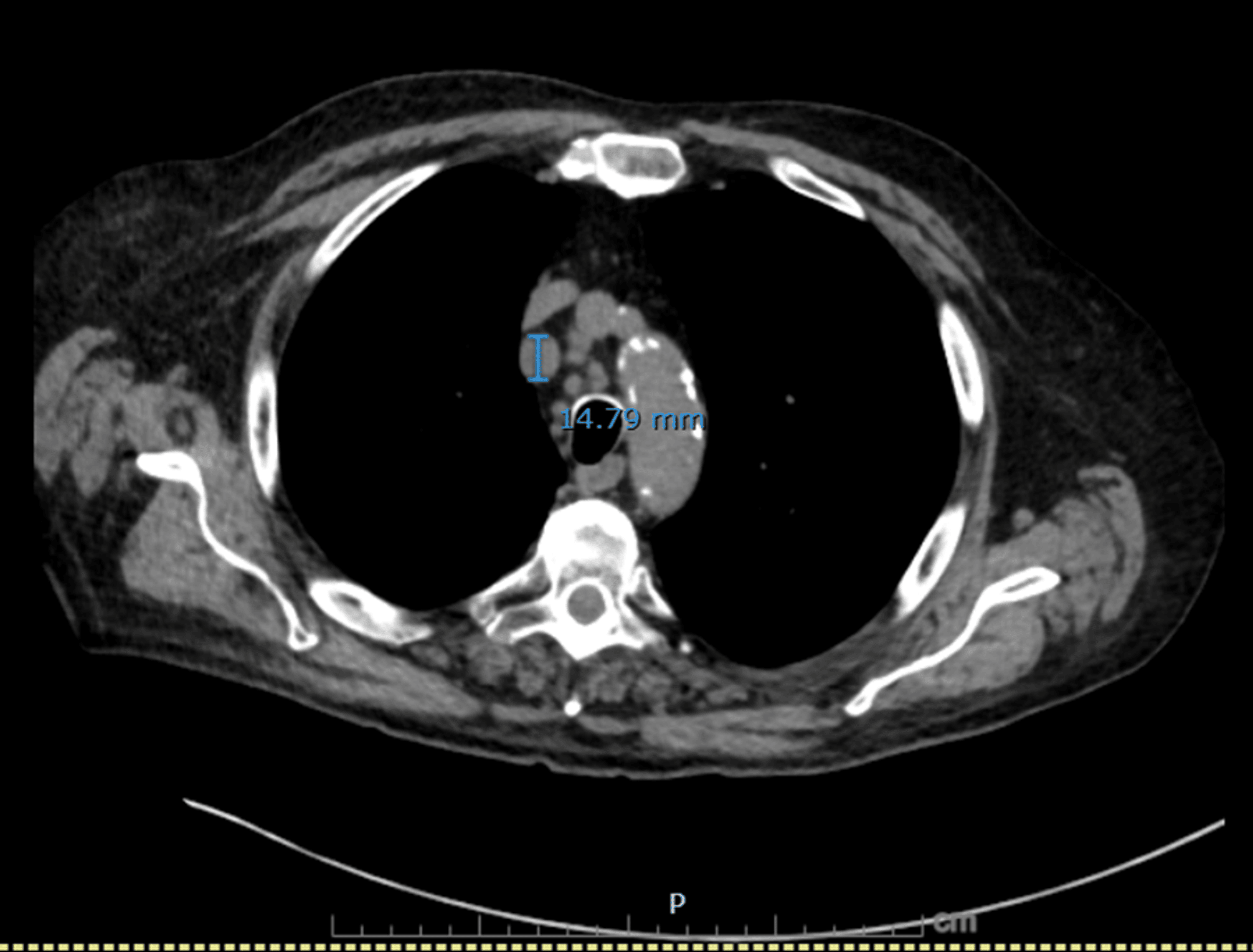
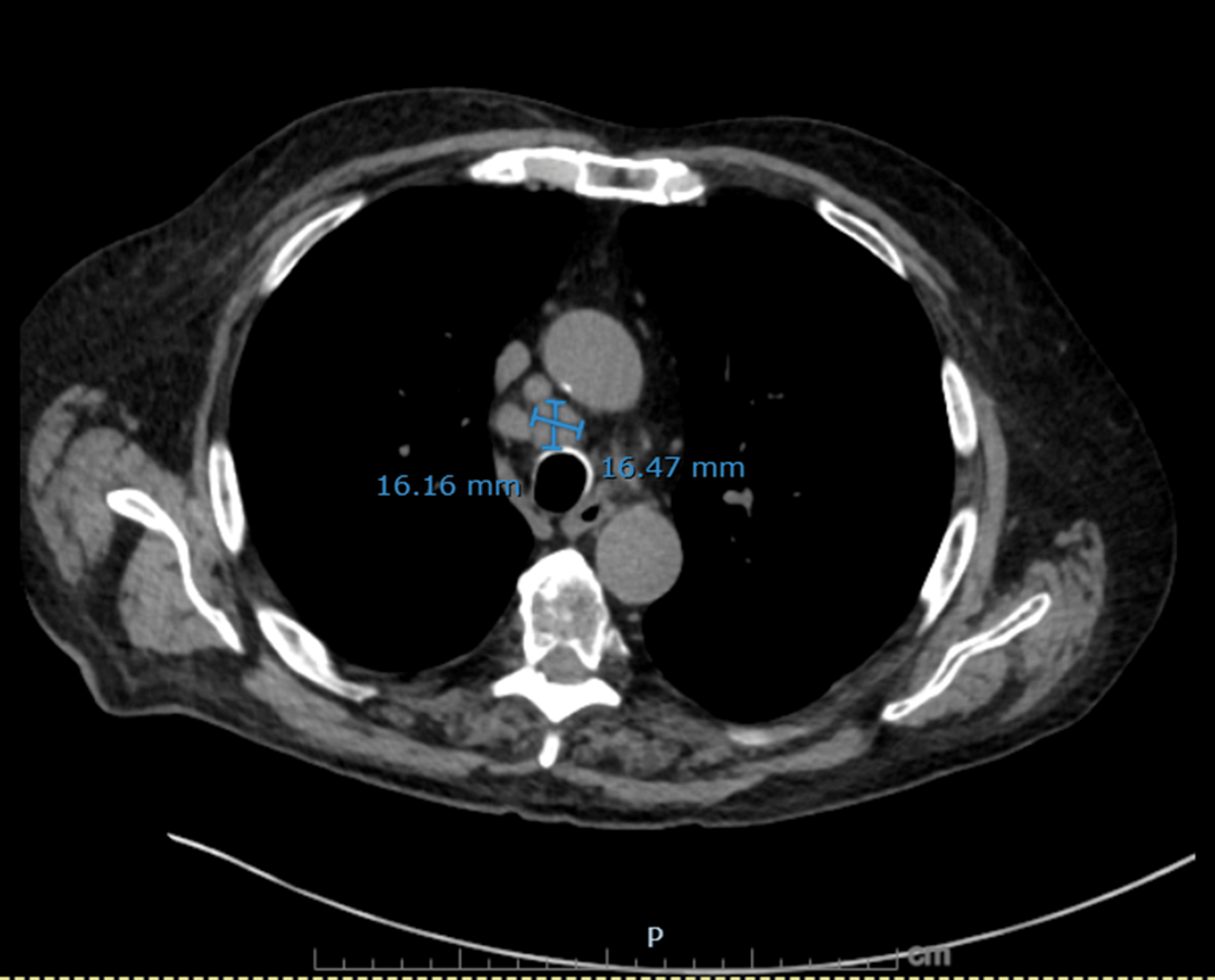
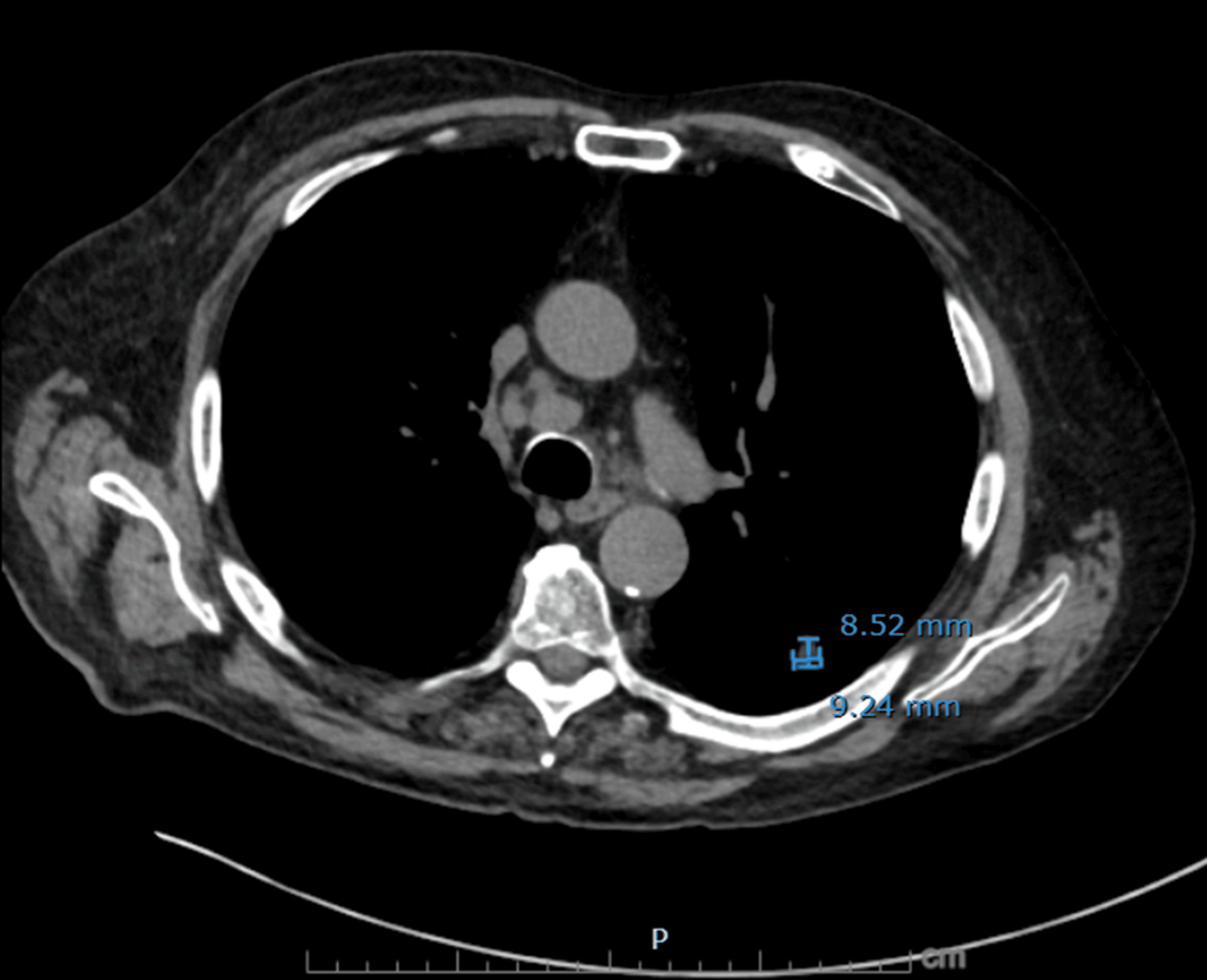
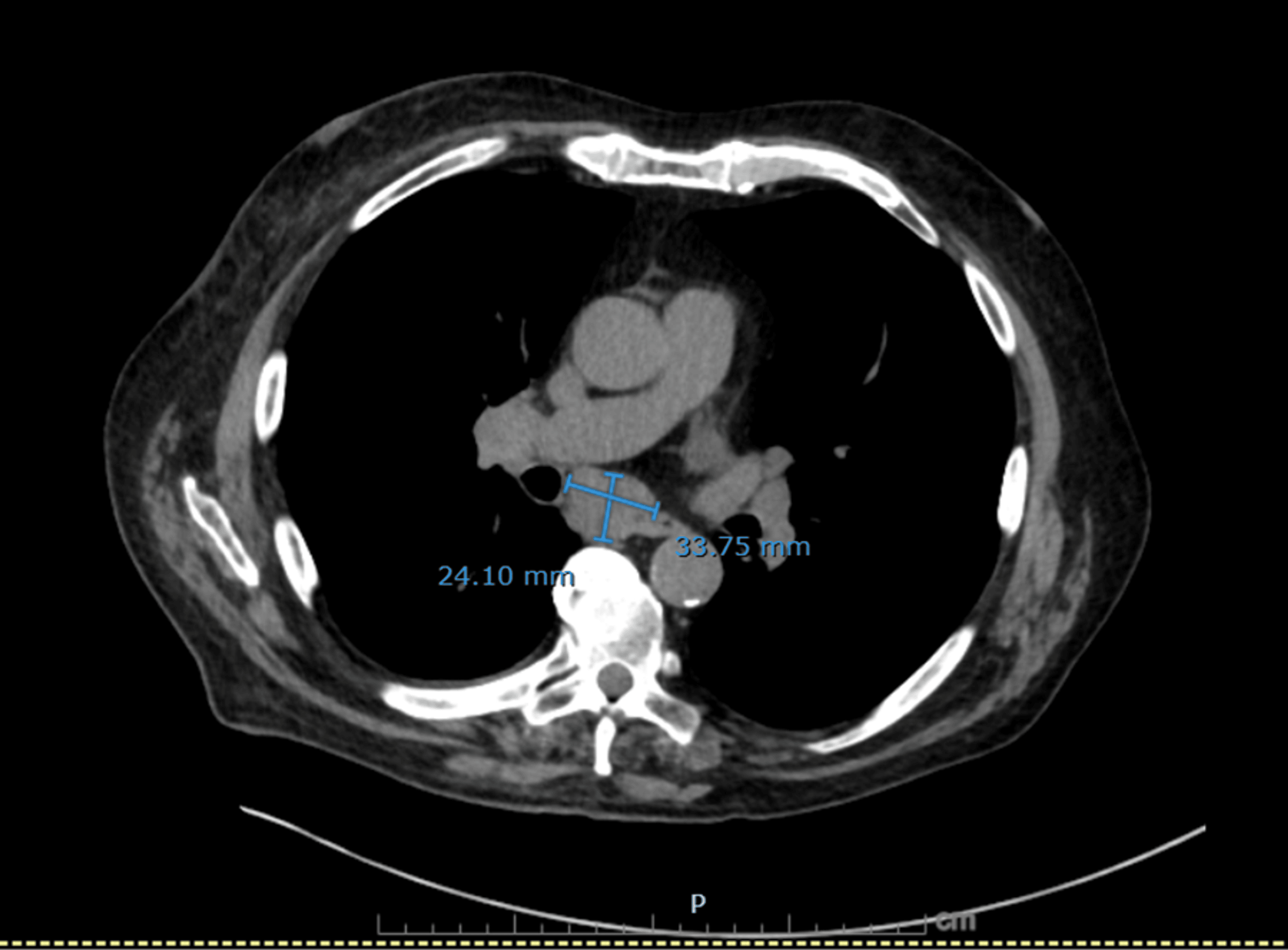
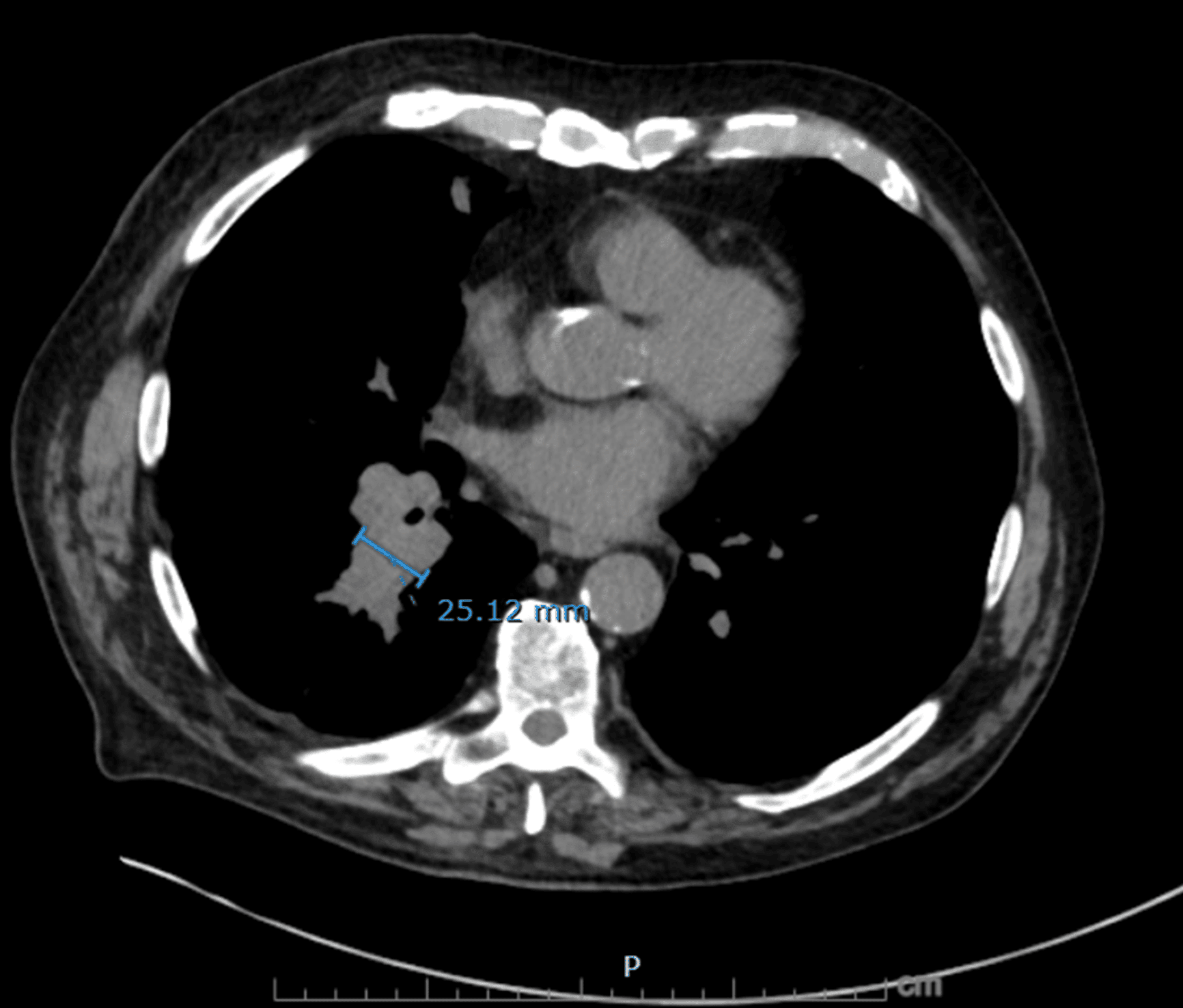
Further evaluation with contrast-enhanced CT of the thorax revealed a right hilar mass suspicious for a bronchogenic malignancy (Figure 2).

Computed-tomography-(CT)-thorax-
Figure 2: Computed tomography (CT) thorax

Contrast-enhanced axial CT of the thorax demonstrating a spiculated right hilar mass (black arrow) measuring approximately 4 cm in greatest diameter. The mass is abutting the right main bronchus and associated with enlargement of adjacent mediastinal lymph nodes. No evidence of pleural effusion, chest wall invasion, or direct mediastinal involvement is seen on this image.

Given the persistent hypokalaemia, hyperglycaemia, and metabolic alkalosis, the possibility of a paraneoplastic endocrine syndrome was considered.

Endocrine workup showed markedly elevated serum cortisol levels (>2000 nmol/L), which failed to suppress following both low- and high-dose dexamethasone suppression tests. Plasma ACTH levels were also significantly elevated at 615 ng/L, consistent with ectopic ACTH secretion (Table 3).

Test Result Reference range Interpretation
Serum cortisol >2000 nmol/L Morning: 140–690 nmol/L Markedly elevated
Low-dose dexamethasone suppression test No suppression observed Cortisol suppressed to <50 nmol/L Abnormal; cortisol not suppressed
High-dose dexamethasone suppression test No suppression observed Cortisol suppressed by >50% Abnormal; cortisol not suppressed
Plasma ACTH 615 ng/L 10–60 ng/L Significantly elevated; ectopic ACTH secretion
Table 3: Endocrine workup results demonstrating elevated cortisol and adrenocorticotropic hormone (ACTH) levels with lack of suppression on dexamethasone testing

Serum cortisol  levels during low- and high-dose dexamethasone suppression tests. Despite administration of both low- and high-dose dexamethasone, serum cortisol levels remained markedly elevated. Plasma ACTH was also significantly elevated at 615 ng/L, consistent with ectopic ACTH secretion. Reference ranges are included for comparison.

Flexible bronchoscopy was performed, and biopsy of the right endobronchial tumour confirmed the diagnosis of SCLC (Figures 34).

Bronchoscopic-view-of-the-right-hilar-mass-
Figure 3: Bronchoscopic view of the right hilar mass

Bronchoscopic view of the right bronchial tree demonstrating an irregular, lobulated endobronchial mass (black arrow). The lesion appears friable and hypervascular, partially obstructing the bronchial lumen, suggestive of a malignant endobronchial tumor.

Histological-section-of-small-cell-lung-cancer-(SCLC)
Figure 4: Histological section of small cell lung cancer (SCLC)

The arrow indicates a dense cluster of small, hyperchromatic tumour cells characteristic for SCLC.

The combination of persistent metabolic derangements, imaging findings, and histological confirmation supported the diagnosis of paraneoplastic Cushing’s syndrome secondary to ectopic ACTH production by SCLC. This rare clinical entity results from autonomous ACTH secretion by the tumour, leading to adrenal hyperplasia and excessive cortisol production.

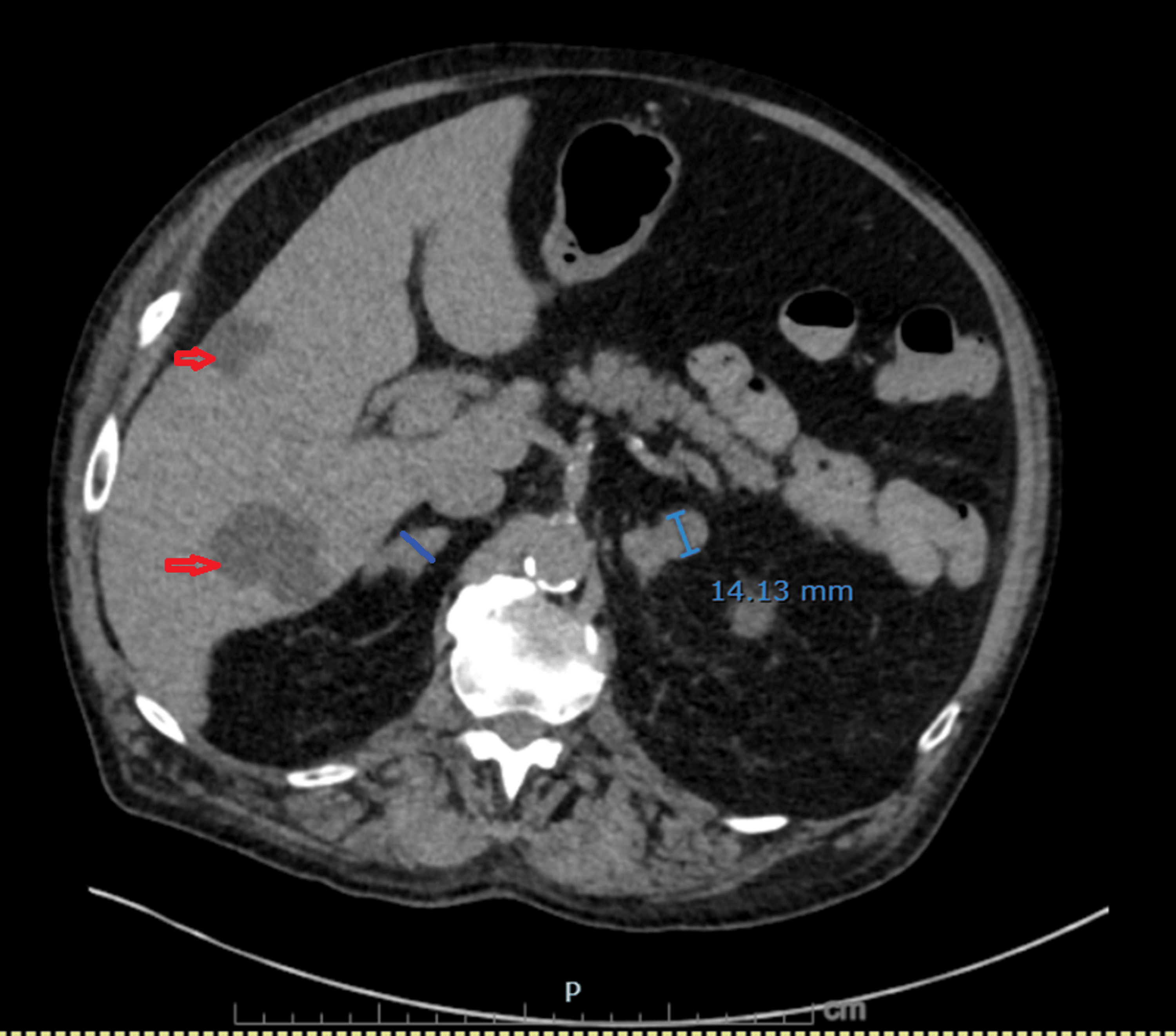
Further staging workup was performed to assess the extent of the disease. Contrast-enhanced CT of the abdomen and MRI of the brain showed no evidence of distant metastasis. The disease was therefore classified as limited-stage SCLC.

The patient was commenced on metyrapone and spironolactone following a comprehensive discussion with the endocrinology team. This intervention resulted in the stabilisation of her potassium levels (Figure 5). Furthermore, in the context of her diagnosis of SCLC, a multidisciplinary team (MDT) was convened to discuss her case. Following this collaborative discourse, it was determined that a referral to the oncology department was warranted for the initiation of chemotherapy.

-Serum-potassium-trend-showing-initial-treatment-resistance-and-subsequent-stabilization-after-initiation-of-metyrapone-and-spironolactone
Figure 5: Serum potassium trend showing initial treatment resistance and subsequent stabilization after initiation of metyrapone and spironolactone

The graph demonstrates persistently low serum potassium levels despite aggressive intravenous and oral supplementation. Notable stabilization and eventual normalization of potassium values are observed following the initiation of metyrapone and spironolactone, indicated toward the end of the monitoring period. The shaded green area represents the normal reference range for serum potassium (3.5–5.5 mmol/L).

Discussion

This case illustrates a rare but clinically significant presentation of paraneoplastic Cushing’s syndrome secondary to ectopic ACTH secretion from SCLC. The patient’s initial symptoms of chest pain and breathlessness were non-specific, but persistent metabolic derangements, including hypokalaemia, hyperglycaemia, and metabolic alkalosis, proved refractory to standard treatment. These findings raised suspicion for an underlying endocrine disorder, leading to targeted hormonal evaluation [1,2].

Diagnostic workup revealed markedly elevated cortisol and ACTH levels, with failure to suppress during low- and high-dose dexamethasone suppression tests. Imaging and histological analysis subsequently identified a right hilar mass consistent with SCLC as the source of ectopic ACTH production. Although rare, ectopic ACTH syndrome is a well-recognised paraneoplastic manifestation of SCLC, reported in approximately 1-5% of cases [3]. It can lead to severe metabolic derangements that complicate management and worsen prognosis if unrecognised [4].

Management of ectopic Cushing’s syndrome requires prompt biochemical stabilisation to mitigate life-threatening complications such as hypokalaemia and hypertension. In this case, metyrapone, an 11β-hydroxylase inhibitor, effectively reduced cortisol synthesis, while spironolactone antagonised mineralocorticoid receptors to correct hypokalaemia. Other agents such as ketoconazole, mitotane, or intravenous etomidate may be considered in similar cases, especially when rapid cortisol control is needed or oral therapy is contraindicated [1,5]. However, these therapies carry risks of hepatotoxicity, adrenal insufficiency, or sedation, underscoring the importance of careful monitoring.

Definitive treatment of the underlying malignancy remains the cornerstone of care, as sustained control of ectopic ACTH production depends on tumour response. Early initiation of chemotherapy in SCLC can lead to a reduction in tumour burden and, in some cases, resolution of the paraneoplastic syndrome [4]. However, the metabolic instability associated with hypercortisolism often complicates oncologic management, highlighting the need for coordinated multidisciplinary care.

This case underscores the diagnostic challenge posed by ectopic Cushing’s syndrome and the importance of recognising paraneoplastic endocrine presentations in patients with unexplained metabolic derangements.

Conclusions

This case underscores the importance of considering paraneoplastic syndromes in patients with persistent, unexplained metabolic derangements such as hypokalaemia, hyperglycaemia, and metabolic alkalosis. In this patient, early recognition of ectopic ACTH secretion prompted targeted investigations, leading to the timely diagnosis of SCLC. This facilitated the initiation of appropriate endocrine therapy with metyrapone and spironolactone to stabilise the biochemical abnormalities and allowed safe progression to oncological management.

The case also highlights the complexities of managing ectopic Cushing’s syndrome, where severe metabolic disturbances can delay definitive cancer treatment. A coordinated, multidisciplinary approach involving endocrinology, oncology, and respiratory teams was crucial in optimising patient care and improving the likelihood of a favourable outcome.

For clinicians, this case reinforces the need to maintain a high index of suspicion for paraneoplastic endocrine disorders in patients with unexplained electrolyte and metabolic abnormalities, particularly when accompanied by respiratory symptoms or imaging suggestive of a pulmonary lesion. Early identification and intervention in such cases are critical for minimising morbidity and enabling timely cancer-directed therapy.

References

  1. Jeong C, Lee J, Ryu S, et al.: A case of ectopic adrenocorticotropic hormone syndrome in small cell lung cancer. Tuberc Respir Dis (Seoul). 2015, 78:436-9. 10.4046/trd.2015.78.4.436
  2. Ilias I, Torpy DJ, Pacak K, Mullen N, Wesley RA, Nieman LK: Cushing’s syndrome due to ectopic corticotropin secretion: twenty years’ experience at the National Institutes of Health. J Clin Endocrinol Metab. 2005, 90:4955-62. 10.1210/jc.2004-2527
  3. Coe SG, Tan WW, Fox TP: Cushing’s syndrome due to ectopic adrenocorticotropic hormone production secondary to hepatic carcinoid: diagnosis, treatment, and improved quality of life. J Gen Intern Med. 2008, 23:875-8. 10.1007/s11606-008-0587-z
  4. Perakakis N, Laubner K, Keck T, et al.: Ectopic ACTH-syndrome due to a neuroendocrine tumour of the appendix. Exp Clin Endocrinol Diabetes. 2011, 119:525-9. 10.1055/s-0031-1284368
  5. Nieman LK, Biller BM, Findling JW, Newell-Price J, Savage MO, Stewart PM, Montori VM: The diagnosis of Cushing’s syndrome: an Endocrine Society Clinical Practice Guideline. J Clin Endocrinol Metab. 2008, 93:1526-40. 10.1210/jc.2008-0125

https://www.endocrine.org/journals/jcem-case-reports/unilateral-adrenalectomy-for-pediatric-cyclical-cushing-syndrome


Münchausen By Media

The Internet makes it so easy to develop weird and unusual diseases.  Just plop a symptom into Google and suddenly you find yourself with stomach cancer, Cushing’s or other dread diseases.

Even on TV, the ads for lawyers almost convince people they might have mesothelioma and other rare illnesses that might bring you – and them! – bundles of money if you just sue someone.

Magazine ads implore you to “ask your doctor about…” this drug or that you might or might not need.  Your doctor might just give it to you to keep you from asking.  And there’s a needless medication that brings profit to the drug company and side effects to you.

TV shows like House and Mystery Diagnosis will show you diseases you never dreamed about.

There’s a great topic on the Power Surge message boards, What’s the worst “disease or ailment” you’ve had, where the women discuss the diseases they thought that they had, based on symptoms, what they’ve seen online, in the news but not based on reality.

I’ve done it myself.  About the only time I was right was with my Cushing’s diagnosis. That one was a good call. But my thoughts of kidney cancer metastasis haven’t come true (yet, anyway!).

There’s been information online lately about Münchausen Syndrome.  Wikipedia says:

“…the affected person exaggerates or creates symptoms of illnesses in themselves or their child/children in order to gain investigation, treatment, attention, sympathy, and comfort from medical personnel. In some extremes, people suffering from Münchausen’s Syndrome are highly knowledgeable about the practice of medicine, and are able to produce symptoms that result in multiple unnecessary operations. For example, they may inject a vein with infected material, causing widespread infection of unknown origin, and as a result cause lengthy and costly medical analysis and prolonged hospital stay. The role of “patient” is a familiar and comforting one, and it fills a psychological need in people with Münchausen’s. It is distinct from hypochondriasis in that patients with Münchausen syndrome are aware that they are exaggerating, whereas sufferers of hypochondriasis believe they actually have a disease.”

I think we’ve all see this, especially online.  It’s so easy to sit in the comfort of ones home and add “just a little” to the symptoms, making it more impressive for the readers.

From A Strange Case of Münchausen By Internet:

“…When I first got online, I “met” a young woman who claimed to be a vet, and offered me all kinds of advice about my cat and my tropical fish. She got cancer, slowly declined, then died. We wanted to send flowers, and maybe attend the funeral, and got her ISP to contact her family for us. To our shock, her parents said there was no funeral. She wasn’t dead, she wasn’t even sick. At least not physically. She’d pulled this kind of “pretend death” several times before, and was in therapy, but every time life got stressful, she’d do it again.

And the Internet is the ideal place for a Munchausen sufferer. With the click of a button, you can find out all kinds of information, to help you pose as anyone you want. People don’t expect to see you in person or even talk to you except by e-mail, making deception easier. And often, mailing lists, message boards, etc., will give unqualified support to their members…”

And Media Makes Me Sick:

“…The Internet is hands-down the worst thing to ever happen to the medical world. With Web sites like WebMD, any paranoid hypochondriac like me can jump online, look for symptoms and immediately convince himself he has cancer or Cushing’s disease or non-Hodgkin’s lymphoma or any other of a million things.

WebMD allows you to find one symptom and then “helps” you by listing 15,000 things it could mean.

Oh my God. I do have a slight ache! That’s it. I must have a brain tumor. I’m not kidding, I recently scared myself into thinking I had cancer. It took a specialist, a CT scan and an ultra-sound to convince me otherwise…”

Karen found this older article at http://www.villagevoice.com/2001-06-26/news/cybersickness/1

“…Over nearly three years, from 1998 to 2000, a woman—let’s call her Anna—posted to an online support group for people with mental illness. To the larger circle of readers, she acted mostly as friendly counselor. But to a select few, she e-mailed stories of escalating catastrophes. Her husband and two children had perished in a plane crash, she wrote. As a kid, her father had molested her, and she had suffered multiple personality disorder. Finally, she told her trusted—and trusting—confidants that she had just been diagnosed with leukemia.

Gwen Grabb, a psychotherapy intern and mother of three in Los Angeles, says the group believed Anna because she took on the role of helping others, revealing her own difficulties much later, and to an intimate audience. “She was very bright,” recalls Grabb. “She was very supportive and kind. One day, she started telling me about `the crash,’ what they found in the black box, how you could hear her daughter screaming. I had known her a year. I believed her.”

But as the tales became more elaborate and grotesque, Grabb grew suspicious. Along with another group member—Pam Cohen, a bereavement counselor in the Mid-Atlantic region—she did some research and discovered Anna was making it up. It was a shock to all, but worse than that to Cohen. “It is like an emotional rape,” she says. People may have been upset over the online life and fatal cancer of the fictional Kaycee, whose creator admitted last month she’d invented the high school character for expressive purposes. But that was geared to a general audience, however easily suckered. Pretenders like Anna hurt a much more vulnerable group—folks who may be seriously ill and are seeking help…”

So – use caution and remember that not everything you read will happen to you!

Predictors of Cancer in Patients With Endogenous Cushing’s Syndrome

We previously reported an increase in overall cancer risk in patients with endogenous Cushing’s syndrome (CS), mainly during the 10-year period following CS diagnosis.

To identify predictors of cancer in patients with CS, we conducted this retrospective nationwide cohort study of patients with CS, diagnosed between 2000 and 2023 in Israel. The cohort comprised 609 patients with CS (age at diagnosis, 48.1 ± 17.2 years; 65.0% women) and 3,018 age-, sex-, socioeconomic status-, and body mass index-matched controls (1:5 ratio).

Patients were grouped according to the occurrence of any malignancy within 10-years after the diagnosis of CS. Cox proportional hazards models, with death as a competing event, were used to identify predictors of cancer development. Independent predictors of cancer development in patients with CS included age ≥60 years (HR 1.75, 95% CI 1.01–2.68), male gender (HR 1.67, 95% CI 1.04–3.05), and adrenal-origin CS (HR 1.66, 95% CI 1.01–2.73). Baseline urinary-free cortisol levels were not associated with cancer development. Patients with ≥4 CS-associated comorbidities had a higher cancer risk (HR 1.76, 95% CI 1.03–3.02; age- and sex-adjusted). The overall 10-year risk of malignancy was twice as high in patients with CS compared to matched controls, with cancer developing, on average, 5 years earlier in patients with CS (62.3 ± 15.0 vs 67.2 ± 12.3 years). Cancer-related mortality at 10-years was twice as high in deceased patients with CS, compared to deceased controls. In conclusion, age ≥60 years at CS diagnosis, male gender, and adrenal-origin CS are independent predictors of cancer diagnosis within 10-years of initial confirmation of CS.


Introduction

Prolonged cortisol exposure may promote cancer development and growth (Mayayo-Peralta et al. 2021Khadka et al. 2023). Epidemiological research showed that extended glucocorticoids use is associated with elevated overall cancer risk (Oh & Song 2020). Recently, several studies suggested that cortisol levels increase cancer risk in patients with endogenous Cushing’s syndrome (CS). A Danish study found higher rates of cancer at the time of CS diagnosis compared to controls (Dekkers et al. 2013). A Swedish study examined comorbidity rates in patients with CS and identified a nonsignificant trend of increased cancer rates in CS compared to the general population, but was probably underpowered for this relatively rare outcome (Papakokkinou et al. 2020). Our nationwide retrospective matched-cohort study, using the Clalit Health Services (CHS) database in Israel (including 609 patients with CS and 3,018 age-, sex-, socioeconomic status- and body mass index (BMI)-matched controls), observed higher rates of all cancer types in patients with CS, with a hazard ratio (HR) of 1.78 (95% CI 1.44–2.20) (Rudman et al. 2024). Elevated cancer incidence was evident in patients with Cushing’s disease (CD) and in patients with adrenal CS. The overall cancer risk remained elevated during the first 10 years that followed CS diagnosis (Rudman et al. 2024). Similarly, a nationwide cohort study from Taiwan investigated the association between endogenous CS and cancer incidence, and reported a standardized incidence ration of 2.08 (95% CI 1.54–2.75) for cancer in patients with endogenous CS (Wu et al. 2025).
Hypercortisolemia and CS-associated comorbidities could drive malignancy development in patients with CS (Rudman et al. 2024Wu et al. 2025). While it is known that the incidence of diabetes, obesity and insulin resistance is higher in patients with CS than that of the general population (Pivonello et al. 2016Fleseriu et al. 2021Reincke & Fleseriu 2023) – all of which are linked to cancer development (Renehan et al. 2008Ling et al. 2020) – it remains unclear whether these comorbidities specifically contribute to the risk of malignancy within the CS population.
Thus, the aims of the present study were to identify the baseline predictors of cancer development in CS and to test the hypothesis that cumulative cortisol exposure, measured by urinary-free cortisol (UFC), predicts cancer risk in patients with CS.

Methods

Study design and data collection

We conducted a retrospective matched-cohort study using the electronic health record database of Clalit Health Services (CHS), the largest health maintenance organization (HMO) in Israel with over 4.8 million members. The CHS database includes demographic and clinical data, hospital and outpatient clinic diagnoses, medication dispensation, and all laboratory test results conducted at the HMO’s laboratories. All diagnoses and respective dates were identified using the International Classification of Diseases, tenth revision (ICD-10) codes (Supplementary Table S1 (see section on Supplementary materials given at the end of the article)). Weight and height data, and smoking status, were recorded regularly during visits to primary care clinics and in some specialized clinics. 24 h UFC results were collected and the normal reference range for each kit used. As these tests were performed by several different laboratories and devices (in all cases the bioanalytical method used was an immunoassay test), the results were reported as multiples of the upper limit of normal (×ULN). Data were extracted using the CHS research data-sharing platform, powered by MDClone. Importantly, the diagnoses of chronic medical conditions, recorded at the time of CS diagnosis, were validated: any member of CHS who required chronic treatment for a medical condition (e.g., medication for hypertension or diabetes) could only receive his prescriptions if the primary physician has registered the diagnosis, coded according to the ICD-10, in the computerized system. Mortality data were collected from the hospital’s mortality database, which is updated from the Ministry of Interior’s population registry. Data on cancer-specific mortality were obtained from hospital discharge certificates at the time of the hospitalization that ultimately resulted in the patient’s death. The study protocol, including detailed data collection methods, has been previously published (Rudman et al. 2024).

Ethical approval

The study was approved by the institutional ethics review board of Rabin Medical Center. As data were collected anonymously and in a retrospective manner, a waiver of informed consent was granted.

Patients and outcome measures

The methods we used for patient selection and matched controls selection have been previously published (Rudman et al. 2024), as the current study is based on the same group of patients with CS and controls. After the initial screening, potential cases with ICD-10 diagnosis of CS had to fulfill at least one of the following criteria: i) 24 h UFC ≥4 ×ULN, ii) 24 h UFC ≥3 ×ULN and surgical intervention to remove a pituitary or adrenal adenoma, and iii) 24 h UFC ≥2 ×ULN and metyrapone, ketoconazole, osilodrostat, cabergoline, or pasireotide treatment. All patients with CS and non-suppressed adrenocorticotropic hormone (ACTH) levels who did not receive pituitary-directed therapy and were diagnosed with a malignancy possibly causative of ectopic CS, including small-cell lung carcinoma, bronchial and thymic carcinoids, medullary thyroid carcinoma, neuroendocrine tumors or pheochromocytoma, were suspected of ectopic CS and were excluded from this study (Rudman et al. 2024). Patients diagnosed with adrenocortical carcinoma before or within 5 years of CS diagnosis were excluded.
All identified cases were individually matched in a 1:5 ratio with age-, sex-, socioeconomic status-, and BMI-matched controls from the general population (CHS members who have never been tested for suspected hypercortisolism). The age of the individually matched controls matched the age of cases ±12 months.
The follow-up period began at the time of CS diagnosis for all cases (newly diagnosed patients with CS) and at the exact same day for each individually matched control. It continued until death, termination of CHS membership, or until the date of data collection (June 30, 2023).
The main outcome measure was the first diagnosis of any malignancy following CS diagnosis, excluding non-melanoma skin cancer. Recurrences of known malignancies were also excluded.

Statistical analysis

The statistical analysis was generated using the SAS Software, Version 9.4, SAS Institute Inc., Cary, NC, USA. Continuous variables were presented by the mean ± standard deviation or median (interquartile range (IQR)). Categorical variables were presented by (n, %). Normality of continuous variables was assessed using the Kolmogorov–Smirnov test. The t-test, Mann–Whitney test, and chi-square test were used for comparison of normally distributed, non-normal, and categorical variables, respectively. The Cox proportional hazard model, with death without malignancy treated as a competing risk, was used to calculate both univariate and multivariate HR; the Fine and Gray methodology for dealing with competing risks was used, both in the cumulative incidence plots and in HR calculations. Baseline variables found to be associated with malignancy in the univariate analysis (with a between-group P-value below 0.05) were incorporated into the multivariate model. The appropriateness of the proportional hazard assumption was assessed visually. Two-sided P-values less than 0.05 were considered statistically significant.

Results

Patient characteristics

From January 1, 2000, to June 30, 2023, a total of 609 patients with CS met the study inclusion criteria (65.0% women, mean age at CS diagnosis of 48.1 ± 17.2 years). All cases of CS were matched with up to five controls based on age, sex, socioeconomic status, and BMI, and amounted to a total of 3,018 controls. Baseline characteristics of all 609 patients and 3,018 controls, with subdivisions according to disease source, are shown in Table 1.

Table 1. Baseline characteristics (at diagnosis/time 0) of patients with Cushing’s syndrome (CS) and matched control of all patients with CS, Cushing’s disease (CD), and adrenal CS.

Baseline characteristics, all patients with CS CS (n = 609) Matched controls (n = 3,018) P value CD (n = 251) Matched controls (n = 1,246) P value Adrenal CS (n = 200) Matched controls (n = 991) P value
Age, years, mean (SD) 48.1 (17.2) 47.9 (17.2) 45.7 (17.8) 45.7 (17.8) 51.1 (16.6) 51.0 (16.6)
Sex, no. (%)
 Females 396 (65.0) 1,975 (65.4) 164 (65.3) 818 (65.6) 137 (68.5) 684 (69.0)
 Males 213 (35.0) 1,043 (34.6) 87 (34.7) 428 (34.4) 63 (31.5) 307 (31.0)
Socioeconomic status, no. (%)a
 Low 74 (12.8) 371 (13.0) 34 (14.2) 172 (14.5) 20 (10.5) 99 (10.4)
 Middle 349 (60.6) 1,719 (60.3) 145 (60.7) 713 (60.2) 119 (62.6) 594 (62.9)
 High 153 (26.6) 760 (26.7) 60 (25.1) 300 (25.3) 51 (26.9) 252 (26.7)
Body mass index, Kg/m2, mean (SD)b 30.9 (7.6) 30.0 (6.9) 30.2 (7.4) 29.6 (6.8) 30.8 (7.1) 30.3 (6.3)
Source of hypercortisolism, no. (%)
 Cushing’s disease 251 (41.2)
 Adrenal Cushing’s syndrome 200 (32.8)
 Indeterminatec 158 (25.9)
Smoking status, no. (%)d 0.35 0.77 0.18
 Non-smoker 198 (59.8) 910 (62.6) 87 (64.0) 387 (65.3) 61 (53.0) 327 (60.1)
 Smoker/former smoker 133 (40.2) 544 (37.4) 49 (36.0) 206 (34.7) 54 (47.0) 217 (39.9)
Comorbidities, no. (%)
 Diabetes mellitus 140 (23.0) 396 (13.1) <0.01 55 (21.9) 148 (11.9) <0.01 51 (25.5) 158 (15.9) <0.01
 Hypertension 343 (56.3) 957 (31.7) <0.01 129 (51.4) 338 (27.1) <0.01 129 (64.5) 387 (39.0) <0.01
 Dyslipidemia 258 (42.4) 874 (29.0) <0.01 97 (38.6) 305 (24.5) <0.01 97 (48.5) 339 (34.2) <0.01
 Ischemic heart disease 70 (11.5) 191 (6.3) <0.01 23 (9.2) 67 (5.4) 0.03 25 (12.5) 77 (7.8) 0.04
 Cerebrovascular disease 27 (4.4) 82 (2.7) 0.04 12 (4.8) 35 (2.8) 0.11 10 (5.0) 32 (3.2) 0.21
 Osteoporosis 75 (12.3) 187 (6.2) <0.01 26 (10.4) 57 (4.6) <0.01 28 (14.0) 82 (8.3) 0.02
 Malignancy before CS diagnosis 50 (8.2) 117 (3.9) <0.01 15 (6.0) 48 (3.9) 0.12 20 (10.0) 50 (5.0) 0.01
Cases and controls were individually matched for age, sex, socioeconomic status, and body mass index.
a
Cushing’s syndrome n = 576, controls n = 2,850; Cushing’s disease n = 239, controls n = 1,185; adrenal Cushing’s syndrome n = 190, controls n = 945.
b
Cushing’s syndrome n = 363, controls n = 1,549; Cushing’s disease n = 152, controls n = 644; adrenal Cushing’s syndrome n = 131, controls n = 570.
c
Ectopic ACTH secretion and adrenocortical carcinoma were excluded.
d
Cushing’s syndrome n = 331, controls n = 1,454; Cushing’s disease n = 136, controls n = 593; adrenal Cushing’s syndrome n = 115, controls n = 544.
At baseline, diabetes mellitus, hypertension, dyslipidemia, ischemic heart disease, and osteoporosis were more common among patients with CS (P < 0.01). Smoking rates were similar between the two groups (Table 1). A prior history of malignancy was more prevalent among patients with CS than controls (8.2 vs 3.9%, respectively; P < 0.01) (Table 1).

Predictors of new malignancy in patients with Cushing’s syndrome

Table 2 presents the baseline characteristics of 609 patients with CS, including demographic data, CS etiology, history of malignancy before CS diagnosis, maximal UFC at diagnosis, and CS-associated comorbidities. In a univariate time-to-event analysis of the 10-year cumulative cancer risk, accounting for death as a competing event, we found that age ≥60 years at CS diagnosis, male gender, adrenal-origin CS, hypertension, dyslipidemia, and ischemic heart disease at baseline were all associated with a higher cancer risk. The 10-year cumulative cancer risk, with death as a competing event, stratified by age, sex, and CS etiology is shown in Fig. 1. Prior malignancy, diabetes, and obesity were not associated with an increased risk of malignancy in patients with CS (Table 2). The cohort was divided into three groups based on baseline UFC level (below 5 ×ULN, 5–10 ×ULN, and above 10 ×ULN) with comparison of time to cancer occurrence. Higher UFC levels at the time of CS diagnosis were not associated with cancer development (Table 2 and Fig. 2). In a multivariable Cox regression model (multivariable model 1, Table 2), we found that age ≥60 years at CS diagnosis (HR 1.75, 95% CI 1.01–2.68), male gender (HR 1.67, 95% CI 1.04–3.05), and adrenal-origin CS (HR 1.66, 95% CI 1.01–2.73) were independent predictors of cancer development within 10 years after CS diagnosis. In an additional model (multivariable model 2, Table 2), we observed that patients with ≥4 CS-associated comorbidities at the time of CS diagnosis had a higher risk of cancer (HR 1.76, 95% CI 1.03–3.02), after adjustment for age and sex.

Table 2. Univariate analysis and multivariable regression models for the 10-year cumulative cancer risk in patients with Cushing’s syndrome, accounting for death as a competing event.

Baseline characteristics Patients (n = 609) Incident cases of cancer (n = 81) Deaths without cancer (n = 40) Univariate analysis Multivariable model 1* Multivariable model 2 (total no. of CS-associated comorbidities, with age and sex adjustment)
Age <60 years (ref) 444 44 10
Age ≥60 years 165 37 30 2.47 (1.60–3.82) 1.75 (1.01–2.68) 3.18 (2.09–4.86)
Female (ref) 396 42 23
Male 213 39 17 1.75 (1.13–2.70) 1.67 (1.04–3.05) 1.60 (1.11–2.29)
Low SESa 74 13 5 1.29 (0.65–2.56)
Medium SESa 349 42 21 0.87 (0.52–1.45)
High SES (ref)a 153 22 13
Cushing’s disease (ref)b 251 27 21
Adrenal CSb 200 39 8 1.87 (1.14–3.05) 1.66 (1.01–2.73)
Non-smoker (ref)c 198 25 12
Smoker/former smokerc 133 21 12 1.25 (0.70–2.23)
Prior malignancy 50 6 14 0.91 (0.40–2.08)
No prior malignancy (ref) 559 75 26
Maximal urinary free cortisold
 <5 × ULN (ref) 231 38 18
 5–10 × ULN 135 18 7 0.86 (0.49–1.48)
 ≥10 × ULN 70 10 4 0.89 (0.45–1.78)
CS-associated comorbidities
 Obesitye 176 28 17 1.22 (0.71–2.11)
 No obesity (ref)e 187 24 12
 Diabetes mellitus 140 21 14 1.28 (0.78–2.10)
 No diabetes mellitus (ref) 469 60 26
 Hypertension 343 59 34 2.23 (1.36–3.65) 1.52 (0.83–2.81)
 No hypertension (ref) 266 22 6
 Dyslipidemia 258 44 29 1.81 (1.17–2.81) 0.97 (0.55–1.72)
 No dyslipidemia (ref) 351 37 11
 Ischemic heart disease 70 19 11 2.70 (1.62–4.51) 1.48 (0.81–2.71)
 No ischemic heart disease (ref) 539 62 29
 Stroke 27 3 2 1.07 (0.33–3.49)
 No stroke (ref) 582 78 38
 Osteoporosis 75 9 9 0.92 (0.46–1.84)
 No osteoporosis (ref) 534 72 31
Total no. of CS-associated comorbiditiesf
 0–1 (ref) 295 27 9
 2–3 205 33 15 2.09 (1.36–3.22) 1.40 (0.87–2.26)
 ≥4 109 21 16 3.76 (2.37–5.97) 1.76 (1.03–3.02)
CS, Cushing’s syndrome; SES, socioeconomic status; ULN, upper limit of normal. Bold indicates statistical significance.
*
Included variables: age, sex, source of hypercortisolism, hypertension, dyslipidemia, and ischemic heart disease.
a
n = 576.
b
Ectopic ACTH secretion and adrenocortical carcinoma were excluded.
c
n = 331.
d
Maximal value of urinary-free cortisol divided by the upper limit of normal of the specific assay, n = 436.
e
n = 363.
f
CS-associated comorbidities include obesity, diabetes mellitus, hypertension, dyslipidemia, ischemic heart disease, and osteoporosis.
Figure 1

  1. Download: Download high-res image (201KB)
  2. Download: Download full-size image

Figure 1. The 10-year cumulative cancer risk, with death as a competing event, among patients with Cushing’s syndrome, according to age at diagnosis (A), sex (B), and Cushing’s syndrome etiology (C). CD, Cushing’s disease; CS, Cushing’s syndrome. A full colour version of this figure is available at https://doi.org/10.1530/ERC-25-0059.

Figure 2

  1. Download: Download high-res image (61KB)
  2. Download: Download full-size image

Figure 2. The 10-year cumulative cancer risk, with death as a competing event, among patients with Cushing’s syndrome, according to the maximal value of UFC divided by the upper limit of normal (ULN) of the specific assay used: UFC <5 × ULN (reference), 5–10 × ULN, and ≥10 × ULN. A full colour version of this figure is available at https://doi.org/10.1530/ERC-25-0059.

Univariate analysis and multivariable regression models for the 10-year cumulative cancer risk in patients with CD and adrenal CS are presented in Tables 3 and 4. In the univariate time-to-event analysis of 251 patients with CD, age ≥60 years at CS diagnosis and the presence of dyslipidemia and ischemic heart disease at baseline were associated with higher cancer risk. The multivariable Cox regression model did not identify any significant predicting factors in patients with CD. Tables 3 and 4 also present the univariate analysis for the 10-year cumulative cancer risk in 200 patients with adrenal CS, which showed that age ≥60 years, male gender, and ischemic heart disease were associated with cancer development. In the multivariable model, only age ≥60 years at CS diagnosis (HR 2.66, 95% CI 1.36–5.18) was found to be independently associated with cancer development in patients with adrenal CS (Table 4). UFC levels at the time of CS diagnosis were not associated with new cancer diagnosis in either patients with CD or with adrenal CS (Tables 3 and 4).

Table 3. Univariate analysis and multivariable regression models for the 10-year cumulative cancer risk in patients with Cushing’s disease, accounting for death as a competing event.

Cushing’s disease baseline characteristics Patients (n = 251) Incident cases of cancer (n = 27) Deaths without cancer (n = 21) Univariable Multivariable model 1 Multivariable model 2 (total no. of CS-associated comorbidities, with age and sex adjustment)
Age <60 years (ref) 196 16 8
Age ≥60 years 55 11 13 2.72 (1.27–5.81) 1.83 (0.65–5.18) 3.54 (1.81–6.92)
Female (ref) 164 14 14
Male 87 13 7 1.79 (0.85–3.80) 1.61 (0.73–3.56) 1.22 (0.68–2.18)
Low SESa 34 5 5 1.29 (0.42–3.99)
Medium SESa 145 13 12 0.81 (0.32–2.00)
High SES (ref)a 60 7 4
Non-smoker (ref)b 87 6 6
Smoker/former smokerb 49 8 8 2.59 (0.91–7.39)
Prior malignancy 15 26 15 0.66 (0.09–5.13)
No prior malignancy (ref) 236 1 6
Maximal urinary-free cortisolc
 <5 × ULN (ref) 133 15 14
 5–10 × ULN 70 6 3 0.78 (0.31–2.00)
 ≥10 × ULN 40 6 4 1.48 (0.57–3.79)
CS-associated comorbidities
 Obesityd 69 7 10 0.80 (0.31–2.09)
 No obesity (ref)d 83 10 6
 Diabetes mellitus 55 5 6 0.89 (0.34–2.35)
 No diabetes mellitus (ref) 196 22 15
 Hypertension 129 17 17 1.67 (0.76–3.64)
 No hypertension (ref) 122 10 4
 Dyslipidemia 97 15 13 2.31 (1.08–4.96) 1.64 (0.58–4.61)
 No dyslipidemia (ref) 154 12 8
 Ischemic heart disease 23 5 4 2.71 (1.03–7.08) 1.29 (0.43–3.86)
 No ischemic heart disease (ref) 228 22 17
 Stroke 12 2 1 2.34 (0.53–10.30)
 No stroke (ref) 239 25 20
 Osteoporosis 26 24 15 1.14 (0.35–3.66)
 No osteoporosis (ref) 225 3 6
Total no. of CS-associated comorbiditiese
 0–1 (ref) 136 11 6
 2–3 74 10 8 2.19 (1.13–4.26) 1.48 (0.72–3.04)
 ≥4 41 6 7 3.69 (1.78–7.66) 1.72 (0.73–4.02)
CS, Cushing’s syndrome; SES, socioeconomic status; ULN, upper limit of normal. Bold indicates statistical significance.
a
n = 239.
b
n = 136.
c
Maximal value of urinary free cortisol divided by the upper limit of normal of the specific assay; n = 243.
d
Cushing’s disease, n = 152.
e
CS-associated comorbidities include obesity, diabetes mellitus, hypertension, dyslipidemia, ischemic heart disease, and osteoporosis.

Table 4. Univariate analysis and multivariable regression models for the 10-year cumulative cancer risk in patients with adrenal Cushing’s syndrome, accounting for death as a competing event.

Adrenal Cushing’s syndrome baseline characteristics Patients with CS at risk (n = 200) Incident cases of cancer (n = 39) Deaths without cancer (n = 8) Univariable Multivariable model 1 Multivariable model 2 (total no. of CS-associated comorbidities, with age and sex adjustment)
Age <60 years (ref) 134 20 1
Age ≥60 years 66 19 7 2.12 (1.13–3.96) 2.66 (1.36–5.18) 2.70 (1.35–5.42)
Female (ref) 137 17 3
Male 63 22 5 2.97 (1.58–5.58) 1.81 (0.94–3.51) 3.11 (1.73–5.57)
Low SESa 20 3 0 0.62 (0.17–2.28)
Medium SESa 119 22 3 0.73 (0.36–1.44)
High SES (ref)a 51 13 5
Non-smoker (ref)b 61 12 3
Smoker/former smokerb 54 10 2 0.86 (0.38–1.99)
Prior malignancy 20 4 2 1.03 (0.38–2.81)
No prior malignancy (ref) 180 35 6
Maximal urinary free cortisolc
 <5 × ULN (ref) 98 23 4
 5–10 × ULN 65 12 4 0.84 (0.42–1.69)
 ≥10 × ULN 30 4 0 0.53 (0.18–1.52)
CS-associated comorbidities
 Obesityd 64 15 4 1.68 (0.75–3.74)
 No obesity (ref)d 67 10 3
 Diabetes mellitus 51 12 3 1.47 (0.75–2.89)
 No diabetes mellitus (ref) 149 27 5
 Hypertension 129 29 7 1.73 (0.84–3.58)
 No hypertension (ref) 71 10 1
 Dyslipidemia 97 20 7 1.20 (0.65–2.25)
 No dyslipidemia (ref) 103 19 1
 Ischemic heart disease 25 10 4 2.65 (1.31–5.34) 1.51 (0.68–3.32)
 No ischemic heart disease (ref) 175 29 4
 Stroke 10 1 1 0.58 (0.08–4.35)
 No stroke (ref) 190 38 7
 Osteoporosis 28 2 2 0.32 (0.08–1.33)
 No osteoporosis (ref) 172 37 6
Total no. of CS-associated comorbiditiese
 0–1 (ref) 82 14 1
 2–3 76 15 2 1.24 (0.62–2.48) 0.95 (0.44–2.02)
 ≥4 42 10 5 2.46 (1.20–5.05) 1.21 (0.51–2.85)
CS, Cushing’s syndrome; SES, socioeconomic status; ULN, upper limit of normal. Bold indicates statistical significance.
a
n = 190.
b
n = 115.
c
Maximal value of urinary-free cortisol divided by the upper limit of normal of the specific assay; n = 193.
d
n = 131.
e
CS-associated comorbidities include obesity, diabetes mellitus, hypertension, dyslipidemia, ischemic heart disease, and osteoporosis.

The 10-year cancer risk in patients with Cushing’s syndrome vs controls

In the 10 years following CS diagnosis, 81 (13.3%) patients with CS were diagnosed with cancer and 40 (6.6%) died without malignancy, compared with 206 (6.8%) and 152 (5.0%) controls, respectively. Similar to the previously reported risk for the entire follow-up period (Rudman et al. 2024), the overall 10-year risk of malignancy, calculated with death as a competing event, was twice as high in patients with CS than in matched controls (HR 2.01; 95% CI, 1.55–2.60) (Supplementary Fig. S1).
The mean age of cancer development in patients with CS was 62.3 ± 15.0 years, compared with 67.2 ± 12.3 years in controls (P < 0.01). The risk of cancer across different subgroups (patients with CS vs controls) is shown in Fig. 3 and Table 5. The number of cases for each type of cancer in patients with CS and controls is shown in Supplementary Table S2.
Figure 3

  1. Download: Download high-res image (222KB)
  2. Download: Download full-size image

Figure 3. The 10-year cancer risk in subgroups of the entire cohort (cases vs matched controls). Cases and controls were individually matched for age, sex, socioeconomic status, and body mass index.

Table 5. The 10-year cancer risk in subgroups of the entire cohort (cases vs matched controls).

Subgroup Cushing’s syndrome Individually matched controls HR 95% CI
Patients Incident cases of cancer Deaths Patients Incident cases of cancer Deaths
Age
 <60 444 44 10 2,200 84 30 2.67 1.85–3.85
 ≥60 165 37 30 818 122 122 1.55 1.08–2.24
Sex
 Females 396 42 23 1,975 117 89 1.83 1.29–2.61
 Males 213 39 17 1,043 89 63 2.25 1.54–3.28
Socioeconomic status
 Low 74 13 5 371 14 17 5.03 2.37–10.68
 Middle 349 42 21 1,719 116 90 1.83 1.28–2.60
 High 153 22 13 760 73 36 1.52 0.94–2.45
Smoking status
 Smoker/former smoker 133 21 12 544 46 34 1.84 1.09–3.10
 Non-smoker 198 25 12 910 66 48 1.79 1.13–2.83
Comorbidities
 Obesity 176 28 17 698 45 62 2.52 1.57–4.04
 No obesity 187 24 12 851 70 46 1.58 0.99–2.51
 Diabetes mellitus 140 21 14 396 45 75 1.35 0.80–2.25
 No diabetes mellitus 469 60 26 2,622 161 77 2.13 1.58–2.86
 Hypertension 343 59 34 957 106 126 1.59 1.16–2.19
 No hypertension 266 22 6 2,061 100 26 1.71 1.07–2.72
 Dyslipidemia 258 44 29 874 100 100 1.53 1.07–2.17
 No dyslipidemia 351 37 11 2,144 106 52 2.15 1.47–3.13
 Ischemic heart disease 70 19 11 191 30 49 1.89 1.06–3.35
 No ischemic heart disease 539 62 29 2,827 176 103 1.88 1.41–2.52
 Stroke 27 3 2 82 7 17 1.50 0.39–5.74
 No stroke 582 78 38 2,936 199 135 2.02 1.56–2.63
 Osteoporosis 75 9 9 187 23 32 0.98 0.45–2.10
 No osteoporosis 534 72 31 2,831 183 120 2.15 1.64–2.83
Cases and controls were individually matched for age, sex, socioeconomic status, and body mass index.
Among 487 cases and 2,411 controls with an attainable follow-up period of at least 10 years, 52 patients with CS and 184 controls died (from any cause) during the 10 years that followed CS diagnosis. Eight (15.4%) patients with CS died due to malignancy, compared with 12 (6.5%) patients in the control group (P = 0.04).
During the 10-year follow-up after CS diagnosis, 27 out of 251 patients with CD (10.8%) were diagnosed with malignancy, compared to 71 (5.7%) controls. Among 200 patients with adrenal CS, 39 (19.5%) were diagnosed with cancer, compared to 79 (8.0%) controls. The 10-year risk of overall malignancy was higher in patients with CD (HR 1.92, 95% CI 1.23–3.00) and in patients with adrenal CS (HR 2.63, 95% CI 1.79–3.87), compared to controls (Supplementary Fig. S1). The number of cases for each specific cancer type in patients with CD and adrenal CS and their individually matched controls is elaborated in Supplementary Table S2.

Sensitivity analyses

Due to possible bias in individuals with a genetic predisposition to cancer, and in patients at increased risk due to prior cancer treatment, we excluded all patients with prior history of cancer (50 cases and 117 controls). Following this exclusion, patients with CS still exhibited a higher 10-year cancer risk (HR 2.12, 95% CI 1.62–2.77).
Patients with adrenal cancer diagnosed before or within 5 years of CS diagnosis were excluded from the study. However, as it is possible that adrenal cancer was either not recorded properly or unrecognized at the time of CS diagnosis, we performed an analysis of the risk of malignancy excluding all adrenal cancer cases and found no change in the 10-year risk of overall cancer (HR 1.92, 95% CI 1.48–2.50).
The diagnosis of CS patients in the study included an ICD-10 coding of the diagnosis and laboratory evidence of hypercortisolism (and test date) in all cases. However, because in many cases the diagnostic and treatment process are lengthy, there is a possibility of information bias caused by patients included in the database who were diagnosed before the time period included in the study. Therefore, we performed a sensitivity analysis excluding the first year of the study, without any change in the 10-year risk of malignancy among CS patients (HR 1.98, 95% CI 1.51–2.58).

Discussion

Patients with CS have higher morbidity and mortality (Gadelha et al. 2023Loughrey et al. 2024), and it has been recently established that CS is associated with an increased cancer risk (Rudman et al. 2024Wu et al. 2025). However, predictors of a new cancer diagnosis have not been studied. In this nationwide retrospective study, the 10-year cancer risk in 609 patients with CS was twice as high as in 3,018 matched controls. Importantly, the 10-year risk was notably higher in patients with CD (HR 1.92, 95% CI 1.23–3.00) and in those with adrenal CS (HR 2.63, 95% CI 1.79–3.87), compared to controls. Furthermore, the risk of cancer was higher in patients with CS, regardless of age and sex. On average, cancer development in patients with CS occurred at an age that was 5 years younger than that of controls who developed cancer (62.3 ± 15.0 vs 67.2 ± 12.3 years, respectively).
Our study is the first to identify predictors of new cancer diagnosis in patients with CS. A multivariate regression model showed that age ≥60 years at CS diagnosis (HR 1.75, 95% CI 1.01–2.68), male gender (HR 1.67, 95% CI 1.04–3.05), and adrenal-origin CS (HR 1.66, 95% CI 1.01–2.73) were identified as independent predictors of cancer development within 10 years. In addition, we found that patients with ≥4 CS-associated comorbidities at the time of CS diagnosis had an increased risk of cancer (HR 1.76, 95% CI 1.03–3.02; adjusted for age and sex). Interestingly, diabetes and obesity were not associated with malignancy development in patients with CS. Importantly, we found no association between UFC levels at the time of CS diagnosis and cancer development rates.
CS most commonly affects young women, a population not inherently at high risk for malignancy, with the exception of breast cancer (National Cancer Institute, Surveillance, Epidemiology, and End Results (SEER) Program, December 2024. https://seer.cancer.gov/statfacts/html/aya.html). Our study demonstrates that young patients and female patients with CS are at an increased risk of cancer, as compared with matched controls from the general population. However, within the group of patients with CS, we found age and sex disparities in malignancy risk: men and elderly patients (over 60 years of age) showed a higher cancer risk (Table 2). Advanced age is a universal risk factor for cancer (Campisi 2013), and patients with CS are no exception. Previous studies found that male patients with CS are more susceptible to metabolic derangements than female patients (Liu et al. 2015Broersen et al. 2019), a difference that likely results from gender disparity in response to glucocorticoid receptor activation (Bourke et al. 2012).
In addition, our study found that CS of adrenal origin is associated with a higher risk of malignancy, as compared with CD, after adjustment for age, sex, and significant CS-related comorbidities. Notably, patients with a history of adrenal cancer or ectopic CS were excluded. This finding is difficult to explain, since most studies have found that patients with CD present with higher UFC levels (Berr et al. 2015Rubinstein et al. 2019Schernthaner-Reiter et al. 2019) and a longer delay in diagnosis (Rubinstein et al. 2019Schernthaner-Reiter et al. 2019) compared to those with adrenal CS. One potential explanation for this observation is that adrenal adenomas may be linked to a higher incidence of malignancy, as studies have shown that cancer mortality is increased with autonomic cortisol secretion, with malignancy being the most common cause of death in patients with mild autonomous cortisol secretion (Patrova et al. 2017Deutschbein et al. 2022). Another conceivable explanation stems from previous research that reported higher rates of non-adrenal malignancies in patients with bilateral adrenal tumors and autonomous cortisol secretion (Kawate et al. 2014), suggesting a possible genetic predisposition in patients with adrenal adenoma that may contribute to the development of overall cancer.
Interestingly, in our study, patients with adrenal CS had a history of malignancy at a higher rate than their individually matched controls at the time of CS diagnosis (Table 1). In contrast, no difference in the rate of malignancy was found between patients with CD and controls. Although it is possible that a prior history of malignancy contributed to the higher risk of cancer observed in patients with adrenal CS, we did not find that a prior malignancy predicted subsequent cancer risk in this population when we analyzed our cohort of patients with adrenal CS (Table 4).
In this study, we found no association between the cumulative exposure to excess glucocorticoids (measured as UFC levels) and the development of malignancy (Fig. 2), but we did identify an association between the total number of CS-related comorbidities and cancer risk (adjusted for age and sex) (Table 2). Previous studies have similarly shown no correlation between the degree of hypercortisolism and the presence of CS-related comorbidities in patients with CS (Schernthaner-Reiter et al. 2019), including diabetes and obesity (Giordano et al. 2014Bavaresco et al. 2024). Those findings support the hypothesis that individual sensitivity to glucocorticoids varies across tissues, such that UFC levels do not always correlate with symptom burden or comorbidities. Patients who are more sensitive to excess cortisol may experience a broader range of CS-associated comorbidities. Several genetic mutations and alterations have already been identified as causes of variation in cortisol sensitivity, including the genes encoding the human glucocorticoid receptor (NR3C1) (Chrousos et al. 1982Riebold et al. 2015Laulhé et al. 2024), the chaperone protein that regulates proper folding of the glucocorticoid receptor (HSP90) (Riebold et al. 2015), and the nuclear protein that modulates glucocorticoid receptor actions (NR2C2) (Zhang et al. 2016). In addition, mutations in glucocorticoid response elements (Vandevyver et al. 2013), variations in RNA-binding to the glucocorticoid receptor (Lammer et al. 2023), and epigenetic changes (Paes et al. 2024) may also play a role in inter-individual differences in response to cortisol excess.
In the univariate model we have performed, the total number of CS-related comorbidities was associated with cancer development, and the risk of malignancy increased with the number of comorbidities. However, after adjustment for age and sex, the HR was significantly moderated (mainly due to a strong correlation between age and comorbidity) but remained graded. We find this observation to support the concept that cancer is a CS-associated comorbidity, and suggest that patients with CS (especially older men with adrenal CS) suffering from multiple disease-related comorbidities require closer follow-up and a rigorous age-adjusted cancer screening, in accordance with guidelines for the general population.
We have previously reported an increased risk of genitourinary, thyroid, and gynecological cancers in patients with CS (Rudman et al. 2024). A Taiwanese national cohort study reported that liver (27.7%), kidney (16.7%), and lung (13.0%) cancers were the most common cancers among patients with CS (Wu et al. 2025). Despite the small absolute number of cases in each cancer type in this study, we found that the incidence in patients with CS was higher across all cancer groups, except for malignant melanoma. One might think that patients with CS underwent more imaging and laboratory tests, and therefore more cases of low-risk cancers (e.g., clinically insignificant prostate or thyroid cancer) were diagnosed in patients with CS than in controls. However, as we have shown, the overall 10-year malignancy-associated mortality was twice as high in patients with CS compared to controls, indicating that malignancies in this group were clinically significant.
Surgery for CS, especially for CD, improves some but not all comorbidities (Dekkers et al. 2013Terzolo et al. 2014Papakokkinou et al. 2020Puglisi et al. 2024). Improvement of comorbidities with medical therapy have been noted in several clinical trials (Fleseriu et al. 20122022Petersenn et al. 2017); however, there are no prospectively collected data on the risk of cancer in these patients treated long-term. A retrospective study examining the course of several CS-related comorbidities showed that the risk of cancer in patients with CS who did not achieve remission was higher compared to the risk of cancer for patients in remission, yet these analyses did not reach statistical significance, partly due to the limited sample size (Papakokkinou et al. 2020).
In order to successfully identify predictors of cancer in patients with CS, this research of an uncommon outcome (malignancy) in patients with a rare disease (CS) required a long-term follow-up of a large, population-representative cohort, paired with well-matched control group. Matching for socioeconomic status is another strength of this study, as its impact on morbidity has recently been demonstrated in several studies (Ebbehoj et al. 2022Claudel & Verma 2024).
However, this study has limitations. Missing data prevented us from determining the specific CS etiology in some patients. Correct classification of all cases with an indeterminate diagnosis (as either CD or adrenal CS) would have allowed us to improve the power of subgroup analysis of patients with CD and adrenal CS; however, we had very strict criteria for determining the etiology of CS. Not all data regarding socioeconomic status, BMI, and smoking status were available. In addition, the impact of hypopituitarism and overreplacement of glucocorticoids in patients with CD could not be assessed.
Since the control group was drawn from the general population, ascertainment bias cannot be ruled out, as it is likely that patients with CS underwent more physician-initiated imaging and laboratory tests, and therefore more cases of cancer could have been diagnosed in patients with CS than in controls. However, we consider this bias to be unlikely for most cases of aggressive cancer, especially given our long follow-up period.
While this nationwide study includes a relatively large sample size, we acknowledge that it is likely that our current sample size was not sufficiently powered to detect risk predictors that are only modestly associated with malignancy risk. The small sample size of subgroups and the low frequency of the outcome in these subgroups meant we were unable to predict malignancy in patients with CD or adrenal CS, nor could we estimate the risk of specific malignancies. Moreover, we could not account for certain factors that may influence the risk of malignancy, such as family history of malignancy, duration of exposure to elevated cortisol levels, and the presence of genetic syndromes that predispose individuals to both CS and certain malignancies (e.g., multiple endocrine neoplasia type 1) (Hernández-Ramírez & Stratakis 2018). Finally, the lack of systematic prospective assessment of comorbidities is an important limitation and should raise the standards for future clinical care of these patients and collecting data in new registries. While patients receiving treatment for a particular comorbidity were successfully identified, those without treatment were not systemically recorded, which may have led to underreporting. Such is the case with osteoporosis: only patients who received treatment or whose treating physician decided to send them for a bone density scan were diagnosed, while others without such evaluations were assumed to be free of osteoporosis.
In conclusion, this large nationwide retrospective matched-cohort study found that the risk of cancer was consistently higher in patients with CS, regardless of age or sex, and on average, cancer development occurred 5 years earlier in patients with CS than in controls. The multivariate regression model we developed identified age ≥60 years at CS diagnosis, male gender, and CS of adrenal-origin as independent predictors of malignancy during the 10 years following CS diagnosis. Importantly, we found no association between UFC levels at CS diagnosis and cancer development rates. However, patients with ≥4 CS-associated comorbidities at CS diagnosis were more likely to develop cancer, after adjusting for age and sex. Given previous studies that identified overall cancer as a CS-related comorbidity and as one of the leading causes of death in this population, the results of the current study will help identify patients at high risk of malignancy, emphasize the importance of timely screening tests, in accordance with guidelines for the general population, and highlight the need for larger international cohorts to establish specific cancer screening recommendations for patients with CS.

Supplementary materials

This is linked to the online version of the paper at https://doi.org/10.1530/ERC-25-0059.

Declaration of interest

Yaron Rudman, Genady Drozdinsky, Hiba Masr-Iraqi, Tzippy Shochat, and Shiri Kushnir do not have any financial or personal relationships with other people or organizations to disclose. Maria Fleseriu has been a PI with research funding to the university from Crinetics and Sparrow and has received occasional scientific fees for scientific consulting and advisory boards from Crinetics, Recordati, Sparrow and Xeris. Ilan Shimon has been an investigator for Xeris Biopharma and has received occasional scientific fees for scientific consulting and advisory boards from Medison, CTS pharma, and Neopharm. Amit Akirov has received occasional scientific fees for scientific consulting and advisory boards from Medison, CTS pharma, and Neopharm.

Funding

This work did not receive any specific grant from any funding agency in the public, commercial or not-for-profit sector.

Data availability

The data that support the findings of this study are available from Clalit Health Services. Restrictions apply to the availability of these data, which were used under license for this study. Deidentified individual participant-level data sharing will be considered by the corresponding author of this study, with the permission of Clalit Health Services. All applicants will be asked to sign a data access agreement. All requests will be assessed as to whether data sharing is appropriate, based on the scientific rigor of the proposal.

References

Novel Cushing’s Syndrome Drug Improves Hypertension, Hyperglycemia

The investigational selective glucocorticoid receptor modulator relacorilant led to improvements in blood pressure, fasting glucose, and weight for patients with adrenal hypercortisolism, a pair of phase III studies showed.

In pooled data from the GRACE and GRADIENT trials, adults with adrenal hypercortisolism and hypertension on relacorilant had a significant decrease in systolic and diastolic blood pressure measured by 24-hour ambulatory blood pressure monitoring (-10.1 and -6.3 mm Hg, respectively) compared with placebo (1.5 and 2.2 mm Hg, respectively; both P<0.01), according to Corin Badiu, MD, PhD, of the Carol Davila University of Medicine and Pharmacy and National Institute of Endocrinology in Bucharest, Romania.

At week 22, relacorilant patients had an average blood pressure of 128/81 mm Hg compared with 135/84 mm Hg with placebo, Badiu reported at ENDO 2025, the annual meeting of the Endocrine Society.

As for those with hyperglycemia with or without hypertension at baseline, relacorilant significantly improved fasting glucose and glucose area under the curve (-0.7 and -2.4 mmol/L per hour, respectively) compared with placebo (0.4 and 1.3 mmol/L per hour, respectively; both P<0.05).

Relacorilant-treated participants also lost 4.1 kg (9 lb) compared with 1 kg (2.2 lb) in placebo patients (P<0.01).

“We expected a good hypertension control and an improved control of diabetes [with relacorilant],” Badiu told MedPage Today.

Acting as a selective cortisol modulator, relacorilant works by binding to the glucocorticoid receptor but not to other hormone receptors in the body. It was granted orphan drug designation by the FDA.

It works differently than other agents indicated for endogenous hypercortisolism (also known as Cushing’s syndrome) like the nonselective glucocorticoid receptor antagonist mifepristone (Korlym), which can be difficult to use given its drug-drug interactions and side effects like endometrial hypertrophy and vaginal bleeding.

If approved, relacorilant could be a treatment option for patients with mild autonomous hypercortisolism with resistant hypertension or difficult-to-treat diabetes who are avoiding or reluctant to surgery, or have had previous unsuccessful surgery, said Badiu.

Because metabolic issues are so prevalent in endogenous hypercortisolism, Badiu advised healthcare providers to take “an active attitude for screening for endogenous autonomous hypercortisolism in every individual patient with metabolic syndrome.”

After confirmation of an endogenous hypercortisolism diagnosis, providers should present all available treatment options from surgery to medical treatment in a personalized manner, using multidisciplinary management — cardiology, endocrinology, imaging, surgery, rheumatology, psychology, etc. — in order to make appropriate decisions, he recommended.

The GRACE and GRADIENT trials recruited participants ages 18 to 80 with endogenous hypercortisolism along with hypertension, hyperglycemia (defined as impaired glucose tolerance or diabetes), or both.

At baseline, patients given relacorilant had an average weight of 88.6 kg (195.3 lb) and waist circumference was 110.9 cm. Those with hypertension with or without hyperglycemia had average 24-hour systolic and diastolic blood pressures of 139.1 mm Hg and 86.4 mm Hg, respectively. For those with hyperglycemia with or without hypertension, average HbA1c was 6.5%, glucose area under the curve was 23.6 mmol/L per hour, and 2-hour oral glucose tolerance test was 11.8 mmol/L.

Participants on relacorilant had their dose titrated from 100 mg to 400 mg once daily based on tolerability and efficacy.

Treatment was safe and well-tolerated among patients, said Badiu, with no new emerging safety signal. Most adverse events were mild to moderate in severity.

As for adverse events of interest, there were no cases of relacorilant-induced irregular vaginal bleeding with endometrial hypertrophy or adrenal insufficiency, no events of relacorilant-induced QT prolongation, and no increases in cortisol concentrations and relacorilant-induced hypokalemia.

“Lack of hypokalemia as an adverse event was an additional positive finding,” said Badiu. “Some long-term effects on mood, sleep behavior, coagulation profile, bone metabolism, liver steatosis, and body composition are still subject to detailed analysis.”

Developer Corcept Therapeutics submitted a new drug application for relacorilant to the FDA late last year; a decision on approval is expected by the end of 2025. The drug is also currently being studied for ovarian, adrenal, and prostate cancers.

From https://www.medpagetoday.com/meetingcoverage/endo/116508