Korlym: How an abortion pill turned out to be a treatment for a rare disease

Even though the $550 yellow pills sold as Korlym have a controversial origin as the abortion pill, Leslie Edwin said they “gave me life.”

The 40-year-old Georgia resident lives with Cushing’s syndrome, a potentially deadly condition that causes high levels of the hormone cortisol to wreak havoc on a body. When first diagnosed, she said, she gained about 100 pounds, her blood sugars were “out of control,” and she suffered acne, the inability to sleep and constant anxiety.

“I wouldn’t leave the house,” Edwin said of her first bout with the condition. “I quit my job after a certain point. I just couldn’t keep being in front of people.”

That’s when Edwin endured surgeries, including one to remove her pituitary gland. She went into remission, but then, in 2016, her weight shot up 30 pounds and the anxious feelings returned. Her doctors prescribed Korlym.

The drug’s active ingredient is mifepristone, once called RU-486 and better known as the abortion pill because it causes a miscarriage when taken early in a pregnancy. Nearly two decades ago, Danco Laboratories won approval to market Mifeprex in the United States as the abortion drug, with tight restrictions on use. Corcept Therapeutics, a Silicon Valley-based drug company, began marketing Korlym six years ago as a specialty drug for about 10,000 rare-disease patients such as Edwin.

The difference in price between Korlym and Mifeprex is striking, even though the ingredients are the same: One 200-milligram pill to prompt an abortion costs about $80. In contrast, a 300-milligram pill prescribed for Cushing’s runs about $550 before discounts. (Patients wanting an abortion take only one pill. People with Cushing’s often take up to three pills a day for months or years.)

Joseph Belanoff, chief executive of the drug’s maker, Corcept, said Korlym’s average cost per patient is $180,000 annually and concedes that “we have an expensive drug. There’s no getting around that.” But, he said, he believes Corcept has a “social contract” to take care of patients and pledged that any patient who is prescribed Korlym will get it regardless of insurance coverage or costs.

The story of Korlym highlights how America’s drug development system can turn an old drug into a new one that treats relatively few — but often very desperate — patients.

When the Food and Drug Administration approved Korlym in 2012, it was designated as an orphan drug, giving Corcept seven years of market exclusivity as well as other economic incentives. Congress approved orphan drug incentives to encourage the development of medicines for rare diseases that affect fewer than 200,000 patients. Since the drug’s approval, Korlym’s price has risen about 150 percent, and last year the company’s revenue nearly doubled to $159.2 million and it reported a net income of $129.1 million. (Korlym is the company’s only product, and it treats about 1,000 patients in the United States.)

Belanoff said the profits from Korlym pay for the company’s past spending on the drug’s research and development as well as its effort to create new drugs. The company recently reported an encouraging Phase 2 trial update on Korlym’s successor, relacorilant, a drug that could treat Cushing’s without the side effects for some women of endometrial thickening and vaginal bleeding that can occur with Korlym.

The company’s pipeline is also full of potential oncology drugs that hold the promise of using molecules to influence the cortisol receptors, with wide-ranging effects in the body. Korlym in combination with another drug is being tested for the treatment of metastatic triple-negative breast cancer, which tends to be more aggressive than other types of breast cancer. And relacorilant is in the very early stages of testing to treat castration-resistant prostate cancer.

While many of the second-generation drugs are not related to Korlym structurally, Korlym did “provide the funding. . . . If there had not been orphan-drug pricing and the [Orphan Drug] Act, you would have to look for a different way to develop those drugs,” Belanoff said.

Korlym came to market in 2012 with an average wholesale price of $223.20 per pill before discounts, according to the health-care technology firm Connecture. By December 2017, each pill had an average wholesale price of $549.60 before any discounts or rebates were negotiated for patients.

Teva Pharmaceutical Industries recently announced it had filed an application to produce a generic version of the drug. Teva declined to comment for this report.

A ‘pioneering substance’

Cushing’s syndrome happens when the body produces too much cortisol, which normally helps keep the cardiovascular system functioning well and allows the body to turn proteins, carbohydrates and fats into energy. But too much cortisol can be destructive. It can cause cognitive difficulties, depression, fatigue, high blood pressure, bone loss and, in some cases, Type 2 diabetes. Those affected by the syndrome can develop a fatty hump between their shoulders and a rounded face. Without treatment, patients can die of a variety of complications, including sepsis after the hormone compromises the immune system.

Mifepristone, the active ingredient in Korlym, helps Cushing’s patients by blocking the body’s ability to process cortisol. It induces an abortion by blocking another of the body’s receptors, for progesterone, which causes the uterine wall to break down and the pregnancy to end.

When the FDA approved Korlym for a specific set of Cushing’s patients, the agency required a “TERMINATION OF PREGNANCY” warning box at the top of the label.

Endocrinologist Constantine Stratakis, scientific director at the National Institute of Child Health and Human Development, who specializes in treating people with Cushing’s syndrome, calls mifepristone a “pioneering substance” because it “has a lot of crossover” to other receptors in the body.

That means the drug has a lot of potential uses. Belanoff and Alan Schatzberg, a Stanford University psychiatrist and scientist, co-founded Corcept in 1998 to explore whether mifepristone could help treat major depression. In 2002, Schatzberg said the drug “may be the equivalent of shock treatments in a pill.” But clinical trials were not successful.

Social contract

By 2007, Corcept had found another possibility and filed an application to see whether mifepristone might work for Cushing’s patients.

Developing the drug cost about $300 million, according to Belanoff, and involved long-term toxicology tests to ensure that patients could safely take high doses for months or years. Korlym is approved to treat Cushing’s patients who have failed to relieve their symptoms through surgery or do not qualify for surgery, so some patients expect to take it for the rest of their lives while others just a few months.

Most patients are covered by private insurance, Belanoff said, but Medicare and Medicaid pay for the drug as well. According to Medicare Part D data, 52 Korlym patients cost Medicare $2.6 million in 2013. Two years later, 115 beneficiaries filed claims of $11.4 million.

Edwin is on private insurance and describes herself as being in “a really high tax bracket,” yet she never paid more than $25 a month through Corcept’s patient assistance program . She stopped taking the drug last year after her Cushing’s symptoms retreated.

“Across the board, it would be very difficult to find any patient that pays the full price,” said Edwin, who volunteers as president of the nonprofit patient advocacy group Cushing’s Support and Research Foundation.

The small organization, which reported $50,000 in contributions and grants in 2015, notes on its website that Corcept as well as Novartis Oncology provide financial support to the organization. The group’s federal tax filing details that the majority of its expenses go to distributing a quarterly newsletter, contacting members and patients “to promote mission,” and referring patients to doctors.

Specialty drugs such as Korlym often have sky-high price tags and are often distributed through special pharmacy programs. Drug companies commonly work with insurers and patient assistance programs to lower the patient’s out-of-pocket costs.

But for Corcept, the effort to brand the drug as a Cushing’s medication was also important, Belanoff said: “We were starting with a notorious drug.”

“There is a real infrastructure in caring for these patients,” he said. “It is not just like getting your medicine at [a drug store] and figuring out what to do with it.”

Sherwin D’Souza, an internal medicine doctor at St. Luke’s Boise Medical Center in Idaho, prescribed Korlym for the first time last year to Vonda Huddleston, who was uninsured. D’Souza said he knew Corcept would provide financial assistance until Huddleston could get insurance to help pay for surgery to remove a tumor in her adrenal gland that is suspected of causing her high cortisol levels.

Huddleston, though, did not feel well on the drug and gained weight. D’Souza took her off Korlym and scheduled surgery. “I was sort of trying to buy time and treat her conditions,” D’Souza said. “It’s very expensive . . . but they do have a very good program for patients in need of the drug.”

Kaiser Health News

Kaiser Health News is a nonprofit news service covering health issues. It is an editorially independent program of the Kaiser Family Foundation that is not affiliated with Kaiser Permanente.

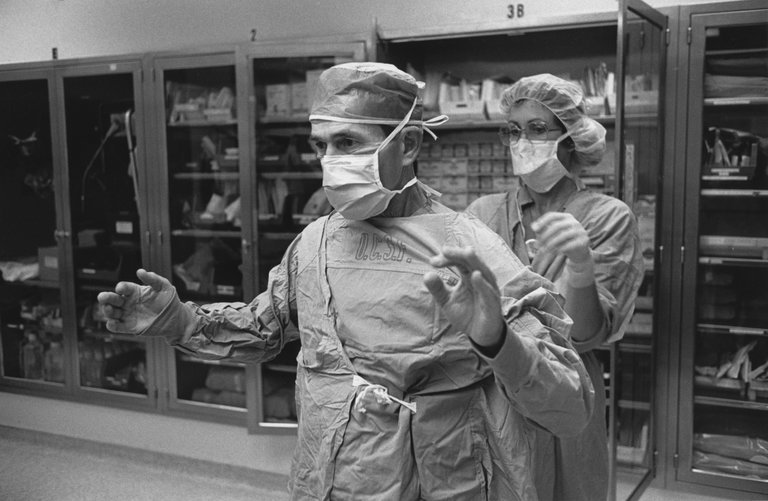
Dr. Charles Wilson, One of the world’s greatest neurosurgeons and pioneer of transsphenoidal pituitary surgery died at 88


The UCSF website in an obituary from Kate Vidinsky reads “He took a particular interest in pituitary disorders, those affecting the pea-sized ‘master gland’ at the base of the brain responsible for controlling the body’s hormone levels. He was a pioneer of transsphenoidal surgery – the endonasal approach for removing pituitary tumors – and performed more than 3,300 of these procedures at UCSF Medical Center.”

The New York Times in an obituary published yesterday described him as “a pioneering and virtuosic San Francisco neurosurgeon”.

Dr. Wilson died February 28, 2018.

Cushing’s Patients at Risk for Autoimmune Diseases After Condition Is Resolved

Children with Cushing’s syndrome are at risk of developing new autoimmune and related disorders after being cured of the disease, a new study shows.

The study, “Incidence of Autoimmune and Related Disorders After Resolution of Endogenous Cushing Syndrome in Children,” was published in Hormone and Metabolic Research.

Patients with Cushing’s syndrome have excess levels of the hormone cortisol, a corticosteroid that inhibits the effects of the immune system. As a result, these patients are protected from autoimmune and related diseases. But it is not known if the risk rises after their disease is resolved.

To address this, researchers at the Eunice Kennedy Shriver National Institute of Child Health and Human Development (NICHD) examined 127 children with Cushing’s syndrome at the National Institutes of Health from 1997 until 2017.

Among the participants, 77.5 percent had a pituitary tumor causing the disease, 21.7 percent had ACTH-independent disease, and one patient had ectopic Cushing’s syndrome. All patients underwent surgery to treat their symptoms.

After a mean follow-up of 31.2 months, 7.8 percent of patients developed a new autoimmune or related disorder.

Researchers found no significant differences in age at diagnosis, gender, cortisol levels, and urinary-free cortisol at diagnosis, when comparing those who developed autoimmune disorders with those who didn’t. However, those who developed an immune disorder had a significantly shorter symptom duration of Cushing’s syndrome.

This suggests that increased cortisol levels, even for a short period of time, may contribute to more reactivity of the immune system after treatment.

The new disorder was diagnosed, on average, 9.8 months after Cushing’s treatment. The disorders reported were celiac disease, psoriasis, Hashimoto thyroiditis, Graves disease, optic nerve inflammation, skin hypopigmentation/vitiligo, allergic rhinitis/asthma, and nerve cell damage of unknown origin responsive to glucocorticoids.

“Although the size of our cohort did not allow for comparison of the frequency with the general population, it seems that there was a higher frequency of optic neuritis than expected,” the researchers stated.

It is still unclear why autoimmune disorders tend to develop after Cushing’s resolution, but the researchers hypothesized it could be a consequence of the impact of glucocorticoids on the immune system.

Overall, the study shows that children with Cushing’s syndrome are at risk for autoimmune and related disorders after their condition is managed. “The presentation of new autoimmune diseases or recurrence of previously known autoimmune conditions should be considered when concerning symptoms arise,” the researchers stated.

Additional studies are warranted to further explore this link and improve care of this specific population.

From https://cushingsdiseasenews.com/2018/03/06/after-cushings-cured-autoimmune-disease-risk-looms-study/

High Levels of MMP-9 Enzyme May Predict Tumor Recurrence in Cushing’s Patients

Measuring the levels of a specific enzyme in pituitary tumors producing excess adrenocorticotrophic hormone (ACTH) may help predict the recurrence of Cushing’s disease in patients, a study shows.

The study, “Expression of MMP-9, PTTG, HMGA2, and Ki-67 in ACTH-secreting pituitary tumors and their association with tumor recurrence,” was published in the journal World Neurosurgery.

Cushing’s syndrome is characterized by excess cortisol levels in the blood. In 70 percent of cases, this is caused by pituitary tumors making too much ACTH, a hormone that regulates cortisol production. This condition is called Cushing’s disease.

While transsphenoidal adenomectomy, a surgery to remove a pituitary gland tumor, is the first treatment choice, tumor recurrence rates can be as high as 45 percent.

Only a few studies have investigated the association between biomarkers and the risk of ACTH-secreting pituitary tumors recurring, leaving physicians with limited methods to predict which patients will have a recurrence.

Identifying biomarkers that can effectively predict the potential recurrence of Cushing’s disease would allow clinicians to look for early signs in patients and start appropriate follow-up and therapeutic protocols, avoiding long-term mortality.

Many studies have suggested that matrix metalloproteinase-9 (MMP-9) enzymes, the pituitary tumor transforming gene (PTTG), and high mobility group A 2 proteins (HMGA2) all play vital roles in the development of pituitary tumors.

Metalloproteinases (MMPs) are enzymes that work to degrade the cell’s extracellular matrix, which anchors the cell, thus enabling tumor invasion. PTTG is highly expressed in pituitary tumors, and is a marker of malignancy in many types of tumors. HMGA2 is overexpressed in various tumors, and is also associated with high malignancy.

However, whether levels of MMP-9, PTTG, and HMGA2 are related to ACTH-secreting tumor recurrence has not been investigated.

Researchers set out to determine the expression levels of MMP-9, PTTG, HMGA2, and Ki-67 (a marker of cell growth) in ACTH-secreting pituitary tumors, and evaluate their association with tumor behavior and recurrence.

They conducted a retrospective study that included 55 patients with sporadic Cushing’s disease with long-term remission after a transsphenoidal adenomectomy. Their tumor specimens were collected and examined.

Patients were divided into two groups based on whether or not they had tumor recurrence. There were 28 patients in the non-recurrent group, and 27 in the recurrent.

Results showed there was significantly increased expression of MMP-9 in tumor samples of recurrent patients, compared with the non-recurrent group. Levels of MMP-9 were also strongly associated with a shorter time period to recurrence (recurrence-free interval).

On the other hand, PTTG, HMGA2, and Ki-67 expression was not significantly different between the recurrent group and the non-recurrent group.

“ACTH-secreting pituitary tumors with higher levels of MMP-9 were associated with a higher recurrence rate and a shorter recurrence-free interval. MMP-9 could be a valuable tool for predicting recurrence of ACTH-secreting pituitary tumors,” the researchers concluded.

From https://cushingsdiseasenews.com/2018/03/02/mmp-9-enzyme-levels-may-predict-tumor-recurrence-in-cushings-study/

Benefits of Medication Before Surgery for Cushing’s Syndrome Still Unclear

In Europe, nearly 20 percent of patients with Cushing’s syndrome receive some sort of medication for the disease before undergoing surgery, a new study shows.

Six months after surgery, these patients had remission and mortality rates similar to those who received surgery as a first-line treatment, despite having worse disease manifestations when the study began. However, preoperative medication may limit doctors’ ability to determine the immediate success of surgery, researchers said.

A randomized clinical trial is needed to conclusively address if preoperative medication is a good option for Cushing’s patients waiting for surgery, they stated.

The study, “Preoperative medical treatment in Cushing’s syndrome. Frequency of use and its impact on postoperative assessment. Data from ERCUSYN,” was published in the European Journal of Endocrinology. 

Surgery usually is the first-line treatment in patients with Cushing’s syndrome. But patients also may receive preoperative medication to improve cortisol excess and correct severe diseases occurring simultaneously with Cushing’s.

Multiple studies have hypothesized that preoperative medication can have a beneficial effect on patients who undergo surgery. However, data on the beneficial impact of medication on morbidity, and the immediate surgical and long-term outcomes in patients with Cushing’s syndrome, are limited and inconclusive.

So, researchers made use of the European Registry on Cushing’s Syndrome (ERCUSYN), the largest database that collects information on diagnosis, management, and long-term follow-up in Cushing’s patients.

The team set out to collect information of the prevalence of preoperative medication in Cushing’s patients throughout Europe, and whether it influences patients’ outcomes after surgery. It also aimed to determine the differences between patients who receive preoperative medication versus those who undergo surgery directly.

Researchers analyzed 1,143 patients in the ERCUSYN database from 57 centers in 26 countries. Depending on what was causing the disease, patients were included in four major groups: pituitary-dependent Cushing’s syndrome (68%), adrenal-dependent Cushing’s syndrome (25%), Cushing’s syndrome from an ectopic source (5%), and Cushing’s syndrome from other causes (1%).

Overall, 20 percent of patients received medication – ketoconazole, metyrapone, or a combination of both – before surgery. Patients with ectopic and pituitary disease were more likely to receive medication compared to patients whose disease stemmed from the adrenal glands. Preoperative treatment lasted for a median of 109 days.

Patients in the pituitary group who were prescribed preoperative medication had more severe clinical features at diagnosis and poorer quality of life compared to those who received surgery as first-line treatment. No differences were found in the other groups.

But patients with pituitary-dependent disease receiving medication were more likely to have normal cortisol within seven days of surgery, or the immediate postoperative period, compared to patients who had surgery without prior medication. These patients also had a lower remission rate.

Within six months of surgery, however, there were no differences in morbidity or remission rates observed between each group. Also, no differences were seen in perioperative mortality rates – within one month of surgery.

Interestingly, researchers noted that patients who took medication prior to surgery were less likely to be in remission immediately after surgery. The reason, they suggest, might be because the medication already had begun to improve the clinical and biochemical signs of the disease, “so changes that take place in the first week after surgery may be less dramatic.”

“A randomized trial assessing simple endpoints, such as length of hospital stay, surgical impression and adverse effects of surgery, is needed to conclusively demonstrate that [preoperative medication] is a valid option in patients waiting for surgical correction of hypercortisolism,” the team concluded.

From https://cushingsdiseasenews.com/2018/02/22/benefits-cushings-syndrome-pre-surgery-medication-unclear-study/