Ectopic Adrenocorticotropic Hormone Production in a Stage IV Neuroendocrine Tumor: A Rare Presentation of Cushing’s Syndrome

Abstract

Neuroendocrine tumors (NETs) are heterogeneous neoplasms that arise from neuroendocrine cells, resulting in endocrine imbalances that impact quality of life and prognosis. Ectopic adrenocorticotropic hormone (ACTH) production by NETs is a rare cause of ACTH-dependent Cushing’s syndrome. While the majority of these cases are associated with intrathoracic tumors, recent reports have indicated an increasing incidence of cases originating from diverse anatomical sites. Furthermore, despite comprehensive imaging efforts, a substantial proportion of cases remain challenging to localize.

In this case, we describe a 54-year-old man with a stage IV NET with metastatic liver and pancreatic lesions, who presented with Cushing’s syndrome due to ectopic ACTH production. The patient exhibited symptoms of severe hypercortisolism, including weight gain, proximal muscle weakness, acute-onset heart failure, and hypertension. Imaging revealed bilateral adrenal hypertrophy. Laboratory tests revealed hypokalemia and hyperglycemia and confirmed elevated cortisol levels and a lack of suppression after dexamethasone administration, consistent with ectopic rather than pituitary ACTH production. The patient was treated with metyrapone because ketoconazole was contraindicated because of liver metastasis and recent upper gastrointestinal bleeding requiring proton pump inhibitor use. This case highlights the rare occurrence of ACTH-producing NETs and emphasizes the importance of considering this diagnosis in cases with similar presentations. Furthermore, medical management of this patient without surgical intervention, owing to multiple contraindications, offers an important perspective for treating complex cases.

Introduction

Neuroendocrine tumors (NETs) are a heterogeneous group of neoplasms that can secrete various hormones; however, ectopic adrenocorticotropic hormone (ACTH) production is rare, occurring in only 5-10% of all Cushing’s syndrome cases [1]. Liddle et al. described the first case in 1962 [2]. A recent case series that examined the clinical and diagnostic treatment of ectopic ACTH in a tertiary center included information on only 12 cases collected over a 17-year period [3]. The most common site for ectopic ACTH from malignancy is the intrathoracic region, primarily in small-cell lung carcinomas. Unfortunately, obtaining a single diagnostic image that can detect tumor-producing ACTH remains challenging. According to the literature, ectopic ACTH resulting in Cushing’s syndrome can remain undetected [3,4].

In the present case, a patient with a stage IV NET presented with the classic features of Cushing’s syndrome, leading to the diagnosis of ectopic ACTH production. The complexity of this case, owing to the patient’s metastatic disease, the contraindications for certain therapies, and the requirement for atypical medical management, highlights the challenges of treating advanced NETs, especially metastatic lesions with hormonal overproduction. This report aimed to underscore the importance of early recognition and the effectiveness of metyrapone as a treatment for hypercortisolism in metastatic NET.

Case Presentation

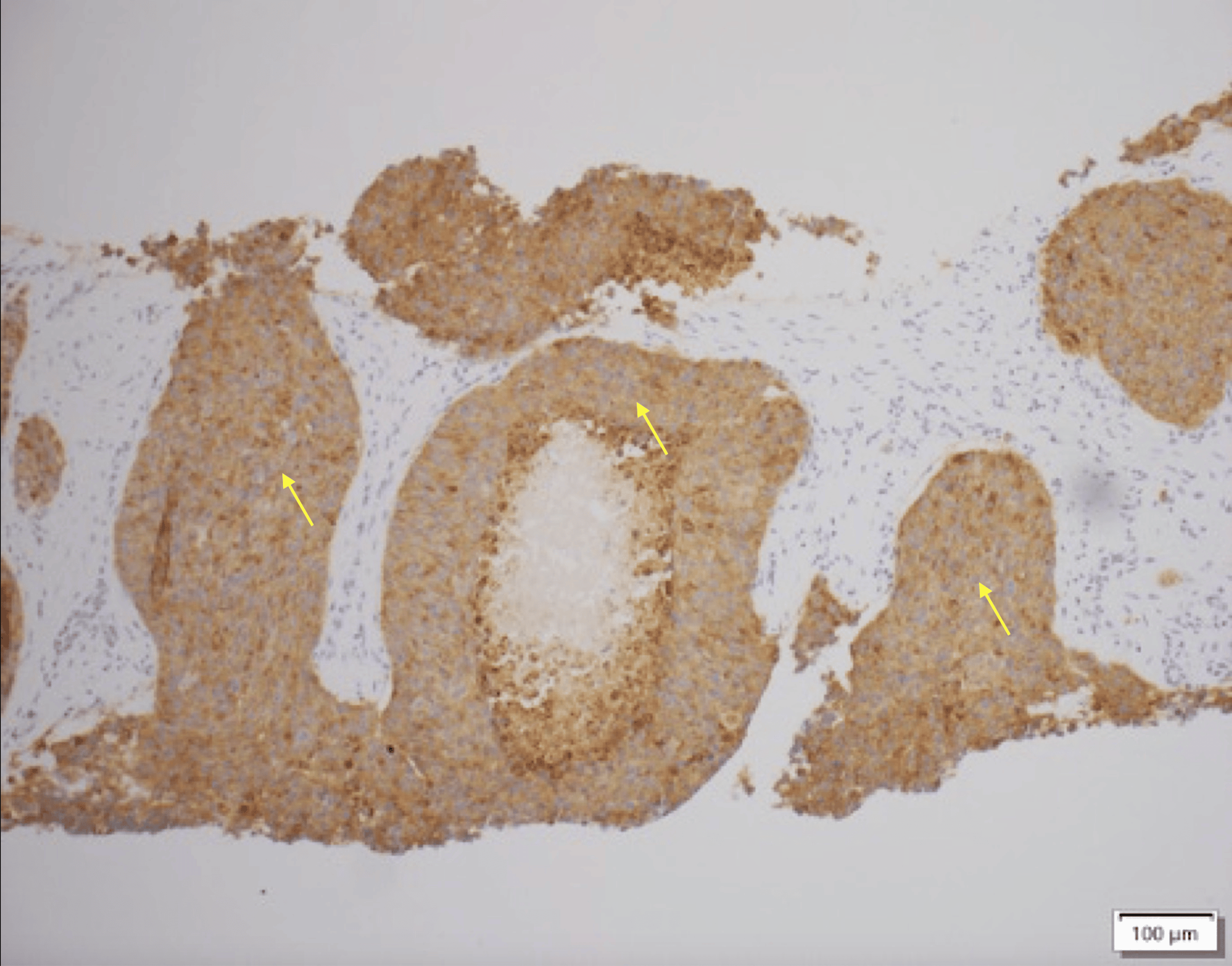
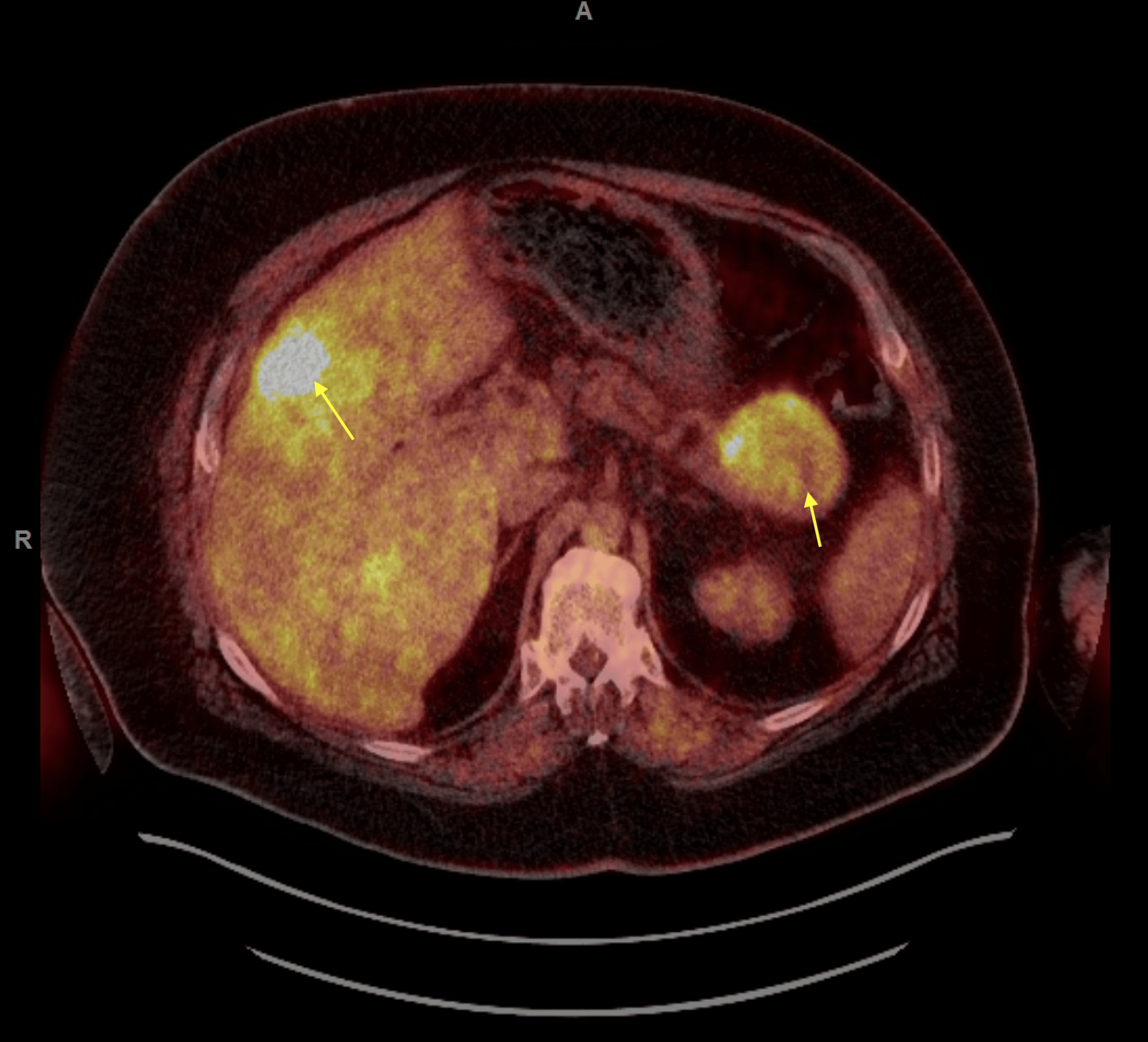
A 54-year-old man with a known history of a World Health Organization (WHO) grade 3, stage IV NET with metastatic lesions in the liver and pancreas presented to the hospital with new-onset acute heart failure. His medical history consisted of papillary thyroid cancer diagnosed in January 2023, for which he underwent total thyroidectomy and left neck dissection. Three months later, the patient was found to have a new liver lesion that was biopsied and was consistent with a WHO grade 3 NET (Figure 1). He was started on capecitabine and temozolomide chemotherapy regimen, which was switched to folinic acid, fluorouracil, and oxaliplatin due to disease progression. He had undergone positron emission tomography (PET)/computed tomography (CT) as part of the follow-up for NET, and the findings were consistent with hypermetabolic pancreatic and liver lesions. However, no uptake was observed in the lungs and/or adrenal glands (Figure 2).
Liver-tissue-section-showing-positive-synaptophysin-immunohistochemical-staining-in-neoplastic-cells,-consistent-with-a-neuroendocrine-neoplasm.
Figure 1: Liver tissue section showing positive synaptophysin immunohistochemical staining in neoplastic cells, consistent with a neuroendocrine neoplasm.
FDG-PET/CT-scan-of-the-whole-body-showing-hypermetabolic-pancreatic-tail-mass-which-measures-up-to-6.5-cm-and-multifocal-liver-hypermetabolic-metastases.-
Figure 2: FDG PET/CT scan of the whole body showing hypermetabolic pancreatic tail mass which measures up to 6.5 cm and multifocal liver hypermetabolic metastases.

FDG: fluorodeoxyglucose; PET: positron emission tomography; CT: computed tomography

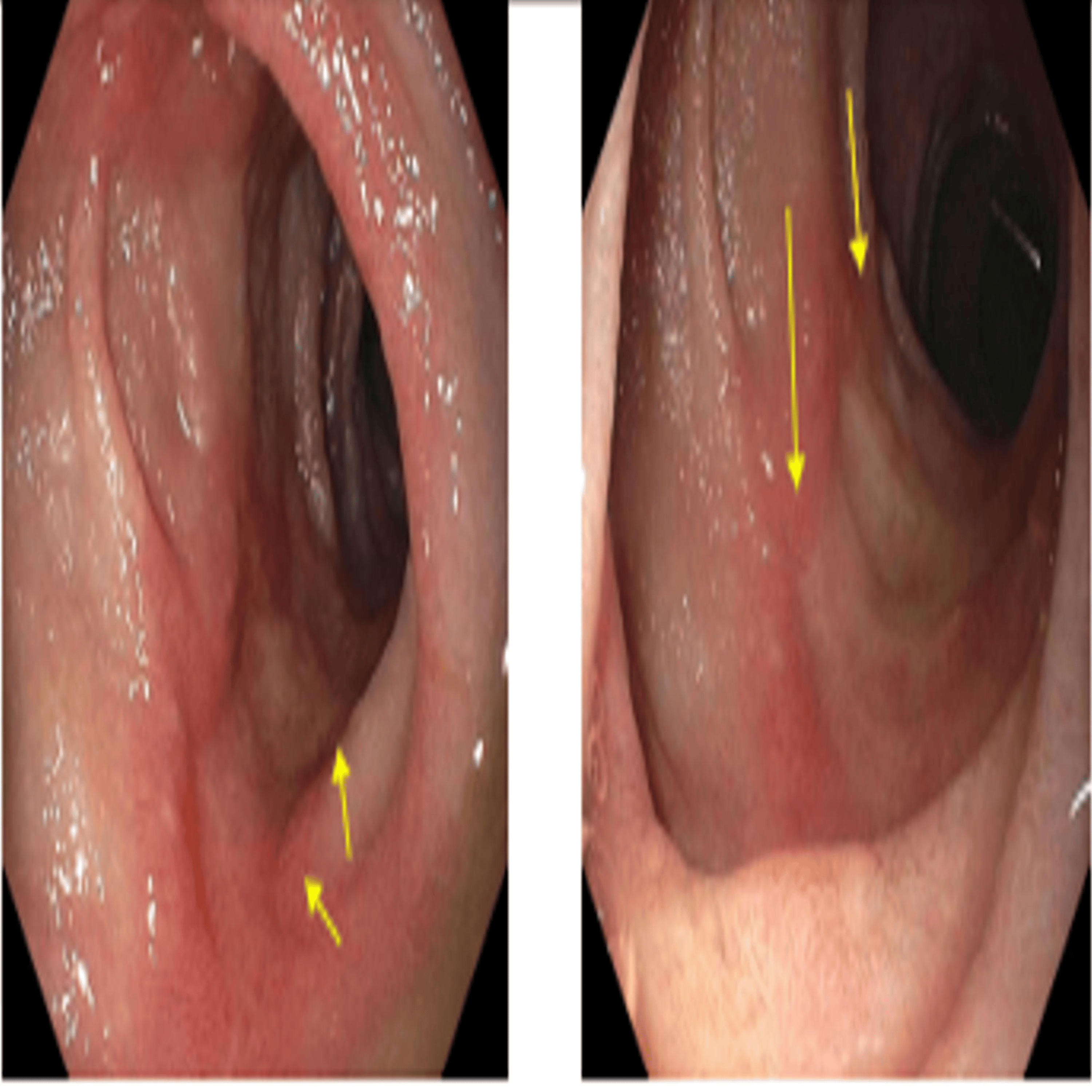
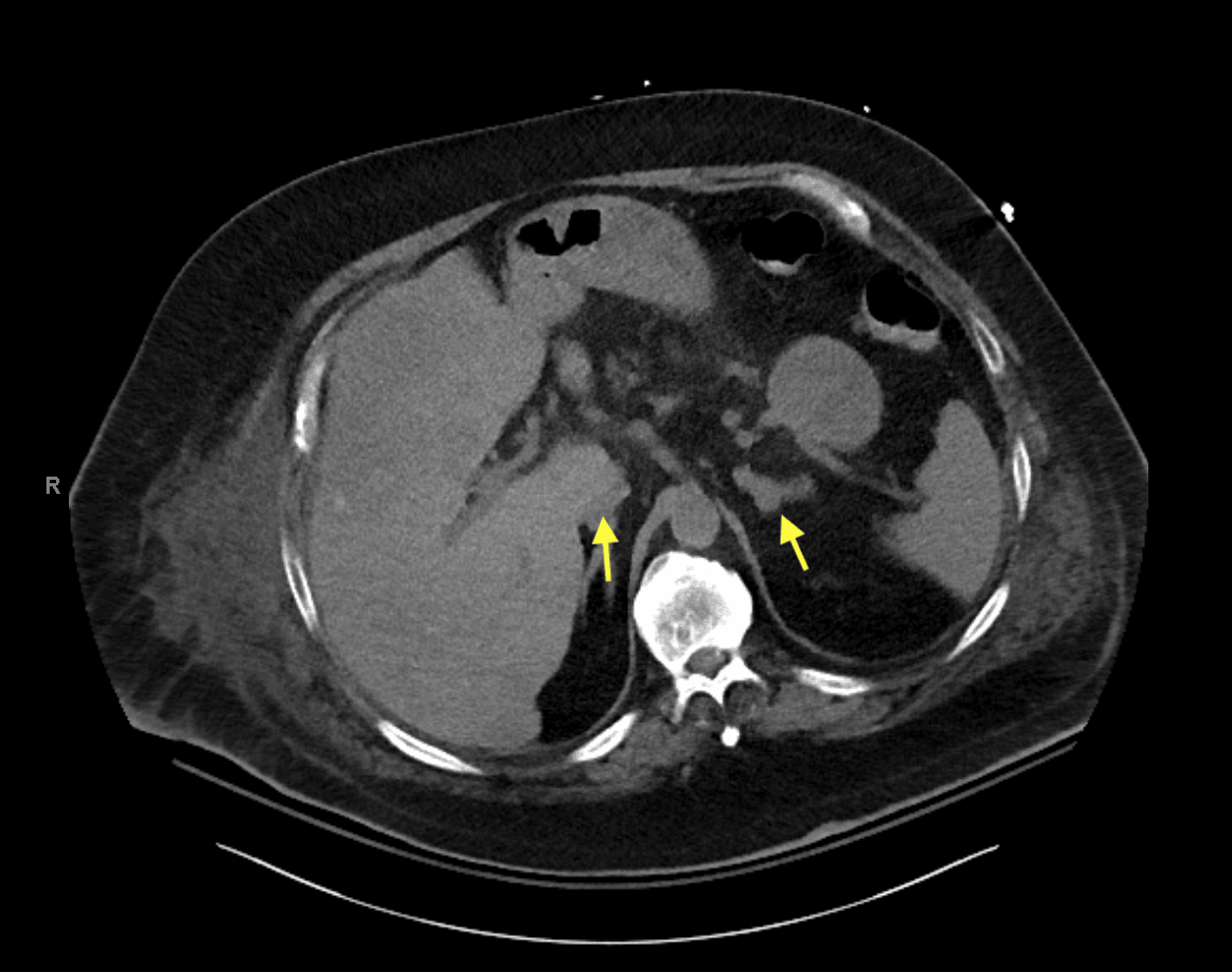
The patient was admitted first with gastrointestinal (GI) bleeding secondary to duodenal ulcers that were managed with a proton pump inhibitor (PPI), pantoprazole 40 mg, oral, BID (Figure 3). Ten days later, he presented with worsening dyspnea and shortness of breath, and clinical examination was consistent with volume overload and 4+ pitting edema in the lower extremities. Additionally, he was found to have a significantly low potassium level (2.6 mmol/L) and worsening serum blood glucose (341 mg/dL). The constellation of symptoms in the patient, including significant weight gain, obesity, easy bruising, proximal muscle weakness, acute-onset heart failure, hypertension, hypokalemia, and worsening hyperglycemia with new insulin requirements, raised concerns about hypercortisolism and prompted testing. The serum ACTH levels were markedly elevated (488 pg/mL; reference range: 10-60 pg/mL). CT of the abdomen and pelvis revealed bilateral adrenal gland hypertrophy (Figure 4).
Upper-endoscopy-images-showing-four-cratered,-non-bleeding-duodenal-ulcers-with-a-clean-ulcer-base-(Forrest-Class-III).
Figure 3: Upper endoscopy images showing four cratered, non-bleeding duodenal ulcers with a clean ulcer base (Forrest Class III).
CT-of-the-abdomen-and-pelvis-demonstrating-bilateral-adrenal-gland-hypertrophy.
Figure 4: CT of the abdomen and pelvis demonstrating bilateral adrenal gland hypertrophy.

CT: computed tomography

Morning cortisol levels were significantly increased (42.2 µg/dL), and the 8-mg dexamethasone suppression test showed no suppression, with a post-dexamethasone cortisol level of 44.2 µg/dL. The 24-hour urinary-free cortisol level was elevated (2259 µg/24 hour; reference range: 3.5-45 µg/24 hour). At this time, the differential diagnoses included but were not limited to Cushing’s disease or ectopic ACTH production secondary to metastatic NET. However, given that the patient had bilateral adrenal gland hypertrophy that was noted on imaging and his cortisol did not suppress with a high-dose dexamethasone suppression test, these findings support ectopic ACTH secretion secondary to metastatic NET over Cushing’s disease from a pituitary source. 

After confirming the diagnosis, the patient was started on metyrapone 500 mg, administered two times per day; his serum cortisol began to decrease (from 42 to 38 µg/dL) and continued to decline until it reached the lowest level (8.9 µg/dL) with metyrapone 500 mg, administered four times per day. Unfortunately, because of cost-related issues, the patient was switched to octreotide; however, subsequently, his serum cortisol level increased (from 8.9 to 49 µg/dL). Ketoconazole was not a viable option because of drug-drug interactions with PPI. Alternative suppressive medications were considered and included osilodrostat and mifepristone. However, given the patient’s QTc prolongation and previous history of arrhythmia, it was felt that the use of these medications was too high risk for fatal arrhythmia. Given the limited medical options, the patient was evaluated for surgery, and, given the multiple comorbidities as well as metastatic disease without an apparent culprit lesion, he was not initially deemed to be a suitable surgical candidate. Therefore, metyrapone was reinitiated to control hypercortisolemia while the patient was admitted, and it effectively lowered his total serum cortisol levels. However, given that metyrapone was not a long-term option and medical management had failed (octreotide was ineffective in controlling serum cortisol levels, and ketoconazole could not be used due to drug-to-drug interactions with PPI), surgery was considered as an option. Despite the high risk associated with the procedures owing to the patient’s condition, bilateral adrenalectomy was performed, considering the lack of medical options and the patient’s goals of care. The patient was discharged home on oral hydrocortisone, 15 mg in the morning and 10 mg in the evening, in addition to fludrocortisone 0.1 mg daily. The patient’s body surface area is 2.5 m². The pathology of his adrenal glands was consistent with that of a metastatic NET (Figure 5). The patient was seen in the endocrinology clinic after bilateral adrenalectomy for a follow-up almost one month after the procedure. He reported feeling tired and falling asleep quite often. He used to be able to walk; however, now, he could only make it a quarter of the way due to muscle weakness. Unfortunately, further follow-up and outcome could not be evaluated as the patient died three months after his bilateral adrenalectomy surgery, and the cause of death was unknown.
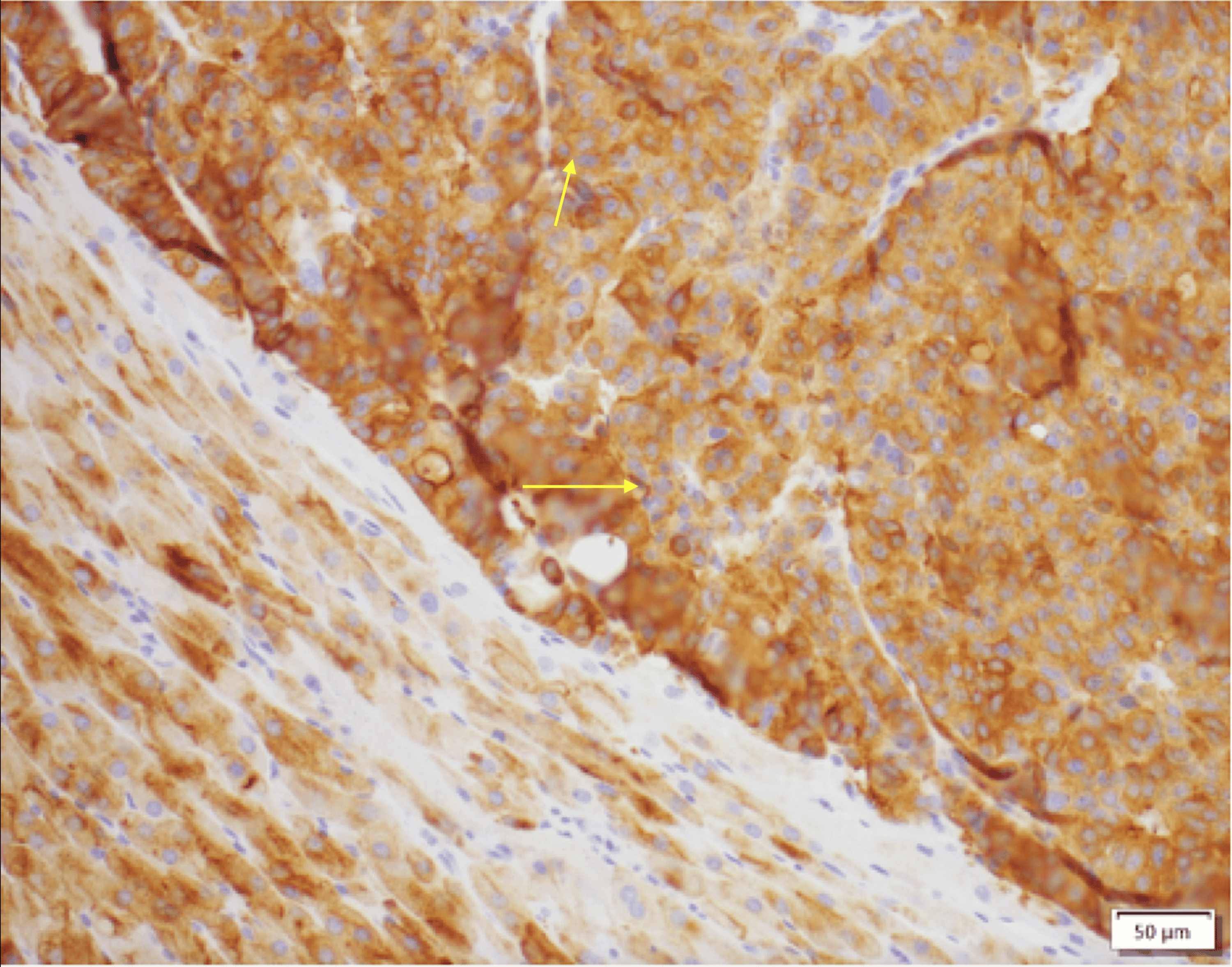
Adrenal-tissue-section-showing-positive-synaptophysin-immunohistochemical-staining-in-neoplastic-cells,-consistent-with-a-neuroendocrine-neoplasm.
Figure 5: Adrenal tissue section showing positive synaptophysin immunohistochemical staining in neoplastic cells, consistent with a neuroendocrine neoplasm.

Discussion

This case of a stage IV NET with ectopic ACTH production leading to Cushing’s syndrome is notable because of its rarity and complexity. Although NETs are known for their diverse hormonal secretions, only a small subset of them are associated with ACTH production, making this case an important addition to the limited literature.

NETs causing ectopic Cushing’s syndrome are most frequently found in the intrathoracic region (40-60%), including bronchial tumors, small-cell lung carcinoma, and thymic carcinomas. Additional sites where these tumors may occur include the pancreas and thyroid gland (particularly medullary thyroid carcinoma). Less common locations include the prostate, rectum, ovaries, and bladder [5].

Our patient’s PET/CT findings were consistent with those of hypermetabolic lesions in the liver and pancreas. However, there was no uptake in the lungs, which is the most common site reported in the literature [5]. Additionally, there was no uptake in the adrenal glands, and the pathology was later found to be consistent with NETs. This posed a challenge to the diagnosis and identification of the culprit lesion. Reportedly, high-resolution cross-sectional CT imaging has a sensitivity of 50-67% in identifying the source of ectopic ACTH production, and when the findings are negative, a variety of nuclear medicine functional imaging techniques (Octreoscan, fluorine-18 fluorodeoxyglucose PET/CT, and gallium-68 somatostatin receptor-targeted PET/CT) can be used [6]. However, despite advances in imaging modalities, up to 20% of ectopic ACTH syndrome cases remain occult after initial imaging [4,7]

ACTH-producing pancreatic neuroendocrine (pNE) tumors are rare malignancies characterized by their aggressive nature [8]. Individuals diagnosed with this condition have less favorable outcomes compared with those with insulinoma, gastrinoma, or nonfunctional ACTH-producing pNE tumors [9]. The underlying reasons for the aggressiveness of the tumor and the resulting poor patient outcomes remain elusive. One study proposed that decreased methylation of the proopiomelanocortin promoter may enhance the ability of the tumors to secrete ACTH [10].

A similar presentation was reported by Al-Toubah et al. in a 2023 case series on ACTH-secreting pNE neoplasms. That study highlighted the rarity of ACTH production in these tumors and emphasized that such cases often present with severe hypercortisolemia and Cushing’s syndrome. However, most patients in their series were treated with ketoconazole, which was not an option for our patient because of liver metastasis and recent upper GI bleeding requiring PPI treatment [11].

A systematic review published in February 2021 by Wu et al. investigated ACTH-producing pNE tumors. That study analyzed 210 publications, including data from 336 patients diagnosed with this condition. The results indicated a higher prevalence among female individuals (66.4%), at an average age of 44.7 years. The review reported the following frequencies of clinical symptoms: 69.3% experienced hypokalemia, 63.2% developed diabetes, 60.1% suffered from weakness, 56.4% had hypertension, 41.1% displayed moon face, and 37.4% presented with edema [12].

In the present case, the patient presented with decompensated heart failure, which is consistent with various case reports describing acute decompensated heart failure as the first presentation. Sugihara et al. reported three cases of Cushing’s syndrome characterized by left ventricular failure as the predominant feature associated with gross left ventricular hypertrophy [13]. Similarly, Petramala et al. reported a case of a 28-year-old woman with Cushing’s syndrome secondary to an adrenal adenoma who exhibited congestive heart failure as an initial symptom [14]. In this regard, some studies have examined the relationship between cardiac dysfunction and hypercortisolism and found that cardiac remodeling is independent of hypertension and is probably related to the direct action of cortisol on myocardial tissue via glucocorticoid receptors [15,16]. These cardiac impairments may be reversible with the appropriate treatment of the underlying hypercortisolism, such as the surgical resection of the adrenal adenoma or pituitary adenoma, and the medical management of heart failure [14].

Our patient received metyrapone and could not be treated using ketoconazole because of liver metastasis and drug-drug interactions with PPI, as previously mentioned. In 2022, Landry et al. studied the management of ACTH-secreting NETs [17]. Their study, including 76 patients, found that most patients had metastatic disease at the time of ectopic Cushing’s syndrome diagnosis, similar to our case. Furthermore, they found that de novo hyperglycemia predicted worse survival outcomes. Therefore, controlling the hypercortisolic phase is crucial. Unfortunately, most patients present with metastatic disease, which makes surgical management, that is, removing the ACTH-producing tumor, not always an option. Additionally, they found that patients with medically resistant ectopic Cushing’s syndrome, subsequently controlled with bilateral adrenalectomy, had significantly better disease-specific survival following ectopic Cushing’s syndrome diagnosis than did patients who did not undergo bilateral adrenalectomy.

In our case, there were limited treatment options given the metastatic burden and limitations in using some of the medications to control hypercortisolism. In their article, Landry et al. stated “We have learned this over time as, unfortunately, most patients in our cohort who were diagnosed with resistant ectopic Cushing syndrome only used one type of suppression therapy by the end of the study” [17]. One medication, peptide receptor radionuclide therapy, was reported in multiple studies [5,18,19]. However, the Food and Drug Administration did not approve this therapy until 2018, and it has not been examined for ectopic Cushing’s disease, especially in the metastatic NET setting.

As surgical resection remains the recommended first-line treatment for the majority of patients with Cushing’s syndrome [20], medical therapy plays a critical role when surgery is not feasible; many studies reviewed the use of agents such as mifepristone [21], levoketoconazole [22], and pasireotide [23,24]. Additionally, a recent review study that focused on the clinical consideration for osilodrostat in the management of patients with ectopic ACTH found that quality of life improved during the use of long-term osilodrostat as a treatment for ectopic Cushing’s syndrome raised from a pNE tumor [25].

Conclusions

This case highlights the complexities involved in the diagnosis and management of ectopic ACTH-producing NETs. Due to the rarity of such presentations, clinicians must maintain a high index of suspicion for ectopic ACTH production in patients with unexplained hypercortisolism, particularly when signs of Cushing’s syndrome are present. Additionally, the management of preoperative hypercortisolism may be challenging, as in our patient. The treatment approach in this case was unconventional, given the patient’s ineligibility for surgery due to difficulties in localizing the exact lesion and the metastatic disease. Medical management with metyrapone was chosen. However, as it was cost-prohibitive, alternative therapy with octreotide was attempted, but it failed to achieve adequate control. Ketoconazole was not an option given the recent GI bleeding, and eventually, our patient underwent bilateral adrenalectomy. Therefore, future studies are required to develop predictive markers to determine which patients will benefit from bilateral adrenalectomy versus long-term pharmacotherapy. An extensive study on perioperative management in cases with ectopic ACTH would have proven to be useful in ensuring the survival of our patient.

References

  1. Lacroix A, Feelders RA, Stratakis CA, Nieman LK: Cushing’s syndrome. Lancet. 2015, 386:913-27. 10.1016/S0140-6736(14)61375-1
  2. Liddle GW, Island DP, Ney RL, Nicholson WE, Shimizu N: Nonpituitary neoplasms and Cushing’s syndrome. Ectopic “adrenocorticotropin” produced by nonpituitary neoplasms as a cause of Cushing’s syndrome. Arch Intern Med. 1963, 111:471-5. 10.1001/archinte.1963.03620280071011
  3. González Fernández L, Maricel Rivas Montenegro A, Brox Torrecilla N, et al.: Ectopic Cushing’s syndrome: clinical, diagnostic, treatment and follow-up outcomes of 12 cases of lung ectopic ACTH. Endocrinol Diabetes Metab Case Rep. 2023, 2023:22-0378. 10.1530/EDM-22-0378
  4. Varlamov E, Hinojosa-Amaya JM, Stack M, Fleseriu M: Diagnostic utility of gallium-68-somatostatin receptor PET/CT in ectopic ACTH-secreting tumors: a systematic literature review and single-center clinical experience. Pituitary. 2019, 22:445-55. 10.1007/s11102-019-00972-w
  5. Davi’ MV, Cosaro E, Piacentini S, et al.: Prognostic factors in ectopic Cushing’s syndrome due to neuroendocrine tumors: a multicenter study. Eur J Endocrinol. 2017, 176:453-61. 10.1530/EJE-16-0809
  6. Frete C, Corcuff JB, Kuhn E, et al.: Non-invasive diagnostic strategy in ACTH-dependent Cushing’s syndrome. J Clin Endocrinol Metab. 2020, 105:3273-84. 10.1210/clinem/dgaa409
  7. Zisser L, Kulterer OC, Itariu B, et al.: Diagnostic role of PET/CT tracers in the detection and localization of tumours responsible for ectopic Cushing’s syndrome. Anticancer Res. 2021, 41:2477-84. 10.21873/anticanres.15024
  8. Falconi M, Eriksson B, Kaltsas G, et al.: ENETS consensus guidelines update for the management of patients with functional pancreatic neuroendocrine tumors and non-functional pancreatic neuroendocrine tumors. Neuroendocrinology. 2016, 103:153-71. 10.1159/000443171
  9. Maragliano R, Vanoli A, Albarello L, et al.: ACTH-secreting pancreatic neoplasms associated with Cushing syndrome: clinicopathologic study of 11 cases and review of the literature. Am J Surg Pathol. 2015, 39:374-82. 10.1097/PAS.0000000000000340
  10. Zhang C, Jin J, Xie J, et al.: The clinical features and molecular mechanisms of ACTH-secreting pancreatic neuroendocrine tumors. J Clin Endocrinol Metab. 2020, 105:3449-58. 10.1210/clinem/dgaa507
  11. Al-Toubah T, Pelle E, Hallanger-Johnson J, Haider M, Strosberg J: ACTH-secreting pancreatic neuroendocrine neoplasms: a case-series. J Neuroendocrinol. 2023, 35:e13336. 10.1111/jne.13336
  12. Wu Y, Xiong G, Zhang H, Wang M, Zhu F, Qin R: Adrenocorticotropic hormone-producing pancreatic neuroendocrine neoplasms: a systematic review. Endocr Pract. 2021, 27:152-7. 10.1016/j.eprac.2020.10.012
  13. Sugihara N, Shimizu M, Shimizu K, Ino H, Miyamori I, Nakabayashi H, Takeda R: Disproportionate hypertrophy of the interventricular septum and its regression in Cushing’s syndrome. Report of three cases. Intern Med. 1992, 31:407-13. 10.2169/internalmedicine.31.407
  14. Petramala L, Battisti P, Lauri G, et al.: Cushing’s syndrome patient who exhibited congestive heart failure. J Endocrinol Invest. 2007, 30:525-8. 10.1007/BF03346339
  15. Fallo F, Budano S, Sonino N, Muiesan ML, Agabiti-Rosei E, Boscaro M: Left ventricular structural characteristics in Cushing’s syndrome. J Hum Hypertens. 1994, 8:509-13.
  16. Yiu KH, Marsan NA, Delgado V, et al.: Increased myocardial fibrosis and left ventricular dysfunction in Cushing’s syndrome. Eur J Endocrinol. 2012, 166:27-34. 10.1530/EJE-11-0601
  17. Landry JP, Clemente-Gutierrez U, Pieterman CR, et al.: Management of adrenocorticotropic hormone-secreting neuroendocrine tumors and the role of bilateral adrenalectomy in ectopic Cushing syndrome. Surgery. 2022, 172:559-66. 10.1016/j.surg.2022.03.014
  18. Cheung NW, Boyages SC: Failure of somatostatin analogue to control Cushing’s syndrome in two cases of ACTH-producing carcinoid tumours. Clin Endocrinol (Oxf). 1992, 36:361-7. 10.1111/j.1365-2265.1992.tb01461.x
  19. De Rosa G, Testa A, Liberale I, Pirronti T, Granone P, Picciocchi A: Successful treatment of ectopic Cushing’s syndrome with the long-acting somatostatin analog octreotide. Exp Clin Endocrinol. 1993, 101:319-25. 10.1055/s-0029-1211252
  20. Gadelha M, Gatto F, Wildemberg LE, Fleseriu M: Cushing’s syndrome. Lancet. 2023, 402:2237-52. 10.1016/S0140-6736(23)01961-X
  21. Fleseriu M, Molitch ME, Gross C, Schteingart DE, Vaughan TB 3rd, Biller BM: A new therapeutic approach in the medical treatment of Cushing’s syndrome: glucocorticoid receptor blockade with mifepristone. Endocr Pract. 2013, 19:313-26. 10.4158/EP12149.RA
  22. Fleseriu M, Auchus RJ, Pivonello R, Salvatori R, Zacharieva S, Biller BM: Levoketoconazole: a novel treatment for endogenous Cushing’s syndrome. Expert Rev Endocrinol Metab. 2021, 16:159-74. 10.1080/17446651.2021.1945440
  23. Colao A, De Block C, Gaztambide MS, Kumar S, Seufert J, Casanueva FF: Managing hyperglycemia in patients with Cushing’s disease treated with pasireotide: medical expert recommendations. Pituitary. 2014, 17:180-6. 10.1007/s11102-013-0483-3
  24. Trementino L, Cardinaletti M, Concettoni C, Marcelli G, Boscaro M, Arnaldi G: Up-to 5-year efficacy of pasireotide in a patient with Cushing’s disease and pre-existing diabetes: literature review and clinical practice considerations. Pituitary. 2015, 18:359-65. 10.1007/s11102-014-0582-9
  25. Fleseriu M, Auchus RJ, Bancos I, Biller BM: Osilodrostat treatment for adrenal and ectopic Cushing syndrome: integration of clinical studies with case presentations. J Endocr Soc. 2025, 9:bvaf027. 10.1210/jendso/bvaf027

https://www.cureus.com/articles/351968-ectopic-adrenocorticotropic-hormone-production-in-a-stage-iv-neuroendocrine-tumor-a-rare-presentation-of-cushings-syndrome?score_article=true#!/

Thin Skin in Cushing’s Syndrome

Abstract

A 53-year-old woman with a history of metastatic small-cell lung cancer was evaluated during an inpatient admission for Cushing’s syndrome on the basis of new findings of hypertension, hypokalemia, hyperglycemia, and metabolic alkalosis.
A focused physical examination was performed to assess for the antianabolic effects of excess cortisol. The thickness of the skin on the back of her third finger was 1.2 mm (reference value, >1.8) when measured with skin calipers (Panels A and B). Thin skin — a clinical sign strongly suggestive of hypercortisolism — results from inhibition of collagen synthesis by glucocorticoids.
To avoid interference from subcutaneous fat, skin thickness should be measured on the backs of the fingers. The measurement can be done with skin calipers (see Video 1) or electrocardiogram calipers (see Video 2). Levels of random plasma cortisol, midnight plasma cortisol, 24-hour urine cortisol, and corticotropin were elevated.
Magnetic resonance imaging of the brain showed no pituitary abnormalities. Whole-body restaging imaging showed new metastatic lesions in the lungs, bones, liver, and meninges. A diagnosis of Cushing’s syndrome — presumed to be paraneoplastic — was made.
After discussing her prognosis with her physicians, the patient opted for palliative care and died 1 week later.

A Rare Case of PRKACA Duplication–Associated Childhood-Onset Primary Pigmented Nodular Adrenocortical Disease

Abstract

Primary pigmented nodular adrenocortical disease (PPNAD) is a rare but important cause of adrenocorticotropic hormone (ACTH)-independent Cushing syndrome (CS). It usually presents as cyclical CS in young adults. Childhood onset of PPNAD is exceedingly rare. About 90% of cases of PPNAD are associated with Carney complex (CNC). Both PPNAD and CNC are linked to diverse pathogenic variants of the PRKAR1A gene, which encodes the regulatory subunit type 1 alpha of protein kinase A (PKA). Pathogenic variants of PRKACA gene, which encodes the catalytic subunit alpha of PKA, are extremely rare in PPNAD. We report a case of a female child, aged 8 years and 3 months, who presented with features suggestive of CS, including obesity, short stature, hypertension, moon facies, acne, and facial plethora but without classical striae or signs of CNC. Hormonal evaluation confirmed ACTH-independent CS. However, abdominal imaging revealed normal adrenal morphology. Genetic analysis identified a duplication of the PRKACA gene on chromosome 19p, which is linked to PPNAD. The patient underwent bilateral laparoscopic adrenalectomy, and histopathological study confirmed the PPNAD diagnosis. Postoperative follow-up showed resolution of cushingoid features and hypertension. To our knowledge, this is the first reported case of a female child with PRKACA duplication presenting as CS due to PPNAD.

Introduction

Endogenous Cushing syndrome (CS) is a multisystem disorder caused by excessive production of cortisol. It can result from either adrenocorticotropic hormone (ACTH)-dependent or ACTH-independent etiologies. The incidence of endogenous CS is estimated to be 0.7 to 2.4 cases per million annually, with 10% of cases occurring in children [1]. Adrenal causes account for 65% of endogenous CS in children and 2% of these are due to primary pigmented nodular adrenocortical disease (PPNAD) [2]. PPNAD is associated with Carney complex (CNC) in 90% of patients, while the remaining 10% occur as isolated cases [3]. CNC is an autosomal dominant disorder characterized by spotty skin pigmentation, mesenchymal tumors, peripheral nerve tumors, and various other neoplasms [2].

The PRKAR1A gene on chromosome 17 is most commonly implicated in CNC and PPNAD. It encodes the regulatory subunit type 1 alpha of protein kinase A (PKA) [4]. Pathogenic variants in the PDE11A gene, encoding phosphodiesterase 11A, are the second most common genetic abnormality in PPNAD [4]. PRKACA gene on chromosome 19 encodes the catalytic subunit alpha of PKA. Pathogenic variants in the PRKACA gene are rarely reported in PPNAD [5]. To date, only 3 cases of pathogenic variants in PRKACA have been reported as a cause of PPNAD, with 1 case occurring in childhood [6‐8]. We report a rare case of PPNAD in a female child, caused by a duplication of the PRKACA gene.

Case Presentation

A female child aged 8 years and 3 months presented with a 1-year history of acne, poor linear growth, and a weight gain of 9 kg over the past 6 months. She was the first-born child of non-consanguineous parents and had an uneventful perinatal and postnatal history until the age of 7 years. There were no episodes of vomiting, seizures, headache, visual disturbances, flushing, or abdominal pain. The family history was unremarkable with no similar symptoms reported in either siblings or parents. Auxological evaluation was carried out at the age of 8 years and 3 months, and it revealed a height of 114.5 cm, which was 2 SD below the mean for her age. The parental target height was 148.56 cm, which was 1.6 SD below the mean for adult height (Fig. 1). Her weight was 37 kg and body mass index (BMI) was 28.22 kg/m2, which was above the 95th percentile, categorizing her as obese. Tanner pubertal staging showed breast stage B1 bilaterally, pubic hair stage P1, and absent axillary hair. Physical examination revealed grade 3 acanthosis nigricans, moon facies, facial plethora, acne on the face, and a dorsocervical fat pad (Fig. 2). However, there were no characteristic wide purple striae, easy bruisability, or hyperpigmentation of the skin. Signs of hyperandrogenism, such as hirsutism or clitoromegaly were absent, except for facial acne. Cutaneous examination showed no features of CNC, such as spotty skin pigmentation, blue nevi, or cutaneous myxomas. Her blood pressure was 160/100 mm of Hg, exceeding the 99th percentile for her age and height, without a postural drop. Systemic examination was unremarkable, with no breast masses, nerve thickening, or other stigmata of CNC.

Growth chart by the Indian Academy of Pediatrics [9] illustrating the patient's progression. At baseline, the patient's height was 114.5 cm, placing her below the 3rd percentile for her age, while her weight was 37 kg, corresponding to the 75th to 90th percentile range. Five months after bilateral adrenalectomy, she exhibited a 9-cm increase in height and a 10-kg reduction in weight.

Figure 1.

Growth chart by the Indian Academy of Pediatrics [9] illustrating the patient’s progression. At baseline, the patient’s height was 114.5 cm, placing her below the 3rd percentile for her age, while her weight was 37 kg, corresponding to the 75th to 90th percentile range. Five months after bilateral adrenalectomy, she exhibited a 9-cm increase in height and a 10-kg reduction in weight.

A and B, clinical signs of Cushing syndrome observed during physical examination: moon facies, dorsocervical fat pad, generalized obesity, short stature, and facial acne. C, Follow-up photograph taken 5 months after bilateral adrenalectomy, showing a reduction in weight, resolution of facial acne and acanthosis, and an increase in height.

Figure 2.

A and B, clinical signs of Cushing syndrome observed during physical examination: moon facies, dorsocervical fat pad, generalized obesity, short stature, and facial acne. C, Follow-up photograph taken 5 months after bilateral adrenalectomy, showing a reduction in weight, resolution of facial acne and acanthosis, and an increase in height.

Diagnostic Assessment

Biochemical investigations revealed dyslipidemia, while fasting plasma glucose, 2-hour post-glucose plasma glucose, liver function tests, and renal function tests were within normal limits. Hematological evaluation showed neutrophilic leukocytosis. Fasting serum insulin levels and homeostatic model assessment of insulin resistance (HOMA-IR) were elevated, signifying marked insulin resistance (Table 1). Serum cortisol levels measured at 08:00 hours, 16:00 hours, and midnight were elevated, indicating a loss of the normal diurnal cortisol rhythm (Table 2). Serum cortisol levels following the overnight dexamethasone suppression test (ONDST), low-dose dexamethasone suppression test (LDDST), and high-dose dexamethasone suppression test (HDDST) were non-suppressible, confirming the presence of endogenous CS. There was no paradoxical rise in serum cortisol following HDDST. Serum ACTH levels were suppressed both at 08:00 hours and at midnight, indicating an ACTH-independent etiology of hypercortisolism (Table 2). The levels of androgens such as serum testosterone and dehydroepiandrosterone sulfate were within normal limits. Plasma aldosterone concentration (PAC), plasma renin activity (PRA) and PAC to PRA ratio were all within the normal range as shown in Table 2.

Table 1.

Results of biochemical and hematological testing

Parameter (reference range) Value (baseline) Value (5 months postsurgery)
Fasting plasma glucose
(70-100 mg/dL; 3.9-5.6 mmol/L)
81 mg/dL(4.4 mmol/L) 63 mg/dL (3.5 mmol/L)
2-hour post-glucose plasma glucose
(70-100 mg/dL (3.9-7.8 mmol/L)
110 mg/dL (6 mmol/L) 79 mg/dL (4.4 mmol/L)
Serum insulin (3-35 mU/L; 21.5-251 pmol/L) 44.6 mU/L (319.6 pmol/L) 14 mU/L (100.3 pmol/L)
HbA1c
(4-5.6%; 20-38 mmol/mol)
5.5% (37 mmol/mol) 5.5% (37 mmol/mol)
HOMA-IR
(0.5-1.4)
8.9 2.2
Serum total cholesterol
(<200 mg/dL; <5.2 mmol/L)
Age 0-19 years:
(<170 mg/dL; 4.3 mmol/L)
188 mg/dL (4.9 mmol/L) 130 mg/dL (3.4 mmol/L)
Serum LDL
(<100 mg/dL; <2.6 mmol/L)
123 mg/dL (3.2 mmol/L) 85 mg/dL (2.2 mmol/L)
Serum HDL
Males: (>40 mg/dL; >1 mmol/L)
Females: (>50 mg/dL; >1.3 mmol/L)
Age 0-19 years:
(>45 mg/dL; >1.2 mmol/L)
46 mg/dL (1.2 mmol/L) 23 mg/dL (0.6 mmol/L)
Serum triglyceride
(<150 mg/dL; <1.7 mmol/L)
Age 0-9 years:
(<75 mg/dL; <1.0 mmol/L)
93 mg/dL (1.0 mmol/L) 85 mg/dL (0.9 mmol/L)
Hemoglobin
(11-16 g/dL; 6.8-9.9 mmol/L)
13.6 g/dL (8.4 mmol/L) 12.7 g/dL (7.8 mmol/L)
Total leukocyte count
(4000-11 000 cells/µL)
16 170 cells/µL 6550 cells/µL
Total platelet count
(1.54×10⁵ cells/µL)
4.79×10⁵ cells/µL 2.00×10⁵ cells/µL
Differential count
Neutrophils
(40%-75%)
Lymphocytes
(20%-45%)
Eosinophils
(1%-6%)
Monocytes
(2%-10%)
Basophils
(0%-0.5%)
71.8%
24%
1.2%
3%
0%
41%
52%
5%
2%
0%

Abbreviations: HbA1c, glycated hemoglobin; HDL, high-density lipoprotein; HOMA-IR, homeostatic model assessment of insulin resistance; LDL, low-density lipoprotein.

Table 2.

Results of dynamic testing of serum cortisol, serum ACTH, and other hormonal assessment

Parameter (reference range) Value
Serum cortisol
0800 Am (5-25 µg/dL; 138-690 nmol/L) 28.5 µg/dL (786.6 nmol/L)
0400 Pm (3-10 µg/dL; 82.8-276 nmol/L) 24.9 µg/dL (686.1 nmol/L)
Midnight (awake) (<7.5 µg/dL; <207 nmol/L) 25.9 µg/dL (714.6 nmol/L)
Post ONDST (<1.8 µg/dL; <50 nmol/L) 31.9 µg/dL (879.8 nmol/L)
Post LDDST (<1.8 µg/dL; <50 nmol/L) 24.7 µg/dL (680.6 nmol/L)
Post HDDST (<1.8 µg/dL; <50 nmol/L) 25 µg/dL (690 nmol/L)
Serum ACTH
Midnight (5-22 pg/mL; 1.1-4.8 pmol/L) 1.5 pg/mL (0.34 pmol/L)
0800 Am (10-60 pg/mL; 2.3-13.6 pmol/L) 1.2 pg/mL (0.27 pmol/L)
Androgens
Serum DHEAS (10-193 µg/dL; 0.27-5.23 µmol/L) 13.6 µg/dL(0.37 µmol/L)
Serum testosterone (5-13 ng/dL; 0.17-0.45 nmol/L) 11.41 ng/dL(0.39 nmol/L)
Renin-aldosterone axis
PAC (<40 ng/dL; <1100 pmol/L) 8 ng/dL (220 nmol/L)
PRA (0.8-2.0 ng/mL/h; 10.24-25.6 pmol/L/min) 1.2 ng/mL/h (15.36 pmol/L/min)
PAC to PRA ratio (<30 ng/dL per ng/mL/h; <60 pmol/L per pmol/L/min) 6.67 ng/dL per ng/mL/h (14.3 pmol/L per pmol/L/min)

Abbreviations: ACTH, adrenocorticotropic hormone; DHEAS, dehydroepiandrosterone sulfate; HDDST, high-dose dexamethasone suppression test; LDDST, low-dose dexamethasone suppression test; ONDST, overnight dexamethasone suppression test; PAC, plasma aldosterone concentration; PRA, plasma renin activity.

Adrenal imaging with both computed tomography (CT) and magnetic resonance imaging (MRI) showed no abnormalities in either adrenal gland (Fig. 3). Based on these clinical findings, hormonal profile, and normal imaging results, PPNAD was suspected.

Adrenal computed tomography (CT) showing normal adrenals bilaterally (white arrows).

Figure 3.

Adrenal computed tomography (CT) showing normal adrenals bilaterally (white arrows).

Blood was collected in an EDTA vial, and DNA was extracted for targeted gene capture using a custom kit. Sequences were aligned to the human reference genome (GRCh38) using BWA aligner (Sentieon, PMID: 20080505). Variants were identified with Sentieon haplotype caller, and copy number variants were detected using ExomeDepth (PMID: 22942019) method. This identified a heterozygous exonic duplication ∼24.97 Kb at genomic location chr19:g.(? 14092580)(14117547_? )dup on chromosome 19p13, which comprises the PRKACA gene. This was a heterozygous autosomal dominant variant and confirmed the diagnosis of PPNAD.

Treatment

The child was started on antihypertensive therapy, requiring a combination of 3 medications; amlodipine, enalapril, and spironolactone to achieve adequate blood pressure control. She subsequently underwent bilateral laparoscopic adrenalectomy at our institute. During the procedure, she received steroid coverage with a continuous infusion of hydrocortisone at 4 mg per hour, which was maintained for 48 hours postoperatively. This was followed by oral hydrocortisone replacement therapy at a dose of 15 mg/m²/day in 3 divided doses along with oral fludrocortisone at 100 µg/day. The intraoperative and postoperative periods were uneventful.

On gross examination, the excised adrenal glands appeared unremarkable (Fig. 4A). However, histopathological examination using hematoxylin and eosin (H&E) staining revealed multiple round-to-oval nodules within the adrenal cortex of both glands (Fig. 4B and 4C). Nodules were well-defined but unencapsulated. These nodules were composed of large polygonal lipid-poor cells with abundant eosinophilic granular cytoplasm containing lipofuscin granules. The peri-nodular cortex showed compression atrophy. These findings were consistent with a diagnosis of PPNAD [10].

A, Gross image of the excised adrenal glands B, Histopathological findings of adrenal tissue stained with hematoxylin and eosin (H&E) stain, showing nonencapsulated micronodules (green arrows) with internodular cortical atrophy. C, Magnified image of a single cortical nodule showing an unencapsulated nodule composed of large polygonal lipid-poor cells with abundant eosinophilic granular cytoplasm with lipofuscin granules. Nuclei show prominent nucleoli. Peri-nodular cortex shows compression atrophy (H&E stain, 400X).

Figure 4.

A, Gross image of the excised adrenal glands B, Histopathological findings of adrenal tissue stained with hematoxylin and eosin (H&E) stain, showing nonencapsulated micronodules (green arrows) with internodular cortical atrophy. C, Magnified image of a single cortical nodule showing an unencapsulated nodule composed of large polygonal lipid-poor cells with abundant eosinophilic granular cytoplasm with lipofuscin granules. Nuclei show prominent nucleoli. Peri-nodular cortex shows compression atrophy (H&E stain, 400X).

Outcome and Follow-Up

By postoperative day 7, the patient’s blood pressure had normalized, allowing discontinuation of antihypertensive medications. She was initially started on hydrocortisone in 3 divided doses which was later converted to 2 divided doses. She was stable and reported no adrenal crises during the follow-up period of 5 months. Throughout this period, she demonstrated consistent clinical improvement, with resolution of acne, improvement in cushingoid facies, and sustained normotension without the need for antihypertensive medications. At 5 months after surgery, she showed significant clinical recovery, evidenced by a weight loss of 10 kg, a height gain of 9 cm, and a reduction in BMI from 28.22 to 16 kg/m², as shown in Figs. 1 and 2. Biochemical analysis at this stage revealed normalization of serum insulin levels, a reduction in HOMA-IR, and a normalized lipid profile.

Discussion

The diagnosis of PPNAD is often challenging in the absence of characteristic features of CNC. Approximately 90% of PPNAD cases occur as part of CNC. CNC is associated with typical manifestations such as spotty skin pigmentation, blue cutaneous nevi, cardiac myxomas, and tumors at various sites [23]. PPNAD typically presents in young adults, often as cyclical CS and less frequently as classical CS [11]. Childhood onset of PPNAD is exceedingly rare [12]. In the absence of CNC, certain diagnostic indicators, such as a paradoxical rise in serum cortisol following a HDDST, may serve as important clues for diagnosing PPNAD. However, no paradoxical rise was observed in our case. The utility of imaging in diagnosing PPNAD is limited, as adrenal CT scans are often unremarkable [13]. A case series of 88 patients with confirmed PPNAD reported normal-appearing adrenals in 45% of cases, while bilateral adrenal nodularity or enlargement was identified in only 12% and 27% of cases, respectively [14]. MRI adds minimal diagnostic value. Given these limitations, a high index of clinical suspicion and genetic analysis are crucial for establishing a definitive diagnosis of PPNAD. Genetic confirmation is particularly important, as bilateral adrenalectomy, which is curative, requires lifelong steroid replacement therapy. Pathogenic variants in the PRKAR1A gene are the most common genetic abnormality in PPNAD, found in 79.5% of cases. Pathogenic variants in the PDE11A gene are the second most common and are found in 26.5% cases [15].

PKA is a heterotetramer composed of 2 regulatory subunits and 2 catalytic subunits. Four regulatory subunits (RIα, RIβ, RIIα, and RIIβ) and 4 catalytic subunits (Cα, Cβ, Cγ and Prkx) have been identified [15]. In its inactive state, the regulatory subunits are bound to the catalytic subunits, maintaining the complex in an inhibited configuration. Under normal physiological conditions, ACTH binds to the melanocortin-2 receptor (MC2R) on zona fasciculata cells of the adrenal cortex, activating adenylate cyclase. Adenylate cyclase enhances the conversion of adenosine triphosphate (ATP) to cyclic adenosine monophosphate (cAMP) [15]. Increased intracellular cAMP induces a conformational change in PKA, resulting in the release of the catalytic subunits. The liberated catalytic subunits phosphorylate downstream targets, such as cAMP–response element-binding protein (CREB), which in turn drives the transcription of genes involved in cortisol synthesis and adrenocortical cell proliferation. Duplication of PRKACA gene results in constitutive activation of the catalytic subunit alpha of PKA [16]. This aberrant activation enhances downstream signaling pathways of PKA, leading to increased cortisol biosynthesis and adrenocortical cell proliferation, ultimately culminating in PPNAD.

Pathogenic variants of the PRKACA gene causing PPNAD are exceedingly rare, with only 3 cases reported in the literature to date (Table 3) [6‐8]. To the best of our knowledge, the present case is the first reported female patient with PPNAD caused by a pathogenic variant of PRKACA gene, presenting in the first decade of life. This case highlights that PPNAD caused by pathogenic PRKACA variants can manifest as an isolated condition in childhood without other features of CNC.

Table 3.

Previously reported cases of PPNAD with pathogenic variants of PRKACA

S. No. Age (years) Gender PRKACA defect Clinical features Authors (year of reporting)
1. 22 Female Copy number gain variation of size 431 kb spanning genomic region 19p13.13p13.12, which contains the PRKACA gene PPNAD with Cushing syndrome and features of CNC Wang-Rong Yang et al (2024) [6]
2. 8 Male Copy number duplication in PRKACA gene PPNAD with Cushing syndrome, without any features of CNC Xu Yuying et al (2023) [8]
3. 21 Female Point mutation in PRKACA gene at 95th nucleotide, substituting Adenine with Thymine (c.95 A > T) PPNAD with Cushing syndrome, without any features of CNC Wan Shuang et al (2022) [7]
4.
(current case)
8 Female Heterozygous duplication of size 24.9 kb, spanning genomic location chr19:g.(?_14092580)_(14117547_?)dup, comprising the PRKACA gene PPNAD with Cushing syndrome, without any features of CNC

Abbreviations: CNC, Carney complex; PPNAD, primary pigmented nodular adrenocortical disease; PRKACA, catalytic subunit alpha of protein kinase A.

Learning Points

  • PRKACA duplication is a rare but important cause of PPNAD and should be considered during genetic testing, especially in the absence of pathogenic variants of PRKAR1A gene and classical CNC features.

  • Normal adrenal imaging and absence of CNC manifestations do not exclude the diagnosis of PPNAD, emphasizing the importance of comprehensive clinical evaluation and genetic testing.

  • The potential genotypic correlation between pathogenic variants of the PRKACA gene and CNC remains uncertain and requires further research.

Acknowledgments

We acknowledge the contributions of the Departments of Urology, Paediatric Surgery, Anaesthesiology and Paediatrics at our institute for surgical management and postoperative care of the reported case. We extend our sincere gratitude to Dr. Manoj Kumar Patro for his significant contributions to the histopathological evaluation of the case.

Contributors

All authors made individual contributions to authorship. P.R.K., D.K.D., D.P., B.D., J.K.M., and B.S.D. were involved in the diagnosis, management, and manuscript submission. All authors reviewed and approved the final draft.

Funding

No public or commercial funding.

Disclosures

None declared

Informed Patient Consent for Publication

Signed informed consent obtained directly from the patient’s relatives or guardians.

Data Availability Statement

Some or all datasets generated during and/or analyzed during the current study are not publicly available but are available from the corresponding author on reasonable request.

Abbreviations


    • ACTH

      adrenocorticotropic hormone


    • BMI

      body mass index


    • cAMP

      cyclic adenosine monophosphate


    • CNC

      Carney complex


    • CS

      Cushing syndrome


    • CT

      computed tomography


    • HOMA-IR

      homeostatic model assessment of insulin resistance


    • HDDST

      high-dose dexamethasone suppression test


    • LDDST

      low-dose dexamethasone suppression test


    • MRI

      magnetic resonance imaging


    • ONDST

      overnight dexamethasone suppression test


    • PAC

      plasma aldosterone concentration


    • PKA

      protein kinase A


    • PPNAD

      primary pigmented nodular adrenocortical disease


  • PRA

    plasma renin activity

This is an Open Access article distributed under the terms of the Creative Commons Attribution-NonCommercial-NoDerivs licence (https://creativecommons.org/licenses/by-nc-nd/4.0/), which permits non-commercial reproduction and distribution of the work, in any medium, provided the original work is not altered or transformed in any way, and that the work is properly cited. For commercial re-use, please contact reprints@oup.com for reprints and translation rights for reprints. All other permissions can be obtained through our RightsLink service via the Permissions link on the article page on our site—for further information please contact journals.permissions@oup.com. See the journal About page for additional terms.

Ectopic CRH/ACTH-Co-Secreting Neuroendocrine Tumors Leading to Cushing’s Disease

Abstract

Adrenocorticotropic hormone (ACTH) and corticotropin-releasing hormone (CRH) are essential regulators of cortisol production within the hypothalamic-pituitary-adrenal (HPA) axis. Elevated cortisol levels, resulting from excessive ACTH, can lead to Cushing’s syndrome, a condition with significant morbidity. Neuroendocrine tumors (NETs) can ectopically produce both ACTH and CRH, contributing to this syndrome. This review discusses the pathophysiology, types, clinical presentation, diagnosis, and management of these tumors. Emphasis is placed on the importance of identifying dual CRH/ACTH secretion, which complicates diagnosis and necessitates tailored therapeutic strategies. Furthermore, the review highlights the prognosis, common complications, and future directions for research in this area.

We report the case of a 53-year-old female patient who presented with severe Cushing’s syndrome and was diagnosed with ectopic ACTH syndrome. Despite initial indications pointing towards pituitary-dependent hypercortisolism, further investigations revealed the presence of a highly differentiated atypically located tumor in the upper lobe of the left lung, adjacent to the mediastinum. Immunohistochemistry of the tumor tissue demonstrated not only ACTH but also CRH and CRH-R1 expression. The simultaneous expression of these molecules supports the hypothesis of the presence of a positive endocrine feedback loop within the NET, in which the release of CRH stimulates the expression of ACTH via binding to CRH-R1. This case report highlights the challenges in diagnosing and managing ectopic ACTH syndrome, emphasizing the importance of a comprehensive diagnostic approach to identify secondary factors impacting cortisol production, such as CRH production and other contributing neuroendocrine mechanisms.

Journal Section:

Review Article

This content is only available via PDF.

The Author(s). Published by S. Karger AG, Basel
Open Access License / Drug Dosage / Disclaimer
This article is licensed under the Creative Commons Attribution 4.0 International License (CC BY). Usage, derivative works and distribution are permitted provided that proper credit is given to the author and the original publisher.
Drug Dosage: The authors and the publisher have exerted every effort to ensure that drug selection and dosage set forth in this text are in accord with current recommendations and practice at the time of publication. However, in view of ongoing research, changes in government regulations, and the constant flow of information relating to drug therapy and drug reactions, the reader is urged to check the package insert for each drug for any changes in indications and dosage and for added warnings and precautions. This is particularly important when the recommended agent is a new and/or infrequently employed drug.
Disclaimer: The statements, opinions and data contained in this publication are solely those of the individual authors and contributors and not of the publishers and the editor(s). The appearance of advertisements or/and product references in the publication is not a warranty, endorsement, or approval of the products or services advertised or of their effectiveness, quality or safety. The publisher and the editor(s) disclaim responsibility for any injury to persons or property resulting from any ideas, methods, instructions or products referred to in the content or advertisements.

Treatment-Resistant Cushing Disease and Acromegaly in a Young Woman: A Case Of Functional Pituitary Macroadenoma

Abstract

Cushing disease and acromegaly are common endocrine disorders caused by excessive cortisol and growth hormone production, respectively. Both conditions can co-occur due to functioning pituitary adenomas, which are typically benign pituitary gland tumors. This report discusses a 30-year-old woman with hyperpituitarism leading to treatment-resistant Cushing disease and acromegaly caused by a functional pituitary macroadenoma.
A 30-year-old woman presented with a history of excessive weight gain, facial puffiness, fatigue, persistent headaches, and visual disturbances. Clinical examination revealed features consistent with Cushing disease and acromegaly, including a moon face, central obesity, and large hands and feet—the ophthalmologic evaluation identified bitemporal hemianopia, suggesting optic chiasm compression. Laboratory results showed elevated ACTH, IGF-1, and prolactin levels, alongside confirmed hypercortisolism. The patient also had secondary diabetes mellitus and galactorrhea—initial treatment with octreotide provided limited benefit, with persistent hormone elevations and insufficient symptom control. The patient underwent endonasal endoscopic transsphenoidal resection of the pituitary macroadenoma, leading to marked symptomatic and hormonal improvements. This underscores the diagnostic challenge and treatment complexity of such cases. Early diagnosis is critical for optimizing outcomes in patients with hyperpituitarism and mitigating complications. This case highlights the importance of multidisciplinary management and the necessity of long-term follow-up to monitor for recurrence and ensure sustained remission.

Introduction

Pituitary adenomas are benign tumors arising from the pituitary gland, often referred to as the “master gland” due to its central role in regulating key physiological processes such as growth, metabolism, and reproduction [1,2]. These tumors are classified by size into microadenomas (<10 mm) and macroadenomas (≥10 mm) and by hormonal activity into functioning and nonfunctioning adenomas. Functioning adenomas actively secrete hormones, leading to distinct syndromes such as prolactinomas, acromegaly (from growth hormone overproduction), and Cushing disease (from excess ACTH). In contrast, nonfunctioning adenomas do not secrete hormones but may cause symptoms due to mass effects, such as visual disturbances or hypopituitarism [[3][4][5]].
The simultaneous occurrence of Cushing disease and acromegaly is rare and presents a significant diagnostic and therapeutic challenge. Both conditions stem from hyperpituitarism, typically due to a functional pituitary adenoma [6,7]. Cushing disease results from ACTH hypersecretion, causing excessive cortisol production and features such as central obesity, hypertension, hyperglycemia, and muscle weakness [[8][9][10]]. Prolonged cortisol exposure can lead to severe complications, including cardiovascular diseases and osteoporosis. Acromegaly, on the other hand, arises from growth hormone overproduction, leading to elevated IGF-1 levels and characteristic features such as enlarged extremities, facial changes, and systemic complications like insulin resistance and joint abnormalities [[11][12][13]].
The coexistence of Cushing disease and acromegaly within the same affected person is extraordinarily rare, making this particular case record particularly noteworthy [14,15].
The simultaneous presentation of these 2 endocrine problems in a young lady because of a hormonally functioning pituitary macroadenoma presents a unique scientific venture [16,17]. The pituitary macroadenoma, defined as a tumor more than 10 mm in diameter, can compress adjoining structures within the sella turcica and enlarge into surrounding areas, leading to signs and symptoms with complications, visible disturbances, and hyperpituitarism. In this case, the patient presented with both Cushing disease and acromegaly, at the same time symptoms as a result of the mass impact of the macroadenoma.
The case of a 30-year-old female with hyperpituitarism, characterized with the aid of drug-resistant Cushing disease and acromegaly, highlights the complexities intricately associated with the analysis and control of a couple of endocrine issues bobbing up from a single pituitary macroadenoma. Her medical presentation changed into one marked by a history of noticeable weight gain, facial puffiness, fatigue, chronic complications, and visual disturbances. A thorough physical exam found traits consistent with each Cushing disorder and acromegaly, which include a moon face, vital weight problems, and enlarged arms and toes. The ophthalmologic exam confirmed bitemporal hemianopia, indicative of optic chiasm compression with the aid of the pituitary macroadenoma. Early recognition and multidisciplinary management are essential to mitigate the significant morbidity associated with these conditions. This case report highlights a rare instance of concurrent Cushing disease and acromegaly due to a functional pituitary macroadenoma, underscoring the importance of timely diagnosis and treatment.

Case presentation

This case of a 30-year-old female highlights the complexities of diagnosing and managing a functional pituitary macroadenoma presenting with overlapping features of Cushing disease and acromegaly, along with secondary diabetes mellitus.
The patient demonstrated classic signs of hypercortisolism, including central obesity with a “moon face” and “buffalo hump,” skin thinning, easy bruising, and muscle weakness. Cortisol’s catabolic effects were evident in her limb wasting and truncal obesity. Metabolic complications included hypertension and secondary diabetes mellitus, supported by elevated random blood sugar (22 mmol/L) and postprandial blood sugar levels (27 mmol/L). Laboratory findings showed significantly elevated ACTH levels (670 pg/mL; normal: 10–60 pg/mL) and increased morning urine cortisol levels.
The patient also exhibited hallmark features of acromegaly, including enlarged hands and feet, necessitating larger shoe and glove sizes, and distinct facial changes such as mandibular prognathism, frontal bossing, and nasal broadening. Soft tissue swelling and fatigue were also noted, alongside joint pain likely resulting from cartilage and bone overgrowth. Her IGF-1 levels were markedly elevated (798 ng/mL; normal: 100–300 ng/mL).
Hyperprolactinemia (643 ng/mL; normal: 5–25 ng/mL) caused galactorrhea, likely resulting from tumor compression of the pituitary stalk or direct prolactin secretion. Diabetes mellitus, secondary to insulin resistance driven by excess cortisol and growth hormone, further complicated her clinical picture (Table 1).

Table 1. Markedly elevated hormone levels preoperatively and their postoperative normalization.

Hormone Patient’s level (Preoperative) Postoperative levels Normal reference value
ACTH 670 pg/mL 90 pg/mL 10–60 pg/mL
IGF-1 798 ng/mL 280 ng/mL 100–300 ng/mL (age-dependent)
Prolactin 643 ng/mL 42 ng/mL 5–25 ng/mL
Morning Urine Cortisol Elevated Normal <50 mcg/24 h
Random Blood Sugar 22 mmol/L 6.5 mmol/L 4.0–7.8 mmol/L
2-Hour Postprandial Blood Sugar 27 mmol/L 7.0 mmol/L <7.8 mmol/L
TSH (Thyroid-Stimulating Hormone) 0.8 mIU/L 1.2 mIU/L 0.5–5.0 mIU/L
FT3 (Free Triiodothyronine) 4.5 pmol/L 4.0 pmol/L 3.5–7.7 pmol/L
FT4 (Free Thyroxine) 15 pmol/L 16 pmol/L 12–22 pmol/L
Secondary diabetes mellitus is a common trouble in sufferers with Cushing disease and acromegaly, stemming from the insulin resistance brought about by persistent hypercortisolism and hypersecretion of GH. This patient’s multiplied blood sugar also reflects tremendous impairment in glucose metabolism. Polyuria, polydipsia, and unexplained weight loss are classic signs of diabetes that could have been found in her clinical history but are frequently overshadowed by the traits of the more distinguished functions of her endocrine disorders. The affected person additionally experienced galactorrhea, an odd milk discharge from the breasts, that’s on account of her expanded prolactin levels (643 ng/mL, ordinary range: 2-29 ng/mL). Hyperprolactinemia inside the context of a pituitary macroadenoma can result from the tumor’s direct secretion of prolactin or from the stalk effect, where the tumor compresses the pituitary stalk, disrupting dopamine inhibition of prolactin secretion.
MRI was the primary imaging modality, revealing a large pituitary macroadenoma centered within the sella turcica and extending suprasellar. The tumor demonstrated homogeneous postcontrast enhancement and exerted mass effects, including optic chiasm compression correlating with bitemporal hemianopia. Other modalities, such as CT, were not considered due to MRI’s superior resolution for pituitary evaluation.
The MRI scans of the patient reveal a large, well-defined pituitary macroadenoma centered within the sella turcica, exhibiting significant suprasellar extension. On sagittal T1-weighted postcontrast imaging (Fig. 1), the lesion demonstrates homogeneous enhancement with clear, well-defined borders, expanding superiorly into the suprasellar region. Coronal T2-weighted images (Fig. 2) further delineate this suprasellar extension, with the mass exerting mass effect on adjacent structures.
Fig 1:

  1. Download: Download high-res image (309KB)
  2. Download: Download full-size image

Fig. 1. This sagittal T1-weighted postcontrast MRI of the brain, specifically focusing on the sella turcica region, reveals a large, homogeneously enhancing mass centered within the sella turcica, consistent with a pituitary macroadenoma. The mass exhibits clear, well-defined borders and appears to expand the sella, with extension into the suprasellar region (marked by circle).

Fig 2:

  1. Download: Download high-res image (522KB)
  2. Download: Download full-size image

Fig. 2. This image shows MRI scan of the brain in coronal T2-weighted images which reveals large suprasellar mass (marked by circles).

Additional sagittal T1-weighted postcontrast imaging (Fig. 3) confirms the uniform enhancement of the macroadenoma, filling the sella turcica and extending upward. Coronal T2-weighted MRI (Fig. 4) reveals the lesion as hyperintense, extending into the suprasellar region and displacing the optic chiasm. The imaging highlights the well-defined borders of the mass and the potential mass effect on adjacent structures.
Fig 3:

  1. Download: Download high-res image (618KB)
  2. Download: Download full-size image

Fig. 3. Sagittal T1-weighted postcontrast MRI depicting a large, homogeneously enhancing pituitary macroadenoma within the sella turcica, expanding into the suprasellar region with well-defined borders (marked by arrows).

Fig 4:

  1. Download: Download high-res image (1MB)
  2. Download: Download full-size image

Fig. 4. Coronal T2-weighted MRI demonstrating a large, hyperintense pituitary macroadenoma within the sella turcica, extending into the suprasellar region (marked by arrows). The lesion displaces the optic chiasm and exhibits well-defined borders, suggesting potential mass effect.

Axial T2-weighted MRI images (Fig. 5) depict a hyperintense lesion in the basal ganglia and thalamus, appearing as a bright, well-defined signal. This finding suggests a potential coexisting pathology affecting deep brain structures, which may or may not be related to the primary pituitary lesion. The characteristics and location of the pituitary macroadenoma correspond with the patient’s clinical presentation of bitemporal hemianopia, likely caused by compression of the optic chiasm.
Fig 5:

  1. Download: Download high-res image (537KB)
  2. Download: Download full-size image

Fig. 5. Axial T2-weighted MRI images of the brain showing a hyperintense lesion in the region of the basal ganglia and thalamus, indicated by white arrows. The lesion appears as a well-defined, bright signal, suggestive of a pathology affecting deep brain structure.

The overall imaging features, including homogeneous enhancement, well-defined borders, and suprasellar extension, are hallmark characteristics of pituitary macroadenomas. The potential lateral extension toward the cavernous sinus warrants further evaluation, while the hyperintense lesion in the basal ganglia and thalamus may indicate secondary effects or unrelated CNS pathology.
The imaging findings collectively support the diagnosis of a large, functioning pituitary macroadenoma, exceeding 10 mm in diameter. The mass’s size and anatomical impact align with the patient’s clinical presentation, which includes headaches, visual field deficits, and hormonal imbalances. The documented compression of the optic chiasm and possible involvement of the cavernous sinus provide a radiological explanation for the patient’s visual symptoms and hormonal disruptions. This MRI assessment substantiates the diagnosis of a pituitary macroadenoma with significant suprasellar extension and compression effects, consistent with the patient’s symptomatology and clinical findings.
The conglomeration of her clinical presentations, elevated hormone levels, and MRI findings of a big suprasellar mass pretty suggestive of a pituitary macroadenoma showed the analysis of a functioning pituitary adenoma. The preliminary treatment control with octreotide, a somatostatin analog, aimed to control both acromegaly and Cushing disorder by inhibiting GH and ACTH secretion. However, the suboptimal reaction highlighted the undertaking of achieving hormone manipulation in sufferers with massive, competitive adenomas.
Given the patient’s persistent symptoms and the insufficient biochemical response to medical therapy, surgical intervention was considered imperative. The patient underwent endonasal endoscopic transsphenoidal resection of the pituitary gland, a minimally invasive surgical approach targeting the tumor via the nasal passages. This approach was preferred over traditional craniotomy due to its demonstrated efficacy in reducing tumor size and lowering elevated hormone levels with fewer complications, reduced morbidity, shorter hospital stays, and faster recovery times. Additionally, the endoscopic technique offers superior visualization of the surgical field, which aids in precise tumor resection and preservation of normal pituitary tissue.
During the surgery, the tumor was noted to be soft and well-circumscribed, with no significant adherence to adjacent structures such as the cavernous sinus or optic chiasm. This facilitated a complete resection of the tumor, minimizing the risk of residual disease. There were no notable intraoperative complications, such as cerebrospinal fluid leakage or significant bleeding, underscoring the safety and efficacy of the chosen approach. Postoperatively, the patient demonstrated marked clinical improvement in her symptoms, accompanied by a significant reduction in hormone levels to within normal reference ranges. This confirmed the diagnosis and highlighted the effectiveness of the surgical intervention. Specifically, there was a substantial decrease in ACTH, IGF-1, and prolactin levels, leading to clinical remission of Cushing disease and acromegaly.
In the postoperative period, the patient did not require immediate hormone replacement therapy, as her endocrine functions remained stable. However, long-term monitoring is planned to assess for potential hormone deficiencies, disease recurrence, or other complications. The follow-up plan includes regular clinical evaluations, hormonal assays, and periodic imaging studies to ensure sustained remission and to promptly address any residual or recurrent tumor growth. This case highlights the crucial role of surgical intervention in managing functional pituitary macroadenomas, particularly when medical therapy fails. The successful outcome underscores the importance of a multidisciplinary approach and the need for lifelong surveillance to optimize long-term outcomes for such patients. This case scenario also underscores the complexities interwoven in diagnosing and coping with hyperpituitarism because of a pituitary macroadenoma, emphasizing the warrant for a complete and multidisciplinary approach. Early recognition of symptoms, correct diagnostic workup, and timely endocrine disorders.

Discussion

The case of this 30-year-old woman with concurrent refractory Cushing disease and acromegaly due to a functional pituitary macroadenoma highlights the challenges inherent in diagnosing and managing multiple endocrine disorders. Recognizing overlapping clinical features was central to reaching the diagnosis. Classic symptoms of Cushing disease, such as a moon face and central obesity, coupled with acromegalic features, including enlarged extremities, underscored the complexity of the case. The presence of bitemporal hemianopia further pointed to a large pituitary mass compressing the optic chiasm, necessitating imaging studies for confirmation. This case underscores the need for clinicians to remain vigilant when evaluating overlapping endocrine features to avoid delays in diagnosis and treatment [[18][19][20]].
Laboratory evaluations were pivotal, revealing markedly elevated ACTH, IGF-1, and prolactin levels, in addition to evidence of hypercortisolism and secondary diabetes mellitus. These findings highlighted the intricate interplay of hypersecreted pituitary hormones and the systemic consequences of unregulated hormone production. MRI findings of a large suprasellar pituitary tumor were instrumental in confirming the diagnosis of a functional macroadenoma and guided subsequent treatment decisions.
The patient’s suboptimal response to octreotide therapy underscored the limitations of medical treatments in addressing aggressive, hormone-secreting pituitary macroadenomas. While somatostatin analogs are effective in many cases of acromegaly and can provide symptomatic relief, their efficacy is limited in patients with large adenomas and significant hormonal hypersecretion. This case highlights the necessity of early consideration of definitive surgical intervention when medical therapy fails to achieve adequate biochemical control [[21][22][23]].
Endonasal endoscopic transsphenoidal surgery was selected for this patient due to its minimally invasive approach, superior visualization of the sellar region, and lower complication rates compared to traditional craniotomy. Intraoperatively, the tumor’s soft consistency and lack of adherence to adjacent structures facilitated a complete resection. Notably, the absence of significant complications, such as cerebrospinal fluid leakage or vascular injury, reflected the safety and precision of this surgical approach [[24][25][26]].
Postoperatively, the patient experienced substantial improvement in symptoms, with normalization of ACTH, IGF-1, and prolactin levels. This outcome underscores the efficacy of surgical intervention in achieving hormonal remission and alleviating symptoms in patients with functional macroadenomas. The resolution of her secondary diabetes mellitus and galactorrhea further reinforced the success of treatment [[27][28][29]].
Managing such complex endocrine disorders necessitates a multidisciplinary approach, with endocrinologists, radiologists, and neurosurgeons collaborating to ensure accurate diagnosis and effective treatment planning. Radiologists play a critical role in identifying and characterizing pituitary tumors, while endocrinologists monitor hormonal responses and guide perioperative management [[30][31][32]]. Neurosurgeons provide expertise in resecting these challenging lesions and optimizing patient outcomes.
The prognosis for patients undergoing surgical resection of functional pituitary macroadenomas is generally favorable when hormonal remission is achieved. However, long-term follow-up is critical to monitor for potential disease recurrence and manage any residual hormone deficiencies. Lifelong surveillance, including periodic hormonal assays and imaging studies, is recommended. Although the patient did not require immediate hormone replacement therapy, ongoing assessment of endocrine function remains essential to address emerging deficiencies promptly [[33][34][35][36]].
This case exemplifies the importance of integrating current evidence-based practices into patient care. Recent guidelines and studies emphasize the role of endoscopic surgery as the preferred approach for resecting pituitary tumors due to its high success rates and reduced morbidity compared to older techniques.

Conclusion

This case highlights the pivotal role of surgical intervention in managing hormone-resistant pituitary macroadenomas underscoring the role of a multidisciplinary approach involving endocrinology, radiology, and neurosurgery, demonstrating its effectiveness in resolving hormonal overproduction and alleviating symptoms. Long-term follow-up is indispensable to monitor for recurrence, address emerging complications, and ensure sustained remission, reinforcing the need for vigilance and specialized endocrine care in managing these complex disorders.

Patient consent

Written informed consent for publication of this case report was obtained from the patient(s). The patient(s) were provided with sufficient information regarding the nature of the publication, including the details to be disclosed and potential implications. The patient(s) have confirmed their understanding and voluntarily agreed to the publication of this case report.

References

Cited by (0)

Competing Interests: The authors declare that they have no known competing financial interests or personal relationships that could have appeared to influence the work reported in this paper.