Webinar on Management Options for Pituitary Tumors March 22

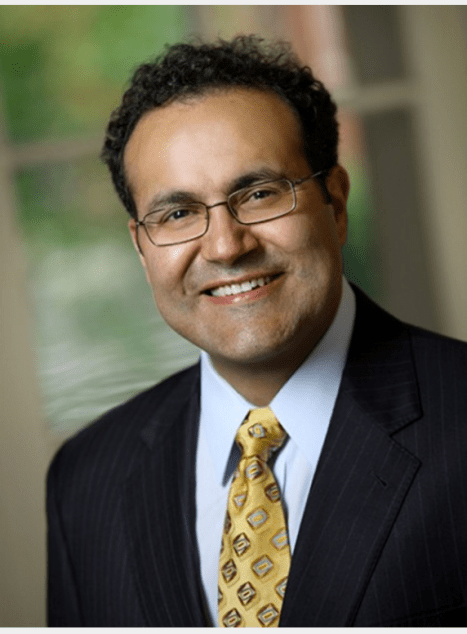
Dr. Andaluz will cover the full breadth of treatment options from managing endocrine function, surgical procedures (transsphenoidal, endoscopic, and keyhole approaches), radiotherapy / radiosurgery, and the importance of getting care at a multidisciplinary center.

Dr. Norberto Andaluz is a neurosurgeon with the Mayfield Clinic and University of Cincinnati Brain Tumor Center. He is also Associate Professor of Neurosurgery at the University of Cincinnati, Surgical Director of the Neuroscience Intensive Care Unit, and Director of Neurotrauma at the University of Cincinnati Neuroscience Institute. He specializes in the treatment of all disorders and diseases of the brain and spine, but in particular, traumatic brain injury, aneurysms, arteriovenous malformations (AVMs), intracerebral hemorrhage, stroke, carotid artery disease, moyamoya disease and brain tumors (with special training in skull base tumors like pituitary adenoma). Dr. Andaluz received his medical degree from Unversidad Nacional de Rosario in Argentina. He completed his residency in neurosurgery at Instituto de Neurología y Neurocirugía at Sanatorio Parque in Rosario, Argentina and earned a fellowship in cerebrovascular surgery from the University of Cincinnati. Professional memberships include the American Heart Association, Congress of Neurological Surgeons, National Neurotrauma Society, Neurocritical Care Society and North American Skull Base Society.

Register at http://pituitary.org/events/webinar-management-options-for-pituitary-tumors

Johns Hopkins surgeon ‘Dr. Q’ to get Hollywood treatment

DrQ


Brad Pitt’s production company Plan B has teamed up with Disney to develop a movie based on the life of Alfredo Quiñones-Hinojosa, the head of brain tumor surgery at Johns Hopkins Hospital.

Quiñones-Hinojosa’s path to becoming a physician started in an unlikely place: a cotton field. He had come to the United States in 1987 from his native Mexico at the age of 19, penniless and unable to speak English. Driven to have a better life than the one he would have had in Mexico, he took jobs picking cotton, painting, and welding to pay for his tuition at San Joaquin Delta Community College in Stockton, California.

“These very same hands that now do brain surgery, right around that time they had scars everywhere from pulling weeds. They were bloody,” he told CNN correspondent Sanjay Gupta in a 2012 interview.

After earning his medical degree from Harvard Medical School and training in both general surgery and neurosurgery at the University of California, San Francisco, Quiñones-Hinojosa came to Johns Hopkins in 2005 and became a faculty member and surgeon. He specializes in brain cancer and pituitary tumors. His autobiography Becoming Dr. Q: My Journey from Migrant Farm Worker to Brain Surgeon was published in 2011 and received the International Latino Book Award in 2012.

Feeling like an outsider helped keep Quiñones-Hinojosa focused and “at the top of his game,” he told CNN. In the keynote speech delivered at Johns Hopkins University’s 2013 commencement ceremony, he elaborates, weaving together memories of his own brush with death in a work accident with his experience operating on a patient with a massive brain tumor that unexpectedly ruptured during surgery. Quoting the migrant farm worker and civil rights activist Cesar Chavez, he says, “If you are afraid, you will work like crazy.”

Plan B began developing the project—titled Dr. Q, the nickname for Quiñones-Hinojosa adopted by his patients—in 2007 after hearing a radio broadcast about the doctor and his background.

Matt Lopez, author of the popular Civil War play The Whipping Man and a former staff writer for HBO’s The Newsroom, will write the script.

According to The Hollywood Reporter, Disney expects Dr. Q to be a modestly-budgeted inspirational drama. Plan B executives Pitt, Dede Gardner, and Jeremy Kleiner won Best Picture Oscars two years ago for their production work on 12 Years a Slave and were nominated this year for their work on The Big Short.

From http://hub.jhu.edu/2016/03/07/brad-pitt-disney-dr-q-movie


https://youtu.be/jcSEftIfUq0

Brains in jars at the Cushing Center in the Yale Medical Library

harvey-cushing-memorial

Sitting quietly in jars in a custom-built room at Yale’s medical library are 550 human brains. The collection once belonged to pioneering neurosurgeon Harvey Cushing, who preserved the brains from 1903 to 1932 as part of his tumor registry. When Cushing died in 1939, his undergraduate alma mater Yale inherited the brains.

Cushing was among a handful of doctors operating on the brain during the early 20th century. At the time, about a third of patients who underwent brain tumor surgery did not survive the operation. Cushing introduced practices that dramatically lowered the mortality rate, such as monitoring blood pressure during surgery and operating with a local anesthesic instead of ether. He was also the first to use x-rays to diagnose brain tumors.


Read the entire article here: Brains in jars at the Cushing Center in the Yale Medical Library.

What would Harvey Cushing say about Cushing’s disease today?

harvey-book

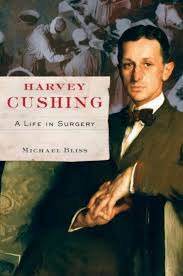
(BPT) – More than 80 years ago renowned neurosurgeon, Dr. Harvey Cushing, discovered a tumor on the pituitary gland as the cause of a serious, hormone disorder that leads to dramatic physical changes in the body in addition to life-threatening health concerns. The discovery was so profound it came to be known as Cushing’s disease. While much has been learned about Cushing’s disease since the 1930s, awareness of this rare pituitary condition is still low and people often struggle for years before finding the right diagnosis.

Read on to meet the man behind the discovery and get his perspective on the present state of Cushing’s disease.

* What would Harvey Cushing say about the time it takes for people with Cushing’s disease to receive an accurate diagnosis?

Cushing’s disease still takes too long to diagnose!

Despite advances in modern technology, the time to diagnosis for a person with Cushing’s disease is on average six years. This is partly due to the fact that symptoms, which may include facial rounding, thin skin and easy bruising, excess body and facial hair and central obesity, can be easily mistaken for other conditions. Further awareness of the disease is needed as early diagnosis has the potential to lead to a more favorable outcome for people with the condition.

* What would Harvey Cushing say about the advances made in how the disease is diagnosed?

Significant progress has been made as several options are now available for physicians to use in diagnosing Cushing’s disease.

In addition to routine blood work and urine testing, health care professionals are now also able to test for biochemical markers – molecules that are found in certain parts of the body including blood and urine and can help to identify the presence of a disease or condition.

* What would Harvey Cushing say about disease management for those with Cushing’s disease today?

Patients now have choices but more research is still needed.

There are a variety of disease management options for those living with Cushing’s disease today. The first line and most common management approach for Cushing’s disease is the surgical removal of the tumor. However, there are other management options, such as medication and radiation that may be considered for patients when surgery is not appropriate or effective.

* What would Harvey Cushing say about the importance of ongoing monitoring in patients with Cushing’s disease?

Routine check-ups and ongoing monitoring are key to successfully managing Cushing’s disease.

The same tests used in diagnosing Cushing’s disease, along with imaging tests and clinical suspicion, are used to assess patients’ hormone levels and monitor for signs and symptoms of a relapse. Unfortunately, more than a third of patients experience a relapse in the condition so even patients who have been surgically treated require careful long-term follow up.

* What would Harvey Cushing say about Cushing’s disease patient care?

Cushing’s disease is complex and the best approach for patients is a multidisciplinary team of health care professionals working together guiding patient care.

Whereas years ago patients may have only worked with a neurosurgeon, today patients are typically treated by a variety of health care professionals including endocrinologists, neurologists, radiologists, mental health professionals and nurses. We are much more aware of the psychosocial impact of Cushing’s disease and patients now have access to mental health professionals, literature, patient advocacy groups and support groups to help them manage the emotional aspects of the disease.

Learn More

Novartis is committed to helping transform the care of rare pituitary conditions and bringing meaningful solutions to people living with Cushing’s disease. Recognizing the need for increased awareness, Novartis developed the “What Would Harvey Cushing Say?” educational initiative that provides hypothetical responses from Dr. Cushing about various aspects of Cushing’s disease management based on the Endocrine Society’s Clinical Guidelines.

For more information about Cushing’s disease, visit www.CushingsDisease.com or watch educational Cushing’s disease videos on the Novartis YouTube channel at www.youtube.com/Novartis.


From http://www.jsonline.com/sponsoredarticles/health-wellness/what-would-harvey-cushing-say-about-cushings-disease-today8087390508-253383751.html