Fulminant Ectopic Cushing’s Syndrome Caused by Metastatic Small Intestine Neuroendocrine Tumour

Cushing’s syndrome (CS) secondary to adrenocorticotropic hormone (ACTH) producing tumours is a severe condition with a challenging diagnosis. Ectopic ACTH-secretion often involves neuroendocrine tumours (NET) in the respiratory tract.

ACTH-secreting small intestine neuro-endocrine tumours (siNET) are extremely rare entities barely reported in literature. This review is illustrated by the case of a 75-year old woman with fulminant ectopic CS caused by a ACTH-secreting metastatic siNET. Severe hypokalemia, fluid retention and refractory hypertension were the presenting symptoms. Basal and dynamic laboratory studies were diagnostic for ACTH-dependent CS.

Extensive imaging studies of the pituitary and thorax-abdomen areas were normal, while [68Ga]Ga-DOTATATE PET-CT revealed increased small intestine uptake in the left iliac fossa. The hypercortisolism was well controlled with somatostatin analogues, after which a debulking resection of the tumour was performed. Pathological investigation confirmed a well-differentiated NET with sporadic ACTH immunostaining and post-operative treatment with somatostatin analogues was continued with favourable disease control.
© Acta Gastro-Enterologica Belgica.

ABOUT THE CONTRIBUTORS

Different Patient Versus Provider Perspectives on Living with Cushing’s Disease

Abstract

Context

Patients with Cushing’s disease (CD) face challenges living with and receiving appropriate care for this rare, chronic condition. Even with successful treatment, many patients experience ongoing symptoms and impaired quality of life (QoL). Different perspectives and expectations between patients and healthcare providers (HCPs) may also impair well-being.

Objective

To examine differences in perspectives on living with CD between patients and HCPs, and to compare care goals and unmet needs.

Design

Memorial Sloan Kettering Pituitary Center established an annual pituitary symposium for pituitary patients and HCPs. Through anonymous pre-program surveys distributed at the 2020 and 2022 symposia, patients and HCPs answered questions related to their own sense, or perception of their patients’ sense, of hope, choice, and loneliness in the context of living with CD.

Participants

From 655 participants over two educational events, 46 patients with CD and 116 HCPs were included. Median age of both groups was 51 years. 78.3% of the patients were female vs. 53.0% of the HCPs.

Results

More patients than HCPs reported they had no choices in their treatment (21.7% vs. 0.9%, P < 0.001). More patients reported feeling alone living with CD than HCPs’ perception of such (60.9% vs. 45.5%, P = 0.08). The most common personal care goal concern for patients was ‘QoL/mental health,’ vs. ‘medical therapies/tumor control’ for HCPs. The most common CD unmet need reported by patients was ‘education/awareness’ vs. ‘medical therapies/tumor control’ for HCPs.

Conclusions

CD patients experience long term symptoms and impaired QoL which may in part be due to a perception of lack of effective treatment options and little hope for improvement. Communicating experiences and care goals may improve long term outcomes for CD patients.

Introduction

Patients with rare diseases face challenges receiving appropriate care. Cushing’s disease (CD), a condition associated with excess endogenous glucocorticoids due to an ACTH-secreting pituitary tumor, is a rare disease, occurring in 0.7 to 2.4 per million per year [1]. Patients with CD are at high risk for metabolic, cardiovascular, and psychiatric disease, in addition to long-term symptom burden and impaired quality of life (QoL), despite adequate treatment [1,2,3].

A critical aspect of effective patient care is communication and mutual understanding between healthcare provider (HCP) and patient. Patients with pituitary tumors experience significant anxiety associated with their diagnosis, in large part due to difficulties interacting with healthcare systems and limited communication of information [4]. Many pituitary patients express concern regarding the complexity of their care, and satisfaction improves with the delivery of more information by the HCP [4]. Patients with pituitary tumors, and CD specifically, require multidisciplinary care which necessitates effective communication in order to provide the best possible outcomes [5].

Similar to acromegaly patients [6], CD patients’ long-term well-being may be adversely affected by different perspectives and expectations between patients and HCPs, especially after treatment [7]. While HCPs primarily use biochemical data to define successful treatment, patients rely more on their symptoms and ability to regain normal functioning [7]. Despite achieving biochemical remission, CD patient perception of having persistent disease negatively impacts QoL [8]. In addition, 67.5% of Cushing’s syndrome patients report receiving insufficient information from their HCPs regarding the recovery experience after surgery despite the fact that all HCPs report providing this information [9]. Improved communication between HCPs and CD patients is vital to optimizing patients’ QoL and long term outcomes.

Recently there has been a growing emphasis on the use of internet-based platforms for healthcare delivery and education [10]. With the goals of offering HCP and patient education and assessing pituitary patients’ needs, since 2019 the pituitary center at Memorial Sloan Kettering (MSK) has offered annual virtual educational programs for pituitary patients, caregivers, HCPs, and members of the pharmaceutical industry. For the current study, we gathered deidentified information from 2020 to 2022 MSK program participants on CD patients’ and HCPs’ attitudes about CD, related to their sense of hope, choice, and loneliness, through anonymous pre-program surveys. Our specific aims were to: (1) Assess differences in perspectives between patients’ and HCPs’ responses in the pre-program survey; (2) Compare patients’ and HCPs’ perceived care goals and unmet needs.

Methods

Educational program enrollment

The MSK program was offered to patients with any type of pituitary tumor as well as HCPs, family members, caregivers, and members of industry. The role of the registrant as a patient, caregiver/family member, HCP, and/or member of industry was determined for all registrants of the virtual programs.

Any patient with a pituitary tumor treated at our center and outside institutions, inclusive of patients at all points along their treatment journey, were invited to register for the virtual education program. HCPs, including endocrinologists, neurosurgeons, otolaryngologists, radiation oncologists, neurologists, ophthalmologists, neuro-oncologists, family medicine and internal medicine physicians, physicians in training and other allied health professionals who treat and manage patients with pituitary diseases were also invited to register. Invitations were sent through email to neuroendocrine experts and endocrinologists, patient support groups on social media, direct messaging to patients with pituitary tumors by their treating physicians and via patient databases, advertisements through endocrine societies, brochure/postcard mailing, and Eventbrite, a virtual platform for live events.

Study participants

Registrants from MSK virtual programs held on December 5, 2020, (n = 328) and April 9, 2022, (n = 327) were included in the pool of subjects, among which the qualifying participants were determined.

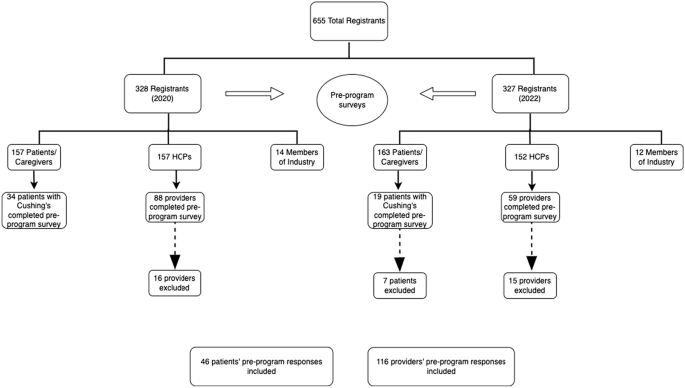
Of the 655 total registrants from the 2020 and 2022 programs, 320 (48.9%) were patients or caregivers and 309 (47.2%) were HCPs (Fig. 1). Of the 147 providers (88 in 2020 and 59 in 2022) that attended and filled out a pre-program survey 31 were excluded from our analysis. Eight filled out surveys in both 2020 and 2022, 4 were members of industry, 3 did not fill out any responses, and 1 was not in the healthcare field. In addition, 12 providers had at least three fields missing in the survey and 3 had filled out two surveys for the same year, so they were also excluded. A total of 116 providers (72 from 2020 to 44 from 2022) were included in the analysis.

Fig. 1
figure 1

Enrollment flowchart

Among the 320 pituitary patients who attended the programs (157 from 2020 to 163 from 2022), 53 identified as ‘patients with Cushing’s’ and submitted surveys (34 participants from 2020 to 19 from 2022). Seven patients were excluded from the 2022 surveys as they had also filled out surveys in 2020, leaving a final group of 46 patients who were included in the analysis.

Virtual education programs

For each program, there was a single day of live interactive programming, meaning that all participants attended at the same time. The programs were recorded and made available for several weeks as enduring material for registrants on an online website.

After joint sessions in the morning, both programs consisted of two tracks in the afternoon: the ‘provider/clinical track’ and the ‘patient/caregiver track’. During the programs, an ongoing chat reeled through the virtual program which allowed patients to continually ask questions. Faculty experts answered these questions in written responses directly within the chat and/or in spoken responses during one of the live broadcasted Q&A sessions. Additionally, the programs both included panel discussions answering patient questions and moderated patient discussions with invited patient speakers.

Study procedures

Through anonymous pre-program surveys distributed at the 2020 and 2022 symposia, patients and HCPs answered questions related to their own sense, or perception of their patients’ sense, of hope, choice, and loneliness in the context of living with CD. This survey was developed by a multidisciplinary team and has been reported previously [11]. Demographic and clinical information was also assessed including year of diagnosis, prior treatments, and current medications (for patients) and specialty and practice type (for providers), as shown in Tables 1 and 2. Multiple-choice questions assessing patients’ attitudes toward their disease included possible answers of ‘I have no hope for improvement,’ ‘I have some hope for improvement,’ and ‘I have a lot of hope for improvement;’ and ‘I have no choice in my treatment,’ ‘I have some choices in my treatment,’ and ‘I have many choices in my treatment.’ Patients were also asked to respond ‘TRUE’ or ‘FALSE’ to the following statements: ‘I feel alone living with my Cushing’s,’ ‘Hearing the journeys of other patients helps me better understand my own,’ and ‘I feel anxious about my Cushing’s diagnosis.’

Table 1 Patient demographic data
Table 2 Provider demographic data

Multiple-choice questions assessing providers’ attitudes about their patients’ Cushing’s included possible answers of ‘I have no hope for their improvement,’ ‘I have some hope for their improvement,’ and ‘I have a lot of hope for their improvement;’ and ‘my patients have no choice in their treatment,’ ‘my patients have some choices in their treatment,’ and ‘my patients have many choices in their treatment.’ Providers were also asked to respond ‘TRUE’ or ‘FALSE’ to the following statements: ‘my patients feel alone living with their Cushing’s,’ ‘Hearing the journeys of other patients helps will help my patients better understand their own,’ and ‘my patients feel anxious about their Cushing’s diagnosis.’

Additionally, patients were surveyed on care goals and unmet needs related to their treatment. Specifically, patients were asked, ‘What are the healthcare outcomes/goals that matter to you the most?’ and ‘What do you think are unmet needs for the diagnosis or treatment of your condition?’ The first question was intended to refer to the patient specifically, while the second question was meant to examine how the condition is treated in general. Survey responses were submitted as free text and subsequently grouped by the authors (AH and EBG) into nine different categories: (a) Quality of life (QoL)/Mental Health; (b) Medical Therapies/Tumor Control; (c) Education/Awareness; (d) Communications/Multidisciplinary Care; (e) Insurance/Access; (f) Fertility; (g) Controlling Comorbidities; (h) Support System and (i) none. Responses could receive multiple designations if applicable. AH coded the free text themes independently, then EBG reviewed each answer and corresponding grouping to confirm accuracy. If there was disagreement or confusion, coding from our prior work [11] was reviewed.

HCPs were also surveyed on care goals and unmet needs related to their patient’s treatment. Providers were asked, ‘What are the healthcare outcomes/goals that matter to you the most?’ and ‘what do you think are unmet needs for the diagnosis or treatment of your patient’s condition?’ The first question was intended to refer to the provider and their goals related to Cushing’s, while the second question was meant to examine how the condition is treated in general. Survey responses were submitted as free text and subsequently grouped by the authors (AH and EBG) into nine different categories: (a) Quality of life (QoL)/Mental Health; (b) Medical Therapies/Tumor Control; (c) Education/Awareness; (d) Communications/Multidisciplinary Care; (e) Insurance/Access; (f) Fertility; (g) Controlling Comorbidities; (h) Support System and (i) none. Responses could receive multiple designations if applicable.

Statistical analysis

Descriptive statistics were presented as counts and percentages for categorical variables and as medians and interquartile range (IQR) for continuous variables. The Chi-square test or Fisher’s exact test was used to compare gender and survey responses between the CD patient group and the HCP group. All statistical tests were two-tailed, and a P-value of < 0.05 was considered statistically significant. SAS Software® (version 9.4; SAS Institute Inc., Cary, NC) was used for all analyses.

Results

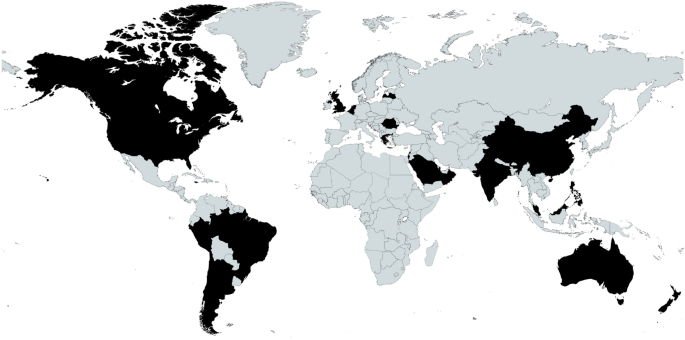
Between the 2020 and 2022 events, there was combined representation from 25 different countries. A map and a full list of the countries is shown in Fig. 2.

Fig. 2

figure 2

Map of registrant locations. Locations (listed alphabetically): Argentina, Australia, Belgium, Brazil, Canada, Chile, China, Greece, Hong Kong, India, Israel, Jamaica, Latvia, Malaysia, Netherlands, New, Zealand, Oman, Peru, Philippines, Qatar, Romania, Saudi Arabia, Singapore, UK, US

From a total of 655 participants over two educational events, 46 patients with CD and 116 HCP caring for CD patients were included in the analysis. The demographic data of the patients and HCPs are outlined in Tables 1 and 2, respectively. Median age of the patients and HCPs was 51 years. 78.3% of the CD group was female vs. 53.0% of the HCP group (P = 0.003).

CD patients ranged from newly diagnosed to being diagnosed 33 years prior. The HCPs who filled out the pre-program surveys were in practice for a mean duration of 18.5 years, with a range from 1 to 54 years.

As shown in Table 1, CD patients had a mean duration of suspected active disease prior to diagnosis of 5.26 years, as defined by onset of CD symptoms until diagnosis, and a mean duration of disease since diagnosis of 5.9 years. 42 (91%) had undergone surgical treatment of their Cushing’s. For those who underwent surgery, the mean number of surgeries was 1.17 (range 0–4). 20% had received pituitary radiation. Overall, 31% of patients were on medical therapy for Cushing’s. Metyrapone was the most used CD therapy (in 11%), followed by ketoconazole (in 9%). Of those requiring pituitary hormone replacement, 34.8% had one pituitary hormone deficiency and 21.7% had multiple hormone deficiencies. Thyroid hormone replacement (37%) and adrenal replacement (30%) were the most common.

As shown in Table 2, the majority of the HCPs were endocrinologists (72%) followed by neurosurgeons (9%) and nurses (8%). There was a total of 9 different specialties represented by the provider group. 16% of the providers worked in private practice, 16% were hospital based, and 16% worked in ‘unspecified clinical care.’ 38% of the providers practice type was ‘unspecified.’

Based on the pre-program survey responses, we identified different attitudes between patients and HCPs in several domains. Table 3 depicts pre-program survey responses from CD patients and HCPs assessing their attitudes about CD. 21.7% of patients reported they had no choices in their treatment, compared to 0.9% of HCPs (P < 0.001). Almost all HCPs (99.1%) reported that CD patients had least some choice in their management. In addition, less than half (45.7%) of patients reported they had a lot of hope for improvement whereas 71.3% of HCPs had a lot of hope for their patients’ improvement. Surprisingly, fewer CD patients reported feeling anxious about their diagnosis compared to HCPs’ perceived patient anxiety (65.2% vs 94.6%, P < 0.001). However, more patients tended to feel more alone living with CD than HCPs’ perception of such (60.9% vs. 45.5%, P = 0.08). Both CD patients and HCPs agreed that hearing the journeys of other CD patients would help patients better understand their own disease (97.8% vs 100%).

Table 3 Patient and provider attitudes by pre-program survey

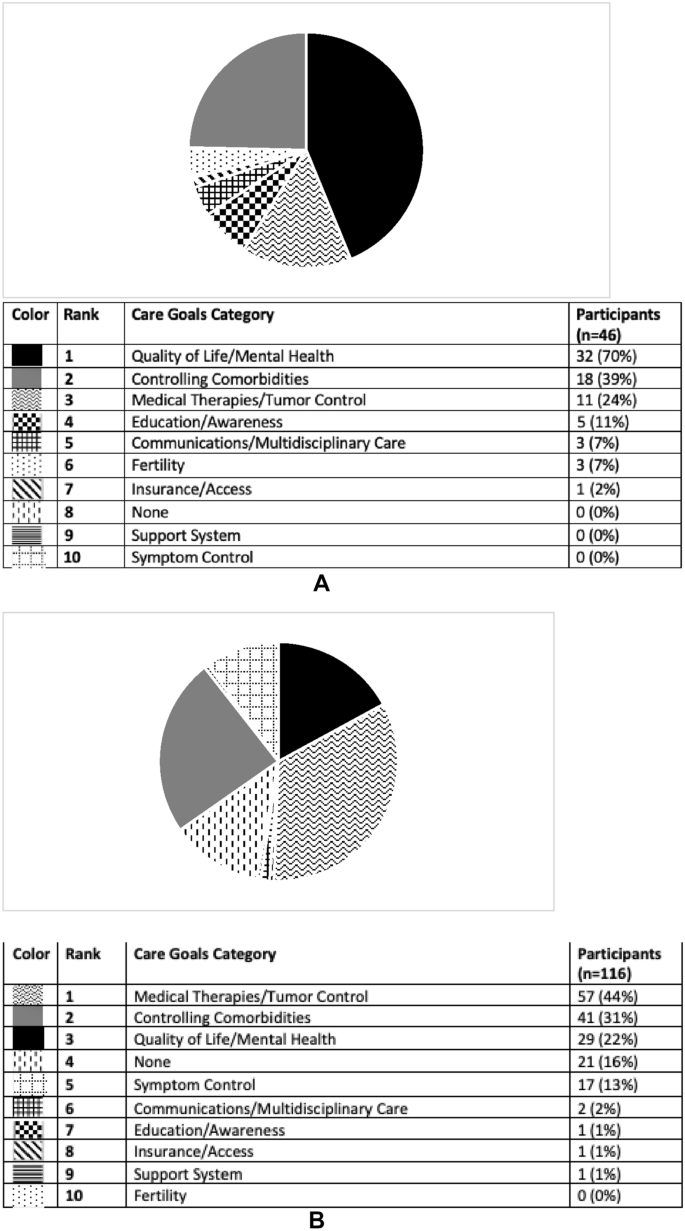
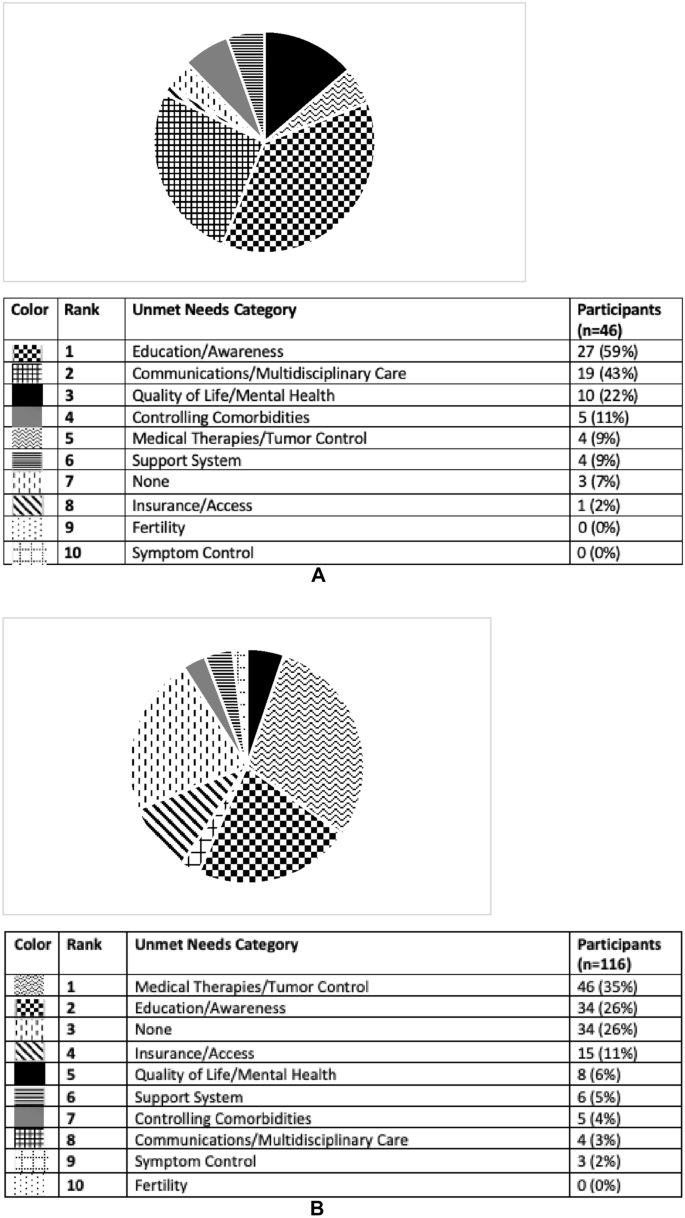
CD patients and HCPs were also surveyed on their personal care goals and unmet needs, results of which are shown in Figs. 3A, B and 4A, B. The most common personal care goal concern for patients was ‘QoL/mental health’ which was reported by 70%, followed by ‘controlling comorbidities’ (39%) and ‘medical therapies/tumor control’ (24%). HCPs prioritized the same three care goals as patients but ‘medical therapies/tumor control’ was the most common (44%). ‘Controlling comorbidities’ and ‘QoL/mental health’ were the second and third most often HCP reported care goals (31 and 22% respectively). ‘Education/awareness’ was the most common perceived CD unmet need by patients (59%). HCPs reported both ‘medical therapies/tumor control’ and ‘education/awareness’ to be the most common unmet needs (35 and 26%, respectively). Examples of patient and provider responses, and how they were coded, are shown in Supplemental Table 1.

Fig. 3
figure 3

A Care goals according to participants with Cushing’s who completed pre-program survey. This pie graph represents the free-text survey response from patients regarding their personal care goals as categorized by topic. B Care goals according to providers who completed pre-program survey. This pie graph represents the free-text survey response from providers regarding their personal care goals as categorized by topic

Fig. 4
figure 4

A Unmet needs for the field of Cushing’s disease according to participants with Cushing’s who completed pre-program survey. This pie graph represents the free-text survey response from patients regarding unmet needs in Cushing’s as categorized by topic. B Unmet needs for the field of Cushing’s disease according to providers who completed pre-program survey. This pie graph represents the free-text survey response from providers regarding unmet needs in Cushing’s as categorized by topic

Discussion

This study examined the differences between patients and HCP-reported perceptions of living with CD. We identified several differences in disease outlook between CD patients and HCPs. We found that more patients than HCPs reported they had no choices in their treatment. Furthermore, less than half of patients reported they had a lot of hope for improvement whereas most (71.3%) of HCPs had a lot of hope for their patients’ improvement. Interestingly, fewer CD patients reported feeling anxious about their diagnosis compared to HCPs’ perceived patient anxiety, although a higher percentage of patients reported feeling alone living with CD compared to the HCPs’ perception of patient loneliness. We also identified HCP and patient differences in reported personal care goals and perceived unmet needs in the field. The most common personal care goal concern for patients was ‘QoL/mental health,’ whereas it was ‘medical therapies/tumor control’ for HCPs. ‘Education/awareness’ was the most commonly perceived unmet need by patients, whereas it was ‘medical therapies/tumor control’ for HCPs.

Our findings support prior work demonstrating a discrepancy between patients and HCPs regarding the need for improved multidisciplinary care [12]. 43% of patients listed ‘communication/multidisciplinary care’ as an unmet need in the field, compared to 3% of providers. Pituitary centers of excellence provide expert multidisciplinary care in the neuroendocrine, neurosurgical, and radiation oncology domains, but often lack expertise in mental and physical health domains salient for CD patients, who suffer from depression, anxiety, myopathy and joint pain. In order to offer comprehensive care, psychiatrists, psychologists, social workers, pain medicine experts, physical therapists, and nutritionists with expertise in CD should be included in the pituitary center multidisciplinary team [13]. Our findings suggest that pituitary centers of excellence should take into account the most important personal care goal reported by CD patients, which is Qol/mental health, and provide expert treatment in this domain.

It is not surprising that Qol/mental health is the personal care goal most reported by CD patients. Prior assessment of acromegaly patients demonstrated the same finding: QoL/mental health was the most common personal care goal concern [11]. While surgical [14] and medical [15,16,17,18] treatment of Cushing’s improves QoL, QoL has been shown to remain impaired over time after treatment [19]. Several factors may contribute to long-term Qol impairments, including the presence of persistent disease, imperfect treatment modalities which themselves may be associated with burden and adverse side effects, and persistent comorbidities including depression, anxiety, fatigue, and overweight. Perception of disease status may also play a role in QoL. In surgically remitted CD patients, there may be discordance between biochemical remission and perceived disease status [8]. Specifically, this study found that of those with self-identified persistence of disease, 65% were in fact biochemically remitted. This group had lower QoL scores than the concordant group who self-identified as in remission with biochemical evidence of remission.

CD patients’ outlook on their condition, including their perception of choices and hope for change, has not been previously well described, despite the fact that these perceptions likely inform long term Qol. Patient outlook may be a modifiable target that if addressed, could improve long term patient well-being and outcomes. Aside from continuing progress in the development of new therapies for CD patients which can offer patients more objective choices in their treatment, other modalities should be considered. Prior work has shown that virtual educational programs improve acromegaly patients’ hope for improvement, perception of having choices in their treatment, and sense of loneliness [11]. Educational programs have also been shown to result in improved physical activity and sleep, and reduced pain levels in CS patients [20]. More work is needed to develop effective education programming tailored for CD patients to provide the appropriate support that these patients need.

Difference in HCP and patient disease perceptions may also play a role in Cushing’s patients’ quality of life and outcomes. Among a cohort of patients who underwent surgical resection for Cushing’s, 32.4% reported not receiving information from their doctors about the recovery experience, despite the fact that all physicians surveyed reported giving information about the recovery process [9]. Furthermore, 16.1% of patients in this cohort reported that not enough medical professionals were familiar with the symptoms of Cushing’s. Recovery time was also reported to be longer by patients than providers [9]. Similarly, discordance was found between acromegaly patients and HCPs regarding reported severity of symptoms, with patients more frequently reporting symptoms as severe compared to HCPs, and many patients reporting symptoms which were not reported by HCPs [6]. Improving communication between HCP and patients may positively affect CD patient outlook and QoL.

We identified a similar disparity between CD patients and HCP regarding care goals and unmet needs. 70% of patients surveyed considered QoL/mental health to be a top care goal, but only 22% of provider shared this goal. 59% of patients reported education/awareness as an unmet need, compared to 26% of HCPs. These findings support data shown by Acre et al. in which Cushing’s patients report a lack of symptom recognition by their providers [9]. HCPs should be aware that their patients may have different treatment priorities.

Our finding that more HCPs reported patient anxiety living with CD compared to patients themselves needs further exploration. This could reflect inadequate communication between HCP and patient, or skewed HCP perceptions of CD. This, and other findings in our study should be viewed in light of the small cohort, and as such, needs confirmation in larger cohorts and more in-depth symptom assessments. Additional limitations of our study include lack of paired patient-HCP responses as the HCPs included were not providing care for this specific CD cohort. Since this was a pituitary educational forum, likely most or all patients who identified as having Cushing’s had CD. However, our survey did not specify the type of surgery patients underwent or the etiology of their Cushing’s. Additionally, we used multidisciplinary team agreed upon measures and not validated assessments. Further work should consider validating a tool to assess patient-provider discordances. Our findings may also be confounded by selection bias, given that the patients participating in our virtual education programs are more likely to be under the care of experts in the field and may not represent the attitudes of all patients living with CD. Finally, the included HCPs were representatives from a range of specialties with different levels of experience taking care of patients with CD which may also affect their responses.

Our findings highlight the importance of understanding CD patients’ outlook and perspective in their condition, and that they may differ from their HCP. More than half of CD patients did not have a lot of hope for improvement and reported feeling alone, and many patients felt they had no choices in their treatment. QOL/mental health was the most commonly reported care goal for patients, which was not the case for HCPs. Comprehensive multidisciplinary care for CD patients should include mental health professionals with expertise in CD. Regular open communication between HCPs and CD patients will help bridge perception differences and facilitate personalized care, which will ultimately improve long-term outcomes for CD patients.

Data availability

The data that support the findings of this study are available from the authors upon request.

References

  1. Newell-Price J, Bertagna X, Grossman AB, Nieman LK (2006) Cushing’s syndrome. Lancet 367(9522):1605–1617. https://doi.org/10.1016/S0140-6736(06)68699-6

    Article CAS PubMed Google Scholar

  2. Kreitschmann-Andermahr I, Siegel S, Gammel C et al (2018) Support needs of patients with Cushing’s disease and Cushing’s syndrome: results of a survey conducted in Germany and the USA. Int J Endocrinol 2018:9014768. https://doi.org/10.1155/2018/9014768

    Article PubMed PubMed Central Google Scholar

  3. Feelders RA, Pulgar SJ, Kempel A, Pereira AM (2012) The burden of Cushing’s disease: clinical and health-related quality of life aspects. Eur J Endocrinol 167(3):311–326. https://doi.org/10.1530/EJE-11-1095

    Article CAS PubMed Google Scholar

  4. Donegan D, Gowan T, Gruber R et al (2021) The need for patient-centered education among patients newly diagnosed with a pituitary tumor. J Endocr Soc. https://doi.org/10.1210/jendso/bvab061

    Article PubMed PubMed Central Google Scholar

  5. Frara S, Rodriguez-Carnero G, Formenti AM, Martinez-Olmos MA, Giustina A, Casanueva FF (2020) Pituitary tumors centers of excellence. Endocrinol Metab Clin North Am 49(3):553–564. https://doi.org/10.1016/j.ecl.2020.05.010

    Article PubMed Google Scholar

  6. Geer EB, Sisco J, Adelman DT et al (2020) Observed discordance between outcomes reported by acromegaly patients and their treating endocrinology medical provider. Pituitary 23(2):140–148. https://doi.org/10.1007/s11102-019-01013-2

    Article PubMed Google Scholar

  7. Webb SM, Valassi E (2022) Quality of life impairment after a diagnosis of Cushing’s syndrome. Pituitary 25(5):768–771. https://doi.org/10.1007/s11102-022-01245-9

    Article PubMed PubMed Central Google Scholar

  8. Carluccio A, Sundaram NK, Chablani S et al (2015) Predictors of quality of life in 102 patients with treated Cushing’s disease. Clin Endocrinol (Oxf) 82(3):404–411. https://doi.org/10.1111/cen.12521

    Article PubMed Google Scholar

  9. Acree R, Miller CM, Abel BS, Neary NM, Campbell K, Nieman LK (2021) Patient and provider perspectives on postsurgical recovery of Cushing syndrome. J Endocr Soc. https://doi.org/10.1210/jendso/bvab109

    Article PubMed PubMed Central Google Scholar

  10. Ca BM, Badiu C, Bonomi M et al (2017) Developing and evaluating rare disease educational materials co-created by expert clinicians and patients: the paradigm of congenital hypogonadotropic hypogonadism. Orphanet J Rare Dis 12(1):57. https://doi.org/10.1186/s13023-017-0608-2

    Article Google Scholar

  11. Geer EB, Kilgallon JL, Liebert KJP, Kimball A, Nachtigall LB (2022) Virtual education programming for patients with acromegaly: a pilot study. Eur J Endocrinol 186(3):341–349. https://doi.org/10.1530/EJE-21-1071

    Article CAS PubMed Google Scholar

  12. Valassi E, Santos A, Yaneva M et al (2011) The European registry on Cushing’s syndrome: 2-year experience. Baseline demographic and clinical characteristics. Eur J Endocrinol 165(3):383–392. https://doi.org/10.1530/EJE-11-0272

    Article CAS PubMed Google Scholar

  13. Casanueva FF, Barkan AL, Buchfelder M et al (2017) Criteria for the definition of pituitary tumor centers of excellence (PTCOE): a pituitary society statement. Pituitary 20(5):489–498. https://doi.org/10.1007/s11102-017-0838-2

    Article PubMed PubMed Central Google Scholar

  14. Santos A, Resmini E, Martinez-Momblan MA et al (2012) Psychometric performance of the Cushing QoL questionnaire in conditions of real clinical practice. Eur J Endocrinol 167(3):337–342. https://doi.org/10.1530/EJE-12-0325

    Article CAS PubMed Google Scholar

  15. Colao A, Petersenn S, Newell-Price J et al (2012) A 12-month phase 3 study of pasireotide in Cushing’s disease. N Engl J Med 366(10):914–924. https://doi.org/10.1056/NEJMoa1105743

    Article CAS PubMed Google Scholar

  16. Fleseriu M, Biller BM, Findling JW et al (2012) Mifepristone, a glucocorticoid receptor antagonist, produces clinical and metabolic benefits in patients with Cushing’s syndrome. J Clin Endocrinol Metab 97(6):2039–2049. https://doi.org/10.1210/jc.2011-3350

    Article CAS PubMed Google Scholar

  17. Geer EB, Salvatori R, Elenkova A et al (2021) Levoketoconazole improves clinical signs and symptoms and patient-reported outcomes in patients with Cushing’s syndrome. Pituitary 24(1):104–115. https://doi.org/10.1007/s11102-020-01103-6

    Article CAS PubMed Google Scholar

  18. Pivonello R, Fleseriu M, Newell-Price J et al (2020) Efficacy and safety of osilodrostat in patients with Cushing’s disease (LINC 3): a multicentre phase III study with a double-blind, randomised withdrawal phase. Lancet Diabetes Endocrinol 8(9):748–761. https://doi.org/10.1016/S2213-8587(20)30240-0

    Article CAS PubMed Google Scholar

  19. Page-Wilson G, Oak B, Silber A et al (2023) Evaluating the burden of endogenous Cushing’s syndrome using a web-based questionnaire and validated patient-reported outcome measures. Pituitary. https://doi.org/10.1007/s11102-023-01314-7

    Article PubMed PubMed Central Google Scholar

  20. Martínez-Momblán MA, Gómez C, Santos A et al (2016) A specific nursing educational program in patients with Cushing’s syndrome. Endocrine 53:199–209. https://doi.org/10.1007/s12020-015-0737-0

    Article CAS PubMed Google Scholar

Download references

Acknowledgements

The authors would like to thank the HCP and patient participants who attended the events, the MSK faculty, invited speakers, Leslie Edwin of Cushing’s Support and Research Foundation, Amy Edouard and the MSK CME team, and Recordati Rare Diseases, Inc., Amryt Pharma (previously Chiasma, Inc.), Crinetics, Sparrow Pharmaceuticals, Corcept Therapeutics, and Xeris Biopharma (previously Strongbridge Biopharma) for providing educational grants for these educational activities.

Funding

This research was funded in part through the NIH/NCI Cancer Center Support Grant P30 CA008748.

Author information

Authors and Affiliations

  1. Division of Endocrinology, Department of Medicine, Weill Cornell Medicine, New York, NY, USA

    Amanda Halstrom

  2. Department of Epidemiology and Biostatistics, Memorial Sloan Kettering Cancer Center, New York, NY, USA

    I.-Hsin Lin

  3. Multidisciplinary Pituitary & Skull Base Tumor Center, Memorial Sloan Kettering Cancer Center, New York, NY, USA

    Andrew Lin, Marc Cohen, Viviane Tabar & Eliza B. Geer

  4. Department of Neurology, Memorial Sloan Kettering Cancer Center, New York, NY, USA

    Andrew Lin

  5. Department of Neurosurgery, Memorial Sloan Kettering Cancer Center, New York, NY, USA

    Andrew Lin, Marc Cohen & Eliza B. Geer

  6. Head and Neck Service, Department of Surgery, Memorial Sloan Kettering Cancer Center, New York, NY, USA

    Marc Cohen & Viviane Tabar

  7. Department of Medicine, Memorial Sloan Kettering Cancer Center, New York, NY, USA

    Eliza B. Geer

Contributions

A.H. and E.B.G. wrote the manuscript text and prepared the figures. All authors reviewed the manuscript.

Corresponding author

Correspondence to Eliza B. Geer.

Ethics declarations

Competing interests

The authors declare no competing interests.

Ethical approval

As an educational quality initiative project using de-identified data, it was determined that our project did not constitute human subjects research and thus did not require IRB oversight.

Additional information

Publisher’s Note

Springer Nature remains neutral with regard to jurisdictional claims in published maps and institutional affiliations.

Supplementary Information

Below is the link to the electronic supplementary material.

Navigating the Surgical Landscape: A Comprehensive Analysis of Endoscopic vs. Microscopic Transsphenoidal Pituitary Surgery Outcomes

Abstract

Pituitary surgery, a critical intervention for various pituitary disorders, has sparked ongoing debates regarding the preference between endoscopic and microscopic transsphenoidal approaches. This systematic review delves into the outcomes associated with these techniques, taking into account the recent advancements in neurosurgery. The minimally invasive nature of endoscopy, providing improved visualization and reduced morbidity, stands in contrast to the well-established track record of the conventional microscopic method. Examining outcomes for disorders such as Cushing’s disease and acromegaly, the review synthesizes evidence from Denmark, Bulgaria, and China. Noteworthy advantages of endoscopy encompass higher resection rates, shorter surgery durations, and fewer complications, endorsing its effectiveness in pituitary surgery. While emphasizing the necessity for prospective trials, the review concludes that endoscopic approaches consistently showcase favorable outcomes, influencing the ongoing discourse on the optimal surgical strategies for pituitary disorders.

Introduction & Background

Pituitary surgery is a critical intervention for various pituitary disorders, and the choice between endoscopic and microscopic transsphenoidal approaches has been a subject of ongoing debate within the medical community. This systematic review aims to explore and analyze the outcomes associated with endoscopic and microscopic transsphenoidal pituitary surgery. As advancements in surgical techniques continue to shape the field of neurosurgery, understanding the comparative effectiveness of these two approaches becomes imperative. The endoscopic approach, characterized by its minimally invasive nature, has gained popularity for pituitary surgery in recent years [1]. Proponents argue that it provides enhanced visualization, improved maneuverability, and reduced patient morbidity. On the other hand, traditional microscopic transsphenoidal surgery has been the conventional method for decades, known for its familiarity among surgeons and established track record [2].

Several studies have investigated the outcomes of these approaches in treating pituitary disorders, including but not limited to Cushing’s disease, pituitary adenomas, and other tumors. For instance, a systematic review and meta-analysis by Chen et al. compared endoscopic and microscopic transsphenoidal surgery specifically for Cushing’s disease, shedding light on the effectiveness of these approaches in managing this specific condition [3]. Moreover, Møller et al. reported promising results for endoscopic pituitary surgery based on the experiences of experienced microscopic pituitary surgeons, indicating a potential shift towards the adoption of the endoscopic technique [1]. Guo et al. conducted a meta-analysis comparing the effectiveness of microscopic and endoscopic surgery for treating pituitary disorders, contributing valuable insights into the overall efficacy of these approaches [4].

This review aims to contribute to the ongoing discourse on pituitary surgery by providing a comprehensive analysis of the outcomes associated with endoscopic versus microscopic transsphenoidal approaches. By synthesizing the existing evidence, we strive to offer valuable insights that can guide both clinicians and researchers in making informed decisions regarding the optimal surgical approach for pituitary disorders.

Review

Materials and methods

This systematic review strictly adheres to the established Preferred Reporting Items for Systematic Reviews and Meta-Analyses (PRISMA) guidelines, employing a comprehensive approach to investigate the outcomes of endoscopic versus microscopic transsphenoidal pituitary surgery. The subsequent sections delineate the criteria for study inclusion, the search strategy utilized, and the methodology employed for data synthesis.

Search Strategy

We conducted a meticulous search across prominent electronic databases, including PubMed, Embase, and the Cochrane Library, to identify pertinent articles. Our search strategy comprised a combination of Medical Subject Headings (MeSH) terms and keywords related to pituitary surgery, encompassing both endoscopic and microscopic approaches. Boolean operators (AND, OR) were strategically employed to refine the search and identify studies meeting our predetermined inclusion criteria. The search string used for PubMed was (“Outcomes” OR “Treatment Outcome” OR “Surgical Outcome”) AND (“Endoscopic Transsphenoidal Pituitary Surgery” OR “Endoscopic Pituitary Surgery” OR “Endoscopic Hypophysectomy”) AND (“Microscopic Transsphenoidal Pituitary Surgery” OR “Microscopic Pituitary Surgery” OR “Microscopic Hypophysectomy” OR “Endoscopy”[Mesh] OR “Endoscopy, Surgical”[Mesh] OR “Transsphenoidal Hypophysectomy”[Mesh] OR “Microsurgery”[Mesh] OR “Microscopic Hypophysectomy”[Mesh]).

Eligibility Criteria

Stringent inclusion criteria were predefined to ensure the selection of high-quality and relevant studies. The included studies focused on investigating the outcomes of endoscopic versus microscopic transsphenoidal pituitary surgery. Only articles published in peer-reviewed journals within the timeframe from the inception of relevant databases until October 2023 were considered. Exclusion criteria encompassed studies on other interventions, those lacking sufficient data on surgical outcomes, and studies solely involving animal cells. Additionally, only studies in the English language with full-text availability were included, and gray literature was not considered eligible.

Data Extraction and Synthesis

Two independent reviewers meticulously screened titles and abstracts to identify potentially eligible studies. Subsequently, full-text articles were retrieved and evaluated for adherence to inclusion criteria. Discrepancies between reviewers were resolved through discussion and consultation with a third reviewer. Relevant data, including study design, patient characteristics, interventions, and surgical outcomes, were systematically extracted using a predefined data extraction form.

Data Analysis

A narrative synthesis approach was employed to summarize findings from included studies due to anticipated heterogeneity in study designs and outcome measures. Key themes and patterns related to the outcomes of endoscopic versus microscopic transsphenoidal pituitary surgery were identified and presented.

Results

Study Selection Process

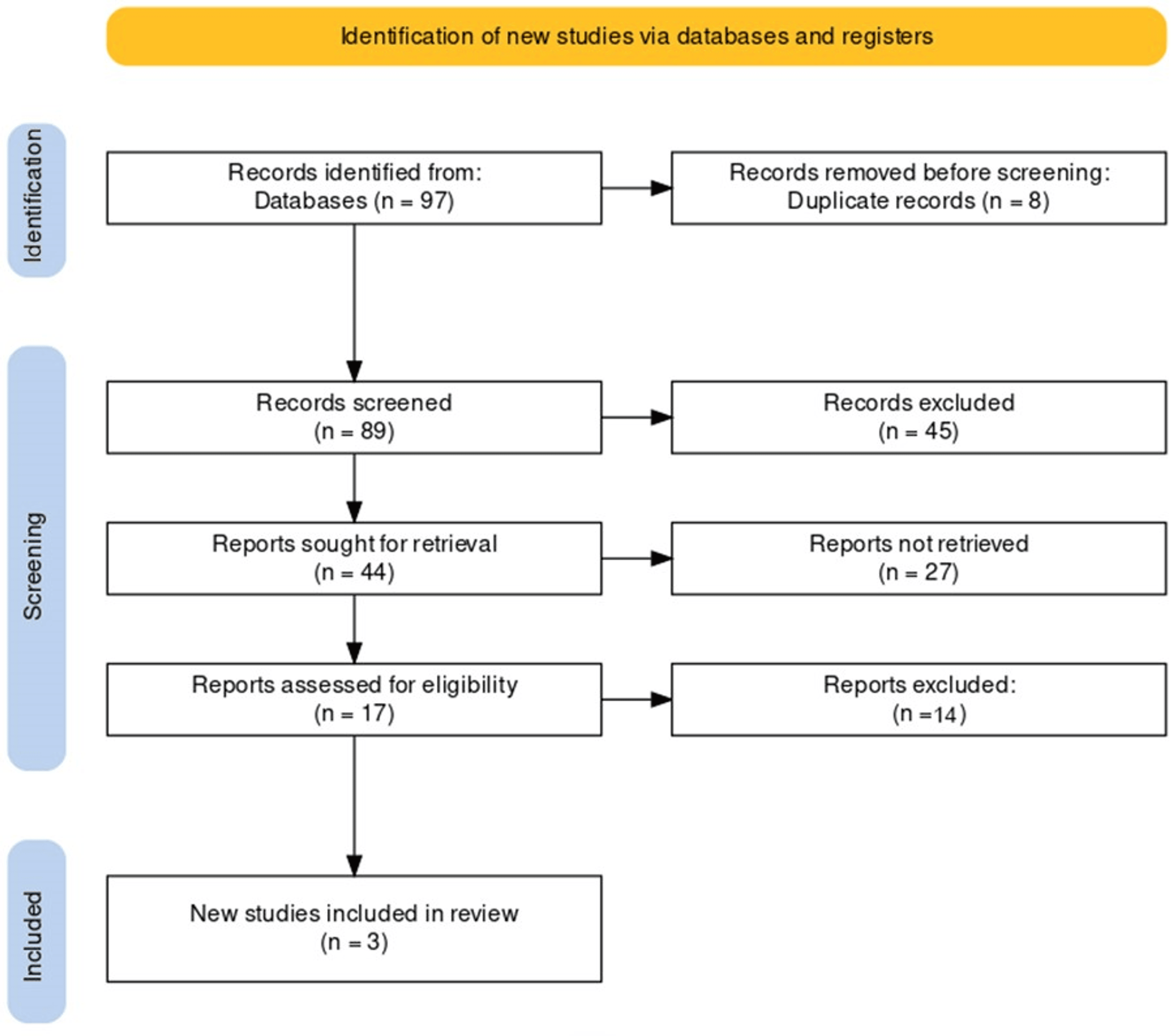
Following four database searches, 97 articles were initially identified. After eliminating eight duplicates, the titles and abstracts of the remaining 89 publications were evaluated. Subsequently, 17 potential studies underwent eligibility verification through a thorough examination of their full texts. Ultimately, three articles satisfied the inclusion criteria. No additional studies meeting the eligibility criteria were found during the examination of references in the selected articles. The entire process is visually depicted in the PRISMA flowchart (Figure 1).

PRISMA-flow-diagram-of-the-selection-of-studies-for-inclusion-in-the-systematic-review.
Figure 1: PRISMA flow diagram of the selection of studies for inclusion in the systematic review.

PRISMA: Preferred Reporting Items for Systematic Reviews and Meta-Analyses

Characteristics of Selected Studies

Overall, three papers met the inclusion criteria. Two studies were randomized controlled trials (RCTs), one each from Bulgaria and China. One study was an observational study from Denmark. The main findings and characteristics of the included studies are mentioned in the following tables (Table 1 and Table 2).

Author Year Country Study type Sample size No. of participants in the endoscopic group No. of participants in the microscopic group Main findings
Møller et al. [1] 2020 Denmark Observational study 240 45 195 The study comparing endoscopic and microscopic transsphenoidal pituitary surgery revealed that the endoscopic technique exhibited advantages, achieving a higher rate of gross total resection (39% vs. 22%) and shorter surgery duration (86 minutes vs. 106 minutes). Complications within 30 days were lower with the endoscope (17% vs. 27%), and grade II complications or higher were significantly reduced (4% vs. 20%) compared to the microscopic approach. Pituitary function outcomes favored the endoscope, with fewer new deficiencies in the HPA axis (3% vs. 34%) and TSH-dependent deficiencies (15% vs. 38%). The HPG axis also showed better normalization in the endoscopic group (32% vs. 19%). Visual field impairment and postoperative improvement did not significantly differ between the two techniques. Overall, the findings suggest that endoscopic transsphenoidal pituitary surgery may offer superior outcomes compared to the microscopic approach, particularly in terms of resection rates and complication profiles.
Vassilyeva et al. [5] 2023 Bulgaria RCT 83 43 40 The study compared endoscopic and microscopic transsphenoidal pituitary surgery in acromegaly patients, revealing comparable demographic profiles between the groups. Endoscopic surgery demonstrated advantages with shorter anesthesia and surgery times, as well as a reduced postoperative hospital stay. Complete tumor removal was more frequent with endoscopic adenomectomy, while microscopic surgery showed a higher rate of sub-total removal. Both techniques led to a tendency for somatic improvement, with more pronounced visual function improvement in the endoscopic group. Complications, such as liquorrhea and endocrine disorders, were generally low, with endoscopic surgery showing mainly mild complications. Disease remission rates were similar between the groups at various follow-up intervals. In conclusion, while both techniques proved effective in achieving remission, endoscopic surgery exhibited favorable outcomes in terms of efficiency and some aspects of complication profiles.
Zhang et al. [6] 2021 China RCT 46 23 23 Endoscopic transsphenoidal pituitary surgery for the treatment of Cushing’s disease showed comparable efficacy to microscopic transseptal pituitary surgery but with the added benefits of shorter operative time, reduced estimated blood loss, shorter hospital stays, and fewer complications.
Table 1: Summary of the studies included in this systematic review.

RCT: randomized controlled trial; HPA: hypothalamic-pituitary-adrenal; TSH: thyroid-stimulating hormone; HPG: hypothalamic-pituitary-gonadal

Technique Møller et al. [1] Vassilyeva et al. [5] Zhang et al. [6]
Male-to-female ratio (endoscopic) 25:20 17:26 13:10
Male-to-female ratio (microscopic) 107:88 16:24 12:11
Mean age in years (endoscopic) 61 43.26 55.6
Mean age in years (microscopic) 58 44.12 53.2
Functional tumors (endoscopic) 15 All functional All functional
Non-functional tumors (endoscopic) 29
Functional tumors (microscopic) 69 All functional All functional
Non-functional tumors (microscopic) 115
Microadenoma size (mm) (endoscopic) 4 19
Macroadenoma size (mm) (endoscopic) 39 4
Microadenoma size (mm) (microscopic) 3 18
Macroadenoma size (mm) (microscopic) 37 5
Mean operative time (min) (endoscopic) 86 142 108
Mean operative time (min) (microscopic) 106 176 174
Mean hospital stay (days) (endoscopic) 5 2.8
Mean hospital stay (days) (microscopic) 7 5.1
Postoperative complications (endoscopic) 2 15 3
Postoperative complications (microscopic) 39 10 8
Table 2: Summary of demographics, tumor characteristics, and postoperative outcomes of the studies included in this systematic review.

The quality assessment of the selected studies was done using the Newcastle-Ottawa Quality Assessment Scale. All three studies included in this study turned out to be of high quality with a rating of 9/9 stars (Table 3).

Author Selection Comparability Outcome Total stars
Møller et al. [1] ★★★★ ★★ ★★★ ★★★★★★★★★
Vassilyeva et al. [5] ★★★★ ★★ ★★★ ★★★★★★★★★
Zhang et al. [6] ★★★★ ★★ ★★★ ★★★★★★★★★
Table 3: Quality assessment of the included studies using the Newcastle-Ottawa Quality Assessment Scale.

Discussion

This systematic review thoroughly assesses the effectiveness and results of endoscopic transsphenoidal pituitary surgery in comparison to microscopic transsphenoidal surgery, with a specific focus on pituitary adenomas, including Cushing’s disease and acromegaly. The results contribute significant insights into the evolving landscape of pituitary surgery, highlighting the benefits and limitations of both surgical techniques.

The selected studies offer valuable insights into the comparative outcomes. Møller et al.’s observational study in Denmark suggests that endoscopic surgery exhibits superior outcomes with higher gross total resection rates, shorter surgery duration, and fewer complications [1]. Vassilyeva et al.’s RCT in Bulgaria, focusing on acromegaly patients, indicates endoscopic advantages such as shorter anesthesia and surgery times, reduced postoperative stay, and comparable remission rates [5]. Zhang et al.’s RCT in China, specifically for Cushing’s disease, suggests comparable efficacy with added benefits favoring endoscopy [6].

The endoscopic approach has been advocated for its panoramic visualization and superior mobility, which are crucial in resecting tumors while preserving normal structures [7,8]. Studies have shown a higher remission rate in endoscopic procedures for endocrine-active tumors, like growth hormone or adrenocorticotropic hormone (ACTH)-secreting adenomas, compared to the microscopic approach [9,10]. Patient comfort and recovery play a significant role in evaluating surgical methods. The endoscopic technique, by avoiding submucosal excision of nasal tissues, typically results in less postoperative pain and rhinological dysfunction. Studies, including ours, have reported shorter operative times and hospital stays with endoscopic surgery, attributed to fewer intraoperative and postoperative complications and a reduced need for wound management [11-13].

Safety is paramount to any surgical intervention. The endoscopic method has shown a decrease in common complications such as cerebrospinal fluid (CSF) leak, pituitary hormone dysfunction, and diabetes insipidus. Additionally, the endoscopic procedure exhibited fewer complications, which could be attributed to the enhanced visualization allowing for more precise tumor excision and preservation of vital structures [14-16].

In the context of acromegaly patients, the endoscopic technique has demonstrated increased radicality in tumor removal. Our review aligns with these findings, showing a higher rate of total tumor resection in endoscopic patients compared to those undergoing microscopic surgery. This improved outcome is likely due to better illumination and a wider angle of vision provided by endoscopic operations [5,17].

The endoscopic technique has shown a statistically significant improvement in visual function post surgery compared to the microscopic method. However, the frequency of certain postoperative complications, such as intraoperative liquorrhea, was higher in microscopic surgery. These differences underline the importance of the surgical technique in influencing the outcomes and complications of pituitary surgery [5,18].

Despite these findings, it is important to recognize the limitations inherent in these studies. Factors such as tumor size, density, and localization significantly influence surgical outcomes and procedure times. Additionally, the retrospective nature of many studies introduces potential biases, underscoring the need for more prospective, randomized trials for a comprehensive understanding of the long-term outcomes of these techniques.

Conclusions

This systematic review comparing endoscopic and microscopic transsphenoidal pituitary surgery outcomes indicates consistent evidence favoring the endoscopic approach. Notable studies from Denmark, Bulgaria, and China reveal superior results with endoscopic surgery, demonstrating higher resection rates, shorter surgery duration, and fewer complications. Endoscopy’s benefits extend to patient comfort, as evidenced by shorter operative times and hospital stays. Safety considerations also support endoscopy, showing a decrease in common complications such as CSF leaks and hormonal dysfunction. Despite these strengths, the review underscores the need for prospective, randomized trials to address limitations and provide a comprehensive understanding of long-term outcomes.

References

  1. Møller MW, Andersen MS, Glintborg D, Pedersen CB, Halle B, Kristensen BW, Poulsen FR: Endoscopic vs. microscopic transsphenoidal pituitary surgery: a single centre study. Sci Rep. 2020, 10:21942. 10.1038/s41598-020-78823-z
  2. Gao Y, Zhong C, Wang Y, et al.: Endoscopic versus microscopic transsphenoidal pituitary adenoma surgery: a meta-analysis. World J Surg Oncol. 2014, 12:94. 10.1186/1477-7819-12-94
  3. Chen J, Liu H, Man S, et al.: Endoscopic vs. microscopic transsphenoidal surgery for the treatment of pituitary adenoma: a meta-analysis. Front Surg. 2022, 8:806855. 10.3389/fsurg.2021.806855
  4. Guo S, Wang Z, Kang X, Xin W, Li X: A meta-analysis of endoscopic vs. microscopic transsphenoidal surgery for non-functioning and functioning pituitary adenomas: comparisons of efficacy and safety. Front Neurol. 2021, 12:614382. 10.3389/fneur.2021.614382
  5. Vassilyeva N, Mena N, Kirov K, Diatlova E: Comparative effectiveness of endoscopic and microscopic adenoma removal in acromegaly. Front Endocrinol (Lausanne). 2023, 14:1128345. 10.3389/fendo.2023.1128345
  6. Zhang T, Zhang B, Yuan L, Song Y, Wang F: Superiority of endoscopic transsphenoidal pituitary surgery to microscopic transseptal pituitary surgery for treatment of Cushing’s disease. Rev Assoc Med Bras (1992). 2021, 67:1687-91. 10.1590/1806-9282.20210732
  7. Yadav Y, Sachdev S, Parihar V, Namdev H, Bhatele P: Endoscopic endonasal trans-sphenoid surgery of pituitary adenoma. J Neurosci Rural Pract. 2012, 3:328-37. 10.4103/0976-3147.102615
  8. Louis RG, Eisenberg A, Barkhoudarian G, Griffiths C, Kelly DF: Evolution of minimally invasive approaches to the sella and parasellar region. Int Arch Otorhinolaryngol. 2014, 18:S136-48. 10.1055/s-0034-1395265
  9. Broersen LH, Biermasz NR, van Furth WR, de Vries F, Verstegen MJ, Dekkers OM, Pereira AM: Endoscopic vs. microscopic transsphenoidal surgery for Cushing’s disease: a systematic review and meta-analysis. Pituitary. 2018, 21:524-34. 10.1007/s11102-018-0893-3
  10. Torales J, Halperin I, Hanzu F, et al.: Endoscopic endonasal surgery for pituitary tumors. Results in a series of 121 patients operated at the same center and by the same neurosurgeon. Endocrinol Nutr. 2014, 61:410-6. 10.1016/j.endoen.2014.07.002
  11. Zubair A, M Das J: Transsphenoidal hypophysectomy. StatPearls [Internet]. StatPearls Publishing, Treasure Island (FL); 2023.
  12. Pan X, Ma Y, Fang M, Jiang J, Shen J, Zhan R: Improvement in the quality of early postoperative course after endoscopic transsphenoidal pituitary surgery: description of surgical technique and outcome. Front Neurol. 2020, 11:527323. 10.3389/fneur.2020.527323
  13. Aiyer RG, Upreti G: Endoscopic endo-nasal trans-sphenoidal approach for pituitary adenomas: a prospective study. Indian J Otolaryngol Head Neck Surg. 2020, 72:36-43. 10.1007/s12070-019-01725-8
  14. Oertel J, Gaab MR, Linsler S: The endoscopic endonasal transsphenoidal approach to sellar lesions allows a high radicality: the benefit of angled optics. Clin Neurol Neurosurg. 2016, 146:29-34. 10.1016/j.clineuro.2016.04.016
  15. Hanson M, Li H, Geer E, Karimi S, Tabar V, Cohen MA: Perioperative management of endoscopic transsphenoidal pituitary surgery. World J Otorhinolaryngol Head Neck Surg. 2020, 6:84-93. 10.1016/j.wjorl.2020.01.005
  16. Qiao N: Endocrine outcomes of endoscopic versus transcranial resection of craniopharyngiomas: a system review and meta-analysis. Clin Neurol Neurosurg. 2018, 169:107-15. 10.1016/j.clineuro.2018.04.009
  17. Nie D, Fang Q, Wong W, Gui S, Zhao P, Li C, Zhang Y: The effect of endoscopic transsphenoidal somatotroph tumors resection on pituitary hormones: systematic review and meta-analysis. World J Surg Oncol. 2023, 21:71. 10.1186/s12957-023-02958-2
  18. Butenschoen VM, Schwendinger N, von Werder A, Bette S, Wienke M, Meyer B, Gempt J: Visual acuity and its postoperative outcome after transsphenoidal adenoma resection. Neurosurg Rev. 2021, 44:2245-51. 10.1007/s10143-020-01408-x

From https://www.cureus.com/articles/213241-navigating-the-surgical-landscape-a-comprehensive-analysis-of-endoscopic-vs-microscopic-transsphenoidal-pituitary-surgery-outcomes#!/

Metformin Inhibits Cell Proliferation and ACTH Secretion In AtT20 Cells Via Regulating the Mapk Pathway

Abstract

We investigated the impact of metformin on ACTH secretion and tumorigenesis in pituitary corticotroph tumors. The mouse pituitary tumor AtT20 cell line was treated with varying concentrations of metformin. Cell viability was assessed using the CCK-8 assay, ACTH secretion was measured using an ELISA kit, changes in the cell cycle were analyzed using flow cytometry, and the expression of related proteins was evaluated using western blotting. RNA sequencing was performed on metformin-treated cells. Additionally, an in vivo BALB/c nude xenograft tumor model was established in nude mice, and immunohistochemical staining was conducted for further verification. Following metformin treatment, cell proliferation was inhibited, ACTH secretion decreased, and G1/S phase arrest occurred. Analysis of differentially expressed genes revealed cancer-related pathways, including the MAPK pathway. Western blotting confirmed a decrease in phosphorylated ERK1/2 and phosphorylated JNK. Combining metformin with the ERK1/2 inhibitor Ulixertinib resulted in a stronger inhibitory effect on cell proliferation and POMC (Precursors of ACTH) expression. In vivo studies confirmed that metformin inhibited tumor growth and reduced ACTH secretion. In conclusion, metformin inhibits tumor progression and ACTH secretion, potentially through suppression of the MAPK pathway in AtT20 cell lines. These findings suggest metformin as a potential drug for the treatment of Cushing’s disease.

Introduction

Pituitary neuroendocrine tumors (PitNETs) are common intracranial tumors with an incidence of 1/1000, and pituitary corticotroph tumors (corticotroph PitNETs) account for approximately 15% of all PitNETs. Most corticotroph PitNETs are functional tumors with clinical manifestations of Cushing’s disease characterized by central obesity, hypertension, diabetes mellitus, and psychosis (Cui et al., 2021). The increased cortisol due to the overproduction of adrenocorticotropic hormone (ACTH) significantly reduces the overall quality of survival and life expectancy of patients (Sharma et al., 2015; Barbot et al., 2018). Currently, treatment of corticotroph PitNETs mainly relies on surgery resection, pharmacologic therapy or radiotherapy may be considered for patients with residual tumors or those who are unable to undergo surgery. While several agents, such as cabergoline and pasireotide, are clinically approved, the effect is unsatisfactory, and potentially serious side effects exist. Therefore, there is an urgent need to develop novel therapeutic drugs for corticotroph PitNETs.

Metformin is a biguanide hypoglycemic agent for the treatment of type 2 diabetes. In addition to its hypoglycemic effect, numerous studies identified the therapeutic role of metformin in the prevention and treatment of various tumors including small cell lung cancer, colorectal cancer, breast cancer, ovarian cancer, and neuroendocrine tumors (Lu et al., 2022; Kamarudin et al., 2019; Wang et al., 2019; Thakur et al., 2019), making metformin a promising adjuvant drug in the therapy of cancers. Besides, it has been reported that metformin improves metabolic and clinical outcomes in patients treated with glucocorticoids. However, to date, limited studies explore the potential anti-cancer effect of metformin in corticotroph PitNETs. Recent studies report the use of metformin for blood glucose and body weight control in patients with Cushing’s disease (Ceccato et al., 2015), while the role of metformin on ACTH secretion and tumor growth in corticotroph PitNETs remains to be elucidated.

In the current study, we investigated the effect of metformin in corticotroph PitNETs and performed RNA-sequencing to identify the potential mechanisms of metformin. We found that metformin inhibited cell proliferation and ACTH secretion of AtT20 cells in a dose-dependent manner. Besides, metformin induced cell cycle arrest via decreased ERK1/2 phosphorylation and increased P38 phosphorylation. Our results revealed that metformin is a potential drug for corticotroph PitNET therapy.

Section snippets

Cell culture

The ACTH-secreting mouse pituitary tumor cell line AtT-20 was purchased from the American Type Culture Collection (ATCC; Manassas, VA, USA). Cells were cultured in F-12K medium (ATCC; Catalog No. 30-2004), supplemented with 15% fetal bovine serum (FBS; Gibco), and 2.5% horse serum (Gibco) as suggested. AtT20 cells were cultured in a humidified incubator at 37 °C in 5% CO2.

Reagents and drugs

Metformin and Ulixertinib were purchased from MedChemExpress (MCE), Metformin was dissolved in sterile H2O and prepared as a

Results

Metformin inhibits cell proliferation and ACTH secretion, and leads to cell cycle arrest in AtT20 cells.

We used CCK-8 assay to detect the cell viability of AtT20 cells after treatment with different concentrations of metformin at 24 h, 48 h, and 72 h. The results showed that metformin significantly inhibited the proliferation of AtT20 cells in a dose-dependent manner (Fig. 1A). Similarly, prolonged (6 days) treatment of AtT20 cells with a lower concentration (400 μM) of metformin also inhibited

Discussion

Metformin, acting by binding to PEN2 and initiating the subsequent AMPK signaling pathway in lysosomes, is the most commonly used oral hypoglycemic agent (Hundal et al., 2000; Ma et al., 2022). Previous reports demonstrated metformin as a potential anti-tumor agent in cancer therapy (Evans et al., 2005). Metformin, either alone or in combination with other drugs, has been shown to reduce cancer risk in a variety of tumors including pituitary neuroendocrine tumors (PitNETs) (Thakur et al., 2019;

Conclusion

Our study demonstrated that metformin suppressed cell proliferation and decreased ACTH secretion in AtT20 cells via the MAPK pathway. Our results revealed that metformin is a potential anti-tumor drug for the therapy of corticotroph PitNETs, which deserves further study.

Funding

This study was supported by the National Natural Science Foundation of China (82072804, 82071559).

CRediT authorship contribution statement

Yingxuan Sun: Conceptualization, Formal analysis, Investigation, Writing – original draft, Writing – review & editing. Jianhua Cheng: Data curation, Formal analysis, Visualization, Writing – original draft, Writing – review & editing. Ding Nie: Formal analysis, Writing – review & editing. Qiuyue Fang: Data curation, Formal analysis, Writing – review & editing. Chuzhong Li: Conceptualization, Supervision, Writing – original draft, Writing – review & editing, Funding acquisition. Yazhuo Zhang:

Declaration of competing interest

The authors declare that they have no known competing financial interests or personal relationships that could have appeared to influence the work reported in this paper.

Acknowledgement

We thank Mr. Hua Gao (Cell Biology Laboratory, Beijing Neurosurgical Institute, China) for support with the techniques.

References (30)

  • K. Jin et al.

    Metformin suppresses growth and adrenocorticotrophic hormone secretion in mouse pituitary corticotroph tumor AtT20 cells

    Mol. Cell. Endocrinol.

    (2018)
  • R. Krysiak et al.

    The effect of metformin on prolactin levels in patients with drug-induced hyperprolactinemia

    Eur. J. Intern. Med.

    (2016)
  • X. Liu et al.

    Combination treatment with bromocriptine and metformin in patients with bromocriptine-resistant prolactinomas: pilot study

    World neurosurgery

    (2018)
  • J. Sinnett-Smith et al.

    Metformin inhibition of mTORC1 activation, DNA synthesis and proliferation in pancreatic cancer cells: dependence on glucose concentration and role of AMPK

    Biochem. Biophys. Res. Commun.

    (2013)
  • C.R. Triggle et al.

    Metformin: is it a drug for all reasons and diseases?

    Metab., Clin. Exp.

    (2022)
  • J.C. Wang et al.

    Metformin inhibits metastatic breast cancer progression and improves chemosensitivity by inducing vessel normalization via PDGF-B downregulation

    J. Exp. Clin. Cancer Res. : CR

    (2019)
  • J. An et al.

    Metformin inhibits proliferation and growth hormone secretion of GH3 pituitary adenoma cells

    Oncotarget

    (2017)
  • M. Barbot et al.

    Diabetes mellitus secondary to Cushing’s disease

    Front. Endocrinol.

    (2018)
  • F. Ceccato et al.

    Clinical use of pasireotide for Cushing’s disease in adults

    Therapeut. Clin. Risk Manag.

    (2015)
  • M. Cejuela et al.

    Metformin and breast cancer: where are we now?

    Int. J. Mol. Sci.

    (2022)
From https://www.sciencedirect.com/science/article/abs/pii/S0303720723002915

Radiation-induced Undifferentiated Malignant Pituitary Tumor After 5 Years of Treatment for Cushing Disease

Abstract

The occurrence of a second neoplasm possibly constitutes an adverse and uncommon complication after radiotherapy. The incidence of a second pituitary tumor in patients irradiated for adrenocorticotropic hormone secreting pituitary adenoma is rare. We report a case of a 40-year-old female with Cushing disease who underwent surgical management followed by radiotherapy. After 5 years of initial treatment, an increase in tumor size was evident at the same location, with a significant interval growth of the parasellar component of the lesion. Histology revealed an undifferentiated highly malignant sarcoma. In the span of next 2 years, the patient was followed with 2 repeat decompression surgeries and radiotherapy because of significant recurrent compressive symptoms by locally invasive malignant tumor. Despite the best efforts, the patient remained unresponsive to multiple treatment strategies (eg, surgical resections and radiotherapy) and succumbed to death.

Introduction

Radiation therapy is a commonly used modality for primary or adjuvant treatment of pituitary adenoma. It is also used as an adjuvant therapy for Cushing disease with persistent or aggressive tumor growth or recurrent disease after surgery. The immediate sequelae of radiotherapy for pituitary tumors include nausea, fatigue, diminished taste and olfaction, and hair loss [1]. One frequent long-term side effect is hypopituitarism. The incidence rate of new-onset hypopituitarism after conventional radiotherapy is approximately 30% to 100% after a follow-up of 10 years, whereas after stereotactic radiosurgery or fractionated radiotherapy, the incidence is approximately 10% to 40% at 5 years [2].

The occurrence of a second neoplasm after cranial radiotherapy constitutes possibly one of the most adverse complications. Tumors such as meningioma, glioma, and sarcoma are the most frequently reported secondary neoplasms after pituitary irradiation [3]. The cumulative probability of a second brain tumor in patients irradiated for pituitary adenoma and craniopharyngioma is approximately 4% [4].

We report 1 such case with detailed clinical, histopathological, and radiological characteristics because of its rarity and associated high mortality of radiation-induced sarcoma.

Case Presentation

The patient first presented at 40 years of age with complaints of weight gain, new-onset diabetes mellitus, hypertension, and cushingoid features in 2014. She was diagnosed with Cushing disease (24-hour urinary cortisol 1384 mcg/24 hours [3819 nmol/24 hours; reference >2 upper limit of normal], low-dose dexamethasone suppression test serum cortisol 16.6 mcg/dL [457.9 nmol/L], ACTH 85 pg/mL [18.7 pmol/L; reference range, <46 pg/mL, <10 pmol/L]) caused by invasive adrenocorticotropic hormone-secreting giant adenoma. The initial imaging revealed a homogenously enhanced pituitary macroadenoma with a size of 42 × 37 × 35 mm with suprasellar extension and encasing both the internal carotid arteries with mass effect on optic chiasma and sellar erosion. The patient underwent tumor excision by endoscopic transsphenoidal transnasal approach. Partial excision of the tumor was achieved because of cavernous sinus invasion. Histopathology and immunohistochemical stains demonstrated a corticotrophin-secreting (ACTH-staining positive) pituitary adenoma with MIB labeling index of 1% to 2%. Because biochemical remission was not achieved (urinary cortisol 794 mcg/24 hours [2191 nmol/24 hours]; ACTH 66 pg/mL [14.5 pmol/L; reference range, <46 pg/mL, <10 pmol/L]), the patient was started on ketoconazole and was received fractionated radiotherapy with a dose of 5040 cGy in 28 fractions.

Diagnostic Assessment

For the next 5 years, at yearly follow-up, 400 mg ketoconazole was continued in view of insufficient control of ACTH secretion. During follow-up, the size of the tumor was stable at approximately 23 × 16 × 33 mm after radiotherapy with no significant clinical and biochemical changes.

Five years after surgery and radiotherapy, the patient developed cerebrospinal fluid rhinorrhea; imaging revealed a cystic transformation of the suprasellar component and increase in the size of the tumor to 39 × 22 × 26 mm, which included visualization of a parasellar component of size 29 × 19 × 15 mm. The patient continued on ketoconazole. The patient was also advised to undergo hypofractionated radiotherapy but did not return for follow-up.

Treatment

In 2021, 1.5 years after the last visit, the patient developed severe headache, altered sensorium, ptosis, focal seizures, and left-sided hemiparesis. During this episode, the patient had an ACTH of 66 pg/mL (14.53 pmol/L; reference range, <46 pg/mL [<10 pmol/L]) and baseline cortisol of 25 mcg/dL (689 nmol/L; reference range, 4-18 mcg/dL [110-496 nmol/L]). Repeat imaging revealed a significant decrease in the suprasellar cystic component but an increase in the size of the parasellar component to 38 × 21 × 25 mm from 29 × 19 × 15 mm, which was isointense on T1 and T2 with heterogeneous enhancement. Significant brain stem compression and perilesional edema was also visible. The patient underwent urgent frontotemporal craniotomy and decompression of the tumor. On pathological examination, the tumor tissue was composed of small pleomorphic round cells arranged in sheets and cords separated by delicate fibrocollagenous stroma. Cells had a round to oval hyperchromatic nucleus with scanty cytoplasm. Areas of hemorrhage, necrosis, and a few apoptotic bodies were seen. The tumor tissue had very high mitotic activity of >10/10 hpf and MIB labeling index of 70%. Immunohistochemistry demonstrated positivity for vimentin, CD99, and TLE-1. Dot-like positivity was present for HMB 45, synaptophysin. INI-1 loss was present in some cells. Ten percent patchy positivity was present for p53. The tumor cells, however, consistently failed to express smooth muscle actin, CD34, Myf-4, epithelial membrane antigen, desmin, LCA, SADD4, CD138, and S-100 protein. ACTH and staining for other hormones was negative. Based on the immunological and histochemical patterns, a diagnosis of high-grade poorly differentiated malignant tumor with a probability of undifferentiated sarcoma was made.

Because of the invasion of surrounding structures and surgical inaccessibility, repeat fractionated radiotherapy was given with a dose of 4500 cGy over 25 fractions at 1.8 Gy daily to the planned target volume via image-guided fractionated radiotherapy. During the next 1.5 years, patient improved clinically with no significant increase in the size of tumor (Fig. 1). The patient was gradually tapered from ketoconazole and developed hypopituitarism requiring levothyroxine and glucocorticoid replacement. There was a significant improvement in the power of the left side and ptosis.


Figure 1.

Contrast-enhanced T1 magnetic resonance imaging dynamic pituitary scan (A, sagittal; B, axial; C, coronal sections) reveals postoperative changes with residual enhancing tumor in the right lateral sella cavity with extension into the right cavernous sinus and parasellar region encasing the cavernous and inferiorly extends through the foramen ovale below the skull base up to approximately 1.5 cm. Anteriorly, it extends up to the right orbital apex and posteriorly extends along the right dorsal surface of clivus.

Outcome and Follow-up

After 1.5 years of reradiation in 2022, the patient again developed palsies of the abducens, trigeminal, oculomotor, and trochlear cranial nerve on the right side and left-sided hemiparesis. A significant increase in tumor size to 50 × 54 × 45 mm with anterior, parasellar, and infratentorial extension was seen (Fig. 2). Again, repeat decompression surgery was done. Two months after surgery, there was no improvement in clinical features and repeat imaging suggested an increased size of the tumor by 30%, to approximately 86 × 68 × 75 mm. Nine years after initial presentation, the patient had an episode of aspiration pneumonia and died.


Figure 2.

Contrast-enhanced T1 magnetic resonance imaging dynamic pituitary images (A, sagittal; B, axial; C, coronal sections) after 1.5 years of a second session of radiotherapy reveal a significant interval increase in size of heterogeneously enhancing irregular soft tissue in sellar cavity with extension into the right cavernous sinus and parasellar region when compared with previous imaging. Superiorly, it extends in the suprasellar region, causing mass effect on the optic chiasma with encasement of the right prechiasmatic optic nerve and right-sided optic chiasma. Inferiorly, the lesion extends into the sphenoid sinus. Posteriorly, there is interval increase in the lesion involving the clivus and extending into the prepontine and interpeduncular cistern. Anteriorly, mass has reached up to the right orbital apex optic nerve canal, which shows mild interval increase.

Discussion

Radiation-induced tumors were initially described by Cahan et al in 1948. They also described the prerequisites for a tumor to be classified as a radiation-induced sarcoma [5]. The modified Cahan criteria state that (1) the presence of nonmalignancy or malignancy of a different histological type before irradiation, (2) development of sarcoma within or adjacent to the area of the radiation beam, (3) a latent period of at least 3 years between irradiation and diagnosis of secondary tumor, and (4) histological diagnosis of sarcoma, can be classified as radiation-induced sarcoma [5].

Our patient fulfilled the criteria for a radiation-induced sarcoma with a highly malignant tumor on histopathology. Radiation-induced sarcomas after functional pituitary tumors, especially Cushing disease, are rarely reported. One of the case reports revealed a high-grade osteoblastic osteosarcoma 30 years after treatment for Cushing disease with transsphenoidal resection and external beam radiotherapy [6]. In our case, there was a lag period of approximately 5 years before the appearance of a second highly undifferentiated, malignant, histologically distinct tumor. The cellular origin of this relatively undifferentiated tumor cannot be determined with certainty. However, the interlacing sarcomatous and adenomatous components resulting from distinct positive immunohistochemistry may indicate that the sarcomatous component may be derived from the preexisting pituitary adenoma.

A hormonally functional pituitary tumor is not itself expected to be associated with an increased risk of secondary malignancy, except in the case of GH-secreting tumors and those with a hereditary cancer syndrome. Although not proven, immunosuppression from hypercortisolism in Cushing disease has been proposed as a contributor to secondary tumor development [7]. Other mechanisms causing increased risk of secondary malignancy can be double-stranded DNA damage and genomic instability caused by ionizing radiation and germline mutations in tumor suppressor genes such as TP53 and Rb [7].

Radiation-induced intracranial tumors were studied in a multicenter, retrospective cohort of 4292 patients with pituitary adenoma or craniopharyngioma. Radiotherapy exposure was associated with an increased risk of a second brain tumor with a rate ratio of 2.18 (95% CI, 1.31-3.62, P < .0001). The cumulative probability of a second brain tumor was 4% for the irradiated patients and 2.1% for the controls at 20 years [7]. In another study including 426 patients irradiated for pituitary adenoma between 1962 and 1994, the cumulative risk of second brain tumors was 2.0% (CI, 0.9-4.4) at 10 years and 2.4% (95% CI, 1.2-5.0) at 20 years. The relative risk of a second brain tumor compared with the incidence in the normal population is 10.5 (95% CI, 4.3-16.7) [8].

The incidence of radiation-induced sarcomas has been estimated at 0.03% to 0.3% of patients who have undergone radiation therapy. The risk of radiation-induced sarcomas increases with field size and dose. In a systemic review and analysis of 180 cases of radiation-induced intracranial sarcomas, the average dose of radiation delivered was 51.4 ± 18.6 Gy and latent period of sarcoma onset was 12.4 ± 8.6 years. A total of 49 cases were developed after radiation treatment of pituitary adenomas (27.2%). The median overall survival time for all patients with sarcoma was 11 months, with a 5-year survival rate of 14.3% [9].

Our patient received approximately 50 Gy twice through fractionated radiotherapy, resulting in larger field size and significantly higher dose than one would expect with a modern stereotactic treatment. Such a high dose of radiation is indeed a risk factor for secondary malignancy. In our patient, in a period of 2 months, there was already >30% tumor growth after recent repeat decompression surgery.

The risk of secondary malignancy is thought to be much lower with stereotactic radiosurgery than conventional external beam radiation therapy, with an estimated cumulative incidence of 0.045% over 10 years (95% CI, 0.00-0.34) [10]. However, long-term follow-up data for patients receiving stereotactic radiation therapy are shorter and thus definitive conclusions cannot be made at this stage.

Our case highlights a rare but devastating long-term complication of pituitary tumor irradiation after Cushing disease. The limited response to various available treatment options defines the aggressive nature of radiation-induced malignancy.

Learning Points

  • The occurrence of a second neoplasm constitutes possibly one of the most adverse and rare complication after radiotherapy.
  • The incidence of radiation-induced sarcomas has been estimated at 0.03% to 0.3% of patients, but cases after Cushing disease are rarely reported.
  • Patients often present with advanced disease unresponsive to various treatment modalities because of aggressive clinical course.
  • New modalities with stereotactic radiosurgery and proton beam therapy are to be reviewed closely for risk assessment of secondary tumor.

Acknowledgments

The authors acknowledge Dr. Ishani Mohapatra for her support with histopathology and interpretation.

Contributors

All authors made individual contributions to authorship. G.B., S.K.M., and V.A.R. were involved in diagnosis and management of the patient. G.B. was involved in the writing of this manuscript and submission. V.P.S. was responsible for patient surgeries. All authors reviewed and approved the final draft.

Funding

The authors received no financial support for the research, authorship, and/or publication of this article.

Disclosures

The authors have nothing to disclose.

Informed Patient Consent for Publication

Signed informed consent could not be obtained from the patient or a proxy but was approved by the treating institute.

Data Availability Statement

Data sharing is not applicable to this article as no data sets were generated or analyzed during the current study.

© The Author(s) 2023. Published by Oxford University Press on behalf of the Endocrine Society.
This is an Open Access article distributed under the terms of the Creative Commons Attribution License (https://creativecommons.org/licenses/by/4.0/), which permits unrestricted reuse, distribution, and reproduction in any medium, provided the original work is properly cited.