Exophthalmos and Cushing’s Syndrome

A woman experienced red, irritated and bulging eyes. She saw an ophthalmologist who strongly suspected Graves’ ophthalmopathy. However, the patient did not have and never had hyperthyroidism.

Indeed, she had primary hypothyroidism optimally treated with levothyroxine. Her thyroid stimulating hormone level was 1.197 uIU/mL.

An MRI of the orbits showed normal extraocular muscles without thickening, but there was mild proptosis and somewhat increased intraorbital fat content. Both thyroid-stimulating immunoglobulins as well as thyrotropin receptor antibodies were negative.

The patient presented to her primary care physician a few months later. She had experienced a 40-lb weight gain over only a few months and also had difficult-to-control blood pressure.

After failing to respond to several antihypertensive medications, her primary care physician astutely decided to evaluate for secondary causes of hypertension. A renal ultrasound was ordered to evaluate for renal artery stenosis, and the imaging identified an incidental right-sided adrenal mass. A CT confirmed a 3.4-cm right-sided adrenal mass. Her morning cortisol was slightly high at 24.7 ug/dL (4.3 – 22.4) and her adrenocorticotropic hormone was slightly low at 5 pg/mL (10-60).

At this point I saw the patient in consultation. She definitely had many of the expected clinical exam findings of Cushing’s syndrome, including increased fat deposition to her abdomen, neck, and supraclavicular areas, as well as striae. Her 24-hour urine cortisol was markedly elevated at 358 mcg/24hrs (< 45) confirming our suspicions.

She asked me, “Do you think that my eye problem could be related to this?”

“I’ve not heard of it before,” I replied, “but that doesn’t mean there can’t be a connection. Wouldn’t it be wonderful if your eyes got better after surgery?”

The patient underwent surgery to remove what fortunately turned out to be a benign adrenal adenoma.

When we saw her in follow-up 2 weeks later, her blood pressures were normal off medication and her eye symptoms had improved. I had a medical student rotating with me, so I suggested that we do a PubMed literature search.

The first article to come up was a case report titled “Exophthalmos: A Forgotten Clinical Sign of Cushing’s Syndrome.” Indeed, not only did Harvey Cushing describe this clinical finding in his original case series in 1932, but others have reported that up to 45% of patients with active Cushing’s syndrome have exophthalmos.

The cause is uncertain but is theorized to be due to increased intraorbital fat deposition. Unlike exophthalmos due to thyroid disease, the orbital muscles are relatively normal — just as they were with our patient.

Some of you may have seen exophthalmos in your Cushing’s patients; however, this was the first time I had seen it. Just because one has not heard of something, does not mean it could never happen; no one knows everything. “When in doubt, look it up” is a good habit for both attending physicians and their students.

For more information:

Giugni AS, et al. Case Rep Endocrinol. 2013; 2013: 205208.

From http://www.healio.com/endocrinology/adrenal/news/blogs/%7B779bf3e5-e1da-459e-af27-955c9b4274a5%7D/thomas-b-repas-do-facp-face-cde/exophthalmos-and-cushings-syndrome

What Causes Overweight and Obesity?

Health Conditions

Some hormone problems may cause overweight and obesity, such as underactive thyroid (hypothyroidism), Cushing’s syndrome, and polycystic ovarian syndrome (PCOS).

Underactive thyroid is a condition in which the thyroid gland doesn’t make enough thyroid hormone. Lack of thyroid hormone will slow down your metabolism and cause weight gain. You’ll also feel tired and weak.

Cushing’s syndrome is a condition in which the body’s adrenal glands make too much of the hormone cortisol. Cushing’s syndrome also can develop if a person takes high doses of certain medicines, such as prednisone, for long periods.

People who have Cushing’s syndrome gain weight, have upper-body obesity, a rounded face, fat around the neck, and thin arms and legs.

PCOS is a condition that affects about 5–10 percent of women of childbearing age. Women who have PCOS often are obese, have excess hair growth, and have reproductive problems and other health issues. These problems are caused by high levels of hormones called androgens.

Read the entire article at http://www.nhlbi.nih.gov/health/health-topics/topics/obe/causes

Could you Shed Some Light on Cushing’s Disease?

Dear Dr. Roach: Could you shed some light on Cushing’s disease? Four people in the same family have it. The doctors say it has something to do with the thyroid gland.

— Anon.

A: Cushing’s syndrome, which is different from Cushing’s disease, is an excess of cortisone or similar corticosteroids. It can be caused by taking too much steroid for too long, usually as treatment for a serious medical condition. Cushing’s disease is a special case of Cushing’s syndrome, when the excess cortisone is caused by a tumor in the pituitary gland, which spurs the adrenal gland to make excess amounts of hormone. Weight gain, almost exclusively in the abdomen, a striking round “moon” face, a fat pad on the back of the neck and upper back (“buffalo hump”), diabetes, pigmented stretch marks and high blood pressure are common findings in any form of Cushing’s syndrome.

It is very unusual for Cushing’s disease to run in families. Also, it does not affect the thyroid, although thyroid conditions can sometimes mimic Cushing’s (and vice versa). I suspect that what this might be is a rare condition called multiple endocrine neoplasia type I (MEN-1). This does run in families, and combines risk for pituitary, parathyroid and pancreatic islet cell tumors. (The parathyroid glands sit on top of the thyroid gland and secrete parathyroid hormone, responsible for calcium metabolism. The pancreatic islet cells are where insulin is made.) Not everybody with MEN-1 will have tumors in all of these glands. Parathyroid tumors are the most common.

An endocrinologist is the expert in Cushing’s and the MEN syndromes.

​Dr. Keith Roach writes for North America Syndicate. Send letters to Box 536475, Orlando, FL 32853-6475 or email ToYourGoodHealth@med.cornell.edu.

From http://herald-review.com/news/opinion/editorial/columnists/roach/dr-keith-roach-teeth-grinding-is-common-in-the-elderly/article_bef63ba4-9b5e-5bff-b66a-3530be158857.html

Dr Friedman: Meeting on Thyroid and Hormonal Problems

friedman

Dr. Theodore Friedman will host a free meeting on thyroid and hormonal problems on Sunday February 16 from 7-8 PM PST at Anshe Emes synagogue-1490 S. Robertson Blvd., Los Angeles, CA 90035.

The meeting will be videoconferenced to those who cannot make it in person.

To sign up for the videoconference, email mail@goodhormonehealth.com by February 14.

Day Two, Cushing’s Awareness Challenge

I would be remiss if I didn’t use today’s Challenge post to remind readers that there is a wonderful opportunity to ask Dr. Theodore Friedman questions about thyroid or other issues.  Dr. Friedman (or Dr. F, as he is called on the boards) has been a help to so many Cushies.  He specializes in cyclical Cushing’s and seems to be able to diagnose what other, lesser, doctors cannot.

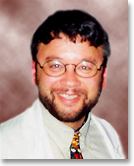
Dr. Theodore Friedman

Dr. Theodore Friedman

According to his website, goodhormonehealth.com:

So many of us believe that fatigue, weight gain, loss of libido and other problems are just symptoms we must learn to live with. What if these symptoms are not the result of stress, diet, or aging, but are actually caused by a hormonal disorder? Symptoms of hormone deficiency or excess may be subtle and difficult to diagnose. Many hormonal problems are misdiagnosed as depression, especially in women.

You know your own body better than anyone else, and you know when something is wrong. Dr. Friedman is a compassionate, caring physician who will listen carefully to your concerns and work with you to establish a treatment plan. As an experienced, board-certified endocrinologist and researcher, he has the capabilities to diagnose and treat even the most difficult hormonal problems.

Dr. Friedman has found that some of his patients suffer from undiagnosed pituitary or adrenal problems. These include many people suffering from Cushing’s disease, which can present a baffling array of symptoms and is frequently misdiagnosed. Other patients may have pituitary or adrenal insufficiency, which has numerous symptoms and is equally hard to diagnose. Dr. Friedman is a world expert in these difficult-to-diagnose diseases and he welcomes inquiries from patients and their physicians.

~~~

Dr. Friedman is not a stranger to Cushings Help.

Dr. Friedman will Return April 2, 2012

Have questions about thyroid issues?

Ask Dr. Theodore Friedman.

Theodore C. Friedman, M.D., Ph.D. has opened a private practice, specializing in treating patients with adrenal, pituitary, thyroid and fatigue disorders. Dr. Friedman has privileges at Cedars-Sinai Medical Center and Martin Luther King Medical Center. His practice includes detecting and treating hormone imbalances, including hormone replacement therapy. Dr. Friedman is also an expert in diagnosing and treating pituitary disorders, including Cushings disease and syndrome.

Dr. Friedman’s career reflects his ongoing quest to better understand and treat endocrine problems. With both medical and research doctoral degrees, he has conducted studies and cared for patients at some of the country’s most prestigious institutions, including the University of Michigan, the National Institutes of Health, Cedars-Sinai Medical Center, and UCLA’s Charles Drew University of Medicine and Science.

Read Dr. Friedman’s First Guest Chat, November 11, 2003.
Read Dr. Friedman’s Second Guest Chat, March 2, 2004.

Listen to Dr. Friedman First Live Voice Interview, January 29, 2009.
Listen to Dr. Friedman Second Live Voice Interview, March 12, 2009.
Listen to Dr. Friedman Third Live Voice Interview, February 13, 2011.
Listen to Dr. Friedman Fourth Live Voice Interview, March 12, 2012.

Dr. Friedman will return tonight, April 2, 2012.  The call in number with questions or comments is (646) 200-0162.

Listen live at http://www.blogtalkradio.com/cushingshelp

This interview will be archived afterwards at the same link and on iTunes Cushie Podcasts


 MaryO, Imperial Web Mistress