Bone Material Strength Index Is Low in Patients With Cushing’s Syndrome Even After Long-term Remission

I sure know this to be true, even though my surgery was in 1987

Abstract

Objective

Hypercortisolism in endogenous Cushing’s syndrome (CS) results in decreased bone mineral density (BMD) and increased fracture risk. Although after remission BMD improves, the fracture rate remains elevated, suggesting that BMD may not adequately reflect fracture risk in this group. The aim was to evaluate bone material properties, another component of bone quality, using impact microindentation in patients with CS in remission.

Methods

Cross-sectional study in 60 CS patients and 60 age-, sex-, and BMD-matched controls at a tertiary referral center between 2019 and 2021. Bone material strength index (BMSi) was measured by impact microindentation using the OsteoProbe® device at the tibia. In addition, laboratory investigation, BMD, and vertebral fracture assessment were performed.

Results

By design, patients and controls were comparable for age (median age 56.5 years), sex (48 women), and BMD at the lumbar spine and femoral neck. They were also comparable regarding the number of fragility fractures (21 vs 27, P = .22). The median time of remission in patients was 6 years (range 1 to 41). Despite comparable BMD, BMSi was significantly lower in CS patients compared to controls (76.2 ± 6.7 vs 80.5 ± 4.9, P < .001). In CS patients, BMSi was negatively correlated with body mass index (r = −0.354, P = .01) but not related to the presence of fracture, physiological hydrocortisone replacement use, other pituitary insufficiencies, or time since remission.

Conclusion

Bone material properties remain altered in patients with endogenous CS, even after long-term remission. These abnormalities, known to be associated with fractures in other populations, may play a role in the persistent bone fragility of steroid excess.

Diabetic Ketoacidosis as the First Manifestation of Ectopic Cushing’s Syndrome

Abstract

Diabetic ketoacidosis is an exceptionally rare initial manifestation of ectopic adrenocorticotropic hormone (ACTH) syndrome. A 42-year-old woman with multiple cardiovascular risk factors was admitted to the emergency room with diabetic ketoacidosis. During stabilization, florid Cushing’s syndrome was suspected and confirmed biochemically as ACTH-dependent. Further biochemical and imaging surveys led to the diagnosis of a 25×15 mm nodule in the lingula. Thoracic surgery was performed, and pathology revealed a neuroendocrine tumor positive for ACTH.

We reviewed eight additional cases of diabetic ketoacidosis associated with Cushing’s syndrome from PubMed. Clinicians should bear in mind this etiology of diabetic ketoacidosis based on clinical signs and younger patients with multiple, age-atypical comorbidities. This would permit the expedited targeted stabilization of Cushing’s syndrome and the suitable institution of the diagnostic approach and treatment for this challenging syndrome.

Introduction

Endogenous Cushing’s syndrome (CS) is a rare disease resulting from pathological glucocorticoid excess of neoplastic origin, with an annual incidence of two/three cases per 1.000.000 inhabitants [1]. The severity of CS varies widely from mild to severe and, if left untreated, can be fatal due to the increased risk of cardiovascular events and opportunistic infections. Endogenous CS is classified as adrenocorticotropic hormone (ACTH)-dependent (80%) and -independent (20%) forms. ACTH-dependent CS is further divided into Cushing’s disease (68%) when the pituitary is the source of excess ACTH, or ectopic ACTH syndrome (EAS; 12%) when the cause is a non-pituitary neoplasia of neuroendocrine origin. EAS has an annual incidence of one case per 1.250.000 inhabitants and is more frequent in men [1]. It can be secondary to an aggressive small-cell lung carcinoma (19%), but the majority of cases arise from indolent lesions such as bronchial and thymic (combined: 33%) or pancreatic (12%) neuroendocrine tumors (NET) [1-3]. These indolent lesions usually evolve clinically over 6 to 24 months, whereas carcinomas have a faster onset. Symptoms and signs of excess cortisol in EAS are usually indistinguishable from Cushing’s disease. The most discriminatory signs of CS are plethora, purplish striae, proximal myopathy, and spontaneous ecchymosis. Multiple vascular risk factors, namely, hypertension, diabetes mellitus (DM), dyslipidemia, and obesity (especially central adiposity), occurring in a young patient, should also raise suspicion for CS [2]. Diabetic ketoacidosis (DKA) as the inaugural presentation of CS is very rare [1-3]. We searched through PubMed and reviewed articles in English where this association was reported using keywords such as “Cushing’s syndrome”, “Diabetic ketoacidosis”, “hypercortisolism”, and “Ectopic ACTH syndrome”. CS presenting initially with DKA is, as to this day, limited to eight case reports [4-11]. The clinical recognition of this syndrome as a very rare etiology of DKA is of paramount importance, as it is usually severe and relates to sepsis and several biochemical, hematologic, and hemodynamic derangements that should be addressed expeditiously with targeted drugs [3].

Here, we describe a female patient with florid clinical EAS uncovered upon her admission to the Emergency Room (ER) due to DKA. We searched through PubMed and reviewed articles in English where this association was reported, using keywords such as “Cushing’s syndrome”, “Diabetic ketoacidosis”, “hypercortisolism”, and “Ectopic ACTH syndrome”.

This article was previously presented as a meeting abstract at the 2024 ENDO, The Endocrine Society Annual Meeting on June 3, 2024.

Case Presentation

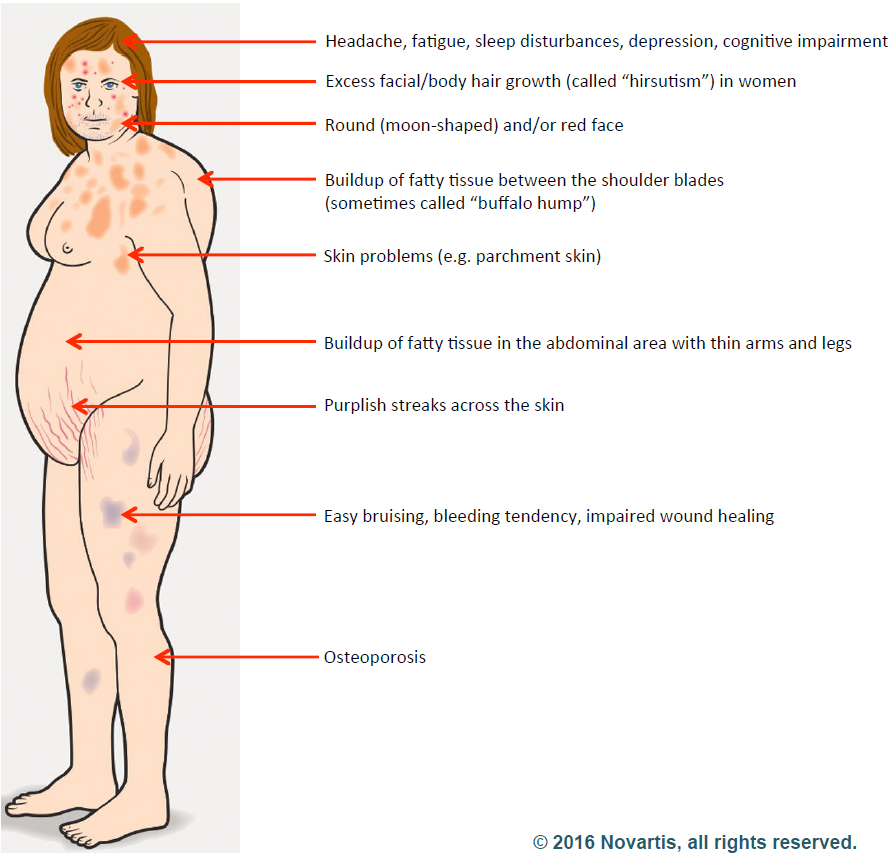
A 42-year-old woman was admitted in June 2022 to the ER due to severe DKA and hypokalemia (Table 1) and mild coronavirus disease. Physical examination at initial presentation was also remarkable for grade 2 hypertension with hypertensive retinopathy. Florid Cushingoid features, including a “buffalo hump”, plethora, hirsutism, abdominal ecchymosis, and marked proximal limb sarcopenia were noted (Figure 1).

Patient's-Cushingoid-features
Figure 1: Patient’s Cushingoid features

The patient was transferred to the intensive care unit (ICU). A multimodal treatment plan was initiated, including intravenous insulin (total daily dose: 1.2U/Kg) as per the protocol for DKA, antihypertensives, and prophylactic doses of low-molecular-weight heparin. After resolution of DKA and hydroelectrolytic disturbances, a gasometric follow-up revealed metabolic alkalosis (pH 7.529). The patient was then able to report a six-month history of weight gain, secondary amenorrhea, impaired concentration and memory, ecchymoses, and proximal myopathy with frequent falls and dependency on relatives for daily life activities. No chronic diarrhea or flushing was reported. She also reported a fungal pneumonia, dyslipidemia, and hypertension in the last four months, and a diagnosis of DM treated with metformin two weeks before her admission to the ER. Family history was unremarkable. Biochemical surveys (Table 1) revealed ACTH-dependent hypercortisolism, low thyroid-stimulating hormone (TSH), and hypogonadotropic hypogonadism. High-dose dexamethasone suppression (HDDS) and corticotropin-releasing hormone (CRH) stimulation tests were not suggestive of a pituitary source of ACTH (Table 1). Pituitary magnetic resonance imaging was normal. While waiting for further investigations regarding the source of excess ACTH, the patient was started on 750 mg/day of metyrapone in three divided doses. The patient was started and discharged from the ward with hydrocortisone 10 mg in the morning and 5 mg at midday and in the afternoon. The dose of metyrapone was carefully adjusted during two months according to morning serum cortisol, but was rapidly decreased and stopped due to spontaneous clinical resolution of CS. In the postoperative follow-up (total: 23 months), Cushingoid features (plethora, dorsal fat pad, ecchymosis, central adiposity) continued to disappear, and she regained muscle mass and independence in her daily activities and remission from all glucocorticoid related-comorbidities was maintained (fasting glucose: 91 mg/dL; glycated hemoglobin (HbA1c): 5.8%; low-density lipoprotein (LDL) cholesterol: 138 mg/dL; triglycerides: 80 mg/dL). Twelve months after surgery, the patient was able to discontinue hydrocortisone upon biochemical evidence of restoration of adrenal function (cortisol peak at Synacthen test: 21.1 ug/dL; basal ACTH: 15.6 pg/mL). Her last (23 months after surgery) endocrine surveys (midnight salivary cortisol: 0.14 ug/dL; ACTH: 18 pg/mL) and thoracic CT showed no evidence of disease relapse.

Parameter Presentation 12-month follow-up Reference
Hemoglobin (g/dL) 12.8 12-15.5
White blood count (×103/uL) 11.3 4.0-11.5
Platelets (×103/uL) 331 150-400
Fasting blood glucose (mg/dL) 427 76 74-106
HbA1c (%) 9.6 5.6 <6.5
Serum sodium (mmol/L) 146 135-145
Serum potassium (mmol/L) 2.7 3.5-5.1
Serum creatinine (mg/dL) 0.32 0.59 0.67-1.17
pH 7.17 7.35-7.45
HCO3– (mmol/L) 4.4 21-26
Anion gap 35 7
IGF-1 (ng/mL) 89.8 77-234
FSH (mUI/mL) 0.9 ¥ 3.5-12.5
LH (mUI/mL) <0.1 ¥ 2.4-12.6
Prolactin (ng/mL) 8.8 4.0-24.3
TSH (UI/mL) 0.02 0.61 0.35-4.94
Free T4 (ng/dL) 1.26 1.02 0.7-1.48
Midnight salivary cortisol (ug/dL) 25.5 2.4* <7.5
UFC (ug/dL) 1072.5 74.5* <176
Cortisol at 1 mg overnight DST (ug/dL) 25.7 <1.8
Cortisol, baseline (ug/dL) 30.9 11.4* 5-18
Cortisol after HDDS test (ug/dL) 42.1 Refer to reference 2
ACTH, baseline (pg/mL) 93.4 22.1* 7.2- 63.3
ACTH, maximum after CRH (pg/mL) 101.8 Refer to reference 2
Table 1: Biochemical surveys of the patient at baseline and at the 12-month follow-up

* After metyrapone washout

¥ Gonadotropins not repeated due to resumption of regular menses

Abbreviations: ACTH, adrenocorticotropic hormone; CRH, corticotropin-releasing hormone; DST, dexamethasone suppression test; FSH, follicle-stimulating hormone; HbA1c, hemoglobin A1c; HDDS, high-dose dexamethasone suppression; IGF-1, insulin-like growth factor type 1; LH, luteinizing hormone; TSH, thyroid-stimulating hormone; UFC, urinary free cortisol

She was referred for inferior petrosal sinus sampling (IPSS) but it was postponed for several months due to healthcare strikes. While waiting for IPSS, she performed a thoracic computerized tomography (CT) scan to exclude EAS, which revealed thymic hyperplasia and a 25×15 mm, well-defined nodule in the lingula (Figure 2).

Thoracic-CT-scan-revealed-a-25x15-mm,-well-defined-nodule-in-the-lingula
Figure 2: Thoracic CT scan revealed a 25×15 mm, well-defined nodule in the lingula

68Ga-DOTANOC positron emission tomography-computed tomography (PET/CT) was then performed and showed a single uptake in the same lung region (Figure 3).

68Ga-DOTANOC-PET/CT-showing-a-single-uptake-in-the-lingula.
Figure 3: 68Ga-DOTANOC PET/CT showing a single uptake in the lingula.

Abbreviations: PET/CT, positron emission tomography-computed tomography

The patient was referred to thoracic surgery and underwent lingulectomy plus excisional biopsy of the interlobar lymph nodes. Pathology revealed a typical carcinoid/neuroendocrine tumor (NET), grade one (Ki67<2% and <2 mitosis per high-power field (HPF)) without involved lymph nodes, which showed positivity for ACTH (Figure 4).

Immunohistochemistry-findings
Figure 4: Immunohistochemistry findings

a- hematoxylin and eosin x400 magnification, b- synaptophysin x100 magnification, c- chromogranin A x400 magnification, d- ACTH x400 magnification, e- Ki-67 x100 magnification.

The patient was started on hydrocortisone 10 mg in the morning and 5 mg at midday and afternoon, which was discontinued 11 months later due to restoration of adrenal function (cortisol peak at Synacthen test: 21.1 ug/dL; basal ACTH: 15.6 pg/mL). In the postoperative follow-up, Cushingoid features continued to disappear, and she regained muscle mass and independence in her daily activities. Her last CT showed no evidence of disease.

Discussion

Severe CS (SCS) is defined by random serum cortisol above 41 ng/dL and/or a urinary free cortisol (UFC) more than fourfold the upper limit of normal and/or severe hypokalemia (<3.0 mmol/L), along with the recent onset of one or more of the following: sepsis, opportunistic infection, refractory hypokalemia, uncontrolled hypertension, edema, heart failure, gastrointestinal bleeding, glucocorticoid-induced acute psychosis, progressive debilitating myopathy, thromboembolism, uncontrolled hyperglycemia and ketoacidosis [3]. SCS results in high morbidity and mortality, requiring a rapid recognition and targeted therapy of the uncontrolled hypercortisolism [3]. Patients with SCS usually have florid signs, and straightforward clinical suspicion is possible, except in cases of ECS due to small-cell lung carcinoma, where the rapid onset of hypercortisolism and related morbidity precedes the development of clinical stigmata [2,3]. The gasometric parameters in DKA associated with SCS can also provide clues for the presence of CS. The mineralocorticoid effect of excess cortisol leads to metabolic alkalosis through increased hydrogen excretion in the distal nephron, which is masked by metabolic acidosis due to excess β-hydroxybutyrate and acetoacetate [6,12,13]. This mixed acid-basic disorder can be suspected by a ratio of ∆anion gap to ∆HCO3 of higher than one, which is not seen in pure metabolic acidosis. Additionally, after treating the DKA by decreasing ketones through the inhibition of its production by insulin and increased renal excretion with improved renal perfusion, metabolic alkalosis may supervene in gasometric monitoring, as seen in our report and others [6,9]. In rare cases, SCS can also lead to diabetic ketoalkalosis instead of DKA [1]. Several factors may contribute to the predominant alkalosis, namely, decreased hydrogen due to high renal excretion (excess mineralocorticoid effect), intracellular shift (due to severe hypokalemia), gastrointestinal losses (vomiting), and hyperventilation due to pulmonary diseases (as in heavy smokers) [13,14].

The main priorities in managing SCS are to control opportunistic infections, hypokalemia, DM, hypertension, and psychosis, and, importantly, investigations of the etiology of CS should be postponed until clinical stabilization [3]. The control of glucocorticoid-induced complications should encompass therapies to stabilize/reverse the CS induced morbidity (e.g., large-spectrum antibiotics for opportunistic infections; spironolactone for hypokalemia; insulin for DM) followed by targeted treatment of hypercortisolism [3]. Several oral adrenolytic agents are available and have proved their usefulness in SCS, namely, metyrapone (onset: hours; UFC normalization: 83%), ketoconazole/levoketoconazole (onset: days; UFC normalization: 70-81%), osilodrostat (onset: hours; UFC normalization: 82%), and mitotane (onset: days to weeks; UFC normalization: 72-82%). They can be used in monotherapy or in combination therapy, the latter strategy increasing the efficacy with lower doses of drugs and a lower risk of side effects [3,14]. Additionally, as first-line therapy for patients with an unavailable oral route (e.g., glucocorticoid-induced psychosis), or as second-line therapy when other adrenolytic agents have failed to control hypercortisolism, the anesthetic etomidate can be used under multidisciplinary supervision in an ICU, and it is highly effective (~100%) in controlling SCS within hours, in doses that do not induce anesthesia [3]. If medical therapy proves unsuccessful, bilateral adrenalectomy may be considered after careful clinical judgement, as it is highly effective in life-threatening SCS uncontrolled by medical therapy. Nevertheless, all attempts should be made to reduce hypercortisolemia with medical therapy before surgery [3].

DKA, as the inaugural presentation of CS, was previously published in eight case reports [4-11] (Table 2). Briefly, and including our case, almost all reports were severe (77.8%), mainly from EAS (55.6%) or pituitary adenomas (33.3%), and with a female preponderance (77.8%).

Reference Gender Age Florid CS signs Severe CS Etiology of CS Definitive treatment
Uecker JM, et al. [4] Female 43 Yes Yes EAS (duodenal NET) Pancreaticoduodenectomy
Kahara T, et al. [5] Male 53 No No ACTH-independent Adrenalectomy
Weng Y, et al. [6] Female 28 Yes Yes Cushing’s disease (macroadenoma) Transsphenoidal surgery
Catli G, et al. [7] Female 16 Yes Yes Cushing’s disease (microadenoma) Transsphenoidal surgery
Sakuma I, et al. [8] Female 56 Yes Yes EAS (pheochromocytoma) Adrenalectomy
Achary R, et al. [9] Female 48 Yes Yes Cushing’s disease (microadenoma) Transsphenoidal surgery
Cheong H, et al. [10]* Female 22 Unknown Unknown EAS (medullary thyroid carcinoma) None
Shangjian L, et al. [11] Male 46 Unknown Yes EAS (pheochromocytoma) Adrenalectomy
Our case Female 42 Yes Yes EAS (bronchial NET) Thoracic surgery
Table 2: Review of published cases of DKA as the inaugural presentation of CS

*Deceased

Abbreviations: ACTH, adrenocorticotropic hormone; CS, Cushing’s syndrome; EAS, ectopic ACTH syndrome; NET, neuroendocrine tumor

The etiology of CS should be investigated in diagnostic steps. After confirming hypercortisolism (low-dose dexamethasone suppression test, UFC, and/or late-night salivary cortisol) and its ACTH dependence (usually well above 20 pg/mL in EAS), the source of excess ACTH should be pursued. The CRH test is the most accurate dynamic test to distinguish between pituitary and ectopic sources of ACTH, followed by the desmopressin and HDDS tests. The combination of CRH and HDDS tests has an accuracy close to the IPSS, the gold standard to distinguish pituitary from ectopic sources of ACTH. If the investigation approach points to EAS, the most accurate exam to detect a lesion is 68Ga-DOTA-somatostatin analogue PET/CT, followed by 18F-FDG PET and conventional cross-sectional imaging [1-3].

After being discharged from the ward, our patient showed spontaneous resolution of hypercortisolism requiring the withdrawal of metyrapone and all medications to control glucocorticoid-induced morbidity, suggesting cyclic CS. This very rare variant of CS is present when periods of hypercortisolism alternate with periods of normal cortisol secretion, each phase lasting from days to years, which makes this type of CS very challenging to manage. The pituitary is the main source of cyclic CS, followed by EAS and, infrequently, the adrenal gland. The criteria of three peaks and two periods of normal or low cortisol levels needed to diagnose cyclic CS were not seen in the follow-up period of our patient, as after one peak and trough, we found and removed the source of EAS [1].

Conclusions

In the context of DKA, florid Cushing signs and multiple vascular risk factors occurring in a young patient should raise suspicion for Cushing’s Syndrome. The severity of this syndrome varies widely from mild to severe and, if left untreated, can be fatal due to the increased risk of cardiovascular events and opportunistic infections. Diabetic ketoacidosis precipitated by an endogenous excess of glucocorticoid is usually associated with severe Cushing’s syndrome and more frequently with EAS, which can have an abrupt onset. Prompt recognition and targeted stabilization of severe Cushing’s syndrome are crucial and should precede a definitive etiologic investigation.

References

  1. Nieman LK, Biller BM, Findling JW, Newell-Price J, Savage MO, Stewart PM, Montori VM: The diagnosis of Cushing’s syndrome: an Endocrine Society Clinical Practice Guideline. J Clin Endocrinol Metab. 2008, 93:1526-40. 10.1210/jc.2008-0125
  2. Hayes AR, Grossman AB: Distinguishing Cushing’s disease from the ectopic ACTH syndrome: needles in a haystack or hiding in plain sight?. J Neuroendocrinol. 2022, 34:e13137. 10.1111/jne.13137
  3. Alexandraki KI, Grossman AB: Therapeutic strategies for the treatment of severe Cushing’s syndrome. Drugs. 2016, 76:447-58. 10.1007/s40265-016-0539-6
  4. Uecker JM, Janzow MT: A case of Cushing syndrome secondary to ectopic adrenocorticotropic hormone producing carcinoid of the duodenum. Am Surg. 2005, 71:445-6.
  5. Kahara T, Seto C, Uchiyama A, et al.: Preclinical Cushing’s syndrome resulting from adrenal black adenoma diagnosed with diabetic ketoacidosis. Endocr J. 2007, 54:543-51. 10.1507/endocrj.k06-071
  6. Weng YM, Chang MW, Weng CS: Pituitary apoplexy associated with cortisol-induced hyperglycemia and acute delirium. Am J Emerg Med. 2008, 26:1068.e1-3. 10.1016/j.ajem.2008.03.023
  7. Catli G, Abaci A, Tanrisever O, Kocyigit C, Sule Can P, Dundar BN: An unusual presentation of pediatric Cushing disease: diabetic ketoacidosis. AACE Clinical Case Reports. 2015, 1:53-8. 10.4158/EP14284.CR
  8. Sakuma I, Higuchi S, Fujimoto M, et al.: Cushing syndrome due to ACTH-secreting pheochromocytoma, aggravated by glucocorticoid-driven positive-feedback loop. J Clin Endocrinol Metab. 2016, 101:841-6. 10.1210/jc.2015-2855
  9. Acharya R, Kabadi UM: Case of diabetic ketoacidosis as an initial presentation of Cushing’s syndrome. Endocrinol Diabetes Metab Case Rep. 2017, 2017:10.1530/EDM-16-0123
  10. Cheong H, Koo HL: Medullary thyroid carcinoma with diabetic ketoacidosis: an autopsy case report and literature review. Forensic Sci Med Pathol. 2021, 17:711-4. 10.1007/s12024-021-00407-8
  11. Li S, Guo X, Wang H, Suo N, Mi X, Jiang S: Ectopic adrenocorticotropic hormone-secreting pheochromocytoma with severe metabolic disturbances: a case report. Int J Surg Case Rep. 2024, 116:109341. 10.1016/j.ijscr.2024.109341
  12. Kraut JA, Madias NE: Serum anion gap. Its uses and limitations in clinical medicine. Clin J Am Soc Nephrol. 2007, 2:162-74. 10.2215/CJN.03020906
  13. Uwaifo G, Varughese AG: ODP245 Syndrome of diabetic ketoalkalosis due to severe hypercortisolemia: a case series. J Endocr Soc. 2022, 6:A334. 10.1210/jendso/bvac150.693
  14. Nieman LK, Biller BM, Findling JW, Murad MH, Newell-Price J, Savage MO, Tabarin A: Treatment of Cushing’s syndrome: an Endocrine Society clinical practice guideline. J Clin Endocrinol Metab. 2015, 100:2807-31. 10.1210/jc.2015-1818

From https://www.cureus.com/articles/426071-diabetic-ketoacidosis-as-the-first-manifestation-of-ectopic-cushings-syndrome#!/

Adrenal Cushing’s Syndrome in Pregnancy Complicated by Fetal Growth Restriction Following Retroperitoneoscopic Adrenalectomy

Abstract

A 29-year-old Japanese pregnant woman, G5P3A1, conceived spontaneously and was referred to our hospital because of uncontrolled hypertension at 24 weeks of gestation. On admission, she presented with physical findings characteristic of Cushing’s syndrome (CS), such as moon face, buffalo hump, and reddish-purple striae. Laboratory examination revealed hyperglycemia and hypercortisolism with suppressed adrenocorticotropic hormone levels. Imaging studies revealed a right adrenocortical adenoma, and the patient was clinically diagnosed with adrenal CS. At 28 weeks, she underwent retroperitoneoscopic adrenalectomy, which normalized maternal cortisol levels and improved metabolic abnormalities. Despite these improvements, she was diagnosed with fetal growth restriction accompanied by superimposed preeclampsia at approximately 33 weeks. The maternal serum soluble fms-like kinase 1 (sFlt-1)/placental growth factor (PlGF) ratio was markedly elevated. At 36 weeks, an emergency cesarean section was performed for fetal compromise, resulting in the delivery of a small-for-gestational-age infant. Histopathological examination of the placenta revealed ischemic changes consistent with placental insufficiency. Both the mother and infant were discharged in stable conditions. The present case shows that although adrenalectomy during pregnancy can correct endocrine abnormalities, it does not necessarily prevent subsequent fetal growth restriction.

Introduction

Cushing’s syndrome (CS) is an endocrine disorder caused by chronic hypercortisolism. Because cortisol can disrupt ovulation, leading to menstrual irregularities and infertility [1,2], pregnancy in women with CS is exceedingly rare. Moreover, diagnosis during pregnancy is particularly challenging as many hallmark features of hypercortisolism – fatigue, weight gain, acne, and mood instability – are common in normal pregnancies.

Untreated CS during gestation is associated with substantially increased maternal and perinatal morbidity and mortality. Aggressive management during gestation, including cortisol synthesis inhibitors or surgical resection of pituitary adenomas or adrenal tumors, has been shown to improve maternal and fetal outcomes [3-5]. However, intensive treatment may not fully reduce the risks of fetal growth restriction and preterm delivery [5,6], and the underlying reason for this remains unclear.

Herein, we report a case of adrenal CS in a pregnant woman who underwent retroperitoneoscopic adrenalectomy at 28 weeks of gestation. Despite achieving biochemical remission of hypercortisolism after surgery, she developed fetal growth restriction and required preterm cesarean delivery due to fetal compromise.

This article was previously presented as a meeting abstract at (1) the 97th Annual Congress of the JES on June 7, 2024; (2) the 60th Annual Congress of JSPNM on July 15, 2024; and (3) the 47th Annual Meeting of JSGOS on November 24, 2024.

Case Presentation

A 29-year-old Japanese woman with a G5P3A1 conceived spontaneously. She had no medical history other than asthma and no particular familial history. She began receiving antenatal care at a nearby facility during the first trimester. She did not undergo screening tests for predicting the development of preeclampsia (PE), such as the first-trimester ultrasound at 11-14 weeks or pregnancy-associated plasma protein A assessment. Her casual blood glucose level was 87 mg/dL at 10+6 weeks of gestation. Initially, she was normotensive, but her blood pressure gradually increased to 144/100 mmHg at 18 weeks of gestation, and diagnosed as having chronic hypertension. Thereafter, her hypertension worsened, reaching 177/100 mmHg at 21 weeks of gestation, and she was diagnosed with superimposed PE. Around the same time, her body weight increased by 11.5 kg from the pre-pregnancy weight (from 58.5 kg to 70 kg), and generalized edema developed. As a result, she was admitted to the referring hospital and started taking antihypertensive treatment with oral methyldopa 750 mg/day, which lowered her blood pressure to a range of 130-150/80-100 mmHg, decreased her body weight to 66.5 kg, and improved the generalized edema. Although she was discharged from the hospital, her blood pressure increased again; thus, she was transferred to our institution, a tertiary referral perinatal medical center, at 24+6 weeks of gestation for subsequent perinatal management.

At her initial visit, her height and body weight were 153 cm and 66.2 kg, respectively. Her vital signs were as follows: body temperature 36.0℃, blood pressure 159/115 mmHg with the use of antihypertensive medication, and heart rate 80/min. She had an obvious full-moon face, acne vulgaris (Figure 1A), a buffalo hump, and reddish-purple striae on her abdomen and thighs (Figures 1B1C). She also had bilateral pitting edema in her lower legs and thin skin on the backs of her hands. No anemic palpebral conjunctiva, cervical lymphadenopathy, or thyroid enlargement was observed.

Macroscopic-findings-characteristic-of-Cushing’s-syndrome
Figure 1: Macroscopic findings characteristic of Cushing’s syndrome

(A) Moon face, (B) reddish-purple striae

on abdomen, and (C) reddish-purple striae on thighs.

An increased neutrophil count and decreased eosinophil count were observed, although the white blood cell count was within the normal range (Table 1). Biochemical analysis showed that the serum potassium level was decreased (2.3 mEq/L). The serum total protein, albumin, blood urea nitrogen, and cholinesterase levels were mildly decreased. Renal function, hepatic function, and lipid profiles were within normal limits, except for elevated triglyceride levels. A spot urine test indicated an elevated urine protein-to-creatinine ratio (0.436 g/gCr) (Table 2). Regarding diabetes-related tests, fasting plasma glucose (91 mg/dL), glycated hemoglobin (HbA1c) (5.4%), and glycated albumin (GA) (12.9%) were all within their normal ranges. The serum C-peptide level was elevated. A 75 g oral glucose tolerance test (OGTT) conducted at 25+4 weeks of gestation showed serum glucose levels of 191 mg/dL at one hour and 212 mg/dL at two hours (Table 2), indicating postprandial hyperglycemia. Endocrinological evaluation revealed elevated morning serum cortisol levels with loss of diurnal variation. This hypercortisolism is accompanied by suppressed plasma adrenocorticotropic hormone (ACTH) levels (Table 3). The 24-hour urinary free cortisol (UFC) level was markedly elevated (1,380 μg/day). In contrast, dehydroepiandrosterone sulfate (DHEA-S) levels decreased. Serum thyroid-stimulating hormone (TSH) was markedly decreased (0.091 IU/mL), accompanied by mild reductions in free T3 (1.65 pg/mL) and free T4 (0.65 ng/dL), which indicated central hypothyroidism. Abdominal ultrasonography revealed a nodule in the right adrenal gland with a maximum diameter of approximately 30 mm (28 × 27 × 25 mm) (Figure 2A). Abdominal magnetic resonance imaging (MRI) detected a 27-mm well-defined nodular lesion at the same location, which demonstrated a signal drop on opposed-phase images (Figure 2B). Obstetric ultrasonography revealed an estimated fetal body weight of 742 g (adequate for gestational age) (Figures 3A3C), an amniotic fluid index of 16.4 cm (Figure 3D), and no major structural anomalies of the fetus. From the day of referral, oral nifedipine (40 mg/day) was initiated as antihypertensive therapy. Potassium chloride (KCl) was administered orally.

Parameter Test value Reference range
CBC
WBC 8.1×10⁹/L 3.3-8.6 ×10⁹/L
Neut 83.5% 38.5-80.5%
Lymph 10.5% 16.5-49.5%
Mono 5.8% 2.0-10%
Eosino 0.1% 0.0-8.5%
RBC 3.17×10¹²/L 3.86-4.92 ×10¹²/L
Hb 11.5 g/dL 11.4-16.8 g/dL
Plt 190×109/L 158-348 ×109/L
Serum Biochemistry
TP 5.7 g/dL 6.6-8.1 g/dL
Alb 3.3 g/dL 4.1-5.1 g/dL
T-Bil 1 mg/dL 0.4-1.5 mg/dL
AST 15 U/L 13-30 U/L
ALT 27 U/L 7-23 U/L
LDH 326 U/L 124-222 U/L
ALP 55 U/L 38-113 U/L
γ-GTP 29 U/L 9-32 U/L
Na 146 mEq/L 138-145 mEq/L
K 2.3 mEq/L 3.6-4.8 mEq/L
Cl 107 mEq/L 101-108 mEq/L
Ca 8.5 mg/dL 8.8-10.1 mg/dL
P 2.1 mg/dL 2.7-4.6 mg/dL
BUN 6 mg/dL 8-20 mg/dL
UA 3.4 mg/dL 2.6-5.5 mg/dL
Cr 0.45 mg/dL 0.46-0.79 mg/dL
CRP 0.1 mg/dL 0-0.14 mg/dL
HDL-C 66 mg/dL 48-103 mg/dL
LDL-C 134 mg/dL 65-163 mg/dL
TG 211 mg/dL 30-117 mg/dL
FPG 91 mg/dL 73-109 mg/dL
HbA1c 5.4% 4.9-6.0%
GA 12.9% 12.3-16.5%
C-peptide 3.7 ng/mL 0.6-1.8 ng/mL
Endocrinology
Adrenaline <0.01 ng/mL <0.17 ng/mL
Noradrenaline 0.09 ng/mL 0.15-0.57 ng/mL
Dopamine <0.02 ng/mL <0.03 ng/mL
Cortisol 24.7 μg/dL 3.7-19.4 μg/dL
Aldosterone <4.0 pg/mL 4.0-82.1 pg/mL
Renin activity 0.7 ng/mL/hr 0.2-3.9 ng/mL/hr
DHEA-S 43 μg/dL 92-399 μg/dL
TSH 0.091 IU/mL 0.350-4.940 IU/mL
FT3 1.65 pg/mL 1.68-3.67 pg/mL
FT4 0.65 ng/dL 0.70-1.48 ng/dL
Table 1: Laboratory data of CBC, serum biochemistry, and endocrinology

CBC: complete blood count, WBC: white blood cell count, Neut: neutrophil, Lymph: lymphocyte, Mono: monocyte, Eosino: eosinophil, RBC: red blood cell count, Hb: hemoglobin, Plt: platelet count, TP: total protein, Alb: albumin, T-Bil: total bilirubin, AST: aspartate aminotransferase, ALT: alanine aminotransferase, LDH: lactate dehydrogenase, ALP: alkaline phosphatase, γ-GTP: gamma-glutamyl transpeptidase, Na: sodium, K: potassium, Cl: chloride, Ca: calcium, P: phosphorus, BUN: blood urea nitrogen, UA: uric acid, Cr: creatinine, CRP: C-reactive protein, HDL-C: high-density lipoprotein cholesterol, LDL-C: low-density lipoprotein cholesterol, TG: triglyceride, FPG: fasting plasma glucose, HbA1c: hemoglobin A1c, GA: glycated albumin, C-peptide: connecting peptide, DHEA-S: dehydroepiandrosterone sulfate, TSH: thyroid-stimulating hormone, FT3: free triiodothyronine, FT4: free thyroxine

Parameter Test value
75-g OGTT
PG
0 min 91 mg/dL
30 min 153 mg/dL
60 min 191 mg/dL
90 min 204 mg/dL
120 min 225 mg/dL
IRI
0 min 10.8 μU/mL
30 min 29.3 μU/mL
60 min 48.7 μU/mL
90 min 64.6 μU/mL
120 min 91.2 μU/mL
Urinalysis
U-Cr 39 mg/dL
U-TP 17 mg/dL
U-TP/Cr 0.436 g/gCr
Table 2: Laboratory data of 75-g OGTT and urinalysis

OGTT: oral glucose tolerance test, PG: plasma glucose, IRI: immunoreactive insulin, U-Cr: urinary creatinine, U-TP: urinary total protein

Parameter Test value Reference range
ACTH/F diurnal rhythm
ACTH
6:00 AM 2.1 pg/mL 7.2-63.3 pg/mL
4:00 PM 2.0 pg/mL 7.2-63.3 pg/mL
11:00 PM 2.3 pg/mL 7.2-63.3 pg/mL
F
6:00 AM 24.7 μg/dL 3.7-19.4 μg/dL
4:00 PM 25 μg/dL 3.7-19.4 μg/dL
11:00 PM 25.8 μg/dL 3.7-19.4 μg/dL
Table 3: Laboratory data of ACTH/F diurnal rhythm

ACTH: adrenocorticotropic hormone, F: cortisol

Radiological-findings-of-the-right-adrenal-tumor-(white-arrow)
Figure 2: Radiological findings of the right adrenal tumor (white arrow)

(A) Trans-abdominal ultrasonography image and (B) coronal section of the trunk on MRI.

Obstetric-ultrasonography
Figure 3: Obstetric ultrasonography

(A) The plane used for biparietal diameter measurement, (B) the plane used for abdominal circumference measurement, (C) the plane used for femoral length measurement, and (D) the plane used for amniotic fluid index measurement.

Physical examination revealed typical signs of CS, such as a moon face, buffalo hump, and reddish-purple striae. In addition, laboratory findings showed elevated UFC, increased nocturnal serum cortisol levels (>5.0 μg/dL), and suppressed ACTH levels (<5.0 pg/mL). On the basis of these findings, the patient was diagnosed with ACTH-independent CS. Furthermore, imaging studies identified a right adrenal mass, leading to a final diagnosis of CS caused by a right adrenal tumor. Both central hypothyroidism and impaired glucose tolerance were considered secondary complications, primarily caused by hypercortisolemia due to CS. The serum potassium level was maintained at approximately 3.0 mEq/L after the administration of oral KCl. An increase in the nifedipine dose from 20 mg/day to 40 mg/day stabilized the blood pressure at approximately 140/90 mmHg (Figure 4A). Intensive insulin therapy with insulin lispro was initiated on hospital day 4 (Figure 4B), and the insulin dosage was gradually increased for postprandial hyperglycemia. The maximum insulin dose was 41 units/day on day 23 of hospitalization. Throughout this period, the UFC levels remained persistently elevated (Figure 4C).

Clinical-course-between-hospitalization-and-cesarean-delivery
Figure 4: Clinical course between hospitalization and cesarean delivery

(A) Blood pressure trend, (B) total dose of insulin, and (C) urinary free cortisol trend.

A clinical team of obstetricians, urologists, and endocrinologists discussed the treatment plans for CS and perinatal management. Pharmacological treatment had two problems: radicality and risk of fetal adrenal insufficiency due to placental passage of medication; therefore, we decided to perform adrenalectomy during pregnancy. At 28+3 weeks of gestation, a retroperitoneoscopic adrenalectomy was performed by urologists. After the induction of general anesthesia, the patient lay on the bed in a complete left lateral position (Figures 5A5B). Consequently, the endoscope and instrument ports were placed in the same configuration as those used in the conventional retroperitoneal approach for nonpregnant patients. Port placements were planned guided by abdominal ultrasonography to identify the uterine position, and the assistant port was positioned at a location that minimized potential interference with the uterus. The surgery was completed without complications. The operative time was 83 minutes, and bleeding was minimal. Histopathological examination indicated that the tumor was an adrenocortical adenoma (Figures 6A6C).

Photograph-showing-the-patient-in-the-left-lateral-decubitus-position-after-general-anethesia
Figure 5: Photograph showing the patient in the left lateral decubitus position after general anethesia

(A) Abdominal area and (B) dorsal area.

Histopathological-findings-of-the-right-adrenal-gland-(A,-B,-C)-and-placenta-(D)
Figure 6: Histopathological findings of the right adrenal gland (A, B, C) and placenta (D)

(A) Macroscopic view of the right adrenal gland showing the normal adrenal tissue (black asterisk) and the adrenal tumor (white asterisk). (B, C) Microscopic findings of the right adrenal gland and tumor (H&E staining).

(B) Normal adrenal gland (black asterisk) and adrenal tumor (white asterisk) separated by a thin fibrous capsule (black arrow).

(C) Tumor cells with abundant eosinophilic to clear cytoplasm arranged in a trabecular to microacinar growth pattern.

(D) Microscopic findings of the placenta (H&E staining) showing fibrin deposition within villous vessels (black arrow) and chorionic villi with loss of nuclear detail and crowding (black asterisk).

After surgery, the maternal glucose tolerance rapidly improved, and intensive insulin therapy with insulin lispro became unnecessary (Figure 4B). To avoid postoperative adrenal insufficiency, replacement therapy with hydrocortisone was initiated at 200 mg/day immediately after surgery, and the dosage was gradually tapered to 25 mg/day before delivery (Figure 4C). Maternal thyroid function normalized two weeks after surgery. At 29 weeks of gestation, oral nifedipine (40 mg/day) was stopped and blood pressure was monitored; however, high blood pressure was sustained. Therefore, oral nifedipine was resumed at 20 mg/day at 31 weeks of gestation. At approximately 33 weeks of gestation, the fetus exhibited slow growth, leading to a diagnosis of fetal growth restriction. The levels of serum soluble fms-like kinase 1 (sFlt-1)/placental growth factor (PlGF) were 173 (7990/46.1) at 33+0, 299 (11600/38.9) at 34+1, and 316 (15200/48.1) at 35+5 weeks. Trends in the estimated fetal body weight and standard deviation are shown in Figure 7. At 36+1 weeks of gestation, cardiotocography revealed severely prolonged deceleration regardless of the absence of uterine contraction, and an emergency cesarean section was performed. A male infant weighing 1,726 g and 41 cm in height, diagnosed as small for gestational age, was born with Apgar scores of 8 at one minute and 9 at five minutes. The umbilical arterial pH was 7.36. The size and weight of the placenta were 14.7 × 12.8 × 3.0 cm and 315 g, respectively, and histopathological examination revealed findings consistent with ischemic infarction (Figure 6D). Antihypertensive drugs administered to the mother were discontinued on day 8. The mother and neonate were discharged on POD 20. The child achieved normal development at the age of two years.

Trends-in-estimated-fetal-body-weight-(EFBW)-and-standard-deviation-(SD)
Figure 7: Trends in estimated fetal body weight (EFBW) and standard deviation (SD)

Discussion

This case illustrates adrenal CS in pregnancy, complicated by the subsequent development of fetal growth restriction, despite retroperitoneoscopic adrenalectomy at 28 weeks of gestation. Notably, a markedly increased maternal serum sFlt-1/PlGF ratio was detected at the time of diagnosis of fetal growth restriction. To the best of our knowledge, this is the first case in which angiogenic markers were evaluated in a pregnant woman with adrenal CS.

The coexistence of CS and pregnancy is extremely rare [4]. The primary reason for this rarity is infertility, often caused by the hypercortisolism characteristic of CS. Specifically, hypercortisolism suppresses the hypothalamic-pituitary-gonadal axis, leading to impaired follicular development and anovulation by disrupting the secretion of gonadotropin-releasing hormone (GnRH) [1,7]. Pregnancy poses significant challenges in patients with ACTH-dependent CS, in whom excessive ACTH production is accompanied by androgen overproduction. As a result, adrenal etiologies of CS are more common than pituitary-dependent etiologies during pregnancy [3]. Several factors make it difficult to diagnose CS during pregnancy. First, the characteristic physical findings of CS closely mimic physiological changes in normal pregnancy. For example, weight gain, abdominal striae, and edema are common symptoms of both conditions. Therefore, this overlap can cause delayed diagnosis or misdiagnosis of CS during pregnancy [3]. It has been reported that 21.5% of pregnant women with CS are diagnosed only after delivery [3]. Second, physiological hormonal changes during pregnancy complicate the diagnostic process. During gestation, the placenta produces corticotropin-releasing hormone (CRH) and ACTH [8]. Additionally, elevated estrogen levels increase the synthesis of corticosteroid-binding globulin, resulting in a state of physiological hypercortisolism in pregnant women [9,10]. Consequently, the dexamethasone suppression test, which is key to the diagnosis of CS, is often unreliable in pregnant women because of the high incidence of false-positive results [4].

Despite these diagnostic hurdles, certain findings are highly valuable in identifying CS during pregnancy. First, careful examination of physical signs specific to CS, such as skin thinning and the presence of wide, reddish-purple striae, is crucial. Second, the evaluation of diurnal cortisol rhythms was informative. While this rhythm is preserved in normal pregnancy, it is characteristically absent in CS. Therefore, measuring late-night serum cortisol levels is useful for differentiating between these two states [11]. Third, a 24-hour UFC level exceeding three times the upper limit of normal for non-pregnant individuals is strongly suggestive of CS [4,7,9]. In the present case, these key features were decisive for the diagnosis. We found wide, reddish-purple striae, a loss of diurnal cortisol rhythm, and a markedly elevated 24-hour UFC level. Based on these findings, we definitively diagnosed the patient with CS complicating pregnancy.

According to a systematic review of 263 pregnancies complicated by CS, untreated pregnant women were significantly more likely to develop PE than those treated beforehand (26.5% vs. 2.3%) [3]. PE is characterized by defective placentation and impaired spiral artery remodeling, leading to placental ischemia during early pregnancy. Placental ischemia produces sFlt-1, a splice variant of Flt-1 that binds to vascular endothelial growth factor and PlGF and serves as a biochemical marker of endothelial dysfunction that inhibits angiogenesis [12]. Systemic endothelial dysfunction leads to maternal hypertension, proteinuria, and damage to other organs, including the placenta. In this case, placental histopathology indicated ischemic changes without retroplacental hematoma. In addition, a marked elevation of the sFlt-1/PlGF ratio – resulting from both increased sFlt-1 and decreased PlGF – was detected, supporting the presence of placental ischemia due to impaired placentation in early pregnancy.

In this case, several factors may have contributed to the placental ischemia. First, poor control of maternal hyperglycemia or hypertension may have played a role. As hyperglycemia is known to induce oxidative stress [13], it is possible that hyperglycemia in early pregnancy causes placental ischemia indirectly via oxidative stress. Recent studies suggest that hypertension in early pregnancy may contribute to impaired placentation, thereby increasing the risk of subsequent superimposed PE [14,15]. Therefore, chronic hypertension associated with CS may also be related to placental ischemia, although the maternal outpatient blood pressure was within the normal range during early pregnancy in the present case. Second, chronic hypercortisolemia can directly contribute to abnormal placentation. Previous animal experiments have shown that elevated maternal serum cortisol levels enhance uterine arterial contractions [16], which may induce placental ischemia. Furthermore, chronic hypercortisolism may exceed the protective capacity of 11β-hydroxysteroid dehydrogenase type 2 (11β-HSD2), which shields the fetus from excessive cortisol, thereby directly affecting the fetus [17]. Based on these findings, it is presumed that irreversible placental damage had already occurred at the time of the surgical resection in this case. Preconceptional or at least early diagnosis and treatment of CS are crucial for preventing fetal growth restriction associated with superimposed PE after surgery.

The second trimester is generally considered the optimal period for adrenalectomy in pregnant patients with adrenal CS [18]; however, successful procedures have been reported even during the third trimester [6,19]. Endoscopic adrenalectomy is favored over open approaches owing to its reduced morbidity, although direct comparisons between the transperitoneal and retroperitoneal approaches in pregnancy are lacking. In non-pregnant patients, both approaches yield similar operative times, blood loss, and hospital stays [20]. In this case, the retroperitoneal approach was used. This technique offers several advantages during pregnancy as follows: it allows surgery in the lateral position, minimizes inferior vena cava compression by the gravid uterus, avoids entry into the peritoneal cavity, thereby preventing interference from the enlarged uterus, and reduces the risk of intra-abdominal inflammatory spread to the uterus and adjacent organs. Based on our experience and considering the potential advantages of the retroperitoneoscopic approach, we propose that retroperitoneoscopic adrenalectomy should be considered even in the early third trimester, as it may safely prolong gestation and reduce the need for preterm delivery.

Conclusions

This case highlights the challenges of managing adrenal CS during pregnancy. Uncontrolled CS may impair placental development during early pregnancy; therefore, preconceptional or at least early recognition and appropriate management are crucial to minimize the risk of subsequent fetal growth restriction. Further research is needed to clarify the pathophysiological relationship between hypercortisolism and impaired placentation in early pregnancy and to refine strategies for managing this rare but high-risk condition.

References

  1. Castinetti F, Brue T: Impact of Cushing’s syndrome on fertility and pregnancy. Ann Endocrinol (Paris). 2022, 83:188-90. 10.1016/j.ando.2022.04.001
  2. Eschler DC, Kogekar N, Pessah-Pollack R: Management of adrenal tumors in pregnancy. Endocrinol Metab Clin North Am. 2015, 44:381-97. 10.1016/j.ecl.2015.02.006
  3. Caimari F, Valassi E, Garbayo P, Steffensen C, Santos A, Corcoy R, Webb SM: Cushing’s syndrome and pregnancy outcomes: a systematic review of published cases. Endocrine. 2017, 55:555-63. 10.1007/s12020-016-1117-0
  4. Hamblin R, Coulden A, Fountas A, Karavitaki N: The diagnosis and management of Cushing’s syndrome in pregnancy. J Neuroendocrinol. 2022, 34:e13118. 10.1111/jne.13118
  5. Sammour RN, Saiegh L, Matter I, et al.: Adrenalectomy for adrenocortical adenoma causing Cushing’s syndrome in pregnancy: a case report and review of literature. Eur J Obstet Gynecol Reprod Biol. 2012, 165:1-7. 10.1016/j.ejogrb.2012.05.030
  6. Martínez García R, Martínez Pérez A, Domingo del Pozo C, Sospedra Ferrer R: Cushing’s syndrome in pregnancy. Laparoscopic adrenalectomy during pregnancy: the mainstay treatment. J Endocrinol Invest. 2016, 39:273-6. 10.1007/s40618-015-0345-0
  7. Younes N, St-Jean M, Bourdeau I, Lacroix A: Endogenous Cushing’s syndrome during pregnancy. Rev Endocr Metab Disord. 2023, 24:23-38. 10.1007/s11154-022-09731-y
  8. Sasaki A, Shinkawa O, Margioris AN, et al.: Immunoreactive corticotropin-releasing hormone in human plasma during pregnancy, labor, and delivery. J Clin Endocrinol Metab. 1987, 64:224-9. 10.1210/jcem-64-2-224
  9. Jung C, Ho JT, Torpy DJ, et al.: A longitudinal study of plasma and urinary cortisol in pregnancy and postpartum. J Clin Endocrinol Metab. 2011, 96:1533-40. 10.1210/jc.2010-2395
  10. Petraglia F, Sawchenko PE, Rivier J, Vale W: Evidence for local stimulation of ACTH secretion by corticotropin-releasing factor in human placenta. Nature. 1987, 328:717-19. 10.1038/328717a0
  11. Savas M, Mehta S, Agrawal N, van Rossum EF, Feelders RA: Approach to the patient: diagnosis of Cushing syndrome. J Clin Endocrinol Metab. 2022, 107:3162-74. 10.1210/clinem/dgac492
  12. Jung E, Romero R, Yeo L, et al.: The etiology of preeclampsia. Am J Obstet Gynecol. 2022, 226:S844-66. 10.1016/j.ajog.2021.11.1356
  13. González P, Lozano P, Ros G, Solano F: Hyperglycemia and oxidative stress: an integral, updated and critical overview of their metabolic interconnections. Int J Mol Sci. 2023, 24:9352. 10.3390/ijms24119352
  14. Ueda A, Hasegawa M, Matsumura N, et al.: Lower systolic blood pressure levels in early pregnancy are associated with a decreased risk of early-onset superimposed preeclampsia in women with chronic hypertension: a multicenter retrospective study. Hypertens Res. 2022, 45:135-45. 10.1038/s41440-021-00763-6
  15. Burton GJ, Jauniaux E: Pathophysiology of placental-derived fetal growth restriction. Am J Obstet Gynecol. 2018, 218:S745-61. 10.1016/j.ajog.2017.11.577
  16. Xiao D, Huang X, Bae S, Ducsay CA, Zhang L: Cortisol-mediated potentiation of uterine artery contractility: effect of pregnancy. Am J Physiol Heart Circ Physiol. 2002, 283:H238-46. 10.1152/ajpheart.00842.2001
  17. Albiston AL, Obeyesekere VR, Smith RE, Krozowski ZS: Cloning and tissue distribution of the human 11 beta-hydroxysteroid dehydrogenase type 2 enzyme. Mol Cell Endocrinol. 1994, 105:11-17. 10.1016/0303-7207(94)90176-7
  18. Wang Y, An Y, Hou X, et al.: Cushing’s syndrome in pregnancy secondary to adrenocortical adenoma: a case series and review. Endocrinol Diabetes Metab. 2024, 7:e00474. 10.1002/edm2.474
  19. Shaw JA, Pearson DW, Krukowski ZH, Fisher PM, Bevan JS: Cushing’s syndrome during pregnancy: curative adrenalectomy at 31 weeks gestation. Eur J Obstet Gynecol Reprod Biol. 2002, 105:189-91. 10.1016/s0301-2115(02)00148-3
  20. Nigri G, Rosman AS, Petrucciani N, et al.: Meta-analysis of trials comparing laparoscopic transperitoneal and retroperitoneal adrenalectomy. Surgery. 2013, 153:111-19. 10.1016/j.surg.2012.05.042

From https://www.cureus.com/articles/425273-adrenal-cushings-syndrome-in-pregnancy-complicated-by-fetal-growth-restriction-following-retroperitoneoscopic-adrenalectomy#!/

Global Longitudinal Strain Reduction With Apical Sparing in Cushing Syndrome-Related Heart Failure With Preserved Ejection Fraction (HFpEF): A Case Report

Abstract

We describe a case of a 56-year-old woman with a history of recurrent pituitary adenoma, not well followed, and known comorbidities of coronary artery disease, hypertension, and type 2 diabetes mellitus. She arrived with severely high blood pressure and signs pointing to hypercortisolism. Further evaluation revealed left ventricular hypertrophy, reduced global longitudinal strain, and preserved left ventricular ejection fraction, consistent with heart failure with preserved ejection fraction (HFpEF). Workup for amyloidosis was negative. This case highlights that chronic hypercortisolism may cause pathophysiological changes in the heart, leading to HFpEF, and may induce myocardial fibrosis and impaired myocardial mechanics, producing an echocardiographic pattern that can mimic infiltrative cardiomyopathy. Recognition of this overlap is crucial to avoid misdiagnosis and to ensure timely endocrine and cardiovascular management.

Introduction

Hypercortisolism is defined as a clinical condition resulting from excessive tissue exposure to cortisol or other glucocorticoids. Sustained exposure ultimately leads to Cushing syndrome (CS), a well-established constellation of clinical manifestations arising from chronic endogenous or exogenous cortisol excess [1]. CS is associated with profound metabolic derangements that significantly increase cardiovascular risk, not only during the active phase of the disease but also persisting long after biochemical remission [2,3]. Cardiovascular complications, including premature atherosclerosis, coronary artery disease (CAD), heart failure, and cerebrovascular events, are major contributors to the excess mortality observed in CS compared with the general population [1,3]. Among these complications, arterial hypertension remains the most frequent cardiovascular disorder in patients with Cushing disease (CD) [4].

Although left ventricular (LV) systolic function is generally preserved in patients with CS, several studies have demonstrated that chronic cortisol excess induces structural and functional cardiac alterations, predisposing to major adverse cardiac events and the development of heart failure [5] In the broader context of chronic congestive heart failure, disease progression is tightly coupled with activation of neuroendocrine stress pathways, most notably the hypothalamic-pituitary-adrenal axis, which governs cortisol secretion [6]. Cortisol, a pivotal stress hormone, increases in response to physiological strain, and its sustained elevation contributes to adverse myocardial remodeling.

Heart failure with preserved ejection fraction (HFpEF), a chronic and progressive syndrome, exemplifies the deleterious effects of persistent myocardial stress. While overt heart failure is an uncommon complication of CS, when it does occur, it most often presents with preserved LV ejection fraction (LVEF) or with subclinical LV dysfunction [7]. Prior evidence has also linked CS to LV hypertrophy, diastolic dysfunction, and subtle systolic impairment, with many of these changes demonstrating reversibility upon normalization of cortisol levels [8].

This case is unique as it highlights the interplay between CS and cardiac amyloidosis, emphasizing their overlapping yet distinct echocardiographic features. Global longitudinal strain (GLS), a measure of myocardial deformation, is particularly useful for differentiating these conditions and reveals subtle differences in strain patterns between the two.

Case Presentation

A 56-year-old woman with a significant past medical history of recurrent pituitary macroadenoma, treated with two prior surgical resections, the most recent five years earlier without subsequent follow-up, CAD, long-standing hypertension, and type 2 diabetes mellitus, presented to the emergency department with hypertensive urgency.

On arrival, she presented with a hypertensive crisis, with blood pressure measured at 200/110 mmHg, associated with severe cephalalgia, without syncope, visual changes, or focal neurological deficits. An MRI Brain demonstrated no evidence of acute intracranial hemorrhage or mass effect (Video 1). Initial laboratory testing showed normal complete blood count, renal function, and serum electrolytes. On physical examination, she exhibited characteristic Cushingoid stigmata, including rounded moon facies, central adiposity, and bilateral lower-extremity pitting edema.

She was commenced on intensive antihypertensive therapy, including spironolactone, clonidine, telmisartan, carvedilol, amlodipine, and intravenous furosemide (20 mg, subsequently escalated to 40 mg). Given her clinical appearance and history of pituitary disease, an endocrine evaluation was undertaken. An overnight dexamethasone suppression test revealed an unsuppressed morning cortisol of 360 nmol/L, consistent with hypercortisolism.

Cardiac assessment supported a diagnosis of HFpEF. Transthoracic echocardiography demonstrated preserved left ventricular ejection fraction (60%), impaired GLS (-10%), and mild concentric left ventricular hypertrophy (Figure 1; Video 2).

Transthoracic-echocardiography-demonstrating-reduced-global-longitudinal-strain-(-10%)-consistent-with-preserved-EF-(60%)
Figure 1: Transthoracic echocardiography demonstrating reduced global longitudinal strain (-10%) consistent with preserved EF (60%)

EF: Ejection Fraction

Workup for alternative causes of HFpEF, including renal impairment and infiltrative cardiomyopathy, was unremarkable; both serum and urine protein electrophoresis with immunofixation excluded amyloidosis.

Magnetic resonance imaging of the pituitary revealed recurrence of the macroadenoma. The patient was referred to neurosurgery for consideration of repeat resection, and glucocorticoid-sparing medical therapy was initiated. During hospitalization, her blood pressure was gradually stabilized, diuretic therapy improved signs of congestion, and her functional status returned to near baseline with restored mobility (Video 3).

Discussion

Epidemiology and clinical significance

CD is a severe endocrine disorder characterized by chronic exposure to excess glucocorticoids. Patients with CD have a two- to fivefold higher mortality compared with the general population, predominantly due to cardiovascular complications [4]. Chronic hypercortisolism is associated with systemic hypertension, left ventricular hypertrophy (LVH), diastolic dysfunction, and accelerated atherosclerosis, increasing the risk of myocardial ischemia and heart failure. While these cardiovascular manifestations are common, the development of isolated dilated cardiomyopathy (DCM) in the absence of other major comorbidities is rare but clinically noteworthy [9].

Pathophysiology of cardiac involvement

Chronic glucocorticoid excess contributes to cardiovascular remodeling via multiple mechanisms. Persistent hypertension and metabolic disturbances promote LVH and diastolic dysfunction. Additionally, glucocorticoid excess induces endothelial dysfunction, insulin resistance, and myocardial fibrosis, impairing ventricular compliance and predisposing to HFpEF [1,6]. Advanced echocardiographic techniques, such as GLS, can detect subclinical systolic dysfunction before overt reductions in LVEF [6]. In our patient, preserved LVEF (60%) coupled with markedly reduced GLS (-10%) and concentric LVH was consistent with HFpEF secondary to chronic cortisol excess, further supported by clinical signs of volume overload such as edema and severe hypertension [7].

Apical sparing and mimicking amyloidosis

An important observation in this case was relative apical sparing despite markedly reduced GLS, a strain pattern classically associated with cardiac amyloidosis [10]. Although infiltrative disease was excluded (negative serum and urine protein electrophoresis with immunofixation), this overlap illustrates how hypercortisolism-induced remodeling can phenocopy amyloidosis on imaging. Recent work has shown that hypercortisolism, beyond metabolic derangements, impairs myocardial mechanics and contractile efficiency [11]. Thus, patients with atypical strain findings should undergo careful endocrine evaluation to avoid misdiagnosis. Ultimately, the recognition that hypercortisolism may produce amyloid-like echocardiographic signatures has both diagnostic and management implications. It broadens the differential diagnosis of HFpEF and stresses the need for a multidisciplinary approach involving endocrinology and cardiology to prevent misdiagnosis and ensure tailored therapy.

Dilated cardiomyopathy in CS

Although uncommon, DCM with severe LV systolic dysfunction has been described in CS. Frustaci et al. reported eight cases of hypercortisolism due to adrenal adenoma among 473 patients with DCM (1.7%), all presenting with LVEF <30% and symptomatic heart failure. Endomyocardial biopsy revealed cardiomyocyte hypertrophy, interstitial fibrosis, and myofibrillolysis, distinct from idiopathic DCM and valvular disease controls. Follow-up biopsies in three patients one year post-adrenalectomy demonstrated substantial regression of these changes, highlighting the reversibility of glucocorticoid-induced myocardial injury [12].

Although not assessed in our patient, prior studies have implicated atrogin-1 in CS-related myocardial remodeling. At the molecular level, upregulation of atrogin-1, an E3 ubiquitin ligase expressed in skeletal, smooth, and cardiac muscle, was observed in CS-associated DCM compared with idiopathic DCM and controls [13]. Atrogin-1, implicated in skeletal muscle atrophy and sarcopenia, facilitates proteasomal degradation of intracellular proteins. Its overexpression in cardiomyocytes contributes to glucocorticoid-mediated myocardial remodeling. Importantly, atrogin-1 expression declined significantly following surgical correction of cortisol excess, paralleling improvements in cardiac structure and function. This reversibility mirrors recovery seen in glucocorticoid-induced skeletal myopathy and underscores the unique potential for cardiac recovery in CS-related DCM [9].

Clinical implications and differential diagnosis

This case underscores the multisystem burden of endogenous hypercortisolism, with particular cardiovascular susceptibility [1,6]. Chronic cortisol excess should be considered in the differential diagnosis of HFpEF, particularly when conventional risk factors coexist with systemic features such as central obesity, moon facies, and proximal myopathy [8]. Secondary causes of HFpEF, including cardiac amyloidosis, were excluded, supporting hypercortisolism as the primary etiology. Recognizing CS as a reversible contributor to myocardial dysfunction has important clinical implications, as timely endocrine intervention can improve cardiac function, lower blood pressure, and potentially prevent progression to irreversible myocardial remodeling.

Left ventricular hypertrophy and structural remodeling

Electrocardiographic and echocardiographic studies have characterized the cardiac phenotype in patients with CS. In a cohort of 12 consecutive patients, most had concomitant hypertension (11/12) and diabetes mellitus (7/12). Preoperative ECGs commonly demonstrated high-voltage QRS complexes (10 patients) and T-wave inversions (7 patients), indicative of LV strain. Echocardiography revealed LVH in nine patients, all exhibiting asymmetric septal hypertrophy. Interventricular septal thickness ranged from 16 to 32 mm, with septal-to-posterior wall ratios from 1.33 to 2.67. Compared with essential hypertension or primary aldosteronism, CS patients exhibited more pronounced LVH and a higher prevalence of asymmetric septal hypertrophy, suggesting a unique glucocorticoid-mediated remodeling pattern [13].

Postoperative follow-up in nine patients demonstrated normalization of ECG abnormalities, decreased septal thickness, and resolution of asymmetric septal hypertrophy in all but one patient, highlighting the partial reversibility of LVH following correction of hypercortisolism. The pronounced septal thickening relative to the posterior wall implies that excessive cortisol exposure, beyond hemodynamic effects of hypertension, contributes significantly to myocardial remodeling [13].

Impact of disease duration on concentric remodeling

Fallo et al. evaluated 18 patients with CS compared with 18 matched controls, adjusting for sex, age, body size, blood pressure, and duration of hypertension. Eleven participants in each group were hypertensive. Echocardiography revealed elevated relative wall thickness (RWT >0.45) in 11 patients with CS (five normotensive, six hypertensive) versus two hypertensive controls. Left ventricular mass index was abnormal in three CS patients and in four hypertensive controls, while systolic function was preserved in all participants [14].

No correlation was observed between RWT and either blood pressure or urinary cortisol levels in patients with CS. Instead, RWT correlated significantly with disease duration, indicating that prolonged exposure to glucocorticoid excess, rather than hormone levels or hemodynamic load, is the primary determinant of concentric LV remodeling. Postoperative echocardiography showed normalization of RWT in five of six patients previously affected, reinforcing the concept of reversible myocardial structural changes following correction of hypercortisolism [14].

Conclusions

CS represents a rare but clinically important etiology of heart failure with preserved ejection fraction and, less commonly, dilated cardiomyopathy. Chronic hypercortisolism promotes systemic hypertension, LVH, diastolic dysfunction, myocardial fibrosis, and remodeling that may mimic infiltrative cardiomyopathies such as amyloidosis on echocardiography. GLS with apical sparing, although typically associated with amyloidosis, may also occur in cortisol-induced cardiomyopathy. Advanced imaging, including GLS, can detect subclinical myocardial impairment before overt systolic dysfunction develops. Notably, cardiac structural and functional abnormalities may partially or completely reverse following normalization of cortisol levels, highlighting the importance of early recognition and timely endocrine intervention. Clinicians should maintain a high index of suspicion for hypercortisolism in patients presenting with unexplained LVH, HFpEF, or atypical DCM, particularly when systemic features of CS are present. Future studies are needed to better characterize strain patterns in endocrine cardiomyopathies and to refine imaging-based algorithms for early detection.

References

  1. Uwaifo GI, Hura DE: Hypercortisolism. StatPearls [Internet]. StatPearls Publishing, Treasure Island (FL); 2024.
  2. De Leo M, Pivonello R, Auriemma RS, et al.: Cardiovascular disease in Cushing’s syndrome: heart versus vasculature. Neuroendocrinology. 2010, 92 Suppl 1:50-4. 10.1159/000318566
  3. Graversen D, Vestergaard P, Stochholm K, Gravholt CH, Jørgensen JO: Mortality in Cushing’s syndrome: a systematic review and meta-analysis. Eur J Intern Med. 2012, 23:278-82. 10.1016/j.ejim.2011.10.013
  4. Uzie Bło-Życzkowska B, Krzesinński P, Witek P, Zielinński G, Jurek A, Gielerak G, Skrobowski A: Cushing’s disease: subclinical left ventricular systolic and diastolic dysfunction revealed by speckle tracking echocardiography and tissue Doppler imaging. Front Endocrinol (Lausanne). 2017, 8:222. 10.3389/fendo.2017.00222
  5. Brosolo G, Catena C, Da Porto A, Bulfone L, Vacca A, Verheyen ND, Sechi LA: Differences in regulation of cortisol secretion contribute to left ventricular abnormalities in patients with essential hypertension. Hypertension. 2022, 79:1435-44. 10.1161/HYPERTENSIONAHA.122.19472
  6. Gladden JD, Linke WA, Redfield MM: Heart failure with preserved ejection fraction. Pflugers Arch. 2014, 466:1037-53. 10.1007/s00424-014-1480-8
  7. Owan TE, Redfield MM: Epidemiology of diastolic heart failure. Prog Cardiovasc Dis. 2005, 47:320-32. 10.1016/j.pcad.2005.02.010
  8. Pereira AM, Delgado V, Romijn JA, Smit JW, Bax JJ, Feelders RA: Cardiac dysfunction is reversed upon successful treatment of Cushing’s syndrome. Eur J Endocrinol. 2010, 162:331-40. 10.1530/EJE-09-0621
  9. Gill A, Dean N, Al-Agha R: Cushing’s, dilated cardiomyopathy and stroke: case report and literature review. Can J Gen Intern Med. 2016, 11:46-9.
  10. Klein AL, Oh J, Miller FA, Seward JB, Tajik AJ: Two-dimensional and Doppler echocardiographic assessment of infiltrative cardiomyopathy. J Am Soc Echocardiogr. 1988, 1:48-59. 10.1016/s0894-7317(88)80063-4
  11. Sahiti F, Detomas M, Cejka V, et al.: The impact of hypercortisolism beyond metabolic syndrome on left ventricular performance: a myocardial work analysis. Cardiovasc Diabetol. 2025, 24:132. 10.1186/s12933-025-02680-1
  12. Frustaci A, Letizia C, Verardo R, Grande C, Calvieri C, Russo MA, Chimenti C: Atrogin-1 pathway activation in Cushing syndrome cardiomyopathy. J Am Coll Cardiol. 2016, 67:116-7. 10.1016/j.jacc.2015.10.040
  13. Sugihara N, Shimizu M, Kita Y, et al.: Cardiac characteristics and postoperative courses in Cushing’s syndrome. Am J Cardiol. 1992, 1:1475-80.
  14. Fallo F, Budano S, Sonino N, Muiesan ML, Agabiti-Rosei E, Boscaro M: Left ventricular structural characteristics in Cushing’s syndrome. J Hum Hypertens. 1994, 8:509-13.

From https://www.cureus.com/articles/413845-global-longitudinal-strain-reduction-with-apical-sparing-in-cushing-syndrome-related-heart-failure-with-preserved-ejection-fraction-hfpef-a-case-report?score_article=true#!/

Co-Occurrence of Endogenous and Exogenous Cushing’s Syndromes: Does “Double Cushing Syndrome” Really Exist? A Case Report

ABSTRACT

Double Cushing syndrome exists: exogenous steroid use can mask concurrent adrenal hypercortisolism. When symptoms persist and cortisol remains high after tapering or stopping prescribed glucocorticoids, an endogenous source is likely. Early recognition with ACTH testing, dexamethasone suppression, and adrenal imaging reduces misdiagnosis, favors timely surgery, and supports safe tapering.

1 Introduction

Cushing syndrome (CS) is a non-physiological increase in plasma glucocorticoids [1]. In most cases, the source of increased plasma glucocorticoids is caused by exogenous steroid administration, which is quite common, and about 1% of the world population is on long-term (more than 3 months) oral glucocorticoids [12]. On the contrary, endogenous overproduction of glucocorticoids is rare, and annually, only two to eight per million people are diagnosed with endogenous CS [3]. The simultaneous occurrence of endogenous and exogenous CS is an exceptionally uncommon phenomenon. This dual manifestation has been reported in a few case reports, highlighting its rarity and the complex diagnostic and therapeutic challenges it poses [45]. Therefore, in this study, we discuss a patient who presented with cushingoid features and was simultaneously diagnosed with both endogenous and exogenous CS or, as it is called, double CS.

2 Case Presentation

The patient was a 46-year-old male with a history of new-onset hypertension and recurrent deep vein thrombosis (DVT) who was referred to our endocrinology clinic with a chief complaint of hip pain and weakness of the lower limbs. In the past 3 years, the patient had been receiving 50 mg/day of oral prednisolone and inhalation powder of Umeclidinium and Vilanterol (62.5/25 μg/dose) because of respiratory complications that started after Coronavirus Disease 2019 (COVID-19) vaccination. After 3 months of corticosteroid treatment, he experienced DVT for the first time when he was started on rivaroxaban. However, while he was on treatment, the second DVT occurred 1 month before his referral, and therefore, rivaroxaban was changed to warfarin 5 mg/day.

The patient also mentioned weight gain with his body mass index (BMI) rising from 26 to 31 kg/m2, progressive weakness of proximal muscles, easy bruising, decreased libido, mood changes with mostly euphoric mood, and irritability during the last 2 years. Moreover, multiple osteoporotic fractures of ribs, clavicle, sternum, and lumbar vertebrae were added to his symptoms in the past 5 months. At that time, he underwent bone densitometry, which revealed osteopenia of the left hip with a Z-score of −1.3 and severe osteoporosis of total lumbar spine with a T-score of −3.9. He started taking calcium and vitamin D3 supplements and received a single injection of 750 μg/3 mL teriparatide 30 days before his referral to our center.

Two months ago, the patient gradually reduced the dosage of prednisolone by tapering the dose to 12.5 mg/day. However, a month later, the hip pain and muscle weakness worsened to such an extent that the patient was unable to walk. Due to his signs and symptoms, the patient was referred to our center for further evaluation of CS. The patient also mentioned a history of nephrolithiasis, new-onset hypertension, and lower limb edema, for which he was started on eplerenone 25 mg and furosemide 20 mg tablets once daily. In his family history, the patient’s mother had type 2 diabetes mellitus, and his two sisters had a history of nephrolithiasis. The patient did not mention any history of allergies to medications or foods. He was addicted to opium and had 15 pack-years of smoking, but he did not mention alcohol consumption.

Upon admission, the patient presented with a blood pressure of 150/83 mmHg, heart rate of 74 bpm, respiratory rate of 20/min, temperature of 36.5°C, oxygen saturation of 93%, and BMI of 31 kg/m2. He was sitting in a wheelchair due to weakness and severe pain in the hip. On physical examination, the patient showed the features of CS, including moon face, buffalo hump, central obesity, facial plethora, thin and brittle skin, acne, and purple stretch marks (striae) on the flanks (Figure 1). Proximal muscle weakness in the lower limbs with a muscle force grade of 4/5 and 3+ edema was also observed. Laboratory investigations are shown in Table 1.

Details are in the caption following the image

De-identified clinical photographs illustrating the Cushingoid phenotype. (A) Overall habitus with marked central (truncal) adiposity. (B) Rounded plethoric face (“moon facies”). (C) Relatively slender distal extremities compared with truncal obesity. (D) Dorsocervical fat pad (“buffalo hump”). (E) Upper thoracic/supraclavicular fat accumulation. (F) Protuberant abdomen with wide violaceous striae.
TABLE 1. Laboratory findings of case report.
Laboratory test Patient value (in-hospital) Patient value (follow-up) Reference range
On admission
Hemoglobin (g/dL) 16.6 13.6 13.5–17.5
Hematocrit (%) 49.5 42.1 42–52
WBC (white blood cells; 103/μL) 11.8 7.1 4.0–11.0
PLT (platelet count; 103/μL) 286 294 150–450
BUN (blood urea nitrogen; mg/dL) 10 11 7–18
Cr (creatinine; mg/dL) 0.9 0.9 0.7–1.3
ALP (alkaline phosphatase; IU/L) 1016 129 44–147
AST (aspartate aminotransferase; IU/L) 48 30 < 31
ALT (alanine transaminase; IU/L) 88 21 < 31
CRP (C-reactive protein; mg/dL) 31 3 < 5
ESR (erythrocyte sedimentation rate; mm/h) 63 24 < 15
Sodium (mEq/L) 148 141 136–145
Potassium (mEq/L) 4.8 4.3 3.5–5
FBS (fasting blood glucose; mg/dL) 97 89 80–100
TC (total cholesterol; mg/dL) 267 182 < 200
TG (triglyceride; mg/dL) 148 104 < 200
LDL (low-density lipoprotein; mg/dL) 138 98 < 130
HDL (high-density lipoprotein; mg/dL) 64 55 30–70
In hospital
Cortisol 8 a.m. fasting (μg/dL) 20.2 14.1 4.3–24.9
ACTH (adrenocorticotropic hormone; pg/mL) < 1 7.2–63.3
1 mg Overnight dexamethasone suppression test (μg/dL) 16.5 < 1.8

3 Methods (Differential Diagnosis, Investigations, and Treatment)

Initially suspected of having exogenous-induced CS, the patient’s prednisolone was on hold for 3 days. Cortisol 8 a.m. fasting level, measured with Electrochemiluminescence (ECL) and adrenocorticotropic hormone (ACTH) test, was 20.2 μg/dL (585.4 nmol/L) and < 1 pg/mL, respectively. Due to the lack of suppression of serum cortisol despite not using oral glucocorticoids, the absence of adrenal insufficiency symptoms, and the fact that the patient’s symptoms remained unchanged during this period, co-occurrence of endogenous CS was suspected.

A 1 mg overnight dexamethasone suppression test was performed to confirm endogenous CS diagnosis, and the results were reported as 16.5 μg/dL (normal range < 1.8 μg/dL). Considering the possibility of an ACTH-independent CS, the patient underwent an abdominopelvic multidetector computed tomography (MDCT) of abdominopelvic with adrenal protocol, which revealed a well-defined lesion with an approximate size of 32.8 × 38.6 mm in the left adrenal gland with a radiodensity of 90 Hounsfield units and a normal right adrenal gland (Figure 2). Moreover, evidence of previous old fractures as multiple callus formation was seen involving the clavicles, sternum, bilateral ribs, ischium, and pelvic bones. Multilevel old stable compression fractures of thoracic and lumbar vertebral bodies were also present. The differential diagnoses were glucocorticoid secretory adrenal tumors, including adrenal cell carcinoma and lipid-poor adenoma. In order to rule out pheochromocytoma, 24-h urine catecholamines were measured, and the results were negative.

Details are in the caption following the image

Abdominopelvic multidetector computed tomography (MDCT) with adrenal protocol showing a well-defined lesion with an approximate size of 32.8 × 38.6 mm in the left adrenal gland; radiodensity 90 HU. (A) Transverse plane. (B) Coronal plane. (C) Sagittal plane.

Finally, the patient underwent left adrenalectomy and corticosteroid replacement therapy due to the suppression of the other adrenal gland. According to the post-operative pathological investigations, immunohistochemistry markers reported as negative chromogranin, positive melan-A and inhibin, less than 3% Ki-67 marker, and lipid-poor adrenal cortical adenoma without invasions were diagnosed (Figure 3).

Details are in the caption following the image

Immunohistochemistry of the adrenal lesion (all panels acquired with a 100× oil-immersion objective; 10× eyepiece; original magnification ×1000). (A) Positive inhibin, (B) Positive Melan-A, (C) Less than 3% Ki-67 marker, and (D) Negative chromogranin.

4 Results (Outcome and Follow-Up)

Within 3 months after the operation, the patient’s corticosteroid was tapered and then discontinued due to the normalization of the cortisone serum test (14.1 μg/dL). Proximal limb weakness and hip pain, which had deprived the patient of the ability to move, gradually improved so that he could walk easily and perform daily activities. The signs and symptoms related to CS, including the patient’s mood, skin signs, and general appearance, returned to normal. The patient has been followed up for 6 months after the surgery. The patient’s BMI decreased to 24 kg/m2, and he stopped his anti-hypertensive medications with a blood pressure of 100/60 mmHg without previously prescribed drugs. So far, the laboratory tests have been within the normal range, and he has no complaints (Table 1).

5 Discussion

The described case was diagnosed with a cortisol-producing adrenocortical adenoma accompanied by exogenous CS. CS is an uncommon clinical condition caused by prolonged exposure to increased cortisol levels, which can be due to endogenous or exogenous factors [6]. Endogenous CS is infrequent and is classified as ACTH-dependent (80% of cases) or ACTH-independent (20% of cases) [7]. In the ACTH-independent category, adrenal adenoma accounts for 60% of cases and only 12% of cases of endogenous CS [78]. Exogenous CS mainly occurs due to prolonged administration of glucocorticoids, which are used to manage a broad spectrum of diseases such as inflammatory, autoimmune, or neoplastic disorders and are the most common cause of CS worldwide [9]. Multiple factors, including formulation, duration of administration, pharmacokinetics, affinity, and potency of exogenous glucocorticoids, affect the probability of exogenous CS, but all forms of glucocorticoids can induce CS [10].

In the setting of cushingoid clinical features with chronic administration of high-dose glucocorticoids, especially oral prednisolone, the probability of exogenous CS is remarkably high; therefore, CS diagnostic approaches suggest that the first step after confirmation of cortisol excess is ruling out exogenous glucocorticoid administration [7810]. Therefore, the possibility of co-occurrence of endogenous CS with iatrogenic CS is extremely low, and the diagnosis requires high clinical suspicion [4].

Differentiating endogenous and exogenous CS based on clinical features can be challenging and far-fetched. However, a few points can help physicians distinguish between these two. First, exogenous CS symptoms tend to be more striking, while endogenous CS appears more gradually. Second, hypertension, hypokalemia, and features of androgen excess, such as acne and hirsutism, are more common in endogenous CS [410]. In addition, endogenous CS should be suspected if the patient’s symptoms continue after corticosteroid discontinuation or if the serum cortisol level is high despite corticosteroid cessation. In our case, the patient had a high cortisol level despite stopping prednisolone for 3 days, and he did not have any symptoms of adrenal insufficiency despite stopping prednisolone suddenly. Consequently, it was suspected that glucocorticoids might come from an endogenous source. Because ACTH was suppressed concurrently with elevated cortisol, non-ACTH-dependent CS was suspected, and MDCT of abdominopelvic confirmed it.

So far, few similar cases of simultaneous endogenous and exogenous CS have been reported. The first case was a 23-year-old woman with juvenile idiopathic arthritis who was administered high doses of triamcinolone for 16 years [4]. The development of cushingoid features that favored endogenous CS, such as hirsutism and acne, strengthened the suspicion of endogenous CS, and a CT scan revealed hypercortisolism with a bulky and nodular left adrenal gland, and a double CS was confirmed [4]. The second case was a 66-year-old woman diagnosed with exogenous CS after consumption of Traditional Chinese medicine (TCM) for a year [5]. The cessation of TCM did not significantly improve her cushingoid features, and she developed additional CS complications, including hypertension, diabetes mellitus, and osteoporotic fractures over the next 8 years. CS workup revealed a right-sided adrenal adenoma, and after the adrenalectomy, her clinical cushingoid features markedly improved [5]. These cases suggest that exogenous and endogenous CS can exist simultaneously in the same person. Although it is very rare, it should be considered in a person who still complains of CS symptoms after corticosteroid cessation. We suggest clinicians evaluate the patients for the disappearance of exogenous CS symptoms after tapering and stopping glucocorticoids. If the symptoms remain, they should be evaluated for endogenous CS.

6 Conclusion

The co-occurrence of an endogenous CS in the setting of an exogenous CS is curious. The diagnosis is based on a high clinical suspicion. Clinicians should evaluate patients for symptom resolution after tapering and discontinuing corticosteroids. Clinical cushingoid features that do not resolve after discontinuing exogenous glucocorticoids and high cortisol levels despite discontinuing corticosteroids should raise clinicians’ suspicion of the co-occurrence of exogenous and endogenous CS.

Author Contributions

Reza Amani-Beni: investigation, methodology, writing – original draft, writing – review and editing. Atiyeh Karimi Shervedani: methodology, writing – original draft. Bahar Darouei: conceptualization, validation, writing – review and editing. Matin Noroozi: methodology, writing – original draft. Maryam Heidarpour: conceptualization, supervision, validation, writing – review and editing.

Acknowledgments

The authors have nothing to report.

Consent

Written informed consent was obtained from the patient to publish this report, including de-identified clinical photographs, in accordance with the journal’s patient consent policy.

Conflicts of Interest

The authors declare no conflicts of interest.

Data Availability Statement

The data that supports the findings of this study are available on request of the corresponding author. The data are not publicly available due to privacy restrictions.

https://onlinelibrary.wiley.com/doi/10.1002/ccr3.71419