Challenging Case of Ectopic ACTH Secretion from Prostate Adenocarcinoma

Abstract

Cushing’s syndrome (CS) secondary to ectopic adrenocorticotrophic hormone (ACTH)-producing prostate cancer is rare with less than 50 cases reported. The diagnosis can be challenging due to atypical and variable clinical presentations of this uncommon source of ectopic ACTH secretion. We report a case of Cushing’s syndrome secondary to prostate adenocarcinoma who presented with symptoms of severe hypercortisolism with recurrent hypokalaemia, limb oedema, limb weakness, and sepsis. He presented with severe hypokalaemia and metabolic alkalosis (potassium 2.5 mmol/L and bicarbonate 36 mmol/L), with elevated 8 am cortisol 1229 nmol/L. ACTH-dependent Cushing’s syndrome was diagnosed with inappropriately normal ACTH 57.4 ng/L, significantly elevated 24-hour urine free cortisol and unsuppressed cortisol after 1 mg low-dose, 2-day low-dose, and 8 mg high-dose dexamethasone suppression tests. 68Ga-DOTANOC PET/CT showed an increase in DOTANOC avidity in the prostate gland, and his prostate biopsy specimen was stained positive for ACTH and markers for neuroendocrine differentiation. He was started on ketoconazole, which was switched to IV octreotide in view of liver dysfunction from hepatic metastases. He eventually succumbed to the disease after 3 months of his diagnosis. It is imperative to recognize prostate carcinoma as a source of ectopic ACTH secretion as it is associated with poor clinical outcomes, and the diagnosis can be missed due to atypical clinical presentations.

1. Introduction

Ectopic secretion of adrenocorticotropic hormone (ACTH) is responsible for approximately 10–20% of all causes of Cushing syndrome [1]. The classic sources of ectopic ACTH secretion include bronchial carcinoid tumours, small cell lung carcinoma, thymoma, medullary thyroid carcinoma (MTC), gastroenteropancreatic neuroendocrine tumours (NET), and phaeochromocytomas [2]. Ectopic adrenocorticotropic syndrome (EAS) is diagnostically challenging due to its variable clinical manifestations; however, prompt recognition and treatment is critical. Ectopic ACTH production from prostate carcinoma is rare, and there are less than 50 cases published to date. Here, we report a case of ectopic Cushing’s syndrome secondary to prostate adenocarcinoma who did not present with the typical physical features of Cushing’s syndrome, but instead with features of severe hypercortisolism such as hypokalaemia, oedema, and sepsis.

2. Case Presentation

A 61-year-old male presented to our institution with recurrent hypokalaemia, lower limb weakness, and oedema. He had a history of recently diagnosed metastatic prostate adenocarcinoma, for which he was started on leuprolide and finasteride. Other medical history includes poorly controlled diabetes mellitus and hypertension of 1-year duration. He presented with hypokalaemia of 2.7 mmol/L associated with bilateral lower limb oedema and weakness, initially attributed to the intake of complementary medicine, which resolved with potassium supplementation and cessation of the complementary medicine. One month later, he was readmitted for refractory hypokalaemia of 2.5 mmol/L and progression of the lower limb weakness and oedema. On examination, his blood pressure (BP) was 121/78 mmHg, and body mass index (BMI) was 24 kg/m2. He had no Cushingoid features of rounded and plethoric facies, supraclavicular or dorsocervical fat pad, ecchymoses, and no purple striae on the abdominal examination. He had mild bilateral lower limb proximal weakness and oedema.

His initial laboratory findings of severe hypokalaemia with metabolic alkalosis (potassium 2.5 mmol/L and bicarbonate 36 mmol/L), raised 24-hour urine potassium (86 mmol/L), suppressed plasma renin activity and aldosterone, central hypothyroidism, and elevated morning serum cortisol (1229 nmol/L) (Table 1) raised the suspicion for endogenous hypercortisolism. Furthermore, hormonal evaluations confirmed ACTH-dependent Cushing’s syndrome with inappropriately normal ACTH (56 ng/L) and failure of cortisol suppression after 1 mg low-dose, 2-day low-dose, and 8 mg high-dose dexamethasone suppression tests (Table 2). His 24-hour urine free cortisol (UFC) was significantly elevated at 20475 (59–413) nmol/day.

Table 1 
Investigations done during his 2nd admission.
Table 2 
Diagnostic workup for hypercortisolism.

To identify the source of excessive cortisol secretion, magnetic resonance imaging (MRI) of the pituitary fossa and computed tomography (CT) of the thorax, abdomen, and pelvis were performed. Pituitary MRI was unremarkable, and CT scan showed the known prostate lesion with extensive liver, lymph nodes, and bone metastases (Figure 1). To confirm that the prostate cancer was the source of ectopic ACTH production, gallium-68 labelled somatostatin receptor positron emission tomography (PET)/CT (68Ga-DOTANOC) was done, which showed an increased DOTANOC avidity in the inferior aspect of the prostate gland (Figure 2). Immunohistochemical staining of his prostate biopsy specimen was requested, and it stained positive for ACTH and markers of neuroendocrine differentiation (synaptophysin and CD 56) (Figures 3 and 4), establishing the diagnosis of EAS secondary to prostate cancer.

Figure 1 
CT thorax abdomen and pelvis showing prostate cancer (blue arrow) with liver metastases (red arrow).
Figure 2 
Ga68-DOTANOC PET/CT demonstrating increased DOTANOC avidity seen in the inferior aspect of the right side of the prostate gland (red arrow).
Figure 3 
Hematoxylin and eosin staining showing acinar adenocarcinoma of the prostate featuring enlarged, pleomorphic cells infiltrating as solid nests and cords with poorly differentiated glands (Gleason score 5 + 4 = 9).
Figure 4 
Positive ACTH immunohistochemical staining of prostate tumour (within the circle).

The patient was started on potassium chloride 3.6 g 3 times daily and spironolactone 25 mg once daily with normalisation of serum potassium. His BP was controlled with the addition of lisinopril and terazosin to spironolactone and ketoconazole, and his blood glucose was well controlled with metformin and sitagliptin. To manage the hypercortisolism, he was treated with ketoconazole 400 mg twice daily with an initial improvement of serum cortisol from 2048 nmol/L to 849 nmol/L (Figure 5). Systemic platinum and etoposide-based chemotherapy was recommended for the treatment of his prostate cancer after a multidisciplinary discussion, but it was delayed due to severe bacterial and viral infection. With the development of liver dysfunction, ketoconazole was switched to intravenous octreotide 100 mcg three times daily as metyrapone was not readily available in our country. However, the efficacy was suboptimal with marginal reduction of serum cortisol from 3580 nmol/L to 3329 nmol/L (Figure 5). The patient continued to deteriorate and was deemed to be medically unfit for chemotherapy or bilateral adrenalectomy. He was referred to palliative care services, and he eventually demised due to cancer progression within 3 months of his diagnosis.

Figure 5 
The trend in cortisol levels on pharmacological therapy.

3. Discussion

Ectopic ACTH secretion is an uncommon cause of Cushing’s syndrome accounting for approximately 9–18% of the patients with Cushing’s syndrome [3]. Clinical presentation is highly variable depending on the aggressiveness of the underlying malignancy, but patients typically present with symptoms of severe hypercortisolism such as hypokalaemiaa, oedema, and proximal weakness which were the presenting complaints of our patient [4]. The classical symptoms of Cushing’s syndrome are frequently absent due to the rapid clinic onset resulting in diagnostic delay [5].

Prompt diagnosis and localisation of the source of ectopic ACTH secretion are crucial due to the urgent need for treatment initiation. The usual sources include small cell lung carcinoma, bronchial carcinoid, medullary thyroid carcinoma, thymic carcinoid, and pheochromocytoma. CT of the thorax, abdomen, and pelvis should be the first-line imaging modality, and its sensitivity varies with the type of tumour ranging from 77% to 85% [6]. Functional imaging such as 18-fluorodeoxyglucose-PET and gallium-68 labelled somatostatin receptor PET/CT can be useful in localising the source of occult EAS, determining the neuroendocrine nature of the tumour or staging the underlying malignancy [36]. As prostate cancer is an unusual cause of EAS, we proceeded with 68Ga-DOTANOC PET/CT in our patient to localise the source of ectopic ACTH production.

The goals of management in EAS include treating the hormonal excess and the underlying neoplasm as well as managing the complications secondary to hypercortisolism [3]. Prompt management of the cortisol excess is paramount as complications such as hyperglycaemia, hypertension, hypokalaemia, pulmonary embolism, sepsis, and psychosis can develop especially when UFC is more than 5 times the upper limit of normal [3]. Ideally, surgical resection is the first-line management, but this may not be feasible in metastatic, advanced, or occult diseases.

Pharmacological agents are frequently required with steroidogenesis inhibitors such as ketoconazole and metyrapone, which reduce cortisol production effectively and rapidly [36], the main drawback of ketoconazole being its hepatic toxicity. The efficacy of ketoconazole is reported to be 44%, metyrapone 50–75%, and ketoconazole-metyrapone combination therapy 73% [37]. Mitotane, typically used in adrenocortical carcinoma, is effective in controlling cortisol excess but has a slow onset of action [38]. Etomidate infusion can be used for short-term rapid control of severe symptomatic hypercortisolism and can serve as a bridge to definitive therapy [9]. Mifepristone, a glucocorticoid receptor antagonist, is indicated mainly in difficult to control hyperglycaemia secondary to hypercortisolism [8]. Somatostatin analogue has been proposed as a possible pharmacological therapy due to the expression of somatostatin receptors by ACTH secreting tumours [810]. Bilateral adrenalectomy should be considered in patients with severe symptomatic hypercortisolism and life-threatening complications who cannot be optimally managed with medical therapies, especially in patients with occult EAS or metastatic disease [38]. Bilateral adrenalectomy results in immediate improvement in cortisol levels and symptoms secondary to hypercortisolism [11]. However, surgical complications, morbidity, and mortality are high in patients with uncontrolled hypercortisolism [8], and our patient was deemed by his oncologist and surgeon to have too high a risk for bilateral adrenalectomy. For the treatment of prostate carcinoma, platinum and etoposide-based chemotherapies have been used, but their efficacy is limited with a median survival of 7.5 months [412]. The side effects of chemotherapy can be severe with an enhanced risk of infection due to both cortisol and chemotherapy-mediated immunosuppression. Prompt control of hypercortisolism prior to chemotherapy and surgical procedure is strongly suggested to attenuate life-threatening complications such as infection, thrombosis, and bleeding with chemotherapy or surgery as well as to improve prognosis [313].

There are rare reports of ectopic ACTH secretion from prostate carcinoma. These tumours were predominantly of small cell or mixed cell type, and pure adenocarcinoma with neuroendocrine differentiation are less common [45]. There is a strong correlation between the prognosis and the types of malignancy in patients with EAS, and patients with prostate carcinoma have a poor prognosis [4]. These patients had metastatic disease at presentation, and the median survival was weeks to months despite medical treatment, chemotherapy, and even bilateral adrenalectomy [4], as seen with our patient who passed away within 3 months of his diagnosis.

In conclusion, adenocarcinoma of the prostate is a rare cause of EAS. The diagnosis and management are complex and challenging requiring specialised expertise with multidisciplinary involvement. The presentation can be atypical, and it is imperative to suspect and recognise prostate carcinoma as a source of ectopic ACTH secretion. Prompt initiation of treatment is important, as it is a rapidly progressive and aggressive disease associated with intense hypercortisolism resulting in high rates of mortality and morbidity.

Data Availability

The data used to support the findings of this study are included within the article.

Conflicts of Interest

The authors declare that there are no conflicts of interest.

Acknowledgments

The authors would like to thank the Pathology Department of Changi General Hospital for their contribution to this case.

References

  1. I. Ilias, D. J. Torpy, K. Pacak, N. Mullen, R. A. Wesley, and L. K. Nieman, “Cushing’s syndrome due to ectopic corticotropin secretion: twenty years’ experience at the national institutes of health,” Journal of Clinical Endocrinology & Metabolism, vol. 90, no. 8, pp. 4955–4962, 2005.View at: Publisher Site | Google Scholar
  2. J. Newell-Price, P. Trainer, M. Besser, and A. Grossman, “The diagnosis and differential diagnosis of cushing’s syndrome and pseudo-cushing’s states,” Endocrine Reviews, vol. 19, no. 5, pp. 647–672, 1998.View at: Publisher Site | Google Scholar
  3. J. Young, M. Haissaguerre, O. Viera-Pinto, O. Chabre, E. Baudin, and A. Tabarin, “Management of endocrine disease: cushing’s syndrome due to ectopic ACTH secretion: an expert operational opinion,” European Journal of Endocrinology, vol. 182, no. 4, pp. R29–R58, 2020.View at: Publisher Site | Google Scholar
  4. M. S. Elston, V. B. Crawford, M. Swarbrick, M. S. Dray, M. Head, and J. V. Conaglen, “Severe Cushing’s syndrome due to small cell prostate carcinoma: a case and review of literature,” Endocrine Connections, vol. 6, no. 5, pp. R80–R86, 2017.View at: Publisher Site | Google Scholar
  5. O. M. Alshaikh, A. A. Al-Mahfouz, H. Al-Hindi, A. B. Mahfouz, and A. S. Alzahrani, “Unusual cause of ectopic secretion of adrenocorticotropic hormone: cushing syndrome attributable to small cell prostate cancer,” Endocrine Practice, vol. 16, no. 2, pp. 249–254, 2010.View at: Publisher Site | Google Scholar
  6. A. Sundin, R. Arnold, E. Baudin et al., “ENETS consensus guidelines for the standards of care in neuroendocrine tumors: radiological, nuclear medicine and hybrid imaging,” Neuroendocrinology, vol. 105, no. 3, pp. 212–244, 2017.View at: Publisher Site | Google Scholar
  7. J.-B. Corcuff, J. Young, P. Masquefa-Giraud, P. Chanson, E. Baudin, and A. Tabarin, “Rapid control of severe neoplastic hypercortisolism with metyrapone and ketoconazole,” European Journal of Endocrinology, vol. 172, no. 4, pp. 473–481, 2015.View at: Publisher Site | Google Scholar
  8. L. K. Nieman, B. M. K. Biller, J. W. Findling et al., “Treatment of cushing’s syndrome: an endocrine society clinical practice guideline,” Journal of Clinical Endocrinology & Metabolism, vol. 100, no. 8, pp. 2807–2831, 2015.View at: Publisher Site | Google Scholar
  9. T. B. Carroll, W. J. Peppard, D. J. Herrmann et al., “Continuous etomidate infusion for the management of severe cushing syndrome: validation of a standard protocol,” Journal of the Endocrine Society, vol. 3, no. 1, pp. 1–12, 2019.View at: Publisher Site | Google Scholar
  10. K. Von Werder, O. A. Muller, and G. K. Stalla, “Somatostatin analogs in ectopic corticotropin production,” Metabolism, vol. 45, pp. 129–131, 1996.View at: Publisher Site | Google Scholar
  11. N. Klomjit, D. J. Rowan, A. G. Kattah, I. Bancos, and S. J. Taler, “New-onset resistant hypertension in a newly diagnosed prostate cancer patient,” American Journal of Hypertension, vol. 32, no. 12, pp. 1214–1217, 2019.View at: Publisher Site | Google Scholar
  12. R. Nadal, M. Schweizer, O. N. Kryvenko, J. I. Epstein, and M. A. Eisenberger, “Small cell carcinoma of the prostate,” Nature Reviews Urology, vol. 11, no. 4, pp. 213–219, 2014.View at: Publisher Site | Google Scholar
  13. F. A. Collichio, P. D. Woolf, and M. Brower, “Management of patients with small cell carcinoma and the syndrome of ectopic corticotropin secretion,” Cancer, vol. 73, no. 5, pp. 1361–1367, 1994.View at: Google Scholar

Copyright © 2022 Wanling Zeng and Joan Khoo. This is an open access article distributed under the Creative Commons Attribution License, which permits unrestricted use, distribution, and reproduction in any medium, provided the original work is properly cited.

From https://www.hindawi.com/journals/crie/2022/3739957/

Cushing’s Syndrome Diagnostic and Treatment Market See Huge Growth for New Normal

I don’t know if there’s anything of interest here – or the cost – but possibly useful to someone.

Cushing’s Syndrome Diagnostic and Treatment Market research report is the new statistical data source added by Research Cognizance.

“Cushing’s Syndrome Diagnostic and Treatment Market is growing at a High CAGR during the forecast period 2022-2029. The increasing interest of the individuals in this industry is that the major reason for the expansion of this market”.

Cushing’s Syndrome Diagnostic and Treatment Market research is an intelligence report with meticulous efforts undertaken to study the right and valuable information. The data which has been looked upon is done considering both, the existing top players and the upcoming competitors. Business strategies of the key players and the new entering market industries are studied in detail. Well explained SWOT analysis, revenue share, and contact information are shared in this report analysis.

Get the PDF Sample Copy (Including FULL TOC, Graphs, and Tables) of this report @:

https://researchcognizance.com/sample-request/896

Top Key Players Profiled in this report are:

Novartis, Orphagen Pharmaceuticals, Inc., Corcept Therapeutics

The key questions answered in this report:

  • What will be the Market Size and Growth Rate in the forecast year?
  • What are the Key Factors driving Cushing’s Syndrome Diagnostic and Treatment Market?
  • What are the Risks and Challenges in front of the market?
  • Who are the Key Vendors in Cushing’s Syndrome Diagnostic and Treatment Market?
  • What are the Trending Factors influencing the market shares?
  • What are the Key Outcomes of Porter’s five forces model?
  • Which are the Global Opportunities for Expanding the Cushing’s Syndrome Diagnostic and Treatment Market?

Various factors are responsible for the market’s growth trajectory, which are studied at length in the report. In addition, the report lists down the restraints that are posing threat to the global Cushing’s Syndrome Diagnostic and Treatment market. It also gauges the bargaining power of suppliers and buyers, threat from new entrants and product substitute, and the degree of competition prevailing in the market. The influence of the latest government guidelines is also analyzed in detail in the report. It studies the Cushing’s Syndrome Diagnostic and Treatment market’s trajectory between forecast periods.

Get up to 30% Discount on this Premium Report @:

https://researchcognizance.com/discount/896

Regions Covered in the Global Cushing’s Syndrome Diagnostic and Treatment Market Report 2022:
• The Middle East and Africa (GCC Countries and Egypt)
• North America (the United States, Mexico, and Canada)
• South America (Brazil etc.)
• Europe (Turkey, Germany, Russia UK, Italy, France, etc.)
• Asia-Pacific (Vietnam, China, Malaysia, Japan, Philippines, Korea, Thailand, India, Indonesia, and Australia)

The cost analysis of the Global Cushing’s Syndrome Diagnostic and Treatment Market has been performed while keeping in view manufacturing expenses, labor cost, and raw materials and their market concentration rate, suppliers, and price trend. Other factors such as Supply chain, downstream buyers, and sourcing strategy have been assessed to provide a complete and in-depth view of the market. Buyers of the report will also be exposed to a study on market positioning with factors such as target client, brand strategy, and price strategy taken into consideration.

The report provides insights on the following pointers:

Market Penetration: Comprehensive information on the product portfolios of the top players in the Cushing’s Syndrome Diagnostic and Treatment market.

Product Development/Innovation: Detailed insights on the upcoming technologies, R&D activities, and product launches in the market.

Competitive Assessment: In-depth assessment of the market strategies, geographic and business segments of the leading players in the market.

Market Development: Comprehensive information about emerging markets. This report analyzes the market for various segments across geographies.

Market Diversification: Exhaustive information about new products, untapped geographies, recent developments, and investments in the Cushing’s Syndrome Diagnostic and Treatment market.

Table of Content
Global Cushing’s Syndrome Diagnostic and Treatment Market Research Report
Chapter 1: Global Cushing’s Syndrome Diagnostic and Treatment Industry Overview
Chapter 2: Global Economic Impact on Cushing’s Syndrome Diagnostic and Treatment Industry
Chapter 3: Global Market Competition by Industry Producers
Chapter 4: Global Productions, Revenue (Value), according to regions
Chapter 5: Global Supplies (Production), Consumption, Export, Import, geographically
Chapter 6: Global Productions, Revenue (Value), Price Trend, Product Type
Chapter 7: Global Market Analysis, on the basis of Application
Chapter 8: Cushing’s Syndrome Diagnostic and Treatment Market Pricing Analysis
Chapter 9: Market Chain, Sourcing Strategy, and Downstream Buyers
Chapter 10: Strategies and key policies by Distributors/Suppliers/Traders
Chapter 11: Key Marketing Strategy Analysis, by Market Vendors
Chapter 12: Market Effect Factors Analysis
Chapter 13: Global Cushing’s Syndrome Diagnostic and Treatment Market Forecast

Buy Exclusive Report @:

https://researchcognizance.com/checkout/896/single_user_license

If you have any special requirements, please let us know and we will offer you the report as you want.

About Us:

Research Cognizance is an India-based market research Company, registered in Pune. Research Cognizance aims to provide meticulously researched insights into the market. We offer high-quality consulting services to our clients and help them understand prevailing market opportunities. Our database presents ample statistics and thoroughly analyzed explanations at an affordable price.

Contact Us:

Neil Thomas

116 West 23rd Street 4th Floor New York City, New York 10011

sales@researchcognizance.com

+1 7187154714

Sparsely Granulated Corticotroph Pituitary Macroadenoma Presenting with Pituitary Apoplexy Resulting in Remission of Hypercortisolism

https://doi.org/10.1016/j.aace.2022.04.003Get rights and content
Under a Creative Commons license
Open access

Highlights

• We describe a rare case of a patient with a sparsely granulated corticotroph pituitary macroadenoma with pituitary apoplexy who underwent transsphenoidal resection resulting in remission of hypercortisolism.
• Corticotroph adenomas are divided into densely granulated, sparsely granulated and Crooke’s cell tumors.
• macroadenomas account for 7-23% of patients with pituitary corticotroph adenomas
• Sparsely granulated corticotroph tumors are associated with longer duration of Cushing disease prior to diagnosis, larger tumor size at diagnosis, decreased immediate remission rate, increased proliferative marker Ki-67 and increased recovery time of hypothalamic-pituitary-adrenal axis after surgery.
• Granulation pattern is an important clinicopathological distinction impacting the behavior and treatment outcomes of pituitary corticotroph adenomas

Abstract

Background

/Objective: Pituitary corticotroph macroadenomas, which account for 7% to 23% of corticotroph adenomas, rarely present with apoplexy. The objective of this report is to describe a patient with a sparsely granulated corticotroph tumor (SGCT) presenting with apoplexy and remission of hypercortisolism.

Case Report

A 33-year-old male presented via ambulance with sudden onset of severe headache and nausea/vomiting. Physical exam revealed bitemporal hemianopsia, diplopia from right-sided third cranial nerve palsy, abdominal striae, facial plethora, dorsal and supraclavicular fat pad. Magnetic resonance imaging (MRI) demonstrated a 3.2 cm mass arising from the sella turcica with hemorrhage compressing the optic chiasm, extension into the sphenoid sinus and cavernous sinus. Initial investigations revealed plasma cortisol of 64.08 mcg/dL (Reference Range (RR), 2.36 – 17.05). He underwent emergent transsphenoidal surgery. Pathology was diagnostic of SGCT. Post-operatively, cortisol was <1.8ug/dL (RR, 2.4 – 17), adrenocorticotropic hormone (ACTH) 36 pg/mL (RR, 0 – 81), thyroid stimulating hormone (TSH) 0.07 uIU/mL (RR, 0.36 – 3.74), free thyroxine 1 ng/dL (RR, 0.8 – 1.5), luteinizing hormone (LH) <1 mIU/mL (RR, 1 – 12), follicle stimulating hormone (FSH) 1 mIU/mL (RR, 1 – 12) and testosterone 28.8 ng/dL (RR, 219.2 – 905.6) with ongoing requirement for hydrocortisone, levothyroxine, testosterone replacement and continued follow-up.

Discussion

Corticotroph adenomas are divided into densely granulated, sparsely granulated and Crooke’s cell tumors. Sparsely granulated pattern is associated with larger tumor size and decreased remission rate after surgery.

Conclusion

This report illustrates a rare case of hypercortisolism remission due to apoplexy of a SGCT with subsequent central adrenal insufficiency, hypothyroidism and hypogonadism.

Keywords

pituitary apoplexy
pituitary macroadenoma
pituitary tumor
sparsely granulated corticotroph tumor
Cushing disease

Introduction

The incidence of Cushing Disease (CD) is estimated to be between 0.12 to 0.24 cases per 100,00 persons per year1,2. Of these, 7-23% are macroadenomas (>1 cm)345. Pituitary apoplexy is a potentially life-threatening endocrine and neurosurgical emergency which occurs due to infarction or hemorrhage in the pituitary gland. Apoplexy occurs most commonly in non-functioning macroadenomas with an estimated prevalence of 6.2 cases per 100,000 persons and incidence of 0.17 cases per 100,00 persons per year6. Corticotroph macroadenoma presenting with apoplexy is uncommon with only a handful of reports in the literature7. We present a case of a sparsely granulated corticotroph (SGCT) which presented with apoplexy leading to remission of hypercortisolism and subsequent central adrenal insufficiency.

Case Presentation

A 33-year-old male who was otherwise healthy and not on any medications presented to a community hospital with sudden and severe headache accompanied by hypotension, nausea, vomiting, bitemporal hemianopsia and diplopia. Computed Tomography (CT) scan of the brain demonstrated a hyperattenuating 2.0 cm x 2.8 cm x 1.5 cm mass at the sella turcica with extension into the right cavernous sinus and encasement of the right internal carotid arteries (Figure 1A). He was transferred to a tertiary care center for neurosurgical management with endocrinology consultation post-operatively.

  1. Download : Download high-res image (404KB)
  2. Download : Download full-size image

Figure 1. hyperattenuating 2.0 cm x 2.8 cm x 1.5 cm mass at the sella turcica on unenhanced CT (A); MRI demonstrated a 1.9 cm x 3.2 cm x 2.4 cm heterogeneous mass on T1 (B) and T2-weighted imaging (C) showing small hyperintense areas in solid part of the sella mass with flattening of the optic chiasm, remodeling/dehiscence of the floor of the sella and extending into the right cavernous sinus with at least partial encasement of the ICA

In retrospect, he reported a 3-year history of ongoing symptoms of hypercortisolism including increased central obesity, dorsal and supraclavicular fat pad, facial plethora, abdominal purple striae, easy bruising, fatigue, decreased libido and erectile dysfunction. Notably, at the time of presentation he did not have a history of diabetes, hypertension, osteoporosis, fragility fractures or proximal muscle weakness. He fathered 2 children previously. His physical examination was significant for Cushingoid facies, facial plethora, dorsal and supraclavicular fat pads and central obesity with significant axillary and abdominal wide purple striae (Figure 2). Neurological examination revealed bitemporal hemianopsia, right third cranial nerve palsy with ptosis and impaired extraocular movement. The fourth and sixth cranial nerves were intact as was the rest of his neurological exam. These findings were corroborated by Ophthalmology.

  1. Download : Download high-res image (477KB)
  2. Download : Download full-size image

Figure 2. Representative images illustrating facial plethora (A); abdominal striae (B, C); supraclavicular fat pad (D); dorsal fat pad (E)

Initial laboratory data at time of presentation to the hospital included elevated plasma cortisol of 64.08ug/dL (RR, 2.36 – 17.05), ACTH was not drawn at the time of presentation, normal TSH 0.89 mIU/L (RR, 0.36 – 3.74), free thyroxine 0.91ng/dL (RR, 0.76 – 1.46), evidence of central hypogonadism with low total testosterone 28.8 ng/dL (RR, 219.2 – 905.6) and inappropriately normal luteinizing hormone (LH) 1mIU/mL (RR, 1 – 12) and follicle stimulating hormone (FSH) 3mIU/mL (RR, 1 – 12), low prolactin <1 ng/mL (RR, 3 – 20), and normal insulin growth factor – 1 (IGF–1) 179ng/mL (RR, 82 – 242).

A pituitary gland dedicated MRI was performed to further characterize the mass, which re-demonstrated a 1.9 cm x 3.2 cm x 2.4 cm heterogenous mass at the sella turcica extending superiorly and flattening the optic chiasm, remodeling of the floor of the sella and bulging into the sphenoid sinus and extending laterally into the cavernous sinus with encasement of the right internal carotid artery (ICA). As per the radiologist’s diagnostic impression, this appearance was most in keeping with a pituitary macroadenoma with apoplexy (Figure 1B – C).

The patient underwent urgent TSS and decompression with no acute complications. Pathological examination of the pituitary adenoma showed features characteristic of sparsely granulated corticotroph pituitary neuroendocrine tumor (adenoma)8, with regional hemorrhage and tumor necrosis (apoplexy). The viable tumor exhibited a solid growth pattern (Figure 3A), t-box transcription factor (T-pit) nuclear immunolabeling (Figure 3B), diffuse cytoplasmic CAM5.2 (low molecular weight cytokeratin) immunolabeling (Figure 3C), and regional weak to moderate intense granular cytoplasmic ACTH immuno-staining (Figure 3D). The tumor was immuno-negative for: pituitary-specific positive transcription factor 1 (Pit-1) and steroidogenic factor 1 (SF-1) transcription factors, growth hormone, prolactin, TSH, FSH, LH, estrogen receptor-alpha, and alpha-subunit. Crooke hyalinization was not identified in an adjacent compressed fragment of non-adenomatous anterior pituitary tissue. Ki-67 immunolabeling showed a 1.5% proliferative index (11 of 726 nuclei).

  1. Download : Download high-res image (2MB)
  2. Download : Download full-size image

Figure 3. Hematoxylin phloxine saffron staining showing adenoma with solid growth pattern (A); immunohistochemical staining showing T-pit reactivity of tumor nuclei (B); diffuse cytoplasmic staining for cytokeratin CAM5.2 (C); and regional moderately intense granular cytoplasmic staining for ACTH (D). Scale bar = 20 μm

Post-operatively, he developed transient central diabetes insipidus requiring desmopressin but resolved on discharge. His postoperative cortisol was undetectable, ACTH 36 pg/mL (RR, 0 – 81), TSH 0.07 mIU/mL (RR, 0.36 – 3.74), free thyroxine 1 ng/dL (RR, 0.8 – 1.5), LH <1mIU/mL (RR, 1 – 12), FSH 1 mIU/mL (RR, 1 – 12) and testosterone 28.8 ng/dL (RR, 219.2 – 905.6) (Table 1 and Figure 4). One month later, he reported 15 pounds of weight loss and a 5-inch decrease in waist circumference. He also noted a reduction in the dorsal and supraclavicular fat pads, facial plethora, and Cushingoid facies as well as fading of the abdominal stretch marks. His visual field defects and right third cranial nerve palsy resolved on follow up with ophthalmology post-operatively. Repeat MRI six months post-operatively showed minor residual soft tissue along the floor of the sella. He is being followed by Neurosurgery, Ophthalmology, and Endocrinology for monitoring of disease recurrence, visual defects, and management of hypopituitarism.

Table 1. Pre- and post-operative hormonal panel

POD -1 POD 0 POD1 POD2 POD3 POD16 6 -9 months Comments
Cortisol(2.4 – 17 ug/dL) 64↓ 32↓ 11↓ <1.8↓ <1.8↓ 1.8↓ HC started POD3 post bloodwork
ACTH(0 – 81 pg/mL) 41↓ 36↓ 28↓ 13↓
TSH(0.36 – 3.74 uIU/mL) 0.89 0.43 0.12↓ 0.07↓ 0.05↓ 0.73
Thyroxine, free(0.8 – 1.5 ng/dL) 0.9 0.9 1.1 1 2.1↑ 1 Levothyroxine started POD4
LH(1 – 12 miU/mL) 1↓ <1↓ 1↓ 3
FSH(1 – 12 mIU/mL) 3↓ 1↓ 1↓ 3
Testosterone(219.2 – 905.6 ng/dL) 28.8↓ <20↓ 175.9↓ Testosterone replacement started as outpatient
Testosterone, free(160 – 699 pmol/L) <5.8↓ 137↓
IGF-1(82 – 242 ng/mL) 179 79
GH(fasting < 6 mIU/L) 4.5 <0.3
Prolactin(3 – 20 ng/mL) <1↓ <1↓

POD, postoperative day; HC, hydrocortisone; ACTH, adrenocorticotropic hormone; TSH, thyroid stimulating hormone; LH, luteinizing Hormone; FSH, follicle stimulating hormone; IGF-1, insulin like growth factor – 1; GH, growth hormone

  1. Download : Download high-res image (259KB)
  2. Download : Download full-size image

Figure 4. Trend of select pituitary hormonal panel with key clinical events denoted by black arrows.

Discussion

Microadenomas account for the majority of corticotroph tumors, but 7% – 23% of patients are diagnosed with a macroadenoma345. It is even rarer for a corticotroph macroadenoma to present with apoplexy with only a handful of case reports or series in the literature7. Due to its rarity, appropriate biochemical workup on presentation, such as including an ACTH with the blood work, may be omitted especially if the patient is going for emergent surgery. In this case, the undetectable prolactin can reflect loss of anterior pituitary function and also suggest a functioning corticotroph adenoma due to the inhibitory effect of long term serum glucocorticoids on prolactin secretion9. After undergoing TSS, the patient developed central adrenal insufficiency, hypothyroidism and hypogonadism requiring hormone replacement. Presumably, the development of adrenal insufficiency demonstrated the remission of hypercortisolism as a result of apoplexy and/or TSS. The ACTH remains detectable likely representing residual tumor that was not obliterated by apoplexy nor excised by TSS given it location near the carotid artery and cavernous sinus. The presence of adrenal insufficiency in the setting of detectable ACTH is not contradictory as the physiological hypothalamic-pituitary-adrenal axis has been suppressed by the long-term pathological production of ACTH. IGF-1 and prolactin also failed to recover post-operatively. In CD where the production of IGF-1 and prolactin are attenuated by elevated cortisol, it would then be expected that IGF-1 and prolactin recover after hypercortisolism remission. However, the absence of this observation in our case is likely a sequalae of the apoplexy and extensive surgery leading to pituitary hypofunction.

We also want to highlight features of the pre-operative radiographical findings which can provide valuable insight into the subsequent histology. Previous literature has shown that, on T2-weight MRI, silent corticotroph adenomas are strongly correlated with characteristic a multimicrocystic appearance while nonfunctional gonadotroph macroadenomas are not correlated with this MRI finding10. The multimicrocystic appearance is described as small hyperintense areas with hyperintense striae in the solid part of the tumor (Figure 1C)10. This is an useful predictive tool for silent corticotroph adenomas with a sensitivity of 76%, specificity of 95% and a likelihood ratio of 15.310.

The ability to distinguish between silent corticotroph macroadenoma and other macroadenomas is important for assessing rate of remission and recurrence risk. In 2017, the WHO published updated classification for pituitary tumors. In this new classification, corticotroph adenomas are further divided into densely granulated, sparsely granulated and Crooke’s cell tumors11. DGCT are intensely Periodic Acid Schiff (PAS) stain positive and exhibit strong diffuse pattern of ACTH immunoreactivity, whereas SGCT exhibit faintly positive PAS alongside weak focal ACTH immunoreactivity4,12. Crooke’s cell tumors are characterized by Crooke’s hyaline changes in more than 50% of the tumor cells4. In the literature, SGCT account for an estimated 19-29% of corticotroph adenomas131415. The clinicopathological relevance of granulation pattern in corticotroph tumors was unclear until recently.

In multiple studies examining granulation pattern and tumor size, SGCT were statistically larger13,15,16. Hence, we suspect that many of the previously labelled silent corticotroph macroadenomas in the literature were SGCT. The traditional teaching of CD has been “small tumor, big Cushing and big tumor, small Cushing” which reflects the inverse relationship between tumor size and symptomatology17. This observation appears to hold true as Doğanşen et al. found a trend towards longer duration of CD in SGCT of 34 months compared to 26 months in DGCT based on patient history13,17. It has been postulated that the underlying mechanism of the inverse relationship between tumor size and symptomatology is impaired processing of proopiomelanocortin resulting in less effective secretion of ACTH in corticotroph macroadenomas3. Doğanşen et al. also found that the recurrence rate was doubled for SGCT, while Witek et al. showed that SGCT were less likely to achieve remission postoperatively13,16.

Similar to other cases of SGCT, the diagnosis was only arrived retrospective after pathological confirmation10. Interestingly, the characteristic Crooke’s hyaline change of surrounding non-adenomatous pituitary tissue was not observed as one would expect in a state of prolonged glucocorticoid excess in this case. Although classically described, the absence of this finding does not rule out CD. As evident in a recent retrospective study where 10 out of 144 patients with CD did not have Crooke’s hyaline change18. In patients without Crooke’s hyaline change, the authors found a lower remission rate of 44.4% compared to 73.5% in patients with Crooke’s hyaline change. Together with the detectable post-operative ACTH, sparsely granulated pattern and absence of Crooke’s hyaline change in surrounding pituitary tissue, the risk of recurrence is increased. These risk factors emphasize the importance of close monitoring to ensure early detection of recurrence.

Declaration of Interests

☒ The authors declare that they have no known competing financial interests or personal relationships that could have appeared to influence the work reported in this paper.

☐The authors declare the following financial interests/personal relationships which may be considered as potential competing interests:

Conclusion

We present a case of a sparsely granulated corticotroph macroadenoma presenting with apoplexy leading to remission of hypercortisolism and development of central adrenal insufficiency, hypothyroidism and hypogonadism requiring hormone replacement.

References

Novel Application of Amniotic Membrane Saves Adrenal Tissue in Patients Undergoing Adrenal Surgery

The Carling Adrenal Center, a worldwide destination for the surgical treatment of adrenal tumors, becomes the first center to offer the use of amniotic membrane during adrenal surgery which saves functional adrenal tissue in patients undergoing adrenal surgery. This novel technique enables more patients to have a partial adrenalectomy thereby preserving some normal adrenal physiology, potentially eliminating life-long adrenal hormone replacement.

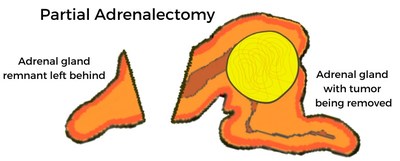
Preliminary clinical data from the Carling Adrenal Center suggest that the use of a human amniotic membrane allograph on the adrenal gland remnant following partial adrenal surgery leads to faster recovery of normal adrenal gland function. Rather than removing the entire adrenal gland—which has been standard of care for decades—a portion of the adrenal gland is able to be salvaged with amniotic membrane placed upon the remnant as a biologic covering.

Preliminary clinical data from the Carling Adrenal Center suggest that the use of a human amniotic membrane allograph on the adrenal gland remnant following partial adrenal surgery leads to faster recovery of normal adrenal gland function. Rather than removing the entire adrenal gland—which has been standard of care for decades—a portion of the adrenal gland is able to be salvaged with amniotic membrane placed upon the remnant as a biologic covering. The preliminary data from an ongoing clinical trial shows this technique translates into fewer patients needing steroid hormone replacement following adrenal surgery, and if they do, it is for a significantly shorter period of time.

“Sometimes it is possible, and preferable, to remove the adrenal tumor without removing the entire adrenal gland. This is called partial adrenal surgery and our study shows this technique is more successful when amniotic membrane is used,” said Dr. Carling. He further stresses that “removing only part of the adrenal gland is a more advanced operation and is typically only performed by expert adrenal surgeons. The goal is to leave some normal adrenal tissue so that the patient can avoid adrenal insufficiency which requires a daily dose of several adrenal hormones and steroids. Partial adrenal surgery is especially beneficial for patients with pheochromocytoma, as well as Conn’s and Cushing’s syndrome. Avoiding daily steroids is life-changing for these patients so this is a major breakthrough.”

So how does it work? The increased viability of the adrenal gland remnant is presumed to be related to the release of growth factors known to be present in amniotic tissue which is in direct contact with the adrenal gland remnant as a covering. The results are improved rates of viable adrenal cortical tissues with faster regeneration and recovery to normal endocrine physiology by the adrenal cortical cells.

These findings come during Adrenal Disease Awareness Month. Adrenal gland diseases cause many debilitating symptoms like chronic headaches, anxiety, depression, fatigue, brain fog, memory loss, dangerously high blood pressure, heart arrythmia, weight gain, tremors, and more, yet they are often misdiagnosed or improperly treated. Since many doctors are inexperienced in the workup of adrenal hormone problems and only see a handful of adrenal tumors during their careers, it is important for patients to know about the symptoms of adrenal tumor disease and request their doctor measure adrenal hormones.

Adrenal.com is the leading resource for adrenal gland function, tumors and cancers, and an award-winning resource for adrenal gland surgery. The diagnosis and surgical treatment of all types of adrenal tumor types are discussed. Adrenal.com is edited by Dr. Tobias Carling who has performed more adrenal surgery than any other surgeon and has published some of the most important scientific studies of adrenal disease and adrenal surgery including the understanding of the pathogenesis of pheochromocytoma and adrenal tumors causing Conn’s and Cushing’s syndrome.

Established by Dr. Tobias Carling in 2020, the Carling Adrenal Center located at the Hospital for Endocrine Surgery in Tampa FL, is the highest volume adrenal surgical center in the world. The Center now averages nearly 20 adrenal tumor patients every week. Dr Carling was the Director of Endocrine Surgery at Yale University prior to opening the Center in Tampa. At the new Hospital for Endocrine Surgery, Dr Carling joins the Norman Parathyroid Center, the Clayman Thyroid Center and the Scarless Thyroid Surgery Center as the highest volume endocrine surgery center in the world.

About the Carling Adrenal Center: Founded by Dr. Tobias Carling, one of the world’s leading experts in adrenal gland surgery, the Carling Adrenal Center is a worldwide destination for the surgical treatment of adrenal tumors. Dr. Carling spent nearly 20 years at Yale University, including 7 as the Chief of Endocrine Surgery before leaving in 2020 to open to Carling Adrenal Center, which performs more adrenal operations than any other hospital in the world. (813) 972-0000. More about partial adrenalectomy for adrenal tumors can be found at the Center’s website www.adrenal.com.

From https://www.streetinsider.com/PRNewswire/Novel+application+of+amniotic+membrane+saves+adrenal+tissue+in+patients+undergoing+adrenal+surgery/19915274.html

Osilodrostat Normalizes Urinary Free Cortisol in Most Adults with Cushing’s Disease

More than three-quarters of adults with Cushing’s disease assigned osilodrostat had a normalized mean urinary free cortisol level at 12 weeks and maintained a normal level at 36 weeks, according to data from the LINC 4 phase 3 trial.

In findings published in The Journal of Clinical Endocrinology & Metabolism, 77% of adults with Cushing’s disease randomly assigned to osilodrostat (Isturisa, Recordati) had mean urinary free cortisol (UFC) levels reduced to below the upper limit of normal at 12 weeks compared with 8% of adults assigned to placebo.

Osilodrostat normalizes UFC in most people with Cushing's disease at 12 weeks
Most adults with Cushing’s disease taking 2 mg twice daily osilodrostat had normalized mean UFC levels at 12 weeks compared with placebo. Data were derived from Gadelha M, et al. J Clin Endocrinol Metab. 2022;doi:10.1210/clinem/dgac178.

Osilodrostat is a highly effective treatment for Cushing’s disease, normalizing urinary free cortisol excretion in 77% of patients after 12 weeks’ treatment,” Mônica Gadelha, MD, professor of endocrinology at The Federal University of Rio de Janeiro, and colleagues wrote. “Cortisol reductions were maintained throughout 48 weeks of treatment and were accompanied by improvements in clinical signs of hypercortisolism and quality of life.”

Gadelha and colleagues enrolled 73 adults aged 18 to 75 years with Cushing’s disease from 40 centers in 14 countries into the LINC 4 phase 3 trial. Participants were randomly assigned to 2 mg osilodrostat twice daily (n = 48) or placebo (n = 25) for 12 weeks. Urinary samples were collected at weeks 2, 5 and 8 to measure mean UFC, and dosage was adjusted based on efficacy and tolerability. After 12 weeks, participants from both groups received osilodrostat in a 36-week open-label treatment period. All participants restarted the open-label portion of the trial at 2 mg osilodrostat unless they were on a lower dose at week 12. Dose adjustments in the open-label phase were made using the same guidelines in the randomized, double-blind, placebo-controlled trial. The primary endpoint was the efficacy of osilodrostat at achieving a mean UFC below the upper limit of normal of 138 nmol per 24 hours at 12 weeks vs. placebo; the key secondary endpoint was the percentage of participants achieving a normal mean UFC at 36 weeks.

At 12 weeks, the percentage of adults with a normalized mean UFC level was higher in the osilodrostat group compared with placebo (77.1% vs. 8%; P < .0001).

At 36 weeks, 80.8% of all participants had a normal mean UFC level. The overall response rate was 79.5% at 48 weeks.

Median time to first controlled mean UFC response was 35 days for those randomly assigned to osilodrostat as well as those randomly assigned to placebo who crossed over to osilodrostat for the open-label phase. At 48 weeks, 84% of participants were receiving 10 mg or less of osilodrostat per day, including 56% receiving 4 mg or less daily.

At 12 weeks, the osilodrostat group had several cardiovascular and metabolic-related improvements, including systolic and diastolic blood pressure, HbA1c, HDL cholesterol, body weight and waist circumference. No changes were observed in the placebo group.

“The improvements in cardiovascular and metabolic parameters were sustained throughout osilodrostat treatment and have the potential to alleviate the burden of comorbidities in many patients with Cushing’s disease,” the researchers wrote.

At 12 weeks, 52.5% of those receiving osilodrostat had a reduction in supraclavicular fat pad and 50% had a reduction in dorsal fat pad. At least 25% of participants also had improvements in facial redness, striae, proximal muscle atrophy and central obesity. Improvements were sustained through week 48.

During the placebo-controlled trial, grade 3 and 4 adverse events occurred for about 20% of participants in both groups. For the entire study, 38.4% of adults reported grade 3 and 4 adverse events, with the most common being hypertension. Eight participants discontinued the study due to adverse events.

From https://www.healio.com/news/endocrinology/20220408/osilodrostat-normalizes-urinary-free-cortisol-in-most-adults-with-cushings-disease