Hypopituitarism – Deficiency in Pituitary Hormone Production

By Yolanda Smith, BPharm

Hypopituitarism is a health condition in which there is a reduction in the production of hormones by the pituitary gland.

The pituitary gland is located at the base of the brain and is responsible for the production of several hormones, including:

  • Adrenocorticotropic hormone (ACTH), which controls the production of the vital stress hormones cortisol and dehydroepiandrosterone (DHEA) in the adrenal gland
  • Thyroid stimulating hormone (TSH), which controls the production of hormones by the thyroid gland
  • Luteinizing hormone (LH) and follicle-stimulating hormone (FSH), which control the secretion of the primary sex hormones and affect fertility
  • Growth hormone (GH), which regulates the growth processes in childhood and other metabolic processes throughout life
  • Prolactin (PRL), which facilitates the production of breast milk
  • Oxytocin, which is crucial during labor, childbirth and lactation
  • Antidiuretic hormone (ADH), also known as vasopressin, which regulates the retention of water and the blood pressure

An individual with hypopituitarism shows a deficiency in one or more of these hormones. This inevitably leads to abnormal body function, as an effect of the low levels of the hormone in the body, and may result in symptoms.

Causes

Hypopituitarism is most commonly due to the destruction, compression or inflammation of pituitary tissue by a brain tumor in that region. Other causes include:

  • Head injury
  • Infections such as tuberculosis
  • Ischemic or infarct injury
  • Radiation injury
  • Congenital and genetic causes
  • Infiltrative diseases such as sarcoidosis

Symptoms

General symptoms that are associated with pituitary hormone deficiency include:

  • Weakness and fatigue
  • Decreased appetite
  • Weight loss
  • Sensitivity to cold
  • Swollen facial features or body

There are also likely to be more specific symptoms according to the type of pituitary hormone deficiency, such as:

  • ACTH deficiency:
    • abdominal pain
    • low blood pressure
    • low serum sodium levels
    • skin pallor
  • TSH deficiency:
    • generalized body puffiness
    • sensitivity to cold
    • constipation
    • impaired memory and concentration
    • dry skin
    • anemia
  • LH and FSH deficiency:
    • reduction in libido
    • erectile dysfunction in men
    • abnormal menstrual periods
    • vaginal dryness in women
    • difficulty in conceiving
    • infertility.
  • GH deficiency:
    • slow growth
    • short height
    • an increase in body fat

Treatment

The first step in the treatment of hypopituitarism is to identify the cause of the condition.

Secondly, the hormones that are deficient must be identified. From this point, the appropriate treatment decisions can be made to promote optimal patient outcomes.

Hormone replacement therapy is the most common type of treatment for a patient with hypopituitarism.

This may involve supplementation of one or more hormones that are deficient, to reduce or correct the impact of the deficiency.

Follow Up

As hormone replacement therapy is expected to continue on a lifelong basis, it is important that patients have a good understanding of the therapy.

It is especially important to educate patients on what to do in case of particular circumstances that may change their hormone requirements.

For example, during periods of high stress, the demand for many hormones is increased, and the dose of hormone replacement may need to be adjusted accordingly.

It is recommended that patients have regular blood tests to monitor their hormone levels and ensure that they are in the normal range.

Patients should also carry medical identification, such as a medical bracelet or necklace, to show that they are affected by hypopituitarism and inform others about their hormone replacement needs and current treatment. This can help to meet their medical needs in case of any emergency.

Epidemiology

Hypopituitarism is a rare disorder that affects less than 200,000 individuals in the United States, with an incidence of 4.2 cases per 100,000 people per year.

The incidence is expected to be higher in certain subsets of the population, such as those that have suffered from a brain injury. Statistics in reference to these population groups have not yet been determined.

Reviewed by Dr Liji Thomas, MD.

References

From http://www.news-medical.net/health/Hypopituitarism-Deficiency-in-Pituitary-Hormone-Production.aspx

Help Advance Research for Better Cushing’s Syndrome Treatment

clinical-trials


I am so passionate about Clinical Trials, especially for Cushing’s because I was only diagnosed in 1987 because I was a part of a clinical trial at the NIH.  In addition to helping myself, I knew I’d be helping other Cushies coming along after me – something positive I could do while I was at my worst.

I hope that others will consider doing Clinical Trials, if they qualify for them.  You never know who else you might help!


This trial is testing the safety and effectiveness of an investigational drug for the treatment of Cushing’s Syndrome. Under the supervision of qualified physicians, cortisol levels and symptoms of Cushing’s Syndrome will be closely followed along with any signs of side effects.

More about the study:

The study drug (COR-003) is administered by tablets.

  • There will be 90 participants in this trial
  • There is no placebo used in the trial

If you are interested, please find the full study details and eligibility criteria listed here.

Eligibility Criteria:

Participants must:

  • be at least 18 years old
  • have been diagnosed with endogenous Cushing’s Syndrome by a medical professional (not caused by the use of steroid medications)

Participants must not:

  • have been treated with radiation for Cushing’s Syndrome in the past 4 years
  • be currently using weight loss medication
  • have been diagnosed with uncontrolled hypertension, some forms of cancer, adrenal carcinoma, Hepatitis B / C, or HIV

Please complete the online questionnaire to check if you’re eligible for the trial.

If you’re not familiar with clinical trials, here are some FAQs:

What are clinical trials?

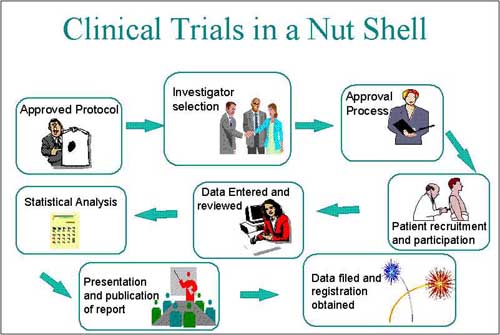
Clinical trials are research studies to determine whether investigational drugs or treatments are safe and effective for humans. All new investigational medications and devices must undergo several clinical trials, often involving thousands of people.

Why participate in a clinical trial?

You will have access to investigational treatments that would be available to the general public only upon approval. You will also receive study-related medical care and attention from clinical trial staff at research facilities. Clinical trials offer hope for many people and an opportunity to help researchers find better treatments for others in the future.

Learn why I’m talking about Clinical Trials

What a Hoot! Healing Cushing’s Syndrome Naturally

This guy must be nuts!

Healing Cushing’s Syndrome Naturally

by Dr. Paul Haider, Spiritual Teacher and Master Herbalist

Cushing’s Syndrome is the over production of cortisol by the adrenals glands and the resulting obesity, high blood pressure, fatigue, depression, muscle weakness, glucose intolerance, and more… are all part of the syndrome.

But there is hope, here are a few great herbs and other processes that can heal Cushing’s Syndrome naturally.

Read more of how you, too, can “Heal Your Cushing’s here: https://www.linkedin.com/pulse/healing-cushings-syndrome-naturally-dr-paul-haider

Masked renal dysfunction in patients with adrenal Cushing’s syndrome manifested by adrenalectomy

INTRODUCTION AND OBJECTIVES

Many patients with primary aldosteronism (PA) exhibit a decline in renal function after adrenalectomy. Excessive aldosterone secretion causes glomerular hyperfiltration, and cancellation of this excessive secretion manifests the masked renal dysfunction. Considering the mineralocorticoid effect of cortisol as with aldosterone, excessive cortisol secretion may also mask the renal dysfunction of patients with adrenal Cushing’s syndrome (CS). However, postoperative changes in renal function in patients with CS have not been evaluated. We evaluated changes in renal function after adrenalectomy in patients with functional adrenal tumor.

METHODS

A total of 164 consecutive patients underwent adrenalectomy for unilateral functional adrenal tumor at our institution between January 2004 and October 2014. Of the 164 patients, we retrospectively analyzed 118 patients (PA/CS/subclinical Cushing’s syndrome [SCS]/pheochromocytoma [PCC]: n = 51/21/13/33, respectively) who were followed up for over 6 months and whose change in renal function was evaluable. Laboratory data, including baseline hormone levels before medical treatment, were collected from medical records. Estimated glomerular filtration rate (eGFR) values were obtained using the 3-variable Japanese equation. Renal dysfunction was defined as a 20% reduction in eGFR from baseline to within 3 times average during the 6 months post-operation. The change in eGFR before and after the operation was analyzed in each adrenal tumor.

RESULTS

The mean change in eGFR before and after the operation was -14% (range, -55%-18%) in patients with PA, -9% (-48%-23%) in patients with CS, -2% in patients with SCS, and -2% in patients with PCC. The eGFR decline in patients with PA and CS was significant (p < 0.0001 and p = 0.0171, respectively), while there was no significant change in patients with SCS and PCC. After the operation, 39% (20/51) and 24% (5/21) of patients with PA and CS manifested renal dysfunction, respectively, while none of the patients with SCS and PCC manifested renal dysfunction. Preoperative renal function was not correlated with manifested renal dysfunction. Multivariate analysis identified older age and higher levels of plasma aldosterone concentration as independent predictors of renal dysfunction manifestation in patients with PA, while no clinical predictor was identified in patients with CS.

CONCLUSIONS

This is the first report that has shown a decline in eGFR after adrenalectomy in patients with CS. Possible masked renal damage should be considered in patients with CS as well as PA.

Download PDF of the entire article.

Delayed diagnosis, barriers to care increase morbidity in children with Cushing’s syndrome

Hispanic and black children diagnosed with Cushing’s syndrome are more likely to present with higher cortisol measurements and larger tumor size vs. white children, according to study findings presented at the annual Pediatric Academic Societies Meeting in Baltimore.

“Racial and socioeconomic disparities may contribute to the severity of disease presentation for children with Cushing’s [syndrome],” Alexandra Gkourogianni, MD, of the section on endocrinology and genetics at the Eunice Kennedy Shriver National Institute of Child Health and Human Development, and colleagues wrote. “Minority children from disadvantaged backgrounds present more frequently with comorbidities associated with longstanding [Cushing’s syndrome].”

Gkourogianni and colleagues analyzed data from 135 children treated for Cushing’s syndrome (transsphenoidal surgery) at the NIH between 1997 and 2015 (mean age, 13 years; 51% girls; 33% Hispanic or black). Researchers used a 10-point index for rating severity in pediatric Cushing’s syndrome based on predefined cutoffs; degree of hypercortisolemia, impaired glucose tolerance, and hypertension were graded on a 3-point scale (0-2); height, BMI z scores, duration of disease, and tumor invasion were graded on a 2-point scale (0-1).

Researchers found that midnight cortisol measurements were higher among Hispanic and black children vs. white children (23.3 µg/dL vs. 16 µg/dL; P = .019), as were tumor sizes (mean 6.3 mm vs. 3.3 mm; P = .016). Height standard deviation score was more severely affected in black and Hispanic children (–1.6 vs. –1.1; P = .038), and mean Cushing’s syndrome score for Hispanic and black children was higher vs. white children (4.5 vs. 3.8; P = .033).

Researchers found that median income had an independent correlation with Cushing’s syndrome score in univariate regression analysis for covariates of socioeconomic status and demographics (P = .025). Multivariable regression analysis using race, prevalence of obesity, estimated income, access to pediatric endocrinologist, age and sex confirmed that race, along with lower socioeconomic status and older age, were predictors of a higher Cushing’s syndrome score (P = .002).

“We speculate that delayed diagnosis, barriers to access to care and poorer quality health care for these underserved patients may contribute to presentation at a later age and increased morbidity,” the researchers wrote. “Additional research is needed to identify potential modifiable factors that may improve care for these patients.” – by Regina Schaffer

Reference:

Gkourogianni A, et al. Poster #445. Presented at: Pediatric Academic Societies Meeting; April 30- May 3, 2016; Baltimore.

Disclosure: Endocrine Today was unable to determine relevant financial disclosures.

From http://www.healio.com/endocrinology/adrenal/news/online/%7Be79d7c84-d539-4a04-a548-882b9f4caadd%7D/delayed-diagnosis-barriers-to-care-increase-morbidity-in-children-with-cushings-syndrome