Insights on Diagnosing and Managing Cushing’s Syndrome

Cushing’s syndrome, or endogenous hypercortisolemia, is a rare condition that both general practice clinicians and endocrinologists should be prepared to diagnose and treat. Including both the pituitary and adrenal forms of the disease, the Endocrine Society estimates that the disorder affects 10 to 15 people per million every year in the United States. It is more common in women and occurs most often in people between the ages of 20 and 50.

Even though Cushing’s remains a rare disease, cortisol recently made waves at the American Diabetes Association 84th Scientific Session. A highlight of the meeting was the initial presentation of data from the CATALYST trial, which assessed the prevalence of hypercortisolism in patients with difficult-to-control type 2 diabetes (A1c 7.5+).

CATALYST is a prospective, Phase 4 study with two parts. In the prevalence phase, 24% of 1,055 enrolled patients had hypercortisolism, defined as an overnight dexamethasone suppression test (ODST) value greater than 1.8 µg/dL and dexamethasone levels greater than 140 µg/dL. Results of CATALYST’s randomized treatment phase are expected in late 2024.

Elena Christofides, MD, FACE, founder of Endocrinology Associates, Inc., in Columbus, OH, believes the CATALYST results will be a wake-up call for both physicians and patients seeking to advocate for their own health. “This means that nearly 1 in 4 patients with type 2 diabetes have some other underlying hormonal/endocrine dysfunction as the reason for their diabetes, or significant contribution to their diabetes, and they should all be screened,” she said. “All providers need to get comfortable with diagnosing and treating hypercortisolemia, and you need to do it quickly because patients are going to pay attention as well.”

In Dr. Christofides’ experience, patients who suspect they have a hormonal issue may start with their primary care provider or they may self-refer to an endocrinologist. “A lot of Cushing’s patients are getting diagnosed and treated in primary care, which is completely appropriate. But I’ve also met endocrinologists who are uncomfortable diagnosing and managing Cushing’s because it is so rare,” she said. “The important thing is that the physician is comfortable with Cushing’s or is willing to put in the work get comfortable with it.”

According to Dr. Christofides, the widespread popular belief that “adrenal fatigue” is causing millions of Americans to feel sick, tired, and debilitated may be creating barriers to care for people who may actually have Cushing’s. “As physicians, we know that adrenal fatigue doesn’t exist, but we should still be receptive to seeing patients who raise that as a concern,” said Dr. Christofides. “We need to acknowledsalige their lived experience as being very real and it can be any number of diseases causing very real symptoms. If we don’t see these patients, real cases of hypercortisolemia could be left undiagnosed and untreated.”

Dr. Christofides, who also serves as a MedCentral Editor-at-Large, said she reminds colleagues that overnight dexamethasone suppression test (ODST) should always be the first test when you suspect Cushing’s. “While technically a screening test, the ODST can almost be considered diagnostic, depending on how abnormal the result is,” she noted. “But I always recommend that you do the ODST, the ACTH, a.m. cortisol, and the DHEAS levels at the same time because it allows you to differentiate more quickly between pituitary and adrenal problems.”

Dr. Christofides does see a place for 24-hour urine collection and salivary cortisol testing at times when diagnosing and monitoring patients with Cushing’s. “The 24-hour urine is only positive in ACTH-driven Cushing’s, so an abnormal result can help you identify the source, but too many physicians erroneously believe you can’t have Cushing’s if the 24-hour urine is normal,” she explained. “Surgeons tend to want this test before they operate and it’s a good benchmark for resolution of pituitary disease.” She reserves salivary cortisol testing for cases when the patient’s ODST is negative, but she suspects Cushing’s may be either nascent or cyclical.

Surgical resection has long been considered first-line treatment in both the pituitary and adrenal forms of Cushing’s. For example, data shared from Massachusetts General Hospital showed that nearly 90% of patients with microadenomas did not relapse within a 30-year period. A recent study found an overall recurrence rate of about 25% within a 10-year period. When reoperation is necessary, remission is achieved in up to 80% of patients.

As new medications for Cushing’s syndrome have become available, Dr. Christofides said she favors medical intervention prior to surgery. “The best part about medical therapy is you can easily stop it if you’re wrong,” she noted. “I would argue that every patient with confirmed Cushing’s deserves nonsurgical medical management prior to a consideration of surgery to improve their comorbidities and surgical risk management, and give time to have a proper informed consent discussion.”

In general, medications to treat Cushing’s disease rely on either cortisol production blockade or receptor blockade, said Dr. Christofides. Medications that directly limit cortisol production include ketoconazoleosilodrostat (Isturisa), mitotane (Lysodren), levoketoconazole (Recorlev), and metyrapone (Metopirone). Mifepristone (Korlym, Mifeprex) is approved for people with Cushing’s who also have type 2 diabetes to block the effects of cortisol. Mifepristone does not lower the amount of cortisol the body makes but limits its effects. Pasireotide (Signifor) lowers the amount of ACTH from the tumor. Cabergoline is sometimes used off-label in the US for the same purpose.

Following surgery, people with Cushing’s need replacement steroids until their adrenal function resumes, when replacement steroids must be tapered. But Dr. Christofides said she believes that all physicians who prescribe steroids should have a clear understanding of when and how to taper patients off steroids.

“Steroid dosing for therapeutic purposes is cumulative in terms of body exposure and the risk of needing to taper. A single 2-week dose of steroids in a year does not require a taper,” she said. “It’s patients who are getting repeated doses of more than 10 mg of prednisone equivalent per day for 2 or more weeks multiple times per year who are at risk of adrenal failure without tapering.”

Physicians often underestimate how long a safe, comfortable taper can take, per Dr. Christofides. “It takes 6 to 9 months for the adrenals to wake up so if you’re using high-dose steroids more frequently, that will cause the patient to need more steroids more frequently,” she explained. “If you’re treating an illness that responds to steroids and you stop them without tapering, the patient’s disease will flare, and then a month from then to 6 weeks from then you’ll be giving them steroids again, engendering a dependence on steroids by doing so.”

When developing a steroid taper plan for postoperative individuals with Cushing’s (and others), Dr. Christofides suggests basing it on the fact that 5 mg of prednisone or its equivalent is the physiologic dose. “Reduce the dose by 5 mg per month until you get to the last 5 mg, and then you’re going to reduce it by 1 mg monthly until done,” she said. “If a patient has difficulty during that last phase, consider a switch to hydrocortisone because a 1 mg reduction of hydrocortisone at a time may be easier to tolerate.”

Prednisone, hydrocortisone, and the other steroids have different half-lives, so you’ll need to plan accordingly, adds Dr. Christofides. “If you do a slower taper using hydrocortisone, the patient might feel worse than with prednisone unless you prescribe it BID.” She suggests thinking of the daily prednisone equivalent of hydrocortisone as 30 mg to allow for divided dosing, rather than the straight 20 mg/day conversion often used.

What happens after a patient’s Cushing’s has been successfully treated? Cushing’s is a chronic disease, even in remission, Dr. Christofides emphasized. “Once you have achieved remission, my general follow-up is to schedule visits every 6 months to a year with scans and labs, always with the instruction if the patient feels symptomatic, they should come in sooner,” she said.

More on Cushing’s diagnosis and therapies.

https://www.medcentral.com/endocrinology/cushings-syndrome-a-clinical-update

A More Accurate Diagnosis of Cushing’s Syndrome

Cushing’s syndrome is associated with excessive cortisol production and, if left untreated, can result in severe complications, such as heart attacks, strokes, and type 2 diabetes. To diagnose this condition, a dexamethasone suppression test is commonly performed.

Various factors, such as metabolic rate and interactions with other medications, can affect test efficacy. Therefore, it is crucial to measure the concentration of dexamethasone concurrently with cortisol to avoid false-positive results.

To address this issue, a team of researchers at the University of Turin, led by Professor Giulio Mengozzi in the Department of Medical Sciences, has developed a liquid chromatography-tandem mass spectrometry method.

This new method enables the simultaneous quantification of cortisol, cortisone, dexamethasone, and six additional exogenous corticosteroids, leading to a more accurate diagnosis of Cushing’s syndrome.

The symptoms of Cushing’s syndrome

Cushing’s syndrome is a medical condition characterized by an abnormal and prolonged increase in cortisol production, typically affecting females between the ages of 30 and 50.1

While the issue may originate from within the body (endogenous), it is more commonly caused by external factors, such as the use of glucocorticoid medications.

Visible symptoms of Cushing’s syndrome include weight gain, an accumulation of fat around the base of the neck, a fatty hump between the shoulders, the appearance of a “moon face”, and easy bruising. However, not all individuals with the syndrome exhibit these symptoms, rendering diagnosis challenging. Without timely treatment, Cushing’s syndrome can lead to severe complications, including heart attack, stroke, blood clots in the legs and lungs, increased susceptibility to infections, memory loss, and type 2 diabetes.

Dexamethasone testing

A commonly used method for diagnosing Cushing’s syndrome is the dexamethasone suppression test (DST), which measures the adrenal gland’s response to adrenocorticotropic hormone (ACTH).

ACTH regulates cortisol levels in the blood plasma and stimulates the adrenal cortex to produce cortisol. When cortisol levels increase, ACTH secretion is suppressed. Dexamethasone, a synthetic steroid similar to cortisol, is administered during the DST to lower ACTH levels.

DSTs are available in low-dose (LDDST) and high-dose (HDDST). They can be performed overnight or over two days.

LDDSTs are used initially to diagnose Cushing’s syndrome. If the result is positive, HDDSTs help classify the disease as ACTH-dependent or independent. These tests are typically conducted in the following manner.2

A more accurate diagnosis of Cushing’s syndrome

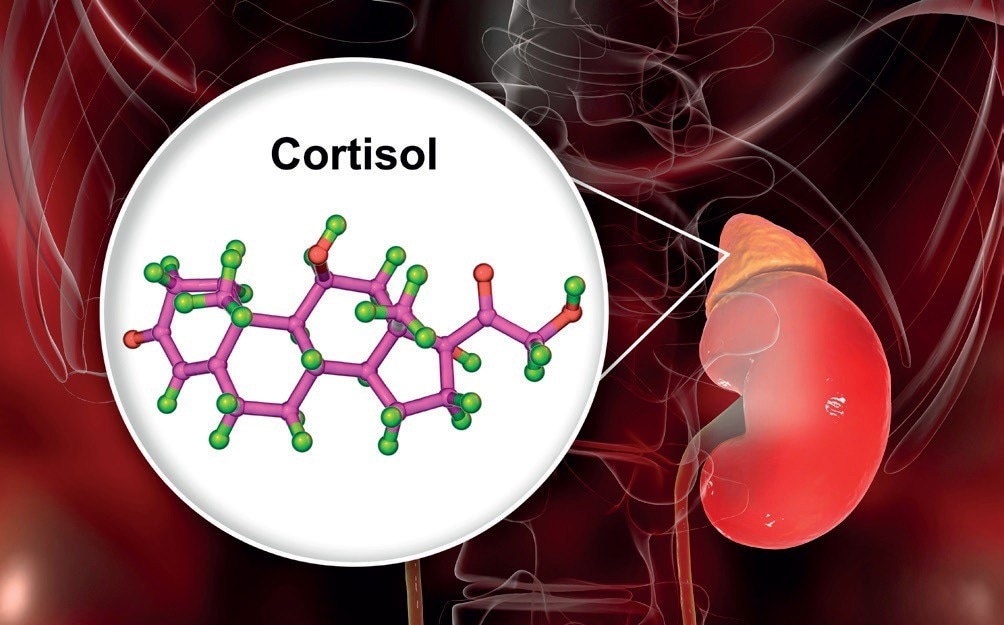
Cortisol is a steroid hormone of the glucocorticoid class made by the adrenal glands.

Image Credit: Shutterstock/Kateryna Kon

LDDST

  • Overnight protocol: 1 mg of dexamethasone is administered at 11:00 pm, and the serum cortisol levels are measured at 8:00 am the following morning.
  • Two-day protocol: serum cortisol levels are measured at 8:00 am and 0.5 mg of dexamethasone is administered every six hours (9:00 am, 3:00 pm, 9:00 pm, 3:00 am) for two days, totalling 4 mg. Serum cortisol levels are then measured at 9:00 am, six hours after the last dose has been delivered.

HDDST

  • Overnight protocol: baseline serum cortisol or 24-hour urinary free cortisol (UFC) is measured in the morning, and 8 mg of dexamethasone is given at 11.00 pm. Cortisol level in blood is then measured at 8.00 am the following morning.
  • Two-day protocol: Baseline serum cortisol or 24-hour UFC is measured at 8:00 am; 2 mg of dexamethasone is administered every six hours (9:00 am, 3:00 pm, 9:00 pm, 3:00 am) for two days, totaling 16 mg, in tandem with the collection of urine for UFC measurements. Serum cortisol levels are measured at 9:00 am, six hours after the last dose.

Patients whose pituitary glands produce excessive amounts of ACTH will exhibit an abnormal response to the low-dose test but a normal reaction to the high-dose test.

During the LDDST, cortisol levels should decrease following the administration of dexamethasone, and a cut-off value of below 18 ng/mL is recommended to distinguish a healthy response from an unhealthy one.

For the HDDST, a decrease in urine-free cortisol (UFC) or serum cortisol greater than 50% indicates the presence of ACTH-dependent Cushing’s syndrome. This rule applies to both the overnight LDDST and the two-day HDDST methods.

Measuring cortisol levels

Chemiluminescence immunoassay (CLIA) is a widely used method for measuring cortisol and other steroids due to its simplicity, automation, and good sensitivity.

However, it has some drawbacks, including cross-reactivity leading to overestimation of target analyte levels, non-standardization of kits, and the inability to measure more than one analyte per analysis. This is particularly problematic since studies indicate that measuring dexamethasone in combination with cortisol can reduce the number of false-positive DST results and improve interpretability. 3,4,5

Liquid chromatography-tandem mass spectrometry (LC-MS/MS) has emerged as a popular alternative to CLIA for DSTs due to its ability to measure multiple analytes simultaneously and its superior specificity.

Analytes are separated via LC, and their concentrations are measured by MS, with triple quadrupole MS configurations commonly used for this purpose. This technique provides the ability to measure multiple analytes simultaneously, along with higher accuracy and sensitivity than CLIA.

Increased ease of use and accuracy

In the Division of Endocrinology, Diabetes, and Metabolism at the University of Turin, a team has developed an LC-MS/MS technique for simultaneous quantifying cortisol, cortisone, dexamethasone, and six other exogenous corticosteroids in serum/plasma samples.6

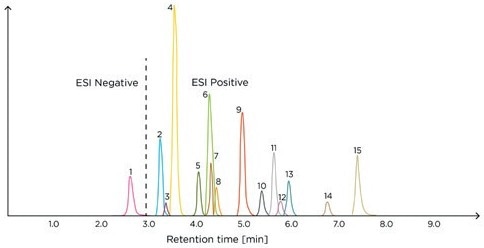
This method can be readily applied in any clinical laboratory equipped with a mass spectrometer and is effective in DSTs, enabling precise measurements of the target analytes in a single chromatographic run (Figure 1).

Sample preparation (1 Hour)

  1. Dilute 200 μL of the serum/plasma sample with 200 μL of water.
  2. Perform supported liquid extraction, manually transferring 400 μL of sample to a microplate.
  3. Apply positive pressure using Tecan Resolvex® A200 automated positive pressure processor.
  4. Elute with 700 μL of methyl tert-butyl ether.
  5. Evaporate and reconstitute in H2 O/MeOH (1:1, v/v).
  6. Agitate.

LC-MS/MS analysis (10 Minutes)

  • LC column: C18 (100 × 2.1 mm, 1.7 μm)
  • Flow rate: 400 μL/min
  • Temperature: 30 °C
  • Injection volume: 20 μL
  • Mobile phase A: H2O + 0.2 mM ammonium fluoride
  • Mobile phase B: acetonitrile
  • Elution programme: Table 1.

The study demonstrated a strong correlation between the results obtained from the newly developed LC-MS/MS method and those obtained using a commercially available CE IVD-marked Steroid Panel LC-MS* kit (Tecan).

The Tecan kit enables simultaneous dexamethasone, cortisol, and cortisone measurement and includes all the necessary components for easy implementation, such as calibrators and controls. The samples are prepared using solid-phase extraction (SPE), which can be semi-automatically performed on a Resolvex® A200 positive pressure processor (Tecan). The kit can measure 15 other steroids in the core steroid metabolism pathway due to the effectiveness of the SPE process.

Table 1. LC gradient elution programme. Source: Tecan

Time (min) Mobile phase A (%) Mobile phase B (%)
0 90 10
0.5 65 35
4.5 65 35
4.51 35 65
6.0 2 98
8.0 2 98
8.01 90 10
10.0 90 10

* In USA: for research use only. Not for use in diagnostic procedures. Product availability and regulatory status may vary from country to country. Consult with your Tecan associate for further information.

A more accurate diagnosis of Cushing’s syndrome

Figure 1. Example chromatogram of the Steroid Panel LC-MS internal standard – run 1. ESI, electrospray ionization; 1, aldosterone; 2, cortisone; 3, dehydro-epiandrosterone sulfate; 4, cortisol; 5, 21-deoxycortisol; 6, corticosterone; 7, dexamethasone; 8, 11-deoxycortisol; 9, androstenedione; 10, 11-deoxycorticosterone; 11, testosterone; 12, dehydroepiandrosterone; 13, 17-hydroxyprogesterone; 14, dihydrotestosterone; 15, progesterone.

Image Credit: Tecan

Summary

Early diagnosis of Cushing’s syndrome is critical to prevent potentially fatal complications. A reliable method for reducing the number of false positives in DSTs involves the simultaneous measurement of cortisol and dexamethasone levels, which can be accurately achieved using LC-MS/MS.

The LC-MS/MS method described in this article enables the simultaneous measurement of multiple analytes, such as cortisol, cortisone, and dexamethasone, in serum or plasma.

This analytical approach can provide clinical laboratories with a straightforward method for performing DSTs, and the commercially available kit can ensure consistent and dependable results.

References and further reading

  1. Cushing’s syndrome [website]. National Institute of Diabetes and Digestive and Kidney Diseases 2018 (https://www.niddk.nih.gov/health-information/endocrine-diseases/cushings-syndrome).
  2. Dogra P, Vijayashankar NP. Dexamethasone suppression test. StatPearls 2022, 8 August (https://www.ncbi.nlm.nih.gov/books/NBK542317 ).
  3. Ceccato F, Artusi C, Barbot M, et al. Dexamethasone measurement during low-dose suppression test for suspected hypercortisolism: threshold development with and validation. J Endocrinol Invest 2020;43(8):1105–1113. doi: 10.1007/s40618-020-01197-6.
  4. Roper SM. Yield of serum dexamethasone measurement for reducing false-positive results of low-dose dexamethasone suppression testing. J Appl Lab Med 2021;6(2):480–485. doi: 10.1093/jalm/jfaa193.
  5. Fleseriu M, Auchus R, Bancos I, et al. Consensus on diagnosis and management of Cushing’s disease: a guideline update. Lancet Diabetes Endocrinol 2021;9(12):847–875. doi: 10.1016/S2213- 8587(21)00235-7.
  6. Ponzetto F, Parasiliti-Caprino M, Settanni F, et al. Simultaneous measurement of cortisol, cortisone, dexamethasone and additional exogenous corticosteroids by rapid and sensitive LC-MS/MS analysis. Molecules 2022;28(1):248. doi: 10.3390/molecules28010248.

From https://www.news-medical.net/whitepaper/20240524/A-more-accurate-diagnosis-of-Cushinge28099s-syndrome.aspx

The Role of Endocrinology in Managing Polycystic Ovary Syndrome and Diabetes

Introduction to Endocrinology

Endocrinology is a medical specialty that focuses on the diagnosis and treatment of diseases related to hormones. Endocrinologists are experts in managing and treating diseases related to the endocrine system, which includes the thyroid, pituitary, adrenal glands, and pancreas. Endocrinologists are trained to diagnose and treat conditions such as diabetes, thyroid disorders, pituitary disorders, and other conditions related to hormones. Endocrinologists also specialize in reproductive health and fertility issues, including PCOS.

Endocrinology is a complex field that requires a deep understanding of the endocrine system and its role in regulating the body’s hormones. Endocrinologists must be able to interpret laboratory tests and understand the underlying causes of endocrine disorders. They must also be able to develop individualized treatment plans to address the specific needs of each patient.

Diagnosing PCOS and Diabetes

Endocrinologists are experts in diagnosing and managing PCOS and diabetes. PCOS is a hormonal disorder that affects the ovaries, and it is characterized by irregular menstrual cycles, excess facial and body hair, and infertility. To diagnose PCOS, an endocrinologist will perform a physical exam and order laboratory tests to measure hormone levels. The endocrinologist will also ask the patient about her symptoms and family history to determine if PCOS is the cause.

Diabetes is a chronic condition that affects the body’s ability to process sugar. To diagnose diabetes, an endocrinologist will perform a physical exam and order laboratory tests to measure blood sugar levels. The endocrinologist may also order imaging tests to check for signs of diabetes-related complications.

Treating PCOS and Diabetes

Once the endocrinologist has diagnosed PCOS or diabetes, they will develop an individualized treatment plan to address the patient’s specific needs. For PCOS, the endocrinologist may recommend lifestyle changes such as weight loss, exercise, and dietary changes to help manage symptoms. The endocrinologist may also prescribe medications to regulate hormone levels and improve fertility.

For diabetes, the endocrinologist may recommend lifestyle changes such as weight loss, exercise, and dietary changes to help manage blood sugar levels. The endocrinologist may also prescribe medications to help regulate blood sugar levels. In addition, the endocrinologist may recommend regular check-ups to monitor the patient’s progress and to adjust the treatment plan if needed.

Conclusion

Endocrinology plays an important role in managing PCOS and diabetes. Endocrinologists are experts in diagnosing and treating these conditions, and they are trained to develop individualized treatment plans that address the specific needs of each patient. By working with an endocrinologist, patients can get the help they need to manage their PCOS or diabetes and achieve their health goals.

Endocrinology is a complex field that requires a deep understanding of the endocrine system and its role in regulating the body’s hormones. An endocrinologist can help patients with PCOS and diabetes manage their conditions and achieve their health goals. By working with an endocrinologist, patients can get the help they need to manage their PCOS or diabetes and achieve their health goals.

From https://www.diabetesincontrol.com/the-role-of-endocrinology-in-managing-polycystic-ovary-syndrome-and-diabetes/

Post-Operative Cushing Syndrome Care

Justine Herndon, PA-C, and Irina Bancos, MD, on Post-Operative Cushing Syndrome Care

– Curative procedures led to widespread resolution or improvement of hyperglycemia

by Scott Harris , Contributing Writer, MedPage Today January 18, 2022

In a recent study, two-thirds of people with Cushing syndrome (CS) saw resolved or improved hyperglycemia after a curative procedure, with close post-operative monitoring an important component of the process.

Among 174 patients with CS included in the longitudinal cohort study (pituitary in 106, ectopic in 25, adrenal in 43), median baseline HbA1c was 6.9%. Of these, 41 patients were not on any therapy for hyperglycemia, 93 (52%) took oral medications, and 64 (37%) were on insulin.

At the end of the period following CS remission (median 10.5 months), 37 (21%) patients had resolution of hyperglycemia, 82 (47%) demonstrated improvement, and 55 (32%) had no change or worsened hyperglycemia. Also at the end of follow-up, HbA1c had fallen 0.84% (P<0.0001), with daily insulin dose decreasing by a mean of 30 units (P<0.0001).

Justine Herndon, PA-C, and Irina Bancos, MD, both endocrinology researchers with Mayo Clinic in Minnesota, served as co-authors of the report, which was published in the Journal of the Endocrine Society. Here they discuss the study and its findings with MedPage Today. The exchange has been edited for length and clarity.

What was the study’s main objective?

Herndon: As both a hospital diabetes provider and clinic pituitary/gonadal/adrenal provider, I often hear questions from colleagues about how to manage a patient’s diabetes post-operatively after cure from CS. While clinical experience has been helpful in guiding these discussions, the literature offered a paucity of data on diabetes/hyperglycemia specifically after surgery. There was also a lack of data on specific subgroups of CS, whether by sub-type or severity.

Therefore, we felt it was important to see what our past patient experiences showed in terms of changes in laboratory data, medications, and which patients were more likely to see improvement in their diabetes/hyperglycemia. The overall goal was to help clinicians provide appropriate patient education and care following a curative procedure.

In addition to its primary findings, the study also identified several factors associated with resolution or improvement of hyperglycemia. What were these factors?

Bancos: Both clinical and biochemical severity of CS, as well as Cushing subtype, were associated with improvement. We calculated severity based on symptoms and presence of comorbidities, and we calculated biochemical severity based on hormonal measurements. As clinical and biochemical scores were strongly correlated, we chose only one (biochemical) for multivariable analysis.

In the multivariable analysis of biochemical severity of Cushing, subtype of Cushing, and subtype of hyperglycemia, we found that patients with a severe biochemical severity score were 2.4 fold more likely to see improved hyperglycemia than people with a moderate or mild severity score (OR 2.4 (95% CI 1.1-4.9). We also found that patients with the nonadrenal CS subtype were 2.9 fold more likely to see improved hyperglycemia when compared to people with adrenal CS (OR of 2.9 (95% CI 1.3-6.4).

The type of hyperglycemia (diabetes versus prediabetes) was not found to be significant.

Did anything surprise you about the study results?

Herndon: I was surprised to see improvement in hyperglycemia in patients who were still on steroids, as you would expect the steroids to still have an impact. This shows how much a CS curative procedure truly leads to changes in the comorbidities that were a result of the underlying disease.

Also, I was surprised that the type of hyperglycemia was not a predictor of improvement after cure, although it was quite close. We also had a few patients whose hyperglycemia worsened, and we could not find a specific factor that predicted which patients did not improve.

What are the study’s implications for clinicians who treat people with CS?

Bancos: We think our study shows the clear need for closer follow-up — more frequently than the typical three-to-six months for diabetes. This can be accomplished through review of more than just HbA1c, such as reviewing blood glucose logbooks, asking about hypoglycemia symptoms, and so forth.

Patients with severe CS who are being treated with insulin or hypoglycemic medications are especially likely to decrease their medications to avoid hypoglycemia during postoperative period.

Read the study here.

Bancos reported advisory board participation and/or consulting with Strongbridge, Sparrow Pharmaceutics, Adrenas Therapeutics, and HRA Pharma outside the submitted work. Herndon did not disclose any relevant financial relationships with industry.

Hypopituitarism and COVID-19 – exploring a possible bidirectional relationship?

As of September 1, 2021, the severe acute respiratory syndrome coronavirus 2 (SARS-CoV-2), which is the virus responsible for the coronavirus disease 2019 (COVID-19), has infected over 219 million and caused the deaths of over 4.5 million worldwide. Although COVID-19 has been traditionally associated with its ability to cause varied symptoms resembling acute respiratory distress syndrome (ARDS), emerging scientific evidence has demonstrated that SARS-CoV-2 causes much more damage beyond its effects on the upper respiratory tract.

To this end, in a recent study published in Reviews in Endocrine and Metabolic Disorders, the researchers discuss the extra-pulmonary manifestations of COVID-19.

Risk factors for severe COVID-19

It is now a well-known fact that the likelihood of people falling severely ill or dying from COVID-19 is increases if these individuals are obese, or have certain comorbidities like diabetes mellitus (DM), vitamin D deficiency, and vertebral fractures (VFs).

Any abnormality in the pituitary gland may lead to metabolic disorders, impaired immunity, and a host of other conditions that also make the body susceptible to infections. Since such conditions are common in patients with COVID-19 as well, it has been hypothesized that there might be a relationship between COVID-19 and pituitary gland disorders.

On the other hand, researchers have also observed that COVID-19 causes increased severity of pituitary-related disorders, and even pituitary apoplexy, which is a condition defined as internal bleeding or impaired blood supply in the pituitary gland. A group of Italian researchers has reviewed this bidirectional relationship between the pituitary gland abnormalities and COVID-19 in their study recently published in Reviews in Endocrine and Metabolic Disorders.

The link between pituitary gland abnormalities and COVID19

The pituitary gland releases hormones that regulate and control some of the most important functions of the body like growth, metabolism, energy levels, bone health, mood swings, vision, reproduction, and immunity, to name a few. The inability of the pituitary gland to release one or more of these hormones is known as ‘hypopituitarism.’  Factors responsible for hypopituitarism include traumatic brain injury, pituitary adenomas (tumors), genetic mutations, as well as infiltrative and infectious diseases.

Hypopituitarism can lead to severe cases of DM, growth hormone deficiency (GHD), abnormal lipid profile, obesity, arterial hypertension, and immune dysfunctions. Interestingly, similar consequences of COVID-19 have also been reported.

SARS-CoV-2 infects the human body by binding to a special class of receptors known as the angiotensin-converting enzyme 2 (ACE2) receptors. These receptors are located in the endothelial linings of most organs like the brain, heart, lungs, kidneys, intestine, liver, and pancreas, among others. The main function of the ACE2 receptors is binding to specific target molecules to maintain the renin-angiotensin system that is crucial for regulating dilation of blood vessels, as well as maintain blood glucose levels, the immune system, and homeostasis.

Therefore, SARS-CoV-2 binding to these ACE2 receptors facilitates the entry of this virus into all the organs that have these receptors, thus leading to the ability of SARS-CoV-2 to cause widespread damage in the body. Upon entry into the pancreas, for example, SARS-CoV-2 can inhibit ß-cells function, which worsens hyperglycemia and increases the risk for acute diabetic complications.

Similarly, the presence of ACE2 receptors in brain tissues may cause invasion into the pituitary gland and lead to pituitary apoplexy. The entry of SARS-CoV-2 into the brain can also cause neurological damage in infected patients, which may account for some of the common neurological complaints of COVID-19 including headaches, confusion, dysgeusia, anosmia, nausea, and vomiting.

Study findings

Hypopituitarism leading to metabolic syndrome has been scientifically linked to higher mortality in COVID-19 patients. In fact, the presence of a single metabolic syndrome component has been observed to double the risk of death by COVID-19. This risk was even higher among patients with DM and hypertension.

There was also an increased incidence of VFs in COVID-19 patients with hypopituitarism. Hence, patients with DM, obesity, hypertension, and chronic inflammatory disease, are all at an increased risk of poor outcomes and death in COVID-19.

Arterial hypertension is a common finding in adults with GHD, which is another consequence of hypopituitarism. Hypopituitarism also causes adrenal insufficiency, a condition that is primarily managed with glucocorticoids and hormonal replacement therapies.

Notably, patients with COVID-19 are often treated for prolonged periods with high-dose exogenous glucocorticoids, which is a class of steroids that suppress some activities of the immune system. This treatment approach may result in suppression of the hypothalamic-pituitary–adrenal axis that can lead to adrenal insufficiency.

Hypogonadism is another aspect of pituitary insufficiency that predisposes patients, especially males, to COVID-19. Evidence shows that males with hypogonadism were more frequently affected by metabolic syndrome.

Pituitary apoplexy, albeit rare, has also been linked to COVID-19, especially in patients with pituitary adenomas and those who are being treated with anticoagulant therapy. This may be because the pituitary gland becomes overstimulated during an infectious disease, which may increase pituitary blood demand and lead to sudden infarction precipitating acute apoplexy.

This phenomenon has also been shown in patients suffering from infectious diseases that cause hemorrhagic fevers. Taken together, pituitary apoplexy complicates treatment and management procedures in COVID-19 patients.

Despite the use of steroids in COVID-19 patients, there have been no contraindications for vaccination in such patients. However, those on extensive hormonal therapies need constant monitoring for best results.

Implications

The pituitary gland acts like a double-edged sword for COVID-19. On one end, hypopituitarism predisposes patients to metabolic disorders like DM, obesity, and VFs, all of which are known risk factors for COVID-19.

On the other hand, COVID-19 may cause direct or indirect damage to the pituitary glands by entering the brain and inducing unfavorable vascular events – though evidence on this remains lesser in comparison to that of hypopituitarism. Ultimately, the researchers of the current study conclude that managing patients with hormonal insufficiencies optimally with steroids is likely to improve outcomes in severe COVID-19.

Journal reference: