Accidental Cushing Syndrome

Abstract

We present a patient with Cushing syndrome secondary to accidental intake of corticosteroid tablets—a 66-year-old woman with a history of well-controlled hypertension, who over the course of a few weeks developed full-blown Cushing syndrome with uncontrolled blood pressure, typical central fat accumulation, and easy bruising. The clinical features further worsened upon increase of the dosage of her antihypertensive medication because of rising blood pressure. Biochemical analyses showed low cortisol and ACTH concentrations. Inspection of the patient’s medications revealed that she had accidentally been taking corticosteroids tablets, prescribed for her husband, instead of antihypertensives, ie, dexamethasone 4 mg and then 8 mg, instead of candesartan at the same dose.

This case highlights the necessity of a thorough review of the medications taken by patients suspected to have exogenous Cushing syndrome, including inspection of the original packaging, and not just relying on information from the patient and electronic health records. This case also highlights the need of special labeling on the packaging for the easy identification of corticosteroid-containing medications given their widespread availability.

Introduction

Cushing syndrome (CS) is a disorder caused by prolonged and excessive exposure to glucocorticoids. The most common cause of CS is exogenous or iatrogenic, ie, CS caused by administration of glucocorticoids due to inflammatory, autoimmune, or neoplastic diseases. Endogenous CS is a rare condition, caused by either hypersecretion of ACTH from the pituitary gland, ectopic ACTH production, or hypersecretion of cortisol from the adrenal glands.

It is of great importance to exclude exogenous CS in all patients who present with signs and symptoms compatible with the syndrome. The following case highlights the need to rule out exogenous CS via a face-to-face review of the medications taken by a patient with CS, rather than only relying on the patient’s history and electronic health record.

Case Presentation

A 66-year-old woman was referred to our department for investigation of suspected CS. She was diagnosed with essential hypertension a couple of years earlier and was prescribed tablet candesartan 4 mg daily. Apart from an otherwise well-controlled hypertension, the patient had a history of bilateral hip replacement, the first performed in 2020 and the second 2 years later.

During the 6 weeks prior to our evaluation, the patient had noticed an increasing fat accumulation around her abdomen, upper back, neck, and over the collar bones, despite minimal increase of her body weight. Moreover, the patient had developed a rounded face and increased growth of facial hair, especially on the chin, as well as thin and fragile skin that bruised easily. About 1.5 weeks before she was referred to our clinic, the dose of candesartan was increased by her general practitioner from 4 to 8 mg daily because of rapidly worsening hypertension, confirmed by monitoring 24-hour ambulatory blood pressure.

Diagnostic Assessment

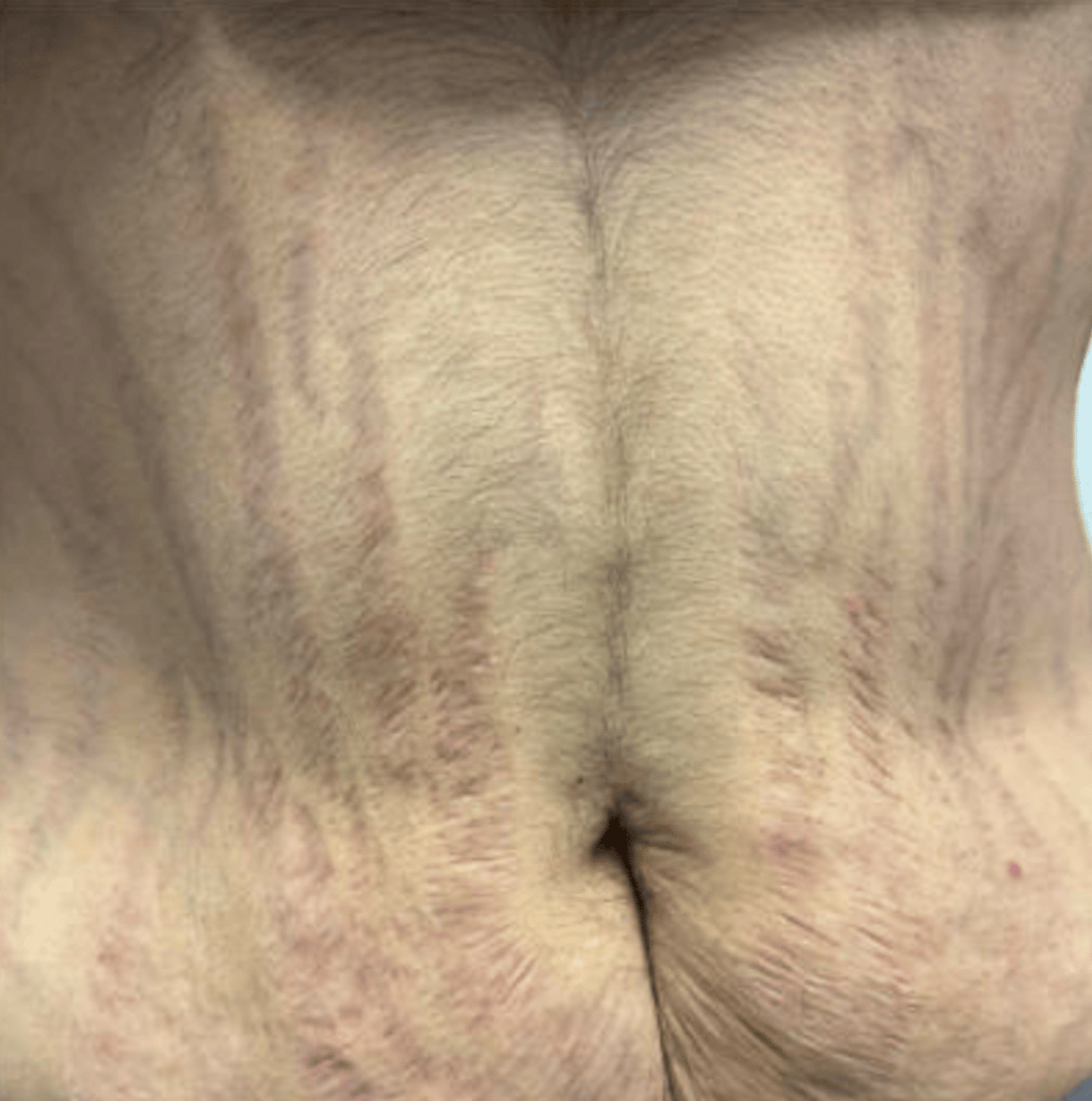
The physical examination of the patient revealed central obesity and multiple bruises that the patient could not recall. Increased growth of fine hairs on the chin and facial plethora was present. Blood pressure was 165/88 mmHg. The patient did not have any signs of abdominal stretch marks, nor did she have any obvious muscle wasting in the arms and legs (Fig. 1). When comparing to photographs taken about 6 months prior to the examination, the differences were obvious (Fig. 2).


Figure 1.

The patient few weeks prior to admission for evaluation of Cushing syndrome.


Figure 2.

The patient many months before the onset of Cushing syndrome.

Biochemical evaluation revealed unmeasurable plasma cortisol at 12:00 PM, 4:00 PM, and 6:00 AM (<28 nmol/L, reference 102-535 nmol/L; <1.01 μg/dL, reference 3.69-19.39 μg/dL). Serum ACTH was also undetectable (<0.2 pmol/L, reference 1.6-13.9 pmol/L; <0.91 pg/mL, reference 2.27-63.18 pg/mL), which raised suspicion of exogenous CS. The patient firmly denied any intake of anything other than her candesartan tablets. She even stated that she avoided any analgesics after the hip replacement previously the same year, nor had she received any intra-articular cortisone injection. The patient gave a very trustworthy and consistent impression, which inevitably led us to proceed to further investigation of the adrenal glands and the pituitary gland to exclude rarer forms of CS, such as cyclic CS and/or pituitary apoplexy of an ACTH-producing pituitary adenoma. The magnetic resonance imaging of the pituitary and the computed tomography of the adrenal glands were normal. Except for the low cortisol and ACTH levels, endocrine workup was unremarkable (Table 1).


Table 1.

Biochemical evaluation of the patient with Cushing syndrome at baseline, ie, at admission

Hormone tested Value Normal Range
Plasma cortisol at 08:00 AM <1.01 mcg/dL (<28 nmol/L) 3.70-19.39 mcg/dL (102-535 nmol/L)
ACTH <0.91 pg/mL (<0.2 pmol/L) 7.27-63.18 pg/mL (1.6-13.9 pmol/L)
TSH 1.0 mIU/L (1.0 mIU/L) 0.4-3.7 mIU/L (0.4-3.7 mIU/L)
Free T4 1.01 ng/dL (13 pmol/L) 0.76-1.32 ng/dL (9.8-17 pmol/L)
IGF-1 142 ng/mL (18.60 nmol/L) 38-162 ng/mL (4.98-21.22 nmol/L)
Prolactin 374 mIU/L (17.58 mcg/L) 63-561 mIU/L (2.96-26.37 mcg/L)
FSH 90 mIU/mL (90 IU/L) 27-133 mIU/mL (post-menopausal) (27-133 IU/L)
LH 16 mIU/mL (16 IU/L) 5.2-62 mIU/mL (post-menopausal) (5.2-62 IU/L)
SHBG 6.07 mcg/mL (54 nmol/L) 2.25-17.42 mcg/mL (20-155 nmol/L)
Testosterone 8.65 ng/dL (0.30 nmol/L) 11.53-34.58 ng/dL (0.4-1.2 nmol/L)
Estradiol <19.07 pg/mL (<70 pmol/L) <28.06 pg/mL (<103 pmol/L) (post-menopausal with no hormone substitute)
Aldosterone 9.05 ng/dL 0.251 pmol/L <23.61 ng/dL (recumbent position) <655 nmol/L
Renin 8.25 mIU/L 2.8-40 mIU/L (recumbent position)
DHEAS 14.81 mcg/dL (0.4 µmol/L) 29.63-181.48 mcg/dL (0.8-4.9 µmol/L)
HbA1c 45 mmol/mol (6.3 %) 31-46 mmol/mol (5-6.4 %)

Abnormal values are shown in bold font. Values in parenthesis are International System of Units (SI).

Abbreviations: ACTH, adrenocorticotropic hormone; TSH, thyroid-stimulating hormone; T4, thyroxine; IGF-1, insulin-like growth factor 1; FSH, follicle-stimulating hormone; LH, luteinizing hormone; SHBG, sex hormone binding globulin; DHEAS, dehydroepiandrosterone sulfate; HbA1c, glycated hemoglobin.

On day 3 after admission, we noted that plasma cortisol at 8:00 AM was measurable, though still low, at 134 nmol/L (4.86 μg/dL), which reinforced our first suspicion of exogenous CS and prompted a more thorough review of the patient’s medication. At this time, we asked the patient to show us the tablets that she had been taking at home and that she still carried in her purse. To the patient’s frank surprise, it turned out that she was indeed carrying tablets containing 4 mg dexamethasone in the belief that they were candesartan 4 mg tablets. The dexamethasone 4 mg tablet the patient had (generic) was white, scored with a diameter of 6 mm (Fig. 3A). The candesartan 4 mg tablet the patient had been dispensed (generic) was also white, scored and with a diameter of 7 mm (Fig. 3B).


Figure 3.

A. Tablet Dexamethasone 4 mg. White, scored, diameter 6 × 6 mm. B. Tablet Candesartan 4 mg. White, scored, diameter 7 × 7 mm.

Treatment

The patient was discharged with the same antihypertensive medications as prior to the deterioration and referred to her general practitioner for follow-up of blood pressure. Upon clinical evaluation 5 months after discharge, she showed no signs or symptoms of CS (Fig. 4).


Figure 4.

The patient 5 months after the resolution of Cushing syndrome.

Outcome and Follow-up

Thus, the patient had accidentally been taking her husband’s medication, with which the patient had been aiding her husband, and developed a surreptitious iatrogenic CS. In hindsight, the severity of the clinical features had been worsening and resulted in rapid deterioration alongside the increase of the dosage of the antihypertensives from 4 to 8 mg because of the rising blood pressure.

By day 5 after admission, the patient’s plasma cortisol and ACTH concentrations had normalized, as had her blood pressure.

Discussion

Exogenous hypercortisolism is the most common cause of CS, though seldomly published in the literature, and is mainly iatrogenic because of prolonged use of high doses of synthetic glucocorticoids prescribed for the treatment of nonendocrine diseases (1). A recent study has shown that as many as every seventh resident in western Sweden received a glucocorticoid prescription between 2007 and 2014 (2).

The rising use of generic medications during the past decade has resulted in corticosteroids being available in different forms, shapes, and packages that make them less easily recognizable. In many countries, corticosteroids are available over-the-counter in almost any form, whereas a variety of agents such as herbal preparations, tonics, and skin-bleaching creams may also contain corticosteroids to the unawareness of the people using them (34).

There are no large studies regarding how common the unintentional use of medicines or products that contain corticosteroids. However, studies on traditional Chinese medicine have shown that illegally impure herbs and medicines containing corticosteroids are widely used, suggesting that the accidental intake of corticosteroids is more frequent than we may think (35). Many cases of factitious CS have been reported as a cause of exogenous CS, which makes the diagnosis even more challenging (6-8).

The Endocrine Society Clinical Practice Guidelines for the diagnosis of CS recommend that exogenous CS be always excluded before starting the investigation of endogenous CS (9). However, a specific and definitive approach for diagnosing, respectively excluding, exogenous CS is currently lacking. In a recent review, the authors recommend that in addition to asking the patient which medicines they take, the physician should review the electronic health record and ask particularly for medications that are administered via nonoral routes, as well as over-the-counter agents as mentioned earlier (10).

If not confirmed by history, the physician is advised to proceed to the measurement of ACTH and/or dehydroepiandrosterone sulfate as well as screening for synthetic glucocorticoids (10). The results usually show low ACTH, dehydroepiandrosterone sulfate, and cortisol levels even though the clinical picture suggests CS. The cross-reactivity of hydrocortisone or cortisone, which is similar to endogenous steroids, in immunoassay-based measurements of plasma and urinary cortisol may show variable levels of cortisol. These measurements combined with low ACTH can make the diagnostic workup much more complex (7). Screening for exogenous substances with the help of high-performance liquid chromatography is usually positive and constructive (7).

It is increasingly clear that the risk of accidental ingestion of potent medicines can have deleterious effects on health. This leads us to conclude that thorough face-to-face review of the packaging of medications taken by the patient is mandatory and can spare both physicians and patients from a series of unnecessary investigations. Given the high availability, easy access, and catastrophic adverse effects of the unintentional use of corticosteroids, we therefore propose that all corticosteroid-including medications and agents be marked with a recognizable label.

Learning Points

  • Exogenous CS should be always excluded before starting investigation of endogenous CS.
  • Concerning exogenous CS, practitioners should always think broadly and ask for use of herbal preparations, skin-bleaching creams, and any over-the-counter products.
  • Unintentional use of corticosteroids can still be the case even after a thorough review of the electronic records; practitioners should always inspect the medicines the patient has taken.

Contributors

All authors (K.K., O.R., P.T.) made equal contributions to authorship. K.K., O.R., and P.T. were involved in the diagnosis and management of this patient, as well as in manuscript submission. K.K. and P.T. authored the manuscript draft. All authors (K.K., O.R., P.T.) reviewed and approved the final draft.

Funding

No public or commercial funding.

Disclosures

None declared.

Informed Patient Consent for Publication

Signed informed consent was obtained directly from the patient.

© The Author(s) 2024. Published by Oxford University Press on behalf of the Endocrine Society.
This is an Open Access article distributed under the terms of the Creative Commons Attribution License (https://creativecommons.org/licenses/by/4.0/), which permits unrestricted reuse, distribution, and reproduction in any medium, provided the original work is properly cited.

Cushing’s Disease Associated With Partially Empty Sella Turcica Syndrome

Abstract

The association between empty sella turcica (EST) syndrome and Cushing’s disease has been rarely reported. It is plausible to hypothesize that EST syndrome in association with Cushing’s disease can be attributed to intracranial hypertension. In this case report, we present a 47-year-old male patient who presented with weight loss, fatigue, easy bruising, acanthosis nigricans, and skin creases hyperpigmentation. Investigations revealed hypokalemia and confirmed the diagnosis of Cushing’s disease. Magnetic resonance imaging (MRI) brain showed a partial EST syndrome and a new pituitary nodule as compared with previous brain imaging. Transsphenoidal surgery was pursued and was complicated by cerebrospinal fluid leakage. This case reflects the rare association of EST syndrome and Cushing’s disease, suggesting the increased risk of postoperative complications in this setting and the diagnostic challenge that EST syndrome imposes. We review the literature for a possible mechanism of this association.

Introduction

Cushing’s disease is commonly caused by an adrenocorticotropic hormone (ACTH)-producing pituitary adenoma, which can be very challenging to be seen on brain magnetic resonance imaging (MRI) [1]. Empty sella turcica (EST) syndrome is a radiological diagnosis of apparently empty turcica secondary to outpouching of the arachnoid mater into the turcica, which can be attributed to intracranial hypertension (ICHTN). This can make the visual diagnosis of pituitary adenoma even more challenging in clinical practice. ICHTN has been also associated with Cushing’s disease and might explain this infrequent association between EST and Cushing’s disease [1]. EST syndrome can be either partial or complete, primary or secondary and has been seen infrequently with Cushing’s disease. In this setting, not only that it is likely to obscure an underlying pituitary lesion, but also it does contribute to the risk of postoperative complications [2].

Case Presentation

A 47-year-old male presented to the emergency department (ED) with slowly progressive generalized limb muscle weakness affecting both distal and proximal muscles over a few weeks and gait instability for three days prior to presentation. He also reported unintentional 40 pounds weight loss over the previous four months. Past medical history was significant for type II diabetes mellitus, hypothyroidism, hypertension, and dyslipidemia. In the ED, vital signs included a blood pressure of 140/90 mmHg, a heart rate of 66 beats per minute, a respiratory rate of 16 cycles per minute, and SpO2 of 97% on room air. Body mass index has decreased to 22 kg/m2 from a baseline of 26 kg/m2 one month prior. On the physical exam, he exhibited cachexia, easy bruising, acanthosis nigricans, and hyperpigmentation of skin creases. All other systems were negative. Complete metabolic panel and complete blood count were obtained showing hyperglycemia of 311 mg/dl, see Table 1. Further lab evaluation showed elevated salivary cortisol at 2.96 microgram/dl (reference range 0.094-1.551 mcg/dl), elevated 24-hour urinary free cortisol at 156 mcg/24 hour (reference 10-100 mcg/24h), positive overnight dexamethasone suppression test with serum cortisol at 2.8 mcg/dl (reference more than 2 mcg/dl), negative anti-adrenal antibodies, normal aldosterone, and elevated dehydroepiandrostenedione at 401 mcg/dl (reference 32-240 mcg/dl), with lack of suppression of the ACTH level at 35.1 pg/ml (reference 10-60 pg/ml). This confirmed the diagnosis of Cushing’s disease.

Variable Finding Reference
Random glucose 311 Less than 200 mg/dl
Sodium 141 137-145 mmol/L
Potassium 2.5 3.5-5.1 mmol/L
Chloride 96 98-107 mmol/L
Bicarbonate 32 22-30 mmol/L
Blood urea nitrogen 32 9-20 mg/dl
Creatinine 0.52 0.66-1.25 mg/dl
Calcium 8.7 8.6-10.3 mg/dl
Total protein 5.5 6.5-8.5 g/dl
Albumin 3.3 3.5-5 g/dl
Total bilirubin 0.6 0.2-1.3 mg/dl
Alkaline phosphatase 115 38-126 U/L
Aspartate transaminase 17 17-59 U/L
Alanine transaminase 39 Less than 49 U/L
White blood cell count 10×10^3 cells/mcl 4-10×1063 cells/mcl
Hemoglobin 15.3 13.7-17.5 g/dl
Platelet 281 150-400×10^3 cells/mcl
Table 1: Lab Findings

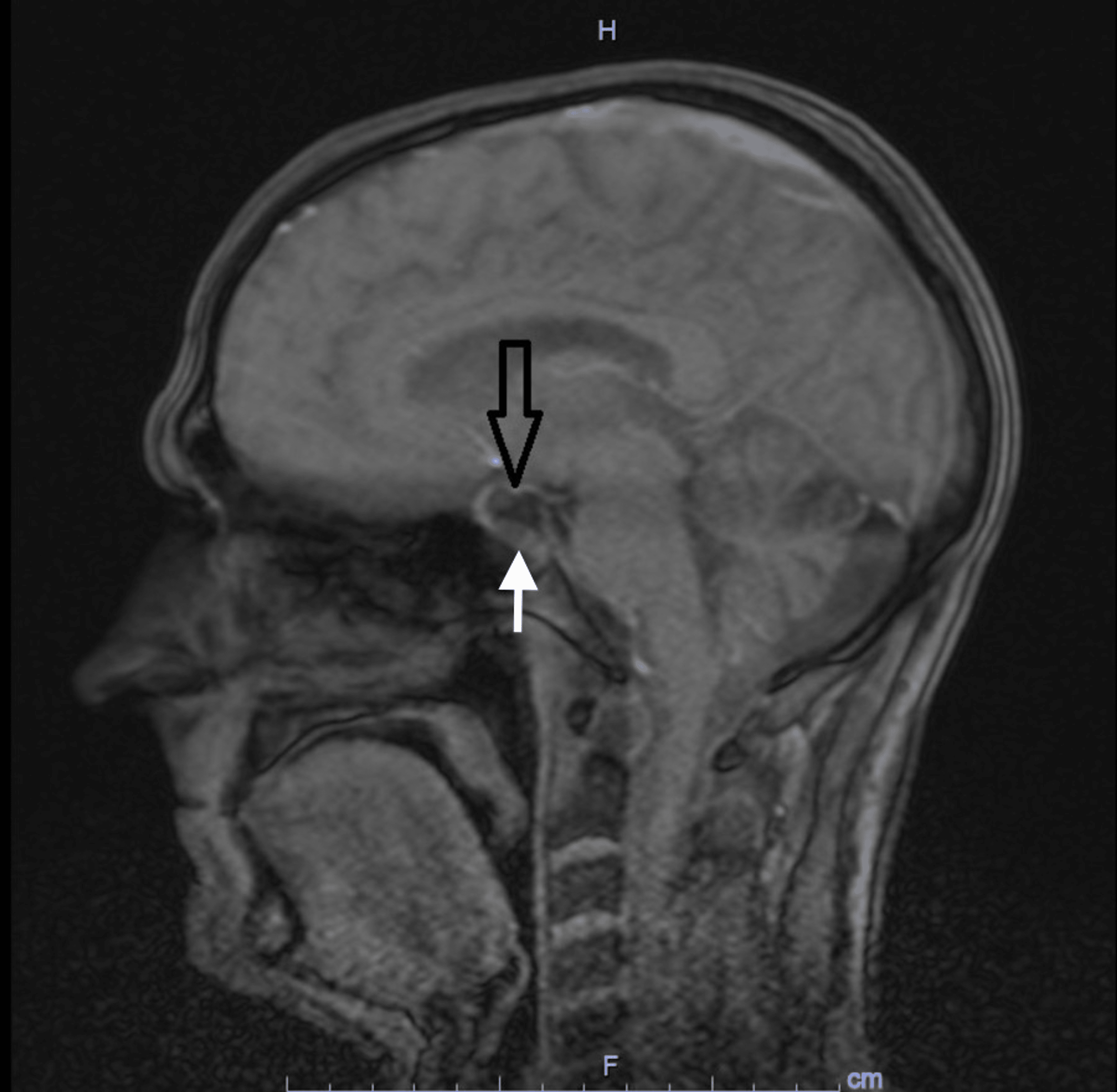
Computed tomography (CT) scan of the head was unremarkable. CT scan of the chest was also unremarkable. CT scan of abdomen and pelvis showed no adrenal mass. Ultrasound of the kidneys was unremarkable. Pituitary MRI brain protocol for adenoma showed a partial EST, shortening within neurohypophysis and a new 10 x 8 x 4 mm nodule along the floor of pituitary sella as compared to MRI four years ago (Figure 1).

Magnetic-Resonance-Imaging-(MRI)-Brain
Figure 1: Magnetic Resonance Imaging (MRI) Brain

MRI brain showing partially empty sella turcica syndrome ( black arrow) with a small nodule at the floor of the turcica (white arrow).

The diagnosis of Cushing’s disease was confirmed, and the patient underwent trans-sphenoidal resection of pituitary adenoma. Histological examination showed positive CAM 5.2, positive chromogranin, and ACTH immunostains. The patient presented to the ED five days after discharge home. He stated that he noticed drainage from the nose that transitioned from bloody to clear fluid and has been increasing in quantity for two days with associated intermittent headaches since the surgery. He was afebrile with stable vital signs. No signs of infection were noted on basic labs. These were significant only for mild asymptomatic hyponatremia of 131 mmol/L and hypokalemia of 3.3 mmol/L. The patient was diagnosed with cerebrospinal fluid (CSF) leakage and had a lumbar drain trial. The trial was unsuccessful after several days, and the patient underwent a transnasal endoscopic repair of CSF rhinorrhea using nasoseptal flaps. At an outpatient follow-up one month and three months after the surgery, prior lab abnormalities including hypokalemia, hyponatremia, and hyperglycemia resolved. No further evidence of CSF leakage was appreciated, and he remained asymptomatic.

Discussion

EST syndrome is characterized by herniation of the subarachnoid space into the intrasellar space with compression of the pituitary gland into the posteroinferior wall [3]. This is likely to obscure the presence of underlying pituitary mass. The incidence of EST syndrome in the general population is estimated at 20%. The association between EST syndrome and Cushing’s disease has been reported infrequently. A retrospective study of 68 patients with Cushing’s disease found that 16% of these have EST syndrome [3].

Cushing’s disease usually results from pituitary adenomas secreting ACTH, and even the smallest microadenomas can produce a systemic disease. These microadenomas can be very difficult to recognize on brain MRI [4]. This is complicated in EST syndrome and even further with the possibility of ectopic ACTH production. A retrospective study of 197 patients diagnosed with Cushing’s disease concluded that EST syndrome is associated with higher prevalence of MRI-negative Cushing’s disease. This was attributed to ICHTN and pituitary gland compression [1]. Although surgery is curative in 70-90% of cases, EST syndrome was found to have higher risk of postoperative complications among those with Cushing’s disease including diabetes insipidus, hypopituitarism, and CSF leakage [3]. This is usually because in the case of MRI-negative Cushing’s disease with total EST syndrome, empiric surgical exploration is sought after inferior petrosal sampling confirms the pituitary origin of excess ACTH, and postoperative remission indicates adequate tumor resection [2]. This entails a higher chance of uncertainty and injury to healthy pituitary tissue.

EST syndrome can be either primarily due to defects in the sellar diaphragm or anatomical variant or secondary to ICHTN. EST syndrome has been reported in association with many conditions associated with elevated intracranial pressure including tumors, thrombosis, meningitis, hydrocephalus, and Arnold-Chiari malformation [5]. Reversal of EST syndrome has been reported in those with idiopathic ICHTN with therapy by acetazolamide, ventriculoperitoneal shunt, and lumbar puncture [6,7]. A study has shown correlation between CSF circulation impairment or blockage and EST syndrome [8]. The incidence of EST syndrome in association with symptomatic intracranial hypertension is variable and ranges from 2.5% for total EST syndrome to 94% for partial EST syndrome [9]. Impaired CSF circulation and dynamics have been reported in 77% of patients with EST syndrome [10]. In addition to intracranial hypertension, EST syndrome has also been described in association with obesity, meningioma, pediatric nevoid basal cell carcinoma, therapy for growth hormone deficiency and even in healthy individuals [9]. Lack of symptoms of intracranial hypertension in this patient does not rule it out as intracranial hypertension in EST syndrome represents a spectrum that ranges from asymptomatic, milder intracranial hypertension to symptomatic intracranial hypertension with headache, visual disturbance, and papilledema [10]. This explains the fact that only 8-14% of EST syndrome progress to symptomatic ICHTN, while symptomatic ICHTN has been associated with EST syndrome in 94% of cases.

ICHTN has been seen in association with disturbance of the hypothalamic-pituitary-adrenal axis. This has been reported after surgical and medical treatment of Cushing’s disease, withdrawal of long-term steroid therapy, initial presentation of Addison’s disease, or relative glucocorticoids deficiency [11]. Cortisol excess increases CSF production and reduces its absorption, hence increasing intracranial pressure [12]. Another possible mechanism is the expression of both mineralocorticoid responsive epithelial sodium channel receptors on the basolateral membrane of the CSF producing epithelial cells of the choroid plexus as well as the expression of 11-beta hydroxysteroid dehydrogenase type 1 enzyme, which is a bidirectional enzyme that mainly functions to convert the inactive cortisone to active cortisol. These mechanisms play a role in maintaining the balance between CSF production and absorption [13,14].

In this case, the patient presented some clinical findings that are rarely associated with Cushing’s disease, combined with a radiological feature that masked the true diagnosis. Our patient presented with significant weight loss, rather than central obesity, which is normally associated with Cushing’s disease. Although possible, the increase in ACTH due to Cushing’s disease is not sufficient to cause hyperpigmentation, which is a classical finding of Addison’s disease, where the entire adrenal cortex is usually affected due to an autoimmune destruction; however, the zona glomerulosa of the adrenal cortex produces aldosterone and its deficiency would lead to hyperkalemia [15]. Our patient presented with both hyperpigmentation and hypokalemia.

Conclusions

EST syndrome is an uncommon radiological finding of apparently EST that has been reported in association with ICHTN. The latter has also been seen in association with Cushing’s disease/syndrome. This is likely to result from glucocorticoid excess-induced change in CSF flow dynamics. EST has been infrequently described in association with Cushing’s disease. This association has a clinical implication as it is likely to obscure the visualization of pituitary lesions responsible for Cushing’s disease, contribute to diagnostic uncertainty, and increase the risk of healthy pituitary tissue injury and the risk of postoperative complications including CSF leakage.

References

  1. Himes BT, Bhargav AG, Brown DA, Kaufmann TJ, Bancos I, Van Gompel JJ: Does pituitary compression/empty sella syndrome contribute to MRI-negative Cushing’s disease? A single-institution experience. Neurosurg Focus. 2020, 48:E3. 10.3171/2020.3.FOCUS2084
  2. Sun Y, Sun Q, Fan C, et al.: Diagnosis and therapy for Cushing’s disease with negative dynamic MRI finding: a single-centre experience. Clin Endocrinol (Oxf). 2012, 76:868-76. 10.1111/j.1365-2265.2011.04279.x
  3. Manavela MP, Goodall CM, Katz SB, Moncet D, Bruno OD: The association of Cushing’s disease and primary empty sella turcica. Pituitary. 2001, 4:145-51. 10.1023/a:1015310806063
  4. Chatain GP, Patronas N, Smirniotopoulos JG, et al.: Potential utility of FLAIR in MRI-negative Cushing’s disease. J Neurosurg. 2018, 129:620-8. 10.3171/2017.4.JNS17234
  5. Friedman DI, Jacobson DM: Diagnostic criteria for idiopathic intracranial hypertension. Neurology. 2002, 59:1492-5. 10.1212/01.wnl.0000029570.69134.1b
  6. Triggiani V, Giagulli VA, Moschetta M, Guastamacchia E: An unusual case of reversible empty sella. Endocr Metab Immune Disord Drug Targets. 2016, 16:154-6. 10.2174/1871530315666151001141507
  7. Wind JJ, Lonser RR, Nieman LK, DeVroom HL, Chang R, Oldfield EH: The lateralization accuracy of inferior petrosal sinus sampling in 501 patients with Cushing’s disease. J Clin Endocrinol Metab. 2013, 98:2285-93. 10.1210/jc.2012-3943
  8. Brismar K, Bergstrand G: CSF circulation in subjects with the empty sella syndrome. Neuroradiology. 1981, 21:167-75. 10.1007/BF00367338
  9. Ranganathan S, Lee SH, Checkver A, Sklar E, Lam BL, Danton GH, Alperin N: Magnetic resonance imaging finding of empty sella in obesity related idiopathic intracranial hypertension is associated with enlarged sella turcica. Neuroradiology. 2013, 55:955-61. 10.1007/s00234-013-1207-0
  10. Maira G, Anile C, Mangiola A: Primary empty sella syndrome in a series of 142 patients. J Neurosurg. 2005, 103:831-6. 10.3171/jns.2005.103.5.0831
  11. Zada G, Tirosh A, Kaiser UB, Laws ER, Woodmansee WW: Cushing’s disease and idiopathic intracranial hypertension: case report and review of underlying pathophysiological mechanisms. J Clin Endocrinol Metab. 2010, 95:4850-4. 10.1210/jc.2010-0896
  12. Sinclair AJ, Ball AK, Burdon MA, Clarke CE, Stewart PM, Curnow SJ, Rauz S: Exploring the pathogenesis of IIH: an inflammatory perspective. J Neuroimmunol. 2008, 201:212-20. 10.1016/j.jneuroim.2008.06.029
  13. Sinclair AJ, Onyimba CU, Khosla P, et al.: Corticosteroids, 11beta-hydroxysteroid dehydrogenase isozymes and the rabbit choroid plexus. J Neuroendocrinol. 2007, 19:614-20. 10.1111/j.1365-2826.2007.01569.x
  14. Amin MS, Wang HW, Reza E, Whitman SC, Tuana BS, Leenen FH: Distribution of epithelial sodium channels and mineralocorticoid receptors in cardiovascular regulatory centers in rat brain. Am J Physiol Regul Integr Comp Physiol. 2005, 289:R1787-97. 10.1152/ajpregu.00063.2005
  15. Stratakis CA: Skin manifestations of Cushing’s syndrome. Rev Endocr Metab Disord. 2016, 17:283-6. 10.1007/s11154-016-9399-3

From https://www.cureus.com/articles/161111-cushings-disease-associated-with-partially-empty-sella-turcica-syndrome-a-case-report#!/

Patient’s Atypical Cushing’s Symptoms Lead to Discovery of Novel Genetic Mutations

New genetic mutations were found in a patient who exhibited atypical symptoms of Cushing’s syndrome, notably an abnormal protrusion of the eye, a case report shows.

The research, “Extensive ARMC5 genetic variance in primary bilateral macronodular adrenal hyperplasia that started with exophthalmos: a case report,” was published in the Journal of Medical Case Reports.

Primary bilateral macronodular adrenal hyperplasia (PBMAH) is a disorder characterized by multiple lumps in the adrenal glands and excessive cortisol production. It is a rare cause of Cushing’s syndrome.

According to recent research, PBMAH is caused by mutations in the ARMC5 gene, which data suggest may act as a tumor suppressor.

Researchers presented the case of a 52-year-old Chinese woman who exhibited a protrusion of both eyes (exophtalmos), which was first thought to be Graves’ ophthalmopathy. An injection of triamcinolone acetonide, a corticosteroid, into the area behind the eye globe did not improve symptoms.

The patient later was diagnosed with diabetes, which was treated with insulin, and hypertension, treated with insulin and amlodipine. She also developed muscle weakness and bruised easily. She had no other relevant chronic illness or infectious disease, and did not smoke tobacco or drink alcohol.

Physical examination showed skin atrophy, moon face, buffalo hump (between the shoulders), and purplish abdominal striae (stretch marks), which researchers defined as a typical Cushingoid appearance. The patient also experienced elevated pressure inside the eye, and had edema, conjunctival congestion, and lid retraction. No liver, spleen, respiration, cardiac, abdominal, blood counts, urinary, sensory, or motor abnormalities were noted.

Biochemical evaluation showed elevated cortisol and reduced adrenocorticotropin (ACTH) levels. Administering  dexamethasone did not lower the level of cortisol. Abnormal responses of the hormone vasopressin also were detected.

A computed tomography (CT) scan of the adrenal glands showed bilateral multiple lobular masses, and an MRI of the eye orbits indicated bilateral exophthalmos with hypertrophy of the retro-orbital fat, which lines the orbit.

After PBMAH was diagnosed, the patient’s adrenal glands were removed. Pathological findings showed multiple, homogenous, golden-yellow-colored nodules on the glands.

The surgery successfully lowered the level of cortisol and increased that of ACTH. The patient began taking hydrocortisone and metformin for diabetes. After six months, her exophtlamos, blood glucose levels, and blood pressure had improved.

Genetic analysis revealed six specific ARMC5 mutations in five of the seven adrenal nodules analyzed. “All the mutations are novel and not found in available online databases,” the researchers wrote. The mutations may lead to resistance to cell death in the tumor cells, and cause an increase in the production of cortisol, they observed.

As a result of the ARMC5 mutations, gene expression (conversion of genetic information) of the messenger RNA (mRNA, which is converted from DNA in the first step of protein synthesis) was lower in the adrenal tumor samples, in comparison with normal adrenal cortex.

Overall, the study “highlights the importance of early recognition of atypical symptoms of Cushing’s syndrome such as exophthalmos, which would save the patient from harmful effects of excessive cortisol exposure,” the researchers said. Screening for ARMC5 mutations also would help improve diagnosis and genetic counseling, they said.

From https://cushingsdiseasenews.com/2018/02/13/odd-cushings-symptoms-linked-genetic-mutations-case-report/

Common Cushing’s Treatment, Somatostatin Analogs, May Sometimes Worsen Disease Course

Doctors often prescribe somatostatin analogs to manage the hormonal imbalance that characterizes Cushing’s syndrome. However, in rare situations these medicines have paradoxically made patients worse than better.

This recently happened with a 48-year-old Spanish woman whose Cushing’s syndrome was caused by an adrenal gland tumor that was producing excess adrenocorticotropic hormone (ACTH). Her case was recently reported in the study “Ectopic Cushing’s syndrome: Paradoxical effect of somatostatin analogs,” and published in the journal Endocrinología, Diabetes y Nutrición.

Cushing’s syndrome occurs when the body produces too much cortisol. This can happen for many reasons, including an oversupply of ACTH, the hormone responsible for cortisol production, due to a tumor in the pituitary gland.

But sometimes, tumors growing elsewhere can also produce ACTH. This feature, known as ectopic ACTH secretion (EAS), may also cause ACTH-dependent Cushing’s syndrome.

Two-thirds of EAS tumors are located in the thorax, and 8 to 15 percent are in the abdominal cavity. Only 5 percent of EAS tumors are located in the adrenal gland, and up to 15 percent of EAS tumors are never detected.

Doctors usually use cortisol synthesis inhibitors such as ketoconazole or Metopirone (metyrapone) to control EAS, due to their efficacy and safety profiles. But somatostatin analogs (SSAs) such as Somatuline (lanreotide) have also been used to treat these tumors. However, these drugs produce mixed results.

The woman in the case study, reported by researchers at the University Hospital Vall d’Hebron in Barcelona, Spain, had an EAS tumor on the adrenal gland. She experienced s life-threatening cortisol and ACTH increase after receiving high-dose Somatuline.

The patient had been recently diagnosed with hypertension, and complained of intense fatigue, muscular weakness, easy bruising and an absence of menstruation. Laboratory analysis revealed that she had triple the normal levels of free cortisol in the urine, elevated levels of plasma cortisol, and high ACTH levels. In addition, her cortisol levels remained unchanged after receiving dexamethasone. The patient was therefore diagnosed with ACTH-dependent Cushing syndrome.

To determine the origin of her high cortisol levels, the team conducted magnetic resonance imaging (MRI). They found no tumors on the most common places, including the pituitary gland, neck, thorax or abdomen. However, additional evaluation detected a small alteration on the left adrenal gland, suggesting that was the source of ectopic ACTH production.

The team initiated treatment with 120 mg of Somatuline, but a week later, her condition had worsened and become life-threatening. Doctors started Ketoconazole treatment immediately, three times daily. The affected adrenal gland was surgically removed, and tissue analysis confirmed the diagnosis. The patient’s clinical condition improved significantly over the follow-up period.

“We highlight the need to be aware of this rare presentation of EAS, and we remark the difficulties of EAS diagnosis and treatment,”  researchers wrote.

The team could not rule out the possibility that the patient’s clinical development was due to the natural course of the disease. However, they believe “she had a paradoxical response on the basis of her dramatical worsening just after the SSAs administration, associated to an important rise in ACTH and UFC levels.”

For that reason, researchers think a new version of SSAs, such as Signifor (pasireotide) — which has improved receptor affinity — could provide better therapeutic response.

From https://cushingsdiseasenews.com/2017/11/09/paradoxical-effects-of-somatostatin-analogs-on-adrenal-ectopic-acth-tumor/

ACTH-producing Lung Tumors Hard to Detect, But May Be Cured with Surgery

Ectopic Cushing’s syndrome can be challenging to diagnose, especially when it comes identifying the problem source. But appropriate hormone management protocols, used in combination with advanced imaging methods, may help physicians identify ectopic ACTH-producing tumors.

The findings in a case report of a young man with ectopic Cushing’s syndrome were published in the International Journal of Surgery Case Reports, under the title “Case report: Ectopic Cushing’s syndrome in a young male with hidden lung carcinoid tumor.”

Cushing’s syndrome is caused by high amounts of glucocoticosteroids in the blood. The most common cause is a malfunction of the glands that produce these hormones. In some cases, however, the disease may be caused by tumors elsewhere in the body that have the ability to produce adrenocorticotropic hormone (ACTH).

In half of all Cushing’s patients, ectopic ACTH is produced by small lung cell carcinomas or lung carcinoids (a type of slow-growing lung cancer). But some tumors in the thymus and pancreas also have been found to produce ACTH.

Researchers at Damascus University Hospital in Syria presented the case of a 26-year-old man who had ectopic Cushing’s syndrome due to lung carcinoids.

The patient presented with increased appetite and rapid weight gain for more than a year. These were associated with headache, fatigue, proximal muscle weakness, and easy bruising. He had no family history of hormonal disorder.

Based on the initial physical and symptom evaluation, the clinical team suspected Cushing’s syndrome. Blood analysis revealed high levels of cortisol and ACTH hormones, which supported the diagnosis.

Administration of dexamethasone, a treatment used to inhibit the production of glucocoticosteroids by the pituitary gland, reduced cortisol levels within normal range, but not ACTH levels. This led to the diagnosis of ectopic Cushing’s syndrome.

The next step was to identify the tumor causing the syndrome. The team conducted imaging studies of the brain, chest, and abdomen, but found no tumor.

Because ectopic ACTH is commonly produced by lung cancers, the team then analyzed the patient’s lungs. Again, they failed to detect a tumor.

The patient was discharged with prescription of 200 mg of Nizoral (ketoconazole) once-daily, calcium, and vitamin D. After three months of treatment, he remained stable, with no evidence of symptom improvement.

At this point, the team decided to surgically remove both adrenal glands in an attempt to reduce the hormone levels. Treatment with prednisolone 5 mg and fludrocortisone 0.1 mg once daily was initiated, along with calcium and vitamin D.

Eighteen months later, the patient’s condition worsened and he required hospitalization.

Imaging tests targeting the neck, chest, and abdomen were conducted again. This time, physicians detected a 2 cm mass in the middle lobe of the right lung, which was removed surgically. Detailed analysis of the small tumor confirmed that it was the source of the excessive ACTH.

“ACTH secreting tumors can be very hard to detect,” the researchers stated. “Initial failed localization is common in ectopic ACTH syndrome and it is usually due to carcinoid.”

Cases where the ectopic ACTH production is caused by a carcinoid tumor can be challenging to diagnose because tumors are small and relatively slow-growing. Imaging data is often hard to analyze and the tumors can be confused with pulmonary vessels, the researchers explained.

“In such cases we should first aim to lower blood cortisol medically or through bilateral adrenalectomy to avoid Cushing’s complications,” which should then “be followed up through imaging studies (CT, MRI, scintigraphy or PET) to detect the tumor and resect it, which is the definitive treatment of these patients,” the researchers concluded.

From https://cushingsdiseasenews.com/2017/12/12/case-report-ectopic-acth-producing-lung-tumors-can-hard-detect/