Cushing’s syndrome (CS) secondary to adrenocorticotropic hormone (ACTH) producing tumours is a severe condition with a challenging diagnosis. Ectopic ACTH-secretion often involves neuroendocrine tumours (NET) in the respiratory tract.
ACTH-secreting small intestine neuro-endocrine tumours (siNET) are extremely rare entities barely reported in literature. This review is illustrated by the case of a 75-year old woman with fulminant ectopic CS caused by a ACTH-secreting metastatic siNET. Severe hypokalemia, fluid retention and refractory hypertension were the presenting symptoms. Basal and dynamic laboratory studies were diagnostic for ACTH-dependent CS.
Paediatric endogenous Cushing syndrome is a rare condition with variable signs and symptoms of presentation. We studied a large cohort of paediatric patients with endogenous Cushing syndrome with the aim of describing anthropometric, clinical, and biochemical characteristics as well as associated complications and outcomes to aid diagnosis, treatment, and management.
Methods
In this prospective, multisite cohort study, we studied children and adolescents (≤18 years at time of presentation) with a diagnosis of Cushing syndrome. Patients had either received their initial diagnosis and evaluation at the Eunice Kennedy Shriver National Institute of Child Health and Human Development (Bethesda, MD, USA) or been referred from other centres in the USA or outside the USA. We collected participants’ clinical, biochemical, and imaging findings and recorded their post-operative course until their latest appointment.
Findings
Of 342 paediatric patients with a diagnosis of Cushing syndrome, 193 (56%) were female and 149 (44%) male. 261 (76%) patients had corticotroph pituitary neuroendocrine tumours (Cushing disease), 74 (22%) had adrenal-associated Cushing syndrome, and seven (2%) had ectopic Cushing syndrome. Patients were diagnosed at a median of 2 years (IQR 1·0–3·0) after the first concerning sign or symptom, and patients with adrenal-associated Cushing syndrome were the youngest at diagnosis (median 10·4 years [IQR 7·4–13·6] vs 13·0 years [10·5–15·3] for Cushing disease vs 13·4 years [11·0–13·7] for ectopic Cushing syndrome; p<0·0001). Body-mass index z-scores did not differ between the diagnostic groups (1·90 [1·19–2·34] for adrenal-associated Cushing syndrome vs 2·18 [1·60–2·56] for Cushing disease vs 2·22 [1·42–2·35] for ectopic Cushing syndrome; p=0·26). Baseline biochemical screening for cortisol and adrenocorticotropin at diagnosis showed overlapping results between subtypes, and especially between Cushing disease and ectopic Cushing syndrome. However, patients with ectopic Cushing syndrome had higher urinary free cortisol (fold change in median cortisol concentration from upper limit of normal: 15·5 [IQR 12·7–18·0]) than patients with adrenal-associated Cushing syndrome (1·5 [0·6–5·7]) or Cushing disease (3·9 [2·3–6·9]; p<0·0001). Common complications of endogenous Cushing syndrome were hypertension (147 [52%] of 281 patients), hyperglycaemia (78 [30%] of 260 patients), elevated alanine transaminase (145 [64%] of 227 patients), and dyslipidaemia (105 [48%] of 219 patients). Long-term recurrence was noted in at least 16 (8%) of 195 patients with Cushing disease.
Interpretation
This extensive description of a unique cohort of paediatric patients with Cushing syndrome has the potential to inform diagnostic workup, preventative actions, and follow-up of children with this rare endocrine condition.
Funding
Intramural Research Program, Eunice Kennedy Shriver National Institute of Child Health & Human Development, National Institutes of Health.
Introduction
Paediatric endogenous Cushing syndrome is a rare disorder accounting for 5–7% of all reported cases of endogenous Cushing syndrome.1, 2, 3 In children older than 5–7 years and adolescents, endogenous Cushing syndrome is most commonly caused by corticotroph pituitary neuroendocrine tumours (PitNETs) and is termed Cushing disease. By contrast, Cushing syndrome in children younger than 5 years is often associated with adrenal disorders and is termed adrenal-associated Cushing syndrome.4 Albeit rare, a third type termed ectopic Cushing syndrome is caused by neuroendocrine tumours outside the hypothalamic–pituitary axis that secrete adrenocorticotropin or corticotropin-releasing hormone.5, 6 Thus endogenous Cushing syndrome is caused by either adrenocorticotropin-dependent sources (pituitary or ectopic) or adrenocorticotropin-independent (adrenal) hypercortisolemia.
Patients with adults-onset Cushing syndrome typically present with weight gain, skin manifestations (striae, hirsutism, acne, and easy bruising), and abnormal fat deposition.7, 8, 9 Paediatric Cushing syndrome differs from adult-onset Cushing syndrome in aspects including effects on growth (weight gain with concomitant height deceleration), atypical physical presentation (such as lack of centripetal obesity or typical striae), delayed or suppressed puberty, and variable mental health problems and neurocognitive function deficits.10 Diagnosis of paediatric Cushing syndrome is therefore challenging, and delayed evaluation is common.
Research in context
Evidence before this study
Endogenous Cushing syndrome is a rare endocrine condition. Diagnosis can be challenging and delay treatment. We searched PubMed for articles published in English on paediatric Cushing syndrome using terms “Cushing” AND “children” from database inception to May 5, 2023. Although several case series of paediatric Cushing disease were identified, only a few studies of the various causes of paediatric endogenous Cushing syndrome were available.
Added value of this study
To our knowledge, this cohort of paediatric endogenous Cushing syndrome of various causes is one of the largest sources of cumulative clinical, anthropometric, and biochemical data on the presentation, diagnosis, and management. We confirm that baseline biochemical data cannot aid differential diagnosis of Cushing syndrome subtypes. However, evidence suggests that minimally invasive stimulation tests could be a safe alternative to interventional sampling procedures such as inferior petrosal sinus sampling. We provide the prevalence of complications related to Cushing syndrome. Long-term outcomes of paediatric patients with pituitary corticotroph tumours recurrence is possible up to 8 years after initial remission.
Implications of all the available evidence
Data from this large paediatric cohort inform the evaluation, diagnosis, and long-term care of patients with paediatric Cushing syndrome. We recommend an algorithm for the diagnosis of patients and screening of complications. Screening for recurrence in patients with Cushing disease is indicated for this age group, at least for the first decade after surgery.
We have evaluated a large cohort of children and adolescents with endogenous Cushing syndrome of various causes. The aim of the study was to document anthropometric, clinical, and biochemical characteristics, complications, and outcomes of paediatric endogenous Cushing syndrome to aid clinicians in the diagnosis and management of these patients.
Section snippets
Study design and participants
In this prospective, multisite cohort study, we screened participants who, from 1995 to 2023, had enrolled in studies under protocols 97-CH-0076 (clinicaltrials.gov, NCT00001595), 95-CH-0059 (NCT00001452), and 00-CH-0160 (NCT00005927) at the Eunice Kennedy Shriver National Institute of Child Health and Human Development (NICHD, Bethesda, MD, USA). Paediatric patients (18 years or younger at time of presentation) with a diagnosis of Cushing syndrome were eligible for inclusion in the study. We
Results
342 patients with paediatric Cushing syndrome were included in the study (table 1). 278 patients were referred from centres in the USA, and 64 patients were referred from centres outside of the USA. 261 (76%) patients were diagnosed with Cushing disease, 74 (22%) patients were diagnosed with adrenal-associated Cushing syndrome, and seven (2%) patients were diagnosed with ectopic Cushing syndrome. Patients with adrenal-associated Cushing syndrome were diagnosed at a younger age than patients
Discussion
We present extensive and unique data on presentation, diagnosis, and follow-up of paediatric patients with three diagnostic types of endogenous Cushing syndrome. Clinical and anthropometric characteristics were similar across subtypes of Cushing syndrome, but biochemical tests differed. We also present extensive information on complications; hypertension, insulin resistance, dyslipidaemia, and elevated ALT were common. Long-term follow-up of patients revealed excellent postoperative prognosis,
Data sharing
The data that support the findings of this study are available from the corresponding author upon reasonable request.
Declaration of interests
CAS holds patents on the function of the PRKAR1A, PDE11A, and GPR101 genes and related issues; his laboratory had received research funding on GPR101, and on abnormal growth hormone secretion and its treatment by Pfizer. CAS receives support from ELPEN and has been consulting for Lundbeck Pharmaceuticals and Sync. CT reports receiving research funding on treatment of abnormal growth hormone secretion by Pfizer.
We report a case of severe EAS in a young Tunisian man resulting from a well differentiated Neuroendocrine Tumor (NET) of the lung. Besides catabolic signs and profound hypokalemia orienting towards Cushing’s Syndrome (CS), psychiatric symptoms were particularly severe, dominant and atypical including persecutory delusions, depression and anxiety.
Paraneoplastic syndromes are rare and diverse conditions caused by either an abnormal chemical signaling molecule produced by tumor cells or a body’s immune response against the tumor itself. These syndromes can manifest in a variable, multisystemic and often nonspecific manner posing a diagnostic challenge.
We report the case of an 81-year-old woman who exhibited severe hypokalemia, metabolic alkalosis, and worsening hyperglycemia. The investigation was consistent with adrenocorticotropin (ACTH)-dependent Cushing’s syndrome and, eventually, the patient was diagnosed with stage IV primary small-cell lung cancer (SCLC).
SCLC is known to be associated with paraneoplastic syndromes, including Cushing’s syndrome caused by ectopic adrenocorticotropin (ACTH) secretion. Despite being associated with very poor outcomes, managing these syndromes can be challenging and may hold prognostic significance.
Introduction
Adrenocorticotropin (ACTH)-dependent Cushing’s syndrome (CS) is caused by excessive ACTH production by corticotroph (Cushing’s disease (CD)) or nonpituitary (ectopic) tumors, leading to excessive cortisol production. Ectopic ACTH syndrome (EAS) is a rare condition, accounting for 10 to 20% of all cases of ACTH-dependent CS and 5 to 10% of all types of CS [1]. The normal glucocorticoid-induced suppression of ACTH is reduced in ACTH-dependent CS, especially with ectopic ACTH production. Studies show that a wide variety of neoplasms, usually carcinomas rather than sarcomas or lymphomas, have been associated with EAS. Most cases are caused by neuroendocrine tumors of the lung, pancreas, or thymus, in which the hypercortisolism state is not apparent clinically, resulting, all too often, in delayed diagnosis [2,3].
Current diagnostic tests for EAS aim to confirm high cortisol levels, the absence of a cortisol circadian rhythm, as well as the reduced response to negative feedback from glucocorticoid administration, and imaging to identify the site of ACTH production.
Prompt diagnosis and management are crucial in EAS, highlighting the importance of physician awareness and early recognition of this syndrome.
Treatment options depend on the underlying tumor. Surgical removal is often the primary approach, followed by radiation therapy or chemotherapy. Additionally, medications to control cortisol levels may be necessary to manage the various comorbid conditions associated with CS, such as cardiovascular disease, diabetes, electrolyte imbalances, infections and thrombotic risk [4,5].
Case Presentation
We report the case of an 81-year-old woman with a fully active performance status (ECOG 0) and a medical history of diabetes, hypertension, dyslipidemia, and depressive disorder. She was admitted to an internal medicine ward due to an acute hydroelectrolytic disorder, including metabolic alkalosis, severe hypokalemia (2 mmol/L), hypochloremia (85 mmol/L), hypocalcemia (0.95 mmol/L), hypophosphatemia (1.4 mg/dL), hypomagnesemia (0.9 mg/dL), and hyperlactatemia (5.8 mmol/L), after she reportedly self-medicated herself with higher doses of metformin (four to five pills a day) due to high blood glucose levels. The patient presented with asthenia, nausea, vomiting, and diarrhea for three days and reported uncontrolled blood glucose levels for the last eight days.
The physical examination was unremarkable, without any altered mental status or signs of infection. Arterial blood gas samples showed metabolic alkalemia (pH 7.59) and hyperlactatemia, associated with severe hypokalemia, normal bicarbonate (27 mmol/L), and mildly elevated glycemia and ketonemia (232 mg/dL and 1.7 mmol/L, respectively). Lab tests confirmed the serum potassium levels as well as the other aforementioned electrolyte disturbances. Kidney function and hepatic enzymes were normal. Considering the possible relationship between the electrolyte disorder and the gastrointestinal presentation, the patient was given intravenous (IV) fluids and received potassium and magnesium replacement therapy.
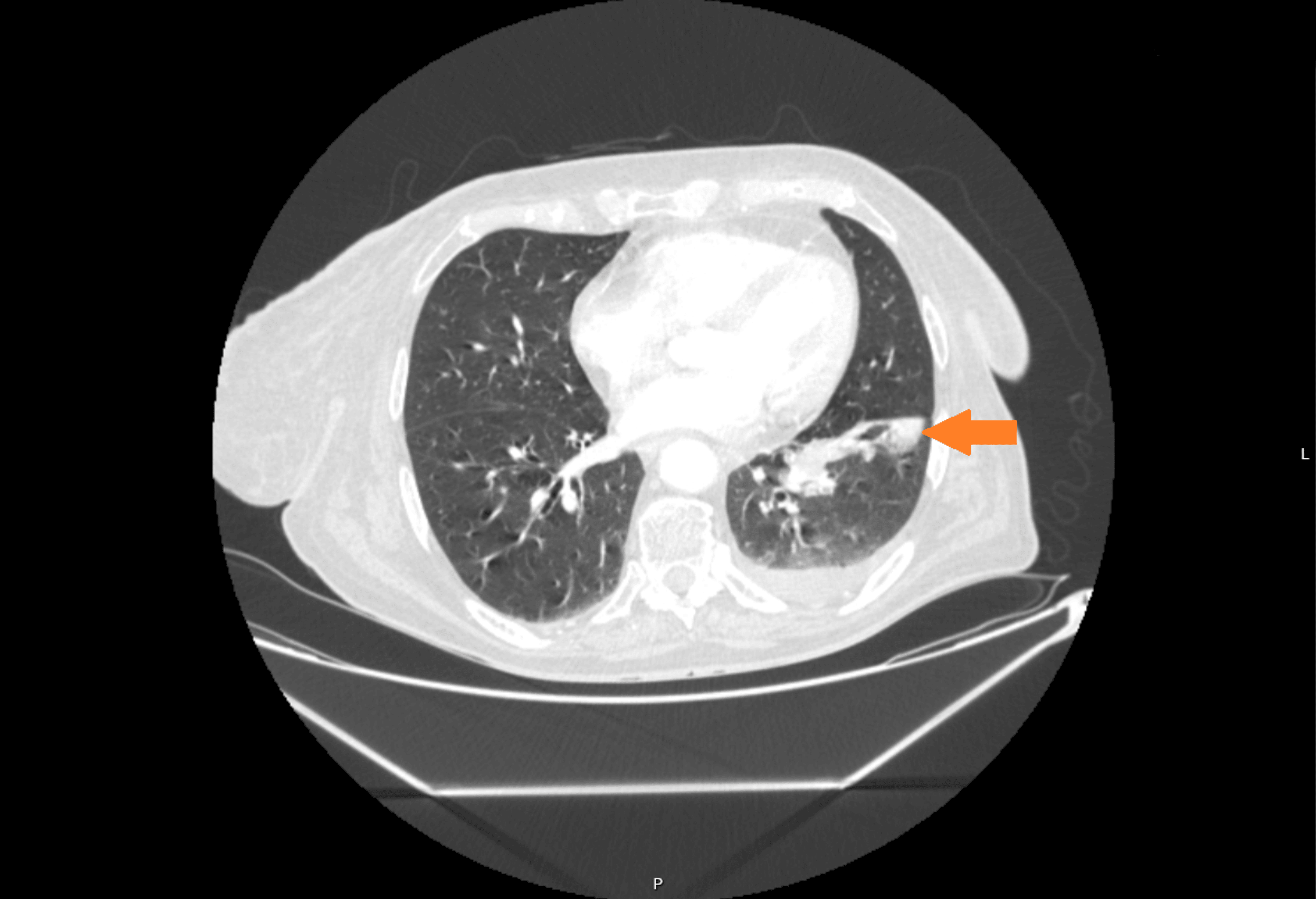
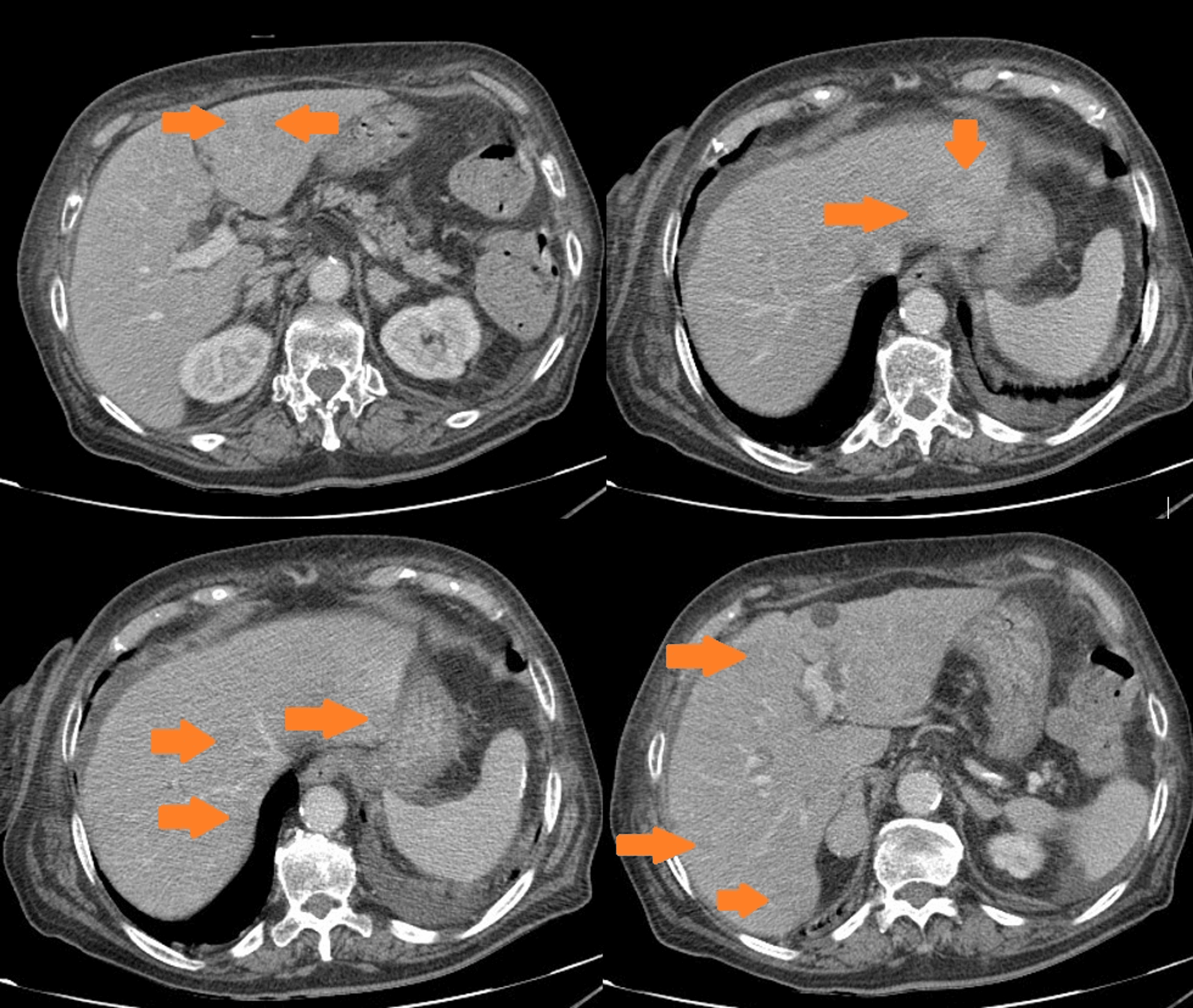
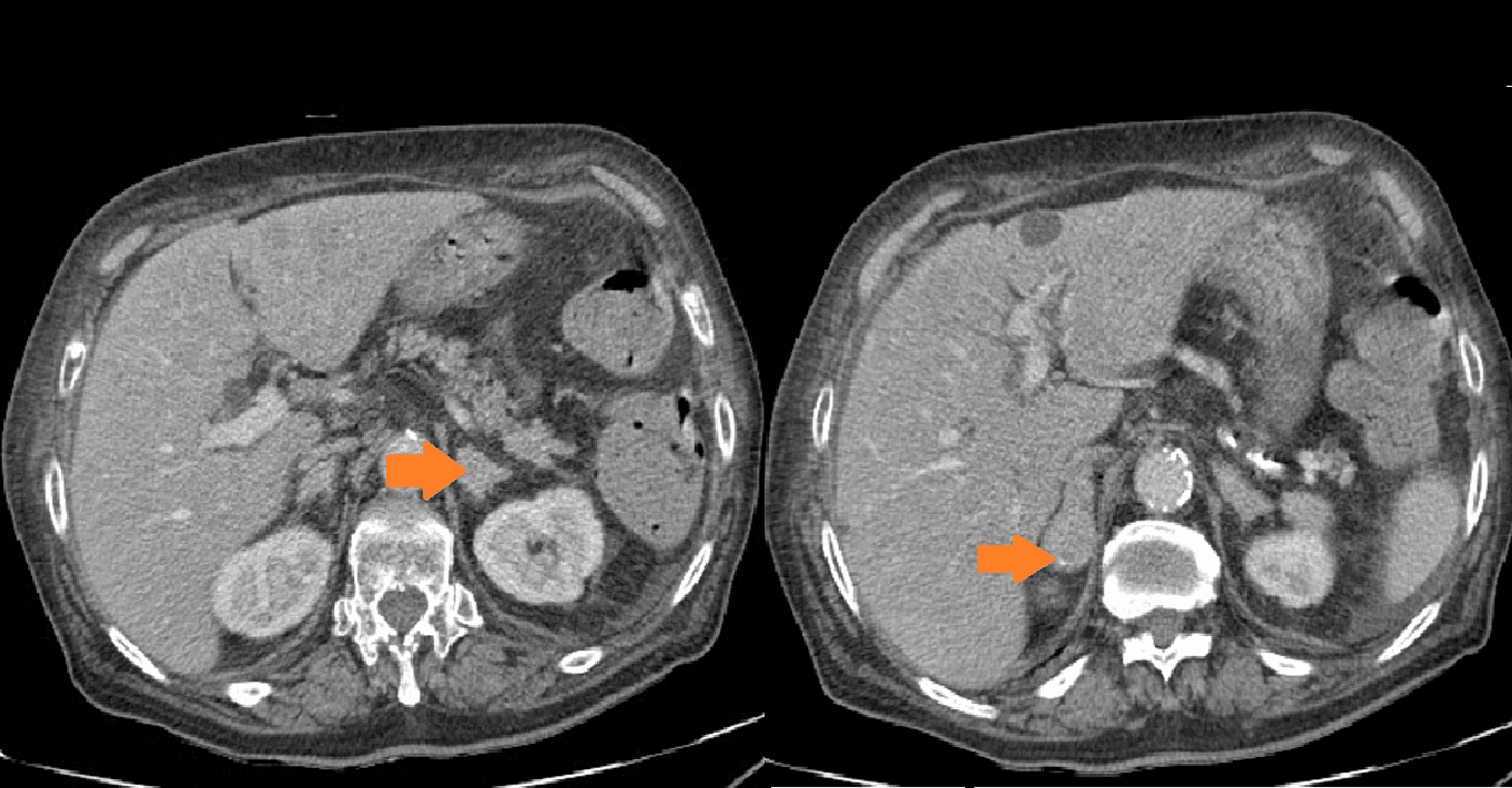
Despite receiving 200 milliequivalents (mEq) of IV potassium chloride and 4 grams of magnesium sulfate, in the first 48 hours, the ion deficits persisted. Given the persistent electrolyte derangement, the patient was admitted to the Internal Medicine ward for etiological investigation and monitoring of ionic correction. The initial period was remarkable for refractory hypokalemia and uncontrolled diabetes under respective therapeutic measures, including 80 to 130 mEq of IV potassium chloride and progressive titration of spironolactone to 200 mg a day. Laboratory investigation revealed high parathormone levels (PTHi 167 pg/mL; reference range: 10-65 pg/mL), vitamin D deficiency (3.3 ng/mL; reference range >20 ng/mL) and apparent ACTH-dependent hypercortisolism (serum cortisol 80.20 ug/dL; ACTH 445 pg/mL), as well as high urinary potassium and glucose concentrations (190 mEq/24 h and 21161 mg/24 h). A dexamethasone suppression test was performed twice (standard low and high dose) without any changes in cortisol levels, leading to the suspicion of a CS caused by abnormally high ACTH production. Cranioencephalic computed tomography (CT) and magnetic resonance imaging (MRI) were performed, excluding the presence of pituitary anomalies. A follow-up whole-body CT scan was performed, revealing a suspicious pulmonary mass in the left lower lobe, associated with ipsilateral hilar lymphadenopathy and hepatic and adrenal gland lesions suggestive of secondary involvement. An endobronchial ultrasound bronchoscopy and biopsy were performed, documenting anatomopathological findings of small-cell lung carcinoma with a Ki67 expression of 100% (Figures 1–3).
Figure 1: Pulmonary mass (SCLC) in the left lower lobe with ipsilateral hilar lymphadenopathy and pleural effusion.
SCLC: small-cell lung cancer.
Figure 2: Secondary involvement of the liver with hypodense multilobar hepatic lesions (arterial phase).
Figure 3: Bilateral suprarenal lesions suggestive of secondary involvement.
The patient was referred to oncology, and chemotherapy was deferred, considering the infectious risk associated with hypercortisolism.
The patient started metyrapone 500 mg every eight hours, resulting in a reduction in cortisol levels and control of hypokalemia. Later on, a fluorodeoxyglucose-positron emission tomography (FDG-PET) scan was performed, confirming disseminated disease with additional bone involvement. Unfortunately, despite endocrinological stabilization, the patient’s condition worsened, and she ended up dying one month after the diagnosis.
Discussion
When this patient was admitted, it was assumed that the metabolic alkalosis and various electrolyte disturbances were related to the gastrointestinal presentation and hyperlactatemia secondary to metformin overdose. However, the unusual persistence and refractory hypokalaemia raised some concerns that an alternative etiology might be involved and incited subsequent testing.
The high cortisol levels were unexpected given the subclinical presentation, which seems to be more frequent in cases of EAS. In fact, because of this, the true incidence of EAS is unknown and probably underdiagnosed since patients often have subclinical presentations and do not exhibit catabolic features.
Since the patient wasn’t on any steroid medication, the association between the high cortisol and ACTH levels, non-responsive to the dexamethasone suppression test, along with the absence of a pituitary lesion, raised suspicion of a probable EAS, which was later confirmed by the body CT scan and endobronchial ultrasound (EBUS).
EAS is a rare disease with a poor prognosis. It reportedly occurs in 3.2 to 6% of neuroendocrine neoplasms, and the tumor often originates in the lung, thyroid, stomach, and pancreas. Locoregional and/or distant metastasis can be seen at the time of diagnosis in 15% of typical carcinoids and about half of atypical carcinoids with visible primaries [6,7].
The presence of a typical CS presentation, with or without electrolyte abnormalities, should raise suspicion and serum levels of both ACTH and cortisol should be assessed to determine if they are elevated and to distinguish between an ACTH-dependent (pituitary or nonpituitary ACTH-secreting tumor) and an independent mechanism (e.g., from an adrenal source). The diagnosis of CS is established when at least two different first-line tests are unequivocally abnormal and cannot be explained by any other conditions that cause physiologic hypercortisolism. Additional evaluation is performed to rule out a pituitary origin (with brain MRI) and to assess for a possible ectopic ACTH-secreting tumor.
In the aforementioned case, the production of ACTH was caused by primary neuroendocrine SCLC. The recommended approach to EAS involves the initial normalization of serum cortisol levels and the treatment of related comorbidities before performing a complete diagnostic evaluation and addressing the underlying cause [5-7]. This approach seems to improve survival and prevent complications such as sepsis following a combined steroid-induced immunosuppression and chemotherapy-induced agranulocytosis [6,7].
Direct therapies vary according to the tumor, but surgery is usually the first line of treatment (transsphenoidal surgery in cases of CD or tumor resection in cases of non-metastatic EAS). However, our patient presented with stage IV SCLC with EAS, in which chemotherapy remains the first-line treatment. SCLC patients with EAS have a poorer prognosis than those without EAS, with a life expectancy of only three to six months. This makes early diagnosis more important [2,7], as controlling the high cortisol levels and then administering systemic chemotherapy may achieve longer survival [8].
Apart from systemic chemotherapy, ketoconazole (widely accepted but highly toxic), metyrapone, mitotane (adrenocortical suppressant drug with significant side effects), and mifepristone (glucocorticoid antagonist, mainly used for the treatment of hyperglycemia in CS) can be used to reduce circulating glucocorticoids. Moreover, thromboprophylaxis and Pneumocystis jirovecii pneumonia prophylaxis should be started.
Because ketoconazole may increase the risk of chemotherapy toxicity by inhibiting cytochrome P450 3A4, metyrapone has been reported to be a better choice [5,7].
Nonetheless, administration of chemotherapy in the setting of a hypercortisolism-induced immunosuppressive state, cancerous background and metabolic disorders featuring electrolyte disturbance and hyperglycemia, aggravate the condition and can be life-threatening. Thus, a palliative approach can sometimes be reasonable.
Conclusions
The diagnosis of CS is a three-step process that includes its suspicion based on the patient’s laboratory and semiologic findings, the documentation of hypercortisolism, and the identification of its cause, which can be either ACTH-dependent or independent.
The ectopic secretion of ACTH (EAS) by nonpituitary tumors is a relatively rare cause of CS and often presents as paraneoplastic syndromes, adding therapeutic and prognostic concerns.
This case, in particular, highlights the importance of seeking alternative explanations for common electrolyte disturbances, particularly when they don’t resolve promptly. Clinicians should be aware of EAS and its frequent subclinical presentation in order to initiate the diagnostic workup as soon as suspicion arises.
This case report describes a rare presentation of ectopic Cushing’s syndrome (CS) due to ectopic corticotropin-releasing hormone (CRH) production from a medullary thyroid carcinoma (MTC).
The patient, a 69-year-old man, presented with symptoms of muscle weakness, facial plethora, and easy bruising.
An inferior petrosal sinus sampling test (IPSS) demonstrated pituitary adrenocorticotrophic hormone (ACTH) secretion, but a whole-body somatostatin receptor scintigraphy (68Ga-DOTATOC PET/CT) revealed enhanced uptake in the right thyroid lobe which, in addition to a grossly elevated serum calcitonin level, was indicative of an MTC. A 18F-DOPA PET/CT scan supported the diagnosis, and histology confirmed the presence of MTC with perinodal growth and regional lymph node metastasis.
On immunohistochemical analysis, the tumor cell stained positively for calcitonin and CRH but negatively for ACTH. Distinctly elevated plasma CRH levels were documented. The patient therefore underwent thyroidectomy and bilateral adrenalectomy.
This case shows that CS caused by ectopic CRH secretion may masquerade as CS due to a false positive IPSS test. It also highlights the importance of considering rare causes of CS when diagnostic test results are ambiguous.
Learning points
Medullary thyroid carcinoma may secrete CRH and cause ectopic CS.
Ectopic CRH secretion entails a rare pitfall of inferior petrosal sinus sampling yielding a false positive test.
Plasma CRH measurements can be useful in selected cases.
The common denominator of Cushing’s syndrome (CS) is autonomous hypersecretion of cortisol (1) and it is subdivided into ACTH-dependent and ACTH-independent causes. The majority of CS cases are ACTH-dependent (80–85%) with a pituitary corticotroph tumor as the most prevalent cause (Cushing’s disease), and less frequently an ectopic ACTH-producing tumor (2). The gold standard method to ascertain the source of ACTH secretion in CS patients is inferior petrosal sinus sampling (IPSS) with measurement of plasma ACTH levels in response to systemic corticotropin-releasing hormone (CRH) stimulation (3). The IPSS has a very high sensitivity and specificity of 88–100% and 67–100%, respectively (4), but pitfalls do exist, including the rare ectopic CRH-producing tumor, which may yield a false positive test result (3). Here, we describe a very rare case masquerading as CS including a positive IPSS test.
Case presentation
A 69-year-old man presented at a local hospital with a 6-month history of progressive fatigue, muscle weakness and wasting, easy bruising, facial plethora, and fluid retention. His serum potassium level was 2.6 mmol/L (reference range: 3.5–4.2 mmol/L) without a history of diuretics use. His previous medical history included spinal stenosis, benign prostatic hyperplasia, and hypertension. An electromyography showed no sign of polyneuropathy and an echocardiography showed no signs of heart failure with an ejection fraction of 55%. MRI of the spine revealed multiple compression fractures, and the patient underwent spinal fusion and decompression surgery; during this admission he was diagnosed with type 2 diabetes (HbA1c: 55 mmol/mol). After spine surgery, the patient developed a pulmonary embolism and initiated treatment with rivaroxaban.
Establishing the diagnosis of ACTH-dependent CS
Six months after his spine surgery, the patient was referred to the regional department of endocrinology for osteoporosis management. Blood tests revealed a low serum testosterone level with non-elevated luteinizing hormone (LH) and follicle-stimulating hormone (FSH) levels (Table 1). An overnight 1 mg dexamethasone suppression test was positive with a morning cortisol level of 254 nmol/L and three consecutive 24-h urinary cortisol levels were markedly elevated with mean level of ≈600 nmol/24 h (reference range: 12–150 nmol/24 h). A single plasma ACTH was 37 ng/L (Table 1).
Table 1Baseline endocrine assessment.
Parameters
Patient’s values
Reference range
ACTH, ng/L
37
7–64
UFC, nmol/day
588
12–150
Urinary cortisol, nmol/L
600
171–536
OD, nmol/L
254
<50
Free testosterone, nmol/L
0.061
0.17–0.59
HbA1c, mmol/mol
55
<48
FSH, IU/L
7.4
1.2–15.8
LH, IU/L
2.2
1.7–8.6
ACTH, adrenocorticotropin; FSH, follicle-stimulating hormone; IU, international units; LH, luteinizing hormone; OD, plasma cortisol levels after a 1 mg overnight dexamethasone suppression test; UFC, urine free cortisol hormone.
Differential diagnostic tests
The patient was referred to a tertiary center for further examinations. Ketoconazole treatment was started to alleviate the consequences of hypercortisolism. A pituitary MRI revealed an intrasellar microtumor with a maximal diameter of 6 mm and an IPSS was ordered. A whole-body somatostatin receptor scintigraphy (68Ga-DOTATOC PET/CT) was also performed to evaluate the presence of a potential neuroendocrine tumor. This revealed multiple areas of enhanced uptake including the right thyroid lobe and cervical lymph nodes in the neck (with CT correlates), as well as in the duodenum (with no CT correlate). Concomitantly, a grossly elevated serum calcitonin level of 528 pmol/L (reference range <2.79 pmol/L) was measured.
Subsequently, the IPSS revealed pituitary ACTH secretion with a central-to-peripheral ACTH ratio >3 (Table 2). The right petrosal sinus was not successfully catheterized; thus, lateralization could not be determined.
To corroborate the diagnosis MTC, a 18F-DOPA PET/CT scan (FDOPA) was performed (5), which showed pathologically enhanced uptake in the right thyroid lobe and regional lymph nodes (Fig. 1). An ultrasound-guided core needle biopsy from the thyroid nodule was inconclusive; however, the patient underwent total thyroidectomy and regional lymph node resection, from which histology confirmed the diagnosis of disseminated MTC. Standard replacement with levothyroxine, calcium, and vitamin D was initiated. A blood sample was collected, and genomic DNA was extracted. The DNA analysis for RET germline mutation was negative.
View Full Size
Figure 118F-DOPA PET/CT scan with pathologically enhanced uptake in the right thyroid lobe (large blue arrow on the left side) and regional lymph nodes (small blue arrows).
Citation: Endocrinology, Diabetes & Metabolism Case Reports 2023, 3; 10.1530/EDM-23-0057
Table 2Results from the inferior petrosal sinus sampling.*
Time (min)
Left IPSS
Peripheral
L/P
-5
42
36
1.2
-1
116
33
3.5
2
120
32
3.8
5
209
28
7.5
7
180
43
4.2
10
529
34
15.6
15
431
37
11.6
*Data represents ACTH levels in ng/L. IPSS Inferior petrosal sampling ACTH Adrenocorticotropin hormone CRH Corticotropin-releasing hormone, L/P Ratio of left (L) inferior petrosal sinus to peripheral venous ACTH concentrations.
Pathology
Total thyroidectomy and bilateral cervical lymph node dissection (level six and seven) were performed. Macroscopic evaluation of the right thyroid lobe revealed a 24 mm, irregular solid yellow tumor. Microscopically the tumor showed an infiltrating architecture with pseudofollicles and confluent solid areas. Calcification was prominent, but no amyloid deposition was seen. The tumor cells were pleomorphic with irregular nuclei and heterogenic chromatin structure. No mitotic activity or necrosis was observed. On immunohistochemical analysis, the tumor cells expressed thyroid transcription factor 1 and stained strongly for carcinoembryonic antigen and calcitonin; tumor cells were focally positive for cytokeratin 19. The tumor was completely negative for ACTH, thyroid peroxidase, and the Hector Battifora mesothelial-1 antigen. Further analysis revealed positive immunostaining for CRH (Fig. 2). The Ki-67 index was very low (0–1%), indicating a low cellular proliferation. Molecular testing for somatic RET mutation was not performed.
View Full Size
Figure 2Histopathological findings and immunohistochemical studies of MTC. (A) Microscopic features of medullary thyroid carcinoma. (B) Polygonal tumor cells (hematoxylin and eosin, ×40). (C) Tumor cells stain for calcitonin (×20). (D) Immunohistochemical stain (×400) for CRH showing cells being positive (brown). (E) Pituitary tissue from healthy control staining positive for ACTH in comparison to (F) ACTH-negative cells MTC tissue from the patient (×20).
Citation: Endocrinology, Diabetes & Metabolism Case Reports 2023, 3; 10.1530/EDM-23-0057
No malignancy was found in the left thyroid lobe and there was no evidence of C-cell hyperplasia. Regional lymph node metastasis was found in 13 out of 15 nodes with extranodal extension.
Outcome and follow-up
Follow-up
Serum calcitonin levels declined after neck surgery but remained grossly elevated (118 pmol/L 3 weeks post surgery) and cortisol levels remained high. Ketoconazole treatment was poorly tolerated and not sufficiently effective. Plasma levels of CRH were measured by a competitive-ELISA kit (EKX-KIZI6R-96 Nordic BioSite), according to the instructions provided by the manufacturer. The intra- and interassay %CV (coefficient of variability) were below 8% and 10%, respectively, and the assay sensitivity was 1.4 pg/mL. The plasma CRH was distinctly elevated compared to in-house healthy controls both before and after thyroid surgery (Fig. 3).
View Full Size
Figure 3Plasma CRH levels before and after total thyroidectomy compared to three healthy controls.
Citation: Endocrinology, Diabetes & Metabolism Case Reports 2023, 3; 10.1530/EDM-23-0057
The patient subsequently underwent uneventful bilateral laparoscopic adrenalectomy followed by standard replacement therapy with hydrocortisone and fludrocortisone. The symptoms and signs of his CS gradually subsided. Pathology revealed bilateral cortical hyperplasia as expected.
The patient continues follow-up at the Department of Oncology and the Department of Endocrinology and Internal Medicine. At 13-month follow-up, 68Ga-DOTATOC shows residual disease with pathologically enhanced uptake in two lymph nodes, whereas the previously described focal DOTATOC uptake in the duodenum was less pronounced (still no CT correlate). Serum calcitonin was 93 pmol/L at the 13-month follow-up.
Discussion
Diagnostic challenges remain in the distinction between pituitary and ectopic ACTH-dependent CS, and several diagnostic tools are used in combination, none of which is infallible, including IPSS (6). Our case and others illustrate that ectopic CRH secretion may yield a false positive IPSS test result (3). Measurement of circulating CRH levels is relevant if an ectopic CRH producing tumor is suspected, but the assay is not routinely available in clinical practice (Lynnette K Nieman M. Measurement of ACTH, CRH, and other hypothalamic and pituitary peptides https://www.uptodate.com/contents/measurement-of-acth-crh-and-other-hypothalamic-and-pituitary-peptides: UpToDate; 2019). In our case, the presence of elevated plasma CRH levels after thyroidectomy strengthened the indication for bilateral adrenalectomy.
The most common neoplasm causing ectopic CS is small-cell lung cancer, whereas MTC accounts for 2–8% of ectopic cases (7). The development of CS in relation to MTC is generally associated with advanced disease and poor prognosis of an otherwise relatively indolent cancer (8), and the clinical progression of CS is usually rapid, why an early recognition and rapid control of hypercortisolemia and MTC is necessary to decrease morbidity and mortality (7, 9). Our case does have residual disease; however, he remains progression-free with stable and relatively low calcitonin levels within 1-year follow-up.
Only a very limited number of cases of ectopic tumors with either combined ACTH and CRH secretion or isolated CRH secretion have been reported, with ectopic CRH secretion accounting for less than 1% of CS (9).
An ACTH- or CRH-producing tumor can be difficult to localize and may include gastric ACTH/CRH-secreting neuroendocrine tumors (9). In our case, the 68Ga-DOTATOC identified a possible duodenal site, in addition to the MTC, but an upper gastrointestinal endoscopy revealed no pathological findings and there was no CT correlate. Thus, we concluded that the most likely and sole source of ectopic CRH was the MTC and its metastases.
To our knowledge, no official guidelines for managing ectopic ACTH-dependent CS have been established. In a recent publication by Alba et al. (10), the authors demonstrated a clinical algorithm (The Mount Sinai Clinical Pathway, MSCP) and recommendation for the management of CS due to ectopic ACTH secretion.
Essentially, our approach in this particular case followed these recommendations, including source location by CT and 68Ga-DOTATATE PET/CT imaging, acute management with ketoconazole, and finally, bilateral adrenalectomy as curative MTC surgery was not possible. In retrospect, performance of the IPSS could be questioned in view of the MTC diagnosis. In real time, however, a pituitary MRI performed early in the diagnostic process revealed a microadenoma, which prompted the IPSS. In parallel, a somatostatin receptor scintigraphy (68Ga-DOTATOC PET/CT) was also done, which raised the suspicion of an MTC.
Conclusion
We report a very rare case of an ectopic CS caused by a CRH-secreting MTC. Although IPSS has stood the test of time in the differential diagnosis of ACTH-dependent CS, this case illustrates a rare pitfall.
Declaration of interest
The authors declare that there is no conflict of interest that could be perceived as prejudicing the impartiality of the research reported.
Funding
This research did not receive any specific grant from any funding agency in the public, commercial, or not-for-profit sector.
Patient consent
Written informed consent for publication of their clinical details was obtained from the patient.
Author contribution statement
JOJ and MJO are the physicians responsible for the patient. LR performed the thyroidectomy and bilateral adrenalectomy. SHM and SLA assessed and reassessed the histopathology and the immunohistochemical analysis. MB measured plasma CRH. VM, JOJ, and MJO drafted the manuscript. All authors contributed to critical revision of the manuscript.
References
1↑Raff H, & Carroll T. Cushing’s syndrome: from physiological principles to diagnosis and clinical care. Journal of Physiology 2015 593 493–506. (https://doi.org/10.1113/jphysiol.2014.282871)
5↑Treglia G, Rufini V, Salvatori M, Giordano A, & Giovanella L. PET imaging in recurrent medullary thyroid carcinoma. International Journal of Molecular Imaging 2012 2012 324686. (https://doi.org/10.1155/2012/324686)
6↑Fasshauer M, Lincke T, Witzigmann H, Kluge R, Tannapfel A, Moche M, Buchfelder M, Petersenn S, Kratzsch J, Paschke R, et al.Ectopic Cushing’ syndrome caused by a neuroendocrine carcinoma of the mesentery. BMC Cancer 2006 6 108. (https://doi.org/10.1186/1471-2407-6-108)
7↑Chrisoulidou A, Pazaitou-Panayiotou K, Georgiou E, Boudina M, Kontogeorgos G, Iakovou I, Efstratiou I, Patakiouta F, & Vainas I. Ectopic Cushing’s syndrome due to CRH secreting liver metastasis in a patient with medullary thyroid carcinoma. Hormones 2008 7 259–262. (https://doi.org/10.1007/BF03401514)
8↑Corsello A, Ramunno V, Locantore P, Pacini G, Rossi ED, Torino F, Pontecorvi A, De Crea C, Paragliola RM, Raffaelli M, et al.Medullary thyroid cancer with ectopic Cushing’s syndrome: a case report and systematic review of detailed cases from the literature. Thyroid 2022 32 1281–1298. (https://doi.org/10.1089/thy.2021.0696)
10↑Alba EL, Japp EA, Fernandez-Ranvier G, Badani K, Wilck E, Ghesani M, Wolf A, Wolin EM, Corbett V, Steinmetz D, et al.The Mount Sinai clinical pathway for the diagnosis and management of hypercortisolism due to ectopic ACTH syndrome. Journal of the Endocrine Society 2022 6 bvac073. (https://doi.org/10.1210/jendso/bvac073)


 View Full Size
 View Full Size
 View Full Size
