Ectopic Adrenocorticotropic Hormone (ACTH)-Dependent Cushing Syndrome Secondary to Olfactory Neuroblastoma

Abstract

Background/Objective

Ectopic adrenocorticotropic hormone (ACTH)-dependent Cushing syndrome is a rare paraneoplastic disorder caused by excessive cortisol production from nonpituitary tumors. Olfactory neuroblastoma (ONB), a rare neuroendocrine malignancy of the sinonasal cavity, is an exceedingly uncommon source of ectopic ACTH production, with fewer than 25 cases reported worldwide. This report presents a case of ACTH-dependent Cushing syndrome due to ONB, emphasizing the diagnostic complexity, multidisciplinary management, and favorable clinical outcomes.

Case Presentation

A 70-year-old male presented with progressive muscle weakness, facial rounding, weight gain, hypertension, hypokalemia, and recurrent epistaxis. Laboratory evaluation revealed marked hypercortisolism and elevated plasma ACTH. Imaging demonstrated an expansile ethmoid sinus mass. Inferior petrosal sinus sampling excluded a pituitary source of ACTH. Endoscopic biopsy confirmed Hyams grade 2 ONB with positive immunohistochemical staining for neuroendocrine markers and ACTH. The patient received preoperative cortisol-lowering therapy and underwent complete endoscopic tumor resection followed by adjuvant radiotherapy. Postoperative assessment showed biochemical remission, resolution of Cushingoid features, and eventual recovery of the hypothalamic–pituitary–adrenal axis.

Discussion

This case highlights the importance of a systematic diagnostic approach that includes biochemical testing, imaging, inferior petrosal sinus sampling, and histopathology to identify ectopic ACTH sources. It demonstrates the necessity of collaboration among endocrinology, otolaryngology, neurosurgery, radiology, and oncology teams in managing rare ACTH-secreting tumors.

Conclusion

Timely diagnosis and definitive surgical resection of ACTH-producing ONB, along with endocrine stabilization and adjuvant radiotherapy, can lead to endocrine remission and improved long-term outcomes.

Key words

cushing syndrome
ectopic ACTH syndrome
neuroendocrine tumor
olfactory neuroblastoma
paraneoplastic syndrome

Abbreviations

ACTH

adrenocorticotropic hormone

AM

morning (ante meridiem)

DDAVP

desmopressin acetate

DHEA-S

dehydroepiandrosterone sulfate

EAS

ectopic ACTH syndrome

ENT

otolaryngology

IPSS

inferior petrosal sinus sampling

ONB

olfactory neuroblastoma

UFC

urinary free cortisol

Highlights

  • Rare case of ectopic adrenocorticotropic hormone syndrome secondary to olfactory neuroblastoma
  • Diagnostic challenges highlighted, including nondiagnostic inferior petrosal sinus sampling results
  • Multidisciplinary approach enabled complete tumor resection and hormonal remission
  • Preoperative ketoconazole minimized perioperative cortisol-related morbidity
  • Adjuvant radiotherapy optimized local control in intermediate-risk olfactory neuroblastoma

Clinical Relevance

This case emphasizes the importance of recognizing olfactory neuroblastoma as a rare source of ectopic adrenocorticotropic hormone production. It demonstrates the value of integrated biochemical, radiologic, surgical, and histopathologic strategies to achieve endocrine remission and prevent recurrence.

Introduction

Ectopic ACTH syndrome (EAS) is a rare paraneoplastic disorder resulting in ACTH-dependent hypercortisolism, which manifests clinically as Cushing syndrome. Although it accounts for approximately 10% to 15% of ACTH-dependent cases, EAS is most frequently caused by bronchial carcinoids, small cell lung carcinoma, and pancreatic neuroendocrine tumors.1,2 In contrast, olfactory neuroblastoma (ONB), also known as esthesioneuroblastoma—a neuroendocrine malignancy of the upper nasal cavity—is a highly uncommon cause, with fewer than 1% of ONB cases associated with EAS.2,3
ONB arises from the olfactory epithelium and represents 2% to 3% of all sinonasal cancers.4,5 Its nonspecific presentation—ranging from nasal obstruction to epistaxis or anosmia—can delay diagnosis, and advanced tumors may invade adjacent structures such as the orbit or anterior cranial fossa.4,5 Histological overlap with other small round blue cell tumors necessitates immunohistochemical markers such as synaptophysin, chromogranin A, and S-100 for accurate identification.4,6 Factors such as age may influence tumor behavior, treatment selection, and prognosis.7
When ONB presents with ectopic ACTH secretion, the resulting hypercortisolism can lead to profound metabolic and cardiovascular complications.8,9 Due to its extreme rarity, this combination may not be initially suspected, delaying targeted therapy. This report presents a rare case of ACTH-dependent Cushing syndrome caused by ONB, highlighting the diagnostic complexity and need for multidisciplinary management.3,10

Case Presentation

A 70-year-old male presented with 6 weeks of progressively worsening generalized, proximal muscle weakness, intermittent headaches, recurrent nosebleeds, abdominal fullness, leg swelling, and an unexplained 20-pound (9.1 kg) weight gain.
His medical history includes asthma, benign prostatic hyperplasia, hyperlipidemia, and retained shrapnel in the neck from military service in Vietnam. He has no history of hypertension, diabetes, or smoking. His family history includes a father who suffered a myocardial infarction at 51 years old, a mother with rheumatoid arthritis and osteoporosis, and a maternal uncle with lupus. His current medications include rosuvastatin 5 mg daily, tamsulosin 0.4 mg daily, and an albuterol inhaler as needed.
On examination, his vital signs were notable for an elevated blood pressure of 171/84 mmHg (normal: <120/<80 mmHg), a temperature of 37.2 C (99 F) (normal: 36.1–37.2°C [97–99 F]), a heart rate of 91 bpm (normal: 60–100 bpm), a respiratory rate of 16 breaths per minute (normal: 12–20 breaths per minute), an oxygen saturation of 92% on room air (normal: ≥95%), and a weight of 78.9 kg (174 lb). Physical examination revealed a round plethoric face (“moon facies,”) a prominent dorsocervical fat pad (“buffalo hump,”) supraclavicular fullness, mild abdominal tenderness, violaceous striae across the abdomen, diffuse soft tissue swelling, and bilateral 2+ pitting edema in the lower extremities.

Diagnostic Assessment

Laboratory evaluation demonstrated severe hypokalemia (1.6 mEq/L [1.6 mmol/L]; normal: 3.5–5.0 mEq/L [3.5–5.0 mmol/L]) and marked fasting hyperglycemia (244.0 mg/dL [13.5 mmol/L]; normal: 70–99 mg/dL [3.9–5.5 mmol/L]), in addition to leukocytosis, hypochloremia, acute kidney injury, hypoproteinemia, and hypoalbuminemia.
Hormonal evaluation (Table 1) was consistent with ACTH-dependent hypercortisolism, characterized by elevated serum cortisol and ACTH concentrations, lack of suppression with dexamethasone, and suppressed dehydroepiandrosterone sulfate (DHEA-S). Aldosterone and plasma renin activity were within normal limits, effectively excluding primary hyperaldosteronism. Plasma free metanephrines and normetanephrines were also within reference ranges, ruling out pheochromocytoma. Repeat morning cortisol remained markedly elevated, and late-night salivary cortisol levels on 2 occasions were significantly above the reference range. Twenty-four-hour urinary free cortisol (UFC) was profoundly elevated on both collections. Following a 1 mg overnight dexamethasone suppression test, serum cortisol, ACTH, and dexamethasone levels confirmed a lack of cortisol suppression despite adequate dexamethasone absorption (Table 1). These results were consistent with ACTH-dependent Cushing syndrome.

Table 1. Hormone Panel Results

Test Value Normal Range
AM cortisol 29 μg/dL (800.11 nmol/L) (high) 3.7–19.4 μg/dL (102–535 nmol/L)
Repeated AM cortisol 26 μg/dL (717.34 nmol/L) (high) 3.7–19.4 μg/dL (102–535 nmol/L)
ACTH 250 pg/mL (30.03 pmol/L) (high) 10–60 pg/mL (2.2–13.2 pmol/L)
Plasma renin activity 1.2 ng/mL/h (1.2 μg/L/h) (normal) 0.2–4.0 ng/mL/h (0.2–4.0 μg/L/h)
DHEA-S 50 μg/dL (1.25 μmol/L) (low) 65–380 μg/dL (1.75–10.26 μmol/L)
Aldosterone, blood 4. 9 ng/dL (0.14 nmol/L) (normal) 4.0–31.0 ng/dL (110–860 pmol/L)
Plasma free metanephrines 0.34 nmol/L (0.034 μg/L) (normal) <0.50 nmol/L (<0.09 μg/L)
Plasma free normetanephrines 0.75 nmol/L (0.075 μg/L) (normal) <0.90 nmol/L (<0.16 μg/L)
Late-night salivary cortisol (1st) 0.27 μg/dL (7.45 nmol/L) (high) ≤0.09 μg/dL (≤2.5 nmol/L) (10 PM–1 AM)
Late-night salivary cortisol (2nd) 0.36 μg/dL (9.93 nmol/L) (high) ≤0.09 μg/dL (≤2.5 nmol/L) (10 PM–1 AM)
24-h urinary free cortisol (1st) 5880.0 μg/d (16 223 nmol/d) (high) ≤60.0 μg/d (≤165 nmol/d)
24-h urinary free cortisol (2nd) 4920.0 μg/d (13 576 nmol/d) (high) ≤60.0 μg/d (≤165 nmol/d)
AM cortisol level (after 1 mg dexamethasone) 12.3 μg/dL (339 nmol/L) (high) <1.8 μg/dL (<50 nmol/L) adequate suppression
Dexamethasone level(after 1 mg dexamethasone) 336 ng/dL (8.64 nmol/L) (normal) >200 ng/dL (>5.2 nmol/L) adequate absorption
ACTH level (after 1 mg dexamethasone) 242 pg/mL (53.27 pmol/L) (not suppressed) 10–60 pg/mL (2.2–13.2 pmol/L)
Abbreviations: μg/d = micrograms per day; μg/dL = Micrograms per deciliter; μg/L = micrograms per liter; μmol/L = micromoles per liter; AM = morning (Ante Meridiem); nmol/L = nanomoles per Liter; ng/mL/h = nanograms per milliliter per hour; pmol/L = picomoles per liter; pg/mL = picograms per milliliter; μg/L/h = micrograms per liter per hour; ng/dL = nanograms per deciliter; nmol/d = nanomoles per day.
Inferior petrosal sinus sampling (IPSS) was performed using contrast-enhanced fluoroscopy to confirm accurate catheter placement in both inferior petrosal sinuses. Absolute ACTH values obtained during IPSS are shown in (Table 2). The central-to-peripheral ACTH gradient at baseline was 1.1, which is below the diagnostic threshold of 2.0 typically required to support a pituitary source of ACTH. Following desmopressin acetate (DDAVP) stimulation, peak left: peripheral and right: peripheral ACTH ratios reached 1.7 and 1.5, respectively—well below the accepted post-stimulation cut-off of 3.0. In addition, the left: right petrosal ACTH ratios remained between 1.03 and 1.15 throughout the sampling period, indicating no significant lateralization of ACTH secretion. These findings are not consistent with Cushing’s disease and instead support a diagnosis of ectopic ACTH syndrome.

Table 2. Bilateral Petrosal Sinus and Peripheral Adrenocorticotropin Levels Before and After Intravenous Injection of Desmopressin Acetate (DDAVP) 10 mcg

Time post DDAVP, min Left petrosal ACTH Left: peripheral ACTH Right petrosal ACTH Right: peripheral ACTH Peripheral ACTH Left: right petrosal ACTH
0 165 pg/mL (36.3 pmol/L) 1.1 160 pg/mL (35.2 pmol/L) 1.1 150 pg/mL (33.0 pmol/L) 1.03
3 270 pg/mL (59.4 pmol/L) 1.6 245 pg/mL (53.9 pmol/L) 1.4 170 pg/mL (37.4 pmol/L) 1.10
5 320 pg/mL (70.4 pmol/L) 1.7 285 pg/mL (62.7 pmol/L) 1.5 185 pg/mL (40.7 pmol/L) 1.12
10 350 pg/mL (77.0 pmol/L) 1.4 305 pg/mL (67.2 pmol/L) 1.2 250 pg/mL (55.0 pmol/L) 1.15
Abbreviations: ACTH = adrenocorticotropin; DDAVP = desmopressin acetate; pg/mL = picograms per milliliter; pmol/L = picomoles per liter.
Magnetic resonance imaging of the head could not be performed due to a history of retained shrapnel in the neck from combat in Vietnam. Noncontrast computed tomography (CT) images of the head and paranasal sinuses revealed no evidence of a pituitary tumor but demonstrated an expansile mass measuring approximately 2.4 × 4.3 × 3.3 cm, centered within the bilateral ethmoid sinuses with extension into both the anterior and posterior ethmoidal air cells (Fig. 1A, B). A contrast-enhanced CT scan of the abdomen, performed following improvement in renal function, demonstrated marked bilateral adrenal gland enlargement (Fig. 1C).

  1. Download: Download high-res image (566KB)
  2. Download: Download full-size image

Fig. 1. (A) Axial and (B) coronal noncontrast computed tomography (CT) images of the head demonstrate a heterogeneous soft tissue mass at the anterior skull base extending toward the cribriform plate and into the right nasal cavity, involving the ethmoid sinus and eroding the lamina papyracea, resulting in medial displacement of the right orbital contents (blue arrows). (C) Axial contrast-enhanced CT of the abdomen reveals bilateral adrenal gland enlargement. (D) Whole-body single-photon emission computed tomography/computed tomography (SPECT/CT) using indium-111 pentetreotide demonstrates intense radiotracer uptake localized to the biopsy-confirmed esthesioneuroblastoma in the ethmoid sinuses, with no evidence of metastatic octreotide-avid lesions. (G) Coronal contrast-enhanced CT scan of the abdomen, performed after surgery, shows normalization in the size of both adrenal glands. (E) Coronal and (F) axial noncontrast CT images of the paranasal sinuses obtained postoperatively demonstrate complete surgical resection of the tumor.

The otolaryngology (ENT) team was consulted and recommended an endoscopic biopsy of the nasal mass. Histopathologic examination revealed a Hyams Grade 2 olfactory neuroblastoma (Fig. 2A, B), characterized by well-circumscribed lobules of small round blue cells with scant cytoplasm, a neurofibrillary background matrix, and low mitotic activity, without necrosis or rosette formation—findings typical of a moderately differentiated tumor in the Hyams grading system.

  1. Download: Download high-res image (1MB)
  2. Download: Download full-size image

Fig. 2. (A) Low-power H&E (4×) shows well-circumscribed lobules of small round blue cells with fibrovascular stroma and a neurofibrillary matrix; no necrosis or rosettes are seen. (B) High-power H&E (40×) reveals neoplastic cells with high nuclear-to-cytoplasmic ratio, hyperchromatic nuclei, and granular chromatin, consistent with Hyams Grade 2 ONB. (C) Chromogranin A shows granular cytoplasmic positivity in tumor nests, confirming neuroendocrine differentiation. (D) Synaptophysin shows diffuse granular cytoplasmic staining in tumor clusters, with negative stromal background. (E) S-100 highlights sustentacular cells in a peripheral pattern around tumor nests. (F) ACTH staining shows patchy to diffuse cytoplasmic positivity in tumor cells, confirming ectopic ACTH production in ONB. A nuclear medicine octreotide scan (111 Indium-pentetreotide scintigraphy) with single-photon emission computed tomography/computed tomography (SPECT/CT) demonstrated intense radiotracer uptake in the biopsy-proven esthesioneuroblastoma centered within the ethmoid sinuses, confirming the tumor’s expression of somatostatin receptors. There was no evidence of locoregional or distant metastatic disease demonstrating octreotide avidity (Fig. 1D).

Immunohistochemical staining supported the diagnosis: tumor cells were positive for chromogranin A (Fig. 2C), synaptophysin (Fig. 2D), and S-100 (Fig. 2E). Chromogranin A and synaptophysin are markers of neuroendocrine differentiation, confirming the tumor’s neuroendocrine origin. S-100 positivity in the sustentacular cells surrounding tumor nests is a classic feature of olfactory neuroblastoma. Staining was negative for neurofilament protein, AE1/AE3, and epithelial membrane antigen, helping exclude other small round blue cell tumors, such as neuroendocrine carcinoma or sinonasal undifferentiated carcinoma. Importantly, the tumor cells showed positive cytoplasmic staining for ACTH (Fig. 2F), confirming ectopic ACTH production by the tumor itself. This finding definitively links the olfactory neuroblastoma as the source of paraneoplastic ACTH secretion, consistent with the patient’s clinical picture of ectopic Cushing’s syndrome.

Treatment

Hypokalemia was corrected, and oral ketoconazole 200 mg twice daily was initiated preoperatively to mitigate the metabolic complications of hypercortisolism. Ketoconazole was discontinued on the day of surgery. The tumor was resected via an endoscopic endonasal approach. A blood sample was obtained immediately following tumor removal for measurement of ACTH and cortisol levels. Intravenous hydrocortisone (100 mg every 6 h) was initiated promptly thereafter. Postoperative cortisol and ACTH levels were undetectable: cortisol <5 μg/dL [<138 nmol/L] (normal: 5–25 μg/dL [138–690 nmol/L]); ACTH <5 pg/mL [<1.1 pmol/L] (normal: 10–60 pg/mL [2.2–13.3 pmol/L]). These findings confirmed successful surgical resection of the ACTH-secreting tumor. These issues extended the hospital stay and required treatment with antiseizure medications, antibiotics, and additional surgeries by ENT and Neurosurgery teams.

Outcome and Follow-Up

The patient demonstrated significant normalization of blood pressure (124/78 mmHg), fasting blood glucose (95 mg/dL [5.3 mmol/L]), and potassium (4.3 mEq/L [4.3 mmol/L]) within 2 weeks postoperatively. ACTH levels decreased from preoperative values of 220–250 pg/mL (48.4–55.2 pmol/L) to 29 pg/mL (5.5 pmol/L), and morning (AM) cortisol levels decreased from preoperative values of 29 μg/dL (800 nmol/L) to 12 μg/dL (331 nmol/L). These values were obtained at 2 weeks postoperatively. While early normalization of ACTH and cortisol levels could raise concern for residual disease, the patient’s subsequent sustained biochemical remission, clinical recovery, and a robust response to cosyntropin stimulation at 3 months post-op were reassuring. Adjuvant radiotherapy was also administered to mitigate any potential risk of recurrence.
He was subsequently transferred to an inpatient rehabilitation facility while receiving oral hydrocortisone replacement therapy, during which his functional status progressively improved. The patient was later discharged home on oral hydrocortisone replacement therapy with plans for continued outpatient physical therapy. Hydrocortisone was gradually tapered and discontinued 3 months after surgery, at which point blood pressure (122/76 mmHg), fasting glucose (90 mg/dL [5.0 mmol/L]), potassium (4.2 mEq/L [4.2 mmol/L]), ACTH (25 pg/mL [4.9 pmol/L]), and AM cortisol (15 μg/dL [414 nmol/L]) demonstrated sustained normalization. Following administration of 250 mcg intramuscular cosyntropin, serum cortisol peaked at 21 μg/dL (580 nmol/L), confirming an adequate adrenal reserve and complete recovery of the hypothalamic–pituitary–adrenal axis. Additionally, late-night salivary cortisol was remeasured on 2 occasions after hydrocortisone discontinuation and found to be 0.04 μg/dL (1.10 nmol/L) and 0.03 μg/dL (0.83 nmol/L), both within normal reference limits (≤0.09 μg/dL [≤2.5 nmol/L]). A 24-hour UFC collected at the same time measured 38 μg/d (105 nmol/d), confirming biochemical resolution of hypercortisolism. Cushing’s stigmata, including muscle weakness and skin changes, showed marked improvement by 3 months postoperatively (Table 3).

Table 3. Timeline of Clinical and Biochemical Recovery Following Resection of Ectopic ACTH-Secreting Olfactory Neuroblastoma

Parameter Preoperative value 24–48 h Postop 2 wks postop 3 mo postop Normal range
Blood pressure 171/84 mmHg 140/80 mmHg 124/78 mmHg 122/76 mmHg <130/80 mmHg
Fasting glucose 244 mg/dL (13.5 mmol/L) 160 mg/dL (8.9 mmol/L) 95 mg/dL (5.3 mmol/L) 90 mg/dL (5.0 mmol/L) 70–99 mg/dL (3.9–5.5 mmol/L)
Potassium 1.6 mEq/L (1.6 mmol/L) 3.8 mEq/L (3.8 mmol/L) 4.3 mEq/L (4.3 mmol/L) 4.2 mEq/L (4.2 mmol/L) 3.5–5.0 mEq/L (3.5–5.0 mmol/L)
ACTH 220–250 pg/mL (48.4–55.2 pmol/L) <10 pg/mL (<2.2 pmol/L) 29 pg/mL (5.5 pmol/L) 25 pg/mL (4.9 pmol/L) 10–60 pg/mL (2.2–13.3 pmol/L)
AM cortisol 29 μg/dL (800 nmol/L) <5 μg/dL (<138 nmol/L) 12 μg/dL (331 nmol/L) 15 μg/dL (414 nmol/L); Cosyntropin peak: 21 μg/dL (580 nmol/L) 5–25 μg/dL (138–690 nmol/L); adequate response >18 μg/dL (500–550 nmol/L)
LNSC 0.27/0.36 μg/dL (7.45/9.93 nmol/L) 0.04/0.03 μg/dL (1.10/0.83 nmol/L) ≤0.09 μg/dL (≤2.5 nmol/L) (10 PM–1 AM)
UFC (24-h) 5880/4920 μg/d (16 223/13 576 nmol/d) 38 μg/d (105 nmol/d) ≤60 μg/d (≤165 nmol/d)
Cushing’s Stigmata Moon facies, dorsocervical fat pad, violaceous striae, severe muscle weakness No change Partial improvement: BP/glucose control; decreased edema Marked improvement; muscle strength restored; striae fading Not applicable
Abbreviations: ACTH = adrenocorticotropin; mmHg = illimeters of mercury; mEq/L = milliequivalents per liter; mg/dL = milligrams per deciliter; mmol/L = millimoles per liter; μg/dL = micrograms per deciliter; AM = morning (Ante Meridiem); pg/mL = picograms per milliliter; pmol/L = picomoles per liter; nmol/L = nanomoles per liter.
dfA follow-up CT scan of the adrenals with contrast, performed following improvement in renal function, confirmed normalization in the size of the previously enlarged adrenal glands (Fig. 1E). A follow-up CT of sinuses without contrast confirmed complete resection of the tumor (Fig. 1F, G).
Adjuvant radiotherapy was recommended in view of the patient’s Kadish stage B tumor, Hyams grade 2 histology, and the elevated risk of local recurrence inherent to olfactory neuroblastoma. Despite complete surgical excision, radiotherapy was pursued to mitigate recurrence risk, particularly considering the tumor’s ectopic ACTH secretion, which suggested biologically aggressive behavior, as well as the patient’s satisfactory functional status and anticipated favorable treatment tolerance. A total of 30 fractions of 2 Gy were administered using volumetric modulated arc therapy.

Discussion

Diagnostic Considerations

EAS poses a significant diagnostic challenge due to its variable presentation and the urgency of identifying the source of ACTH excess. ONB, although rare, should be considered in patients with ACTH-dependent Cushing syndrome who present with sinonasal masses. ONB accounts for only 2% to 3% of all malignant sinonasal tumors,4,6 with fewer than 25 cases documented as sources of ectopic ACTH production.3,11,12
While ectopic ACTH syndrome remains the most well-recognized endocrine manifestation of ONB, a broader spectrum of paraneoplastic syndromes has also been described. These include syndrome of inappropriate antidiuretic hormone secretion, paraneoplastic hypercalcemia—often mediated by parathyroid hormone–related protein—and catecholamine excess mimicking pheochromocytoma.11 These atypical presentations underscore the neuroendocrine complexity of ONB and the diagnostic challenges they pose.
Diagnosis involves biochemical confirmation of hypercortisolism using low-dose dexamethasone suppression, 24-hour UFC, late-night salivary cortisol, and plasma ACTH levels. Interestingly, despite markedly elevated ACTH levels, our patient exhibited a low DHEA-S concentration and a normal aldosterone level. This biochemical pattern supports previous observations that EAS may present with a dissociation in adrenal steroidogenesis. Chronic hypercortisolemia may suppress the zona reticularis,13 while ectopic ACTH-producing tumors may secrete aberrant precursors that preferentially stimulate glucocorticoid rather than androgen synthesis.14 Cortisol excess can also downregulate key enzymes such as 17,20-lyase and SULT2A1, thereby impairing DHEA-S production.15 Moreover, the rapid onset and severity of ectopic ACTH production may preclude the compensatory DHEA-S rise typically observed in pituitary-driven Cushing disease. Although cortisol excess is known to suppress the renin-angiotensin-aldosterone system, aldosterone levels may remain detectable in certain EAS cases, particularly in early-stage or physiologically variable presentations.16
Once ACTH-dependence is established, localization of the tumor becomes essential. IPSS, although considered the gold standard for distinguishing pituitary from ectopic ACTH sources, may yield inconclusive results in cases of ONB due to altered venous drainage pathways.3 Functional imaging with 111In-octreotide single-photon emission computed tomography/computed tomography or 68Ga-DOTATATE positron emission tomography/computed tomography facilitates localization of neuroendocrine tumors that express somatostatin receptors. Histopathologic confirmation using ACTH immunostaining and neuroendocrine markers such as chromogranin A, synaptophysin, and S-100 is essential to confirm diagnosis.

Therapeutic Approach and Challenges

Surgical resection remains the cornerstone of management for ACTH-producing ONB.9 Endoscopic endonasal approaches are preferred when anatomically feasible due to their minimally invasive nature and favorable access to the anterior skull base. Preoperative pharmacologic inhibition of cortisol biosynthesis (utilizing ketoconazole, which was specifically selected for our patient, metyrapone, or etomidate) represents a critical intervention to attenuate hypercortisolism-related metabolic complications and minimize perioperative morbidity.3,8 Intraoperative glucocorticoid replacement should be administered following tumor resection to prevent adrenal insufficiency. Postoperative complications—such as cerebrospinal fluid leak or infection—require prompt multidisciplinary intervention.
Adjuvant radiotherapy is generally recommended for intermediate-to high-grade ONBs, even after gross total resection, given their aggressive behavior and high risk of recurrence. Volumetric modulated arc therapy delivers precise radiation doses while minimizing toxicity to adjacent structures.5,9 Platinum-based chemotherapy remains a therapeutic option in patients with unresectable or metastatic disease.9
Emerging therapeutic strategies include somatostatin receptor–directed theranostics. Zhi et al (2025) recently demonstrated the dual diagnostic and therapeutic potential of 68Ga-DOTATATE positron emission tomography/computed tomography imaging and 177Lu-DOTATATE peptide receptor radionuclide therapy in ONB, offering promising future directions for patients with advanced or somatostatin receptor–positive disease.17

Prognosis and Future Directions

The prognosis of ONB is influenced by Kadish staging, Hyams histologic grading, and treatment strategy. Recurrence rates are reported to range from 30% to 60%,9,18 and 5-year survival rates vary from 45% to 80% depending on tumor grade, stage, and completeness of resection.6,19 Early detection, complete surgical resection, and multimodal therapy, including radiotherapy, are associated with improved outcomes. Lifelong follow-up with serial imaging and endocrine evaluation is essential to monitor for recurrence and late-onset adrenal insufficiency.10,19
Continued advancements in molecular imaging and targeted therapies, particularly those leveraging somatostatin receptor biology, may expand the therapeutic landscape for patients with recurrent or progressive ONB.

Conclusion

This case highlights the importance of timely diagnosis, comprehensive biochemical and radiologic assessment, and coordinated multidisciplinary management in ACTH-producing ONB. In addition to surgery and preoperative endocrine stabilization, adjuvant radiotherapy and long-term surveillance are critical components of care. As somatostatin receptor–based imaging and theranostic therapies evolve, they offer exciting opportunities to individualize treatment in this rare but challenging neuroendocrine malignancy.

Statement of Patient Consent

Written informed consent was obtained from the patient for publication of this case report and any accompanying images.

Disclosure

The author has no conflict of interest to disclose.

References

Ectopic Adrenocorticotropic Hormone Syndrome Due To Olfactory Neuroblastoma: A Case Report And Literature Review

Abstract

Ectopic adrenocorticotropic hormone (ACTH) syndrome (EAS) is a cause of Cushing’s syndrome usually associated with neuroendocrine tumors. Olfactory neuroblastoma (ONB) is a rare malignant neoplasm of the olfactory epithelium. This is the case of a 56-year-old woman with an ONB presenting with EAS. After initiating metyrapone, she developed a  Pneumocystis jirovecii  pneumonia. Following successful treatment of the infection, she underwent surgical tumor excision and radiotherapy, which has been in remission for the past 3 years. The authors provide a literature review of the 30 previously published cases of ONB presenting with EAS. Most were reported in middle-aged men, with a recurrence rate of 15.6% (3 patients eventually died). A total of 9.5% of all reported had an infection after starting corticosteroid-blocking therapy. ONB is a very rare cause of EAS with poor prognosis and a relapsing course. In the presence of severe hypercortisolism, chemoprophylaxis for common opportunistic agents must be considered.

Summary

Ectopic adrenocorticotropic hormone secretion syndrome (ACES) is a cause of Cushing’s syndrome commonly associated with neuroendocrine tumors. Olfactory neuroblastoma (ON) is a rare malignant tumor of the olfactory epithelium. We describe the case of a 56-year-old woman with ACES secondary to ON. After starting metyrapone, the patient developed  Pneumocystis jirovecii pneumonia . The infection was treated, the tumor was surgically removed, and she received radiotherapy. The patient has maintained remission for the past 3 years. We review the 30 previously reported cases of ACEs secondary to ON. Most occurred in middle-aged men, with a recurrence rate of 15.6% (3 patients died). Ninety-five percent of these cases had an infection after starting control of hypercortisolism. ON is a rare cause of ACEs with a poor prognosis and high recurrence rate. In the presence of hypercortisolism, chemoprophylaxis for common opportunistic agents should be considered.

Access through your organization

Check access to the full text by signing in through your organization.

Access through  your organization

Section snippets

Case description

Production of adrenocorticotropic hormone (ACTH) from nonpituitary tumors – known as ectopic ACTH syndrome (EAS) – is the cause of ACTH-dependent hypercortisolism in up to 18% of all cases of Cushing’s syndrome. 1  EAS is more commonly associated with neuroendocrine tumors located in the chest, namely small-cell lung carcinoma, bronchial carcinoids and thymic neuroendocrine tumors. 2  These are followed less frequently by breast, colon, gastric, pancreatic and prostate cancers.2, 3, 4, 5, 6

Management and evidence

We consider our case particularly interesting for two reasons: the rarity of an ONB as a cause of the EAS (there are only 30 other cases reported worldwide) (Table 1) 30, 31, 32, 33, 34, 35, 36, 37, 38 and clinical progression with an opportunistic infection after starting corticosteroid-blocking therapy. To identify the 30 cases referenced we performed a literature review across PubMed, until August 2024, using the

Areas of uncertainty

Although there is some doubt about the elevated infectious risk of these patients, not only due to hypercortisolism but also after starting steroid-blocking therapy, diagnosis of these complications is frequently delayed. Additionally, infectious chemoprophylaxis is not routinely instituted in these patients. Our case highlights these areas of discussion.
Once ACTH secretion is detected, steroid-blocking therapy is often initiated to control symptoms related to Cushing’s syndrome. Metyrapone and

Guidelines

Due to the rarity of ONB presenting with ACTH secretion, there are no specific and well-established guidelines that delineate the management of these conditions presenting simultaneously, but there are recommendations for the treatment of each of them separately.2, 13, 45, 46
Regarding ONB management, surgery must be considered whenever it is feasible, and adjuvant radiotherapy is recommended in every case.13, 46 Adjuvant and neoadjuvant chemotherapy can be considered, depending on the initial

Conclusions and recommendations

EAS secretion is a cause of Cushing’s syndrome and should be suspected in the presence of signs and symptoms of severe hypercortisolism, even without the typical Cushing’s syndrome stigmata. Although ONB is a very rare cause of the ACTH syndrome, it should not be missed considering its poor outcome when left untreated. Hypercortisolism should be controlled until it is possible to treat the underlying tumor, bearing in mind that normalizing cortisol levels can precipitate opportunistic

Funding

None declared.

Conflicts of interest

None declared.

References (46)

Olfactory Neuroblastoma Causing Cushing’s Syndrome Due to the Ectopic Adrenocorticotropic Hormone (ACTH) Secretion

Abstract

Cushing’s syndrome is a constellation of features occurring due to high blood cortisol levels. We report a case of a 47-year-old male with a history of recurrent olfactory neuroblastoma (ONB). He presented with bilateral lower limb weakness and anosmia and was found to have Cushing’s syndrome due to high adrenocorticotropic hormone (ACTH) levels from an ectopic source, ONB in this case. Serum cortisol and ACTH levels declined after tumor removal.

Introduction

Olfactory neuroblastoma (ONB), or esthesioneuroblastoma, is a rare malignancy arising from neuroepithelium in the upper nasal cavity. It represents approximately 2% of all nasal passage tumors, with an incidence of approximately 0.4 per 2.5 million individuals [1]. ONB shares similar histological features with small round blue cell neoplasms of the nose. Ectopic hormone secretion is a very rare feature associated with these tumors. Five-year overall survival is reported to be between 60% and 80% [2,3]. The age distribution is either in the fifth to sixth decade of life [4,5], or in the second and sixth decades [6].

Features of Cushing’s syndrome (moon face, buffalo hump, central obesity hypertension, fragile skin, easy bruising, fatigue, muscle weakness) are due to high blood cortisol levels [7]. It can be either primary (cortisol-secreting adrenal tumor), secondary (adrenocorticotropic hormone (ACTH)-secreting pituitary tumor, also called Cushing disease), or ectopic ACTH secretion (from a non-pituitary source). All three types share similar features [8].

Ectopic ACTH syndrome (EAS) is due to an extra pituitary tumor, producing ACTH. It accounts for 12-17% of Cushing’s syndrome cases [9]. Most cases of EAS-producing tumors are in the lungs, mediastinum, neuroendocrine tumors of the gastrointestinal tract, and pheochromocytomas [9]. Ectopic ACTH secretion from an ONB is very rare. As of 2015, only 18 cases were reported in the literature [10]. Here, we report such a case.

Case Presentation

Our patient is a 47-year-old Bangladeshi male, with a history of recurrent ONB that was resected twice in the past (transsphenoidal resection in 2016 and 2019) with adjuvant radiotherapy, no chemotherapy was given. He also had diabetes mellitus type 1 (poorly controlled) and hypertension. He presented with bilateral lower limb weakness, anosmia, decreased oral intake, loss of taste for one week, and bilateral submandibular swelling that increased in size gradually over the past two years. There was no history of fever, cough, abdominal pain, or exposure to sick contacts. The patient reported past episodes of similar symptoms, but details are unclear. The patient’s family history is positive for diabetes mellitus type 1 in both parents. Lab tests in the emergency department showed hypokalemia and hyperglycemia as detailed in Table 1. He was admitted for further workup of the above complaints.

Test Patient Results Reference Range Unit Status
Hemoglobin 14.7 13-17 g/dL Normal
White blood cell (WBC) 17.9 4-10 10*9/L High
Neutrophils 15.89 2-7 10*9/L High
Lymphocytes 1.07 1-3 10*9/L Normal
Sodium 141 136-145 mmol/L Normal
Potassium 2.49 3.5-5.1 mmol/L Low (Panic)
Chloride 95 98-107 mmol/L Low
Glucose 6.52 4.11-5.89 mmol/L Elevated
C-reactive protein (CRP) 0.64 Less than 5 mg/L Normal
Erythrocyte sedimentation rate (ESR) 2 0-30 mm/h Normal
Creatinine 73 62-106 µmol/L Normal
Uric acid 197 202.3-416.5 µmol/L Normal
Alanine aminotransferase (ALT) 33.2 0-41 U/L Normal
Aspartate aminotransferase (AST) 18.6 0-40 U/L Normal
International Normalised Ratio (INR) 1.21 0.8-1.2 sec High
Prothrombin time (PT) 15.7 12.3-14.7 sec High
Lactate dehydrogenase (LDH) 491 135-225 U/L High
Thyroid-stimulating hormone (TSH) 0.222 0.27-4.20 mIU/L Low
Adrenocorticotropic hormone (ACTH) 106 ≤50 ng/L Elevated
Cortisol (after dexamethasone suppression) 1750 Morning hours (6-10 am): 172-497 nmol, Afternoon hours (4-8 pm): 74.1-286 nmol nmol/L Elevated (failure of suppression)
24-hour urine cortisol (after dexamethasone suppression) 5959.1 <120 nmol/24 hrs nmol/24hr Elevated (failure of suppression)
Table 1: Results of blood test at the time of hospitalization. Hypokalemia and high values of adrenocorticotropic hormone and cortisol were confirmed.

On examination, the patient’s vital signs were as follows: blood pressure was 154/77 mmHg, heart rate of 60 beats per minute, respiratory rate was 18 breaths per minute, oxygen saturation of 98% on room air, and a temperature of 36.7°C. The patient had a typical Cushingoid appearance with a moon face, buffalo hump, purple striae on the abdomen, central obesity, and hyperpigmentation of the skin. Submandibular lymph nodes were enlarged bilaterally. The examination of the submandibular lymph nodes showed a firm, fixed mass extending from the angle of the mandible to the submental space on the left side. Neurological examination showed weakness in both legs bilaterally (strength 3/5) and anosmia (checked by orthonasal smell test). The rest of the neurological exam was normal.

Laboratory findings revealed (in Table 1) a marked hypokalemia of 2.49 mmol/L and hyperglycemia of 6.52 mmol/L. The serum cortisol level was elevated at 1587 nmol/L. Serum ACTH levels were raised at 106 ng/L (normal value ≤50 ng/L). Moreover, the high-dose dexamethasone suppression test failed to lower the serum ACTH levels and serum and urine cortisol. Serum cortisol level after the suppression test was 1750 nmol/L, while 24-hour urine cortisol after the test was 5959.1 nmol/24hr. Serum ACTH levels after the test also remained high at 100mg/L. This indicated failure of ACTH suppression by high-dose dexamethasone, which points towards ectopic ACTH production. Other blood tests (complete blood count, liver function tests) were insignificant.

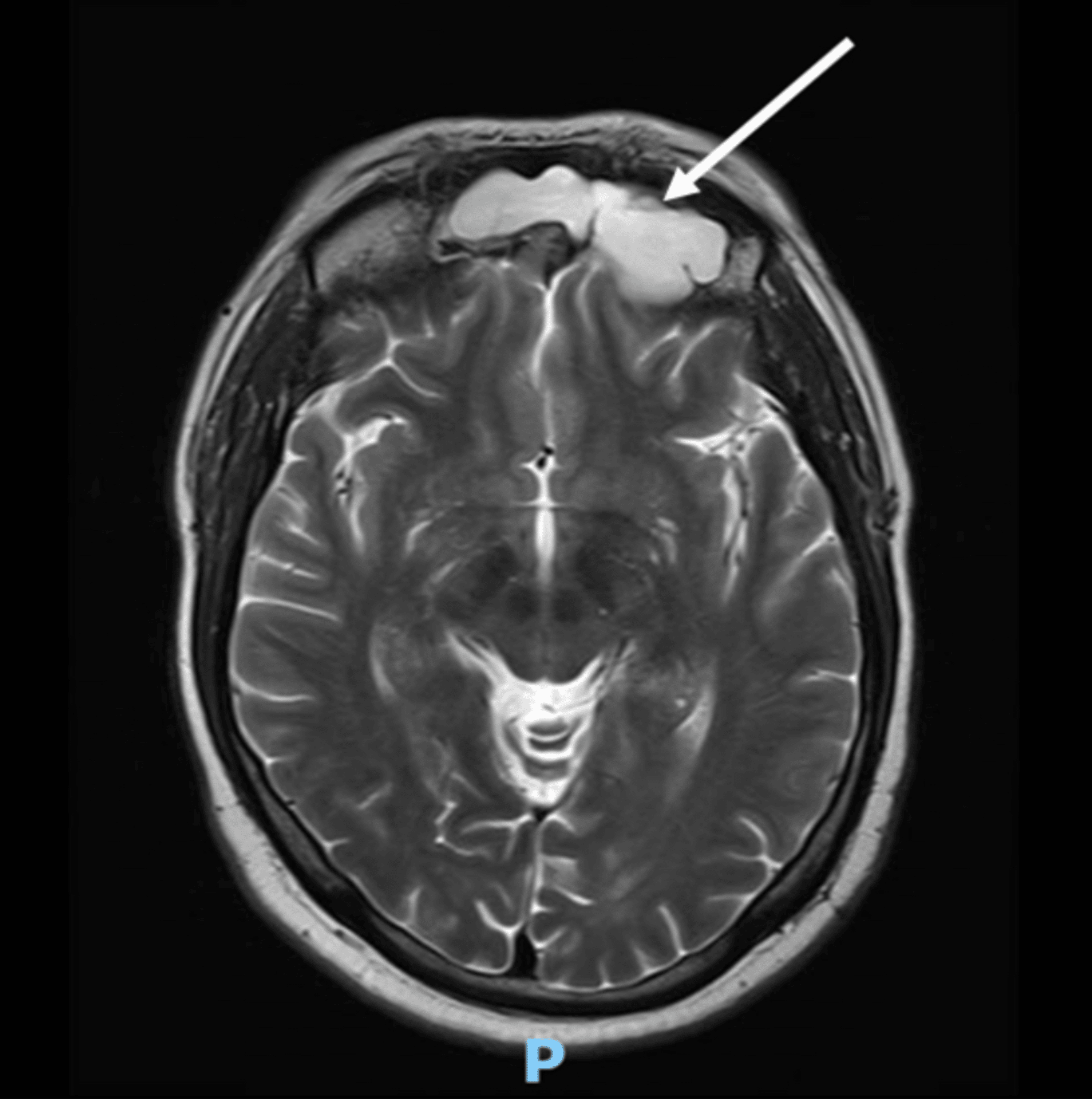
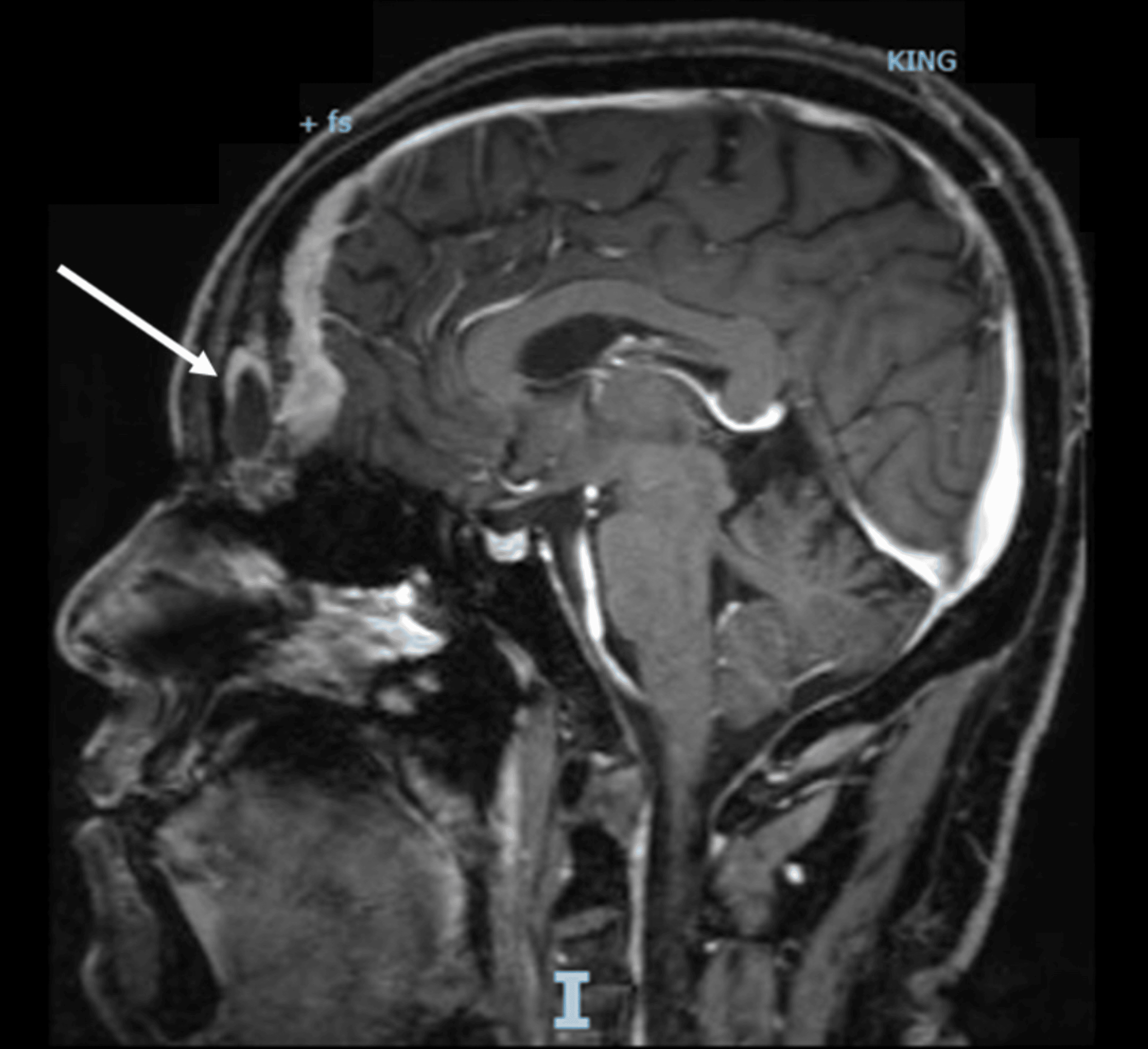
A computed tomography scan with contrast (CT scan) of the chest, abdomen, and pelvis, with a special focus on the adrenals, was negative for any malignancy or masses. CT scan of the neck showed bilaterally enlarged submandibular lymph nodes and an enlarged right lobe of the thyroid with nodules. Fine needle aspiration (FNA) of the thyroid nodules revealed a benign nature. Magnetic resonance imaging (MRI) of the brain showed a contrast-enhancing soft tissue lesion (18x18x10mm) in the midline olfactory groove area with extension into the frontal dura and superior sagittal sinus, suggesting recurrence of the previous ONB. There was evidence of previous surgery also. The pituitary gland was normal (Figures 12).

A-brain-MRI-(T1-weighted;-without-contrast;-sagittal-plane)-shows-a-soft-tissue-lesion-located-in-the-midline-olfactory-groove-area.-Dural-surface-with-extension-into-anterior-frontal-dura.
Figure 1: A brain MRI (T1-weighted; without contrast; sagittal plane) shows a soft tissue lesion located in the midline olfactory groove area. Dural surface with extension into anterior frontal dura.

MRI: Magnetic resonance imaging

A-brain-MRI-(T2-weighted;-without-contrast;-axial-plane)-shows-a-soft-tissue-lesion-located-in-the-midline-olfactory-groove-area.
Figure 2: A brain MRI (T2-weighted; without contrast; axial plane) shows a soft tissue lesion located in the midline olfactory groove area.

MRI: Magnetic resonance imaging

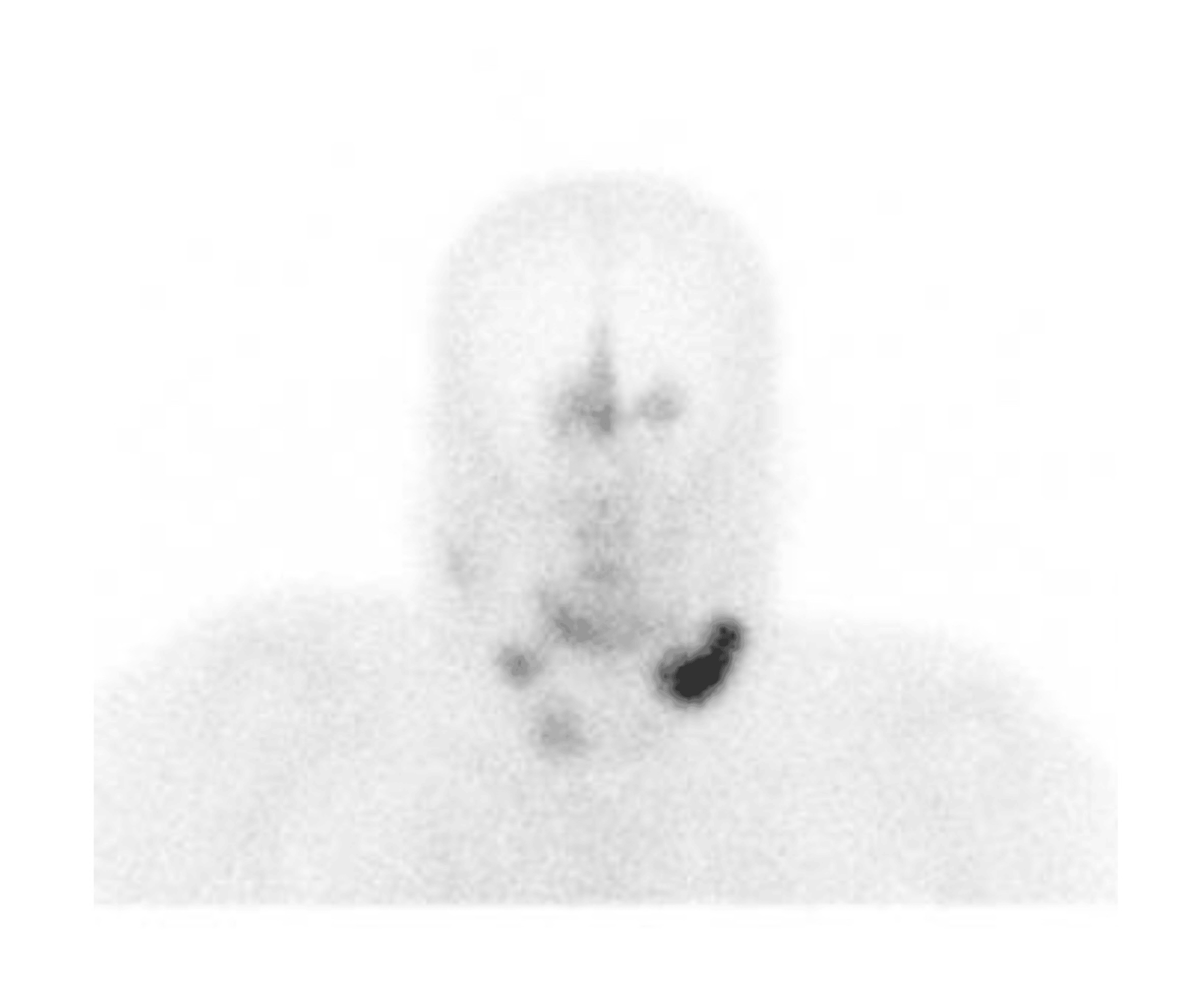
Octreotide scintigraphy showed three focal abnormal uptakes in the submandibular cervical nodes. Additionally, there was a moderate abnormal uptake at the midline olfactory groove with bilateral extension (Figure 3).

Whole-body-octreotide-scan-(15-mCi-99mTc-Octreotide-IV)-demonstrates-three-focal-abnormal-uptakes:-the-largest-(5.2-x-2.4-cm)-in-the-left-submandibular-region,-and-two-smaller-ones-on-the-right,-suggestive-of-lymph-node-uptake.-Additional-abnormal-uptake-was-seen-along-the-midline-of-the-olfactory-groove-region-with-bilateral-extension.-No-other-significant-abnormal-uptake-was-identified.
Figure 3: Whole-body octreotide scan (15 mCi 99mTc-Octreotide IV) demonstrates three focal abnormal uptakes: the largest (5.2 x 2.4 cm) in the left submandibular region, and two smaller ones on the right, suggestive of lymph node uptake. Additional abnormal uptake was seen along the midline of the olfactory groove region with bilateral extension. No other significant abnormal uptake was identified.

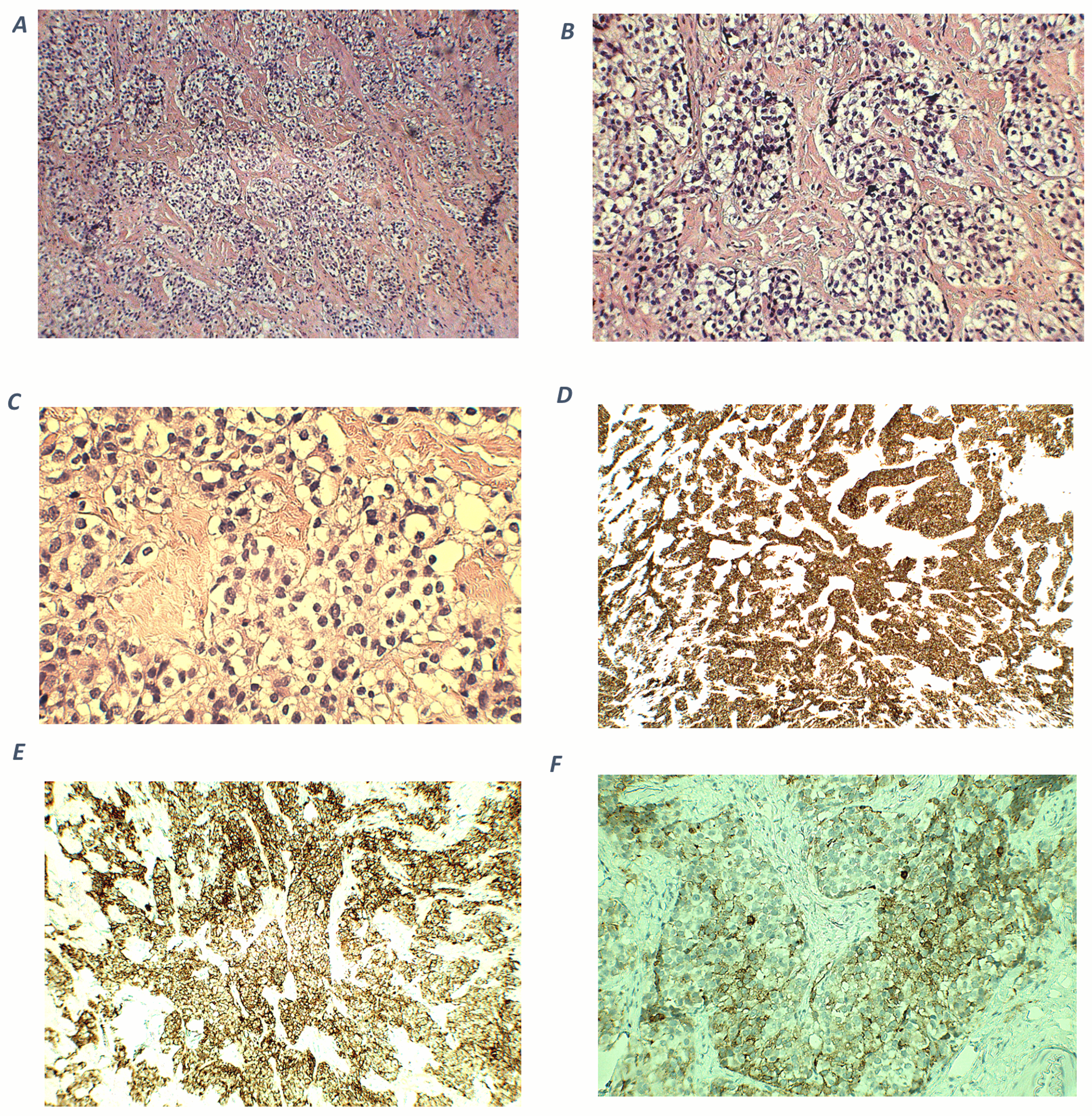
On microscopic examination, an excisional biopsy after the transcranial resection surgery of the frontal skull base tumor showed nests and lobules of round to oval cells with clear cytoplasm, separated by vascular and hyalinized fibrous stroma (Figures 4A4B). Tumor cells show mild to moderate nuclear pleomorphism, and fine chromatin (Figure 4C). A fibrillary neural matrix is also present. Some mitotic figures can be seen. Immunohistochemical stains revealed positive staining for synaptophysin (Figure 4D) and chromogranin (Figure 4E). Stains for CK (AE1/AE3), CD45, Desmin, and Myogenin are negative. Immunostaining for ACTH was focally positive (Figure 4F), while the specimen of the cervical lymph nodes showed the same staining, indicating metastases. The cytomorphologic and immunophenotypic features observed are consistent with a Hyams grade II ONB, with ectopic ACTH production.

Histopathological-and-immunohistochemical-findings-of-olfactory-neuroblastoma.
Figure 4: Histopathological and immunohistochemical findings of olfactory neuroblastoma.

A (100x magnification) and B (200x magnification) – hematoxylin and eosin (H-E) staining shows cellular nests of round blue cells separated by hyalinized stroma. C (400x magnification) – nuclei show mild to moderate pleomorphism with fine chromatin. D (100x magnification) – an immunohistochemical stain for synaptophysin shows diffuse, strong cytoplasmic positivity within tumor cells. E (200x magnification) – tumor cells are positive for chromogranin. F (400x magnification) – ACTH cytoplasmic expression in tumor cells.

ACTH: adrenocorticotropic hormone

For his resistant hypokalemia, he had to be given intravenous (IV) and oral potassium chloride (KCL) repeatedly. The patient underwent transcranial resection of the frontal skull base tumor. The patient received cefazolin for seven days, and hydrocortisone for four days. After transcranial resection, his cortisol level decreased to 700 nmol/L. Furthermore, ACTH dropped, and serum potassium also normalized. Subsequently, the patient was transferred to the intensive care unit (ICU) for meticulous monitoring and continued care. In the ICU, the patient developed one episode of a generalized tonic-clonic seizure, which aborted spontaneously, and the patient received phenytoin and levetiracetam to prevent other episodes. A right-sided internal jugular vein and left transverse sinus thrombosis were also developed and treated with enoxaparin sodium. Following surgery, his low potassium levels improved, resulting in an improvement in his limb weakness. His other symptoms also gradually improved after surgery. Three weeks following the primary tumor resection, he underwent bilateral neck dissection with right hemithyroidectomy, for removal of the metastases. The patient opted out of chemotherapy and planned for an international transfer to his home country for further management. Other treatments that he received during hospitalization were ceftriaxone, azithromycin, and Augmentin®. Insulin was used to manage his diabetes, perindopril to regulate his blood pressure, and spironolactone to increase potassium retention. Omeprazole was administered to prevent GI bleeding and heartburn/gastroesophageal reflux disease relief after discharge.

Discussion

ONB was first described in 1924, and it is a rare neuroectodermal tumor that accounts for 2% of tumors affecting the nasal cavity [11]. Even though ONB has a good survival rate, long-term follow-up is necessary due to the disease’s high recurrence rate [2]. ONB recurrence has been approximated to range between 30% and 60% after successful treatment of the primary tumor [12]. Recurrent disease is usually locoregional and tends to have a long interval to relapse with a mean of six years [12]. The first reported case of ectopic ACTH syndrome caused by ONB was in 1987 by M Reznik et al., who reported a 48-year-old woman with ONB who developed a Cushing-like syndrome 28 months before her death [13].

The occurrence of Cushing’s syndrome due to ectopic ACTH can occur either in the initial tumor or even years later during its course or after recurrence [3,6,9,14]. Similar to the case of Abe et al. [3], our patient also presented with muscle weakness due to hypokalemia, which is a feature of Cushing’s syndrome. Hypokalemia is present at diagnosis in 64% to 86% of cases of EAS and is resistant to treatment [9,14], as seen in our case. In our patient, the exact time of development of Cushing’s syndrome could not be ascertained due to the non-availability of previous records. However, according to the patient, he started developing abdominal obesity, pigmentation, and buffalo hump in 2021 about two years after his second surgery for ONB.

The distinction between pituitary ACTH and ectopic ACTH involves utilizing CT/MRI of the pituitary, corticotropin-releasing hormone (CRH) stimulation test with petrosal sinus blood sampling, high dose dexamethasone suppression test, and checking serum K+ (more commonly low in ectopic ACTH) [2,15,16]. In our case, a CRH stimulation test was not available but CT/MRI brain, dexamethasone test, low serum potassium, plus the postoperative fall in cortisol levels, all pointed towards an ectopic ACTH source.

Conclusions

In conclusion, this case highlights the rare association between ONB and ectopic ACTH syndrome, which developed after tumor recurrence. The patient’s unique presentation of bilateral lower limb weakness and hypokalemia can cause diagnostic challenges, emphasizing the need for comprehensive diagnostic measures. Surgical intervention proved crucial, with postoperative cortisol values becoming normal, highlighting the efficacy of this approach. The occurrence of ectopic ACTH production in ONB patients, although very rare, is emphasized, so that healthcare professionals who deal with these tumors are aware of this complication. This report contributes valuable insights shedding light on the unique ONB manifestation causing ectopic ACTH syndrome. The ongoing monitoring of the patient’s clinical features will further enrich the understanding of the course of this uncommon phenomenon in the medical literature.

References

  1. Thompson LD: Olfactory neuroblastoma. Head Neck Pathol. 2009, 3:252-9. 10.1007/s12105-009-0125-2
  2. Abdelmeguid AS: Olfactory neuroblastoma. Curr Oncol Rep. 2018, 20:7. 10.1007/s11912-018-0661-6
  3. Abe H, Suwanai H, Kambara N, et al.: A rare case of ectopic adrenocorticotropic hormone syndrome with recurrent olfactory neuroblastoma. Intern Med. 2021, 60:105-9. 10.2169/internalmedicine.2897-19
  4. Yin Z, Wang Y, Wu Y, et al.: Age distribution and age-related outcomes of olfactory neuroblastoma: a population-based analysis. Cancer Manag Res. 2018, 10:1359-64. 10.2147/CMAR.S151945
  5. Platek ME, Merzianu M, Mashtare TL, Popat SR, Rigual NR, Warren GW, Singh AK: Improved survival following surgery and radiation therapy for olfactory neuroblastoma: analysis of the SEER database. Radiat Oncol. 2011, 6:41. 10.1186/1748-717X-6-41
  6. Elkon D, Hightower SI, Lim ML, Cantrell RW, Constable WC: Esthesioneuroblastoma. Cancer. 1979, 44:3-1087. 10.1002/1097-0142(197909)44:3<1087::aid-cncr2820440343>3.0.co;2-a
  7. Nieman LK, Biller BM, Findling JW, Newell-Price J, Savage MO, Stewart PM, Montori VM: The diagnosis of Cushing’s syndrome: an Endocrine Society Clinical Practice Guideline. J Clin Endocrinol Metab. 2008, 93:1526-40. 10.1210/jc.2008-0125
  8. Chabre O: Cushing syndrome: physiopathology, etiology and principles of therapy [Article in French]. Presse Med. 2014, 43:376-92. 10.1016/j.lpm.2014.02.001
  9. Isidori AM, Lenzi A: Ectopic ACTH syndrome. Arq Bras Endocrinol Metabol. 2007, 51:1217-25. 10.1590/s0004-27302007000800007
  10. Kunc M, Gabrych A, Czapiewski P, Sworczak K: Paraneoplastic syndromes in olfactory neuroblastoma. Contemp Oncol (Pozn). 2015, 19:6-16. 10.5114/wo.2015.46283
  11. Finlay JB, Abi Hachem R, Jang DW, Osazuwa-Peters N, Goldstein BJ: Deconstructing olfactory epithelium developmental pathways in olfactory neuroblastoma. Cancer Res Commun. 2023, 3:980-90. 10.1158/2767-9764.CRC-23-0013
  12. Ni G, Pinheiro-Neto CD, Iyoha E, et al.: Recurrent esthesioneuroblastoma: long-term outcomes of salvage therapy. Cancers (Basel). 2023, 15:1506. 10.3390/cancers15051506
  13. Reznik M, Melon J, Lambricht M, Kaschten B, Beckers A: Neuroendocrine tumor of the nasal cavity (esthesioneuroblastoma). Apropos of a case with paraneoplastic Cushing’s syndrome [Article in French]. Ann Pathol. 1987, 7:137-42.
  14. Kadoya M, Kurajoh M, Miyoshi A, et al.: Ectopic adrenocorticotropic hormone syndrome associated with olfactory neuroblastoma: acquirement of adrenocorticotropic hormone expression during disease course as shown by serial immunohistochemistry examinations. J Int Med Res. 2018, 46:4760-8. 10.1177/0300060517754026
  15. Clotman K, Twickler MTB, Dirinck E, et al.: An endocrine picture in disguise: a progressive olfactory neuroblastoma complicated with ectopic Cushing syndrome. AACE Clin Case Rep. 2017, 3:278-83. 10.4158/EP161729.CR
  16. Chung YS, Na M, Ku CR, Kim SH, Kim EH: Adrenocorticotropic hormone-secreting esthesioneuroblastoma with ectopic Cushing’s syndrome. Yonsei Med J. 2020, 61:257-61. 10.3349/ymj.2020.61.3.257

From https://www.cureus.com/articles/226080-olfactory-neuroblastoma-causing-cushings-syndrome-due-to-the-ectopic-adrenocorticotropic-hormone-acth-secretion-a-case-report#!/

Olfactory Neuroblastoma Causing Cushing’s Syndrome Due to the Ectopic Adrenocorticotropic Hormone (ACTH) Secretion

Abstract

Cushing’s syndrome is a constellation of features occurring due to high blood cortisol levels. We report a case of a 47-year-old male with a history of recurrent olfactory neuroblastoma (ONB). He presented with bilateral lower limb weakness and anosmia and was found to have Cushing’s syndrome due to high adrenocorticotropic hormone (ACTH) levels from an ectopic source, ONB in this case. Serum cortisol and ACTH levels declined after tumor removal.

Introduction

Olfactory neuroblastoma (ONB), or esthesioneuroblastoma, is a rare malignancy arising from neuroepithelium in the upper nasal cavity. It represents approximately 2% of all nasal passage tumors, with an incidence of approximately 0.4 per 2.5 million individuals [1]. ONB shares similar histological features with small round blue cell neoplasms of the nose. Ectopic hormone secretion is a very rare feature associated with these tumors. Five-year overall survival is reported to be between 60% and 80% [2,3]. The age distribution is either in the fifth to sixth decade of life [4,5], or in the second and sixth decades [6].

Features of Cushing’s syndrome (moon face, buffalo hump, central obesity hypertension, fragile skin, easy bruising, fatigue, muscle weakness) are due to high blood cortisol levels [7]. It can be either primary (cortisol-secreting adrenal tumor), secondary (adrenocorticotropic hormone (ACTH)-secreting pituitary tumor, also called Cushing disease), or ectopic ACTH secretion (from a non-pituitary source). All three types share similar features [8].

Ectopic ACTH syndrome (EAS) is due to an extra pituitary tumor, producing ACTH. It accounts for 12-17% of Cushing’s syndrome cases [9]. Most cases of EAS-producing tumors are in the lungs, mediastinum, neuroendocrine tumors of the gastrointestinal tract, and pheochromocytomas [9]. Ectopic ACTH secretion from an ONB is very rare. As of 2015, only 18 cases were reported in the literature [10]. Here, we report such a case.

Case Presentation

Our patient is a 47-year-old Bangladeshi male, with a history of recurrent ONB that was resected twice in the past (transsphenoidal resection in 2016 and 2019) with adjuvant radiotherapy, no chemotherapy was given. He also had diabetes mellitus type 1 (poorly controlled) and hypertension. He presented with bilateral lower limb weakness, anosmia, decreased oral intake, loss of taste for one week, and bilateral submandibular swelling that increased in size gradually over the past two years. There was no history of fever, cough, abdominal pain, or exposure to sick contacts. The patient reported past episodes of similar symptoms, but details are unclear. The patient’s family history is positive for diabetes mellitus type 1 in both parents. Lab tests in the emergency department showed hypokalemia and hyperglycemia as detailed in Table 1. He was admitted for further workup of the above complaints.

Test Patient Results Reference Range Unit Status
Hemoglobin 14.7 13-17 g/dL Normal
White blood cell (WBC) 17.9 4-10 10*9/L High
Neutrophils 15.89 2-7 10*9/L High
Lymphocytes 1.07 1-3 10*9/L Normal
Sodium 141 136-145 mmol/L Normal
Potassium 2.49 3.5-5.1 mmol/L Low (Panic)
Chloride 95 98-107 mmol/L Low
Glucose 6.52 4.11-5.89 mmol/L Elevated
C-reactive protein (CRP) 0.64 Less than 5 mg/L Normal
Erythrocyte sedimentation rate (ESR) 2 0-30 mm/h Normal
Creatinine 73 62-106 µmol/L Normal
Uric acid 197 202.3-416.5 µmol/L Normal
Alanine aminotransferase (ALT) 33.2 0-41 U/L Normal
Aspartate aminotransferase (AST) 18.6 0-40 U/L Normal
International Normalised Ratio (INR) 1.21 0.8-1.2 sec High
Prothrombin time (PT) 15.7 12.3-14.7 sec High
Lactate dehydrogenase (LDH) 491 135-225 U/L High
Thyroid-stimulating hormone (TSH) 0.222 0.27-4.20 mIU/L Low
Adrenocorticotropic hormone (ACTH) 106 ≤50 ng/L Elevated
Cortisol (after dexamethasone suppression) 1750 Morning hours (6-10 am): 172-497 nmol, Afternoon hours (4-8 pm): 74.1-286 nmol nmol/L Elevated (failure of suppression)
24-hour urine cortisol (after dexamethasone suppression) 5959.1 <120 nmol/24 hrs nmol/24hr Elevated (failure of suppression)
Table 1: Results of blood test at the time of hospitalization. Hypokalemia and high values of adrenocorticotropic hormone and cortisol were confirmed.

On examination, the patient’s vital signs were as follows: blood pressure was 154/77 mmHg, heart rate of 60 beats per minute, respiratory rate was 18 breaths per minute, oxygen saturation of 98% on room air, and a temperature of 36.7°C. The patient had a typical Cushingoid appearance with a moon face, buffalo hump, purple striae on the abdomen, central obesity, and hyperpigmentation of the skin. Submandibular lymph nodes were enlarged bilaterally. The examination of the submandibular lymph nodes showed a firm, fixed mass extending from the angle of the mandible to the submental space on the left side. Neurological examination showed weakness in both legs bilaterally (strength 3/5) and anosmia (checked by orthonasal smell test). The rest of the neurological exam was normal.

Laboratory findings revealed (in Table 1) a marked hypokalemia of 2.49 mmol/L and hyperglycemia of 6.52 mmol/L. The serum cortisol level was elevated at 1587 nmol/L. Serum ACTH levels were raised at 106 ng/L (normal value ≤50 ng/L). Moreover, the high-dose dexamethasone suppression test failed to lower the serum ACTH levels and serum and urine cortisol. Serum cortisol level after the suppression test was 1750 nmol/L, while 24-hour urine cortisol after the test was 5959.1 nmol/24hr. Serum ACTH levels after the test also remained high at 100mg/L. This indicated failure of ACTH suppression by high-dose dexamethasone, which points towards ectopic ACTH production. Other blood tests (complete blood count, liver function tests) were insignificant.

A computed tomography scan with contrast (CT scan) of the chest, abdomen, and pelvis, with a special focus on the adrenals, was negative for any malignancy or masses. CT scan of the neck showed bilaterally enlarged submandibular lymph nodes and an enlarged right lobe of the thyroid with nodules. Fine needle aspiration (FNA) of the thyroid nodules revealed a benign nature. Magnetic resonance imaging (MRI) of the brain showed a contrast-enhancing soft tissue lesion (18x18x10mm) in the midline olfactory groove area with extension into the frontal dura and superior sagittal sinus, suggesting recurrence of the previous ONB. There was evidence of previous surgery also. The pituitary gland was normal (Figures 12).

A-brain-MRI-(T1-weighted;-without-contrast;-sagittal-plane)-shows-a-soft-tissue-lesion-located-in-the-midline-olfactory-groove-area.-Dural-surface-with-extension-into-anterior-frontal-dura.
Figure 1: A brain MRI (T1-weighted; without contrast; sagittal plane) shows a soft tissue lesion located in the midline olfactory groove area. Dural surface with extension into anterior frontal dura.

MRI: Magnetic resonance imaging

A-brain-MRI-(T2-weighted;-without-contrast;-axial-plane)-shows-a-soft-tissue-lesion-located-in-the-midline-olfactory-groove-area.
Figure 2: A brain MRI (T2-weighted; without contrast; axial plane) shows a soft tissue lesion located in the midline olfactory groove area.

MRI: Magnetic resonance imaging

Octreotide scintigraphy showed three focal abnormal uptakes in the submandibular cervical nodes. Additionally, there was a moderate abnormal uptake at the midline olfactory groove with bilateral extension (Figure 3).

Whole-body-octreotide-scan-(15-mCi-99mTc-Octreotide-IV)-demonstrates-three-focal-abnormal-uptakes:-the-largest-(5.2-x-2.4-cm)-in-the-left-submandibular-region,-and-two-smaller-ones-on-the-right,-suggestive-of-lymph-node-uptake.-Additional-abnormal-uptake-was-seen-along-the-midline-of-the-olfactory-groove-region-with-bilateral-extension.-No-other-significant-abnormal-uptake-was-identified.
Figure 3: Whole-body octreotide scan (15 mCi 99mTc-Octreotide IV) demonstrates three focal abnormal uptakes: the largest (5.2 x 2.4 cm) in the left submandibular region, and two smaller ones on the right, suggestive of lymph node uptake. Additional abnormal uptake was seen along the midline of the olfactory groove region with bilateral extension. No other significant abnormal uptake was identified.

On microscopic examination, an excisional biopsy after the transcranial resection surgery of the frontal skull base tumor showed nests and lobules of round to oval cells with clear cytoplasm, separated by vascular and hyalinized fibrous stroma (Figures 4A4B). Tumor cells show mild to moderate nuclear pleomorphism, and fine chromatin (Figure 4C). A fibrillary neural matrix is also present. Some mitotic figures can be seen. Immunohistochemical stains revealed positive staining for synaptophysin (Figure 4D) and chromogranin (Figure 4E). Stains for CK (AE1/AE3), CD45, Desmin, and Myogenin are negative. Immunostaining for ACTH was focally positive (Figure 4F), while the specimen of the cervical lymph nodes showed the same staining, indicating metastases. The cytomorphologic and immunophenotypic features observed are consistent with a Hyams grade II ONB, with ectopic ACTH production.

Histopathological-and-immunohistochemical-findings-of-olfactory-neuroblastoma.
Figure 4: Histopathological and immunohistochemical findings of olfactory neuroblastoma.

A (100x magnification) and B (200x magnification) – hematoxylin and eosin (H-E) staining shows cellular nests of round blue cells separated by hyalinized stroma. C (400x magnification) – nuclei show mild to moderate pleomorphism with fine chromatin. D (100x magnification) – an immunohistochemical stain for synaptophysin shows diffuse, strong cytoplasmic positivity within tumor cells. E (200x magnification) – tumor cells are positive for chromogranin. F (400x magnification) – ACTH cytoplasmic expression in tumor cells.

ACTH: adrenocorticotropic hormone

For his resistant hypokalemia, he had to be given intravenous (IV) and oral potassium chloride (KCL) repeatedly. The patient underwent transcranial resection of the frontal skull base tumor. The patient received cefazolin for seven days, and hydrocortisone for four days. After transcranial resection, his cortisol level decreased to 700 nmol/L. Furthermore, ACTH dropped, and serum potassium also normalized. Subsequently, the patient was transferred to the intensive care unit (ICU) for meticulous monitoring and continued care. In the ICU, the patient developed one episode of a generalized tonic-clonic seizure, which aborted spontaneously, and the patient received phenytoin and levetiracetam to prevent other episodes. A right-sided internal jugular vein and left transverse sinus thrombosis were also developed and treated with enoxaparin sodium. Following surgery, his low potassium levels improved, resulting in an improvement in his limb weakness. His other symptoms also gradually improved after surgery. Three weeks following the primary tumor resection, he underwent bilateral neck dissection with right hemithyroidectomy, for removal of the metastases. The patient opted out of chemotherapy and planned for an international transfer to his home country for further management. Other treatments that he received during hospitalization were ceftriaxone, azithromycin, and Augmentin®. Insulin was used to manage his diabetes, perindopril to regulate his blood pressure, and spironolactone to increase potassium retention. Omeprazole was administered to prevent GI bleeding and heartburn/gastroesophageal reflux disease relief after discharge.

Discussion

ONB was first described in 1924, and it is a rare neuroectodermal tumor that accounts for 2% of tumors affecting the nasal cavity [11]. Even though ONB has a good survival rate, long-term follow-up is necessary due to the disease’s high recurrence rate [2]. ONB recurrence has been approximated to range between 30% and 60% after successful treatment of the primary tumor [12]. Recurrent disease is usually locoregional and tends to have a long interval to relapse with a mean of six years [12]. The first reported case of ectopic ACTH syndrome caused by ONB was in 1987 by M Reznik et al., who reported a 48-year-old woman with ONB who developed a Cushing-like syndrome 28 months before her death [13].

The occurrence of Cushing’s syndrome due to ectopic ACTH can occur either in the initial tumor or even years later during its course or after recurrence [3,6,9,14]. Similar to the case of Abe et al. [3], our patient also presented with muscle weakness due to hypokalemia, which is a feature of Cushing’s syndrome. Hypokalemia is present at diagnosis in 64% to 86% of cases of EAS and is resistant to treatment [9,14], as seen in our case. In our patient, the exact time of development of Cushing’s syndrome could not be ascertained due to the non-availability of previous records. However, according to the patient, he started developing abdominal obesity, pigmentation, and buffalo hump in 2021 about two years after his second surgery for ONB.

The distinction between pituitary ACTH and ectopic ACTH involves utilizing CT/MRI of the pituitary, corticotropin-releasing hormone (CRH) stimulation test with petrosal sinus blood sampling, high dose dexamethasone suppression test, and checking serum K+ (more commonly low in ectopic ACTH) [2,15,16]. In our case, a CRH stimulation test was not available but CT/MRI brain, dexamethasone test, low serum potassium, plus the postoperative fall in cortisol levels, all pointed towards an ectopic ACTH source.

Conclusions

In conclusion, this case highlights the rare association between ONB and ectopic ACTH syndrome, which developed after tumor recurrence. The patient’s unique presentation of bilateral lower limb weakness and hypokalemia can cause diagnostic challenges, emphasizing the need for comprehensive diagnostic measures. Surgical intervention proved crucial, with postoperative cortisol values becoming normal, highlighting the efficacy of this approach. The occurrence of ectopic ACTH production in ONB patients, although very rare, is emphasized, so that healthcare professionals who deal with these tumors are aware of this complication. This report contributes valuable insights shedding light on the unique ONB manifestation causing ectopic ACTH syndrome. The ongoing monitoring of the patient’s clinical features will further enrich the understanding of the course of this uncommon phenomenon in the medical literature.

References

  1. Thompson LD: Olfactory neuroblastoma. Head Neck Pathol. 2009, 3:252-9. 10.1007/s12105-009-0125-2
  2. Abdelmeguid AS: Olfactory neuroblastoma. Curr Oncol Rep. 2018, 20:7. 10.1007/s11912-018-0661-6
  3. Abe H, Suwanai H, Kambara N, et al.: A rare case of ectopic adrenocorticotropic hormone syndrome with recurrent olfactory neuroblastoma. Intern Med. 2021, 60:105-9. 10.2169/internalmedicine.2897-19
  4. Yin Z, Wang Y, Wu Y, et al.: Age distribution and age-related outcomes of olfactory neuroblastoma: a population-based analysis. Cancer Manag Res. 2018, 10:1359-64. 10.2147/CMAR.S151945
  5. Platek ME, Merzianu M, Mashtare TL, Popat SR, Rigual NR, Warren GW, Singh AK: Improved survival following surgery and radiation therapy for olfactory neuroblastoma: analysis of the SEER database. Radiat Oncol. 2011, 6:41. 10.1186/1748-717X-6-41
  6. Elkon D, Hightower SI, Lim ML, Cantrell RW, Constable WC: Esthesioneuroblastoma. Cancer. 1979, 44:3-1087. 10.1002/1097-0142(197909)44:3<1087::aid-cncr2820440343>3.0.co;2-a
  7. Nieman LK, Biller BM, Findling JW, Newell-Price J, Savage MO, Stewart PM, Montori VM: The diagnosis of Cushing’s syndrome: an Endocrine Society Clinical Practice Guideline. J Clin Endocrinol Metab. 2008, 93:1526-40. 10.1210/jc.2008-0125
  8. Chabre O: Cushing syndrome: physiopathology, etiology and principles of therapy [Article in French]. Presse Med. 2014, 43:376-92. 10.1016/j.lpm.2014.02.001
  9. Isidori AM, Lenzi A: Ectopic ACTH syndrome. Arq Bras Endocrinol Metabol. 2007, 51:1217-25. 10.1590/s0004-27302007000800007
  10. Kunc M, Gabrych A, Czapiewski P, Sworczak K: Paraneoplastic syndromes in olfactory neuroblastoma. Contemp Oncol (Pozn). 2015, 19:6-16. 10.5114/wo.2015.46283
  11. Finlay JB, Abi Hachem R, Jang DW, Osazuwa-Peters N, Goldstein BJ: Deconstructing olfactory epithelium developmental pathways in olfactory neuroblastoma. Cancer Res Commun. 2023, 3:980-90. 10.1158/2767-9764.CRC-23-0013
  12. Ni G, Pinheiro-Neto CD, Iyoha E, et al.: Recurrent esthesioneuroblastoma: long-term outcomes of salvage therapy. Cancers (Basel). 2023, 15:1506. 10.3390/cancers15051506
  13. Reznik M, Melon J, Lambricht M, Kaschten B, Beckers A: Neuroendocrine tumor of the nasal cavity (esthesioneuroblastoma). Apropos of a case with paraneoplastic Cushing’s syndrome [Article in French]. Ann Pathol. 1987, 7:137-42.
  14. Kadoya M, Kurajoh M, Miyoshi A, et al.: Ectopic adrenocorticotropic hormone syndrome associated with olfactory neuroblastoma: acquirement of adrenocorticotropic hormone expression during disease course as shown by serial immunohistochemistry examinations. J Int Med Res. 2018, 46:4760-8. 10.1177/0300060517754026
  15. Clotman K, Twickler MTB, Dirinck E, et al.: An endocrine picture in disguise: a progressive olfactory neuroblastoma complicated with ectopic Cushing syndrome. AACE Clin Case Rep. 2017, 3:278-83. 10.4158/EP161729.CR
  16. Chung YS, Na M, Ku CR, Kim SH, Kim EH: Adrenocorticotropic hormone-secreting esthesioneuroblastoma with ectopic Cushing’s syndrome. Yonsei Med J. 2020, 61:257-61. 10.3349/ymj.2020.61.3.257

From https://www.cureus.com/articles/226080-olfactory-neuroblastoma-causing-cushings-syndrome-due-to-the-ectopic-adrenocorticotropic-hormone-acth-secretion-a-case-report?score_article=true#!/