Rapid Endocrine Remission After ZAP-X Gyroscopic Radiosurgery for Cushing’s Disease

Abstract

Cushing’s disease is a rare but potentially life-threatening disorder caused by excessive adrenocorticotropic hormone (ACTH) secretion from a pituitary adenoma. Although transsphenoidal surgery remains the first-line treatment, radiotherapy (RT) can provide effective local and hormonal control in patients with persistent or recurrent disease; however, endocrine remission typically occurs only after several months or even years. To our knowledge, we report the first documented case of an exceptionally rapid hormonal remission following gyroscopic stereotactic radiosurgery (SRS) using the self-shielding ZAP-X system (ZAP Surgical Inc., San Carlos, CA, USA) in a patient with recurrent Cushing’s disease. The patient received a single-fraction dose of 25 Gy prescribed to the 57% isodose line. Remarkably, ACTH and cortisol levels normalized within one month after SRS, accompanied by a striking improvement in clinical symptoms and no treatment-related toxicity. This case highlights the potential of the ZAP-X gyroscopic radiosurgery platform to achieve rapid biochemical control in ACTH-secreting pituitary adenomas and suggests that the unique dose distribution characteristics of this novel technology may contribute to accelerated endocrine responses.

Introduction

Cushing’s disease stems from an excess production of adrenocorticotropic hormone (ACTH) by a pituitary adenoma, leading to elevated cortisol levels and symptoms resembling Cushing’s syndrome [1]. Untreated or inadequately managed hypercortisolism is associated with substantial morbidity and elevated mortality rates for patients with Cushing’s syndrome. While transsphenoidal surgery is frequently considered the preferred initial treatment approach, radiotherapy (RT) can also be contemplated, either as a standalone option for patients ineligible for surgery or as part of a multidisciplinary approach in instances where an adequate response is not attained following surgery. Conventional fractionated RT (CFRT), fractionated stereotactic radiosurgery (F-SRS), and stereotactic radiosurgery (SRS) have all been employed in the treatment of Cushing’s disease, yielding comparable disease control rates ranging from 46% to 100% [2-4]. However, unlike surgery, the response to RT may require time to manifest, and in certain instances, this duration can extend over months or years [4]. Sheehan et al. [5] indicated that the cure rate after RT in patients with Cushing’s disease was 34% in the first year, increasing to 78% by the fifth year. Although CyberKnife (Accuray Inc., Sunnyvale, CA, USA), Gamma Knife (Elekta AB, Stockholm, Sweden), and Linear Accelerator (LINAC)-based systems are all available for F-SRS and SRS, technological advancements are increasing the options. We have integrated the relatively new vault-free, frameless, gyroscopic radiosurgery system, ZAP-X (ZAP Surgical Inc., San Carlos, CA, USA), into our department and have begun using it for cranial F-SRS and SRS treatments [6,7]. To our knowledge, this report introduces the initial case of a patient diagnosed with Cushing’s disease who underwent gyroscopic SRS with the ZAP-X system, experiencing an unexpectedly rapid endocrine response following SRS.

Case Presentation

A 48-year-old female with an unremarkable medical history except for hyperlipidemia underwent investigation in 2018 due to symptoms and findings consistent with Cushing’s syndrome, leading to the detection of hypercortisolism. Her 24-hour urinary free cortisol and ACTH levels were 75 µg/day and 32 pg/mL, respectively. Serum cortisol remained unsuppressed following the 1 mg dexamethasone suppression test (DST), measuring 15.7 mcg/dL. On the magnetic resonance imaging (MRI) of the pituitary gland, a 4.5×3 mm microadenoma was detected in the left half of the adenohypophysis. Following the referral to the neurosurgery department, the patient underwent tumor resection via transsphenoidal endoscopic surgery in December 2018. The pathology resulted in a corticotroph pituitary adenoma. All her symptoms and signs related to Cushing’s disease resolved after surgery, and postoperative MRI showed no residual tumor. The patient was placed under observation without additional treatment. During follow-up visits, the patient remained asymptomatic for approximately five years.

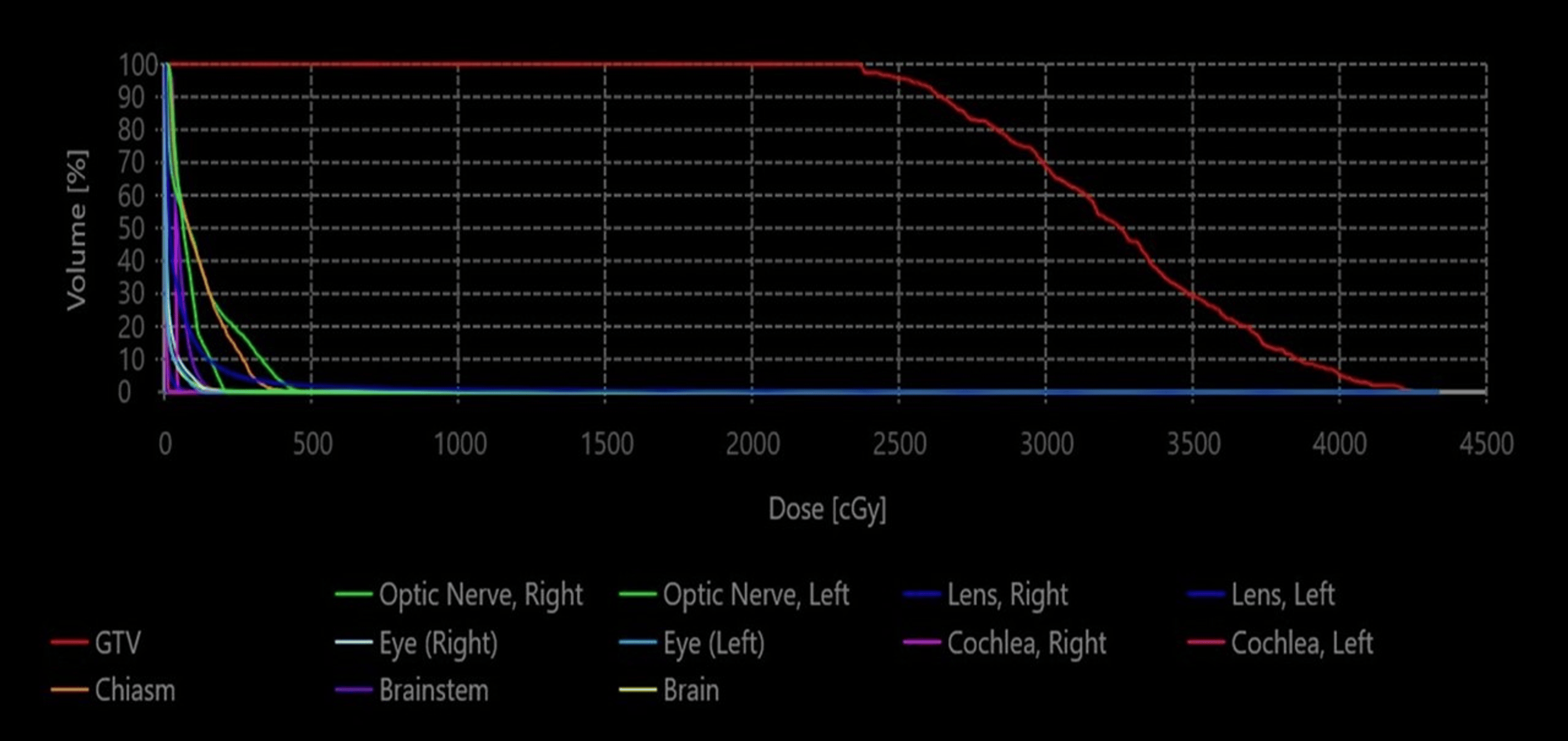
In September 2023, the patient presented with complaints of proximal muscle weakness, irregular menstruation, and Cushingoid appearance. Upon evaluation, hypercortisolism was detected once again. On the pituitary MRI, no residual or recurrent lesion was observed. Subsequently, the patient underwent a second transsphenoidal surgery, but the pathology result did not reveal tissue consistent with a pituitary adenoma. In January 2024, upon initial presentation to our center, the patient’s ACTH level was 29.8 pg/mL, 24-hour urinary free cortisol was 442 µg/day, and serum cortisol following a 1 mg DST was 19 mcg/dL. The levels of the remaining anterior pituitary hormones were within normal ranges. The patient, who continued to exhibit symptoms consistent with Cushing’s syndrome, underwent another pituitary MRI. At this point, it was discovered that there was a recurrent lesion measuring 2×1 mm on the left half of the adenohypophysis. Pasireotide (0.6 mg once daily) was initiated for persistent hypercortisolism but was discontinued due to frequent diarrhea and a widespread allergic skin reaction. The patient was then evaluated by the multidisciplinary neuro-oncology tumor board at our hospital, which recommended RT as the next step. SRS was selected as the RT technique due to the tumor’s small size and its lack of proximity to critical structures such as the optic chiasm. A simulation computed tomography (CT) scan with a 1 mm axial slice thickness was conducted with the patient in the supine position. Intravenous contrast and a thermoplastic mask were utilized to ensure better visualization and precise immobilization. Gross tumor volume (GTV) was delineated as the macroscopic tumor volume according to the MRI, which was performed a few days before SRS. A planning target volume (PTV) was not generated for this case. The prescription dose was 2500 cGy in a single fraction to the 57% isodose (Figure 1). Dose-volume histogram (DVH) was presented in Figure 2. The SRS plan was generated with the integrated ZAP-X treatment planning software (version 1.8.58.12369), and detailed parameters of the plan were presented in Table 1.

Dose-distribution-of-the-gyroscopic-stereotactic-radiosurgery-plan-for-pituitary-adenoma
Figure 1: Dose distribution of the gyroscopic stereotactic radiosurgery plan for pituitary adenoma

The image shows the three-dimensional dose distribution generated using the ZAP-X system (ZAP Surgical Inc., San Carlos, CA, USA). The prescription dose of 25 Gy to the 57% isodose line is illustrated. A: planning computed tomography (CT) scan showing the isodose distribution around the target; B: planning magnetic resonance imaging (MRI) fused with CT for target delineation.

Dose-volume-histogram-(DVH)-of-the-gyroscopic-stereotactic-radiosurgery-plan
Figure 2: Dose-volume histogram (DVH) of the gyroscopic stereotactic radiosurgery plan

The DVH demonstrates a steep dose fall-off beyond the target margins, with minimal exposure to the optic nerves, optic chiasm, and brainstem, confirming optimal dose conformity and effective sparing of organs at risk. Within the gross tumor volume (GTV), the dose distribution is intentionally inhomogeneous, with a hot spot centrally located to ensure adequate tumor coverage and biological effectiveness.

Parameters Values
Volume (GTV) 0.13 cm3
Prescription dose & isodose 2500 cGy & 57.6%
Coverage 95.68%
Homogeneity index 1.74
New conformity index 1.48
Gradient index 3.58
GTV Dmean 3249 cGy
GTV Dmax 4340 cGy
GTV Dmin 2364 cGy
Optic chiasm (Dmax) 452 cGy
Left optic nerve (Dmax) 480 cGy
Right optic nerve (Dmax) 212 cGy
Brainstem (Dmax) 233 cGy
Number of beams 128
Number of isocenters 3
Monitor units 16.121
Collimator thicknesses 4 & 4 & 5 mm
Treatment delivery time 33 min
Table 1: Detailed parameters of the gyroscopic radiosurgery plan

Dmax: maximum dose; Dmean: mean dose; Dmin: minimum dose; GTV: gross tumor volume; mm: millimeter; min: minute

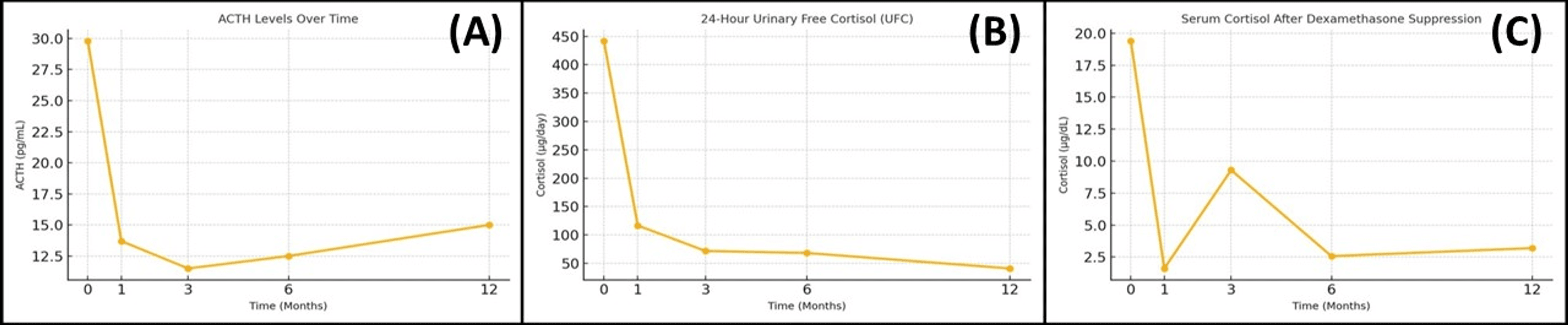
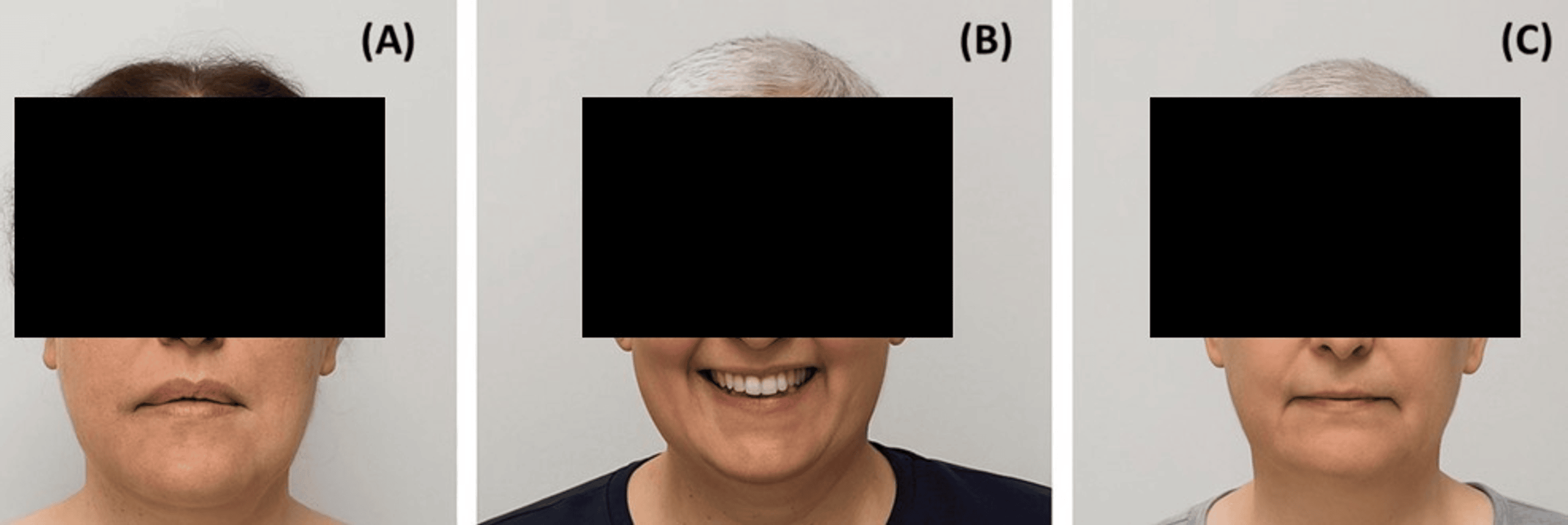
The treatment was well tolerated, and a marked biochemical response was observed one month after SRS, with ACTH and 24-hour urinary free cortisol levels decreasing to 14.2 pg/mL and 116 µg/day, respectively. Serum cortisol following a 1 mg DST was suppressed to 1.6 µg/dL. Concurrently, there was a noticeable improvement in the clinical signs and symptoms of Cushing’s disease. The patient was subsequently followed with regular clinical assessments at three-month intervals for one year. Throughout the follow-up period, ACTH, 24-hour urinary free cortisol, and post-DST serum cortisol levels remained near-normal (Figure 3). Levels of other anterior pituitary hormones were within normal limits. The patient’s biochemical parameters, including ACTH, urinary free cortisol, and serum cortisol levels before and after SRS, are summarized in Table 2. At the three-month post-SRS MRI, the lesion was found to be radiologically stable. However, the patient reported a subjective improvement in proximal muscle weakness beginning one month after treatment. No SRS-related toxicity was observed during the follow-up period, and partial regression of the Cushingoid phenotype was documented (Figure 4).

Temporal-changes-in-hormonal-parameters-following-gyroscopic-stereotactic-radiosurgery
Figure 3: Temporal changes in hormonal parameters following gyroscopic stereotactic radiosurgery

A: adrenocorticotropic hormone (ACTH) levels showed a rapid decline within the first month after treatment, remaining suppressed throughout follow-up; B: twenty-four-hour urinary free cortisol (UFC) demonstrated a similar sharp reduction after radiosurgery, indicating early biochemical response; C: serum cortisol levels after dexamethasone suppression normalized by the first month and remained within the physiological range during subsequent evaluations, consistent with sustained hormonal remission.

Parameter Unit Reference Range At Initial Diagnosis (2018) Recurrence (Jan 2024, before SRS) 1 Month After SRS 3 Months After SRS 6 Months After SRS 12 Months After SRS
ACTH pg/mL 7.2 – 63.3 32 29.8 14.2 11.0 12.5 15.0
24-hour UFC µg/day 20 – 90 75 442 116 65 55 45
Serum cortisol after 1 mg DST µg/dL < 1.8 (suppressed) 15.7 19.0 1.6 9.0 2.5 3.0
Table 2: Summary of laboratory findings before and after gyroscopic stereotactic radiosurgery

ACTH: adrenocorticotropic hormone; UFC: urinary free cortisol; DST: dexamethasone suppression test; SRS: stereotactic radiosurgery

Facial-appearance-before-and-after-gyroscopic-stereotactic-radiosurgery-(SRS)
Figure 4: Facial appearance before and after gyroscopic stereotactic radiosurgery (SRS)

The images illustrate the patient’s appearance at the time of initial diagnosis (A), before SRS (B), and after the procedure (C).

Discussion

To our knowledge, we report a rapid endocrine response observed in the first patient with Cushing’s disease treated using the ZAP-X gyroscopic radiosurgery system. Despite the patient having a significantly high 24-hour urinary free cortisol level before SRS, there was a considerable decrease within a short period after SRS.

Both surgical and medical treatments, along with RT, are viable approaches for managing pituitary adenomas. Approximately 70% of pituitary adenomas are associated with syndromes characterized by excessive hormone secretion, with the most common types producing prolactin, growth hormone, and ACTH [8]. Unlike non-secreting adenomas, the treatment goal for secreting adenomas extends beyond local tumor control to include the management of endocrinopathies. Although transsphenoidal surgery is commonly regarded as the first-line treatment, RT may also be considered, either as a primary modality in patients who are not surgical candidates or as part of a multimodal strategy when surgical outcomes are suboptimal. CFRT, F-SRS, and SRS have all been employed in treating patients with Cushing’s disease, yielding comparable disease control rates [9]. CFRT may be preferred, particularly for larger tumors or those located near organs at risk (OAR). In appropriately selected cases, advanced techniques such as F-SRS and SRS can shorten treatment duration and enable dose escalation within the tumor while providing a rapid dose fall-off outside the target volume. While RT can effectively control local tumor growth, its success in addressing endocrinopathies is typically more limited. In a systematic review, the rates of local tumor control and endocrine control for Cushing’s disease were reported as 92% and 48%, respectively [9]. Additionally, the radiation doses required for tumor control and endocrine response vary from each other [10]. While SRS doses ranging from 12 to 20 Gy typically achieve adequate local tumor control, especially in non-secreting adenomas, it has been observed that endocrine response rates improve at marginal doses around 30 Gy [11,12]. However, administering high doses can be challenging due to the presence of OAR, such as the optic apparatus, which is located in close proximity to the target volumes. It is recommended that the volume of the OAR receiving a dose of 8 Gy for the optic apparatus in SRS plans should be <0.2 cm³, and the volume receiving a dose of 10 Gy should be <0.035 cm³ [13]. Therefore, modern SRS platforms, which enable the delivery of high doses within the target volume while ensuring steep dose fall-off beyond it, offer the potential to widen the therapeutic window. In our patient, the ZAP-X gyroscopic SRS system enabled the delivery of 2500 cGy to the GTV at the 57% isodose line, while maintaining doses to OAR below recommended thresholds. Additionally, intratumoral hotspots allowed for the desired dose inhomogeneity, aligning with the core principles of SRS.

It is important to note that many patients with secreting pituitary adenomas suffer from symptoms caused by excessive hormone secretion, significantly impacting their quality of life and requiring consideration in treatment decisions [14]. In cases where patients experience severe symptoms due to elevated hormone levels, surgery may be prioritized, although various medical treatments are also viable options to consider. Pasireotide, a somatostatin analogue with multireceptor targeting, serves as an effective treatment for patients with persistent or recurring hypercortisolism post-surgery or when surgery isn’t viable. However, its tolerability is debatable due to various adverse effects such as hyperglycemia and diarrhea [15]. In our patient, despite initiating pasireotide due to persistently elevated hormone levels post-surgery, it was discontinued within less than two weeks due to intolerable adverse effects.

The biological effect of SRS on hormonal hypersecretion is believed to unfold gradually, and in some cases, this process may span months or even years. Sheehan et al. [5] reported outcomes for patients with Cushing’s disease, revealing a response rate of 34% at one year, 54% at two years, 72% at three years, and 78% at five years following SRS. In our patient, a significant decrease in 24-hour urinary free cortisol level was observed within only one month after SRS. To the best of our knowledge, this represents the most rapid endocrine response after SRS reported to date. It is important to consider, however, that the rapid hormonal normalization observed in our case may have been influenced by prior medical and surgical interventions. The patient underwent two transsphenoidal surgeries and briefly received pasireotide before radiosurgery, which could have altered tumor biology or hormonal responsiveness. Nevertheless, the close temporal relationship between ZAP-X treatment and biochemical remission strongly suggests a causal association. Potential factors contributing to this rapid endocrine response may include the administration of an effective radiation dose, such as 2500 cGy, utilization of a precise SRS technique like gyroscopic radiosurgery, and the presence of hotspots within the tumor, reaching up to 4000 cGy in a single fraction. During RT, the presence of hotspots within target volumes has been shown to be associated with increased local control for various tumor types [16,17]. Therefore, while it may not be directly attributable to hotspots, it seems possible that the underlying mechanism of the rapid endocrine response observed in our patient could be related to them. However, the short follow-up duration is the main limitation of this report.

Conclusions

To our knowledge, we report the first case of a refractory ACTH-secreting pituitary adenoma successfully treated using the vault-free ZAP-X gyroscopic SRS system. This case demonstrates that the unique design of the ZAP-X platform enables the safe delivery of a highly effective dose to the target while minimizing exposure to surrounding structures. In patients with Cushing’s disease, SRS can achieve rapid endocrine remission, although prospective studies are warranted to define the optimal dose and treatment parameters.

References

  1. Lonser RR, Nieman L, Oldfield EH: Cushing’s disease: pathobiology, diagnosis, and management. J Neurosurg. 2017, 126:404-17. 10.3171/2016.1.JNS152119
  2. Estrada J, Boronat M, Mielgo M, et al.: The long-term outcome of pituitary irradiation after unsuccessful transsphenoidal surgery in Cushing’s disease. N Engl J Med. 1997, 336:172-7. 10.1056/NEJM199701163360303
  3. Minniti G, Osti M, Jaffrain-Rea ML, Esposito V, Cantore G, Maurizi Enrici R: Long-term follow-up results of postoperative radiation therapy for Cushing’s disease. J Neurooncol. 2007, 84:79-84. 10.1007/s11060-007-9344-0
  4. Hughes JD, Young WF, Chang AY, et al.: Radiosurgical management of patients with persistent or recurrent Cushing disease after prior transsphenoidal surgery: a management algorithm based on a 25-year experience. Neurosurgery. 2020, 86:557-64. 10.1093/neuros/nyz159
  5. Sheehan J, Kondziolka 😧 Results of gamma knife surgery for Cushing’s disease. J Neurosurg. 2013, 119:1642.
  6. Weidlich GA, Bodduluri M, Achkire Y, Lee C, Adler JR Jr: Characterization of a novel 3 megavolt linear accelerator for dedicated intracranial stereotactic radiosurgery. Cureus. 2019, 11:e4275. 10.7759/cureus.4275
  7. Ehret F, Kohlhase N, Eftimova D, et al.: Self-shielding gyroscopic radiosurgery: a prospective experience and analysis of the first 100 patients. Cureus. 2024, 16:e56035. 10.7759/cureus.56035
  8. Daly AF, Beckers A: The epidemiology of pituitary adenomas. Endocrinol Metab Clin North Am. 2020, 49:347-55. 10.1016/j.ecl.2020.04.002
  9. Mathieu D, Kotecha R, Sahgal A, et al.: Stereotactic radiosurgery for secretory pituitary adenomas: systematic review and International Stereotactic Radiosurgery Society practice recommendations. J Neurosurg. 2022, 136:801-12. 10.3171/2021.2.JNS204440
  10. Minniti G, Osti MF, Niyazi M: Target delineation and optimal radiosurgical dose for pituitary tumors. Radiat Oncol. 2016, 11:135. 10.1186/s13014-016-0710-y
  11. Kotecha R, Sahgal A, Rubens M, et al.: Stereotactic radiosurgery for non-functioning pituitary adenomas: meta-analysis and International Stereotactic Radiosurgery Society practice opinion. Neuro Oncol. 2020, 22:318-32. 10.1093/neuonc/noz225
  12. Paddick I: A simple scoring ratio to index the conformity of radiosurgical treatment plans. Technical note. J Neurosurg. 2000, 93 Suppl 3:219-22. 10.3171/jns.2000.93.supplement
  13. Timmerman R: A story of hypofractionation and the table on the wall. Int J Radiat Oncol Biol Phys. 2022, 112:4-21. 10.1016/j.ijrobp.2021.09.027
  14. Johnson MD, Woodburn CJ, Vance ML: Quality of life in patients with a pituitary adenoma. Pituitary. 2003, 6:81-7. 10.1023/b:pitu.0000004798.27230.ed
  15. Manetti L, Deutschbein T, Schopohl J, et al.: Long-term safety and efficacy of subcutaneous pasireotide in patients with Cushing’s disease: interim results from a long-term real-world evidence study. Pituitary. 2019, 22:542-51. 10.1007/s11102-019-00984-6
  16. Owen D, Siva S, Salama JK, Daly M, Kruser TJ, Giuliani M: Some like it hot: the value of dose and hot spots in lung stereotactic body radiation therapy. Int J Radiat Oncol Biol Phys. 2023, 117:1-5. 10.1016/j.ijrobp.2023.03.056
  17. Abraham C, Garsa A, Badiyan SN, et al.: Internal dose escalation is associated with increased local control for non-small cell lung cancer (NSCLC) brain metastases treated with stereotactic radiosurgery (SRS). Adv Radiat Oncol. 2018, 3:146-53. 10.1016/j.adro.2017.11.003


From https://www.cureus.com/articles/430830-rapid-endocrine-remission-after-zap-x-gyroscopic-radiosurgery-for-cushings-disease-a-case-report?score_article=true#!/

Johns Hopkins Pituitary Patient Education Day

October 25 @ 9:00 am – 1:00 pm

The annual Pituitary Patient Education Day is a free event that features presentations from Johns Hopkins pituitary experts.

To RSVP, please email pituitaryday@jhmi.edu. Space is limited. Each person can bring up to one guest. If you RSVP yes but you cannot make it, please inform us as soon as possible by email, so that the slot can be offered to someone else.

List of presentations will be posted when finalized. Topics covered in previous years include:

Free
1800 Orleans Street, Zayed 2117
Baltimore, Maryland 21287 United States

410-955-5000

New discoveries offer possible Cushing’s disease cure

LOS ANGELES — More than a century has passed since the neurosurgeon and pathologist Harvey Cushing first discovered the disease that would eventually bear his name, but only recently have several key discoveries offered patients with the condition real hope for a cure, according to a speaker here.

There are several challenges clinicians confront in the diagnosis and treatment of Cushing’s disease, Shlomo Melmed, MB, ChB, FRCP, MACP, dean, executive vice president and professor of medicine at Cedars-Sinai Medical Center in Los Angeles, said during a plenary presentation. Patients who present with Cushing’s disease typically have depression, impaired mental function and hypertension and are at high risk for stroke, myocardial infarction, thrombosis, dyslipidemia and other metabolic disorders, Melmed said. Available therapies, which range from surgery and radiation to the somatostatin analogue pasireotide (Signifor LAR, Novartis), are often followed by disease recurrence. Cushing’s disease is fatal without treatment; the median survival if uncontrolled is about 4.5 years, Melmed said.

“This truly is a metabolic, malignant disorder,” Melmed said. “The life expectancy today in patients who are not controlled is apparently no different from 1930.”

The outlook for Cushing’s disease is now beginning to change, Melmed said. New targets are emerging for treatment, and newly discovered molecules show promise in reducing the secretion of adrenocorticotropic hormone (ACTH) and pituitary tumor size.

“Now, we are seeing the glimmers of opportunity and optimism, that we can identify specific tumor drivers — SST5, [epidermal growth factor] receptor, cyclin inhibitors — and we can start thinking about personalized, precision treatment for these patients with a higher degree of efficacy and optimism than we could have even a year or 2 ago,” Melmed said. “This will be an opportunity for us to broaden the horizons of our investigations into this debilitating disorder.”

Challenges in diagnosis, treatment

Overall, about 10% of the U.S. population harbors a pituitary adenoma, the most common type of pituitary disorder, although the average size is only about 6 mm and 40% of them are not visible, Melmed said. In patients with Cushing’s disease, surgery is effective in only about 60% to 70% of patients for initial remission, and overall, there is about a 60% chance of recurrence depending on the surgery center, Melmed said. Radiation typically leads to hypopituitarism, whereas surgical or biochemical adrenalectomy is associated with adverse effects and morbidity. Additionally, the clinical features of hypercortisolemia overlap with many common illnesses, such as obesity, hypertension and type 2 diabetes.

“There are thousands of those patients for every patient with Cushing’s disease who we will encounter,” Melmed said.

The challenge for the treating clinician, Melmed said, is to normalize cortisol and ACTH with minimal morbidity, to resect the tumor mass or control tumor growth, preserve pituitary function, improve quality of life and achieve long-term control without recurrence.

“This is a difficult challenge to meet for all of us,” Melmed said.

Available options

Pituitary surgery is typically the first-line option offered to patients with Cushing’s disease, Melmed said, and there are several advantages, including rapid initial remission, a one-time cost and potentially curing the disease. However, there are several disadvantages with surgery; patients undergoing surgery are at risk for postoperative venous thromboembolism, persistent hypersecretion of ACTH, adenoma persistence or recurrence, and surgical complications.

Second-line options are repeat surgery, radiation, adrenalectomy or medical therapy, each with its own sets of pros and cons, Melmed said.

“The reality of Cushing’s disease — these patients undergo first surgery and then recur, second surgery and then recur, then maybe radiation and then recur, and then they develop a chronic illness, and this chronic illness is what leads to their demise,” Melmed said. “Medical therapy is appropriate at every step of the spectrum.”

Zebrafish clues

Searching for new options, Melmed and colleagues introduced a pituitary tumor transforming gene discovered in his lab into zebrafish, which caused the fish to develop the hallmark features of Cushing’s disease: high cortisol levels, diabetes and cardiovascular disease. In the fish models, researchers observed that cyclin E activity, which drives the production of ACTH, was high.

Melmed and colleagues then screened zebrafish larvae in a search for cyclin E inhibitors to derive a therapeutic molecule and discovered R-roscovitine, shown to repress the expression of proopiomelanocortin (POMC), the pituitary precursor of ACTH.

In fish, mouse and in vitro human cell models, treatment with R-roscovitine was associated with suppressed corticotroph tumor signaling and blocked ACTH production, Melmed said.

“Furthermore, we asked whether or not roscovitine would actually block transcription of the POMC gene,” Melmed said. “It does. We had this molecule (that) suppressed cyclin E and also blocks transcription of POMC leading to blocked production of ACTH.”

In a small, open-label, proof-of-principal study, four patients with Cushing’s disease who received roscovitine for 4 weeks developed normalized urinary free cortisol, Melmed said.

Currently, the FDA Office of Orphan Products Development is funding a multicenter, phase 2, open-label clinical trial that will evaluate the safety and efficacy of two of three potential doses of oral roscovitine (seliciclib) in patients with newly diagnosed, persistent or recurrent Cushing disease. Up to 29 participants will be treated with up to 800 mg per day of oral seliciclib for 4 days each week for 4 weeks and enrolled in sequential cohorts based on efficacy outcomes.

“Given the rarity of the disorder, it will probably take us 2 to 3 years to recruit patients to give us a robust answer,” Melmed said. “This zebrafish model was published in 2011, and we are now in 2019. It has taken us 8 years from publication of the data to, today, going into humans with Cushing’s. Hopefully, this will light the pathway for a phase 2 trial.”

 Offering optimism’

Practitioners face a unique paradigm when treating patients with Cushing’s disease, Melmed said. Available first- and second-line therapy options often are not a cure for many patients, who develop multimorbidity and report a low quality of life.

“Then, we are kept in this difficult cycle of what to do next and, eventually, running out of options,” Melmed said. “Now, we can look at novel, targeted molecules and add those to our armamentarium and at least offer our patients the opportunity to participate in trials, or at least offer the optimism that, over the coming years, there will be a light at the end of the tunnel for their disorder.”

Melmed compared the work to Lucas Cranach’s Fons Juventutis (The Fountain of Youth). The painting, completed in 1446, shows sick people brought by horse-drawn ambulance to a pool of water, only to emerge happy and healthy.

“He was imagining this ‘elixir of youth’ (that) we could offer patients who are very ill and, in fact, that is what we as endocrinologists do,” Melmed said. “We offer our patients these elixirs. These Cushing’s patients are extremely ill. We are trying with all of our molecular work and our understanding of pathogenesis and signaling to create this pool of water for them, where they can emerge with at least an improved quality of life and, hopefully, a normalized mortality. That is our challenge.” – by Regina Schaffer

Reference:

Melmed S. From zebrafish to humans: translating discoveries for the treatment of Cushing’s disease. Presented at: AACE Annual Scientific and Clinical Congress; April 24-28, 2019; Los Angeles.

Disclosure: Melmed reports no relevant financial disclosures.


From https://www.healio.com/endocrinology/neuroendocrinology/news/online/%7B585002ad-640f-49e5-8d62-d1853154d7e2%7D/new-discoveries-offer-possible-cushings-disease-cure

Even in Remission, Cushing’s Patients Have Excess Mortality

Cushing’s disease patients in Sweden have a higher risk of death than the general Swedish population, particularly of cardiovascular complications, and that increased risk persists even in patients in remission, a large nationwide study shows.

The study, “Overall and disease-specific mortality in patients with Cushing’s disease: a Swedish nationwide study,” was published in the Journal of Clinical Endocrinology and Metabolism.

The outcomes of Cushing’s disease patients have improved with the introduction of several therapeutic approaches, such as minimally invasive surgery and cortisol-lowering therapies. However, mortality is still high, especially among those who do not achieve remission.

While currently patients in remission are thought to have a better prognosis, it is still unclear whether these patients still have a higher mortality than the general population. Understanding whether these patients are more likely to die and what risk factors are associated with increased mortality is critical to reduce death rates among Cushing’s patients.

A team of Swedish researchers thus performed a retrospective study that included patients diagnosed with Cushing’s disease who were part of the Swedish National Patient Registry between 1987 and 2013.

A total of 502 patients with Cushing’s disease were included in the study, 419 of whom were confirmed to be in remission. Most patients (77%) were women; the mean age at diagnosis was 43 years, and the median follow-up time was 13 years.

During the follow-up, 133 Cushing’s patients died, compared to 54 expected deaths in the general population — a mortality rate 2.5 times higher, researchers said.

The most common causes of death among Cushing’s patients were cardiovascular diseases, particularly ischemic heart disease and cerebral infarctions. However, infectious and respiratory diseases (including pneumonia), as well as diseases of the digestive system, also contributed to the increased mortality among Cushing’s patients.

Of those in remission, 21% died, compared to 55% among those not in remission. While these patients had a lower risk of death, their mortality rate was still 90% higher than that of the general population. For patients who did not achieve remission, the mortality rate was 6.9 times higher.

The mortality associated with cardiovascular diseases was increased for both patients in remission and not in remission. Also, older age at the start of the study and time in remission were associated with mortality risk.

“A more aggressive treatment of hypertension, dyslipidemia [abnormal amount of fat in the blood], and other cardiovascular risk factors might be warranted in patients with CS in remission,” researchers said.

Of the 419 patients in remission, 315 had undergone pituitary surgery, 102 had had their adrenal glands removed, and 116 had received radiation therapy.

Surgical removal of the adrenal glands and chronic glucocorticoid replacement therapy were associated with a worse prognosis. In fact, glucocorticoid replacement therapy more than twice increased the mortality risk. Growth hormone replacement was linked with better outcomes.

In remission patients, a diagnosis of diabetes mellitus or high blood pressure had no impact on mortality risk.

Overall, “this large nationwide study shows that patients with [Cushing’s disease] continue to have excess mortality even after remission,” researchers stated. The highest mortality rates, however, were seen in “patients with persistent disease, those who were treated with bilateral adrenalectomy and those who required glucocorticoid replacement.”

“Further studies need to focus on identifying best approaches to obtaining remission, active surveillance, adequate hormone replacement and long-term management of cardiovascular and mental health in these patients,” the study concluded.

From https://cushingsdiseasenews.com/2019/02/28/even-in-remission-cushings-patients-have-excess-mortality-swedish-study-says/

Metastatic Pituitary Carcinoma Successfully Treated with Radiation, Chemo.

A man with Cushing’s disease — caused by an adrenocorticotrophic hormone (ACTH)-secreting pituitary adenoma — who later developed metastases in the central nervous system without Cushing’s recurrence, was successfully treated over eight years with radiation and chemotherapy, according to a case report.

The report, “Long-term survival following transformation of an adrenocorticotropic hormone secreting pituitary macroadenoma to a silent corticotroph pituitary carcinoma: Case report,” was published in the journal World Neurosurgery.

Pituitary carcinomas make up only 0.1-0.2% of all pituitary tumors and are characterized by a primary pituitary tumor that metastasizes into cranial, spinal, or systemic locations. Fewer than 200 cases have been reported in the literature.

Most of these carcinomas secrete hormones, with ACTH being the most common. Though the majority of ACTH-secreting carcinomas present with Cushing’s disease, about one-third do not show symptoms of the condition and have normal serum cortisol and ACTH levels. These are called silent corticotroph adenomas and are considered more aggressive.

A research team at the University of Alabama at Birmingham presented the case of a 51-year-old Caucasian man with ACTH-dependent Cushing’s disease. He had undergone an incomplete transsphenoidal (through the nose) resection of an ACTH-secreting pituitary macroadenoma – larger than 10 mm in size – and radiation therapy the year before.

At referral in August 1997, the patient had persistent high cortisol levels and partial hypopituitarism, or pituitary insufficiency. He exhibited Cushing’s symptoms, including facial reddening, moon facies, weight gain above the collarbone, “buffalo hump,” and abdominal stretch marks.

About two years later, the man was weaned off ketoconazole — a medication used to lower cortisol levels — and his cortisol levels had been effectively reduced. He also had no physical manifestations of Cushing’s apart from facial reddening.

In May 2010, the patient reported two episodes of partial seizures, describing two spells of right arm tingling, followed by impaired peripheral vision. Imaging showed a 2.1-by-1-cm mass with an associated cyst within the brain’s right posterior temporal lobe, as well as a 1.8-by-1.2-cm mass at the cervicomedullary junction, which is the region where the brainstem continues as the spinal cord. His right temporal cystic mass was then removed by craniotomy.

A histopathologic analysis was consistent with pituitary carcinoma. Cell morphology was generally similar to the primary pituitary tumor, but cell proliferation was higher. Physical exams showed no recurrence of Cushing’s disease and 24-hour free urinary cortisol was within the normal range.

His cervicomedullary metastasis was treated with radiation therapy in July 2010. He took the oral chemotherapy temozolomide until August 2011, and Avastin (bevacizumab, by Genentech) was administered from September 2010 to November 2012.

At present, the patient continues to undergo annual imaging and laboratory draws. He receives treatment with hydrocortisone, levothyroxine — synthetic thyroid hormone — and testosterone replacement with androgel.

His most recent exam showed no progression over eight years of a small residual right temporal cyst, a residual mass along the pituitary stalk — the connection between the hypothalamus and the pituitary gland — and a small residual mass at the cervicomedullary junction. Lab results continue to show no Cushing’s recurrence.

“Our case is the first to document a patient who initially presented with an endocrinologically active ACTH secreting pituitary adenoma and Cushing’s disease who later developed cranial and spinal metastases without recurrence of Cushing’s disease and transformation to a silent corticotroph pituitary carcinoma,” the scientists wrote.

They added that the report is also the first documenting “8 years of progression-free survival in a patient with pituitary carcinoma treated with radiotherapy, [temozolomide] and bevacizumab.”

Adapted from https://cushingsdiseasenews.com/2019/01/03/successful-treatment-pituitary-carcinoma-radiation-chemo-case-report/