Long-Term Obesity Persists Despite Pituitary Adenoma Treatment In Childhood

Sethi A, et al. Clin Endocrinol. 2019;doi:10.1111/CEN.14146.

January 5, 2020

Obesity is common at diagnosis of pituitary adenoma in childhood and may persist despite successful treatment, according to findings published in Clinical Endocrinology.

“The importance of childhood and adolescent obesity on noncommunicable disease in adult life is well recognized, and in this new cohort of patients, we report that obesity is common at presentation of pituitary adenoma in childhood and that successful treatment is not necessarily associated with weight loss,” Aashish Sethi, MD, MBBS, a pediatric endocrinologist in the department of endocrinology at Alder Hey Children’s Hospital in Liverpool, United Kingdom, and colleagues wrote. “We have reported obesity, and obesity-related morbidity in a mixed cohort of children and young adults previously, but [to] our knowledge, this is the first time this observation has been reported in a purely pediatric cohort.”

In a retrospective study, Sethi and colleagues analyzed clinical and radiological data from 24 white children from Alder Hey Children’s Hospital followed for a median of 3.3 years between 2000 and 2019 (17 girls; mean age at diagnosis, 15 years). Researchers assessed treatment modality (medical, surgical or radiation therapy), pituitary hormone deficiencies and BMI, as well as results of any genetic testing.

Within the cohort, 13 girls had prolactinomas (mean age, 15 years), including 10 macroadenomas between 11 mm and 35 mm in size. Children presented with menstrual disorders (91%), headache (46%), galactorrhea (46%) and obesity (38%). Nine children were treated with cabergoline alone, three also required surgery, and two were treated with the dopamine agonist cabergoline, surgery and radiotherapy.

Five children had Cushing’s disease (mean age, 14 years; two girls), including one macroadenoma. Those with Cushing’s disease presented with obesity (100%), short stature (60%) and headache (40%). Transsphenoidal resection resulted in biochemical cure; however, two patients experienced relapse 3 and 6 years after surgery, respectively, requiring radiotherapy. One patient also required bilateral adrenalectomy.

Six children had a nonfunctioning pituitary adenoma (mean age, 16 years; two girls), including two macroadenomas. These children presented with obesity (67%), visual field defects (50%) and headache (50%). Four required surgical resections, with two experiencing disease recurrence after surgery and requiring radiotherapy.

During the most recent follow-up exam, 13 children (54.1%) had obesity, including 11 who had obesity at diagnosis.

“The persistence of obesity following successful treatment, in patients with normal pituitary function, suggests that mechanisms other than pituitary hormone excess or deficiency may be important,” the researchers wrote. “It further signifies that obesity should be a part of active management in cases of pituitary adenoma from diagnosis.” – by Regina Schaffer

Disclosures: The authors report no relevant financial disclosures.

From https://www.healio.com/endocrinology/adrenal/news/online/%7Bde3fd83b-e8e0-4bea-a6c2-99eb896356ab%7D/long-term-obesity-persists-despite-pituitary-adenoma-treatment-in-childhood

Iatrogenic Cushing’s Syndrome and the Hidden Ingredient of Artri King

Abstract

Cushing’s syndrome is a rare disorder caused by prolonged exposure to glucocorticoids, either from endogenous overproduction or exogenous sources, with exogenous steroid use being the most common etiology. Clinical manifestations may include moon facies, abdominal striae, easy bruising, muscle weakness, and complications such as osteoporosis and fragility fractures. Many remedies and supplements marketed for inflammatory conditions are sold online or over the counter, and some may contain hidden or undisclosed steroids that can lead to hypercortisolism. We present a case of a 52-year-old man with osteoporosis who sustained fragility fractures and became wheelchair-bound due to progressive lower extremity weakness. Evaluation demonstrated suppression of the hypothalamic-pituitary-adrenal axis, with undetectable salivary and urinary cortisol levels. Further investigation revealed long-term use of Artri King, a supplement for musculoskeletal pain that contains undisclosed glucocorticoids. This case highlights the risk of unregulated supplements causing iatrogenic Cushing’s syndrome and its associated complications.

Introduction

Cushing’s syndrome represents a constellation of signs and symptoms resulting from prolonged exposure to glucocorticoids [1]. Common manifestations may include moon facies, facial plethora, abdominal striae, easy bruising, and proximal muscle weakness [1]. Etiologies may be adrenocorticotropic hormone (ACTH)-dependent, originating from pituitary or ectopic sources, or ACTH-independent, such as adrenal pathology. In everyday clinical practice, however, exogenous glucocorticoid exposure remains the most common cause [2,3].

Exogenous steroids are available in multiple formulations, including oral, parenteral, inhaled, and topical preparations, and may be prescribed by healthcare providers or found in commercial products sold online or over the counter [4]. Prolonged exposure can result in hypercortisolism and its associated complications [5]. Therefore, careful assessment for exogenous steroid use is essential when evaluating patients with suspected Cushing’s syndrome. We report a case of iatrogenic Cushing’s syndrome secondary to the use of Artri King, a “herbal” supplement containing undisclosed glucocorticoids.

Case Presentation

A 52-year-old male with a history of prediabetes presented with osteoporosis and fragility fractures. Osteoporosis was diagnosed during imaging performed for the evaluation of back pain, which revealed thoracic spine compression fractures as well as a healed rib fracture. As a result, he became wheelchair-bound due to progressive lower extremity weakness. The patient denied prior trauma and had no family history of osteoporosis or pathologic fractures. He denied the use of steroids, proton pump inhibitors, anticoagulants, or antiseizure medications. He did not smoke and reported no alcohol use. There was no history of hypogonadism, bone disease, or fractures during childhood. Biochemical evaluation revealed a normal complete blood count, with pertinent laboratory results summarized in Table 1.

Laboratory test Value Units Reference range
Total testosterone 415 ng/dL 264–916
Intact parathyroid hormone 9.4 pg/mL 8.7–77.1
Corrected serum calcium 9.6 mg/dL 8.6–10.3
24-hour urine calcium 144 mg/24 hours 100–300*
Plasma adrenocorticotropic hormone Undetectable pg/mL 7–63*
Late-night salivary cortisol Undetectable µg/dL ≤0.09*
24-hour urine free cortisol Undetectable µg/24 hours 10–50*
Table 1: Biochemical laboratory results.

*: Reference intervals may vary by assay method and laboratory.

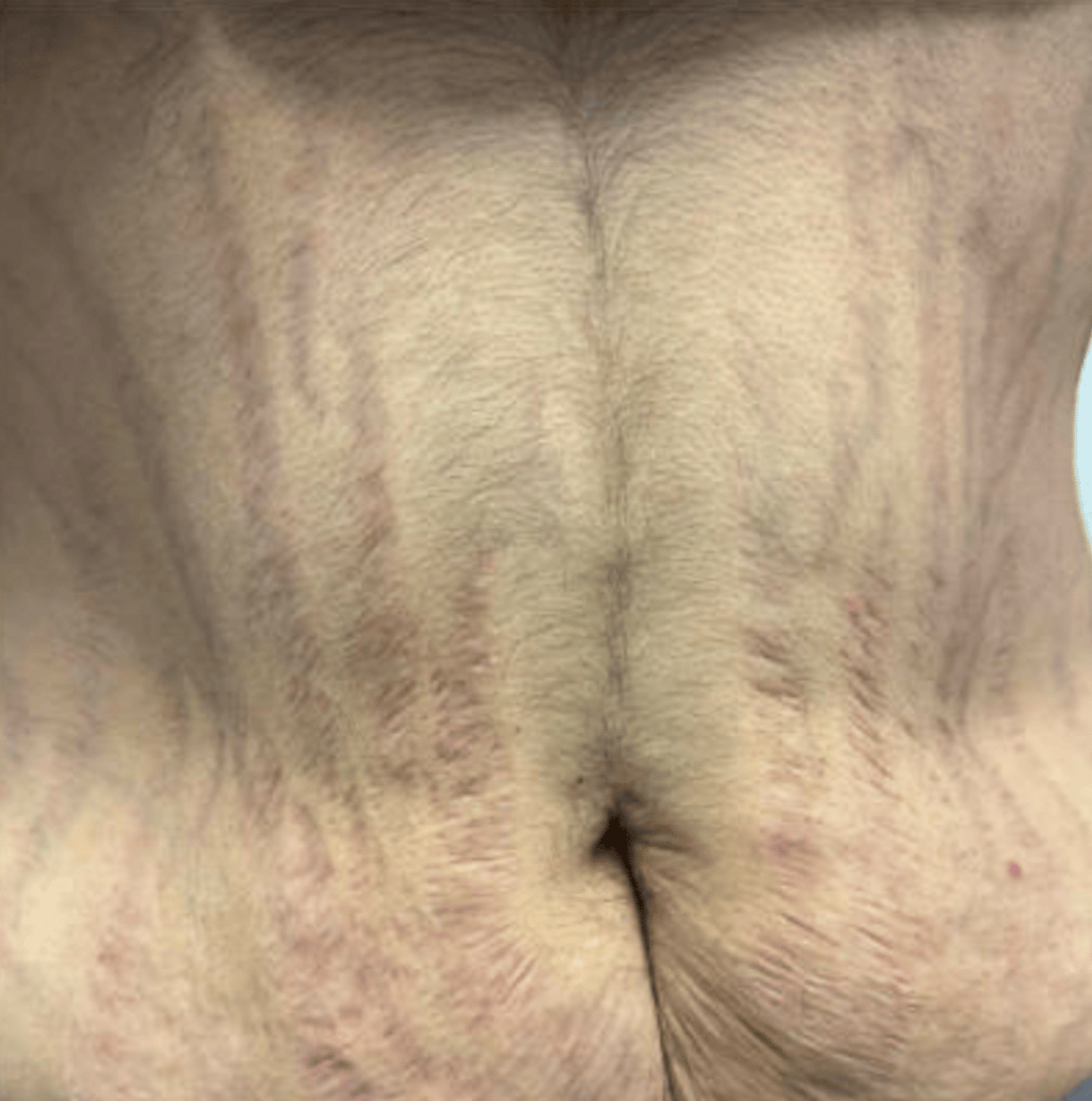
Given the presence of fragility fractures and physical examination findings consistent with Cushing’s syndrome, including moon facies, dorsocervical and supraclavicular fat fullness, and purplish striae (Figure 1), further evaluation was pursued. Laboratory testing demonstrated an undetectable serum ACTH level, and both late-night salivary cortisol and 24-hour urinary free cortisol levels were undetectable, raising concern for exogenous glucocorticoid exposure (Table 1). Dual-energy X-ray absorptiometry demonstrated a spinal bone mineral density of 0.686 g/cm² with a T-score of −3.7.

Purplish-(violaceous)-abdominal-striae-over-the-abdomen.
Figure 1: Purplish (violaceous) abdominal striae over the abdomen.

On further questioning, the patient reported taking Artri King for two years, obtained from Mexico, for joint pain and arthritis. A review of U.S. Food and Drug Administration (FDA) reports confirmed that Artri King contains hidden ingredients, including dexamethasone, not listed on its label. The supplement was discontinued, and the patient was started on a gradual steroid taper to minimize glucocorticoid withdrawal symptoms and allow for the recovery of hypothalamic-pituitary-adrenal (HPA) axis function.

Discussion

Cushing’s syndrome is a rare disorder characterized by a constellation of signs and symptoms affecting multiple organ systems as a result of prolonged exposure to excess cortisol. Hypercortisolism may result from endogenous overproduction of cortisol or from exposure to exogenous glucocorticoids [1]. Regardless of etiology, clinical manifestations commonly include moon facies, abdominal striae, truncal obesity, and easy bruising [1]. Patients with Cushing’s syndrome may also develop complications such as hyperglycemia, uncontrolled hypertension, proximal muscle weakness, and reduced BMD, which can lead to fragility fractures [2]. These complications significantly impair quality of life and may be fatal if the condition is not diagnosed and treated promptly [3].

Endogenous hypercortisolism is less common, with an estimated incidence of 2-3 cases per million per year [4]. However, recent studies suggest a higher prevalence among individuals with diabetes mellitus, osteoporosis, particularly those with fragility fractures, and hypertension [5]. Cushing’s syndrome can be classified as ACTH-dependent, in which ACTH originates from the pituitary gland or an ectopic source, or ACTH-independent, typically due to adrenal adenoma, adrenal hyperplasia, or adrenal carcinoma [5]. Although exogenous glucocorticoid exposure is the most common cause of Cushing’s syndrome, the true incidence of iatrogenic Cushing’s syndrome remains unknown [6]. Rarely, Cushing’s syndrome may result from concurrent exogenous steroid use and endogenous cortisol overproduction, which presents diagnostic challenges [6].

Glucocorticoid-containing medications are widely used in the management of inflammatory diseases, malignancies, and post-transplant care [7,8]. All forms of exogenous glucocorticoids, including oral, inhaled, injectable, and topical preparations, can cause features of hypercortisolism when used at high doses or for prolonged periods [9-12]. Extended exposure, particularly at higher doses, may also result in secondary adrenal insufficiency, even with topical formulations [13]. In addition to conventional glucocorticoids, other medications may induce iatrogenic hypercortisolism; for example, high-dose megestrol exhibits glucocorticoid-like activity and can produce Cushing’s syndrome-like features [14]. Furthermore, drugs that inhibit cytochrome P450 metabolism, such as itraconazole, can impair steroid clearance and increase systemic glucocorticoid exposure [15].

Of increasing concern is the availability of steroid-containing supplements sold over the counter or online without prescription [16]. These products are commonly marketed for conditions such as arthritis and other inflammatory disorders [16]. Prolonged use may cause Cushing’s syndrome with complications such as skin atrophy, obesity, myopathy, and fractures. The U.S. FDA has issued multiple warnings regarding dietary supplements and conventional foods found to contain undisclosed pharmaceutical ingredients [17]. A 2016 study evaluating 12 over-the-counter “adrenal support” supplements in the United States found that most contained at least one steroid hormone [18]. Another analysis of FDA warnings on unapproved pharmaceutical ingredients reported that 37.5% of products marketed for inflammatory conditions, including joint and muscle pain, contained dexamethasone [19]. Among these products, Artri King, marketed for joint pain and arthritis, has been associated with multiple FDA reports of adverse events due to undisclosed dexamethasone and methylprednisolone. These supplements remain widely available online, in select retail stores, and internationally [20].

Conclusions

This case highlights the importance of considering unregulated supplements as a potential source of exogenous glucocorticoids in patients presenting with osteoporosis and unexplained fragility fractures. Although the patient initially denied steroid use, detailed history revealed prolonged exposure to Artri King, resulting in iatrogenic Cushing’s syndrome with HPA axis suppression. Before discontinuation of steroid-containing supplements, evaluation for adrenal insufficiency is essential. Gradual tapering of glucocorticoids remains the standard approach to prevent withdrawal symptoms and support recovery of adrenal function.

References

  1. Nieman LK: Recent updates on the diagnosis and management of Cushing’s syndrome. Endocrinol Metab (Seoul). 2018, 33:139-46. 10.3803/EnM.2018.33.2.139
  2. Dunn C, Amaya J, Green P: A case of iatrogenic Cushing’s syndrome following use of an over-the-counter arthritis supplement. Case Rep Endocrinol. 2023, 2023:4769258. 10.1155/2023/4769258
  3. Castinetti F, Morange I, Conte-Devolx B, Brue T: Cushing’s disease. Orphanet J Rare Dis. 2012, 7:41. 10.1186/1750-1172-7-41
  4. Nieman LK, Biller BM, Findling JW, Newell-Price J, Savage MO, Stewart PM, Montori VM: The diagnosis of Cushing’s syndrome: an Endocrine Society Clinical Practice Guideline. J Clin Endocrinol Metab. 2008, 93:1526-40. 10.1210/jc.2008-0125
  5. Manubolu S, Nwosu O: Exogenous Cushing’s syndrome secondary to intermittent high dose oral prednisone for presumed asthma exacerbations in the setting of multiple emergency department visits. J Clin Transl Endocrinol Case Rep. 2017, 6:4-8. 10.1016/j.jecr.2017.07.001
  6. Tong CV, Rajoo S: Co-occurrence of exogenous and endogenous Cushing’s syndromes-dilemma in diagnosis. Case Rep Endocrinol. 2019, 2019:2986312. 10.1155/2019/2986312
  7. Broersen LH, Pereira AM, Jørgensen JO, Dekkers OM: Adrenal insufficiency in corticosteroids use: systematic review and meta-analysis. J Clin Endocrinol Metab. 2015, 100:2171-80. 10.1210/jc.2015-1218
  8. Yasir M, Goyal A, Sonthalia S: Corticosteroid Adverse Effects. StatPearls Publishing, Treasure Island, FL; 2025.
  9. Dow A, Yu R, Carmichael J: Too little or too much corticosteroid? Coexisting adrenal insufficiency and Cushing’s syndrome from chronic, intermittent use of intranasal betamethasone. Endocrinol Diabetes Metab Case Rep. 2013, 2013:130036. 10.1530/EDM-13-0036
  10. Hopkins RL, Leinung MC: Exogenous Cushing’s syndrome and glucocorticoid withdrawal. Endocrinol Metab Clin North Am. 2005, 34:371-84, ix. 10.1016/j.ecl.2005.01.013
  11. Hughes JM, Hichens M, Booze GW, Thorner MO: Cushing’s syndrome from the therapeutic use of intramuscular dexamethasone acetate. Arch Intern Med. 1986, 146:1848-9.
  12. Weber SL: Cushing’S syndrome attributable to topical use of lotrisone. Endocr Pract. 1997, 3:140-4. 10.4158/EP.3.3.140
  13. Pektas SD, Dogan G, Cinar N: Iatrogenic Cushing’s syndrome with subsequent adrenal insufficiency in a patient with psoriasis vulgaris using topical steroids. Case Rep Endocrinol. 2017, 2017:8320254. 10.1155/2017/8320254
  14. Steer KA, Kurtz AB, Honour JW: Megestrol-induced Cushing’s syndrome. Clin Endocrinol (Oxf). 1995, 42:91-3. 10.1111/j.1365-2265.1995.tb02603.x
  15. Bolland MJ, Bagg W, Thomas MG, Lucas JA, Ticehurst R, Black PN: Cushing’s syndrome due to interaction between inhaled corticosteroids and itraconazole. Ann Pharmacother. 2004, 38:46-9. 10.1345/aph.1D222
  16. Saad-Omer SM, Kinaan M, Matos M, Yau H: Exogenous Cushing syndrome and hip fracture due to over-the-counter supplement (Artri King). Cureus. 2023, 15:e41278. 10.7759/cureus.41278
  17. Patel R, Sherf S, Lai NB, Yu R: Exogenous Cushing syndrome caused by a “herbal” supplement. AACE Clin Case Rep. 2022, 8:239-42. 10.1016/j.aace.2022.08.001
  18. Akturk HK, Chindris AM, Hines JM, Singh RJ, Bernet VJ: Over-the-counter “adrenal support” supplements contain thyroid and steroid-based adrenal hormones. Mayo Clin Proc. 2018, 93:284-90. 10.1016/j.mayocp.2017.10.019
  19. Tucker J, Fischer T, Upjohn L, Mazzera D, Kumar M: Unapproved pharmaceutical ingredients included in dietary supplements associated with US Food and Drug Administration warnings. JAMA Netw Open. 2018, 1:e183337. 10.1001/jamanetworkopen.2018.3337
  20. U.S. Food and Drug Administration. Public Notification: Artri King contains hidden drug ingredients. (2022). Accessed: December 18, 2025: https://www.fda.gov/drugs/medication-health-fraud/public-notification-artri-king-contains-hidden-drug-ingredients.

https://www.cureus.com/articles/451949-iatrogenic-cushings-syndrome-and-the-hidden-ingredient-of-artri-king#!/

A Second Look at Refractory Edema: Delayed Diagnosis of Paraneoplastic Cushing’s Syndrome in Small Cell Lung Cancer

Abstract

Paraneoplastic Cushing syndrome (PCS) is a rare manifestation of ectopic adrenocorticotropic hormone (ACTH) production, mostly associated with bronchial carcinoid and small cell lung cancer (SCLC). Its clinical manifestations: refractory hypertension, profound hypokalemia, metabolic alkalosis, worsening hyperglycemia, and edema, can easily be misattributed to more common conditions, especially in older adults with multiple comorbidities, leading to diagnostic errors.

We present a case of an 84-year-old man with a history of stage IA non-SCLC treated one year earlier, who developed progressive dyspnea, orthopnea, bilateral extremity edema, severe hypokalemia, metabolic alkalosis, and new-onset hypertension. His symptoms were initially managed as volume overload and diuretic-resistant heart failure in the outpatient setting. During hospitalization, persistent metabolic alkalosis, worsening hyperglycemia, resistant hypertension, and refractory hypokalemia prompted further evaluation. Laboratory studies demonstrated markedly elevated early morning cortisol (102.7 µg/dL) and ACTH (293 pg/mL). Computed tomography (CT) imaging revealed a new right infrahilar mass, extensive mediastinal adenopathy, and bilateral adrenal metastases. Endobronchial ultrasound-guided biopsy confirmed SCLC. The patient was diagnosed with paraneoplastic ACTH-dependent CS and initiated on systemic chemotherapy.

This case highlights several diagnostic vulnerabilities, including anchoring bias, confirmation bias, premature closure, and failure to integrate multiple abnormal findings into a unifying diagnosis. Earlier recognition of the characteristic cluster of hypercortisolism signs-refractory hypokalemia, metabolic alkalosis, resistant hypertension, and hyperglycemia- may have accelerated diagnosis and treatment. Clinicians should maintain a high index of suspicion for PCS in older adults with a history of lung cancer who present with unexplained electrolyte disturbances and rapidly worsening cardiometabolic parameters. Early diagnosis is critical given the high morbidity and mortality associated with untreated paraneoplastic Cushing’s syndrome.

Introduction

Paraneoplastic ACTH-dependent Cushing syndrome (CS) is an uncommon but severe manifestation of ectopic adrenocorticotropic hormone production. Ectopic ACTH syndrome accounts for approximately 6-10% of all cases of endogenous CS [1]. This represents 10-20% of ACTH-dependent forms of Cushing syndrome, which themselves comprise 70-80% of all endogenous CS cases. Lung neuroendocrine tumors account for approximately 25% of cases, followed by small cell lung cancers (SCLC) (20%), with other sources being neuroendocrine tumors of the thymus, pancreas, and medullary thyroid carcinoma [2,3]. Patients typically present with symptoms related to underlying malignancy and rapid onset of severe hypercortisolism characterized by profound hypokalemia, metabolic alkalosis, hyperglycemia, and muscle weakness, often without the classic cushingoid features seen in other forms of CS [4,5].

These abnormalities are often initially attributed to more common conditions, including heart failure, diuretic use, thyroid disease, and worsening chronic diseases such as diabetes mellitus, especially in older adults with multimorbidity. This often leads to diagnostic errors. Diagnostic delays in paraneoplastic Cushing syndrome (PCS) are common and clinically meaningful. Hypercortisolism accelerates tumor progression, increases vulnerability to infection, worsens cardiometabolic dysfunction, and contributes to poor performance status, substantially limiting therapeutic options [6-8]. Prompt recognition requires clinicians to identify the hallmark constellation of metabolic disturbances and consider endocrine etiologies early.

We describe an older adult who presented with cough, dyspnea, edema, severe resistant hypertension, metabolic alkalosis, and electrolyte derangements that were initially attributed to volume overload and chronic lung disease. The diagnostic process ultimately led to the identification of extensive-stage SCLC, which caused ectopic ACTH production. We emphasize the diagnostic errors that contributed to the delayed recognition of this life-threatening syndrome.

Case Presentation

An 84-year-old man with a history of pre-diabetes, chronic obstructive pulmonary disease (COPD), a former smoker, and previously treated stage IA non-SCLC (left lower lobe, treated with Stereotactic Body Radiation Therapy) presented with cough, progressive shortness of breath, orthopnea, and bilateral lower extremity edema. Two weeks prior, outpatient clinicians treated his worsening edema and dyspnea with loop diuretics, and he was also started on nifedipine and losartan for hypertension.

In the emergency department, vital signs revealed blood pressure 216/98 mmHg, heart rate 104 beats/min, and respiratory rate 23 breaths/min. Physical examination demonstrated bilateral pedal edema extending to the mid-shins and bilateral upper extremity edema. Lung examination revealed no wheezing or crackles. The abdomen was obese but without palpable masses.

Initial laboratory evaluation showed mild thrombocytopenia (114 × 103/µL), creatinine 1.10 mg/dL, potassium 2.9 mmol/L, bicarbonate 43 mmol/L, chloride 88 mmol/L, glucose 240 mg/dL, unremarkable liver function test, and elevated B-type natriuretic peptide (BNP) of 198 pg/mL. Arterial blood gas demonstrated pH 7.58 and PaCO₂ 42 mmHg, indicating primary metabolic alkalosis. Urinalysis was significant for glucosuria, otherwise unremarkable. Chest X-ray showed bibasilar atelectasis without evidence of pulmonary edema. He was admitted for decompensated heart failure. Pertinent admission laboratory findings are summarized in Table 1.

Test Result Range
Hemoglobin 16.4 g/dL 13.8-17.2 g/dL
White cell count 9.7 × 10³/µL 4.0-10.50 × 10³/µL
Platelet 114 × 103/µL 130-400 × 103/µL
Sodium 142 mmol/L 133-145 mmol/L
Potassium 2.9 mmol/L 3.3-5.1 mmol/L
Chloride 88 mmol/L 98-108 mmol/L
Bicarbonate 43 mmol/L 22-32 mmol/L
Creatinine 1.10 mg/dL 0.50-1.20 mg/dL
BNP 198.8 pg/mL 10.0-100.0 pg/mL
Albumin 3.7 g/dL 3.0-5.0 g/dL
Glucose 240 mg/dL 70-100 mg/dL
Serum cortisol 102.7 µg/dL 6.7-22.6 µg/dL
Plasma ACTH 293 pg/mL 6-50 pg/mL
Urine chloride 73 mmol/L
Urine potassium 38 mmol/L
Table 1: Summary of relevant laboratory findings at presentation

Metabolic alkalosis, renal potassium wasting, hyperglycemia, elevated cortisol, and ACTH suggested an ACTH-dependent Cushing’s syndrome.

BNPL: brain natriuretic peptide; ACTH: adrenocorticotropic hormone

Despite diuresis with IV furosemide, he continued to demonstrate metabolic alkalosis and worsening hypokalemia (nadir 2.8 mmol/L), requiring repeated potassium supplementation. Hyperglycemia persisted with capillary blood glucose 170-300 mg/dL, requiring escalating insulin doses. Blood pressures remained elevated despite escalation of losartan and nifedipine. Echocardiogram on day 2 of admission was unremarkable with an ejection fraction of 55-60% and normal diastolic function. Doppler ultrasound of the lower and upper extremities did not reveal deep vein thrombosis.

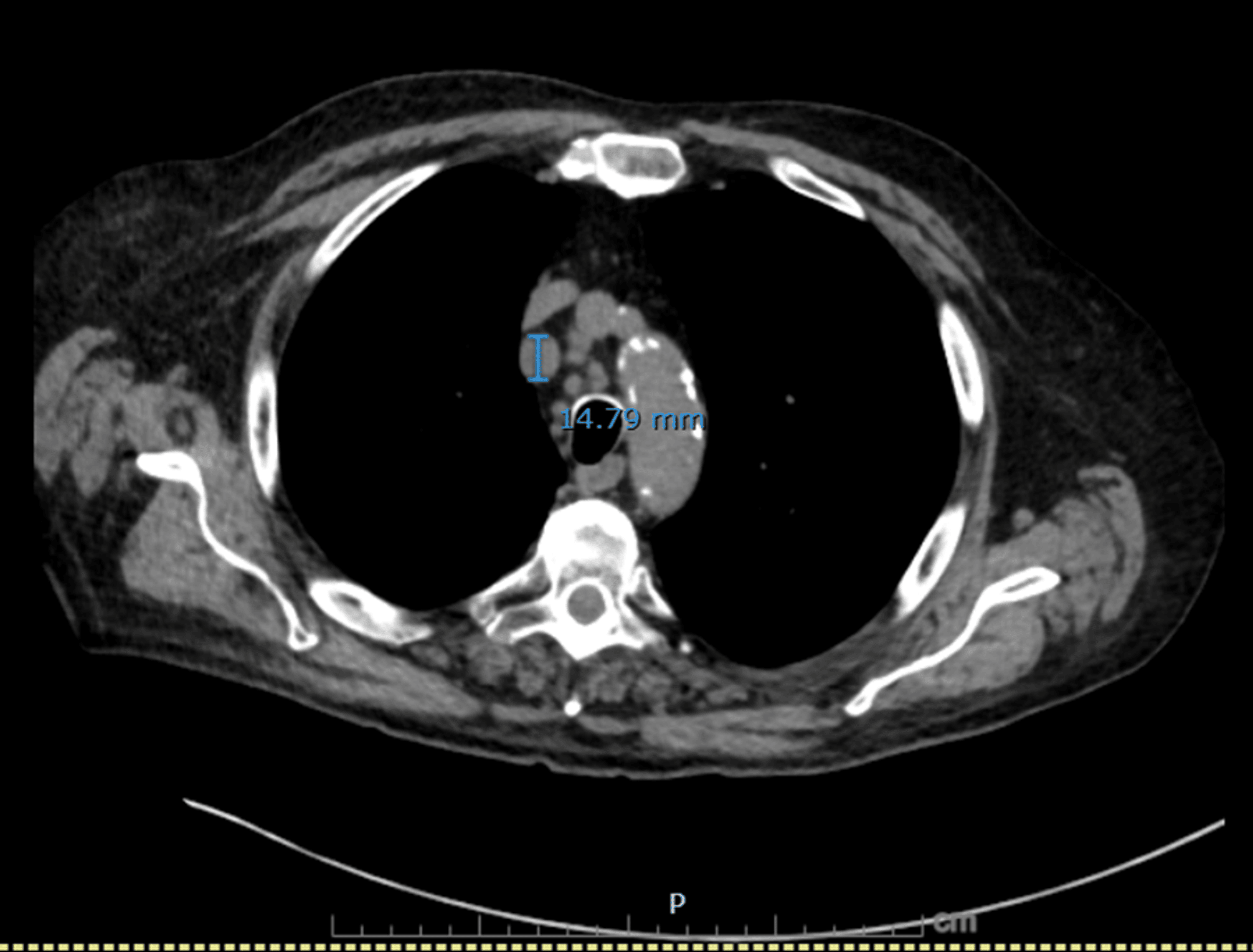
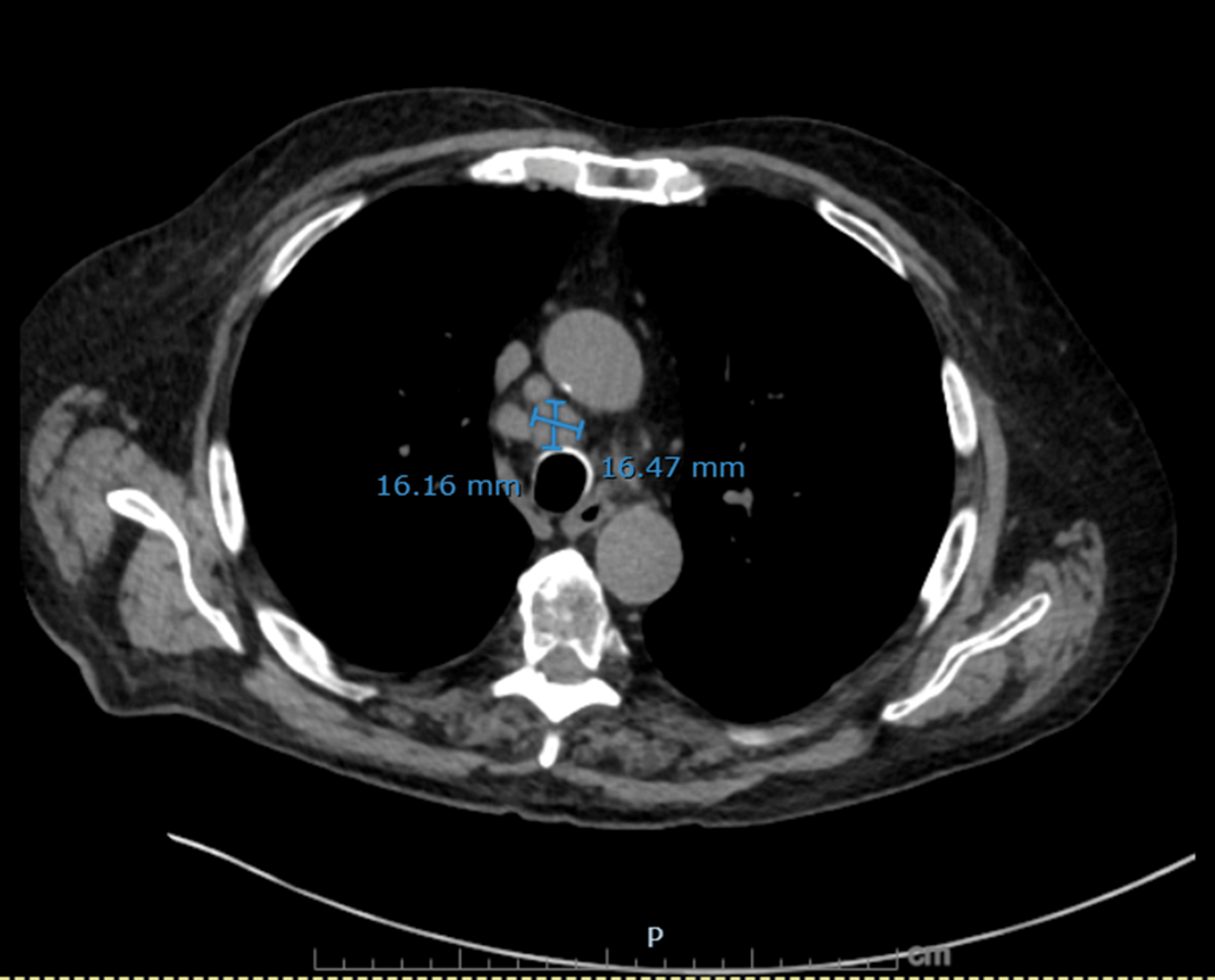
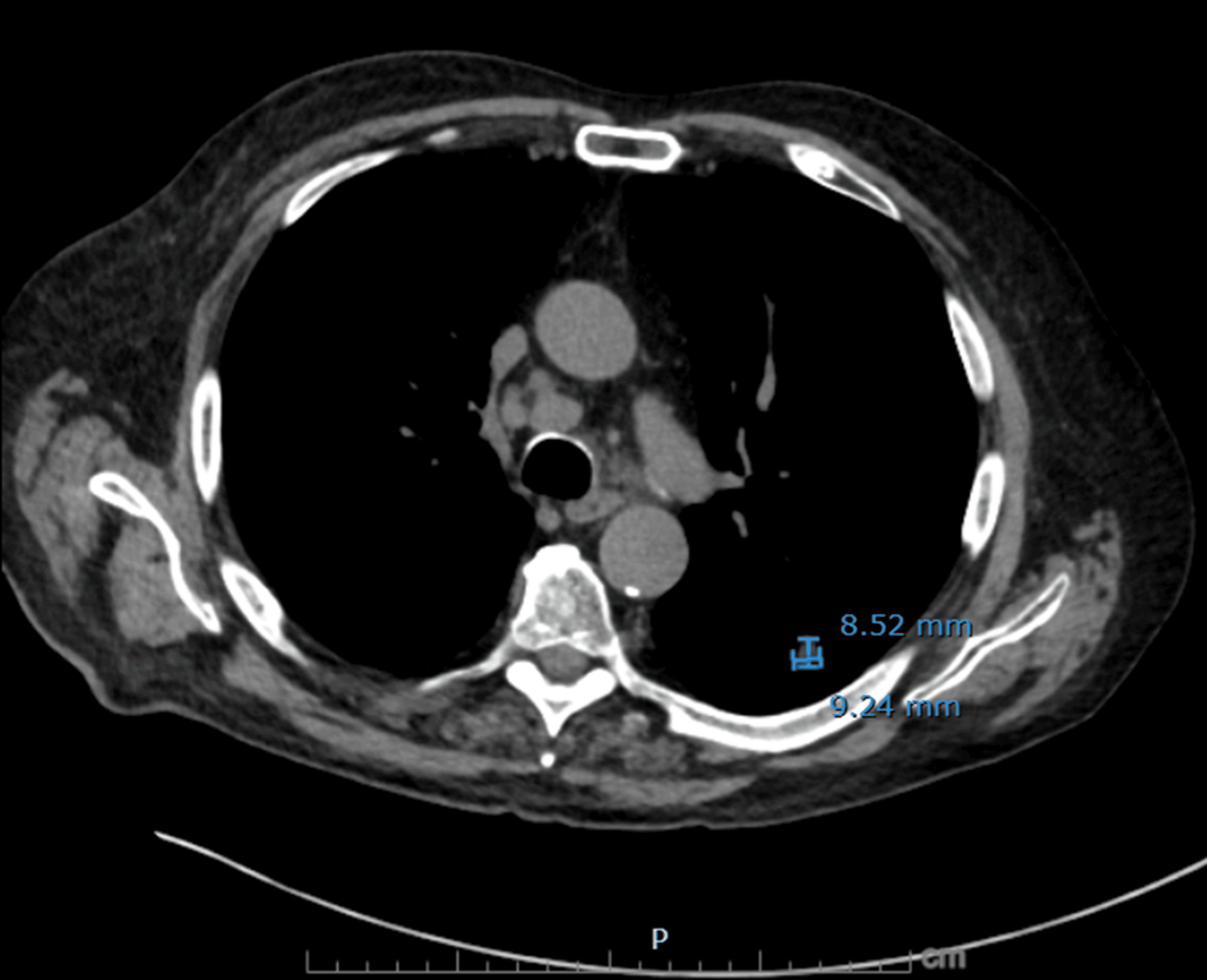
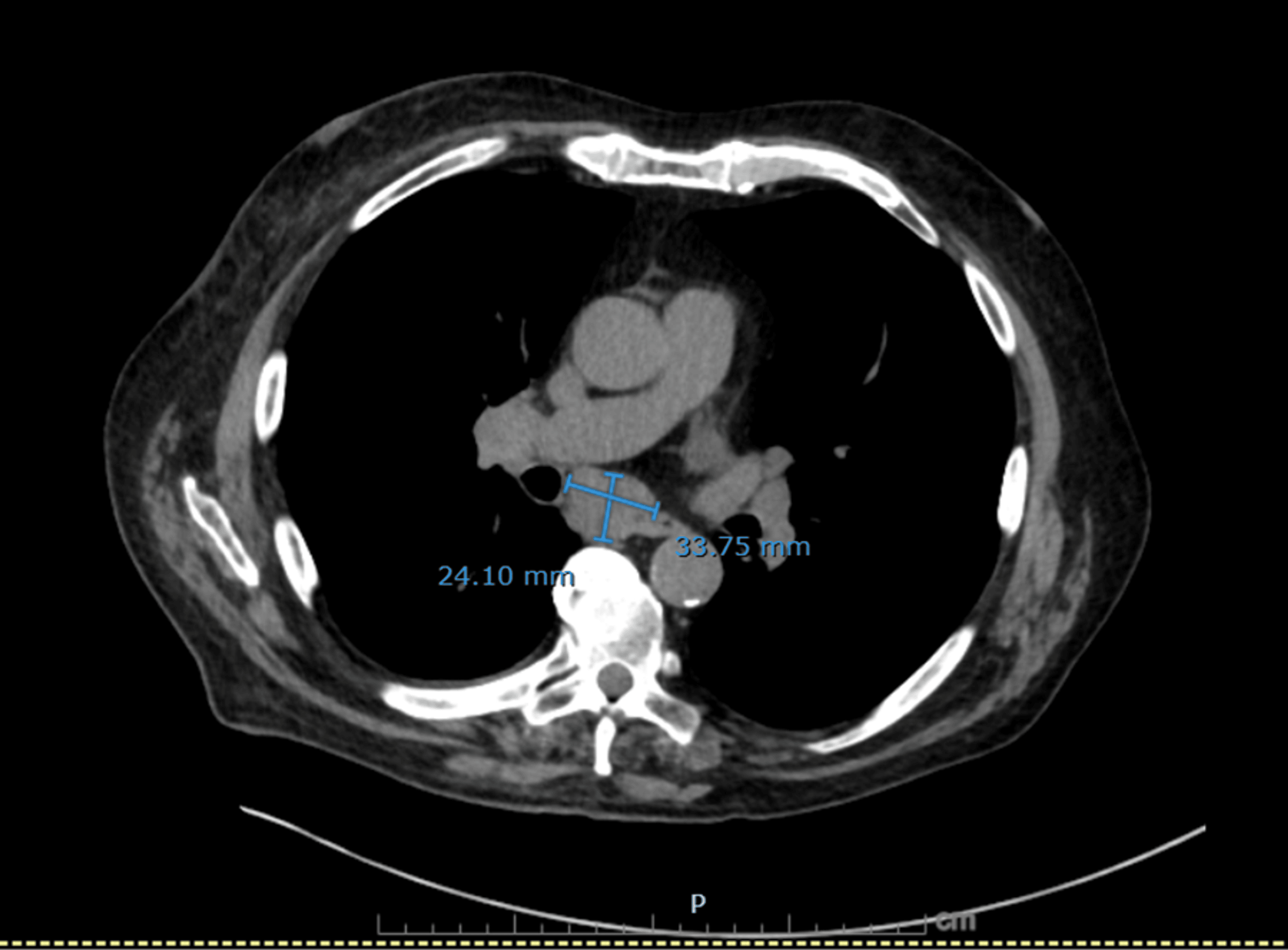
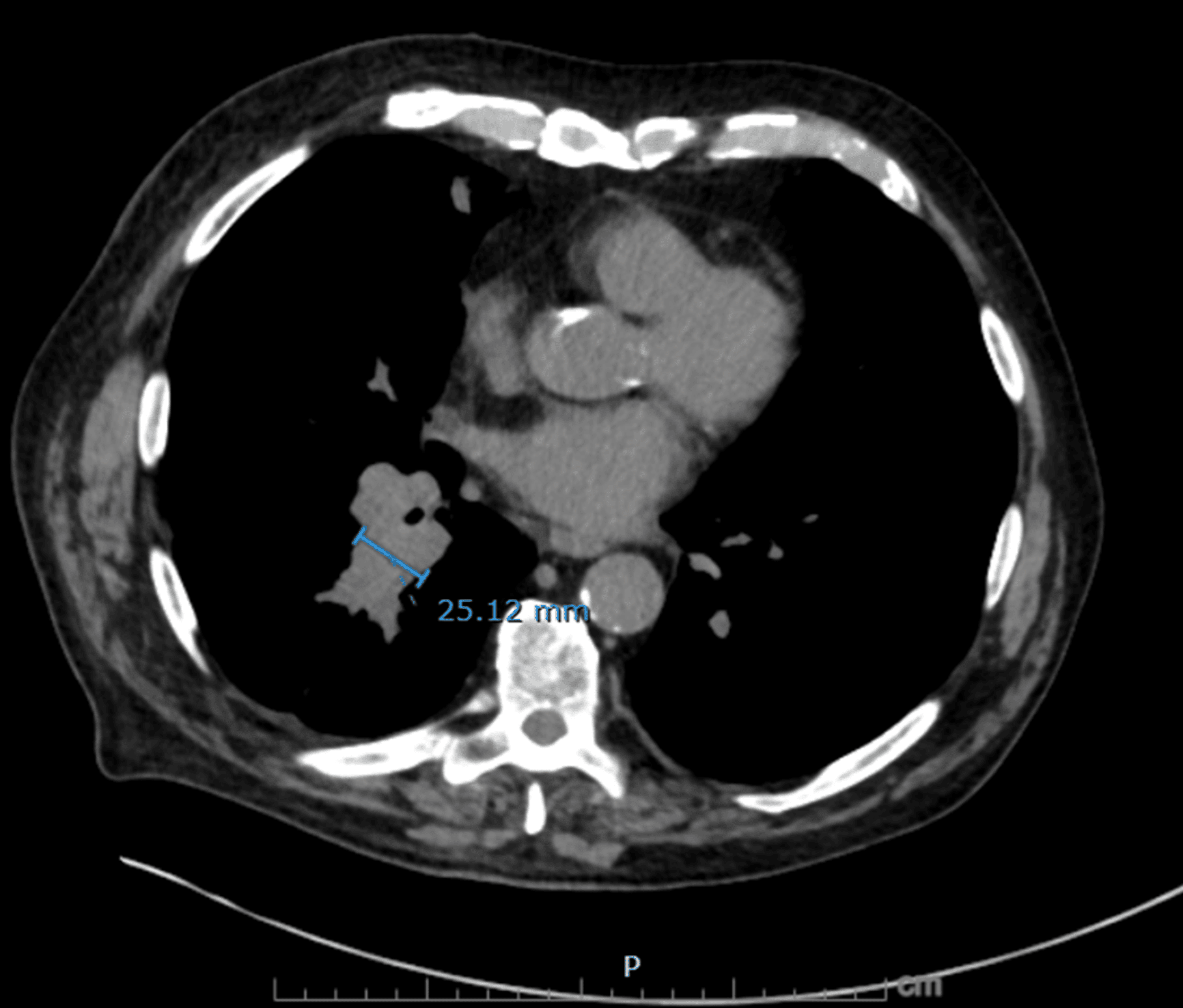
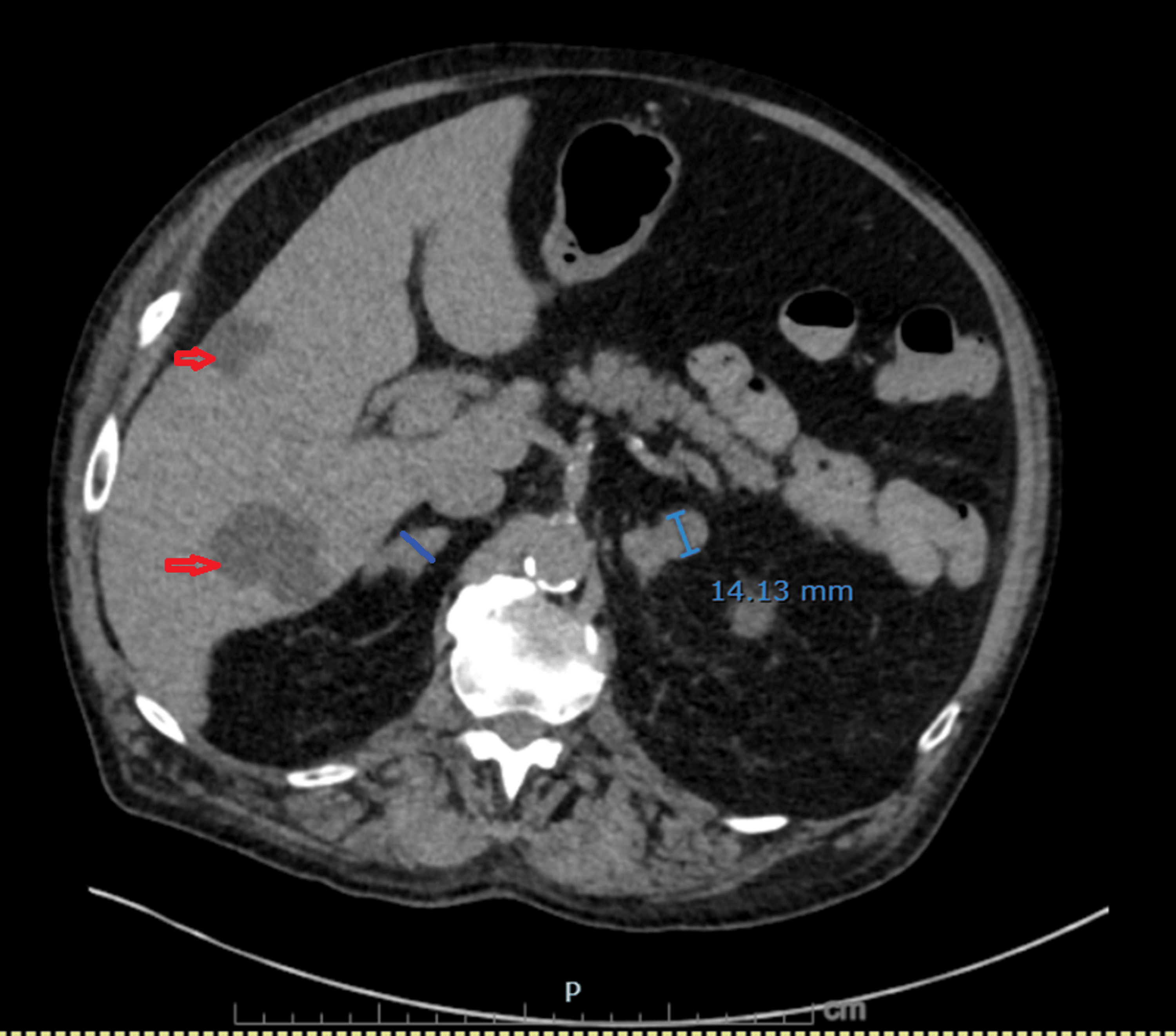
On hospital day 3, diagnosis was reassessed, and differentials were broadened to include endocrine causes of hypertension with metabolic alkalosis. Urine electrolytes revealed high urine chloride (73 mmol/L) and potassium (38 mmol/L), suggestive of potassium wasting from possible mineralocorticoid excess. Subsequent testing revealed markedly elevated serum cortisol (102.7 µg/dL) and plasma ACTH (293 pg/mL), suggesting an ACTH-dependent process. Given his significant history of smoking and treated NSCLC, a CT chest/abdomen/pelvis was done, which showed a new right infrahilar mass, mediastinal lymphadenopathy, and nodular fullness of both adrenal glands concerning for metastatic disease (Figures 16).

Axial-CT-chest-showing-an-enlarged-right-paratracheal-lymph-node.
Figure 1: Axial CT chest showing an enlarged right paratracheal lymph node.

Axial image demonstrates a right paratracheal lymph node measuring 14.8 mm in short axis, concerning for malignant nodal involvement.

Non-contrast-axial-CT-chest-showing-a-dominant-right-paratracheal-lymph-node
Figure 2: Non-contrast axial CT chest showing a dominant right paratracheal lymph node

A right paratracheal lymph node measuring 16.2 × 16.5 mm is demonstrated, further supporting malignant mediastinal involvement in small cell lung cancer.

Axial-non-contrast-CT-chest-demonstrating-residual-treated-left-lower-lobe-lesion
Figure 3: Axial non-contrast CT chest demonstrating residual treated left lower lobe lesion

A spiculated nodule in the left lower lobe measuring 9.2 mm (AP) × 8.5 mm (transverse) on image 60, slightly decreased from the prior measurement of 9.3 × 10.6 mm, corresponding to the site of previously treated squamous cell carcinoma.

Axial-non-contrast-CT-chest-showing-markedly-enlarged-subcarinal-lymph-node
Figure 4: Axial non-contrast CT chest showing markedly enlarged subcarinal lymph node

A dominant subcarinal lymph node measuring 24 × 34 mm, highly suspicious for malignant mediastinal involvement.

Axial-non-contrast-CT-chest-showing-right-infrahilar-mass-like-fullness
Figure 5: Axial non-contrast CT chest showing right infrahilar mass-like fullness

Soft tissue density in the right lower lobe infrahilar region measuring up to 25 mm in transverse diameter, concerning for primary malignant involvement.

Non-contrast-CT-demonstrating-bilateral-adrenal-metastases
Figure 6: Non-contrast CT demonstrating bilateral adrenal metastases

Nodular enlargement of both adrenal glands has progressed compared with prior imaging: the left adrenal lateral limb measures 14 mm (previously 9.2 mm) and the right adrenal body measures 12.4 mm (previously 7 mm). Multiple benign hepatic cysts are also visualized (red arrows).

Bronchoscopy with endobronchial ultrasound-guided transbronchial needle aspiration of the subcarinal (station 7) and right hilar (station 10R) lymph nodes revealed small cell carcinoma. He was diagnosed with extensive-stage SCLC with adrenal metastases and paraneoplastic ACTH-dependent Cushing syndrome. Systemic chemotherapy with carboplatin, etoposide, and atezolizumab was initiated.

Discussion

PCS caused by ectopic ACTH secretion is associated with significantly higher morbidity and mortality than other forms of hypercortisolism. Patients experience universal acute complications and have markedly shortened survival, with median survival reported as low as 3-4 months in those with SCLC [7-9]. Early mortality is common, with most deaths occurring within weeks to months of diagnosis and frequently driven by opportunistic infections, thromboembolic events, and severe metabolic derangements [6,7]. Hypercortisolism itself impairs the ability to deliver effective cancer therapy, increasing the risk of treatment-related complications and reducing chemotherapy response rates [6]. Ectopic ACTH production is therefore considered the most lethal etiology of Cushing syndrome, with tumor progression and infection being the predominant causes of death.

Diagnostic error is the failure to establish an accurate and timely explanation of the patient’s health problem(s) or communicate that explanation to the patient [10]. Diagnostic errors remain a significant contributor to patient harm, with estimates suggesting they affect 5-25% of patients [11,12]. These errors often arise not from knowledge deficits but from cognitive heuristics that clinicians rely on to navigate diagnostic uncertainty. While heuristics are essential for efficiency, they can predispose clinicians to systematic errors, especially when used uncritically or in complex cases [13,14]. Three cognitive pitfalls are particularly relevant in diagnostic error: anchoring bias (fixating early on a diagnosis and failing to adjust as new data emerge), premature closure (ceasing further diagnostic inquiry once an initial label is applied), and diagnostic momentum (the inertia created as more clinicians accept and act upon an early diagnostic impression) [15,16]. These processes can perpetuate incorrect diagnoses and delay definitive care.

For our patient, the initial clinical presentation of dyspnea, orthopnea, bilateral edema, and markedly elevated blood pressure in this older adult reasonably prompted consideration of several common cardiopulmonary and renal conditions. Acute decompensated heart failure was an early working diagnosis given his orthopnea, lower extremity edema, and elevated BNP. However, this diagnosis became less convincing as objective data accumulated. The patient had no pulmonary edema on chest imaging and preserved left ventricular systolic and diastolic function on echocardiography. Additionally, the severity of metabolic alkalosis and hypokalemia was disproportionate to the degree of diuretic exposure and volume status. These discrepancies argued against heart failure as a unifying diagnosis.

A COPD exacerbation was also considered due to the patient’s chronic lung disease and dyspnea. Yet he had no wheezing, no infectious symptoms, and no significant gas-exchange abnormality. His arterial blood gas (ABG) demonstrated metabolic alkalosis without primary respiratory acidosis. Moreover, his dyspnea improved early in the hospitalization, while the metabolic disturbances worsened, further making COPD a less likely diagnostic consideration. Renal causes of edema and hypertension, including nephrotic syndrome and intrinsic kidney disease, were evaluated. The patient had normal albumin and creatinine, and no significant proteinuria or hematuria on urinalysis, findings that could not explain his systemic edema. Similarly, acute or chronic kidney disease could not account for the combination of profound hypokalemia, metabolic alkalosis, and high urine chloride, which instead suggested an active mineralocorticoid process with renal wasting.

Primary hyperaldosteronism was a strong possibility, particularly given the combination of hypertension, hypokalemia, and metabolic alkalosis. However, the patient’s severe hyperglycemia, thrombocytopenia, new constitutional swelling of the upper extremities, and rapid symptom evolution were atypical for isolated hyperaldosteronism. Additionally, bilateral adrenal fullness seen on CT imaging was more consistent with adrenal metastases than with aldosterone-producing adenomas or hyperplasia. The degree of metabolic derangements also exceeded that typically observed in primary hyperaldosteronism, prompting evaluation for cortisol excess.

CS emerged as a unifying explanation for the multisystem abnormalities. The biochemical pattern, including severe metabolic alkalosis, renal potassium wasting, hyperglycemia, and resistant hypertension, is characteristic of activation of glucocorticoid and mineralocorticoid receptors. Markedly elevated cortisol and ACTH levels confirmed ACTH-dependent hypercortisolism. In older adults, pituitary Cushing disease typically evolves more slowly and is rarely associated with such profound hypokalemia [17,18]. Therefore, ectopic ACTH secretion became the leading diagnosis. The patient’s imaging, showing a new right infrahilar mass, progressive mediastinal lymphadenopathy, and bilateral adrenal enlargement, provided a clear source, later confirmed as extensive-stage SCLC.

This diagnostic trajectory illustrates how complex presentations can lead clinicians toward more common conditions, even when early clues point elsewhere. Several cognitive and system-level factors contributed to the delayed recognition of hypercortisolism. Anchoring on heart failure, a condition that fit parts of the patient’s presentation, discouraged re-examination of the initial differential when laboratory data did not fully align. Metabolic abnormalities were at first treated as isolated issues rather than components of a broader endocrine disorder. The patient’s prior non-SCLC had been in remission, which may have reduced the perceived likelihood of malignancy-related pathology, despite the well-known risk of second primary lung cancers and transformation events in older adults with smoking histories. Older adults with a history of smoking who have survived cancer face a substantially elevated risk of developing second primary lung cancers, with the risk persisting for decades after smoking cessation. Among lung cancer survivors, the 10-year cumulative incidence of a second primary lung cancer is approximately 8-15%, which is considerably higher than rates observed in general lung cancer screening populations [19,20].

The availability of more familiar explanations for dyspnea, edema, and hypertension, such as heart failure, may have overshadowed the classical biochemical signature of hypercortisolism. Recognition of ectopic ACTH production requires integrating disparate clinical findings into one physiological pathway. When evaluated collectively rather than individually, these abnormalities strongly suggest cortisol excess long before imaging or biopsy results are available.

Earlier consideration of endocrine etiologies could have expedited diagnosis, reduced unnecessary diuresis, and allowed earlier initiation of appropriate oncologic therapy. PCS from SCLC is associated with rapid clinical decline, impaired immunity, and decreased tolerance to chemotherapy. Prompt recognition may therefore improve both morbidity and the feasibility of cancer-directed treatment. This case reinforces the importance of revisiting and broadening the differential diagnoses when expected clinical improvement does not occur, particularly in older adults with prior malignancy and new multisystem derangements. Incorporating metacognitive strategies, actively questioning initial assumptions, seeking disconfirming evidence, and engaging in reflective practice can mitigate such errors [13].

Conclusions

This case emphasizes the importance of considering paraneoplastic ACTH-dependent CS in older adults presenting with unexplained hypokalemia, metabolic alkalosis, hyperglycemia, and resistant hypertension, particularly in patients with a history of lung cancer. Diagnostic error arose from anchoring on cardiopulmonary etiologies and failure to synthesize metabolic abnormalities into a unifying diagnosis. Early recognition of hypercortisolism is essential, as untreated ectopic ACTH production rapidly worsens morbidity and limits therapeutic efficacy in SCLC.

References

  1. Reincke M, Fleseriu M: Cushing syndrome: A review. JAMA. 2023, 330:170-81.
  2. Gadelha M, Gatto F, Wildemberg LE, Fleseriu M: Cushing’s syndrome. Lancet. 2023, 402:2237-52. 10.1016/S0140-6736(23)01961-X
  3. Pelosof LC, Gerber DE: Paraneoplastic syndromes: An approach to diagnosis and treatment. Mayo Clin Proc. 2010, 85:838-54. 10.4065/mcp.2010.0099
  4. Haugen BR, Alexander EK, Bible KC, et al.: 2015 American Thyroid Association Management Guidelines for Adult Patients with Thyroid Nodules and Differentiated Thyroid Cancer: The American Thyroid Association Guidelines Task Force on Thyroid Nodules and Differentiated Thyroid Cancer. Thyroid. 2016, 26:2016. 10.1089/thy.2015.0020
  5. NCCN Guidelines Version 2.2026 Small – Google Scholar [Internet]. (2025). Accessed: October 7, 2025: https://scholar.google.com/scholar.
  6. Ost DE, Jim Yeung SC, Tanoue LT, Gould MK: Clinical and organizational factors in the initial evaluation of patients with lung cancer: Diagnosis and management of lung cancer, 3rd ed: American College of Chest Physicians evidence-based clinical practice guidelines. Chest. 2013, 143:e121S-41S. 10.1378/chest.12-2352
  7. Schernthaner-Reiter MH, Siess C, Micko A, et al.: Acute and life-threatening complications in Cushing syndrome: Prevalence, predictors, and mortality. J Clin Endocrinol Metab. 2021, 106:e2035-46. 10.1210/clinem/dgab058
  8. Shepherd FA, Laskey J, Evans WK, Goss PE, Johansen E, Khamsi F: Cushing’s syndrome associated with ectopic corticotropin production and small-cell lung cancer. J Clin Oncol. 1992, 10:21-7. 10.1200/JCO.1992.10.1.21
  9. Al-Toubah T, Pelle E, Hallanger-Johnson J, Haider M, Strosberg J: ACTH-secreting pancreatic neuroendocrine neoplasms: A case-series. J Neuroendocrinol. 2023, 35:e13336. 10.1111/jne.13336
  10. Measure Dx: A Resource To Identify, Analyze, and Learn From Diagnostic Safety Events. (2022). Accessed: October 7, 2025: https://www.ahrq.gov/diagnostic-safety/tools/measure-dx.html.
  11. Singh H, Meyer AN, Thomas EJ: The frequency of diagnostic errors in outpatient care: Estimations from three large observational studies involving US adult populations. BMJ Qual Saf. 2014, 23:727-31. 10.1136/bmjqs-2013-002627
  12. Auerbach AD, Lee TM, Hubbard CC, et al.: Diagnostic errors in hospitalized adults who died or were transferred to intensive care. JAMA Intern Med. 2024, 184:164-73.
  13. Croskerry P: The importance of cognitive errors in diagnosis and strategies to minimize them. Acad Med. 2003, 78:775-80. 10.1097/00001888-200308000-00003
  14. Gigerenzer G, Gaissmaier W: Heuristic decision making. Annu Rev Psychol. 2011, 62:451-82. 10.1146/annurev-psych-120709-145346
  15. Watari T, Tokuda Y, Amano Y, Onigata K, Kanda H: Cognitive bias and diagnostic errors among physicians in Japan: A self-reflection survey. Int J Environ Res Public Health. 2022, 19:4645. 10.3390/ijerph19084645
  16. Ogdie AR, Reilly JB, Pang WG, Keddem S, Barg FK, Von Feldt JM, Myers JS: Seen through their eyes: Residents’ reflections on the cognitive and contextual components of diagnostic errors in medicine. Acad Med. 2012, 87:1361-7. 10.1097/ACM.0b013e31826742c9
  17. Paleń-Tytko JE, Przybylik-Mazurek EM, Rzepka EJ, Pach DM, Sowa-Staszczak AS, Gilis-Januszewska A, Hubalewska-Dydejczyk AB: Ectopic ACTH syndrome of different origin-Diagnostic approach and clinical outcome. Experience of one Clinical Centre. PLoS One. 2020, 15:e0242679. 10.1371/journal.pone.0242679
  18. Melmed S: Pituitary-tumor endocrinopathies. N Engl J Med. 2020, 382:937-50. 10.1056/NEJMra1810772
  19. Adams SJ, Stone E, Baldwin DR, Vliegenthart R, Lee P, Fintelmann FJ: Lung cancer screening. Lancet. 2023, 401:390-408. 10.1016/S0140-6736(22)01694-4
  20. Takemura C, Yoshida T, Yoshida Y, et al.: Unveiling the molecular and clinical risk landscape of second primary lung cancer in resected non-small cell lung cancer. Lung Cancer. 2025, 208:108750. 10.1016/j.lungcan.2025.108750

https://www.cureus.com/articles/448285-a-second-look-at-refractory-edema-delayed-diagnosis-of-paraneoplastic-cushings-syndrome-in-small-cell-lung-cancer#!/

The Effect of Hypercortisolism Treatment on Dyslipidemia in Cushing Syndrome

Abstract

Introduction

Cushing syndrome (CS) is a clinical condition caused by increased plasma cortisol levels and characterized by high cardiovascular mortality. Among the metabolic effects of CS and its treatment, glycaemic disturbances have been investigated in depth, while data on dyslipidemia is still lacking.

Objectives

Our study aims at evaluating the effects of CS treatment on serum lipid levels.

Materials and methods

A literature search was conducted using PubMed, Scopus, and EMBASE databases to investigate the effects of CS treatment on serum total cholesterol (TC), low-density lipoprotein cholesterol (LDL-c), high-density lipoprotein cholesterol (HDL-c), and triglycerides (TG). Before-after analysis and subgroup analysis were performed.

Results

Twenty-nine observational or interventional studies (51.7% of good quality) were included in the quantitative analysis. Treatment of CS led to clinically and statistically significant decrease in serum TC (MD -26.49; 95% CI: -29.95, -23.04; p < 0.00001), LDL-c (MD -18.44; 95% CI: -21.30, -15.57; p < 0.00001), and TG levels (MD -17.77; 95% CI: -22.70, -12.84; p < 0.00001), with no significant changes in HDL-c levels (MD -2.34; 95% CI: -6.96, 2.28; p= 0.32). Subgroup analysis showed greater decrease in TC levels in subjects with adrenal hypercortisolism, in those treated with steroidogenesis inhibitors and in those with treatment duration equal or longer than 12 months. In addition, CS treatment significantly decreased blood glucose (BG) levels, body mass index (BMI), waist circumference (WC), and insulin resistance index.

Conclusion

Our study demonstrate a significant improvement in serum lipid levels after treatment of CS. Since the cardiovascular complications of hypercortisolism depend on several factors, further studies are needed to determine whether this directly translates into an adequate reduction in the risk of major cardiovascular events.

Consecutive Resections of Double Pituitary Adenoma for Resolution of Cushing Disease

BACKGROUND

Double pituitary adenomas are rare presentations of two distinct adenohypophyseal lesions seen in <1% of surgical cases. Increased rates of recurrence or persistence are reported in the resection of Cushing microadenomas and are attributed to the small tumor size and localization difficulties. The authors report a case of surgical treatment failure of Cushing disease because of the presence of a secondary pituitary adenoma.

OBSERVATIONS

A 32-year-old woman with a history of prolactin excess and pituitary lesion presented with oligomenorrhea, weight gain, facial fullness, and hirsutism. Urinary and nighttime salivary cortisol elevation were elevated. Magnetic resonance imaging confirmed a 4-mm3 pituitary lesion. Inferior petrosal sinus sampling was diagnostic for Cushing disease. Primary endoscopic endonasal transsphenoidal resection was performed to remove what was determined to be a lactotroph-secreting tumor on immunohistochemistry with persistent hypercortisolism. Repeat resection yielded a corticotroph-secreting tumor and postoperative hypoadrenalism followed by long-term normalization of the hypothalamic-pituitary-adrenal axis.

LESSONS

This case demonstrates the importance of multidisciplinary management and postoperative hormonal follow-up in patients with Cushing disease. Improved strategies for localization of the active tumor in double pituitary adenomas are essential for primary surgical success and resolution of endocrinopathies.

ABBREVIATIONS

ACTH = adrenocorticotrophic hormone;  BMI = body mass index;  DHEA-S = dehydroepiandrosterone sulfate;  FSH = follicle-stimulating hormone;  GH = growth hormone;  IHC = immunohistochemical;  IPSS = inferior petrosal sinus sampling;  LH = luteinizing hormone;  MRI = magnetic resonance imaging;  POD = postoperative day;  T4 = thyroxine;  TF = transcription factor;  TSH = thyroid-stimulating hormone;  UFC = urinary free cortisol

Pituitary adenomas are adenohypophyseal tumors that can cause endocrinopathies, such as pituitary hormone hypersecretion or anterior hypopituitarism. Cell lineages are used to classify these tumors on the basis of immunohistochemical (IHC) staining of transcription factors, hormones, and other biomarkers.1 Pituitary adenomas differentiate from pluripotent stem cells along one of three lineage pathways, depending on the following active transcription factors (TFs): pituitary transcription factor 1 (PIT-1), T-box transcription factor (TPIT), or steroidogenic factor-1 (SF-1). Rarely, two or more discrete pituitary adenomas from different lineages are identified in patients; however, the etiology remains unclear.2 The incidence of multiple pituitary adenomas has been reported to be 1%–2% of all resected pituitary adenomas but is likely underestimated based on data from large autopsy series.1–4 Pluri-hormonal adenomas are also rare entities in which a single tumor contains multiple TF lineages with one or more hormonal excesses.1–3 Preoperative recognition of multiple or pluri-hormonal pituitary adenomas is rare, and most tumors are discovered incidentally upon autopsy, intraoperatively, or on histological analysis.2,3,5

In cases of multiple synchronous pituitary adenomas, only one hormone excess syndrome is most frequently evident on clinical presentation and endocrine workup. Silent pituitary tumors positive for prolactin on immunohistochemistry are the most prevalent additional, incidentally found tumor in cases of multiple pituitary adenomas.5 This is particularly true in Cushing disease.6,7 It is important to recognize the presence of multiple pituitary adenomas especially in the setting of hormonally active pituitary adenomas to provide optimal management for this subset of patients. Complete resection is curative for Cushing disease with the standard of care achieved through a transsphenoidal approach. Localization of the tumor presents a challenge because of suboptimal sensitivity of magnetic resonance imaging (MRI) in demonstrating microadenomas, the inconsistency of lateralization with inferior petrosal sinus sampling (IPSS), and delays in pathological analysis.1,8,9 Additionally, the presence of an additional pituitary adenoma can obscure the microtumor through its large size and mass effect and can act as a “decoy lesion” during MRI, IPSS, and resection.6

Consideration of multiple pituitary tumors is necessary for successful resection. In a patient with a biochemical picture of Cushing disease, the demonstration of an adenoma with negative adrenocorticotrophic hormone (ACTH) immunostaining and the absence of postoperative hypoadrenalism may indicate the existence of a double adenoma. Few cases have described a lack of remission of an endocrinopathy after transsphenoidal resection due to the presence of an additional adenoma,2,6,10 and even less so in the instance of the persistence of Cushing disease.6 We present a rare case of double pituitary adenomas in a patient presenting with Cushing disease who underwent two endoscopic endonasal transsphenoidal resections and immunostaining for prolactin and ACTH, respectively, with long-term normalization of her hypothalamic-pituitary-adrenal (HPA) axis.

Illustrative Case

History and Presentation

A 32-year-old female, gravida 0 para 0, with a history of a pituitary lesion and hyperprolactinemia presented to our institution for the evaluation for Cushing disease. Ten years earlier, the patient had presented to a gynecologist with hirsutism, galactorrhea, and oligomenorrhea. Her endocrine workup was remarkable for an elevated prolactin at 33.8 ng/mL (2.3–23.3 ng/mL), while follicle-stimulating hormone (FSH), luteinizing hormone (LH), and thyroid-stimulating hormone (TSH) levels were normal. No ACTH or cortisol levels were available. MRI demonstrated a 5 × 6 × 5–mm T1-weighted isointense pituitary lesion protruding into the suprasellar cistern due to a small sella size. She was treated with bromocriptine 2.5 mg daily for 5 years, with normalization of her prolactin level. Subsequent MRI demonstrated a stable lesion size and T1 and T2 hyperintensity in the region of the known pituitary lesion, considered to be posttreatment cystic change with proteinaceous contents and blood. After the normalization of her prolactin levels, she continued to have oligomenorrhea and abnormal hair growth. Polycystic ovaries were not visualized on ultrasound. She was started on oral contraceptives and then switched to the etonorgestrel implant.

A decade after initial presentation, she presented to endocrinology at our institution with 3 years of weight gain, hirsutism, and potential oligomenorrhea. Vital signs were stable (blood pressure: 122/86; heart rate: 72 beats/min), and facial fullness and striae on her bilateral breasts were appreciated on physical examination. She was taking isoniazid and pyridoxine for a recent diagnosis of latent tuberculosis and had discontinued bromocriptine 5 years earlier. Her weight was 66.3 kg and body mass index (BMI) was 23.9 kg/m2. She reported that her maternal uncle had a pituitary tumor. Laboratory analysis was positive for elevated urinary free cortisol (UFC) of 109 µg per 24 hours (2.5–45 µg/24 h; Table 1) and nighttime salivary cortisol of 142 ng/mL (<100 ng/dL) with high-normal prolactin of 22.8 ng/mL (2.3–23.3 ng/dL) and normal FSH, LH, TSH, and thyroxine (T4). Dehydroepiandrosterone sulfate (DHEA-S) was 128 µg/dL (98.8–340.0 µg/dL). Imaging demonstrated a 4 × 4 × 4–mm pituitary lesion with decreased T1-weighted and increased central T2-weighted signal intensity in the left lateral pituitary (Fig. 1A–C). Desmopressin (Ferring Pharmaceuticals DDAVP) stimulation increased a basal ACTH of 49.9 pg/mL to ACTH of 91.2 pg/mL, and cortisol increased from 13.7 µg/dL to 21.2 µg/dL, consistent with neoplastic hypercortisolism. IPSS was performed, which showed a right-sided, central-to-peripheral ACTH gradient (Table 2). The patient elected to undergo endoscopic endonasal resection with the initial target as the left-lateral pituitary mass to achieve a cure for Cushing disease.

TABLE 1Urinary free cortisol at baseline and 3, 5, and 7 months after the primary resection

Variable Baseline 3 Mos 5 Mos 7 Mos on Osilodrostat
Urinary free cortisol (4–50 µg/24 hrs) 109 134.2 125.4 40.3
Urinary creatinine (0.5–2.5 g/24 hrs) 0.995 1.17 1.42 1.11
Urinary vol (mL) 1950 2300 2100 2125
FIG. 1
FIG. 1

Preoperative coronal precontrast (A) and postcontrast (B) T1-weighted magnetic resonance imaging (MRI) and T2-weighted MRI (C) demonstrated a 4-mm3 lesion (arrows) with decreased T1 and increased central T2 signal intensity in the left lateral pituitary. Two days after surgery, coronal precontrast (D) and postcontrast T1-weighted (E) and T2-weighted (F) MRI demonstrated the unchanged adenoma.

TABLE 2Preoperative inferior petrosal sinus sampling with corticorelin ovine triflutate 68 µg

Time (mins) ACTH (pg/mL) Prolactin (ng/mL)
Peripheral Petrosal Sinus ACTH Ratio Peripheral Petrosal Sinus Prolactin Ratio
Rt Lt Rt Lt Rt Lt Rt Lt
−5 50.6 225 1586 4.45 31.34 21 124 295 5.90 14.05
0 48.8 389 1376 7.97 28.20 22.2 185 198 8.33 8.92
3 69.8 4680 1333 67.05 19.1 22.1 396 32.5 17.92 1.47
5 80.9 4590 1623 56.74 20.06 22.1 436 32.2 19.73 1.46
10 112 4160 1660 37.14 14.82 20.2 367 42 17.90 2.05

ACTH or prolactin ratio = inferior petrosal sinus ACTH or prolactin/peripheral blood ACTH or prolactin.

Primary Resection and Outcomes

During the primary resection, abnormal tissue was immediately visible after a linear incision along the bottom of the dura, with an excellent plane of dissection. The inferomedial adenoma was distinct from the known left lateral lesion, and the resection was considered complete by the primary neurosurgeon. Subsequently, the left-sided adenoma was not pursued because of the historical prolactinoma diagnosis and an assumption that the newly discovered adenoma was the cause of ACTH hypersecretion. However, pathology of the inferomedial tumor was strongly and diffusely positive for prolactin (Fig. 2B), synaptophysin, and cytokeratin, with an Mindbomb Homolog-1 (MIB-1) proliferative index of 2.4%. ACTH, growth hormone (GH), FSH, LH, and TSH immunostaining were negative. TF immunohistochemistry was not available. On postoperative day (POD) 1, pituitary MRI was performed and demonstrated the unchanged 4-mm3 T1-weighted hypointense lesion with small central T2-weighted hyperintensity in the left lateral gland (Fig. 1D–F). Cortisol levels ranged from 9.7 to 76.2 µg/dL (4.8–19.5 µg/dL), and ACTH was 19.5 pg/mL (7.2–63.3 pg/mL) on POD 1.

FIG. 2
FIG. 2

Histological examination of surgical specimens from the inferomedial (A–C) and left lateral (D–F) lesions. The initial resection (hematoxylin and eosin [H&E], A) was strongly and diffusely positive for prolactin (B) with normal reticulin levels (C) indicating a lactotrophic pituitary adenoma. The second operation (H&E, D) was diagnostic for a corticotropic pituitary adenoma with diffusely positive adrenocorticotrophic hormone (ACTH) (E) and decreased reticulin (F). Original magnification ×100.

Early reoperation was discussed with the patient based on the pathology and persistent hypercortisolism; however, she elected to pursue conservative management with close follow-up. Postoperative cortisol nadir was 4.8 µg/dL (4.8–19.5 µg/dL) on POD 2 during her 4-day hospital stay. DHEA-S was significantly decreased from baseline at 22.3 µg/dL (98.8–340.0 µg/dL) and a prolactin level of 3.4 ng/mL (2.3–23.3 ng/dL) was low-normal. No glucocorticoids were administered during her hospital course. There was no clinical evidence of vasopressin deficiency while she was an inpatient.

Three months postoperatively, the patient reported insomnia, poor hair quality, fatigue, nocturnal sweating, and continued increasing weight gain with fat accumulation in the supraclavicular and dorsal cervical area. She had one spontaneous menstrual period despite the use of etonogestrel implant. UFC was increased at 134.2 µg/24 hours (4–50 µg/24 h; Table 1). The 8:00 am serum cortisol was 10.2 µg/dL (5.0–25.0 µg/dL). She was started on osilodrostat 2 mg twice daily for her persistent hypercortisolism, and she reported some clinical improvement; however, she had continued elevation in her late-night salivary cortisol levels up to 7.0 nmol/L. Other endocrine lab work was normal, with a prolactin of 13.5 ng/mL (2.8–23.3 ng/mL) and TSH of 3.67 µIU/mL (0.4–4.0 µIU/mL). Her weight had increased by 4.9 kg to 71.2 kg with a BMI of 25.3 kg/m2. Approximately 6 months postoperatively, she was amenable to a secondary resection targeting the remaining left lateral pituitary adenoma.

Secondary Resection and Outcomes

After obtaining adequate exposure for the secondary resection, the lesion in the left lateral aspect of the pituitary was targeted. The tumor was clearly identified and completely resected without intraoperative complication. IHC staining was diffusely positive for ACTH (Fig. 2E), synaptophysin, and cytokeratin with decreased reticulin and an MIB-1 index of 3.3%. Prolactin, GH, TSH, LH, and FSH immunostaining were negative. Postoperative cortisol monitoring demonstrated decreased levels, with a nadir of 2.0 µg/dL on POD 0. Levels of ACTH and DHEA-S were decreased at 4.4 pg/mL (7.2–63.3 pg/mL) and 13.3 µg/dL (98.8–340 µg/dL), respectively, on POD 1. Prolactin remained within the normal range at 8.2 ng/mL (2.8–23.3 ng/mL). The patient was started on intravenous hydrocortisone 50 mg every 8 hours for adrenal insufficiency. Postoperative symptoms of nausea, headache, and muscle weakness resolved with hydrocortisone administration. She was discharged on hydrocortisone 60 mg daily in divided doses for adrenal insufficiency and had no signs of vasopressin deficiency during her 2-day hospital course.

By 3 months, the patient reported decreased fatigue, myalgia, and insomnia and improved overall well-being and physical appearance. She was weaned down to a total daily dose of 20 mg of hydrocortisone and had lost 5.2 kg. Her menstruation returned while having an etonogestrel implant. Rapid ACTH stimulation was abnormal, with decreased cortisol at 30 minutes of 4.1 µg/dL (7.2–63.3 pg/mL) demonstrating continued adrenal insufficiency. Follow-up MRI demonstrated miniscule remaining left pituitary adenoma (Fig. 3). Seven months after her second surgery, she was started on 50 µg levothyroxine for primary hypothyroidism in the setting of slightly elevated TSH of 4.1 µIU/mL (0.4–4.0 µIU/mL) and a low-normal T4 of 0.8 ng/dL (0.7–1.5 ng/dL).

FIG. 3
FIG. 3

Postoperative imaging 3 months after the second operation demonstrates near gross-total resection (yellow arrows: surgical cavity) of the left lateral pituitary adenoma on coronal precontrast (A) and postcontrast T1-weighted (B) and T2-weighted (C) MRI.

Two years after the second resection, the patient lost 10.1 kg (weight, 61.1 kg; BMI, 21.76 kg/m2). Her ACTH stimulation test became normal, and hydrocortisone therapy was discontinued. At the 2-year time point, the patient and her husband successfully conceived a child.

Patient Informed Consent

The necessary patient informed consent was obtained in this study.

Discussion

Double or multiple pituitary adenomas are discovered in 0.37%–2.6% of resected pituitary lesions.3,4,6,11,12 A majority of multiple pituitary adenomas are not suspected before surgery with an inconclusive clinical presentation or endocrine laboratory workup.6 The presentation of multiple synchronous neoplasms is thought to be more common than having a single neoplasm with multiple lineages.1 Studies have shown that additional pituitary adenomas are seen at a rate of 1.6%–3.3% in Cushing disease in studies including both contiguous and noncontiguous double pituitary adenomas.6 Additional pituitary adenomas that are hormonally active make up 40% of resected double pituitary adenomas, with most staining for gonadotroph adenoma.13 Overall, the most common incidental pituitary adenoma is prolactinoma,6 which occurs most frequently with GH or ACTH adenomas.5 In very rare instances, Cushing cases can present with hyperprolactinemia and Cushing synchronously.6 Hormonal secretion and clinical presentation are variable, with the pathology most often attributed to only one component of double pituitary adenoma.3,14 The multiple-hit theory is the most common hypothesis for double pituitary adenoma etiology with coincidental monoclonal expansion of two or more lineages, which present with separate pseudo-capsules for each lesion.15

Observations

On presenting with Cushing disease, the differential diagnosis before the initial operation considered that the known left lateral pituitary adenoma could be a mixed tumor with both prolactin and ACTH lineages. Therefore, it was the initial target of the resection until discovering the second adenoma intraoperatively. With two distinct adenomas, the inferomedial adenoma was presumed to be the source of the ACTH hypersecretion and was subsequently resected. The left lesion was thought to be a prolactinoma and hormonally inactive after historical dopaminergic therapy and thus was not pursued during the initial surgery. However, pathology confirmed that the opposite was true. Few cases have also involved incidental pituitary tumors that look like the hormonally active adenoma and encourage resection of it, leaving the primary pituitary adenoma behind.6,7 It has been reported that these “decoy lesions” can cause surgical failure and require secondary operations.6,7,10,16 Intraoperative localization and confirmation of the adenoma classification may have also been helpful during the case, including tissue-based ACTH antibody assay,9 plasma ACTH measurements with a immunochemiluminometric method,17 or intraoperative ultrasound.5,6

The inferomedial second tumor was not appreciated or reported throughout her serial MRI studies from 2010 to 2020. Interestingly, imaging did demonstrate the left pituitary adenoma that was medically treated as a prolactinoma, although it was later diagnosed as an ACTH-secreting lesion on IHC staining. Preoperative visualization of a pituitary adenoma in Cushing disease is reported to be limited, with a reported 50% incidence with negative MRI with standard 1.5 T.1,18,19 MRI technical refinements in magnet strength, slice thickness, or enhanced spin sequences have increased sensitivity, but one-third of patients with Cushing disease still have negative scans.20 Small prolactinomas, especially those near the cavernous sinus, are also notoriously difficult to visualize on MRI, although recent advances using co-registration of 11C-methionine positron emission tomography–computed tomography with MRI (Met-PET/MRICR) may prove useful.21 Difficulty with preoperative visualization complicates a diagnosis of multiple adenomas, with or without multiple endocrinopathies, and negatively affects surgical planning. In a single-institution retrospective review of MRI in all cases of double pituitary tumors, only one of eight patients (12.5%) over 16 years of age had a positive MRI for double pituitary tumors and was diagnosed preoperatively.2

The patient’s preoperative IPSS demonstrated a right central-to-peripheral gradient. This was incongruent with the MRI demonstrating the single left-sided tumor. While IPSS is useful in confirming Cushing disease, its sensitivity for lateralization has been reported at only 59%–71%.9 With this in mind and a known left-sided adenoma on MRI, exploration of the right side of the pituitary was not originally planned. Ultimately, the left-sided adenoma was the source of ACTH hypersecretion, which remains incongruent with preoperative IPSS. It has been suggested that multiple pituitary adenomas in Cushing disease could further decrease its accuracy.1,6

The patient’s initial historical prolactin levels (33.8 ng/dL) were lower than reported levels of 100–250 ng/dL for microadenoma and >250 ng/dL in cases of macroadenoma. Normally, in active single prolactinoma, prolactin secretion is correlated to size. We do not suspect that the presence of more than one pituitary adenoma would affect the level of prolactin hypersecretion.6 Slight elevations in prolactin can be attributed to causes such as pituitary stalk effect, medications, and physiological stimulation. During the 5 years of bromocriptine therapy, the effect on the inferomedial prolactinoma was unknown, as it was not appreciated on MRI. There are reports of prolactinomas being less responsive to dopaminergic agonist therapy in cases of double adenomas.14,22 Upon resection of the inferomedial prolactinoma during the initial operation, there was no further change in the patient’s prolactin levels, which could most likely be attributed to prior dopaminergic therapy. Unfortunately, the initial endocrine laboratory workup did not include levels of ACTH or cortisol. In addition to hyperprolactinemia, Cushing disease can also present with changes in menstruation. After the secondary resection and removal of the ACTH-secreting pituitary adenoma, the patient’s oligomenorrhea resolved and she achieved pregnancy. Retrospectively, it remains unclear if the prolactinoma was once truly active hormonally.

Lessons

The rare presence of two pituitary adenomas can complicate the diagnosis, medical and surgical management, and long-term outcomes for patients. A complete endocrine workup is essential when a pituitary adenoma is suspected and can help screen for pluri-hormonal and multiple pituitary adenomas. In our patient, it is unknown when the onset of hypercortisolism was with the limited initial hormonal workup.

Currently, localizing and resecting the hormonally active adenoma in double or multiple pituitary adenomas remain a challenge, with limitations in preoperative imaging and intraoperative measures. After encountering the additional inferomedial lesion during surgery, resection of both adenomas during the initial surgery may have been prudent to ensure the resolution of Cushing disease. Although exploration for additional pituitary adenomas is not usually recommended, it could be considered in cases of multiple pituitary adenomas and uncertainty of the culprit of Cushing disease.

The current characterization of pituitary tumors by the World Health Organization includes immunohistochemistry for both transcription factors and pituitary hormones, with clinical usefulness to be determined by future studies. Multiple lineages can occur mixed in a single pituitary adenoma or across different noncontiguous adenomas and can only be determined by TF immunostaining. The left ACTH-staining lesion in our patient had some shrinkage and MRI changes, which may have been a response to dopaminergic therapy. Full characterization of the tumor cell lineages in this case remains undetermined without staining for TFs.

In conclusion, we report a rare case of Cushing disease concurrent with a prolactinoma leading to the need for repeat resection. This is one of the few reported cases of a double pituitary adenoma leading to a lack of biochemical remission of hypercortisolism after the initial surgery. Strategies for localization of the active tumor in double pituitary adenomas are essential for primary surgical success and the resolution of endocrinopathies.

Author Contributions

Conception and design: Zwagerman, Tavakoli, Shah, Findling. Acquisition of data: Zwagerman, Armstrong, Tavakoli, Shah, Ioachimescu, Findling. Analysis and interpretation of data: Zwagerman, Armstrong, Tavakoli, Shah, Coss, Ioachimescu, Findling. Drafting of the article: Zwagerman, Armstrong, Shah. Critically revising the article: Zwagerman, Armstrong, Tavakoli, Shah, Ioachimescu, Findling. Reviewed submitted version of the manuscript: Zwagerman, Armstrong, Tavakoli, Shah, Laing, Ioachimescu, Findling. Approved the final version of the manuscript on behalf of all authors: Zwagerman. Statistical analysis: Armstrong, Shah. Administrative/technical/material support: Zwagerman, Armstrong, Shah. Study supervision: Zwagerman, Tavakoli, Shah, Laing.

References