Young people with Cushing syndrome may be at higher risk for suicide, depression

Children with Cushing syndrome may be at higher risk for suicide as well as for depression, anxiety and other mental health conditions long after their disease has been successfully treated, according to a study by researchers at the National Institutes of Health.

Cushing syndrome results from high levels of the hormone cortisol. Long-term complications of the syndrome include obesity, diabetes, bone fractures, high blood pressure, kidney stones and serious infections. Cushing’s syndrome may be caused by tumors of the adrenal glands or other parts of the body that produce excess cortisol. It also may be caused by a pituitary tumor that stimulates the adrenal glands to produce high cortisol levels. Treatment usually involves stopping excess cortisol production by removing the tumor.

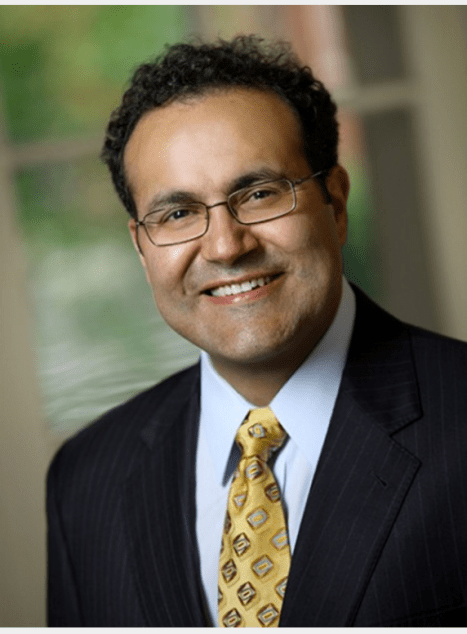
“Our results indicate that physicians who care for young people with Cushing syndrome should screen their patients for depression-related mental illness after the underlying disease has been successfully treated,” said the study’s senior author, Constantine Stratakis, D(med)Sci, director of the Division of Intramural Research at NIH’s Eunice Kennedy Shriver National Institute of Child Health and Human Development. “Patients may not tell their doctors that they’re feeling depressed, so it’s a good idea for physicians to screen their patients proactively for depression and related conditions.”

Cushing syndrome may affect both adults and children. A recent study estimated that in the United States, there are 8 cases of Cushing syndrome per 1 million people per year.

The researchers published their findings in the journal Pediatrics. They reviewed the case histories of all children and youth treated for Cushing syndrome at NIH from 2003 to 2014, a total of 149 patients. The researchers found that, months after treatment, 9 children (roughly 6 percent) had thoughts of suicide and experienced outbursts of anger and rage, depression, irritability and anxiety. Of these, 7 experienced symptoms within 7 months of their treatment.

Two others began experiencing symptoms at least 48 months after treatment.

The authors noted that children with Cushing syndrome often develop compulsive behaviors and tend to become over-achievers in school. After treatment, however, they then become depressed and anxious. This is in direct contrast to adults with Cushing syndrome, who tend to become depressed and anxious before treatment and gradually overcome these symptoms after treatment.

The authors stated that health care providers might try to prepare children with Cushing syndrome before they undergo treatment, letting them know that their mood may change after surgery and may not improve for months or years. Similarly, providers should consider screening their patients periodically for suicide risk in the years following their treatment.

Source: NIH/Eunice Kennedy Shriver National Institute of Child Health and Human Development

Webinar on Management Options for Pituitary Tumors March 22

Dr. Andaluz will cover the full breadth of treatment options from managing endocrine function, surgical procedures (transsphenoidal, endoscopic, and keyhole approaches), radiotherapy / radiosurgery, and the importance of getting care at a multidisciplinary center.

Dr. Norberto Andaluz is a neurosurgeon with the Mayfield Clinic and University of Cincinnati Brain Tumor Center. He is also Associate Professor of Neurosurgery at the University of Cincinnati, Surgical Director of the Neuroscience Intensive Care Unit, and Director of Neurotrauma at the University of Cincinnati Neuroscience Institute. He specializes in the treatment of all disorders and diseases of the brain and spine, but in particular, traumatic brain injury, aneurysms, arteriovenous malformations (AVMs), intracerebral hemorrhage, stroke, carotid artery disease, moyamoya disease and brain tumors (with special training in skull base tumors like pituitary adenoma). Dr. Andaluz received his medical degree from Unversidad Nacional de Rosario in Argentina. He completed his residency in neurosurgery at Instituto de Neurología y Neurocirugía at Sanatorio Parque in Rosario, Argentina and earned a fellowship in cerebrovascular surgery from the University of Cincinnati. Professional memberships include the American Heart Association, Congress of Neurological Surgeons, National Neurotrauma Society, Neurocritical Care Society and North American Skull Base Society.

Register at http://pituitary.org/events/webinar-management-options-for-pituitary-tumors

Johns Hopkins surgeon ‘Dr. Q’ to get Hollywood treatment

DrQ


Brad Pitt’s production company Plan B has teamed up with Disney to develop a movie based on the life of Alfredo Quiñones-Hinojosa, the head of brain tumor surgery at Johns Hopkins Hospital.

Quiñones-Hinojosa’s path to becoming a physician started in an unlikely place: a cotton field. He had come to the United States in 1987 from his native Mexico at the age of 19, penniless and unable to speak English. Driven to have a better life than the one he would have had in Mexico, he took jobs picking cotton, painting, and welding to pay for his tuition at San Joaquin Delta Community College in Stockton, California.

“These very same hands that now do brain surgery, right around that time they had scars everywhere from pulling weeds. They were bloody,” he told CNN correspondent Sanjay Gupta in a 2012 interview.

After earning his medical degree from Harvard Medical School and training in both general surgery and neurosurgery at the University of California, San Francisco, Quiñones-Hinojosa came to Johns Hopkins in 2005 and became a faculty member and surgeon. He specializes in brain cancer and pituitary tumors. His autobiography Becoming Dr. Q: My Journey from Migrant Farm Worker to Brain Surgeon was published in 2011 and received the International Latino Book Award in 2012.

Feeling like an outsider helped keep Quiñones-Hinojosa focused and “at the top of his game,” he told CNN. In the keynote speech delivered at Johns Hopkins University’s 2013 commencement ceremony, he elaborates, weaving together memories of his own brush with death in a work accident with his experience operating on a patient with a massive brain tumor that unexpectedly ruptured during surgery. Quoting the migrant farm worker and civil rights activist Cesar Chavez, he says, “If you are afraid, you will work like crazy.”

Plan B began developing the project—titled Dr. Q, the nickname for Quiñones-Hinojosa adopted by his patients—in 2007 after hearing a radio broadcast about the doctor and his background.

Matt Lopez, author of the popular Civil War play The Whipping Man and a former staff writer for HBO’s The Newsroom, will write the script.

According to The Hollywood Reporter, Disney expects Dr. Q to be a modestly-budgeted inspirational drama. Plan B executives Pitt, Dede Gardner, and Jeremy Kleiner won Best Picture Oscars two years ago for their production work on 12 Years a Slave and were nominated this year for their work on The Big Short.

From http://hub.jhu.edu/2016/03/07/brad-pitt-disney-dr-q-movie


Familial isolated pituitary adenoma (AIP study)

Professor Márta Korbonits is the Chief Investigator for the NIHR Clinical Research Network supported familial pituitary adenomas study (AIP) which is investigating the cause, the clinical characteristics and family screening of this relatively recently established disease group.

Please tell us about the condition in layman’s terms?
Pituitary adenomas are benign tumours of the master gland of the body, the pituitary gland. It is found at the base of the brain. The most commonly identified adenoma type causing familial disease makes excess amounts of growth hormone, and if this starts in childhood the patient have accelerated growth leading them to become much taller than their peers. This condition is known as gigantism.

How rare is this condition?
Pituitary adenomas cause disease in 1 in a 1000 person of the general population. About five to seven percent of these cases are familial pituitary adenomas.

How it is normally diagnosed?
There are different types of pituitary adenomas causing quite varied diseases. Gigantism and its adult counterpart acromegaly is usually diagnosed due to rapid growth, headaches, joint pains, sweating, high blood pressure and visual problems. Pituitary adenomas grow slowly and it usually takes 2-10 years before they get diagnosed. The diagnosis finally is made by blood tests measuring hormones, such as growth hormone, and doing an MRI scan of the pituitary area.

What is the study aiming to find out?
The fact that pituitary adenomas can occur in families relatively commonly was not recognised until recently. Our study introduced testing for gene alterations in the AIP (Aryl Hydrocarbon Receptor Interacting Protein) gene in the UK, and identified until now 38 families with 160 gene carriers via screening. We also aim to identify the disease-causing genes in our other families as well.

How will it benefit patients?
The screening and early treatment of patients can have a huge benefit to patients as earlier treatment will lead to less complications and better chance to recovery. We hope we can stop the abnormal growth spurts therefore avoiding gigantism. Patients that are screened will find out if they carry the AIP gene and whether they are likely to pass on the gene to their families. For most patients, knowing they have a gene abnormality also helps them to understand and accept their condition.

How will it change practice?
As knowledge of the condition becomes more understood, genetic testing of patients to screen for AIP changes should be more commonplace. Patients can be treated knowing they have this condition, and family members who are carriers of the gene can benefit from MRI scans to monitor their pituitary gland and annual hormone tests.

How did the NIHR CRN support the study?
The familial pituitary adenoma study is on the NIHR CRN Portfolio. The study’s association with NIHR has allowed the widespread assessment of the patients, has incentivised referrals from clinicians and raised awareness of both our study and the familial pituitary adenoma condition itself.

For more information contact NIHR CRN Communications Officer, Damian Wilcock on 020 3328 6705  or email damian.wilcock@nihr.ac.uk

From https://www.crn.nihr.ac.uk/blog/case_study/national-rare-disease-day-2016-familial-isolated-pituitary-adenoma-aip-study/

Rare Disease Day, 2016!

rare-disease-day-robin

There are events all over the world today.  What are *You* doing to raise awareness for Cushing’s, Addison’s or other rare disease you have?

Many thanks to Robin for the great graphic!


The USA joined Rare Disease Day in 2009, making the campaign a truly international affair. Diverse events and campaigns have been organised since then, including educational programmes in schools and a collection of photographs entitled “Handprints across America” with the Rare Disease logo across the USA. In 2013 President Barack Obama sent a letter proclaiming his support of the day. In 2015, the day was a nation-wide affair, with events everywhere from California to New York to Texas. More than 35 states participated, holding conferences, artistic events, fundraising walks, and benefit dinners. In Chicago, a “Rock Rare Diseases” event created a playlist that was featured at many hospitals on the special day.

NORD, the National Organization for Rare Disorders, is committed to the identification, treatment, and cure of rare diseases through programmes of education, advocacy, research and patient services. They can be contacted directly to help you find a patient organisation locally which may have more information about a specific rare disease or disorder. Find their contact information on the bottom of this page.

You can also get involved! Do you know of any events not listed here? Email us at rarediseaseday@eurordis.org.

On Monday, February 29th, Rare Disease Week on Capitol Hill kicks off! Hundreds of advocates from around the country will be in Washington, D.C. for a full week of events. Space remains for the Caucus Briefing on Thursday March 3rd and the Rare Artist Reception. Can’t make it to Washington D.C.? NORD is helping coordinate State House Events across the U.S.

On Wednesday, March 2nd, the EveryLife Foundation for Rare Diseases is holding a Virtual Lobby Day for advocates who cannot attend the events in D.C. The event will ask advocates to contact Congress and ask that they co-sponsor the OPEN ACT, legislation to double the number of rare disease treatments. Please share widely on social media.

On Thursday, March 3rd, the first bicameral Congressional Rare Disease Caucus briefing will be held in the Auditorium of the U.S. Capitol Visitor Center at noon. Attendees will hear from the co-chairs of the Caucus and a panel discussion featuring key thought-leaders from the patient, regulatory, and industry communities who will discuss the Rare Disease Ecosystem.

On Wednesday, March 9th, the Senate Health, Education, Labor, and Pensions Committee (HELP) will hold its second hearing as part of its biomedical innovation initiative. To date, the Advancing Hope Act (Priority Review Voucher program at FDA) is scheduled for consideration. The final hearing is slated for April 6th, although no bills have been announced for consideration.

On Wednesday, March 16th, the EveryLife Foundation for Rare Diseases will hold a public webinar on newborn screening. The Foundation has just launched newborn screening legislation in California to expand and streamline screening for rare diseases.

On Wednesday, March 23rd, RDLA will hold its next monthly webinar. The agenda is OPEN! Please send suggestions for action items or policy issues to Vignesh Ganapathy at vganapathy@everylifefoundation.org.