An Ectopic Cushing’s Syndrome with Severe Psychiatric Presentation

an-ectopic-cushingrsquos-syndrome-with-severe-psychiatric-presentation-9744

We report a case of severe EAS in a young Tunisian man resulting from a well differentiated Neuroendocrine Tumor (NET) of the lung. Besides catabolic signs and profound hypokalemia orienting towards Cushing’s Syndrome (CS), psychiatric symptoms were particularly severe, dominant and atypical including persecutory delusions, depression and anxiety.

Adrenocorticotropin-Dependent Ectopic Cushing’s Syndrome: A Case Report

Abstract

Paraneoplastic syndromes are rare and diverse conditions caused by either an abnormal chemical signaling molecule produced by tumor cells or a body’s immune response against the tumor itself. These syndromes can manifest in a variable, multisystemic and often nonspecific manner posing a diagnostic challenge.

We report the case of an 81-year-old woman who exhibited severe hypokalemia, metabolic alkalosis, and worsening hyperglycemia. The investigation was consistent with adrenocorticotropin (ACTH)-dependent Cushing’s syndrome and, eventually, the patient was diagnosed with stage IV primary small-cell lung cancer (SCLC).

SCLC is known to be associated with paraneoplastic syndromes, including Cushing’s syndrome caused by ectopic adrenocorticotropin (ACTH) secretion. Despite being associated with very poor outcomes, managing these syndromes can be challenging and may hold prognostic significance.

Introduction

Adrenocorticotropin (ACTH)-dependent Cushing’s syndrome (CS) is caused by excessive ACTH production by corticotroph (Cushing’s disease (CD)) or nonpituitary (ectopic) tumors, leading to excessive cortisol production. Ectopic ACTH syndrome (EAS) is a rare condition, accounting for 10 to 20% of all cases of ACTH-dependent CS and 5 to 10% of all types of CS [1]. The normal glucocorticoid-induced suppression of ACTH is reduced in ACTH-dependent CS, especially with ectopic ACTH production. Studies show that a wide variety of neoplasms, usually carcinomas rather than sarcomas or lymphomas, have been associated with EAS. Most cases are caused by neuroendocrine tumors of the lung, pancreas, or thymus, in which the hypercortisolism state is not apparent clinically, resulting, all too often, in delayed diagnosis [2,3].

Current diagnostic tests for EAS aim to confirm high cortisol levels, the absence of a cortisol circadian rhythm, as well as the reduced response to negative feedback from glucocorticoid administration, and imaging to identify the site of ACTH production.

Prompt diagnosis and management are crucial in EAS, highlighting the importance of physician awareness and early recognition of this syndrome.

Treatment options depend on the underlying tumor. Surgical removal is often the primary approach, followed by radiation therapy or chemotherapy. Additionally, medications to control cortisol levels may be necessary to manage the various comorbid conditions associated with CS, such as cardiovascular disease, diabetes, electrolyte imbalances, infections and thrombotic risk [4,5].

Case Presentation

We report the case of an 81-year-old woman with a fully active performance status (ECOG 0) and a medical history of diabetes, hypertension, dyslipidemia, and depressive disorder. She was admitted to an internal medicine ward due to an acute hydroelectrolytic disorder, including metabolic alkalosis, severe hypokalemia (2 mmol/L), hypochloremia (85 mmol/L), hypocalcemia (0.95 mmol/L), hypophosphatemia (1.4 mg/dL), hypomagnesemia (0.9 mg/dL), and hyperlactatemia (5.8 mmol/L), after she reportedly self-medicated herself with higher doses of metformin (four to five pills a day) due to high blood glucose levels. The patient presented with asthenia, nausea, vomiting, and diarrhea for three days and reported uncontrolled blood glucose levels for the last eight days.

The physical examination was unremarkable, without any altered mental status or signs of infection. Arterial blood gas samples showed metabolic alkalemia (pH 7.59) and hyperlactatemia, associated with severe hypokalemia, normal bicarbonate (27 mmol/L), and mildly elevated glycemia and ketonemia (232 mg/dL and 1.7 mmol/L, respectively). Lab tests confirmed the serum potassium levels as well as the other aforementioned electrolyte disturbances. Kidney function and hepatic enzymes were normal. Considering the possible relationship between the electrolyte disorder and the gastrointestinal presentation, the patient was given intravenous (IV) fluids and received potassium and magnesium replacement therapy.

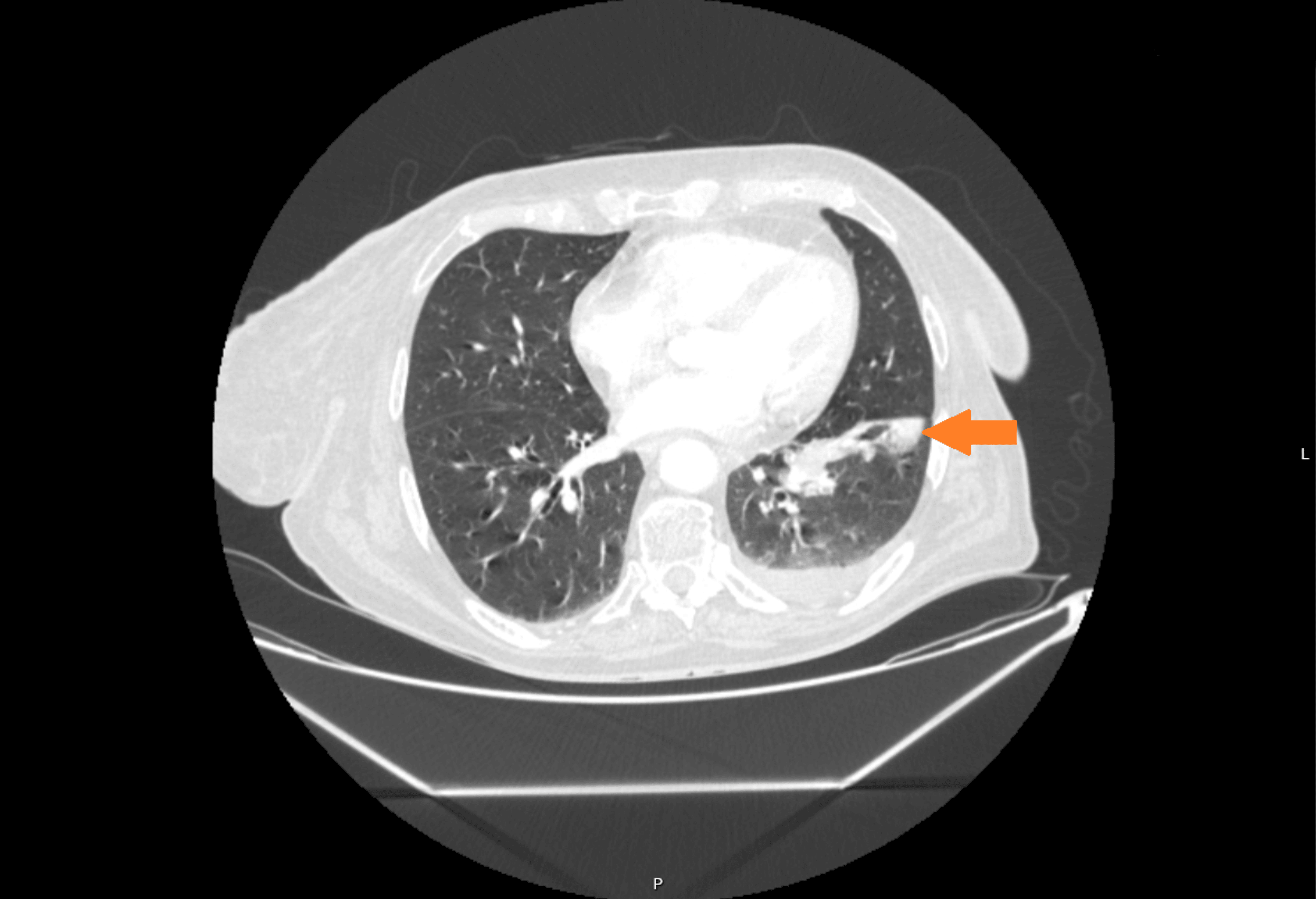
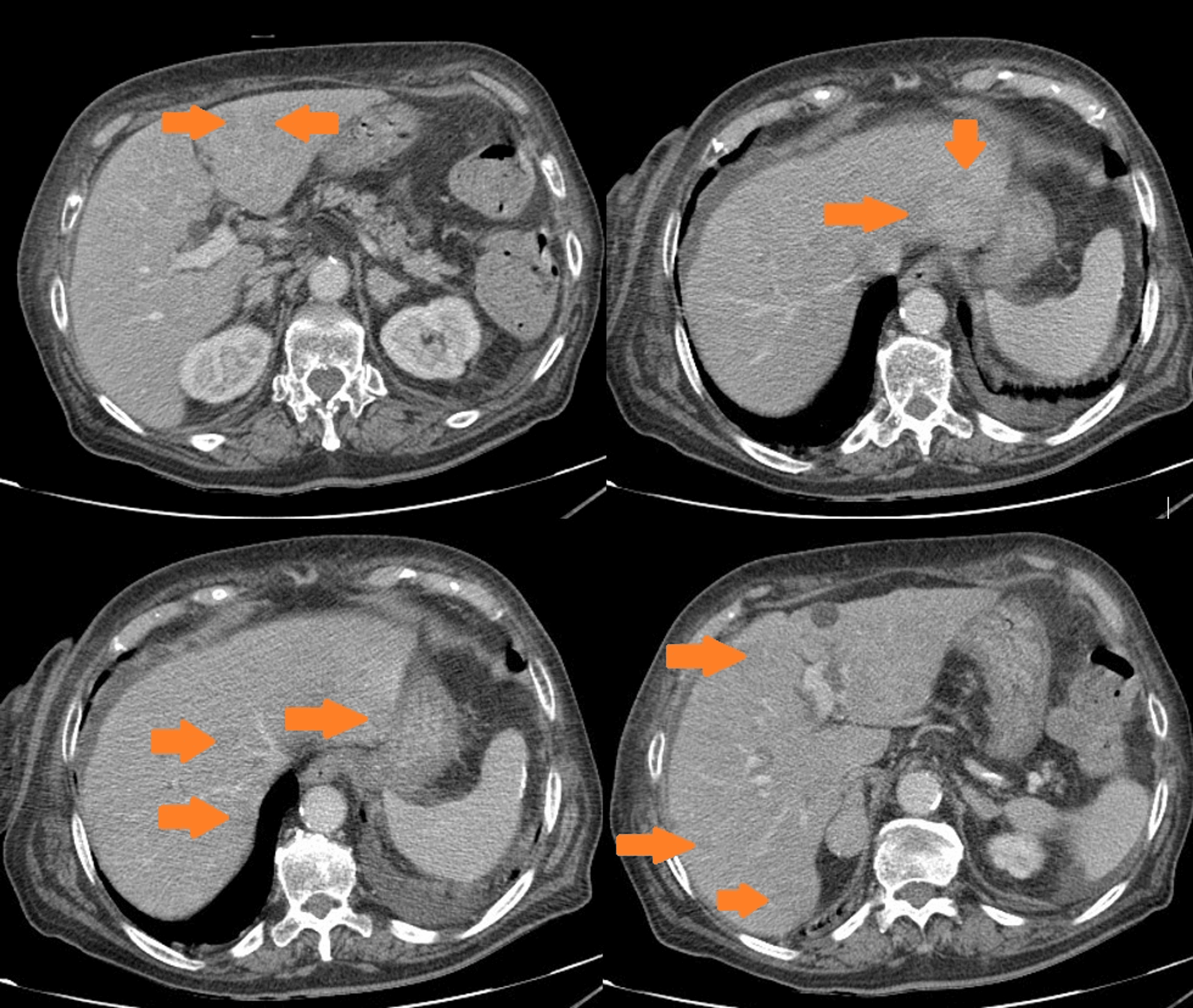
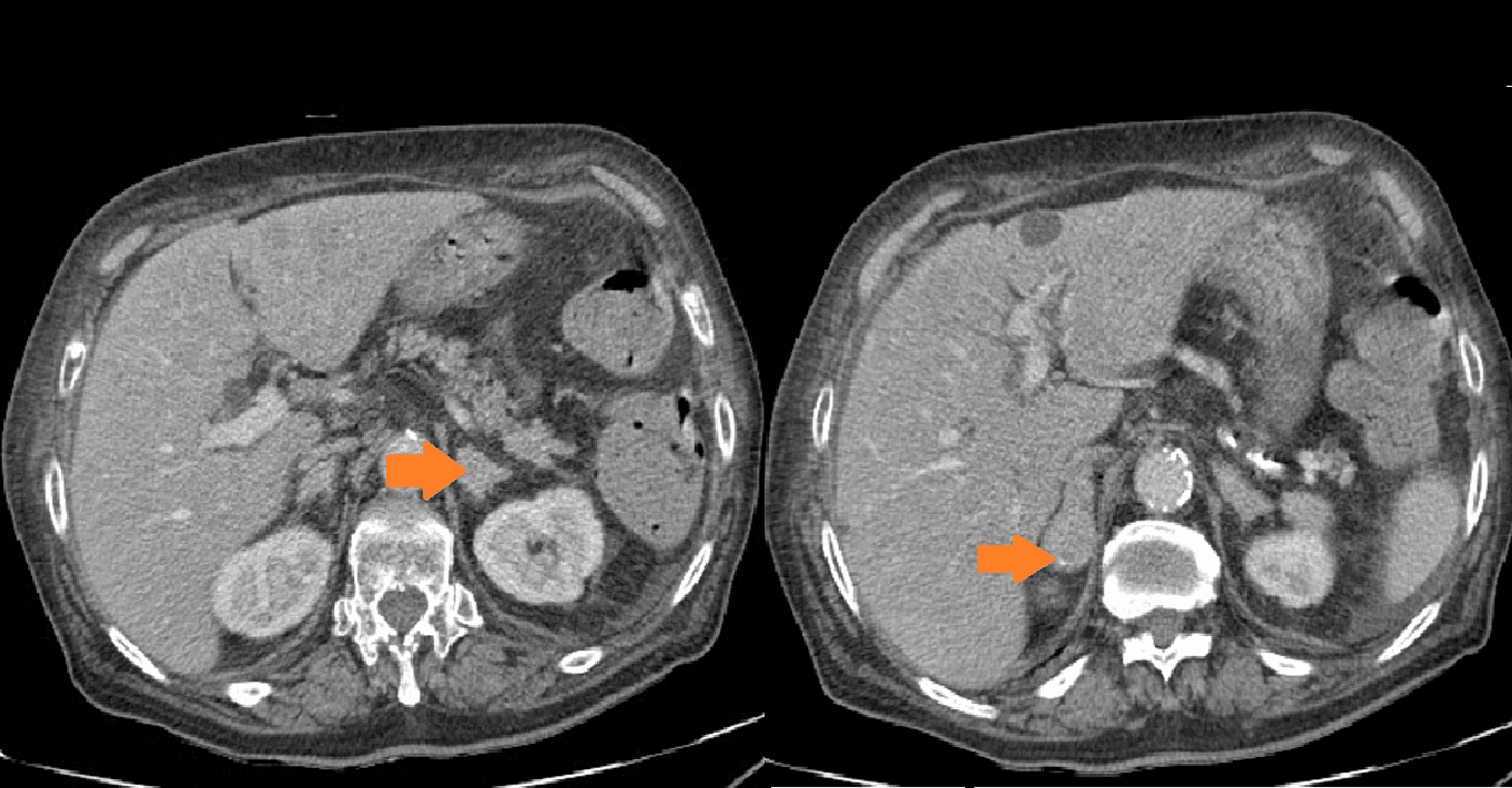
Despite receiving 200 milliequivalents (mEq) of IV potassium chloride and 4 grams of magnesium sulfate, in the first 48 hours, the ion deficits persisted. Given the persistent electrolyte derangement, the patient was admitted to the Internal Medicine ward for etiological investigation and monitoring of ionic correction. The initial period was remarkable for refractory hypokalemia and uncontrolled diabetes under respective therapeutic measures, including 80 to 130 mEq of IV potassium chloride and progressive titration of spironolactone to 200 mg a day. Laboratory investigation revealed high parathormone levels (PTHi 167 pg/mL; reference range: 10-65 pg/mL), vitamin D deficiency (3.3 ng/mL; reference range >20 ng/mL) and apparent ACTH-dependent hypercortisolism (serum cortisol 80.20 ug/dL; ACTH 445 pg/mL), as well as high urinary potassium and glucose concentrations (190 mEq/24 h and 21161 mg/24 h). A dexamethasone suppression test was performed twice (standard low and high dose) without any changes in cortisol levels, leading to the suspicion of a CS caused by abnormally high ACTH production. Cranioencephalic computed tomography (CT) and magnetic resonance imaging (MRI) were performed, excluding the presence of pituitary anomalies. A follow-up whole-body CT scan was performed, revealing a suspicious pulmonary mass in the left lower lobe, associated with ipsilateral hilar lymphadenopathy and hepatic and adrenal gland lesions suggestive of secondary involvement. An endobronchial ultrasound bronchoscopy and biopsy were performed, documenting anatomopathological findings of small-cell lung carcinoma with a Ki67 expression of 100% (Figures 13).

Pulmonary-mass-(SCLC)-in-the-left-lower-lobe-with-ipsilateral-hilar-lymphadenopathy-and-pleural-effusion.
Figure 1: Pulmonary mass (SCLC) in the left lower lobe with ipsilateral hilar lymphadenopathy and pleural effusion.

SCLC: small-cell lung cancer.

Secondary-involvement-of-the-liver-with-hypodense-multilobar-hepatic-lesions-(arterial-phase).
Figure 2: Secondary involvement of the liver with hypodense multilobar hepatic lesions (arterial phase).
Bilateral-suprarenal-lesions-suggestive-of-secondary-involvement.
Figure 3: Bilateral suprarenal lesions suggestive of secondary involvement.

The patient was referred to oncology, and chemotherapy was deferred, considering the infectious risk associated with hypercortisolism.

The patient started metyrapone 500 mg every eight hours, resulting in a reduction in cortisol levels and control of hypokalemia. Later on, a fluorodeoxyglucose-positron emission tomography (FDG-PET) scan was performed, confirming disseminated disease with additional bone involvement. Unfortunately, despite endocrinological stabilization, the patient’s condition worsened, and she ended up dying one month after the diagnosis.

Discussion

When this patient was admitted, it was assumed that the metabolic alkalosis and various electrolyte disturbances were related to the gastrointestinal presentation and hyperlactatemia secondary to metformin overdose. However, the unusual persistence and refractory hypokalaemia raised some concerns that an alternative etiology might be involved and incited subsequent testing.

The high cortisol levels were unexpected given the subclinical presentation, which seems to be more frequent in cases of EAS. In fact, because of this, the true incidence of EAS is unknown and probably underdiagnosed since patients often have subclinical presentations and do not exhibit catabolic features.

Since the patient wasn’t on any steroid medication, the association between the high cortisol and ACTH levels, non-responsive to the dexamethasone suppression test, along with the absence of a pituitary lesion, raised suspicion of a probable EAS, which was later confirmed by the body CT scan and endobronchial ultrasound (EBUS).

EAS is a rare disease with a poor prognosis. It reportedly occurs in 3.2 to 6% of neuroendocrine neoplasms, and the tumor often originates in the lung, thyroid, stomach, and pancreas. Locoregional and/or distant metastasis can be seen at the time of diagnosis in 15% of typical carcinoids and about half of atypical carcinoids with visible primaries [6,7].

The presence of a typical CS presentation, with or without electrolyte abnormalities, should raise suspicion and serum levels of both ACTH and cortisol should be assessed to determine if they are elevated and to distinguish between an ACTH-dependent (pituitary or nonpituitary ACTH-secreting tumor) and an independent mechanism (e.g., from an adrenal source). The diagnosis of CS is established when at least two different first-line tests are unequivocally abnormal and cannot be explained by any other conditions that cause physiologic hypercortisolism. Additional evaluation is performed to rule out a pituitary origin (with brain MRI) and to assess for a possible ectopic ACTH-secreting tumor.

In the aforementioned case, the production of ACTH was caused by primary neuroendocrine SCLC. The recommended approach to EAS involves the initial normalization of serum cortisol levels and the treatment of related comorbidities before performing a complete diagnostic evaluation and addressing the underlying cause [5-7]. This approach seems to improve survival and prevent complications such as sepsis following a combined steroid-induced immunosuppression and chemotherapy-induced agranulocytosis [6,7].

Direct therapies vary according to the tumor, but surgery is usually the first line of treatment (transsphenoidal surgery in cases of CD or tumor resection in cases of non-metastatic EAS). However, our patient presented with stage IV SCLC with EAS, in which chemotherapy remains the first-line treatment. SCLC patients with EAS have a poorer prognosis than those without EAS, with a life expectancy of only three to six months. This makes early diagnosis more important [2,7], as controlling the high cortisol levels and then administering systemic chemotherapy may achieve longer survival [8].

Apart from systemic chemotherapy, ketoconazole (widely accepted but highly toxic), metyrapone, mitotane (adrenocortical suppressant drug with significant side effects), and mifepristone (glucocorticoid antagonist, mainly used for the treatment of hyperglycemia in CS) can be used to reduce circulating glucocorticoids. Moreover, thromboprophylaxis and Pneumocystis jirovecii pneumonia prophylaxis should be started.

Because ketoconazole may increase the risk of chemotherapy toxicity by inhibiting cytochrome P450 3A4, metyrapone has been reported to be a better choice [5,7].

Nonetheless, administration of chemotherapy in the setting of a hypercortisolism-induced immunosuppressive state, cancerous background and metabolic disorders featuring electrolyte disturbance and hyperglycemia, aggravate the condition and can be life-threatening. Thus, a palliative approach can sometimes be reasonable.

Conclusions

The diagnosis of CS is a three-step process that includes its suspicion based on the patient’s laboratory and semiologic findings, the documentation of hypercortisolism, and the identification of its cause, which can be either ACTH-dependent or independent.

The ectopic secretion of ACTH (EAS) by nonpituitary tumors is a relatively rare cause of CS and often presents as paraneoplastic syndromes, adding therapeutic and prognostic concerns.

This case, in particular, highlights the importance of seeking alternative explanations for common electrolyte disturbances, particularly when they don’t resolve promptly. Clinicians should be aware of EAS and its frequent subclinical presentation in order to initiate the diagnostic workup as soon as suspicion arises.

References

  1. Hayes AR, Grossman AB: The ectopic adrenocorticotropic hormone syndrome: rarely easy, always challenging. Endocrinol Metab Clin North Am. 2018, 47:409-25. 10.1016/j.ecl.2018.01.005
  2. Ilias I, Torpy DJ, Pacak K, Mullen N, Wesley RA, Nieman LK: Cushing’s syndrome due to ectopic corticotropin secretion: twenty years’ experience at the National Institutes of Health. J Clin Endocrinol Metab. 2005, 90:4955-62. 10.1210/jc.2004-2527
  3. Lacroix A, Feelders RA, Stratakis CA, Nieman LK: Cushing’s syndrome. Lancet. 2015, 29:913-27. 10.1016/S0140-6736(14)61375-1
  4. Nieman LK: Molecular derangements and the diagnosis of ACTH-dependent Cushing’s syndrome. Endocr Rev. 2022, 43:852-77. 10.1210/endrev/bnab046
  5. Nieman LK, Biller BM, Findling JW, Murad MH, Newell-Price J, Savage MO, Tabarin A: Treatment of Cushing’s syndrome: an endocrine society clinical practice guideline. J Clin Endocrinol Metab. 2015, 100:2807-31. 10.1210/jc.2015-1818
  6. Bostan H, Duger H, Akhanli P, et al.: Cushing’s syndrome due to adrenocorticotropic hormone-secreting metastatic neuroendocrine tumor of unknown primary origin: a case report and literature review. Hormones (Athens). 2022, 21:147-54. 10.1007/s42000-021-00316-z
  7. Richa CG, Saad KJ, Halabi GH, Gharios EM, Nasr FL, Merheb MT: Case-series of paraneoplastic Cushing syndrome in small-cell lung cancer. Endocrinol Diabetes Metab Case Rep. 2018, 2018:4. 10.1530/EDM-18-0004
  8. Zhang HY, Zhao J: Ectopic Cushing syndrome in small cell lung cancer: a case report and literature review. Thorac Cancer. 2017, 8:114-7. 10.1111/1759-7714.12403

From https://www.cureus.com/articles/198133-adrenocorticotropin-dependent-ectopic-cushings-syndrome-a-case-report#!/

Ectopic Cushing’s Syndrome From a Corticotropin-Releasing Hormone-Secreting Medullary Thyroid Carcinoma: a Rare Pitfall af Inferior Petrosal Sinus Sampling

Abstract

Summary

This case report describes a rare presentation of ectopic Cushing’s syndrome (CS) due to ectopic corticotropin-releasing hormone (CRH) production from a medullary thyroid carcinoma (MTC).

The patient, a 69-year-old man, presented with symptoms of muscle weakness, facial plethora, and easy bruising.

An inferior petrosal sinus sampling test (IPSS) demonstrated pituitary adrenocorticotrophic hormone (ACTH) secretion, but a whole-body somatostatin receptor scintigraphy (68Ga-DOTATOC PET/CT) revealed enhanced uptake in the right thyroid lobe which, in addition to a grossly elevated serum calcitonin level, was indicative of an MTC. A 18F-DOPA PET/CT scan supported the diagnosis, and histology confirmed the presence of MTC with perinodal growth and regional lymph node metastasis.

On immunohistochemical analysis, the tumor cell stained positively for calcitonin and CRH but negatively for ACTH. Distinctly elevated plasma CRH levels were documented. The patient therefore underwent thyroidectomy and bilateral adrenalectomy.

This case shows that CS caused by ectopic CRH secretion may masquerade as CS due to a false positive IPSS test. It also highlights the importance of considering rare causes of CS when diagnostic test results are ambiguous.

Learning points

  • Medullary thyroid carcinoma may secrete CRH and cause ectopic CS.
  • Ectopic CRH secretion entails a rare pitfall of inferior petrosal sinus sampling yielding a false positive test.
  • Plasma CRH measurements can be useful in selected cases.

Background

The common denominator of Cushing’s syndrome (CS) is autonomous hypersecretion of cortisol (1) and it is subdivided into ACTH-dependent and ACTH-independent causes. The majority of CS cases are ACTH-dependent (80–85%) with a pituitary corticotroph tumor as the most prevalent cause (Cushing’s disease), and less frequently an ectopic ACTH-producing tumor (2). The gold standard method to ascertain the source of ACTH secretion in CS patients is inferior petrosal sinus sampling (IPSS) with measurement of plasma ACTH levels in response to systemic corticotropin-releasing hormone (CRH) stimulation (3). The IPSS has a very high sensitivity and specificity of 88–100% and 67–100%, respectively (4), but pitfalls do exist, including the rare ectopic CRH-producing tumor, which may yield a false positive test result (3). Here, we describe a very rare case masquerading as CS including a positive IPSS test.

Case presentation

A 69-year-old man presented at a local hospital with a 6-month history of progressive fatigue, muscle weakness and wasting, easy bruising, facial plethora, and fluid retention. His serum potassium level was 2.6 mmol/L (reference range: 3.5–4.2 mmol/L) without a history of diuretics use. His previous medical history included spinal stenosis, benign prostatic hyperplasia, and hypertension. An electromyography showed no sign of polyneuropathy and an echocardiography showed no signs of heart failure with an ejection fraction of 55%. MRI of the spine revealed multiple compression fractures, and the patient underwent spinal fusion and decompression surgery; during this admission he was diagnosed with type 2 diabetes (HbA1c: 55 mmol/mol). After spine surgery, the patient developed a pulmonary embolism and initiated treatment with rivaroxaban.

Establishing the diagnosis of ACTH-dependent CS

Six months after his spine surgery, the patient was referred to the regional department of endocrinology for osteoporosis management. Blood tests revealed a low serum testosterone level with non-elevated luteinizing hormone (LH) and follicle-stimulating hormone (FSH) levels (Table 1). An overnight 1 mg dexamethasone suppression test was positive with a morning cortisol level of 254 nmol/L and three consecutive 24-h urinary cortisol levels were markedly elevated with mean level of ≈600 nmol/24 h (reference range: 12–150 nmol/24 h). A single plasma ACTH was 37 ng/L (Table 1).

Table 1Baseline endocrine assessment.

Parameters Patient’s values Reference range
ACTH, ng/L 37 7–64
UFC, nmol/day 588 12–150
Urinary cortisol, nmol/L 600 171–536
OD, nmol/L 254 <50
Free testosterone, nmol/L 0.061 0.17–0.59
HbA1c, mmol/mol 55 <48
FSH, IU/L 7.4 1.2–15.8
LH, IU/L 2.2 1.7–8.6

ACTH, adrenocorticotropin; FSH, follicle-stimulating hormone; IU, international units; LH, luteinizing hormone; OD, plasma cortisol levels after a 1 mg overnight dexamethasone suppression test; UFC, urine free cortisol hormone.

Differential diagnostic tests

The patient was referred to a tertiary center for further examinations. Ketoconazole treatment was started to alleviate the consequences of hypercortisolism. A pituitary MRI revealed an intrasellar microtumor with a maximal diameter of 6 mm and an IPSS was ordered. A whole-body somatostatin receptor scintigraphy (68Ga-DOTATOC PET/CT) was also performed to evaluate the presence of a potential neuroendocrine tumor. This revealed multiple areas of enhanced uptake including the right thyroid lobe and cervical lymph nodes in the neck (with CT correlates), as well as in the duodenum (with no CT correlate). Concomitantly, a grossly elevated serum calcitonin level of 528 pmol/L (reference range <2.79 pmol/L) was measured.

Subsequently, the IPSS revealed pituitary ACTH secretion with a central-to-peripheral ACTH ratio >3 (Table 2). The right petrosal sinus was not successfully catheterized; thus, lateralization could not be determined.

To corroborate the diagnosis MTC, a 18F-DOPA PET/CT scan (FDOPA) was performed (5), which showed pathologically enhanced uptake in the right thyroid lobe and regional lymph nodes (Fig. 1). An ultrasound-guided core needle biopsy from the thyroid nodule was inconclusive; however, the patient underwent total thyroidectomy and regional lymph node resection, from which histology confirmed the diagnosis of disseminated MTC. Standard replacement with levothyroxine, calcium, and vitamin D was initiated. A blood sample was collected, and genomic DNA was extracted. The DNA analysis for RET germline mutation was negative.

Figure 1View Full Size
Figure 1
18F-DOPA PET/CT scan with pathologically enhanced uptake in the right thyroid lobe (large blue arrow on the left side) and regional lymph nodes (small blue arrows).

Citation: Endocrinology, Diabetes & Metabolism Case Reports 2023, 3; 10.1530/EDM-23-0057

Table 2Results from the inferior petrosal sinus sampling.*

Time (min) Left IPSS Peripheral L/P
-5 42 36 1.2
-1 116 33 3.5
2 120 32 3.8
5 209 28 7.5
7 180 43 4.2
10 529 34 15.6
15 431 37 11.6

*Data represents ACTH levels in ng/L. IPSS Inferior petrosal sampling ACTH Adrenocorticotropin hormone CRH Corticotropin-releasing hormone, L/P Ratio of left (L) inferior petrosal sinus to peripheral venous ACTH concentrations.

Pathology

Total thyroidectomy and bilateral cervical lymph node dissection (level six and seven) were performed. Macroscopic evaluation of the right thyroid lobe revealed a 24 mm, irregular solid yellow tumor. Microscopically the tumor showed an infiltrating architecture with pseudofollicles and confluent solid areas. Calcification was prominent, but no amyloid deposition was seen. The tumor cells were pleomorphic with irregular nuclei and heterogenic chromatin structure. No mitotic activity or necrosis was observed. On immunohistochemical analysis, the tumor cells expressed thyroid transcription factor 1 and stained strongly for carcinoembryonic antigen and calcitonin; tumor cells were focally positive for cytokeratin 19. The tumor was completely negative for ACTH, thyroid peroxidase, and the Hector Battifora mesothelial-1 antigen. Further analysis revealed positive immunostaining for CRH (Fig. 2). The Ki-67 index was very low (0–1%), indicating a low cellular proliferation. Molecular testing for somatic RET mutation was not performed.

Figure 2View Full Size
Figure 2
Histopathological findings and immunohistochemical studies of MTC. (A) Microscopic features of medullary thyroid carcinoma. (B) Polygonal tumor cells (hematoxylin and eosin, ×40). (C) Tumor cells stain for calcitonin (×20). (D) Immunohistochemical stain (×400) for CRH showing cells being positive (brown). (E) Pituitary tissue from healthy control staining positive for ACTH in comparison to (F) ACTH-negative cells MTC tissue from the patient (×20).

Citation: Endocrinology, Diabetes & Metabolism Case Reports 2023, 3; 10.1530/EDM-23-0057

No malignancy was found in the left thyroid lobe and there was no evidence of C-cell hyperplasia. Regional lymph node metastasis was found in 13 out of 15 nodes with extranodal extension.

Outcome and follow-up

Follow-up

Serum calcitonin levels declined after neck surgery but remained grossly elevated (118 pmol/L 3 weeks post surgery) and cortisol levels remained high. Ketoconazole treatment was poorly tolerated and not sufficiently effective. Plasma levels of CRH were measured by a competitive-ELISA kit (EKX-KIZI6R-96 Nordic BioSite), according to the instructions provided by the manufacturer. The intra- and interassay %CV (coefficient of variability) were below 8% and 10%, respectively, and the assay sensitivity was 1.4 pg/mL. The plasma CRH was distinctly elevated compared to in-house healthy controls both before and after thyroid surgery (Fig. 3).

Figure 3View Full Size
Figure 3
Plasma CRH levels before and after total thyroidectomy compared to three healthy controls.

Citation: Endocrinology, Diabetes & Metabolism Case Reports 2023, 3; 10.1530/EDM-23-0057

The patient subsequently underwent uneventful bilateral laparoscopic adrenalectomy followed by standard replacement therapy with hydrocortisone and fludrocortisone. The symptoms and signs of his CS gradually subsided. Pathology revealed bilateral cortical hyperplasia as expected.

The patient continues follow-up at the Department of Oncology and the Department of Endocrinology and Internal Medicine. At 13-month follow-up, 68Ga-DOTATOC shows residual disease with pathologically enhanced uptake in two lymph nodes, whereas the previously described focal DOTATOC uptake in the duodenum was less pronounced (still no CT correlate). Serum calcitonin was 93 pmol/L at the 13-month follow-up.

Discussion

Diagnostic challenges remain in the distinction between pituitary and ectopic ACTH-dependent CS, and several diagnostic tools are used in combination, none of which is infallible, including IPSS (6). Our case and others illustrate that ectopic CRH secretion may yield a false positive IPSS test result (3). Measurement of circulating CRH levels is relevant if an ectopic CRH producing tumor is suspected, but the assay is not routinely available in clinical practice (Lynnette K Nieman M. Measurement of ACTH, CRH, and other hypothalamic and pituitary peptides https://www.uptodate.com/contents/measurement-of-acth-crh-and-other-hypothalamic-and-pituitary-peptides: UpToDate; 2019). In our case, the presence of elevated plasma CRH levels after thyroidectomy strengthened the indication for bilateral adrenalectomy.

The most common neoplasm causing ectopic CS is small-cell lung cancer, whereas MTC accounts for 2–8% of ectopic cases (7). The development of CS in relation to MTC is generally associated with advanced disease and poor prognosis of an otherwise relatively indolent cancer (8), and the clinical progression of CS is usually rapid, why an early recognition and rapid control of hypercortisolemia and MTC is necessary to decrease morbidity and mortality (79). Our case does have residual disease; however, he remains progression-free with stable and relatively low calcitonin levels within 1-year follow-up.

Only a very limited number of cases of ectopic tumors with either combined ACTH and CRH secretion or isolated CRH secretion have been reported, with ectopic CRH secretion accounting for less than 1% of CS (9).

An ACTH- or CRH-producing tumor can be difficult to localize and may include gastric ACTH/CRH-secreting neuroendocrine tumors (9). In our case, the 68Ga-DOTATOC identified a possible duodenal site, in addition to the MTC, but an upper gastrointestinal endoscopy revealed no pathological findings and there was no CT correlate. Thus, we concluded that the most likely and sole source of ectopic CRH was the MTC and its metastases.

To our knowledge, no official guidelines for managing ectopic ACTH-dependent CS have been established. In a recent publication by Alba et al. (10), the authors demonstrated a clinical algorithm (The Mount Sinai Clinical Pathway, MSCP) and recommendation for the management of CS due to ectopic ACTH secretion.

Essentially, our approach in this particular case followed these recommendations, including source location by CT and 68Ga-DOTATATE PET/CT imaging, acute management with ketoconazole, and finally, bilateral adrenalectomy as curative MTC surgery was not possible. In retrospect, performance of the IPSS could be questioned in view of the MTC diagnosis. In real time, however, a pituitary MRI performed early in the diagnostic process revealed a microadenoma, which prompted the IPSS. In parallel, a somatostatin receptor scintigraphy (68Ga-DOTATOC PET/CT) was also done, which raised the suspicion of an MTC.

Conclusion

We report a very rare case of an ectopic CS caused by a CRH-secreting MTC. Although IPSS has stood the test of time in the differential diagnosis of ACTH-dependent CS, this case illustrates a rare pitfall.

Declaration of interest

The authors declare that there is no conflict of interest that could be perceived as prejudicing the impartiality of the research reported.

Funding

This research did not receive any specific grant from any funding agency in the public, commercial, or not-for-profit sector.

Patient consent

Written informed consent for publication of their clinical details was obtained from the patient.

Author contribution statement

JOJ and MJO are the physicians responsible for the patient. LR performed the thyroidectomy and bilateral adrenalectomy. SHM and SLA assessed and reassessed the histopathology and the immunohistochemical analysis. MB measured plasma CRH. VM, JOJ, and MJO drafted the manuscript. All authors contributed to critical revision of the manuscript.

References

A Patient With a Bronchial Carcinoid Presents With Cushingoid Symptoms Due To An Atypical and Potentially Dangerous Supplement

Highlights

The most common cause of ectopic ACTH syndrome is pulmonary carcinoid tumors and squamous cell lung cancer; however it is a relatively uncommon complication of pulmonary neoplasms.

The most common cause of Cushing syndrome is iatrogenic corticosteroid use and it should be considered in all patients regardless of clinical background.

Low urine cortisol levels may be associated with exogenous glucocorticoid exposure.

Occult glucocorticoid exposure is rare but can be evaluated with liquid chromatography.

Consumers should be aware of the potential risks of taking supplements, especially those advertised as joint pain relief products.

Abstract

Background

Well differentiated bronchial neuroendocrine neoplasms often follow a clinically indolent course and rarely cause Ectopic ACTH syndrome. Iatrogenic corticosteroid use is the most common cause of Cushing syndrome and should be considered in all patients regardless of clinical background.

Case report

A 59 year old woman with an 11 year history of a 1.5 cm well differentiated bronchial carcinoid, presented with Cushingoid features. Laboratory results were not consistent with an ACTH dependent Cushing Syndrome and exogenous steroids were suspected. The patient received an FDA alert regarding a glucosamine supplement she had started 4 months prior for joint pain.

Discussion

Ectopic ACTH production is reported in less than 5% of patients with squamous cell lung cancer and 3% of patients with lung or pancreatic (non-MEN1) neuroendocrine tumors. Factitious corticoid exposure is rare and can be evaluated with synthetic corticosteroid serum testing.

Conclusion

Cushing syndrome due to supplements containing unreported corticosteroid doses should be considered in patients with typical Cushingoid features and contradictory hormonal testing.

1. Introduction

Well differentiated bronchial neuroendocrine neoplasms often follow a clinically indolent course and can rarely exhibit Cushing syndrome due to ectopic production of adrenocorticotropic hormone (ACTH). However the most common cause of Cushing syndrome is iatrogenic corticosteroid use and should be considered in all patients regardless of clinical background (see Fig. 1Fig. 2Fig. 3Fig. 4).

Fig. 1

  1. Download : Download high-res image (243KB)
  2. Download : Download full-size image

Fig. 1. DOTATATE PET/CT demonstrates a right upper lobe pulmonary nodule with intense uptake.

Fig. 2

  1. Download : Download high-res image (201KB)
  2. Download : Download full-size image

Fig. 2. DOTATATE PET/CT demonstrates intense uptake within a right upper lobe pulmonary nodule, consistent with biopsy-proven carcinoid tumor. There are no distant sites of abnormal uptake to suggest metastatic disease.

Fig. 3

  1. Download : Download high-res image (399KB)
  2. Download : Download full-size image

Fig. 3. Artri Ajo King Supplement (Source: FDA). The label claims that the product contains glucosamine, chondroitin, collagen, vitamin C, curcumin, nettle, omega 3, and methylsulfonylmethane.

Fig. 4

  1. Download : Download high-res image (288KB)
  2. Download : Download full-size image

Fig. 4. Artri King Supplement (Source: FDA).

2. Case report

A 59–year old woman with an 11 year history of a 1.5 cm well-differentiated bronchial carcinoid, presented with 20 lb. weight gain, facial swelling, flushing, lower extremity edema and shortness of breath over 3 months. On exam, the patient was normotensive, centrally obese with mild hirsutism, facial fullness and ruddiness with evidence of a dorsocervical fat pad. Initially there was concern for hormonal activation of her known bronchial carcinoid. Testing resulted in a normal 24-hour urine 5-HIAA (6 mg/d, n < 15 mg/dL), elevated chromogranin A (201 ng/mL, n < 103 ng/mL), normal histamine (<1.5 ng/mL, n < 1.7 ng mL), low-normal 7 AM serum cortisol (5.1 μg/dL, n 3.6–19.3 μg/dL), normal 7 AM ACTH (17 pg/mL, n < 46 pg/mL) and a surprisingly low 24-hr urinary free cortisol (1.8 mcg/hr, n 4.0–50.0 mcg/hr). A late night saliva cortisol was 0.03 mcg/dL (n 3.4–16.8 mcg/dL). Testosterone, IGF-1, glucose and electrolytes were appropriate. An echocardiogram showed an ejection fraction of 60% with no evidence of carcinoid heart disease. A Dotatate PET-CT was obtained to evaluate for progression of the neuro-endocrine tumor and revealed a stable right upper lobe pulmonary nodule with no evidence of metastatic disease. Given low cortisol levels, ectopic Cushing syndrome was excluded and exogenous steroids were suspected, however the patient denied use of oral,inhaled, or injected steroids. A cosyntropin stimulation study yielded a pre-stimulation cortisol 6.2 μg/dL with an adequate post-stimulation cortisol 23.5 μg/dL. At this stage of evaluation, the patient received an FDA alert regarding a glucosamine supplement she had started 4 months prior for joint pain. The notification advised of hidden drug ingredients including dexamethasone, diclofenac, and methocarbamol contained within Artri King Glucosamine supplements not listed on the product label but verified by FDA lab analysis. The FDA had received several adverse event reports including liver toxicity and even death associated with such products. The patient’s symptoms gradually improved after discontinuation of the supplement.

3. Discussion

3.1. Ectopic ACTH syndrome

This patient’s Cushingoid features were initially suspected to be secondary to the known bronchial neuroendocrine tumor. Ectopic ACTH production accounts for about 5–10% of all Cushing Syndrome cases [1]. The most common location of ectopic ACTH is the lungs with pulmonary carcinoid tumors being the most common cause, followed by squamous cell lung cancer [2]. Despite this patient’s history of bronchial carcinoid tumor and positive chromogranin histopathological marker, her laboratory results were not consistent with an ACTH dependent Cushing Syndrome. In fact, Cushing syndrome is a relatively uncommon neuroendocrine neoplasm complication. The prevalence of ectopic ACTH production in patients with lung tumors is rare, at less than 5% in squamous cell lung cancer and about 3% in patients with lung or pancreatic (non-MEN1) neuroendocrine tumors1.

Patients with ACTH dependent Cushing syndrome not suspected to originate from the pituitary, undergo further testing to evaluate for an ectopic ACTH secreting tumor. These tests include conventional imaging of the chest, abdomen and pelvis, as well as functional imaging such as octreotide scans, fluoride 18-fluorodeoxyglucose-positron emission tomography [18F-FDG PET], and gallium-68 DOTATATE positron emission tomography-computed tomography [Dotatate PET-CT] scan [3]. In our literature review, we found that there was insufficient evidence to determine the sensitivity and specificity of nuclear medicine imaging techniques [4,5]. In this case, the patient had no laboratory evidence for ACTH dependent Cushing Syndrome, but given the known bronchial carcinoid tumor, a repeat Dotatate PET-CT scan was obtained which demonstrated no indication of growth or spread of the known bronchial tumor.

3.2. Supplement induced Cushing Syndrome

One of the most remarkable findings in this case was the patient’s low urine cortisol level in the setting of her overt Cushingoid features. In our survey of the literature, we found that low urine cortisol levels were associated with exogenous glucocorticoid use [6,7]. The low urine cortisol levels may be reflective of intermittent glucocorticoid exposure. Indeed, this patient’s Cushingoid features were determined to be secondary to prolonged use of Artri King supplement.

Occult glucocorticoid use is difficult to diagnose even after performing a thorough medication reconciliation as patients may unknowingly consume unregulated doses of glucocorticoids in seemingly harmless supplements and medications. The incidence of supplement induced Cushing Syndrome is currently unknown as supplements are not regularly tested to detect hidden glucocorticoid doses. Additionally, the likelihood of developing supplement induced Cushing syndrome is dependent on dosage and duration of use.

In our literature review we found nine published articles describing supplement induced Cushing Syndrome [[7][8][9][10][11][12][13][14][15]], one case report of tainted counterfeit medication causing Cushing Syndrome [16], and two cases of substances with probable glucocorticoid-like activity [17,18]. Of the nine published articles of supplement induced Cushing Syndrome, six were associated with supplements marketed as arthritic joint pain relief products including ArtriKing, Maajun, and AtriVid [[7][8][9][10][11][12]]. These products later received government issued warnings in Mexico, Malaysia, and Colombia respectively [[19][20][21]].

To our knowledge there have been four published reports of ArtiKing supplement induced Cushing Syndrome [[7][8][9][10]]. The first documented cases were reported in 2021 in Vera Cruz, Mexico; since then the Mexican medical community reported seeing a disproportionate increase in cases of iatrogenic Cushing Syndrome due to these supplements [7]. There have also been three American published articles describing a total of 4 cases of ArtriKing supplement induced Cushing syndrome [[8][9][10]]. In January 2022 the FDA issued a warning about Atri Ajo King containing diclofenac, which was not listed in the product label [22]. In April 2022 the FDA expanded its warning, advising consumers to avoid all Artri and Ortiga products after the FDA found these products contained dexamethasone and diclofenac [23]. In October 2022 the FDA issued warning letters to Amazon, Walmart, and Latin Foods market for distributing Artri and Ortiga products [24].

Many supplements are not regulated by the government and may contain hidden ingredients such as glucocorticoids. In these cases further evaluation of suspected products [25], medications [16], and patient serum [26] and urine [6] utilizing techniques such as liquid chromatography may be used to confirm occult glucocorticoid exposure.

This case highlights the importance of educating patients to exercise caution when purchasing health products both online and abroad. Consumers should be aware of the potential risks of taking supplements, especially those advertised as joint pain relief products.

4. Conclusion

Although the most common cause of ectopic ACTH syndrome is pulmonary carcinoid tumors and squamous cell lung cancer, it is a relatively uncommon complication of pulmonary neoplasms.

Exogenous Cushing syndrome due to supplements containing unreported corticosteroid doses should be considered in patients with typical Cushingoid features and contradictory hormonal testing. Occult glucocorticoid exposure is rare but can be evaluated with liquid chromatography. This case report emphasizes the importance of teaching patients to be vigilant and appropriately research their health supplements.

Patient consent

Formal informed consent was obtained from the patient for publication of this case report.

Declaration of competing interest

The authors (Tomas Morales and Shanika Samarasinghe) of this case report declare that they have no financial conflicts of interest. Shanika Samrasinghe is an editorial member of the Journal of Clinical and Translational Endocrinology: Case Reports, and declares that she was not involved in the peer review and editorial decision making process for the publishing of this article.

References

Cushing Syndrome Caused by an Ectopic ACTH-Producing Pituitary Adenoma of the Clivus Region

Abstract

Rationale:

Ectopic ACTHproducing pituitary adenoma (EAPA) of the clivus region is extraordinarily infrequent condition and merely a few reports have been reported to date.

Patient concerns:

The patient was a 53-year-old woman who presented with Cushing-like appearances and a soft tissue mass in the clivus region.

Diagnoses:

The final diagnosis of clivus region EAPA was established by clinical, radiological and histopathological findings.

Interventions:

The patient underwent gross total clivus tumor resection via transsphenoidal endoscopy.

Outcomes:

Half a year after surgery, the patient Cushing-like clinical manifestations improved significantly, and urinary free cortisol and serum adrenocorticotropin (ACTH) returned to normal.

Lessons:

Given the extreme scarcity of these tumors and their unique clinical presentations, it may be possible to misdiagnose and delayed treatment. Accordingly, it is especially crucial to summarize such lesions through our present case and review the literature for their precise diagnosis and the selection of optimal treatment strategies.

1. Introduction

Pituitary adenoma arises from the anterior pituitary cells and is the commonest tumor of the sellar region.[1] It makes up approximately 10% to 15% of all intracranial tumors.[2] Ectopic pituitary adenoma (EPA) is defined as a pituitary adenoma that occurs outside the sellar area and has no direct connection to normal pituitary tissue.[3] The most frequent sites of EPA are the sphenoid sinus and suprasellar region, and much less frequent sites including the clivus region, cavernous sinus, and nasopharynx.[4]

Hypercortisolism and the series of symptoms it leads to is termed Cushing syndrome (CS).[5] CS is classified into adrenocorticotropin (ACTH)-dependent and ACTH-independent CS depending on the cause, accounting for 80% to 85% and 15% to 20% of cases, respectively.[6] Pituitary adenoma accounts for ACTH-dependent CS 75% to 80%, while ectopic ACTH secretion accounts for the remaining 15% to 20%.[7] Ectopic CS is a very rare disorder of CS caused by an ACTH-secreting tumor outside the pituitary or adrenal gland.[8] It has been reported that ectopic ACTHproducing pituitary adenoma (EAPA) can occur in the sphenoid sinus, cavernous sinus, clivus, and suprasellar region,[9] with EAPA in the clivus region being extremely rare, and merely 6 cases have been reported in the English literature (Table 1).[10–15] Furthermore, as summarized in the Table 1, EAPA in the clivus area has unique symptoms, which may lead to misdiagnosis as well as delay in treatment. Therefore, we herein described a case of CS from an EAPA of the clivus region and reviewed relevant literature for the purpose of further understanding this extraordinarily unusual condition.

Table 1 – Literature review of cases of primary clival ectopic ACTHproducing pituitary adenoma (including the current case).

Reference Age (yr)/sex Symptoms Imaging findings Maximum tumor diameter (mm) Preoperative elevated hormone IHC Surgery RT Follow-up (mo) Outcome
Ortiz et al 1975[10] 15/F NA NA NA NA NA Right transfrontal craniotomy, NA Yes NA Symptomatic relief
Anand et al 1993[11] 58/F Anosphrasia, blurred vision, occasional left frontal headache, Routine radiographic evaluation revealed a clival tumor and nasopharyngeal mass with bone erosion. MRI demonstrated a Midline homogeneous mass. 30 ACTH ACTH in a few isolated cells Maxillotomy approach, GTR Yes 12 Symptomatic relief
Pluta et al 1999[12] 20/F Cushing syndrome MRI revealed a hypodense contrast-enhancing lesion. NA ACTH ACTH Transsphenoidal surgery, GTR No 18 Symptomatic relief
Shah et al 2011[13] 64/M Facial paresthesias, myalgias, decreased muscle strength, and fatigue CT imaging showed a clival mass. 21 ACTH ACTH NA, GTR No 7 Symptomatic relief
Aftab et al 2021[14] 62/F Transient unilateral visual loss MRI showed a T2 heterogeneously enhancing hyperintense lesion. 21 No ACTH Transsphenoidal resection, GTR NO 6 Symptomatic relief
Li et al 2023[15] 47/F Bloody nasal discharge, dizziness and headache CT revealed an ill-defined mass eroding the adjacent bone. MRI T1 showed a heterogeneous mass with hypointensity, hyperintensity on T2-weighted images and isointensity on diffusion-weighted images. 58 NA ACTH Transsphenoidal endoscopy, STR Yes 2 Symptomatic relief
Current case 53/F Headache, and dizziness, Cushing syndrome CT demonstrated bone destruction and a soft tissue mass. MRI T1 revealed irregular isointense signal, and MRI T2 showed isointense signal/slightly high signal. 46 ACTH ACTH Transsphenoidal endoscopy, GTR NO 6 Symptomatic relief
ACTH = adrenocorticotropin, CT = computed tomography, GTR = gross total resection, IHC = immunohistochemistry, MRI = magnetic resonance imaging, NA = not available, RT = radiotherapy, STR = subtotal resection.

2. Case presentation

A 53-year-old female presented to endocrinology clinic of our hospital with headache and dizziness for 2 years and aggravated for 1 week. Her past medical history was hypertension, with blood pressure as high as 180/100 mm Hg. Her antihypertensive medications included amlodipine besylate, benazepril hydrochloride, and metoprolol tartrate, and she felt her blood pressure was well controlled. In addition, she suffered a fracture of the thoracic vertebrae 3 month ago; and bilateral rib fractures 1 month ago. Physical examination revealed that the patient presented classical Cushing-like appearances, including moon face and supraclavicular and back fat pads, and centripetal obesity (body mass index, 25.54 kg/m2) with hypertension (blood pressure, 160/85 mm Hg).

Laboratory studies revealed high urinary free cortisol levels at 962.16 µg/24 hours (reference range, 50–437 µg/24 hours) and absence of circadian cortisol rhythm (F [0am] 33.14 µg/dL, F [8am] 33.52 µg/dL, F [4pm] 33.3 µg/dL). ACTH levels were elevated at 90.8 pg/mL (reference range, <46 pg/mL). The patient low-dose dexamethasone suppression test demonstrated the existence of endogenous hypercortisolism. High-dose dexamethasone suppression test results revealed that serum cortisol levels were suppressed by <50%, suggesting the possibility of ectopic ACTH-dependent CS. Serum luteinizing hormone and serum follicle stimulating hormone were at low levels, <0.07 IU/L (reference range, 15.9–54.0 IU/L) and 2.57 IU/L (reference range, 23.0–116.3 IU/L), respectively. Insulin-like growth factor-1, growth hormone (GH), prolactin (PRL), thyroid stimulating hormone, testosterone, progesterone and estradiol test results are all normal. Oral glucose tolerance test showed fasting glucose of 6.3 mmol/L and 2-hour glucose of 18.72 mmol/L; glycosylated hemoglobin (HbA1c) was 7.1%. Serum potassium fluctuated in the range of 3.14 to 3.38 mmol/L (reference range, 3.5–5.5 mmol/L), indicating mild hypokalemia.

High-resolution computed tomography (CT) scan of the sinuses revealed osteolytic bone destruction of the occipital clivus and a soft tissue mass measuring 20 mm × 30 mm × 46 mm (Fig. 1A). The mass filled the bilateral sphenoid sinuses and involved the cavernous sinuses, but the pituitary was normal. Cranial MR scan showed the T1W1 isointense signal and the T2W1 isointense signal/slightly high signal in the sphenoid sinus and saddle area (Fig. 1B–D). Bone density test indicated osteoporosis.

F1
Figure 1.: 

Radiological findings. (A) CT demonstrated bone destruction and a soft tissue mass on the occipital clivus (white arrow). (B) Axial view of the MR T1 revealed irregular isointense signal in the sphenoid sinus and saddle area (white arrow). (C and D) Axial view and sagittal view of the MR T2 showed isointense signal/slightly high signal in the sphenoid sinus and saddle area (black arrow). CT = computed tomography.

Subsequently, the patient underwent gross total clivus tumor resection via transsphenoidal endoscopy. During surgery, the tumor was found to be light red in color with a medium texture, and the tumor tissue protruded into the sphenoidal sinus cavity and eroded the clival area. Histologically, the tumor cells were nested, with interstitially rich blood sinuses and organoid arrangement (Fig. 2A). The tumor cells were relatively uniform in size, with light red cytoplasm, delicate pepper salt-like chromatin, and visible nucleoli (Fig. 2B). In addition, mitosis of tumor cells was extremely rare. Immunohistochemically, the neoplasm cells were diffuse positive for CK (Fig. 2C), CgA (Fig. 2D), ACTH (Fig. 2E), Syn and CAM5.2, with low Ki-67 labeling index (<1%) (Fig. 2F). Simultaneously, all other pituitary hormone markers like GH, thyroid stimulating hormone, PRL, luteinizing hormone, as well as follicle stimulating hormone were negatively expressed. On the basis of these medically historical, clinical, laboratorial, morphologic, and immunohistochemical findings, the final pathological diagnosis of an EAPA was established.

F2
Figure 2.: 

HE and immunohistochemical findings. (A) Histologic sections revealed morphologically homogeneous tumor cells in nests with a prominent and delicate vascularized stroma (H&E, × 200). (B) The tumor cells had fine chromatin with visible nuclei and rare mitoses (H&E, × 400). CK (C), CgA (D) and ACTH (E) immunohistochemically showed diffuse reactivity of the tumor cells (SP × 200). (F) The proliferation index is <1% on Ki-67 staining (SP × 200).

When evaluated 2 months after surgery, her Cushing-like characteristics had well improved, and her blood pressure was normal. Furthermore, her serum cortisol and ACTH returned to the normal levels. Six-month postoperative follow-up revealed that serum cortisol and ACTH were stable at normal levels, and no signs of tumor recurrence were detected on imaging.

3. Discussion

EAPA is defined as an ACTH-secreting ectopic adenoma located outside the ventricles, and has no continuity with the normal intrasellar pituitary gland.[9] ACTH promotes cortisol secretion by stimulating the adrenal cortical fasciculus. The clinical manifestations of hypercortisolism are diverse, and the severity is partly related to the duration of the cortisol increase.[8] Clival tumors are typically uncommon, accounting for 1% of all intracranial tumors. There are many differential diagnoses for clival lesions, including the most common chordoma (40%), meningioma, chondrosarcoma, astrocytoma, craniopharyngioma, germ cell tumors, non-Hodgkin lymphoma, melanoma, metastatic carcinoma, and rarely pituitary adenoma.[16] The commonest clival EPA is a PRL adenoma, followed by null cell adenoma, and the least common are ACTH adenoma and GH adenoma.[2] The clival EAPA is extremely unwonted, and only 6 other cases apart from ours have been reported in literature so far (Table 1).

The average age of the patients with these tumors was 48 years (range, 15–64 years). There was a obvious female predominance with a female-to-male prevalence ratio of 6:1. Only 2 patients (2/6, 33.3%) with reported clinical symptoms, including our patients, presented with overt clinical manifestations of CS. Compression of the mass on adjacent structures (e.g., nerves) may result in anosphrasia, visual impairment, headache, myalgias, decreased muscle strength, dizziness and facial sensory abnormalities. The diagnosis and localization of these tumors relied heavily on radiological imaging. Head MRI was the most basic method used for them detection, for localization adenomas and their invasion of surrounding structures to guide the choice of treatment and surgical options methods. Radiographic characteristics had been reported in 6 patients with EAPA in the clivus region. All of these patients (6/6, 100%) had initial positive findings of sellar MRI (or CT) identifying an ectopic adenoma before surgery. MR T1 was usually a low-intensity or isointense signal, while MR T2 was usually an isointense or slightly higher signal. The maximum diameter of the tumor was reported in 5 cases, with the mean maximum diameter was 35.2 mm (range, 21–55 mm) according to preoperative MRI and intraoperative observations. As summarized in Table 1, 4/5 clival EAPA cases secreted ACTH. Histologically, all cases (6/6, 100%) expressed ACTH scatteredly or diffusely.

The gold standard for the treatment of CS caused by EAPA was the surgical removal of EPA, which was essential to achieve remission and histological confirmation of the disease.[9] The most common method of EAPA resection in the clivus region was transsphenoidal sinus resection (4/6, 66.67%), followed by craniotomy (1/6, 16.67%) and maxillary osteotomy (1/6, 16.67%). Transsphenoidal endoscopic surgery allowed resection of the EAPA and manipulation of neurovascular structures and avoidance of cerebral atrophy, whereas craniotomy allowed full exposure of the suprasellar region, direct visualization or manipulation of the adenoma, and reduced the risk of postoperative CSF leak.[9] Both approaches had their advantages, and there was no consensus on which surgical approach was best for the treatment of EAPA in the slope area.[9] The choice of the best surgical approach was believed to be based on the condition of the adenoma, as well as the general condition of the patient and the experience of the surgeon.[9] As summarized in Table 1, most complete tumor resections were achieved regardless of the method chosen. A minority of patients underwent postoperative radiotherapy (3/7, 42.86%), and most of them had invasion of the surrounding bone tissue. All patients experienced effective postoperative relief of symptoms.

In summary, due to the rarity of this disorder, an accurate preoperative diagnosis of EAPA in the slope area is extremely challenging for the clinician or radiologist. The final precise diagnosis relies on a combination of clinical symptoms, imaging findings, histology and immunohistochemical markers. For this type of tumor, surgery is an effective treatment to relieve the clinical manifestations caused by tumor compression or hormonal secretion. The choice of postoperative adjuvant radiotherapy is mainly based on the presence of invasion of the surrounding bone tissue. Further cases may be necessary to summarize the clinical features of such lesions and to develop optimal treatment strategies.

Acknowledgments

We would like to thank the patient and her family.

Author contributions

Conceptualization: Yutao He.

Data curation: Ziyi Tang.

Formal analysis: Na Tang.

Methodology: Yu Lu, Fangfang Niu, Jiao Ye, Zheng Zhang, Chenghong Fang.

Writing – original draft: Yutao He.

Writing – review & editing: Yutao He, Lei Yao.

Abbreviations:

ACTH
adrenocorticotropin
CS
cushing syndrome
CT
computed tomography
EAPA
ectopic ACTHproducing pituitary adenoma
EPA
ectopic pituitary adenoma
GH
growth hormone
PRL
prolactin

References

[1]. Gittleman H, Ostrom QT, Farah PD, et al. Descriptive epidemiology of pituitary tumors in the United States, 2004-2009. J Neurosurg. 2014;121:527–35.

[2]. Karras CL, Abecassis IJ, Abecassis ZA, et al. Clival ectopic pituitary adenoma mimicking a Chordoma: case report and review of the literature. Case Rep Neurol Med. 2016;2016:8371697.

[3]. Bălaşa AF, Chinezu R, Teleanu DM, et al. Ectopic intracavernous corticotroph microadenoma: case report of an extremely rare pathology. Rom J Morphol Embryol. 2017;58:1447–51.

[4]. Zhu J, Wang Z, Zhang Y, et al. Ectopic pituitary adenomas: clinical features, diagnostic challenges and management. Pituitary. 2020;23:648–64.

[5]. Paleń-Tytko JE, Przybylik-Mazurek EM, Rzepka EJ, et al. Ectopic ACTH syndrome of different origin-diagnostic approach and clinical outcome. experience of one clinical centre. PLoS One. 2020;15:e0242679.

[6]. Sharma ST, Nieman LK, Feelders RA. Cushing’s syndrome: epidemiology and developments in disease management. Clin Epidemiol. 2015;7:281–93.

[7]. Aniszewski JP, Young WF Jr, Thompson GB, et al. Cushing syndrome due to ectopic adrenocorticotropic hormone secretion. World J Surg. 2001;25:934–40.

[8]. Mohib O, Papleux E, Remmelink M, et al. An ectopic Cushing’s syndrome as a cause of severe refractory hypokalemia in the ICU. Acta Clin Belg. 2021;76:373–8.

[9]. Sun X, Lu L, Feng M, et al. Cushing syndrome caused by ectopic adrenocorticotropic hormone-secreting pituitary adenomas: case report and literature review. World Neurosurg. 2020;142:75–86.

[10]. Ortiz-Suarez H, Erickson DL. Pituitary adenomas of adolescents. J Neurosurg. 1975;43:437–9.

[11]. Anand VK, Osborne CM, Harkey HL. Infiltrative clival pituitary adenoma of ectopic origin. Otolaryngol Head Neck Surg. 1993;108:178–83.

[12]. Pluta RM, Nieman L, Doppman JL, et al. Extrapituitary parasellar microadenoma in Cushing’s disease. J Clin Endocrinol Metab. 1999;84:2912–23.

[13]. Shah R, Schniederjan M, DelGaudio JM, et al. Visual vignette.s Ectopic ACTH-secreting pituitary adenoma. Endocr Pract. 2011;17:966.

[14]. Aftab HB, Gunay C, Dermesropian R, et al. “An Unexpected Pit” – ectopic pituitary adenoma. J Endocr Soc. 2021;5:A557–8.

[15]. Li Y, Zhu JG, Li QQ, et al. Ectopic invasive ACTH-secreting pituitary adenoma mimicking chordoma: a case report and literature review. BMC Neurol. 2023;23:81.

[16]. Wong K, Raisanen J, Taylor SL, et al. Pituitary adenoma as an unsuspected clival tumor. Am J Surg Pathol. 1995;19:900–3.

Hide full references list
Keywords:

clivus regionCushingEctopic ACTHlike appearanceproducing pituitary adenoma

From https://journals.lww.com/md-journal/Fulltext/2023/06230/Cushing_syndrome_caused_by_an_ectopic.32.aspx