New discoveries offer possible Cushing’s disease cure

LOS ANGELES — More than a century has passed since the neurosurgeon and pathologist Harvey Cushing first discovered the disease that would eventually bear his name, but only recently have several key discoveries offered patients with the condition real hope for a cure, according to a speaker here.

There are several challenges clinicians confront in the diagnosis and treatment of Cushing’s disease, Shlomo Melmed, MB, ChB, FRCP, MACP, dean, executive vice president and professor of medicine at Cedars-Sinai Medical Center in Los Angeles, said during a plenary presentation. Patients who present with Cushing’s disease typically have depression, impaired mental function and hypertension and are at high risk for stroke, myocardial infarction, thrombosis, dyslipidemia and other metabolic disorders, Melmed said. Available therapies, which range from surgery and radiation to the somatostatin analogue pasireotide (Signifor LAR, Novartis), are often followed by disease recurrence. Cushing’s disease is fatal without treatment; the median survival if uncontrolled is about 4.5 years, Melmed said.

“This truly is a metabolic, malignant disorder,” Melmed said. “The life expectancy today in patients who are not controlled is apparently no different from 1930.”

The outlook for Cushing’s disease is now beginning to change, Melmed said. New targets are emerging for treatment, and newly discovered molecules show promise in reducing the secretion of adrenocorticotropic hormone (ACTH) and pituitary tumor size.

“Now, we are seeing the glimmers of opportunity and optimism, that we can identify specific tumor drivers — SST5, [epidermal growth factor] receptor, cyclin inhibitors — and we can start thinking about personalized, precision treatment for these patients with a higher degree of efficacy and optimism than we could have even a year or 2 ago,” Melmed said. “This will be an opportunity for us to broaden the horizons of our investigations into this debilitating disorder.”

Challenges in diagnosis, treatment

Overall, about 10% of the U.S. population harbors a pituitary adenoma, the most common type of pituitary disorder, although the average size is only about 6 mm and 40% of them are not visible, Melmed said. In patients with Cushing’s disease, surgery is effective in only about 60% to 70% of patients for initial remission, and overall, there is about a 60% chance of recurrence depending on the surgery center, Melmed said. Radiation typically leads to hypopituitarism, whereas surgical or biochemical adrenalectomy is associated with adverse effects and morbidity. Additionally, the clinical features of hypercortisolemia overlap with many common illnesses, such as obesity, hypertension and type 2 diabetes.

“There are thousands of those patients for every patient with Cushing’s disease who we will encounter,” Melmed said.

The challenge for the treating clinician, Melmed said, is to normalize cortisol and ACTH with minimal morbidity, to resect the tumor mass or control tumor growth, preserve pituitary function, improve quality of life and achieve long-term control without recurrence.

“This is a difficult challenge to meet for all of us,” Melmed said.

Available options

Pituitary surgery is typically the first-line option offered to patients with Cushing’s disease, Melmed said, and there are several advantages, including rapid initial remission, a one-time cost and potentially curing the disease. However, there are several disadvantages with surgery; patients undergoing surgery are at risk for postoperative venous thromboembolism, persistent hypersecretion of ACTH, adenoma persistence or recurrence, and surgical complications.

Second-line options are repeat surgery, radiation, adrenalectomy or medical therapy, each with its own sets of pros and cons, Melmed said.

“The reality of Cushing’s disease — these patients undergo first surgery and then recur, second surgery and then recur, then maybe radiation and then recur, and then they develop a chronic illness, and this chronic illness is what leads to their demise,” Melmed said. “Medical therapy is appropriate at every step of the spectrum.”

Zebrafish clues

Searching for new options, Melmed and colleagues introduced a pituitary tumor transforming gene discovered in his lab into zebrafish, which caused the fish to develop the hallmark features of Cushing’s disease: high cortisol levels, diabetes and cardiovascular disease. In the fish models, researchers observed that cyclin E activity, which drives the production of ACTH, was high.

Melmed and colleagues then screened zebrafish larvae in a search for cyclin E inhibitors to derive a therapeutic molecule and discovered R-roscovitine, shown to repress the expression of proopiomelanocortin (POMC), the pituitary precursor of ACTH.

In fish, mouse and in vitro human cell models, treatment with R-roscovitine was associated with suppressed corticotroph tumor signaling and blocked ACTH production, Melmed said.

“Furthermore, we asked whether or not roscovitine would actually block transcription of the POMC gene,” Melmed said. “It does. We had this molecule (that) suppressed cyclin E and also blocks transcription of POMC leading to blocked production of ACTH.”

In a small, open-label, proof-of-principal study, four patients with Cushing’s disease who received roscovitine for 4 weeks developed normalized urinary free cortisol, Melmed said.

Currently, the FDA Office of Orphan Products Development is funding a multicenter, phase 2, open-label clinical trial that will evaluate the safety and efficacy of two of three potential doses of oral roscovitine (seliciclib) in patients with newly diagnosed, persistent or recurrent Cushing disease. Up to 29 participants will be treated with up to 800 mg per day of oral seliciclib for 4 days each week for 4 weeks and enrolled in sequential cohorts based on efficacy outcomes.

“Given the rarity of the disorder, it will probably take us 2 to 3 years to recruit patients to give us a robust answer,” Melmed said. “This zebrafish model was published in 2011, and we are now in 2019. It has taken us 8 years from publication of the data to, today, going into humans with Cushing’s. Hopefully, this will light the pathway for a phase 2 trial.”

 Offering optimism’

Practitioners face a unique paradigm when treating patients with Cushing’s disease, Melmed said. Available first- and second-line therapy options often are not a cure for many patients, who develop multimorbidity and report a low quality of life.

“Then, we are kept in this difficult cycle of what to do next and, eventually, running out of options,” Melmed said. “Now, we can look at novel, targeted molecules and add those to our armamentarium and at least offer our patients the opportunity to participate in trials, or at least offer the optimism that, over the coming years, there will be a light at the end of the tunnel for their disorder.”

Melmed compared the work to Lucas Cranach’s Fons Juventutis (The Fountain of Youth). The painting, completed in 1446, shows sick people brought by horse-drawn ambulance to a pool of water, only to emerge happy and healthy.

“He was imagining this ‘elixir of youth’ (that) we could offer patients who are very ill and, in fact, that is what we as endocrinologists do,” Melmed said. “We offer our patients these elixirs. These Cushing’s patients are extremely ill. We are trying with all of our molecular work and our understanding of pathogenesis and signaling to create this pool of water for them, where they can emerge with at least an improved quality of life and, hopefully, a normalized mortality. That is our challenge.” – by Regina Schaffer

Reference:

Melmed S. From zebrafish to humans: translating discoveries for the treatment of Cushing’s disease. Presented at: AACE Annual Scientific and Clinical Congress; April 24-28, 2019; Los Angeles.

Disclosure: Melmed reports no relevant financial disclosures.


From https://www.healio.com/endocrinology/neuroendocrinology/news/online/%7B585002ad-640f-49e5-8d62-d1853154d7e2%7D/new-discoveries-offer-possible-cushings-disease-cure

Day 24: Cushing’s Awareness Challenge

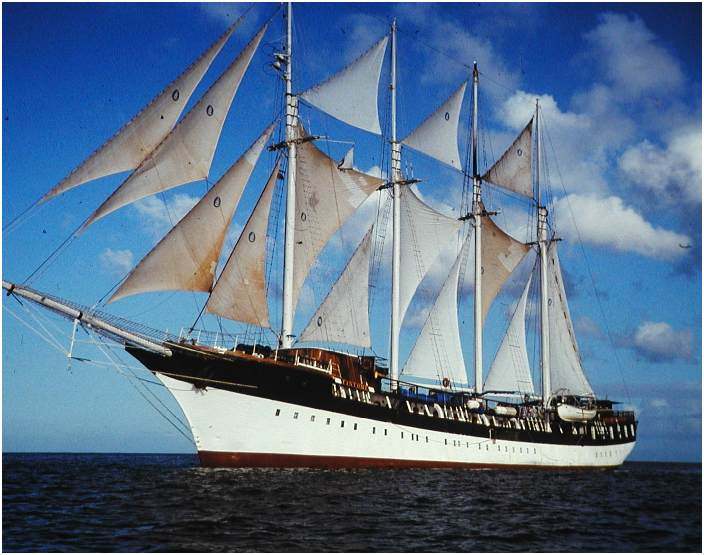
Over the years, we went on several Windjammer Barefoot Cruises.  We liked them because they were small, casual and were fairly easy on the wallet.

They sailed around the Caribbean to a variety of islands, although they sometimes changed itineraries depending on weather, crew, whatever.  One trip we were supposed to go to Saba but couldn’t make port.  A lot of people got off at the next port and flew home.

The captains were prone to “Bedtime Stories” which were often more fiction than true but they added to the appeal of the trip.  We didn’t care if we missed islands or not – we were just there to sail over the waves and enjoy the ride.

The last trip we took with them was about two years before I started having Cushing’s problems.  (You wondered how I was going to tie this together, right?)

The cruise was uneventful, other than the usual mishaps like hitting docks, missing islands and so on.  Until it was a particularly rough sea one day.  I was walking somewhere on deck and suddenly a wave came up over the deck making it very slippery.  I fell and cracked the back of my head on the curved edge of a table in the dining area.  I had the next-to-the-worse headache I have ever had, the worst being after my pituitary surgery. At least after the surgery, I got some morphine.

We asked several doctors later if that hit could have contributed to my Cushing’s but doctors didn’t want to get involved in that at all.

The Windjammer folks didn’t fare much better, either. In October 1998, Hurricane Mitch was responsible for the loss of the s/v Fantome (the last one we were on). All 31 crew members aboard perished; passengers and other crew members had earlier been offloaded in Belize.


The story was recorded in the book The Ship and the Storm: Hurricane Mitch and the Loss of the Fantome by Jim Carrier.  The ship, which was sailing in the center of the hurricane, experienced up to 50-foot (15 m) waves and over 100 mph (160 km/h) winds, causing the Fantome to founder off the coast of Honduras.

“In October 1998, the majestic schooner Fantome came face-to-face with one of the most savage storms in Atlantic history. The last days of the Fantome are reconstructed in vivid and heartbreaking detail through Jim Carrier’s extensive research and hundreds of personal interviews. What emerges is a story of courage, hubris, the agony of command, the weight of lives versus wealth, and the advances of science versus the terrible power and unpredictability of nature.”

This event was similar to the Perfect Storm in that the weather people were more interested in watching the hurricane change directions than they were in people who were dealing with its effects.

I read this book and I was really moved by the plight of those crew members.

I’ll never know if that hit on my head contributed to my Cushing’s but I have seen several people mention on the message boards that they had a traumatic head injury of some type in their earlier lives.


Health Care Expenditure Burden High in Adrenal Insufficiency

Patients with adrenal insufficiency may accrue substantial health care costs and have more hospital stays and outpatient visits compared with healthy controls, according to findings published in the Journal of the Endocrine Society.

Candace Gunnarsson, PhD, vice president of health economics and outcomes research at CTI Clinical Trial and Consulting in Cincinnati, and colleagues evaluated data from a U.S.-based payer database on 10,383 patients with adrenal insufficiency to determine the estimated annual health care burden among them.

Participants were divided into groups based on their type of adrenal insufficiency: primary adrenal insufficiency (n = 1,014), adrenal insufficiency secondary to pituitary disease (n = 8,818) or congenital adrenal hyperplasia (n = 551). A group of matched controls was also evaluated for comparison.

Total annual health care expenditures were significantly higher in the primary adrenal insufficiency group ($18,624 vs. $4,320), adrenal insufficiency secondary to pituitary disease group ($32,218 vs. $6,956) and the congenital adrenal hyperplasia group ($7,677 vs. $4,203) compared with controls. The adrenal insufficiency secondary to pituitary disease group had the highest health care expenditure estimated with an incremental health care burden of $25,262, followed by the primary adrenal insufficiency group ($14,304) and the congenital adrenal hyperplasia group ($3,474).

Compared with controls, participants with adrenal insufficiency spent eight to 10 times more days in the hospital and had up to twice as many outpatient visits per year.

“When comparing [adrenal insufficiency] patients within each cohort based on their drug regimen, patients receiving prednisone therapy vs. hydrocortisone therapy had significantly higher total annual expenditures in the [primary adrenal insufficiency] and [congenital adrenal hyperplasia] and significantly lower total expenditures in the [pituitary disease] cohort,” the researchers wrote. “Patients taking only hydrocortisone and meeting the threshold of 50% adherence were found to have lower expenditures when medication adherence was 75% or higher.” – by Amber Cox

Disclosure: Gunnarsson reports being an employee of CTI Clinical Trial and Consulting. Please see the full study for a list of all other authors’ relevant financial disclosures.

From http://www.healio.com/endocrinology/adrenal/news/in-the-journals/%7B8f92bd0c-0c72-4902-beb5-663c356a61cb%7D/health-care-expenditure-burden-high-in-adrenal-insufficiency

Simultaneous Pituitary and Adrenal Adenomas in a Patient with Non ACTH Dependent Cushing Syndrome

Highlights

Cushing syndrome (CS) is a rare disorder with a variety of underlying etiologies.

CS is expected to affect 0.2 to 5 people per million per year.

Adrenal-dependent CS is an uncommon variant of CS.

This study reports a rare occurrence of pituitary and adrenal adenoma with CS.

Abstract

Introduction

Cushing syndrome is a rare disorder with a variety of underlying etiologies, that can be exogenous or endogenous (adrenocorticotropic hormone (ACTH)-dependent or ACTH-independent). The current study aims to report a case of ACTH-independent Cushing syndrome with adrenal adenoma and nonfunctioning pituitary adenoma.

Case report

A 37–year–old female presented with amenorrhea for the last year, associated with weight gain. She had a moon face, buffalo hump, and central obesity. A 24-hour urine collection for cortisol was performed, revealing elevated cortisol. Cortisol level was non-suppressed after administering dexamethasone. MRI of the pituitary revealed a pituitary microadenoma, and the CT scan of the abdomen with adrenal protocol revealed a left adrenal adenoma.

Discussion

Early diagnosis may be postponed due to the variety of clinical presentations and the referral of patients to different subspecialists based on their dominant symptoms (gynecological, dermatological, cardiovascular, psychiatric); it is, therefore, critical to consider the entire clinical presentation for correct diagnosis.

Conclusion

Due to the diversity in the presentation of CS, an accurate clinical, physical and endocrine examination is always recommended.

Keywords

Cushing syndrome
Cushing’s disease
Adrenal adenoma
Pituitary adenoma
Urine free cortisol

1. Introduction

Cushing syndrome (CS) is a collection of clinical manifestations caused by an excess of glucocorticoids [1]. CS is a rare disorder with a variety of underlying etiologies that can be exogenous due to continuous corticosteroid therapy for any underlying inflammatory illness or endogenous due to either adrenocorticotropic hormone (ACTH)-dependent or ACTH-independent [2][3]. Cushing syndrome is expected to affect 0.2 to 5 people per million per year. Around 10% of such cases involve children [4][5]. ACTH-dependent glucocorticoid excess owing to pituitary adenoma accounts for the majority (60–70%) of endogenous CS, with primary adrenal causes accounting for only 20–30% and ectopic ACTH-secreting tumors accounting for the remaining 5–10% [6]. Adrenal-dependent CS is an uncommon variant of CS caused mostly by benign (90%) or malignant (8%) adrenal tumors or, less frequently, bilateral micronodular (1%) or macronodular (1%) adrenal hyperplasia [7].

The current study aims to report a case of ACTH-independent Cushing syndrome with adrenal adenoma and nonfunctioning pituitary adenoma. The report has been arranged in line with SCARE guidelines and includes a brief literature review [8].

2. Case report

2.1. Patient’s information

A 37–year–old female presented with amenorrhea for the last year, associated with weight gain. She denied having polyuria, polydipsia, headaches, visual changes, dizziness, dryness of the skin, cold intolerance, or constipation. She had no history of chronic disease and denied using steroids. She visited an internist, a general surgeon, and a gynecologist and was treated for hypothyroidism. She was put on Thyroxin 100 μg daily, and oral contraceptive pills were given for her menstrual problems. Last time, the patient was referred to an endocrinology clinic, and they reviewed the clinical and physical examinations.

2.2. Clinical examination

She had a moon face, buffalo hump, central obesity, pink striae over her abdomen, and proximal weakness of the upper limbs. After reviewing the history and clinical examination, CS was suspected.

2.3. Diagnostic assessment

Because the thyroid function test revealed low thyroid-stimulating hormone (TSH), free T3, and freeT4, the patient was sent for a magnetic resonance imaging (MRI) of the pituitary, which revealed a pituitary microadenoma (7 ∗ 6 ∗ 5) mm (Fig. 1). Since the patient was taking thyroxin and oral contraceptive pills, the investigations were postponed for another six weeks due to the contraceptive pills’ influence on the results of the hormonal assessment for CS. After six weeks of no medication, a 24-hour urinary free cortisol (UFC) was performed three times, revealing elevated cortisol levels (1238, 1100, and 1248) nmol (normal range, 100–400) nmol. A dexamethasone suppression test was done (after administering dexamethasone tab 1 mg at 11 p.m., serum cortisol was measured at 9 a.m.). The morning serum cortisol level was 620 nmol (non-suppressed), which normally should be less than 50 nmol. The ACTH level was below 1 pg/mL.

Fig. 1

  1. Download : Download high-res image (103KB)
  2. Download : Download full-size image

Fig. 1. Contrast enhanced T1W weighted MRI (coronal section) showing small 7 mm hypo-enhanced microadenoma (yellow arrow) in right side of pituitary gland with mild superior bulge.

Based on these findings, ACTH independent CS was suspected. The computerized tomography (CT) scan of the abdomen with adrenal protocol revealed a left adrenal adenoma (33 mm × 25 mm) without features of malignancy (Fig. 2).

Fig. 2

  1. Download : Download high-res image (168KB)
  2. Download : Download full-size image

Fig. 2. Computed tomography scan of the abdomen with IV contrast, coronal section, showing 33 mm × 25 mm lobulated enhanced left adrenal tumor (yellow arrow), showing absolute washout on dynamic adrenal CT protocol, consistent with adrenal adenoma.

2.4. Therapeutic intervention

The patient was referred to the urologist clinic for left adrenalectomy after preparation for surgery and perioperative hormonal management. She underwent laparoscopic adrenalectomy and remained in the hospital for two days. The histopathology results supported the diagnosis of adrenal adenoma.

2.5. Follow-up

She was released home after two days on oral hydrocortisone 20 mg in the morning and 10 mg in the afternoon. After one month of follow-up, serum cortisol was 36 nmol, with the resolution of some features such as weight reduction (3 kg) and skin color (pink striae became white).

3. Discussion

Cushing’s syndrome is a serious and well-known medical condition that results from persistent exposure of the body to excessive glucocorticoids, either from endogenous or, most frequently, exogenous sources [9]. The average age of diagnosis is 41.4 years, with a female-to-male ratio of 3:1 [10]. ACTH-dependent CS accounts for almost 80% of endogenous CS, while ACTH-independent CS accounts for nearly 20% [10]. This potentially fatal condition is accompanied by several comorbidities, including hypertension, diabetes, coagulopathy, cardiovascular disease, infections, and fractures [11]. Exogenous CS, also known as iatrogenic CS, is more prevalent than endogenous CS and is caused by the injection of supraphysiologic glucocorticoid dosages [12]. ACTH-independent CS is induced by uncontrolled cortisol release from an adrenal gland lesion, most often an adenoma, adrenocortical cancer, or, in rare cases, ACTH-independent macronodular adrenal hyperplasia or primary pigmented nodular adrenal disease [13].

The majority of data suggests that early diagnosis is critical for reducing morbidity and mortality. Detection is based on clinical suspicion initially, followed by biochemical confirmation [14]. The clinical manifestation of CS varies depending on the severity and duration of glucocorticoid excess [14]. Some individuals may manifest varying symptoms and signs because of a rhythmic change in cortisol secretion, resulting in cyclical CS [15]. The classical symptoms of CS include weight gain, hirsutism, striae, plethora, hypertension, ecchymosis, lethargy, monthly irregularities, diminished libido, and proximal myopathy [16]. Neurobehavioral presentations include anxiety, sadness, mood swings, and memory loss [17]. Less commonly presented features include headaches, acne, edema, abdominal pain, backache, recurrent infection, female baldness, dorsal fat pad, frank diabetes, electrocardiographic abnormalities suggestive of cardiac hypertrophy, osteoporotic fractures, and cardiovascular disease from accelerated atherosclerosis [10]. The current case presented with amenorrhea, weight gain, moon face, buffalo hump, and skin discoloration of the abdomen.

Similar to the current case, early diagnosis may be postponed due to the variety of clinical presentations and the referral of patients to different subspecialists based on their dominant symptoms (gynecological, dermatological, cardiovascular, psychiatric); it is, therefore, critical to consider the entire clinical presentation for correct diagnosis [18]. Weight gain may be less apparent in children, but there is frequently an arrest in growth with a fall in height percentile and a delay in puberty [19].

The diagnosis and confirmation of the etiology can be difficult and time-consuming, requiring a variety of laboratory testing and imaging studies [20]. According to endocrine society guidelines, the initial assessment of CS must include one or more of the three following tests: 24-hour UFC measurement; evaluation of the diurnal variation of cortisol secretion by assessing the midnight serum or salivary cortisol level; and a low-dose dexamethasone suppression test, typically the 1 mg overnight test [21]. Although UFC has sufficient sensitivity and specificity, it does not function well in milder cases of Cushing’s syndrome [22]. In CS patients, the typical circadian rhythm of cortisol secretion is disrupted, and a high late-night cortisol serum level is the earliest and most sensitive diagnostic indicator of the condition [23]. In the current case, the UFC was elevated, and cortisol was unsuppressed after administration of dexamethasone.

All patients with CS should have a high-resolution pituitary MRI with a gadolinium-based contrast agent to prove the existence or absence of a pituitary lesion and to identify the source of ACTH between pituitary adenomas and ectopic lesions [24]. Adrenal CT scan is the imaging modality of choice for preoperatively localizing and subtyping adrenocortical lesions in ACTH-independent Cushing’s syndrome [9]. MRI of the pituitary gland of the current case showed a microadenoma and a CT scan of the adrenals showed left adrenal adenoma.

Surgical resection of the origin of the ACTH or glucocorticoid excess (pituitary adenoma, nonpituitary tumor-secreting ACTH, or adrenal tumor) is still the first-line treatment of all forms of CS because it leaves normal adjacent structures and results in prompt remission and inevitable recovery of regular adrenal function [12][25]. Laparoscopic (retroperitoneal or transperitoneal) adrenalectomy has become the gold standard technique for adrenal adenomas since it is associated with fewer postoperative morbidity, hospitalization, and expense when compared to open adrenalectomy [17]. In refractory cases, or when a patient is not a good candidate for surgery, cortisol-lowering medication may be employed [26]. The current case underwent left adrenalectomy.

Symptoms of CS, such as central obesity, muscular wasting or weakness, acne, hirsutism, and purple striae generally improve first and may subside gradually over a few months or even a year; nevertheless, these symptoms may remain in 10–30% of patients [27]. Glucocorticoid replacement is essential after adrenal-sparing curative surgery until the pituitary-adrenal function returns, which might take up to two years, especially if adrenal adenomas have been resected [25]. Chronic glucocorticoid excess causes lots of new co-morbidities, lowering the quality of life and increasing mortality. The most common causes of mortality in CS are cardiovascular disease and infections [28]. After one month of follow-up, serum cortisol was 36 nmol, and several features, such as weight loss (3 kg) and skin color, were resolved (pink striae became white).

In conclusion, the coexistence of adrenal adenoma and pituitary adenoma with CS is a rare possibility. Due to the diversity in the presentation of CS, an accurate clinical, physical and endocrine examination is always recommended. Laparoscopic adrenalectomy is the gold standard for treating adrenal adenoma.

Consent

Written informed consent was obtained from the patient’s family for publication of this case report and accompanying images. A copy of the written consent is available for review by the Editor-in-Chief of this journal on request.

Provenance and peer review

Not commissioned, externally peer-reviewed.

Ethical approval

Approval is not necessary for case report (till 3 cases in single report) in our locality.

The family gave consent for the publication of the report.

Funding

None.

Guarantor

Fahmi Hussein Kakamad, Fahmi.hussein@univsul.edu.iq.

Research registration number

Not applicable.

CRediT authorship contribution statement

Abdulwahid M. Salh: major contribution of the idea, literature review, final approval of the manuscript.

Rawa Bapir: Surgeon performing the operation, final approval of the manuscript.

Fahmi H. Kakamad: Writing the manuscript, literature review, final approval of the manuscript.

Soran H. Tahir, Fattah H. Fattah, Aras Gh. Mahmood, Rawezh Q. Salih, Shaho F. Ahmed: literature review, final approval of the manuscript.

Declaration of competing interest

None to be declared.

References

Lower health-related quality of life observed in patients with Addison’s disease, Cushing’s syndrome

Patients with hypothalamic-pituitary-adrenal axis dysregulations report health-related quality of life that is far lower than that of the general population, according to findings of a prospective study.

“In most centers, both patients with adrenal deficiency and patients with Cushing’s syndrome are managed by the same team,” Charlotte DeBucy, of the Center for Rare Adrenal Diseases at Cochin Hospital in Paris, and colleagues wrote. “Despite the usual perception that both types of diseases alter quality of life, few studies have similarly investigated the impact of cortisol dysregulations on [health-related quality of life]. Such studies are important, however, to identify meaningful differences that would be important to consider to improve management and outcome.”

De Bucy and colleagues analyzed data from 343 patients with Addison’s disease or Cushing’s syndrome followed in routine practice at a single center in France between September 2007 and April 2014 (78% women; mean age, 48 years; mean length of time since diagnosis, 7.8 years; 61% married). All participants completed the short-form health survey (SF-36), a survey of health-related quality-of-life measures and the 12-item general health questionnaire (GHQ-12), a measure of psychological well-being or distress. Questionnaires were completed at baseline and at 6, 12, 24 and 36 months. Patients with Cushing’s syndrome were also assessed for cortisol status at baseline and at follow-up evaluations.

Within the cohort, 206 had Cushing’s syndrome of pituitary origin, 91 had Cushing’s syndrome of adrenal origin and 46 patients had Addison’s disease; 16% were included in the study before any treatment was initiated.

Researchers found that mean standard deviation scores for psychological and physical dimensions of the SF-36 were “well below” those of the general population, but diagnosis, cortisol status and time since treatment initiation all influenced individual scores. Cushing’s syndrome of pituitary origin was associated with worse health-related quality of life, especially for physical functioning, social functioning and mental health. In Cushing’s syndrome, health-related quality of life was generally worse during periods of hypercortisolism, but scores for these patients were lower than those of patients with Addison’s disease even during periods of hypocortisolism or eucortisolism, according to the researchers.

“The differences were particularly large for physical functioning and role-physical subscales,” the researchers wrote.

They also found that mental health scores for patients with Cushing’s syndrome decreased during periods of hypocortisolism, whereas other adrenal conditions were associated with higher mental health scores.

More than half of patients, regardless of diagnosis and cortisol status, had psychological distress requiring attention, according to the GHQ-12 survey.

“Our findings are important for clinical practice,” the researchers wrote. “The consequences of cortisol dysregulation on [health-related quality of life] should be considered in the management of adrenal insufficiency and even more (in) Cushing’s syndrome patients, and these consequences can be long term, affecting apparently cured patients. Early information on these consequences might be helpful for patients who often perceive a poor quality of life as the result of inadequate disease control or treatment. Even if this possibility exists, knowing that adrenal diseases have long-lasting effects on [health-related quality of life] may be helpful for patients to cope with them.” – by Regina Schaffer

Disclosure: L’association Surrénales supported this study. The researchers report no relevant financial disclosures.

From http://www.healio.com/endocrinology/adrenal/news/in-the-journals/%7B842655ce-e710-4476-a3c2-2909b06434ed%7D/lower-health-related-quality-of-life-observed-in-patients-with-addisons-disease-cushings-syndrome