Rapid Endocrine Remission After ZAP-X Gyroscopic Radiosurgery for Cushing’s Disease

Abstract

Cushing’s disease is a rare but potentially life-threatening disorder caused by excessive adrenocorticotropic hormone (ACTH) secretion from a pituitary adenoma. Although transsphenoidal surgery remains the first-line treatment, radiotherapy (RT) can provide effective local and hormonal control in patients with persistent or recurrent disease; however, endocrine remission typically occurs only after several months or even years. To our knowledge, we report the first documented case of an exceptionally rapid hormonal remission following gyroscopic stereotactic radiosurgery (SRS) using the self-shielding ZAP-X system (ZAP Surgical Inc., San Carlos, CA, USA) in a patient with recurrent Cushing’s disease. The patient received a single-fraction dose of 25 Gy prescribed to the 57% isodose line. Remarkably, ACTH and cortisol levels normalized within one month after SRS, accompanied by a striking improvement in clinical symptoms and no treatment-related toxicity. This case highlights the potential of the ZAP-X gyroscopic radiosurgery platform to achieve rapid biochemical control in ACTH-secreting pituitary adenomas and suggests that the unique dose distribution characteristics of this novel technology may contribute to accelerated endocrine responses.

Introduction

Cushing’s disease stems from an excess production of adrenocorticotropic hormone (ACTH) by a pituitary adenoma, leading to elevated cortisol levels and symptoms resembling Cushing’s syndrome [1]. Untreated or inadequately managed hypercortisolism is associated with substantial morbidity and elevated mortality rates for patients with Cushing’s syndrome. While transsphenoidal surgery is frequently considered the preferred initial treatment approach, radiotherapy (RT) can also be contemplated, either as a standalone option for patients ineligible for surgery or as part of a multidisciplinary approach in instances where an adequate response is not attained following surgery. Conventional fractionated RT (CFRT), fractionated stereotactic radiosurgery (F-SRS), and stereotactic radiosurgery (SRS) have all been employed in the treatment of Cushing’s disease, yielding comparable disease control rates ranging from 46% to 100% [2-4]. However, unlike surgery, the response to RT may require time to manifest, and in certain instances, this duration can extend over months or years [4]. Sheehan et al. [5] indicated that the cure rate after RT in patients with Cushing’s disease was 34% in the first year, increasing to 78% by the fifth year. Although CyberKnife (Accuray Inc., Sunnyvale, CA, USA), Gamma Knife (Elekta AB, Stockholm, Sweden), and Linear Accelerator (LINAC)-based systems are all available for F-SRS and SRS, technological advancements are increasing the options. We have integrated the relatively new vault-free, frameless, gyroscopic radiosurgery system, ZAP-X (ZAP Surgical Inc., San Carlos, CA, USA), into our department and have begun using it for cranial F-SRS and SRS treatments [6,7]. To our knowledge, this report introduces the initial case of a patient diagnosed with Cushing’s disease who underwent gyroscopic SRS with the ZAP-X system, experiencing an unexpectedly rapid endocrine response following SRS.

Case Presentation

A 48-year-old female with an unremarkable medical history except for hyperlipidemia underwent investigation in 2018 due to symptoms and findings consistent with Cushing’s syndrome, leading to the detection of hypercortisolism. Her 24-hour urinary free cortisol and ACTH levels were 75 µg/day and 32 pg/mL, respectively. Serum cortisol remained unsuppressed following the 1 mg dexamethasone suppression test (DST), measuring 15.7 mcg/dL. On the magnetic resonance imaging (MRI) of the pituitary gland, a 4.5×3 mm microadenoma was detected in the left half of the adenohypophysis. Following the referral to the neurosurgery department, the patient underwent tumor resection via transsphenoidal endoscopic surgery in December 2018. The pathology resulted in a corticotroph pituitary adenoma. All her symptoms and signs related to Cushing’s disease resolved after surgery, and postoperative MRI showed no residual tumor. The patient was placed under observation without additional treatment. During follow-up visits, the patient remained asymptomatic for approximately five years.

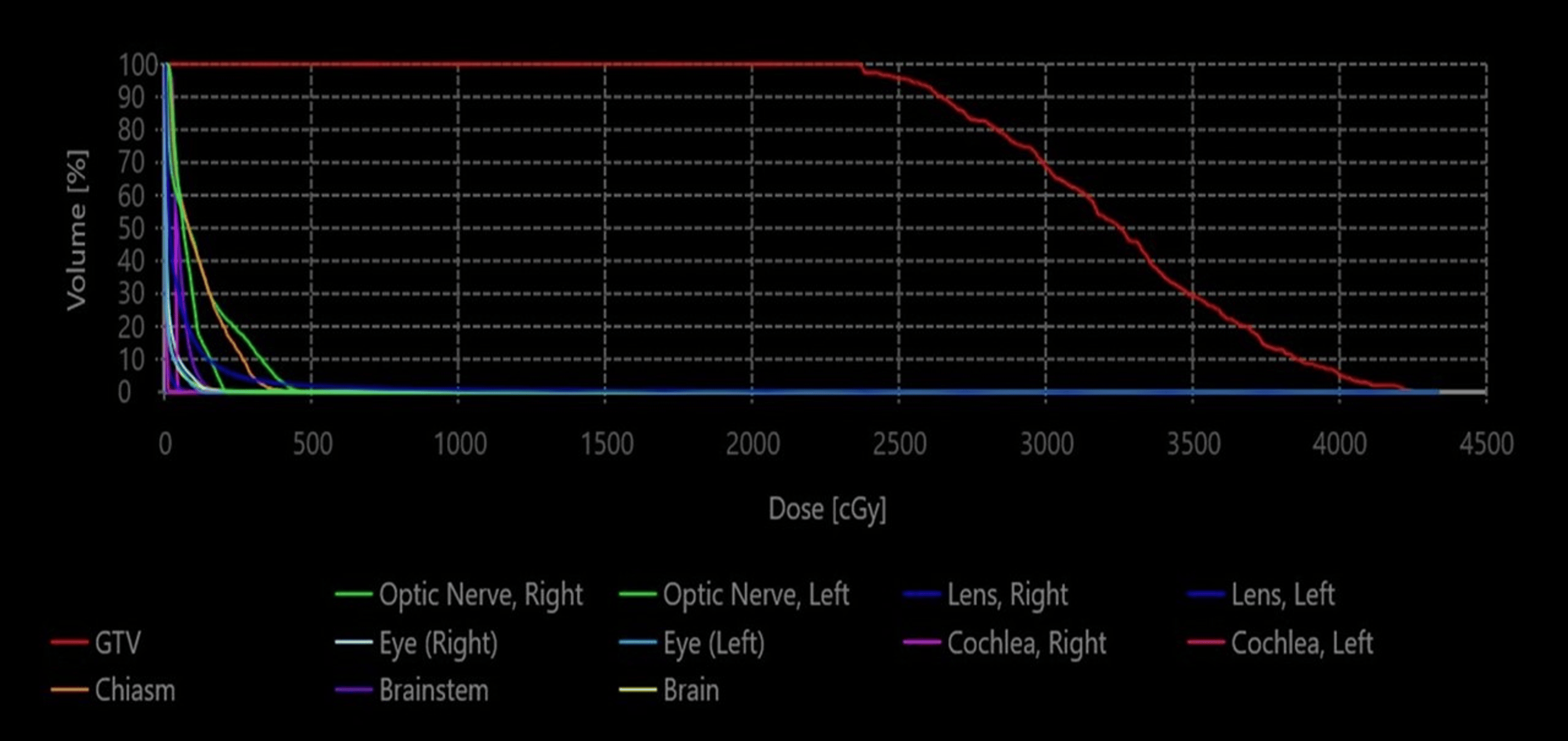
In September 2023, the patient presented with complaints of proximal muscle weakness, irregular menstruation, and Cushingoid appearance. Upon evaluation, hypercortisolism was detected once again. On the pituitary MRI, no residual or recurrent lesion was observed. Subsequently, the patient underwent a second transsphenoidal surgery, but the pathology result did not reveal tissue consistent with a pituitary adenoma. In January 2024, upon initial presentation to our center, the patient’s ACTH level was 29.8 pg/mL, 24-hour urinary free cortisol was 442 µg/day, and serum cortisol following a 1 mg DST was 19 mcg/dL. The levels of the remaining anterior pituitary hormones were within normal ranges. The patient, who continued to exhibit symptoms consistent with Cushing’s syndrome, underwent another pituitary MRI. At this point, it was discovered that there was a recurrent lesion measuring 2×1 mm on the left half of the adenohypophysis. Pasireotide (0.6 mg once daily) was initiated for persistent hypercortisolism but was discontinued due to frequent diarrhea and a widespread allergic skin reaction. The patient was then evaluated by the multidisciplinary neuro-oncology tumor board at our hospital, which recommended RT as the next step. SRS was selected as the RT technique due to the tumor’s small size and its lack of proximity to critical structures such as the optic chiasm. A simulation computed tomography (CT) scan with a 1 mm axial slice thickness was conducted with the patient in the supine position. Intravenous contrast and a thermoplastic mask were utilized to ensure better visualization and precise immobilization. Gross tumor volume (GTV) was delineated as the macroscopic tumor volume according to the MRI, which was performed a few days before SRS. A planning target volume (PTV) was not generated for this case. The prescription dose was 2500 cGy in a single fraction to the 57% isodose (Figure 1). Dose-volume histogram (DVH) was presented in Figure 2. The SRS plan was generated with the integrated ZAP-X treatment planning software (version 1.8.58.12369), and detailed parameters of the plan were presented in Table 1.

Dose-distribution-of-the-gyroscopic-stereotactic-radiosurgery-plan-for-pituitary-adenoma
Figure 1: Dose distribution of the gyroscopic stereotactic radiosurgery plan for pituitary adenoma

The image shows the three-dimensional dose distribution generated using the ZAP-X system (ZAP Surgical Inc., San Carlos, CA, USA). The prescription dose of 25 Gy to the 57% isodose line is illustrated. A: planning computed tomography (CT) scan showing the isodose distribution around the target; B: planning magnetic resonance imaging (MRI) fused with CT for target delineation.

Dose-volume-histogram-(DVH)-of-the-gyroscopic-stereotactic-radiosurgery-plan
Figure 2: Dose-volume histogram (DVH) of the gyroscopic stereotactic radiosurgery plan

The DVH demonstrates a steep dose fall-off beyond the target margins, with minimal exposure to the optic nerves, optic chiasm, and brainstem, confirming optimal dose conformity and effective sparing of organs at risk. Within the gross tumor volume (GTV), the dose distribution is intentionally inhomogeneous, with a hot spot centrally located to ensure adequate tumor coverage and biological effectiveness.

Parameters Values
Volume (GTV) 0.13 cm3
Prescription dose & isodose 2500 cGy & 57.6%
Coverage 95.68%
Homogeneity index 1.74
New conformity index 1.48
Gradient index 3.58
GTV Dmean 3249 cGy
GTV Dmax 4340 cGy
GTV Dmin 2364 cGy
Optic chiasm (Dmax) 452 cGy
Left optic nerve (Dmax) 480 cGy
Right optic nerve (Dmax) 212 cGy
Brainstem (Dmax) 233 cGy
Number of beams 128
Number of isocenters 3
Monitor units 16.121
Collimator thicknesses 4 & 4 & 5 mm
Treatment delivery time 33 min
Table 1: Detailed parameters of the gyroscopic radiosurgery plan

Dmax: maximum dose; Dmean: mean dose; Dmin: minimum dose; GTV: gross tumor volume; mm: millimeter; min: minute

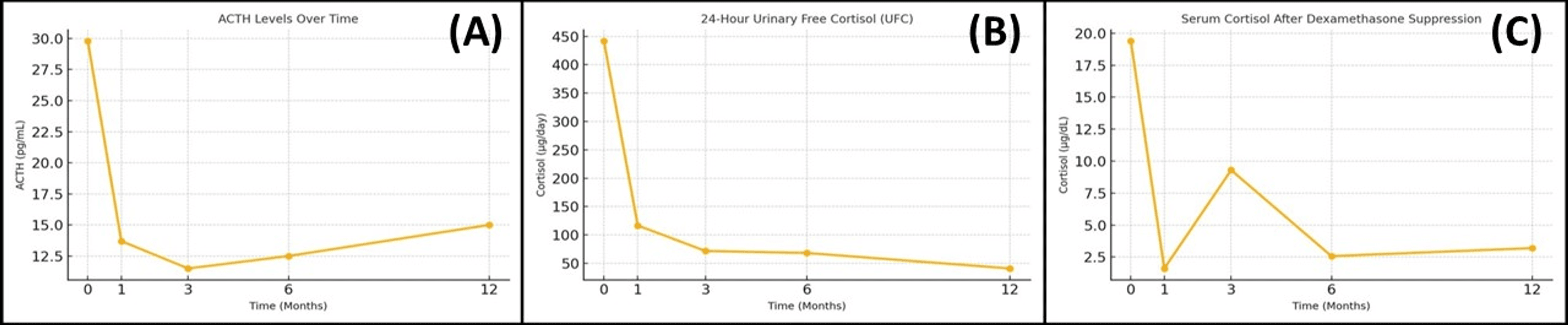
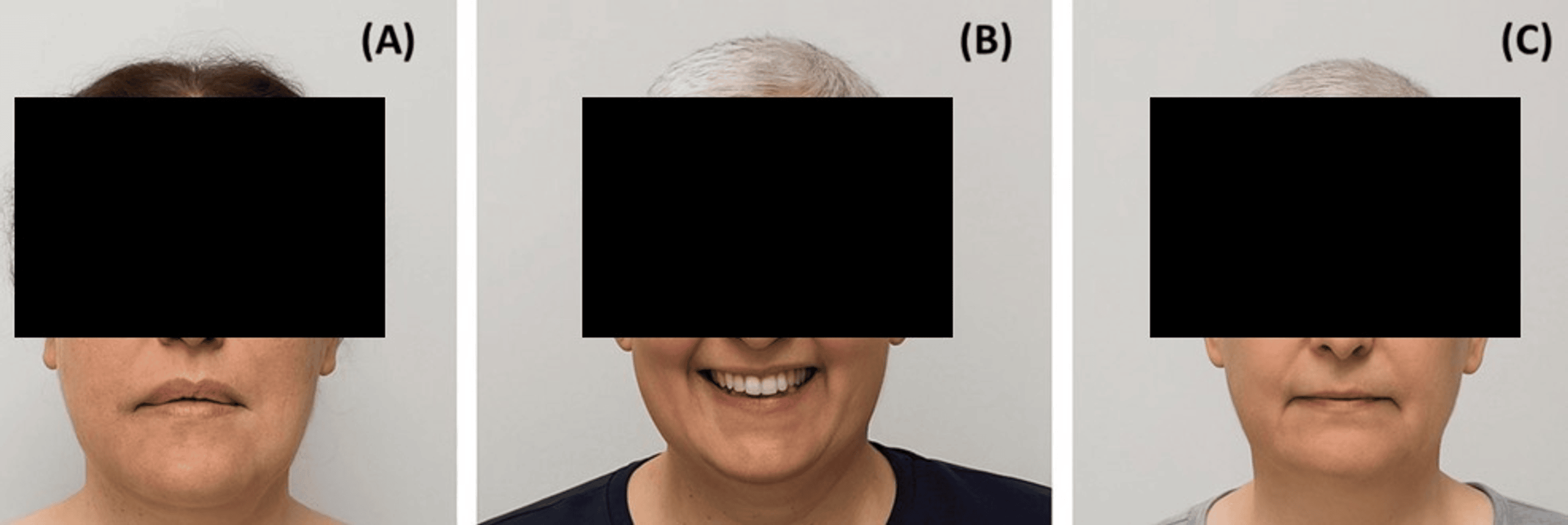
The treatment was well tolerated, and a marked biochemical response was observed one month after SRS, with ACTH and 24-hour urinary free cortisol levels decreasing to 14.2 pg/mL and 116 µg/day, respectively. Serum cortisol following a 1 mg DST was suppressed to 1.6 µg/dL. Concurrently, there was a noticeable improvement in the clinical signs and symptoms of Cushing’s disease. The patient was subsequently followed with regular clinical assessments at three-month intervals for one year. Throughout the follow-up period, ACTH, 24-hour urinary free cortisol, and post-DST serum cortisol levels remained near-normal (Figure 3). Levels of other anterior pituitary hormones were within normal limits. The patient’s biochemical parameters, including ACTH, urinary free cortisol, and serum cortisol levels before and after SRS, are summarized in Table 2. At the three-month post-SRS MRI, the lesion was found to be radiologically stable. However, the patient reported a subjective improvement in proximal muscle weakness beginning one month after treatment. No SRS-related toxicity was observed during the follow-up period, and partial regression of the Cushingoid phenotype was documented (Figure 4).

Temporal-changes-in-hormonal-parameters-following-gyroscopic-stereotactic-radiosurgery
Figure 3: Temporal changes in hormonal parameters following gyroscopic stereotactic radiosurgery

A: adrenocorticotropic hormone (ACTH) levels showed a rapid decline within the first month after treatment, remaining suppressed throughout follow-up; B: twenty-four-hour urinary free cortisol (UFC) demonstrated a similar sharp reduction after radiosurgery, indicating early biochemical response; C: serum cortisol levels after dexamethasone suppression normalized by the first month and remained within the physiological range during subsequent evaluations, consistent with sustained hormonal remission.

Parameter Unit Reference Range At Initial Diagnosis (2018) Recurrence (Jan 2024, before SRS) 1 Month After SRS 3 Months After SRS 6 Months After SRS 12 Months After SRS
ACTH pg/mL 7.2 – 63.3 32 29.8 14.2 11.0 12.5 15.0
24-hour UFC µg/day 20 – 90 75 442 116 65 55 45
Serum cortisol after 1 mg DST µg/dL < 1.8 (suppressed) 15.7 19.0 1.6 9.0 2.5 3.0
Table 2: Summary of laboratory findings before and after gyroscopic stereotactic radiosurgery

ACTH: adrenocorticotropic hormone; UFC: urinary free cortisol; DST: dexamethasone suppression test; SRS: stereotactic radiosurgery

Facial-appearance-before-and-after-gyroscopic-stereotactic-radiosurgery-(SRS)
Figure 4: Facial appearance before and after gyroscopic stereotactic radiosurgery (SRS)

The images illustrate the patient’s appearance at the time of initial diagnosis (A), before SRS (B), and after the procedure (C).

Discussion

To our knowledge, we report a rapid endocrine response observed in the first patient with Cushing’s disease treated using the ZAP-X gyroscopic radiosurgery system. Despite the patient having a significantly high 24-hour urinary free cortisol level before SRS, there was a considerable decrease within a short period after SRS.

Both surgical and medical treatments, along with RT, are viable approaches for managing pituitary adenomas. Approximately 70% of pituitary adenomas are associated with syndromes characterized by excessive hormone secretion, with the most common types producing prolactin, growth hormone, and ACTH [8]. Unlike non-secreting adenomas, the treatment goal for secreting adenomas extends beyond local tumor control to include the management of endocrinopathies. Although transsphenoidal surgery is commonly regarded as the first-line treatment, RT may also be considered, either as a primary modality in patients who are not surgical candidates or as part of a multimodal strategy when surgical outcomes are suboptimal. CFRT, F-SRS, and SRS have all been employed in treating patients with Cushing’s disease, yielding comparable disease control rates [9]. CFRT may be preferred, particularly for larger tumors or those located near organs at risk (OAR). In appropriately selected cases, advanced techniques such as F-SRS and SRS can shorten treatment duration and enable dose escalation within the tumor while providing a rapid dose fall-off outside the target volume. While RT can effectively control local tumor growth, its success in addressing endocrinopathies is typically more limited. In a systematic review, the rates of local tumor control and endocrine control for Cushing’s disease were reported as 92% and 48%, respectively [9]. Additionally, the radiation doses required for tumor control and endocrine response vary from each other [10]. While SRS doses ranging from 12 to 20 Gy typically achieve adequate local tumor control, especially in non-secreting adenomas, it has been observed that endocrine response rates improve at marginal doses around 30 Gy [11,12]. However, administering high doses can be challenging due to the presence of OAR, such as the optic apparatus, which is located in close proximity to the target volumes. It is recommended that the volume of the OAR receiving a dose of 8 Gy for the optic apparatus in SRS plans should be <0.2 cm³, and the volume receiving a dose of 10 Gy should be <0.035 cm³ [13]. Therefore, modern SRS platforms, which enable the delivery of high doses within the target volume while ensuring steep dose fall-off beyond it, offer the potential to widen the therapeutic window. In our patient, the ZAP-X gyroscopic SRS system enabled the delivery of 2500 cGy to the GTV at the 57% isodose line, while maintaining doses to OAR below recommended thresholds. Additionally, intratumoral hotspots allowed for the desired dose inhomogeneity, aligning with the core principles of SRS.

It is important to note that many patients with secreting pituitary adenomas suffer from symptoms caused by excessive hormone secretion, significantly impacting their quality of life and requiring consideration in treatment decisions [14]. In cases where patients experience severe symptoms due to elevated hormone levels, surgery may be prioritized, although various medical treatments are also viable options to consider. Pasireotide, a somatostatin analogue with multireceptor targeting, serves as an effective treatment for patients with persistent or recurring hypercortisolism post-surgery or when surgery isn’t viable. However, its tolerability is debatable due to various adverse effects such as hyperglycemia and diarrhea [15]. In our patient, despite initiating pasireotide due to persistently elevated hormone levels post-surgery, it was discontinued within less than two weeks due to intolerable adverse effects.

The biological effect of SRS on hormonal hypersecretion is believed to unfold gradually, and in some cases, this process may span months or even years. Sheehan et al. [5] reported outcomes for patients with Cushing’s disease, revealing a response rate of 34% at one year, 54% at two years, 72% at three years, and 78% at five years following SRS. In our patient, a significant decrease in 24-hour urinary free cortisol level was observed within only one month after SRS. To the best of our knowledge, this represents the most rapid endocrine response after SRS reported to date. It is important to consider, however, that the rapid hormonal normalization observed in our case may have been influenced by prior medical and surgical interventions. The patient underwent two transsphenoidal surgeries and briefly received pasireotide before radiosurgery, which could have altered tumor biology or hormonal responsiveness. Nevertheless, the close temporal relationship between ZAP-X treatment and biochemical remission strongly suggests a causal association. Potential factors contributing to this rapid endocrine response may include the administration of an effective radiation dose, such as 2500 cGy, utilization of a precise SRS technique like gyroscopic radiosurgery, and the presence of hotspots within the tumor, reaching up to 4000 cGy in a single fraction. During RT, the presence of hotspots within target volumes has been shown to be associated with increased local control for various tumor types [16,17]. Therefore, while it may not be directly attributable to hotspots, it seems possible that the underlying mechanism of the rapid endocrine response observed in our patient could be related to them. However, the short follow-up duration is the main limitation of this report.

Conclusions

To our knowledge, we report the first case of a refractory ACTH-secreting pituitary adenoma successfully treated using the vault-free ZAP-X gyroscopic SRS system. This case demonstrates that the unique design of the ZAP-X platform enables the safe delivery of a highly effective dose to the target while minimizing exposure to surrounding structures. In patients with Cushing’s disease, SRS can achieve rapid endocrine remission, although prospective studies are warranted to define the optimal dose and treatment parameters.

References

  1. Lonser RR, Nieman L, Oldfield EH: Cushing’s disease: pathobiology, diagnosis, and management. J Neurosurg. 2017, 126:404-17. 10.3171/2016.1.JNS152119
  2. Estrada J, Boronat M, Mielgo M, et al.: The long-term outcome of pituitary irradiation after unsuccessful transsphenoidal surgery in Cushing’s disease. N Engl J Med. 1997, 336:172-7. 10.1056/NEJM199701163360303
  3. Minniti G, Osti M, Jaffrain-Rea ML, Esposito V, Cantore G, Maurizi Enrici R: Long-term follow-up results of postoperative radiation therapy for Cushing’s disease. J Neurooncol. 2007, 84:79-84. 10.1007/s11060-007-9344-0
  4. Hughes JD, Young WF, Chang AY, et al.: Radiosurgical management of patients with persistent or recurrent Cushing disease after prior transsphenoidal surgery: a management algorithm based on a 25-year experience. Neurosurgery. 2020, 86:557-64. 10.1093/neuros/nyz159
  5. Sheehan J, Kondziolka 😧 Results of gamma knife surgery for Cushing’s disease. J Neurosurg. 2013, 119:1642.
  6. Weidlich GA, Bodduluri M, Achkire Y, Lee C, Adler JR Jr: Characterization of a novel 3 megavolt linear accelerator for dedicated intracranial stereotactic radiosurgery. Cureus. 2019, 11:e4275. 10.7759/cureus.4275
  7. Ehret F, Kohlhase N, Eftimova D, et al.: Self-shielding gyroscopic radiosurgery: a prospective experience and analysis of the first 100 patients. Cureus. 2024, 16:e56035. 10.7759/cureus.56035
  8. Daly AF, Beckers A: The epidemiology of pituitary adenomas. Endocrinol Metab Clin North Am. 2020, 49:347-55. 10.1016/j.ecl.2020.04.002
  9. Mathieu D, Kotecha R, Sahgal A, et al.: Stereotactic radiosurgery for secretory pituitary adenomas: systematic review and International Stereotactic Radiosurgery Society practice recommendations. J Neurosurg. 2022, 136:801-12. 10.3171/2021.2.JNS204440
  10. Minniti G, Osti MF, Niyazi M: Target delineation and optimal radiosurgical dose for pituitary tumors. Radiat Oncol. 2016, 11:135. 10.1186/s13014-016-0710-y
  11. Kotecha R, Sahgal A, Rubens M, et al.: Stereotactic radiosurgery for non-functioning pituitary adenomas: meta-analysis and International Stereotactic Radiosurgery Society practice opinion. Neuro Oncol. 2020, 22:318-32. 10.1093/neuonc/noz225
  12. Paddick I: A simple scoring ratio to index the conformity of radiosurgical treatment plans. Technical note. J Neurosurg. 2000, 93 Suppl 3:219-22. 10.3171/jns.2000.93.supplement
  13. Timmerman R: A story of hypofractionation and the table on the wall. Int J Radiat Oncol Biol Phys. 2022, 112:4-21. 10.1016/j.ijrobp.2021.09.027
  14. Johnson MD, Woodburn CJ, Vance ML: Quality of life in patients with a pituitary adenoma. Pituitary. 2003, 6:81-7. 10.1023/b:pitu.0000004798.27230.ed
  15. Manetti L, Deutschbein T, Schopohl J, et al.: Long-term safety and efficacy of subcutaneous pasireotide in patients with Cushing’s disease: interim results from a long-term real-world evidence study. Pituitary. 2019, 22:542-51. 10.1007/s11102-019-00984-6
  16. Owen D, Siva S, Salama JK, Daly M, Kruser TJ, Giuliani M: Some like it hot: the value of dose and hot spots in lung stereotactic body radiation therapy. Int J Radiat Oncol Biol Phys. 2023, 117:1-5. 10.1016/j.ijrobp.2023.03.056
  17. Abraham C, Garsa A, Badiyan SN, et al.: Internal dose escalation is associated with increased local control for non-small cell lung cancer (NSCLC) brain metastases treated with stereotactic radiosurgery (SRS). Adv Radiat Oncol. 2018, 3:146-53. 10.1016/j.adro.2017.11.003


From https://www.cureus.com/articles/430830-rapid-endocrine-remission-after-zap-x-gyroscopic-radiosurgery-for-cushings-disease-a-case-report?score_article=true#!/

Osilodrostat for Cyclic Cushing’s Disease

Highlights

  • Cyclic Cushing’s syndrome (CCS) is a rare entity with significant comorbidities
  • It is defined by at least 3 peaks of hypercortisolism, 2 troughs of eucortisolism
  • Surgical cure is preferred, and medications are second-line
  • Our case is the first showing successful treatment of native CCS with osilodrostat
  • Osilodrostat showed rapid onset/offset and reversible inhibition of steroidogenesis

Abstract

Background/Objective

Cyclic Cushing’s syndrome is a rare subtype of Cushing’s syndrome with episodes of hypercortisolism, followed by spontaneous remission.

Case Report

Our patient was a 68-year-old male who presented with his third cycle of cyclic Cushing’s disease with facial swelling, buffalo hump, fatigue, proximal muscle weakness, and lower extremity edema. Laboratory tests showed the following: 24-hour urine free cortisol 12030.3 mcg/d (normal <= 60.0 mcg/d), morning adrenocorticotropic hormone (ACTH) 464 pg/mL (normal 6-59 pg/mL), morning serum cortisol 91 mcg/dL (normal 8-25 mcg/dL), and potassium 3.3 mmol/L (normal 3.6-5.3 mmol/L). MRI pituitary without/with contrast showed a partially empty sella. Prior inferior petrosal sinus sampling during the second cycle indicated a potential pituitary source of increased ACTH production, localized or draining to the right side. The patient was treated with osilodrostat with improvement in laboratory values and clinical symptoms by 2-3 weeks. After development of adrenal insufficiency (AI), osilodrostat was rapidly titrated off by 2 months of treatment. Subsequently, labs after 8 days off osilodrostat confirmed clinical remission and reversibility of medication-induced AI.

Discussion

Since hypercortisolism is associated with mortality risk and comorbidities, timely management is a priority. If a surgical cure is not possible, a medication that treats hypercortisolism with rapid onset, reversible inhibition, and minimal side effects would be ideal to address the cyclicity.

Conclusion

Our case is the first to our knowledge demonstrating osilodrostat’s use for native cyclic Cushing’s syndrome treatment and highlighted its reversibility and ability to preserve normal adrenal function.

Keywords

Osilodrostat
cyclic Cushing’s disease
cyclic Cushing’s syndrome

Introduction

Cyclic Cushing’s syndrome is a rare entity that represents a clinical challenge. It is defined by at least 3 peaks of biochemical hypercortisolism, which is clinically symptomatic in the majority though rarely asymptomatic, and 2 troughs with normalized cortisol production that can last from days to years.1 The phenomenon can arise from any potential source of Cushing’s syndrome, including pituitary (54%), ectopic (26%), adrenal (11%), and unclassified (9%) sources.1 Intermittent hypercortisolism can also occur after pituitary surgery for Cushing’s disease.2
The cyclicity interferes with a straightforward diagnosis. It can lead to paradoxical results from biochemical testing and inferior petrosal sinus sampling (IPSS),3 making determination of therapeutic outcomes more complicated.3 The goal of cyclic Cushing’s syndrome management, as in all types of Cushing’s syndrome, is early diagnosis and intervention to reduce the length of hypercortisolism.4 A surgical cure is preferred, as Cushing’s syndrome is associated with a five-fold increased standardized mortality risk.4 Cardiovascular, metabolic, bone, and cognitive comorbidities may persist despite remission and must be aggressively managed.4,5 For patients in whom surgical management is not possible or has not led to remission, medical therapy has a crucial role. We describe the first case to our knowledge of native cyclic Cushing’s syndrome treated successfully with osilodrostat. A case of exogenous cyclic ACTH-independent Cushing’s syndrome from pembrolizumab, with cyclicity attributed to the infusions, also demonstrated successful treatment with osilodrostat.6

Case Report

The patient was a 68-year-old male with hypertension, hyperlipidemia, and rheumatoid arthritis with a history of cyclical episodes of weight gain and facial swelling, occurring spontaneously without steroid treatments. The initial episode occurred at age 62 for 5 months, and returned at age 64 with facial swelling, buffalo hump, fatigue, proximal muscle weakness, sleep disturbances, and lower extremity edema. Laboratory tests showed the following (Table 1): 24-hour urine free cortisol >245 mcg/d (normal 11-84 mcg/d), morning adrenocorticotropic hormone (ACTH) 528.0 pg/mL (normal 7.2-63.3 pg/mL) and morning serum cortisol 91.7 mcg/dL (confirmed on dilution; normal 6.2-19.4 mcg/dL). Laboratory tests were also notable for a mildly low potassium level, low prolactin, low testosterone, and normal thyroid hormone, insulin-like growth factor-1 (IGF-1), and dehydroepiandrosterone sulfate (DHEA-S) levels. MRI pituitary without/with contrast showed no sellar and suprasellar masses. A prior CT abdomen/pelvis with contrast at age 62 noted unremarkable adrenal glands. The patient was referred for inferior petrosal sinus sampling (IPSS) (Table 2), which indicated a potential pituitary source of increased ACTH production, localized or draining to the right side. The central to peripheral gradient was >2 in the first pre-stimulation sample and >3 in all samples after providing 10mcg of desmopressin (DDAVP). There was a >1.4/1 gradient between the right and left sides, suggesting a potential pituitary source draining to the right side (Table 2). The inferior petrosal sinuses were normal and of similar size. Cushing’s symptoms receded spontaneously in 5 months, and the patient did not follow up until recurrence at age 67.

Table 1. Labs at time of onset of cyclical episodes

Empty Cell Labs at age 64 y/o (2nd episode) Labs at age 67 y/o (3rd episode)
24hr urine free cortisol level >245 mcg/24hr (normal 11-85 mcg/24hr) 12030.3 mcg/d (normal <= 60.0 mcg/d)
24hr urine creatinine 1495 mg/24hr (normal 1000-2000mg/24hr) 1868 mg/day (normal 800-2100 mg/day)
Morning ACTH 528.0 pg/mL (normal 7.2-63.3 pg/mL) 464 pg/mL (normal 6-59 pg/mL),
Morning cortisol 91.7 mcg/dL (normal 6.2-19.4 mcg/dL) 91 mcg/dL (normal 8-25 mcg/dL)
Thyroid-stimulating hormone level (TSH) 0.452 mcIU/mL (normal 0.450-4.500 mcIU/mL) 0.08 mcIU/mL (normal 0.3-4.7 mcIU/mL)
Free thyroxine (free T4) 1.34 ng/dL (normal 0.82-1.77 ng/dL) 1.30 ng/dL (normal 0.8-1.7 ng/dL)
Prolactin <1.0 ng/mL (normal 3.0-15.2 ng/mL) 8.05 ng/mL (normal 3.5-19.4 ng/mL)
Insulin-like growth factor-1 (IGF-1) 148 ng/mL (normal 64-240 ng/mL) 128 ng/mL (normal 41-279 ng/mL)_
Testosterone panel Total 66 ng/dL(11AM)
(normal 264-916 ng/dL)
Free 9.6 pg/mL (11AM)
(normal 6.6-18.1 pg/mL)
Total 107 ng/dL (8:30AM)
(normal 300-720 ng/dL)
Bioavailable 61 ng/mL (8:30AM)
(normal 131-682 ng/mL)
Follicle-Stimulation Hormone (FSH) 3.6 mIU/mL (normal 1.6-9 mIU/mL)
Luteinizing Hormone (LH) 1.6 mIU/mL (normal 2-12 mIU/mL)
Dehydroepiandrosterone sulfate (DHEA-S) 153 mcg/dL (normal 48.9-344.2 mcg/dL)
Potassium level 3.2 mmol/L (normal 3.4-4.8 mmol/L) 3.3 mmol/L (normal 3.6-5.3 mmol/L)
Creatinine level 0.92 mg/dL (normal 0.7-1.2 mg/dL) 0.89 mg/dL (normal 0.6-1.3 mg/dL)

Table 2. Inferior Petrosal Sinus Sampling (IPSS)

Empty Cell Time Right IPS
ACTH level (normal 6-59 pg/mL)
Left IPS
ACTH level (normal 6-59 pg/mL)
Inferior Vena Cava ACTH level (normal 6-59 pg/mL) Serum Cortisol (normal 8-25 mcg/dL)
Baseline 1 08:25 AM 32 23 14 7
Baseline 2 08:27 AM 19 16 13 7
Desmopressin (DDAVP) 08:30 AM
Post 2 min 08:32 AM 150 34 15
Post 5 min 08:35 AM 123 32 18
Post 10 min 08:40 AM 49 26 17
Post 15 min 08:45 AM 124 31 17
Post 30 min 09:00 AM 107 28 13
*These results may indicate a pituitary source for increased ACTH production, localized or draining to the right side. There is a Central:Peripheral gradient of >2 (right IPS) in the first pre-stimulation samples and >3 in all post-desmopressin (DDAVP) 10mcg samples. If due to an adenoma, it might drain into the right given the presence of a significant (greater than 1.4/1) gradient between right and left. The inferior petrosal sinuses were of similar size and normal. These results must take into account the patient’s clinical scenario, and there are false positives and possible overlap with normal results.
*Abbreviation: min = minutes
During the third and most recent cycle of Cushing’s syndrome, laboratory tests after 1 month of symptom development showed the following (Table 1): 24-hour urine free cortisol 12030.3 mcg/d (normal <= 60.0 mcg/d), morning ACTH 464 pg/mL (normal 6-59 pg/mL), morning serum cortisol 91 mcg/dL (normal 8-25 mcg/dL), potassium level 3.3 mmol/L (normal 3.6-5.3 mmol/L), and mild leukocytosis and erythrocytosis. Repeat MRI pituitary without/with contrast showed a partially empty sella and no pituitary mass (Figure 1).

  1. Download: Download high-res image (517KB)
  2. Download: Download full-size image

Figure 1. MRI pituitary without/with contrast at the time of the third cyclical episode of Cushing’s disease. The MRI showed a partially empty sella with no evidence of a pituitary mass. Left) Coronal view. Right) Sagittal view.

The patient was started on osilodrostat 2mg twice daily. By week 2 of treatment, the morning cortisol level improved to 9.5 mcg/dL (8-25 mcg/dL) and potassium level normalized, though facial and body swelling persisted. Significant improvement in symptoms and fatigue were noted by week 3 of treatment with the following labs: morning ACTH 145 pg/mL (normal 6-59 pg/mL), morning serum cortisol 5.4 mcg/dL (8-25 mcg/dL), and 24-hour urine free cortisol 7 mcg/d (normal 5-64 mcg/d). The osilodrostat dose was decreased to 1mg twice daily, then 1mg daily, and stopped by 2 months of treatment after development of adrenal insufficiency (AI), which was confirmed on laboratory results (Table 3), along with corresponding symptoms of nausea, abdominal pain, low appetite, and fatigue. By that time, the facial and body swelling had also resolved. Potassium levels remained normal throughout treatment. After eight days off osilodrostat, laboratory tests showed the following: Noon ACTH 67 pg/mL (normal 6-59 pg/mL), noon serum cortisol 7.24 mcg/dL (normal 8-25 mcg/dL), and 24-hour urine free cortisol 26.2 mcg/d (normal <=60.0 mcg/d). Nearly 3 months off osilodrostat, the patient had an 11 AM ACTH of 68.9 pg/mL (normal 7.2-63.3 pg/mL) and 11AM serum cortisol level of 11.0 ug/dL (6.2-19.4 ug/dL). The clinical course is summarized in Table 3 and Figure 2. A DOTATATE-PET scan was discussed, though the patient wished to reconsider in the future given clinical response.

Table 3. Labs during treatment (Tx) with osilodrostat

Empty Cell 1 month before Tx Week 2 on Tx Week 3 on Tx Week 7 on Tx Week 9 on Tx – Tx stopped Week 1 off Tx Month 3 off Tx
Treatment with osilodrostat None On 2mg BID since Week 0 of Tx Advised to decrease to 1mg BID but patient did not decrease dose. Decreased to 1mg BID Decreased to 1mg daily after serum lab resulted. Then discontinued Tx after 24hr UFC resulted in several days. None None
ACTH level (pg/mL) 464 145 126 135 67 68.9
Cortisol level (mcg/dL) 91
8:32AM
9.5
7:04AM
5.4
7:11AM
3.04
11:56AM
4.9
11:26AM
7.24
12:14PM
11
11:08AM
24hr urine free cortisol (UFC) level (mcg/day) 12030.3 7 14 26.2
*Normal reference ranges depending on assays:
ACTH: 6-59 pg/mL or 7.2-63.3 pg/mL
Serum morning cortisol: 8-25 mcg/dL or 6.2-19.4 mcg/dL
24hr urine free cortisol: <=60.0 mcg/day or 5-64 mcg/day
*Acronyms: Tx = treatment; BID = twice daily; UFC = urine free cortisol, ACTH = adrenocorticotropic hormone

  1. Download: Download high-res image (232KB)
  2. Download: Download full-size image

Figure 2. Trends of 24hr urine cortisol levels and serum cortisol levels with osilodrostat treatment (Tx)

Discussion

Cyclic Cushing’s syndrome is a rare subtype of Cushing’s and occurs in both ACTH-dependent and ACTH-independent cases.3,7 Cyclicity has been attributed to hypothalamic dysfunction exaggerating a normal variant of hormonal cyclicity, a dysregulated positive feedback mechanism followed by negative feedback, intra-tumoral bleeding, and ACTH-secretion from neuroendocrine tumors (ex carcinoid tumors, pheochromocytomas).7,8,9,10
Potentially curative pituitary surgery or unilateral adrenalectomy are the treatments of choice.4 For example, cases of cyclic Cushing’s in primary pigmented nodular adrenocortical disease have demonstrated cure in some patients with unilateral adrenalectomy.11 In florid Cushing’s syndrome that is not amenable or responsive to other treatments, bilateral adrenalectomy could be lifesaving, though risks significant comorbidities including Nelson’s syndrome.4,12 Pituitary radiotherapy/radiosurgery are treatment options, though risks progressive anterior pituitary dysfunction.4 Medical therapy can play an important role as a bridge to surgery or radiation, with recurrence, for poor surgical candidates, or when there is no identifiable source as in our patient.13 Cyclic Cushing’s syndrome, moreover, has a higher recurrence rate (63%) and lower remission rate (25%), compared to classic Cushing’s syndrome.8
Medical treatments of cyclic Cushing’s syndrome include steroidogenesis inhibitors (ketoconazole, levoketoconazole, metyrapone, and osilodrostat), adrenolytic agents (mitotane), glucocorticoid receptor blockers (mifepristone), and pituitary tumor-directed agents (pasireotide, cabergoline, and temozolomide).8,14,15 Treatment goal is normalization of 24-hour urine cortisol levels and morning serum cortisol levels, though block-and-replace regimens occasionally are used.13,14 A block-and-replace regimen with osilodrostat and dexamethasone was used in the case of exogenous cyclic Cushing’s from pembrolizumab, given need for the immunotherapy;6 however, this regimen would hinder assessment of remission in native cyclic Cushing’s.
As our patient had cyclic Cushing’s disease, pituitary tumor-directed medications could be used for treatment. Pasireotide and cabergoline, however, are limited by a significant percentage of non-responders, along with risk of hyperglycemia for pasireotide.15 We considered mifepristone, which is a competitive antagonist at the glucocorticoid receptor and progesterone receptor; however, mifepristone is limited by the inability to directly monitor cortisol response on labs, in addition to the risk of AI and mineralocorticoid side effects with overtreatment.16
Steroidogenesis inhibitors block one or more enzymes in the production of cortisol, with potential risk of AI. The new steroidogenesis inhibitor osilodrostat, like metyrapone, selectively inhibits CYP11B1 and CYP11B2, which are involved in the final steps of cortisol and aldosterone synthesis, respectively.13,14 Ketoconazole and levoketoconazole, on the other hand, block most enzymes in the adrenal steroidogenesis pathway, including CYP11B1 and CYP11B2, and are limited by their inhibition of CYP7A (with associated hepatotoxicity) and strong inhibition of cytochrome p450 CYP3A4 (leading to many drug-drug interactions, decreased testosterone production, and QTc prolongation).14
Osilodrostat and metyrapone do not affect CYP7A and less potently inhibit CYP3A4.13 However, they can lead to increased deoxycorticosterone levels, with associated risks of hypokalemia, hypertension, and edema, and increased androgen production (with metyrapone thus being considered second-line in women).13,14,17
Osilodrostat, compared to metyrapone and ketoconazole, has a higher potency in CYP11B1 and CYP11B2 inhibition and a longer half-life, with stronger effects in lowering cortisol levels, allowance of less frequent (twice daily) dosing, and possibly less side effects.13,14,17,18 Compared to metyrapone, studies have suggested osilodrostat leads to a lesser rise in 11-deoxycortisol levels and less hyperandrogenic effects.13,14 Osilodrostat is also rapidly absorbed with sustained efficacy up to 6.7 years.17,18 Though rare cases of prolonged AI following discontinuation exist, osilodrostat (like other steroidogenesis inhibitors) is generally considered a reversible inhibitor.19 Reversible inhibition of cortisol synthesis is particularly appealing to treatment of cyclic Cushing’s syndrome as patients will not suffer from prolonged AI after episodes subside.
We thus considered osilodrostat an attractive treatment of cyclic Cushing’s syndrome. In our patient, osilodrostat was efficacious and well-tolerated, consistent with the literature,17 with clinical effects within 2-3 weeks without significant mineralocorticoid side effects. Differentiation of AI as a side effect of osilodrostat or from remission of the cyclical episode is crucial. Our patient was carefully tapered off osilodrostat after developing AI, and reversal of AI and osilodrostat inhibition were clearly demonstrated after 8 days off osilodrostat. Off treatment, the patient demonstrated neither prolonged AI nor clinical hypercortisolism, confirming remission of cyclic Cushing’s.

Conclusion

We present the first case to our knowledge demonstrating successful treatment of cyclic Cushing’s syndrome with osilodrostat. Osilodrostat showed rapid and safe control of hypercortisolism and importantly exhibited quick reversible inhibition of steroidogenesis upon discontinuation, a virtue in cyclic Cushing’s syndrome management.

References

Cited by (0)

The authors declare the following:
This paper did not receive any specific grant from funding agencies in the public, commercial, or not-for-profit sectors.
All authors do not have any conflicts of interests regarding the manuscript.
Run Yu, MD, PhD runyu@mednet.ucla.edu
Clinical Relevance
Osilodrostat is a new steroidogenesis inhibitor. Our case demonstrates the first successful treatment of native cyclic Cushing’s syndrome with osilodrostat, which showed rapid onset/offset, clinical safety, and reversible inhibition of steroidogenesis and medication-induced adrenal insufficiency. Osilodrostat’s preservation of underlying adrenal function is key when the cyclic Cushing’s episode spontaneously remits.

The Neurosurgical Outcome of Pediatric Cushing’s Disease in a Single Center From China: A 20-Year Experience

Objective: Pediatric Cushing’s disease (CD) is exceptionally rare and poses significant diagnostic and therapeutic challenges. This study aimed to review the diagnostic features and to evaluate the long-term surgical outcomes of transsphenoidal surgery (TSS) in Pediatric CD patients at a single tertiary center in China over two decades.

Methods: A retrospective analysis included 22 pediatric CD patients (10 male, 12 female; mean age 15.8 ± 2.5 years) who underwent TSS between 2002 and 2022. Diagnosis was established through a multidisciplinary protocol involving standardized biochemical testing (LDDST, HDDST), bilateral inferior petrosal sinus sampling (BIPSS) with desmopressin stimulation (n=19), and high-resolution pituitary MRI. Microscopic TSS (MTSS) was performed before 2016 (n=11) and endoscopic TSS (ETSS) thereafter (n=11). Surgical strategy was guided by MRI and BIPSS findings. Immediate remission was defined as a postoperative serum cortisol nadir <5 μg/dL or normal 24-h urinary free cortisol (UFC). Recurrence was defined as the reappearance of hypercortisolism after remission. Mean follow-up was 29.4 months (range 2-129).

Results: MRI identified the adenoma in 18/22 patients (81.8%; 16 microadenomas, 2 macroadenomas). BIPSS indicated lateralization in 14/19 patients (73.7%), with concordance between BIPSS and MRI lateralization in 57.9% (11/19) of cases. Immediate postoperative remission was achieved in 20 patients (90.9%). The two non-remitters (one macroadenoma, one MRI- and pathology-negative) received additional therapies. Among the 20 patients with initial remission, 2 (10.0%) developed recurrence (one microadenoma, one MRI-negative) during follow-up. The sustained long-term remission rate was 81.8% (18/22).

Conclusion: Transsphenoidal surgery represents a highly effective first-line treatment for pediatric CD, achieving high rates of immediate (90.9%) and long-term remission (81.8%) in a specialized center. A meticulous diagnostic approach incorporating BIPSS is crucial, particularly for MRI-negative cases. While recurrence occurred in a minority of patients, primarily those with microadenomas, durable disease control is attainable for the majority with appropriate surgical management. The transition to endoscopic techniques was feasible and effective.

Introduction

Cushing’s disease (CD), caused by excessive ACTH secretion from a pituitary corticotroph adenoma, is a rare disorder with an estimated prevalence of approximately 10 cases per 100,000. Its incidence is even lower in children, representing about 5% of adult cases (1). CD accounts for 75-80% of Cushing’s syndrome in pediatric patients (23). Clinical manifestations include weight gain, facial rounding (“moon facies”), hypertension, fatigue, and pubertal arrest. If untreated, pediatric CD can severely impair quality of life and lead to significant morbidity and mortality.

Diagnosis of pediatric CD is frequently delayed due to atypical symptoms and remains significantly challenging for pediatricians and pediatric endocrinologists (4). It relies on standardized biochemical evaluation and neuroimaging. Transsphenoidal pituitary surgery (TSS), encompassing both microscopic and endoscopic approaches, remains the preferred treatment for pediatric CD. However, as the majority of pituitary adenomas in pediatric CD are microadenomas or radiologically occult, TSS poses significant technical challenges for neurosurgeons (5).

Here, we present a review of the diagnostic features and surgical outcomes of 22 pediatric CD patients treated at a single center in China over a 20-year period.

Patients and methods

Between 2002 and 2022, 519 patients underwent TSS for CD performed by a single neurosurgical team in the Department of Neurosurgery, Ruijin Hospital. Twenty-six patients aged 18 years or younger were initially identified as pediatric; four were excluded due to incomplete data or insufficient follow-up. Clinical features of the remaining 22 pediatric patients (10 male, 12 female) were retrospectively reviewed. Mean age at surgery was 15.8 ± 2.5 years (range 9-18), and mean symptom duration prior to diagnosis was 32.0 ± 30.8 months (range 3-108). Mean BMI was 26.4 ± 6.4 (range 18.0-39.7) (Table 1). Presenting symptoms included weight gain (18/22), acne (13/22), hirsutism (12/22), moon facies (18/22), striae (19/22), central obesity (10/22), pubertal delay or arrest (4/22), irregular menses (3/12 females), headaches (3/22), visual deficits (2/22), hypertension (7/22), and type 2 diabetes mellitus (2/22) (Table 2).

Table 1

www.frontiersin.org

Table 1. The demographic information of 22 patients at diagnosis of CD.

Table 2

www.frontiersin.org

Table 2. Clinical signs and symptoms of 22 patients at diagnosis of CD.

Diagnosis of CD was confirmed by a multidisciplinary team comprising radiologists, endocrinologists, interventional radiologists, pediatricians, and neurosurgeons. Clinical manifestations, plasma cortisol circadian rhythm, low-dose dexamethasone suppression test (LDDST, 2 mg dexamethasone), and high-dose dexamethasone suppression test (HDDST, 8 mg dexamethasone) were assessed by pediatricians or endocrinologists. Following the 2mg LDDST, the 48-hour serum cortisol level exceeded 1.8 μg/dL, indicating inadequate suppression. In contrast, after the 8mg HDDST, the 48-hour cortisol level was suppressed to <50% of baseline, demonstrating significant suppression. Bilateral inferior petrosal sinus sampling (BIPSS) with or without desmopressin (DDAVP) stimulation was performed by experienced interventional radiologists. Samples were immediately placed on ice after collection. All biochemical analyses were conducted in a College of American Pathologists-accredited laboratory (No. 7217913).

Preoperative pituitary magnetic resonance imaging (MRI) was performed at 1.5 T or 3.0 T in all patients. T1-weighted and T2-weighted spin-echo images were obtained in coronal and sagittal planes (2-mm slice thickness) before and after gadolinium injection. A dynamic coronal sequence was also acquired within 2 minutes post-injection (Table 3).

Table 3

www.frontiersin.org

Table 3. Preoperative endocrinological evaluation and neuroimaging results of 22 patients at diagnosis of CD.

The same surgical team performed TSS on all patients using a mononostril approach. Microscopic TSS (MTSS) was utilized in 11 patients treated before 2016, while endoscopic TSS (ETSS) was employed in the subsequent 11 patients. For patients with concordant MRI-identified adenomas and BIPSS lateralization, exploration focused on the imaging-identified region, and a rim of pituitary tissue surrounding the tumor cavity was resected. If the tumor involved the cavernous sinus (CS), the inner CS wall was also inspected/explored. If BIPSS lateralization conflicted with MRI findings, the pituitary side indicated by BIPSS was explored first. For MRI-negative tumors, exploration commenced on the side with higher ACTH levels on BIPSS (when available) and proceeded to complete gland inspection. If no adenoma was identified intraoperatively, approximately half of the gland was resected, guided by BIPSS results.

Immediate remission was defined as a postoperative serum cortisol nadir <5 μg/dL or normal 24-hour UFC. Recurrent hypercortisolism was defined as the reappearance of biochemical hypercortisolism after a period of hypocortisolism or clinical adrenal insufficiency. The concordance of BIPSS lateralization with MRI localization refers to whether the tumor side indicated by BIPSS corresponds to the tumor side identified on MRI.

Patients were followed in the outpatient clinic at regular intervals. If endocrine evaluations were performed at local hospitals, results were communicated to the authors via WeChat. Mean follow-up duration was 29.4 months (range 2–129 months).

Results

Preoperative plasma cortisol levels measured at three time points were: mean 28.10 μg/dL at 8:00 AM (range 14.70-125.62 μg/dL), 22.39 μg/dL at 4:00 PM (range 6.4-79.44 μg/dL), and 20.62 μg/dL at midnight (range 11.9-72.25 μg/dL). Mean preoperative plasma ACTH level at 8:00 AM was 95.21 pg/mL (range 12.51-272.6 pg/mL), and mean 24-hour UFC was 979.18 μg/24h (range 119.20-7669.48 μg/24h). HDDST was positive in 19/22 patients. BIPSS with DDAVP was performed in 19 patients, demonstrating lateralization in 14 patients (4/14 left, 10/14 right).

MRI localized an adenoma in 18/22 patients (81.8%), comprising 16 microadenomas and 2 macroadenomas. Tumor location on MRI was: right sellar (n=5), left sellar (n=8), and central sellar (n=5). Concordance between BIPSS lateralization and MRI localization was 57.89% (11/19).

Immediate postoperative remission was achieved in 20 patients (90.9%). The two patients without immediate remission (Case 2: macroadenoma; Case 6: MRI- and pathology-negative) received additional treatments (Case2: gamma knife radiosurgery; Case 6: ketoconazole). Among the 20 patients with initial remission, 2 (10.0%) experienced recurrence (Case 3: microadenoma; Case 10: MRI-negative). Case3 received pasireotide after recurrence; Case 10 underwent repeat TSS, which did not achieve remission. Subsequent gamma knife treatment also ultimately failed. Ketoconazole therapy was then initiated. The sustained long-term remission rate for the cohort was 81.8% (18/22).

In these cases, intraoperative bleeding was controlled in all cases, and no patient required transfusion. Case 10 experienced a CSF leak following repeat transsphenoidal surgery (TSS). All patients who achieved postoperative remission were administered cortisone replacement therapy. The requirement for levothyroxine replacement differed between groups: one child in the ETSS group (1/11) versus five patients in the MTSS group (5/11). For diabetes insipidus, oral desmopressin was administered to three patients in the ETSS group and two in the MTSS group (Table 4).

Table 4

www.frontiersin.org

Table 4. The neurosurgical outcome and follow-up results of 22 patients of CD.

Discussion

This 20-year single-center experience represents one of the largest reported cohorts of surgically managed pediatric Cushing’s disease patients. Our findings demonstrate that transsphenoidal surgery (TSS), whether microscopic (MTSS) or endoscopic (ETSS), is a highly effective first-line treatment for pediatric CD, achieving an immediate remission rate of 90.9% and a sustained long-term remission rate of 81.8%.

The diagnostic complexity of pediatric CD is highlighted by the significant diagnostic delay observed (mean 32.0 months) and the occurrence of MRI-negative cases (4/22, 18.2%). This aligns with established literature emphasizing the challenges of pediatric CD diagnosis stemming from its rarity, atypical presentation, and the high proportion of microadenomas or radiologically occult tumors (3468). Our adherence to a rigorous multidisciplinary diagnostic protocol, incorporating standardized biochemical testing (LDDST, HDDST), BIPSS with DDAVP stimulation (performed in 19/22), and high-resolution dynamic pituitary MRI, reflects current best practices for confirming ACTH-dependent Cushing’s syndrome and tumor localization. The moderate concordance rate (57.89%) between BIPSS lateralization and MRI localization underscores their complementary roles, particularly in cases with equivocal imaging. BIPSS remains critical for guiding surgical exploration in MRI-negative or discordant cases, as evidenced by its use in our decision-making algorithm (910).

Our immediate remission rate (90.9%) compares favorably with contemporary pediatric CD surgical series, which typically report rates between 70% and 98% (1381113). The two immediate surgical failures occurred in patients with a macroadenoma (Case 2) or an MRI- and pathology-negative diagnosis (Case 6), profiles consistently associated with lower remission rates. The long-term remission rate of 81.8% (18/22) is robust, although the recurrence rate of 10% (2/20 initially remitted patients) merits attention. Both recurrences arose in patients with microadenomas, one of whom was MRI-negative (Case 10). This recurrence rate falls within the reported range (5-30%) for pediatric CD and reinforces the need for lifelong endocrine surveillance (11415). The relatively short mean follow-up (29.4 months) suggests that the true recurrence rate might be higher with extended observation, representing a limitation of this study.

Our experience reflects the evolution of surgical technique, with a transition from MTSS to ETSS after 2016. While the cohort size and follow-up duration preclude definitive conclusions regarding the comparative efficacy of MTSS versus ETSS in this specific pediatric population, both techniques yielded high success rates. In our group, no significant differences exist in remission or recurrence rates. However, regarding complications, ETSS demonstrates a lower incidence of hypopituitarism compared to MTSS, while the incidence of diabetes insipidus is similar. It should be noted, however, that this comparison remains limited by the small number of reported cases. The endoscopic approach offers theoretical advantages, such as wider panoramic visualization potentially aiding in the identification of small or laterally extending microadenomas, which are common in children. Larger, prospective studies with longer follow-up are warranted to directly compare outcomes between these surgical modalities in pediatric CD.

The spectrum of clinical manifestations observed (e.g., weight gain, moon facies, striae, hypertension, pubertal arrest/delay) demonstrates the profound multisystem impact of hypercortisolism in children. The notable prevalence of metabolic complications like hypertension (7/22) and type 2 diabetes mellitus (2/22), even in this young cohort, highlights the urgency of timely diagnosis and effective intervention to mitigate long-term morbidity (51618).

Limitations

This study shares the limitations inherent to retrospective, single-center designs. The modest sample size, though substantial for this rare condition, limits statistical power for subgroup analyses, such as rigorous comparison of MTSS vs. ETSS outcomes or identification of specific predictors of failure/recurrence. The mean follow-up period is relatively short for a disease with potential for late recurrence, long-term remission rates may be lower than reported, and the study could not capture long-term complications of TSS, particularly those affecting growth and development in pediatric patients. Detailed data on specific postoperative complications (e.g., diabetes insipidus, hypopituitarism) and pituitary function during follow-up would provide a more comprehensive assessment of treatment sequelae but were not the primary focus of this outcome report.

Conclusion

Despite the inherent diagnostic and therapeutic challenges of pediatric Cushing’s disease, transsphenoidal surgery performed in a specialized center achieves high rates of immediate and sustained remission. Our results support the efficacy of TSS as the primary treatment modality. A meticulous multidisciplinary diagnostic approach, including BIPSS when indicated, is crucial for success, particularly in MRI-negative cases. While recurrence remains a concern necessitating vigilant long-term follow-up, the majority of children with CD can attain durable disease control with appropriate surgical management. The transition to endoscopic techniques proved safe and effective, warranting further investigation in larger pediatric cohorts with extended follow-up.

Data availability statement

The original contributions presented in the study are included in the article/supplementary material. Further inquiries can be directed to the corresponding authors.

Ethics statement

The studies involving humans were approved by The ethics committee of Ruijin hospital. The studies were conducted in accordance with the local legislation and institutional requirements. The participants provided their written informed consent to participate in this study. Written informed consent was obtained from the individual(s), and minor(s)’ legal guardian/next of kin, for the publication of any potentially identifiable images or data included in this article.

Author contributions

BW: Methodology, Writing – original draft. HZ: Conceptualization, Data curation, Formal Analysis, Writing – original draft. TS: Methodology, Project administration, Writing – review & editing. JR: Data curation, Formal Analysis, Writing – original draft. QS: Resources, Supervision, Writing – review & editing. YS: Supervision, Writing – review & editing. LB: Supervision, Writing – review & editing.

Funding

The author(s) declare that no financial support was received for the research and/or publication of this article.

Conflict of interest

The authors declare that the research was conducted in the absence of any commercial or financial relationships that could be construed as a potential conflict of interest.

Generative AI statement

The author(s) declare that no Generative AI was used in the creation of this manuscript.

Any alternative text (alt text) provided alongside figures in this article has been generated by Frontiers with the support of artificial intelligence and reasonable efforts have been made to ensure accuracy, including review by the authors wherever possible. If you identify any issues, please contact us.

Publisher’s note

All claims expressed in this article are solely those of the authors and do not necessarily represent those of their affiliated organizations, or those of the publisher, the editors and the reviewers. Any product that may be evaluated in this article, or claim that may be made by its manufacturer, is not guaranteed or endorsed by the publisher.

References

1. Savage MO and Ferrigno R. Paediatric Cushing’s disease: long-term outcome and predictors of recurrence. Front Endocrinol (Lausanne). (2024) 15:1345174. doi: 10.3389/fendo.2024.1345174

PubMed Abstract | Crossref Full Text | Google Scholar

2. Tarcin G, Catli G, Cetinkaya S, Eren E, Kardelen AD, Akinci A, et al. Clinical features, diagnosis and treatment outcomes of Cushing’s disease in children: A multicenter study. Clin Endocrinol (Oxf). (2024) 100:19–28. doi: 10.1111/cen.14980

PubMed Abstract | Crossref Full Text | Google Scholar

3. Zheng X, Wang H, Zhang W, Feng S, Liu Y, Li S, et al. Diagnosis, manifestations, laboratory investigations, and prognosis in pediatric and adult cushing’s disease in a large center in China. Front Endocrinol (Lausanne). (2021) 12:749246. doi: 10.3389/fendo.2021.749246

PubMed Abstract | Crossref Full Text | Google Scholar

4. Joshi K, Taliou A, and Stratakis CA. Diagnostic and management challenges in paediatric Cushing’s syndrome. Clin Endocrinol (Oxf). (2024) 101:631–9. doi: 10.1111/cen.15096

PubMed Abstract | Crossref Full Text | Google Scholar

5. Ferrigno R, Hasenmajer V, Caiulo S, Minnetti M, Mazzotta P, Storr HL, et al. Paediatric Cushing’s disease: Epidemiology, pathogenesis, clinical management and outcome. Rev Endocr Metab Disord. (2021) 22:817–35. doi: 10.1007/s11154-021-09626-4

PubMed Abstract | Crossref Full Text | Google Scholar

6. Yanar EA, Makazan NV, Kareva MA, Vorontsov AV, Vladimirova VP, Bezlepkina OB, et al. Course of Cushing;s disease and treatment outcomes in correlation with pituitary MRI in children. Probl Endokrinol (Mosk). (2022) 68:93–104. doi: 10.14341/probl12854

PubMed Abstract | Crossref Full Text | Google Scholar

7. Maiter D, Chanson P, Constantinescu SM, and Linglart A. Diagnosis and management of pituitary adenomas in children and adolescents. Eur J Endocrinol. (2024) 191:R55–r69. doi: 10.1093/ejendo/lvae120

PubMed Abstract | Crossref Full Text | Google Scholar

8. Crock PA, Ludecke DK, Knappe UJ, and Saeger W. A personal series of 100 children operated for Cushing’s disease (CD): optimizing minimally invasive diagnosis and transnasal surgery to achieve nearly 100% remission including reoperations. J Pediatr Endocrinol Metab. (2018) 31:1023–31. doi: 10.1515/jpem-2018-0262

PubMed Abstract | Crossref Full Text | Google Scholar

9. Turan H, Catli G, Kardelen AD, Bober E, Akinci A, Cetinkaya S, et al. Diagnostic value of bilateral petrosal sinus sampling in children with cushing disease: A multi-center study. J Clin Res Pediatr Endocrinol. (2022) 14:29–36. doi: 10.4274/jcrpe.galenos.2021.2021.0152

PubMed Abstract | Crossref Full Text | Google Scholar

10. Chen S, Chen K, Lu L, Zhang X, Tong A, Pan H, et al. The effects of sampling lateralization on bilateral inferior petrosal sinus sampling and desmopressin stimulation test for pediatric Cushing’s disease. Endocrine. (2019) 63:582–91. doi: 10.1007/s12020-018-1779-x

PubMed Abstract | Crossref Full Text | Google Scholar

11. Lonser RR, Wind JJ, Nieman LK, Weil RJ, DeVroom HL, and Oldfield EH. Outcome of surgical treatment of 200 children with Cushing’s disease. J Clin Endocrinol Metab. (2013) 98:892–901. doi: 10.1210/jc.2012-3604

PubMed Abstract | Crossref Full Text | Google Scholar

12. Joshi SM, Hewitt RJ, Storr HL, Rezajooi K, Ellamushi H, Grossman AB, et al. Cushing’s disease in children and adolescents: 20 years of experience in a single neurosurgical center. Neurosurgery. (2005) 57:281–5. doi: 10.1227/01.NEU.0000166580.94215.53

PubMed Abstract | Crossref Full Text | Google Scholar

13. Kanter AS, Diallo AO, Jane JA Jr., Sheehan JP, Asthagiri AR, Oskouian RJ, et al. Single-center experience with pediatric Cushing’s disease. J Neurosurg. (2005) 103:413–20. doi: 10.3171/ped.2005.103.5.0413

PubMed Abstract | Crossref Full Text | Google Scholar

14. Pasternak-Pietrzak K, Moszczynska E, and Szalecki M. Treatment challenges in pediatric Cushing’s disease: Review of the literature with particular emphasis on predictive factors for the disease recurrence. Endocrine. (2019) 66:125–36. doi: 10.1007/s12020-019-02036-2

PubMed Abstract | Crossref Full Text | Google Scholar

15. Yordanova G, Martin L, Afshar F, Sabin I, Alusi G, Plowman NP, et al. Long-term outcomes of children treated for Cushing’s disease: a single center experience. Pituitary. (2016) 19:612–24. doi: 10.1007/s11102-016-0756-8

PubMed Abstract | Crossref Full Text | Google Scholar

16. Pasternak-Pietrzak K, Moszczyńska E, Jurkiewicz E, and Szalecki M. Paediatric Cushing’s disease – a literature review of epidemiology, pathogenesis, clinical symptoms, and diagnostics. Endokrynol Pol. (2020) 71:87–95. doi: 10.5603/EP.a2019.0040

PubMed Abstract | Crossref Full Text | Google Scholar

17. Storr HL and Savage MO. Management of endocrine disease: Paediatric Cushing’s disease. Eur J Endocrinol. (2015) 173:R35–45. doi: 10.1530/EJE-15-0013

PubMed Abstract | Crossref Full Text | Google Scholar

18. Tatsi C, Kamilaris C, Keil M, Saidkhodjaeva L, Faucz FR, Chittiboina P, et al. Paediatric Cushing syndrome: a prospective, multisite, observational cohort study. Lancet Child Adolesc Health. (2024) 8:51–62. doi: 10.1016/S2352-4642(23)00264-X

PubMed Abstract | Crossref Full Text | Google Scholar

Keywords: Cushing’s disease, pediatric, transsphenoidal surgery, surgical outcome, surgical strategy

Citation: Wang B, Zhang H, Su T, Ren J, Sun Q, Sun Y and Bian L (2025) The neurosurgical outcome of pediatric Cushing’s disease in a single center from China: a 20-year experience. Front. Endocrinol. 16:1663624. doi: 10.3389/fendo.2025.1663624

Received: 10 July 2025; Accepted: 22 August 2025;
Published: 03 September 2025.

Edited by:

Sadishkumar Kamalanathan, Jawaharlal Institute of Postgraduate Medical Education and Research (JIPMER), India

Reviewed by:

Aleksandra Zdrojowy-Wełna, Wroclaw Medical University, Poland
Medha Bhardwaj, Mahatma Gandhi University of Medical Sciences Technology, India

Copyright © 2025 Wang, Zhang, Su, Ren, Sun, Sun and Bian. This is an open-access article distributed under the terms of the Creative Commons Attribution License (CC BY). The use, distribution or reproduction in other forums is permitted, provided the original author(s) and the copyright owner(s) are credited and that the original publication in this journal is cited, in accordance with accepted academic practice. No use, distribution or reproduction is permitted which does not comply with these terms.

*Correspondence: Yuhao Sun, syh11897@rjh.com.cn; Liuguan Bian, Blg11118@rjh.com.cn

These authors have contributed equally to this work

Disclaimer: All claims expressed in this article are solely those of the authors and do not necessarily represent those of their affiliated organizations, or those of the publisher, the editors and the reviewers. Any product that may be evaluated in this article or claim that may be made by its manufacturer is not guaranteed or endorsed by the publisher.

Altered Microbiome Signature in Cushing’s Syndrome Persists Beyond Remission

German Rubinstein, Ilias Lagkouvardos, Evangelia Intze, Andrea Osswald, Stephanie Zopp, Leah Theresa Braun, Adriana Albani, Heike Künzel, Anna Riester, Felix Beuschlein, Martin Reincke, Katrin Ritzel
The Journal of Clinical Endocrinology & Metabolism, Volume 110, Issue 9, September 2025, Pages 2615–2622
https://doi.org/10.1210/clinem/dgae887

Abstract

Context

Patients with Cushing’s syndrome (CS) suffer from metabolic and cardiovascular comorbidities caused by hypercortisolism. The human gut microbiome responds to different pathological conditions.

Objective

The aim of our study was to analyze the effect of chronic endogenous cortisol excess on the gut microbiome.

Methods

We prospectively recruited 18 patients with endogenous CS of different etiologies (mainly pituitary CS, n = 13). Patients provided a stool sample during active CS and 1 to 2 years after successful surgical treatment being in biochemical remission. In addition, 36 patients, in whom CS was excluded, served as an obese control group and 108 samples from healthy lean students were used as a reference group. Amplicons of the V3/V4 region of the 16S ribosomal RNA gene, from every sample, were sequenced and clustered into operational taxonomic units. The microbial profiles of CS patients were then compared to the control and reference groups using R scripts.

Results

In comparison to lean references, the gut microbiome of patients with florid CS demonstrated a disturbed microbial profile. Microbial dysbiosis of patients with CS was maintained even after biochemical remission following curative surgery.

Conclusion

Patients with CS have a distinct and disturbed gut microbiome that persists even after surgery, indicating a possible target for additional probiotic interventions to accelerate convergence to a healthy microbiome.

Read the article

Unilateral Adrenalectomy for Pediatric Cyclical Cushing Syndrome With Novel PRKAR1A Variant Associated Carney Complex

Abstract

Primary pigmented nodular adrenocortical disease is a rare cause of Cushing syndrome accounting for less than 1% of cases. We present a 9-year-old boy who presented at age 4 with cyclical Cushing syndrome and was eventually diagnosed with a novel, previously unreported, unpublished variant in PRKAR1A associated with Carney complex. He was treated with unilateral left adrenalectomy. At 1-year follow-up, he continues to be in remission of his symptoms of Cushing syndrome.

Introduction

Cushing syndrome is characterized by prolonged exposure to excess glucocorticoids and is broadly classified as either ACTH-dependent or ACTH-independent [12]. Primary pigmented nodular adrenocortical disease (PPNAD) is a rare cause of ACTH-independent Cushing syndrome, characterized by bilateral adrenal hyperplasia with autonomous, hyperfunctioning nodules [12]. Approximately 90% of PPNAD cases occur in the context of Carney complex, with isolated cases being exceedingly uncommon [12].

PPNAD was first described in 1984 by Carney et al, who coined the term in a case series of 4 patients and a review of 24 previously reported cases [1]. In that series, patients presented with ACTH-independent Cushing syndrome and no radiographic evidence of adrenal tumors. All underwent bilateral adrenalectomy, with histopathology revealing bilateral pigmented nodules in otherwise small or normal-sized adrenal glands [1]. Histologically, the classic features of PPNAD include multiple small black or brown cortical nodules surrounded by an atrophic adrenal cortex—reflecting chronic ACTH suppression [1].

Clinically, PPNAD most often presents with cyclical Cushing syndrome, characterized by alternating periods of hypercortisolism and normocortisolemia [2]. This intermittent pattern poses a substantial diagnostic challenge, as biochemical confirmation requires detection of cortisol excess during active phases of the cycle.

Carney complex is a multiple neoplasia syndrome involving endocrine, cardiac, cutaneous, and neural tumors. First described by Carney et al in 1985, it is typically inherited in an autosomal dominant fashion. Approximately 70% of cases occur in familial settings, while the remaining 30% arise from de novo pathogenic variants [34]. Over half of affected individuals harbor pathogenic variants in the PRKAR1A tumor suppressor gene on chromosome 17q24.2, while approximately 20% of cases are linked to alternate loci such as 2p16 [24].

Diagnostic criteria for Carney complex include either 2 clinical manifestations or 1 clinical manifestation in combination with a pathogenic PRKAR1A variant or an affected first-degree relative [2]. The most common endocrine manifestation is PPNAD, reported in approximately 25% of patients with Carney complex, though this likely underestimates the true prevalence, as autopsy studies reveal histologic evidence of PPNAD in nearly all affected individuals [2].

The Endocrine Society clinical practice guidelines recommend bilateral adrenalectomy as the definitive treatment for PPNAD, effectively curing hypercortisolism but necessitating lifelong glucocorticoid and mineralocorticoid replacement therapy due to resultant adrenal insufficiency [5]. Unilateral adrenalectomy has emerged as an alternative approach, particularly in pediatric patients, with the potential to preserve endogenous adrenal function.

Herein, we present the case of a 9-year-old boy with Carney complex and cyclical Cushing syndrome due to PPNAD, successfully managed with unilateral adrenalectomy.

Case Presentation

A 4-year-old boy presented with a week-long history of facial swelling, hyperphagia, weight gain, and scrotal swelling. At presentation, his weight was 22 kg (99th percentile) and body mass index (BMI) was 18 kg/m² (96th percentile). Initial workup revealed normal 24-hour urinary free cortisol <0.0913 µg/day (SI: 274 nmol/day) with low urinary creatinine 215 mg/day (SI: 1.9 mmol/day) (normal reference range 973-2195 mg/day; SI: 8.6-19.4 mmol/day) suggesting an incomplete sample. A repeat collection produced similar results. A 1 mg dexamethasone suppression test demonstrated nonsuppressed cortisol (27.9 µg/dL; SI: 772 nmol/L), suggestive of Cushing syndrome.

Over 5 years, the patient experienced 2 to 3 episodes per year of rapid weight gain (20-50 lbs), facial flushing, abdominal distention, and mood changes. Despite persistent obesity (>97th percentile), linear growth remained normal.

Diagnostic Assessment

At age 7, midnight salivary cortisol was markedly elevated at 3.7 µg/dL (SI: 103 nmol/L) (normal reference range < 0.4 µg/dL; SI: < 11.3 nmol/L), raising suspicion for cyclical Cushing syndrome. Magnetic resonance imaging of the abdomen was negative for adrenal lesions. At age 8, during an active episode, 2 elevated salivary cortisol samples, 2.0 µg/dL (SI: 55.1 nmol/L) and 2.2 µg/dL (SI: 61.9 nmol/L) (normal reference range < 0.4 µg/dL; SI: < 11.3 nmol/L), were obtained. A high-dose dexamethasone suppression test yielded a low baseline cortisol 3.2 µg/dL (SI: 89 nmol/L) and nonsuppressed cortisol post-dexamethasone 3.0 µg/dL (SI: 83 nmol/L). Baseline ACTH was 7.7 pg/mL (SI: 1.7 pmol/L), suppressed to <3.2 pg/mL (SI: < 0.7 pmol/L) post-dexamethasone—consistent with ACTH-independent cortisol excess.

At age 9, the patient underwent the gold standard diagnostic testing for cyclical Cushing, the Liddle test. The test involves 6 days of urine collection: days 1 to 2 establish baseline urinary cortisol levels, days 3 to 4 assess response to low-dose dexamethasone, and days 5 to 6 evaluate response to high-dose dexamethasone. The patient’s cortisol increased paradoxically from 118.5 µg/day (SI: 327 nmol/day) to 402.0 µg/day (SI: 1109 nmol/day) over 6 days, consistent with PPNAD physiology. Genetic testing was performed with the following report: “A heterozygous variant, NM_002734.4(PRKAR1A):c.550-2_553delinsG, p.(Val184_Tyr185delinsAsp), was detected in exon 7 of this gene. This variant does not appear to have been reported in population (gnomAD, ESP, dbSNP) and clinical databases (ClinVar), or in the literature. The impact of this variant on RNA splicing as assessed by multiple algorithms (Alamut Suite) is: abolishment of canonical acceptor splice site. Based on the current evidence, this variant was classified as likely pathogenic, American College for Medical Genetics category 2”. Family testing revealed this to be a de novo pathogenic variant.

Further workup included echocardiogram and thyroid ultrasound, both of which were normal. During workup for scrotal swelling at initial presentation, the patient was found to have bilateral testicular masses with negative testicular cancer tumor markers: α-fetoprotein, human chorionic gonadotropin, and lactate dehydrogenase. The family declined invasive biopsy of these lesions. He was followed by pediatric urology with yearly serial ultrasound, and these were felt to be benign testicular tumors, presumed noncalcifying Sertoli cell tumors, associated with Carney complex (Fig. 1).


Ultrasound of bilateral testicular lesions. A) Left testicle. B) Right testicle.

Figure 1.

Ultrasound of bilateral testicular lesions. A) Left testicle. B) Right testicle.

Based on the presence of 2 major diagnostic criteria in combination with the molecular diagnosis of a likely pathogenic variant of PRKAR1A, the diagnosis of Carney complex was established.

Treatment

The patient was referred for surgical evaluation for consideration of adrenalectomy. A comprehensive discussion was conducted regarding the potential benefits and risks of unilateral vs bilateral adrenalectomy. The family was counseled that unilateral adrenalectomy might not fully resolve the hypercortisolemia and that a subsequent contralateral adrenalectomy could be necessary. In contrast, bilateral adrenalectomy would definitively address cortisol excess but result in permanent adrenal insufficiency requiring lifelong glucocorticoid and mineralocorticoid replacement. After multidisciplinary consultation with endocrinology and surgery, the decision was made to proceed with unilateral adrenalectomy.

Preoperative IV contrast-enhanced computed tomography (CT), reviewed by a physician experienced in PPNAD, demonstrated greater nodularity in the left adrenal gland compared to the right. Therefore, a laparoscopic left adrenalectomy was performed electively without intraoperative complications. The patient was discharged on postoperative day 1. At the time of surgery (age 9), his weight was 70 kg (100th percentile), and BMI was 31.6 kg/m² (99th percentile). The resected left adrenal gland was submitted for histopathologic evaluation. Gross examination revealed no overt nodularity (Fig. 2); however, microscopic analysis identified multiple pigmented cortical nodules consistent with PPNAD (Fig. 3).


Left adrenal gland gross morphology. No macroscopic nodularity appreciable.

Figure 2.

Left adrenal gland gross morphology. No macroscopic nodularity appreciable.


Hematoxylin and Eosin staining on microscopy of left adrenal gland demonstrating hyperpigmented nodule.

Figure 3.

Hematoxylin and Eosin staining on microscopy of left adrenal gland demonstrating hyperpigmented nodule.

Outcome and Follow-up

The patient was followed closely in the postoperative period and was last evaluated 11 months after adrenalectomy. He remained clinically well, with complete resolution of Cushingoid features and no evidence of recurrence. Since surgery, he had experienced significant weight loss of 11.4 kg, with a current weight of 58.6 kg and a BMI of 25 kg/m² (97th percentile).

In summary, this case describes a 9-year-old boy with ACTH-independent, cyclical Cushing syndrome secondary to PPNAD, associated with a de novo likely pathogenic variant in the PRKAR1A gene, consistent with Carney complex. Histopathologic analysis of the resected adrenal gland confirmed the diagnosis of PPNAD. At nearly 1 year post-unilateral adrenalectomy, the patient remains asymptomatic with no biochemical or clinical signs of disease recurrence.

Discussion

Diagnosis of cyclical Cushing is challenging due to the cyclical nature of the disease and the challenges with current available testing modalities. Late-night salivary cortisol testing was a more reliable screening tool in this case as the 24-hour urinary cortisol were affected by inaccurate collection. The cyclical nature of the disease, coupled with the necessity for appropriately timed testing, contributed to a prolonged interval before definitive diagnosis and treatment. Additionally, initial imaging was interpreted as normal, and it was only upon review by a clinician with expertise in PPNAD that subtle adrenal nodularity was identified on CT. Ultimately, the Liddle test and genetic testing were the highest yield for confirmation of disease. This test measures the suppressibility of endogenous cortisol following exogenous dexamethasone administration. In patients with PPNAD, a paradoxical increase in cortisol excretion may occur, attributed to glucocorticoid receptor–mediated activation of protein kinase A catalytic subunits [6]. The likely pathogenic variant found in this case is a novel, previously unreported, variant in the PRKAR1A gene. This rare variant impact both the canonical acceptor splice site in intron 6 as well as results in an in-frame protein change in exon 7 (Val184_Tyr185delinsAsp).

The treatment of PPNAD in the context of Carney complex is typically with bilateral adrenalectomy, as per Endocrine Society guidelines [5]. The drawback of bilateral adrenalectomy is the resultant adrenal insufficiency resulting in lifelong adrenal replacement. Unilateral adrenalectomy is an attractive option for the treatment of PPNAD given the ability to avoid adrenal insufficiency brought upon by bilateral adrenalectomy. Case reports and case series in adult patients have demonstrated variable success in unilateral treatment. In a case series of 17 patients with classic cyclical Cushing, 3 patients had recurrence of Cushing syndrome after unilateral adrenalectomy and were cured with contralateral adrenalectomy [7]. One patient had subtotal (<90%) left adrenalectomy and did not have recurrence with 66 years of follow-up [7].

A case series by Xu et al 2013 described 12 out of 13 patients with PPNAD successfully cured with unilateral adrenalectomy at median 47 months follow-up [8]. The side of adrenalectomy was selected based on CT/magnetic resonance imaging in 3 patients and adrenal iodine131-norcholesterol scintigraphy in the remaining. At our center, the iodine131-norcholesterol scintigraphy was not available so CT was the chosen imaging modality.

Ultimately, the efficacy and morbidity of unilateral adrenalectomy remains unclear. Furthermore, due to the rarity of PPNAD, the criteria for selection of patients who are candidates for unliteral adrenalectomy is challenging to establish. This case reports adds to the existing literature the clinical characteristics of one patient treated successfully by unilateral adrenalectomy.

Learning Points

  • Diagnosis of cyclical Cushing can be very challenging. Late-night salivary cortisol is more reliable than 24-hour urinary cortisol.
  • The paradoxical rise in cortisol in the Liddle test is confirmatory for cyclical Cushing, hence the testing should be considered early in affected patients.
  • Genetic testing assessing for Carney complex, PRAKA1A pathogenic variant, should be considered early in a patient with concern for cyclical Cushing and another system involved like testicular lesions.
  • Although bilateral adrenalectomy is the recommendation for PPNAD; in selected patients, unilateral adrenalectomy might provide several years of remission.

Acknowledgements

Thank you to Dr. Hong Wang, MD, PhD, DABMGG, FACMG, FCCMG, for her support on this project and in all things. Thank you to Dr. Andre Lacroix MD, FCAHS, for reviewing the preoperative CT adrenals with the team.

Contributors

All authors made individual contributions to authorship. F.B. was involved in the diagnosis and management of the patient. N.S. was responsible for the patient’s surgery. C.J.Z. was involved in the patient’s surgery and postoperative care. R.S., M.S., and P.W. were all medical professionals involved in his management and care. All authors contributed, reviewed, and approved the final draft.

Funding

No public or commercial funding.

Disclosures

None declared.

Informed Patient Consent for Publication

Signed informed consent obtained directly from the patient’s relatives or guardians

Data Availability Statement

Data sharing is not applicable to this article as no datasets were generated or analyzed during the current study.

Author notes

Natashia Seemann and Funmbi Babalola co-senior author.

© The Author(s) 2025. Published by Oxford University Press on behalf of the Endocrine Society.
This is an Open Access article distributed under the terms of the Creative Commons Attribution-NonCommercial-NoDerivs licence (https://creativecommons.org/licenses/by-nc-nd/4.0/), which permits non-commercial reproduction and distribution of the work, in any medium, provided the original work is not altered or transformed in any way, and that the work is properly cited. For commercial re-use, please contact reprints@oup.com for reprints and translation rights for reprints. All other permissions can be obtained through our RightsLink service via the Permissions link on the article page on our site—for further information please contact journals.permissions@oup.com. See the journal About page for additional terms.