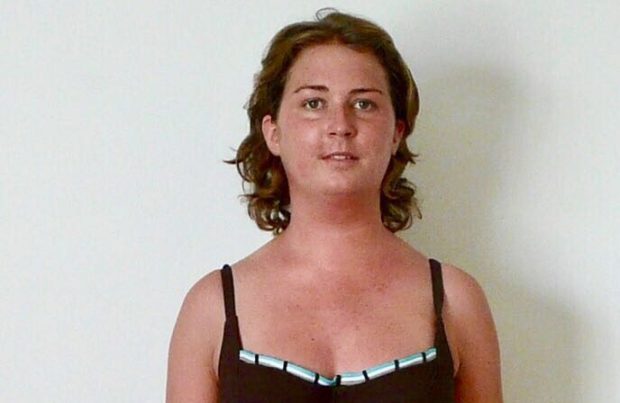
The burden of Cushing’s disease: clinical and health-related quality of life aspects


Thanks to Robin Ess for the easy to read chart!

Abstract

Objective Cushing’s disease (CD) is a rare endocrine disorder characterized by excess secretion of ACTH due to a pituitary adenoma. Current treatment options are limited and may pose additional risks. A literature review was conducted to assess the holistic burden of CD.

Design Studies published in English were evaluated to address questions regarding the epidemiology of CD, time to diagnosis, health-related quality of life (HRQoL), treatment outcomes, mortality, prevalence of comorbidities at diagnosis, and reversibility of comorbidities following the treatment.

Methods A two-stage literature search was performed in Medline, EMBASE, and Science Citation Index, using keywords related to the epidemiology, treatment, and outcomes of CD: i) articles published from 2000 to 2012 were identified and ii) an additional hand search (all years) was conducted on the basis of bibliography of identified articles.

Results At the time of diagnosis, 58–85% of patients have hypertension, 32–41% are obese, 20–47% have diabetes mellitus, 50–81% have major depression, 31–50% have osteoporosis, and 38–71% have dyslipidemia. Remission rates following transsphenoidal surgery (TSS) are high when performed by expert pituitary surgeons (rates of 65–90%), but the potential for relapse remains (rates of 5–36%). Although some complications can be partially reversed, time to reversal can take years. The HRQoL of patients with CD also remains severely compromised after remission.

Conclusions These findings highlight the significant burden associated with CD. As current treatment options may not fully reverse the burden of chronic hypercortisolism, there is a need for both improved diagnostic tools to reduce the time to diagnosis and effective therapy, particularly a targeted medical therapy.

Introduction

Cushing’s disease (CD) is a rare condition caused by a pituitary adenoma that secretes excess ACTH (1), which promotes excess cortisol production from the adrenal glands. Excess cortisol induces a clinical phenotype that harbors all components of the metabolic syndrome, such as central obesity, diabetes mellitus, dyslipidemia, and hypertension, as well as muscle weakness, hirsutism, increased bruisability, psychological dysfunction, and osteoporosis (1234567891011).

Patients with CD experience a significant clinical burden due to comorbidities, increased mortality, and impaired health-related quality of life (HRQoL) due to prolonged exposure to elevated cortisol levels (3511121314151617181920). In particular, patients with CD often experience severe fatigue and weakness, physical changes, emotional instability, depression, and cognitive impairments, which have a profound impact on daily life (1321).

Although there have been several consensus statements published recently on the definition of remission, diagnosis, and the management of CD, the severity and diversity of the clinical scenario and associated morbidities continue to present a management challenge (12223). Additionally, there is recent evidence of persistent deleterious effects after remission, most notably persistent elevated cardiovascular risk (322). The main objective of the current literature review is to describe the current burden of the disease and to summarize data on specific aspects of this burden, which underscores the need for improved diagnostic and therapeutic approaches.

Materials and methods

Available literature were evaluated to address questions regarding the epidemiology of CD, time to diagnosis, mortality, prevalence of comorbidities at diagnosis, reversibility of comorbidities after treatment (in particular, after disease remission), outcomes and complications of current treatment options, and HRQoL associated with CD and interventions.

The literature search was performed in Medline, EMBASE, and Science Citation Index, using keywords related to the epidemiology, treatment, and outcomes of CD. It was conducted in two stages: i) articles published between 2000 and 2012 were identified through a PubMed search using the following keywords: CD, incidence, prevalence, mortality, treatment, remission, cure, excess cortisol, outcomes, cost, QoL, morbidities, transsphenoidal surgery (TSS), adrenalectomy, radiotherapy, steroidogenesis inhibitors, ketoconazole, mitotane, aminoglutethimide, etomidate, metyrapone, pasireotide, and cortisol receptor antagonists; and ii) an additional hand search was conducted on the basis of the bibliographies of identified articles. All studies that provided data (regardless of publication year) related to these research questions were retained.

Definitions

Different criteria for defining the remission of hypercortisolism have been proposed, ranging from the occurrence of definitive or transient postoperative hypocortisolemia to the adequate suppression of cortisol after dexamethasone administration. According to a recent consensus statement (23), persistent postoperative morning serum cortisol levels of <2 μg/dl (∼50 nmol/l) are associated with remission and a low recurrence rate of ∼10% at 10 years. Persistent serum cortisol levels above 5 μg/dl (∼140 nmol/l) for up to 6 weeks following surgery require further evaluation. When serum cortisol levels are between 2 and 5 μg/dl, the patient can be considered in remission and can be observed without additional treatment for CD. A subset of patients can even develop complete adrenal insufficiency (serum cortisol levels below 2 μg/dl (∼50 nmol/l)) up to 12 weeks postsurgery (2425). Therefore, repeated evaluation in the early postoperative period is recommended. However, long-term follow-up is necessary for all patients because no single cortisol cutoff value excludes those who later experience disease recurrence, and up to 25% of patients develop a recurrent adenoma within 10 years after surgery (262728).

Results

Incidence and prevalence of CD

Although epidemiologic data on CD are limited, several population-based studies indicate an incidence of 1.2–2.4 per million (1419) and the prevalence of diagnosed cases to be ∼39 per million population (14). Lindholm et al(19) used the case definition as either the presence of a corticotroph adenoma or remission after neurosurgery, which yielded an estimated incidence rate of 1.2–1.7 per million per year. Etxabe & Vazquez (14) reported an incidence of 2.4 per million in Vizcaya, Spain. A large-scale retrospective survey carried out in New Zealand by Bolland et al(29) found the approximate prevalence of all forms of Cushing’s syndrome (CS) (the majority of these cases were of pituitary origin) to be 79 per million and the incidence to be 1.8 per million per year. Differences in epidemiologic estimates may be attributable to varying case definitions (for instance, the study by Lindholm excluded cases in which the adenoma could not be localized or those that could not achieve remission from surgery), geographical differences, and temporal effects. The prevalence of CD may be underestimated due to unrecognized patients with mild symptoms and patients with a cyclic form of CD (30).

Time to diagnosis

Data on the time from onset of symptoms to diagnosis are also limited. In a prospective study by Flitsch et al(31) of 48 patients with pituitary adenomas, including 19 who had ACTH-secreting adenomas causing CD, the reported time from onset of symptoms to diagnosis was 4.3 years. A study by Martinez Ruiz et al(32), which was based on only four pediatric CD patients, reported the time between onset of symptoms and diagnosis as ranging from 2.5 to 5 years. Etxabe & Vazquez (14) estimated that the average time from onset of clinical symptoms to diagnosis in 49 CD patients was 45.8±2.7 months (6–144 months), thus 3.8 years. This is corroborated by the findings from a Belgian cross-sectional study on pituitary adenomas including CD, which estimated that patients experienced symptoms for an average of 45 months before diagnosis (33). However, the reliability and generalizability of these data are limited by small sample sizes and the retrospective nature of the studies. Indeed, the New Zealand data from Bolland et al(29) report that on presentation, patients experienced symptoms for a median of 2.0 years (but ranging up to 20 years) before diagnosis. On the basis of data from the prospective European Registry on Cushing’s syndrome (ERCUSYN) (total number of patients=481, of whom 66% of patients had CD), median delay in diagnosis was 2 years (34).

Mortality in patients with CD

Mortality in patients with CD has been analyzed in several small studies, with overall rates reported as standardized mortality ratio (SMR) ranging from 1.7 to 4.8 (Table 1) (14151719). In studies in which mortality was assessed among those in remission and those with persistent disease separately, patients with persistent hypercortisolemia consistently had the highest mortality risk (15193536). In addition, TSS as a first-line treatment has been an important advance as high remission rates after initial surgery have been accompanied by mortality rates that mirror those observed in the general population (173537). In a case series from the UK, it was found that the majority of deaths occurred before 1985, which was before TSS was employed as the routine first-line treatment at the center (36). In a recent retrospective study, 80 patients undergoing TSS for CD between 1988 and 2009 were evaluated, and long-term cure (defined as ongoing absence of hypercortisolism at last follow-up) was reported in 72% of patients. However, overall elevated mortality persisted in patients (SMR 3.17 (95% CI: 1.70–5.43)), including those who achieved ‘cure’ (SMR 2.47 (95% CI: 0.80–5.77)), although even higher mortality was seen in those with postoperative recurrence/persistent disease (SMR 4.12 (95% CI: 1.12–10.54) (38). Additionally, a nationwide, retrospective study in New Zealand reported significant persistently increased mortality both in macro- and microadenomas (SMR 3.5 (1.3–7.8) and 3.2 (2.0–4.8) respectively), despite long-term biochemical remission rates of 93 and 91% of patients, respectively (29).

Read more at http://m.eje-online.org/content/167/3/311.full

An unusual case of Cushing’s syndrome due to bihormonal ACTH–prolactin secreting pituitary macroadenoma with rapid response to cabergoline

  1. Shalini Kunasegaran1,2,
  2. Michael S Croxson1,
  3. Ian Holdaway1,
  4. Rinki Murphy1

+Author Affiliations


  1. 1Department of EndocrinologyAuckland District Health BoardAuckland, New Zealand

  2. 2Department of EndocrinologyWaitemata District Health BoardTakapuna, New Zealand
  1. Correspondence to Dr Shalini Kunasegaran, shal84@gmail.com
  • Accepted 13 July 2017
  • Published 7 August 2017

Summary

A 23-year-old man presenting with florid Cushing’s syndrome was found to have high plasma ACTH and very high serum prolactin. Pituitary MRI showed a large invasive macroadenoma.

Low-dose cabergoline promptly suppressed both ACTH and prolactin levels within 2 weeks, with unexpected clinical and biochemical hypocortisolism requiring hydrocortisone replacement. Secondary hypogonadism was reversed. Clinical and biochemical remission of his Cushing’s syndrome together with significant shrinkage of his macroadenoma has been maintained for 1 year on cabergoline 0.5 mg twice weekly. Reduction in pituitary

Reduction in pituitary tumour volume and brisk fall in serum prolactin in response to low-dose cabergoline is regularly observed in patients with macroprolactinomas, but the concurrent fall in the plasma ACTH level and hypocortisolism was a pleasant surprise.

We assume that he most likely has a single bihormonal adenoma that is enriched with dopamine-2 receptors.

From http://casereports.bmj.com/content/2017/bcr-2017-219921.short?rss=1

[Pseudo-Cushing’s] Michigan woman nearly dies after herbal supplement found to be laced with steroids

MADISON HEIGHTS, Mich. (WXYZ) – Since 2004, the U.S. Food and Drug Administration has received more than 26,000 reports of adverse events and complaints about dietary supplements.

Jody Higgins of Madison Heights, Michigan made one of those complaints to the FDA, after she says she found out the herbs she had been taking were making her seriously ill.

“I really thought I was going to die I was getting so sick,” Higgins said.

Back in 2015, Higgins says her legs started hurting.  She says she didn’t have great health insurance, and she was hoping for a more holistic approach, so a friend referred her to Far East Ginseng Herbs and Tea in nearby Sterling Heights.

“They suggested that I take something that was called Linsen Double Caulis. I had never heard of it before, and it appeared to have all herbs on the label,” Higgins said.

Higgins says for a while, she felt better, and when she stopped taking the Linsen Double Caulis, the leg pain returned. So, she says she kept taking it for nearly a year, even though she started noticing strange symptoms.

“Within four months I had gained 80 pounds,” she said.

She suddenly had facial hair growth, severe facial swelling, extremely swollen ankles, and had dark purple stretch marks all over her body.

“I wasn’t recognizable,” said Higgins.  “I couldn’t stand for longer than 2 minutes. I couldn’t cook. I couldn’t wash my clothing. I could barely get in the shower.”

After visiting several doctors, Higgins was eventually referred to University of Michigan Endocrinologist Dr. Ariel Barkan.

“The minute that I said I had been taking a Chinese herbal remedy, he said ‘you’ve been poisoned. I know it.’ Those were his exact words,” said Higgins.

“Her situation was pretty shaky,” Barkan said.

Barkan sent the Linsin Double Caulis herbal supplement to the Mayo Clinic for testing.

“They were loaded with Dexamethasone … [which] is a medication.  It’s a synthetic steroid, very potent, very long acting, and if we take it for quite some time, we develop what is called Cushing Syndrome,” said Dr. Barkan.

Higgins was diagnosed with Cushing Syndrome, and Barkan says she could have died if she hadn’t sought help.

“The mortality for untreated Cushing Syndrome is 50% within 5 years,” said Barkan.  “ … immunity is completely suppressed. And when you don’t have immunity, the first virus, the first germ may cause [a] fatal infection and you will die.”

Higgins says once she stopped taking the Linsen Double Caulis, the facial hair went away, but she’s still struggling with her weight. Barkan says her health should improve, although it will take time.

Both doctor and patient say they have contacted the FDA about this, and they each have a warning about taking herbal supplements.

“Please just be very cautious,” Higgins said.

“Don’t touch it. Don’t touch it, you’re playing Russian roulette,” said Barkan.

Jody Higgins says she met with an investigator from the FDA’s criminal division.

An FDA spokesperson would only say that they do not discuss possible or ongoing investigations.

The lawyer for the store where Higgins says she purchased the supplement told us the owners will not be commenting on, but the owner did say they no longer sell this product.

From http://www.fox4now.com/news/national/madison-heights-woman-herbal-supplement-caused-life-threatening-illness

A Phase III Study of Osilodrostat to Treat Cushing’s Disease

CLCI699C2302: A Phase III, Multi-center, Randomized, Double-blind, 48 Week Study with an Initial 12 Week Placebo-controlled Period to Evaluate the Safety and Efficacy of Osilodrostat in Patients with Cushing’s Disease

Purpose

In people with a disorder known as Cushing’s disease, levels of the hormone cortisol are very high in the urine and blood. Lowering cortisol levels relieves the symptoms of Cushing’s disease. Osilodrostat is an investigational drug that inhibits an enzyme needed for cortisol to be made.

In this study, researchers are assessing the safety and effectiveness of osilodrostat in patients with Cushing¿s disease and observing its ability to reduce cortisol levels. In the first 12 weeks of the study, patients will receive osilodrostat or a placebo (inactive drug). After week 12 and continuing through week 48, all patients will receive osilodrostat. Patients will then have the option to continue taking osilodrostat for up to 100 weeks into the study, if they wish.

Osilodrostat is taken orally (by mouth).

Eligibility

To be eligible for this study, patients must meet several criteria, including but not limited to the following:

  • Patients must have Cushing¿s disease with elevated levels of cortisol in the urine.
  • An acceptable amount of time must have passed between the completion of prior therapies and entry into the study, to allow for a sufficient “washout” period.
  • This study is for patients ages 18 to 75.

For more information about this study and to inquire about eligibility, please contact Dr. Eliza Geer at 646-888-2627.

Protocol

17-351

Phase

III

Investigator

Co-Investigators

Diseases

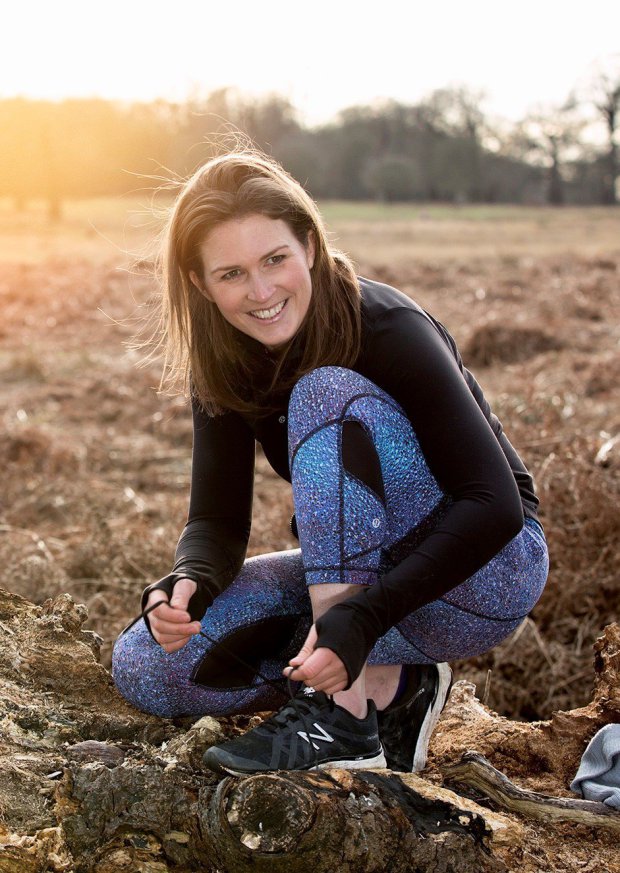
Kiko Matthews, Pituitary Cushing’s Survivor Solo Rows Atlantic to Raise £100K For Hospital That Saved Her Life

Adapted from an article at http://metro.co.uk/2017/07/24/ex-teacher-is-rowing-across-the-atlantic-solo-to-raise-money-for-hospital-who-cured-her-brain-tumour-6773756/

You’d imagine if you’d never set foot in a rowing boat before, apart from, say, an abortive attempt in a boating lake age 9, that you would set yourself a fairly tame goal for your first challenge when you did finally take up the sport.

Not so Kiko Matthews. The science teacher-turned-paddle board instructor and adventurer, this time last year a total beginner in a rowing boat, set herself the challenge of rowing solo across the Atlantic – before she’d actually picked up an oar.

Not only does she plan to raise £100,000 for King’s College Hospital with the row – after they saved her life when she was struck with a rare disease – but she plans to break the female world record for a solo Atlantic crossing while she’s doing it.

The previous record for a woman rowing solo across the Atlantic is 56 days, the male record is 35.

Kiko plans to do it in 45, taking 11 days off the current female record.

Her determination and dedication indicate that she’ll do it too.

She has been training daily for 7 months since she made the vow (she hadn’t even been drinking when she made it, she tells me) in order to smash the record for the 3,000-mile trip.

On the way she will encounter storms, freezing nights, scorching hot days, sharks – and a whole lot of solitude. ‘I have to be skipper, medic, my own best friend – and, sometimes, no doubt, my own worst enemy,’ she says.

She’ll have an emergency button in case of crisis — and not much else, besides her equipment and her ego.

A rigorous regime of on-land and on-water rowing, circuits, weights and cross-training with cycling and running is preparing her for the 16 hours a day of rowing she’ll have to put in to make the record crossing.

The months of 4am wake-up calls are, as you’ll see from her Facebook and Instagram posts, made somewhat easier by incredible sunrises, sunsets and glass-like oceans, but they are nonetheless gruelling.

However, they will have set her up for what will be six sleep-deprived weeks where she will try to shoehorn what sleep she can – a four-hour chunk and a few cat naps throughout the day – into the eight hours she has to eat and rest when she is not rowing.

No matter how much work she is putting in, the challenge is ambitious — but her chances are improved immeasurably not only by her tenacity (you have to meet her to believe it) but the fact that the boat she is using for the crossing is the same one that was used by the current male solo Atlantic World Record holder, Charlie Pitcher.

He set the new record for solo male crossing in 2013, taking 35 days to row the 3,000 miles in the carbon-hulled, 6.5m ocean rowing boat Soma of Essex.

His boat was the first of its kind to have the rower facing backwards into the waves rather than rowing forward, which made the boat far more aerodynamic and helped him to shave 5 days off the previous 40-day record.

And, as Kiko says, ‘when you’re in the middle of the Atlantic with nothing for miles either side, you don’t really need to see where you’re going anyway.’

Now, Pitcher has not only lent Kiko his record-breaking boat, but he’s helping to train her too. And, having been exposed to the whirlwind that is Kiko Matthews, he is confident she can achieve her goal.

‘I met Kiko at a charity function we were both involved with and we just hit it off immediately, like we had known each other for years,’ he says. ‘I wanted to lend her the boat because I believe she has what it takes to smash this, and not many others do,’ he says.

‘To break a tough world record like this, you need all the right tools in your bag. Kiko has the full house.’

The mammoth physical undertaking is all the more impressive when you understand how far Kiko has come health wise.

The once fit young woman was so rapidly debilitated by this mystery disease she had to drag herself upstairs on her hands and knees, yet doctors could not find out what was wrong.

Unlike most people with Cushing’s, who experience the condition worsening over a long period, sometimes years, the size of Kiko’s tumour meant the symptoms were aggressive and dramatic.

As she deteriorated, she was quickly referred to King’s College Hospital where she lay for a month believing she would die before doctors were able to diagnose Cushing’s.

Even then, her potassium levels were too low for her to survive surgery so she was taken to intensive care unit until she was strong enough for doctors to operate and remove the tumour.

Kiko says now that those were her darkest times. ‘I couldn’t see, I couldn’t speak properly or think. I was too weak to move,’ she says.

Ultimately, the disease could have proved fatal. But with the tumour finally removed, the levels of cortisol in her blood reduced from 3,000 mcg/dL to 30 mcg/dL in three days.

Within five, the brain fluid stopped dripping from her nose, the swelling in her body had gone down, her memory returned and diabetes and other symptoms vanished.

Soon after her recovery, Kiko left her role as a science teacher to set up SupKiko, a company teaching paddle boarding, and a charity, The Big Stand, that gives opportunities to young people and those with mental health problems.

While she still leads paddle boarding groups, most of her time is now spent training for the Atlantic crossing, which sets off from the Canary Islands in January.

….

Ironically, both the challenge and fundraising attempt for KCH has added poignancy now.

A few months into her training, Kiko began to feel ‘strange’ symptoms and, as they developed, she began to suspect the return of Cushing’s.

An MRI detected a 3mm tumour on her pituitary gland, confirming her fears, and she found herself back at King’s where Kiko says that the doctors, who remembered her aggressive and rare case 8 years ago, have been ‘fantastic’.

She is booked for surgery on 1 August when surgeons will go in through her nose to remove the tumour quickly so that she can continue her training.

‘With the help of an amazing team of nurses and doctors, I’ll be 100% fine for my row in January. I’ll make sure I am,’ she says.

‘The tumour returning has only made me even more determined to break the record and raise the money,’ she says.

‘The doctors will have saved my life not once, but twice.’

Read the entire article at http://metro.co.uk/2017/07/24/ex-teacher-is-rowing-across-the-atlantic-solo-to-raise-money-for-hospital-who-cured-her-brain-tumour-6773756/