Pituitary Gland Resection May Help Manage Presumed Cushing’s Patients


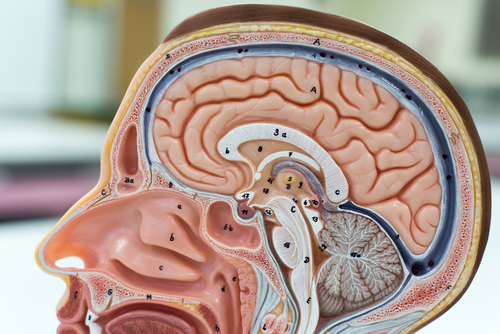
The surgical removal of two-thirds of the pituitary gland is associated with high initial remission rates and low operative morbidity in patients with suspected Cushing’s disease, when no tumor is found on the gland during surgical exploration.

Cushing’s disease (CD) is caused by increased levels of glucocoticosteroids, such as adrenocorticotropic hormone (ACTH), circulating in the blood.

In nearly 70 percent of cases this happens as a result of benign tumors on the pituitary gland, which produce excess ACTH. In these patients, the most effective and first-line treatment is surgical removal of the pituitary gland tumor.

During the diagnostic stage, clinicians use several methods to identify and localize the source of excessive ACTH. But these methods can fail, and the presence of a tumor in the pituitary is not always confirmed. If the tumor remains unidentified during surgical exploration, it falls to the surgeon’s discretion about how to manage their patients.

Researchers at the University of Colorado Denver School of Medicine provided an overview of their experience on the management of patients with presumed Cushing’s disease who underwent surgical treatment.

The study, “Negative surgical exploration in patients with Cushing’s disease: benefit of two-thirds gland resection on remission rate and a review of the literature,” was published in the Journal of Neurosurgery.

“The diagnosis and treatment of CD is one of the most challenging entities that pituitary neurosurgeons, endocrinologists, and pathologists face,” the researchers wrote. “The ability to make a correct diagnosis and deliver a high likelihood of remission after surgery relies heavily on the performance of a meticulous workup and rational surgical strategy.”

The team retrospectively analyzed all cases that had been referred to the Department of Neurosurgery of CU School of Medicine between 1989 and 2011 for a potential ACTH-secreting pituitary tumor.

During this period, 161 cases of Cushing’s patients who underwent surgical tumor resection were reported. In 22 patients, the surgeon was unable to detect a tumor.

In these cases the surgical team decided to remove two-thirds of the gland, with resection of the lateral and inferior portions of the pituitary. All 22 patients were treated using a consistent technique performed by a single surgeon.

Posterior tissue analysis confirmed that six of these patients had pituitary ACTH-secreting tumors. In the remaining 16 patients, no tumor was identified. In three patients the team believed that overproduction of ACTH could be due to an overgrowth of ACTH-secreting cells rather than expansion.

The team believes that these findings underscore the difficulty of accurately diagnosing very small pituitary tumors pre- and post-operatively.

The 22 patients were followed for a mean time of 98.9 months, or 8.2 years. No remissions were observed in the six patients who had ACTH-secreting tumors or in 12 of the remaining patients. Blood analysis in follow-up exams confirmed these patients had normal levels of glucocoticosteroids.

Four patients continued to show persistent elevated amounts of ACTH. Additional clinical evaluations revealed that two patients had ACTH-secreting lung tumors, and one patient was suspected of having an ACTH-secreting tumor on a brain region close to the pituitary. There was one case where the clinical team was unable to identify the origin of elevated ACTH.

Only three patients required hormone replacement after the two-thirds gland removal to overcome a newly detected hormone deficit. The approach used by the surgical team was, overall, found to be safe with no severe side effects reported.

“Currently, when the neurosurgeon is faced with the inability to identify a discrete adenoma intraoperatively, there is little uniformity in the literature as to how to proceed,” the team wrote. “We believe this [pituitary resection] approach will be useful to help guide surgeons in the operative treatment of this particularly difficult group of patients.”

From https://cushingsdiseasenews.com/2017/12/14/pituitary-gland-resection-may-help-presumed-cushings-disease-patients/

Patients Undergoing Adrenalectomy Should Receive Steroid Substitutive Therapy

All patients who undergo removal of one adrenal gland due to Cushing’s syndrome (CS) or adrenal incidentaloma (AI, adrenal tumors discovered incidentally) should receive a steroid substitutive therapy, a new study shows.

The study, “Predictability of hypoadrenalism occurrence and duration after adrenalectomy for ACTH‐independent hypercortisolism,” was published in the Journal of Endocrinological Investigation.

CS is a rare disease, but subclinical hypercortisolism, an asymptomatic condition characterized by mild cortisol excess, has a much higher prevalence. In fact, subclinical hypercortisolism, is present in up to 20 percent of patients with AI.

The hypothalamic-pituitary-adrenal axis (HPA axis) is composed of the hypothalamus, which releases corticotropin-releasing hormone (CRH) that acts on the pituitary to release adrenocorticotropic hormone (ACTH), that in turn acts on the adrenal gland to release cortisol.

To avoid excess cortisol production, high cortisol levels tell the hypothalamus and the pituitary to stop producing CRH and ACTH, respectively. Therefore, as CS and AI are characterized by high levels of cortisol, there is suppression of the HPA axis.

As the adrenal gland is responsible for the production of cortisol, patients might need steroid substitutive therapy after surgical removal of AI. Indeed, because of HPA axis suppression, some patients have low cortisol levels after such surgeries – clinically known as post-surgical hypocortisolism (PSH), which can be damaging to the patient.

While some researchers suggest that steroid replacement therapy should be given only to some patients, others recommend it should be given to all who undergo adrenalectomy (surgical removal of the adrenal gland).

Some studies have shown that the severity of hypercortisolism, as well as the degree of HPA axis suppression and treatment with ketoconazole pre-surgery in CS patients, are associated with a longer duration of PSH.

Until now, however, there have been only a few studies to guide in predicting the occurrence and duration of PSH. Therefore, researchers conducted a study to determine whether HPA axis activity, determined by levels of ACTH and cortisol, could predict the occurrence and duration of PSH in patients who undergo an adrenalectomy.

Researchers studied 80 patients who underwent adrenalectomy for either CS or AI. Prior to the surgery, researchers measured levels of ACTH, urinary free cortisol (UFC), and serum cortisol after 1 mg dexamethasone suppression test (1 mg-DST).

After the surgery, all patients were placed on steroid replacement therapy and PSH was determined after two months. For those with PSH, levels of cortisol were determined every six months for at least four years.

Results showed that PSH occurred in 82.4 percent of CS patients and 46 percent of AI patients. PSH lasted for longer than 18 months in 50 percent of CS and 30 percent of AI patients. Furthermore, it lasted longer than 36 months for 35.7 percent of CS patients.

In all patients, PSH was predicted by pre-surgery cortisol levels after the 1 mg-DST, but with less than 70 percent accuracy.

In AI patients, a shorter-than-12-month duration of PSH was not predicted by any HPA parameter, but was significantly predicted by an absence of pre-surgery diagnosis of subclinical hypercortisolism.

So, this study did not find any parameters that could significantly predict with high sensitivity and specificity the development or duration of PSH in all patients undergoing adrenalectomy.

Consequently, the authors concluded that “the PSH occurrence and its duration are hardly predictable before surgery. All patients undergoing unilateral adrenalectomy should receive a steroid substitutive therapy.”

From https://cushingsdiseasenews.com/2017/12/08/therapy-cushings-patients-adrenalectomy/

Doctors Use Microwave Therapy on Cushing’s Patient Too Weak to Have Surgery

Microwave therapy improved the Cushing’s syndrome of a woman whose lungs had almost failed, allowing her to have the adrenal surgery needed to control her disease, a case study showed.

Lung infections had led to her near-respiratory failure.

Cushing’s syndrome stems from the pituitary gland producing excessive amounts of adrenocorticotropic hormone. Too much of the hormone leads to the adrenal glands generating excessive amounts of another hormone, cortisol — and that overproduction results in Cushing’s. The disease’s symptoms include increasing obesity, skin problems, muscle weakness, bone loss, fatigue, cognitive difficulties, and an inability to control emotions.

Doctors often remove patients’ adrenal glands to prevent cortisol production. But in this case, the patient was not in good enough condition to have the surgery. So doctors used microwave technology to reduce her cortisol levels to the point where surgeons could operate.

The case study, published in BMJ Case Reports, was titled “Ectopic ACTH syndrome complicated by multiple opportunistic infections treated with percutaneous ablation of the adrenal glands.

Excessive pituitary gland production of adrenocorticotropic hormone is the cause of 80 percent of Cushing’s cases.

In 5 to 10 percent of cases, a tumor in another part of the body also produces the hormone, leading to excessive amounts of it in the body. When a tumor is generating the hormone, the condition is called ectopic ACTH syndrome. The patient in the case study had ACTH syndrome.

The 63-year-old woman had complained to her family doctor about weight gain, headache, weakness, and flushing. When laboratory tests led to her being diagnosed with ectopic ACTH-dependent Cushing’s syndrome, she was admitted to a hospital’s internal medicine department.

Doctors planned surgery to remove her adrenal glands, but two days before the operation was scheduled, respiratory failure sent her to the hospital’s Intensive Care Unit. There, physicians treated her for two infections in her lungs, plus infections in her blood and urinary tract. She experienced serious medical complications while in the Intensive Care Unit.

After a month, she was in good enough condition to leave intensive chair but too frail for surgery. Instead, doctors used microwaves to destroy as much of her adrenal glands as they could.

Within two weeks, her condition was better. She had been unable to leave her hospital bed while in intensive care. After the microwave treatment, she engaged in physiotherapy that led to her being able to use a two-wheeled walker to go short distances. She could also make short excursions outside the hospital with her family.

Six months later she returned to the hospital for surgical removal of her adrenal glands.

There were no complications from the operation, and doctors discharged her two days later. Her cortisol levels have been at acceptable levels since then.

“Our experience demonstrates that percutaneous ablation is a viable alternative in patients with ectopic ACTH syndrome in whom medical therapy has failed and surgical adrenalectomy is not feasible,” the researchers wrote. “Further research comparing the efficacy and complication rates between percutaneous ablation [microwave therapy] and surgical adrenalectomy is needed.” In addition, “research is needed to determine the optimal method of percutaneous intervention,” the team wrote.

From https://cushingsdiseasenews.com/2017/12/01/case-study-shows-microwave-therapy-helped-cushings-patient-who-was-too-frail-for-surgery/

Desmopressin is Promising Alternative in Diagnosing Cushing’s Disease

Bilateral inferior petrosal sinus sampling (IPSS) — a procedure that uses desmopressin to determine levels of ACTH hormone from veins that drain from the pituitary gland, is a sensitive way to diagnose patients with Cushing’s disease and find tumors, a Chinese study shows.

The study, “Tumour Lateralization in Cushing’s disease by Inferior Petrosal Sinus Sampling with desmopressin,” appeared in the journal Clinical Endocrinology.

Cushing’s disease is characterized by excessive production of the adrenocorticotropin hormone (ACTH) caused by a tumor in the pituitary gland. ACTH is the hormone that causes the adrenal glands to produce cortisol.

Currently, pituitary imaging is insufficient to confirm a Cushing’s diagnosis. This is because 70 percent of pituitary adenomas in Cushing’s are microadenomas, which are physically very small. As a result, 40 percent of Cushing’s patients are reported as being healthy.

This means that a Cushing’s diagnosis requires a combination of techniques including clinical symptoms, imaging methods and endocrinological assays that include measures of serum cortisol and ACTH levels.

IPSS determines ACTH levels from veins that drain from the pituitary gland. ACTH levels are then compared to ACTH levels in blood. Higher levels in the pituitary gland indicate a pituitary tumor.

IPSS can also be used to determine tumor lateralization, which refers to which side of the pituitary gland the tumor is located on. The test is 69 percent accurate.

Doctors administer IPSS along with corticotropin-releasing hormone (CRH) stimulation. IPSS with CRH is considered the gold standard for preoperative diagnosis of Cushing’s, with a diagnostic sensitivity (or true positive rate) of 95 percent and specificity (or true negative rate) of 90 to 95 percent. Unfortunately, the high cost and limited availability of CRH make it impractical for many patients.

Desmopressin has been used to replace CRH to stimulate ACTH secretion for IPSS, and prior studies have shown that desmopressin’s sensitivity is comparable to that of CRH.

Researchers at Peking Union Medical College in Beijing conducted a retrospective analysis of their experience using desmopressin-stimulated IPSS to determine its diagnostic value for Cushing’s and its predictive value for tumor lateralization.

Researchers analyzed 91 Cushing’s patients who either had negative findings on the MRI imaging of the pituitary or negative high-dose dexamethasone suppression tests, which is another method of evaluation. All patients underwent IPSS with desmopressin, followed by pituitary surgery to extract the tumor.

Of the 91 patients tested, 90 patients had confirmed Cushing’s. And of these, 89 had positive IPSS findings, which led to a sensitivity of 98.9 percent for this test. One patient out of 91 who did not have Cushing’s also underwent this test, which led to a negative IPSS result and a specificity of 100 percent.

Researchers also determined tumor lateralization in patients who were ultimately diagnosed with Cushing’s and underwent surgery. Results of the IPSS showed a 72.5 percent concordance between the results from the IPSS and the surgery.

Therefore, IPSS with desmopressin is a comparable approach to IPSS with CRH for the diagnosis of Cushing’s. It also demonstrates moderate accuracy in determining the location of tumors.

“Like many medical centers in China, we currently have no supply of CRH, while desmopressin is readily available,” researchers concluded. “Moreover, desmopressin is cheaper than CRH. As our data and other studies indicate, IPSS with desmopressin yielded comparable outcomes to IPSS with CRH. Therefore, desmopressin-stimulated IPSS might serve as a possible alternative to CRH-stimulated IPSS.”

From https://cushingsdiseasenews.com/2017/11/14/ipss-desmopressin-alternative-method-diagnosis-cushings-disease/

Long-acting Signifor Has Similar Safety Profiles as Twice-daily Treatment in Cushing’s Patients, Trial Showed

A long-acting, once-a-month treatment of Signifor (pasireotide) normalized cortisol levels in 40% of patients with Cushing’s disease whose disease had recurred after surgery, or who were not candidates for surgery, according to new data from a Phase 3 trial.

The safety profiles of the once-monthly regimen proved to be similar to standard twice-daily Signifor treatments, researchers found.

The study, “Efficacy and safety of once-monthly pasireotide in Cushing’s disease: a 12 month clinical trial,” was published in the journal The Lancet Diabetes & Endocrinology.

Novartis‘ Signifor in its twice-daily injection formulation has already been approved for treating Cushing’s in the U.S. and elsewhere.

The 12-month, Phase 3 trial (NCT01374906) was conducted at 57 sites in 19 countries. The study included 150 patients with Cushing’s whose cortisol levels had risen or not dropped at all after surgery, or who were unable to undergo surgery.

Between Dec. 28, 2011, and Dec. 9, 2014, participants were randomized to receive either 10 mg or 30 mg of Signifor every four weeks, via an injection to the muscle. If, after four months of therapy, cortisol urinary levels (mUFC) were 50% greater than the upper normal limit, the dose could be increased from 10 mg to 30 mg, or from 30 mg to 40 mg. It could also be increased after seven, nine, or 12 months if the mUFC concentration was greater than normal.

The goal was to normalize average concentrations of free cortisol in the urine to less than or equal to the upper normal limit at month seven. It was met by 31 of the 74 patients in the 10 mg group (41.9%) and 31 of the 76 patients in the 30 mg group (40.8%).

The most common adverse events were hyperglycemia (high concentration of blood sugar), diarrhea, cholelithiasis (gall stones), diabetes, and nausea.

The researchers consider this treatment to be a good option for patients whose disease has returned after surgery, or who cannot undergo surgery. The long-lasting treatment schedule of one injection per month is more convenient for patients than the twice-daily subcutaneous injection, making it more likely that they would not discontinue treatment.

“Surgical resection of the causative pituitary adenoma is the first-line treatment of choice for most patients with Cushing’s disease, which leads to remission in greater than 75% of patients if done by an expert pituitary surgeon,” wrote Dr. Andre Lacroix, MD, a professor in the Department of Medicine at the University of Montreal teaching hospital, and colleagues.

“However, surgery is not always successful, and disease recurrence can occur several years after initial remission, while some patients refuse or are not candidates for surgery. As a result, many patients require additional treatment options.”

“Long-acting pasireotide normalized mUFC concentration in about 40% of patients with Cushing’s disease at month 7 and had a similar safety profile to that of twice-daily subcutaneous pasireotide,” the team wrote in the study.

“Long-acting pasireotide is an efficacious treatment option for some patients with Cushing’s disease who have persistent or recurrent disease after initial surgery or are not surgical candidates, and provides a convenient monthly administration schedule,” researchers concluded.

From https://cushingsdiseasenews.com/2017/10/31/long-acting-signifor-for-cushings-disease-has-similar-efficacy-and-safety-as-twice-daily-treatment/