Adults with Cushing’s Syndrome Report High Burden Of Illness, Despite Ongoing Treatment

Key takeaways:

  • Cushing’s syndrome symptoms moderately impact quality of life for adults with the condition.
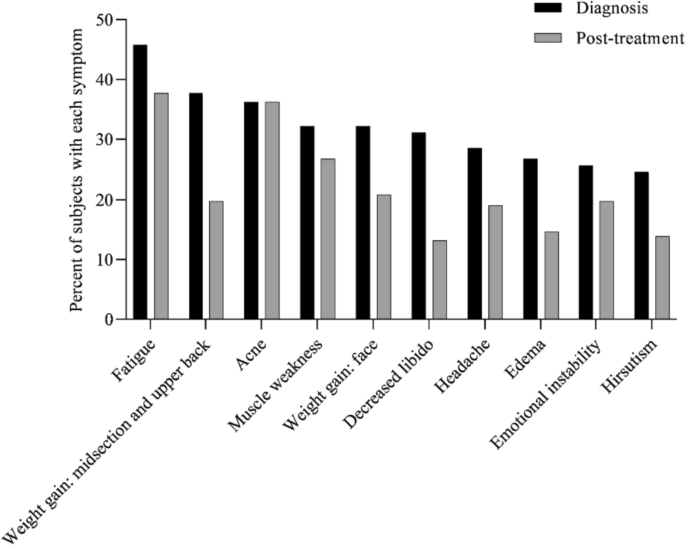
  • Weight gain, muscle fatigue and menstrual changes decline in severity from diagnosis to follow-up.

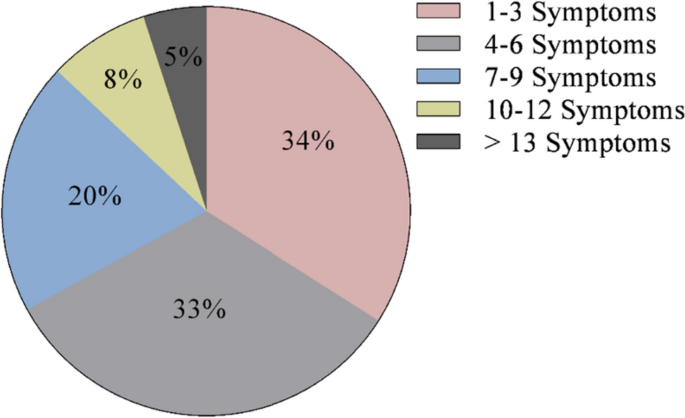
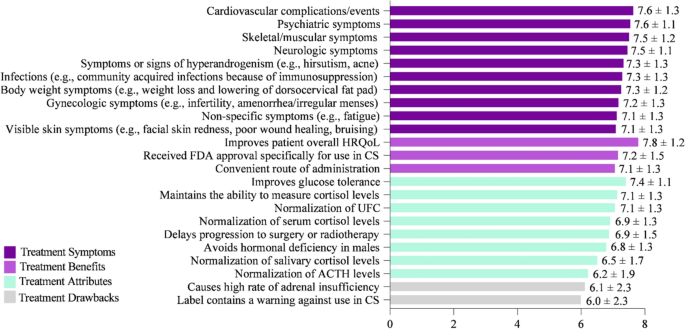
Adults with endogenous Cushing’s syndrome reported that the condition moderately affects their quality of life and causes them to have symptoms about 16 days in a given month, according to findings published in Pituitary.

“Our study aimed to evaluate the ongoing burden of Cushing’s syndrome in order to identify areas of unmet need,” Eliza B. Geer, MD, medical director of the Multidisciplinary Pituitary and Skull Base Tumor Center and associate attending of endocrinology and neurosurgery at Memorial Sloan Kettering Cancer Center, told Healio. “We found that patients with treated Cushing’s continue to experience ongoing symptoms more than half of the days in a given month, miss about 25 workdays per year and need twice the average number of outpatient visits per year, indicating a significant impact on daily function and work productivity. Some of these symptoms, like fatigue and pain, have not been well studied in Cushing’s patients, and need more attention.”

Geer and colleagues administered a cross-sectional survey to 55 adults aged 21 years and older who had been diagnosed with Cushing’s syndrome at least 6 months before the survey and were receiving at least one pharmacologic therapy for their disease (85% women; mean age, 43.4 years). The survey was conducted online from June to August 2021. Five patient-reported outcome scales were included. The CushingQoL was used to analyze quality of life, a visual analog scale was included to assess pain, the Brief Fatigue Inventory was used to measure fatigue, the Sleep Disturbance v1.0 scale assessed perceptions of sleep and the PROMIS Short Form Anxiety v1.0-8a scale was used to measure fear, anxious misery, hyperarousal and somatic symptoms related to arousal. Participants self-reported the impact of Cushing’s syndrome on daily life and their physician’s level of awareness of Cushing’s syndrome.

Some symptoms decline in severity over time

Of the study group, 81% had pituitary or adrenal tumors, and 20% had ectopic adrenocorticotropic hormone-producing tumors; 80% of participants underwent surgery to treat their Cushing’s syndrome.

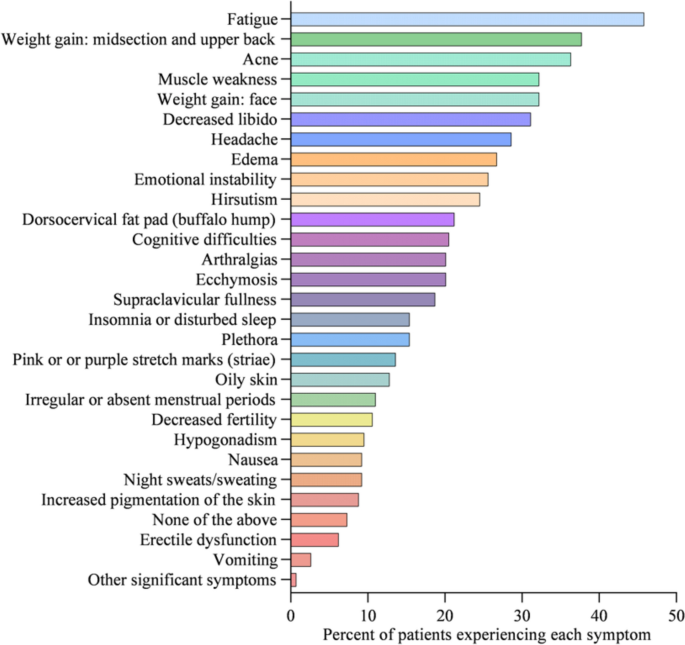
The frequency of reported symptoms did not change from Cushing’s syndrome diagnosis to the time of the survey. The most frequently reported symptoms were weight gain, muscle fatigue and weakness and anxiety.

Participants reported a decline in symptom severity for weight gain, muscle fatigue and weakness and menstrual changes from diagnosis to the survey. Though symptom severity declined, none of the three symptoms were entirely eliminated. Adults did not report declines in severity for other symptoms. Hirsutism and anxiety were reported by few participants, but were consistently scored high in severity among those who reported it. There were no changes in patient satisfaction with medications from their first appointment to the time of the survey.

“It was surprising that anxiety and pain did not improve with treatment,” Geer said. “A quarter of patients at baseline reported anxiety and this percentage was exactly the same after treatment. Same for pain — nearly a quarter of patients reported pain despite treatment. While the presence of anxiety has been well-documented in Cushing’s patients, pain has not, and needs further study.”

Nearly half of primary care providers unable to diagnose Cushing’s syndrome

All participants reported having at least one challenge with being diagnosed with Cushing’s syndrome. Of the respondents, 49% said their primary care provider was unable to diagnose their Cushing’s syndrome and 33% initially received the wrong diagnosis. Physicians referred 49% of participants to a specialist, and 39% of adults said their doctor lacked knowledge or understanding of their condition.

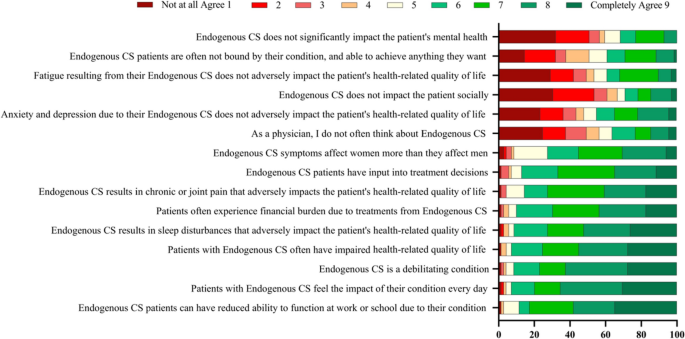
The study group had a moderate level of quality of life impairment as assessed through the CushingQoL scale. The mean pain score was 3.6 of a possible 10, indicating low levels of pain. Moderate to severe levels of fatigue were reported by 69% of participants. Self-reported sleep and anxiety scores were similar to what is observed in the general population.

Participants said sexual activity, self-confidence and life satisfaction were most impacted by a Cushing’s syndrome diagnosis. Adults experienced symptoms a mean 16 days in a typical month and saw their outpatient physician an average of six times per year. Those who were employed said they miss 2 days of work per month, or about 25 days per year, due to Cushing’s syndrome.

“Longitudinal assessment of clinically relevant patient-reported outcomes based on validated measures and coupled with biochemical and treatment data is needed in a large cohort of Cushing’s patients,” Geer said. “This will allow us to identify clinically meaningful changes in symptom burden within each patient, as well as predictors of outcomes — which patients improve on which symptoms, and which patients do not feel better despite biochemical normalization. We need to improve our ability to help our patients feel better, not just achieve normal cortisol levels.”

For more information:

Eliza B. Geer, MD, can be reached at geere@mskcc.org.

From https://www.healio.com/news/endocrinology/20230830/adults-with-cushings-syndrome-report-high-burden-of-illness-despite-ongoing-treatment

Cushing’s Disease Associated With Partially Empty Sella Turcica Syndrome

Abstract

The association between empty sella turcica (EST) syndrome and Cushing’s disease has been rarely reported. It is plausible to hypothesize that EST syndrome in association with Cushing’s disease can be attributed to intracranial hypertension. In this case report, we present a 47-year-old male patient who presented with weight loss, fatigue, easy bruising, acanthosis nigricans, and skin creases hyperpigmentation. Investigations revealed hypokalemia and confirmed the diagnosis of Cushing’s disease. Magnetic resonance imaging (MRI) brain showed a partial EST syndrome and a new pituitary nodule as compared with previous brain imaging. Transsphenoidal surgery was pursued and was complicated by cerebrospinal fluid leakage. This case reflects the rare association of EST syndrome and Cushing’s disease, suggesting the increased risk of postoperative complications in this setting and the diagnostic challenge that EST syndrome imposes. We review the literature for a possible mechanism of this association.

Introduction

Cushing’s disease is commonly caused by an adrenocorticotropic hormone (ACTH)-producing pituitary adenoma, which can be very challenging to be seen on brain magnetic resonance imaging (MRI) [1]. Empty sella turcica (EST) syndrome is a radiological diagnosis of apparently empty turcica secondary to outpouching of the arachnoid mater into the turcica, which can be attributed to intracranial hypertension (ICHTN). This can make the visual diagnosis of pituitary adenoma even more challenging in clinical practice. ICHTN has been also associated with Cushing’s disease and might explain this infrequent association between EST and Cushing’s disease [1]. EST syndrome can be either partial or complete, primary or secondary and has been seen infrequently with Cushing’s disease. In this setting, not only that it is likely to obscure an underlying pituitary lesion, but also it does contribute to the risk of postoperative complications [2].

Case Presentation

A 47-year-old male presented to the emergency department (ED) with slowly progressive generalized limb muscle weakness affecting both distal and proximal muscles over a few weeks and gait instability for three days prior to presentation. He also reported unintentional 40 pounds weight loss over the previous four months. Past medical history was significant for type II diabetes mellitus, hypothyroidism, hypertension, and dyslipidemia. In the ED, vital signs included a blood pressure of 140/90 mmHg, a heart rate of 66 beats per minute, a respiratory rate of 16 cycles per minute, and SpO2 of 97% on room air. Body mass index has decreased to 22 kg/m2 from a baseline of 26 kg/m2 one month prior. On the physical exam, he exhibited cachexia, easy bruising, acanthosis nigricans, and hyperpigmentation of skin creases. All other systems were negative. Complete metabolic panel and complete blood count were obtained showing hyperglycemia of 311 mg/dl, see Table 1. Further lab evaluation showed elevated salivary cortisol at 2.96 microgram/dl (reference range 0.094-1.551 mcg/dl), elevated 24-hour urinary free cortisol at 156 mcg/24 hour (reference 10-100 mcg/24h), positive overnight dexamethasone suppression test with serum cortisol at 2.8 mcg/dl (reference more than 2 mcg/dl), negative anti-adrenal antibodies, normal aldosterone, and elevated dehydroepiandrostenedione at 401 mcg/dl (reference 32-240 mcg/dl), with lack of suppression of the ACTH level at 35.1 pg/ml (reference 10-60 pg/ml). This confirmed the diagnosis of Cushing’s disease.

Variable Finding Reference
Random glucose 311 Less than 200 mg/dl
Sodium 141 137-145 mmol/L
Potassium 2.5 3.5-5.1 mmol/L
Chloride 96 98-107 mmol/L
Bicarbonate 32 22-30 mmol/L
Blood urea nitrogen 32 9-20 mg/dl
Creatinine 0.52 0.66-1.25 mg/dl
Calcium 8.7 8.6-10.3 mg/dl
Total protein 5.5 6.5-8.5 g/dl
Albumin 3.3 3.5-5 g/dl
Total bilirubin 0.6 0.2-1.3 mg/dl
Alkaline phosphatase 115 38-126 U/L
Aspartate transaminase 17 17-59 U/L
Alanine transaminase 39 Less than 49 U/L
White blood cell count 10×10^3 cells/mcl 4-10×1063 cells/mcl
Hemoglobin 15.3 13.7-17.5 g/dl
Platelet 281 150-400×10^3 cells/mcl
Table 1: Lab Findings

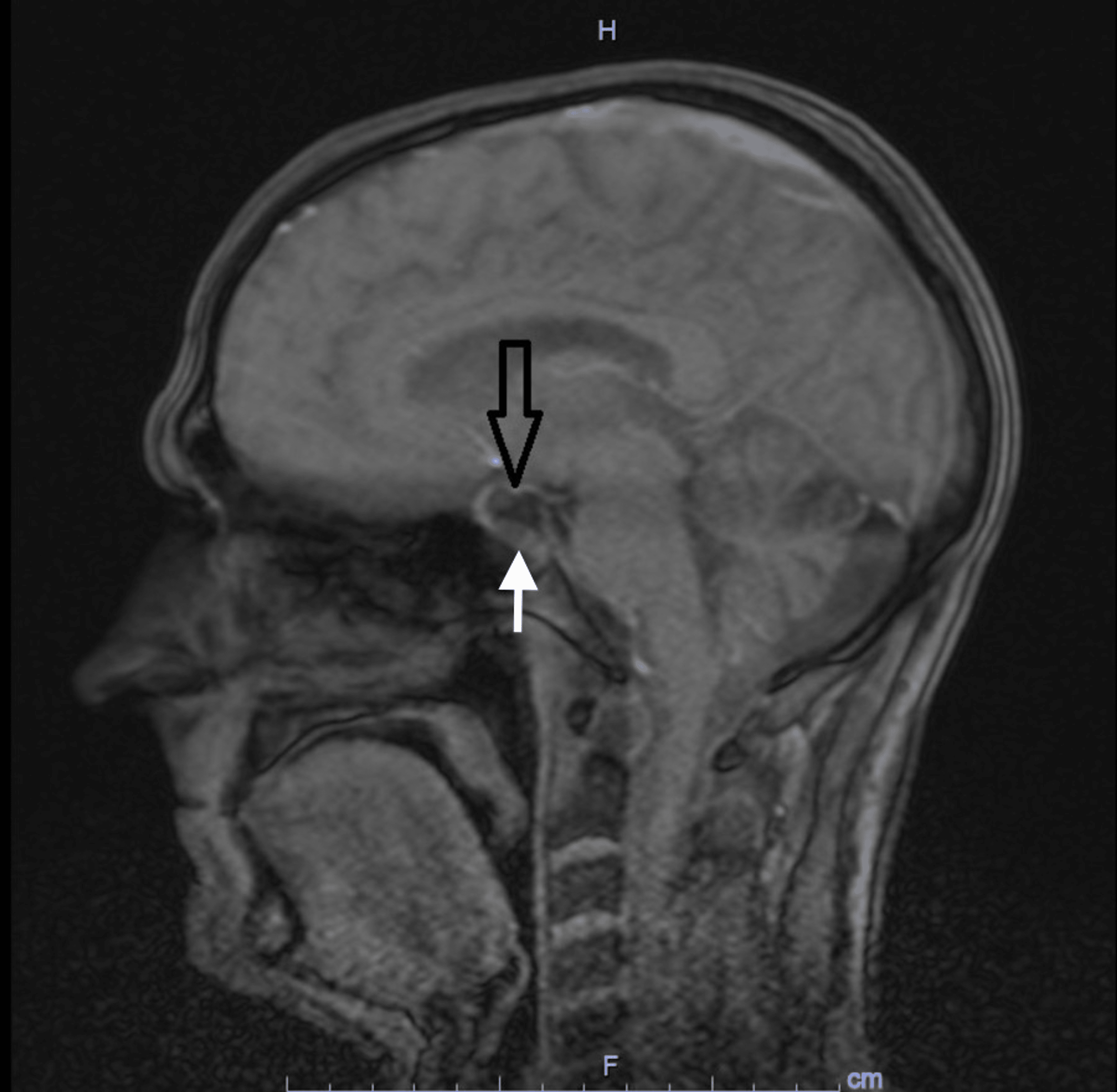
Computed tomography (CT) scan of the head was unremarkable. CT scan of the chest was also unremarkable. CT scan of abdomen and pelvis showed no adrenal mass. Ultrasound of the kidneys was unremarkable. Pituitary MRI brain protocol for adenoma showed a partial EST, shortening within neurohypophysis and a new 10 x 8 x 4 mm nodule along the floor of pituitary sella as compared to MRI four years ago (Figure 1).

Magnetic-Resonance-Imaging-(MRI)-Brain
Figure 1: Magnetic Resonance Imaging (MRI) Brain

MRI brain showing partially empty sella turcica syndrome ( black arrow) with a small nodule at the floor of the turcica (white arrow).

The diagnosis of Cushing’s disease was confirmed, and the patient underwent trans-sphenoidal resection of pituitary adenoma. Histological examination showed positive CAM 5.2, positive chromogranin, and ACTH immunostains. The patient presented to the ED five days after discharge home. He stated that he noticed drainage from the nose that transitioned from bloody to clear fluid and has been increasing in quantity for two days with associated intermittent headaches since the surgery. He was afebrile with stable vital signs. No signs of infection were noted on basic labs. These were significant only for mild asymptomatic hyponatremia of 131 mmol/L and hypokalemia of 3.3 mmol/L. The patient was diagnosed with cerebrospinal fluid (CSF) leakage and had a lumbar drain trial. The trial was unsuccessful after several days, and the patient underwent a transnasal endoscopic repair of CSF rhinorrhea using nasoseptal flaps. At an outpatient follow-up one month and three months after the surgery, prior lab abnormalities including hypokalemia, hyponatremia, and hyperglycemia resolved. No further evidence of CSF leakage was appreciated, and he remained asymptomatic.

Discussion

EST syndrome is characterized by herniation of the subarachnoid space into the intrasellar space with compression of the pituitary gland into the posteroinferior wall [3]. This is likely to obscure the presence of underlying pituitary mass. The incidence of EST syndrome in the general population is estimated at 20%. The association between EST syndrome and Cushing’s disease has been reported infrequently. A retrospective study of 68 patients with Cushing’s disease found that 16% of these have EST syndrome [3].

Cushing’s disease usually results from pituitary adenomas secreting ACTH, and even the smallest microadenomas can produce a systemic disease. These microadenomas can be very difficult to recognize on brain MRI [4]. This is complicated in EST syndrome and even further with the possibility of ectopic ACTH production. A retrospective study of 197 patients diagnosed with Cushing’s disease concluded that EST syndrome is associated with higher prevalence of MRI-negative Cushing’s disease. This was attributed to ICHTN and pituitary gland compression [1]. Although surgery is curative in 70-90% of cases, EST syndrome was found to have higher risk of postoperative complications among those with Cushing’s disease including diabetes insipidus, hypopituitarism, and CSF leakage [3]. This is usually because in the case of MRI-negative Cushing’s disease with total EST syndrome, empiric surgical exploration is sought after inferior petrosal sampling confirms the pituitary origin of excess ACTH, and postoperative remission indicates adequate tumor resection [2]. This entails a higher chance of uncertainty and injury to healthy pituitary tissue.

EST syndrome can be either primarily due to defects in the sellar diaphragm or anatomical variant or secondary to ICHTN. EST syndrome has been reported in association with many conditions associated with elevated intracranial pressure including tumors, thrombosis, meningitis, hydrocephalus, and Arnold-Chiari malformation [5]. Reversal of EST syndrome has been reported in those with idiopathic ICHTN with therapy by acetazolamide, ventriculoperitoneal shunt, and lumbar puncture [6,7]. A study has shown correlation between CSF circulation impairment or blockage and EST syndrome [8]. The incidence of EST syndrome in association with symptomatic intracranial hypertension is variable and ranges from 2.5% for total EST syndrome to 94% for partial EST syndrome [9]. Impaired CSF circulation and dynamics have been reported in 77% of patients with EST syndrome [10]. In addition to intracranial hypertension, EST syndrome has also been described in association with obesity, meningioma, pediatric nevoid basal cell carcinoma, therapy for growth hormone deficiency and even in healthy individuals [9]. Lack of symptoms of intracranial hypertension in this patient does not rule it out as intracranial hypertension in EST syndrome represents a spectrum that ranges from asymptomatic, milder intracranial hypertension to symptomatic intracranial hypertension with headache, visual disturbance, and papilledema [10]. This explains the fact that only 8-14% of EST syndrome progress to symptomatic ICHTN, while symptomatic ICHTN has been associated with EST syndrome in 94% of cases.

ICHTN has been seen in association with disturbance of the hypothalamic-pituitary-adrenal axis. This has been reported after surgical and medical treatment of Cushing’s disease, withdrawal of long-term steroid therapy, initial presentation of Addison’s disease, or relative glucocorticoids deficiency [11]. Cortisol excess increases CSF production and reduces its absorption, hence increasing intracranial pressure [12]. Another possible mechanism is the expression of both mineralocorticoid responsive epithelial sodium channel receptors on the basolateral membrane of the CSF producing epithelial cells of the choroid plexus as well as the expression of 11-beta hydroxysteroid dehydrogenase type 1 enzyme, which is a bidirectional enzyme that mainly functions to convert the inactive cortisone to active cortisol. These mechanisms play a role in maintaining the balance between CSF production and absorption [13,14].

In this case, the patient presented some clinical findings that are rarely associated with Cushing’s disease, combined with a radiological feature that masked the true diagnosis. Our patient presented with significant weight loss, rather than central obesity, which is normally associated with Cushing’s disease. Although possible, the increase in ACTH due to Cushing’s disease is not sufficient to cause hyperpigmentation, which is a classical finding of Addison’s disease, where the entire adrenal cortex is usually affected due to an autoimmune destruction; however, the zona glomerulosa of the adrenal cortex produces aldosterone and its deficiency would lead to hyperkalemia [15]. Our patient presented with both hyperpigmentation and hypokalemia.

Conclusions

EST syndrome is an uncommon radiological finding of apparently EST that has been reported in association with ICHTN. The latter has also been seen in association with Cushing’s disease/syndrome. This is likely to result from glucocorticoid excess-induced change in CSF flow dynamics. EST has been infrequently described in association with Cushing’s disease. This association has a clinical implication as it is likely to obscure the visualization of pituitary lesions responsible for Cushing’s disease, contribute to diagnostic uncertainty, and increase the risk of healthy pituitary tissue injury and the risk of postoperative complications including CSF leakage.

References

  1. Himes BT, Bhargav AG, Brown DA, Kaufmann TJ, Bancos I, Van Gompel JJ: Does pituitary compression/empty sella syndrome contribute to MRI-negative Cushing’s disease? A single-institution experience. Neurosurg Focus. 2020, 48:E3. 10.3171/2020.3.FOCUS2084
  2. Sun Y, Sun Q, Fan C, et al.: Diagnosis and therapy for Cushing’s disease with negative dynamic MRI finding: a single-centre experience. Clin Endocrinol (Oxf). 2012, 76:868-76. 10.1111/j.1365-2265.2011.04279.x
  3. Manavela MP, Goodall CM, Katz SB, Moncet D, Bruno OD: The association of Cushing’s disease and primary empty sella turcica. Pituitary. 2001, 4:145-51. 10.1023/a:1015310806063
  4. Chatain GP, Patronas N, Smirniotopoulos JG, et al.: Potential utility of FLAIR in MRI-negative Cushing’s disease. J Neurosurg. 2018, 129:620-8. 10.3171/2017.4.JNS17234
  5. Friedman DI, Jacobson DM: Diagnostic criteria for idiopathic intracranial hypertension. Neurology. 2002, 59:1492-5. 10.1212/01.wnl.0000029570.69134.1b
  6. Triggiani V, Giagulli VA, Moschetta M, Guastamacchia E: An unusual case of reversible empty sella. Endocr Metab Immune Disord Drug Targets. 2016, 16:154-6. 10.2174/1871530315666151001141507
  7. Wind JJ, Lonser RR, Nieman LK, DeVroom HL, Chang R, Oldfield EH: The lateralization accuracy of inferior petrosal sinus sampling in 501 patients with Cushing’s disease. J Clin Endocrinol Metab. 2013, 98:2285-93. 10.1210/jc.2012-3943
  8. Brismar K, Bergstrand G: CSF circulation in subjects with the empty sella syndrome. Neuroradiology. 1981, 21:167-75. 10.1007/BF00367338
  9. Ranganathan S, Lee SH, Checkver A, Sklar E, Lam BL, Danton GH, Alperin N: Magnetic resonance imaging finding of empty sella in obesity related idiopathic intracranial hypertension is associated with enlarged sella turcica. Neuroradiology. 2013, 55:955-61. 10.1007/s00234-013-1207-0
  10. Maira G, Anile C, Mangiola A: Primary empty sella syndrome in a series of 142 patients. J Neurosurg. 2005, 103:831-6. 10.3171/jns.2005.103.5.0831
  11. Zada G, Tirosh A, Kaiser UB, Laws ER, Woodmansee WW: Cushing’s disease and idiopathic intracranial hypertension: case report and review of underlying pathophysiological mechanisms. J Clin Endocrinol Metab. 2010, 95:4850-4. 10.1210/jc.2010-0896
  12. Sinclair AJ, Ball AK, Burdon MA, Clarke CE, Stewart PM, Curnow SJ, Rauz S: Exploring the pathogenesis of IIH: an inflammatory perspective. J Neuroimmunol. 2008, 201:212-20. 10.1016/j.jneuroim.2008.06.029
  13. Sinclair AJ, Onyimba CU, Khosla P, et al.: Corticosteroids, 11beta-hydroxysteroid dehydrogenase isozymes and the rabbit choroid plexus. J Neuroendocrinol. 2007, 19:614-20. 10.1111/j.1365-2826.2007.01569.x
  14. Amin MS, Wang HW, Reza E, Whitman SC, Tuana BS, Leenen FH: Distribution of epithelial sodium channels and mineralocorticoid receptors in cardiovascular regulatory centers in rat brain. Am J Physiol Regul Integr Comp Physiol. 2005, 289:R1787-97. 10.1152/ajpregu.00063.2005
  15. Stratakis CA: Skin manifestations of Cushing’s syndrome. Rev Endocr Metab Disord. 2016, 17:283-6. 10.1007/s11154-016-9399-3

From https://www.cureus.com/articles/161111-cushings-disease-associated-with-partially-empty-sella-turcica-syndrome-a-case-report#!/

7 Things Your Hair Reveals About Your Health

Your hair can tell you and your doctor if you are stressed, have a nutritional deficiency, thyroid problem, or other health issues. Here are seven key things to look for in your hair.

You probably think about your hair every day: worrying about a bad day, enjoying a good blow-dry, or wondering if you have to try the new style you noticed in your favorite celebrity. But you may be missing the clues your hair reveals about your health. Research shows that changes in the look, texture, or thickness of your hair can be signs of underlying health issues. Here’s how to tell if your hair changes are due to a health condition, genetics, stress, or a nutritional deficiency.

1 Stress (and genes) can cause you to turn gray

Anyone who has observed the hairstyle changes of a President of the Republic from one campaign to another has noticed that stress seems to cause hair to turn white. A mouse study published in the journal Nature suggests that chronic stress may actually contribute to white hair by causing DNA damage and reducing the number of pigment-producing cells in hair follicles. Stress can also lead to hair loss.

Another type of stress, known as oxidative stress, can also play a role in white hair. Oxidative stress can affect pigment-producing cells. Turning gray is actually a completely natural part of aging because hair follicles produce less color as you age. Your genes also play a role in when your hair turns gray. Ask your parents how old they were when they first saw the signs of silvering, and you might do the same. In fact, a study published in March 2016 in the journal Nature Communications was the first to identify the gene responsible for white hair.

2 brittle hair could be a sign of Cushing’s syndrome

Brittle hair is one of the symptoms of Cushing’s syndrome, which is a rare condition caused by excess cortisol, the main hormone body stress. But, there are many other, more obvious symptoms of Cushing’s syndrome, including high blood pressure, fatigue, and back pain. Treatment for Cushing’s syndrome may involve changing the dose of medication that may be causing the condition, such as glucocorticoids, which are steroids used to treat inflammation caused by various diseases.

3 Thinning hair may be a sign of thyroid disease

People with hypothyroidism, a condition that occurs when the thyroid gland does not produce enough thyroid hormones, may notice increased hair loss and change in hair appearance. About 4.6% of the population aged 12 years and older have hypothyroidism, although most cases are mild. Hypothyroidism can lead to thinning hair and other symptoms, such as fatigue, intolerance to cold, joint pain, muscle aches, puffy face and weight gain. A thyroid stimulating hormone (TSH) test can diagnose the condition, and treatment involves taking thyroid medication.

In addition to thinning hair, some thyroid disorders put you at risk for risk of autoimmune hair loss called alopecia areata. This type of hair loss causes round patches of sudden hair loss and is caused by the immune system attacking the hair follicles.

4 Hair loss can be a sign of anemia

If you suddenly notice a lot more hair in your hairbrush or on the floor of your shower, it may be a sign that your body has low iron stores, or anemia , and may warrant testing. This is another blood test we do when you complain of hair changes. Vegetarians or women with heavy periods increase their risk that hair changes are due to iron deficiency.

It is unclear why iron deficiency can lead to hair loss. hair, but iron is essential for many biological and chemical reactions, perhaps including hair growth. Hair loss can also occur (temporarily) with sudden changes in estrogen levels and is often noticed after pregnancy or stopping birth control pills.

5 The loss of hair could indicate protein deficiency

Protein is essential for hair health and growth (a lack of protein has been linked to hair thinning and hair loss ). Protein deficiency is not a problem for most people. Most adults need 0.8 grams of protein per kilogram of body weight. Good sources of protein include low-fat Greek yogurt, chickpeas, and chicken breast. People who have gastrointestinal difficulties or who have just had gastric bypass surgery may have problems digesting protein. These special situations will need to be managed with the help of your doctor. But most cases of thinning hair, even in women, are probably due to genetics.

6 White or yellow flakes can mean you have dandruff

Yellow or white flakes in your hair, on your shoulders and even in your eyebrows are a sign of dandruff, a chronic scalp condition. Dandruff is usually not a sign of a health problem and can be treated with specialized over-the-counter or prescription shampoos.

One of the most common causes of dandruff is a medical condition called seborrheic dermatitis. People with seborrheic dermatitis have red, oily skin covered in white or yellow scales. A yeast-like fungus called malassezia can also irritate the scalp. Insufficient shampoo, sensitivity to hair care products, and dry skin can also cause dandruff. (Dandruff is usually more severe in the winter, when indoor heating can make skin drier).

7 Damaged hair can mask other health issues

Although hair can reveal your condition, women more often complain about the damage caused by hair coloring and heat treatment. Excessive heat, from daily use of a flat iron or blow-drying, can certainly damage your hair, making it dry, brittle and difficult to maintain. Best not to use more than one hot tool per day (occasional double heat treatment is okay, but not daily). When applying heat to your hair, always use products with protective ingredients. Serums and shine drops tend to have hair-preserving qualities when using direct and indirect heat.

From https://www.mvdemocrat.com/appearance-texture-thickness-7-things-your-hair-reveals-about-your-health/

Adrenal Fatigue: Faux Diagnosis?

This article is based on reporting that features expert sources.

U.S. News & World Report

Adrenal Fatigue: Is It Real?

You may have heard of so-called ‘adrenal fatigue,’ supposedly caused by ongoing emotional stress. Or you might have come across adrenal support supplements sold online to treat it. But if someone suggests you have the controversial, unproven condition, seek a second opinion, experts say. And if someone tries to sell you dietary supplements or other treatments for adrenal fatigue, be safe and save your money.

Tired man sitting at desk in modern office

(GETTY IMAGES)

Physicians tend to talk about ‘reaching’ or ‘making’ a medical diagnosis. However, when it comes to adrenal fatigue, endocrinologists – doctors who specialize in diseases involving hormone-secreting glands like the adrenals – sometimes use language such as ‘perpetrating a diagnosis,’ ‘misdiagnosis,’ ‘made-up diagnosis,’ ‘a fallacy’ and ‘nonsense.’

About 20 years ago, the term “adrenal fatigue” was coined by Dr. James Wilson, a chiropractor. Since then, certain practitioners and marketers have promoted the notion that chronic stress somehow slows or shuts down the adrenal glands, causing excessive fatigue.

“The phenomenon emerged from the world of integrative medicine and naturopathic medicine,” says Dr. James Findling, a professor of medicine and director of the Community Endocrinology Center and Clinics at the Medical College of Wisconsin. “It has no scientific basis, and there’s no merit to it as a clinical diagnosis.”

An online search of medical billing code sets in the latest version of the International Classification of Diseases, or the ICD-10, does not yield a diagnostic code for ‘adrenal fatigue’ among the 331 diagnoses related either to fatigue or adrenal conditions or procedures.

In a March 2020 position statement, the American Association of Clinical Endocrinologists and American College of Endocrinology addressed the use of adrenal supplements “to treat common nonspecific symptoms due to ‘adrenal fatigue,’ an entity that has not been recognized as a legitimate diagnosis.”

The position statement warned of known and unknown health risks of off-label use and misuse of hormones and supplements in patients without an established endocrine diagnosis, as well as unnecessary costs to patients and the overall health care system.

Study after study has refuted the legitimacy of adrenal fatigue as a medical diagnosis. An August 2016 systematic review combined and analyzed data from 58 studies on adrenal fatigue including more than 10,000 participants. The conclusion in a nutshell: “Adrenal fatigue does not exist,” according to review authors in the journal BMC Endocrine Disorders.

Adrenal Action

You have two adrenal glands in your body. These small triangular glands, one on top of each kidney, produce essential hormones such as aldosterone, cortisol and male sex hormones such as DHEA and testosterone.

Cortisol helps regulate metabolism: How your body uses fat, protein and carbohydrates from food, and cortisol increases blood sugar as needed. It also plays a role in controlling blood pressure, preventing inflammation and regulating your sleep/wake cycle.

As your body responds to stress, cortisol increases. This response starts with signals between two sections in the brain: The hypothalamus and the pituitary gland, which act together to release a hormone that stimulates the adrenal glands to make cortisol. This interactive unit is called the hypothalamic pituitary adrenal axis.

While some health conditions really do affect the body’s cortisol-making ability, adrenal fatigue isn’t among them.

“There’s no evidence to support that adrenal fatigue is an actual medical condition,” says Dr. Mary Vouyiouklis Kellis, a staff endocrinologist at Cleveland Clinic. “There’s no stress connection in the sense that someone’s adrenal glands will all of a sudden just stop producing cortisol because they’re so inundated with emotional stress.”

If anything, adrenal glands are workhorses that rise to the occasion when chronic stress occurs. “The last thing in the body that’s going to fatigue are your adrenal glands,” says Dr. William F. Young Jr., an endocrinology clinical professor and professor of medicine in the Mayo Clinic College of Medicine at Mayo Clinic in Rochester, Minnesota. “Adrenal glands are built for stress – that’s what they do. Adrenal glands don’t fatigue. This is made up – it’s a fallacy.”

The idea of adrenal glands crumbling under stress is “ridiculous,” Findling agrees. “In reality, if you take a person and subject them to chronic stress, the adrenal glands don’t shut down at all,” Findling says. “They keep making cortisol – it’s a stress hormone. In fact, the adrenal glands are just like the Energizer Bunny – they just keep going. They don’t stop.”

Home cortisol tests that allow consumers to check their own levels can be misleading, Findling says. “Some providers who make this (adrenal fatigue) diagnosis, provide patients with testing equipment for doing saliva cortisol levels throughout the day,” he says. “And then, regardless of what the results are, they perpetrate this diagnosis of adrenal fatigue.”

Saliva cortisol is a legitimate test that’s frequently used in diagnosing Cushing’s syndrome, or overactive adrenal glands, Findling notes. However, he says, a practitioner pursuing an adrenal fatigue diagnosis could game the system. “What they do is: They shape a very narrow normal range, so narrow, in fact, that no normal human subject could have all their saliva cortisol (levels) within that range throughout the course of the day,” he says. “Then they convince the poor patients that they have adrenal fatigue phenomena and put them on some kind of adrenal support.”

Loaded Supplements

How do you know what you’re actually getting if you buy a dietary supplement marketed for adrenal fatigue or ‘adrenal support’ use? To find out, researchers purchased 12 such supplements over the counter in the U.S.

Laboratory tests revealed that all supplements contained a small amount of thyroid hormone and most contained at least one steroid hormone, according to the study published in the March 2018 issue of Mayo Clinic Proceedings. “These results may highlight potential risks for hidden ingredients in unregulated supplements,” the authors concluded.

Supplements containing thyroid hormones or steroids can interact with a patient’s prescribed medications or have other side effects.

“Some people just assume they have adrenal fatigue because they looked it up online when they felt tired and they ultimately buy these over-the-counter supplements that can be very dangerous at times,” Vouyiouklis Kellis says. “Some of them contain animal (ingredients), like bovine adrenal extract. That can suppress the pituitary axis. So, as a result, your body stops making its own cortisol or starts making less of it, and as a result, you can actually worsen the condition rather than make it better.”

Any form of steroid from outside the body, whether a prescription drug like prednisone or extract from cows’ adrenal glands, “can shut off the pituitary,” Vouyiouklis Kellis explains. “Because it’s signaling to the pituitary like: Hey, you don’t need to stimulate the adrenals to make cortisol, because this patient is taking it already. So, as a result, the body ultimately doesn’t produce as much. And, so, if you rapidly withdraw that steroid or just all of a sudden decide not to take it anymore, then you can have this acute response of low cortisol.”

Some adrenal support products, such as herbal-only supplements, may be harmless. However, they’re unlikely to relieve chronic fatigue.

Fatigue: No Easy Answers

If you’re suffering from ongoing fatigue, it’s frustrating. And you’re not alone. “I have fatigue,” Young Jr. says. “Go to the lobby any given day and say, ‘Raise your hand if you have fatigue.’ Most of the people are going to raise their hands. It’s a common human symptom and people would like an easy answer for it. Usually there’s not an easy answer. I think ‘adrenal fatigue’ is attractive because it’s like: Aha, here’s the answer.”

There aren’t that many causes of endocrine-related fatigue, Young Jr. notes. “Hypothyroidism – when the thyroid gland is not working – is one.” Addison’s disease, or adrenal insufficiency, can also lead to fatigue among a variety of other symptoms. Established adrenal conditions – like adrenal insufficiency – need to be treated.

“In adrenal insufficiency, there is an intrinsic problem in the adrenal gland’s inability to produce cortisol,” Vouyiouklis Kellis explains. “That can either be a primary problem in the adrenal gland or an issue with the pituitary gland not being able to stimulate the adrenal to make cortisol.”

Issues can arise even with necessary medications. “For example, very commonly, people are put on steroids for various reasons: allergies, ear, nose and throat problems,” Vouyiouklis Kellis says. “And with the withdrawal of the steroids, they can ultimately have adrenal insufficiency, or decrease in cortisol.”

Opioid medications for pain also result in adrenal sufficiency, Vouyiouklis Kellis says, adding that this particular side effect is rarely discussed. People with a history of autoimmune disease can also be at higher risk for adrenal insufficiency.

Common symptoms of adrenal insufficiency include:

  • Fatigue.
  • Weight loss.
  • Decreased appetite.
  • Salt cravings.
  • Low blood pressure.
  • Abdominal pain.
  • Nausea, vomiting or diarrhea.
  • Muscle weakness.
  • Hyperpigmentation (darkening of the skin).
  • Irritability.

Medical tests for adrenal insufficiency start with blood cortisol levels, and tests for the ACTH hormone that stimulates the pituitary gland.

“If the person does not have adrenal insufficiency and they’re still fatigued, it’s important to get to the bottom of it,” Vouyiouklis Kellis says. Untreated sleep apnea often turns out to be the actual cause, she notes.

“It’s very important to tease out what’s going on,” Vouyiouklis Kellis emphasizes. “It can be multifactorial – multiple things contributing to the patient’s feeling of fatigue.” The blood condition anemia – a lack of healthy red blood cells – is another potential cause.

“If you are fatigued, do not treat yourself,” Vouyiouklis Kellis says. “Please seek a physician or a primary care provider for evaluation, because you don’t want to go misdiagnosed or undiagnosed. It’s very important to rule out actual causes that would be contributing to symptoms rather than ordering supplements online or seeking an alternative route like self-treating rather than being evaluated first.”

SOURCES

The U.S. News Health team delivers accurate information about health, nutrition and fitness, as well as in-depth medical condition guides. All of our stories rely on multiple, independent sources and experts in the field, such as medical doctors and licensed nutritionists. To learn more about how we keep our content accurate and trustworthy, read our editorial guidelines.

James Findling, MDFindling is a professor of medicine and director of the Community Endocrinology Center and Clinics at the Medical College of Wisconsin.

Mary Vouyiouklis Kellis, MDVouyiouklis Kellis is a staff endocrinologist at Cleveland Clinic.

William F. Young Jr., MDYoung Jr. is an endocrinology clinical professor and professor of medicine in the Mayo Clinic College of Medicine at Mayo Clinic in Rochester, Minnesota

From https://health.usnews.com/health-care/patient-advice/articles/adrenal-fatigue-is-it-real?

ACTH-independent Cushing’s syndrome due to bilateral adrenocortical adenoma

https://doi.org/10.1016/j.radcr.2021.07.093


Abstract

The chronic excess of glucocorticoids results in Cushing’s syndrome. Cushing’s syndrome presents with a variety of signs and symptoms including: central obesity, proximal muscle weakness, fatigue striae, poor wound healing, amenorrhea, and others.

ACTH independent Cushing’s syndrome is usually due to unilateral adenoma. A rare cause of it is bilateral adrenal adenomas.

In this paper we report a case of a 43-year-old woman with Cushing’s syndrome due to bilateral adrenal adenoma.

Read the case report at https://www.sciencedirect.com/science/article/pii/S1930043321005690