Iatrogenic Cushing’s Syndrome and the Hidden Ingredient of Artri King

Abstract

Cushing’s syndrome is a rare disorder caused by prolonged exposure to glucocorticoids, either from endogenous overproduction or exogenous sources, with exogenous steroid use being the most common etiology. Clinical manifestations may include moon facies, abdominal striae, easy bruising, muscle weakness, and complications such as osteoporosis and fragility fractures. Many remedies and supplements marketed for inflammatory conditions are sold online or over the counter, and some may contain hidden or undisclosed steroids that can lead to hypercortisolism. We present a case of a 52-year-old man with osteoporosis who sustained fragility fractures and became wheelchair-bound due to progressive lower extremity weakness. Evaluation demonstrated suppression of the hypothalamic-pituitary-adrenal axis, with undetectable salivary and urinary cortisol levels. Further investigation revealed long-term use of Artri King, a supplement for musculoskeletal pain that contains undisclosed glucocorticoids. This case highlights the risk of unregulated supplements causing iatrogenic Cushing’s syndrome and its associated complications.

Introduction

Cushing’s syndrome represents a constellation of signs and symptoms resulting from prolonged exposure to glucocorticoids [1]. Common manifestations may include moon facies, facial plethora, abdominal striae, easy bruising, and proximal muscle weakness [1]. Etiologies may be adrenocorticotropic hormone (ACTH)-dependent, originating from pituitary or ectopic sources, or ACTH-independent, such as adrenal pathology. In everyday clinical practice, however, exogenous glucocorticoid exposure remains the most common cause [2,3].

Exogenous steroids are available in multiple formulations, including oral, parenteral, inhaled, and topical preparations, and may be prescribed by healthcare providers or found in commercial products sold online or over the counter [4]. Prolonged exposure can result in hypercortisolism and its associated complications [5]. Therefore, careful assessment for exogenous steroid use is essential when evaluating patients with suspected Cushing’s syndrome. We report a case of iatrogenic Cushing’s syndrome secondary to the use of Artri King, a “herbal” supplement containing undisclosed glucocorticoids.

Case Presentation

A 52-year-old male with a history of prediabetes presented with osteoporosis and fragility fractures. Osteoporosis was diagnosed during imaging performed for the evaluation of back pain, which revealed thoracic spine compression fractures as well as a healed rib fracture. As a result, he became wheelchair-bound due to progressive lower extremity weakness. The patient denied prior trauma and had no family history of osteoporosis or pathologic fractures. He denied the use of steroids, proton pump inhibitors, anticoagulants, or antiseizure medications. He did not smoke and reported no alcohol use. There was no history of hypogonadism, bone disease, or fractures during childhood. Biochemical evaluation revealed a normal complete blood count, with pertinent laboratory results summarized in Table 1.

Laboratory test Value Units Reference range
Total testosterone 415 ng/dL 264–916
Intact parathyroid hormone 9.4 pg/mL 8.7–77.1
Corrected serum calcium 9.6 mg/dL 8.6–10.3
24-hour urine calcium 144 mg/24 hours 100–300*
Plasma adrenocorticotropic hormone Undetectable pg/mL 7–63*
Late-night salivary cortisol Undetectable µg/dL ≤0.09*
24-hour urine free cortisol Undetectable µg/24 hours 10–50*
Table 1: Biochemical laboratory results.

*: Reference intervals may vary by assay method and laboratory.

Given the presence of fragility fractures and physical examination findings consistent with Cushing’s syndrome, including moon facies, dorsocervical and supraclavicular fat fullness, and purplish striae (Figure 1), further evaluation was pursued. Laboratory testing demonstrated an undetectable serum ACTH level, and both late-night salivary cortisol and 24-hour urinary free cortisol levels were undetectable, raising concern for exogenous glucocorticoid exposure (Table 1). Dual-energy X-ray absorptiometry demonstrated a spinal bone mineral density of 0.686 g/cm² with a T-score of −3.7.
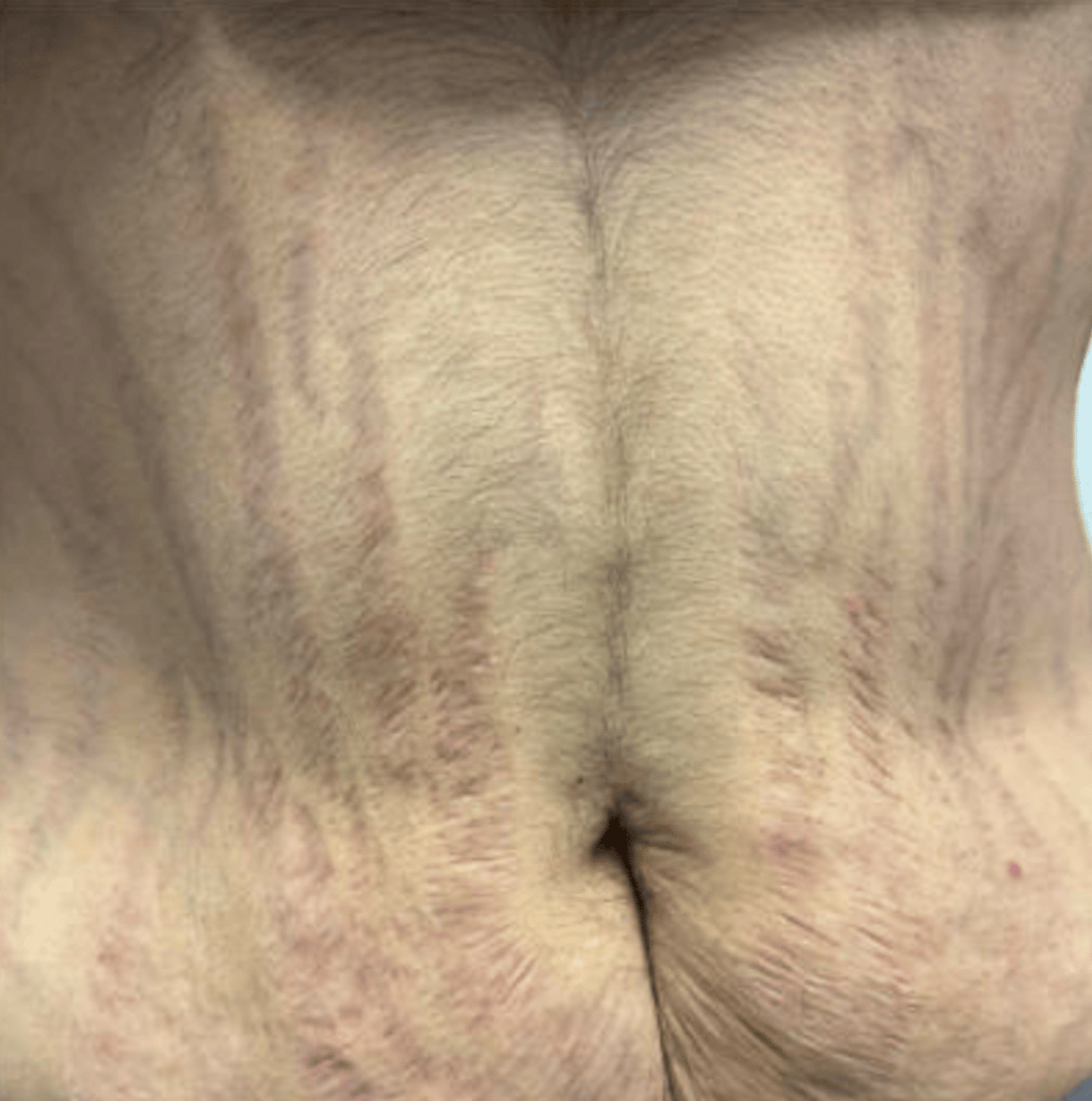
Purplish-(violaceous)-abdominal-striae-over-the-abdomen.
Figure 1: Purplish (violaceous) abdominal striae over the abdomen.

On further questioning, the patient reported taking Artri King for two years, obtained from Mexico, for joint pain and arthritis. A review of U.S. Food and Drug Administration (FDA) reports confirmed that Artri King contains hidden ingredients, including dexamethasone, not listed on its label. The supplement was discontinued, and the patient was started on a gradual steroid taper to minimize glucocorticoid withdrawal symptoms and allow for the recovery of hypothalamic-pituitary-adrenal (HPA) axis function.

Discussion

Cushing’s syndrome is a rare disorder characterized by a constellation of signs and symptoms affecting multiple organ systems as a result of prolonged exposure to excess cortisol. Hypercortisolism may result from endogenous overproduction of cortisol or from exposure to exogenous glucocorticoids [1]. Regardless of etiology, clinical manifestations commonly include moon facies, abdominal striae, truncal obesity, and easy bruising [1]. Patients with Cushing’s syndrome may also develop complications such as hyperglycemia, uncontrolled hypertension, proximal muscle weakness, and reduced BMD, which can lead to fragility fractures [2]. These complications significantly impair quality of life and may be fatal if the condition is not diagnosed and treated promptly [3].

Endogenous hypercortisolism is less common, with an estimated incidence of 2-3 cases per million per year [4]. However, recent studies suggest a higher prevalence among individuals with diabetes mellitus, osteoporosis, particularly those with fragility fractures, and hypertension [5]. Cushing’s syndrome can be classified as ACTH-dependent, in which ACTH originates from the pituitary gland or an ectopic source, or ACTH-independent, typically due to adrenal adenoma, adrenal hyperplasia, or adrenal carcinoma [5]. Although exogenous glucocorticoid exposure is the most common cause of Cushing’s syndrome, the true incidence of iatrogenic Cushing’s syndrome remains unknown [6]. Rarely, Cushing’s syndrome may result from concurrent exogenous steroid use and endogenous cortisol overproduction, which presents diagnostic challenges [6].

Glucocorticoid-containing medications are widely used in the management of inflammatory diseases, malignancies, and post-transplant care [7,8]. All forms of exogenous glucocorticoids, including oral, inhaled, injectable, and topical preparations, can cause features of hypercortisolism when used at high doses or for prolonged periods [9-12]. Extended exposure, particularly at higher doses, may also result in secondary adrenal insufficiency, even with topical formulations [13]. In addition to conventional glucocorticoids, other medications may induce iatrogenic hypercortisolism; for example, high-dose megestrol exhibits glucocorticoid-like activity and can produce Cushing’s syndrome-like features [14]. Furthermore, drugs that inhibit cytochrome P450 metabolism, such as itraconazole, can impair steroid clearance and increase systemic glucocorticoid exposure [15].

Of increasing concern is the availability of steroid-containing supplements sold over the counter or online without prescription [16]. These products are commonly marketed for conditions such as arthritis and other inflammatory disorders [16]. Prolonged use may cause Cushing’s syndrome with complications such as skin atrophy, obesity, myopathy, and fractures. The U.S. FDA has issued multiple warnings regarding dietary supplements and conventional foods found to contain undisclosed pharmaceutical ingredients [17]. A 2016 study evaluating 12 over-the-counter “adrenal support” supplements in the United States found that most contained at least one steroid hormone [18]. Another analysis of FDA warnings on unapproved pharmaceutical ingredients reported that 37.5% of products marketed for inflammatory conditions, including joint and muscle pain, contained dexamethasone [19]. Among these products, Artri King, marketed for joint pain and arthritis, has been associated with multiple FDA reports of adverse events due to undisclosed dexamethasone and methylprednisolone. These supplements remain widely available online, in select retail stores, and internationally [20].

Conclusions

This case highlights the importance of considering unregulated supplements as a potential source of exogenous glucocorticoids in patients presenting with osteoporosis and unexplained fragility fractures. Although the patient initially denied steroid use, detailed history revealed prolonged exposure to Artri King, resulting in iatrogenic Cushing’s syndrome with HPA axis suppression. Before discontinuation of steroid-containing supplements, evaluation for adrenal insufficiency is essential. Gradual tapering of glucocorticoids remains the standard approach to prevent withdrawal symptoms and support recovery of adrenal function.

References

  1. Nieman LK: Recent updates on the diagnosis and management of Cushing’s syndrome. Endocrinol Metab (Seoul). 2018, 33:139-46. 10.3803/EnM.2018.33.2.139
  2. Dunn C, Amaya J, Green P: A case of iatrogenic Cushing’s syndrome following use of an over-the-counter arthritis supplement. Case Rep Endocrinol. 2023, 2023:4769258. 10.1155/2023/4769258
  3. Castinetti F, Morange I, Conte-Devolx B, Brue T: Cushing’s disease. Orphanet J Rare Dis. 2012, 7:41. 10.1186/1750-1172-7-41
  4. Nieman LK, Biller BM, Findling JW, Newell-Price J, Savage MO, Stewart PM, Montori VM: The diagnosis of Cushing’s syndrome: an Endocrine Society Clinical Practice Guideline. J Clin Endocrinol Metab. 2008, 93:1526-40. 10.1210/jc.2008-0125
  5. Manubolu S, Nwosu O: Exogenous Cushing’s syndrome secondary to intermittent high dose oral prednisone for presumed asthma exacerbations in the setting of multiple emergency department visits. J Clin Transl Endocrinol Case Rep. 2017, 6:4-8. 10.1016/j.jecr.2017.07.001
  6. Tong CV, Rajoo S: Co-occurrence of exogenous and endogenous Cushing’s syndromes-dilemma in diagnosis. Case Rep Endocrinol. 2019, 2019:2986312. 10.1155/2019/2986312
  7. Broersen LH, Pereira AM, Jørgensen JO, Dekkers OM: Adrenal insufficiency in corticosteroids use: systematic review and meta-analysis. J Clin Endocrinol Metab. 2015, 100:2171-80. 10.1210/jc.2015-1218
  8. Yasir M, Goyal A, Sonthalia S: Corticosteroid Adverse Effects. StatPearls Publishing, Treasure Island, FL; 2025.
  9. Dow A, Yu R, Carmichael J: Too little or too much corticosteroid? Coexisting adrenal insufficiency and Cushing’s syndrome from chronic, intermittent use of intranasal betamethasone. Endocrinol Diabetes Metab Case Rep. 2013, 2013:130036. 10.1530/EDM-13-0036
  10. Hopkins RL, Leinung MC: Exogenous Cushing’s syndrome and glucocorticoid withdrawal. Endocrinol Metab Clin North Am. 2005, 34:371-84, ix. 10.1016/j.ecl.2005.01.013
  11. Hughes JM, Hichens M, Booze GW, Thorner MO: Cushing’s syndrome from the therapeutic use of intramuscular dexamethasone acetate. Arch Intern Med. 1986, 146:1848-9.
  12. Weber SL: Cushing’S syndrome attributable to topical use of lotrisone. Endocr Pract. 1997, 3:140-4. 10.4158/EP.3.3.140
  13. Pektas SD, Dogan G, Cinar N: Iatrogenic Cushing’s syndrome with subsequent adrenal insufficiency in a patient with psoriasis vulgaris using topical steroids. Case Rep Endocrinol. 2017, 2017:8320254. 10.1155/2017/8320254
  14. Steer KA, Kurtz AB, Honour JW: Megestrol-induced Cushing’s syndrome. Clin Endocrinol (Oxf). 1995, 42:91-3. 10.1111/j.1365-2265.1995.tb02603.x
  15. Bolland MJ, Bagg W, Thomas MG, Lucas JA, Ticehurst R, Black PN: Cushing’s syndrome due to interaction between inhaled corticosteroids and itraconazole. Ann Pharmacother. 2004, 38:46-9. 10.1345/aph.1D222
  16. Saad-Omer SM, Kinaan M, Matos M, Yau H: Exogenous Cushing syndrome and hip fracture due to over-the-counter supplement (Artri King). Cureus. 2023, 15:e41278. 10.7759/cureus.41278
  17. Patel R, Sherf S, Lai NB, Yu R: Exogenous Cushing syndrome caused by a “herbal” supplement. AACE Clin Case Rep. 2022, 8:239-42. 10.1016/j.aace.2022.08.001
  18. Akturk HK, Chindris AM, Hines JM, Singh RJ, Bernet VJ: Over-the-counter “adrenal support” supplements contain thyroid and steroid-based adrenal hormones. Mayo Clin Proc. 2018, 93:284-90. 10.1016/j.mayocp.2017.10.019
  19. Tucker J, Fischer T, Upjohn L, Mazzera D, Kumar M: Unapproved pharmaceutical ingredients included in dietary supplements associated with US Food and Drug Administration warnings. JAMA Netw Open. 2018, 1:e183337. 10.1001/jamanetworkopen.2018.3337
  20. U.S. Food and Drug Administration. Public Notification: Artri King contains hidden drug ingredients. (2022). Accessed: December 18, 2025: https://www.fda.gov/drugs/medication-health-fraud/public-notification-artri-king-contains-hidden-drug-ingredients.

https://www.cureus.com/articles/451949-iatrogenic-cushings-syndrome-and-the-hidden-ingredient-of-artri-king#!/

‘Cortisol Face’ Is Real, But It’s Not As Common As You Might Think

Across social media platforms, the hashtag “#cortisolface” has gained traction, with many users claiming that facial swelling and puffiness are due to elevated cortisol levels. Influencers often start their videos with statements like, “You’re not ugly, you just have cortisol face,” and promote various remedies and lifestyle changes as solutions. However, experts warn that although high cortisol can contribute to these symptoms, it is not the sole cause of facial puffiness.

Before blindly believing social media trends, it’s crucial to explore the underlying causes, which might include medications, health conditions or lifestyle factors. Addressing high cortisol levels requires a different approach than what many of these social media influencers suggest.

Dr. Maria Olenick, associate professor at Texas A&M University School of Nursing, offers valuable insights into the concept of “cortisol face,” its effects on the body, and methods for lowering cortisol levels.

What Is ‘Cortisol Face’?

Although high cortisol levels are a factor in some cases of facial swelling and puffiness, the symptom is not as common as social media is making it out to be. In some cases, it’s not cortisol but the foods you eat. For example, eating a meal or snack that’s high in sodium can make you feel bloated because the salt can cause you to retain fluid and look a little puffier than normal.

“Some of the more severe things like moon face and other symptoms are what you might consider a serious issue when a person should really go and see their health care provider, because that would require some medical diagnosis,” Olenick said.

Moon face—or moon facies, in medical terminology—describes an increase of facial swelling due to high cortisol levels. This is a more serious condition that doesn’t just appear or disappear from one day to the next.

How Does Cortisol Affect The Body?

Cortisol is referred to as the body’s “built-in alarm system” because it plays a crucial role in the body’s response to stress, metabolism, immune activity and maintaining homeostasis. The amount of cortisol produced will differ from day to day due to different mental and physical stressors.

“Among healthy individuals, cortisol follows a diurnal pattern in which levels are higher upon waking, increase significantly over about 30 minutes, and steadily decrease from the peak throughout the rest of the day, reaching the nadir in the middle of the night,” said Olenick, whose research focuses on effective stress management techniques and therapies for veterans dealing with post-traumatic stress disorder (PTSD).

Hormones act as chemical messengers working through your bloodstream to regulate various bodily functions. Cortisol, often called the stress hormone, utilizes receptors that receive and use the hormone in different ways by communicating with your brain to control your mood, motivation and fear.

Different ways cortisol reacts and adapts to cope in a stress state include:

  • Regulating blood pressure
  • Regulating metabolism
  • Regulating blood sugar
  • Managing how your body uses carbohydrates, fats and proteins
  • Suppressing inflammation
  • Helping control your sleep/wake cycle
  • Aiding in forming memories

Cortisol secretion is regulated by a hormonal axis through a feedback loop that involves your hypothalamus, pituitary gland, adrenal glands and certain hormones known as the hypothalamic-pituitary-adrenal (HPA) axis. The hypothalamus and pituitary gland in your brain monitor your blood’s cortisol levels before signaling the adrenal glands, which sit on top of each kidney. When a change in cortisol levels is detected, your adrenal glands react to these signals by adjusting the amount of cortisol needed to be released.

The feedback system starts when the hypothalamus detects stress and releases corticotrophin-releasing hormone (CRH) accordingly. This hormone travels into the pituitary gland, signaling it to secrete adrenocorticotropic hormone (ACTH). ACTH will then make its way to the adrenal glands, stimulating them to produce cortisol. Once produced, cortisol is released into the bloodstream, where it helps regulate various functions including stress response, metabolism and immune activity. The HPA axis feedback loop is completed when cortisol levels rise and signal the hypothalamus to reduce CRH production, which maintains an effective secretion loop.

What Causes High Cortisol Levels?

Cortisol is increased at times of stress for your body, but our bodies aren’t designed to handle long-term stress. When there’s too much cortisol or an excess amount of cortisol produced, it can cause major changes in your body’s everyday functions.

Chronic emotional or physical distress can lead to sustained high levels of cortisol as part of the body’s stress response system. Stress activates signals that prompt the adrenal glands to release hormones like adrenaline and cortisol, leading to an increased heart rate and heightened energy for the fight-or-flight response.

Cortisol temporarily suppresses non-essential functions such as digestion, reproduction and inflammation in the short term to prepare for danger. However, if stress is constant, this response can remain active, which can negatively impact many bodily functions such as sleep, weight management, memory, focus and mental health. Chronic stress can also increase the risk of anxiety, depression, digestive issues, headaches, muscle tension, pain and high blood pressure.

However, stress is not the only culprit for excess cortisol levels. It could indicate serious underlying health issues.

“You need to make sure that if you are having issues with cortisol levels that you don’t really have a tumor or something more serious. If you feel like you are having symptoms and they’re not resolved by implementing lifestyle changes, make sure you see a health care provider, because that could be something very different and it might need significant medical care,” Olenick said.

Cushing Syndrome

Cushing syndrome, also known as hypercortisolism, is characterized by excessive levels of cortisol in the body. Prolonged use of corticosteroid medications can result in exogenous Cushing syndrome, where the excess cortisol originates from external sources rather than the body’s own production. One common cause of high cortisol levels is the use of glucocorticoid medications, such as prednisone, which are prescribed for inflammatory conditions like asthma, rheumatoid arthritis and lupus.

“Sometimes people are on steroids such as prednisone for a different condition. When you’re taking steroids, if you start to show signs of serious cortisol issues, talk to your provider,” Olenick said.

Another significant cause of Cushing syndrome is pituitary tumors that secrete excessive amounts of ACTH, which overstimulates the adrenal glands to produce more cortisol. This form of Cushing syndrome, known as Cushing disease, is attributed to benign pituitary adenomas and accounts for a large proportion of cases in both adults and children. Effective management of Cushing syndrome involves addressing the underlying cause, which may include surgical removal of tumors or adjusting medication regimens to reduce cortisol levels and mitigate associated health challenges.

Adrenal gland tumors can also contribute to high cortisol levels. These tumors may be benign or malignant, leading to similar symptoms as those caused by pituitary tumors. Tumors affecting either the pituitary gland or adrenal glands can lead to elevated cortisol levels, but most of these tumors are noncancerous and may be manageable with proper medical care.

Understanding the underlying causes of high cortisol levels is crucial for appropriate diagnosis and treatment, as the medical implications of these conditions extend beyond the portrayals seen in popular media.

What Are Common Symptoms Of High Cortisol Levels?

Having the right cortisol balance is essential for your health, and producing too much or too little can cause health problems, including:

  • Puffiness or weight gain in the face
  • Weight gain in the midsection or abdomen
  • Excess fat behind the neck, above the back
  • Memory and concentration problems, or brain fog
  • Trouble sleeping, or insomnia
  • Severe fatigue
  • High blood pressure
  • Psychiatric disturbances

Symptoms may vary, so the only real way to validate if your cortisol levels are higher than normal is to get them checked, either with blood, urine or saliva tests. When Olenick evaluates cortisol levels in veterans for PTSD research, her preferred method is to collect samples of saliva. A saliva test can be conducted at home, but it’s most effective when collected at different times throughout the day.

How Can Someone Lower Their Cortisol Levels?

Maintaining a healthy diet, sticking to a regular sleep schedule and incorporating regular, moderate exercise can all help lower cortisol. It’s also important to manage stress effectively; this can involve finding healthy ways to cope with stress, such as talking to someone you trust or allowing yourself time to relax and unwind. Self-care is crucial—taking breaks and engaging in activities that rejuvenate you is not a waste of time but a necessary part of maintaining balance.

Avoid extreme measures like severe caloric restriction or high-intensity workouts, which can increase cortisol levels due to the stress they place on the body. Instead, go for low-intensity exercises like walking. Additionally, Olenick says natural remedies and supplements, such as apple cider vinegar and vitamins, may support cortisol management, but it’s wise to monitor their effects and consult with a health care provider if needed. Ultimately, finding a balance between self-care, stress management and maintaining a healthy lifestyle is key to controlling cortisol levels effectively.

“There are a lot of things you can do to regulate your cortisol, like eating well, sleeping well and lowering our stress. Basically, things to take care of ourselves,” Olenick said.

Olenick says social media platforms are great attention grabbers, but it’s important to take health trends with a grain of salt and pay attention to your body’s needs. If you relate to any of the symptoms and feel concerned about your cortisol levels, notify your health care provider and seek medical attention.

This article by Teresa Saenz originally appeared on Vital Record.

Cushing’s and Hairy Nipples

Hairy nipples are a common condition in women. The amount of hair on the nipples varies, but some women find that the hair becomes long, coarse, and dark, which can be distressing.

Hairy nipples are rarely a cause for concern and are usually not a sign of any underlying health issues. However, occasionally they can signify something more serious, in which case, it is essential to consult a doctor.

Almost every part of a person’s skin is covered in hair and hair follicles. On certain parts of the body, such as the top of the head, the hair usually grows longer and thicker, while on other parts, it is thin and transparent.

Fast facts on hairy nipples:

  • It is not known how common hairy nipples are or how many women have them.
  • Many women do not report the condition and instead manage it themselves.
  • It is possible for hair that used to be fine and light to turn coarse and dark with age.

Causes of hairy nipples in women

There are several underlying reasons that might cause nipple hairs to grow. These are:

Cushing’s syndrome

Cushing’s syndrome is another condition caused by hormonal imbalance. When it occurs, there is an excess of cortisol in the body. In this case, a person may experience several symptoms, such as:

  • increased hair growth
  • abnormal menstrual periods
  • high blood pressure
  • a buildup of fat on the chest and tummy, while arms and legs remain slim
  • a buildup of fat on the back of the neck and shoulders
  • a rounded and red, puffy face
  • bruising easily
  • big purple stretch marks
  • weakness in the upper arms and thighs
  • low libido
  • problems with fertility
  • mood swings
  • depression
  • high blood glucose level

Cushing’s syndrome is fairly rare, and the cause is usually associated with taking glucocorticosteroid medicine, rather than the body overproducing the hormone on its own.

It is possible, however, that a tumor in the lung, pituitary gland, or adrenal gland is the cause.

Also:

Hormonal changes and fluctuations

Hormonal changes in women can cause many different symptoms, one of which is changes in nipple hair growth and color.

Some common hormonal changes happen during pregnancy and menopause.

However, hormonal changes can also occur when a woman is in her 20s and 30s, which may cause nipple hair to change appearance or become noticeable for the first time.

Overproduction of male hormones

It is possible for hormonal imbalances to cause hairy nipples. Overproduction of male hormones, including testosterone, can cause hair growth, while other symptoms include:

  • oily skin that can lead to breakouts and acne
  • menstrual periods stopping
  • increase in skeletal muscle mass
  • male pattern baldness, leading to a woman losing hair on her head

If overproduction of male hormones is suspected, it is a good idea to make an appointment with a doctor who can confirm this with a simple test.

Polycystic ovary syndrome

Polycystic ovary syndrome (PCOS) occurs because of a hormonal imbalance. PCOS is a condition that affects the way the ovaries work.

Common symptoms of PCOS are:

  • infertility
  • irregular menstrual periods
  • ovarian cysts
  • excessive hair growth in unusual places, such as the nipples

PCOS is believed to affect around 1 in 5 women.

Medication

The side effects of particular medicines can cause unusual hair growth.

Medicines, such as testosterone, glucocorticosteroids, and certain other immunotherapy drugs may cause hairy nipples.

What are the treatment options?

Treatment for hairy nipples is not usually necessary for health reasons.

However, many women with the condition prefer to try and reduce or get rid of the appearance of hair on their nipples for cosmetic purposes.

There are several methods by which they can try and do this:

Trimming the nipple hair

Trimming the nipple hair may be enough to reduce its appearance. Small nail scissors are ideal, and hair can be cut close to the skin. It is essential to do this carefully and avoid catching the skin.

Trimming will need to be carried out regularly when the hair grows back.

Tweezing the nipple hair

Tweezing nipple hair is an effective way to get rid of unwanted nipple hair. However, this option can be painful as the skin around the nipple area is particularly soft and sensitive.

It is also important to bear in mind that the hair will return, and tweezing the hair increases the risk of infection and ingrown hairs.

Shaving the nipple hair

Shaving is another option to reduce the appearance of nipple hair. However, it is advisable to do so with caution to avoid nicking the sensitive skin.

This option also carries an increased risk of developing ingrown hairs and infection.

Waxing

Sugaring or waxing is a good hair removal option, though either one is likely to be painful. A salon is the best place to get this treatment type, as doing this at home may cause damage to the skin. Infection and ingrown hairs are again a risk.

Laser hair removal

These popular treatments can help to reduce the hair growth and slow or even prevent regrowth for a while. However, they can be painful, too.

Laser treatment is by far the most expensive option, as it will need to be performed by a plastic surgeon or cosmetic dermatologist.

Hormonal treatment

If a hormonal imbalance is the cause of hairy nipples, a doctor may prescribe or adjust a woman’s medication therapy to restore a healthy hormonal balance.

Other treatments and how to choose

The above treatments are all commonly used to remove and reduce nipple hair and usually have minimal side effects.

Bleaching or using hair removal cream to treat the condition, however, is not advised as these methods are usually too harsh for this sensitive area and may cause irritation and damage.

At what point should you see a doctor?

Hairy nipples in women are quite common, and there is usually no need to see a doctor. However, if they are accompanied by any other unusual symptoms, it is a good idea to make an appointment.

A doctor will be able to perform tests to determine whether an underlying cause, such as PCOS, is causing the growth of nipple hair. If so, they will give advice and medication therapy to help manage the condition.

A doctor will also be able to advise how to remove nipple hair safely.

Takeaway

For the majority of women, nipple hair may seem unsightly, but it is not a cause for any concerns about their health.

However, because some medical conditions can cause nipple hair to darken and grow, it is important to see a doctor if any other symptoms are experienced.

Nipple hair can usually be easily treated and managed, should a woman choose to try to remove the hair for cosmetic reasons.

Adapted from https://www.medicalnewstoday.com/articles/320835.php


Cushing’s Disease Treatment Market to Witness an Outstanding Growth by 2017 – 2025

Cushing disease is caused by tumour in the pituitary gland which leads to excessive secretion of a hormone called adrenocorticotrophic (ACTH), which in turn leads to increasing levels of cortisol in the body. Cortisol is a steroid hormone released by the adrenal glands and helps the body to deal with injury or infection. Increasing levels of cortisol increases the blood sugar and can even cause diabetes mellitus. However the disease is also caused due to excess production of hypothalamus corticotropin releasing hormone (CRH) which stimulates the synthesis of cortisol by the adrenal glands.

The condition is named after Harvey Cushing, the doctor who first identified the disease in 1912. Cushing disease results in Cushing syndrome. Cushing syndrome is a group of signs and symptoms developed due to prolonged exposure to cortisol.

Signs and symptoms of Cushing syndrome includes hypertension, abdominal obesity, muscle weakness, headache, fragile skin, acne, thin arms and legs, red stretch marks on stomach, fluid retention or swelling, excess body and facial hair, weight gain, acne, buffalo hump, tiredness, fatigue, brittle bones, low back pain, moon shaped face etc.

Symptoms vary from individual to individual depending upon the disease duration, age and gender of the patient.  Disease diagnosis is done by measuring levels of cortisol in patient’s urine, saliva or blood. For confirming the diagnosis, a blood test for ACTH is performed. The first-line treatment of the disease is through surgical resection of ACTH-secreting pituitary adenoma, however disease management is also done through medications, Cushing disease treatment market comprises of the drugs designed for lowering the level of cortisol in the body. Thus patients suffering from Cushing disease are prescribed medications such as ketoconazole, mitotane, aminoglutethimide metyrapone, mifepristone, etomidate and pasireotide.

Request to View Tables of Content @ http://www.persistencemarketresearch.com/toc/14155

Cushing’s disease treatment market revenue is growing with a stable growth rate, this is attributed to increasing number of pipeline drugs. Also increasing interest of pharmaceutical companies to develop Cushing disease drugs is a major factor contributing to the revenue growth of Cushing disease treatment market over the forecast period. Current and emerging players’ focuses on physician education and awareness regarding availability of different drugs for curing Cushing disease, thus increasing the referral speeds, time to diagnosis and volume of diagnosed Cushing disease individuals. Growing healthcare expenditure and increasing awareness regarding Cushing syndrome aids in the revenue growth of Cushing’s disease treatment market. Increasing number of new product launches also drives the market for Cushing’s disease Treatment devices. However availability of alternative therapies for curing Cushing syndrome is expected to hamper the growth of the Cushing’s disease treatment market over the forecast period.

The Cushing’s disease Treatment market is segment based on the product type, technology type and end user

Cushing’s disease Treatment market is segmented into following types:

By Drug Type

  • Ketoconazole
  • Mitotane
  • Aminoglutethimide
  • Metyrapone
  • Mifepristone
  • Etomidate
  • Pasireotide

By End User

  • Hospital Pharmacies
  • Retail Pharmacies
  • Drug Stores
  • Clinics
  • e-Commerce/Online Pharmacies

Cushing’s disease treatment market revenue is expected to grow at a good growth rate, over the forecast period. The market is anticipated to perform well in the near future due to increasing awareness regarding the condition. Also the market is anticipated to grow with a fastest CAGR over the forecast period, attributed to increasing investment in R&D and increasing number of new product launches which is estimated to drive the revenue growth of Cushing’s disease treatment market over the forecast period.

Depending on geographic region, the Cushing’s disease treatment market is segmented into five key regions: North America, Latin America, Europe, Asia Pacific (APAC) and Middle East & Africa (MEA).

North America is occupying the largest regional market share in the global Cushing’s disease treatment market owing to the presence of more number of market players, high awareness levels regarding Cushing syndrome. Healthcare expenditure and relatively larger number of R&D exercises pertaining to drug manufacturing and marketing activities in the region. Also Europe is expected to perform well in the near future due to increasing prevalence of the condition in the region.

Asia Pacific is expected to grow at the fastest CAGR because of increase in the number of people showing the symptoms of Cushing syndrome, thus boosting the market growth of Cushing’s disease treatment market throughout the forecast period.

Some players of Cushing’s disease Treatment market includes CORCEPT THERAPEUTICS, HRA Pharma, Strongbridge Biopharma plc, Novartis AG, etc. However there are numerous companies producing branded generics for Cushing disease. The companies in Cushing’s disease treatment market are increasingly engaged in strategic partnerships, collaborations and promotional activities to capture a greater pie of market share.

Buy Now: You can now buy a single user license of the report at http://www.persistencemarketresearch.com/checkout/14155

The final report customized as per your specific requirement will be sent to your e-mail id within 7-20 days, depending on the scope of the report.

The research report presents a comprehensive assessment of the market and contains thoughtful insights, facts, historical data, and statistically supported and industry-validated market data. It also contains projections using a suitable set of assumptions and methodologies. The research report provides analysis and information according to categories such as market segments, geographies, types, technology and applications.

For more information, please e-mail us at sales@persistencemarketresearch.com

About Us 

Persistence Market Research (PMR) is a U.S.-based full-service market intelligence firm specializing in syndicated research, custom research, and consulting services. PMR boasts market research expertise across the Healthcare, Chemicals and Materials, Technology and Media, Energy and Mining, Food and Beverages, Semiconductor and Electronics, Consumer Goods, and Shipping and Transportation industries. The company draws from its multi-disciplinary capabilities and high-pedigree team of analysts to share data that precisely corresponds to clients’ business needs.

PMR stands committed to bringing more accuracy and speed to clients’ business decisions. From ready-to-purchase market research reports to customized research solutions, PMR’s engagement models are highly flexible without compromising on its deep-seated research values.

Contact

Persistence Market Research Pvt. Ltd

305 Broadway

7th Floor, New York City,

NY 10007, United States,

USA – Canada Toll Free: 800-961-0353

Email: sales@persistencemarketresearch.com

 media@persistencemarketresearch.com

 Web: http://www.persistencemarketresearch.com

Resolution of the physical features of Cushing’s syndrome in a patient with a cortisol secreting adrenocortical adenoma after unilateral adrenalectomy

A 37-year-old woman developed clinical manifestations of Cushing’s syndrome over a span of 2 years. Physical examination revealed features that best describe Cushing’s syndrome, such as wide purple striae (>1 cm) over the abdomen, facial plethora and easy bruisability.1  Other features observed were hypertension, moon facies, acne, a dorsocervical fat pad, central obesity and dyslipidaemia.

The diagnosis of hypercortisolism was confirmed using a 1 mg overnight dexamethasone suppression test (19.7 ng/dL, N: <1.8) and 24 h urine free cortisol (185.9 μg/24 h, N: 3.5–45). A suppressed adrenocorticotropic hormone (ACTH) level (4 pg/mL, N: 5–20) and a lack of hyperpigmentation suggested ACTH-independent Cushing’s syndrome. Further work up using CT with contrast of the adrenals showed a 2.4×2.3×2.4 cm right adrenal mass. The patient then underwent laparoscopic adrenalectomy of the right adrenal gland. Steroids was started postoperatively and tapered over time. Histopathology results were consistent with an adrenocortical adenoma (2.5 cm widest dimension). Six months after surgery, there was resolution of the physical features, weight loss and improvement in blood pressure.

Figure 1 is a serial photograph of the physical features seen in Cushing’s syndrome, such as moon facies, a dorsocervical fat pad and wide purple striae, taken preoperatively, and at 3 and 6 months after surgery. With treatment, physical and biochemical changes of Cushing’s syndrome both resolve through time.2 The time course of the resolution of these changes, however, is varied.2 ,3 We observed that the physical features were ameliorated at 3 months and resolved at 6 months.

Learning points

  • Physicians as well as patients should be aware that improvement of the features of Cushing’s syndrome after treatment does not occur immediately.

  • Dramatic resolution of the physical features of Cushing’s syndrome, however, can be observed as early as 6 months after surgery.

Figure 1

Physical features of Cushing’s syndrome (top to bottom: moon facies, a dorsocervical fat pad and wide purple striae (>1 cm) over the abdomen) documented before surgery, and at 3 and 6 months after surgery.

Footnotes

  • Twitter Follow John Paul Quisumbing at @jpquisumbingmd

  • Contributors JPMQ worked up the case and wrote the case report. MASS reviewed the case report and critically appraised it. JPMQ incorporated his suggestions.

  • Competing interests None declared.

  • Patient consent Obtained.

  • Provenance and peer review Not commissioned; externally peer reviewed.

References

From http://casereports.bmj.com/content/2016/bcr-2016-215693.short?rss=1