An Open Label Study to Assess the Safety and Efficacy of COR-003 (2S, 4R ketoconazole) in the Treatment of Endogenous Cushing’s Syndrome

RESEARCH STUDY SUMMARY

An Open Label Study to Assess the Safety and Efficacy of COR-003 (2S, 4R ketoconazole) in the Treatment of Endogenous Cushing’s Syndrome

PURPOSE

The primary objectives of this study are to evaluate the efficacy of ascending doses of COR-003 in subjects with elevated levels of cortisol due to endogenous Cushing’s Syndrome by assessment of reduction in Urinary Free Cortisol (UFC) concentrations and to identify the range of safe and effective doses of COR-003 that reduce mean UFC concentrations ≤ULN (upper limit of normal) of the assay at month 6 of the maintenance phase of dosing without a prior dose increase in that phase.

TO LEARN MORE

CW ID: 208654
Date Last Changed: June 25, 2015

Inclusion Criteria:

Subjects eligible for enrollment in the study must meet all the following criteria:

  • Male or female, ≥18 year of age
  • Confirmed diagnosis of persistent or recurrent CS (with or without therapy) or newly diagnosed disease, if they are not candidates for surgery. Subjects in whom surgery will be delayed beyond 5 months will be permitted to participate. CS will be defined according to the criteria in the guidelines for diagnosis of CS (Nieman 2008). Previous medical records will be collected and used to support the diagnosis. The diagnostic criteria for appropriateness of inclusion of each subject into the study will be reviewed by the Medical Monitor. Diagnosis of the disease will be based on the association of clinical features of endogenous CS (see Appendix G in clinical protocol), review of past medication history, excluding exogenous sources of glucocorticoids, and abnormal values from two of the three following tests:
    • Elevated 24-hour UFC levels ≥1.5X ULN of assay based on a minimum of 4 measurements from adequately collected urine. Urine may be collected on sequential days.
    • Abnormal DST: Elevated 8 AM serum cortisol ≥1.8 ug/dL (50 nmol/L) after 1 mg dexamethasone orally at 11 PM the evening prior (if not conducted already in the diagnostic workup of the subject within the previous 6 months; previous test results and details of conduct will need to be available; normal serum cortisol ≤ 1.4 ug/dL)
    • Elevated late night salivary cortisol concentrations (at least 2 measurements) >ULN at screening
    • [NOTE: For subjects with estimated glomerular filtration rate (eGFR as determined by MDRD equation >40 and <60 mL/min) a late night salivary cortisol test (≥2 measurements) MUST be conducted in addition to measuring UFC levels to demonstrate evidence of CS.]
  • Previously irradiated subjects will be allowed as long as the radiation treatment occurred ≥2 years ago and they do have stable UFC levels based on 24-hour urine collections for at least 6 months. The total number of previously irradiated subjects will not exceed 10.
    • In the vast majority of subjects treated with radiation, efficacy is observed in <2 years.
  • Confirmed diagnosis of persistent or recurrent endogenous hypercortisolemia as defined by UFC concentrations on repeated determinations (described in Inclusion #2) caused by either ACTH-dependent or ACTH-independent etiologies.
  • Subjects on treatment for CS for whom treatment has been inadequate or not well tolerated must agree to the following minimum washout periods as determined by the nature of their treatment before baseline assessments are performed for participation in this study:
    • Inhibitors of steroidogenesis: 2weeks; subjects on ketoconazole will be considered inadequately treated if they had failed to normalize UFC with a dose lower than or equal to 600 mg/day (also see Exclusion 7 below).
    • Dopamine agonists: bromocriptine (2 week), cabergoline (8 weeks)
    • Octreotide acetate LAR and lanreotide Autogel®: 12 weeks
    • Lanreotide SR/long-acting pasireotide: 8 weeks
    • Octreotide acetate (immediate release formulation) or short-acting pasireotide: 1 week
    • Mifepristone (RU 486): 4 weeks
  • Subjects on megasterol acetate (medroxyprogesterone acetate) must agree to a wash out of ≥6 weeks prior to receiving the first dose of the study medication.
  • Female subjects should be either post-menopausal, surgically sterile, or women of child-bearing potential (WOCP) with a negative serum beta human chorionic gonadotropin (ßhCG) pregnancy test prior to entering the study and who agree to use an acceptable method of contraception, for the duration of the study. Condoms will be considered an acceptable form of contraceptive.
  • 12-lead ECGs show no acute ischemia or clinically significant abnormality needing medical intervention
  • Ability to comprehend and comply with procedures
  • Agree to commit to participate in the current protocol
  • Subjects provide written informed consent prior to any study procedures being performed (all subjects should be able to understand the informed consent form and any other documents that subjects are required to read)

Exclusion Criteria:

Subjects will be excluded from the study if any of the following criteria are met:

  • De novo Cushing´s disease AND a candidate for pituitary surgery
    • If surgery is to be delayed for >5 months, subjects may be allowed to participate in the trial while awaiting surgery, but must agree to complete this study prior to surgery.
  • Subjects treated with radiation within the previous 2 years.
    • In the vast majority of subjects treated with radiation, efficacy is observed in <2 years.
  • Characteristics of pseudo-CS (see Appendix H in clinical protocol)
  • Subjects with adrenal carcinoma
  • Body Mass Index (BMI) exceeding 50 kg/m2
  • Body habitus preventing repeated venipuncture as required by protocol
  • Subject is currently in another study or has received any investigational treatment (drug, biological agent or device) within 30 days or 5 half lives of screening, whichever is longer
  • History of significant abnormalities in liver function tests on ketoconazole; history of therapeutic response failure to ketoconazole as defined by lack of normalization of UFC at a dose greater than 800 mg/day; lack of therapeutic response failure at maximum dose of mitotane
  • Male and female subjects with QTc interval of >470 msec
  • History of Torsades des Pointes or ventricular tachycardia or ventricular fibrillation
  • Subjects with a non-endogenous source of hypercortisolemia such as exogenous source of glucocorticoids or therapeutic use of ACTH
  • History of malignancy, other than thyroid, early stage prostate, squamous cell and basal cell carcinoma, within 3 years prior to the initial dose of the study medication. Subjects with history of carcinoma must have a life expectancy of >1 year and must be on stable doses of their specific therapies. Subjects with early stage prostate cancer undergoing no treatment due to low grade potential may be enrolled.
  • Diagnosis of HIV
  • History of persistent uncontrolled hypertension (>210/110 mmHg) despite medical intervention
  • Subjects with hypercholesterolemia who are on current atorvastatin or simvistatin and not willing or unable to change to alternative therapies as noted (pravastatin, fluvastatin, and rosuvastatin) with 2 weeks of study screening
  • Subjects with T2DM or with a history of hyperglycemic episodes requiring repeated, frequent hospitalizations
  • Subjects with decreased renal function as defined by eGFR ≤40 mL/min, using Modified Diet in Renal Disease (MDRD) equation for estimating renal function (eGFR).
  • Any other clinically significant medical condition, as determined by the Investigator that precludes enrollment and participation in the study through completion (for example, New York Heart Association (NYHA) class III or IV congestive heart failure).
  • Known hepatic disease, other than mild to moderate hepatic steatosis consistent with fatty infiltration (non-alcoholic steatohepatitis [NASH]), with ongoing sustained biochemical activity (subjects with CS would be at risk for NASH)
  • History of recurrent gall stone attacks or pancreatitis
  • Positive for hepatitis B surface antigen (HbsAg) or positive hepatitis C test
  • Liver function tests (LFT) must not be above the following cut-offs at screening: ALT and/or AST >3.0X ULN, alkaline phosphatase (AP) >1.5X ULN and total bilirubin >ULN. If all LFTs are within normal limits (WNL) and total bilirubin is elevated, examination of direct and indirect bilirubin may be conducted. Subjects with indirect total bilirubin up to 3X ULN are presumed to have Gilbert’s syndrome and may be enrolled if all other LFTs are WNL.
  • Presence of any other clinically significant medical condition, as determined by the Investigator that would preclude the subject from being able to follow instructions or to perform the necessary procedures (for example, psychiatric instability or severe disability)
  • Compression of the optic chiasm
  • Abnormal free T4. Subjects with TSH
  • Excessive alcohol intake (>20 g per day for females (1.5 standard alcohol drinks) or >30 g per day for males (2.0 standard alcohol drinks) (a standard drink contains 14 g of alcohol: 12 oz of beer, 5 oz of wine or 1.5 oz of spirits) or drug abuse. (1.0 fluid oz (US) = 29.57 ml)
  • The subject is currently taking any H2 receptor antagonists or proton-pump inhibitors (which inhibit absorption of COR-003). Only over-the- counter liquid and tablet antacids are allowed which should be used in moderation and taken a minimum of 2 hours after dosing of COR-003.
  • The subject is receiving the following concomitant therapies:
    • Weight loss medications (prescription or over the counter)
    • Coadministration of COR-003 and drugs primarily metabolized by the cytochrome P450 3A4 enzyme system may result in increased plasma concentrations of the drugs that could increase or prolong both therapeutic and/or adverse effects. Therefore, appropriate dosage adjustments may be necessary.
    • Medications with metabolism largely mediated by CYP3A4 and a narrow therapeutic margin include: cyclosporine, midazolam, triazolam, alprazolam, digoxin, coumarin-derivatives, phenytoin, rifampin, erythromycin, clarithromycin, loratadine, astemizole, terfenadine, nicotinic acids, resins, orlistat, sibutramine, HIV protease inhibitors, thiazolidinodiones, aliskiren, and spironolactone.
    • A complete list of medications metabolized by or with an effect on cytochrome P450 3A4 is provided in Appendix K. Also see Section 10.2.
    • Coadministration of strong inducers or inhibitors of CYP3A4 enzyme system that may interfere with COR-003 and cannot be discontinued prior to the start of the study (see Appendix K for the list)
    • Statins other than pravastatin, fluvastatin and rosuvastatin
    • Following herbal medicines should be avoided: St John’s Wort, yohimbe and red rice yeast
    • Potent topical steroids, containing urea or salicylic acid, which are applied over 20% of the body
    • Inhaled steroid medications that exceed minimal to moderate use
    • Carbamazipine, fenofibrate, carbenoxolone
    • Excessive ingestion of genuine licorice
  • Pregnant or lactating women
  • Any other condition which would increase the risk of participation in the trial in the opinion of the Investigator

Contact

Adrine Gdakian
UCLA School of Medicine
700 Tiverton Avenue, Factor Building Rm 9-240
Los Angeles, CA 90095
Phone: 310-825-5874
Fax: 310-206-5553

Jessica Rios-Santiago
Coastal Metabolic Research Center University Medical Center, Dept. of Endocrinology
3454 Loma Vista Rd.
Ventura, CA 93003
Phone: 805-658-8460
Fax: 805-658-8462

Betsy Parrott, RN, CCRC
Rhode Island Hospital, Hallett Center for Diabetes and Endocrinology
900 Warren Avenue, Suite 300
East Providence, RI 02914
Phone: 401-444-2091
Fax: 401-444-4921

Becky Wood, CCRP
Swedish Neuroscience Research
500 17th Ave
Professional Bldg 303
Seattle, WA 98122
Phone: 206-320-7115

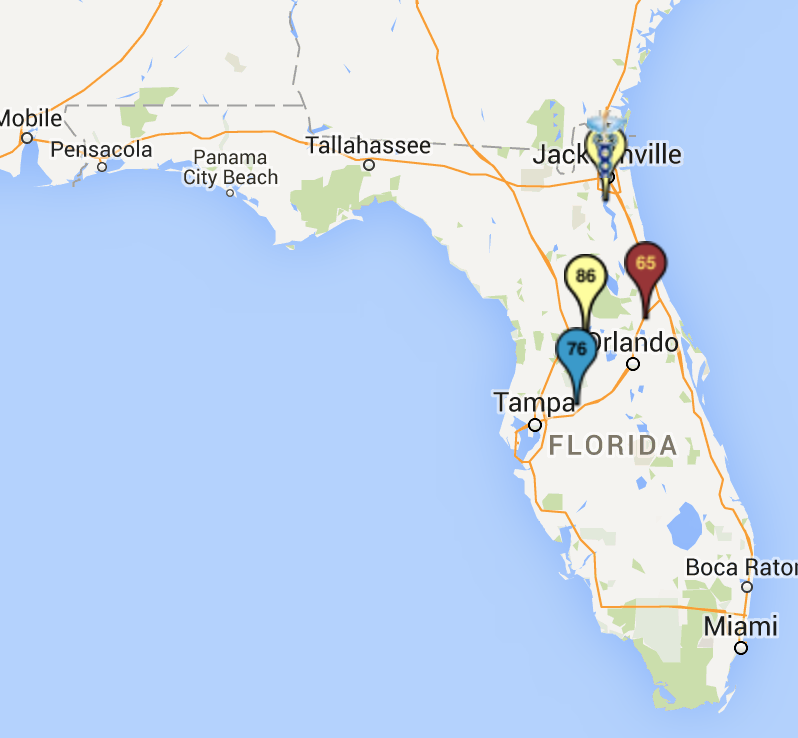
Florida Doctors ~ So Far

florida


The doctors listed here have been recommended to Cushing’s Help by other patients as being helpful to them.  These physicians are familiar with the symptoms and treatment of Cushing’s Disease (pituitary) and Cushing’s Syndrome. Your primary care physician may be able to order very basic screening tests. Some of these doctors may require a referral and/or an abnormal test result prior to scheduling an appointment.

Cushing’s Help does not endorse any particular physician. Choosing a particular physician and substantiating his/her expertise is the responsibility of the individual patient.

To recommend your own doctor for this list, please fill out this form.

These doctors are also available on this map.  Please add yourself and/or your doctor.

This list is a continuing resource as new doctors are added, edited OR removed.


Florida

Jacksonville

Dr. Eric Sauvageau 

Specialty: Endovascular Neurosurgeon

Location: 800 Prudential Drive – Suite 1100
Jacksonville, FL

Phone: 904-388-6518

Website: http://www.baptistjax.com/doctors/endovascular-neurosurgeon/dr-eric-sauvageau-md

Patient Comment: I went to him for my IPSS procedure. I was VERY impressed by the care that I received. Dr. Sauvageau is Top-Notch! He answered all of my questions & made me feel more comfortable about the IPSS. Very caring. He made a REALLY scary test (that I had cried about many times) EASY PEASY. In fact, everyone at the hospital was super nice! I went to him based on the reviews of 2 other Cushies . He is highly experienced in the procedure and used to do IPSS tests at OSU. I had no pain afterwards and I could barely find where they went in.


More coming soon!

Recurrent sellar mass after resection of pituitary macroadenoma

A Puerto Rican woman aged 50 years presented to an ophthalmologist with complaints of vision changes, including difficulty seeing images in her peripheral vision in both eyes and difficulty in color perception. Her medical history was significant for menopause at age 43 years, type 2 diabetes and hypertension. She had no prior history of thyroid disease, changes in her weight, dizziness or lightheadedness, headaches, galactorrhea or growth of her hands or feet.

Formal visual fields showed bitemporal superior quadrantopsia, and she was sent to the ED for further evaluation.

Imaging and laboratory tests

A pituitary protocol MRI was performed that showed a large 3 cm x 2 cm x 2.2 cm mass in the pituitary with mild osseous remodeling of the sella turcica and mass effect on the optic chiasm (Figure 1). The mass was isointense with the brain parenchyma on T1-weighted and T2-weighted images and homogeneously enhanced after IV gadolinium contrast administration.

Baseline laboratory samples drawn at 11 p.m. in the ED showed a cortisol of 16.9 µg/dL (nighttime reference range: 3-16 µg/dL), adrenocorticotropic hormone 65 pg/mL (reference range: 6-50 pg/mL), prolactin 19.4 ng/mL (reference range: 5.2-26.5 ng/mL), thyroid-stimulating hormone 1.36 µIU/mL (reference range: 0.35-4.9 µIU/mL), free thyroxine 0.9 ng/dL (reference range: 0.6-1.8 ng/dL), triiodothyronine 85 ng/dL (reference range: 83-160 ng/dL), follicle-stimulating hormone (FSH) 11.1 mIU/mL (postmenopausal reference range: 26.7- 133.4 mIU/mL) and luteinizing hormone (LH) 1.2 mIU/mL (postmenopausal reference range: 5.2-62 mIU/mL).


Figure 1. T1-weighted MRI images with and without contrast of the pituitary. Coronal (A) and sagittal (C) images showed a large isodense (with brain parenchyma) 3 cm x 2 cm x 2.2 cm mass (red arrow) in the sella with superior extension to the optic chiasm. After gadolinium contrast, coronal (B) and sagittal (D) images show the mass homogenously enhances consistent with a pituitary adenoma.

Images courtesy of Pavani Srimatkandada, MD.

Given the patient’s high nighttime cortisol and adrenocorticotropic hormone (ACTH) levels, she underwent an overnight dexamethasone suppression test with 1 mg dexamethasone. Her morning cortisol was appropriately suppressed to less than 1 µg/dL, excluding Cushing’s disease.

Pituitary adenoma resection

The patient was diagnosed with a nonsecreting pituitary adenoma with suprasellar extension and optic chiasm compression with visual field deficits. The macroadenoma caused an inappropriately normal LH and FSH in a postmenopausal woman consistent with hypogonadotrophic hypogonadism.

She underwent transnasal transsphenoidal resection of the nonsecreting pituitary adenoma. The dural defect caused by the surgery was patched with an abdominal fat graft with a DuraSeal dura patch. A postoperative MRI showed complete resection of the adenoma with no evaluable tumor in the sella (Figure 2). Her postoperative course was complicated by transient diabetes insipidus requiring intermittent desmopressin; however, this resolved before her discharge from the hospital.

Figure 2. T1-weighted MRI images with contrast. Coronal views before (A) and after (B) transphenoidal tumor resection show complete resolution of the enhancing pituitary mass (A; red arrow) that is replaced with a new hypodense mass in the sella (B; yellow arrow). This mass is filled with cerebrospinal fluid with a residual rim of enhancing tissue. This is consistent with the development of a pseudomeningocele in the sella.


Postoperative testing confirmed secondary deficiency of the adrenal, thyroid and ovarian axes requiring hormone therapy. The patient had stable temporal hemianopia in the left eye with improved vision in the right eye.

Recurrent mass detected

One year after surgery, during a routine follow-up appointment, the patient reported no dizziness, lightheadedness, worsening vision changes, rhinorrhea or headache. She had a follow-up MRI of the brain with and without contrast, which showed the interval appearance of a mass in the sella that extended from the sphenoid sinus into the sella and came in contact with the optic nerve (Figure 3).

Figure 3. Axial MRI images of the sella after resection of pituitary adenoma. On T1-weighted images the mass (red arrow) in the sella is hypodense (black) compared with the brain parenchyma. On T2-weighted images, the mass (red arrow) is hyperdense (bright) compared with the brain, consistent with fluid. Cerebrospinal fluid in the sulci on the brain surface and the vitreous fluid within the eye are also hyperintense on T2-weighted images (yellow arrows).


On MRI, the mass was isodense with the cerebral spinal fluid (CSF) with a residual rim of enhancing normal pituitary tissue. This appearance is consistent with the postoperative development of a pseudomeningocele and not a solid mass in the sella (Table).

Pseudomeningoceles are abnormal collections of CSF that communicate with the CSF space around the brain; these occur after brain surgery involving duraplasty (incision and repair of the dura). Unlike meningoceles, pseudomeningoceles are not completely encased by a surrounding membrane, and they communicate with the circulating CSF. Similar to CSF, a pseudomeningocele is hypodense (dark) compared with brain on T1-weighted MRI images and hyperdense (bright) on T2-weight images.


Pseudomeningocele treatment

Treatment may be conservative or may involve neurosurgical repair if symptomatic. Little published data addresses the development of pseudomeningoceles after transsphenoidal pituitary surgery, but this complication occasionally occurs, especially if the dural incision is large. One study noted that pseudomeningoceles are one of the most common complications after suboccipital decompression for Chiari’s malformation, but the effect of this complication is unclear.

Endocrinologists must recognize that recurrent development of pituitary masses after transsphenoidal pituitary adenoma surgery may not represent regrowth of pituitary tissue, but instead development of a meningocele/pseudomeningocele. Pseudomeningocele can be easily confirmed because this fluid collection has very different MRI characteristics than pituitary adenoma (Table). Given that patients may remain asymptomatic after the development of a pseudomeningocele, periodic MRI imaging, hormonal evaluation and ophthalmologic monitoring of visual fields are required after transsphenoidal pituitary surgery.

References:
  • Hernandez Guilabert PM. Poster No C-1330. Presented at: European Society of Radiology; March 7-11, 2013; Vienna.
  • Parker SL, et al. J Neurosurg. 2013;doi:10.3171/2013.8.JNS122106.
For more information:
  • Stephanie L. Lee, MD, PhD, ECNU, is an associate professor of medicine and associate chief, in the Section of Endocrinology, Diabetes and Nutrition at Boston Medical Center. Lee can be reached at Boston Medical Center, 88 E. Newton St., Endocrinology Evans 201, Boston, MA 02118; email: stephanie.lee@bmc.org. Lee reports no relevant financial disclosures.
  • Pavani Srimatkandada, MD, is an endocrinology fellow in the Section of Endocrinology, Diabetes and Nutrition at Boston Medical Center. Srimatkandada can be reached at Boston Medical Center, 88 E. Newton St., Endocrinology Evans 201, Boston, MA 02118. She reports no relevant financial disclosures.

From http://www.healio.com/endocrinology/thyroid/news/print/endocrine-today/%7B82430fb6-bbe4-4908-a389-447eee8cd005%7D/recurrent-sellar-mass-after-resection-of-pituitary-macroadenoma

Paediatric cyclical Cushing’s disease due to corticotroph cell hyperplasia

Cushing’s disease is very rare in the paediatric population. Although uncommon, corticotroph hyperplasia causing Cushing’s syndrome has been described in the adult population, but appears to be extremely rare in children.

Likewise, cyclical cortisol hypersecretion, while accounting for 15 % of adult cases of Cushing’s disease, has only rarely been described in the paediatric population. Here, we describe a very rare case of a 13-year old boy with cyclical cortisol hypersecretion secondary to corticotroph cell hyperplasia. The case is that of a 13-year old boy, presenting with a long history of symptoms and signs suggestive of hypercortisolism, who was found to have cyclical ACTH-dependent hypercortisolism following dynamic pituitary testing and serial late-night salivary cortisol measurements.

The patient underwent endoscopic transsphenoidal resection of the pituitary. Early surgical remission was confirmed by undetectable post-operative morning plasma cortisol levels.

Histology and immunocytochemistry of the resected pituitary tissue showed extensive corticotroph cell hyperplasia.

Conclusion: This report describes a rare case of cyclical Cushing’s disease secondary to corticotroph hyperplasia in a paediatric patient. This highlights the challenging and varied nature of Cushing’s disease and its diagnosis, and the need to keep a differential diagnosis in mind during the diagnostic process.

Author: E. Noctor S. Gupta T. Brown M. Farrell M. Javadpour C. Costigan A. Agha
Credits/Source: BMC Endocrine Disorders 2015, 15:27

From http://7thspace.com/headlines/510543/paediatric_cyclical_cushings_disease_due_to_corticotroph_cell_hyperplasia.html

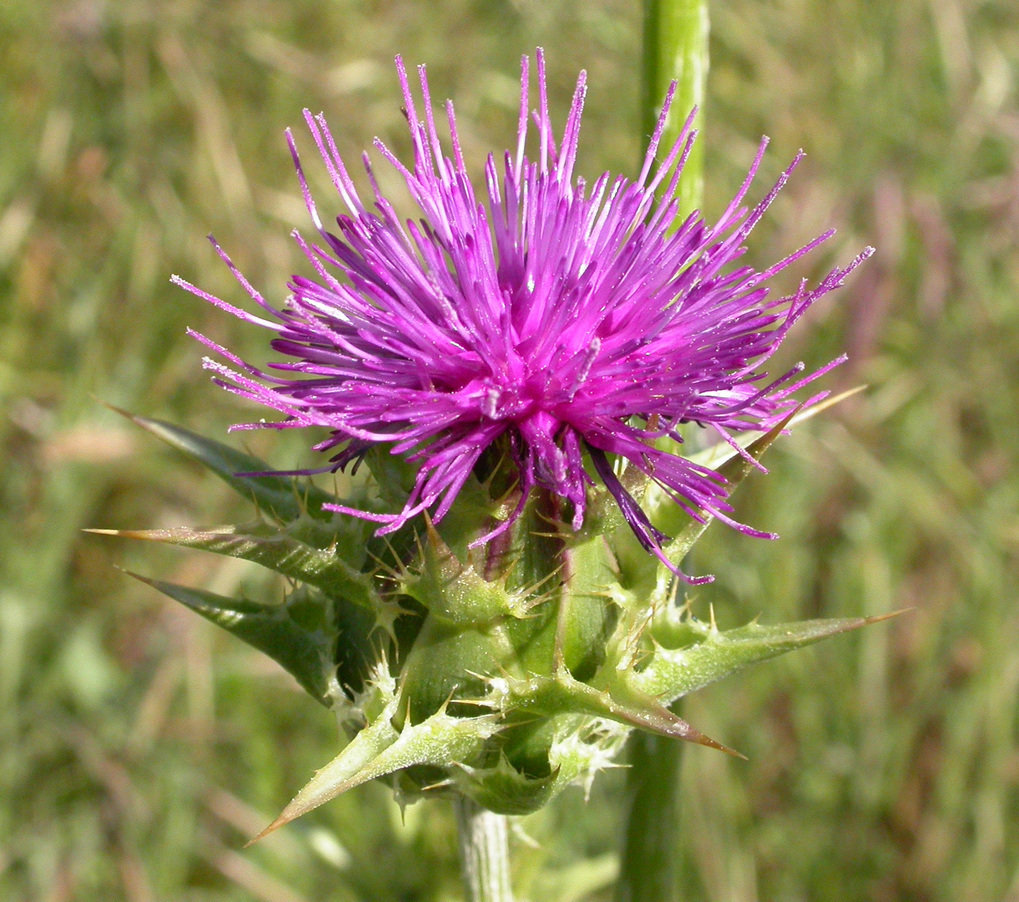
Silibinin from milk thistle seeds as novel, non-invasive treatment strategy for Cushing Disease

Silibinin has an outstanding safety profile in humans and is currently used for the treatment of liver disease and poisoning. Scientists at the Max Planck Institute of Psychiatry in Munich discovered in collaboration with scientists from the Helmholtz Zentrum München in cell cultures, animal models and human tumor tissue that silibinin can be applied to treat Cushing Disease, a rare hormone condition caused by a tumor in the pituitary gland in the brain. The researchers have filed a patent and now plan clinical trials using silibinin as a non-invasive treatment strategy. Thus, in future, patients might not have to undergo brain surgery anymore.
Treatment with silibinin, a constituent of milk thistle seeds, alleviated symptoms of Cushing Disease in cell cultures, animal models and human tumor tissue. In future, patients might not have to undergo brain surgery anymore.

Cushing Disease, not to be confused with Cushing’s Syndrome, is caused by a tumor in the pituitary gland in the brain. The tumor secrets increased amounts of the stress hormone adrenocorticotropin (ACTH) followed by cortisol release from the adrenal glands leading to rapid weight gain, elevated blood pressure and muscular weakness. Patients are prone to osteoporosis and infections and may show cognitive dysfunction or even depression. In 80 to 85 % of the patients, the tumor can be removed by uncomfortable brain surgery. For inoperable cases, there is currently only one targeted therapy approved, which unfortunately causes intense side effects such as hyperglycemia in more than 20 % of the patients.

Scientists around Günter Stalla, endocrinologist at the Max Planck Institute of Psychiatry in Munich, have now discovered in cell cultures, animal models and human tumor tissue that a harmless plant extract can be applied to treat Cushing Disease. “Silibinin is the major active constituent of milk thistle seeds. It has an outstanding safety profile in humans and is already used for the treatment of liver disease and poisoning,” explains Marcelo Paez-Pereda, leading scientist of the current study published in the renowned scientific journal Nature Medicine. After silibinin treatment, tumor cells resumed normal ACTH production, tumor growth slowed down and symptoms of Cushing Disease disappeared in mice.

In 2013, the Max Planck scientists filed a patent on a broad family of chemical and natural compounds, including silibinin, to treat pituitary tumors. Compared to humans, where only 5.5 in 100,000 people worldwide develop Cushing Disease, this condition is very common in several pets. For example, 4 % of dogs and even 7 % of horses suffer from Cushing Disease. Thus, the researchers now plan to test special formulations with a very pure substance and slow release of the active component silibinin in clinical trials.

Silibinin: Mode of action

“We knew that Cushing Disease is caused by the release of too much ACTH. So we asked ourselves what causes this over production and how to stop it,” says Paez-Pereda. In their first experiments, the researchers found tremendously high amounts of the heat shock protein 90 (HSP90) in tumor tissue from patients with Cushing Disease. In normal amounts, HSP90 helps to correctly fold another protein, the glucocorticoid receptor, which in turn inhibits the production of ACTH. “As there are too many HSP90 molecules in the tumor tissue, they stick to the glucocorticoid receptor,” explains Paez-Pereda. “We found that silibinin binds to HSP90 thus allowing glucocorticoid receptor molecules to dissolve from HSP90. With silibinin, we might have discovered a non-invasive treatment strategy not only for the rare Cushing Disease but also for other conditions with the involvement of glucocorticoid receptors, such as lung tumors, acute lymphoblastic leukemia or multiple myeloma,” concludes Paez-Pereda.

From http://www.psych.mpg.de/2034377/PM1507