Rapid Endocrine Remission After ZAP-X Gyroscopic Radiosurgery for Cushing’s Disease

Abstract

Cushing’s disease is a rare but potentially life-threatening disorder caused by excessive adrenocorticotropic hormone (ACTH) secretion from a pituitary adenoma. Although transsphenoidal surgery remains the first-line treatment, radiotherapy (RT) can provide effective local and hormonal control in patients with persistent or recurrent disease; however, endocrine remission typically occurs only after several months or even years. To our knowledge, we report the first documented case of an exceptionally rapid hormonal remission following gyroscopic stereotactic radiosurgery (SRS) using the self-shielding ZAP-X system (ZAP Surgical Inc., San Carlos, CA, USA) in a patient with recurrent Cushing’s disease. The patient received a single-fraction dose of 25 Gy prescribed to the 57% isodose line. Remarkably, ACTH and cortisol levels normalized within one month after SRS, accompanied by a striking improvement in clinical symptoms and no treatment-related toxicity. This case highlights the potential of the ZAP-X gyroscopic radiosurgery platform to achieve rapid biochemical control in ACTH-secreting pituitary adenomas and suggests that the unique dose distribution characteristics of this novel technology may contribute to accelerated endocrine responses.

Introduction

Cushing’s disease stems from an excess production of adrenocorticotropic hormone (ACTH) by a pituitary adenoma, leading to elevated cortisol levels and symptoms resembling Cushing’s syndrome [1]. Untreated or inadequately managed hypercortisolism is associated with substantial morbidity and elevated mortality rates for patients with Cushing’s syndrome. While transsphenoidal surgery is frequently considered the preferred initial treatment approach, radiotherapy (RT) can also be contemplated, either as a standalone option for patients ineligible for surgery or as part of a multidisciplinary approach in instances where an adequate response is not attained following surgery. Conventional fractionated RT (CFRT), fractionated stereotactic radiosurgery (F-SRS), and stereotactic radiosurgery (SRS) have all been employed in the treatment of Cushing’s disease, yielding comparable disease control rates ranging from 46% to 100% [2-4]. However, unlike surgery, the response to RT may require time to manifest, and in certain instances, this duration can extend over months or years [4]. Sheehan et al. [5] indicated that the cure rate after RT in patients with Cushing’s disease was 34% in the first year, increasing to 78% by the fifth year. Although CyberKnife (Accuray Inc., Sunnyvale, CA, USA), Gamma Knife (Elekta AB, Stockholm, Sweden), and Linear Accelerator (LINAC)-based systems are all available for F-SRS and SRS, technological advancements are increasing the options. We have integrated the relatively new vault-free, frameless, gyroscopic radiosurgery system, ZAP-X (ZAP Surgical Inc., San Carlos, CA, USA), into our department and have begun using it for cranial F-SRS and SRS treatments [6,7]. To our knowledge, this report introduces the initial case of a patient diagnosed with Cushing’s disease who underwent gyroscopic SRS with the ZAP-X system, experiencing an unexpectedly rapid endocrine response following SRS.

Case Presentation

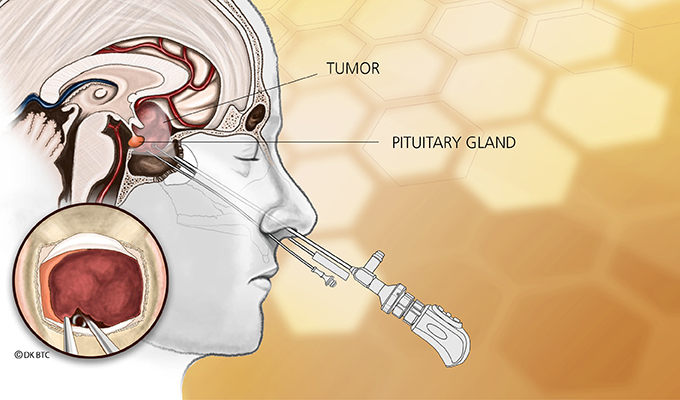
A 48-year-old female with an unremarkable medical history except for hyperlipidemia underwent investigation in 2018 due to symptoms and findings consistent with Cushing’s syndrome, leading to the detection of hypercortisolism. Her 24-hour urinary free cortisol and ACTH levels were 75 µg/day and 32 pg/mL, respectively. Serum cortisol remained unsuppressed following the 1 mg dexamethasone suppression test (DST), measuring 15.7 mcg/dL. On the magnetic resonance imaging (MRI) of the pituitary gland, a 4.5×3 mm microadenoma was detected in the left half of the adenohypophysis. Following the referral to the neurosurgery department, the patient underwent tumor resection via transsphenoidal endoscopic surgery in December 2018. The pathology resulted in a corticotroph pituitary adenoma. All her symptoms and signs related to Cushing’s disease resolved after surgery, and postoperative MRI showed no residual tumor. The patient was placed under observation without additional treatment. During follow-up visits, the patient remained asymptomatic for approximately five years.

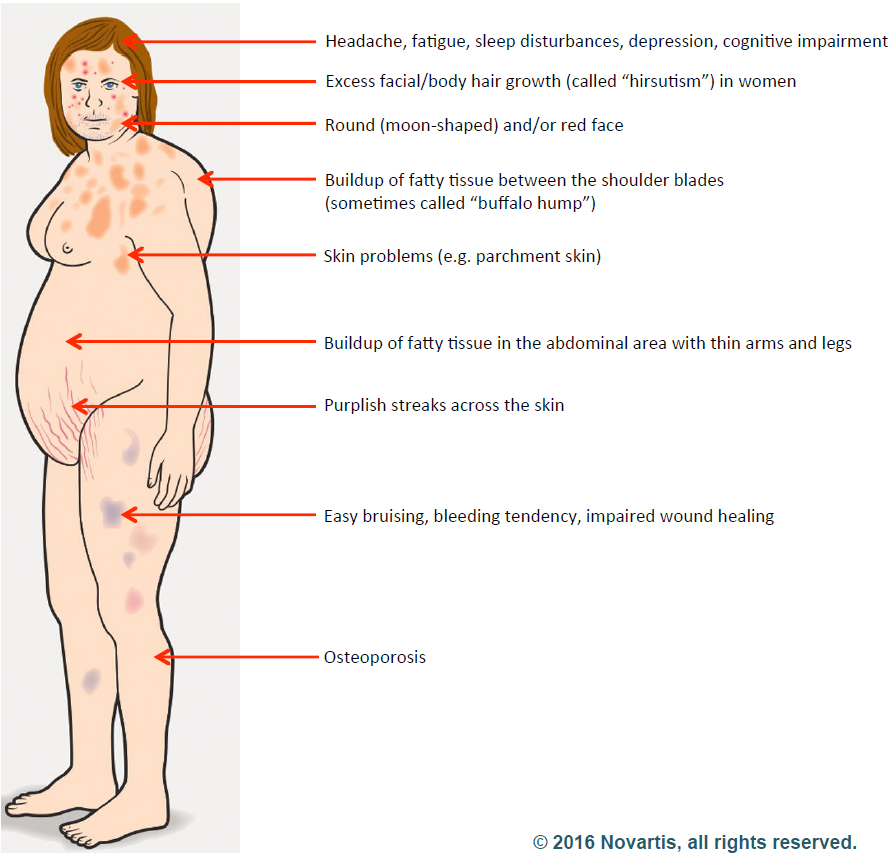
In September 2023, the patient presented with complaints of proximal muscle weakness, irregular menstruation, and Cushingoid appearance. Upon evaluation, hypercortisolism was detected once again. On the pituitary MRI, no residual or recurrent lesion was observed. Subsequently, the patient underwent a second transsphenoidal surgery, but the pathology result did not reveal tissue consistent with a pituitary adenoma. In January 2024, upon initial presentation to our center, the patient’s ACTH level was 29.8 pg/mL, 24-hour urinary free cortisol was 442 µg/day, and serum cortisol following a 1 mg DST was 19 mcg/dL. The levels of the remaining anterior pituitary hormones were within normal ranges. The patient, who continued to exhibit symptoms consistent with Cushing’s syndrome, underwent another pituitary MRI. At this point, it was discovered that there was a recurrent lesion measuring 2×1 mm on the left half of the adenohypophysis. Pasireotide (0.6 mg once daily) was initiated for persistent hypercortisolism but was discontinued due to frequent diarrhea and a widespread allergic skin reaction. The patient was then evaluated by the multidisciplinary neuro-oncology tumor board at our hospital, which recommended RT as the next step. SRS was selected as the RT technique due to the tumor’s small size and its lack of proximity to critical structures such as the optic chiasm. A simulation computed tomography (CT) scan with a 1 mm axial slice thickness was conducted with the patient in the supine position. Intravenous contrast and a thermoplastic mask were utilized to ensure better visualization and precise immobilization. Gross tumor volume (GTV) was delineated as the macroscopic tumor volume according to the MRI, which was performed a few days before SRS. A planning target volume (PTV) was not generated for this case. The prescription dose was 2500 cGy in a single fraction to the 57% isodose (Figure 1). Dose-volume histogram (DVH) was presented in Figure 2. The SRS plan was generated with the integrated ZAP-X treatment planning software (version 1.8.58.12369), and detailed parameters of the plan were presented in Table 1.

Dose-distribution-of-the-gyroscopic-stereotactic-radiosurgery-plan-for-pituitary-adenoma
Figure 1: Dose distribution of the gyroscopic stereotactic radiosurgery plan for pituitary adenoma

The image shows the three-dimensional dose distribution generated using the ZAP-X system (ZAP Surgical Inc., San Carlos, CA, USA). The prescription dose of 25 Gy to the 57% isodose line is illustrated. A: planning computed tomography (CT) scan showing the isodose distribution around the target; B: planning magnetic resonance imaging (MRI) fused with CT for target delineation.

Dose-volume-histogram-(DVH)-of-the-gyroscopic-stereotactic-radiosurgery-plan
Figure 2: Dose-volume histogram (DVH) of the gyroscopic stereotactic radiosurgery plan

The DVH demonstrates a steep dose fall-off beyond the target margins, with minimal exposure to the optic nerves, optic chiasm, and brainstem, confirming optimal dose conformity and effective sparing of organs at risk. Within the gross tumor volume (GTV), the dose distribution is intentionally inhomogeneous, with a hot spot centrally located to ensure adequate tumor coverage and biological effectiveness.

Parameters Values
Volume (GTV) 0.13 cm3
Prescription dose & isodose 2500 cGy & 57.6%
Coverage 95.68%
Homogeneity index 1.74
New conformity index 1.48
Gradient index 3.58
GTV Dmean 3249 cGy
GTV Dmax 4340 cGy
GTV Dmin 2364 cGy
Optic chiasm (Dmax) 452 cGy
Left optic nerve (Dmax) 480 cGy
Right optic nerve (Dmax) 212 cGy
Brainstem (Dmax) 233 cGy
Number of beams 128
Number of isocenters 3
Monitor units 16.121
Collimator thicknesses 4 & 4 & 5 mm
Treatment delivery time 33 min
Table 1: Detailed parameters of the gyroscopic radiosurgery plan

Dmax: maximum dose; Dmean: mean dose; Dmin: minimum dose; GTV: gross tumor volume; mm: millimeter; min: minute

The treatment was well tolerated, and a marked biochemical response was observed one month after SRS, with ACTH and 24-hour urinary free cortisol levels decreasing to 14.2 pg/mL and 116 µg/day, respectively. Serum cortisol following a 1 mg DST was suppressed to 1.6 µg/dL. Concurrently, there was a noticeable improvement in the clinical signs and symptoms of Cushing’s disease. The patient was subsequently followed with regular clinical assessments at three-month intervals for one year. Throughout the follow-up period, ACTH, 24-hour urinary free cortisol, and post-DST serum cortisol levels remained near-normal (Figure 3). Levels of other anterior pituitary hormones were within normal limits. The patient’s biochemical parameters, including ACTH, urinary free cortisol, and serum cortisol levels before and after SRS, are summarized in Table 2. At the three-month post-SRS MRI, the lesion was found to be radiologically stable. However, the patient reported a subjective improvement in proximal muscle weakness beginning one month after treatment. No SRS-related toxicity was observed during the follow-up period, and partial regression of the Cushingoid phenotype was documented (Figure 4).

Temporal-changes-in-hormonal-parameters-following-gyroscopic-stereotactic-radiosurgery
Figure 3: Temporal changes in hormonal parameters following gyroscopic stereotactic radiosurgery

A: adrenocorticotropic hormone (ACTH) levels showed a rapid decline within the first month after treatment, remaining suppressed throughout follow-up; B: twenty-four-hour urinary free cortisol (UFC) demonstrated a similar sharp reduction after radiosurgery, indicating early biochemical response; C: serum cortisol levels after dexamethasone suppression normalized by the first month and remained within the physiological range during subsequent evaluations, consistent with sustained hormonal remission.

Parameter Unit Reference Range At Initial Diagnosis (2018) Recurrence (Jan 2024, before SRS) 1 Month After SRS 3 Months After SRS 6 Months After SRS 12 Months After SRS
ACTH pg/mL 7.2 – 63.3 32 29.8 14.2 11.0 12.5 15.0
24-hour UFC µg/day 20 – 90 75 442 116 65 55 45
Serum cortisol after 1 mg DST µg/dL < 1.8 (suppressed) 15.7 19.0 1.6 9.0 2.5 3.0
Table 2: Summary of laboratory findings before and after gyroscopic stereotactic radiosurgery

ACTH: adrenocorticotropic hormone; UFC: urinary free cortisol; DST: dexamethasone suppression test; SRS: stereotactic radiosurgery

Facial-appearance-before-and-after-gyroscopic-stereotactic-radiosurgery-(SRS)
Figure 4: Facial appearance before and after gyroscopic stereotactic radiosurgery (SRS)

The images illustrate the patient’s appearance at the time of initial diagnosis (A), before SRS (B), and after the procedure (C).

Discussion

To our knowledge, we report a rapid endocrine response observed in the first patient with Cushing’s disease treated using the ZAP-X gyroscopic radiosurgery system. Despite the patient having a significantly high 24-hour urinary free cortisol level before SRS, there was a considerable decrease within a short period after SRS.

Both surgical and medical treatments, along with RT, are viable approaches for managing pituitary adenomas. Approximately 70% of pituitary adenomas are associated with syndromes characterized by excessive hormone secretion, with the most common types producing prolactin, growth hormone, and ACTH [8]. Unlike non-secreting adenomas, the treatment goal for secreting adenomas extends beyond local tumor control to include the management of endocrinopathies. Although transsphenoidal surgery is commonly regarded as the first-line treatment, RT may also be considered, either as a primary modality in patients who are not surgical candidates or as part of a multimodal strategy when surgical outcomes are suboptimal. CFRT, F-SRS, and SRS have all been employed in treating patients with Cushing’s disease, yielding comparable disease control rates [9]. CFRT may be preferred, particularly for larger tumors or those located near organs at risk (OAR). In appropriately selected cases, advanced techniques such as F-SRS and SRS can shorten treatment duration and enable dose escalation within the tumor while providing a rapid dose fall-off outside the target volume. While RT can effectively control local tumor growth, its success in addressing endocrinopathies is typically more limited. In a systematic review, the rates of local tumor control and endocrine control for Cushing’s disease were reported as 92% and 48%, respectively [9]. Additionally, the radiation doses required for tumor control and endocrine response vary from each other [10]. While SRS doses ranging from 12 to 20 Gy typically achieve adequate local tumor control, especially in non-secreting adenomas, it has been observed that endocrine response rates improve at marginal doses around 30 Gy [11,12]. However, administering high doses can be challenging due to the presence of OAR, such as the optic apparatus, which is located in close proximity to the target volumes. It is recommended that the volume of the OAR receiving a dose of 8 Gy for the optic apparatus in SRS plans should be <0.2 cm³, and the volume receiving a dose of 10 Gy should be <0.035 cm³ [13]. Therefore, modern SRS platforms, which enable the delivery of high doses within the target volume while ensuring steep dose fall-off beyond it, offer the potential to widen the therapeutic window. In our patient, the ZAP-X gyroscopic SRS system enabled the delivery of 2500 cGy to the GTV at the 57% isodose line, while maintaining doses to OAR below recommended thresholds. Additionally, intratumoral hotspots allowed for the desired dose inhomogeneity, aligning with the core principles of SRS.

It is important to note that many patients with secreting pituitary adenomas suffer from symptoms caused by excessive hormone secretion, significantly impacting their quality of life and requiring consideration in treatment decisions [14]. In cases where patients experience severe symptoms due to elevated hormone levels, surgery may be prioritized, although various medical treatments are also viable options to consider. Pasireotide, a somatostatin analogue with multireceptor targeting, serves as an effective treatment for patients with persistent or recurring hypercortisolism post-surgery or when surgery isn’t viable. However, its tolerability is debatable due to various adverse effects such as hyperglycemia and diarrhea [15]. In our patient, despite initiating pasireotide due to persistently elevated hormone levels post-surgery, it was discontinued within less than two weeks due to intolerable adverse effects.

The biological effect of SRS on hormonal hypersecretion is believed to unfold gradually, and in some cases, this process may span months or even years. Sheehan et al. [5] reported outcomes for patients with Cushing’s disease, revealing a response rate of 34% at one year, 54% at two years, 72% at three years, and 78% at five years following SRS. In our patient, a significant decrease in 24-hour urinary free cortisol level was observed within only one month after SRS. To the best of our knowledge, this represents the most rapid endocrine response after SRS reported to date. It is important to consider, however, that the rapid hormonal normalization observed in our case may have been influenced by prior medical and surgical interventions. The patient underwent two transsphenoidal surgeries and briefly received pasireotide before radiosurgery, which could have altered tumor biology or hormonal responsiveness. Nevertheless, the close temporal relationship between ZAP-X treatment and biochemical remission strongly suggests a causal association. Potential factors contributing to this rapid endocrine response may include the administration of an effective radiation dose, such as 2500 cGy, utilization of a precise SRS technique like gyroscopic radiosurgery, and the presence of hotspots within the tumor, reaching up to 4000 cGy in a single fraction. During RT, the presence of hotspots within target volumes has been shown to be associated with increased local control for various tumor types [16,17]. Therefore, while it may not be directly attributable to hotspots, it seems possible that the underlying mechanism of the rapid endocrine response observed in our patient could be related to them. However, the short follow-up duration is the main limitation of this report.

Conclusions

To our knowledge, we report the first case of a refractory ACTH-secreting pituitary adenoma successfully treated using the vault-free ZAP-X gyroscopic SRS system. This case demonstrates that the unique design of the ZAP-X platform enables the safe delivery of a highly effective dose to the target while minimizing exposure to surrounding structures. In patients with Cushing’s disease, SRS can achieve rapid endocrine remission, although prospective studies are warranted to define the optimal dose and treatment parameters.

References

  1. Lonser RR, Nieman L, Oldfield EH: Cushing’s disease: pathobiology, diagnosis, and management. J Neurosurg. 2017, 126:404-17. 10.3171/2016.1.JNS152119
  2. Estrada J, Boronat M, Mielgo M, et al.: The long-term outcome of pituitary irradiation after unsuccessful transsphenoidal surgery in Cushing’s disease. N Engl J Med. 1997, 336:172-7. 10.1056/NEJM199701163360303
  3. Minniti G, Osti M, Jaffrain-Rea ML, Esposito V, Cantore G, Maurizi Enrici R: Long-term follow-up results of postoperative radiation therapy for Cushing’s disease. J Neurooncol. 2007, 84:79-84. 10.1007/s11060-007-9344-0
  4. Hughes JD, Young WF, Chang AY, et al.: Radiosurgical management of patients with persistent or recurrent Cushing disease after prior transsphenoidal surgery: a management algorithm based on a 25-year experience. Neurosurgery. 2020, 86:557-64. 10.1093/neuros/nyz159
  5. Sheehan J, Kondziolka 😧 Results of gamma knife surgery for Cushing’s disease. J Neurosurg. 2013, 119:1642.
  6. Weidlich GA, Bodduluri M, Achkire Y, Lee C, Adler JR Jr: Characterization of a novel 3 megavolt linear accelerator for dedicated intracranial stereotactic radiosurgery. Cureus. 2019, 11:e4275. 10.7759/cureus.4275
  7. Ehret F, Kohlhase N, Eftimova D, et al.: Self-shielding gyroscopic radiosurgery: a prospective experience and analysis of the first 100 patients. Cureus. 2024, 16:e56035. 10.7759/cureus.56035
  8. Daly AF, Beckers A: The epidemiology of pituitary adenomas. Endocrinol Metab Clin North Am. 2020, 49:347-55. 10.1016/j.ecl.2020.04.002
  9. Mathieu D, Kotecha R, Sahgal A, et al.: Stereotactic radiosurgery for secretory pituitary adenomas: systematic review and International Stereotactic Radiosurgery Society practice recommendations. J Neurosurg. 2022, 136:801-12. 10.3171/2021.2.JNS204440
  10. Minniti G, Osti MF, Niyazi M: Target delineation and optimal radiosurgical dose for pituitary tumors. Radiat Oncol. 2016, 11:135. 10.1186/s13014-016-0710-y
  11. Kotecha R, Sahgal A, Rubens M, et al.: Stereotactic radiosurgery for non-functioning pituitary adenomas: meta-analysis and International Stereotactic Radiosurgery Society practice opinion. Neuro Oncol. 2020, 22:318-32. 10.1093/neuonc/noz225
  12. Paddick I: A simple scoring ratio to index the conformity of radiosurgical treatment plans. Technical note. J Neurosurg. 2000, 93 Suppl 3:219-22. 10.3171/jns.2000.93.supplement
  13. Timmerman R: A story of hypofractionation and the table on the wall. Int J Radiat Oncol Biol Phys. 2022, 112:4-21. 10.1016/j.ijrobp.2021.09.027
  14. Johnson MD, Woodburn CJ, Vance ML: Quality of life in patients with a pituitary adenoma. Pituitary. 2003, 6:81-7. 10.1023/b:pitu.0000004798.27230.ed
  15. Manetti L, Deutschbein T, Schopohl J, et al.: Long-term safety and efficacy of subcutaneous pasireotide in patients with Cushing’s disease: interim results from a long-term real-world evidence study. Pituitary. 2019, 22:542-51. 10.1007/s11102-019-00984-6
  16. Owen D, Siva S, Salama JK, Daly M, Kruser TJ, Giuliani M: Some like it hot: the value of dose and hot spots in lung stereotactic body radiation therapy. Int J Radiat Oncol Biol Phys. 2023, 117:1-5. 10.1016/j.ijrobp.2023.03.056
  17. Abraham C, Garsa A, Badiyan SN, et al.: Internal dose escalation is associated with increased local control for non-small cell lung cancer (NSCLC) brain metastases treated with stereotactic radiosurgery (SRS). Adv Radiat Oncol. 2018, 3:146-53. 10.1016/j.adro.2017.11.003


From https://www.cureus.com/articles/430830-rapid-endocrine-remission-after-zap-x-gyroscopic-radiosurgery-for-cushings-disease-a-case-report?score_article=true#!/

Prospective Assessment of Mood and Quality of Life in Cushing Syndrome before and after Biochemical Control

Abstract

Context

Cushing syndrome (CS) impairs quality of life (QoL) and mood. Prospective real-life data on post-treatment recovery and predictors of improvement are limited.

Objectives

Evaluate changes in QoL, depression, and anxiety in patients with CS, before and after biochemical control, and identify predictors of clinically meaningful improvement.

Design and Setting

Prospective observational study at a tertiary center.

Patients

67 patients with endogenous CS (60 pituitary, 7 adrenal) were assessed with active disease and again after achieving biochemical control through surgery and/or medication.

Outcomes

Patient-reported outcomes included CushingQoL, Beck Depression Inventory-II (BDI-II), and State-Trait Anxiety Inventory (STAI).

Results

Mean and longest follow-up was 2.3 and 11.5 years, respectively. Treatment led to improvements in mean scores across all domains (QoL: +18.2±20.9, BDI: –6.8±8.6, STAI-State: –9.6±12.5, STAI-Trait: –8.6±12.6; all p < 0.001). However, minimal important difference was achieved in 64.6% for QoL, 67.9% for BDI, 53.2% and 52.8% for STAI subscales. After multivariable analysis, QoL improvements were predicted by lower baseline BMI, pre-treatment symptoms ❤ years, post-operative hydrocortisone replacement >6 months, and normal follow-up late-night salivary cortisol (LNSC). Depression improvements were predicted by symptoms ❤ years, normal follow-up LNSC, and surgical treatment. Anxiety improvements were predicted by younger age and >6 months post-operative hydrocortisone. Depression improved more gradually than QoL and anxiety.

Conclusions

Although effective treatment improves mood and QoL in CS, clinically meaningful recovery is variable and incomplete for some patients. Our findings highlight the need to limit diagnostic delay and provide comprehensive post-treatment care that includes normalization of cortisol circadian rhythm.

Accepted manuscripts
Accepted manuscripts are PDF versions of the author’s final manuscript, as accepted for publication by the journal but prior to copyediting or typesetting. They can be cited using the author(s), article title, journal title, year of online publication, and DOI. They will be replaced by the final typeset articles, which may therefore contain changes. The DOI will remain the same throughout.

This content is only available as a PDF.

© The Author(s) 2025. Published by Oxford University Press on behalf of the Endocrine Society.
This is an Open Access article distributed under the terms of the Creative Commons Attribution-NonCommercial-NoDerivs licence (https://creativecommons.org/licenses/by-nc-nd/4.0/), which permits non-commercial reproduction and distribution of the work, in any medium, provided the original work is not altered or transformed in any way, and that the work is properly cited. For commercial re-use, please contact reprints@oup.com for reprints and translation rights for reprints. All other permissions can be obtained through our RightsLink service via the Permissions link on the article page on our site—for further information please contact journals.permissions@oup.com. See the journal About page for additional terms.

The CuPeR Model: A Dynamic Online Tool for Predicting Cushing’s Disease Persistence and Recurrence After Pituitary Surgery

Abstract

Objective

Predicting postoperative persistence and recurrence of Cushing’s disease (CD) remains a clinical challenge, with no universally reliable models available. This study introduces the CuPeR model, an online dynamic nomogram developed to address these gaps by predicting postoperative outcomes in patients with CD undergoing pituitary surgery.

Methods

A retrospective cohort of 211 patients treated for CD between 2010 and 2024 was analyzed. Key patient and tumor characteristics, imaging findings, and treatment details were evaluated. Multivariate logistic regression identified independent predictors of postoperative persistence or recurrence of CD (PoRP-CD), which were then incorporated into the CuPeR model using stepwise selection based on Akaike Information Criterion. Internal validation was performed using a testing dataset, and a user-friendly online nomogram was developed to facilitate immediate, patient-specific risk estimation in clinical practice.

Results

The final predictive model identified four key factors: symptom duration, MRI Hardy’s grade, tumor site, and prior pituitary surgery. Longer symptom duration and a history of prior surgery significantly increased the risk of recurrence, while bilateral tumor location reduced this risk. The model demonstrated an area under the receiver operating characteristic curve (AUC-ROC) of 0.70, with 83% accuracy, specificity of 96%, and sensitivity of 33%.

Conclusions

The CuPeR model may offer a practical tool for predicting PoRP-CD, enhancing preoperative decision-making by providing personalized risk assessments.

Keywords

Cushing’s disease
Transsphenoidal surgery
Nomogram
Recurrence
Disease Persistence

Abbreviations

ACTH

Adrenocorticotropic Hormone

AIC

Akaike Information Criterion

AUC

Area Under the Curve

BMI

Body Mass Index

CD

Cushing’s Disease

CI

Confidence Interval

CRH

Corticotropin-Releasing Hormone

DFS

Disease-Free Survival

DL

Deep Learning

eTSS

Endoscopic Transsphenoidal Surgery

HR

Hazard Ratio

IPSS

Inferior Petrosal Sinus Sampling

ML

Machine Learning

MRI

Magnetic Resonance Imaging

OS

Overall Survival

PoRP-CD

Persistent or Recurrent Cushing’s Disease

SIADH

Syndrome of Inappropriate Antidiuretic Hormone Secretion

TSS

Transsphenoidal Surgery

UFC

Urinary Free Cortisol

Introduction

Cushing’s disease (CD) is a rare endocrine disorder, with an annual incidence rate of approximately 0.24 cases per 100,000 individuals [1]. Transsphenoidal surgery (TSS), performed using either endoscopic or microscopic approaches, remains the cornerstone of treatment for CD. Notably, meta-analytical studies have reported that TSS achieves remission and provides long-term disease control in 71–80 % of patients [[2][3][4]]. The remaining cases may experience persistent disease despite surgery, while others may face disease recurrence despite initial remission. In such cases, additional treatment options include second pituitary surgery, pituitary irradiation, targeted medical therapies, and bilateral adrenalectomy, each with varying success rates ranging from 25 % for medical therapy to 100 % for bilateral adrenalectomy [5].
To date, no single predictive factor has proven effective in reliably forecasting treatment outcomes in patients with CD [6]. This underscores the critical need for developing predictive models to assess the likelihood of postoperative recurrence or persistence of Cushing’s disease (PoRP-CD). However, only a limited number of studies have addressed this gap. Notably, two studies from Peking Union Medical College Hospital attempted to tackle this issue using machine learning (ML) and deep learning (DL) approaches [6,7]. These studies utilized demographic, clinical, and paraclinical variables to construct predictive models, with DL approaches showing potential to enhance predictive accuracy [7]. While the results of these models were promising, their applicability in routine clinical practice remains limited. Both studies focused exclusively on patients undergoing their initial transsphenoidal surgery, making them less applicable for cases involving patients with a prior history of pituitary surgery or radiotherapy. Furthermore, these models incorporated both preoperative and postoperative parameters, such as changes in cortisol and adrenocorticotropic hormone (ACTH) levels. However, serum cortisol, ACTH, and comprehensive endocrine testing should be available before any treatment decisions are made, and each patient should ideally be reviewed by a multidisciplinary tumor board, including neurosurgery, radiology, endocrinology, and oncology, prior to pituitary surgery. As such, more comprehensive and practical predictive tool that can support timely clinical decision-making and accommodate a broader range of patient scenarios in the management of CD.
The current study was designed to address these critical limitations and provide a more practical solution for predicting postoperative outcomes in CD. Applying one of the largest available CD cohorts, we incorporated a wide array of patient and tumor characteristics, imaging findings, and treatment details to develop a robust and comprehensive predictive model. This model offers treating surgeons reliable insights into the likelihood of tumor recurrence or persistence. By providing individualized risk predictions, the model is intended to assist clinicians in considering different therapeutic options before pituitary surgery, complementing—but not replacing—standard multidisciplinary decision-making. To further enhance its utility in clinical practice, we also developed an interactive online dynamic nomogram, allowing individualized predictions of postoperative persistence or recurrence.

Methods

Study design, patients, and endpoints

The experimental protocol was approved by the Institutional Review Board of Shahid Beheshti University of Medical Sciences (Tehran, Iran). This retrospective study investigates the clinical outcomes of pituitary surgery in patients with CD underwent pituitary surgery between 2010 and 2024 in the neurosurgery department at Loghman Hakim Hospital. Surgeries were conducted by a group of experienced neurosurgeons under the supervision of the first author (G.S). The primary objective of this study was to develop and validate a predictive model for assessing the risk of PoRP-CD. The secondary objectives were (a) to summarize patient and tumor characteristics; (b) to report surgical outcomes and remission rates following surgery; and (c) to analyze patient survival. This study was performed in accordance with the Declaration of Helsinki, and adheres to the reporting guidelines outlined in the STROBE Statement. Due to retrospective nature of the study informed consent was waived by Shahid Beheshti University of Medical Sciences Ethics Committee. All methods were performed in accordance with the relevant guidelines and regulations.

Preoperative assessments

The “index surgery” was set to the most recent pituitary surgery. Before the index surgery, patients underwent comprehensive clinical evaluations, including biochemical and neurological assessments as well as visual field examinations. This research utilized the Endocrine Society Clinical Practice Guideline to establish the diagnosis of CD [8]. Three main steps were involved in the diagnostic process: in the first step, the focus was on detecting hypercortisolemia, which was determined by examining 24-hour urinary free cortisol levels (normal: <60 mcg/24 h), as well as plasma and salivary cortisol profiles. Low-dose dexamethasone suppression testing was performed using the 2 mg/48 h protocol, which was the standard practice in our institution during the study period (2010 onward) [8]. The second step aimed to confirm ACTH-dependent cause of hypercortisolemia, through measuring plasma ACTH levels. The final step aimed to distinguish Cushing’s disease from ectopic sources of ACTH. This was performed using a high-dose dexamethasone suppression test (8  mg overnight), with a plasma cortisol suppression exceeding 50 % typically considered indicative of a pituitary origin [9].
Next, the patients were subjected to thin-slice (3 mm) 1.5-tesla dynamic pituitary gland magnetic resonance imaging (MRI) with gadolinium contrast. The MR evaluation adhered to a strict protocol, requiring an independent agreement of treating neurosurgeon and radiologist to confirm the diagnosis. MR scans were categorized according to the Hardy and Knosp classifications [10]. Normal scans required to demonstrate the absence of direct signs, including inhomogeneity in the pituitary, as well as indirect signs such as a deviation of the pituitary stalk, bulging or erosion of the Sella contour. In cases where the CD was confirmed but pituitary MRI was inconclusive, bilateral inferior petrosal sinus sampling (IPSS) was performed per standard protocol under corticotropin-releasing hormone (CRH) stimulation [11]. Patients with macroadenoma or signs of elevating the optic chiasm were candidates for Humphrey visual field examination.

Surgical approach

Patients underwent endoscopic transsphenoidal approach using conventional “Two Nostrils–Four Hands” technique [12]. Given the diminutive size and deep-seated location of most adenomas, locating the adenoma emerged as a formidable challenge, particularly when the tumor remained not visualized in pre-operative imaging studies. The surgical procedure entailed extensive drilling of the Sellar floor laterally up to the carotid artery on both sides, providing a comprehensive view of the medial wall of the cavernous sinus and exposure of the anterior and posterior intercavernous sinuses. The exploration of the entire Sella commenced in the region where the original tumor had been localized. Upon identification of a tumor, a selective adenomectomy was performed, accompanied by a thorough inspection of the pituitary gland to detect and eliminate any potential tumor remnants. The removal of any pseudo capsule was executed meticulously.
The primary surgical objective was selective adenomectomy, with further exploration guided by the side recommended by IPSS in cases where no adenoma was initially observed. The exploration involved making a plus-like incision on the corresponding half of the gland, enabling deep exploration to leave no part unexplored. In instances where creamy material suggestive of a tumor was drained after a pituitary incision, a tissue biopsy was obtained, although it was not conclusively considered a tumor. Exploration continued on the opposite side in such cases.
When no distinct adenoma was found, a peri-glandular inspection was conducted to visualize the medial wall of the cavernous sinus, diaphragm, and Sellar floor, aiming to detect an ectopic microadenoma. If an apparent tumor remained undetected, the procedure was repeated on the contralateral side, and a vertical medial incision on the pituitary gland adjacent to the pituitary stalk and neurohypophysis was made as a final effort for tumor detection. In the absence of identified pathology during the surgical procedure, hemi-hypophysectomy was considered on the side where IPSS had detected the gradient or on the side with an apparent or suspicious MRI finding. Considering the typical central location of corticotroph cells in the pituitary gland, microadenoma exploration extended posteriorly and medially to confirm extirpation.

Postoperative assessments

In this study, the patients were closely monitored for signs of diabetes insipidus and syndrome of inappropriate antidiuretic hormone secretion (SIADH). Serum sodium levels, urine-specific gravity, and volume were checked regularly. Following surgery, morning cortisol levels were measured on the first day, and other anterior pituitary hormones were evaluated on day 3. Hydrocortisone therapy was initiated based on the patient’s symptoms, signs of adrenal insufficiency, and low cortisol levels. The first postoperative check-up occurred two weeks after surgery, followed by another at three months, which included a comprehensive assessment of pituitary hormones. This evaluation was repeated every three months for two years and then annually. Additionally, patients underwent a dynamic 1.5-Tesla pituitary MRI at six months post-surgery and annually thereafter, with a minimum follow-up period of 12 months.
Remission was defined as having low cortisol levels, indicated by early morning serum cortisol level ≤ 5 μg/dL within two days post-surgery [13]. Persistent CD was characterized by ongoing hypercortisolism, and postoperative recurrence refers to the reappearance of CD symptoms despite initial remission marked by hypercortisolemia. In case of persistence or recurrence, patients were candidates for second-line treatment options selected by their physicians, including revision surgery, targeted medical therapy, pituitary radiotherapy, or bilateral adrenalectomy. Disease-free survival (DFS) was defined as the time from the index surgery to the first occurrence of disease recurrence or death from any cause, while overall survival (OS) was defined as the time from the index surgery to death from any cause.

Statistical analysis

Categorical variables were expressed as numbers and percentages, and continuous variables as mean, range, and standard deviation. The distribution of variables was checked using the Shapiro-Wilk test, which showed a deviation from normal distribution. Contingency tables were used for categorical variables with Pearson’s Chi-squared or Fisher’s Exact test used to examine their association with outcomes for univariate analyses. For continuous variables, the unpaired t-test was applied to compare means between two independent groups when the data met the assumption of normality. Analyses were conducted with R Statistical Software v4.4.0 (“Puppy Cup”). All statistical inferences were two-sided, and P < 0.05 were considered statistically significant.

Model development and internal validation

The dataset was split by “caret package” into a training set (70 %) and a testing set (30 %) using stratified sampling to ensure representative proportions of outcomes. Binary logistic regression was used to identify predictors of PoRP-CD. Patients with adequate follow-up data were included in the analysis. The variables with a marginal level of association (P < 0.15) in the univariate analysis were further included in the multivariate logistic regression analysis to identify the independent predictors of PoRP-CD. Imported factors included demographic, medical history, imaging and pathology results, and treatment details. To identify predictors of PoRP-CD, a multivariable logistic regression model was developed using stepwise selection based on Akaike Information Criterion (AIC). Model performance, including sensitivity, specificity, and area under the receiver operating characteristic curve (AUC-ROC), was evaluated using internal validation on the test dataset.

Nomogram creation and deployment

A nomogram was constructed using the validated logistic regression model. The nomogram was then integrated into a web-based application using the “Shiny package” in R program. The dynamic nomogram allows clinicians to input patient data and obtain individualized risk predictions for PoRP-CD.

Survival analysis

Survival analysis was conducted to evaluate DFS across various patient subgroups. The log-rank test was applied to assess statistical differences in survival distributions between subgroups. Cox proportional hazard regression was used to estimate hazard ratios (HR) and 95 % confidence intervals (CI). The “survival” and “survminer” R packages were applied in this section.

Results

Patients and tumors characteristics

A total of 211 patients with CD had been treated by a group of experienced neurosurgeons under the supervision of the first author (G.S) between March 2010 and January 2024 in the neurosurgery department at Loghman Hakim Hospital. Table 1 summarizes the baseline characteristics of patients at the timepoint of index surgery. The patients had a mean age of 35.9 ± 12.1 years (range: 11–67), among which 21 patients (9.9 %) were in the pediatric age range, and 165 (78.1 %) were female. Obesity was the most common patients’ symptoms (45.9 %), and physical examination reported centripetal obesity (84.3 %), moon face (75.8 %), and striae (64.4 %) as the most common clinical manifestations. Compared to the adult patients, pediatrics had less common hypertension on physical examination (35.2 vs. 5.9 %) and medical history of diabetes mellitus (36.8 vs. 4.7 %) (P < 0.05). The majority of patients (63.9 %, 135/211) had not received any prior treatment. Among those who had, surgery alone was the most common approach (n = 57, 27.0 %), performed once in 50 patients (23.6 %), twice in 6 patients (2.8 %), and three times in a single patient.

Table 1. Baseline characteristics of adult and pediatric patients with Cushing’s disease.

Demographics Total
n = 211
Adults
n = 190
Pediatrics
n = 21
P Medical Hx Total
n = 211
Adults
n = 190
Ped.
n = 21
P Drug-Family Hx Total
n = 211
Adults
n = 190
Ped.
n = 21
P
Age; mean-SD (y) 35.9–12.1 38.3–10.2 14.8–1.7 0<.001 Hypertension 97 (45.9) 92 (48.4) 5 (23.8) 0.31 Cabergoline 3 (1.4) 3 (1.5) 0 1.0
Sex; female 165 (78.1) a 149 (78.4) 16 (76.1) 0.78 Diabetes mellitus 71 (33.6) 70 (36.8) 1 (4.7) 0<.001 Ketoconazole 12 (5.6) 12 (6.3) 0 0.61
Marital status; married 105 (70.0) b 103 (76.8) b 2 (12.5) b 0<.001 Dyslipidemia 45 (21.3) 42 (22.1) 3 (14.2) 0.56 Metyrapone 0
Smoking status; active–passive-non 17 (10)-27(17)-113(72) b 17 (11)–23(15)-101(70) b 0–4(25)-12(75) b 0.70 Prior pituitary surgery 57 (27.0)) 51 (26.8) 6 (28.5) 1.0 Pasireotide 0
Height; mean-SD (cm) 163.9–8.7 163.8–8.9 165.1–6.6 0.59 Fatty liver 37 (17.5) 32 (16.8) 5 (23.8) 0.36 Somatostatin 0
Weight; mean-SD (Kg) 74.1–22.5 74.6–22.5 69.3–23.1 0.58 Thromboembolism 6 (2.8) 6 (3.1) 0 1.0
BMI; mean-SD (Kg/m2) 28.8–6.1 29.0–6.2 27.6–5.5 0.72 DVT 3 (1.4) 3 (1.5) 0 1.0 FH of Cushing 5 (2.3) 4 (2.1) 1 (4.7) 0.43
Symptom duration; mean-SD (m) 30.7–41.2 32.0–43.2 20.0–14.2 0.78 MEN 1 (0.4) 1 (0.5) 0 1.0 FH of MEN 1 (0.4) 1 (0.5) 0 1.0
Presenting Symptoms
Obesity 75 (45.9) b 66 (45.2) b 9 (52.9) b 0.61 Striae 10 (6.1) b 8 (5.4) b 2 (11.7) b 0.27 Headache 4 (2.4) b 3 (2.0) b 1 (5.8) b 0.35
Menstrual disorders 16 (9.8) b 13 (8.9) b 3 (17.6) b 0.22 Edema 7 (4.2) b 7 (4.7) b 0 1.0 Diabetes mellitus 3 (1.8) b 3 (2.0) b 0 1.0
Hypertension 12 (7.3) b 12 (8.2) b 0 0.61 Muscular weakness 7 (4.2) b 6 (4.1) b 1 (5.8) b 0.54 Bone fracture 3 (1.8) b 3 (2.0) b 0 1.0
Blurred vision 10 (6.1) b 9 (6.1) b 1 (5.8) b 1.0 Moon face 6 (3.6) b 6 (4.1) b 0 1.0 Other 10 (6.1) b 10 (6.8) b 0 0.60
Clinical Manifestations
Acanthosis nigricans 35 (16.5) 34 (17.8) 1 (4.7) 0.12 Easy bruising 103 (48.8) 92 (48.4) 11 (52.3) 0.91 Male pat. hair loss 111 (52.6) 100 (52.6) 11 (52.3) 1.0
Acne 68 (32.2) 58 (30.5) 10 (47.6) 0.16 Ecchymosis 58 (27.5) 50 (26.3) 8 (38.0) 0.37 dysmenorrhea 96 (45.4) 84 (44.2) 12 (57.1) 0.49
Ankle edema 105 (49.7) 96 (50.5) 9 (42.8) 0.57 Exophthalmia 50 (23.7) 47 (24.7) 3 (14.2) 0.27 Moon face 160 (75.8) 141 (74.2) 19 (90.4) 0.69
Backache 66 (31.2) 60 (31.5) 6 (28.5) 0.88 Facial plethora 97 (45.9) 85 (44.7) 12 (57.1) 0.33 Osteoporosis 25 (11.8) 25 (13.1) 0 0.14
Blurred vision 70 (33.2) 67 (35.2) 3 (14.2) 0.27 Fatigue 146 (69.2) 130 (68) 16 (76.1) 0.76 Prox. myopathy 94 (44.5) 86 (45.2) 8 (38.0) 0.63
Buffalo hump 123 (58.3) 107 (56.3) 16 (76.1) 0.43 Fracture 12 (5.6) 12 (6.3) 0 0.61 Skin atrophy 81 (38.4) 73 (38.4) 8 (38.0) 1.0
Centripetal obesity 178 (84.3) 159 (83.6) 19 (90.4) 0.50 Headache 109 (51.6) 97 (51.0) 12 (57.1) 1.0 Striae 136 (64.4) 119 (62.6) 17 (80.9) 0.55
Cerebrospinal fluid leakage 5 (2.3) 4 (2.1) 1 (4.7) 0.41 Hirsutism 104 (49.3) 92 (48.4) 12 (57.1) 0.72 Supraclav. fat pad 38 (18.0) 33 (17.3) 5 (23.8) 0.67
Cranial nerve palsy 3 (1.4) 3 (1.5) 0 1.0 Hyperpigmentation 38 (18.0) 37 (19.4) 1 (4.7) 0.12 Visual field defect 24 (11.3) 22 (11.5) 2 (9.5) 1.0
Diplopia 18 (8.5) 15 (7.8) 3 (14.2) 0.41 Hypertension 69 (32.7) 67 (35.2) 2 (9.5) 0.009 Weight gain 108 (51.1) 95 (50.0) 13 (61.9) 0.39
Prior Treatments
Treatment naïve 135 (63.9) 122 (64.2) 13 (61.9) 1.0 Pituitary surgery alone 39 (18.4) 33 (17.3) 6 (28.5) 0.23 Radiotherapy alone 6 (2.8) 5 (2.6) 1 (4.7) 0.47
Medication alone 5 (2.3) 5 (2.6) 0 1.0 Combination therapy 17 (8.1) 17 (8.9) 0 0.22 Adrenalectomy alone 11 (5.2) 10 (5.2) 1 (4.7) 1.0
Hormonal Assessments
Hypothyroidism 24 (31.1) b 24 (31.1) b 0 0.09 GH deficiency 6 (8.8) b 6 (8.8) b 0 1.0 Hypogonadism 7 (9.8) b 7 (9.8) b 0 1.0
Panhypopituitarism 2 (2.5) b 2 (2.5) b 0 1.0
Imaging Features
Hardy’s grading
(sphenoid bone invasion)
0
1
2
3
4
37 (21.1) b
102 (58.2) b
27 (15.4) b
4 (2.2) b
5 (2.8) b
35 (22.7) b
88 (57.1) b
23 (14.9) b
3 (1.9) b
5 (3.2) b
2 (9.5)
14 (66.7)
4 (19.0)
1 (4.7)
0
0.45 Hardy’s staging
(suprasellar extension)
A
B
C
D
E
36 (20.4) b
86 (48.8) b
14 (7.9) b
4 (2.2) b
36 (20.4) b
34 (21.9) b
73 (47.1) b
14 (9.0) b
2 (1.2) b
32 (20.6) b
2 (9.5)
13 (62)
0
2 (9.5)
4 (19.0)
0.07 Knosp grading

0
1
2
3
4

152 (82.6) b
13 (7.0) b
7 (3.8) b
4 (2.1) b
8 (4.3) b
135 (82.8) b
10 (6.1) b
6 (3.6) b
4 (2.4) b
8 (4.9) b
17 (80.9)
3 (14.2)
1 (4.7)
0
0
0.46
Tumor size
Microadenoma
Macroadenoma
MR-negative
122 (58.6) b
50 (24.0) b
36 17.3) b
111 (59.3) b
42 (22.4) b
34 (18.1) b
11 (52.3)
8 (38.0)
2 (9.5)
0.28 Sphenoid shape
Sellar
Presellar
Conchal
205 (97.6) b
3 (1.4) b
2 (0.9) b
184 (97.3) b
3 (1.5) b
2 (1.0) b
21 (100)
0
0
1.0 Multifocality
Unifocal
Multifocal
113 (80.1)
28 (19.8)
97 (79.5)
25 (20.4)
16(84.2)
3 (15.7)
0.79
Invasion c
No invasion
Cavernous sinus
Carotid
Dura
Clivus
185 (88.5) b
12 (5.7) b
3 (1.4) b
6 (2.8) b
3 (1.4) b
165 (87.7) b
11 (5.8) b
3 (1.5) b
6 (3.1) b
3 (1.5) b
20 (95.2) b
1 (4.8) b
0
0
0
1.0 Tumor site
Right lobe
Left lobe
Bilateral
Central
Stalk
22 (15.6)) b
16 (11.3)) b
51 (36.1) b
49 (34.7) b
3 (2.1) b
20 (16.2) b
13 (10.5) b
43 (34.9) b
45 (36.5) b
2 (1.6) b
2 (11.1) b
3 (16.6) b
8 (44.4) b
4 (22.2) b
1 (5.5) b
0.38 Empty sella
No
Yes
207 (98.1)
4 (1.8)
187 (98.4)
3 (1.5)
20(95.2)
1 (4.7)
0.34
Pituitary apoplexy
No
Yes
185 (97.3) b
5 (2.6) b
167 (98.2) b
3 (1.7) b
18 (90.0) b
2 (10.0) b
0.08 Kissing carotids
No
Yes
209 (99.0)
2 (0.9)
188 (98.9)
2 (1.0)
21 (100)
0
1.0
a
the numbers in parentheses represent the percentage for each patient group.
b
percentage after ruling out missing data.
c
one patient had invasion to cavernous sinus and carotid and another one had clivus and dural invasion.
A comprehensive preoperative hormonal assessment was conducted on 77 patients (36.4 %), revealing hormonal dysregulation in 28 patients (36.3 %). Hypothyroidism was the most common abnormality, affecting 35 % of those assessed (24 out of 77). On MRI scans, most tumors were microadenomas (58.6 %), with fewer macroadenomas (24.0 %) and some cases with no detectable tumor (17.3 %). Tumors were commonly localized bilaterally (36.1 %) or centrally (34.7 %), and most were unifocal (80.1 %). Knosp grading indicated no cavernous sinus invasion in the majority (82.6 %), with only 6.4 % showing grades 3–4. According to Hardy’s grading, most patients had mild sphenoid bone invasion, predominantly grade 1 (58.2 %). For Hardy’s staging of suprasellar extension, nearly half were at stage B (48.8 %), with smaller groups in stages A and E (20.4 % each), and fewer in stages C and D. Other MRI findings are summarized in Table 1. There was no significant difference between adult and pediatric patients in terms of hormonal and imaging findings (P > 0.05). Pathology reports were available for 36 patients. The most common finding was sparse cellularity, observed in 11 patients (30.6 %) followed by dense cellularity identified in 9 patients (25 %). Crooke cell changes were the least common, present in 7 patients (19.4 %). Nine specimens (25 %) had no tumor identified in the sample submitted to pathology.

Treatment details and outcomes

A total of 36 patients (17.1 %) underwent preoperative IPSS, among which 13 had right lateralization, 13 left, 4 bilateral, 3 central, 2 central-right, and 1 central-left. Pituitary surgery was predominantly performed using the endoscopic transsphenoidal (eTSS) approach (98.5 %, 208/211), while the transplanum approach was used in 3 patients (1.5 %). Adenomectomy was the most common surgical procedure (n = 187, 88.6 %), followed by total hypophysectomy in 17 patients (8.1 %) and hemi-hypophysectomy in 7 patients (3.3 %). In addition, four patients in the total hypophysectomy group and one patient in the adenomectomy group also underwent hypophyseal stalk resection. Information on disease persistence or recurrence was available for 204 patients. Median follow-up of patients was 58.4 months (range: 4.5–170.4 months) after index surgery. In total, 23 patients (11.2 %) experienced persistent disease following the index surgery, while 10 patients (4.9 %) had disease recurrence, with a median time to recurrence of 7 months (range: 1–78 months). The median recurrence-free interval for the entire cohort was 37 months.
The surgical complication rates were as follows (Fig. 1A): cerebrospinal fluid leaks were observed in 22 patients (10.4 %), followed by cranial nerve injury in 7 patients (3.3 %) and meningitis in 5 patients (2.3 %). Carotid injury and intracerebral bleeding each occurred in 3 patients (1.4 %). Nasal bleeding, the need for a ventriculoperitoneal shunt, and embolic events were each reported in 1 patient (0.4 %). Perioperative mortality was observed in one female patient (0.4 %) due to an iatrogenic carotid injury. This patient had previously undergone three pituitary surgeries and received radiotherapy at the pituitary site. Hormonal dysregulation following surgery included hypothyroidism in 99 patients (46.9 %), diabetes insipidus in 76 patients (36 %), hypogonadism in 28 patients (13.2 %), growth hormone deficiency in 10 patients (4.7 %), and panhypopituitarism in 7 patients (3.3 %) (Fig. 1B).

  1. Download: Download high-res image (108KB)
  2. Download: Download full-size image

Fig. 1. Rates of surgical complications. (a) Intraoperative complications; (b) hormonal dysregulation rates following surgery.

Multivariate analysis on the predictors of Persistent/Recurrent Cushing’s disease

To identify potential predictive factors for PoRP-CD, we conducted a comprehensive binary logistic regression analysis, examining key clinical and imaging variables (Table 2). In the univariate analysis, factors including symptom duration (OR [odds ratio] 1.01, 95 % CI [confidence interval] 1.00–1.02, P = 0.04), MRI Hardy’s grade (OR 1.62, 95 % CI 0.98–2.69, P = 0.05), and previous pituitary surgery (OR 3.56, 95 % CI 1.39–9.07, P = 0.007) demonstrated significant association with PoRP-CD. MR-reported tumor size showed increased odds of recurrence with an increased tumor size (OR for microadenoma vs. no tumor: 2.41, 95 % CI: 0.50–11.53; OR for macroadenoma vs. no tumor: 4.15, 95 % CI 0.80–21.42), though the effect was not statistically significant (P > 0.05). To impede missing the marginal significant factors, three factors with P values between 0.05 and 0.15 were also included in the multivariate analysis, including “MRI Knosp grading”, “MR-reported tumor site”, and “previous pituitary radiotherapy”. In the multivariate analysis, “symptom duration” was positively correlated with recurrence, with an odds ratio (OR) of 1.03 (95 % CI: 1.01–1.06, P = 0.01), indicating a higher risk of recurrence with prolonged symptoms. Additionally, a history of “previous pituitary surgery” was significantly associated with recurrence, with an OR of 4.67 (95 % CI: 1.04–20.89, P = 0.04). Other factors, including tumor grading, tumor site, and previous radiotherapy, did not reach statistical significance.

Table 2. Regression analysis of patient and tumor’s factors related to postoperative persistence or recurrence in Cushing disease.

Parameters Univariate Analysis Multivariate Analysis
OR (95 % CI) P OR (95 % CI) P
Age 0.97 (0.94–1.01) 0.23
Sex (male vs. female) 1.17 (0.39–3.50) 0.77
Smoking (active smoker vs. non) 0.78 (0.65–10.28) 0.77
Family history of CD (positive vs. negative) 0.01 (0–Inf) 0.99
Family history of MEN (positive vs. negative) 0.01 (0–Inf) 0.99
Preoperative BMI 1.03 (0.94–1.13) 0.43
Symptom duration 1.01 (1.00–1.02) 0.04 ** 1.03 (1.01–1.06) 0.01 **
Preop serum ACTH (high vs. normal) 0.88 (0.13–6.00) 0.90
Preop free serum cortisol (high vs. normal) 1.18 (0.40–3.45) 0.74
Preop urine free cortisol (high vs. normal) 0.15 (0.01–2.98) 0.21
Knosp grading (ref: grade 0) 1.41 (0.93–2.15) 0.10 * 1.56 (0.61–3.97) 0.34
Hardy’s grading (ref: grade 0) 1.62 (0.98–2.69) 0.05 ** 1.98 (0.54–7.21) 0.29
Hardy’s staging (ref: stage A) 2.97 (0.61–14.38) 0.17
Tumor size
Macro vs. no tumor
Micro vs. no tumor
4.15 (0.80–21.42)
2.41 (0.50–11.53)
0.17
Multifocality (multifocal vs. unifocal) 1.68 (0.44–6.42) 0.44
MR-based tumor sitea
Bilateral vs. central
Left vs. central
Right vs. central
Stalk vs. central
0.16 (0.01–1.53)
0.82 (0.18–4.40)
0.49 (0.09–2.82)
5.33 (0.37–144.16)
0.14 * 0.34 (0.02–3.95)
0.23 (0.01–3.12)
5.36 (0.19–146.38)

  • (0.0002–0.67)
0.03 **
0.39
0.27
0.31
Invasion (pos. vs. neg.) 1.18 (0.31–4.51) 0.80
Surgical approach (transplanum vs. eTSS) 6.21 (0.37–103.55) 0.20
Surgical type (adenomectomy vs. hypophysectomy) 1.55 (0.46–5.22) 0.47
Histopathology
Dense type vs. Crooke’s cell adenoma
Normal appearing vs. Crooke’s cell adenoma
Sparse type vs. Crooke’s cell adenoma
2.00 (0.09–69.06)
0.80 (0.04–23.23)
0.28 (0.01–9.45)
0.56
Ki-67 (>3% vs. ≤ 3 %) 1.34 (0.14–12.64) 0.79
Previous pituitary surgery (yes vs. no) 3.56 (1.39–9.07) 0.007 ** 4.67 (1.04–20.89) 0.04 **
Previous pituitary radiotherapy (yes vs. no) 3.36 (0.89–12.62) 0.07 * 3.63 (0.28–46.07) 0.31
Postop decrease in BMI 0.90 (0.73–1.03) 0.22
Abbreviations: ACTH − Adrenocorticotropic Hormone; BMI − Body Mass Index; CD − Cushing’s Disease; CI − Confidence Interval; eTSS − Endoscopic Transsphenoidal Surgery; Inf − Infinity; MEN − Multiple Endocrine Neoplasia; MR − Magnetic Resonance; OR − Odds Ratio; PoRP-CD − Persistent or Recurrent Cushing’s Disease; Preop − Preoperative; Postop − Postoperative.
aMR-reported.
* Significant at the level of 0.15.
** Significant at the level of 0.05.
The stepwise selection–in both forward and backward directions–retained four predictors— symptom duration, Hardy’s grading, tumor site, and prior surgery —for the final model. The final multivariate model with four predictors of “symptom duration”, “MRI Hardy’s grading”, “tumor site”, and “previous pituitary surgery” demonstrated significant associations for “symptom duration” (OR 1.03, 95 % CI 1.005–1.05, P = 0.02), previous pituitary surgery (OR 4.61, 95 % CI 1.12–22.0, P = 0.03), and a certain tumor site; tumors located bilaterally had significantly lower odds of recurrence compared to central tumors (OR 0.01, 95 % CI 0.0002–0.45, P = 0.02). On the testing dataset, the four-factor model achieved an AUC of 0.70, specificity of 96 %, and sensitivity of 33 %. The model’s accuracy in predicting PoRP-CD is 83 %.

Predicting persistent or recurrent Cushing’s disease–The CuPeR nomogram

A nomogram was developed based on the multivariate model comprising four key predictors: “Symptom duration”, “MRI Hardy’s grading”, “Previous pituitary surgery”, and “MRI-reported tumor site” (Fig. 2). This nomogram visually represents the impact of each predictor on the likelihood of PoRP-CD. The total score derived from the nomogram aligns with the probability scales, allowing for estimation of the risk of PoRP-CD. Higher cumulative points correspond to an increased likelihood of persistent or recurrent disease. To facilitate individualized predictions of postoperative persistence or recurrence, we developed an online dynamic nomogram (link: https://cushing.shinyapps.io/cuper/).

  1. Download: Download high-res image (97KB)
  2. Download: Download full-size image

Fig. 2. Nomogram for predicting postoperative persistence or recurrence of Cushing’s disease (PoRP-CD). This nomogram visually represents the predictive model for assessing the risk of recurrence or persistence of Cushing’s disease following surgery. Each predictor variable—Symptom duration (months), Knosp grading, Hardy’s grading, previous pituitary surgery, and tumor site— contributes a point value that aligns with the “Linear Predictor” scale, which maps to the “Probability of Persistence” scale, allowing estimation of recurrence likelihood.

Survival analysis

Survival analysis demonstrated a steady, gradual decline in DFS across the entire cohort, with the median DFS not reached despite substantial follow-up (Fig. 3A). Among the predefined variables, Hardy’s Grade 3 was associated with a significantly worse DFS compared with Grade 0 (HR = 6.02, 95 % CI: 1.09–33.02, P = 0.03) (Fig. 3B), whereas other Hardy’s Grades did not reach statistical significance (P > 0.05). Regarding tumor site, no site was a statistically significant risk factor for DFS; stalk tumors showed a trend toward poorer DFS but did not reach significance (HR = 5.09, 95 % CI: 0.84–30.63, P = 0.07) (Fig. 3C). Patients with a history of previous pituitary surgery had significantly worse DFS (HR = 4.72, 95 % CI: 2.29–9.75, P < 0.01) (Fig. 3D). In contrast, symptom duration was not associated with poor DFS (HR = 1.26, 95 % CI: 0.56–2.81, P = 0.57) (Fig. 3E). A similar analysis on OS was not performed, as only five events were recorded among the 211 patients (2.36 %), rendering meaningful statistical analysis infeasible.

  1. Download: Download high-res image (250KB)
  2. Download: Download full-size image

Fig. 3. Disease-free survival (DFS) analysis. (A) Kaplan-Meier curve of DFS for the entire cohort, showing a gradual decline over time; (B) DFS stratified by Hardy’s Grade, demonstrating significant impact of grade 3 on survival outcomes (P = 0.03); (C) DFS by tumor site, highlighting no significant association between tumor site and survival care (P > 0.05); (D) DFS based on previous surgery status, indicating a higher risk of recurrence or death in patients with prior surgical interventions (P < 0.01); (E) DFS by symptom duration, highlighting no significant association (P = 0.57).

Discussion

In this large cohort study, we developed the CuPeR model, a comprehensive predictive tool for PoRP-CD, by analyzing diverse patient and tumor characteristics, imaging findings, and treatment details. This model identified four key predictors—symptom duration, MRI Hardy’s grade, tumor site, and previous pituitary surgery. Multivariate analysis revealed that longer symptom duration and a history of prior surgery significantly increased recurrence risk, while bilateral tumor location was associated with a reduced risk. Validated with an AUC of 0.70 and 83 % accuracy on the testing dataset, the model offers significant clinical utility by providing treating surgeons with valuable insights into postoperative outcomes.
This study is among the few to develop a predictive model for estimating PoRP-CD (Table 3). Previous efforts, such as those by Liu et al. [6] and Fan et al. [7], employed machine learning and deep learning methodologies, respectively, demonstrating promising results (AUCs of 0.78 and 0.86). However, both studies were limited in their applicability to many clinical settings, as they focused solely on patients undergoing initial surgeries and incorporated postoperative parameters, which are unavailable for preoperative decision-making. By addressing these gaps, our study contributes a more practical tool for use in diverse clinical scenarios. Moreover, the findings of this study align with predictors identified in prior research. For instance, factors such duration of symptoms and history of previous pituitary surgery have been highlighted as critical for recurrence [6,14]. Importantly, our inclusion of MRI-based predictors and preoperative variables ensures the model’s relevance during preoperative planning, distinguishing it from previous approaches.

Table 3. Studies on predictive models or patients and tumors predictive factors of post-operative remission of Cushing’s disease.

Empty Cell Year Country Study Size Methods Main Findings Ref.
Predictive Models
Comprising 8 factors:
age,
disease coarse,
morning serum ACTH (preop),
morning serum cortisol (preop),
urine free cortisol (preop),
morning serum ACTH nadir (postop),
morning serum cortisol nadir (postop),
urine free cortisol nadir (postop)
2019 China 354 Machine-learning using Random Forest algorithm Sensitivity 87 %, specificity 58 %
AUC 0.78
[6]
Comprising 5 factors:
age,
disease coarse,
morning serum ACTH (postop),
morning serum cortisol nadir (postop),
urine free cortisol nadir (postop)
2021 China 354 Deep-learning using factorization‑machine based neural approach AUC 0.86 [7]
Predictive Factors
Serum cortisol < 35 nmol/L (6–12 w after surgery) 1993 UK 11 Prospective Favorable long-term remission rate [15]
Serum 11-deoxycortisol > 150 nmol/L after metyrapone test at 14 days post-surgery 1997 Netherlands 29 Retrospective Higher risk of recurrence
Sensitivity 100 %, specificity 75 %
[16]
Serum cortisol < 2 μ/dL (3–8 d after surgery) 2001 Japan 49 Retrospective Recurrent disease in 4 % of patients [17]
MRI-based tumor size and cavernous sinus invasion 2003 Italy 26 Retrospective Unfavorable factors of persistent disease [18]
No histological evidence of adenoma 2007 US 490 Retrospective Lower remission rate [19]
Long-term hypocortisolism after surgery (≥13 m) 2017 India 230 Retrospective Favorable for remission
Sensitivity 46 %, specificity 100 %
[20]
Greater decrease in BMI after surgery
Lower DHEAS before surgery
2017 Taiwan 41 Retrospective Favorable factors for higher remission [21]
High serum ACTH/cortisol ratio before surgery 2018 Turkey 119 Retrospective Risk factor for disease recurrence [22]
USP8 mutation 2018 Germany 48 Retrospective Higher recurrence rate [23]
Serum cortisol < 107 nmol/L after betamethasone suppression test following surgery 2018 Sweden 28 Interventional Sensitivity 85 %, specificity 94 %
AUC 0.92
[24]
Tumor visualization on MRI before surgery 2022 Spain 40 Retrospective Favorable factor for remission [25]
Abbreviations: ACTH − Adrenocorticotropic Hormone; AUC − Area Under the Curve; BMI − Body Mass Index; DHEAS − Dehydroepiandrosterone Sulfate; MRI − Magnetic Resonance Imaging; PoRP-CD − Persistent or Recurrent Cushing’s Disease; Preop − Preoperative; Postop − Postoperative; USP8 − Ubiquitin Specific Peptidase 8.
Several other studies aimed to explore the predictive value of single predictors. Braun et al. (2020) summarized the predictors for CD remission following TSS in a systematic review. Key predictors include pre-surgical identification of the tumor via MRI and the absence of adenoma invasion into the cavernous sinus. Postoperative hormonal levels, particularly low cortisol (< 2 µg/dL) and ACTH levels (< 3.3 pmol/L) as well as low cortisol levels (< 35 nmol/L) at 6–12 weeks post-surgery and sustained hypocortisolism requiring long-term replacement therapy, were significant indicators of remission. Additionally, post-surgical decreases in BMI contributed to favorable outcomes. Other reported predictors included a high level of surgical expertise, younger patient age, non-mutant USP8 corticotroph tumors, and swift recovery from postoperative adrenal insufficiency [5].
This study has certain limitations that should be acknowledged. The reliance on retrospective data may result in potential biases in variable selection and data completeness. While the model demonstrated good predictive accuracy, its limited sensitivity may restrict its ability to identify all high-risk patients. Moreover, the model has not been externally validated in independent cohorts, which limits its generalizability to other clinical settings. Despite these limitations, the study possesses significant strengths that underscore its contribution to the field. Applying one of the largest CD cohorts, it provides a robust statistical foundation and enhances the reliability of the findings. The comprehensive inclusion of diverse patient and tumor characteristics, imaging findings, and treatment details resulted in a clinically relevant and well-rounded predictive model. Notably, this model stands out for its applicability to a broader spectrum of patients, including those with prior surgeries or radiotherapy, addressing a gap left by earlier studies. Furthermore, the development of an online dynamic nomogram bridges the gap between research and clinical practice, allowing personalized predictions and aiding surgeons in making informed decisions before pituitary surgery.
Although this study incorporated long-term follow-up (median 58 months) to define persistence and recurrence and to internally validate the model, external validation in prospective, multi-institutional cohorts remains essential to confirm its broader applicability. Although the CuPeR model incorporates a wide array of clinical, radiological, biochemical, and demographic variables, other potential prognostic factors were not included and may warrant consideration in future studies. For instance, the presence of osteoporosis, degree of tumor invasion, and early recovery of the adrenal axis during the postoperative period have all been reported as relevant predictors of outcomes in Cushing’s disease [26]. Moreover, the role of surgical expertise is critical, as higher surgeon and institutional experience are strongly associated with improved remission and lower recurrence rates [27]. Incorporating novel parameters, such as genetic markers or advanced imaging techniques, could further enhance the predictive accuracy and clinical utility of the model. Prospective implementation of the nomogram in routine clinical workflows will provide valuable insights into its performance and its potential to improve patient outcomes.

Conclusions

This study introduced a practical, predictive model for estimating the risk of postoperative persistence and recurrence in Cushing’s disease, possibly offering a reliable tool for preoperative planning. By integrating key clinical predictors into an interactive online dynamic nomogram, the CuPeR model may provide surgeons with personalized risk assessments to aid in preoperative planning. Its focus on preoperative data ensures broader applicability, paving the way for tailored therapeutic strategies and improved patient outcomes in diverse clinical scenarios.

Funding details

None.

CRediT authorship contribution statement

Guive Sharifi: Supervision, Conceptualization. Elham Paraandavaji: Investigation, Data curation. Nader Akbari Dilmaghani: Investigation, Data curation. Tohid Emami Meybodi: Investigation, Data curation. Ibrahim Mohammadzadeh: Investigation, Data curation. Neginalsadat Sadeghi: Investigation, Data curation. Amirali Vaghari: Visualization. Behnaz Niroomand: Visualization. Seyed Mohammad Tavangar: Resources. Mohammad reza Mohajeri Tehrani: Validation. Zahra Davoudi: Resources. Marjan Mirsalehi: Writing – review & editing. Seyed Ali Mousavinejad: Validation, Resources. Farzad Taghizadeh-Hesary: Writing – review & editing, Writing – original draft.

Informed consent

Not applicable.

Declaration of competing interest

The authors declare that they have no known competing financial interests or personal relationships that could have appeared to influence the work reported in this paper.

Acknowledgements

None.
The data that support the findings of this study are available on request from the corresponding author.

References

https://www.sciencedirect.com/science/article/pii/S2214623725000353

Enhanced Radiological Detection of a Corticotroph Adenoma Following Treatment With Osilodrostat

Abstract

In approximately 30% of patients with Cushing disease, pituitary magnetic resonance imaging (MRI) does not reliably identify a corticotroph adenoma. Importantly, surgical remission rates are >2.5 fold higher for microadenomas that are radiologically visible on preoperative imaging when compared with “MRI-negative” cases. We describe a 42-year-old woman with Cushing disease, in whom MRI findings at presentation were equivocal with no clear adenoma visualized. She was initially treated with metyrapone, which resulted in partial biochemical control of hypercortisolism. After switching to osilodrostat, there was a marked improvement in her symptoms and rapid normalization of cortisol levels. Following 3 months of eucortisolemia, [11C]methionine positron emission tomography (MET-PET) coregistered with volumetric MRI (MET-PET/MRCR) localized the site of the corticotroph tumor and the patient underwent successful transsphenoidal resection. She remains in full clinical and biochemical remission at >2 years postsurgery. This case suggests that a period of eucortisolemia induced by osilodrostat may facilitate localization of corticotroph microadenomas using functional (PET) imaging.

Introduction

Cushing disease, caused by an ACTH-secreting pituitary adenoma, accounts for approximately 80% of endogenous Cushing syndrome [1]. Although transsphenoidal surgery remains the preferred treatment for the majority of patients, even in expert centers recurrence rates as high as 27% have been reported [23]. Surgery is preferred over medical therapy because it offers the potential for definitive cure by directly removing the pituitary adenoma. In contrast, medical therapy is typically reserved for patients in whom surgery is contraindicated, incomplete, or has failed to achieve remission. Linked to this, magnetic resonance imaging (MRI) fails to detect an adenoma in approximately one third of cases [4]. In a recent systematic review, postsurgical remission rates were 2.63-fold higher (95% CI, 2.06-3.35) for MRI-detected corticotroph adenomas when compared with “MRI-negative” cases [5]. Several alternative magnetic resonance sequences have therefore been proposed to aid tumor localization (including dynamic and volumetric [eg, gradient recalled echo MRI]), but these still fail to detect a significant proportion of microcorticotropinomas [67]. Accordingly, molecular (functional) imaging with positron emission tomography (PET) radiotracers that target key properties of corticotroph adenomas (eg, [11C]methionine [MET-PET], [18F]fluoroethyltyrosine, or [68Ga]DOTA-corticotropin-releasing hormone PET) has been proposed as an additional tool for localizing corticotroph tumors that evade detection on conventional MRI [6-10].

Medical therapy is often required for patients in whom surgery is not an immediate option or when there is persistent hypercortisolism postoperatively [11]. Cortisol-lowering treatment may also be considered before surgery to reduce morbidity and perioperative complications [11]. An important recent addition to the armory of medications used to treat Cushing syndrome is osilodrostat, a potent oral inhibitor of the key adrenal steroidogenic enzyme 11β-hydroxylase [1213].

Here, we describe how preoperative medical therapy with osilodrostat yielded dual benefits in a patient with inconclusive primary imaging: (1) rapid and effective control of hypercortisolism and (2) facilitation of the localization of a previously occult microcorticotroph adenoma using MET-PET coregistered with volumetric MRI (MET-PET/MRCR).

Case Presentation

A 42-year-old woman presented with a 7-year history of progressive central weight gain, facial plethora, acne, worsening hypertension, depression, and proximal myopathy. Her symptoms had become more pronounced during the COVID-19 pandemic, leading to profound emotional distress and functional decline. She described feeling persistently tearful and fatigued, with markedly reduced energy levels that rendered her unable to work or care for her young child, and severely affecting her quality of life. She had no significant medical history and was taking amlodipine and the progesterone-only pill. On examination, her body mass index was 29.6 kg/m² and blood pressure was markedly elevated at 197/111 mm Hg. Clinical features consistent with hypercortisolism included easy bruising, centripetal adiposity, and proximal muscle wasting. Initial laboratory evaluation was unremarkable; however, her hemoglobin A1c was at the upper end of normal (41 mmol/mol or 5.9%).

Diagnostic Assessment

Biochemical testing confirmed ACTH-dependent Cushing syndrome (Table 1). Cortisol levels following overnight and 48-hour dexamethasone suppression were elevated at 8 µg/dL (SI: 219 nmol/L) and 16 µg/dL (SI: 434 nmol/L), respectively (reference range: < 1.8 µg/dL [SI: < 50 nmol/L]). Plasma ACTH concentrations ranged from 36 to 55 ng/L (SI: 7.9-12.1 pmol/L) (reference range: 10-30 ng/L [SI: 2.2-6.6 pmol/L]), consistent with an ACTH-driven process. Urinary free cortisol (UFC) was markedly elevated at 690.95 µg/24 hours (SI: 1907 nmol/24 hours) (reference range: 18-98 µg/24 hours [SI: 50-270 nmol/24 hours]). Late-night salivary cortisol and cortisone levels were also elevated at 0.95 µg/dL (SI: 26.2 nmol/L) (reference range: < 0.09 µg/dL [SI: < 2.6 nmol/L]) and 2.7 µg/dL (SI: 74.5 nmol/L) (reference range: < 0.7 µg/dL [SI: < 18 nmol/L]) respectively. Inferior petrosal sinus sampling excluded an ectopic source of ACTH production (central-to-peripheral ACTH ratio: baseline 18.60, 0 minutes 18.4, peak at 2 minutes 94.9, 5 minutes 42.4, 10 minutes 22.3) (Table 2). However, pituitary MRI findings were inconclusive, with no definite adenoma identified. In addition, the left intracavernous carotid artery encroached medially, creating a narrow intercarotid window with distortion of normal pituitary anatomy (Fig. 1). Given these findings, the decision was made to initiate cortisol-lowering therapy and to reassess imaging appearances after a period of biochemical normalization.

Pituitary MRI at initial presentation. No discrete adenoma is visible on T1-weighted coronal precontrast (A) and postcontrast (B), T2-weighted coronal (C), and T1-weighted sagittal postcontrast (D) sequences. The sellar anatomy appears asymmetric, consistent with a medially positioned left internal carotid artery.

Figure 1.

Pituitary MRI at initial presentation. No discrete adenoma is visible on T1-weighted coronal precontrast (A) and postcontrast (B), T2-weighted coronal (C), and T1-weighted sagittal postcontrast (D) sequences. The sellar anatomy appears asymmetric, consistent with a medially positioned left internal carotid artery.

Table 1.

Biochemical investigations at diagnosis confirming ACTH-dependent Cushing syndrome

Tests Results Reference Range
Overnight dexamethasone suppression test (ONDST) Cortisol: 8 µg/dL (SI: 219 nmol/L) <1.8 µg/dL (SI: < 50 nmol/L)
48-hour dexamethasone suppression test (DST) Cortisol: 16 µg/dL (SI: 434 nmol/L) <1.8 µg/dL (SI: < 50 nmol/L)
ACTH 36-55 ng/L (SI: 7.9-12.1 pmol/L) 10-30 ng/L (SI: 2.2-6.6 pmol/L)
24-hour urinary free cortisol (UFC) 690.95 μg/24 h (SI: 1907 nmol/24 h) 18-98 µg/24 h (SI: 50-270 nmol/24 hours)
Late-night salivary cortisol
late-night salivary cortisone
0.95 µg/dL (SI: 26.2 nmol/L)
2.7 µg/dL (SI: 74.5 nmol/L)
<0.09 µg/dL (SI: <2.6 nmol/L) <0.7 µg/dL (SI: <18 nmol/L)

Results are reported in both conventional and SI units with reference ranges shown in parentheses.

Table 2.

Results of inferior petrosal sinus sampling (IPSS)

Time Plasma ACTH
(min) Left petrosal sinus Right petrosal sinus Peripheral vein
−5 1159 ng/L (255 pmol/L) 144 ng/L (32 pmol/L) 62.3 ng/L (14 pmol/L)
0 1147 ng/L (253 pmol/L) 222 ng/L (49 pmol/L) 62.3 ng/L (14 pmol/L)
2 5257 ng/L (1157 pmol/L) 2159 ng/L (475 pmol/L) 55.4 ng/L (12.2 pmol/L)
5 3677 ng/L (810 pmol/L) 2976 ng/L (655 pmol/L) 86.8 ng/L (19 pmol/L)
10 2251 ng/L (496 pmol/L) 545 ng/L (120 pmol/L) 101 ng/L (22 pmol/L)

Time Plasma cortisol
(min) Left petrosal sinus Right petrosal sinus Peripheral vein
−5 24.94 μg/dL (668 nmol/L) 25.30 μg/dL (698 nmol/L) 23.56 μg/dL (650 nmol/L)
0 25.08 μg/dL (692 nmol/L) 24.07 μg/dL (664 nmol/L) 23.34 μg/dL (644 nmol/L)
2 23.31 μg/dL (643 nmol/L) 24.32 μg/dL (671 nmol/L) 23.78 μg/dL (656 nmol/L)
5 21.97 μg/dL (606 nmol/L) 23.67 μg/dL (653 nmol/L) 23.23 μg/dL (641 nmol/L)
10 27.62 μg/dL (762 nmol/L) 26.17 μg/dL (722 nmol/L) 25.26 μg/dL (697 nmol/L)

Time Plasma prolactin
(min) Left petrosal sinus Right petrosal sinus Peripheral vein
−5 1835 mU/L (86 μg/L) 356 mU/L (17 μg/L) 251 mU/L (11 μg/L)
0 1725 mU/L (81 μg/L) 498 mU/L (23 μg/L) 248 mU/L (12 μg/L)
2 2151 mU/L (101 μg/L) 409 mU/L (19 μg/L) 240 mU/L (11 μg/L)
5 2239 mU/L (105 μg/L) 711 mU/L (33 μg/L) 246 mU/L (12 μg/L)
10 1883 mU/L (89 μg/L) 410 mU/L (19 μg/L) 244 mU/L (11 μg/L)

Central-to-peripheral ACTH gradients before and after corticotropin-releasing hormone (CRH) stimulation support a pituitary source of ACTH secretion. Reference cutoffs: basal ACTH gradient ≥2 and/or CRH-stimulated ACTH gradient ≥3 indicate central ACTH secretion.

Treatment

The patient was started on metyrapone, but despite dose escalation up to 4000 mg daily, which was associated with significant nausea and malaise, she did not achieve eucortisolemia (Fig. 2C). She was therefore transitioned to osilodrostat, which rapidly normalized cortisol levels within 5 weeks at a maintenance dose of 6 mg twice daily (Fig. 2B and 2C). In contrast to metyrapone, osilodrostat was well-tolerated with no reported side effects. Serum cortisol and clinical status were closely monitored throughout, with no biochemical or clinical evidence of adrenal insufficiency.

Bar charts illustrating changes in urinary, salivary, and serum cortisol, as well as serum ACTH, during medical treatment. (A) A 24-hour UFC (black bars, left y-axis) normalized during osilodrostat treatment, whereas serum ACTH (gray bars, right y-axis) increased. Dotted lines represent the upper limit of normal: 59.4 µg/24 hours (SI: 164 nmol/24 hours) for UFC and 30 ng/L (SI: 6.6 pmol/L) for ACTH. X-axis labels indicate treatment week and total daily osilodrostat dose. (B) Salivary free cortisol levels, collected alongside serum cortisol during a cortisol day curve (at 09:00, 12:00, 15:00, and 18:00), fully normalized with osilodrostat therapy. Bar shading from black to light gray denotes sampling time. The dotted line indicates upper limit of normal: 9.4 ng/dL (SI: 2.6 nmol/L). (C) Serum free cortisol levels during day curves showed inadequate control on escalating doses of metyrapone, with normalization achieved following initiation of osilodrostat.

Figure 2.

Bar charts illustrating changes in urinary, salivary, and serum cortisol, as well as serum ACTH, during medical treatment. (A) A 24-hour UFC (black bars, left y-axis) normalized during osilodrostat treatment, whereas serum ACTH (gray bars, right y-axis) increased. Dotted lines represent the upper limit of normal: 59.4 µg/24 hours (SI: 164 nmol/24 hours) for UFC and 30 ng/L (SI: 6.6 pmol/L) for ACTH. X-axis labels indicate treatment week and total daily osilodrostat dose. (B) Salivary free cortisol levels, collected alongside serum cortisol during a cortisol day curve (at 09:00, 12:00, 15:00, and 18:00), fully normalized with osilodrostat therapy. Bar shading from black to light gray denotes sampling time. The dotted line indicates upper limit of normal: 9.4 ng/dL (SI: 2.6 nmol/L). (C) Serum free cortisol levels during day curves showed inadequate control on escalating doses of metyrapone, with normalization achieved following initiation of osilodrostat.

ACTH levels progressively increased as the dose of osilodrostat was escalated (Fig. 2A). After 3 months of biochemical eucortisolism, she underwent Met-PET/MRCR, which revealed a distinct methionine-avid lesion in the right posterolateral aspect of the sella (Fig. 3). Imaging was performed as previously reported [7814]. Conventional MRI findings remained stable, with no new abnormalities. As she remained clinically and biochemically eucortisolemic on osilodrostat, glucocorticoid supplementation was not required pre- or perioperatively.

11C-Methionine PET/CT coregistered with volumetric MRI (MET-PET/MRCR) following treatment with osilodrostat. A subtle area of reduced gadolinium enhancement can now be appreciated on the right posterosuperior aspect of the gland (A-C). MET-PET/MRCR confirms focal tracer uptake at this site (yellow arrows) and also within normal gland anteriorly (white arrow) (D-F). Three-dimensional reconstruction using CT, MRI, and PET datasets demonstrating the location of the corticotroph microadenoma which was confirmed at subsequent surgery (G-H).

Figure 3.

11C-Methionine PET/CT coregistered with volumetric MRI (MET-PET/MRCR) following treatment with osilodrostat. A subtle area of reduced gadolinium enhancement can now be appreciated on the right posterosuperior aspect of the gland (A-C). MET-PET/MRCR confirms focal tracer uptake at this site (yellow arrows) and also within normal gland anteriorly (white arrow) (D-F). Three-dimensional reconstruction using CT, MRI, and PET datasets demonstrating the location of the corticotroph microadenoma which was confirmed at subsequent surgery (G-H).

Outcome and Follow-up

At transsphenoidal surgery, abnormal tissue was resected from the site identified on MET-PET/MRCR. Histological examination revealed normal anterior pituitary tissue (adenohypophysis) with no evidence of a pituitary adenoma. Occasional cells showed possible Crooke’s hyaline change. The Ki-67 proliferation index was very low (<1%). Despite the absence of histological confirmation of a corticotroph adenoma, the patient entered complete biochemical and clinical remission. Early postoperative cortisol was 3 µg/dL (SI: 82.8 nmol/L), prompting initiation of glucocorticoid replacement with prednisolone. Prednisolone was chosen for its longer half-life, enabling convenient once-daily dosing. We routinely monitor prednisolone levels to guide adjustment of replacement dosing. Prednisolone was successfully tapered over a period of 6 months, with biochemical confirmation of adrenal recovery. At 2 years postsurgery, the patient had no clinical features of hypercortisolism with sustained weight loss of >20 kg. Morning 09:00 cortisol and ACTH were consistent with ongoing eucortisolism. Serial late-night salivary cortisol and cortisone levels were normal, and cortisol was undetectable following a 1-mg overnight dexamethasone suppression test, confirming durable remission of Cushing disease.

Discussion

Early transsphenoidal surgery remains the treatment of choice for most patients with Cushing disease, with the highest chance of cure achieved following a successful first operation [11]. However, even in expert centers, persistent or recurrent disease is diagnosed during follow-up, and is more likely when initial MRI has failed to identify a clear surgical target [5]. Reoperation carries increased technical difficulty and a higher risk of iatrogenic hypopituitarism, underscoring the importance of accurate preoperative localization of corticotroph adenomas. Our case illustrates a potential novel added benefit of a trial of primary medical therapy in a patient with Cushing disease and equivocal or negative MRI findings at initial presentation. Specifically, we have shown how osilodrostat, a potent inhibitor of 11β-hydroxylase, can achieve rapid normalization of cortisol levels, consistent with the findings of the LINC (LCI699 [osilodrostat] in Cushing disease) series of studies [15-17], and at the same time help reveal the location of the occult microcorticotropinoma. An important consequence of achieving effective adrenal blockade in our patient was the more than threefold accompanying rise in plasma ACTH levels (Fig. 2). We hypothesized that such an increase in tumoral activity might facilitate its detection using molecular (functional) imaging. MET-PET has been shown in several studies to facilitate localization of de novo and recurrent corticotroph adenomas [81819] in a significant proportion of patients with equivocal or negative MRI findings. We have now shown that such an approach could potentially be enhanced by pretreatment with the potent 11β-hydroxylase inhibitor osilodrostat.

We also considered whether the rise in ACTH during osilodrostat therapy reflected increased tumor activity alone or was associated with a change in tumor size. In our case, ACTH rose significantly, likely reflecting enhanced secretory activity, whereas repeat conventional MRI remained stable, with no new abnormalities or interval changes. In the LINC 4 study, tumor volume data were available for 35 patients at both baseline and week 48. Among these, 40.0% had a ≥20% increase, 28.6% had a ≥20% decrease, and 31.4% had <20% change in tumor volume. These outcomes were observed in both microadenomas and macroadenomas, with no clear correlation to treatment duration or osilodrostat dose [20]. This variability suggests that osilodrostat does not exert a consistent effect on tumor volume.

Interestingly, although histopathological analysis did not confirm a corticotroph adenoma, this is a well-recognized finding and has been reported in a significant proportion of patients undergoing surgery for Cushing disease [2122]. Nonetheless, we consider the diagnosis of pituitary-dependent Cushing syndrome was clearly established by the clinical features, results of initial laboratory testing and findings at inferior petrosal sinus sampling (which demonstrated a clear central-to-peripheral ACTH gradient). In addition, abnormal tissue was identified intraoperatively at the site visualized on MET-PET and fully resected, and no other abnormal foci of tissue were seen. The patient has subsequently achieved complete and sustained clinical and biochemical remission, consistent with successful removal of an ACTH-secreting adenoma.

Recent case reports have raised concerns about prolonged adrenal insufficiency following extended osilodrostat use—an unexpected finding given the drug’s short half-life [23-25]. Although adrenal insufficiency requiring temporary glucocorticoid replacement had been reported in clinical trials (most commonly in patients undergoing rapid dose escalation [121516]), prolonged hypothalamopituitary-adrenal axis suppression resulting from supraphysiologic glucocorticoid replacement could also be contributory. For now, the exact mechanism of this observed phenomenon remains unclear. Our patient managed to wean glucocorticoid replacement postoperatively and did not demonstrate prolonged adrenal suppression; at the same time, clinical and biochemical testing confirmed full remission from Cushing disease.

This case supports the hypothesis that preoperative cortisol suppression may enhance the diagnostic accuracy of molecular (functional) imaging in Cushing disease, particularly in cases with inconclusive MRI findings. If validated in prospective studies, this approach could refine surgical planning and potentially lead to better surgical success and durable clinical outcomes.

Learning Points

  • Approximately 30% of corticotroph adenomas causing Cushing disease are not readily localized on conventional pituitary MRI.

  • Functional imaging modalities such as MET-PET/MRCR can improve detection of previously occult pituitary adenomas in Cushing disease.

  • A period of medical pretreatment with osilodrostat, with consequent reduction in negative feedback by glucocorticoid at the hypothalamic-pituitary level, may augment tumor localization by molecular imaging.

Acknowledgments

The authors acknowledge Debbie Papadopoulou and Niamh Martin for their contributions to clinical management. Nigel Mendoza performed the transsphenoidal surgery.

Contributors

All authors made individual contributions to authorship. Z.H., L.Y., J.M., M.G., and F.W. were involved in the diagnosis and management of this patient and manuscript submission. J.M., D.G., and M.G. performed and analyzed the patient’s functional imaging. All authors reviewed and approved the final draft.

Funding

No public or commercial funding

Disclosures

None declared.

Informed Patient Consent for Publication

Signed informed consent obtained directly from the patient.

Data Availability Statement

Original data generated and analyzed during this study are included in this published article.

This is an Open Access article distributed under the terms of the Creative Commons Attribution License (https://creativecommons.org/licenses/by/4.0/), which permits unrestricted reuse, distribution, and reproduction in any medium, provided the original work is properly cited. See the journal About page for additional terms.

Using the Desmopressin Stimulation Test to Assess for Residual Tumor in Cushing Disease With Cyclic Hypercortisolism

Abstract

Cushing disease is caused by excess ACTH secretion by a pituitary adenoma leading to hypercortisolism. Cyclic Cushing syndrome, in which periods of cortisol excess are interspersed by periods of normal or low values, poses a challenge to diagnostic testing and postoperative monitoring. We present a 26-year-old woman with cyclic Cushing syndrome who achieved apparent biochemical remission after transsphenoidal resection of an ACTH-producing pituitary tumor, confirmed on pathology. Despite initial clinical improvement, she later experienced recurring symptoms. Biochemical evidence of hypercortisolism was documented, but 1 month later morning serum cortisol was undetectable. A desmopressin stimulation test (DesST) produced a rise in ACTH and cortisol, indicating likely residual tumor tissue. After repeat surgery, pathology again confirmed an ACTH-secreting tumor. Postoperatively, ACTH and cortisol levels were again low, but a repeat DesST was now negative, suggesting successful resection of the residual tumor, and she remains in remission 3 years later. This case describes the unique utility of the DesST to detect a pituitary corticotroph tumor in cyclic Cushing disease during periods of low disease activity. It also highlights the potential role of the DesST in postoperative monitoring.

Introduction

Cushing disease (CD), in which excess ACTH from a pituitary adenoma drives hypercortisolism, causes up to 70% of endogenous Cushing syndrome (CS) [1]. When possible, the first-line treatment for CD is transsphenoidal surgery (TSS) to remove the causative tumor. This leads to remission in approximately 80% of cases, with recurrence rates estimated at 20% [2].

Cyclic CS, in which periods of excess cortisol are interspersed with periods of normal or low cortisol, complicates both the initial diagnosis of CS and the interpretation of post-TSS hormone levels [3]. Basal ACTH and cortisol, and dexamethasone suppression tests performed during a period of low disease activity, can be misleading because they reflect healthy pituitary corticotrophs that are responsive to and suppressed by persistent hypercortisolism [4]. The same mechanism of corticotroph suppression pertains after TSS, so that very low morning plasma ACTH and serum cortisol levels (generally less than 10 pg/mL [SI: 2.2 pmol/L] and 5 µg/dL [SI: 138 nmol/L], respectively), indicate successful tumor resection [56]. However, if postoperative testing occurs during a period of low disease activity in cyclic CS, it may falsely indicate remission.

The desmopressin stimulation test (DesST), in which ACTH and cortisol levels are measured following intravenous administration of 10 µg desmopressin, may help to resolve these problems. Most corticotroph adenomas respond to desmopressin with an increase in ACTH secretion, followed by a cortisol increase [78]. By contrast, most healthy people do not respond. Desmopressin, a synthetic analogue of arginine vasopressin (AVP), is believed to trigger this response by binding to upregulated V3 receptors or ectopically expressed V2 receptors on corticotroph adenomas [9]. Some of the most commonly used response criteria for the DesST, ≥35% and ≥20% increases in ACTH and cortisol, respectively, are based on thresholds that produce high performance for the CRH stimulation test [10]. Currently, however, there is no clear consensus on optimal cutoffs for the DesST [9].

The return of a positive DesST response has been shown to precede the return of hypercortisolism when monitoring for recurrence of CD [11]. By analogy, we postulated that a postoperative DesST might identify residual tumor in a patient with cyclic CS. In this case presentation, we will highlight the utility of the DesST to establish both partial and successful tumor resection in such a patient.

Case Presentation

A 26-year-old woman developed irregular menses, hair loss, facial rounding, a dorsocervical fat pad, and wide violaceous abdominal striae, accompanied by an unexplained 30-pound weight gain over 3 months. Over the same period, she also noted worsening of longstanding fatigue, anxiety, depression, and acne. Eventually, 1 year after these symptoms started, she was diagnosed with CS based on elevated midnight serum cortisol (24.5 µg/dL [SI: 675 nmol/L], reference range [RR]: <7.5 µg/dL [<207 nmol/L]), 24-hour urine free cortisol (UFC) (337 µg/day [SI: 931 nmol/day], RR: 3.5-45 µg/day [SI: 9.7-124 nmol/day]), and failure to suppress serum cortisol during a 48-hour low-dose dexamethasone suppression test (48-hour cortisol: 26.7 µg/dL [SI: 736 nmol/L], RR: <1.8 µg/dL [SI: <50 nmol/L]). ACTH was not suppressed and pituitary magnetic resonance imaging (MRI) revealed a right-sided 7 mm microadenoma. Bilateral inferior petrosal sinus sampling showed a high central-to-peripheral ACTH ratio, indicative of CD.

Because of surgical delays related to the COVID-19 pandemic, she was started on a block-and-replace regimen of metyrapone and hydrocortisone (HC) before undergoing TSS 6 months later, removing a tumor located in the right superior posterior portion of the pituitary. Pathology confirmed a pituitary tumor with diffuse positivity for ACTH, rare positivity for GH and prolactin, and low mitotic activity (Ki67 index <3%). Morning serum cortisol dropped to 1.2 µg/dL (SI: 33 nmol/L) (RR: 3.7-19.4 µg/dL [SI: 102-535 nmol/L]) on postoperative day 4, at which point physiologic HC replacement was started. HC was eventually tapered and stopped 8 months later, when morning serum cortisol had recovered. Postoperatively, her acne and menstrual irregularities resolved while hair loss continued and her weight stabilized without any significant reduction.

Later, she again developed worsening anxiety and a severely depressed mood to the point where she could barely function at her job. Because of these worsening symptoms, repeat testing was performed 10 months after surgery, confirming return of hypercortisolism: midnight serum cortisol 20.5 µg/dL (SI: 565 nmol/L), UFC 82 µg/day (SI: 227 nmol/day). A small lesion was seen on pituitary MRI, thought to represent postoperative changes or a residual adenoma.

Diagnostic Assessment

The patient presented to our institution for a second opinion. A pituitary MRI was unchanged from the month prior. Unexpectedly, laboratory values now showed undetectable bedtime salivary (<50 ng/dL [SI: 1.4 nmol/L], RR: <100 ng/dL [SI: <2.8 nmol/L]) and morning serum cortisol (<1 µg/dL [SI: <27.6 nmol/L]), and low-normal ACTH (11.9 pg/mL [SI: 2.6 pmol/L], RR: 5.0-46.0 pg/mL [SI: 1.1-10.1 pmol/L]), and UFC (5.6 µg/day [SI: 15.5 nmol/day]). She did not have clinical symptoms of adrenal insufficiency. These results, indicative of secondary adrenal insufficiency, were in stark contrast to the hypercortisolism confirmed 1 month earlier, raising suspicion for apoplexy of residual tumor tissue or cyclic CS. Upon further questioning, the patient reported previous waxing and waning of acne severity, but no clear cyclicity of other symptoms. She felt that it was not possible for her to assess emotional or cognitive variability apart from that caused by the COVID-19 pandemic. Three weeks later, she underwent a DesST, during which baseline cortisol and ACTH were 3.1 µg/dL (SI: 86 nmol/L) and 34.1 pg/mL (SI: 7.5 pmol/L), respectively. After desmopressin, ACTH increased +111% at +15/30 minutes and cortisol increased +172% at +30/45 minutes (Fig. 1). This positive response was interpreted as confirming the presence of residual tumor tissue.

ACTH and cortisol responses during the desmopressin stimulation test (DesST) before and after the patient's second transsphenoidal surgery. Plasma ACTH (A) and serum cortisol (B) levels were measured twice at baseline before and 15, 30, 45, and 60 minutes after intravenous administration of 10 µg desmopressin. Circles and squares represent the values from tests performed before and after surgery, respectively. The presence of a response (despite a low baseline cortisol level) in the preoperative test was considered to represent residual corticotroph tumor tissue; the postoperative loss of response to desmopressin was thought to represent successful resection of residual tumor.

Figure 1.

ACTH and cortisol responses during the desmopressin stimulation test (DesST) before and after the patient’s second transsphenoidal surgery. Plasma ACTH (A) and serum cortisol (B) levels were measured twice at baseline before and 15, 30, 45, and 60 minutes after intravenous administration of 10 µg desmopressin. Circles and squares represent the values from tests performed before and after surgery, respectively. The presence of a response (despite a low baseline cortisol level) in the preoperative test was considered to represent residual corticotroph tumor tissue; the postoperative loss of response to desmopressin was thought to represent successful resection of residual tumor.

Treatment

Two weeks after the positive DesST, on admission for repeat TSS, morning serum cortisol had risen to 15.2 µg/dL (SI: 419 nmol/L). After resection of residual tissue within the anteroinferior and right lateral aspect of the gland, pathology again confirmed a focus of ACTH-positive tumor. By postoperative day 3, morning serum cortisol was again undetectable with an unchanged plasma ACTH of 12.1 pg/mL (SI: 2.7 pmol/L). Because of the difficulty in distinguishing a satisfactory postoperative biochemical response from a period of low disease activity in cyclic CS, a second DesST was performed. This time the test was negative, with ACTH increasing by only 8%, whereas cortisol remained undetectable throughout (Fig. 1). This drastic change in response to desmopressin was believed to represent successful resection of residual tumor tissue. She was discharged on physiologic HC replacement and daily desmopressin after developing postoperative AVP deficiency.

Outcome and Follow-up

The AVP deficiency resolved over 6 months, whereas HC was stopped after 8 months, following a normal insulin tolerance test. The patient lost 20 pounds in the first 9 months after her second surgery, before gradually losing an additional 40 pounds over the following 3 years, reaching her baseline weight. The facial rounding and dorsocervical fat pad resolved, and acne improved. Three years after her second surgery, biochemical remission was maintained but she continued to experience hair loss, reduced taste and smell, and fluctuating severity of her preexisting fatigue, anxiety, and depression.

Discussion

Of note, our patient’s initial evaluation and surgery took place at an expert pituitary center in the United Kingdom, whereas the second evaluation was performed in the United States. This case shows some regional differences in testing protocols; for example, the 48-hour dexamethasone suppression and insulin tolerance tests are used more often in the United Kingdom. However, both surgical procedures were performed by high-volume pituitary surgeons, which is crucial to maximize the probability of remission [2].

While previous reports have described the role of the DesST in CD diagnosis [9], our case highlights its unique utility during periods of low disease activity in cyclic CD. Other tests for the diagnosis or etiology of CS rely on ongoing disease activity and require ongoing tumoral secretion of ACTH accompanied by suppression of healthy corticotrophs. Importantly, most healthy corticotrophs do not exhibit a significant response to desmopressin [79]. In our patient, the diagnosis of CD was confirmed based on previous surgical pathology. Although documented recurrent hypercortisolism and CS symptoms were highly suspicious, the presence of residual disease was questioned due to the lack of ongoing hypercortisolism. In this context, the clearly positive response to DesST provided supportive evidence for pursuing a second TSS. The subsequent postoperative loss of response to desmopressin was interpreted as representing successful resection of all residual tumor tissue, which was supported by enduring remission of most symptoms 3 years after surgery. Biochemical postoperative assessments are based on trends in ACTH and cortisol. Typically, both hormones plummet after successful removal of an ACTH-producing tumor, since healthy corticotrophs remain suppressed because of longstanding hypercortisolism. Corticotrophs take at least 6 months to recover; earlier normalization of ACTH and cortisol raises concern for residual tumor tissue [12].

Postoperative hormonal trends may be different in 2 settings that were both relevant to our patient: preoperative medical therapy to restore eucortisolism and cyclic CS. In both scenarios, recent hypercortisolism may have been mild or absent, potentially allowing for a swift recovery of healthy corticotrophs. Postoperative ACTH and cortisol levels may be normal, making it difficult to establish a biochemical cure. In this setting, the usual screening tests for hypercortisolism (UFC, bedtime cortisol, low-dose dexamethasone suppression test) are useful to determine whether excessive ACTH secretion persists.

However, these postoperative screening tests for hypercortisolism may not be reliable in cyclic CS since low or normal ACTH and cortisol levels can reflect either remission or low disease activity. The DesST may be particularly useful in this situation to identify residual disease or confirm successful tumor resection. For this test to be useful, however, it is important to obtain a preoperative DesST to establish a baseline because a minority of tumors causing CD do not respond to desmopressin [9].

Learning Points

  • Most healthy pituitary corticotrophs and tumors causing ectopic ACTH syndrome do not exhibit a response during the desmopressin stimulation test (DesST), making it useful for Cushing disease (CD) diagnosis.

  • The DesST may be particularly useful during periods of low disease activity in cyclic Cushing syndrome, as other dynamic tests used to diagnose CD may be uninterpretable in this setting.

  • Postoperatively, the DesST may be useful to confirm successful tumor resection and to monitor for CD recurrence. It is, however, important to obtain a preoperative DesST to establish whether the causative tumor is responsive to desmopressin.

Contributors

All authors made individual contributions to authorship. B.M.B., L.K.N., and H.E. were involved in the writing and submission of the manuscript. W.D., R.M., L.K.N., and H.E. were involved in the diagnosis and management of this patient. All authors reviewed and approved the final draft.

Funding

This research was supported by the Intramural Research Program of the National Institute of Diabetes and Digestive and Kidney Diseases (NIDDK) within the National Institutes of Health (NIH). The contributions of the NIH authors were made as part of their official duties as NIH federal employees, are in compliance with agency policy requirements, and are considered Works of the United States Government. However, the findings and conclusions presented in this paper are those of the authors and do not necessarily reflect the views of the NIH or the U.S. Department of Health and Human Services.

Disclosures

B.M.B., W.D., R.M., and H.E. have nothing to disclose. L.K.N. receives royalties from UpToDate.

Informed Patient Consent for Publication

Signed informed consent obtained directly from the patient.

This work is written by (a) US Government employee(s) and is in the public domain in the US. See the journal About page for additional terms.